Amino Acids (AA)
Subcategories of "Amino Acids (AA)"
- Amino Acid Derivatives(4,017 products)
- Amino Acid and Amino Acid Related Compounds(3,491 products)
- Amino Acids with Oxygen or Sulphur(168 products)
- Boc- Amino Acids(351 products)
- Fmoc Amino Acids(1,710 products)
Found 38385 products of "Amino Acids (AA)"
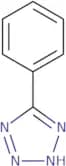
5-Phenyl-1H-tetrazole
CAS:5-Phenyl-1H-tetrazole is a heterocyclic compound that has been shown to have hydrogen bonding interactions with biological molecules. 5-Phenyl-1H-tetrazole is also able to react with glycol ethers to form a glycol ether derivative, which has the ability to inhibit the activity of choroidal neovascularization. 5-Phenyl-1H-tetrazole is used in electrochemical impedance spectroscopy (EIS) as a tracer molecule, and in structural analysis of solid materials such as polymers and metals. It has been shown that 5-phenyl tetrazole can bind to receptors on cell membranes and can be used as a ligand in coordination geometry.
Formula:C7H6N4Purity:Min. 95%Color and Shape:PowderMolecular weight:146.15 g/molRef: 3D-FP34444
Discontinued productAc-Lys-pNA hydrochloride
CAS:Ac-Lys-pNA hydrochloride is a protease that belongs to the endopeptidase class of proteolytic enzymes. It is used in research and recombinant expression to cleave proteins at specific sites. Ac-Lys-pNA hydrochloride is activated by ammonium sulfate, which binds to the active site of the enzyme. The enzyme also cleaves peptides with Lys or Arg at the C terminus. Ac-Lys-pNA hydrochloride has been shown to be effective against aeruginosa, but not escherichia coli, which are both gram negative bacteria.
Formula:C14H20N4O4•HClPurity:Min. 95%Color and Shape:SolidMolecular weight:344.79 g/molRef: 3D-FA110697
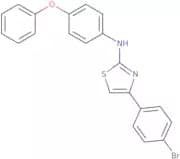
Discontinued product(4-(4-bromophenyl)(2,5-thiazolyl))(4-phenoxyphenyl)amine
CAS:Please enquire for more information about (4-(4-bromophenyl)(2,5-thiazolyl))(4-phenoxyphenyl)amine including the price, delivery time and more detailed product information at the technical inquiry form on this page
Purity:Min. 95%Ref: 3D-FB169690
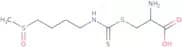
Discontinued productD,L-Sulforaphane-L-cysteine
CAS:Sulforaphane is a natural compound found in cruciferous vegetables, such as broccoli, cabbage and cauliflower. It has been shown to inhibit the growth of cancer cells and induce apoptosis in prostate cancer cells. Sulforaphane also induces molecular responses that can be measured in assays, including a decrease in protein expression of cyclin-dependent kinase 2 (CDK2) and an increase in the expression of p21. Sulforaphane has been shown to inhibit cell proliferation by blocking the phosphorylation of retinoblastoma protein (pRB) and reducing the levels of cyclins A2/B1. The optimum concentration for sulforaphane is not yet known, but it has been shown to be more effective at lower concentrations. Sulforaphane has also been shown to reduce tumor size and number in bovine fetuses exposed to carcinogens during gestation. In addition, sulforaphane decreased the incidence of tumors when administered before
Formula:C9H18N2O3S3Purity:Min. 95%Color and Shape:PowderMolecular weight:298.45 g/molRef: 3D-FS27963
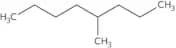
Discontinued product4-Methyloctane
CAS:4-Methyloctane is a hydrocarbon that consists of a chain of eight carbon atoms and four methyl groups. The chemical formula is CH3(CH2)4CH3. 4-Methyloctane has been shown to reduce the proliferation of leukemia cells and human macrophages, which may be due to its ability to inhibit fatty acid synthesis. It also has been shown to have protonation properties, which is why it can be used as a reaction intermediate for many organic reactions.
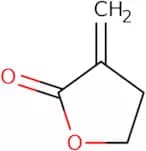
Formula:C9H20Purity:Min. 95%Color and Shape:Colorless Clear LiquidMolecular weight:128.26 g/molα-Methylene-γ-butyrolactone
CAS:Alpha-methylene-gamma-butyrolactone (AMGBL) is a naturally occurring sesquiterpene lactone. It has been shown to have anticancer effects on solid tumours, such as those of the liver and lung. AMGBL is also used in the treatment of tuliposide-induced skin lesions. The biological activity of AMGBL is due to its ability to inhibit matrix metalloproteinase (MMP)-1 and -2 and to enhance the production of epidermal growth factor receptor (EGFR). AMGBL also binds to DNA at the hydroxyl group and can be used as an anti-aging agent.Formula:C5H6O2Purity:Min. 95%Color and Shape:Clear LiquidMolecular weight:98.1 g/mol6-Fluoro-5-Methyl-2-[(5-Methyl-1H-Imidazol-4-Yl)Methyl]-2,3,4,5-Tetrahydro-1H-Pyrido[4,3-b]Indol-1-One
CAS:Controlled Product6-Fluoro-5-Methyl-2-[(5-Methyl-1H-Imidazol-4-Yl)Methyl]-2,3,4,5-Tetrahydro-1H-Pyrido[4,3-b]Indol-1-One is a drug that belongs to the class of fatty acid esters. It has been shown to be effective in clinical trials for the treatment of symptoms of dry eye syndrome. 6FMETI has a low safety profile and does not cause any adverse effects in humans. The drug can be administered by intravenous injection or oral administration and has a long elimination half life of 36 hours. 6FMETI is metabolized by hydrolysis to its active form, 5FMTI, which is then conjugated with glucuronic acid or methyl glutaryl coenzyme A to form an inactive metabolite. This drug also has good pharmacokinetic properties
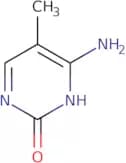
Formula:C17H17FN4OPurity:Min. 95%Molecular weight:312.34 g/mol5-Methylcytosine
CAS:5-Methylcytosine is a nucleic acid that is found in the DNA and RNA of the cell. It is an important component of methylation, which is the process by which a methyl group is added to a molecule. This process can lead to cellular transformation, a process that can cause cancer. 5-Methylcytosine has also been shown as a molecular pathogenesis factor in infectious diseases such as HIV and herpes simplex virus type 1. The presence of 5-methylcytosine in nuclear DNA has been detected by analytical techniques such as gas chromatography/mass spectrometry (GC/MS). There are many analytical methods, including GC/MS, that can be used to detect 5-methylcytosine in cellular nuclei.
Formula:C5H7N3OPurity:Min. 95%Color and Shape:PowderMolecular weight:125.13 g/molRef: 3D-FM63889
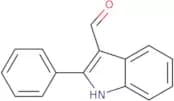
Discontinued product2-Phenylindole-3-carboxaldehyde
CAS:2-Phenylindole-3-carboxaldehyde is an organic compound that belongs to the class of bioactive molecules. It is a nitrogen heterocycle that has been shown to inhibit the growth of cancer cells in culture. 2-Phenylindole-3-carboxaldehyde has also been shown to have anti-inflammatory and antimicrobial properties. This molecule can be used in the treatment of cancer, as it inhibits the growth of tumor cells by inhibiting DNA synthesis, which leads to cell death. The molecular structure can be altered by allylation or replacement with other functional groups. The 2-phenylindole moiety can be modified at its C2 position, altering its pharmacological properties and may lead to new anticancer drugs.
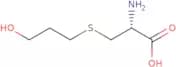
Formula:C15H11NOPurity:Min. 95%Color and Shape:PowderMolecular weight:221.25 g/molS-(3-Hydroxypropyl)-L-cysteine
CAS:S-(3-Hydroxypropyl)-L-cysteine is a fatty acid that belongs to the group of fudosteine. It is an endogenous amino acid and has been shown to stimulate the growth of epidermal cells in culture. S-(3-Hydroxypropyl)-L-cysteine has also been shown to have anti-inflammatory effects in rat neutrophils, although it is not yet clear how this occurs. S-(3-Hydroxypropyl)-L-cysteine has not been associated with any toxic effects in animals or humans, but should be used with caution as there are no toxicity studies available.
Formula:C6H13NO3SPurity:Min. 95%Molecular weight:179.24 g/molRef: 3D-FH24491
Discontinued productN-Amino-D-proline
CAS:N-Amino-D-proline is a hydrogen bond donor that has phytotoxic properties. It is synthesized from the reaction of ethanolamine, sulfoxide, and hydrochloric acid in the presence of lysine residues. N-Amino-D-proline may be used to treat death due to tissue injury or degeneration. The compound can also be used in chromatographic techniques as a hydrogen bond acceptor.
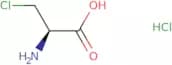
Formula:C5H10N2O2Purity:Min. 95%Color and Shape:PowderMolecular weight:130.15 g/molb-Chloro-L-alanine hydrochloride
CAS:b-Chloro-L-alanine hydrochloride (BCA) is a synthetic compound that has been shown to have anticarcinogenic and antioxidant effects. It can be produced by the hydrogen peroxide-dependent oxidation of b-chloroalanine. BCA's effect on cancer cells is attributed to its ability to inhibit the synthesis of sulfoxides, which are needed for the biosynthesis of pyrimidine nucleotides. BCA also inhibits oxidative stress by scavenging free radicals and reactive oxygen species. This product has been shown to be effective in treating Aeropyrum pernix infections, which are caused by a type of anaerobic bacteria with a metabolic pathway that includes sulfide oxidation.
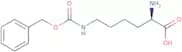
Formula:C3H6NO2Cl·HClPurity:Min. 95%Color and Shape:White PowderMolecular weight:160 g/molNe-Z-D-lysine
CAS:Please enquire for more information about Ne-Z-D-lysine including the price, delivery time and more detailed product information at the technical inquiry form on this page
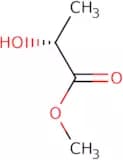
Formula:C14H20N2O4Purity:Min. 95%Color and Shape:PowderMolecular weight:280.32 g/molD-Methyl lactate
CAS:D-Methyl lactate is a synthetic, broad-spectrum antibacterial agent that is synthesized by the ring-opening of l-glutamic acid methyl esters with methyl glycosides. It has been shown to have a greater effect on gram-positive bacteria than gram-negative bacteria. This drug also has stereoselective activity against Staphylococcus aureus and Escherichia coli, which may be related to its ability to inhibit the synthesis of dl-amino acids. D-Methyl lactate has also been shown to increase bacterial cell growth at low concentrations and inhibit bacterial growth at high concentrations. This may be due to its ability to induce dehydration in cells through the cleavage of fatty acids.
Formula:C4H8O3Purity:(¹H-Nmr) Min. 95 Area-%Color and Shape:Colorless Clear LiquidMolecular weight:104.1 g/molDL-Proline
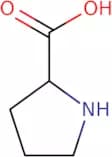
CAS:DL-Proline is a biological molecule that has been shown to bind to the DNA binding domains of proteins. This binding can be seen with the crystal structures of DL-proline and protein. The reaction mechanism for DL-proline is as follows:
DL-Proline + Protein → Proline + Protein
The equilibrium constant for this reaction is 1.0 at 298 K. The pKa value for the amide group in DL-proline is 4.8, which means that it will react with water and form an amine group at physiological pH levels. DL-Proline has been shown to have metabolic disorders.Formula:C5H9NO2Purity:Min. 95%Color and Shape:PowderMolecular weight:115.13 g/molRef: 3D-FP15447
Discontinued productFmoc-Glu(OtBu)-OH
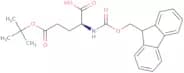
CAS:Fmoc-Glu(OtBu)-OH is an amino acid that is used in the synthesis of peptides and proteins. It is a hydrophilic, non-polar amino acid with a hydroxyl group at its carboxy terminus. This substance has been shown to inhibit the growth of cancer cells in vitro and has been used for the development of monoclonal antibodies. Fmoc-Glu(OtBu)-OH has also been shown to have pharmacokinetic properties that are different from other amino acids such as L-lysine, which may be due to its hydrophilic interactions with plasma proteins. This compound is also toxic, as shown by studies on rats where it was found to cause liver damage at high doses. Fmoc-Glu(OtBu)-OH binds to receptors on cells known as polysialic acid receptors, which are involved in cell adhesion and migration. Fmoc-Glu
Formula:C24H27NO6Purity:Min. 98 Area-%Color and Shape:PowderMolecular weight:425.47 g/mol(2,6-dioxo-4-phenylcyclohexyl)-N-(3-(trifluoromethyl)phenyl)formamide
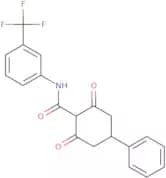
CAS:Please enquire for more information about (2,6-dioxo-4-phenylcyclohexyl)-N-(3-(trifluoromethyl)phenyl)formamide including the price, delivery time and more detailed product information at the technical inquiry form on this page
Purity:Min. 95%Ref: 3D-FD169870
Discontinued product(2-Chloro-4-methylphenyl)hydrazine hydrochloride
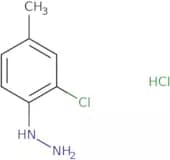
CAS:(2-Chloro-4-methylphenyl)hydrazine hydrochloride is a high quality reagent that is a useful intermediate for the synthesis of complex compounds. It has been used as a building block for the synthesis of speciality chemicals and research chemicals. This compound can be used to produce versatile building blocks and reaction components.Formula:C7H9ClN2·HClPurity:Min. 95%Color and Shape:PowderMolecular weight:193.07 g/molRef: 3D-FC67862
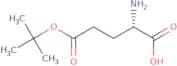
Discontinued productL-Glutamic acid 5-tert-butyl ester
CAS:L-glutamic acid 5-tert-butyl ester (L-GTE) is an amino acid that is classified as a heterocyclic amide. It can be synthesized by the condensation of L-glutamic acid and N-(2-aminoethyl)-N'-(2-propenyl)carbodimide with the tert-butylester of dihydrobenzoin. The protonation of L-GTE with sodium hydroxide produces the corresponding salt, L-glutamic acid 5-(N,N'-dimethylamino)propyl ester. This compound can be used for the synthesis of various amines by reacting it with primary amines in different sequences. L-GTE has also been shown to have antioxidant properties, which may be due to its ability to scavenge hydrogen sulfate radicals.
Formula:C9H17NO4Purity:Min. 98 Area-%Color and Shape:White PowderMolecular weight:203.24 g/molThiophene-2-glyoxylic acid
CAS:Thiophene-2-glyoxylic acid is a reactive metabolite of thiophene that is formed from the environmental degradation of this compound. Thiophene-2-glyoxylic acid reacts with halides to form an electrophilic intermediate. This intermediate can react with a variety of nucleophiles, including the drug metabolites, leading to the formation of new compounds. Thiophene-2-glyoxylic acid has been shown to enhance the fluorescence properties of some organic compounds. It also has been shown to inhibit the metabolism of some drugs that are conjugated with acids and can be detected in plasma by mass spectrometry.
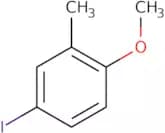
Formula:C6H4O3SPurity:Min. 95%Color and Shape:PowderMolecular weight:156.16 g/mol4-Iodo-2-methylanisole
CAS:4-Iodo-2-methylanisole (4IM) is a naphthalene that is regiospecifically eliminated after activation by nitrate in an acidic medium. The hydrochloride salt of 4IM, koenigicine, has been shown to produce estrogen levels in the female rat similar to those produced by 17β-estradiol. The synthesis of 4IM involves the nitration of 2-methylanisole followed by iodine oxidation. This reaction produces a mixture of mono-, di-, and tri-iodonapthalenes. The product obtained from this reaction is purified with column chromatography or recrystallization.
Theory predicts that 4IM will be oxidized to 4-iodo-2,6-dimethylanisole by terpene oxidants such as acetonitrile or ozone.Formula:C8H9IOPurity:Min. 95%Color and Shape:PowderMolecular weight:248.06 g/molRef: 3D-FI64636
Discontinued productD-tert-Leucine methyl ester hydrochloride
CAS:Ab-fubinaca is a synthetic cannabinoid that is a potent agonist of the CB2 receptor and a weak agonist at the CB1 receptor. It has been shown to be an effective analgesic in animal models of pain, similarly to other synthetic cannabinoids. Ab-fubinaca has also been shown to have anti-inflammatory effects in mice by inhibiting the production of cytokines such as tumor necrosis factor alpha (TNF-α) and interleukin 1 beta (IL-1β). Ab-fubinaca is structurally similar to D-tert-leucine methyl ester hydrochloride, which is an amino acid derivative that acts as a pharmacological chaperone.
Formula:C7H16ClNO2Purity:Min 96%Color and Shape:White PowderMolecular weight:181.66 g/molRef: 3D-FD30967
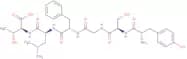
Discontinued product(D-Ser2)-Leu-Enkephalin-Thr
CAS:(D-Ser2)-Leu-Enkephalin-Thr H-Tyr-D-Ser-Gly-Phe-Leu-Thr-OH is a cyclic peptide that has been shown to activate the κ-opioid receptor. The peptide has been used in studies of the intracellular calcium concentration and glomerular filtration rate in kidney cells, as well as the antinociceptive effects of opioid drugs on mice. This drug has also been shown to have effects on cyclic AMP levels and α 1 -adrenergic receptors in neuro2a cells.Formula:C33H46N6O10Purity:Min. 95%Color and Shape:SolidMolecular weight:686.75 g/molRef: 3D-FS108773
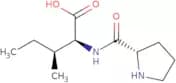
Discontinued productH-Pro-Ile-OH
CAS:H-Pro-Ile-OH is an amino acid that is found in the mitochondria of cells. It is a prodrug that binds to angiotensin and blocks its conversion to angiotensin II, which has been shown to have blood pressure lowering effects. H-Pro-Ile-OH has been shown to be a competitive inhibitor of oligopeptidase, with a half maximal inhibitory concentration (IC50) of 0.5 mM, and has also been shown to have antihypertensive properties.
Formula:C11H20N2O3Purity:Min. 95%Color and Shape:PowderMolecular weight:228.29 g/molRef: 3D-FP108157
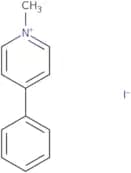
Discontinued productN-Methyl-4-phenylpyridinium iodide
CAS:N-Methyl-4-phenylpyridinium iodide is an experimental drug that has been shown to have a number of biological effects in vitro. These include the inhibition of dopamine uptake and mitochondrial membrane potential, leading to neuronal death. This drug also inhibits the uptake of gamma-aminobutyric acid (GABA) and the synthesis of tubule cells. N-Methyl-4-phenylpyridinium iodide has been shown to cause microglia cell activation by binding with the CB2 receptor on these cells. The compound also causes increased uptake of lithium ions into mitochondria, which leads to a reduction in mitochondrial membrane potential and subsequent neuronal death.
Formula:C12H12INPurity:Min. 95%Molecular weight:297.14 g/molRef: 3D-FM25717
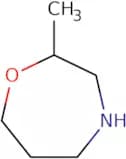
Discontinued product2-Methyl-1,4-oxazepane
CAS:2-Methyl-1,4-oxazepane is a fine chemical that can be used as a building block in organic synthesis. It is a versatile building block and can be used as a reaction component or intermediate. 2-Methyl-1,4-oxazepane has been used as an intermediate in the synthesis of various pharmaceutical drugs, including benzodiazepines and beta blockers. This compound is also used in the production of polyurethanes and other plastics.
2-Methyl-1,4-oxazepane has been classified by the Chemical Abstracts Service (CAS) as a speciality chemical with the number 1018614-41-9.Formula:C6H13NOPurity:Min. 95%Color and Shape:Colorless PowderMolecular weight:115.17 g/molRef: 3D-FM133973
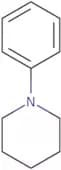
Discontinued product1-Phenyl-piperidine
CAS:1-Phenyl-piperidine is a psychoactive compound that has been shown to have strong binding affinity for the κ-opioid receptors. It has also been shown to increase locomotor activity in mice and produce hallucinations. 1-Phenyl-piperidine has a number of biological properties including inhibition of dopamine uptake, induction of myocardial infarcts, and toxicity to the ischemic brain. It binds with high affinity to the multidrug efflux pumps such as P-glycoprotein (Pgp) and MDR1, which are responsible for removing drugs from cells. Pgp is induced by cytochrome P450 3A4 (CYP3A4) inhibitors such as ketoconazole, erythromycin, fluconazole, itraconazole, clarithromycin, telithromycin, nefazodone, and grapefruit juice.
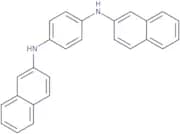
Formula:C11H15NPurity:Min. 95%Color and Shape:PowderMolecular weight:161.24 g/molN,N'-Di-2-naphthyl-1,4-phenylenediamine
CAS:N,N'-Di-2-naphthyl-1,4-phenylenediamine is a chemical compound that is used in the production of polyvinyl chloride (PVC). It can be used as an antimicrobial agent to prevent the growth of bacteria and fungi. It is also used as a crosslinking agent in the production of PVC. The reaction solution consists of hydrochloric acid and methyl ethyl chloride. The monochloride is then reacted with 2-naphthol, followed by reaction with benzalkonium chloride. The final product is N,N'-di-(2-naphthyl)-1,4-(phenylene) diamine monochloride.
Formula:C26H20N2Purity:Min. 95 Area-%Color and Shape:PowderMolecular weight:360.45 g/molRef: 3D-FD62297
Discontinued product2-Phenylbenzamide
CAS:2-Phenylbenzamide (2PB) is a drug that belongs to the class of anthelmintics. It binds to the nicotinic acetylcholine receptor and inhibits the release of acetylcholine at neuromuscular junctions, leading to paralysis and death of the parasite. 2PB also has been shown to have anti-inflammatory properties in mice with colitis, which may be due to its ability to inhibit prostaglandin synthesis. The molecular docking analysis showed that 2PB binds covalently with nitro-containing molecules, such as nitrosamines, which are found in cigarette smoke and are known carcinogens. This binding may contribute to the development of cancer through inhibition of DNA repair mechanisms.
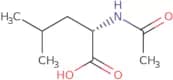
Formula:C13H11NOPurity:Min. 95%Color and Shape:PowderMolecular weight:197.23 g/molN-Acetyl-L-leucine
CAS:N-Acetyl-L-leucine is a natural amino acid that has been shown to have therapeutic potential in the treatment of neurodegenerative diseases. N-acetyl-L-leucine binds to DNA duplexes and inhibits the formation of protein aggregates, which are associated with neurodegenerative disorders. N-acetyl-L-leucine also has a high affinity for neuronal receptors, which may be due to its basic nature. In addition, this compound is able to inhibit oxidative stress induced by glutamate and nitric oxide, as well as mitochondrial membrane potential loss. It also protects against neuronal death induced by amide or cytosolic Ca2+.
Formula:C8H15NO3Color and Shape:White PowderMolecular weight:173.21 g/molRef: 3D-FA10862
Discontinued product[4-(1-Methyl-1-phenylethyl)phenoxy]acetic acid
CAS:4-(1-Methyl-1-phenylethyl)phenoxyacetic acid is a versatile building block that is used in the synthesis of a variety of fine chemicals and drugs. 4-(1-Methyl-1-phenylethyl)phenoxyacetic acid is an intermediate in the synthesis of a number of complex compounds, including research chemicals, reagents, and speciality chemicals. This compound can also be used as a reaction component for the synthesis of other chemical compounds or as a scaffold for larger molecules.
Formula:C17H18O3Purity:Min. 95%Color and Shape:PowderMolecular weight:270.32 g/molRef: 3D-FM112689
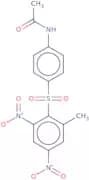
Discontinued product4-Acetamido-2',4'-dinitro-5'-methyldiphenyl sulphone
CAS:4-Acetamido-2',4'-dinitro-5'-methyldiphenyl sulphone is a high quality, versatile building block that is used as a reagent and complex intermediate. It can be used in the production of speciality chemicals, research chemicals and fine chemicals. 4-Acetamido-2',4'-dinitro-5'-methyldiphenyl sulphone is also a useful scaffold for the construction of new chemical compounds. This compound has been shown to be a reaction component in organic synthesis reactions.Formula:C15H13N3O7SPurity:Min. 95%Color and Shape:Solid.Molecular weight:379.35 g/molRef: 3D-FA66900
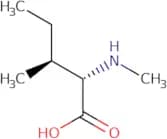
Discontinued productN-Methyl-L-isoleucine hydrochloride
CAS:N-Methyl-L-isoleucine hydrochloride is a molecule that has been found to have significant cytotoxicity against cancer cells. It has also been shown to inhibit the growth of Molt-4 and MCF-7 cells, both of which are human tumor cell lines. The molecular structure of N-Methyl-L-isoleucine hydrochloride is similar to that of L-isoleucine, but with an additional methyl group. Analysis by gas chromatography/mass spectroscopy revealed no other significant peaks in the nmr spectra. This compound may be a promising lead for developing new drugs for the treatment of cancer.
Formula:C7H15NO2·HClPurity:Min. 95%Color and Shape:PowderMolecular weight:181.66 g/molRef: 3D-FM47457
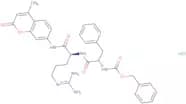
Discontinued productZ-Phe-Arg-AMC·HCl
CAS:Z-Phe-Arg-AMC·HCl is a fluorescent substrate for proteolytic enzymes. It has been shown to be a potent inhibitor of human immunoglobulin (Ig) secretion and protein synthesis in proximal tubules of the kidney, but this inhibition is not seen in the presence of other proteases. Z-Phe-Arg-AMC·HCl also inhibits the activity of soybean trypsin and hemolytic activity. This compound also has an optimum pH of 7.5 and is characterized by intermolecular hydrogen bonding as well as hydroxyl group interactions with enzyme active sites.
Formula:C33H36N6O6·HClPurity:Min. 95%Molecular weight:649.14 g/molRef: 3D-FP47305
Discontinued productH-Gly-Pro-Hyp-OH
CAS:H-Gly-Pro-Hyp-OH is a collagen gel that is extracted from bovine skin. Collagen gel is a dietary supplement that can be applied to wounds and burns to promote healing. Collagen gel contains the amino acids glycine, proline, hydroxyproline, and hypochlorous acid. It also has an anti-inflammatory cytokine called IL-10. Hydrogen bonds form between the amino acids in collagen gel to give it its strength and stability. The LC-MS/MS method was used to identify the sequences of this peptide in order to confirm its identity. Collagen gel is neutral at pH 7 and has no effect on cellular function at this pH. The carboxy terminal of collagen gel is trifluoroacetic acid which can cause liver cells to die when ingested orally or intravenously due to its toxicity.
Formula:C12H19N3O5Purity:Min. 98 Area-%Color and Shape:White PowderMolecular weight:285.3 g/molRef: 3D-FG109052
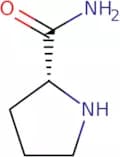
Discontinued productD-Proline amide
CAS:Intermediate in the synthesis of vildagliptin
Formula:C5H10N2OPurity:Min. 95%Color and Shape:PowderMolecular weight:114.15 g/molRef: 3D-FP48181
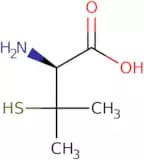
Discontinued productD-Penicillamine
CAS:D-Penicillamine is a nonsteroidal anti-inflammatory drug that is used to treat bowel disease, including ulcerative colitis and Crohn's disease. It has also been used as a treatment for schizophrenia that is unresponsive to other treatments. D-Penicillamine binds covalently to reactive oxygen species (ROS), thereby preventing their interaction with proteins and DNA. The binding of ROS by D-penicillamine can be monitored using electrochemical impedance spectroscopy (EIS). The compound has also been shown to reduce the expression of bcl-2 protein in human cells, which may result in increased oxidative injury and rates of cell proliferation. D-Penicillamine has been shown to have therapeutic benefits for patients with primary sclerosing cholangitis, myocardial infarcts, or preparative high performance liquid chromatography (HPLC) analysis.
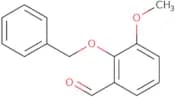
Formula:C5H11NO2SPurity:Min 97%Color and Shape:White PowderMolecular weight:149.21 g/mol2-Benzyloxy-3-methoxybenzaldehyde
CAS:2-Benzyloxy-3-methoxybenzaldehyde is an enantiopure compound that has been shown to have antiproliferative effects on cancer cells. It was also found to have a strong binding affinity for DNA and protein. The antiproliferative effects of 2-Benzyloxy-3-methoxybenzaldehyde were found to be due to its ability to bind to dna and inhibit the enzyme activity of pyrazine-2-carboxylic acid, leading to a decrease in the production of proteins vital for cell division. 2-Benzyloxy-3-methoxybenzaldehyde has been shown to have anticancer activity against colorectal cancer cells and may serve as a lead compound for future drug development.
Formula:C15H14O3Purity:Min. 95%Molecular weight:242.27 g/molRef: 3D-FB158927
Discontinued productArg-Gly-Asp TFA salt
CAS:Arg-Gly-Asp TFA salt is a molecule that is used as a prodrug, meaning it is inactive until it has been converted to the active form. It has been shown to be effective when injected subcutaneously or intramuscularly and is hydrophilic. Arg-Gly-Asp TFA salt has been shown to have problematic effects on polymerization when exposed to heat. The molecule has an active form that can be absorbed into the body through injection sites and then hydrolyzed by esterases or glucuronidases, oxidized by cytochrome P450 enzymes, reduced by glutathione reductase, or conjugated with glucuronic acid. Arg-Gly-Asp TFA salt also specifically binds to markers expressed at high levels in Mycobacterium tuberculosis strains (e.g., ESX-1 secretion system protein) and inhibits cell growth in culture.
Formula:C12H22N6O6·C2HF3O2Purity:Min. 95%Color and Shape:PowderMolecular weight:460.36 g/molRef: 3D-FA175085
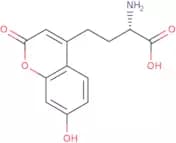
Discontinued productL-(7-Hydroxycoumarin-4-yl) ethylglycine
CAS:L-(7-Hydroxycoumarin-4-yl) ethylglycine is a molecule that has been used as a model system to study the binding of inhibitors to enzymes. L-(7-Hydroxycoumarin-4-yl) ethylglycine binds to the enzyme synthetase and inhibits its activity. The inhibition of this enzyme prevents the formation of ATP, which is necessary for the synthesis of proteins. L-(7-Hydroxycoumarin-4-yl) ethylglycine also blocks transcription and translation by binding to DNA binding proteins and inhibiting ribosome function respectively. This agent is an antimicrobial agent that has shown activity against gram positive bacteria such as Staphylococcus aureus, Enterococcus faecalis, and Bacillus cereus, as well as gram negative bacteria such as Escherichia coli, Salmonella typhimurium, Pseudomonas aeruginFormula:C13H13NO5Purity:Min. 98 Area-%Color and Shape:Red PowderMolecular weight:263.25 g/molRef: 3D-FH09425
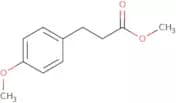
Discontinued productMethyl 4-methoxyphenylpropionate
CAS:Methyl 4-methoxyphenylpropionate is a pyridine derivative that is used as a solvent, reagent, and intermediate in organic synthesis. It has been shown to be a marker for aerosols in the environment and has been detected in the atmosphere of Beijing, China. The methyl ester can also be used to synthesize dienones and benzyl mesylates.
Formula:C11H14O3Purity:Min. 95%Color and Shape:PowderMolecular weight:194.23 g/molRef: 3D-FM33379
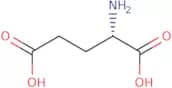
Discontinued productL-Glutamic acid
CAS:Amino acid; neurotransmitter; flavor enhancer
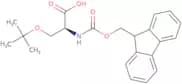
Formula:C5H9NO4Color and Shape:Off-White Clear LiquidMolecular weight:147.13 g/molFmoc-Ser(tBu)-OH
CAS:Fmoc-Ser(tBu)-OH is a synthetic amino acid that is used in the synthesis of degarelix acetate, an amide ester of the vasodilator, prostaglandin F2α. Degarelix acetate binds to the fibrinogen receptor on the surface of cells and inhibits platelet aggregation. This drug has been shown to be effective in treating prostate cancer by inhibiting epidermal growth factor receptor signaling. It also has immune modulating effects by binding to monoclonal antibodies and altering antibody responses. Fmoc-Ser(tBu)-OH is synthesized from the amino acid serine and t-butyl alcohol, which are combined with trifluoroacetic acid (TFA) and hydroxyl group. The resulting product is then reacted with dansyl chloride or benzoyl chloride (BzCl), which cleaves off one carboxylic acid group from serine, forming an
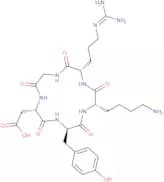
Formula:C22H25NO5Purity:Min. 98 Area-%Color and Shape:White Off-White PowderMolecular weight:383.44 g/molCyclo(-Arg-Gly-Asp-D-Tyr-Lys) trifluoroacetate salt
CAS:Cyclo(-Arg-Gly-Asp-D-Tyr-Lys) trifluoroacetate salt is a reagent that is used in organic synthesis as a building block to create complex compounds. It is also useful for research purposes, as it can be used to produce high quality products. Cyclo(-Arg-Gly-Asp-D-Tyr-Lys) trifluoroacetate salt is a chemical with CAS No. 217099-14-4 and has the chemical formula C17H21N3O2F3.Formula:C27H41N9O8Purity:Min. 95%Color and Shape:White SolidMolecular weight:619.67 g/molRef: 3D-FC110223
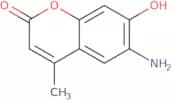
Discontinued product6-Amino-7-hydroxy-4-methylcoumarin
CAS:6-Amino-7-hydroxy-4-methylcoumarin is an antibacterial agent that has been shown to be effective against a range of Gram-positive and Gram-negative bacteria. It is synthesized from coumarins in nature, but also can be synthesized in the laboratory. This compound has been shown to inhibit bacterial growth by forming a covalent bond with the bacterial enzyme DNA gyrase, preventing the synthesis of DNA. 6-Amino-7-hydroxy-4-methylcoumarin has also been shown to have anti cancer properties.
Formula:C10H9NO3Purity:Min. 95%Color and Shape:Yellow solid.Molecular weight:191.18 g/molRef: 3D-FA45295
Discontinued product2,4-Dioxo-4-phenylbutanoic acid
CAS:2,4-Dioxo-4-phenylbutanoic acid is an inhibitor of the influenza virus that binds to its surface proteins and inhibits the replication of the virus. 2,4-Dioxo-4-phenylbutanoic acid is a stable complex that has been shown to be active against HIV. This compound has been shown to inhibit viral life by binding to the subunits of influenza A and B viruses. 2,4-Dioxo-4-phenylbutanoic acid has been synthesized as an active analogue of zanamivir and it is believed that this compound binds to the same site on the influenza A virus as zanamivir. The molecule is also tautomerizable, which means it can exist in two forms: ketone (the more stable form) or enol (less stable).
Formula:C10H8O4Purity:Min. 95%Color and Shape:PowderMolecular weight:192.17 g/molRef: 3D-FD133357
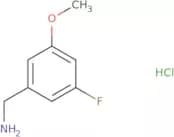
Discontinued product3-Fluoro-5-methoxybenzylamine hydrochloride
CAS:3-Fluoro-5-methoxybenzylamine hydrochloride is a chemical building block that can be used in organic synthesis. It is a versatile building block and can be used to synthesize complex compounds. 3-Fluoro-5-methoxybenzylamine hydrochloride is used as a reaction component and reagent for the production of pharmaceuticals, agricultural chemicals, and other organic compounds. It has CAS number 1158269-22-7 and can be found in the Chemical Abstract Services database.
Formula:C8H10FNO•HClPurity:Min. 95%Color and Shape:Clear LiquidMolecular weight:191.63 g/molRef: 3D-FF67172
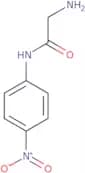
Discontinued productGlycine 4-nitroanilide
CAS:Glycine 4-nitroanilide, also known as Gly-Pro-pNA, is a compound used in various scientific applications. It is a colorimetric substrate for prolyl endopeptidase, and its enzymatic cleavage releases p-nitroanilide (pNA), which can be quantified. This compound is commonly used in aminopeptidase assays and in the functional characterization and activity determination of post-proline cleaving enzymes (PPCEs).
Additionally, it is mentioned as a substrate for studying soil nitrogen depolymerization, specifically in aminopeptidase assays using nitroanilide substrates.
The compound is also used in studying the catalytic activity of enzymes such as gamma-glutamyltransferase (GGT).Formula:C8H9N3O3Purity:Min. 97 Area-%Color and Shape:Off-White PowderMolecular weight:195.18 g/mol3,4-diaza-5-(tert-butyl)-2-hydroxy-3-((4-methylphenyl)sulfonyl)tricyclo[6.4.0.0<2,6>]dodeca-1(8),4,9,11-tetraen-7-one
CAS:Please enquire for more information about 3,4-diaza-5-(tert-butyl)-2-hydroxy-3-((4-methylphenyl)sulfonyl)tricyclo[6.4.0.0<2,6>]dodeca-1(8),4,9,11-tetraen-7-one including the price, delivery time and more detailed product information at the technical inquiry form on this pagePurity:Min. 95%Ref: 3D-FD169677
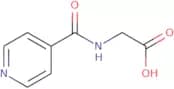
Discontinued product2-(Pyridin-4-ylformamido)acetic acid
CAS:2-(Pyridin-4-ylformamido)acetic acid is a chemical intermediate that is used in the synthesis of other compounds. It is a chemical building block, useful for the production of fine chemicals and speciality chemicals. 2-(Pyridin-4-ylformamido)acetic acid can be used as a reaction component or reagent in organic synthesis. It has been shown to have high purity and quality for research purposes. CAS No. 2015-20-5.br>
2-(Pyridin-4-ylformamido)acetic acid can be used to synthesize a variety of compounds with different properties, such as antihistamines, antibiotics, antihypertensives, and antipsychotics.Formula:C8H8N2O3Purity:Min. 95 Area-%Color and Shape:PowderMolecular weight:180.16 g/mol


![6-Fluoro-5-Methyl-2-[(5-Methyl-1H-Imidazol-4-Yl)Methyl]-2,3,4,5-Tetrahydro-1H-Pyrido[4,3-b]Indol-1…](/_next/image/?url=https%3A%2Fstatic.cymitquimica.com%2Fproducts%2F3D%2Fthumb-webp%2FFF102588.webp&w=3840&q=75)




![[4-(1-Methyl-1-phenylethyl)phenoxy]acetic acid](/_next/image/?url=https%3A%2Fstatic.cymitquimica.com%2Fproducts%2F3D%2Fthumb-webp%2FFM112689.webp&w=3840&q=75)


![3,4-diaza-5-(tert-butyl)-2-hydroxy-3-((4-methylphenyl)sulfonyl)tricyclo[6.4.0.0<2,6>]dodeca-1(8),4…](/_next/image/?url=https%3A%2Fstatic.cymitquimica.com%2Fproducts%2F3D%2Fthumb-webp%2FFD169677.webp&w=3840&q=75)