Amino Acids (AA)
Amino acids (AAs) are the fundamental building blocks of proteins, playing a crucial role in various biological processes. These organic compounds are essential for protein synthesis, metabolic pathways, and cell signaling. In this category, you will find a comprehensive range of amino acids, including essential, non-essential, and modified forms, which are vital for research in biochemistry, molecular biology, and nutritional sciences. At CymitQuimica, we provide high-quality amino acids to support your research and development needs, ensuring accuracy and reliability in your experimental outcomes.
Subcategories of "Amino Acids (AA)"
- Amino Acid Derivatives(3,955 products)
- Amino Acid and Amino Acid Related Compounds(3,469 products)
- Amino Acids with Oxygen or Sulphur(168 products)
- Boc- Amino Acids(351 products)
- Fmoc Amino Acids(1,710 products)
Found 38260 products of "Amino Acids (AA)"
Sort by
Purity (%)
0
100
|
0
|
50
|
90
|
95
|
100
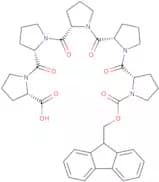
Fmoc-Pro-Pro-Pro-Pro-Pro-OH
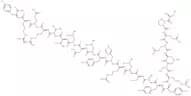
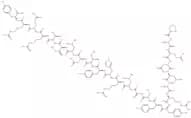
CAS:<p>Please enquire for more information about Fmoc-Pro-Pro-Pro-Pro-Pro-OH including the price, delivery time and more detailed product information at the technical inquiry form on this page</p>Formula:C40H47N5O8Purity:Min. 95%Molecular weight:725.83 g/molAmyloid Bri Protein (1-34) trifluoroacetate salt
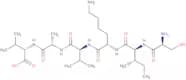
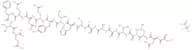
CAS:<p>Please enquire for more information about Amyloid Bri Protein (1-34) trifluoroacetate salt including the price, delivery time and more detailed product information at the technical inquiry form on this page</p>Formula:C173H273N49O52S2Purity:Min. 95%Molecular weight:3,935.45 g/molH-Ser-Ile-Lys-Val-Ala-Val-OH
CAS:<p>H-Ser-Ile-Lys-Val-Ala-Val-OH is a peptide that is synthesized from the amino acid sequence of the human skin cells. It has been shown to be effective in inhibiting bacterial growth and inducing death in bacteria. This peptide binds to the bacterial cell wall and inhibits its growth. The polymer film can be used for the delivery of H-Ser-Ile-Lys-Val-Ala-Val-OH in the form of lamellar, galacturonic acid, collagen, or lipid nanoparticles. The lamellar phase can be prepared by using water as solvent and lipids as surfactant. The lipid nanoparticle formulation consists of a core material (e.g., cholesterol) surrounded by a lipid bilayer composed of phospholipids or glycolipids with H Ser Ile Lys Val Ala Val OH incorporated into it. This peptide has also been shown to have skin care properties when</p>Formula:C28H53N7O8Purity:Min. 95%Molecular weight:615.76 g/molPeptide YY (13-36) (canine, mouse, porcine, rat) trifluoroacetate salt
CAS:<p>Please enquire for more information about Peptide YY (13-36) (canine, mouse, porcine, rat) trifluoroacetate salt including the price, delivery time and more detailed product information at the technical inquiry form on this page</p>Formula:C135H209N41O38Purity:Min. 95%Molecular weight:3,014.36 g/molC-Reactive Protein (CRP) (174-185)
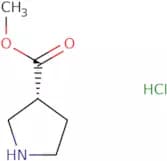
CAS:<p>Please enquire for more information about C-Reactive Protein (CRP) (174-185) including the price, delivery time and more detailed product information at the technical inquiry form on this page</p>Formula:C62H93N13O16Purity:Min. 95%Molecular weight:1,276.48 g/mol(R)-methyl pyrrolidine-3-carboxylate hydrochloride
CAS:<p>Please enquire for more information about (R)-methyl pyrrolidine-3-carboxylate hydrochloride including the price, delivery time and more detailed product information at the technical inquiry form on this page</p>Purity:Min. 95%Dynorphin A (1-9)
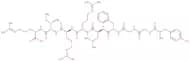
CAS:<p>Dynorphin A (1-9) H-Tyr-Gly-Gly-Phe-Leu-Arg-Arg-Ile-Arg-OH is a substrate binding inhibitor that blocks potassium channels. Dynorphin A (1-9) H-Tyr-Gly-Gly-Phe-Leu Arg Arg Ile Arg OH binds to the d -alanine site of the potassium channel and inhibits glutamate release from presynaptic terminals. Dynorphin A (1 9) H Tyr Gly Gly Phe Leu Arg Arg Ile Arg OH has been shown to be a potent inhibitor of aminopeptidase activity in vitro, which may be due to its affinity for the substrate binding site on the enzyme. Its inhibition of aminopeptidase activity may lead to an increase in opioid peptides such as dynorphins and enkephalins. Dynorphin A (1 9) H Tyr Gly Gly Phe</p>Formula:C52H84N18O11Purity:Min. 95%Molecular weight:1,137.34 g/molGLP-1 (7-37) (human, bovine, guinea pig, mouse, rat) acetate salt
CAS:<p>Please enquire for more information about GLP-1 (7-37) (human, bovine, guinea pig, mouse, rat) acetate salt including the price, delivery time and more detailed product information at the technical inquiry form on this page</p>Formula:C151H228N40O47·xC2H4O2Purity:Min. 95%Molecular weight:3,355.67 g/molAc-Tyr-Val-Ala-Asp-AMC
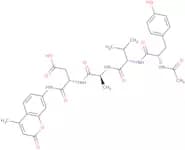
CAS:<p>Ac-Tyr-Val-Ala-Asp-AMC is a compound that has been shown to induce apoptotic cell death in MDA-MB-231 breast cancer cells. It inhibits the activity of proteases, which are enzymes that degrade proteins. Ac-Tyr-Val-Ala-Asp-AMC has also been shown to inhibit serine proteases and granule neurons, which are proteins in the brain that regulate the production of atp levels. Ac-Tyr-Val-Ala-Asp-AMC has also been shown to inhibit muscle cell proliferation. Acetylcholine (ACh) is a neurotransmitter responsible for signaling between nerve cells in the central nervous system and other parts of the body. Acetylcholine is synthesized by choline acetyltransferase (ChAT), an enzyme that breaks down acetylcholine into choline and acetate. Inhibition of ChAT leads to a decrease in</p>Formula:C33H39N5O10Purity:Min. 95%Molecular weight:665.69 g/mol2-Chloro-6-methoxypyridine
CAS:<p>2-Chloro-6-methoxypyridine (2CMP) is a potent antagonist that binds to copper chloride, inhibiting its ability to activate aryl chlorides. This chemical has been shown to have anti-angiogenic effects in human cancer cells and can be used for the treatment of cancer. 2CMP has also been shown to be effective at blocking angiogenesis in mice with breast cancer. 2CMP is synthesized through an asymmetric synthesis process, which involves the use of a dipole and molecular docking analysis.</p>Formula:C6H6ClNOPurity:Min. 95%Color and Shape:Clear LiquidMolecular weight:143.57 g/molH-Ala-Gly-Ala-Ala-OH
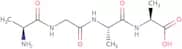
CAS:<p>Please enquire for more information about H-Ala-Gly-Ala-Ala-OH including the price, delivery time and more detailed product information at the technical inquiry form on this page</p>Formula:C11H20N4O5Purity:Min. 95%Molecular weight:288.3 g/molH-Val-His-Leu-Thr-Pro-OH
CAS:<p>Please enquire for more information about H-Val-His-Leu-Thr-Pro-OH including the price, delivery time and more detailed product information at the technical inquiry form on this page</p>Formula:C26H43N7O7Purity:Min. 95%Molecular weight:565.66 g/molH-Lys-Thr-OH hydrochloride salt
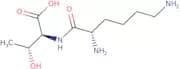
CAS:<p>H-Lys-Thr-OH hydrochloride salt is a synthetic amino acid that has been used in the synthesis of a cyclic peptide. The synthesis was achieved by metathesis reactions, which involved the reaction of an acid chloride with a chiral amine to form an ester. H-Lys-Thr-OH hydrochloride salt has been shown to have high binding constants to its targets and can be used as a selective reagent for the synthesis of virus proteins. It is also able to bind to carboxylate groups, which are common in wild type viruses and gene products. This reagent also has cleavage products, which can be used for efficient method for synthesizing cyclic peptides.</p>Formula:C10H21N3O4Purity:Min. 95%Molecular weight:247.29 g/molZ-Leu-Leu-Tyr-a-keto aldehyde
CAS:<p>Please enquire for more information about Z-Leu-Leu-Tyr-a-keto aldehyde including the price, delivery time and more detailed product information at the technical inquiry form on this page</p>Formula:C30H39N3O7Purity:Min. 95%Molecular weight:553.65 g/mol(D-Trp6)-LHR
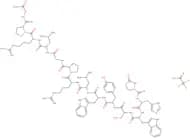
<p>Please enquire for more information about (D-Trp6)-LHR including the price, delivery time and more detailed product information at the technical inquiry form on this page</p>Formula:C83H115N25O17Purity:Min. 95%Molecular weight:1,734.96 g/molH-Arg(Pbf)-OtBu·HCl
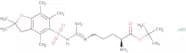
CAS:<p>Please enquire for more information about H-Arg(Pbf)-OtBu·HCl including the price, delivery time and more detailed product information at the technical inquiry form on this page</p>Formula:C23H38N4O5S·HClPurity:Min. 95%Color and Shape:PowderMolecular weight:519.1 g/molPKI-tide
CAS:<p>PKI-tide is a potent, selective inhibitor of the calcium/calmodulin-dependent protein kinase. It inhibits the activity of this enzyme and prevents the activation of other protein kinases by this enzyme. PKI-tide binds to the ATP site of the calcium/calmodulin-dependent protein kinase and blocks the binding of ATP and calmodulin. This inhibition prevents the phosphorylation of target proteins, including myosin light chain in muscle cells.</p>Formula:C85H149N31O24Purity:Min. 95%Molecular weight:1,989.29 g/molAmylin (mouse, rat) trifluoroacetate salt
CAS:<p>Trifluoroacetate salt</p>Formula:C167H272N52O53S2Purity:Min. 95%Molecular weight:3,920.4 g/molZ-Trp-Gly-OH
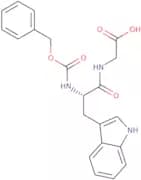
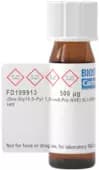
CAS:<p>Please enquire for more information about Z-Trp-Gly-OH including the price, delivery time and more detailed product information at the technical inquiry form on this page</p>Formula:C21H21N3O5Purity:Min. 95%Molecular weight:395.41 g/mol(Des-Gly10,D-Pyr 1,D-Leu6,Pro-NHEt 9)-LHRH trifluoroacetate salt
<p>Please enquire for more information about (Des-Gly10,D-Pyr 1,D-Leu6,Pro-NHEt 9)-LHRH trifluoroacetate salt including the price, delivery time and more detailed product information at the technical inquiry form on this page</p>Formula:C59H84N16O12Purity:Min. 95%Molecular weight:1,209.4 g/molNeuropeptide Y (13-36) (porcine) trifluoroacetate salt
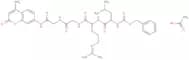
CAS:<p>Please enquire for more information about Neuropeptide Y (13-36) (porcine) trifluoroacetate salt including the price, delivery time and more detailed product information at the technical inquiry form on this page</p>Formula:C135H209N41O36Purity:Min. 95%Molecular weight:2,982.36 g/molZ-Leu-Arg-Gly-Gly-AMC acetate salt
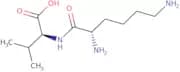
CAS:Controlled Product<p>Please enquire for more information about Z-Leu-Arg-Gly-Gly-AMC acetate salt including the price, delivery time and more detailed product information at the technical inquiry form on this page</p>Formula:C34H44N8O8Purity:Min. 95%Molecular weight:692.76 g/molH-Lys-Val-OH hydrochloride salt
CAS:<p>H-Lys-Val-OH hydrochloride salt is a polymerase chain that has been synthesized from the amino acid lysine. It is an optical sensor that can be used to detect and quantify proteins. H-Lys-Val-OH hydrochloride salt binds to DNA in the cell nucleus and is sensitive to the concentration of adenosine triphosphate (ATP) in cells. This nucleotide plays an important role in cellular energy production. The binding constants for H-Lys-Val-OH hydrochloride salt are determined from the fluorescence emission spectrum, which changes with different concentrations of ATP. The method can be used to measure glomerular filtration rates and can be used as a low energy radiation source for cervical cancer treatment.</p>Formula:C11H23N3O3Purity:Min. 95%Molecular weight:245.32 g/molFmoc-D-Glu(OtBu)-OH
CAS:<p>Fmoc-D-glu(OtBu)-OH is a homologous molecule that binds to the influenza virus and inhibits its replication. The synthesis of Fmoc-D-glu(OtBu)-OH is achieved by solid-phase peptide synthesis, which involves the ligation of amino acid building blocks on an insoluble carrier resin. This process has been found to be effective for the synthesis of peptides with a variety of amino acid sequences. Fmoc-D-glu(OtBu)-OH has been shown to inhibit the growth and multiplication of Chlorella pyrenoidosa, a single celled green alga, and Paramecium tetraurelia, a protozoan ciliate. It also displays antimycobacterial activity against Mycobacterium tuberculosis in vitro.</p>Formula:C24H27NO6Purity:Min. 95%Color and Shape:PowderMolecular weight:425.47 g/molBoc-Lys(2-chloro-Z)-Merrifield resin (200-400 mesh)
<p>Please enquire for more information about Boc-Lys(2-chloro-Z)-Merrifield resin (200-400 mesh) including the price, delivery time and more detailed product information at the technical inquiry form on this page</p>Purity:Min. 95%trans-4-Benzyloxy-3-methoxy-β-nitrostyrene
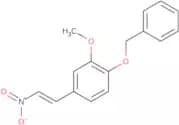
CAS:<p>Trans-4-Benzyloxy-3-methoxy-beta-nitrostyrene is an oxime that can be used as a catalyst for the catalytic hydrogenation of nitroalkanes. It is also a precursor to pallimamine, which is used as a pharmaceutical agent and an experimental virucide. Trans-4-Benzyloxy-3-methoxy-beta-nitrostyrene is synthesized by coupling two indole carboxylic acid analogues in the presence of sodium hydroxide and potassium carbonate. The reaction yields trans-(4'-benzyloxy)-3'-methoxystyrene, which is then converted to the title compound with ammonium chloride and hydrochloric acid. This compound undergoes acidic hydrolysis to yield the title compound.</p>Formula:C16H15NO4Purity:Min. 95%Color and Shape:PowderMolecular weight:285.29 g/molH-Gly-Arg-Gly-Asp-Ser-OH TFA salt
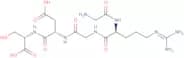
CAS:<p>H-Gly-Arg-Gly-Asp-Ser-OH TFA salt is a synthetic peptide that is designed to bind to the nuclear factor kappa B (NFκB) and inhibit its activation. NFκB is a transcription factor that regulates gene expression in response to various stimuli, including proinflammatory cytokines, oxidants, and electrophilic compounds. H-Gly-Arg-Gly-Asp-Ser-OH TFA salt has been shown to inhibit NFκB activation in a model system. This molecule also inhibits axonal growth and pluripotent cells differentiation, which may be due to its suppression of the signal peptide. The rate constant for this drug has been measured using polymer compositions and biocompatible polymers.</p>Formula:C17H30N8O9(freebase)Purity:Min. 95%Molecular weight:490.47 g/molBoc-Val-PAM resin (200-400 mesh)
<p>Please enquire for more information about Boc-Val-PAM resin (200-400 mesh) including the price, delivery time and more detailed product information at the technical inquiry form on this page</p>Purity:Min. 95%Boc-Asp(OBzl)-chloromethylketone
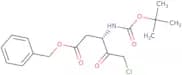
CAS:<p>Boc-Asp(OBzl)-chloromethylketone is a synthetic molecule that is immunoreactive with gp120, the virus protein. It has been shown to inhibit the proliferation of human neuroblastoma cells and induce cell death. This compound also has an effect on cytokine production in vitro. This drug is currently being studied as a potential treatment for HIV infection. Boc-Asp(OBzl)-chloromethylketone binds to the receptor type and viral type, which are essential for the virus life cycle and induces antibody production in vivo.</p>Formula:C17H22ClNO5Purity:Min. 95%Molecular weight:355.81 g/molAc-DL-Lys(Ac)-OH
CAS:<p>Please enquire for more information about Ac-DL-Lys(Ac)-OH including the price, delivery time and more detailed product information at the technical inquiry form on this page</p>Formula:C10H18N2O4Purity:Min. 95%Molecular weight:230.26 g/molFmoc-α-Me-Lys(Boc)-OH
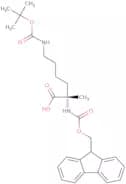
CAS:<p>Fmoc-a-Me-Lys(Boc)-OH is a versatile building block that can be used in the synthesis of complex compounds. It is a reagent and speciality chemical, which are substances used in research laboratories. Fmoc-a-Me-Lys(Boc)-OH has been used as an intermediate in the synthesis of drugs such as antihypertensive agents, anticonvulsants, and antibiotics. It has also been used as a reaction component in organic syntheses to produce peptides, polymers, and other compounds with biologically active properties.</p>Formula:C27H34N2O6Purity:Min. 95%Color and Shape:White PowderMolecular weight:482.57 g/molBoc-Ser(Ile-Fmoc)-OH
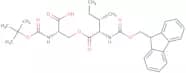
CAS:<p>Boc-Ser(Ile-Fmoc)-OH is a peptide synthesis reagent that can be used for the efficient and convenient preparation of peptides. It is a synthetic, non-natural amino acid that has been synthesized by the chemists at Pfizer. Boc-Ser(Ile-Fmoc)-OH is an epimer of natural L-serine and has been shown to be more soluble than L-serine making it easier to work with. This reagent can also be used in the synthesis of biomolecules such as proteins and nucleic acids. The chemistry behind this compound has been published in the journal Biomolecular Chemistry.</p>Formula:C29H36N2O8Purity:Min. 95%Molecular weight:540.6 g/molH-Arg-D-Asp-OH
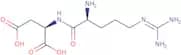
CAS:<p>Please enquire for more information about H-Arg-D-Asp-OH including the price, delivery time and more detailed product information at the technical inquiry form on this page</p>Formula:C10H19N5O5Purity:Min. 95%Molecular weight:289.29 g/molZ-Thr(tBu)-OSu
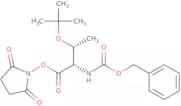
CAS:<p>Please enquire for more information about Z-Thr(tBu)-OSu including the price, delivery time and more detailed product information at the technical inquiry form on this page</p>Formula:C20H26N2O7Purity:Min. 95%Molecular weight:406.43 g/molH-Ala-Abu-OH
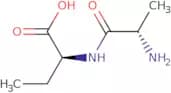
CAS:<p>Please enquire for more information about H-Ala-Abu-OH including the price, delivery time and more detailed product information at the technical inquiry form on this page</p>Formula:C7H14N2O3Purity:Min. 90%Color and Shape:PowderMolecular weight:174.2 g/mol(D-Trp11)-Neurotensin acetate salt
CAS:<p>Acetate salt</p>Formula:C80H122N22O19Purity:Min. 95%Molecular weight:1,695.96 g/molH-Asn-Arg-Val-Tyr-Val-His-Pro-Phe-OH
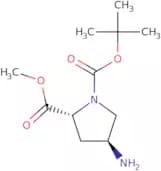
CAS:<p>H-Asn-Arg-Val-Tyr-Val-His-Pro-Phe (HAV) is a small molecule that is a member of the ubiquitin ligase family. This drug has been shown to have a variety of biological effects, including cardiac and bowel disease, as well as hypertension. HAV has also been shown to reduce the risk of heart failure in people with chronic kidney disease. HAV binds to the protein PCSK9 and inhibits its function by binding to the epsilon site on PCSK9. This leads to an increase in low density lipoprotein cholesterol and a decrease in high density lipoprotein cholesterol levels. HAV also has an amide group that allows it to inhibit angiotensin II and act as a pressor agent.</p>Formula:C49H70N14O11Purity:Min. 95%Molecular weight:1,031.17 g/mol(2R,4S)-1-tert-Butyl 2-methyl4-aminopyrrolidine-1,2-dicarboxylate
CAS:<p>Please enquire for more information about (2R,4S)-1-tert-Butyl 2-methyl4-aminopyrrolidine-1,2-dicarboxylate including the price, delivery time and more detailed product information at the technical inquiry form on this page</p>Formula:C11H20N2O4Purity:Min. 95%Molecular weight:244.29 g/molFGF basic (119-126) (human, mouse, rabbit, rat)
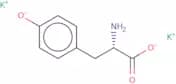
CAS:<p>Please enquire for more information about FGF basic (119-126) (human, mouse, rabbit, rat) including the price, delivery time and more detailed product information at the technical inquiry form on this page</p>Formula:C44H76N14O12Purity:Min. 95%Molecular weight:993.16 g/molL-Tyrosine dipotassium
CAS:<p>L-Tyrosine dipotassium salt is a high quality, reagent, complex compound, useful intermediate and fine chemical. It is a useful scaffold that can be used in the synthesis of various important natural products. L-Tyrosine dipotassium salt is a versatile building block that has been widely applied in research on the development of new drugs, such as antiviral agents and antibiotics. L-Tyrosine dipotassium salt can act as a reaction component for many organic reactions. It also has applications in many areas such as medicine, food production, and environmental protection.</p>Formula:C9H11NO3•K2Purity:Min. 95%Molecular weight:259.39 g/molGRF (ovine, caprine) trifluoroacetate salt
CAS:<p>Growth hormone-releasing factor (GRF) or GHRH (growth hormone-releasing hormone).Binds to the growth hormone-releasing hormone receptor (GHRH-R), causing growth hormone secretion.porcine: H-YADAIFTNSYRKVLGQLSARKLLQDIMSRQQGERNQEQGARVRL-NH2bovine: H-YADAIFTNSYRKVLGQLSARKLLQDIMNRQQGERNQEQGAKVRL-NH2ovine: H-YADAIFTNSYRKILGQLSARKLLQDIMNRQQGERNQEQGAKVRL-NH2human: H-YADAIFTNSYRKVLGQLSARKLLQDIMSRQQGESNQERGARARL-NH2</p>Formula:C221H368N72O66SPurity:Min. 95%Molecular weight:5,121.8 g/molL-Cysteine hydrochloride anhydrous
CAS:<p>L-Cysteine hydrochloride anhydrous is an amino acid that is used in the treatment of bowel disease. It is also a precursor for glutathione, which has antioxidant properties and helps maintain iron homeostasis. L-Cysteine hydrochloride anhydrous has been shown to inhibit the oxidation of proteins by reacting with reactive oxygen species (ROS) such as nitric oxide, superoxide, and hydrogen peroxide. This amino acid also interacts with toll-like receptor 4 (TLR4), which may account for its natural anti-inflammatory properties. L-Cysteine hydrochloride anhydrous can be synthesized from cysteine and glutamic acid using a CDNA clone encoding the enzyme cystathionine β-synthase. The synthesis of this amino acid requires a number of biochemical reactions including hydrogen bonding interactions with inhibitor molecules such as dihydrofolate reductase, metalloproteases, and thiored</p>Formula:C3H7NO2S·HClColor and Shape:White Off-White PowderMolecular weight:157.62 g/molSuc-Phe-Gly-Leu-betaNA
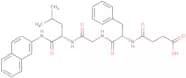
CAS:<p>Suc-Phe-Gly-Leu-betaNA is a synthetic peptide that has been shown to bind to glutathione, an antioxidant. It is used in a method for determining the concentration of antioxidants in a sample by injection into the gas phase. The chemical ionisation (CI) and electrospray ionisation (ESI) are used to produce ions from the peptide. The compounds are then separated using chromatography before being quantified by measuring their mass using a mass spectrometer. This process is repeated until all of the antioxidant has been eluted from the column.</p>Formula:C31H36N4O6Purity:Min. 95%Molecular weight:560.64 g/molH-Gly-Phe-bNA
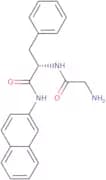
CAS:<p>H-Gly-Phe-bNA is a dinucleotide phosphate that is activated by phosphatase to form an active nucleotide. This nucleotide inhibits the polymerase chain reaction (PCR) by binding to the template DNA strand and preventing the addition of nucleotides by the DNA polymerase. The monoclonal antibody recognizes H-Gly-Phe-bNA and binds it in a radioactive assay, inhibiting the activity of this dinucleotide phosphate. Radiation causes H-Gly-Phe-bNA to produce reactive oxygen species, which can induce DNA damage or cause cell death. This nucleotide also has an acidic pH optimum for its activity, making it useful in acidic environments such as lysosomes. H-Gly-Phe-bNA also binds to cation channels and is localized primarily in the cytosol, with some found in mitochondria or microsomes. It also has a high affinity for calcium ions</p>Formula:C21H21N3O2Purity:Min. 95%Molecular weight:347.41 g/mol5-Methylpyrimidine-2-carboxylic acid
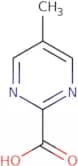
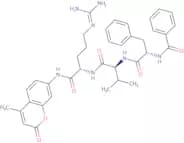
CAS:<p>Please enquire for more information about 5-Methylpyrimidine-2-carboxylic acid including the price, delivery time and more detailed product information at the technical inquiry form on this page</p>Formula:C6H6N2O2Purity:Min. 95%Molecular weight:138.12 g/molBz-Phe-Val-Arg-AMC hydrochloride salt
CAS:<p>Bz-Phe-Val-Arg-AMC is a synthetic substrate that is used to measure proteolytic activity. It has been shown to be hydrolyzed by serine proteases, such as trypsin and chymotrypsin, at a rate proportional to the enzyme's concentration. The rate of hydrolysis was determined using a kinetic assay in which the release of AMC from the peptide bond was measured using an ultraviolet spectrophotometer. Bz-Phe-Val-Arg-AMC has also been used to study the effects of various food additives on proteolytic activity. This test can be used as a diagnostic tool for inflammatory diseases, such as Crohn's disease and ulcerative colitis.</p>Formula:C37H43N7O6Purity:Min. 95%Molecular weight:681.78 g/molCys-CD36 (139-155) trifluoroacetate salt
CAS:<p>Please enquire for more information about Cys-CD36 (139-155) trifluoroacetate salt including the price, delivery time and more detailed product information at the technical inquiry form on this page</p>Formula:C87H133N25O26SPurity:Min. 95%Molecular weight:1,977.21 g/molZ-Leu-Leu-Glu-AMC
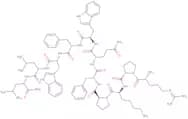
CAS:<p>Fluorogenic substrate for proteosome II</p>Formula:C35H44N4O9Purity:Min. 95%Molecular weight:664.75 g/mol(D-Arg1,D-Phe5,D-Trp7·9,Leu11)-Substance P
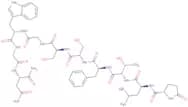
CAS:<p>Substance P is a neuropeptide that binds to the tachykinin receptor NK1. It has potent anti-inflammatory and mitogenic activities, which are mediated through its binding to the NK1 receptor. Substance P can stimulate lung cancer cells to proliferate and inhibit their apoptosis, which may be due to an autocrine mechanism. In addition, it has been shown that substance P can potentiate the growth of some cancers such as colon cancer in vitro and in vivo by increasing DNA synthesis and cell proliferation. This peptide also has a dose-dependent effect on cell growth, with high doses inhibiting cell proliferation at higher levels than low doses.</p>Formula:C79H109N19O12Purity:Min. 95%Molecular weight:1,516.83 g/molHypertrehalosaemic Neuropeptide (Heliothis zea)
CAS:<p>Heliothis zea Pyr-Leu-Thr-Phe-Ser-Ser-Gly-Trp-Gly-Asn -NH2 is a residue found in the hemolymph of Heliothis zea. It has been shown to have ligand uptake properties and can be used to measure lipid levels in the hemolymph. The chromatographic analysis of this protein has been performed with the use of assays that are specific for the receptor subtype. The ligand concentration was measured by the synthetic methods, which were developed from tobacco extracts. This protein is active at extracellular concentrations and has high affinity for trehalose, a carbohydrate.</p>Formula:C49H67N13O15Purity:Min. 95%Molecular weight:1,078.13 g/mol