Amino Acids (AA)
Subcategories of "Amino Acids (AA)"
- Amino Acid Derivatives(4,012 products)
- Amino Acid and Amino Acid Related Compounds(3,490 products)
- Amino Acids with Oxygen or Sulphur(168 products)
- Boc- Amino Acids(351 products)
- Fmoc Amino Acids(1,710 products)
Found 38366 products of "Amino Acids (AA)"
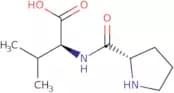
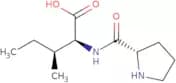
H-Pro-Ile-OH
CAS:H-Pro-Ile-OH is an amino acid that is found in the mitochondria of cells. It is a prodrug that binds to angiotensin and blocks its conversion to angiotensin II, which has been shown to have blood pressure lowering effects. H-Pro-Ile-OH has been shown to be a competitive inhibitor of oligopeptidase, with a half maximal inhibitory concentration (IC50) of 0.5 mM, and has also been shown to have antihypertensive properties.
Formula:C11H20N2O3Purity:Min. 95%Color and Shape:PowderMolecular weight:228.29 g/molRef: 3D-FP108157
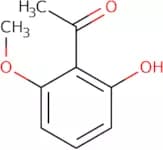
Discontinued product2-Hydroxy-6-methoxyacetophenone
CAS:2-Hydroxy-6-methoxyacetophenone is a chalcone that belongs to the group of flavonoids. It has been shown to have anticancer properties, inhibiting the growth of colorectal carcinoma cells in a dose-dependent manner. The mechanism of action for 2-hydroxy-6-methoxyacetophenone is not fully understood, but it may be due to its ability to inhibit the enzyme demethylase and induce apoptosis. This compound also has been shown to inhibit the growth of Escherichia coli and Salmonella typhimurium when used at high concentrations. 2-Hydroxy-6-methoxyacetophenone can be synthesized by reacting ethyl acetoacetate with two equivalents of methylamine in the presence of a base such as sodium methoxide or potassium hydroxide.
2-Hydroxy-6-methoxyacetophenone has also been shown to inhibitFormula:C9H10O3Purity:Min. 95%Color and Shape:PowderMolecular weight:166.17 g/molRef: 3D-FH71010
Discontinued product(Fluoro-Methylphosphoryl)Oxycyclohexane
CAS:Controlled Product(Fluoro-Methylphosphoryl)Oxycyclohexane is an organophosphorus compound that acts as a nerve agent. It inhibits the enzyme acetylcholinesterase, which is responsible for breaking down acetylcholine, leading to excess cholinergic stimulation. This can cause excessive contraction of muscles or even death. The exposure to (Fluoro-Methylphosphoryl)Oxycyclohexane can be detected by analytical methods such as gas chromatography/mass spectrometry. Oximes are used in the reactivation of acetylcholinesterase and are effective in preventing neuronal death. They bind to the phosphonyl group in (Fluoro-Methylphosphoryl)Oxycyclohexane and prevent it from inhibiting the enzyme acetylcholinesterase.
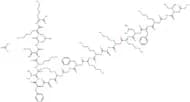
Formula:C7H14FO2PPurity:Min. 95%Molecular weight:180.16 g/molPexiganan acetate
CAS:Controlled ProductPexiganan acetate is the acetate salt form of a polymyxin B derivative that has potent antimicrobial activity against both Gram-positive and Gram-negative bacteria. It has been shown to be effective in the treatment of tissue infections, especially those caused by human pathogens such as Staphylococcus aureus, Pseudomonas aeruginosa, and Escherichia coli. Pexiganan also has significant activity against Mycobacterium tuberculosis and other mycobacteria. The mechanism of action for pexiganan is not fully understood but it may involve the inhibition of bacterial cell wall synthesis, or the disruption of bacterial membranes. Pexiganan was originally isolated from a marine sponge off the coast of Australia in 1961. It had been classified as an antimicrobial peptide (AMP) because of its chemical structure, which includes a polymyxin B moiety. Pexiganan’s AMP classification was later challenged when researchers found that it did
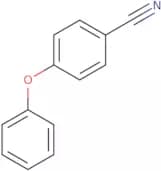
Formula:C122H210N32O22•(C2H4O2)xPurity:Min. 95%Color and Shape:PowderMolecular weight:2,477.18 g/mol4-Phenoxybenzonitrile
CAS:4-Phenoxybenzonitrile is a synthetic, electron deficient amide that has been shown to react with various halides in vitro. 4-Phenoxybenzonitrile is stable in the presence of copper oxide and can be recycled. It also reacts with fatty acid and monoacylglycerol, which are drug targets for the prevention of hyperlipidemia. In vitro studies have shown that 4-phenoxybenzonitrile potently inhibits potassium phosphate uptake by cells. The reaction mechanism for this inhibition is not known, but it may involve a palladium-catalyzed coupling.
Formula:C13H9NOPurity:Min. 95%Color and Shape:PowderMolecular weight:195.22 g/molRef: 3D-FP10723
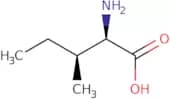
Discontinued productD-Allo-isoleucine
CAS:D-Allo-isoleucine is an antimicrobial agent that belongs to the group of hydroxyl compounds. It is a natural amino acid that can be synthesized by asymmetric synthesis, and its conformational properties are different from those of L-isoleucine. D-Allo-isoleucine has been shown to increase activity against microorganisms in vitro and in mice models. D-Allo-isoleucine also has an inhibitory effect on aminotransferase activity, which may be due to its ability to form a cyclic peptide with the fatty acid group p2.
Formula:C6H13NO2Purity:Min. 95%Color and Shape:PowderMolecular weight:131.17 g/molRef: 3D-FA46698
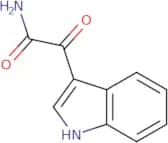
Discontinued productIndole-3-glyoxylamide
CAS:Indole-3-glyoxylamide is a synthetic compound that was originally developed as a potential anti-cancer drug. It has been shown to inhibit glycogen synthase kinase 3 (GSK-3) and thereby reduce the production of proinflammatory cytokines in bowel disease. Indole-3-glyoxylamide also inhibits inflammatory bowel disease by inhibiting secretory phospholipase A2, which prevents the release of arachidonic acid from phospholipids. This synthesis is required for the production of prostaglandins and leukotrienes, which are involved in the inflammatory process. The compound has been shown to have immunomodulatory effects in chronic bronchitis, with an inhibitory effect on neutrophil chemotaxis, macrophage activity, and cytokine production. Indole-3-glyoxylamide has also been shown to be effective against cancer cells in vitro and in vivo animal models. It is metabolized through
Formula:C10H8N2O2Purity:Min. 95%Color and Shape:PowderMolecular weight:188.18 g/molRef: 3D-FI30472
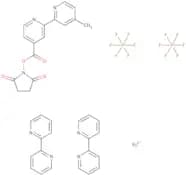
Discontinued productBis(2,2'-bipyridine)-4'-methyl-4-carboxybipyridine-ruthenium N-succinimidyl ester-bis(hexafluorophosphate)
CAS:Bis(2,2'-bipyridine)-4'-methyl-4-carboxybipyridine-ruthenium N-succinimidyl ester-bis(hexafluorophosphate) is a molecule that inhibits the activity of matrix metalloproteinases. It binds to the active site of the enzyme and blocks its activity. This drug has been shown to be effective in inhibiting the activity of MMPs in cells, but not in tissue culture because it does not cross cell membranes. Bis(2,2'-bipyridine)-4'-methyl-4-carboxybipyridine-ruthenium N-succinimidyl ester-bis(hexafluorophosphate) has also been shown to have a low detection limit and can detect low levels of matrix metalloproteinase activity in cells.
Formula:C36H29F12N7O4P2RuPurity:Min. 95%Color and Shape:PowderMolecular weight:1,014.66 g/molRef: 3D-FB29197
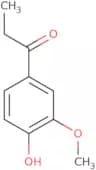
Discontinued product4-Hydroxy-3-methoxypropiophenone
CAS:4-Hydroxy-3-methoxypropiophenone is a contaminating compound that has been found in water vapor and may be generated by the thermal degradation of fatty acids. This chemical is also present in wood and lignin. The ether linkages in this chemical make it resistant to hydrolysis, making it difficult to remove from water or other substances. 4-Hydroxy-3-methoxypropiophenone is produced by the chronic bronchitis and filamentous fungus, but carbon sources are required for its production. It can be used as a starting material for the synthesis of other organic compounds with hydroxyl groups, such as phenols and coumarins.
Formula:C10H12O3Purity:Min. 95%Color and Shape:PowderMolecular weight:180.2 g/molRef: 3D-FH67519
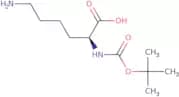
Discontinued productN-Boc-L-Lysine
CAS:N-Boc-L-Lysine is a model of the amino acid lysine. This compound has been shown to inhibit the growth of cancer cells in vitro and in vivo. N-Boc-L-Lysine inhibits protein synthesis by blocking the formation of peptide bonds between amino acids, thus stopping the production of proteins vital for cell division. The inhibition of fatty acid synthesis by this compound may be due to its ability to inhibit the activity of fatty acid synthase, which catalyzes the conversion of acetyl coenzyme A into fatty acids. This product can also be synthesized from caproic acid and an ester hydrochloride or from a fatty acid and an ester hydrochloride.
Formula:C11H22N2O4Purity:Min. 95%Color and Shape:White Off-White PowderMolecular weight:246.3 g/molRef: 3D-FB16295
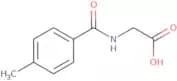
Discontinued product4-Methyl hippuric acid
CAS:4-Methyl hippuric acid is a metabolite of benzoic acid, and is excreted in the urine as an end product of phenylalanine metabolism. The matrix effect is a phenomenon that is observed when chromatographic analysis occurs in the presence of impurities or other substances. It can be minimized by using an optimum concentration of hydrochloric acid to extract the analyte from the sample matrix. 4-Methyl hippuric acid can be detected in urine samples by using a chromatographic method and then quantified by measuring its s-phenylmercapturic acid content. This compound has been used as a marker for determining blood pressure and has also been shown to have antihypertensive effects.
Formula:C10H11NO3Purity:Min. 95%Color and Shape:PowderMolecular weight:193.2 g/molRef: 3D-FM25508
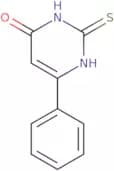
Discontinued product6-Phenyl-2-thiouracil
CAS:6-Phenyl-2-thiouracil (6PTU) is an alkylthio group that inhibits the growth of microorganisms by binding to DNA. 6PTU binds to the oxygen nucleophiles in DNA and prevents transcription and replication. It also has a positive effect on the synthesis of proteins, which may be due to its ability to regulate gene transcription. 6PTU has been shown to inhibit cell growth in culture by blocking protein synthesis. This drug is used as an analytical method for determining urinary glucose levels in animals because it reacts with glucose in urine samples. The reaction produces a chromatographic peak that can be quantified using an electrochemical detector.
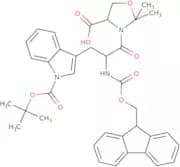
Formula:C10H8N2OSPurity:Min. 95%Color and Shape:PowderMolecular weight:204.25 g/molFmoc-Trp(Boc)-Ser(Psi(Me,Me)pro)-OH
CAS:Fmoc-Trp(Boc)-Ser(Psi(Me,Me)pro)-OH is a versatile building block that can be used in the synthesis of complex compounds. Fmoc-Trp(Boc)-Ser(Psi(Me,Me)pro)-OH is a high quality compound with a CAS No. 908601-15-0. This compound is useful as an intermediate or research chemical and can be used as a useful scaffold for making new compounds.
Formula:C37H39N3O8Purity:Min. 95%Color and Shape:PowderMolecular weight:653.72 g/molRef: 3D-FF111413
Discontinued product5-Fluoro D,L-tryptophan
CAS:5-Fluoro D,L-tryptophan (5FDTL) is a tryptophan analog that inhibits the growth of bacteria by binding to fatty acid synthesis enzymes. 5FDTL binds to wild-type and resistant mutants of bacterial fatty acid synthases, which are proteins that catalyze the formation of long-chain fatty acids from acetyl-CoA. This binding prevents the formation of long-chain fatty acids, which are required for bacterial cell replication. 5FDTL also binds to protein data and has been shown to have an anti-infective effect on wild-type strains of Pseudomonas aeruginosa and Escherichia coli as well as Pichia pastoris. Disulfide bonds in 5FDTL stabilize its secondary structure and provide protection against proteolytic degradation by enzymes in the extracellular environment. The structural analysis of 5FDTL has revealed that it consists of a small molecule with a logarithmic growth phase
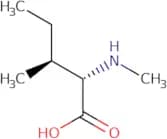
Formula:C11H11FN2O2Purity:Min. 95%Color and Shape:PowderMolecular weight:222.22 g/molN-Methyl-L-isoleucine hydrochloride
CAS:N-Methyl-L-isoleucine hydrochloride is a molecule that has been found to have significant cytotoxicity against cancer cells. It has also been shown to inhibit the growth of Molt-4 and MCF-7 cells, both of which are human tumor cell lines. The molecular structure of N-Methyl-L-isoleucine hydrochloride is similar to that of L-isoleucine, but with an additional methyl group. Analysis by gas chromatography/mass spectroscopy revealed no other significant peaks in the nmr spectra. This compound may be a promising lead for developing new drugs for the treatment of cancer.
Formula:C7H15NO2·HClPurity:Min. 95%Color and Shape:PowderMolecular weight:181.66 g/molRef: 3D-FM47457
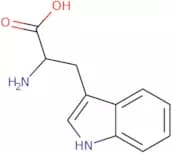
Discontinued productDL-Tryptophan
CAS:DL-Tryptophan is an amino acid that is a precursor to serotonin, niacin and melatonin. It is a substrate for the enzyme indoleamine 2,3-dioxygenase (IDO) and has been shown to inhibit the production of inflammatory cytokines such as IL-6 and TNF-α. DL-Tryptophan has been used in the treatment of depression, anxiety, sleep disorders, eating disorders, fibromyalgia and chronic fatigue syndrome. This amino acid has also been shown to increase muscle mass in rats by increasing protein synthesis. DL-Tryptophan can be found in crystalline cellulose or as a solution with pH 7.5 at room temperature. The optimum concentration for DL-tryptophan is 10mM with a reaction time of 3 hours at 37 degrees Celsius. The fluorescence detector is used to measure the amount of light emitted from the reaction solution when it is excited by 350 nm light.
DLFormula:C11H12N2O2Purity:Min. 95%Color and Shape:White PowderMolecular weight:204.23 g/mol1-[(2,6-Difluorophenyl)Methyl]-4-Methyl-2-Propan-2-Ylbenzimidazole
CAS:Controlled Product1-[(2,6-Difluorophenyl)Methyl]-4-Methyl-2-Propan-2-Ylbenzimidazole is a broad spectrum HIV drug that inhibits the HIV transcriptase. It binds to the active site of the enzyme and blocks the binding of nucleotides, preventing RNA synthesis. 1-[(2,6-Difluorophenyl)Methyl]-4-Methyl-2-Propan-2-Ylbenzimidazole has been shown to be effective against HIV in vitro and in vivo. This inhibitor has been shown to inhibit both wild type and mutant forms of HIV transcriptase by binding to the same region of the enzyme. The molecule also shows good activity against other types of viruses, including influenza virus, vesicular stomatitis virus and poliovirus.
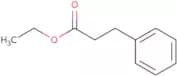
Formula:C18H18F2N2Purity:Min. 95%Molecular weight:300.35 g/molEthyl 3-phenylpropionate
CAS:Ethyl 3-phenylpropionate is a clear, colorless liquid with a fruity odor. It has been used in the production of perfumes and as a solvent. The compound is also known to be used in the synthesis of other organic compounds and can be found in dry weight. Palladium complexes are formed when ethyl 3-phenylpropionate is mixed with palladium chloride or palladium acetate. Ethyl 3-phenylpropionate is an intermediate in the conversion of ethyl decanoate to methyl anthranilate by diethyl succinate and p. pastoris. This conversion takes place at room temperature and below the phase transition temperature (T). The compound has been shown to have low lp-pla2 activity, which may be due to its lack of hydroxyl group.
Formula:C11H14O2Purity:Min. 95%Color and Shape:Colorless PowderMolecular weight:178.23 g/molRef: 3D-FE39043
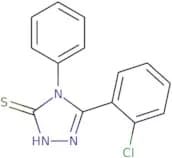
Discontinued product3-(2-chlorophenyl)-4-phenyl-1,2,4-triazoline-5-thione
CAS:Please enquire for more information about 3-(2-chlorophenyl)-4-phenyl-1,2,4-triazoline-5-thione including the price, delivery time and more detailed product information at the technical inquiry form on this pagePurity:Min. 95%Ref: 3D-FC169104
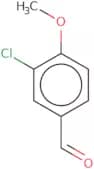
Discontinued product3-Chloro-4-methoxybenzaldehyde
CAS:3-Chloro-4-methoxybenzaldehyde is a chemical compound that belongs to the class of aromatic compounds. It is synthesized by reacting 3-chlorobenzaldehyde with methoxyacetone in a hydroxylation reaction. The asymmetric synthesis of 3-chloro-4-methoxybenzaldehyde was achieved by using a chiral auxiliary, which is an organic molecule that can be used to control the stereochemistry of other reactions. This product has high cytotoxicity and is able to cause melanogenesis (production of melanin) when applied to rat striatal membranes.
Formula:C8H7ClO2Purity:Min. 95%Color and Shape:PowderMolecular weight:170.59 g/molRef: 3D-FC70306
Discontinued product1,2-Dimyristoyl-rac-glycero-3-phosphocholine
CAS:1,2-Dimyristoyl-rac-glycero-3-phosphocholine (DMPC) is a lipid molecule that contains a glycerol backbone and two fatty acid chains. It is an amphipathic molecule with hydrophilic head groups and hydrophobic tails. The phase transition temperature of DMPC is around 37°C, which makes it useful as a model system for studying the effects of temperature on lipid membranes. DMPC has been shown to have interactions with pharmacological agents such as peptide hormones and enzyme inhibitors, which can lead to drug interactions. DMPC also binds copper chloride and calcium ions and has hydrogen bonding interactions with benzalkonium chloride.Formula:C36H72NO8PPurity:Min. 95%Molecular weight:677.93 g/molRef: 3D-FD49406
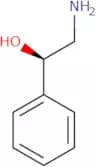
Discontinued product(R)-2-Amino-1-phenylethanol
CAS:(R)-2-Amino-1-phenylethanol is a molecule that has antimicrobial activity. It binds to the active site of bacterial enzymes, such as those involved in the synthesis of cell walls, and inhibits the growth of bacteria through competitive inhibition. This molecule also has a dihedral angle that is similar to that of other molecules with antibacterial activity. (R)-2-Amino-1-phenylethanol is an enantiomer, which means it can be synthesized from either (S)- or (R)-1-phenylethanol. The racemic form is more active than any individual enantiomer.
Formula:C8H11NOPurity:Min. 95%Color and Shape:PowderMolecular weight:137.18 g/molRef: 3D-FA64085
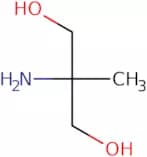
Discontinued productAMPD
CAS:AMPD, also known as 2-Amino-2-methyl-1,3-propanediol, is a buffer solution with a pH range of 7.8-9.7 and a pKa of 8.8. This chemical buffer is used in molecular biology, protein studies, enzyme assays, and separation techniques such as isatachophoresis (ITP) and SDS-gradient gel electrophoresis.
Formula:C4H11NO2Purity:Min. 95%Color and Shape:PowderMolecular weight:105.14 g/molRef: 3D-FA46974
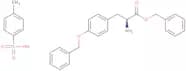
Discontinued productO-Benzyl-L-tyrosine benzyl ester 4-toluenesulfonate
CAS:O-Benzyl-L-tyrosine benzyl ester 4-toluenesulfonate salt is a fine chemical that belongs to the category of useful scaffolds and versatile building blocks. It is a high quality reagent that can be used as a reaction component in the preparation of complex compounds. This compound has shown to be useful in research on various types of drugs, including analgesics, antibiotics, antihistamines, antidepressants, antipsychotics and others.
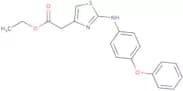
Formula:C23H23NO3•C7H8O3SPurity:Min. 95%Color and Shape:White solid.Molecular weight:533.64 g/molethyl 2-(4-((4-phenoxyphenyl)amino)-3,5-thiazolyl)acetate
CAS:Please enquire for more information about ethyl 2-(4-((4-phenoxyphenyl)amino)-3,5-thiazolyl)acetate including the price, delivery time and more detailed product information at the technical inquiry form on this pagePurity:Min. 95%Ref: 3D-FE169116
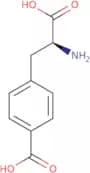
Discontinued product4-Carboxy-L-phenylalanine
CAS:4-Carboxy-L-phenylalanine is a synthetic amino acid that has been shown to inhibit tyrosine kinase activity. It can also be used as a chromogenic substrate for tyrosine kinases, which are enzymes that catalyze the transfer of phosphate groups from ATP to tyrosine residues in proteins. 4-Carboxy-L-phenylalanine has potent inhibitory effects on ligand binding and cell proliferation by blocking the phosphotyrosine signal transduction pathway. 4-Carboxy-L-phenylalanine is an analog of L-phenylalanine, which is an essential amino acid found in many proteins and enzymes.
Formula:C10H11NO4Purity:Min. 95%Color and Shape:White/Off-White SolidMolecular weight:209.2 g/molRef: 3D-FC49024
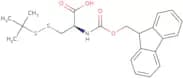
Discontinued productFmoc-L-Cys(StBu)-OH
CAS:Fmoc-L-Cys(StBu)-OH is a synthetic molecule that is used in pharmaceutical formulations. It can be synthesized from Fmoc-L-Cys and L-serine methyl ester by the chemical ligation of the two molecules. The chloride group at the end of this molecule provides a functional group for conjugation with other biomolecules, such as fatty acids. This molecule has been shown to have high purity with an isolated yield of about 98%.
Formula:C22H25NO4S2Purity:Min. 98 Area-%Color and Shape:PowderMolecular weight:431.57 g/molRef: 3D-FF41067
Discontinued productArg-Gly-Asp TFA salt
CAS:Arg-Gly-Asp TFA salt is a molecule that is used as a prodrug, meaning it is inactive until it has been converted to the active form. It has been shown to be effective when injected subcutaneously or intramuscularly and is hydrophilic. Arg-Gly-Asp TFA salt has been shown to have problematic effects on polymerization when exposed to heat. The molecule has an active form that can be absorbed into the body through injection sites and then hydrolyzed by esterases or glucuronidases, oxidized by cytochrome P450 enzymes, reduced by glutathione reductase, or conjugated with glucuronic acid. Arg-Gly-Asp TFA salt also specifically binds to markers expressed at high levels in Mycobacterium tuberculosis strains (e.g., ESX-1 secretion system protein) and inhibits cell growth in culture.
Formula:C12H22N6O6·C2HF3O2Purity:Min. 95%Color and Shape:PowderMolecular weight:460.36 g/molRef: 3D-FA175085
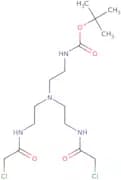
Discontinued product2N-Boc-2',2''-triaminotriethylamine-bis(chloroacetamide)
CAS:2N-Boc-2',2''-triaminotriethylamine-bis(chloroacetamide) is a fine chemical and reagent for the synthesis of pharmaceuticals. It is also a useful building block for the synthesis of complex compounds. This product can be used as a reaction component in organic chemistry, or it can be used as a reagent in research or development laboratories.
Formula:C15H28Cl2N4O4Purity:Min. 95%Molecular weight:399.31 g/molDL-Threonine
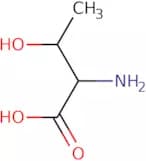
CAS:DL-Threonine (or 2-amino-3-hydroxybutanoic acid), is an essential, non-protein amino acid naturally occurring in the human body and it is involved in many biological processes. DL-threonine takes part in the conversion of glycogen into the glucose pathway, supports muscle tissue maintenance and growth, and plays a key role in regulating levels of other amino acids. In addition, DL-threonine helps to provide protection against heat, reduce tiredness and lowers blood pressure. It is an important source of energy for the liver and has been shown to be effective in stimulating liver function, as well as, to have a protective effect against various diseases, including hepatitis and cirrhosis. The liver uses DL-Threonine to produce other amino acids and helping in protein synthesis, such as insulin. The human body can produce DL-threonine from serine by threonine synthase, but not enough to meet the body's needs and thus it must be obtained from food sources or supplements. DL-Threonine can be found in many foods including meat, eggs, soybeans, and dairy products. It can chelate metal cations to improve the absorption of minerals from supplements, which is used in fertilizers for agriculture.
Formula:C4H9NO3Purity:Min 98%Color and Shape:PowderMolecular weight:119.12 g/molRef: 3D-FT08811
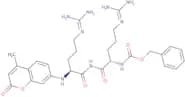
Discontinued productZ-Arg-Arg-AMC hydrochloride salt
CAS:Z-Arg-Arg-AMC hydrochloride salt is a versatile compound that acts as a catalyst and forms strong hydrogen bonds. It exhibits proteolytic activity and has been found to be effective in breaking down proteins. In addition, Z-Arg-Arg-AMC hydrochloride salt has been shown to possess neuroprotective properties, making it a potential candidate for the treatment of neurological disorders. It also demonstrates anthelmintic activity, which means it can be used to combat parasitic worm infections. Furthermore, this compound has antioxidant activity and can help reduce lipid peroxidation, protecting cells from oxidative damage. With its diverse range of characteristics, Z-Arg-Arg-AMC hydrochloride salt holds great promise in various research fields such as biochemistry and medicine.
Formula:C30H39N9O6·xHClPurity:Min. 95%Color and Shape:PowderMolecular weight:621.69 g/molRef: 3D-FA110491
Discontinued productH-Gly-Gly-Gly-Gly-Gly-Gly-OH
CAS:H-Gly-Gly-Gly-Gly-Gly-Gly-OH is a cyclic peptide that binds to calcium ions. It has been shown to cause cell lysis in human serum and inhibit bacterial growth in the presence of fatty acids. H-Gly-Gly-Gly-Gly-gly-OH has also been shown to bind to the receptor site on the bacteria, which prevents them from binding with host cells. This peptide also inhibits the production of inflammatory cytokines, such as IL1β and TNFα, which may be due to its ability to inhibit the formation of reactive oxygen species.
Formula:C12H20N6O7Purity:Min. 95%Color and Shape:PowderMolecular weight:360.32 g/molRef: 3D-FG108994
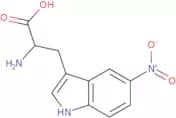
Discontinued product5-Nitro-DL-tryptophan
CAS:5-Nitro-DL-tryptophan is a synthetic amino acid that has been shown to inactivate tryptophan synthase, an enzyme involved in the biosynthesis of tryptophan. It binds to the active site of the enzyme and prevents it from carrying out its function. The affinity for 5-nitro-DL-tryptophan is very high and it has been shown that it is effective in inhibiting the enzyme at concentrations as low as 1 mM. This compound is also homodimeric, which means that it can bind two molecules of tryptophan synthase at once, leading to a quicker inhibition of this enzyme. 5-Nitro-DL-tryptophan also reacts with reactive oxygen species, such as superoxide radicals or hydrogen peroxide, and can be used to study reactions between these compounds and proteins.
5-Nitro-DL-tryptophan can be used to inhibit brain protein kinetics by blockingFormula:C11H11N3O4Purity:Min. 95%Color and Shape:Off-White To Yellow To Orange SolidMolecular weight:249.23 g/molRef: 3D-FN52266
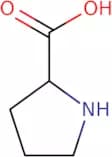
Discontinued productDL-Proline
CAS:DL-Proline is a biological molecule that has been shown to bind to the DNA binding domains of proteins. This binding can be seen with the crystal structures of DL-proline and protein. The reaction mechanism for DL-proline is as follows:
DL-Proline + Protein → Proline + Protein
The equilibrium constant for this reaction is 1.0 at 298 K. The pKa value for the amide group in DL-proline is 4.8, which means that it will react with water and form an amine group at physiological pH levels. DL-Proline has been shown to have metabolic disorders.Formula:C5H9NO2Purity:Min. 95%Color and Shape:PowderMolecular weight:115.13 g/molRef: 3D-FP15447
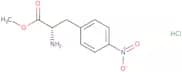
Discontinued product4-Nitro-L-phenylalanine methyl ester hydrochloride
CAS:4-Nitro-L-phenylalanine methyl ester hydrochloride is a 4-nitrophenyl derivative of L-phenylalanine. It is a useful building block, reagent, or scaffold in organic synthesis. This compound finds use as a precursor to other derivatives and it has been used in the preparation of complex compounds. 4-Nitro-L-phenylalanine methyl ester hydrochloride is also used as a reaction component for the synthesis of different organic compounds and as a useful intermediate.
Formula:C10H13N2O4ClPurity:Min. 98 Area-%Color and Shape:White PowderMolecular weight:260.67 g/molRef: 3D-FN45027
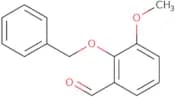
Discontinued product2-Benzyloxy-3-methoxybenzaldehyde
CAS:2-Benzyloxy-3-methoxybenzaldehyde is an enantiopure compound that has been shown to have antiproliferative effects on cancer cells. It was also found to have a strong binding affinity for DNA and protein. The antiproliferative effects of 2-Benzyloxy-3-methoxybenzaldehyde were found to be due to its ability to bind to dna and inhibit the enzyme activity of pyrazine-2-carboxylic acid, leading to a decrease in the production of proteins vital for cell division. 2-Benzyloxy-3-methoxybenzaldehyde has been shown to have anticancer activity against colorectal cancer cells and may serve as a lead compound for future drug development.
Formula:C15H14O3Purity:Min. 95%Molecular weight:242.27 g/molRef: 3D-FB158927
Discontinued productCyclo(-Pro-Val)
CAS:Cyclo(-Pro-Val) is a type of natural product that has been shown to inhibit the growth of tumor cells. Cyclo(-Pro-Val) is a metabolite produced by the fungus Cryptococcus neoformans and may serve as a potential anti-cancer drug. The compound blocks mitochondrial membrane potential, which prevents cancer cells from multiplying. Cyclo(-Pro-Val) has also been shown to inhibit the growth of bacteria such as Pseudomonas aeruginosa and Burkholderia cepacia complex, although it has little or no effect on other types of bacteria and fungi.
Formula:C10H16N2O2Purity:Min. 95%Color and Shape:White PowderMolecular weight:196.25 g/molRef: 3D-FC108325
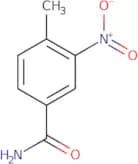
Discontinued product4-Methyl-3-nitrobenzamide
CAS:4-Methyl-3-nitrobenzamide is a nitrile that can be synthesized by the reaction of potassium hydroxide and 3-nitrobenzamide. It has been shown to react with dichloroethane to form 4-methyl-3-nitrobenzoic acid. The optimum temperature for this reaction is 120°C, which leads to a high yield of 4-methyl-3-nitrobenzamide. This product is also available in an isotopic form at high purity.
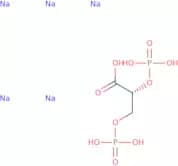
Formula:C8H8N2O3Purity:Min. 95%Color and Shape:PowderMolecular weight:180.16 g/mol2,3-Diphospho-D-glyceric acid pentasodium salt
CAS:2,3-Diphospho-D-glyceric acid pentasodium salt is a pyridine complex that is found in nature as a constant. It is also synthesized by humans and can be formed in the laboratory. 2,3-Diphospho-D-glyceric acid pentasodium salt is reactive and has been shown to be useful for producing radical species. This compound has been analysed in the human body at physiological concentrations and has been shown to interact with endogenous molecules such as lipids. The interaction of this compound with lipids could be due to its ability to form emulsions.Formula:C3H3Na5O10P2Purity:Min. 95%Color and Shape:PowderMolecular weight:375.95 g/molRef: 3D-FD22517
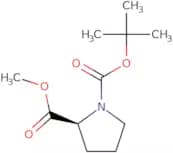
Discontinued productN-Boc-L-proline methyl ester
CAS:N-Boc-L-proline methyl ester is an organocatalyst that is synthesized through the condensation of proline with methylamine and a methylating agent. It is used as a synthetic intermediate in the synthesis of peptides, pharmaceuticals, and other organic compounds. The compound has been shown to be effective in asymmetric hydrogenation reactions. N-Boc-L-proline methyl ester has also been shown to be useful in the formation of imines and amides, which are important intermediates in organic synthesis.
Formula:C11H19NO4Purity:Min. 97%Color and Shape:Clear LiquidMolecular weight:229.27 g/molRef: 3D-FB28953
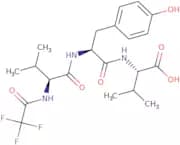
Discontinued productN-(2,2,2-Trifluoroacetyl)-L-valyl-L-tyrosyl-L-valine
CAS:Trifluoroacetic acid is a synthetic molecule that is used as a precursor for the synthesis of various pharmaceuticals, including the skin-lightening agent N-(2,2,2-trifluoroacetyl)-L-valyl-L-tyrosyl-L-valine. This drug is an inhibitor of tyrosinase and blocks the synthesis of melanin. Trifluoroacetic acid has been shown to inhibit tyrosinase activity in human skin cells by binding to tyrosinase and blocking its catalytic site. The hydrogenation of trifluoroacetic acid yields 2,2,2-trifluoroethanol (TFE), which can be used as a solvent in cosmetic formulations.Formula:C21H28F3N3O6Purity:Min. 98 Area-%Color and Shape:PowderMolecular weight:475.46 g/molL-Lysyl-L-phenylalanyl-L-lysine trifluoroacetate
CAS:Please enquire for more information about L-Lysyl-L-phenylalanyl-L-lysine trifluoroacetate including the price, delivery time and more detailed product information at the technical inquiry form on this page
Formula:C21H35N5O4•(C2HF3O2)xPurity:Min. 95%Color and Shape:PowderRef: 3D-FL184088
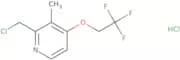
Discontinued product2-Chloromethyl-3-methyl-4-(2,2,2-trifluoroethoxy)pyridine, hydrochloride
CAS:Please enquire for more information about 2-Chloromethyl-3-methyl-4-(2,2,2-trifluoroethoxy)pyridine, hydrochloride including the price, delivery time and more detailed product information at the technical inquiry form on this page
Formula:C9H10Cl2F3NOPurity:Min. 95%Molecular weight:276.08 g/molRef: 3D-FC20275
Discontinued productH-Glu-Val-OH
CAS:H-Glu-Val-OH is a coordination complex that contains the metal scandium. It is used as a ligand to form complexes with other metals and organic molecules. This compound is also used in peptide synthesis and has been shown to have a strong interaction with nitrate, serine, and formiate. H-Glu-Val-OH is soluble in solutions such as water or formiate. The tripeptide Ser-Gly-Val can be formed from this compound by hydrolysis of the hydroxo group.
Formula:C10H18N2O5Purity:Min. 95 Area-%Color and Shape:PowderMolecular weight:246.26 g/molRef: 3D-FG108043
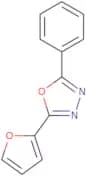
Discontinued product2-Phenyl-5-(2-furyl)-1,3,4-oxadiazole
CAS:2-Phenyl-5-(2-furyl)-1,3,4-oxadiazole is an intramolecular dipolar cycloaddition reaction that forms hydrazones. This compound is used in agrochemical research to form herbicides and pesticides. 2-Phenyl-5-(2-furyl)-1,3,4-oxadiazole is also a basic compound that has shown some biological activity in rat studies. It has been shown to inhibit the growth of cancer cells by inhibiting protein synthesis and cell division.
Formula:C12H8N2O2Purity:Min. 95%Color and Shape:PowderMolecular weight:212.2 g/mol1-((2,5-dichlorophenyl)sulfonyl)-5-methylthio-1,2,4-triazole-3-ylamine
CAS:Please enquire for more information about 1-((2,5-dichlorophenyl)sulfonyl)-5-methylthio-1,2,4-triazole-3-ylamine including the price, delivery time and more detailed product information at the technical inquiry form on this pagePurity:Min. 95%Ref: 3D-FD169994
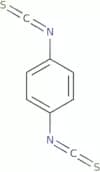
Discontinued product1,4-Phenylene diisothiocyanate
CAS:1,4-Phenylene diisothiocyanate is a potent anthelmintic drug that inhibits the growth of parasites and has been used to treat infections caused by helminths. It binds to a chemoreceptor site on the parasite's surface and prevents the release of an inflammatory mediator, epidermal growth factor. This drug also interacts with other receptors, such as P2Y2, which are involved in inflammation. 1,4-Phenylene diisothiocyanate has been shown to be effective against cancer cells in experimental models and may be useful in chemotherapeutic treatments due to its ability to inhibit cell proliferation.
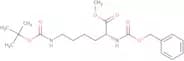
Formula:C8H4N2S2Purity:Min. 98 Area-%Color and Shape:Off-White PowderMolecular weight:192.26 g/molNα-Z-Nε-Boc-D-lysine methyl ester
CAS:Please enquire for more information about Nα-Z-Nε-Boc-D-lysine methyl ester including the price, delivery time and more detailed product information at the technical inquiry form on this page
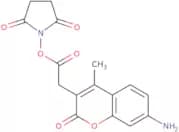
Formula:C20H30N2O6Purity:Min. 95%Color and Shape:PowderMolecular weight:394.46 g/mol7-Amino-4-methyl-3-coumarinacetic acid N-succinimidyl ester
CAS:7-Amino-4-methyl-3-coumarinacetic acid N-succinimidyl ester is a synthetic amino acid with a reactive carboxylic acid group. It is used as a crosslinker in biochemistry and has been shown to have biological properties in plants. 7-Amino-4-methyl-3-coumarinacetic acid N-succinimidyl ester reacts with the acidic groups of proteins, DNA, or RNA, and is an important component of some second order rate constants. This chemical is also used for the neutralization of histological stains such as haematoxylin.
Formula:C16H14N2O6Purity:Min. 90 Area-%Color and Shape:PowderMolecular weight:330.29 g/molRef: 3D-FA170610
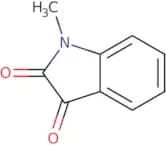
Discontinued product1-Methyl-1H-indole-2,3-dione
CAS:1-Methyl-1H-indole-2,3-dione is a chemical compound that belongs to the class of indole derivatives. It can be synthesized by reacting 2,3-dihydroxybenzaldehyde with 2,2'-azobis(2-amidinopropane) dihydrochloride and methyl iodide in the presence of copper (II) acetate. This reaction mechanism is similar to that of other reactions involving an intramolecular hydrogen transfer. The binding constants for 1-methyl-1H-indole-2,3-dione are very high and this compound has been shown to inhibit herpes simplex virus replication in vitro. 1MIDD binds to the active site of tryptophan fluorescence and synchronous fluorescence proteins. 1MIDD also binds to copper ions in a coordination geometry that is similar to that found for other compounds containing a carbonyl group.
Formula:C9H7NO2Purity:Min. 95%Color and Shape:PowderMolecular weight:161.16 g/molRef: 3D-FM125542
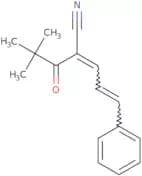
Discontinued product2-(2,2-dimethylpropanoyl)-5-phenylpenta-2,4-dienenitrile
CAS:Please enquire for more information about 2-(2,2-dimethylpropanoyl)-5-phenylpenta-2,4-dienenitrile including the price, delivery time and more detailed product information at the technical inquiry form on this page
Formula:C16H17NOPurity:Min. 95%Color and Shape:PowderMolecular weight:239.31 g/molRef: 3D-FD169909
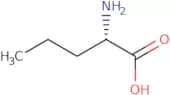
Discontinued productL-Norvaline
CAS:L-Norvaline is a hydrophobic amino acid that is synthesized in the body from the essential amino acid valine. It is an important intermediate in the biosynthesis of other amino acids, such as L-leucine and L-isoleucine. L-Norvaline has been shown to inhibit bacterial growth and can be used as an antimicrobial agent. It also inhibits the polymerase chain reaction by binding to DNA and RNA, thereby blocking transcription. This drug has been shown to increase energy metabolism, improve renal function, and reduce metabolic disorders in animals. These effects are thought to be due to its ability to bind with carbonyl oxygens on lysine residues of proteins.
Formula:C5H11NO2Purity:Min. 95%Color and Shape:PowderMolecular weight:117.15 g/molRef: 3D-FN47252
Discontinued productN-Acetyl-S-methyl-L-cysteine
CAS:N-Acetyl-S-methyl-L-cysteine (NAC) is an acetylated form of L-cysteine that has been shown to prevent oxidative damage and promote protein homeostasis. It is a methylating agent for the synthesis of methionine and glutathione, which are important for the maintenance of cellular function. NAC has been shown to be a matrix effect modifier in liquid chromatography with mass spectrometry (LC-MS/MS) analysis. This chemical can be found in urine samples as a normal metabolite, but it also has health effects such as the prevention of carcinogenic potential in animals. NAC can also be used as an antioxidant, anti-inflammatory, or anticarcinogenic drug.
Formula:C6H11NO3SPurity:Min. 95%Color and Shape:PowderMolecular weight:177.22 g/molRef: 3D-FA09422
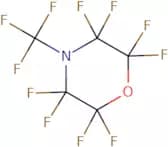
Discontinued productPerfluoro-N-Methylmorpholine
CAS:Perfluoro-N-Methylmorpholine (PMM) is a perfluorinated solvent with high boiling point, which makes it suitable for high temperature and pressure applications. PMM is an acyl halide that can be used as a solvent or in the synthesis of other perfluorinated compounds. The cyclic structure of PMM provides stability and high yields. The oxidation resistance of PMM allows it to be used in harsh environments. Cleavage products from PMM are not toxic, making this compound environmentally friendly. PMM can be used in organic chemistry as a solvent for reactions involving dialkylamino groups, such as the production of cyclic compounds. It can also be used in the synthesis of perfluorinated polymers as well as in the manufacture of coatings, foams, lubricants, and surfactants.
Formula:C5F11NOPurity:Min. 95%Color and Shape:Clear LiquidMolecular weight:299.04 g/mol2,4,6-Tribromo-3-methoxyphenol
CAS:2,4,6-Tribromo-3-methoxyphenol is a high quality reagent that is used as an intermediate in the production of many fine chemicals. It is also a useful building block for the synthesis of speciality chemicals and research chemicals. This chemical can be used as a versatile building block for reactions with other compounds. 2,4,6-Tribromo-3-methoxyphenol has CAS number 24967-79-1 and can be found at Chemical & Laboratory Equipment.
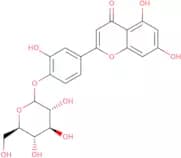
Formula:C7H5Br3O2Purity:Min. 95%Molecular weight:360.83 g/molLuteolin-4'-O-glucoside
CAS:Luteolin-4'-O-glucoside is a flavonol glycoside that is found in plants such as licorice, celery, and parsley. Luteolin-4'-O-glucoside has been shown to inhibit the growth of Coccidioides neoformans by binding to the cell membrane surface and blocking the synthesis of phospholipids. It also inhibits cancer cells in culture by reducing their viability. The structural analysis of luteolin-4'-O-glucoside revealed an hydroxyl group on its aromatic ring, which may be responsible for its anti-inflammatory effects. Luteolin-4'-O-glucoside has been shown to be effective against inflammatory diseases, such as rheumatoid arthritis and asthma, and may also have a protective effect against certain types of cancer, such as cervical cancer. Luteolin-4'-O-glucoside has also been shown to
Formula:C21H20O11Purity:Min. 95%Color and Shape:PowderMolecular weight:448.38 g/molRef: 3D-FL137961
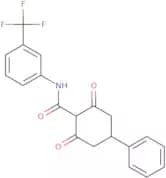
Discontinued product(2,6-dioxo-4-phenylcyclohexyl)-N-(3-(trifluoromethyl)phenyl)formamide
CAS:Please enquire for more information about (2,6-dioxo-4-phenylcyclohexyl)-N-(3-(trifluoromethyl)phenyl)formamide including the price, delivery time and more detailed product information at the technical inquiry form on this page
Purity:Min. 95%Ref: 3D-FD169870
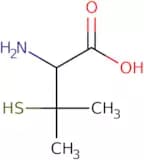
Discontinued productDL-Penicillamine
CAS:DL-Penicillamine is a penicillamine that is used in the treatment of various diseases such as rheumatoid arthritis and primary sclerosing cholangitis. It has been shown to inhibit the production of inflammatory prostaglandins, which are responsible for pain and swelling. DL-Penicillamine has been used as a fluorescence probe for the detection of nonsteroidal anti-inflammatory drugs in water samples. DL-Penicillamine is also used to study coordination geometry and rate constants in solid tumours using fluorescence spectroscopy. This drug can be analyzed using chromatographic techniques or by X-ray diffraction data obtained with an electrochemical impedance spectroscopy system. The analytical method was published in 1981 by J.D. Hamer, et al., in "Analytical Chemistry".
Formula:C5H11NO2SPurity:Min. 95%Color and Shape:White PowderMolecular weight:149.21 g/molRef: 3D-FP30177
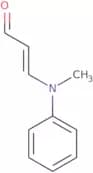
Discontinued producttrans 3-(N-Methylanilino)acrolein
CAS:Trans 3-(N-Methylanilino)acrolein is a catalyst that can be used in the synthesis of benzimidazoles. It reacts with dichloride and irradiation to produce benzimidazoles. The yields are dependent on the amount of microwave irradiation used and can be increased by using microwave irradiation. This catalyst is prepared by reacting 3-(N-methylanilino)acrolein with dichloride in a solvent such as tetrahydrofuran (THF). Trans 3-(N-Methylanilino)acrolein has been shown to have high reactivity and reactivity rates, which make it an effective catalyst for this reaction.
Formula:C10H11NOPurity:Min. 95%Color and Shape:Yellow To Dark Brown SolidMolecular weight:161.2 g/molRef: 3D-FM25783
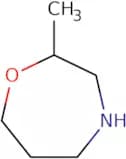
Discontinued product2-Methyl-1,4-oxazepane
CAS:2-Methyl-1,4-oxazepane is a fine chemical that can be used as a building block in organic synthesis. It is a versatile building block and can be used as a reaction component or intermediate. 2-Methyl-1,4-oxazepane has been used as an intermediate in the synthesis of various pharmaceutical drugs, including benzodiazepines and beta blockers. This compound is also used in the production of polyurethanes and other plastics.
2-Methyl-1,4-oxazepane has been classified by the Chemical Abstracts Service (CAS) as a speciality chemical with the number 1018614-41-9.Formula:C6H13NOPurity:Min. 95%Color and Shape:Colorless PowderMolecular weight:115.17 g/molRef: 3D-FM133973
Discontinued productFmoc-3-chloro-L-tyrosine
CAS:Fmoc-3-chloro-L-tyrosine is a fine chemical that belongs to the class of versatile building blocks. It is a reagent and speciality chemical that is used in the synthesis of complex compounds. Fmoc-3-chloro-L-tyrosine can be used as a useful scaffold to produce high quality and versatile building blocks, which are useful for research purposes. Fmoc-3-chloro-L-tyrosine has CAS No. 478183-58-3, which shows its high quality and usefulness.
Formula:C24H20ClNO5Purity:Min. 95%Color and Shape:White PowderMolecular weight:437.87 g/molRef: 3D-FF50056
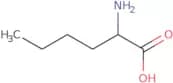
Discontinued productDL-Norleucine
CAS:DL-Norleucine is a polypeptide that is resistant to enzymes that hydrolyze the peptide bonds. It belongs to the group of fatty acids, and has two hydrophobic chains. DL-Norleucine is not metabolized by human enzymes and cannot be broken down by bacterial enzymes. This makes DL-Norleucine an ideal candidate for use as a long-acting antibiotic in humans. The surface methodology used for this compound was FTIR spectroscopy, which showed that DL-Norleucine has a ph optimum of 8.5±0.2 and can form stable crystals at -10 °C to -20 °C. Structural analysis revealed that the molecule consists of two α-helices and one β-sheet with no hydrogen bonds or ionic interactions present in its structure.
Formula:C6H13NO2Purity:Min. 95%Color and Shape:White PowderMolecular weight:131.17 g/molRef: 3D-FN09068
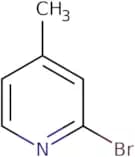
Discontinued product2-Bromo-4-methylpyridine
CAS:2-Bromo-4-methylpyridine is an organic compound that is used in the synthesis of other compounds. It has been shown to be a potent anticancer agent, inhibiting cell function and inducing apoptosis. 2-Bromo-4-methylpyridine can be used to detect autofluorescent cells by photoreceptor cell fluorescence. This compound also induces lipofuscin accumulation in red blood cells as a result of its protonation, which leads to decreased membrane fluidity and oxidative stress.
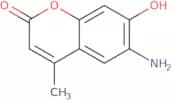
Formula:C6H6BrNPurity:Min. 95%Color and Shape:PowderMolecular weight:172.02 g/mol6-Amino-7-hydroxy-4-methylcoumarin
CAS:6-Amino-7-hydroxy-4-methylcoumarin is an antibacterial agent that has been shown to be effective against a range of Gram-positive and Gram-negative bacteria. It is synthesized from coumarins in nature, but also can be synthesized in the laboratory. This compound has been shown to inhibit bacterial growth by forming a covalent bond with the bacterial enzyme DNA gyrase, preventing the synthesis of DNA. 6-Amino-7-hydroxy-4-methylcoumarin has also been shown to have anti cancer properties.
Formula:C10H9NO3Purity:Min. 95%Color and Shape:Yellow solid.Molecular weight:191.18 g/molRef: 3D-FA45295
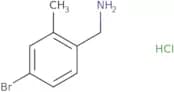
Discontinued product4-Bromo-2-methylbenzylamine hydrochloride
CAS:4-Bromo-2-methylbenzylamine hydrochloride is a high quality, versatile building block that can be used in the synthesis of many different compounds. It is a reagent that can be used as an intermediate in the production of other compounds. 4-Bromo-2-methylbenzylamine hydrochloride is also a fine chemical and speciality chemical that can be used for research purposes. This compound has been shown to be useful as a reaction component in the synthesis of complex compounds.
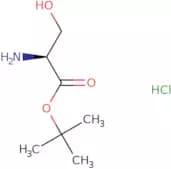
Formula:C8H10BrN·HClPurity:Min. 95%Molecular weight:236.54 g/molL-Serine tert-butyl ester hydrochloride
CAS:L-Serine tert-butyl ester hydrochloride is a conditionally catalytic reagent that is used to synthesize aromatic compounds. It is an effective catalyst for toluene hydroxylation, and can be used in the synthesis of L-serine from serine. The tert-butyl group on the molecule prevents side reactions by sterically hindering other molecules from reacting with the reagent.
Formula:C7H15O3N·HClPurity:Area-% Min. 95 Area-%Color and Shape:White PowderMolecular weight:197.66 g/molRef: 3D-FS48949
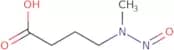
Discontinued productN-Nitroso-N-methyl-4-aminobutyric acid
CAS:N-Nitroso-N-methyl-4-aminobutyric acid (NMBA) is a solid with a low melting point which has been identified as a potentially carcinogenic component of both tobacco and tobacco smoke. NMBA is also one of a number of nitrosamine impurities which have been found to be present in angiotensin II receptor blocker (ARB) drugs used to treat high blood pressure.
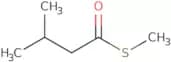
Formula:C5H10N2O3Purity:Min. 98 Area-%Color and Shape:Slightly Yellow PowderMolecular weight:146.14 g/molS-Methylisovalerate
CAS:S-Methylisovalerate is a branched fatty acid that is an intermediate in the biosynthesis of valine. It has been isolated from Corynebacterium glutamicum and Brevibacterium sp. S-Methylisovalerate has been identified by gas chromatography/mass spectrometry (GC/MS) as a major component of the volatile organic compounds produced by strains of Corynebacterium glutamicum and Brevibacterium sp. The GC/MS profile of these strains consists mainly of ester compounds, such as methyl ethyl acetate and butyric acid.
Formula:C6H12OSPurity:Min. 95%Color and Shape:Colorless Clear LiquidMolecular weight:132.22 g/molRef: 3D-FM35694
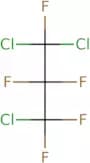
Discontinued productα-Chloro-ω-(2,2-Dichloro-1,1,2-Trifluoroethyl)-Poly(Difluoromethylene)
CAS:Controlled ProductAlpha-Chloro-Omega-(2,2-Dichloro-1,1,2-Trifluoroethyl)-Poly(Difluoromethylene) is a fluorinated polymer that has been shown to be effective in removing chlorine atoms from the atmosphere. The production of this polymer requires an irradiation process with a magnetic field. Alpha-Chloro-Omega-(2,2-Dichloro-1,1,2-Trifluoroethyl)-Poly(Difluoromethylene) is produced by the reaction of alpha chlorohydrin and trifluoroethylene. This polymer is insoluble in water and is not flammable or explosive. It can be used as a chemical precursor for other fluoropolymers or as an additive for polyurethane. Alpha Chloro Omega - ( 2 , 2 - Dichloro - 1 , 1 , 2 - Trifluoroethyl )
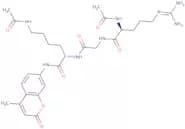
Formula:C3Cl3F5Purity:Min. 95%Molecular weight:237.38 g/molAc-Arg-Gly-Lys(Ac)-AMC trifluoroacetate salt
CAS:Ac-Arg-Gly-Lys(Ac)-AMC is a potent apoptotic agent that induces the apoptosis of cancer cells by binding to the caspase-9, which is an enzyme that initiates the process of apoptosis. Ac-Arg-Gly-Lys(Ac)-AMC has been shown to inhibit the growth of cancer cells in cell culture and also shows potent antitumor activity against MDA-MB-231 breast cancer cells. This drug can be used as a potential therapeutic agent for cancers such as colorectal, prostate, and pancreatic cancer. Ac-Arg-Gly-Lys(Ac)-AMC is also able to induce apoptosis in human leukemia cells and may have a potential role in therapy for acute myelogenous leukemia (AML).
Formula:C28H40N8O7•C2HF3O2Purity:Min. 98 Area-%Color and Shape:PowderMolecular weight:714.69 g/molRef: 3D-FA110598
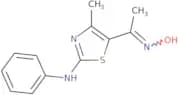
Discontinued product(3-((hydroxyimino)ethyl)-4-methyl(2,5-thiazolyl))phenylamine
CAS:Please enquire for more information about (3-((hydroxyimino)ethyl)-4-methyl(2,5-thiazolyl))phenylamine including the price, delivery time and more detailed product information at the technical inquiry form on this page
Formula:C12H13N3OSPurity:Min. 95%Color and Shape:Clear LiquidMolecular weight:247.32 g/molRef: 3D-FH169665
Discontinued product3-Phenoxybenzaldehyde
CAS:3-Phenoxybenzaldehyde is a chemical compound that is used as an analytical reagent in the surface methodology. It can be synthesized from 3-phenoxybenzoic acid and phenylmagnesium bromide. The synthesis of 3-phenoxybenzaldehyde was accomplished by the hydrogenation of p-nitrophenyl phosphate, which was catalyzed by rat liver microsomes. The resulting product had a molecular formula of C9H8O2 and a molar mass of 156.2 g/mol. 3-Phenoxybenzaldehyde has been shown to inhibit bacterial growth through the inhibition of fatty acid synthesis, as well as inhibiting fatty acid oxidation in recombinant cytochrome P450 enzymes.
Formula:C13H10O2Purity:Min. 95%Color and Shape:Clear LiquidMolecular weight:198.22 g/molRef: 3D-FP26888
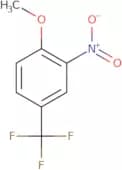
Discontinued product4-Methoxy-3-nitrobenzotrifluoride
CAS:4-Methoxy-3-nitrobenzotrifluoride is a chemical that belongs to the group of reactants. It is used as a reagent, building block, or intermediate in organic synthesis. 4-Methoxy-3-nitrobenzotrifluoride has been shown to be an effective scaffold for the preparation of complex compounds with versatile building blocks and useful intermediates. It can also be used as a fine chemical with speciality chemical properties.
Formula:C8H6F3NO3Purity:Min. 95%Color and Shape:PowderMolecular weight:221.13 g/molRef: 3D-FM69984
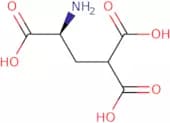
Discontinued productH-gamma-Carboxy-Glu-OH
CAS:H-gamma-carboxy-Glu-OH is a synthetic peptide with the amino acid sequence H-gamma-Carboxy-Glu. It is a glp-1 analogue and its function is to regulate glucose homeostasis. The protein has been shown to have antiapoptotic effects in human osteosarcoma cells. H-gamma-carboxy-Glu-OH has also been shown to regulate mitochondrial membrane potential, which is required for cell signaling pathways and calcium binding. H-gamma-carboxy-Glu-OH's receptor molecule is known as the GPCR, which plays an important role in the regulation of cell signaling pathways and calcium binding. H gamma carboxy Glu OH is a cyclic peptide that contains disulfide bonds. This compound has the basic structure of an alpha helix, which consists of many turns of amino acids bonded together by hydrogen bonds between individual amino acids
Formula:C6H9NO6Purity:Min. 95%Color and Shape:PowderMolecular weight:191.14 g/molRef: 3D-FC107880
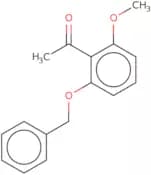
Discontinued product2-Benzyloxy-6-methoxyacetophenone
CAS:2-Benzyloxy-6-methoxyacetophenone is a high quality and versatile chemical that can be used as a reagent or building block in organic synthesis. It is an important intermediate in the synthesis of fine chemicals, pharmaceuticals, and other complex compounds. 2-Benzyloxy-6-methoxyacetophenone has been shown to be useful as a scaffold for the synthesis of novel complex molecules, such as speciality chemicals. The compound also has potential applications in research and development of new drugs.
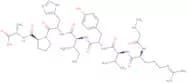
Formula:C16H16O3Purity:Min. 95%Color and Shape:PowderMolecular weight:256.3 g/mol(Sar 1,Ala8)-Angiotensin II
CAS:Angiotensin II is a peptide hormone that is involved in the regulation of blood pressure and fluid and electrolyte balance. It also acts as a vasoconstrictor by binding to angiotensin receptors on vascular smooth muscle cells. Angiotensin II is produced from angiotensin I by the action of renin. The high-resolution linear reformulating (HRLR) technique is used to estimate the spectrum and parameters of this molecule. This technique uses iterative methods for estimating the frequency response function and parameters for each frequency, including nonlinear ones. HRLR has been shown to be an accurate estimator with a frequency range from 0 to 10 kHz, which has not been achieved with other techniques.
Formula:C43H67N13O10Purity:Min. 95 Area-%Color and Shape:PowderMolecular weight:926.07 g/molRef: 3D-FS108518
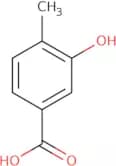
Discontinued product3-Hydroxy-4-methylbenzoic acid
CAS:3-Hydroxy-4-methylbenzoic acid is a cardiotonic glycoside that has been used in the treatment of cardiac arrhythmia. It has been shown to inhibit the enzyme persulfate, which is involved in the activation of hydrogen peroxide and may be responsible for the therapeutic effect of 3-hydroxy-4-methylbenzoic acid. The inhibition of persulfate by 3-hydroxy-4-methylbenzoic acid may be due to an intramolecular hydrogen bond that is formed between the sulfonate group on 3-hydroxy-4 methyl benzoic acid and the hydroxyl group on 4-tert butylbenzoic acid. Animal studies have shown that this drug inhibits sodium urate crystal formation and excretion in urine samples. This drug also inhibits renal ammoniagenesis, which is a metabolic pathway where ammonia is converted to urea, thereby lowering blood levels of ammonia. The metabolism of
Formula:C8H8O3Purity:Min. 95%Color and Shape:PowderMolecular weight:152.15 g/molRef: 3D-FH14549
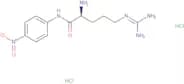
Discontinued productH-Arg-pNA 2HCl
CAS:Chromogenic substrate for Cathepsin H and aminopeptidases. Release of pNA is monitored at 405-410 nm. This substrate is useful for inhibitor screening and kinetic analysis.
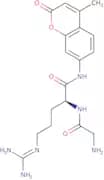
Formula:C12H18N6O3·2HClPurity:Min. 95%Color and Shape:PowderMolecular weight:367.23 g/molH-Gly-Arg-AMC hydrochloride salt
CAS:H-Gly-Arg-AMC hydrochloride salt is a substrate for the enzymes cathepsins B, H, and L. This compound has been used to measure protease activity in cell culture and as a diagnostic substrate for peptidases. The enzyme reaction can be monitored by measuring changes in the fluorescence of the product at 340 nm. The pH optimum for this enzyme is 7.4.
Formula:C18H24N6O4•HClPurity:Min. 98 Area-%Color and Shape:PowderMolecular weight:424.88 g/molRef: 3D-FG110503
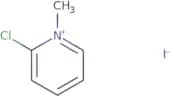
Discontinued product2-Chloro-1-methylpyridinium iodide
CAS:2-Chloro-1-methylpyridinium iodide (2CMPI) is a water-soluble, colorless, and odorless substance that is used as an analytical reagent. 2CMPI reacts with amines and pyridines to form chloromethylpyridine and hydroxymethylpyridine respectively, which can be analyzed by FTIR spectroscopy. The sensitivity of this reaction is affected by the matrix, but can be increased by adding dibutyltin oxide or amide. 2CMPI has been shown to have physiological activities in some animal models of metabolic disorders such as diabetes mellitus.
Formula:C6H7ClINPurity:Min. 97 Area-%Color and Shape:Yellow PowderMolecular weight:255.48 g/mol6-Fluoro-5-Methyl-2-[(5-Methyl-1H-Imidazol-4-Yl)Methyl]-2,3,4,5-Tetrahydro-1H-Pyrido[4,3-b]Indol-1-One
CAS:Controlled Product6-Fluoro-5-Methyl-2-[(5-Methyl-1H-Imidazol-4-Yl)Methyl]-2,3,4,5-Tetrahydro-1H-Pyrido[4,3-b]Indol-1-One is a drug that belongs to the class of fatty acid esters. It has been shown to be effective in clinical trials for the treatment of symptoms of dry eye syndrome. 6FMETI has a low safety profile and does not cause any adverse effects in humans. The drug can be administered by intravenous injection or oral administration and has a long elimination half life of 36 hours. 6FMETI is metabolized by hydrolysis to its active form, 5FMTI, which is then conjugated with glucuronic acid or methyl glutaryl coenzyme A to form an inactive metabolite. This drug also has good pharmacokinetic properties
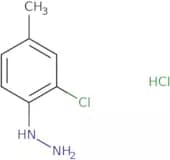
Formula:C17H17FN4OPurity:Min. 95%Molecular weight:312.34 g/mol(2-Chloro-4-methylphenyl)hydrazine hydrochloride
CAS:(2-Chloro-4-methylphenyl)hydrazine hydrochloride is a high quality reagent that is a useful intermediate for the synthesis of complex compounds. It has been used as a building block for the synthesis of speciality chemicals and research chemicals. This compound can be used to produce versatile building blocks and reaction components.Formula:C7H9ClN2·HClPurity:Min. 95%Color and Shape:PowderMolecular weight:193.07 g/molRef: 3D-FC67862
Discontinued productThiophene-2-glyoxylic acid
CAS:Thiophene-2-glyoxylic acid is a reactive metabolite of thiophene that is formed from the environmental degradation of this compound. Thiophene-2-glyoxylic acid reacts with halides to form an electrophilic intermediate. This intermediate can react with a variety of nucleophiles, including the drug metabolites, leading to the formation of new compounds. Thiophene-2-glyoxylic acid has been shown to enhance the fluorescence properties of some organic compounds. It also has been shown to inhibit the metabolism of some drugs that are conjugated with acids and can be detected in plasma by mass spectrometry.
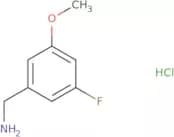
Formula:C6H4O3SPurity:Min. 95%Color and Shape:PowderMolecular weight:156.16 g/mol3-Fluoro-5-methoxybenzylamine hydrochloride
CAS:3-Fluoro-5-methoxybenzylamine hydrochloride is a chemical building block that can be used in organic synthesis. It is a versatile building block and can be used to synthesize complex compounds. 3-Fluoro-5-methoxybenzylamine hydrochloride is used as a reaction component and reagent for the production of pharmaceuticals, agricultural chemicals, and other organic compounds. It has CAS number 1158269-22-7 and can be found in the Chemical Abstract Services database.
Formula:C8H10FNO•HClPurity:Min. 95%Color and Shape:Clear LiquidMolecular weight:191.63 g/molRef: 3D-FF67172
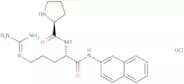
Discontinued productH-Pro-Arg-bNA·HCl
CAS:H-Pro-Arg-bNA·HCl is a reagent, complex compound and useful intermediate with the CAS number 201998-83-6. It is a fine chemical that is used as a useful scaffold or building block for the synthesis of other chemicals. This product can be used in research and as a versatile building block for reactions.
Formula:C21H28N6O2·HClPurity:Min. 95%Color and Shape:PowderMolecular weight:432.95 g/molRef: 3D-FP110680
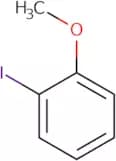
Discontinued product1-Iodo-2-methoxybenzene
CAS:1-Iodo-2-methoxybenzene is a compound that has shown to have anti-cancer properties. It is an effective inhibitor of protein tyrosine kinases, which are involved in the activation of inflammatory diseases and cancer. The hydroxyl group on the benzenoid ring activates the molecule by hydrogen bonding with the protein target, thereby inhibiting its activity. 1-Iodo-2-methoxybenzene may also be used as a contrast agent for magnetic resonance imaging (MRI) due to its light emission properties.
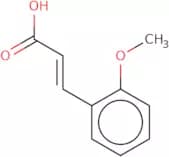
Formula:C7H7IOPurity:Min. 95%Color and Shape:Clear LiquidMolecular weight:234.03 g/mol2-Methoxycinnamic acid
CAS:2-Methoxycinnamic acid is a fine chemical that is used as a building block for research chemicals, pharmaceuticals, and other products. It is a versatile building block that can be used in the synthesis of complex compounds with diverse structures. 2-Methoxycinnamic acid is also an intermediate for the production of cinnamates, which are useful in the production of synthetic dyes.
Formula:C10H10O3Purity:Min. 95%Color and Shape:White PowderMolecular weight:178.18 g/molRef: 3D-FM71289
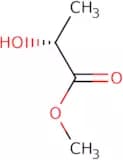
Discontinued productD-Methyl lactate
CAS:D-Methyl lactate is a synthetic, broad-spectrum antibacterial agent that is synthesized by the ring-opening of l-glutamic acid methyl esters with methyl glycosides. It has been shown to have a greater effect on gram-positive bacteria than gram-negative bacteria. This drug also has stereoselective activity against Staphylococcus aureus and Escherichia coli, which may be related to its ability to inhibit the synthesis of dl-amino acids. D-Methyl lactate has also been shown to increase bacterial cell growth at low concentrations and inhibit bacterial growth at high concentrations. This may be due to its ability to induce dehydration in cells through the cleavage of fatty acids.
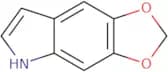
Formula:C4H8O3Purity:(¹H-Nmr) Min. 95 Area-%Color and Shape:Colorless Clear LiquidMolecular weight:104.1 g/mol5,6-Methylenedioxyindole
CAS:5,6-Methylenedioxyindole (MDI) is a compound that is often used in the synthesis of other bioactive molecules. It has been shown to bind to the pyridinium moiety of receptor sites and form a stable complex, which can then be displaced by an agonist or antagonist. The binding experiments were performed using radioactive MDI and zoxazolamine as the ligand. Radiolabelled MDI was synthesized from 5-methyl-2-pyridinone with the use of a linker, methylenetriphenylphosphorane (MTPP). The molecular electrostatic potentials of the two compounds were calculated in order to investigate the possible binding interactions between them. Ellipticines are also synthesised using MDI as a precursor molecule, which is alkylated with dimethyl sulfate and then reacted with phenylhydrazine. This reaction produces a mixture containing both ellipticines and
Formula:C9H7NO2Purity:Min. 95%Molecular weight:161.16 g/molRef: 3D-FM137841
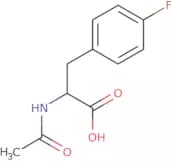
Discontinued productN-Acetyl-DL-p-fluorophenylalanine
CAS:N-Acetyl-DL-p-fluorophenylalanine is a chemical compound that can be used as a research chemical, or in the synthesis of other compounds. It is a reactive ingredient and can be used as a reagent. N-Acetyl-DL-p-fluorophenylalanine belongs to the class of speciality chemicals and can be used as an intermediate in the synthesis of other compounds. This compound has been found to be useful for the production of fine chemicals and complex compounds.
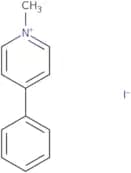
Formula:C11H12FNO3Purity:Min. 95%Color and Shape:PowderMolecular weight:225.22 g/molN-Methyl-4-phenylpyridinium iodide
CAS:N-Methyl-4-phenylpyridinium iodide is an experimental drug that has been shown to have a number of biological effects in vitro. These include the inhibition of dopamine uptake and mitochondrial membrane potential, leading to neuronal death. This drug also inhibits the uptake of gamma-aminobutyric acid (GABA) and the synthesis of tubule cells. N-Methyl-4-phenylpyridinium iodide has been shown to cause microglia cell activation by binding with the CB2 receptor on these cells. The compound also causes increased uptake of lithium ions into mitochondria, which leads to a reduction in mitochondrial membrane potential and subsequent neuronal death.
Formula:C12H12INPurity:Min. 95%Molecular weight:297.14 g/molRef: 3D-FM25717
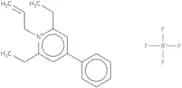
Discontinued productN-Propyl-1-ene-2,6-diethyl-4-phenylpyridinium tetrafluoroborate
CAS:N-Propyl-1-ene-2,6-diethyl-4-phenylpyridinium tetrafluoroborate (NPEEDPBF) is a fine chemical that has been used as a building block in research and industrial chemistry. The synthesis of NPEEDPBF typically involves the reaction of diethyl phenylpyridinium bromide with n propyl iodide. It can be used as a reagent for organic syntheses and as an intermediate for other compounds. NPEEDPBF is also a versatile building block for complex compounds.Formula:C18H22N•BF4Purity:Min. 95%Molecular weight:339.18 g/molRef: 3D-FP145686
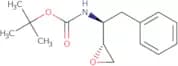
Discontinued product(2R,3S)-3-(tert-Butoxycarbonyl)amino-1,2-epoxy-4-phenylbutane
CAS:The compound (2R,3S)-3-(tert-Butoxycarbonyl)amino-1,2-epoxy-4-phenylbutane is an epoxide with a thionyl chloride mediated reaction. This compound has been shown to react with amines and nucleophiles to form epoxides. The time required for this reaction was found to be dependent on the concentration of the amine. The reaction was also found to be chiral as it produced a mixture of diastereomers. When irradiated, this compound undergoes a stereoselective reaction that leads to a new epoxide product.
Formula:C15H21NO3Purity:Min. 95%Color and Shape:Off-White PowderMolecular weight:263.34 g/molRef: 3D-FB07938
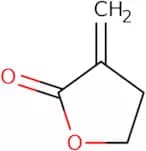
Discontinued productα-Methylene-γ-butyrolactone
CAS:Alpha-methylene-gamma-butyrolactone (AMGBL) is a naturally occurring sesquiterpene lactone. It has been shown to have anticancer effects on solid tumours, such as those of the liver and lung. AMGBL is also used in the treatment of tuliposide-induced skin lesions. The biological activity of AMGBL is due to its ability to inhibit matrix metalloproteinase (MMP)-1 and -2 and to enhance the production of epidermal growth factor receptor (EGFR). AMGBL also binds to DNA at the hydroxyl group and can be used as an anti-aging agent.Formula:C5H6O2Purity:Min. 95%Color and Shape:Clear LiquidMolecular weight:98.1 g/molH-Pro-Val-OH
CAS:H-Pro-Val-OH is an amide that is used to treat renal disorders by inhibiting leukocyte elastase. It has been shown to be a potent inhibitor of serine proteases, including chymotrypsin and trypsin. H-Pro-Val-OH binds to the active site on serine proteases and blocks the release of peptides from the enzyme. The binding constant for H-Pro-Val-OH with chymotrypsin was found to be in the range of 3 x 10 M, which is significantly higher than that for other amides. In addition, H-Pro-Val-OH inhibits cytolysis by lysosomal enzymes and protects against liver injury caused by chronic liver disease. This drug also shows low molecular weight and high water solubility, making it effective in treating acute hepatitis.
Formula:C10H18N2O3Purity:Min. 95%Color and Shape:PowderMolecular weight:214.26 g/molRef: 3D-FP108165
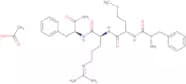
Discontinued productH-Phe-Met-Arg-Phe-NH2 acetate
CAS:Controlled ProductH-Phe-Met-Arg-Phe-NH2 acetate is a high quality reagent that is useful in the synthesis of complex compounds. It can be used as an intermediate for the production of fine chemicals and speciality chemicals, as well as being a versatile building block in the synthesis of organic compounds. H-Phe-Met-Arg-Phe-NH2 acetate can also be used to make research chemicals or reaction components.
Formula:C29H42N8O4S•(C2H4O2)xPurity:Min. 95%Color and Shape:PowderMolecular weight:598.76 g/molRef: 3D-FP108832
Discontinued productH-Gly-Pro-Hyp-OH
CAS:H-Gly-Pro-Hyp-OH is a collagen gel that is extracted from bovine skin. Collagen gel is a dietary supplement that can be applied to wounds and burns to promote healing. Collagen gel contains the amino acids glycine, proline, hydroxyproline, and hypochlorous acid. It also has an anti-inflammatory cytokine called IL-10. Hydrogen bonds form between the amino acids in collagen gel to give it its strength and stability. The LC-MS/MS method was used to identify the sequences of this peptide in order to confirm its identity. Collagen gel is neutral at pH 7 and has no effect on cellular function at this pH. The carboxy terminal of collagen gel is trifluoroacetic acid which can cause liver cells to die when ingested orally or intravenously due to its toxicity.
Formula:C12H19N3O5Purity:Min. 98 Area-%Color and Shape:White PowderMolecular weight:285.3 g/molRef: 3D-FG109052
Discontinued product1-Palmitoyl-2-oleoyl-rac-glycerol
CAS:1-Palmitoyl-2-oleoyl-rac-glycerol is a fatty acid that is made in the mitochondria and is an intermediate in the production of diacylglycerol. It has been shown to have a linear response with cellular protein levels, and it has been shown to be involved in the genetic mechanisms of cells. 1-Palmitoyl-2-oleoyl-rac-glycerol has been found to have a number of protein targets, including phosphatidylinositide 3 kinase, PKC, and Akt. This molecule also has been used as an analytical method for measuring fatty acids in tissue samples and has been shown to alter enzyme levels, such as those found in prostaglandin synthase 2. 1-Palmitoyl-2-oleoyl-rac-glycerol can be synthesized by laser ablation or chromatographic science methods.
Formula:C37H70O5Purity:Min. 95%Color and Shape:Solidified MassMolecular weight:594.95 g/molRef: 3D-FP159222
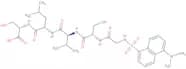
Discontinued productDansyl-Gly-Cys-Val-Leu-Ser-OH
CAS:Dansyl-Gly-Cys-Val-Leu-Ser-OH is an α subunit of the enzyme farnesyl diphosphate synthase. Dansyl-Gly-Cys-Val-Leu-Ser-OH is a substrate for this enzyme, which catalyzes the conversion of prenyl pyrophosphates to farnesyl pyrophosphate. The biological function of this peptide is not well understood, but it may be involved in cholesterol synthesis or cellular signaling. This peptide binds to cell membranes and has been shown to have a fluorescent property. Dansyl-Gly-Cys-Val-Leu-Ser OH can also bind to peptides and proteins, including the protein receptor for the HIV virus (CD4).
Formula:C31H46N6O9S2Purity:Min. 95%Color and Shape:PowderMolecular weight:710.86 g/molRef: 3D-FD110983
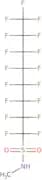
Discontinued product1,1,2,2,3,3,4,4,5,5,6,6,7,7,8,8,8-Heptadecafluoro-N-methyloctane-1-sulfonamide
CAS:Controlled Product1,1,2,2,3,3,4,4,5,5,6,6,7,7,8,8-heptadecafluoro-N-methyloctane-1-sulfonamide is a perfluorinated sulfonate that is used as a surfactant in wastewater treatment and to package food. This compound is not water soluble and requires an organic solvent to dissolve it. It has been shown that the use of 1HFAFMS can reduce the amount of phosphates in packaging materials by up to 50%. 1HFAFMS also has been found to be safe for humans and does not accumulate in the environment. It does not bioaccumulate and is rapidly excreted through urine.
Formula:C9H4F17NO2SPurity:Min. 95%Color and Shape:PowderMolecular weight:513.17 g/mol



![1-[(2,6-Difluorophenyl)Methyl]-4-Methyl-2-Propan-2-Ylbenzimidazole](/_next/image/?url=https%3A%2Fstatic.cymitquimica.com%2Fproducts%2F3D%2Fthumb-webp%2FFD98108.webp&w=3840&q=75)








![6-Fluoro-5-Methyl-2-[(5-Methyl-1H-Imidazol-4-Yl)Methyl]-2,3,4,5-Tetrahydro-1H-Pyrido[4,3-b]Indol-1…](/_next/image/?url=https%3A%2Fstatic.cymitquimica.com%2Fproducts%2F3D%2Fthumb-webp%2FFF102588.webp&w=3840&q=75)