Amino Acids (AA)
Subcategories of "Amino Acids (AA)"
- Amino Acid Derivatives(4,016 products)
- Amino Acid and Amino Acid Related Compounds(3,490 products)
- Amino Acids with Oxygen or Sulphur(168 products)
- Boc- Amino Acids(351 products)
- Fmoc Amino Acids(1,710 products)
Found 38369 products of "Amino Acids (AA)"
DL-alanine-β-naphthylamide hydrochloride
CAS:DL-Alanine-beta-naphthylamide hydrochloride is a fine chemical that is used as a building block for other compounds. It can be used in the synthesis of complex compounds and as a reagent to synthesize speciality chemicals and research chemicals. DL-Alanine-beta-naphthylamide hydrochloride is also a versatile building block that can be used as an intermediate in organic reactions or as a reaction component. This compound has CAS No. 74144-49-3 and is soluble in water.Formula:C13H15ClN2OPurity:Min. 95%Color and Shape:PowderMolecular weight:250.72 g/molH-Asp-Phe-OH
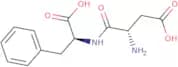
CAS:H-Asp-Phe-OH is a diagnostic agent that contains the amino acid aspartame and a hydroxyl group. It is hydrolyzed in the body to form aspartic acid, phenylalanine, and methanol. The methyl ester of H-Asp-Phe-OH is hydrochloride. This compound has been used to study locomotor activity in mice and rats. Aspartame has also been shown to be an inhibitor of certain enzymes, such as fatty acid synthase, which is associated with human pathogens. The lc-ms/ms method has been used to detect H-Asp-Phe-OH metabolites in human serum samples. In addition, this compound can be used for the diagnosis of diseases such as diabetes mellitus type 2 and Alzheimer’s disease by measuring uptake into cells at enzyme activities.
Formula:C13H16N2O5Purity:Min. 95%Color and Shape:White PowderMolecular weight:280.28 g/mol2-Amino-N-[2-(5-methoxy-1H-indol-3-yl)ethyl]acetamide hydrochloride
CAS:2-Amino-N-[2-(5-methoxy-1H-indol-3-yl)ethyl]acetamide hydrochloride is a magnetic compound that has been shown to be an effective cancer antigen. It is a derivative of the amino acid sequence of α,β-unsaturated fatty acids and can be used as a dietary supplement. 2-Amino-N-[2-(5-methoxy-1H-indol-3-yl)ethyl]acetamide hydrochloride has been shown to bind to fatty acid receptors on the surface of antigen presenting cells (APCs). It also activates the immune system by activating APCs, which leads to the production of cytokines and chemokines. This compound has also been shown to stimulate T cells in culture, leading to activation and proliferation of tumor cells.Formula:C13H17N3O2·HClPurity:Min. 95%Color and Shape:PowderMolecular weight:283.75 g/molCyclo(-Leu-Trp)
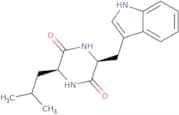
CAS:Cyclo(-Leu-Trp) is a sweetener that has been used in the food industry for many years. Cyclo(-Leu-Trp) is able to bind with quinine and form a complex that can be detected using analytical methods. Cyclo(-Leu-Trp) has been investigated as a ligand that may be able to bind to receptors on cancer cells, which could lead to new treatments for cancer. Cyclo(-Leu-Trp) also has amphipathic properties and can form liposomes at high concentrations. This molecule has also been studied for its ability to induce transduction of DNA into bacterial cells and cellular thermogenesis.Formula:C17H21N3O2Purity:Min. 98 Area-%Color and Shape:PowderMolecular weight:299.37 g/molH-Trp-Pro-OH
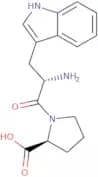
CAS:H-Trp-Pro-OH is an amide that can be used as a model system in the preparation of collagen. It has been shown to inhibit the linker between collagen molecules, which may lead to the formation of proline-rich peptides. H-Trp-Pro-OH has also been found to have anticancer properties, and inhibits cancer cell growth by inhibiting protein synthesis and promoting apoptosis. H-Trp-Pro-OH was found to inhibit cancer cells through a mechanism that is not yet fully understood, but it may involve both competitive inhibition of amino acids and activation of apoptosis through reactive oxygen species.Formula:C16H19N3O3Purity:Min. 98 Area-%Color and Shape:PowderMolecular weight:301.34 g/mol2,4-Dihydroxy-6-methoxyquinoline
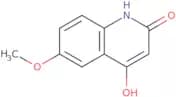
CAS:2,4-Dihydroxy-6-methoxyquinoline is a compound that exhibits antifungal properties. It has been shown to have activity against Aspergillus flavus, Aspergillus fumigatus, Candida albicans and other fungi. 2,4-Dihydroxy-6-methoxyquinoline also inhibits the growth of E. coli and A. aureus in vitro. Elemental analysis showed that this compound possesses antibacterial properties and can inhibit the growth of Staphylococcus aureus.Formula:C10H9NO3Purity:Min. 95%Color and Shape:PowderMolecular weight:191.18 g/mol6-Methyl-DL-tryptophan
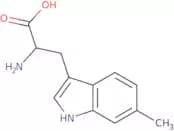
CAS:6-Methyl-DL-tryptophan is a naturally occurring amino acid that is used as a precursor in the synthesis of the neurotransmitter serotonin. 6-Methyl-DL-tryptophan is synthesized from the amino acid L-tryptophan by the enzyme tryptophan synthase. It is also found in dietary sources such as nuts and seeds, but not in significant quantities. 6-Methyl-DL-tryptophan has been shown to inhibit cancer cells in vitro and has been shown to be effective against prostate cancer cells. The inhibition mechanism for this drug has not yet been elucidated, but it may be due to frameshifting and/or inhibition of protein synthesis.Formula:C12H14N2O2Purity:Min. 95%Color and Shape:White PowderMolecular weight:218.25 g/molStyrenated phenol
CAS:2,4,6-Tris-(1-phenyl-ethyl)phenol is a phenolic compound that is used to manufacture polyvinyl chloride. It has been shown to be an effective antioxidant and can be used in treatments of polyvinyl chloride products. 2,4,6-Tris-(1-phenyl-ethyl)phenol is hydrophobic and can be used as a coating agent for surfaces that are exposed to water or moisture. 2,4,6-Tris-(1-phenyl-ethyl)phenol has been shown to inhibit the enzymatic reaction between chlorine and hydrophobic compounds. This chemical also has optical properties that are sensitive to changes in pH levels and temperature.
Formula:C30H30OPurity:Min. 95%Molecular weight:406.56 g/molD-(+)-Glyceraldehyde
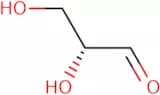
CAS:D-Glyceraldehyde is sold by active weight in solution
Formula:C3H6O3Purity:85%MinColor and Shape:Colorless Clear Viscous LiquidMolecular weight:90.08 g/molTertiapin-Q trifluoroacetate salt
CAS:A peptide found in honey bee venom; Potassium channel inhibitorFormula:C106H175N35O24S4Purity:Min. 95%Molecular weight:2,452.01 g/mol4-((3,5-dibromo-4-hydroxyphenyl)methylene)-3-(tert-butyl)-1-phenyl-2-pyrazolin-5-one
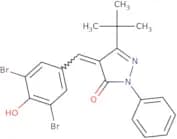
CAS:Please enquire for more information about 4-((3,5-dibromo-4-hydroxyphenyl)methylene)-3-(tert-butyl)-1-phenyl-2-pyrazolin-5-one including the price, delivery time and more detailed product information at the technical inquiry form on this pagePurity:Min. 95%O-tert-Butyl-L-threonine tert-butyl ester acetate
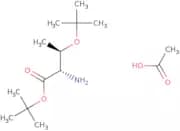
CAS:Controlled ProductO-tert-Butyl-L-threonine tert-butyl ester acetate salt is a crystalline solid that can be prepared by reacting threonine with an acid catalyst in the presence of volatile solvents such as isobutylene. It can also be prepared by reacting threonine with an acid catalyst in the presence of organic solvents such as dioxane. The tert-butyl ester acetate salt can be synthesized from O-tert-butyl L-threonine and acetate using superacid catalysts such as sulfuric acid. This process is simplified by using solvents such as dioxane, which are less corrosive than water or ethanol.Formula:C14H29NO5Purity:Min. 95%Color and Shape:PowderMolecular weight:291.38 g/molFmoc-L-Asn-OH
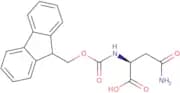
CAS:Fmoc-L-Asn-OH is an organic compound that belongs to the group of amides. It reacts with a reactive site in the molecule and is able to form an amide bond. Fmoc-L-Asn-OH has been shown to be effective in the treatment of Alzheimer's disease by inhibiting the formation of beta-amyloid plaques. This compound has also been shown to have a role in cancer prevention, as it can inhibit tumor growth and reduce tumor size. Fmoc-L-Asn-OH can be used as a potential antiinflammatory agent because its mechanism studies have revealed that it inhibits prostaglandin synthesis.Formula:C19H18N2O5Purity:Min. 95%Color and Shape:PowderMolecular weight:354.36 g/mol5-Bromo-2-chloro-3-methoxypyridine
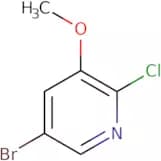
CAS:5-Bromo-2-chloro-3-methoxypyridine is a kinase inhibitor that belongs to the class of compounds called analogues. This compound has been shown to be an efficient, selective and potent inhibitor of the csf1R protein kinase. 5-Bromo-2-chloro-3-methoxypyridine has also been shown to inhibit the activity of other kinases such as cdc2, cdk4, cdk6 and cdk7. The structure of this compound was used as a starting point in the development of a new class of kinase inhibitors.
Formula:C6H5BrClNOPurity:Min. 95%Color and Shape:SolidMolecular weight:222.47 g/molH-Lys-Asp-OH
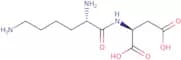
CAS:H-Lys-Asp-OH is a molecule that binds to the receptor binding molecule for the colony stimulating factor. It has been shown to be effective in protecting against experimental models of hepatic steatosis and monoclonal antibody induced liver injury. The therapeutic potential of H-Lys-Asp-OH is being investigated as a treatment for human hepatic steatosis, which is a condition characterized by high levels of fat in the liver. This drug also has pharmacokinetic properties that are important in its use as an experimental model for studying the effects of antibiotics on bacterial DNA synthesis, and as a diagnostic tool for detecting antibiotic resistant bacteria.Formula:C10H19N3O5Purity:Min. 95%Color and Shape:White PowderMolecular weight:261.28 g/mol5-Chloro-1,10-phenanthroline
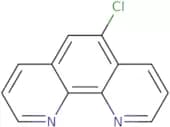
CAS:5-Chloro-1,10-phenanthroline (5CP) is a molecule that has been used in the study of DNA oxidation. 5CP has been shown to be an effective inhibitor of oxidative dna damage and can be used for the prevention of mutations caused by reactive oxygen species. This compound was also found to inhibit the growth of L1210 murine leukemia cells, which is due to its ability to bind to potassium ions. 5CP has been shown to have significant binding constants with DNA and protein molecules. It also has a very high level of ancillary activity and can be used as a catalyst in transfer reactions.Formula:C12H7ClN2Purity:Min. 97.5 Area-%Color and Shape:Red PowderMolecular weight:214.65 g/molN-Acetyl-D-glutamic acid
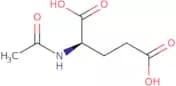
CAS:N-Acetyl-D-glutamic acid is an amino acid that is the building block for proteins in the body. It is a product of the hydrolysis of glutamic acid and is used to treat metabolic disorders such as lysinuric protein intolerance, which blocks the body's ability to break down proteins. N-Acetyl-D-glutamic acid can be found in sources such as peptone, glutamate, and d-carnitine. It has optimum temperature range of 25°C to 45°C. This amino acid can be used as an optical pH indicator due to its red color under acidic conditions and blue color under basic conditions.Formula:C7H11NO5Purity:Min. 95%Color and Shape:PowderMolecular weight:189.17 g/mol3-Cyano-4-methoxybenzoic acid
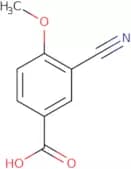
CAS:3-Cyano-4-methoxybenzoic acid is a white crystalline solid that is soluble in water. This compound is a useful intermediate for the synthesis of other organic compounds, as well as a useful scaffold for the synthesis of complex compounds. 3-Cyano-4-methoxybenzoic acid also has potential use as a research chemical, and can be used as an effective building block for the preparation of fine chemicals. 3-Cyano-4-methoxybenzoic acid may be used to produce speciality chemicals such as pharmaceuticals, dyes, pesticides, and perfumes. It can also be used to synthesize compounds with diverse functionalities.Formula:C9H7NO3Purity:Min. 95%Color and Shape:SolidMolecular weight:177.16 g/molD-Alanine amide hydrochloride
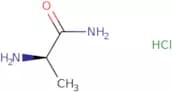
CAS:D-Alanine amide hydrochloride is a molecule that belongs to the class of organic solvents. It is a chiral compound with high specificity for d-alanine. D-Alanine amide hydrochloride has been shown to block bacterial strains such as Acinetobacter, Ochrobactrum and Stenotrophomonas maltophilia. This drug also inhibits the growth of bacteria by binding to the active site of enzymes, preventing them from catalyzing reactions. The stereoselectivity of this drug is due to its pharmacophore that mimics the three amino acids found in d-alanine: an amide, an aliphatic chain, and a hydroxyl group.Formula:C3H8N2O·HClColor and Shape:White Off-White PowderMolecular weight:124.57 g/molAla-Ala-OH
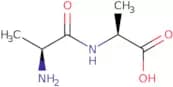
CAS:Ala-Ala-OH is a chemical compound that is structurally similar to the natural amino acid alanine. It has been used as a model system for the study of vancomycin, an antibiotic that binds to the penicillin-binding protein (PBP) in bacterial cell walls and inhibits peptidoglycan synthesis. Ala-Ala-OH binds to the PBP with high affinity and specificity, but does not inhibit peptidoglycan synthesis or kill bacteria. In contrast, Ala-Ala-OH has shown antiviral and anti-inflammatory activities by binding to viral and inflammatory proteins. This compound also has been shown to be chemically stable and can be used as a fluorescent probe in titration calorimetry experiments, which measure heat released during the formation of a chemical reaction.
Formula:C6H12N2O3Purity:Min. 95%Color and Shape:PowderMolecular weight:160.17 g/mol3-Fluoro-5-methylbenzoic acid
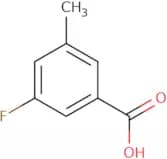
CAS:3-Fluoro-5-methylbenzoic acid is a sulfilimine that has been shown to have insecticidal, functional, and biological activities. 3-Fluoro-5-methylbenzoic acid binds to the enzyme diamide reductase in insects, which prevents the production of toxic amines in insects. 3-Fluoro-5-methylbenzoic acid also inhibits the synthesis of anthranilic acid and organosulfur compounds in plants. This sulfilimine is structurally similar to other insecticides such as DDT and carbofuran. It is soluble in water but insoluble in organic solvents.Formula:C8H7FO2Purity:Min. 95%Color and Shape:PowderMolecular weight:154.14 g/molZ-Gly-Sar-OH
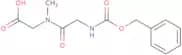
CAS:Z-Gly-Sar-OH is a fine chemical that belongs to the group of building blocks. It can be used as an intermediate in research, as well as for the synthesis of complex compounds. Z-Gly-Sar-OH is also used as a reagent and reaction component in organic chemistry. The CAS number for this compound is 7801-91-4.Formula:C13H16N2O5Purity:Min. 98 Area-%Color and Shape:PowderMolecular weight:280.28 g/molAluminiumHydroxybis[2,2'-methylen-bis(4,6-di-tert-butylphenyl)phosphate]
CAS:Please enquire for more information about AluminiumHydroxybis[2,2'-methylen-bis(4,6-di-tert-butylphenyl)phosphate] including the price, delivery time and more detailed product information at the technical inquiry form on this pageFormula:C58H85AlO9P2Purity:Min. 95%Color and Shape:PowderMolecular weight:1,015.22 g/molFurosine hydrochloride
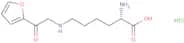
CAS:Furosine hydrochloride is a white crystalline chemical with a molecular formula of C6H7N3O4S. It is soluble in water and has a melting point of about 140 degrees Celsius. Furosine hydrochloride is a useful building block for the synthesis of polymers, pharmaceuticals, organic semiconductors and other organic compounds. Furosine hydrochloride is used as an intermediate to produce fine chemicals such as polyurethanes, polyamides and amino acids. It can also be used as a reaction component in the synthesis of complex compounds such as 2-amino-5-nitrothiophene or 2,2'-dithiobis(benzothiazole). Furosine hydrochloride can be used as a scaffold for the production of various drugs such as antihypertensives or antidepressants.Formula:C12H18N2O4·xHClPurity:Min. 98 Area-%Color and Shape:PowderMolecular weight:254.28 g/mol5-Fluoro-2-methylphenol
CAS:The fluoroquinolone 5-Fluoro-2-methylphenol (5FM) is an inhibitor of angiotensin, an enzyme that is involved in the regulation of blood pressure and fluid balance. The structure of this compound was optimized to make it more potent and selective for angiotensin, while minimizing its adverse effects. This optimization was achieved using high throughput screening and x-ray crystallography. The fluorine atom in 5FM binds to aspartyl protease, which prevents the protease from breaking down proteins into smaller amino acid chains. This binding also inhibits the activity of other enzymes that are involved in protein synthesis, such as aspartyl proteases and salicylic acid esterases. 5FM has been shown to inhibit the growth of bacteria such as Staphylococcus aureus at concentrations that are not toxic to mammalian cells.Formula:C7H7FOPurity:Min. 95%Color and Shape:Clear LiquidMolecular weight:126.13 g/molD-Proline
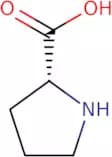
CAS:D-Proline is a non-essential amino acid that can be synthesized by the body. It is a racemic mixture of the two stereoisomers, L-proline and D-proline. Research has shown that D-proline inhibits the enzyme racemase, which converts L-proline to D-proline. Racemase inhibition leads to an accumulation of L-proline, which may reduce disease activity in some cases. D-Proline also inhibits liver cells and trigeminal nerve cells, leading to decreased pain. The asymmetric synthesis of picolinic acid from D-pyridoxal 5'-phosphate catalyzed by prolinase occurs at a pH optimum around 2.8. This reaction is used as a model system for studying chemical biology and antimicrobial peptides. D-Proline can be found in E coli K12 and other bacteria with analytical chemistry techniques such as gas chromatography mass spectrometry (GCFormula:C5H9NO2Color and Shape:PowderMolecular weight:115.13 g/mol4-Methoxybenzenecarbothioamide
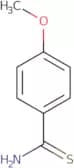
CAS:4-Methoxybenzenecarbothioamide is a urea nitrogen analogue that inhibits the synthesis of urea and other nitrogenous compounds. It is an inhibitor of the enzyme pyruvic transaminase, which converts pyruvate to alanine. The drug is also an inhibitor of the enzyme lactam synthetase, which catalyzes the formation of lactams from amino acids. This activity results in decreased production of cancer cells and renal toxicity. 4-Methoxybenzenecarbothioamide has been shown to have anticancer activity in vitro against a number of human cancer cell lines, including A549 lung carcinoma cells and MCF-7 breast cancer cells.Formula:C8H9NOSPurity:Min. 98 Area-%Color and Shape:Off-White Yellow PowderMolecular weight:167.23 g/mol3-Methoxybenzamidine hydrochloride
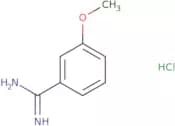
CAS:3-Methoxybenzamidine hydrochloride is a chemical that belongs to the group of acid chlorides. It is used in organic synthesis as an intermediate for the production of triazines, which are used as herbicides and insecticides. 3-Methoxybenzamidine hydrochloride is usually prepared by reacting methylamine with nitrous acid. The use of 3-methoxybenzamidine hydrochloride in organic synthesis has been shown to be highly efficient, with yields up to 95%. This chemical also exhibits fluorescence at low temperatures.Formula:C8H10N2O·HClPurity:Min. 95%Color and Shape:PowderMolecular weight:186.64 g/molN-Methyl-4-pyridone-3-carboxamide
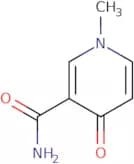
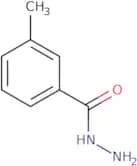
CAS:N-Methyl-4-pyridone-3-carboxamide is a nonnutritive sweetener that has been shown to have no effect on peroxisome proliferation. It also had no effect on the levels of fatty acids in rat cardiomyocytes and did not affect uv absorption. N-Methyl-4-pyridone-3-carboxamide binds to the receptor α subunit of the taste receptor and inhibits adenosine uptake, which may be responsible for its effects on depression. This compound also alters energy metabolism by inhibiting mitochondrial ATP production and glycolysis.Formula:C7H8N2O2Purity:(%) Min. 95%Color and Shape:PowderMolecular weight:152.15 g/mol3-Methyl-benzoylhydrazide
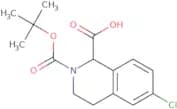
CAS:3-Methyl-benzoylhydrazide is a chemical compound that has been shown to have antibacterial effects against Gram-positive bacteria. It has been found to inhibit the growth of chickpea, acrylonitrile, and subtilis at acidic pH levels. 3-Methyl-benzoylhydrazide inhibits bacterial growth by reacting with the enzyme protein imine (NAD+), which is required for oxidative metabolism in bacteria. This reaction results in the formation of an iminium ion, which is highly reactive and can lead to the destruction of DNA, RNA, and proteins. 3-Methyl-benzoylhydrazide also reacts with staphylococcus by inhibiting its growth at alkaline pH levels. This compound also has nutritional benefits because it contains amino acids such as cysteine and methionine.Formula:C8H10N2OPurity:Min. 95%Color and Shape:PowderMolecular weight:150.18 g/mol2-Boc-6-Chloro-3,4-dihydro-1H-isoquinoline-1-carboxylic acid
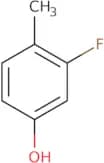
CAS:2-Boc-6-Chloro-3,4-dihydro-1H-isoquinoline-1-carboxylic acid is a useful scaffold for the production of various chemical compounds. It is a versatile building block that can be used as an intermediate in various chemical reactions or as a speciality chemical. 2-Boc-6-Chloro-3,4-dihydro-1H-isoquinoline-1 carboxylic acid has been shown to be a high quality and reliable reagent for use in research and development.Formula:C15H18ClNO4Purity:Min. 95%Color and Shape:White PowderMolecular weight:311.76 g/mol3-Fluoro-4-methylphenol
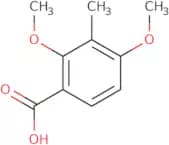
CAS:3-Fluoro-4-methylphenol is a regiospecific, nature, activating, radiopharmaceutical, which is used in the synthesis of asymmetric formylation reagents. It can be synthesized from nitrobenzene and formaldehyde in the presence of sodium hydroxide. 3-Fluoro-4-methylphenol can be converted to 3-fluoroacetophenone by hydrogenation with palladium on charcoal. This compound has an electron withdrawing group and a nucleophilic group that are activated by a dihedral angle of 30° or less. The nitro group has the ability to accept electrons from other compounds or compounds such as ammonia or amines.Formula:C7H7FOPurity:Min. 95%Color and Shape:PowderMolecular weight:126.13 g/mol2,4-Dimethoxy-3-methylbenzoic acid
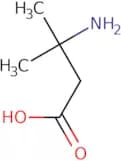
CAS:2,4-Dimethoxy-3-methylbenzoic acid is a fine chemical that is used as a versatile building block in the synthesis of other organic compounds. 2,4-Dimethoxy-3-methylbenzoic acid has been used in research to generate novel compounds with desired properties. It is also used as a reaction component and speciality chemical. The compound can be reacted with sodium methoxide in methanol to form 2,4-dimethoxybenzaldehyde, which is an intermediate for the synthesis of other chemicals. It also reacts with nitric acid to form 2,4-dimethylbenzoic acid and oleum. These reactions are useful for the production of certain drugs or for the synthesis of polymers.Formula:C10H12O4Purity:Min. 95%Molecular weight:196.2 g/mol3-Amino-3-methylbutanoic acid
CAS:3-Amino-3-methylbutanoic acid is a carbonaceous compound that can be synthesized from b-alanine and perchloroethylene. It is used in the manufacture of butanoic acid, which is an important industrial chemical. 3-Amino-3-methylbutanoic acid has been shown to exist as four isomers, each with a different molecular weight. The isomers are produced by a synthetic process involving the reaction of b-alanine and perchloroethylene. In an amination reaction, the compounds are heated in the presence of ammonia gas or ammonium chloride to form 3-amino-3-methylbutanoic acid.
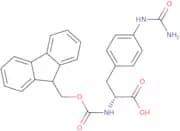
Formula:C5H11NO2Purity:Min 95%Color and Shape:PowderMolecular weight:117.15 g/molFmoc-D-ApH(Cbm)-OH
CAS:Fmoc-D-ApH(Cbm)-OH is a reagent that can be used in synthesis, as a building block and as an intermediate. It is a versatile compound that can be used in many different reactions. Fmoc-D-ApH(Cbm)-OH is an organic solvent, which means it can react with other compounds to form new substances. This chemical has been assigned the CAS number 324017-22-3.
Formula:C25H23N3O5Purity:Min. 95%Color and Shape:White PowderMolecular weight:445.47 g/molN-[1-[2-(4-Ethyl-5-Oxotetrazol-1-Yl)Ethyl]-4-Phenylpiperidin-4-Yl]-N-(2-Fluorophenyl)Propanamide
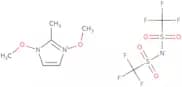
CAS:Controlled ProductN-[1-[2-(4-Ethyl-5-Oxotetrazol-1-Yl)Ethyl]-4-Phenylpiperidin-4-Yl]-N-(2-Fluorophenyl)Propanamide is a drug that is used clinically for the treatment of depression. It is an analog of amitriptyline, an antidepressant and a tricyclic compound. N-[1-[2-(4-Ethyl-5-Oxotetrazol-1-Yl)Ethyl]-4-Phenylpiperidin-4-Yl]-N-(2-Fluorophenyl)Propanamide has been shown to increase the concentration of plasma drug levels by increasing transporter gene expression in muscle tissue. This drug also has clinical pharmacology and thermal expansion properties.Formula:C25H31FN6O2Purity:Min. 95%Molecular weight:466.55 g/mol1,3-Dimethoxy-2-methylimidazoliumbis(trifluoromethylsulfonyl)imide
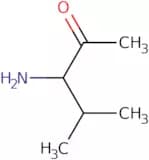
CAS:Please enquire for more information about 1,3-Dimethoxy-2-methylimidazoliumbis(trifluoromethylsulfonyl)imide including the price, delivery time and more detailed product information at the technical inquiry form on this pageFormula:C8H11F6N3O6S2Purity:Min. 95%Color and Shape:PowderMolecular weight:423.31 g/mol3-Amino-4-methylpentan-2-one hydrochloride
CAS:3-Amino-4-methylpentan-2-one hydrochloride is a versatile building block that is used for the synthesis of high quality research chemicals, useful scaffolds, and speciality chemicals. It is also used as a reagent in organic syntheses. This chemical has a wide range of uses and is a fine chemical that can be used as an intermediate or reaction component. 3-Amino-4-methylpentan-2-one hydrochloride can be reacted with other compounds to form complex molecules that have many different applications.Formula:C6H13NO•HClPurity:Min. 95%Color and Shape:SolidMolecular weight:151.63 g/molD-Phenylalaninol
CAS:D-Phenylalaninol is a chiral, optically active molecule. It is a salt of hydrochloride that is used as a chemical intermediate in the synthesis of other drugs. D-Phenylalaninol has been shown to inhibit mitochondrial membrane potential and decrease hydrogen bond interactions, which may be due to its ability to bind to chloride ions. In addition, this compound has been shown to inhibit pancreatic lipase activity and l-phenylalanine oxidase activity in mammalian cells.
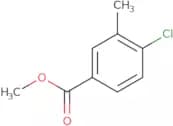
Formula:C9H13NOPurity:Min. 95%Molecular weight:151.21 g/molMethyl 4-chloro-3-methylbenzoate
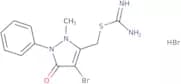
CAS:Please enquire for more information about Methyl 4-chloro-3-methylbenzoate including the price, delivery time and more detailed product information at the technical inquiry form on this pageFormula:C9H9ClO2Purity:Min. 95%Molecular weight:184.62 g/mol((4-bromo-2-methyl-5-oxo-1-phenyl(3-pyrazolin-3-yl))methyl)thiocarboxamidine, hydrobromide
CAS:Please enquire for more information about ((4-bromo-2-methyl-5-oxo-1-phenyl(3-pyrazolin-3-yl))methyl)thiocarboxamidine, hydrobromide including the price, delivery time and more detailed product information at the technical inquiry form on this pagePurity:Min. 95%5-Methylpyrazine-2-carboxylic acid 4-oxide
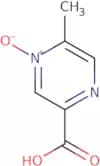
CAS:Niacin receptor 1 (NIACR1) antagonist; lipid loweringFormula:C6H6N2O3Purity:Min. 98 Area-%Color and Shape:PowderMolecular weight:154.12 g/mol2-Ethoxy-4-methoxybenzoic acid
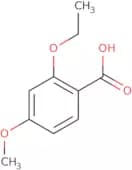
CAS:2-Ethoxy-4-methoxybenzoic acid is a versatile chemical compound that can be used as a building block in the synthesis of complex compounds. It has been used as an intermediate in the production of other chemicals and has been shown to be useful as a scaffold for drug design. 2-Ethoxy-4-methoxybenzoic acid is also used in research to study bacterial resistance to antibiotics and its ability to inhibit DNA replication. CAS No. 55085-15-9Formula:C10H12O4Purity:Min. 95%Color and Shape:PowderMolecular weight:196.2 g/mol4-Phenoxybenzophenone
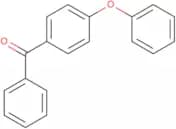
CAS:4-Phenoxybenzophenone is a synthetic product with a sulfonation reaction mechanism. It is synthesized from benzoyl chloride and diphenyl ether in the presence of zirconium. 4-Phenoxybenzophenone has a protonated aromatic ring, which allows for its use as an organic semiconductor. The fluoroaromatic group is also present in this compound, which makes it highly sensitive to ultrafast laser pulses. This product can be used to produce mesoporous silica materials that have been shown to have excellent optical properties. The chloride group is capable of reacting with hydrochloric acid to form chlorine gas and water.Formula:C19H14O2Purity:Min. 95%Color and Shape:PowderMolecular weight:274.31 g/mol4-Methoxy-2,3,6-trimethylbenzaldehyde
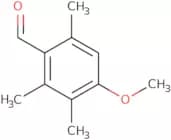
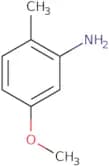
CAS:4-Methoxy-2,3,6-trimethylbenzaldehyde (MTMB) is a chemical intermediate that can be used as a building block for the synthesis of complex compounds. It has a high quality and is a versatile building block. MTMB is also known to react with other chemical compounds to form an aromatic ring. This compound is used in research and development as well as in fine chemical production.Formula:C11H14O2Purity:Min. 95%Color and Shape:PowderMolecular weight:178.23 g/mol5-Methoxy-2-methylaniline
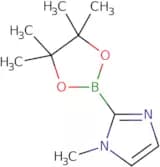
CAS:5-Methoxy-2-methylaniline is a synthetic compound that has been shown to have neurotoxic effects in rats. The neurotoxicity of this substance has been shown to be related to its ability to inhibit monoamine oxidase A (MAO-A). This inhibition leads to an accumulation of the neurotransmitter dopamine, which in turn leads to an increase in the production of free radicals and lipid peroxidation. 5-Methoxy-2-methylaniline also shows neuroprotective properties, which may be due to its ability to inhibit deoxypeganine and hydrochloric acid, two mediators involved in the generation of reactive oxygen species.Formula:C8H11NOPurity:Min. 95 Area-%Color and Shape:PowderMolecular weight:137.18 g/mol1-Methyl-1H-imidazole-2-boronic acid pinacolester
CAS:1-Methyl-1H-imidazole-2-boronic acid pinacolester is a chemical compound that is used as a reagent in organic synthesis. It is also a useful building block for complex compounds, and can be used as a versatile building block for drug discovery research. 1-Methyl-1H-imidazole-2-boronic acid pinacolester is soluble in water, has good solubility in organic solvents such as ethanol, acetone, THF, and DMF. It has a CAS number of 553651-31-3 and the molecular weight of 252.24 g/mol.Formula:C10H17BN2O2Purity:Min. 95 Area-%Color and Shape:White PowderMolecular weight:208.07 g/molS-Methyl-L-thiocitrulline acetate salt
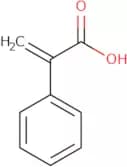
CAS:Controlled ProductS-Methyl-L-thiocitrulline acetate salt (SMTSA) is an inhibitor of the enzyme cyclase that inhibits the production of 5-hydroxytryptamine (5-HT) in the gastrointestinal tract. SMTSA has been shown to reduce 5-HT concentrations in mesenteric vessels and inhibit the physiological effects of 5-HT in rats. This drug also inhibits dopamine release from synaptosomes, which may be due to its ability to act as a competitive inhibitor of ester hydrochloride, dinucleotide phosphate, and cyclase. In addition, this drug has been shown to have a cytotoxic effect on cardiac myocytes by causing calcium influx into the cytosol and inhibiting ryanodine receptor channels.Formula:C7H15N3O2SPurity:Min. 95%Color and Shape:PowderMolecular weight:205.28 g/mol2-Phenylacrylic acid
CAS:2-Phenylacrylic acid is a chromatographic method that can be used as a cross-linking agent in the synthesis of polycarboxylic acids. It has been shown to protonate tiglic acid, which is an important component in the formation of polycarboxylic acids. 2-Phenylacrylic acid also has acidic properties and can be used as a conditioning agent for the synthesis of hydroxylated molecules. This compound has been shown to have hepatic steatosis-inducing effects and may also contribute to metabolic disorders such as diabetes mellitus type II. Molecular modeling studies have shown that 2-phenylacrylic acid is able to bind with human liver cells, which may be due to its hydroxyl group.
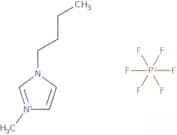
Formula:C9H8O2Purity:Min. 95%Color and Shape:PowderMolecular weight:148.16 g/mol1-Butyl-3-methylimidazolium hexafluorophosphate
CAS:1-Butyl-3-methylimidazolium hexafluorophosphate is an ionic liquid that is soluble in water. It has been used as a coagulant in wastewater treatment and to remove heavy metals from wastewater. 1-Butyl-3-methylimidazolium hexafluorophosphate has been shown to have photochemical properties, which may be due to its ability to absorb light at wavelengths of 300 nm or more. The hydroxyl group on the butyl side chain of this ionic liquid can bind with a hydrogen atom in water. The hydrogen bonding interactions between the hydroxyl group and the hydrogen atom allow for high values of constant pressure. Methyl ethyl ketone (MEK) is a polar solvent that can dissolve this ionic liquid.Formula:C8H15F6N2PPurity:Min. 98 Area-%Color and Shape:Clear LiquidMolecular weight:284.18 g/mol


![2-Amino-N-[2-(5-methoxy-1H-indol-3-yl)ethyl]acetamide hydrochloride](/_next/image/?url=https%3A%2Fstatic.cymitquimica.com%2Fproducts%2F3D%2Fthumb-webp%2FFA116384.webp&w=3840&q=75)

![AluminiumHydroxybis[2,2'-methylen-bis(4,6-di-tert-butylphenyl)phosphate]](/_next/image/?url=https%3A%2Fstatic.cymitquimica.com%2Fproducts%2F3D%2Fthumb-webp%2FFA150593.webp&w=3840&q=75)

![N-[1-[2-(4-Ethyl-5-Oxotetrazol-1-Yl)Ethyl]-4-Phenylpiperidin-4-Yl]-N-(2-Fluorophenyl)Propanamide](/_next/image/?url=https%3A%2Fstatic.cymitquimica.com%2Fproducts%2F3D%2Fthumb-webp%2FFE102162.webp&w=3840&q=75)