Amino Acids (AA)
Subcategories of "Amino Acids (AA)"
- Amino Acid Derivatives(4,017 products)
- Amino Acid and Amino Acid Related Compounds(3,491 products)
- Amino Acids with Oxygen or Sulphur(168 products)
- Boc- Amino Acids(351 products)
- Fmoc Amino Acids(1,710 products)
Found 38385 products of "Amino Acids (AA)"
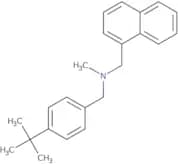
Butenafine
CAS:Butenafine hydrochloride is a mycological agent that is used to treat tinea. It has been shown to have an antifungal activity in vitro against wild-type strains of c. glabrata. Butenafine hydrochloride inhibits the synthesis of ergosterol, which is a vital component of fungal cell membranes, by blocking the conversion of squalene to lanosterol through inhibition of 14alpha-demethylase. It also has antimicrobial properties, which may be due to its ability to inhibit bacterial growth.Formula:C23H27NPurity:Min. 95%Molecular weight:317.47 g/molH-Lys-Asp-OH
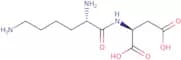
CAS:H-Lys-Asp-OH is a molecule that binds to the receptor binding molecule for the colony stimulating factor. It has been shown to be effective in protecting against experimental models of hepatic steatosis and monoclonal antibody induced liver injury. The therapeutic potential of H-Lys-Asp-OH is being investigated as a treatment for human hepatic steatosis, which is a condition characterized by high levels of fat in the liver. This drug also has pharmacokinetic properties that are important in its use as an experimental model for studying the effects of antibiotics on bacterial DNA synthesis, and as a diagnostic tool for detecting antibiotic resistant bacteria.Formula:C10H19N3O5Purity:Min. 95%Color and Shape:White PowderMolecular weight:261.28 g/mol4-Amino-2-methylbenzoic acid ethyl ester
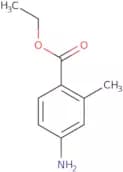
CAS:4-Amino-2-methylbenzoic acid ethyl ester is a versatile building block that can be used in the synthesis of complex compounds. It has been shown to have a number of useful applications, such as in the synthesis of pharmaceuticals, research chemicals, and speciality chemicals. 4-Amino-2-methylbenzoic acid ethyl ester is also an important reagent for the production of high quality pharmaceuticals and intermediates. This chemical is also a useful scaffold for organic reactions.Formula:C10H13NO2Purity:Min. 95%Molecular weight:179.22 g/mol6,9-Dichloro-2-methoxyacridine
CAS:6,9-Dichloro-2-methoxyacridine (DCA) is a fluorescent probe that can be used to measure the cytosolic Ca2+ concentration in mammalian cells. DCA binds to chloride ions and emits a fluorescence signal proportional to the cytosolic Ca2+ concentration. The binding constants for DCA and chloride are low, which makes this probe an ideal candidate for measuring cytosolic Ca2+. DCA has been shown to inhibit cancer cell growth by decreasing mitochondrial membrane potential. This effect may be caused by the inhibition of mitochondrial ATP production or the disruption of ion transport across the mitochondrial membrane.Formula:C14H9Cl2NOPurity:Min. 95%Color and Shape:Slightly Yellow PowderMolecular weight:278.13 g/mol2-Methyl-5-nitroaniline
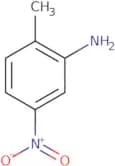
CAS:2-Methyl-5-nitroaniline (2MNA) is a chemical that has been found to be toxic to humans. It is used in wastewater treatment and as a reagent for the production of dyes, rubber products, pesticides, and plastics. 2MNA is oxidized by cytochrome P450 enzymes to create reactive intermediates that react with DNA bases or nucleic acids. 2MNA has also been shown to cause cancer in animals and humans at high doses. It is unclear whether this effect is due to the 2MNA itself or the reactive intermediate formed during metabolism. 2MNA binds to proteins on the surface of cells which may interfere with their function, including enzyme activities and signal transduction pathways. The carcinogenic potential of 2MNA may be due to its ability to form covalent bonds with cellular components such as fatty acids and proteins.Formula:C7H8N2O2Purity:Min. 98%Color and Shape:Slightly Yellow Orange PowderMolecular weight:152.15 g/mol1-Boc-1,8-diaminooctane
CAS:1-Boc-1,8-diaminooctane is a polymerase that is used in the synthesis of DNA. It has been shown to be able to cleave supercoiled DNA and bind to acidic surfaces. This compound is fluorescent and can form covalent adducts with nucleic acids. 1-Boc-1,8-diaminooctane also has a piperidine group, which can act as a linker for other molecules such as anthracene. 1-Boc-1,8-diaminooctane is a neutral pH compound that reacts well with biomolecules.Formula:C13H28N2O2Purity:Min. 95%Color and Shape:PowderMolecular weight:244.37 g/molEthyl 2-(4-((5-chloro-2-methoxyphenyl)amino)-3,5-thiazolyl)acetate
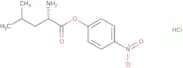
CAS:Please enquire for more information about Ethyl 2-(4-((5-chloro-2-methoxyphenyl)amino)-3,5-thiazolyl)acetate including the price, delivery time and more detailed product information at the technical inquiry form on this pagePurity:Min. 95%L-Leucine 4-nitrophenyl ester hydrochloride
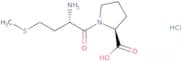
CAS:L-Leucine 4-nitrophenyl ester hydrochloride is a reaction component, reagent, and useful scaffold that is used in the synthesis of complex compounds. It is a versatile building block and useful intermediate that can be used to synthesize fine chemicals such as pharmaceuticals, agrochemicals, or dyes. L-Leucine 4-nitrophenyl ester hydrochloride has CAS number 75691-76-8.Formula:C12H16N2O4•HClPurity:Min. 95%Molecular weight:288.73 g/molH-Met-Pro-OH·HCl
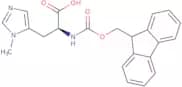
CAS:Please enquire for more information about H-Met-Pro-OH·HCl including the price, delivery time and more detailed product information at the technical inquiry form on this pageFormula:C10H18N2O3S•HClPurity:Min. 95%Color and Shape:PowderMolecular weight:282.79 g/molFmoc-His(3-Me)-OH
CAS:Fmoc-His(3-Me)-OH is a synthetic amino acid that is used in the synthesis of peptides. It is potent inhibitor of L-type calcium channels, which are involved in the regulation of muscle contraction and vasoconstriction. Fmoc-His(3-Me)-OH has been shown to be effective at inhibiting L-type calcium channels in rat skeletal muscle.Formula:C22H21N3O4Purity:Min. 95%Color and Shape:PowderMolecular weight:391.42 g/mol2,3-Dimethyl-1,3-benzothiazol-3-ium,4-methylbenzene-1-sulfonate
CAS:2,3-Dimethyl-1,3-benzothiazol-3-ium,4-methylbenzene-1-sulfonate is a non-selective fluorescent dye that has been shown to be an effective diagnostic tool for the detection of single strands of DNA. This compound is used in the lab to identify single nucleotide polymorphisms. 2,3-Dimethyl-1,3-benzothiazol-3-ium,4-methylbenzene-1sulfonate can be synthesized from ferrocene and its optical properties can be modified by substituting the sulfur atom with other heterocycles such as thiophene or benzothiazole. The fluorescence of this compound can be further enhanced by protonation or by attaching a fluorescent probe such as rhodamine B.Formula:C16H17NO3S2Purity:Min. 95%Color and Shape:PowderMolecular weight:335.44 g/mol1,4-Phenylenediacetic acid
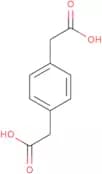
CAS:1,4-Phenylenediacetic acid is an organic compound that has been used as a fungicide. It is an aromatic carboxylic acid that binds to the receptor site of the fungal cell wall and inhibits its growth. The molecule has a special coordination geometry with the hydrogen atom in the carboxylate group positioned close to one of the phenyl rings. This causes intramolecular hydrogen bonding interactions between the carboxylate group and the phenolic hydroxyl groups on adjacent molecules, which stabilizes it. 1,4-Phenylenediacetic acid also exhibits strong hydrogen bonding interactions with other molecules such as malonic acid due to its diphenyl ether group.Formula:C10H10O4Purity:Min. 95%Color and Shape:PowderMolecular weight:194.18 g/molFmoc-a-Me-Trp(Boc)-OH
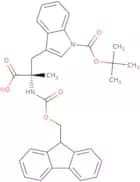
CAS:Fmoc-a-Me-Trp(Boc)-OH is a fine chemical that is used as an intermediate in organic synthesis. It can be used as a versatile building block, useful reaction component, or speciality chemical. Fmoc-a-Me-Trp(Boc)-OH is an important compound for the production of complex compounds and is useful as a building block for high quality reagents. Fmoc-a-Me-Trp(Boc)-OH has CAS No. 1315449-98-9 and can be ordered from Sigma Aldrich at www.sigmaaldrich.comFormula:C32H32N2O6Purity:Min. 95%Color and Shape:PowderMolecular weight:540.61 g/mol5-Chloro-2-methoxybenzoic acid
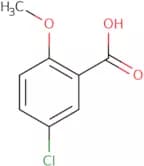
CAS:5-Chloro-2-methoxybenzoic acid is an industrial chemical that is used in the production of pharmaceuticals, plastics, and dyes. It also has hypoglycemic activity and can be used to treat type 2 diabetes. The molecular modeling study of this compound showed that it binds to the chloride ion by forming a hydrogen bond between the oxygen atom of the carboxylic acid group and the nitrogen atom of the chloride ion. This interaction leads to a lower pH value in the environment where 5-chloro-2-methoxybenzoic acid is present. This change in pH may affect other molecules such as glucose, which could lead to a decrease in blood sugar levels. Researchers have found that 5-chloro-2-methoxybenzoic acid has cancer cell growth inhibiting properties and can be used as a potential drug for colorectal adenocarcinoma treatment.Formula:C8H7ClO3Purity:Min. 95%Molecular weight:186.59 g/mol5-Methoxyindole
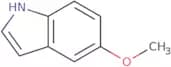
CAS:5-Methoxyindole is a chemical compound that is soluble in water. It has been shown to inhibit tumor growth and induce apoptosis, as well as inhibit the expression of glycogen synthase kinase-3. The structure of 5-methoxyindole was determined by NMR spectroscopy and FT-IR spectroscopy. The compound has been observed to exhibit fluorescence properties at a wavelength of 490 nm when it is excited with UV light. A copper complex of 5-methoxyindole was studied using molecular modeling and FT-IR spectroscopy, which revealed that it can undergo nucleophilic attack by hydrogen bond formation or an acid/base reaction to form a new hydrogen bond. This study also found that 5-methoxyindole is able to form hydrogen bonds with its neighboring molecules, which may contribute to its high solubility in water.Formula:C9H9NOColor and Shape:PowderMolecular weight:147.17 g/mol(2-methoxyethyl)((2-nitrophenyl)sulfonyl)amine
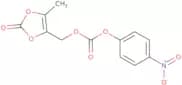
CAS:Please enquire for more information about (2-methoxyethyl)((2-nitrophenyl)sulfonyl)amine including the price, delivery time and more detailed product information at the technical inquiry form on this pagePurity:Min. 95%(5-Methyl-2-oxo-1,3-dioxol-4-yl)methyl 4-nitrophenyl carbonate
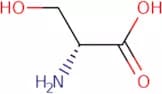
CAS:(5-Methyl-2-oxo-1,3-dioxol-4-yl)methyl 4-nitrophenyl carbonate is a fine chemical that is used as a building block for the synthesis of complex compounds. It is an intermediate in the synthesis of 3,4-Dihydroquinazolinone. This compound has been reported to have useful pharmacological activity and has been used as a research chemical and in the synthesis of pharmaceuticals. (5-Methyl-2-oxo-1,3-dioxol-4-yl)methyl 4 nitrophenyl carbonate also has potential as a reagent and can be used in organic synthesis.Formula:C12H9NO8Purity:Min. 95%Color and Shape:White PowderMolecular weight:295.2 g/molD-Serine
CAS:D-Serine is an amino acid that has been shown to have a physiological function in the brain. It is an endogenous coagonist at the glycine site on the N-methyl-D-aspartate (NMDA) receptor. D-Serine has been shown to be neuroprotective and reduce neuronal death in experimental models of Parkinson's disease, Alzheimer's disease, and stroke. D-Serine also has a role in energy metabolism, as it can be converted to serine by racemase. This conversion is critical for neuronal survival during periods of prolonged fasting or low glucose levels. The production of d-serine from l-serine via racemase may serve as a potential biomarker for certain diseases such as Parkinson's disease and Alzheimer's disease.
Formula:C3H7NO3Color and Shape:White PowderMolecular weight:105.09 g/mol3-(tert-butyl)-2-methyl-6-nitroindeno[3,2-c]pyrazol-4-one
CAS:Please enquire for more information about 3-(tert-butyl)-2-methyl-6-nitroindeno[3,2-c]pyrazol-4-one including the price, delivery time and more detailed product information at the technical inquiry form on this pagePurity:Min. 95%1,2-Dipalmitoyl-sn-glycero-3-phosphoethanolamine
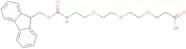
CAS:1,2-Dipalmitoyl-sn-glycero-3-phosphoethanolamine is a phospholipid that plays an important role in many cellular processes. It is a major component of the lipid bilayer that surrounds cells and provides stability to the membrane. 1,2-Dipalmitoyl-sn-glycero-3-phosphoethanolamine can form hydrogen bonding interactions with other molecules in the cytoplasm. The redox potential of this compound is also high enough to allow it to participate in oxidation reactions. This phospholipid also has a phase transition temperature at which it changes from a liquid state to a solid state at room temperature. 1,2-Dipalmitoyl-sn-glycero-3-phosphoethanolamine can be used as a reaction mechanism for synthesizing glycosylated proteins or lipids. In vitro assays have been performed using this compound asFormula:C37H74NO8PMolecular weight:691.96 g/molFmoc-12-amino-4,7,10-trioxadodecanoic acid
CAS:Fmoc-12-amino-4,7,10-trioxadodecanoic acid is a PEG compound with two different functional groups (also known as heterobifunctional). Unlike homobifunctional PEG compounds (same functional group on both ends), this type of compounds are more versatile as have two different anchor points. Fmoc-12-amino-4,7,10-trioxadodecanoic acid is used as a linker and spacer to add a PEG moiety, via pegylation (a bioconjugation technique) to proteins, peptides, oligonucleotides, small molecules and nanoparticles.Formula:C24H29NO7Purity:Min. 97 Area-%Color and Shape:White Off-White Solidified MassMolecular weight:443.49 g/mol5-Methylindole-2-carboxylic acid
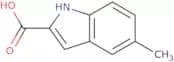
CAS:5-Methylindole-2-carboxylic acid (5MICA) is a synthetic compound that has been shown to be cytotoxic in vitro. It has been shown to inhibit the growth of multiple cancer cell lines, including hepatoma cells, and is currently being studied as a potential anticancer drug. 5MICA inhibits the synthesis of protein and RNA by binding to the ribosome. This inhibition leads to cell death by apoptosis. 5MICA also exhibits an antimicrobial effect against opportunistic fungal pathogens such as Candida albicans, Aspergillus fumigatus, and Cryptococcus neoformans. The mechanism for this inhibition is unknown but may involve inhibition of protein synthesis or other cellular processes.
Formula:C10H9NO2Purity:Min. 95%Color and Shape:PowderMolecular weight:175.18 g/molFmoc-Asp(OH)-OtBu
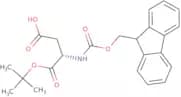
CAS:Fmoc-Asp(OH)-OtBu is a synthetic, non-natural amino acid that has been used in the chemical synthesis of lipoproteins. It was incorporated into recombinant human low-density lipoprotein (LDL) and high-density lipoprotein (HDL) to study the effect of acidic hydrolysis on their composition. Fmoc-Asp(OH)-OtBu is a fluorescent compound that can be detected using spectroscopy. It is also used as an amino acid residue in solid-phase peptide synthesis to synthesize peptides with an aspartyl residue at the N terminus.Formula:C23H25NO6Purity:Min. 95 Area-%Color and Shape:PowderMolecular weight:411.45 g/molH-Glu-Glu-Leu-OH
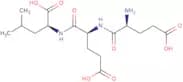
CAS:H-Glu-Glu-Leu-OH is a vitamin that is essential for the production of hydroxyproline, which aids in the formation of collagen. It is also used to treat osteoarthritis and rheumatoid arthritis. H-Glu-Glu-Leu-OH is synthesized from glutamate, glutamic acid, and leucine in the liver and kidney. This reaction proceeds by two steps: first, glutamate carboxylase converts glutamate to α-ketoglutarate; then, aspartate aminotransferase converts α-ketoglutarate to aspartate semialdehyde. Aspartate semialdehyde is converted to H-Glu-Glu-Leu by an enzyme called glutamyl aminopeptidase. The reaction mechanism of this enzyme has been studied experimentally and theoretically using sodium bicarbonate (NaHCO) as a buffer. The sequential natureFormula:C16H27N3O8Purity:Min. 95%Color and Shape:White Off-White PowderMolecular weight:389.40 g/mol4-Chloro-3-methoxybenzoic acid methyl ester
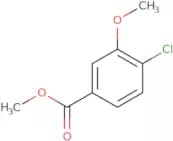
CAS:4-Chloro-3-methoxybenzoic acid methyl ester is a chemical compound that is used as a reagent in organic synthesis. It can be used to produce high quality research chemicals, speciality chemicals, and fine chemicals. This compound has a wide variety of uses because it is versatile and can be used as a reaction component or building block. Its CAS number is 116022-18-5.Formula:C9H9ClO3Purity:Min. 95%Color and Shape:SolidMolecular weight:200.62 g/mol(R)-N-Boc-2-Hydroxymethylmorpholine
CAS:(R)-N-Boc-2-Hydroxymethylmorpholine is an enantioselective synthesis of a drug. It is used in the reductive amination of aldehydes with ammonia, which has been shown to be operationally enantioselective. (R)-N-Boc-2-Hydroxymethylmorpholine undergoes an intramolecular reaction that results in the formation of an azido group. This asymmetric reaction is catalyzed by palladium, and the product can be used for the reductive amination of aldehydes with ammonia.Formula:C10H19NO4Purity:Min. 95%Color and Shape:White PowderMolecular weight:217.26 g/molL-Serine ethyl ester hydrochloride
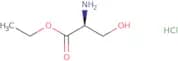
CAS:L-Serine ethyl ester hydrochloride is a metabolite of L-serine that has been found to inhibit the growth of cancer cells. It has been shown to inhibit the proliferation of muscle cells and reduce the size of pancreatitis. L-Serine ethyl ester hydrochloride has also been shown to have an inhibitory effect on stenosis in animal models. This drug inhibits microbial growth by inhibiting protein synthesis in bacteria, which may be due to its hydroxyl group. L-Serine ethyl ester hydrochloride also enhances endothelial cell growth and prevents autoimmune diseases in mice.Formula:C5H11O3N•HClPurity:Min. 95%Molecular weight:169.61 g/mol4-Phenoxybenzophenone
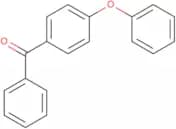
CAS:4-Phenoxybenzophenone is a synthetic product with a sulfonation reaction mechanism. It is synthesized from benzoyl chloride and diphenyl ether in the presence of zirconium. 4-Phenoxybenzophenone has a protonated aromatic ring, which allows for its use as an organic semiconductor. The fluoroaromatic group is also present in this compound, which makes it highly sensitive to ultrafast laser pulses. This product can be used to produce mesoporous silica materials that have been shown to have excellent optical properties. The chloride group is capable of reacting with hydrochloric acid to form chlorine gas and water.Formula:C19H14O2Purity:Min. 95%Color and Shape:PowderMolecular weight:274.31 g/mol5-(1-Aza-2-(4-fluorophenyl)vinyl)-4-imino-2-oxo-3-phenyl-1H-1,3-diazine-6-carbonitrile
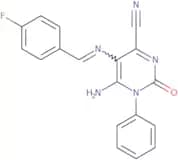
CAS:Please enquire for more information about 5-(1-Aza-2-(4-fluorophenyl)vinyl)-4-imino-2-oxo-3-phenyl-1H-1,3-diazine-6-carbonitrile including the price, delivery time and more detailed product information at the technical inquiry form on this page
Formula:C18H12FN5OPurity:Min. 95%Color and Shape:PowderMolecular weight:333.32 g/mol2-Phenyl-2-(2-piperidyl)acetamide
CAS:2-Phenyl-2-(2-piperidyl)acetamide is an enantiomeric amide that can be used as a chiral building block for the synthesis of other organic compounds. It is synthesized by reacting phenylacetic acid with piperidine. 2-Phenyl-2-(2-piperidyl)acetamide is a primary amide and has been shown to have analgesic properties.
Formula:C13H18N2OPurity:Min. 97 Area-%Color and Shape:PowderMolecular weight:218.29 g/mol2-(2-Methoxyphenoxy)ethylamine hydrochloride
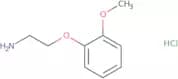
CAS:2-(2-Methoxyphenoxy)ethylamine hydrochloride is a fine chemical with the CAS No. of 64464-07-9. It is a versatile building block that can be used as an intermediate for research chemicals, reaction components and specialty chemicals. This compound has been shown to work as a reagent in high quality synthesis.
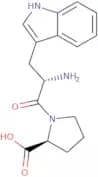
Formula:C9H14ClNO2Purity:Min. 95%Color and Shape:PowderMolecular weight:203.67 g/molH-Trp-Pro-OH
CAS:H-Trp-Pro-OH is an amide that can be used as a model system in the preparation of collagen. It has been shown to inhibit the linker between collagen molecules, which may lead to the formation of proline-rich peptides. H-Trp-Pro-OH has also been found to have anticancer properties, and inhibits cancer cell growth by inhibiting protein synthesis and promoting apoptosis. H-Trp-Pro-OH was found to inhibit cancer cells through a mechanism that is not yet fully understood, but it may involve both competitive inhibition of amino acids and activation of apoptosis through reactive oxygen species.Formula:C16H19N3O3Purity:Min. 98 Area-%Color and Shape:PowderMolecular weight:301.34 g/mol6-Methoxygramine
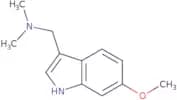
CAS:Controlled Product6-Methoxygramine is a mitochondrial oxidase inhibitor, which is used in animal models of Parkinson's disease. It has been shown to be selective for the mitochondria and not to penetrate the blood-brain barrier. 6-Methoxygramine binds to an active site that is specific for oxidases, such as monoamine oxidase (MAO). This binding prevents the oxidation of dopamine, leading to its accumulation in the brain. 6-Methoxygramine also has been shown to inhibit MAO type A in rat brains.Formula:C12H16N2OPurity:Min. 95%Color and Shape:PowderMolecular weight:204.27 g/molL-Alanyl-L-glutamine
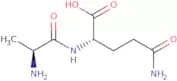
CAS:Stable substitute for glutamine in cell culture mediaFormula:C8H15N3O4Purity:Min. 98 Area-%Color and Shape:White PowderMolecular weight:217.22 g/molN-alpha-Benzoyl-L-arginine amide hydrochloride
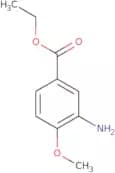
CAS:N-alpha-Benzoyl-L-arginine amide hydrochloride (BA) is a synthetic, noncompetitive inhibitor of phosphodiesterase. It has been shown to inhibit protease activity in vitro and rhizosphere enzyme activities in vivo. BA also inhibits the formation of hippuric acid from benzoic acid, which is a reaction catalyzed by the enzyme phosphatase. The kinetics of this inhibition have been studied using a number of different substrates and enzymes. BA binds to the catalytic site on the enzyme, sterically hindering binding of the substrate and preventing hydrolysis.Formula:C13H19N5O2·HClPurity:Min. 95%Color and Shape:PowderMolecular weight:313.78 g/mol3-Amino-4-methoxybenzoic acid ethyl ester
CAS:3-Amino-4-methoxybenzoic acid ethyl ester is a chemical building block that can be used in the synthesis of various organic compounds. It is an important reaction component, and can also be used as a reagent or useful scaffold. 3-Amino-4-methoxybenzoic acid ethyl ester is soluble in organic solvents and has a high quality. This chemical has been shown to be useful for research purposes.Formula:C10H13NO3Purity:Min. 95%Color and Shape:PowderMolecular weight:195.22 g/molCyclo(-D-Leu-D-Pro)
CAS:Cyclo(-D-Leu-D-Pro) is a macrolide that inhibits the growth of bacteria. It binds to the 50S ribosomal subunit and prevents the formation of an antibiotic-inhibitor complex with the enzyme cell wall synthesis that is required for cell wall biosynthesis, inhibiting protein synthesis and cell division. Cyclo(-D-Leu-D-Pro) has been shown to have antibacterial activity against the Gram negative bacterium Vibrio anguillarum. This drug has also been shown to have endophytic properties, as it was isolated from an endophytic fungus found in leaves of Eucalyptus trees. The stereoisomers of cyclo(-D-Leu-D-Pro) have different effects on bacterial cells, with one being more potent than the other.Formula:C11H18N2O2Purity:Min. 95%Color and Shape:PowderMolecular weight:210.27 g/mol9-Methyl-2,3,7-trihydroxy-6-fluorone
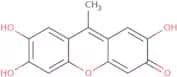
CAS:9-Methyl-2,3,7-trihydroxy-6-fluorone (9MHF) is a natural compound found in honeybee propolis. It has been shown to have anticancer activity against a range of tumour types. 9MHF inhibits the replication of DNA by binding to single-stranded regions in the DNA molecule and preventing the formation of double helices. The optimum concentration for 9MHF is 0.1 μM. At this concentration, it was found that 9MHF had chemoresistance properties and could inhibit replication in staphylococcus cells at concentrations as low as 1 μM. This compound also has antioxidant properties, with redox potentials of -0.09 V and -0.06 V for its oxidized and reduced forms respectively.BR>BR> 9MHF is an inhibitor that binds to basic dyes such as methylene blue or gentian violet and prevents them from binding to the bacterial cellFormula:C14H10O5Purity:Min. 95%Color and Shape:Yellow PowderMolecular weight:258.23 g/mol(Des-Gly10,D-His2,D-Trp6,Pro-NHEt 9)-LHRH trifluoroacetate
CAS:Please enquire for more information about (Des-Gly10,D-His2,D-Trp6,Pro-NHEt 9)-LHRH trifluoroacetate including the price, delivery time and more detailed product information at the technical inquiry form on this pageFormula:C64H83N17O12•(C2HF3O2)xPurity:Min. 95%Molecular weight:1,282.45 g/molN-(Ethoxy-Fluorophosphoryl)-N-Methylmethanamine
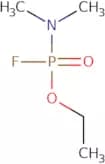
CAS:Controlled ProductEthoxy-Fluorophosphoryl-N-Methylmethanamine is a chemical that belongs to the class of nerve agents. It can be used as an antidote for sarin poisoning. This compound reacts with the enzyme butyrylcholinesterase, which breaks down acetylcholine in the synapses. In this way, it blocks the transmission of nerve impulses and causes muscle paralysis. Ethoxy-Fluorophosphoryl-N-Methylmethanamine acts as an antagonist of acetylcholine receptors in both animals and humans. It also inhibits cholinesterase activity in blood pressure regulation, which leads to increased blood pressure levels. When administered at sublethal doses, this compound induces a long lasting sensitization of the central nervous system to other cholinergic drugs such as atropine or nerve gases such as sarin.Formula:C4H11FNO2PPurity:Min. 95%Molecular weight:155.11 g/molNomega-(2,2,4,6,7-Pentamethyldihydrobenzofuran-5-sulfonyl)-L-arginine methyl ester hydrochloride
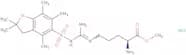
CAS:Nomega-(2,2,4,6,7-Pentamethyldihydrobenzofuran-5-sulfonyl)-L-arginine methyl ester hydrochloride is a versatile building block for the preparation of complex compounds. It is a reagent for research chemicals and speciality chemicals. Nomega-(2,2,4,6,7-Pentamethyldihydrobenzofuran-5-sulfonyl)-L-arginine methyl ester hydrochloride can be used as a high quality and useful intermediate in organic synthesis or as a reaction component in various chemical reactions. This compound has been shown to be useful as a scaffold in the design of new drugs.Formula:C20H32N4O5S·HClPurity:Min. 95%Color and Shape:PowderMolecular weight:477.02 g/mol(S)-(+)-5,6,7,8-Tetrahydro-8-methylindan-1,5-dione
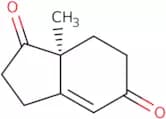
CAS:(S)-(+)-5,6,7,8-Tetrahydro-8-methylindan-1,5-dione is a chemical compound with a molecular formula of C9H14O2 that has the chemical name of methyl 8-(hydroxymethyl)indane-1,5-dione. This compound is an enantiopure substance that exists as a single stereoisomer and can be synthesized from two different starting materials. It is not commercially available but can be prepared from boronic acid and methanol or from methylamine and hydroxyacetone. The reaction time for this synthesis varies depending on the starting material used and the desired purity level. (S)-(+)-5,6,7,8-Tetrahydro-8-methylindan-1,5-dione is used in organic synthesis as an alternative to other chiral diols.Formula:C10H12O2Purity:Min. 95%Color and Shape:White PowderMolecular weight:164.2 g/mol1-O-Hexadecyl-sn-glycero-3-phosphocholine
CAS:1-O-Hexadecyl-sn-glycero-3-phosphocholine (1OHDGPC) is a compound that inhibits the uptake of oxidized LDL in neuronal cells and reduces neuronal death. 1OHDGPC also has antihypertensive activity, as it decreases systolic blood pressure. This compound is an antioxidant because it prevents the oxidation of LDL cholesterol, which is the main cause of atherosclerosis. 1OHDGPC has been shown to reduce the incidence of allergic reactions in animal studies. It also has been shown to have hydroxyl groups and fatty acid chains, which may contribute to its antioxidant properties.Formula:C24H52NO6PColor and Shape:PowderMolecular weight:481.65 g/molN-(4-Fluorophenyl)(5-methyl-3-phenylisoxazol-4-yl)formamide
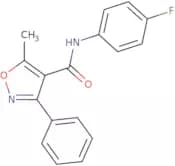
CAS:Please enquire for more information about N-(4-Fluorophenyl)(5-methyl-3-phenylisoxazol-4-yl)formamide including the price, delivery time and more detailed product information at the technical inquiry form on this pageFormula:C17H13FN2O2Purity:Min. 95%Color and Shape:PowderMolecular weight:296.3 g/molN-[(S)-(2,3,4,5,6-Pentafluorophenoxy)phenoxyphosphinyl]-L-alanine 1-methylethyl ester
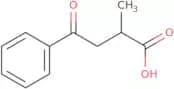
CAS:Intermediate in the synthesis of sofosbubirFormula:C18H17F5NO5PPurity:Min. 97 Area-%Color and Shape:White PowderMolecular weight:453.3 g/mol2-Methyl-4-oxo-4-phenylbutyric acid
CAS:2-Methyl-4-oxo-4-phenylbutyric acid (or 2MO4PBA) is a potent, stereoselective, and endogenous agonist of the nuclear receptors ERβ and ERα. It has been shown to have therapeutic potential in the treatment of estrogen deficiency and metabolic disorders. This compound binds to the DNA response element at positions DR1, DR2, DR3, DR4, and DR5 of the human estrogen receptor. The binding affinity at these sites is around 10 times lower than that of estradiol. 2MO4PBA is metabolized by esterases in vivo to 2-methyl-3-oxobutyric acid (2MO3BA). The metabolic conversion from 2MO4PBA to 2MO3BA is stereoselective with respect to configuration at C2. 2MO3BA binds to ERβ but not ERα. Functional assays demonstrate that this compound is a potent agonistFormula:C11H12O3Purity:Min. 98 Area-%Color and Shape:PowderMolecular weight:192.21 g/mol2-Methoxy-5-nitropyridine
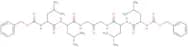
CAS:2-Methoxy-5-nitropyridine is an experimental model for the study of nucleophilic substitution reactions. It has been shown to catalyze a variety of nucleophilic substitutions, such as the reaction between dimethylformamide and methoxide. The uptake of 2-methoxy-5-nitropyridine in human cells has been studied using the mitochondrial cytochrome P450 (mt2) receptors, where it has been found that this compound binds to mt2 receptors with high affinity. The optical properties of 2-methoxy-5-nitropyridine have been determined by spectroscopic analysis and found to be similar to those of nitro compounds. Toxicity studies have also demonstrated that 2-methoxy-5-nitropyridine can cause liver damage at high doses, but there is no evidence that it causes cancer or causes reproductive toxicity.Formula:C6H6N2O3Purity:Min. 95%Color and Shape:PowderMolecular weight:154.12 g/mol1,3-Bis-(Z-Leu-Leu)-diaminoacetone
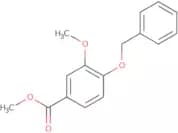
CAS:1,3-Bis-(Z-Leu-Leu)-diaminoacetone is a synthetic diketone inhibitor, which is a formulation derived through specialized organic synthesis. It functions by targeting and inhibiting aspartic proteases, a class of enzymes that play critical roles in numerous biological processes, including protein degradation and processing. This compound's mechanism involves the reversible covalent modification of the enzyme's active site, leading to an obstruction of its catalytic function.Formula:C43H64N6O9Purity:Min. 95%Color and Shape:PowderMolecular weight:809 g/molMethyl 4-benzyloxy-3-methoxybenzoate
CAS:Please enquire for more information about Methyl 4-benzyloxy-3-methoxybenzoate including the price, delivery time and more detailed product information at the technical inquiry form on this pageFormula:C16H16O4Purity:Min. 95%Molecular weight:272.3 g/molα-Fmoc-L-arginine
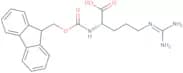
CAS:Alfa-Fmoc-L-arginine is a synthetic amino acid that has been shown to have biological properties. It is also a precursor to the industrial preparation of polymers and pharmaceuticals. Alfa-Fmoc-L-arginine has been used in studies on heart function, as it can be converted into nitric oxide, which helps regulate blood pressure and circulation. This molecule has also been shown to have an anticancer activity. The anticancer activity may be due to its ability to inhibit the production of survivin, which is an inhibitor of apoptosis. Alfa-Fmoc-L-arginine also has acidic and nucleophilic attack properties that allow it to react with carbonyl oxygens in fatty acids. This reaction leads to the formation of a molecule with two carboxylic acids which are polar molecules that are soluble in water.
Formula:C21H24N4O4Purity:Min. 95%Color and Shape:SolidMolecular weight:396.44 g/mol




![3-(tert-butyl)-2-methyl-6-nitroindeno[3,2-c]pyrazol-4-one](/_next/image/?url=https%3A%2Fstatic.cymitquimica.com%2Fproducts%2F3D%2Fthumb-webp%2FFB169678.webp&w=3840&q=75)






![N-[(S)-(2,3,4,5,6-Pentafluorophenoxy)phenoxyphosphinyl]-L-alanine 1-methylethyl ester](/_next/image/?url=https%3A%2Fstatic.cymitquimica.com%2Fproducts%2F3D%2Fthumb-webp%2FFP59695.webp&w=3840&q=75)