Amino Acids (AA)
Subcategories of "Amino Acids (AA)"
- Amino Acid Derivatives(4,017 products)
- Amino Acid and Amino Acid Related Compounds(3,491 products)
- Amino Acids with Oxygen or Sulphur(168 products)
- Boc- Amino Acids(351 products)
- Fmoc Amino Acids(1,710 products)
Found 38385 products of "Amino Acids (AA)"
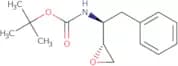
(2R,3S)-3-(tert-Butoxycarbonyl)amino-1,2-epoxy-4-phenylbutane
CAS:The compound (2R,3S)-3-(tert-Butoxycarbonyl)amino-1,2-epoxy-4-phenylbutane is an epoxide with a thionyl chloride mediated reaction. This compound has been shown to react with amines and nucleophiles to form epoxides. The time required for this reaction was found to be dependent on the concentration of the amine. The reaction was also found to be chiral as it produced a mixture of diastereomers. When irradiated, this compound undergoes a stereoselective reaction that leads to a new epoxide product.
Formula:C15H21NO3Purity:Min. 95%Color and Shape:Off-White PowderMolecular weight:263.34 g/molRef: 3D-FB07938
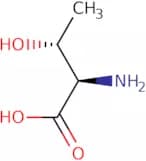
Discontinued productD(-)-allo-Threonine
CAS:D(-)-allo-Threonine is an amino acid with a hydroxyl group. It has been synthesized in an asymmetric synthesis and its biological properties have been studied in the context of monoclonal antibodies. D(-)-allo-Threonine has shown to be an inhibitor of enzymes involved in fatty acid biosynthesis, including 3-hydroxyacyl coenzyme A synthase, acetoacetyl-CoA reductase, and 3-ketoacyl CoA thiolase. This amino acid also inhibits the polymerase chain reaction (PCR) and has been found to be a competitive inhibitor of the enzyme ribonucleotide reductase. D(-)-allo-Threonine is also a constituent of proteins that play a role in plant physiology and structural biology.
Formula:C4H9NO3Purity:Min. 95%Color and Shape:White PowderMolecular weight:119.12 g/molRef: 3D-FA38931
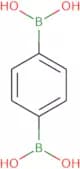
Discontinued product1,4-Phenylenebisboronic acid
CAS:1,4-Phenylenebisboronic acid is a chemical compound with the following structural formula:
It is a white crystalline solid, soluble in water and ethanol. 1,4-Phenylenebisboronic acid has been used for analytical chemistry and photochemical studies. It has also been studied as a model system for ternary complex formation, x-ray diffraction data analysis, and ester linkages. Structural analysis of 1,4-phenylenebisboronic acid reveals hydrogen bonding interactions between the nitrogen atoms and the boron atoms.Formula:C6H8B2O4Purity:Min. 95 Area-%Color and Shape:PowderMolecular weight:165.75 g/molRef: 3D-FP74696
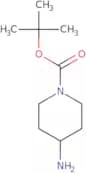
Discontinued product4-Amino-1-Boc-piperidine
CAS:4-Amino-1-Boc-piperidine is a potent inhibitor of the CCR5 receptor. It is an x-ray crystal structure with a hydroxide solution that inhibits the growth of cancer cells. The inhibitor binding site for 4-Amino-1-Boc-piperidine was determined to be the CCR5 receptor, which is located on the surface of hematopoietic cells. The compound has been shown to inhibit human T lymphocyte proliferation in vitro and inhibit HIV replication in infected patients. 4-Amino-1-Boc-piperidine is able to inhibit the growth of cancer cells by blocking the production of cytokines, such as interleukin 2, that are needed for cell division and growth.
Formula:C10H20N2O2Purity:Min. 95%Color and Shape:PowderMolecular weight:200.28 g/molRef: 3D-FA09405
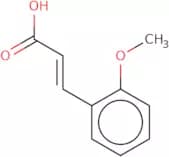
Discontinued product2-Methoxycinnamic acid
CAS:2-Methoxycinnamic acid is a fine chemical that is used as a building block for research chemicals, pharmaceuticals, and other products. It is a versatile building block that can be used in the synthesis of complex compounds with diverse structures. 2-Methoxycinnamic acid is also an intermediate for the production of cinnamates, which are useful in the production of synthetic dyes.
Formula:C10H10O3Purity:Min. 95%Color and Shape:White PowderMolecular weight:178.18 g/molRef: 3D-FM71289
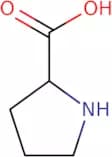
Discontinued productDL-Proline
CAS:DL-Proline is a biological molecule that has been shown to bind to the DNA binding domains of proteins. This binding can be seen with the crystal structures of DL-proline and protein. The reaction mechanism for DL-proline is as follows:
DL-Proline + Protein → Proline + Protein
The equilibrium constant for this reaction is 1.0 at 298 K. The pKa value for the amide group in DL-proline is 4.8, which means that it will react with water and form an amine group at physiological pH levels. DL-Proline has been shown to have metabolic disorders.Formula:C5H9NO2Purity:Min. 95%Color and Shape:PowderMolecular weight:115.13 g/molRef: 3D-FP15447
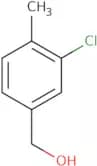
Discontinued product3-Chloro-4-methylbenzyl alcohol - Technical grade
CAS:3-Chloro-4-methylbenzyl alcohol is a building block chemical that is used in the synthesis of a variety of organic compounds. It is a versatile chemical that can be used as a reagent, reaction component, and intermediate. 3-Chloro-4-methylbenzyl alcohol has been found to be useful in the synthesis of complex compounds, such as 4-chloromethoxybenzoic acid and 3-(3,5-dimethoxyphenyl)acetic acid. This chemical can also be used to produce speciality chemicals, such as 3-(2-(2,4-dichlorophenoxy)ethyl)benzonitrile.
Formula:C8H9ClOPurity:Min. 95%Color and Shape:Colorless PowderMolecular weight:156.61 g/molRef: 3D-FC70227
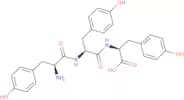
Discontinued productH-Tyr-Tyr-Tyr-OH
CAS:H-Tyr-Tyr-Tyr-OH is a synthetic compound that has been used to study the mechanism of lactoperoxidase. Lactoperoxidase is an enzyme that catalyzes the oxidation of thiocyanate to form hypothiocyanite, hydrogen peroxide, and a hydroxy group. The hydroxy group is formed by the reaction of two molecules of hydrogen peroxide with a molecule of thiocyanate. This reaction produces an oxygen atom, which then reacts with water to produce an acid. H-Tyr-Tyr-Tyr-OH has been shown to be a substrate for lactoperoxidase in horse serum and bovine serum. It has also been found to react with oxygen at neutral pH levels, forming a product that absorbs ultraviolet light at 280 nm.
Formula:C27H29N3O7Purity:Min. 95%Color and Shape:PowderMolecular weight:507.54 g/molRef: 3D-FT109471
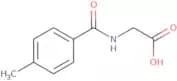
Discontinued product4-Methyl hippuric acid
CAS:4-Methyl hippuric acid is a metabolite of benzoic acid, and is excreted in the urine as an end product of phenylalanine metabolism. The matrix effect is a phenomenon that is observed when chromatographic analysis occurs in the presence of impurities or other substances. It can be minimized by using an optimum concentration of hydrochloric acid to extract the analyte from the sample matrix. 4-Methyl hippuric acid can be detected in urine samples by using a chromatographic method and then quantified by measuring its s-phenylmercapturic acid content. This compound has been used as a marker for determining blood pressure and has also been shown to have antihypertensive effects.
Formula:C10H11NO3Purity:Min. 95%Color and Shape:PowderMolecular weight:193.2 g/molRef: 3D-FM25508
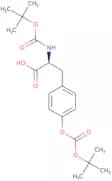
Discontinued productN,O-Bis-Boc-L-tyrosine
CAS:N,O-Bis-Boc-L-tyrosine is a synthetic protease inhibitor that is a diastereomer of the natural substrate tyrosine. It binds to the active site of the enzyme and prevents it from cleaving peptide bonds. N,O-Bis-Boc-L-tyrosine has been shown to inhibit proteolytic activity in vitro and in vivo, specifically targeting proteases such as trypsin, chymotrypsin, elastase, cathepsin G, and thrombin. The analogues show specific interaction with various glycoconjugates and have been used to synthesize tripeptides and peptidomimetics for use as drugs against cancer. Dermorphin is an opioid peptide derived from the N,O-bis Boc L tyrosine analogue that is able to interact with receptors on neurons in the brain.
Formula:C19H27NO7Purity:Min. 95%Color and Shape:SolidMolecular weight:381.42 g/molRef: 3D-FB48398
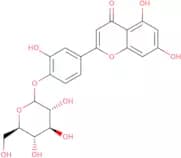
Discontinued productLuteolin-4'-O-glucoside
CAS:Luteolin-4'-O-glucoside is a flavonol glycoside that is found in plants such as licorice, celery, and parsley. Luteolin-4'-O-glucoside has been shown to inhibit the growth of Coccidioides neoformans by binding to the cell membrane surface and blocking the synthesis of phospholipids. It also inhibits cancer cells in culture by reducing their viability. The structural analysis of luteolin-4'-O-glucoside revealed an hydroxyl group on its aromatic ring, which may be responsible for its anti-inflammatory effects. Luteolin-4'-O-glucoside has been shown to be effective against inflammatory diseases, such as rheumatoid arthritis and asthma, and may also have a protective effect against certain types of cancer, such as cervical cancer. Luteolin-4'-O-glucoside has also been shown to
Formula:C21H20O11Purity:Min. 95%Color and Shape:PowderMolecular weight:448.38 g/molRef: 3D-FL137961
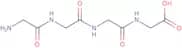
Discontinued productGly-Gly-Gly-Gly-OH
CAS:Gly-Gly-Gly-Gly-OH is a peptide that is used as an absorption enhancer. It has been shown to absorb ultraviolet light and convert it into visible light, which can increase the effectiveness of photosensitive drugs in the treatment of cancer. Gly-Gly-Gly-Gly-OH has also been shown to have protonation properties and can hydrogen bond with other molecules, including proteins. This molecule is activated by oxidation, which converts it from its amide form to its imine form. This activation process can be catalyzed by an oxidation catalyst such as manganese dioxide or nickel chloride. The imine form reacts with an electron donor such as hydrogen peroxide to produce an aromatic ring compound, which then undergoes intramolecular hydrogen transfer reactions to produce a second aromatic ring compound. These two compounds react with each other and release a water molecule (H2O) and energy in the form of heat or light. The frequency shift
Formula:C8H14N4O5Purity:Min. 95%Color and Shape:PowderMolecular weight:246.22 g/molRef: 3D-FG49308
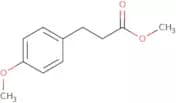
Discontinued productMethyl 4-methoxyphenylpropionate
CAS:Methyl 4-methoxyphenylpropionate is a pyridine derivative that is used as a solvent, reagent, and intermediate in organic synthesis. It has been shown to be a marker for aerosols in the environment and has been detected in the atmosphere of Beijing, China. The methyl ester can also be used to synthesize dienones and benzyl mesylates.
Formula:C11H14O3Purity:Min. 95%Color and Shape:PowderMolecular weight:194.23 g/molRef: 3D-FM33379
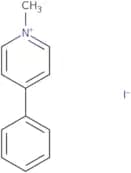
Discontinued productN-Methyl-4-phenylpyridinium iodide
CAS:N-Methyl-4-phenylpyridinium iodide is an experimental drug that has been shown to have a number of biological effects in vitro. These include the inhibition of dopamine uptake and mitochondrial membrane potential, leading to neuronal death. This drug also inhibits the uptake of gamma-aminobutyric acid (GABA) and the synthesis of tubule cells. N-Methyl-4-phenylpyridinium iodide has been shown to cause microglia cell activation by binding with the CB2 receptor on these cells. The compound also causes increased uptake of lithium ions into mitochondria, which leads to a reduction in mitochondrial membrane potential and subsequent neuronal death.
Formula:C12H12INPurity:Min. 95%Molecular weight:297.14 g/molRef: 3D-FM25717
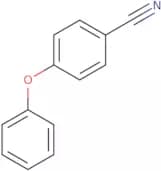
Discontinued product4-Phenoxybenzonitrile
CAS:4-Phenoxybenzonitrile is a synthetic, electron deficient amide that has been shown to react with various halides in vitro. 4-Phenoxybenzonitrile is stable in the presence of copper oxide and can be recycled. It also reacts with fatty acid and monoacylglycerol, which are drug targets for the prevention of hyperlipidemia. In vitro studies have shown that 4-phenoxybenzonitrile potently inhibits potassium phosphate uptake by cells. The reaction mechanism for this inhibition is not known, but it may involve a palladium-catalyzed coupling.
Formula:C13H9NOPurity:Min. 95%Color and Shape:PowderMolecular weight:195.22 g/molRef: 3D-FP10723
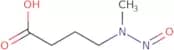
Discontinued productN-Nitroso-N-methyl-4-aminobutyric acid
CAS:N-Nitroso-N-methyl-4-aminobutyric acid (NMBA) is a solid with a low melting point which has been identified as a potentially carcinogenic component of both tobacco and tobacco smoke. NMBA is also one of a number of nitrosamine impurities which have been found to be present in angiotensin II receptor blocker (ARB) drugs used to treat high blood pressure.
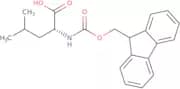
Formula:C5H10N2O3Purity:Min. 98 Area-%Color and Shape:Slightly Yellow PowderMolecular weight:146.14 g/molFmoc-D-Leu-OH
CAS:Fmoc-D-Leu-OH is a disulfide bond containing molecule with an intracellular Ca2+ chelating activity. It has been shown to have cytoprotective effects against oxidative stress and cell death, and has also been found to have antiinflammatory properties. Fmoc-D-Leu-OH can inhibit the activities of various enzymes such as cyclooxygenase, lipoxygenase, phospholipases, and diamine oxidase. This molecule also exhibits cytotoxic activity against bladder cancer cells in vitro. The pharmacokinetic properties of Fmoc-D-Leu-OH are similar to other molecules that are used as antibiotics.
Fmoc-D-Leu-OH is a cyclic peptide with antimicrobial peptide (AMP) activity that inhibits bacterial growth by disrupting their cell membranes or inhibiting protein synthesis. It binds to bacterial 16S ribosomal RNA and inhibits protein synthesis, leadingFormula:C21H23NO4Purity:Min. 98 Area-%Color and Shape:White PowderMolecular weight:353.41 g/molRef: 3D-FF39046
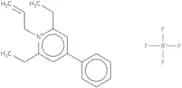
Discontinued productN-Propyl-1-ene-2,6-diethyl-4-phenylpyridinium tetrafluoroborate
CAS:N-Propyl-1-ene-2,6-diethyl-4-phenylpyridinium tetrafluoroborate (NPEEDPBF) is a fine chemical that has been used as a building block in research and industrial chemistry. The synthesis of NPEEDPBF typically involves the reaction of diethyl phenylpyridinium bromide with n propyl iodide. It can be used as a reagent for organic syntheses and as an intermediate for other compounds. NPEEDPBF is also a versatile building block for complex compounds.Formula:C18H22N•BF4Purity:Min. 95%Molecular weight:339.18 g/molRef: 3D-FP145686
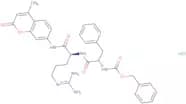
Discontinued productZ-Phe-Arg-AMC·HCl
CAS:Z-Phe-Arg-AMC·HCl is a fluorescent substrate for proteolytic enzymes. It has been shown to be a potent inhibitor of human immunoglobulin (Ig) secretion and protein synthesis in proximal tubules of the kidney, but this inhibition is not seen in the presence of other proteases. Z-Phe-Arg-AMC·HCl also inhibits the activity of soybean trypsin and hemolytic activity. This compound also has an optimum pH of 7.5 and is characterized by intermolecular hydrogen bonding as well as hydroxyl group interactions with enzyme active sites.
Formula:C33H36N6O6·HClPurity:Min. 95%Molecular weight:649.14 g/molRef: 3D-FP47305
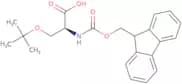
Discontinued productFmoc-Ser(tBu)-OH
CAS:Fmoc-Ser(tBu)-OH is a synthetic amino acid that is used in the synthesis of degarelix acetate, an amide ester of the vasodilator, prostaglandin F2α. Degarelix acetate binds to the fibrinogen receptor on the surface of cells and inhibits platelet aggregation. This drug has been shown to be effective in treating prostate cancer by inhibiting epidermal growth factor receptor signaling. It also has immune modulating effects by binding to monoclonal antibodies and altering antibody responses. Fmoc-Ser(tBu)-OH is synthesized from the amino acid serine and t-butyl alcohol, which are combined with trifluoroacetic acid (TFA) and hydroxyl group. The resulting product is then reacted with dansyl chloride or benzoyl chloride (BzCl), which cleaves off one carboxylic acid group from serine, forming an
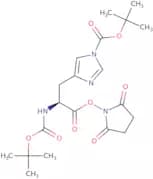
Formula:C22H25NO5Purity:Min. 98 Area-%Color and Shape:White Off-White PowderMolecular weight:383.44 g/molN-alpha,Nim-Bis-Boc-L-histidine N-hydroxysuccinimide ester
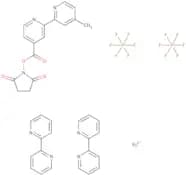
CAS:N-alpha,Nim-Bis-Boc-L-histidine N-hydroxysuccinimide ester is a reagent that is used in organic chemistry for the synthesis of complex compounds. It is a versatile building block that can be used as a reaction component or intermediate in chemical reactions. This compound has been registered under CAS number 25616-02-8.Formula:C20H28N4O8Purity:Min. 95%Color and Shape:PowderMolecular weight:452.46 g/molBis(2,2'-bipyridine)-4'-methyl-4-carboxybipyridine-ruthenium N-succinimidyl ester-bis(hexafluorophosphate)
CAS:Bis(2,2'-bipyridine)-4'-methyl-4-carboxybipyridine-ruthenium N-succinimidyl ester-bis(hexafluorophosphate) is a molecule that inhibits the activity of matrix metalloproteinases. It binds to the active site of the enzyme and blocks its activity. This drug has been shown to be effective in inhibiting the activity of MMPs in cells, but not in tissue culture because it does not cross cell membranes. Bis(2,2'-bipyridine)-4'-methyl-4-carboxybipyridine-ruthenium N-succinimidyl ester-bis(hexafluorophosphate) has also been shown to have a low detection limit and can detect low levels of matrix metalloproteinase activity in cells.
Formula:C36H29F12N7O4P2RuPurity:Min. 95%Color and Shape:PowderMolecular weight:1,014.66 g/molRef: 3D-FB29197
Discontinued productN3-Orn(Boc) cyclohexylamine
CAS:N3-Orn(Boc) cyclohexylamine is a chemical intermediate that is used in the synthesis of complex compounds. It can be used as a building block or an intermediate in the synthesis of many fine chemicals, such as pharmaceuticals, agrochemicals, and fragrances. N3-Orn(Boc) cyclohexylamine is also used in reactions involving amines and alcohols to produce useful scaffolds. This chemical product has been shown to be safe for human use with no significant adverse side effects at doses up to 100mg/kg body weight.
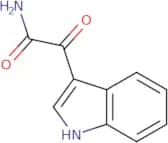
Formula:C10H18N4O4•C6H13NPurity:Min. 95%Color and Shape:PowderMolecular weight:357.4 g/molIndole-3-glyoxylamide
CAS:Indole-3-glyoxylamide is a synthetic compound that was originally developed as a potential anti-cancer drug. It has been shown to inhibit glycogen synthase kinase 3 (GSK-3) and thereby reduce the production of proinflammatory cytokines in bowel disease. Indole-3-glyoxylamide also inhibits inflammatory bowel disease by inhibiting secretory phospholipase A2, which prevents the release of arachidonic acid from phospholipids. This synthesis is required for the production of prostaglandins and leukotrienes, which are involved in the inflammatory process. The compound has been shown to have immunomodulatory effects in chronic bronchitis, with an inhibitory effect on neutrophil chemotaxis, macrophage activity, and cytokine production. Indole-3-glyoxylamide has also been shown to be effective against cancer cells in vitro and in vivo animal models. It is metabolized through
Formula:C10H8N2O2Purity:Min. 95%Color and Shape:PowderMolecular weight:188.18 g/molRef: 3D-FI30472
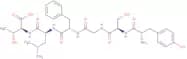
Discontinued product(D-Ser2)-Leu-Enkephalin-Thr
CAS:(D-Ser2)-Leu-Enkephalin-Thr H-Tyr-D-Ser-Gly-Phe-Leu-Thr-OH is a cyclic peptide that has been shown to activate the κ-opioid receptor. The peptide has been used in studies of the intracellular calcium concentration and glomerular filtration rate in kidney cells, as well as the antinociceptive effects of opioid drugs on mice. This drug has also been shown to have effects on cyclic AMP levels and α 1 -adrenergic receptors in neuro2a cells.Formula:C33H46N6O10Purity:Min. 95%Color and Shape:SolidMolecular weight:686.75 g/molRef: 3D-FS108773
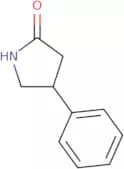
Discontinued product4-Phenyl-2-pyrrolidone
CAS:4-Phenyl-2-pyrrolidone (4PP) is a chemical that inhibits bacterial growth by binding to the fatty acids required for cellular membrane synthesis. 4PP has been shown to inhibit the production of gamma-aminobutyric acid (GABA), an inhibitory neurotransmitter, and also has an aromatic hydrocarbon structure, which may be important for its antibacterial activity. The effective dose of 4PP is 10 µg/mL and it can be used in aerobic environments. This chemical also has a kinetic effect on the production of RNA sequences, which could play a role in its ability to inhibit bacterial growth.
Formula:C10H11NOPurity:Min. 95%Color and Shape:PowderMolecular weight:161.2 g/molRef: 3D-FP33249
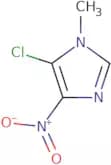
Discontinued product5-Chloro-1-methyl-4-nitroimidazole
CAS:5-Chloro-1-methyl-4-nitroimidazole (5C1MI) is a fatty acid that is synthesized by the reaction of phosphorus pentachloride and an aliphatic hydrocarbon. It has been shown to be effective in treating women with breast cancer. 5C1MI blocks the activity of a protein called HER2, which promotes tumor growth. The drug has been shown to cause an increase in the number of circulating lymphocytes and natural killer cells, as well as an increase in the production of antibodies in mice. These effects are likely caused by 5C1MI's ability to inhibit the proliferation of T cells and B cells. 5C1MI has also been shown to have a high solubility in water and low solubility in lipids, which makes it suitable for administration via intravenous injection.
Formula:C4H4ClN3O2Purity:Min. 95%Color and Shape:PowderMolecular weight:161.55 g/molRef: 3D-FC19985
Discontinued product2-(2,2-dimethylpropanoyl)-3-(3-phenoxyphenyl)prop-2-enenitrile
CAS:Please enquire for more information about 2-(2,2-dimethylpropanoyl)-3-(3-phenoxyphenyl)prop-2-enenitrile including the price, delivery time and more detailed product information at the technical inquiry form on this page
Purity:Min. 95%Ref: 3D-FD169610
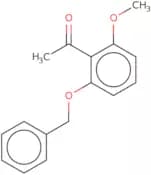
Discontinued product2-Benzyloxy-6-methoxyacetophenone
CAS:2-Benzyloxy-6-methoxyacetophenone is a high quality and versatile chemical that can be used as a reagent or building block in organic synthesis. It is an important intermediate in the synthesis of fine chemicals, pharmaceuticals, and other complex compounds. 2-Benzyloxy-6-methoxyacetophenone has been shown to be useful as a scaffold for the synthesis of novel complex molecules, such as speciality chemicals. The compound also has potential applications in research and development of new drugs.
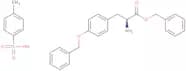
Formula:C16H16O3Purity:Min. 95%Color and Shape:PowderMolecular weight:256.3 g/molO-Benzyl-L-tyrosine benzyl ester 4-toluenesulfonate
CAS:O-Benzyl-L-tyrosine benzyl ester 4-toluenesulfonate salt is a fine chemical that belongs to the category of useful scaffolds and versatile building blocks. It is a high quality reagent that can be used as a reaction component in the preparation of complex compounds. This compound has shown to be useful in research on various types of drugs, including analgesics, antibiotics, antihistamines, antidepressants, antipsychotics and others.
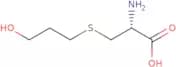
Formula:C23H23NO3•C7H8O3SPurity:Min. 95%Color and Shape:White solid.Molecular weight:533.64 g/molS-(3-Hydroxypropyl)-L-cysteine
CAS:S-(3-Hydroxypropyl)-L-cysteine is a fatty acid that belongs to the group of fudosteine. It is an endogenous amino acid and has been shown to stimulate the growth of epidermal cells in culture. S-(3-Hydroxypropyl)-L-cysteine has also been shown to have anti-inflammatory effects in rat neutrophils, although it is not yet clear how this occurs. S-(3-Hydroxypropyl)-L-cysteine has not been associated with any toxic effects in animals or humans, but should be used with caution as there are no toxicity studies available.
Formula:C6H13NO3SPurity:Min. 95%Molecular weight:179.24 g/molRef: 3D-FH24491
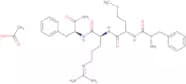
Discontinued productH-Phe-Met-Arg-Phe-NH2 acetate
CAS:Controlled ProductH-Phe-Met-Arg-Phe-NH2 acetate is a high quality reagent that is useful in the synthesis of complex compounds. It can be used as an intermediate for the production of fine chemicals and speciality chemicals, as well as being a versatile building block in the synthesis of organic compounds. H-Phe-Met-Arg-Phe-NH2 acetate can also be used to make research chemicals or reaction components.
Formula:C29H42N8O4S•(C2H4O2)xPurity:Min. 95%Color and Shape:PowderMolecular weight:598.76 g/molRef: 3D-FP108832
Discontinued productThiophene-2-glyoxylic acid
CAS:Thiophene-2-glyoxylic acid is a reactive metabolite of thiophene that is formed from the environmental degradation of this compound. Thiophene-2-glyoxylic acid reacts with halides to form an electrophilic intermediate. This intermediate can react with a variety of nucleophiles, including the drug metabolites, leading to the formation of new compounds. Thiophene-2-glyoxylic acid has been shown to enhance the fluorescence properties of some organic compounds. It also has been shown to inhibit the metabolism of some drugs that are conjugated with acids and can be detected in plasma by mass spectrometry.
Formula:C6H4O3SPurity:Min. 95%Color and Shape:PowderMolecular weight:156.16 g/mol6-Fluoro-5-Methyl-2-[(5-Methyl-1H-Imidazol-4-Yl)Methyl]-2,3,4,5-Tetrahydro-1H-Pyrido[4,3-b]Indol-1-One
CAS:Controlled Product6-Fluoro-5-Methyl-2-[(5-Methyl-1H-Imidazol-4-Yl)Methyl]-2,3,4,5-Tetrahydro-1H-Pyrido[4,3-b]Indol-1-One is a drug that belongs to the class of fatty acid esters. It has been shown to be effective in clinical trials for the treatment of symptoms of dry eye syndrome. 6FMETI has a low safety profile and does not cause any adverse effects in humans. The drug can be administered by intravenous injection or oral administration and has a long elimination half life of 36 hours. 6FMETI is metabolized by hydrolysis to its active form, 5FMTI, which is then conjugated with glucuronic acid or methyl glutaryl coenzyme A to form an inactive metabolite. This drug also has good pharmacokinetic properties
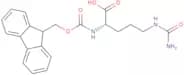
Formula:C17H17FN4OPurity:Min. 95%Molecular weight:312.34 g/molFmoc-Cit-OH
CAS:Fmoc-Cit-OH, or N-Fmoc-L-citrulline, is a protected amino acid derivative commonly used in peptide synthesis. The "Fmoc" portion refers to the fluorenylmethyloxycarbonyl group, a protecting group that shields the amino group of citrulline, preventing unwanted side reactions during peptide chain elongation. Citrulline, the core amino acid in Fmoc-Cit-OH, is a non-proteinogenic amino acid, which is not directly incorporated into proteins during translation. In peptide synthesis, Fmoc-Cit-OH is incorporated into peptide chains using solid-phase peptide synthesis (SPPS). This technique allows for the stepwise assembly of peptides on a solid support, with Fmoc-protected amino acids added sequentially. The Fmoc group is then removed using a mild base, exposing the free amino group for the addition of the next amino acid. Fmoc-Cit-OH is particularly valuable in the synthesis of peptides containing citrulline residues, which are often found in biologically active peptides and proteins. These peptides may have therapeutic potential in various fields, including drug discovery and prodrug synthesis.
Formula:C21H23N3O5Purity:Min. 98 Area-%Color and Shape:White Off-White PowderMolecular weight:397.42 g/molRef: 3D-FF10665
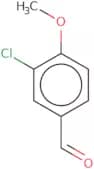
Discontinued product3-Chloro-4-methoxybenzaldehyde
CAS:3-Chloro-4-methoxybenzaldehyde is a chemical compound that belongs to the class of aromatic compounds. It is synthesized by reacting 3-chlorobenzaldehyde with methoxyacetone in a hydroxylation reaction. The asymmetric synthesis of 3-chloro-4-methoxybenzaldehyde was achieved by using a chiral auxiliary, which is an organic molecule that can be used to control the stereochemistry of other reactions. This product has high cytotoxicity and is able to cause melanogenesis (production of melanin) when applied to rat striatal membranes.
Formula:C8H7ClO2Purity:Min. 95%Color and Shape:PowderMolecular weight:170.59 g/molRef: 3D-FC70306
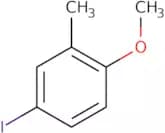
Discontinued product4-Iodo-2-methylanisole
CAS:4-Iodo-2-methylanisole (4IM) is a naphthalene that is regiospecifically eliminated after activation by nitrate in an acidic medium. The hydrochloride salt of 4IM, koenigicine, has been shown to produce estrogen levels in the female rat similar to those produced by 17β-estradiol. The synthesis of 4IM involves the nitration of 2-methylanisole followed by iodine oxidation. This reaction produces a mixture of mono-, di-, and tri-iodonapthalenes. The product obtained from this reaction is purified with column chromatography or recrystallization.
Theory predicts that 4IM will be oxidized to 4-iodo-2,6-dimethylanisole by terpene oxidants such as acetonitrile or ozone.Formula:C8H9IOPurity:Min. 95%Color and Shape:PowderMolecular weight:248.06 g/molRef: 3D-FI64636
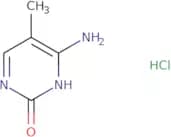
Discontinued product5-Methylcytosine hydrochloride salt
CAS:5-Methylcytosine hydrochloride salt is a metabolite of cytosine that occurs naturally in the body. It is used as an inhibitor of DNA methylation to study the effect of this process on gene expression. 5-Methylcytosine hydrochloride salt has been shown to inhibit the production of growth factors, such as insulin-like growth factor 1, and radiation energy. It also causes oxidative damage to DNA and inhibits the oxidation of urea nitrogen in lettuce. The matrix effect may interfere with the analysis of 5-methylcytosine hydrochloride salt by spectrometry.
Formula:C5H7N3O·HClPurity:Min. 95%Color and Shape:PowderMolecular weight:161.59 g/molN-Benzyl glycine ethyl ester
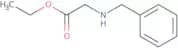
CAS:N-Benzyl glycine ethyl ester is a pharmacological agent that inhibits the release of inflammatory cytokines and growth factors such as tumor necrosis factor (TNF) and interleukin (IL)-1. These effects are mediated by its inhibitory actions on the serine protease, which degrades these proteins. N-Benzyl glycine ethyl ester is used for the treatment of inflammatory bowel disease, including Crohn's disease and ulcerative colitis, in combination with sodium carbonate or other drugs to maintain remission. This drug has been shown to be effective against HIV infection due to its ability to induce apoptosis in infected cells. The molecular mechanism of this drug is related to nucleophilic substitution reactions between an amine group and a carboxylic acid group.
Formula:C11H15NO2Purity:Min. 95%Color and Shape:Colorless Clear LiquidMolecular weight:193.24 g/molRef: 3D-FB39252
Discontinued productN-Acetylglycine
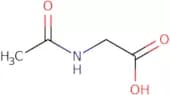
CAS:N-Acetylglycine is an amide, which is a molecule with both a carboxylate and hydroxyl group. It belongs to the class of antimicrobial agents and has been shown to inhibit the growth of bacteria by inhibiting synthesis of folic acid and other metabolites. N-Acetylglycine also inhibits the formation of terminal residues from amino acids. The analytical method for this compound is based on the reaction between n-acetylglycine and hydrogen chloride in methanol. This produces picolinic acid, which can be detected using ultraviolet spectroscopy at a wavelength of 325 nm.
Formula:C4H7NO3Purity:Min. 95%Color and Shape:White PowderMolecular weight:117.1 g/molRef: 3D-FA10861
Discontinued product2,3-Diphospho-D-glyceric acid pentasodium salt
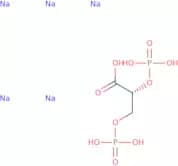
CAS:2,3-Diphospho-D-glyceric acid pentasodium salt is a pyridine complex that is found in nature as a constant. It is also synthesized by humans and can be formed in the laboratory. 2,3-Diphospho-D-glyceric acid pentasodium salt is reactive and has been shown to be useful for producing radical species. This compound has been analysed in the human body at physiological concentrations and has been shown to interact with endogenous molecules such as lipids. The interaction of this compound with lipids could be due to its ability to form emulsions.Formula:C3H3Na5O10P2Purity:Min. 95%Color and Shape:PowderMolecular weight:375.95 g/molRef: 3D-FD22517
Discontinued product5,6-Methylenedioxyindole
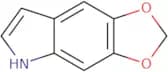
CAS:5,6-Methylenedioxyindole (MDI) is a compound that is often used in the synthesis of other bioactive molecules. It has been shown to bind to the pyridinium moiety of receptor sites and form a stable complex, which can then be displaced by an agonist or antagonist. The binding experiments were performed using radioactive MDI and zoxazolamine as the ligand. Radiolabelled MDI was synthesized from 5-methyl-2-pyridinone with the use of a linker, methylenetriphenylphosphorane (MTPP). The molecular electrostatic potentials of the two compounds were calculated in order to investigate the possible binding interactions between them. Ellipticines are also synthesised using MDI as a precursor molecule, which is alkylated with dimethyl sulfate and then reacted with phenylhydrazine. This reaction produces a mixture containing both ellipticines and
Formula:C9H7NO2Purity:Min. 95%Molecular weight:161.16 g/molRef: 3D-FM137841
Discontinued productFmoc-3-(1-naphthyl)-L-alanine
CAS:Fmoc-3-(1-naphthyl)-L-alanine is a versatile building block that can be used in the synthesis of complex compounds. It has been shown to be a useful intermediate in the synthesis of a range of biologically active compounds, including research chemicals and reagents. It is also a useful scaffold for the preparation of complex chemical structures. Fmoc-3-(1-naphthyl)-L-alanine is available as an off-white solid with a purity of 99%.
Formula:C28H23NO4Purity:Min. 98.0 Area-%Color and Shape:White PowderMolecular weight:437.49 g/molRef: 3D-FF47418
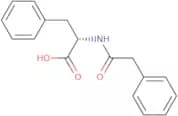
Discontinued productPhenylac-Phe-OH
CAS:Phenylac-Phe-OH is an amphipathic molecule that has been shown to exhibit potent antagonistic activity against proton pumps. This compound also has the potential use in retinoid acid assays, where it was found to be a potent antagonist of retinoic acid. Phenylac-Phe-OH can be used as a probe for magnetic resonance analysis and its metabolic profiles have been studied extensively.
Formula:C17H17NO3Purity:Min. 95%Color and Shape:PowderMolecular weight:283.32 g/molRef: 3D-FP111841
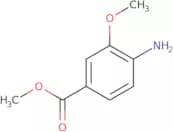
Discontinued product4-Amino-3-methoxybenzoic acid methyl ester
CAS:4-Amino-3-methoxybenzoic acid methyl ester is a reactive molecule that has been used as a radiotracer for positron emission tomography (PET). It is also used in the synthesis of oligodeoxynucleotides and hybridization probes. 4-Amino-3-methoxybenzoic acid methyl ester is not soluble in water, but it can be dissolved in organic solvents such as acetone or methanol. This compound has shown to have anticancer activity and may be useful for treating cancers of the brain, breast, colon, lung, prostate, and stomach.Formula:C9H11NO3Purity:Min. 95%Color and Shape:PowderMolecular weight:181.19 g/molRef: 3D-FA70673
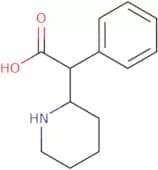
Discontinued product2-Phenyl-2-(2-piperidy)acetic acid
CAS:Controlled ProductMethylphenidate is a psychostimulant drug used to treat attention deficit hyperactivity disorder (ADHD) and narcolepsy. It is a prodrug of the active compound, 2-phenyl-2-(2-piperidin)acetic acid (Ritalinic acid), which inhibits the reuptake of dopamine and norepinephrine into the presynaptic neuron. Methylphenidate can be detected by LC-MS/MS in wastewater, providing an analytical method for predicting the presence of this substance in wastewater treatment plants. This drug has minimal toxicity in model organisms and can be metabolized by methylation to form a glucuronide conjugate. Methylphenidate has been shown to increase locomotor activity when administered at low doses, but not at high doses. At high doses, it increases locomotor activity up to 3 hours after administration and decreases locomotor activity 1 hour after administration.
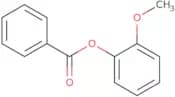
Formula:C13H17NO2Purity:Min 98%Color and Shape:White PowderMolecular weight:219.28 g/mol1-Benzoyloxy-2-methoxybenzene
CAS:1-Benzoyloxy-2-methoxybenzene is a diphenyl ether that has been shown to have analgesic, anti-inflammatory and antipyretic properties. It inhibits the secretion of pancreatic enzymes, which may be due to its interaction with the hydroxyl group on the cavity of the enzyme. 1-Benzoyloxy-2-methoxybenzene also inhibits intestinal fluid production in rats with ulcerative colitis, which may be due to its ability to inhibit bond cleavage in lysosomes by interacting with the hydroxy group on the cavity of lysosomal enzymes. When applied topically, 1-Benzoyloxy-2-methoxybenzene has been shown to be effective in alleviating pain from abrasions or other wounds in rats and humans. This drug also has a stereoselective effect on benzoate, inhibiting its action at high concentrations.
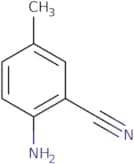
Formula:C14H12O3Purity:Min. 95%Color and Shape:PowderMolecular weight:228.24 g/mol2-Amino-5-methylbenzonitrile
CAS:2-Amino-5-methylbenzonitrile (2AMB) is a molecule that has two nitrile groups. It has been shown to be effective in the treatment of cancer cells, and it also inhibits thymidylate synthase (TS), an enzyme involved in DNA synthesis. The crystallographic structure of this compound has been determined by x-ray diffraction studies, and 2AMB was synthesized and assayed for its anticancer activity on human lung cancer cells in culture. 2AMB is an intercalator that binds to DNA by inserting itself between base pairs, which then blocks the progression of DNA synthesis during replication. This type of inhibition causes cell death because the cell cannot divide or make new proteins. Naphthalene and pyrrole are two chemicals found in 2AMB that have been shown to have antibacterial properties.
Formula:C8H8N2Purity:Min. 95%Color and Shape:PowderMolecular weight:132.16 g/molRef: 3D-FA33035
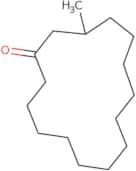
Discontinued product3-Methyl-1-cyclopentadecanone
CAS:3-Methyl-1-cyclopentadecanone is a chemical compound with the molecular formula C10H18O. It has an optimum concentration of 0.08% and phase transition temperature of -83 degrees Celsius. The pro-apoptotic protein, Bax, is activated by 3-methyl-1-cyclopentadecanone in mammalian cells, inducing apoptosis. This compound also inhibits the activity of enzymes such as lipoxygenase and cyclooxygenase, which are involved in inflammation. 3-Methyl-1-cyclopentadecanone has been shown to be effective against cancer tissues and neuronal death in rats. 3MCTD has been shown to inhibit polymerase chain reaction (PCR) amplification of DNA from rhizoma gastrodiae, a traditional Chinese herbal medicine for the treatment of myocardial infarcts.
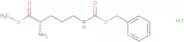
Formula:C16H30OPurity:Min. 95%Color and Shape:Clear LiquidMolecular weight:238.41 g/molNd-Z-L-ornithine methyl ester hydrochloride
CAS:Please enquire for more information about Nd-Z-L-ornithine methyl ester hydrochloride including the price, delivery time and more detailed product information at the technical inquiry form on this page
Formula:C14H20N2O4·HClPurity:Min. 95%Color and Shape:PowderMolecular weight:316.78 g/mol




![6-Fluoro-5-Methyl-2-[(5-Methyl-1H-Imidazol-4-Yl)Methyl]-2,3,4,5-Tetrahydro-1H-Pyrido[4,3-b]Indol-1…](/_next/image/?url=https%3A%2Fstatic.cymitquimica.com%2Fproducts%2F3D%2Fthumb-webp%2FFF102588.webp&w=3840&q=75)