Peptides
Subcategories of "Peptides"
Found 29926 products of "Peptides"
[Leu5]-Enkephalin Acetate
CAS:Applications [Leu5]-Enkephalin is a neurotransmitter used in molecular dynamics studies for the insertion of neurotransmitters into lipid bilayer membranes and their implication on membrane stability.
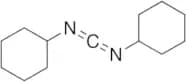
References Shen, C., et al.: ChemPhysChem, pages ahead of print (2017)Formula:C28H37N5O7·x(C2H4O2)Color and Shape:NeatMolecular weight:615.67N,N'-Dicyclohexylcarbodiimide
CAS:Controlled ProductFormula:C13H22N2Color and Shape:Off-White To Light YellowMolecular weight:206.33Cyclo(Leu-Gly)
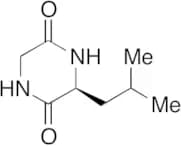
CAS:Controlled ProductApplications Cyclo(Leu-Gly) is an antimicrobial compound produced by Latobacillus plantarum.
References Niku-Paavola, M., et al.: J. Appl. Microbiol., 86, 29 (1999)Formula:C8H14N2O2Color and Shape:Off-WhiteMolecular weight:170.21H-Glu-Lys-Oh
CAS:Controlled ProductApplications H-GLU-LYS-OH (cas# 5891-53-2) is a useful research chemical.
Formula:C11H21N3O5Color and Shape:NeatMolecular weight:275.31Fmoc N-Hydroxysuccinimide Ester
CAS:Stability Moisture Sensitive
Applications Used in conjunction with Isothiocyanate to conduct partial Edman Degradation on biologically active peptides.
Not a dangerous good if item is equal to or less than 1g/ml and there is less than 100g/ml in the package
References Heidenreich, O., et al.: J. Biol. Chem., 269, 2131 (1994), Kothe, U., et al.: Anal. Biochem., 356, 148 (2006), Thakkar, A., et al.: Anal. Chem., 78, 5935 (2006),Formula:C19H15NO5Color and Shape:NeatMolecular weight:337.33N-CBZ-Glycyl-glycyl-L-arginine 7-Amido-4-methylcoumarin Hydrochloride
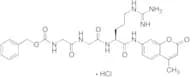
CAS:Applications N-CBZ-Glycyl-glycyl-L-arginine 7-Amido-4-methylcoumarin Hydrochloride is a fluorogenic substrate for uPA (urokinase).
References Zimmerman, M., et al. Proc. Natl. Acad. Sci. USA 75, 750 (1978);Formula:C28H33N7O7·HClColor and Shape:NeatMolecular weight:579.60 + (36.46)3X HA Tag
3X HA Tag (Triple-HA Tag) is a bioactive peptide consisting of three repetitive HA tags (YPYDVPDYA) and is mainly used for protein and peptide detection.Formula:C205H272N38O67SPurity:99.78%Color and Shape:SoildMolecular weight:4372.63Poly(ethylene Glycol) ~200
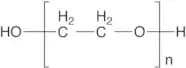
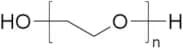
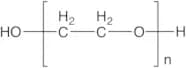
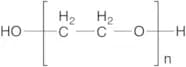
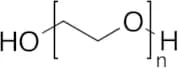
CAS:Controlled ProductApplications Poly(ethylene Glycol) molecules of an average molecular mass of 200. Poly(ethylene Glycol) is used in various applications from industrial chemistry to biological chemistry. Recent research has shown PEG maintains the ability to aid the spinal cord injury recovery process, helping the nerve impulse conduction process in animals. In rats, it has been shown to aid in the repair of severed sciatic axons, helping with nerve damage recovery. It is industrially produced as a lubricating substance for various surfaces to reduce friction. PEG is also used in the preparation of vesicle transport systems in with application towards diagnostic procedures or drug delivery methods.
References Borgens, R. et al.: J. Neurosci. Res., 66, 1179 (2001); Stavisky, R. et al.: Neurosci. Lett., 376, 98 (2005); Nalam, P. et al.: Tribiol. Lett., 37, 541 (2010); Steinmetz, N. et al.: J. Am. Chem. Soc., 131, 17093 (2009); Li, X. et al.: J. Am. Chem. Soc., 133, 11147 (2011); Li, L. et al.: Int. J. Pharm., 447, 192 (2013);Formula:H2O(C2H4O)nColor and Shape:ColourlessMolecular weight:62.07Poly(ethylene Glycol) ~20000
CAS:Controlled ProductStability Hygroscopic
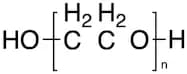
Applications Poly(ethylene Glycol) molecules of an average molecular mass of 20000. Poly(ethylene Glycol) is used in various applications from industrial chemistry to biological chemistry. Recent research has shown PEG maintains the ability to aid the spinal cord injury recovery process, helping the nerve impulse conduction process in animals. In rats, it has been shown to aid in the repair of severed sciatic axons, helping with nerve damage recovery. It is industrially produced as a lubricating substance for various surfaces to reduce friction. PEG is also used in the preparation of vesicle transport systems in with application towards diagnostic procedures or drug delivery methods.
References Borgens, R. et al.: J. Neurosci. Res., 66, 1179 (2001); Stavisky, R. et al.: Neurosci. Lett., 376, 98 (2005); Nalam, P. et al.: Tribiol. Lett., 37, 541 (2010); Steinmetz, N. et al.: J. Am. Chem. Soc., 131, 17093 (2009); Li, X. et al.: J. Am. Chem. Soc., 133, 11147 (2011); Li, L. et al.: Int. J. Pharm., 447, 192 (2013);Formula:H2O(C2H4O)nColor and Shape:Off-WhiteMolecular weight:62.07N-Carbamoyl-2-fluoro-(β)-alanine
CAS:Controlled ProductApplications A metabolite of Capecitabine.
References Arellano, M., ET AL.: Br. J. Cancer, 77, 79 (1998), Budman, D., ET AL.: J. Clin. Oncol., 16, 1795 (1998), Khanna, R., et al.: Cancer Res., 60, 4725 (2000), Charasson, V., et al.: Drug Metab. Dispos., 30, 731 (2002),Formula:C4H7FN2O3Color and Shape:NeatMolecular weight:150.11(+)-Lactacystin
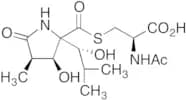
CAS:Controlled ProductApplications A selective and potent inhibitor of proteasome-mediated degradation of ubiquitin-tagged proteins. A Streptomyces metabolite that acts as a highly specific inhibitor of the 20S proteasome (MCP: multicatalytic proteinase complex).
References Fenteany, G., et al.: Science, 268, 726 (1995), Fenteany, G., et al.: Proc. Natl. Acad. Sci. USA, 91, 3358 (1994),Formula:C15H24N2O7SColor and Shape:NeatMolecular weight:376.43TCEP Hydrochloride
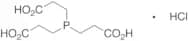
CAS:Applications Biochemical tool for selective reduction of disulfide bridges at low pH; reductant for redox assay.
Not a dangerous good if item is equal to or less than 1g/ml and there is less than 100g/ml in the package
References Neuburger, M., et al.: Eur. J. Biochem., 267, 2882 (2000), Krijt, J., et al.: Clin. Chem., 47, 1821 (2001), Yen, T.-Y., et al.: J. Mass Spectrom., 37, 15 (2002),Formula:C9H15O6P·ClHColor and Shape:NeatMolecular weight:286.65Kollisolv PEG 300
CAS:Controlled ProductApplications Kollisolv PEG 300 is used as a thickening agent and gel binder in the pharmaceutical industry.
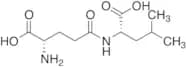
Formula:H2O(C2H4O)nColor and Shape:ColourlessMolecular weight:62.07N-L-γ-GLUTAMYL-L-LEUCINE
CAS:Controlled ProductApplications N-L-GAMMA-GLUTAMYL-L-LEUCINE (cas# 2566-39-4) is a useful research chemical.
Formula:C11H20N2O5Color and Shape:White To Off-WhiteMolecular weight:260.29DOTA-tris (t-Bu ester) (~90%)
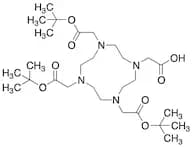
CAS:Controlled ProductApplications DOTA-tris (t-Bu ester), is a Bifunctional chelator, that can be used in the preparation of gadolinium complexes as MRI blood contrast agents.
Formula:C28H52N4O8Purity:~90%Color and Shape:NeatMolecular weight:572.73γ-Polyglutamic Acid Sodium Salt (Technical Grade)
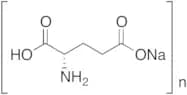
CAS:Controlled ProductStability Hygroscopic
Applications gamma-Polyglutamic acid - sodium salt (cas# 25513-46-6) is a useful research chemical.Formula:(C5H8NNaO4)nColor and Shape:NeatMolecular weight:NAFructosyl Glycine α/β Mixture (Mixture of Diastereomers)
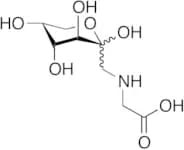
CAS:Stability Hygroscopic
Applications Fructosyl Glycine is a synthetic glycoamine used in the study of glycoamine analogs and their effect on metastatic carcinoma cells.
References Glinsky, G. et al.: Clin. Exp. Metastas., 14, 253 (1996);Formula:C8H15NO7Color and Shape:NeatMolecular weight:237.207Poly(ethylene Glycol) ~6000
CAS:Controlled ProductApplications Poly(ethylene Glycol) molecules of an average molecular mass of 6000. Poly(ethylene Glycol) is used in various applications from industrial chemistry to biological chemistry. Recent research has shown PEG maintains the ability to aid the spinal cord injury recovery process, helping the nerve impulse conduction process in animals. In rats, it has been shown to aid in the repair of severed sciatic axons, helping with nerve damage recovery. It is industrially produced as a lubricating substance for various surfaces to reduce friction. PEG is also used in the preparation of vesicle transport systems in with application towards diagnostic procedures or drug delivery methods.
References Borgens, R. et al.: J. Neurosci. Res., 66, 1179 (2001); Stavisky, R. et al.: Neurosci. Lett., 376, 98 (2005); Nalam, P. et al.: Tribiol. Lett., 37, 541 (2010); Steinmetz, N. et al.: J. Am. Chem. Soc., 131, 17093 (2009); Li, X. et al.: J. Am. Chem. Soc., 133, 11147 (2011); Li, L. et al.: Int. J. Pharm., 447, 192 (2013)Formula:H2O(C2H4O)nColor and Shape:White To Off-WhiteMolecular weight:62.07N-(2-Aminoethyl)-2-[phenyl(phenylmethyl)amino]acetamide
CAS:Controlled ProductStability Hygroscopic
Applications This compound is an impurity in the synthesis of Antazoline (A678405) which acts as a histamine H1 receptor blocker, functioning as an antihistamine pharmaceutical.
References Constanti, A. et al.: Brit. J. Pharmacol. 58, 583 (1976);Formula:C17H21N3OColor and Shape:NeatMolecular weight:283.37H-β-Ala-pNA HBr
CAS:Controlled ProductFormula:C9H11N3O3·HBrColor and Shape:NeatMolecular weight:290.114CA-074 Methyl Ester
CAS:Controlled ProductApplications CA-074 methyl ester is a cell-permeable cathepsin B inhibitor.
Formula:C19H31N3O6Color and Shape:NeatMolecular weight:397.47Poly(ethylene Glycol) ~1000
CAS:Controlled ProductApplications Poly(ethylene Glycol) molecules of an average molecular mass of 1000. Poly(ethylene Glycol) is used in various applications from industrial chemistry to biological chemistry. Recent research has shown PEG maintains the ability to aid the spinal cord injury recovery process, helping the nerve impulse conduction process in animals. In rats, it has been shown to aid in the repair of severed sciatic axons, helping with nerve damage recovery. It is industrially produced as a lubricating substance for various surfaces to reduce friction. PEG is also used in the preparation of vesicle transport systems in with application towards diagnostic procedures or drug delivery methods.
References Borgens, R. et al.: J. Neurosci. Res., 66, 1179 (2001); Stavisky, R. et al.: Neurosci. Lett., 376, 98 (2005); Nalam, P. et al.: Tribiol. Lett., 37, 541 (2010); Steinmetz, N. et al.: J. Am. Chem. Soc., 131, 17093 (2009); Li, X. et al.: J. Am. Chem. Soc., 133, 11147 (2011); Li, L. et al.: Int. J. Pharm., 447, 192 (2013);Formula:H2O(C2H4O)nColor and Shape:White To Off-WhiteMolecular weight:62.07Urolithin A
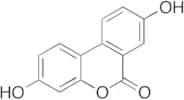
CAS:Applications Urolithin A is a major metabolite of ellagitannin and exhibits anti-inflammatory and antioxidant properties.
References Ishimoto, H., et. al.: Bioorg. Med. Chem. Lett., 21, 5901 (2011);Formula:C13H8O4Color and Shape:NeatMolecular weight:228.20N-tert-Boc-L-alanine
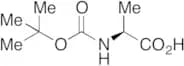
CAS:Controlled ProductApplications N-tert-Boc-L-alanine is the protected form of L-Alanine (A481500), a non-essential amino acid that can be found naturally in the human body and is obtained by our diet.
References Anderson, H., et al.: J. Nutr., 99, 82 (1969)Formula:C8H15NO4Color and Shape:NeatMolecular weight:189.21Insulin (Human)
CAS:Applications Insulin (Human) is a peptide hormone regulating the metabolism of carbohydrates and fats. It is used in the treatment of those suffering from the diabetes type I and II metabolic disorders. Regulates the absorption of glucose from the blood to skeletal muscles and fat storage.
References Lai, Y. et al.: Biochem. J., 460, 363 (2014); Hedman, C. et al.: Clin. Endocrinol., 81, 58 (2014);Formula:C257H383N65O77S6Color and Shape:NeatMolecular weight:5807.57H-Asp-Leu-OH
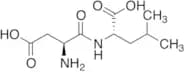
CAS:Controlled ProductStability Hygroscopic
Applications H-Asp-Leu-OH (cas# 3062-14-4) is a useful research chemical.Formula:C10H18N2O5Color and Shape:NeatMolecular weight:246.26E-64d
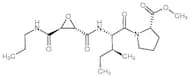
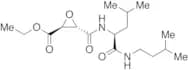
CAS:Controlled ProductApplications E-64d is an inhibitor of cathepsins B and L as well as a potential inhibitor of calpain. E-64d has been shown to inhibit lysosomal proteases. E-64d has been used in combination with Prepstatin A to interfere with autolysosomal digestion. E-64d displays neurovascular and neuronal protective effects after focal cerebral ischemia in rats.
References Wilcox, D. et al.: Biochem. J., 285, 495 (1992); McGowan, E.B. et al.: Biochem. Biophys. Res. Comm., 158, 432 (1989); Tsubokawa, T. et al.: J. Neurosci. Res., 84, 832 (2006);Formula:C17H30N2O5Color and Shape:NeatMolecular weight:342.43Poly(ethylene Glycol) ~9000
CAS:Controlled ProductFormula:H2O(C2H4O)nColor and Shape:White To Off-WhiteMolecular weight:62.07L-Carnosine
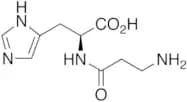
CAS:Controlled ProductApplications L-Carnosine is a naturally-occurring histidine-containing compound and the biological role of this dipeptide is to act as cytosolic buffering agents. Other roles ascribed to L-Carnosine include actions as neurotransmitters, modulation of enzymic activities and chelation of heavy metals.
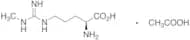
References Quinn, P.J., et al.: Mol. Aspects. Med., 13, 379 (1992); Aruoma, O.I., et al.: Biochem. J., 264, 863 (1989);Formula:C9H14N4O3Color and Shape:NeatMolecular weight:226.23NG-Monomethyl-L-arginine Acetate
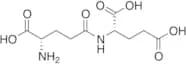
CAS:Controlled ProductFormula:C7H16N4O2·C2H4O2Color and Shape:NeatMolecular weight:248.28γ-L-Glutamyl L-Glutamic Acid
CAS:Controlled ProductApplications H-GAMMA-GLU-GLU-OH (cas# 1116-22-9) is a useful research chemical.
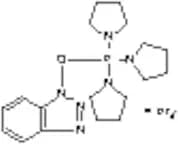
Formula:C10H16N2O7Color and Shape:NeatMolecular weight:276.24Benzotriazol-1-yl-oxytripyrrolidinphosphonium Hexafluorophosphate
CAS:Controlled ProductApplications Benzotriazol-1-yl-oxytripyrrolidinphosphonium Hexafluorophosphate (cas# 128625-52-5) is a compound useful in organic synthesis.
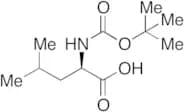
Formula:C18H28N6OP·F6PColor and Shape:NeatMolecular weight:520.39N-Boc-D-leucine
CAS:Controlled ProductApplications N-Boc-D-leucine is an N-Boc-protected form of D-Leucine (L330150). D-Leucine is an unnatural isomer of L-Leucine (L330110) that acts as an auto-inhibitor of lactic streptococci in culture. D-Leucine causes analgesia in humans and also exhibits inhibitory activity in bacterial cell cultures.
References Chuan, Y., et al.: Chin. J. Anim. Vet. Sci., 4, 003 (1985); Fox, S., et al.: J. Biol. Chem., 155, 465 (1944); Gillillad, S. & Speck, M.: J. Dairy Sci., 51, 1573 (1968); Schoenheimer, R., et al.: J. Biol. Chem., 130, 703 (1939); Seltzer, S., et al.: Pain, 11, 141 (1981)Formula:C11H21NO4Color and Shape:NeatMolecular weight:231.29Fructose Valine (mixture of diastereomers)
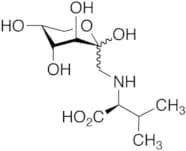
CAS:Controlled ProductApplications An Amadori compound having the potential to alter cellular adhesion, inhibit cancer metastasis and induce apoptosis.
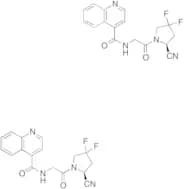
References Horiuchi, T., et al.: Agric. Biol. Chem., 55, 333 (1991), Sosnovsky, G., et al.: J. Pharm. Sci., 82, 649 (1993), Glinsky, G., et al.: Cancer Res., 56, 5319 (1996),Formula:C11H21NO7Color and Shape:Off-White To Dark BrownMolecular weight:279.29(S)-N-(2-(2-Cyano-4,4-difluoropyrrolidin-1-yl)-2-oxoethyl)quinoline-4-carboxamide (UAMC1110)
CAS:Controlled ProductFormula:C17H14F2N4O2Color and Shape:NeatMolecular weight:344.32Poly(ethylene Glycol) ~600
CAS:Controlled ProductApplications Poly(ethylene Glycol) molecules of an average molecular mass of 600. Poly(ethylene Glycol) is used in various applications from industrial chemistry to biological chemistry. Recent research has shown PEG maintains the ability to aid the spinal cord injury recovery process, helping the nerve impulse conduction process in animals. In rats, it has been shown to aid in the repair of severed sciatic axons, helping with nerve damage recovery. It is industrially produced as a lubricating substance for various surfaces to reduce friction. PEG is also used in the preparation of vesicle transport systems in with application towards diagnostic procedures or drug delivery methods.
References Borgens, R. et al.: J. Neurosci. Res., 66, 1179 (2001); Stavisky, R. et al.: Neurosci. Lett., 376, 98 (2005); Nalam, P. et al.: Tribiol. Lett., 37, 541 (2010); Steinmetz, N. et al.: J. Am. Chem. Soc., 131, 17093 (2009); Li, X. et al.: J. Am. Chem. Soc., 133, 11147 (2011); Li, L. et al.: Int. J. Pharm., 447, 192 (2013);Formula:H2O(C2H4O)nColor and Shape:Colourless To Off-WhiteMolecular weight:62.07Lactoferrin
CAS:Controlled ProductApplications Lactoferrin is a multifunctional protein of transferin family. A glycoprotein present in various secretions including milk, saliva and tears. Antiviral agent, it binds to liproproteins of cell membranes dispersing virus molecules from host cells.
References Sánchez L. et al.: Arch. Dis. CHild., 67, 657 (1992); Harmsen MC. et al.: J. Infect. Dis., 172, 380 (1995);Formula:C141H224N46O29S3Color and Shape:NeatMolecular weight:3123.8n-Octyl-oligo-oxyethylene
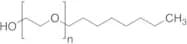
CAS:Controlled ProductApplications n-Octyl-oligo-oxyethylene is a detergent for useful solubilization, purification and crystallization of proteins.
Not a dangerous good if item is equal to or less than 1g/ml and there is less than 100g/ml in the packageFormula:(C2H4O)nC8H18OColor and Shape:NeatMolecular weight:n(44.05)+(130.23)Z-VAL-MET-OH
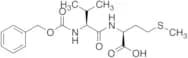
CAS:Controlled ProductApplications Z-VAL-MET-OH (cas# 108543-82-4) is a useful research chemical.
Formula:C18H26N2O5SColor and Shape:White To Off-WhiteMolecular weight:382.474CY5-SE
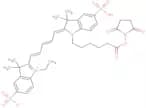
CAS:CY5-SE (Cy5 NHS Ester) is a reactive dye used to label amino groups in peptides, proteins, and nucleotides.Formula:C37H43N3O10S2Purity:99.56%Color and Shape:SolidMolecular weight:753.88H-CKLVFF-NH2
Peptide H-CKLVFF-NH2 is a Research Peptide with significant interest within the field academic and medical research. This peptide is available for purchase at Cymit Quimica in multiple sizes and with a specification of your choice.H-DRV^YI^-OH
Peptide H-DRV^YI^-OH is a Research Peptide with significant interest within the field academic and medical research. This peptide is available for purchase at Cymit Quimica in multiple sizes and with a specification of your choice.Parasin I
CAS:A potent antimicrobial peptide produced by the catfish Parasilurus asotus in response to epidermal injury. Parasin I is a derivative of catfish histone H2A.Formula:C82H154N34O24Color and Shape:PowderMolecular weight:1,999 g/molH-GHDGLYQGLSTATK^-OH
Peptide H-GHDGLYQGLSTATK^-OH is a Research Peptide with significant interest within the field academic and medical research. This peptide is available for purchase at Cymit Quimica in multiple sizes and with a specification of your choice.
H-ASTIEMPQQAR^-OH
Peptide H-ASTIEMPQQAR^-OH is a Research Peptide with significant interest within the field academic and medical research. This peptide is available for purchase at Cymit Quimica in multiple sizes and with a specification of your choice.
H-NPANPVQR^-OH
Peptide H-NPANPVQR^-OH is a Research Peptide with significant interest within the field academic and medical research. This peptide is available for purchase at Cymit Quimica in multiple sizes and with a specification of your choice.
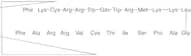
α-Neo-Endorphin, porcine
CAS:Custom research peptide; min purity 95%.Formula:C60H89N15O13Purity:Min. 95%Molecular weight:1,228.47 g/molAF-1
Peptide AF-1 is a Research Peptide with significant interest within the field academic and medical research. This peptide is available for purchase at Cymit Quimica in multiple sizes and with a specification of your choice.Formula:C45H69N13O10Molecular weight:3,576.06 g/mol
![[Leu5]-Enkephalin Acetate](/_next/image/?url=https%3A%2Fstatic.cymitquimica.com%2Fproducts%2FTR%2Fthumb-webp%2FL330340.webp&w=3840&q=75)







![N-(2-Aminoethyl)-2-[phenyl(phenylmethyl)amino]acetamide](/_next/image/?url=https%3A%2Fstatic.cymitquimica.com%2Fproducts%2FTR%2Fthumb-webp%2FA609260.webp&w=3840&q=75)