Enzyme Substrates
Subcategories of "Enzyme Substrates"
Found 1526 products of "Enzyme Substrates"
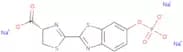
Luc-phosphate Na
CAS:Luc-phosphate Na is a synthetic drug that is used in the treatment of cancer. It is an inhibitor of DNA methyltransferase, which is a key enzyme in DNA methylation. The inhibition of this enzyme leads to decreased DNA methylation and increased expression of tumor suppressor genes. Luc-phosphate Na also has anti-cancer activity by inhibiting the growth of cells and by inducing apoptosis. This drug has been shown to have no adverse effects on cellular physiology, such as cell division or protein synthesis.
Formula:C11H6N2Na3O6PS2Purity:Min. 94 Area-%Molecular weight:426.25 g/molRef: 3D-L-8276
5mgTo inquire10mgTo inquire25mgTo inquire50mgTo inquire100mgTo inquire-Unit-mgmgTo inquire2-Nitrophenyl-beta-D-galactopyranoside
CAS:Chromogenic β-galactosidase substrate yielding a yellow solution upon cleavage. Can be used for the detection of coliforms due to their beta-galactosidase activity.Formula:C12H15NO8Purity:Min. 99.0 Area-%Molecular weight:301.26 g/mol4-Methylumbelliferone
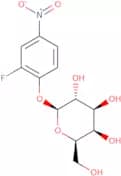
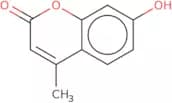
CAS:4-Methylumbelliferone is a coumarin derivative that inhibits the activity of enzymes such as p-nitrophenyl phosphate oxidase and aminopeptidase. It is used in vitro to study oxidative injury, which plays a role in the pathogenesis of inflammatory diseases, including primary sclerosing cholangitis and bone marrow transplantation. 4-Methylumbelliferone has been shown to induce apoptosis by increasing reactive oxygen species levels and activating toll-like receptor 4 (TLR4). It also has inhibitory effects on osteosarcoma cell proliferation in vitro.Formula:C10H8O3Molecular weight:176.17 g/mol2-Fluoro-4-nitrophenyl b-D-galactopyranoside
CAS:2-Fluoro-4-nitrophenyl b-D-galactopyranoside is a chromogenic substrate in enzymatic assays with β-galactosidase. Commonly abbreviated as PFONPG, it is a hydrophilic compound that can be dissolved in saline and blood samples, which makes it a suitable candidate for diagnostic applications as a gene reporter probe by simple analytic methodologies. 2-Fluoro-4-nitrophenyl b-D-galactopyranoside have been used to detect and monitor the growth of prostate tumor cells.Purity:Min. 95%Color and Shape:PowderMolecular weight:319.24 g/mol4-Nitrophenyl b-L-arabinopyranoside
CAS:4-Nitrophenyl beta-L-arabinopyranoside is a chromogenic substrate for beta-L-arabinosidase. Upon hydrolysis, para-nitrophenol is released yielding a yellowish colour. 4-Nitrophenyl beta-L-arabinopyranoside is used in different applications such as the Bacterial arabinan degradation assays, gut microbiome analysis
Formula:C11H13NO7Purity:Min. 98 Area-%Color and Shape:White PowderMolecular weight:271.22 g/mol4-Nitrophenyl 2-acetamido-2-deoxy-a-D-glucopyranoside
CAS:4-Nitrophenyl 2-acetamido-2-deoxy-a-D-glucopyranoside is a chromogenic pNP substrate specifically designed for the analysis of N-acetylglucosaminidase activity. Upon enzyme action, the substrate releases 4-nitrophenol, a yellow compound that can be detected by spectrophotometric methods, providing a reliable and sensitive means of quantifying enzyme activity. This versatile substrate is widely used in biochemical studies, disease diagnostics, and the enzyme production industry.Formula:C14H18N2O8Color and Shape:White Off-White PowderMolecular weight:342.3 g/mol4-Nitrophenyl 4,6-benzylidene-α-D-maltoheptaoside
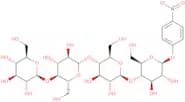
CAS:4-Nitrophenyl 4,6-benzylidene-alpha-D-maltoheptaoside is a chromogenic substrate for alpha-amylase. Upon hydrolysis, para-nitrophenol is released yielding a yellowish colour. 4-Nitrophenyl 4,6-benzylidene-alpha-D-maltoheptaoside is used in different applications such as the Starch digestion studies, industrial enzyme optimizationFormula:C55H79NO38Purity:Min. 95%Color and Shape:PowderMolecular weight:1,362.2 g/mol4-Methylumbelliferyl palmitate
CAS:4-Methylumbelliferyl palmitate, commonly names as 4-MUP, is a fluorescent probe that binds to lipases, enzymes responsible to assist on the hydrolysis of fats. In diagnosis, 4-MUP is used for screening of lysosomal storage diseases (LSD) caused by a deficiency of a single enzyme involved in the metabolism of glycoproteins, lipids or mucopolysaccharides.
Formula:C26H38O4Purity:Min. 95%Color and Shape:White PowderMolecular weight:414.58 g/molLipase substrate
CAS:Synthetic chromogenic substrate for detection of lipase enzyme activity that produces a red coloured product, Suitable for use in serum of plasma matrices. This lipase substrate is commonly used in veterinary diagnostics for monitoring and detecting canine pancreatitis,Formula:C45H69NO8Molecular weight:752.03 g/mol4-Nitrophenyl-alpha-L-fucopyranoside
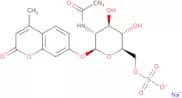
CAS:Chromogenic substrate yielding a soluble yellow chromophor for the colorimetric assay of α-L-fucosidase, especially in human serum.Formula:C12H15NO7Purity:Min. 98 Area-%Molecular weight:285.26 g/mol4-Methylumbelliferyl 2-acetamido-2-deoxy-b-D-glucopyranoside-6-sulfate sodium salt
CAS:4-Methylumbelliferyl 2-acetamido-2-deoxy-beta-D-glucopyranoside-6-sulfate sodium salt is a high-quality fluorogenic substrate specifically designed for the detection and quantification of various enzymes, including beta-glucosidases and sulfatases. Upon hydrolysis by the target enzyme, this substrate releases the highly fluorescent 4-methylumbelliferone, allowing for real-time monitoring and accurate measurement of enzyme activities in biochemical assays, diagnostic tests, and research applications. 4-Methylumbelliferyl 2-acetamido-2-deoxy-beta-D-glucopyranoside-6-sulfate sodium salt has excellent solubility in water, ensuring a consistent and reliable performance in different experimental conditions. This versatile substrate is an essential tool for researchers and industry professionals who require a sensitive and reproducible detection method for enzymes of interest.Formula:C18H20NO11SNaPurity:Min. 98 Area-%Color and Shape:White PowderMolecular weight:481.41 g/molL-Phenylalanine 7-amido-4-methylcoumarin trifluoroacetate salt
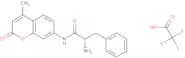
CAS:L-Phenylalanine 7-amido-4-methylcoumarin trifluoroacetate salt is a fluorogenic peptide substrate for aminopeptidase. This AMC peptide substrate is normally used to rapidly profile the N-terminal specificity of proteases.Formula:C19H18N2O3•C2HF3O2Purity:Min. 98 Area-%Color and Shape:White PowderMolecular weight:436.38 g/molN-Acetyl-glycine p-nitroanilide
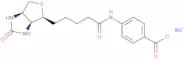
CAS:Substrate for hydrolasesFormula:C10H10N2O5Purity:Min. 95%Color and Shape:Yellow powder.Molecular weight:238.2 g/mol(+)-Biotin 4-amidobenzoic acid sodium salt
CAS:(+)-Biotin 4-amidobenzoic acid sodium salt, often referred as (+)-biotin PABA, is a fluorogenic substrate used to measure biotinidase activity, especially in newborn screening programs.
Formula:C17H20N3NaO4SPurity:Min. 95%Color and Shape:White Slightly Yellow PowderMolecular weight:385.41 g/mol2-Chloro-4-nitrophenyl b-D-maltoside
2-Chloro-4-nitrophenyl b-D-maltoside is a fluorescent substrate used in diagnostic kits. It is used to detect the presence of beta-glucuronidase enzymes, which are found in many bacteria and fungi. 2-Chloro-4-nitrophenyl b-D-maltoside has been shown to be a superior substrate for beta-glucuronidase as it can be used at lower concentrations and is more stable than other substrates. The enzyme hydrolyzes the 2,4 nitrophenyl ester bond and releases the fluorogenic product 4-(2'-hydroxyethyl)benzene diazonium chloride (HED). This product emits light under ultraviolet light, making it ideal for use in Bioluminescence Assays.Purity:Min. 95%4-Methylumbelliferyl a-L-idopyranosiduronic acid sodium salt
CAS:PAIRED PRODUCT AVAILABLE: alpha-L-iduronidase Enzyme, FI179383.
4MU-alpha-L-idopyranosiduronic acid is a fluorogenic substrate for alpha-L-iduronidase. Active alpha-L-iduronidase cleaves the MU moiety from the synthetic substrate, which results in release of a fluorescent signal (Ex 360 nm / Em 455 nm). The reaction is stopped by the addition of sodium carbonate. 4MU-alpha-L-idopyranosiduronic acid is used in alpha-L-iduronidase assays in the context of biochemical characterisation of samples from patients affected by lysosomal storage disease mucopolysaccharidosis I (MPS I).Formula:C16H15NaO9Purity:Min. 98 Area-%Color and Shape:White PowderMolecular weight:374.27 g/mol4-Methylumbelliferyl 2-acetamido-2-deoxy-a-D-galactopyranoside - Moscerdam™ biochemical purity
CAS:A fluorogenic substrate for the detection of lysosomal enzyme N-acetyl-α-D-galactopyranosiaminidase (NAGA), which is driving the pathogenesis of Schindler disease. Also substrate for endo-α-N-acetylgalactosaminidase (O-glycosidase), which cleaves O-linked core 1 and core 3 disaccharides from glycoproteins.Formula:C18H21NO8Purity:Min. 98 Area-%Color and Shape:White PowderMolecular weight:379.36 g/molLuc-Enterobacteria Na
Luc-Enterobacteria Na is a bioluminescent substrate for bacterial luciferase used to detect Enterobacteriaceae. The enzyme luciferase oxidizes luciferin with FMNH₂ and O₂ via luxAB genes, emitting blue light.Formula:C17H17NaN2O8S2Purity:Min. 94 Area-%Molecular weight:464.44 g/mol7-((4'-L-Alaninamido)-rac-3'-hydroxybutyloxy) coumarin hydrochloride
This Clips-O substrate 7-((4'-L-Alaninamido)-rac-3'-hydroxybutyloxy) coumarin allows the detection of single and dual enzymatic activity (L-alanine aminopetidase and oxidation of 4-amino-3-hydroxybutyloxy spacer either enzymatically or by exposure to sodium periodate) with a single substrate resulting in a fluorescent signal. The main virtues of Clips-O substrates are an increased stability towards non-enzymatic hydrolysis that results in a reduced background and high sensitivity.Formula:C16H21ClN2O5Purity:Min. 95%Color and Shape:PowderMolecular weight:356.8 g/mol4-Methylumbelliferyl heptanoate
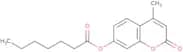
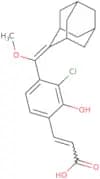
CAS:Lipase targeting MOSCERDAM® substrateFormula:C17H20O4Purity:Min. 95%Color and Shape:White PowderMolecular weight:288.34 g/molAquaSpark® 510 Calibration Probe, Ramot at Tel-Aviv University Ltd. Patent family WO 2017/130191
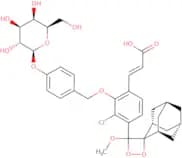
CAS:AquaSpark® Calibration Probe is a water-soluble dioxetane-based chemiluminescent probe. Deprotonation of the free phenol group of the calibration probe under mild basic conditions results in an emissive decomposition process. No addition of enhancer or sensitizing agent is required to produce the bright green light emission in aqueous solutions.
AquaSpark® Calibration Probe is used for:
Demonstration experiment susing only the probe and an aqueous solution or water;
Evaluation of the AquaSpark® maximum light emission;
Functional tests of luminometers, plate readers and cameras;
Comparison with other probes bearing an enzyme labile group in order to build concentration/response curves;
Validation and comparison between different AquaSpark® probes.Formula:C21H23ClO6Purity:Min. 95%Color and Shape:PowderMolecular weight:406.12 g/molChitin azure
CAS:Chitin azure is a chromogenic substrate for chitinases. It is one of the few specific substrates for this enzyme that produces chito-oligosaccharides from chitin.
Color and Shape:PowderGlycyl-glycine 7-amido-4-methylcoumarin hydrochloride
CAS:Glycyl-glycine 7-amido-4-methylcoumarin hydrochloride (Gly-Gly-AMC) is a fluorescent compound that can be used as a probe for the transfer of glycine in the brain. Gly-Gly-AMC binds to Langerhans cells and is transferred by an anterograde axonal transport mechanism from the peripheral nervous system to the central nervous system. The binding of Gly-Gly-AMC to Langerhans cells has been shown to activate them, which induces the release of inflammatory mediators into the surrounding tissue. This activity may be due to increased levels of calcium ions, which are known to induce exocytosis in these cells. Glycine is also involved in depression and other mental disorders, as well as muscle and brain activity.Formula:C14H16ClN3O4Molecular weight:325.75 g/molRef: 3D-G-6100
1gTo inquire5gTo inquire10gTo inquire500mgTo inquire2500mgTo inquire-Unit-ggTo inquire4-Methylumbelliferyl-N,N-diacetyl-beta-D-chitobioside
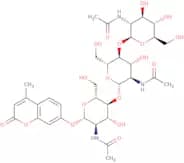
CAS:4-Methylumbelliferyl-N,N-diacetyl-beta-D-chitobioside is a molecule that has been expressed in the yeast Pichia pastoris. It can be used as a fluorescent probe for chitinase activity and has been shown to be sensitive to tryptophan residues and aromatic residues in proteins. 4-Methylumbelliferyl-N,N-diacetyl-beta-D-chitobioside has also been used as a fluorescent probe for isozymes of glucose phosphate isomerase. The nature of the trisaccharide is unknown, but it appears to be hydrophobic.Formula:C26H34N2O13Purity:Min. 99.0 Area-%Molecular weight:582.57 g/mol4-Methylumbelliferyl nonanoate
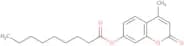
CAS:4-Methylumbelliferyl nonanoate is a fluorogenic substrate for lipase. After enzymatic cleaveage, free 4-methylumbelliferone (also known as hymecromone) is released, exhibiting blue fluorescence upon excitation with UV light. The strongest fluorescence of 4-methylumbelliferone requires deprotonation of the hydroxyl group (thus requires alkaline pH), with a maximal fluorescence intensity obtained with excitation at 350 to 370 nm and emission at 440 to 470 nm. The use of 4-methylumbelliferyl nonanoateas a substrate for measuring the lipase activity is used for the detection of lipase deficiency that could lead to pancreatic insufficiency.Formula:C19H24O4Purity:Min. 95%Color and Shape:PowderMolecular weight:316.39 g/mol2-(2-Thiazolylazo)-p-cresol
CAS:2-(2-Thiazolylazo)-p-cresol structure enables it to form complexes with certain metal ions, changing color in the process. This color change is highly useful in titrimetric analyses (quantitative chemical analysis method) to determine the concentration of metal ions in a solution. The substrates are colored orange-yellow (absorbance maximum= 375 nm). After the enzymatic conversion, the resulting TAC shows an intense, soluble red-violet color (544 nm) in an alkaline medium (pH = 10.3).Formula:C10H9N3OSPurity:Min. 96 Area-%Color and Shape:Yellow To Orange Brown SolidMolecular weight:219.26 g/mol4-Methylumbelliferyl phosphate, free acid
CAS:A sensitive fluorogenic substrate for fluorometric and UV-spectrophotometric assays of phosphatases. It is used for the detection of C. perfringens because acid phosphatase is a highly specific indicator for C. perfringens.
Formula:C10H9O6PMolecular weight:256.15 g/mol1-Naphthyl β-D-mannopyranoside
CAS:1-Naphthyl β-D-mannopyranoside is a chromogenic (also fluorogenic) substrate. After cleavage, 1-naphthol is released and is used to quantify beta-mannosidase activity.Formula:C16H18O6Purity:Min. 95%Color and Shape:PowderMolecular weight:306.31 g/mol2-Nitrophenyl-beta-D-galactopyranoside - non-animal origin
CAS:2-Nitrophenyl-beta-D-galactopyranoside is a non-animal origin chromogenic substrate for the detection of beta-galactosidase activity. It is used in food testing, diagnostics, and environmental testing. 2-Nitrophenyl-beta-D-galactopyranoside is also used as a ligand in enzyme assays and a fluorogenic substrate for chemiluminescent reactions. This product is conjugated to HRP.Formula:C12H15NO8Purity:Min. 98 Area-%Molecular weight:301.25 g/mol4-Nitrophenyl phosphate, bis(cyclohexylammonium) salt
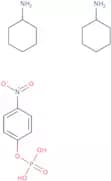
CAS:Chromogenic substrate yielding a soluble yellow chromophor for the colorimetric assay of phosphatases.Formula:C18H32N3O6PPurity:97.0 To 103.0%Molecular weight:417.45 g/mol2-Naphthyl-beta-D-galactopyranoside
CAS:2-Naphthyl-β-D-galactopyranoside is a substrate for β-galactosidase. 2-Naphthol is released upon hydrolyzation. By simultaneous coupling with a suitable staining reagent, such as hexazonium p-rosaniline, the corresponding reddish-brown azo-dye is formed. Naphthols can also be detected by fluorescence analysis.Formula:C16H18O6Purity:Min. 99 Area-%Molecular weight:306.32 g/mol4-Nitrophenyl 2-acetamido-2-deoxy-3-O-(b-D-galactopyranosyl)-a-D-galactopyranoside
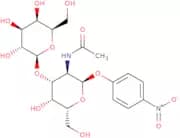
CAS:4-Nitrophenyl 2-acetamido-2-deoxy-3-O-(b-D-galactopyranosyl)-a-D-galactopyranoside is a superior chromogenic pNP enzyme substrate designed to deliver enhanced enzyme detection and outstanding assay performance. This cutting-edge substrate boasts excellent specificity, sensitivity, and stability, making it a powerful tool in the measurement of enzyme activity, substrate profiles, and inhibitor characterization. This premium substrate is perfect for researchers and professionals seeking reliable and efficient results for their enzyme-based investigations.Formula:C20H28N2O13Purity:Min. 98 Area-%Color and Shape:White PowderMolecular weight:504.44 g/mol5-Bromo-3-indolyl-a-D-galactopyranoside
5-Bromo-3-indolyl-a-D-galactopyranoside (5BIG) is a bioluminescent substrate that is used in various applications, including environmental testing, diagnostics, and the detection of bacterial activity. 5BIG is a ligand for luciferase enzymes and is used as a chromogenic substrate. It also has the ability to be conjugated with other molecules for use in enzyme substrates or fluorescence assays. 5BIG has been shown to be an effective fluorogenic substrate for enzymes such as alkaline phosphatase and beta-glucuronidase.Purity:Min. 95%4-Methylumbelliferyl N,N',N''-triacetyl-b-D-chitotrioside
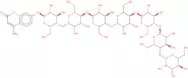
CAS:4-Methylumbelliferyl N,N',N''-triacetyl-beta-D-chitotrioside is a fluorogenic substrate for chitinase. After enzymatic cleaveage, free 4-methylumbelliferone (also known as hymecromone) is released, exhibiting blue fluorescence upon excitation with UV light. The strongest fluorescence of 4-methylumbelliferone requires deprotonation of the hydroxyl group (thus requires alkaline pH), with a maximal fluorescence intensity obtained with excitation at 350 to 370 nm and emission at 440 to 470 nm. The use of 4-methylumbelliferyl N,N',N''-triacetyl-beta-D-chitotriosideas a substrate for measuring the chitinase activity is used for fungal infection assays.Formula:C34H47N3O18Purity:Min. 95.0 Area-%Color and Shape:White Off-White PowderMolecular weight:785.75 g/mol4-Methylumbelliferyl-beta-D-cellobioside
CAS:Fluorogenic substrate for β-D-Cellobiosidase yielding a blue fluorescent solution upon cleavage.Formula:C22H28O13Purity:Min. 98.0 Area-%Molecular weight:500.46 g/mol2-Naphthyl a-D-glucopyranoside
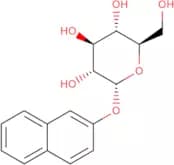
CAS:2-Naphthyl-lpha-D-glucopyranoside is a substrate for α-glucosidase. 2-Naphthol is released upon hydrolyzation. By simultaneous coupling with a suitable staining reagent, such as hexazonium p-rosaniline, the corresponding reddish-brown azo-dye is formed. Naphthols can also be detected by fluorescence analysis.Formula:C16H18O6Purity:Min. 98 Area-%Color and Shape:PowderMolecular weight:306.31 g/mol4-Nitrophenyl-N-acetyl-α-D-glucosaminide
CAS:4-Nitrophenyl-N-acetyl-α-D-glucosaminide is a chromogenic substrate for N-acetyl-β-D-glucosaminidase yielding a yellow solution upon cleavage.Formula:C14H18N2O8Molecular weight:342.31 g/molRef: 3D-N-4030
1gTo inquire100mgTo inquire250mgTo inquire500mgTo inquire2500mgTo inquire-Unit-ggTo inquire4-Methylumbelliferyl α-D-xylopyranoside
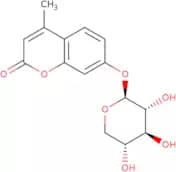
CAS:4-Methylumbelliferyl alpha-D-xylopyranoside is a fluorogenic substrate for alpha-xylosidase. After enzymatic cleaveage, free 4-methylumbelliferone (also known as hymecromone) is released, exhibiting blue fluorescence upon excitation with UV light. The strongest fluorescence of 4-methylumbelliferone requires deprotonation of the hydroxyl group (thus requires alkaline pH), with a maximal fluorescence intensity obtained with excitation at 350 to 370 nm and emission at 440 to 470 nm. The use of 4-methylumbelliferyl alpha-D-xylopyranosideas a substrate for measuring the alpha-xylosidase activity is used for oligosaccharidosis monitoring and other lysosomal storage disorder diagnosis.Formula:C15H16O7Purity:Min. 98 Area-%Color and Shape:White PowderMolecular weight:308.28 g/molResorufin b-D-xylobioside
Resorufin b-D-xylobioside is a fluorogenic substrate for xylanases useful for xylanase activity assays.Purity:Min. 95%Color and Shape:PowderMolecular weight:477.42 g/molAquaSpark® 515 Singlet Oxygen Probe, Ramot at Tel-Aviv University Ltd. Patent family WO 2017/130191
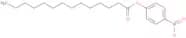
CAS:Singlet Oxygen Chemiluminescence Probe, SOCLFormula:C21H23ClO4Purity:Min. 95 Area-%Color and Shape:PowderMolecular weight:374.13 g/mol4-Nitrophenyl myristate
CAS:4-Nitrophenyl myristate (NphOMy) is a chromogenic enzyme substrate used as a diagnosis tool for detection of β-lactamase hydrolysis activities. In the presence of certain drugs, 4-nitrophenyl myristate HSA-Tyr411-catalyzed hydrolysis seems to be inhibited.Formula:C20H31NO4Purity:Min. 95 Area-%Color and Shape:White PowderMolecular weight:349.46 g/molLuciferin-alpha-D-glucoside, potassium salt
Luciferin-alpha-D-glucoside, potassium salt is a fluorogenic substrate that is used in diagnostics as a ligand. It can be conjugated to various substances, including proteins and antibodies. It is also used as an enzyme substrate in the detection of glucose oxidase in bacterial culture media and chemiluminescence in food testing, environmental testing, and staining.Purity:Min. 95%N-(6-Hydroxyhexyl)trifluoroacetamide
CAS:Please enquire for more information about N-(6-Hydroxyhexyl)trifluoroacetamide including the price, delivery time and more detailed product information at the technical inquiry form on this pageFormula:C8H14F3NO2Molecular weight:213.2 g/molIsopropyl-β-D-thiogalactopyranoside - non-animal origin
CAS:A non-metabolizable allolactose analogue, widely used in molecular biology for overexpression of recombinant proteins from inducible systems under the control of lac promoter. IPTG binds to the LacI repressor and causes its release from the lac operator, allowing gene expression to take place. Present in vectors of pGEX, pGEM-T, pET, pRSET, pMAL class and others.Formula:C9H18O5SPurity:Min. 99.0 Area-%Molecular weight:238.3 g/molAldol® 455 alpha-D-glucopyranoside - Biosynth Patent: EP 2427431 and US 8940909
Aldol® 455 alpha-D-glucopyranoside is a high quality, environmentally tested, staining, and ligand for bioluminescent assays. It has been shown to be a chromogenic substrate for diagnostics and a fluorogenic substrate for enzymes such as alpha-glucosidase, producing a yellow/green-orange color. Aldol® 455 alpha-D-glucopyranoside is also used in culture media and food testing.
Formula:C27H24ClNO7Purity:Min. 95 Area-%Color and Shape:PowderMolecular weight:509.93 g/mol6-Nitro-3-indolyl-b-D-galactopyranoside
6-Nitro-3-indolyl-b-D-galactopyranoside is a chemiluminescent substrate that reacts with horseradish peroxidase to produce light. 6NIGP is used in the diagnostic field as a fluorogenic or chromogenic substrate for enzymes such as alkaline phosphatase, and as a staining agent for cells, tissues, and other biological materials. 6NIGP has been used in the detection of bacteria, fungi, parasites, and viruses. It is also used in food testing as an enzyme substrate. 6NIGP is purified by recrystallization from water or acetone and can be stored at −20°C.Purity:Min. 95%5-Bromo-6-chloro-3-indolyl α-D-glucopyranoside
CAS:5-Bromo-6-chloro-3-indolyl α-D-glucopyranoside is a chromogenic substrate that yields a magenta-colored product after cleavage. The chromophore 5-bromo-6-chloro-indoxyl is released, generating the observable color. It is used in Pompe disease diagnostics, a glycogen storage disorder, that measures the deffiency of alpha-glucosidase (GAA) that could lead to the accumulation of glycogen in lysosomes.
Formula:C14H15BrClNO6Purity:Min. 95%Color and Shape:PowderMolecular weight:408.63 g/molL-Lysine 7-amido-4-methylcoumarin, acetate salt
CAS:Controlled ProductL-Lysine 7-amido-4-methylcoumarin, acetate salt is a fluorogenic peptide substrate for aminopeptidase. This AMC peptide substrate is normally used to rapidly profile the N-terminal specificity of proteases.Formula:C18H25N3O5Molecular weight:363.42 g/mol8-Hydroxyquinoline-beta-D-glucuronic acid, sodium salt
CAS:8-Hydroxyquinoline-beta-D-glucuronic acid, sodium salt is a fluorogenic substrate that can be used for enzymatic detection of peroxidase. The substrate is available in a variety of forms, including powder and liquid. This product has been tested for environmental and bioluminescence activity, as well as food safety. It has also been shown to be a useful ligand in immunoassays.
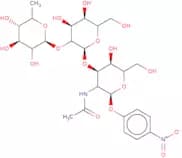
Formula:C15H14NNaO7Purity:Min. 98 Area-%Color and Shape:White PowderMolecular weight:343.26 g/mol4-Nitrophenyl 2-acetamido-3-O-[2-O-a-L-fucopyranosyl-b-D-galactopyranosyl)-2-deoxy-b-D-galactopyranoside
CAS:4-Nitrophenyl 2-acetamido-3-O-[2-O-a-L-fucopyranosyl-b-D-galactopyranosyl)-2-deoxyb-D-galactopyranoside is a water soluble, fluorescent probe that can be used for detecting the presence of β-(1→4) -linked galactosaminoglycans. The dye is a substrate for enzymes such as α--mannosidase, β--glucuronidase and β--galactosidase. The dye is also an excellent ligand for lectins such as concanavalin A and wheat germ agglutinin. This product is a diagnostic reagent that has been shown to have high purity and quality. It has CAS No. 93496-53-8 and can be used in food testing, bioluminescence, environmental testing, or high purity applications.
Formula:C26H38N2O17Purity:Min. 95%Molecular weight:650.58 g/mol2-Chloro-4-nitrophenyl α-D-mannopyranoside
CAS:2-Chloro-4-nitrophenyl alpha-D-mannopyranoside is a substrate used to measure the alpha-mannosidase activity. This enzyme plays a crucial role in the lysosomal degradation of asparagine-linked carbohydrate cores of glycoproteinsis. The use of 2-Chloro-4-nitrophenyl alpha-D-mannopyranoside in diagnostic assays is important as a deficiency in alpha-mannosidase leads to the accumulation of mannose-rich oligosaccharides in lysosomes, causing a range of health problems collectively known as alpha-mannosidosis.
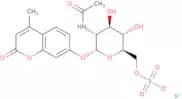
Formula:C12H14ClNO8Purity:Min. 98 Area-%Color and Shape:White PowderMolecular weight:335.69 g/mol4-Methylumbelliferyl 2-acetamido-2-deoxy-α-D-glucopyranoside-6-sulfate potassium
CAS:4-Methylumbelliferyl 2-acetamido-2-deoxy-alpha-D-glucopyranoside-6-sulfate potassium is a fluorogenic substrate for N-acetylglucosamine-6-sulfatase. After enzymatic cleaveage, free 4-methylumbelliferone (also known as hymecromone) is released, exhibiting blue fluorescence upon excitation with UV light. The strongest fluorescence of 4-methylumbelliferone requires deprotonation of the hydroxyl group (thus requires alkaline pH), with a maximal fluorescence intensity obtained with excitation at 350 to 370 nm and emission at 440 to 470 nm. The use of 4-methylumbelliferyl 2-acetamido-2-deoxy-alpha-D-glucopyranoside-6-sulfate potassiumas a substrate for measuring the N-acetylglucosamine-6-sulfatase activity is used for screening of Mucopolysaccharidosis IIID (MPS IIID) (a rare lysosomal storage disorder) and Sanfilippo D syndrome diagnosis.Formula:C18H20KNO11SPurity:Min. 95%Color and Shape:White PowderMolecular weight:497.52 g/molResorufin-β-D-glucuronic acid, sodium salt
CAS:Resorufin-beta-D-glucuronic acid, sodium salt is a fluorogenic substrate that can be used in diagnostic applications. It is a conjugate of resorufin and beta-D-glucuronic acid. The enzyme substrate reacts with the enzyme luciferase to produce light. The high purity and quality of this product make it ideal for use in the detection of the presence of glucose in urine, which can be used to diagnose diabetes mellitus.Formula:C18H14NNaO9Purity:Min. 90.0 Area-%Molecular weight:411.30 g/molRef: 3D-R-2150
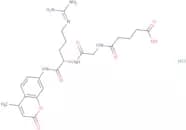
2mgTo inquire5mgTo inquire10mgTo inquire25mgTo inquire50mgTo inquire-Unit-ggTo inquireGlutaryl-glycyl-L-arginine 7-amido-4-methylcoumarin hydrochloride
CAS:Glutaryl-glycyl-L-arginine 7-amido-4-methylcoumarin hydrochloride is a synthetic peptide substrate used as a fluorogenic substrate for aminopeptidase.
Formula:C23H30N6O7·HClPurity:Min. 95%Color and Shape:PowderMolecular weight:538.98 g/molResorufin β-D-cellobioside
CAS:Resorufin beta-D-cellobioside is a fluorogenic substrate for the enzyme beta-glucosidase. It is soluble in water and can be used as a chromogenic substrate for beta-galactosidase. Resorufin beta-D-cellobioside is also used as a ligand to study protein interactions, such as those between lectins and glycoproteins. This product is of high purity and quality, with CAS No. 1000404-48-7.Formula:C24H27NO13Purity:Min. 95 Area-%Molecular weight:537.47 g/molRef: 3D-R-2056
10mgTo inquire25mgTo inquire50mgTo inquire100mgTo inquire250mgTo inquire-Unit-ggTo inquireD-Luciferin Firefly
CAS:Substrate for firefly luciferase used for imaging the expression of the LUC marker gene and luciferase-fusion conjugates in living cells, tissues and organisms. Extensively utilized in reporter gene assays, immunoassays and hygiene monitoring.
Formula:C11H8N2O3S2Purity:Min. 99.0 Area-%Molecular weight:280.33 g/molRef: 3D-L-8200
1gTo inquire10mgTo inquire250mgTo inquire500mgTo inquire2500mgTo inquire-Unit-ggTo inquire4-Methylumbelliferyl-beta-D-mannopyranoside
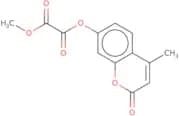
CAS:Fluorogenic substrate for detection of β-D-mannosidase.Formula:C16H18O8Purity:Min. 99.0 Area-%Molecular weight:338.31 g/mol1-Methyl 2-(4-methyl-2-oxo-2H-1-benzopyran-7-yl)ethanedioate
CAS:Inorganic phosphate targeted colorimetric probe
Formula:C13H10O6Purity:Min. 95%Molecular weight:822.35 g/molD-Luciferin Firefly, potassium salt - endotoxin free
CAS:Water soluble substrate for firefly luciferase. Used for imaging the expression of the LUC marker gene and luciferase-fusion conjugates in living cells, tissues and organisms. Extensively utilized in reporter gene assays, immunoassays and hygiene monitoring. Endotoxin free product.
Formula:C11H7KN2O3S2Purity:Min. 95%Color and Shape:PowderMolecular weight:318.42 g/mol4-Nitrophenyl 2-acetamido-6-O-(2-acetamido-2-deoxy-b-D-glucopyranosyl)-3-O-(b-D-galactopyranosyl)-2-deoxy-a-D-galactopyranoside
CAS:4-Nitrophenyl 2-acetamido-6-O-(2-acetamido-2-deoxy-b-D-glucopyranosyl)-3-O-(b-D-galactopyranosyl)-2-deoxy-a-D-galactopyranoside is a specific chromogenic substrate designed for the highly sensitive and accurate detection of glycosidase enzyme activity. Glycosidases are responsible for the cleavage of glycosidic bonds between saccharide units in various carbohydrates. The hydrolysis of this substrate by glycosidase enzymes produces 4-nitrophenol, a yellow-colored compound that can be easily monitored through spectrophotometric measurements due to its strong absorbance at 405 nm. This chromogenic substrate is widely used in the analysis of glycosidase activity in various biological samples, including bacterial, fungal, and plant tissues, as well as in environmental samples and biotechnological applications.Formula:C28H41N3O18Purity:Min. 95 Area-%Color and Shape:White PowderMolecular weight:707.63 g/mol4-Methylumbelliferyl caprylate
CAS:Fluorogenic substrate for esterase with C8 activity yielding a blue fluorescent solution upon cleavage. Used for the identification of Salmonella spp. based on the detection of caprylate esterase.Formula:C18H22O4Purity:Min. 98 Area-%Molecular weight:302.37 g/mol4-Methylumbelliferyl acetate
CAS:Fluorogenic substrate for carboxylesteraseFormula:C12H10O4Purity:Min. 95%Color and Shape:White PowderMolecular weight:218.21 g/molL-Histidine 7-amido-4-methylcoumarin hydrochloride
CAS:L-Histidine 7-amido-4-methylcoumarin hydrochloride is a fluorogenic substrate, which is a synthetic chemical that is used as a substitute for natural substrates. It reacts with enzymes in the presence of hydrogen peroxide to produce light. This product has been used as an enzyme substrate, a diagnostic tool and has been used to detect bacterial growth in culture media. L-Histidine 7-amido-4-methylcoumarin hydrochloride is also used for food testing and environmental testing, where it can be used as a chromogenic substrate or conjugate respectively. This product has CAS number 5981-00-6 and molecular weight of 254.27 g/mol.Formula:C16H17ClN4O3Molecular weight:348.79 g/mol5-Bromo-6-chloro-3-indoxyl butyrate
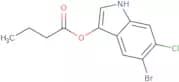
CAS:5-Bromo-6-chloro-3-indoxyl butyrate is a chromogenic substrate that yields a magenta-colored product after cleavage. The chromophore 5-bromo-6-chloro-indoxyl is released, generating the observable color. It is used in lipid digestion assays.Formula:C12H11BrClNO2Purity:Min. 95%Color and Shape:PowderMolecular weight:316.58 g/mol6-Chloro-3-indoxyl-beta-D-galactopyranoside, plant origin
CAS:6-Chloro-3-indoxyl-beta-D-galactopyranoside is a chromogenic substrate for beta-galactosidase that yields a salmon or rose-coloured precipitate and hence is also known as Salmon-Gal. It can be used in conjunction with isopropyl-beta-D-thiogalactopyranoside (IPTG) as an alternative to the chromogenic substrate 5-bromo-4-chloro-3-indolyl beta-D-galactopyranoside (X-Gal) for detection of beta-galactosidase activity in bacterial colonies in colorimetric assays. Where beta-galactosidase expressed from a reporter gene in molecular biology experiments, recombinant colonies on growth plates are salmon-coloured while non-recombinants appear as white. Use of nitroblue tetrazolium salt (NBT) with Salmon-Gal may provide faster results, yielding a clear, purple precipitate, than for Salmon-Gal alone. In conjunction with 5-bromo-4-chloro-3-indolyl-beta-D-glucoside (X-Glc), Salmon-Gal is useful for simultaneous detection of GUS and Lac activities in the same medium.Formula:C14H16ClNO6Purity:Min. 98.0 Area-%Molecular weight:329.74 g/mol3-Indoxyl-beta-D-glucopyranoside anhydrous
CAS:The maunfacturing of blue jeans started 150 years ago as workwear, and are found nowadays in almost every wardrobe. Their renowned indigo color tone is truly unique; nevertheless, the high demand for the dye poses serious sustainability and environmental problems connected with its manufacturing process. Recently, a group of scientists presented an alternative indigo dyeing method inspired by the indoxyl glucoconjugate present in the plant P.tinctorium. The researchers proposed as an alternative approach a biocatalytic process using recombinant E.coli to access water soluble β-gluco-indoxyl (indican). At the point of coloring, indican gets hydrolyzed by β-glucosidase enzymes forming indoxyl, which suddenly undergoes oxidation to leucoindigo and further crystallizes to indigo giving the typical blue denim its signature character.Formula:C14H17NO6Purity:Min. 99.0 Area-%Molecular weight:295.29 g/molTyramine
CAS:Tyramine targets peroxidase to form a brown colorFormula:C8H11NOColor and Shape:Off-White Slightly Brown PowderMolecular weight:137.18 g/mol4-(Bromomethyl)phenyl-β-D-triacetylglucuronic acid methyl ester
4-(Bromomethyl)phenyl-beta-D-triacetylglucuronic acid methyl ester, also known as 4-bromo-4'-(N,N-dimethylamino)biphenyl, is a bioluminescent substrate. It is used for the detection of beta-glucuronidase activity in biological samples and for the detection of bacterial β-glucuronidase activity in culture media. Beta-glucuronidase catalyzes the hydrolysis of glucuronic acid by breaking down a conjugate molecule into two smaller molecules, which can be detected using bioluminescence. 4-(Bromomethyl)phenyl-beta-D-triacetylglucuronic acid methyl ester is a chromogenic substrate that has been shown to be an excellent ligand in biomolecular research because it reacts with many different enzymes. This product is highly pure and
Formula:C20H23BrO10Purity:Min. 95 Area-%Molecular weight:503.29 g/mol2-Nitrophenyl b-D-fucopyranoside
CAS:2-Nitrophenyl b-D-fucopyranoside is a chromogenic substrate used in various enzymatic assays to detect the presence of fucosidase enzymes. It consists of a nitrophenyl group attached to a fucose sugar molecule. When acted upon by enzymes such as fucosidases, it releases the colored nitrophenyl group, which can be detected using spectrophotometry.Formula:C12H15NO7Purity:Min. 95%Color and Shape:White Off-White PowderMolecular weight:285.25 g/mol6-Nitro-3-indoxyl-β-D-galactopyranoside
For the detection of beta-galactosidase activityFormula:C14H16N2O8Molecular weight:340.29 g/mol4-Nitrophenyl b-D-cellotetraoside
CAS:4-Nitrophenyl b-D-cellotetraoside is a chromogenic substrate utilized for the detection and quantification of cellulase enzyme activity. Cellulase enzymes hydrolyze the beta-1,4-glycosidic bonds of cellulose, a major component of plant cell walls. Upon cleavage by cellulase, it releases 4-nitrophenol, a compound that exhibits a yellow color and absorbs strongly at 405 nm, allowing for easy spectrophotometric measurements of cellulase activity levels in various sample types, including bacterial and fungal cultures, environmental samples, and industrial applications.Formula:C30H45NO23Purity:Min. 95%Color and Shape:PowderMolecular weight:787.67 g/mol2-Nitrophenyl-beta-D-cellobioside
CAS:Chromogenic substrate for β-D-Cellobiosidase yielding a yellow solution upon cleavage.
Formula:C18H25NO13Purity:Min. 98.0 Area-%Molecular weight:463.4 g/mol5-Bromo-4-chloro-3-indoxyl oleate
CAS:5-Bromo-4-chloro-3-indoxyl oleate is a chromogenic substrate used to detect the specific enzymatic activity of lipase. After cleavage, 5-bromo-4-chloro-indoxyl is released, resulting in a blue to blue-green color change in bacterial colonies or media. 5-Bromo-4-chloro-3-indoxyl oleate is used in lipid metabolism disorder screening.Formula:C26H37BrClNO2Purity:Min. 95%Color and Shape:PowderMolecular weight:510.93 g/mol6-Chloro-3-indolyl 2-acetamido-2-deoxy-b-D-galactopyranoside
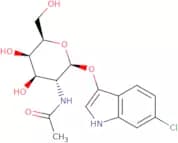
CAS:6-Chloro-3-indolyl 2-acetamido-2-deoxy-b-D-galactopyranoside is a chromogenic substrate for N-acetyl-beta-galactosaminidase. It produces a salmon-pink color after enzymatic cleavage.
Purity:Min. 95%Color and Shape:White PowderMolecular weight:370.78 g/mol6'-(Diethylamino)spiro[isobenzofuran-1(3H),9'-[9H]xanthen]-3'-yl b-D-glucopyranoside
6'-(Diethylamino)spiro[isobenzofuran-1(3H),9'-[9H]xanthen]-3'-yl b-D-glucopyranoside is a fluorogenic substrate that is used in diagnostic applications. It has been shown to be a useful ligand for the determination of enzyme activity, and it can also be used to detect bacterial culture media contaminants. 6'-(Diethylamino)spiro[isobenzofuran-1(3H),9'-[9H]xanthen]-3'-yl b-D-glucopyranoside is used as an enzyme substrate in chemiluminescent assays, and with other reagents, it can be used for the detection of environmental contaminants. This product has a CAS number of 55426-02-8 and can be found on the website www.sigmaaldrich.com/catalog/productPurity:Min. 95%Molecular weight:494.49 g/mol2-Nitrophenyl b-D-arabinopyranoside
2-Nitrophenyl b-D-arabinopyranoside is a chemical compound that is used in the detection of ATP by chemiluminescence. It acts as a substrate for enzymes such as luciferase and catalase, which catalyze the oxidation of 2-nitrophenyl b-D-arabinopyranoside to phenol and carbon dioxide with the release of light. This reaction can be used in diagnostic applications such as detecting bacteria in culture media or diagnosing food spoilage. 2-Nitrophenyl b-D-arabinopyranoside can also be used as a conjugate to detect proteins or nucleic acids by fluorescence spectroscopy. The CAS number for this compound is 107772-06-1.
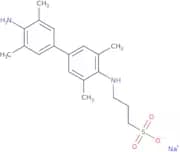
Purity:Min. 95%Molecular weight:271.22 g/molN-(3-Sulfopropyl)-3,3',5,5'-tetramethylbenzidine sodium
CAS:N-(3-Sulfopropyl)-3,3',5,5'-tetramethylbenzidine (TMB) sodium salt is a highly sensitive chromogenic substrate used for the detection and quantification of peroxidase enzyme activity. This water-soluble substrate undergoes a color change from colorless to blue upon oxidation by peroxidase enzymes in the presence of hydrogen peroxide. The reaction can be stopped by adding an acid, resulting in a yellow color that can be measured spectrophotometrically. TMB sodium salt is widely used in various applications, including enzyme-linked immunosorbent assays (ELISA), immunohistochemistry, and other diagnostic tests, due to its high sensitivity, low background signal, and excellent stability.
Purity:Min. 95%Color and Shape:PowderMolecular weight:384.47 g/molMethionine Assay Kit (Fluorometric)
The Methionine Assay Kit (Fluorometric) is a kit containing the fluorogenic substrate needed for the determination of total methionine content. The kit is used to detect and quantify methionine in various food products, as well as in environmental samples. This assay can be used to measure free or protein-bound methionine. The fluorometric kit contains a conjugate that binds to the methionine molecule and provides a fluorescent signal proportional to the amount of bound methionine. The fluorescence intensity is measured on a fluorometer and converted into concentrations of methionine per gram of sample.Purity:Min. 95%L-Pyroglutamic acid 7-amido-4-methylcoumarin
CAS:Fluorogenic substrate for proglutamyl peptidase 1 yielding a blue fluorescent solution upon cleavage. Used in identification of Enterococcus spp. and group A streptococci (Streptococcus pyogenes).Formula:C15H14N2O4Purity:Min. 98 Area-%Molecular weight:286.29 g/mol2-Nitrophenyl α-D-glucopyranoside
CAS:2-Nitrophenyl a-D-glucopyranoside is a chromogenic substrate commonly used to assay the activity of glucosidases. Upon cleavage of the glycosidic bond by glucosidases, the released 2-nitrophenyl group yields a yellow color detectable by spectrophotometry. This substrate has high sensitivity and is widely used in a variety of applications, including drug discovery and enzyme kinetics studies.
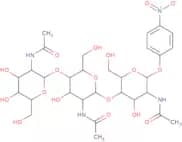
Formula:C12H15NO8Purity:Min. 95%Color and Shape:White to off-white solid.Molecular weight:301.25 g/mol4-Nitrophenyl N,N',N''-triacetyl-b-D-chitotriose
CAS:Substrate for determining hydrolytic activity of chitinasePurity:Min. 95%Color and Shape:White PowderMolecular weight:748.69 g/mol4-Nitrophenyl a-D-thiomannopyranoside
CAS:4-Nitrophenyl a-D-thiomannopyranoside is a chemiluminescence substrate that can be used to measure the activity of β-galactosidase, an enzyme involved in the hydrolysis of lactose. This product is available as a white to yellowish powder and has been shown to have high purity and quality. It also displays strong fluorescence when reacted with hydrogen peroxide and has been used for diagnostics tests such as staining, food testing, and enzyme substrate reactions.Purity:Min. 95%Molecular weight:317.32 g/mol4-Methylumbelliferyl-beta-D-galactopyranoside
CAS:Fluorogenic substrate for β-D-galactosidase yielding a blue fluorescent solution upon cleavage.Formula:C16H18O8Purity:Min. 98.0 Area-%Molecular weight:338.32 g/mol4-Nitrophenyl 2-acetamido-2-deoxy-β-D-glucopyranoside-6-sulfate potassium
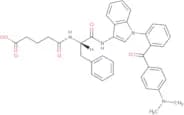
CAS:4-Nitrophenyl 2-acetamido-2-deoxy-beta-D-glucopyranoside-6-sulfate potassium is a chromogenic substrate for N-acetylglucosamine-6-sulfatase. Upon hydrolysis, para-nitrophenol is released yielding a yellowish colour. 4-Nitrophenyl 2-acetamido-2-deoxy-beta-D-glucopyranoside-6-sulfate potassium is used in different applications such as the Mucopolysaccharidosis IIID (Sanfilippo D) screeningFormula:C14H17N2O11S•KPurity:Min. 95%Color and Shape:PowderMolecular weight:460.46 g/molAldol® 515 N-glutaryl-L-phenylalanine amide potassium salt, Biosynth Patent: EP 2427431 and US 8940909
CAS:Aldol® 515 N-glutaryl-L-phenylalanine amide is a chromogenic and fluorogenic enzyme substrate used for detection of L-glutamate-phenylalanine (GluPhe)-specific peptidase activity. The colorless enzyme substrate is cleaved the GluPhe-specific peptidase, yielding development of orange-red coloration. In addition, red fluorescence is generated when Aldol® 355 fluorescence enhancer or a suitable matrix is present. Aldol® 515 N-glutaryl-L-phenylalanine amide can be used in enzyme assays and live bacterial cultures. Aldol® 515 N-glutaryl-L-phenylalanine amide is suitable for use in liquid and solid media, under aerobic as well as anaerobic conditions.
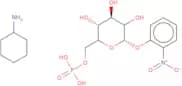
Formula:C37H35KN4O5Purity:Min. 95%Color and Shape:PowderMolecular weight:654.8 g/mol2-Nitrophenyl b-D-galactopyranoside-6-phosphate cyclohexylammonium salt
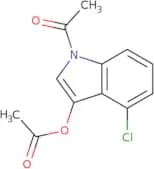
CAS:2-Nitrophenyl beta-D-galactopyranoside-6-phosphate cyclohexylammonium salt is a chromogenic substrate used to detect the enzymatic activity of beta-galactosidase-6-phosphatase. After cleavage, the nitrophenyl moiety is released exhibiting a light yellowish color. 2-Nitrophenyl beta-D-galactopyranoside-6-phosphate cyclohexylammonium salt is used in diagnostic assays such as lysosomal storage disorder.Purity:Min. 95%Color and Shape:PowderMolecular weight:480.4 g/mol4-Chloro-3-Indoxyl-1,3-diacetate
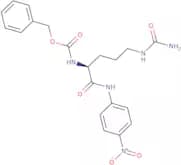
CAS:4-Chloro-3-indoxyl-1,3-diacetate is a fluorogenic or chromogenic substrate used in food testing. It is also an enzyme substrate that can be used to detect the presence of bioluminescence. 4-Chloro-3-indoxyl-1,3-diacetate has been shown to have high purity and high quality for use in diagnostic kits. 4-Chloro-3-indoxyl-1,3-diacetate is a ligand that is conjugated with other molecules to form complexes for use in fluorescence and chemiluminescence experiments.Purity:Min. 95%Molecular weight:251.67 g/molN-α-CBZ-L-citrulline-p-nitroanilide
CAS:Nalpha-CBZ-L-Citrulline-p-nitroanilide is a synthetic chromogenic enzyme substrate used in protease enzymatic stutides. After hydrolysis, p-nitroaniline is released, which produces a yellow color detectable spectrophotometrically at 405 nm.
Formula:C20H23N5O6Purity:Min. 95%Molecular weight:429.43 g/mol4-Nitrophenyl phosphate mono(2-amino-2-ethyl-1,3-propanediol) salt monohydrate
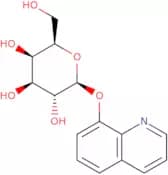
CAS:4-Nitrophenyl phosphate mono(2-amino-2-ethyl-1,3-propanediol) salt monohydrate is a chromogenic substrate that can be used to detect the presence of alkaline phosphatase. It is also used in food testing and diagnostics. 4NPPMD is a substrate for the enzyme alkaline phosphatase, which has been shown to play a role in the inflammatory response. The production of 4NPPMD by bacteria in the environment can be detected with chemiluminescence or bioluminescence. This product has been shown to react with both horseradish peroxidase and alkaline phosphatase, as well as other enzymes that are involved in metabolic pathways. This substrate also has high purity and fluorescence properties.Formula:C11H21N2O9PPurity:Min. 95 Area-%Molecular weight:356.26 g/mol8-Hydroxyquinoline b-D-galactopyranoside
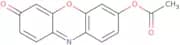
CAS:Chromogenic substrate targeting the beta-galactosidase enzymeFormula:C15H17NO6Purity:Min. 98 Area-%Color and Shape:PowderMolecular weight:307.3 g/molResorufin acetate
CAS:Resorufin acetate is a fluorogenic substrate for esterase activity measurments in lipid metabolism studies. It is also used as a substrate for chymotrypsin, a digestive enzyme produced by the pancreas that aids in protein digestion in the small intestine.
Formula:C14H9NO4Purity:Min. 95%Color and Shape:PowderMolecular weight:255.23 g/mol5-Chloro-N-(2-chloro-4-nitrophenyl)-2-(β-D-glucopyranosyloxy)benzamide
CAS:Please enquire for more information about 5-Chloro-N-(2-chloro-4-nitrophenyl)-2-(β-D-glucopyranosyloxy)benzamide including the price, delivery time and more detailed product information at the technical inquiry form on this pageFormula:C19H18Cl2N2O9Purity:Min. 99 Area-%Molecular weight:489.26 g/molAldol® 470 L-pyroglutamic acid amide, Biosynth Patent: EP 2427431 and US 8940909
CAS:Controlled ProductAldol® 470 L-pyroglutamic acid amide is a chromogenic and fluorogenic enzyme substrate used for detection of pyrrolidonyl peptidase (PYRase) activity. The colorless enzyme substrate is cleaved by PYRase-producing bacteria grown in liquid or solid media, yielding orange color. In addition, green fluorescence is generated when a suitable matrix is present, such as, the surface of cellulose acetate filters, polypropylene tubes or microplates, and polyethylene vials. Aldol® 470 L-pyroglutamic acid amide is suitable for use under aerobic and anaerobic conditions.Formula:C28H25N3O5Purity:Min. 95%Color and Shape:PowderMolecular weight:483.52 g/molAquaSpark® β-D-galactoside, 10 mM in DMSO, Ramot at Tel-Aviv University Ltd. Patent family WO 2017/130191
CAS:AquaSpark® beta-D-galactoside, 10 mM in DMSO is a fluorogenic substrate for beta-galactosidase. This is typically used at 10 – 50 µM final concentration. Cymit Quimica provides AquaSpark® beta-D-galactoside as a 10 mM stock solution in dimethyl sulfoxide (DMSO) for convenience and improved storage stability.Formula:C34H39ClO12Purity:Min. 95%Molecular weight:675.12 g/molAldol® 467 N-acetyl-beta-D-glucosaminide, Biosynth Patent: EP 2427431 and US 8940909
CAS:Aldol® 467 N-acetyl-beta-D-glucosaminide is a chromogenic and fluorogenic enzyme substrate used for detection of ?-N-acetyl-glucosaminidase activity. The colorless enzyme substrate is cleaved in the presence of ?-N-acetyl-glucosaminidase yielding development of a yellow product. In addition, green fluorescence is generated when a suitable matrix or Aldol® 355 fluorescence enhancer is present. Aldol® 467 N-acetyl-beta-D-glucosaminide amide can be used in enzymatic assays or in live bacterial cultures. Aldol® 467 N-acetyl-beta-D-glucosaminide is suitable for use in liquid and solid media, under aerobic as well as anaerobic conditions.Formula:C31H31ClN2O9Purity:Min. 92.0 Area-%Molecular weight:611.04 g/mol5-Bromo-6-chloro-3-indoxyl choline phosphate
CAS:5-Bromo-6-chloro-3-indoxyl choline phosphate is a chemiluminescent substrate for the detection of bacterial activity. It reacts with an enzyme, luciferase, which is present in a variety of living cells. The reaction produces light. This product has been tested for environmental and food safety by the manufacturer. 5-Bromo-6-chloro-3-indoxyl choline phosphate is used as a diagnostic tool to determine the presence of bacteria in humans, animals, and plants. It can be used to measure levels of bacteria in culture media, water samples, and food products. 5-Bromo-6-chloro-3-indoxyl choline phosphate can also be used as a substrate for enzymes such as phosphatases or esterases that catalyze reactions with substrates with brominated or chlorinated groups.Formula:C13H17BrClN2O4PPurity:Min. 95%Molecular weight:411.63 g/mol3-Carboxyumbelliferyl b-D-glucuronide
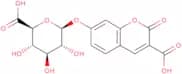
CAS:3-Carboxyumbelliferyl b-D-glucuronide serves as a highly sensitive fluorogenic substrate for detecting b-glucuronidase activity. Upon enzymatic cleavage, it generates a fluorescent product enabling easy and accurate monitoring of enzyme activity in various applications, such as diagnostics, drug discovery, and research.
Purity:Min. 95%Color and Shape:White to off-white solid.Molecular weight:382.28 g/molN-Benzoyl-DL-arginine 4-nitroanilide hydrochloride
CAS:N-α-benzoyl-DL-arginine-4-nitroanilide hydrochloride is commonly used as a substrate in various enzymatic assays, particularly for studying proteases like trypsin and chymotrypsin. It serves as a synthetic substrate to measure the activity of these enzymes. For instance, it has been used to determine trypsin activity in different organisms and tissues. The substrate has also been employed in studying the enzymatic properties of various proteases, including those found in latex, snake venoms, and plant seeds. Additionally, it has been utilized to assess the effects of different compounds on trypsin activity, such as condensed tannins and wine.
Formula:C19H22N6O4•HClPurity:Min. 95%Color and Shape:PowderMolecular weight:434.88 g/mol4-Methylumbelliferyl b-D-celloheptaoside
CAS:A fluorogenic MOSCERDAM® substrate targeting cellulasesPurity:Min. 95%Molecular weight:1,311.15 g/mol4-Methylumbelliferyl a-D-arabinopyranoside
A fluorogenic MOSCERDAM® substrate targeting alpha-arabinofuranosidasePurity:Min. 95%Molecular weight:308.28 g/mol


































![6'-(Diethylamino)spiro[isobenzofuran-1(3H),9'-[9H]xanthen]-3'-yl b-D-glucopyranoside](/_next/image/?url=https%3A%2Fstatic.cymitquimica.com%2Fproducts%2F3D%2Fthumb-webp%2FED139090.webp&w=3840&q=75)