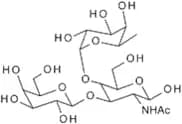
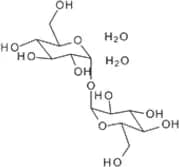
Glycoscience
Subcategorías de "Glycoscience"
- Aminoazúcares(108 productos)
- Anticuerpos relacionados con azúcares(282 productos)
- Glicolípidos(46 productos)
- Glicosaminoglicanos (GAGs)(55 productos)
- Glucósidos(419 productos)
- Monosacáridos(6.616 productos)
- Oligosacáridos(3.718 productos)
- Polisacáridos(502 productos)
Se han encontrado 11010 productos de "Glycoscience"
Isofagomine D-tartrate
CAS:Inhibitor of lysosomal acid β-glucosidase (GlcCerase/glucocerebrosidase) with IC50 in nanomolar range for wildtype and mutant enzyme. It behaves as pharmacological chaperon by binding to instable GlcCerase active site at neutral pH values and facilitating the protein folding. In acidic lysosomes, isofagomine gets release from the enzyme active site. This results in increased levels of functional glucocerebrosidase and brings therapeutic benefits to patients with Gaucher disease.
Fórmula:C10H19NO9Pureza:Min. 95%Forma y color:White PowderPeso molecular:297.26 g/molSucrose octasulfate potassium salt
CAS:This comound is generally known as sucralfates and are medications primarily taken to treat active duodenal ulcers. They are also used for the treatment of gastroesophageal reflux disease (GERD) and stress ulcers. Sucralfate is a sucrose sulfate-aluminium complex that binds to the ulcer, creating a physical barrier that protects the gastrointestinal tract from stomach acid and prevents the degradation of mucus. It also promotes bicarbonate production and acts like an acid buffer with cytoprotective properties.Fórmula:C12H22O35S8•(K)xPureza:Min. 95 Area-%Forma y color:White PowderPeso molecular:982.81(2S, 3R, 4R) -3- Benzyloxy- 1- butyl-4- (hydroxymethyl) - N- methyl- 2- azetidinecarboxylic acid methyl ester
(2S, 3R, 4R) -3-Benzyloxy-1-butyl-4-(hydroxymethyl)-N-methyl-2-azetidinecarboxylic acid methyl ester is a modification of an oligosaccharide. This product is custom synthesized and has a high purity. It is a methylated carbohydrate that contains a fluorinated saccharide.Pureza:Min. 95%1-6-Bis- O- Tert.butyldimethylsilyl- 3, 4- O-isopropylidene)-D- mannitol
1-6-Bis-O-tert.butyldimethylsilyl-3,4-O-isopropylidene)-D-mannitol is a glycosylation agent that has been used in the synthesis of complex carbohydrates. This compound is synthesized by the click reaction between 1,6-bis(tert.butyldimethylsilyl)glycerol and aldehyde 3,4-(O)-isopropylidene)-D-mannitol. It is a high purity product with CAS No. 65425-06-7 and can be customized for your needs.Pureza:Min. 95%Hyaluronic acid sodium salt - Average MW 0.6-2.5 million Daltons
CAS:Gycosaminoglycan in many organs; joint lubricant and shock absorberFórmula:(C14H20NO11Na)nPureza:Min. 95%Forma y color:PowderKojibiose
CAS:A rare sugar, prebiotic fibre and inhibitor of α-glucosidases. It inhibits animal-, plant- and microorganism-derived α-glucosidases I. In rodent models for diabetes, it ameliorates arachidic acid-induced liver injury and reduces hepatic inflammatory markers.Fórmula:C12H22O11Pureza:Min. 99 Area-%Forma y color:White PowderPeso molecular:342.3 g/mol2,4-Di-O-methyl-D-glucose
CAS:2,4-Di-O-methyl-D-glucose is a partially O-methylated glucose sugar.Fórmula:C8H16O6Pureza:Min. 95%Forma y color:PowderPeso molecular:208.21 g/molD-Mannose
CAS:Mannose (Man) is the C2 epimer of glucose with one hydroxyl group axial which by Hudsons rules makes it slightly less stable than glucose (Hudson, 1948). However, mannose is very common in plants and animals, and occurs in many polysaccharides, such as, galactomannans (e.g. Guar, Locust Bean Gum), mananns (e.g. Ivory Nut Mannan), Spruce Galactoglucomannan, Gum Ghatti (Whistler, 1993) and bakerâs yeast (Saccharomyces cerevisiae) (Manners, 1973). Mannose is one of the key mammalian monosaccharides (Glucose, Galactose, Mannose, Fucose, N-Acetyl Glucosamine, N-Acetyl galactosamine and Sialic acid) and occurs in N-linked glycans where it is a core oligosaccharide (Gabius, 2009).Fórmula:C6H12O6Pureza:Min. 98 Area-%Forma y color:White PowderPeso molecular:180.16 g/mol2-Azido-((R)-3,5-O-benzylidene)-2,6-dideoxy- L-gluco-hexitol
2-Azido-((R)-3,5-O-benzylidene)-2,6-dideoxy-L-gluco-hexitol is a modified sugar that is synthesized from the natural sugar D-glucose. It has been fluorinated at the 2 position of the carbon chain to create an azido group. The chemical modification of this sugar allows for its use in a variety of applications, such as click chemistry, Methylation and Polysaccharide synthesis.Pureza:Min. 95%Raloxifene-4'-D-glucuronide D4 lithium salt
Producto controladoRaloxifene-4'-D-glucuronide D4 lithium salt is a synthetic glycosylate drug, which belongs to the group of anti-estrogens. Raloxifene-4'-D-glucuronide D4 lithium salt is used for the treatment of postmenopausal osteoporosis and prevention of osteoporotic fractures in women with intact uterus. It has been shown to inhibit bone resorption, increase bone mineral density and reduce the incidence of vertebral fractures in postmenopausal women. Raloxifene-4'-D-glucuronide D4 lithium salt can be synthesized using a click chemistry reaction which involves the addition of an azide to an alkyne followed by copper catalysis and subsequent reduction with sodium borohydride. Synthesis of this compound can be achieved without any purification steps due to its high purity.
Fórmula:C34H30NO10SD4·LiPureza:Min. 95%Peso molecular:659.66 g/mol4-Methoxyphenyl 4-O-(2-acetamido-2-deoxy-b-D-galactopyranosyl)-2-acetamido-2-deoxy-b-D-glucopyranoside
CAS:4-Methoxyphenyl 4-O-(2-acetamido-2-deoxy-b-D-galactopyranosyl)-2-acetamido-2-deoxy-b-D-glucopyranoside is a modification of the natural polysaccharide, which is a complex carbohydrate. It is synthesized by our high purity, custom synthesis service and can be modified with methylation, fluorination, or glycosylation. This product has been proven to have high purity and stability in the past.Fórmula:C23H34N2O12Pureza:Min. 95%Forma y color:PowderPeso molecular:530.52 g/molMonosialyl, monofucosyllacto-N-neohexaose
Monosialyl, monofucosyllacto-N-neohexaose is a synthetic oligosaccharide. It has a molecular weight of 1205. The compound has been modified with a click modification and fluorination, and has been shown to be stable in the presence of acid, base, and heat. The compound is also high purity and can be synthesized on request. Monosialyl, monofucosyllacto-N-neohexaose is an example of a complex carbohydrate that contains both a sugar and polysaccharide component. The sugar component is composed of one monosaccharide: sialic acid. The polysaccharide component consists of six disaccharides: two lactose molecules linked with one glucose molecule each. Monosialyl, monofucosyllacto-N-neohexaose is used as an artificial sweetener in food products such as cookies or cakesFórmula:C57H95N3O43Pureza:Min. 95%Forma y color:PowderPeso molecular:1,510.36 g/mol3,6-Dideoxy-3,6-imino-4,5-O-isopropylidene-D-mannitol
3,6-Dideoxy-3,6-imino-4,5-O-isopropylidene-D-mannitol is a complex carbohydrate that is a sugar. It is an oligosaccharide and has CAS No. 123725-27-8. 3,6-Dideoxy-3,6-imino-4,5-O-isopropylidene D mannitol is a saccharide and it can be modified with methylation or glycosylation. 3,6-Dideoxy D mannitol can be fluorinated in the presence of elemental fluorine to produce 3,6 difluoro 2,5 dihydroxyhexanoic acid. 3,6 Dideoxy D mannitol is synthesized from 2 acetylacetone and tetrachloroethanol as starting materials.Pureza:Min. 95%Maltononaose
CAS:α 1,4-glucononasaccharide derived from starch by hydrolysis and chromatography
Fórmula:C54H92O46Forma y color:White PowderPeso molecular:1,477.28 g/mol4,6-O-(4-Methoxybenzylidene)-1,2,3-tri-O-pivaloyl-a-D-mannopyranose
4,6-O-(4-Methoxybenzylidene)-1,2,3-tri-O-pivaloyl-a-D-mannopyranose is a sugar with the following characteristics: Glycosylation, complex carbohydrate, Methylation, Click modification, Polysaccharide, Fluorination and saccharide. The CAS No. of this compound is 44915-12-2. This compound can be synthesized to custom specifications or ordered as a stock chemical.Fórmula:C29H42O10Pureza:Min. 95%Peso molecular:550.65 g/mol1,2,3,4-Tetra-O-acetyl-6-O-triphenylmethyl-b-D-glucopyranose
CAS:1,2,3,4-Tetra-O-acetyl-6-O-triphenylmethyl-b-D-glucopyranose (TATPG) is a carbohydrate that belongs to the family of saccharides. It is a synthetic sugar with a modified glycosidic linkage between the hexoses 1 and 2. The preparation of TATPG is through the modification of sugar with fluorination and glycosylation. TATPG has been used in Click chemistry to attach polymers and proteins to oligosaccharides or monosaccharides. This modification can be achieved through methylation or substitution reactions with other chemical groups such as acetate, phosphates, and thiols. This molecule has also been used in the synthesis of complex carbohydrates by modifying the glucose unit with glucose oxidase, which leads to the formation of D-arabinitol 1,5-.Fórmula:C33H34O10Pureza:Min. 95%Forma y color:PowderPeso molecular:590.62 g/mol6-O-(2-Acetamido-2-deoxy-β-D-glucopyranosyl)-D-galactopyranose
CAS:6-O-(2-Acetamido-2-deoxy-b-D-glucopyranosyl)-D-galactopyranose is a disaccharide that has been shown to have anti-inflammatory activities. It contains an acetamide group and a hydroxy group. The acetamide group is substituted by a hydroxy group, which may be responsible for its anti-inflammatory activity. 6-O-(2-Acetamido-2-deoxy-b-D-glucopyranosyl)-D-galactopyranose has also been shown to inhibit the production of proinflammatory cytokines such as tumor necrosis factor alpha (TNFα) and interleukin beta (ILβ).Fórmula:C14H25NO11Pureza:Min. 95%Forma y color:White PowderPeso molecular:383.36 g/molMethyl-2,3,4,6-tetra-O-acetyl-α-D-mannopyranoside
CAS:Methyl-2,3,4,6-tetra-O-acetyl-alpha-D-mannopyranoside is a sugar that is synthesized by the methylation of an alpha-D-mannopyranoside. This compound can be customized for any application and is available in high purity. It is used as a building block for polysaccharides and oligosaccharides. Methyl-2,3,4,6-tetra-O-acetyl-alpha-D-mannopyranoside has been shown to have many applications including being used as a click modification substrate. The synthesis of this compound can be done by fluorination or glycosylation.
Fórmula:C15H22O10Pureza:Min. 95%Forma y color:PowderPeso molecular:362.33 g/mol4-Methoxyphenyl 4-O-(3,6-di-O-benzyl-2-deoxy-4-O-levulinoyl-2-phthalimido-β-D-glucopyranosyl)-3-O-benzyl-6-O-(2,3,4-tri-O-benzyl-α-L -fucopyranosyl)-2-deoxy-2-phthalimido-β-D-glucopyranoside
The compound 4-Methoxyphenyl 4-O-(3,6-di-O-benzyl-2-deoxy-4-O-levulinoyl)-2,3,4,6-tetra‑O‑benzyl‑a‑L -fucopyranosyl)-2,3,4,6‑tetra‑O‑benzyl‑a‑L -fucopyranoside is a glycoside of the monosaccharide 2,3,4,6 tetra O benzyl a L fucopyranose. It is prepared by the reaction of methyl 4 methoxyphenol with 2 deoxy 4 levulinoyl 2 phthalimido b D glucopyranoside in the presence of an acid catalyst. The compound has been shown to have anti inflammatory and anti allergic effects.Fórmula:C88H86N2O20Pureza:Min. 95%Peso molecular:1,491.63 g/mol1,3-α-1,6-α-D-Mannotetraose
CAS:Intermediate for synthesis of N-acetyllactosaminic glycansFórmula:C24H42O21Pureza:Min. 95 Area-%Forma y color:White Off-White PowderPeso molecular:666.58 g/molL-Menthylglucoside
CAS:L-Menthylglucoside is a custom synthesis, complex carbohydrate. It has CAS number 16203-27-3 and is an Oligosaccharide and Polysaccharide. L-Menthylglucoside has been modified with methylation and glycosylation, which may be due to its Click modification. L-Menthylglucoside is a sugar that is high purity, fluorinated, and synthetic.Fórmula:C16H30O6Pureza:Min. 95%Forma y color:PowderPeso molecular:318.41 g/mol1-Naphthyl 2-acetamido-2-deoxy-b-D-galactopyranose
1-Naphthyl 2-acetamido-2-deoxy-b-D-galactopyranose is a modified carbohydrate that is used in the synthesis of polysaccharides. It is a high purity, custom synthesized monosaccharide that has been fluorinated and methylated. This chemical can be glycosylated or click modified to produce saccharides with desired properties.Pureza:Min. 95%Globotriaosylceramide
CAS:It is one of the few clusters of differentiation that is not a protein and structurally contains a galactose moiety linked α to lactosylceramide. Defects in the enzyme α-galactosidase lead to the buildup of globotriaosylceramide, causing Fabry's disease. The pharmaceutical drug migalastat enhances the function of α-galactosidase and is used to treat Fabry's. Globotriaosylceramide is also one of the targets of Shiga toxin, which is responsible for pathogenicity of enterohemorrhagic E. coli.Fórmula:C60H113NO18Pureza:Min. 95%Forma y color:PowderPeso molecular:1135.79577D-Erythrose 4-phosphate sodium
CAS:D-erythrose 4-phosphate sodium (D-EPPS) is a phosphoenolpyruvate analog and an inhibitor of chorismate mutase, which is an enzyme that catalyzes the conversion of D-arabinose 5-phosphate to D-erythrose 4-phosphate. It is used to study the biosynthesis of aromatic amino acids in bacteria. This compound has also been shown to inhibit phosphate uptake by Escherichia coli K12, leading to a decrease in the accumulation of ATP and other nucleotides. D-EPPS binds metal ions and organic acids such as citrate, which influences its thermodynamic stability. Biochemical techniques can be used for profiling D-EPPS in bacterial cells.Fórmula:C4H8NaO7PPureza:(%) Min. 50%Forma y color:White PowderPeso molecular:222.07 g/mol3-Deoxygalactosone
CAS:3-Deoxygalactosone is a reactive compound that is formed by the reaction of glyoxal and galactose. The glyoxal molecule reacts with the hydroxyl group on the galactose to form a new aldehyde, which can then react with another molecule of glyoxal or galactose to form 3-deoxygalactosone. 3-Deoxygalactosone has been shown to have health effects in clinical studies. It also has been shown to decrease the dry weight of rats fed a high-fat diet. This compound also is an intermediate in the formation of 5-hydroxymethylfurfural, which is produced during the Maillard reaction between sugars and amino acids. 3-Deoxygalactosone binds to proteins, forming hydrogen bonds with amino acid side chains and affecting their biological function.Fórmula:C6H10O5Pureza:90%Forma y color:Yellow PowderPeso molecular:162.14 g/mol1-Deoxynojirimycin hydrochloride
CAS:Glucose analog and potent inhibitor of α-glucosidases of class I and II. It interferes with N-linked glycosylation and oligosaccharide processing. The compound inhibits intestinal α-glucosidase and has protective effects against obesity-induced hepatic injury as well as mitochondrial dysfunction. It also has neuroprotective effects since it reduces senescence-related cognitive impairment, neuroinflammation and amyloid beta deposition in mice.Fórmula:C6H13NO4•HClForma y color:PowderPeso molecular:199.63 g/molSialyllacto-N-fucopentaose VI
Sialyllacto-N-fucopentaose VI is a synthetic, high-purity, complex carbohydrate that has been modified with methylation and fluorination. It is a glycosylate oligosaccharide with a molecular weight of about 4500. Sialyllacto-N-fucopentaose VI can be custom synthesized to order and is available in both powder and solid forms.Fórmula:C43H72N2O33Pureza:Min. 95%Peso molecular:1,145.03 g/mol1,3,5-Tri-O-benzoyl-2-O-methyl-D-ribofuranose
CAS:1,3,5-Tri-O-benzoyl-2-O-methyl-D-ribofuranose is a modified sugar with three benzoyl groups. It has a molecular weight of 498.18 g/mol and the chemical formula C32H32F6N8O8. The compound is synthesized by the condensation of 2,3,4,5-tetraacetylpyridine with 2,3,4,5-tetraacetylthiophene in the presence of potassium fluoride and sodium hydroxide in aqueous methanol at room temperature. This product is used to study glycosylation reactions and to modify oligosaccharides for research purposes. 1,3,5-Tri-O-benzoyl-2-O-methyl--D--ribofuranose is soluble in water and ethanol but insoluble in ether or chloroform.This product hasFórmula:C27H24O8Pureza:Min. 85 Area-%Forma y color:White PowderPeso molecular:476.47 g/mol2,3,4-Tri-O-acetyl-a-D-xylopyranosyl bromide - Stabilised with 2.5% CaCO3
CAS:2,3,4-Tri-O-acetyl-a-D-xylopyranosyl bromide - Stabilised with 2.5% CaCO3 is a chiral compound that is a drug for the treatment of estrogen deficiency in postmenopausal women. It is synthesized from D-xylose and acetone by reductive elimination using an organotin catalyst. The resulting product has a nitro group at the 4 position and can be activated as a priming agent for DNA synthesis. This compound has been shown to be effective in treating intestinal disorders such as ulcerative colitis.
2,3,4-Tri-O-acetyl-a-D-xylopyranosyl bromide - Stabilised with 2.5% CaCO3 has been used to conjugate estrogens with various drugs to create new compounds that are more potent than free estrogens alone. Bioavailability of these conjugates hasFórmula:C11H15BrO7Pureza:(%) Min. 85%Forma y color:PowderPeso molecular:339.14 g/molPropargyl a-D-mannopyranoside
CAS:Propargyl a-D-mannopyranoside is a custom synthesis chemical. It is an intermediate in the synthesis of oligosaccharides and polysaccharides. It is also used as an inhibitor of methylation reactions, which are important in DNA replication. The chemical has been modified with fluorine groups at its 3' position to provide high purity. This modification also allows the synthesis of complex carbohydrates that contain multiple saccharide units. Propargyl a-D-mannopyranoside is synthesized by reacting mannose with propargyl bromide under basic conditions, followed by hydrolysis of the ester group to give propargyl a-D-mannopyranoside.Fórmula:C9H14O6Pureza:One SpotForma y color:PowderPeso molecular:218.2 g/molb-D-Glucopyranosyl azide
CAS:b-D-Glucopyranosyl azide is a Glycosylation agent that is used in the synthesis of complex carbohydrates and oligosaccharides. It is also used for Click modification, fluorination, and polysaccharide modification. The compound is a white crystalline solid that is soluble in water at low concentrations. It has a molecular weight of 180.18 g/mol and melting point of 220°C.Fórmula:C6H11N3O5Pureza:Min. 95%Forma y color:White PowderPeso molecular:205.17 g/mol3-O-(a-L-Fucopyranosyl)-D-galactopyranose
CAS:3-O-(a-L-fucopyranosyl)-D-galactopyranose is a glycosidic residue that is part of the β-D-Galactoside. It is an amino acid that is used to form carbohydrates. The chemical formula for 3-O-(a-L-fucopyranosyl)-D-galactopyranose is C 12 H 18 O 11 . The molecular weight of 3-O-(a-L-fucopyranosyl)-D-galactopyranose is 308.Fórmula:C12H22O10Pureza:Min. 95 Area-%Forma y color:PowderPeso molecular:326.3 g/molepi-Inositol
CAS:Epi-inositol, also known as myo-inositol, is a member of the group of molecules known as sugar alcohols. It is a naturally occurring compound that is found in the human body and can be synthesized by the human body from glucose. Epi-inositol has been shown to have a number of biological effects, including inhibition of cell proliferation and energy metabolism in ovarian cancer cells. Epi-inositol has also been used in clinical trials for treatment of mood disorders such as depression.Fórmula:C6H12O6Pureza:Min. 98 Area-%Forma y color:White PowderPeso molecular:180.16 g/molPhenyl 2,4,6-Tri-O-acetyl-3-O-allyl-b-D-thioglucopyranoside
CAS:Phenyl 2,4,6-tri-O-acetyl-3-O-allyl-β-D-thioglucopyranoside is an enantiomer that can be synthesized from the commercially available 2,4,6-triacetylphenyl boronic acid. It has been shown to have a positive effect on insulin sensitivity and uptake in plasma glucose in diabetic patients. Phenyl 2,4,6-tri-O-acetyl-3-O-allyl β D thioglucopyranoside also has a safety profile that is similar to other antidiabetic drugs. This drug has been shown to inhibit influenza virus uptake into cells by competitive inhibition of a transporter type.Fórmula:C21H26O8SPureza:Min. 98 Area-%Forma y color:White Off-White PowderPeso molecular:438.49 g/molD-Mannose - F
CAS:Abundant and critical component of natural glycans and glycoproteinsFórmula:C6H12O6Pureza:Min. 98 Area-%Forma y color:PowderPeso molecular:180.16 g/molO-(2,3,4,6-Tetra-O-acetyl-b-D-galactopyranosyl)-N-hydroxysuccinimide
CAS:O-(2,3,4,6-Tetra-O-acetyl-b-D-galactopyranosyl)-N-hydroxysuccinimide is a synthetic glycosylation reagent. It has the CAS number 896730-84-0 and is available for custom synthesis. O-(2,3,4,6-Tetra-O-acetyl-b-D-galactopyranosyl)-N-hydroxysuccinimide is used in the synthesis of oligosaccharides and saccharides. It is also used in click chemistry to modify proteins and other biomolecules. This product has a purity of 99% or higher and can be modified at any position with fluorination or methylation.
Fórmula:C18H23NO12Pureza:Min. 95%Peso molecular:445.37 g/molDecyl maltose neopentyl glycol
CAS:Decyl maltose neopentyl glycol is a model system for studying the interaction of light with carotenoids. The decyl maltose neopentyl glycol molecule has been shown to react with light to produce reactive molecules, such as singlet oxygen and superoxide, which are responsible for tissue damage caused by exposure to sunlight. Decyl maltose neopentyl glycol is also a non-heme iron compound that can be used in x-ray crystal structures to study protein-ligase interactions. Decyl maltose neopentyl glycol is synthesized from fatty acids, which are present in the membrane of cells and play an important role in their interactions with proteins. Decyl maltose neopentyl glycol is used as a model system for plant physiology and sample preparation and has been shown to inhibit protein synthesis in vitro.Fórmula:C43H80O22Pureza:Min. 95 Area-%Forma y color:PowderPeso molecular:949.08 g/molGlucosyl-C18-sphingosine
CAS:Glucosyl-C18-sphingosine is a sphingolipid that has been shown to inhibit the activity of Gaucher's enzyme, which is responsible for the synthesis of glucosylceramide. It has been demonstrated in a model system that glucosyl-C18-sphingosine inhibits mitochondrial membrane potential and decreases ATP levels, leading to cell death. The molecular pathogenesis of Gaucher disease is not well understood but it is believed to be related to defective lysosomal function. Glucosyl-C18-sphingosine may be used as a diagnostic agent for Gaucher disease and other metabolic disorders involving glucosylceramide accumulation.Fórmula:C24H47NO7Pureza:Min. 95%Forma y color:PowderPeso molecular:461.63 g/molFurcellaran
CAS:Furcellaran (Danish agar) is similar to κ-carrageenan but is less sulphated (50%). It has been extracted from Furcellaria lumbricalis, which is mainly harvested off the coast of Denmark. This species, which is common to most parts of Europe, occurs as a loose form and only reproduces vegetatively. The image was kindly provided by Prof Mike Guiry from Cork who runs ‘The Seaweed Site’.Forma y color:PowderPropargyl a-D-galactopyranoside
CAS:Propargyl a-D-galactopyranoside (PGAL) is a synthetic compound that belongs to the group of oligosaccharides. PGAL can be used in the synthesis of glycosylated saccharides, such as glycoproteins and glycolipids. The modification of PGAL with fluorine atoms is known to increase its stability. It has been shown that PGAL can be modified with methyl groups without affecting its chemical properties. Furthermore, PGAL can be modified with click chemistry reactions, which are chemoselective reactions that are catalyzed by copper(I) ions.Fórmula:C9H14O6Pureza:Min. 95%Forma y color:White to off-white oily solid.Peso molecular:218.21 g/molChitobiose dihydrochloride
CAS:Chitobiose is a dimer formed by beta-1,4-linked glucosamine units. It is also the repeated dimer of chitin, a polysaccharide.Fórmula:C12H24N2O9·2HClPureza:Min. 98 Area-%Forma y color:White PowderPeso molecular:413.25 g/molFucosyl-GM1 ganglioside
CAS:Monosialylated glycosphingolipid with an α1,2-fucosylated galactose at the nonreducing end. The moluecule is minimally expressed in healthy tissues but has high prevalence in some tumours such as small cell lung cancer (SCLC). Fucosyl-GM1 ganglioside is a potential tumour marker for SCLC and a potential antigen target for immunotherapy.
Fórmula:C79H141N3O35Pureza:Min. 98 Area-%Forma y color:White Off-White PowderPeso molecular:1691.934562-O-(α-D-Galactopyranosyl)-α-L-fucopyranosyl propylamine
Please enquire for more information about 2-O-(α-D-Galactopyranosyl)-α-L-fucopyranosyl propylamine including the price, delivery time and more detailed product information at the technical inquiry form on this pageFórmula:C15H29NO10Pureza:Min. 95 Area-%Peso molecular:383.39 g/molMaltotriose monohydrate
CAS:Shortest chain oligosaccharide that can be classified as a maltodextrin. A component of liquid glucose (a commercial sweetener composed of glucose, maltose, maltotriose and maltotetrose).Fórmula:C18H32O16•H2OPureza:Min. 90 Area-%Forma y color:White Off-White PowderPeso molecular:522.45 g/molPhenyl 2,3,4,6-tetra-O-acetyl-b-D-thiogalactopyranoside
CAS:Phenyl 2,3,4,6-tetra-O-acetyl-b-D-thiogalactopyranoside is a sugar that belongs to the class of glycosides. It is a white crystalline powder and has a molecular weight of 459.8. The chemical formula for this compound is C 12 H 18 O 9 . Phenyl 2,3,4,6-tetra-O-acetyl-b-D-thiogalactopyranoside is used in the synthesis of oligosaccharides and polysaccharides. It can be used to modify the structure of saccharides and sugar molecules by methylation or fluorination. This product also has CAS No. 24404-53-3 and can be custom synthesized according to your specifications.Fórmula:C20H24O9SPureza:Min. 95%Forma y color:PowderPeso molecular:440.47 g/molTetra-mannuronic acid sodium
Tetra-mannuronic acid sodium salt (β-1,4-linked sodium mannuronotetraose) is one of a number of oligosaccharides obtained from alginate which is a polysaccharide in brown seaweeds containing: blocks of repeating mannuronic acid sequences (M-M-M-M etc), repeating guluronic acid sequences (G-G-G-G etc), and alternating M-G-M-G sequences. Oligosaccharides can be released using several methods (Lua, 2015; Yanga, 2004) and claims have been published that mannuronic acid oligosaccharides for example, can be effective in the prophylaxis and treatment of Alzheimer's disease, or for the prophylaxis and treatment of diabetes (USP 8835403B2, 2014).
Fórmula:C24H30O25Na4Pureza:Min. 97 Area-%Forma y color:Off-White PowderPeso molecular:810.44 g/mol2-O-b-D-Galactosylsucrose
CAS:2-O-b-D-Galactosylsucrose is a synthetic, fluorinated sugar that has been custom synthesized for your needs. It is a complex carbohydrate that has been modified with methylation and click chemistry. 2-O-b-D-Galactosylsucrose is a monosaccharide, polysaccharide, and saccharide that is soluble in water. It can be used as a research tool for glycobiology and glycosylation, or as an ingredient in industrial applications such as food processing and pharmaceuticals.Fórmula:C18H32O16Pureza:Min. 95%Forma y color:PowderPeso molecular:504.44 g/mol2-Methyl-(3,6-di-O-acetyl-4-O-(2,3,4,6-tetra-O-acetyl-β-D-glucopyranosyl)-1,2-dideoxy-α-D-glucopyrano)-[2,1-d]-2-oxazoline
A carbohydrate that is a modification of the saccharide, oligosaccharide, sugar, or fluorinated carbons. It is a complex carbohydrate that is synthesized from monosaccharides. This compound has an acetylated glucopyranosyl group and a methylated glucopyranosyl group that are attached by an acetal linkage. The compound can be modified with click chemistry to produce a desired product.Fórmula:C26H35NO16Pureza:Min. 95%Peso molecular:617.55 g/molGT1b-Ganglioside ammonium
CAS:GT1b ganglioside (ammonium salt) has a core tetrasaccharide structure (Galβ1,3GalNAcβ1,4Galβ1,4Glc) with two sialic acids (NeuAc) linked α2,3/α2,8 to the inner galactose residue, sialic acid (NeuAc) linked α2,3 to the terminal galactose residue, and ceramide linked β to position 1 on the reducing terminal glucose residue (Ledeen, 2009). GT1b ganglioside is one of the major gangliosides in neuronal and glial membranes. It interacts with myelin-associated glycoprotein (MAG) and is essential for long-term axon-myelin stability. GT1b ganglioside also acts as a receptor for bacterial toxins, such as, tetanus and botulinum toxins (Nishiki, 1996), as well as for viruses. A few examples of which include: Merkel cell polyomavirus, JC virus, BK virus, norovirus, and others (Low, 2006).Fórmula:C95H165N5O48·xNH4Pureza:Min. 95%Forma y color:PowderPeso molecular:2,145.33 g/mol7-Deoxy-D-glycero-D-gluco-heptitol
CAS:7-Deoxy-D-glycero-D-gluco-heptitol is a synthetic sugar that can be used as a building block for the synthesis of complex carbohydrates. 7DGDG has shown to be a good substrate for glycosylation and has been modified with fluorine, methyl, and click chemistry. This sugar also shows high reactivity towards saccharide and oligosaccharides. 7DGDG may be useful in the production of polysaccharides or glycosylations.Pureza:Min. 95%1,2,3-Tri-O-benzoyl-4,6-O-(4-methoxybenzylidene)-b-D-galactopyranose
1,2,3-Tri-O-benzoyl-4,6-O-(4-methoxybenzylidene)-b-D-galactopyranose is a synthetic glycosylation product of 3,6-dideoxygalactose and 1,2,3,4,6-pentaacetyl bromide. It has been subjected to fluorination and methylation reactions. The compound has been found to be effective in the treatment of tuberculosis.
Fórmula:C35H30O10Pureza:Min. 95%Peso molecular:610.61 g/mol1-Chloro-2-deoxy-3,5-di-O-p-nitrobenzoyl-D-ribofuranose
CAS:1-Chloro-2-deoxy-3,5-di-O-p-nitrobenzoyl-D-ribofuranose is a fluorinated sugar that can be used as a probe for the study of glycosylation and methylation reactions. It is also a complex carbohydrate with an Oligosaccharide modification. It is available for custom synthesis and has high purity. This product can be methylated, glycosylated, or modified using Click chemistry. 1-Chloro-2-deoxy-3,5-di-O-p nitrobenzoyl D ribofuranose is also an oligosaccharide sugar that contains one Monosaccharide unit.Fórmula:C19H15ClN2O9Pureza:Min. 95%Forma y color:White to beige solid.Peso molecular:450.78 g/molUDP-Gal 2Na
CAS:UDP-a-D-galactose disodium salt (UDP-Gal) is a sugar-nucleotide substrate of galactosyltransferases. It’s used as the donor of galactose in the biosyntheses of glycoproteins and glycolipids. Its low cellular content is also hypothetically linked to the defective galactosylation in galactosemia.
Fórmula:C15H22N2O17P2·2NaPureza:Min. 95 Area-%Forma y color:PowderPeso molecular:610.27 g/mol4-Methoxyphenyl 4-O-{4-O-[[3-O-(2,4-di-O-[3,4,6-tri-O-Ac-2-PhthN-β-D-Glc)-3,6-di-O-Bn-α-D-Man]-4,6-O-benzylidene-β-D-Glc]]-3,6-di-O- Bn-2-PhthN-β-D-Glc}-3-O-Bn-6-O-(tri-O-Bn-α-L-Fuc)-2-PhthN-β-D-Glc
4-Methoxyphenyl 4-O-[4-O-(3,4,6-tri-O-acetyl-2,4,6-trimethylbenzoyl)-b-D-glucopyranosyl]-3,6-di-O-[α-(1→2)-bromoacetamido]-b-D-glucopyranoside is a complex carbohydrate which belongs to the group of glycosides. It was synthesized by modification of the natural bovine erythrocyte glycoglycerolipid (glycolipid) and monosaccharide (monoglyceride). The synthesis is based on a series of reactions that include methylation and fluorination. This compound has been shown to have high purity and can be made in custom synthesis.Fórmula:C156H154N4O46Pureza:Min. 95%Peso molecular:2,820.89 g/molPsyllium seed gum
CAS:Psyllium seed gum comes from plants of the Plantago genus and is cultivated mainly in the Mediterranian and in India. Psyllium has been used for many years medical applications and more recently there has been a resurgency of interest because it has been seen as a soluble dietary fibre. The proposed structure is of a backbone of D-xylopyranosyl units linked (1,4) and (1,3) with the 4-linked units bearing side chains. The side chains consist of α-L-arabinofuranosyl units linked (1,3) and (1,2) and β-D-xylopyranosyl units linked (1,3) and (1,2) and the α-D-GalAρ-(1,2)-α-L-Rhaρ aldobiuronic acid units linked (1,2) to the main chain.
Fórmula:C33H66O2Pureza:Min. 95%Forma y color:PowderPeso molecular:494.90 g/mol1,2,3,4-Tetra-O-acetyl-L-rhamnopyranose
CAS:1,2,3,4-Tetra-O-acetyl-L-rhamnopyranose is an acetylated disaccharide that is glycosylated with mercuric triflate and glycoalkaloid acceptors. It has been shown to be a glycosylation coupling agent for theophylline in solanum species. 1,2,3,4-Tetra-O-acetyl-L-rhamnopyranose can also act as a steroidal glycoalkaloid acceptor and has been identified in Solanum species.
Fórmula:C14H20O9Pureza:Min. 95%Forma y color:Colorless PowderPeso molecular:332.3 g/mol1-Amino-2,5-anhydro-1-deoxy-D-mannitol
CAS:1-Amino-2,5-anhydro-1-deoxy-D-mannitol is an amino sugar that is synthesized by reductive amination of d-fructose and nitrous acid. It has been shown to be a substrate for the transporter protein, which transports it into the cell. 1-Amino-2,5-anhydro-1-deoxy-D-mannitol has been used in the synthesis of arylamines with nitrous acid as a reducing agent. This process has been used to study the stereospecificity of reductive amination.Fórmula:C6H13NO4Pureza:Min. 95%Forma y color:PowderPeso molecular:163.17 g/mol2-Acetamido-2,6-dideoxy-L-mannose
2-Acetamido-2,6-dideoxy-L-mannose is a deoxyhexose that is found in lipopolysaccharides from Gram-negative bacteria. 2-Acetamido-2,6-dideoxy-L-mannose is the only hexose that can be used for O antigen synthesis, which makes it an important component of LPS and O antigens. It has been sequenced in many organisms including animals, plants, and bacteria. 2-Acetamido-2,6-dideoxy-L-mannose may be involved in the translocation of bacteria across the gut epithelium into the bloodstream. The monosaccharide also plays a role in serogrouping and serotyping of bacteria.Pureza:Min. 95%N-(Fmoc)-C-b-D-galacturonyl methylamine
Fmoc-C-b-D-galacturonyl methylamine is a custom synthesis that is used in the modification of oligosaccharides and carbohydrates. It is also used as a precursor for the synthesis of glycosylated saccharides by methylation, glycosylation, and fluorination. Fmoc-C-b-D-galacturonyl methylamine has been shown to be an excellent starting material for the production of high purity complex carbohydrates.Pureza:Min. 95%2,3,6,2',3',6',2'',3'',4'',6''-Deca-O-acetyl-a-D-maltotriosyl bromide
2,3,6,2',3',6',2'',3'',4'',6''-Deca-O-acetyl-a-D-maltotriosyl bromide is an acetylated and fluorinated oligosaccharide that has been prepared by a click reaction. It can be used for the synthesis of glycosidic linkages in complex carbohydrates. This product is available as a custom synthesis.Pureza:Min. 95%L-Mannose
CAS:To assess substrate specificity of galactokinase from S. pneumoniae
Fórmula:C6H12O6Pureza:Min. 98 Area-%Forma y color:White PowderPeso molecular:180.16 g/mol2,3,4,6-Tetra-O-acetyl-a-D-mannopyranosyl bromide - stabilised with 2% CaCO3
CAS:Donor for Koenigs-Knorr type mannosylation and other anomeric substitutions
Fórmula:C14H19BrO9Pureza:Min. 95%Forma y color:Yellow PowderPeso molecular:411.2 g/molN-Acetyl-beta-D-mannosamine
CAS:N-Acetyl-beta-D-mannosamine is a methylated sugar. It is a white crystalline solid with a molecular weight of 284.2.
Fórmula:C8H15NO6Pureza:Min. 95%Peso molecular:222.21 g/mol2-Acetamido-3,4,6-tri-O-acetyl-2-deoxy-D-glucohydroximo-1,5-lactone
CAS:2-Acetamido-3,4,6-tri-O-acetyl-2-deoxy-D-glucohydroximo-1,5-lactone is a methylated sugar. It is a white to off white powder with a molecular weight of 518. The chemical formula for 2-Acetamido-3,4,6-tri-O-acetyl-2-deoxy--D--glucohydroximo--1,5--lactone is C16H26N2O8 and the structural formula is as follows:br>Fórmula:C14H20N2O9Pureza:Min. 95%Forma y color:White PowderPeso molecular:360.32 g/molBenzyl b-D-glucopyranoside
CAS:Benzyl b-D-glucopyranoside is an organic solvent that can be used in chromatography. It is a disaccharide that consists of benzyl alcohol and glucose. Benzyl b-D-glucopyranoside has been shown to have inhibitory activities against glycosidation and β-amyrin synthesis, as well as other biochemical techniques. This compound has also been shown to have carbohydrate antigen activity, which may be due to its benzyl group.Fórmula:C13H18O6Pureza:Min. 95%Forma y color:White Off-White PowderPeso molecular:270.28 g/molN-Butyldeoxynojirimycin hydrochloride
CAS:Competitive inhibitor of ceramide-glycosyltransferase used for substrate reduction therapy in lysosomal storage disorders. It inhibits glucosylceramide synthase, which catalyses the initial step in glycosphingolipid biosynthetic pathway. This compound delays the onset of symptoms in type 1 Gaucher disease, Sandhoff disease and Tay-Sachs disease. It also reduces brain abnormalities in mucolipidosis type IV.
Fórmula:C10H21NO4•HClPureza:Min. 95%Forma y color:PowderPeso molecular:255.74 g/mol2,4-O-Benzylidene-D-Threose
CAS:2,4-O-Benzylidene-D-Threose is a chemical compound that is used as a reagent in the synthesis of glycosphingolipids. It is prepared by the Wittig reaction of 2,4-dibromobenzaldehyde with potassium azide and phytosphingosine. The compound has also been used as a tool in biological studies to study the biosynthesis of glycosphingolipids. This product can react with carbinols to produce acetylides or diphosphate esters. 2,4-O-Benzylidene-D-Threose can be used as a reagent for the synthesis of methylmagnesium chloride, which is a Grignard reagent.Pureza:Min. 95%Trehalose-6-phosphate disodium salt
Trehalose-6-phosphate disodium salt is a complex carbohydrate that can be modified to create a variety of products. Trehalose-6-phosphate disodium salt is made by the methylation of sugar, which creates an alpha-D-glucopyranosyl unit. This product can be used in the synthesis of oligosaccharides and polysaccharides, as well as other carbohydrates. Trehalose-6-phosphate disodium salt is also fluorinated to produce trehalose 6 phosphate fluoride, which has properties similar to those of trehalose 6 phosphate.Fórmula:C12H21O14PNa2Pureza:Min. 95%Forma y color:White PowderPeso molecular:466.24 g/molN-Acetylneuraminic acid dimer 1-O-propylamine
N-Acetylneuraminic acid dimer 1-O-propylamine is a synthetic N-acetylneuraminic acid (NANA) derivative that has been modified with an alkyl amine. This modification prevents the formation of NANA oligosaccharides and is used in the synthesis of complex carbohydrates. It is also used as a fluorinated building block for various saccharides, including monosaccharides, disaccharides, and polysaccharides. The purity of this product is greater than 99%.Pureza:Min. 95%myo-Inositol trispyrophosphate hexasodium salt
CAS:Myo-Inositol trispyrophosphate (ITPP) hexasodium salt is a drug with anti-cancer properties. It is an allosteric effector that interact with hemoglobin, releasing oxygen into the target tissues to avoid hypoxia. Several studies has shown an increase on the affinity of hemoglobin to oxygen when using ITPP, fact that demonstrated it can be a good strategy for the treatment of several cardiovascular diseases.Fórmula:C6H6Na6O21P6Pureza:Min. 95%Forma y color:White Off-White PowderPeso molecular:737.88 g/molL-Threose - aqueous solution
CAS:L-Threose is a sugar molecule that is used as a structural component of DNA and RNA. It is also an important part of the energy metabolism in cells. L-Threose can be enzymatically inactivated by glycosidases, which are enzymes that hydrolyze glycosidic bonds. The inhibition of glycosidases by L-threose may be useful for the prevention or treatment of diseases associated with enzyme activity, such as diabetes mellitus type II. L-Threose has been shown to have inhibitory properties against sephadex G-100, a membrane protein found in bacteria. L-Threose may be useful as a control agent for research into the response element of polymerase chain reaction (PCR).
Fórmula:C4H8O4Pureza:Min. 60 Area-%Forma y color:Clear LiquidPeso molecular:120.1 g/molPhenyl 2-O-benzoyl-4,6-O-benzylidene-3-O-(2-naphthylmethyl)-b-D-thioglucopyranoside
CAS:Phenyl 2-O-benzoyl-4,6-O-benzylidene-3-O-(2-naphthylmethyl)-b-D-thioglucopyranoside is a synthetic sugar with a complex carbohydrate structure. It has been modified by methylation, fluorination, and glycogenation. This product is used in the synthesis of saccharides and oligosaccharides for various purposes. Phenyl 2-O-benzoyl-4,6-O-benzylidene-3-- O-(2--naphthylmethyl)-b--D--thioglucopyranoside is CAS No. 1352561--95--5 and can be custom synthesized to meet your specifications.Fórmula:C37H32O6SPureza:Min. 95%Forma y color:PowderPeso molecular:604.71 g/mol1-Deoxy-L-tagatose
1-Deoxy-L-tagatose is a sugar that can be used as a substrate for enzymes in the glycolysis pathway. It can also be converted to d-psicose, which has been shown to have anti-inflammatory properties and may be useful as a therapeutic agent in the treatment of asthma. 1-Deoxy-L-tagatose can be used as an equilibrating agent in reactions with different sugars such as d-fructose and L-rhamnose. 1-Deoxy-L tagatose is not an isomer of L tagatose because it has one less hydroxyl group on carbon 3 on the ring. The conversion of 1 deoxy L tagatose to d psicose, however, does require hydrolysis of the epimeric bond between C1 and C2.Pureza:Min. 95%Blood Group H type I trisaccharide
CAS:Core antigen fragment in ABO blood group systemFórmula:C20H35NO15Pureza:Min. 90%Forma y color:PowderPeso molecular:529.49 g/molCarboxymethyl-dextran sodium salt - Average MW 40,000
CAS:Sodium carboxymethyl dextran is a white, odourless and tasteless powder, which is freely soluble in water or electrolyte solutions. Applications that have been described for carboxymethyl dextran include carriers of paramagnetic contrast agents, preparation of conjugates of pharmacologically active compounds and carboxymethyl dextrans in biosensors. A number of other uses in cosmetics, agriculture, foods, paints and textiles have been the subject of patent applications.Forma y color:PowderEthyl 2-O-benzyl-b-D-thioglucopyranoside
Ethyl 2-O-benzyl-b-D-thioglucopyranoside is a custom synthesis product. It is an oligosaccharide that contains a saccharide monomer unit with a carbohydrate chain containing between 3 and 10 monomer units. This product has been modified to include fluorine atoms, which confers resistance to degradation by enzymes. The product has been synthesized from ethyl 2-O-benzyl-b-D-thioglucopyranoside and 2,4,5,6-tetrafluoroethanol in the presence of sodium methoxide in methanol at 120 °C for 24 hours.Pureza:Min. 95%Laminaribiose
CAS:Disaccharide; substrate for glucanases and laminaribiose phosphorylase
Fórmula:C12H22O11Pureza:Min. 95%Forma y color:PowderPeso molecular:342.3 g/molGala1-3Galb1-4Glc
CAS:Galacto-oligosaccharides (GOS) are a class of oligosaccharides that consist of galactose, galactose derivatives, and glucose. They are found in the human diet as a result of lactose breakdown by gut bacteria. GOS can bind to glycoconjugates in the human body, such as glycoproteins and glycolipids, and have been shown to be effective in preventing the growth of pathogens. Galacto-oligosaccharides are also synthetically produced, using a chromatographic method that separates them into individual sugars, where they can be used for research or diagnostic purposes. The biosynthesis of GOS is also known; it is an enzyme-catalyzed reaction involving calcium ions. This process is regulated by Ca2+ signaling, which leads to an increase in the production of GOS when there is a need for more immune cells or white blood cells.Fórmula:C18H32O16Pureza:Min. 90 Area-%Forma y color:White PowderPeso molecular:504.44 g/molMethyl 2,3,4-tri-O-acetyl-b-D-galactopyranuronosyl azide
This is a custom synthesis of a carbohydrate. It is a methylated, glycosylated, fluorinated, complex carbohydrate that can be synthesized to any desired degree of substitution. This product has been designed for use as a fluorescent tag or label in biochemistry and cell biology research. It is modified at the anomeric position with an acetyl group and an azide group. The acetyl group confers solubility in water, while the azide group confers fluorescence. The modifications also allow for click chemistry reactions, which are used in protein labeling and activation studies.Fórmula:C13H17N3O9Pureza:Min. 95%Forma y color:PowderPeso molecular:359.29 g/mol6-O-(a-D-Mannopyranosyl)-D-mannose
CAS:Produced by the reverse hydrolysis of a mannose substrate. Isolated from the partial hydrolysates of bakers' yeast (Saccharomyces cerevisiae) mannan. This disaccharide also forms the sugar portion of the phospholipid, phosphatidylinositodimannoside, of Mycobacterium tuberculosis.Fórmula:C12H22O11Pureza:Min. 95%Forma y color:White PowderPeso molecular:342.3 g/mol4-Aminophenyl-α-D-glucopyranoside
CAS:4-Aminophenyl-alpha-D-glucopyranoside is a natural product that has been found to be an antigen. The compound has been shown to have anticancer activity, which may be due to its ability to inhibit the growth of cells and induce apoptosis. 4-Aminophenyl-alpha-D-glucopyranoside also possesses magnetic properties. The chemical structure of this compound is characterized by an acrylate group, which is a small organic molecule with two carbon atoms and one oxygen atom. This compound is synthesized in a preparative manner using methoxy, ethyl bromoacetate, and mesitylene in the presence of irradiation. NMR spectroscopy can be used for the characterization of this compound as well as other compounds with similar structures that are catalytic in nature.Fórmula:C12H17NO6Pureza:Min. 98.0 Area-%Peso molecular:271.27 g/mol5-Azido-5-deoxy-1,2-O-isopropylidene-a-D-galactofuranose
5-Azido-5-deoxy-1,2-O-isopropylidene-a-D-galactofuranose is a synthetic sugar that can be modified to create oligosaccharide and polysaccharides. It has been used in click chemistry to modify proteins and other biomolecules. This product is used for fluorination of sugars, methylation of monosaccharides, and modification of saccharides with a variety of functional groups. 5-Azido-5-deoxy-1,2-O-isopropylidene-a-D galactofuranose is also used for the synthesis of complex carbohydrates. This product can be purchased in large quantities for custom synthesis orders.Pureza:Min. 95%D-Glucal
CAS:D-Glucal is a protonated d-glucal, which is a simple sugar. It reacts with the electron acceptor oxygen to form an oxidized product. This product can be reduced back to the original molecule by using a reducing agent, such as sodium borohydride or sodium dithionite. D-Glucal has been shown to inhibit the growth of tumor cells in mice that are resistant to other anticancer drugs. D-Glucal inhibits transcription and replication of DNA by binding to the DNA-dependent RNA polymerase and blocking its ability to transcribe messenger RNA (mRNA). The enzyme is also inhibited by glycosidic bond architectures that prevent it from binding to the DNA template strand. D-Glucal also has an effect on protein synthesis because it binds to proteins and prevents them from performing their normal functions. D-Glucal has been used as a model system for studying cellular processes in mammalian cells, such as oxidationFórmula:C6H10O4Pureza:Min. 98 Area-%Forma y color:White Off-White PowderPeso molecular:146.14 g/mol3,5-o-Benzyl-idono-d-lyx-r-lactone
3,5-o-Benzylidene-d-lyxuronic acid is a carbohydrate derivate that is used in the modification of oligosaccharides and polysaccharides. 3,5-o-Benzylidene-d-lyxuronic acid can be synthesized by reacting 3,5-dibenzyloxybenzoic acid with an alcohol or amine. This compound has a CAS number of 4891-57-3. It is a white to off white powder that has a molecular weight of 264.24 g/mol and chemical formula C21H28O4. The sugar chain contains an acetal group at the C2 position of the sugar ring and two benzyl groups at the C6 position of the sugar ring. 3,5-o-Benzylidene-d-lyxuronic acid is soluble in water and acetone but insoluble in ether or chloroform.Pureza:Min. 95%Ethyl 2,3-di-O-benzyl-4,6-O-benzylidene-a-D-thiomannopyranoside S-oxide
CAS:Ethyl 2,3-di-O-benzyl-4,6-O-benzylidene-a-D-thiomannopyranoside S-oxide is a glycosylated compound that contains an O-(2,3) Dibenzyl side chain. This product is a white solid and can be used for the synthesis of other compounds. It has been shown to have antibacterial activity against Mycobacterium tuberculosis and may be used as a drug target for tuberculosis treatment. This product is also useful in the synthesis of oligosaccharides and polysaccharides.
Fórmula:C29H32O6SPureza:Min. 95%Forma y color:PowderPeso molecular:508.63 g/mol2,4Anhydro-5-azido-5-deoxy-D-lyxonic acid isopropyl ester
2,4Anhydro-5-azido-5-deoxy-D-lyxonic acid isopropyl ester is a synthetic glycosylation reagent that has been used in the synthesis of oligosaccharides and polysaccharides. 2,4Anhydro-5-azido-5-deoxy-D-lyxonic acid isopropyl ester can be used for the modification of sugar chains, including methylations and fluorinations.Pureza:Min. 95%2,3,4,6-Tetra-O-acetyl-b-D-galactopyranosyl isothiocyanate
CAS:2,3,4,6-Tetra-O-acetyl-b-D-galactopyranosyl isothiocyanate is a custom synthesis that belongs to the group of complex carbohydrates. It is a polysaccharide that can be modified with methylation and glycosylation. 2,3,4,6-Tetra-O-acetyl-b-D-galactopyranosyl isothiocyanate has been shown to have high purity and CAS number 41135-18-6.Fórmula:C15H19NO9SPureza:Min. 95%Peso molecular:389.38 g/molTiazofurin
CAS:Tiazofurin is a novel anticancer agent that inhibits the activity of various enzymes, including dehydrogenase and acetyl-CoA carboxylase. Tiazofurin shows significant cytotoxicity against human leukemia cells in vitro. It also has an anti-infectious effect on hl-60 cells and k562 cells, which are carcinoma cell lines. Tiazofurin has been shown to have a higher inhibitory effect on dextran sulfate than on basic protein in vitro, suggesting that it may be more effective as an anticancer compound against cancerous tumors with high levels of glycolipids.Fórmula:C9H12N2O5SPureza:Min. 95%Forma y color:Off-White Slightly Brown PowderPeso molecular:260.27 g/molDi-N-acetyl-D-lactosamine
Di-N-acetyl-D-lactosamine (DNL) is a sugar that is found in the mammalian tissues and can be used as a lectin to specifically bind to glycoproteins. It has been shown to have specificities for enteritis, and can be used to detect or analyze the sequences of oligosaccharides. DNL has been immobilized on silica gel, which was then reacted with lectins, such as concanavalin A, wheat germ agglutinin, and soybean agglutinin. This process allows for the detection of high-mannose-type oligosaccharides.
Fórmula:C28H48N2O21Pureza:Min. 95%Forma y color:PowderPeso molecular:748.68 g/mol3-Deoxy-D-galactopyranose
CAS:3-Deoxy-D-galactopyranose is a galectin that has been synthetically produced. It has shown to be an antagonist of galactoside, which may be useful in the treatment of type 2 diabetes. The synthetic method for this molecule is still being developed.
Fórmula:C6H12O5Pureza:Min. 95%Forma y color:PowderPeso molecular:164.16 g/molBenzyl 6-O-benzyl 2-deoxy-3-O-((R)-1'-ethoxycarbonylethyl)-2-(2,2,2-trichloroethoxycarbonylamino)-a-D-glucopyranoside
Benzyl 6-O-benzyl 2-deoxy-3-O-(R)-1'-ethoxycarbonylethyl)-2-(2,2,2-trichloroethoxycarbonylamino)-a-D-glucopyranoside is a methylated saccharide. It is a modified sugar that is synthesized by reacting benzyl alcohol with deoxyribose and chloroacetic acid in the presence of sodium cyanoborohydride. The product is an important building block for oligosaccharides and glycosides. This compound is not found in nature, but can be used to study the structure and properties of natural carbohydrates. Benzyl 6-O-benzyl 2-deoxy-3-O-(R)-1'-ethoxycarbonylethyl)-2-(2,2,2-trichloroethoxycarbonylamino)-a-D-glucopyrPureza:Min. 95%(3S, 4R) -Dihydro- 3-hydroxy- 3- methyl-4-tert butyldimethylsilyloxy- 2(3H) - furanone
(3S,4R) -Dihydro-3-hydroxy-3-methyl-4-tert butyldimethylsilyloxy-2(3H) -furanone is a fluorinated glycosylated monosaccharide. This compound is used as a synthetic intermediate in the custom synthesis of saccharides and oligosaccharides.Pureza:Min. 95%Astragalus polysaccharide
CAS:The chemical structure of Astragalus polysaccharide is complex and consists of an α-D-(1,4)-Glc and (1,6)-α-D-Glcp backbone, and a branch point at O-6. The molecular weight is approximately 3.01 × 10⁵ Da from Mongolian Astragalus using low concentration of ethanol for precipitation and gel chromatography for purification. Spectral analysis results of 1H NMR and 13C NMR showed that the polysaccharide backbone has a 1,3-linked β-D-Gal residue and the branched portion has β-Glc, 1,6-linked α-Gal; 1,5-linked β-Xyl; 1,4-linked β-Gal; β-D-Gal, 1,2-linked α-Rha; and 1,2,4-linked α-Rha residues.
Fórmula:C10H7ClN2O2SPureza:Min. 95%Forma y color:Brown PowderPeso molecular:254.69 g/molMethyl β-D-arabinopyranoside
CAS:Methyl b-D-arabinopyranoside is a fluorine containing molecule that has been shown to be an excellent marker for suberin. It is insoluble in water, and can be detected by resonator diffraction. The chemical composition of methyl b-D-arabinopyranoside was determined using liquid crystal composition and plates. A polymer particle with a macroscopic size was used to determine the fluorescence of methyl b-D-arabinopyranoside. Fluorescence analysis showed that methyl b-D-arabinopyranoside is a green fluorescent material with a maximum emission wavelength of 514 nm. Hydroalcoholic extraction was used to isolate this compound from the plant Ricinus communis L., where it was found in constant proportions.Fórmula:C6H12O5Pureza:Min. 95%Forma y color:PowderPeso molecular:164.16 g/mol(1S) -1- [(2S, 3R,4R) -4-Hydroxymethyl-3- hydroxy- 1- azetidinyl] -1, 2- ethanediol
(1S) -1- [(2S, 3R,4R) -4-Hydroxymethyl-3- hydroxy- 1- azetidinyl] -1, 2- ethanediol is a synthetic sugar that can be used as a glycosylation or click modification agent. It is also used in the synthesis of complex carbohydrates. This product has been shown to have high purity and is available for custom synthesis.Pureza:Min. 95%9-O-Acetyl-N-acetyl-neuraminic acid
CAS:9-O-Acetyl-N-acetyl-neuraminic acid is a sialic acid produced by the human body. It can be found in human serum and has been shown to have inhibitory properties against viruses, such as hepatitis B and C viruses. 9-O-Acetyl-N-acetylneuraminic acid binds to the α1-acid glycoprotein in the blood, which can reduce its ability to bind to other molecules. This leads to a lower concentration of 9-O-acetylneuraminic acid in the blood. This molecule also has chemical biology properties that are being studied for their effects on biological processes such as histological analysis, receptor molecule binding, polymerase chain reaction (PCR), and mucin gene transcription. 9-O-Acetylneuraminic acid also has antihistamine activities that may be due to its ability to block histamine receptors or inhibit histamine release.Fórmula:C13H21NO10Pureza:Min. 75 Area-%Forma y color:White Off-White PowderPeso molecular:351.31 g/mol2,4-Dideoxy-2,4-difluoro-D-glucose
CAS:2,4-Dideoxy-2,4-difluoro-D-glucose is a fluorinated glucose analog that has been synthesized to be used as an imaging agent for positron emission tomography (PET) and single photon emission computed tomography (SPECT). It is labeled with fluorine-18 and can be metabolically incorporated into the cellular glycolytic pathway. 2,4-Dideoxy-2,4-difluoro-D-glucose emits positrons that are detected by PET or SPECT cameras. The incorporation of 2,4-dideoxy-2,4-difluoro--D--glucose into the glycolytic pathway allows it to be used as a marker for positron emission tomography.
Fórmula:C6H10F2O4Pureza:Min. 95%Forma y color:PowderPeso molecular:184.14 g/mol2,5-Anhydro-3-O-tert.butyldimethylsilyl-L-ribonic acid 1-isopropyl ester
2,5-Anhydro-3-O-tert.butyldimethylsilyl-L-ribonic acid 1-isopropyl ester is a custom synthesized product containing an oligosaccharide sugar and fluorine atom. This product is available in large quantities with high purity, which is necessary for various applications such as glycosylation, oligosaccharide synthesis, methylation, and monosaccharide synthesis. The CAS number of this product is 6042-09-1.Pureza:Min. 95%1,3:4,6-Di-O-benzylidene-D-mannitol
CAS:1,3:4,6-Di-O-benzylidene-D-mannitol is a chiral sugar that is synthesized from d-mannitol. It is used for the preparation of polymers with acrylonitrile and phosphine. 1,3:4,6-Di-O-benzylidene-D-mannitol can be obtained by copolymerizing the monomers d-mannitol and acrylonitrile in an enantioselective manner. The yield of this compound depends on the analytical methods used to determine the composition of the polymer. The product is also used as a ligand in metal hydrides and simplifies the synthesis of chiral methyl esters.Fórmula:C20H22O6Pureza:Min. 95%Forma y color:PowderPeso molecular:358.39 g/mol1,2,3,4,6-Penta-O-trimethylsilyl-D-glucopyranose
CAS:1,2,3,4,6-Penta-O-trimethylsilyl-D-glucopyranose is a high purity product custom synthesized for research purposes. It is a sugar that has been modified by the Click modification and fluorination. 1,2,3,4,6-Penta-O-trimethylsilyl-D-glucopyranose is an oligosaccharide with a complex carbohydrate structure that can be used in glycosylation reactions. This product is a saccharide with a CAS number of 19126-99-9.Fórmula:C21H52O6Si5Pureza:Min. 95%Forma y color:Colorless PowderPeso molecular:541.07 g/mol1-Amino-D-butane-2,3,4-triol
1-Amino-D-butane-2,3,4-triol is a custom synthesis of 1,2,3,4-1-amino butane. It has been modified with fluorination and methylation. This product has a CAS number of 20897-16-0. The molecular weight is 152.17 g/mol and the molecular formula is C6H11NO3. This product is a synthetic compound that consists of monosaccharides and oligosaccharides. The glycosylation is Oligosaccharide and saccharide. It can be found in the carbohydrate category as it contains complex carbohydrates.
Pureza:Min. 95%(2S,3R,4S)-3-O-Benzoyl-2-(Tert.butyldimethylsilyloxy)methyl-5-methyl-4-O-tert.butyldimethylsilyl-pyrrolidine-3,4-diol
Custom synthesis, Modification, Fluorination, Methylation, Monosaccharide, Synthetic, Click modification, Oligosaccharide, saccharide, CAS No., Polysaccharide. Glycosylation. Sugar. Carbohydrate. Complex carbohydrate.
Pureza:Min. 95%2-Acetamido-2-deoxy-D-lyxojirimycin
CAS:2-Acetamido-2-deoxy-D-lyxojirimycin is a carbohydrate that is modified by fluorination, methylation, glycosylation, and click modification. The compound is a synthetic monosaccharide that is used in the synthesis of complex carbohydrates. 2-Acetamido-2-deoxy-D-lyxojirimycin has CAS number 1207673-74-2 and can be custom synthesized to meet your requirements for purity and quality.Fórmula:C7H14N2O3Pureza:Min. 95%Peso molecular:174.2 g/mol1,2,3,4,6-Penta-O-acetyl-5-thio-D-galactopyranose
1,2,3,4,6-Penta-O-acetyl-5-thio-D-galactopyranose is an oligosaccharide that is synthesized by the fluorination of a 5-thiogalactopyranosyl fluoride and subsequent glycosylation. It can also be made by methylation of a 3,4,6 pentaacetylgalactosamine with formaldehyde and sodium cyanoborohydride. It is a complex carbohydrate that has been shown to have antiviral activity against HIV.Pureza:Min. 95%tert-Butyl β-D-glucopyranoside
CAS:tert-Butyl b-D-glucopyranoside is a monomer that belongs to the class of acrylic acid ester. It is used in polymer synthesis, as a photoinitiator and as a light stabilizer for polymers. The compound is resistant to heat and has a high degree of light transmittance. Tert-butyl b-D-glucopyranoside is soluble in chloroform and can be found in carbon tetrachloride solution with a transmittance of up to 83%. This compound can be used as an indexing agent for silicon wafers because it produces protrusions when immersed in chloroform.Fórmula:C10H20O6Pureza:Min. 95%Forma y color:PowderPeso molecular:236.26 g/mol4-Formylphenyl β-D-glucopyranoside
CAS:4-Formylphenyl β-D-glucopyranoside is a natural compound that is found in human serum and has the ability to form stable complexes with p-hydroxybenzoic acid. This drug has been shown to regulate transcription through its interaction with the nucleotide sequence of DNA, which may be due to its ability to form stable complexes with p-hydroxybenzoic acid. 4-Formylphenyl β-D-glucopyranoside has been reported as having biological properties such as gland cells, matrix effect, and locomotor activity. The surface methodology used on this drug can be used for sample preparation, which can be beneficial for the chinese herb industry. It has also been shown to have synchronous fluorescence when mixed with other compounds.Fórmula:C13H16O7Pureza:Min. 98 Area-%Forma y color:PowderPeso molecular:284.26 g/mol1,2-O-IIsopropylidene -b- L- idofuranuronic acid g- lactone
1,2-O-IIsopropylidene -b- L- idofuranuronic acid g- lactone is a fluorinated monosaccharide that is synthesized from the glycosylation of erythritol and glycerol. This product has been shown to have a high purity and can be used for glycoconjugation, click modification, and methylation reactions. It has a CAS number of 638984-63-7.Pureza:Min. 95%Globoside
CAS:Globoside is the most abundant neutral glycolipid in the erythrocyte membrane.Fórmula:C56H102N2O23Pureza:Min. 90%Forma y color:White PowderPeso molecular:1,171.41 g/molNeoagarodecaose
CAS:Agarose is a polysaccharide found in red algae, typically Gelidium and Gracilaria. It is a strictly alternating polysaccharide of α-1,3 linked D-galactose and β-1,4 linked L-3,6 anhydrogalactose with occasional sulfation at position 6 of the anhydrogalactose residue. Agaro-oligosaccharides result from cleavage at galactose residues and neoagaro-oligosaccharides from cleavage at 3,6-anhydro residues. Neoagarodecaose is reported to have potential for novel cosmeceuticals.Fórmula:C60H92O46Pureza:Min. 95%Forma y color:PowderPeso molecular:1,549.34 g/mol2,4,7,8,9-Pentaacetyl-N- [(2- propyn- 1- yloxy) carbonyl] - b- neuraminic acid methyl ester
CAS:2,4,7,8,9-Pentaacetyl-N-[(2-propen-1-yloxy)carbonyl]-b-neuraminic acid methyl ester is a Glycosylation reagent that is used in the synthesis of oligosaccharide and polysaccharide. The product can be modified to produce Click modifications and complex carbohydrates. It has been shown to have high purity and can be custom synthesized.Fórmula:C24H31NO15Pureza:Min. 95%Peso molecular:573.5 g/molD-Glucopyranosyl thiosemicarbazide
CAS:D-Glucopyranosyl thiosemicarbazide is a synthetic molecule that reacts with halides to produce regiospecifically substituted aldehydes. It has been used in the synthesis of glycosylated heterocycles and for the conversion of amines into reactive intermediates. D-Glucopyranosyl thiosemicarbazide can be prepared by reacting 2,3-dichloro-5,6-dicyanobenzoquinone with sodium nitrite in methanol followed by hydrolysis with water. This reaction produces an intermediate that reacts with sulfur dioxide to form the desired product. The structure of this molecule was determined using X-ray crystallography on crystals obtained from aspergillus mold.Fórmula:C7H15N3O5SPureza:Min. 95%Forma y color:White to off-white powder.Peso molecular:253.28 g/molα-Chloralose
CAS:Anesthetic used in laboratory animal studies; pesticideFórmula:C8H11Cl3O6Pureza:Min. 95%Forma y color:PowderPeso molecular:309.53 g/molKojitriose
CAS:Kojitriose is a disaccharide composed of two glucose molecules. It has been shown to have insulin-sensitizing effects in animals and humans. Kojitriose binds to the surface of Streptococcus faecalis and prevents the growth of this bacteria. Kojitriose also has an inhibitory effect on mesenteroides, which are a type of bacterium found in the human gut. This disaccharide is enzymatically hydrolyzed to produce hydrogen fluoride, which inhibits the growth of Streptococcus faecalis and mesenteroides. The enzyme trehalase is responsible for this hydrolysis reaction, while hydroxyl groups act as nucleophiles that react with chloride ions to form hydrogen fluoride.Fórmula:C18H32O16Pureza:Min. 95%Forma y color:PowderPeso molecular:504.44 g/molMethyl 2,3-O-isopropylidene-5-O-p-toluenesulfonyl-β-D-ribofuranoside
CAS:Methyl 2,3-O-isopropylidene-5-O-p-toluenesulfonyl-b-D-ribofuranoside is a nucleoside that is used to synthesize nucleoside derivatives. It is also used as a reagent for the alkylation of thiols, alcohols, and phenols. This compound can be prepared from 5'-methylthioadenosine by treatment with sodium methoxide in methanol. Methyl 2,3-O-isopropylidene-5-O-p-toluenesulfonyl-b-D ribofuranoside is soluble in water and has a melting point of about 165°C.Fórmula:C16H22O7SPureza:Min. 95%Forma y color:PowderPeso molecular:358.41 g/molMethyl α-L-acosamine
CAS:Methyl a-L-acosamine is a glycosylation agent that can be used to modify complex carbohydrates. It can also be used in the methylation of saccharides, polysaccharides, and sugars. Methyl a-L-acosamine is made by reacting acetic anhydride with L-a-D-galactopyranosyl chloride. The CAS number for this product is 54623-23-3. This product can be custom synthesized to meet your specifications and has high purity.Fórmula:C7H15NO3Pureza:Min. 95%Forma y color:White To Off-White SolidPeso molecular:161.2 g/molN-Acetyl-L-xylosamine
N-Acetyl-L-xylosamine is a custom synthesis of a glycosylation product that contains an acetyl group and a xylosamine. It is used as a building block for the synthesis of complex carbohydrates. N-Acetyl-L-xylosamine can be modified with fluorination, saccharide, modification, sugar, or oligosaccharide to create custom products.Fórmula:C7H13NO5Pureza:Min. 95%Forma y color:Yellow PowderPeso molecular:191.18 g/mol(2R, 3R, 4R, 5R) -3, 4- Dihydroxy- 2, 5- bis(hydroxymethyl) -1- pyrrolidinepropanoic acid
CAS:2, 5-Bis(hydroxymethyl)-1-pyrrolidinepropanoic acid is a sugar that has the chemical formula HOCCH(OH)CHCOH. It is synthesized by the Click modification of 2, 5-dihydroxy-1-pyrrolidinepropanoic acid. The most common use of this compound is in glycosylation reactions, which are used to modify complex carbohydrates.Pureza:Min. 95%Heparin sulfate NS-oligosaccharide NS
Heparin sulfate NS-oligosaccharide NS is a high purity, custom synthesis, sugar-based heparin. Heparin sulfate NS-oligosaccharide NS is designed for use in glycosylation reactions and provides the opportunity to introduce a variety of functional groups including Click modification, fluorination, methylation, and glycosylation. This product contains no animal derived ingredients. Heparin sulfate NS-oligosaccharide NS can be used in a range of applications such as pharmaceuticals, agrochemicals, and food additives.Pureza:Min. 95%Human meconium oligosaccharides
This mixture contains some of the neutral and sialylated oligosaccharides found in human meconium.
Pureza:Min. 95%Forma y color:Powder6'-α-Sialyl-N-acetyllactosamine-sp-biotin
CAS:6'-a-Sialyl-N-acetyllactosamine-sp-biotin is a recombinant modified oligosaccharide. It is an Oligosaccharide that is synthesized by the methylation of 6'-sialyllactose with acetic anhydride and triethylamine in DMF. It has a molecular weight of 805.00 Da and a CAS number of 1038746-08-5. 6'-a-Sialyl-N-acetyllactosamine-sp-biotin may be used as a monomer for click chemistry, as well as for other applications in carbohydrate chemistry, such as the synthesis of polysaccharides and complex carbohydrates. This product has high purity and can be custom synthesized to order.Fórmula:C44H74N6O22SPureza:Min. 95%Forma y color:White PowderPeso molecular:1,071.15 g/molN- [(3R, 4R, 5R) - 4- (Acetyloxy) - 5- [(acetyloxy) methyl] - 1- benzyl- 3- pyrrolidinyl] -acetamide
N- [(3R, 4R, 5R) - 4- (Acetyloxy) - 5- [(acetyloxy) methyl] -1- benzyl- 3- pyrrolidinyl] -acetamide is a custom synthesis of our company. It can be used to synthesize oligosaccharides and polysaccharides by click modification. It is also used for fluorination of complex carbohydrates, saccharide and sugar.Pureza:Min. 95%D-Maltose monohydrate
CAS:Maltose (or malt sugar) is produced by the action of α-and β-amylase on starch. Maltose is an intermediate in the intestinal digestion (i.e. hydrolysis) of glycogen and starch and is found in germinating grains (and other plants and vegetables). Maltose-containing syrups are used in the brewing, baking, soft drink, canning, confectionery, and other food industries (Collins, 2006). Maltose is also used in affinity purification of proteins using MBP-fused protein constructs. Herein, maltose is added to an elution buffer causing release of the MBP-fused protein from the resin.Fórmula:C12H24O12Peso molecular:360.32 g/molGala1-3Galb1-4GlcNAc-O-L-serine
Gala1-3Galb1-4GlcNAc-O-L-serine is a Custom synthesis, Modification, Fluorination, Methylation, Monosaccharide, Synthetic, Click modification, Oligosaccharide, saccharide. The CAS number for this product is . It has been created by the process of Glycosylation. This product is a Carbohydrate and a Polysaccharide. The molecular weight of this product is .Pureza:Min. 95%2,6-Dideoxy-D-arabino-hexose
CAS:2,6-Dideoxy-D-arabino-hexose is a hydrogenolysis product of 2,6-dideoxy-D-ribo-hexose. It has been shown to have a solvolytic activity and can be used for the dehalogenation of several halogenated compounds. 2,6-Dideoxy-D-arabino-hexose is also stereoselective and can be used as an estimator in population genetics. This sugar is also regulatory, catalytic, and crystalline. It is found in many carbohydrates, including weighting disaccharides such as sucrose.
Pureza:Min. 95%N-(4-Methoxybenzylidene)-2,3,4,6-tetra-O-pivaloyl-D-glucosamine
CAS:N-(4-Methoxybenzylidene)-2,3,4,6-tetra-O-pivaloyl-D-glucosamine is a modification of the sugar D-glucosamine. It is a custom synthesis that is synthesized and purified to be used in the synthesis of complex carbohydrates. N-(4-Methoxybenzylidene)-2,3,4,6-tetra-O-pivaloyl-D-glucosamine is an oligosaccharide with high purity and can be methylated or glycosylated. It has CAS No. 63982-55-8 and has been fluorinated. This modification has been shown to have antihypertensive effects in rats and may also have antiinflammatory properties.Fórmula:C34H51NO10Pureza:Min. 95%Peso molecular:633.77 g/mol1-Deoxy-1-nitro-D-galactitol
CAS:1-Deoxy-1-nitro-D-galactitol is a methoxide that exhibits mutagenic activity. It reacts with nitromethane to form an intermediate, which then reacts with sodium methoxide to produce the final product. This product can be used as a precursor for other compounds.Fórmula:C6H13NO7Pureza:Min. 95%Peso molecular:211.17 g/mol2-Amino- 2- deoxy- 3, 6- di- O- methyl-D- glucose
CAS:2-Amino- 2-deoxy-3,6-di-O-methyl-D-glucose is a modified saccharide that is synthesized by the coupling of two amino acids: an alpha amino group and a beta hydroxyl group. It is also known as N-[2,6-bis(1,1-dimethylethyl)amino]-2,3,4,5,6 tetrahydrobenzofuran with the CAS number 25521-11-3. This compound can be custom synthesized to meet specific requirements. It has been used in research on glycosylation reactions and methylation reactions.Fórmula:C8H17NO5Pureza:Min. 95%Peso molecular:207.22 g/mol4,6-O-Benzylidene-D-maltose
CAS:4,6-O-Benzylidene-D-maltose is an oligosaccharide that is a high purity custom synthesis. It has a Click modification and can be synthesized using the Fluorination and Glycosylation reaction. 4,6-O-Benzylidene-D-maltose is soluble in water and ethanol, but insoluble in ether. This product is listed as CAS No. 93417-41-5 and has a Methylation modification. 4,6-O-Benzylidene-D-maltose is also found in saccharides, carbohydrates, and complex carbohydrates.Fórmula:C19H26O11Pureza:Min. 95%Forma y color:PowderPeso molecular:430.4 g/molChondroitin disaccharide di-diSD trisodium salt
CAS:Chondroitin disaccharide di-diSD trisodium salt is a synthetic, high purity chondroitin sulfate with a molecular weight of about 1 million. It is custom synthesized and modified to include a Click modification on the sugar, fluorination, glycosylation and methylation. The CAS number for this product is 149368-03-6. This product can be used as an ingredient in pharmaceuticals or in cosmetics.Fórmula:C14H18NO17S2Na3Pureza:Min. 95%Forma y color:PowderPeso molecular:605.39 g/molEthyl 2,3,4,6-tetra-O-benzyl-b-D-thiogalactopyranoside
CAS:Ethyl 2,3,4,6-tetra-O-benzyl-b-D-thiogalactopyranoside is a synthetically produced saccharide typically used as a building block in oligo-saccharide synthesis.Fórmula:C36H40O5SPureza:Min. 98 Area-%Peso molecular:584.77 g/mol3-O-benzyl-D-xylose
3-O-benzyl-D-xylose is a sugar that belongs to the group of dimethyl, diisobutylaluminium, dicarboxylate, malonate, oxygenated, acetylation, cyclopentane. It has been shown to be effective in cleavage and condensation reactions. 3-O-benzyl-D-xylose can be used in the synthesis of pyridinium chlorochromate and chlorochromate. This compound also reacts with pyridinium via hydride reduction and hydroxide cleavage.Pureza:Min. 95%(2R, 4S) - 3- Fluoro- 1- (phenylmethyl) -2,4- azetidinedimethanol
(2R, 4S) - 3- Fluoro- 1- (phenylmethyl) -2,4- azetidinedimethanol is a high purity custom synthesis. It is synthesized by Click modification, fluorination and glycosylation. It is used in the synthesis of oligosaccharides and saccharides. The CAS number for this compound is 43425-49-8.Pureza:Min. 95%Methyl 2-deoxy-D-ribofuranoside
CAS:Methyl 2-deoxy-D-ribofuranoside is a methylglucoside that is synthesized by the reaction of thiourea with chloroacetic acid. The anomers of this compound are atypical and the product can be obtained in high yield (70%) by the use of chromatographic purification. This chemical has been used to produce a variety of compounds including carbamates, chloroacetamides, sulfonamides and others. Methyl 2-deoxy-D-ribofuranoside is also an intermediate for asymmetric synthesis. It can act as a catalyst for reactions involving alkali metals and nucleophiles such as chloride, hydantoin and dimethylformamide. The structure of this molecule has been determined by nmr spectroscopy and its 1H NMR spectrum is consistent with that predicted from its molecular formula.
Fórmula:C6H12O4Pureza:Min. 95%Forma y color:Slightly Yellow Clear LiquidPeso molecular:148.16 g/molGlobo-N-tetraose GEL
Immobilised on Fractogel with glycosylamine formation of the monosaccharidePureza:Min. 95%1,3,4,6-Tetra-O-acetyl-a-D-glucopyranose
CAS:1,3,4,6-Tetra-O-acetyl-a-D-glucopyranose is a synthon that is used as a synthetic intermediate for the synthesis of other compounds. It is also a reactive compound that can be used to synthesize carboxylic acids and hydroxy ketones by reaction with water or alcohols. 1,3,4,6-Tetra-O-acetyl-a-D-glucopyranose can also be converted into esters by reaction with alcohols.Fórmula:C14H20O10Pureza:Min. 93 Area-%Forma y color:White Off-White PowderPeso molecular:348.3 g/molN,O-Didesmethyl venlafaxine D-glucuronide
N,O-Didesmethyl venlafaxine D-glucuronide is a custom synthesis, complex carbohydrate. It is an Oligosaccharide with CAS No. that is Polysaccharide and Modification. It has Methylation and Glycosylation. The saccharide in the molecule is a sugar or Carbohydrate and sugar. The high purity of the product makes it Fluorination and Synthetic.Pureza:Min. 95%D-Glucosamine-3,6-di-O-sulphate sodium
CAS:D-Glucosamine-3,6-di-O-sulphate sodium salt is a synthetic, fluorinated, monosaccharide that is prepared by the modification of D-glucosamine. It can be synthesized by reacting D-glucosamine with sodium sulfite in the presence of hydrochloric acid. This product has been modified to contain a reactive group for click chemistry. The synthesis of this compound involves methylation, which is a process used to introduce methyl groups into organic compounds. This product is also an oligosaccharide and polysaccharide. The sugar molecule in this product is glucosamine, which is a carbohydrate that contains glucose and amino acids. Glucosamines are complex carbohydrates that play a role in the synthesis of glycoproteins and glycolipids in cells.Fórmula:C6H13NO11S2•Na2Pureza:Min. 95%Forma y color:PowderPeso molecular:385.28 g/mol1,3,4,6-Tetra-O-acetyl-2-azido-2-deoxy-D-glucopyranose
CAS:1,3,4,6-Tetra-O-acetyl-2-azido-2-deoxy-D-glucopyranose is a small molecule that binds to the D1 protein of the glycolytic enzyme phosphofructokinase and inhibits enzymatic activity. This inhibitor is used in diagnostic procedures to identify mutations in the gene encoding for this protein, which is associated with familial and sporadic aneurysms. The inhibitor is also used to study the pathogenic mechanism of aneurysms. 1,3,4,6-Tetra-O-acetyl-2-azido-2-deoxy--D--glucopyranose has been shown to inhibit cell nuclei polymerase in vitro and prevents cell division in vivo.Fórmula:C14H19N3O9Pureza:Min. 95 Area-%Forma y color:White PowderPeso molecular:373.32 g/molD-Mannojirimycin hydrogensulfite
D-Mannojirimycin hydrogensulfite, an iminosugar analogue of Mannose, is a potent inhibitor of alpha-mannosidase.Fórmula:C6H13NO7SPureza:Min. 95%Forma y color:PowderPeso molecular:243.24 g/molGlupentaacetate
Glupentaacetate is a synthetic, fluorinated sugar that is used in the synthesis of complex carbohydrates. It has been shown to be a useful tool for the modification of glycosylations, polysaccharides and saccharides. Glupentaacetate has been modified with a methyl group at the C-2 position. This modification leads to increased reactivity and stability, in addition to being useful for click chemistry. Glupentaacetate is also stable under acidic conditions, making it an excellent choice for use in organic synthesis.Pureza:Min. 95%Alkylsophorolipids
Alkylsophorolipids are custom-synthesized complex carbohydrates. They are composed of an oligosaccharide and methylated saccharides, which have been modified with fluorine at the C3 position. This modification increases the hydrophobicity of the molecule, which makes it more soluble in organic solvents such as chloroform. Alkylsophorolipids have a CAS number of 1269-61-6.Pureza:Min. 95%2,3:4,5-Di-O-isopropylidene-D-talonic acid methyl ester
2,3:4,5-Di-O-isopropylidene-D-talonic acid methyl ester is an organic compound that is the product of a custom synthesis. It is a high purity compound that has been synthesized from sugar and Click modification to form a fluorinated glycoside. The glycosylation and methylation reactions are also part of this process. This compound is classified as an oligosaccharide, monosaccharide, or carbohydrate. It has CAS number 51478-07-6.Pureza:Min. 95%Carboxymethyl-dextran sodium salt - Average MW 150,000
CAS:Sodium carboxymethyl dextran (CM-dextran) is a white, odourless and tasteless powder, which is freely soluble in water or electrolyte solutions. The product has a pronounced polyanionic character, due to the high degree of carboxyl substitution. Applications that have been described for CM-dextran include carriers of paramagnetic contrast agents, preparation of conjugates of pharmacologically active compounds and CM-dextrans in biosensors. A number of other uses in cosmetics, agriculture, foods, paints and textiles have been the subject of patent applications.Forma y color:White Powder1-Deoxygalactonojirimycin hydrochloride salt
CAS:Specific and potent inhibitor of lysosomal α-galactosidase with IC50 in nanomolar range. It acts as pharmacological chaperone and assists folding of the wild type and mutant versions of the enzyme. It places itself in the instable active site and prevents the damage to the enzyme during the passage through Golgi apparatus, endoplasmatic reticulum and lysosome axis. The exposure to this compound leads to increased levels of functional α-galactosidase in models for lysosomal storage disorders and brings therapeutic benefits to patients with Fabry disease.Fórmula:C6H13NO4·HClPureza:Min. 95 Area-%Forma y color:White PowderPeso molecular:199.63 g/molFluorescein isothiocyanate-carboxymethyl-dextran - Average MW 40,000
Fluorescein isothiocyanate carboxymethyl dextran (FITC-CM Dextran) has been reported to provide a valuable carrier for nanoparticles of iron oxide. These products provide a potent tool for contrast enhancement in magnetic resonance imaging.Pureza:Min. 95%2,3,4,6-Tetra-O-methyl-D-glucose
CAS:methyl ether of glucose with the anomeric position free.
Fórmula:C10H20O6Pureza:Min. 95%Forma y color:PowderPeso molecular:236.26 g/molα-Chloralose (max. 20% β-anomer)
CAS:Alpha-Chloralose (max. 20% beta-anomer) is a chemical compound primarily used as a sedative and for rodent control. It is synthesized through a chemical reaction involving glucose and chloral, creating a substance with unique physiological properties. Its mode of action primarily involves depressing the central nervous system, leading to reduced responsiveness and hypothermia in targeted organisms. Alpha-Chloralose induces symptoms that facilitate its application as a tranquilizer, particularly in small mammals and birds during scientific research. Additionally, due to its efficacy in lowering metabolic rates, it is utilized as a rodenticide. Within this context, it serves to humanely control rodent populations by inducing hypothermic conditions, leading to a humane death. Its dual functionality—both as a sedative and a rodenticide—makes it a versatile tool in scientific research and pest management. The specification of a maximum 20% beta-anomer content ensures a standardized formulation, enhancing its reliability and consistency for experimental and practical applications.
Fórmula:C8H11Cl3O6Peso molecular:309.53 g/molRef: 3D-C-3305
1kgA consultar5kgA consultar10kgA consultar25kgA consultar2500gA consultar-Unit-kgkgA consultar2-Acetamido-2-deoxy-6-O-(a-L-fucopyranosyl)-D-glucopyranose
CAS:Adhesion molecule in eukaryotic-bacterial cell interactionsFórmula:C14H25NO10Pureza:Min. 95%Forma y color:White PowderPeso molecular:367.35 g/molIsomaltose
CAS:Sweetener; has low cariogenicity; produced from high maltose syrup by treatment
Fórmula:C12H22O11Pureza:Min. 97 Area-%Forma y color:White PowderPeso molecular:342.3 g/molL-Allose
CAS:L-Allose is a monosaccharide that has the chemical formula HOCH(OH)CH(OH)CHO. L-Allose is a stereoisomer of D-allose, which differs in the orientation of the hydroxyl group on its asymmetric carbon atom. L-Allose can be produced by condensation of glucose and galactose, or by hydrogenation of allulose. The enzyme immobilized on alumina catalyzes the synthesis in high yield. L-Allose has been used as a carbon source for molecular modeling studies and as an enzymatic reaction substrate in sugar alcohols production.Fórmula:C6H12O6Pureza:Min. 95%Forma y color:White PowderPeso molecular:180.16 g/molFucoidan, macrocystis pyrifera
CAS:A fucan sulphate found in brown marine algae (Phaeophyta-typically Fucus vesiculotus, Ascophyllum nodosum, Alaria and Macrocystis pyrifyra (illustrated) and has been shown to have anticoagulant activity. The main constituents are α-1,4 and α-1,2 linked L-fucose sulphates, although galactose also occurs and there are many variations of the basic structure found in different species of Phaeophyta.
The fucose content of this fucan is approx. 31% and it also contains galactose (approx. 2.2%), uronic acid (approx. 12.4%) and sulfate (approx. 32.5%).
The image was kindly provided by Prof Mike Guiry from Cork who runs ‘The Seaweed Site’.Pureza:Min. 95%Forma y color:White PowderL-Fuculose - aqueous solution
CAS:Fuculose is a monosaccharide that is a constituent of fucose-containing glycoproteins. It is found in the blood and urine, as well as in various tissues, such as liver, lung, kidney, and spleen. The biological properties of L-fuculose are related to its ability to form hydrogen bonds with other molecules. Fuculose has been shown to be an effective activator for cutaneous lesions in mice models. The structural analysis of L-fuculose has revealed that it contains a reactive site for the synthesis of glycosaminoglycans and polysaccharides. Fuculose has also been shown to increase the proliferation of some cells, including corynebacterium glutamicum and human umbilical vein endothelial cells (HUVECs). This property may be due to its ability to activate growth factors or interfere with cell signaling pathways.
Fórmula:C6H12O5Pureza:Min. 95%Forma y color:Clear LiquidPeso molecular:164.16 g/molGDP-L-fucose disodium salt
CAS:GDP-L-fucose is a natural fucosyl donor and substrate for fucosyltransferases (FUT) that catalyses the fucosylation of, for example, human milk oligosaccharides or glycoproteins. GDP-L-fucose is widely used in (chemo)enzymatic synthesis of glycans. Cymit Quimicaesis of GDP-L-fucose, a nucleotide sugar consisting of an L-fucose that is β-glycosidically linked to the nucleotide guanosine diphosphate (GDP), is achieved either through de novo synthesis via GDP-mannose or through a salvage pathway from free fucose. Fucosylation is catalysed by fucosyltransferases (~ 13 FUT genes have been identified in the human genome to date) to generate α-1,2, α-1,3, α-1-4 and α-1-6 linkages of fucose to other sugars, as well as direct linkages to peptides, with release of GDP (Lairson, 2008).Fórmula:C16H23N5O15P2Na2Pureza:Min. 90 Area-%Forma y color:White Off-White PowderPeso molecular:633.31 g/mol2,3,4,6-Tetra-O-benzyl-D-galactopyranose
CAS:2,3,4,6-Tetra-O-benzyl-D-galactopyranose is a building block which can be used as both a galactosyl donor and acceptor in the synthesis of saccharides. The benzyl protecting groups can be readily and selectively cleaved but are stable to a variety of reaction conditions allowing chemical manipulations to be carried out on the rest of the saccharide. 2,3,4,6-Tetra-O-benzyl-D-galactopyranose has been used in the synthesis of potential cholera toxin inhibitors, analogues of α-galactosyl ceramide (iNKT agonist) and more recently in the synthesis of Scleropentaside A.Fórmula:C34H36O6Pureza:Min. 98 Area-%Forma y color:White PowderPeso molecular:540.65 g/molMethyl 2,3,4-tri-O-pivaloyl-6-O-trityl-a-D-glucopyranoside
Methyl 2,3,4-tri-O-pivaloyl-6-O-trityl-a-D-glucopyranoside is a custom synthesis of an oligosaccharide. The sugar is attached to the glycosylation site of the peptidoglycan cell wall of bacteria. This modification prevents bacterial growth by interfering with the cell wall biosynthesis that is required for protein synthesis and cell division.Fórmula:C41H52O9Pureza:Min. 95%Peso molecular:688.87 g/mol1- Deoxy- 2, 3:4, 5:6, 7- Tris- O- (1- methylethylidene) -D- glycero- D- gulo- heptitol
CAS:1-Deoxy-2,3:4,5:6,7-Tris-O-(1-methylethylidene)-D-glycero-D-guloheptitol is a high purity custom synthesis sugar that can be modified with fluorination and glycosylation. This product is synthesized from monosaccharides and saccharides. It has the CAS No. 1801528-80-2 and molecular weight of 354.25 g/mol. 1,2,3,4,5,6,7 -Tris (1 methylethylidene) -D glycero D gulo heptitol is a complex carbohydrate that is used in the synthesis of oligosaccharides and monosaccharides.Pureza:Min. 95%2-Acetamido-6-O-(2-acetamido-2-deoxy-a-D-galactopyranosyl)-2-deoxy-D-galactopyranose
CAS:2-Acetamido-6-O-(2-acetamido-2-deoxy-a-D-galactopyranosyl)-2-deoxy-D-galactopyranose is an n-acetylated disaccharide (naturally occurring) that is a glycosidic bond between the two sugars, n-acetyl D galactosamine and 2,3,4,6 tetraacetamido 2 deoxy D galactose. This compound has an acetamide residue in place of a hydroxyl group on the second carbon atom of the sugar. The linkage between these two sugars is a glycosidic bond. In its natural form, this molecule can be found in mammalian cells and bacterial cell walls.Fórmula:C16H28N2O11Pureza:Min. 95%Peso molecular:424.4 g/mol1,2-Di-O-acetyl-3,4,6-tri-O-benzyl-b-D-galactopyranoside
CAS:1,2-Di-O-acetyl-3,4,6-tri-O-benzyl-b-D-galactopyranoside is a synthetic glycosylate sugar. It is a high purity material that can be custom synthesized to meet your needs. This product has been modified with a fluorine atom at the 3' position of the sugar. It is an Oligosaccharide that is useful in the synthesis of complex carbohydrates. It is also used in Click chemistry and can be methylated or acetylated.Fórmula:C31H34O8Pureza:Min. 95%Forma y color:White PowderPeso molecular:534.6 g/molα-D-Galactopyranosyl phenylisothiocyanate
CAS:a-D-Galactopyranosyl phenylisothiocyanate is a compound that is used in the synthesis of saccharides and oligosaccharides. It reacts with a variety of sugars, including glucose, sucrose, maltose and lactose, to produce methylated derivatives. This reagent is also useful for the synthesis of glycosides. The product can be used in custom synthesis or as a fluorinated carbohydrate.
Fórmula:C13H15NO6SPureza:Min. 95%Forma y color:Off-White SolidPeso molecular:313.33 g/mol2-Acetamido-3,4,6-tri-O-acetyl-2-deoxy-β-D-glucopyranosyl azide
CAS:2-Acetamido-3,4,6-tri-O-acetyl-2-deoxy-β-D-glucopyranosyl azide is a custom synthesis that is a complex carbohydrate. It is a glycosylation product of 2,3,4,6-tetraacetyl α--D--glucose and 2,3,6 -tri--O--acetyl--2--deoxy--β--D--glucopyranose. This compound has been modified by Click chemistry with 4-(dimethylamino)pyridine (DMAP). The modification has produced an acetamido group at the C2 position of the glucopyranoside moiety. The compound is available in high purity for research purposes.Fórmula:C14H20N4O8Pureza:Min. 95%Forma y color:White PowderPeso molecular:372.33 g/molSialyl Lewis A (Slea)-BSA
Sialyl Lewis A (Slea)-BSA is a glycoprotein that has been modified with fluorination and methylation. These modifications have been shown to enhance the binding of Sialyl Lewis A (Slea)-BSA to CD22, a cell-surface protein that is expressed on B cells. In addition, the modification of Slea-BSA with Click chemistry has been shown to increase its stability in plasma. This product may be custom synthesized to suit your needs.Forma y color:Powder4-Methoxyphenyl 2-azido-4,6-O-benzylidene-2-deoxy-β-D-glucopyranoside
CAS:The objective of this study is to investigate the efficacy of 4-methoxyphenyl 2-azido-4,6-O-benzylidene-2-deoxy-b-D-glucopyranoside (MPAB) as a vaccine adjuvant for the prevention of esophageal candidiasis. MPAB was shown to induce antigen specific immune responses in vitro and in vivo. In addition, MPAB enhanced the protective efficacy of Covid® 19 pandemic influenza vaccine against gastrointestinal infection by Candida albicans. The results from this study provide proof of concept that MPAB can be used as a vaccine adjuvant for the prevention of esophageal candidiasis.Fórmula:C20H21N3O6Pureza:Min. 95%Forma y color:PowderPeso molecular:399.41 g/molN-Methyl-D-glucamine
CAS:N-Methyl-D-glucamine is a gadolinium chelate that has been used as a contrast agent in magnetic resonance imaging. It is also an antimicrobial agent that binds to DNA and RNA, inhibiting their synthesis. N-Methyl-D-glucamine has been shown to have strong antitumor activity against carcinoma cell lines in vitro. This drug also inhibits the growth of bacteria such as Leishmania, which causes cutaneous leishmaniasis. N-Methyl-D-glucamine can be used for the treatment of infections caused by methicillin resistant Staphylococcus aureus (MRSA) or Mycobacterium tuberculosis due to its ability to inhibit protein synthesis and bacterial growth. MEGLUMINE is an experimental model for human serum with high water solubility and low toxicity. It belongs to the class of nonsteroidal anti-inflammatory drugs (NSAIDs). The MEGLUMFórmula:C7H17NO5Pureza:Min. 95%Forma y color:White PowderPeso molecular:195.21 g/molOctyl b-D-glucuronic acid
CAS:Octyl b-D-glucuronic acid is a custom synthesis of an oligosaccharide with a high purity. It is a modification of a carbohydrate, which is a complex carbohydrate. This product has been synthesized by methylation and glycosylation. Octyl b-D-glucuronic acid has many applications in the chemical industry due to its fluoroquinolone resistance and its high purity. This product is used as an excipient in pharmaceuticals, foods, and cosmetics.Fórmula:C14H26O7Pureza:Min. 95%Forma y color:PowderPeso molecular:306.36 g/molChondroitin sulfate A sodium salt - 90%, from Bovine Cartilage
CAS:Food additive, applied in pharmaceuticals and beauty products.
Pureza:Min. 90%Forma y color:White Powder2-Amino-2,4-dideoxy-4-fluoro-D-glucose HCl
2-Amino-2,4-dideoxy-4-fluoro-D-glucose HCl is a synthetic carbohydrate. It is a modification of the sugar glucose with fluorine substitution. The CAS Number for this compound is 53635-91-5. 2-Amino-2,4-dideoxy-4-fluoro-D-glucose HCl has an average molecular weight of 258.1 g/mol and it can be synthesized in custom amounts. This product is available as a white crystalline powder and it can be used in various applications such as glycosylation, methylation, or click chemistry modifications.Pureza:Min. 95%b-Chloralose
CAS:b-Chloralose is a general anesthetic that is used to induce and maintain anesthesia. It has been shown to decrease the heart rate, respiratory rate, and blood pressure in patients. It also causes a reduction of the glomerular filtration rate and delays the recovery of consciousness. Although b-chloralose has been shown to have negative effects on the cardiovascular system, it can be administered safely in combination with other anesthetics because it does not alter their effects. The use of b-chloralose is limited by its short duration of action and by adverse reactions such as nausea, vomiting, and convulsions.Fórmula:C8H11Cl3O6Pureza:Min. 95%Forma y color:PowderPeso molecular:309.53 g/molN-Acetyl-2-O-methyl-α-D-neuraminic acid
CAS:N-acetylneuraminic acid derivative and a useful tool for the study of sialic acid binding to its ligands. It was previously used for such purpose in studies on the influenza binding to hemagglutinin. This compound was also used for investigation of Clostridium botulinum toxin binding to various sugars.Fórmula:C12H21NO9Pureza:Min. 95%Forma y color:White PowderPeso molecular:323.3 g/mol4-Methoxyphenyl 4-O-{4-O-[[2-O-Ac-3-O-[2,4-di-O-(3,4,6-tri-O-Ac-2-deoxy-2-PhthN-β-D-Glc)-3,6-di-O-Bn-α-D-Man]-β-D-Man]]-3,6-di-O-Bn- 2-deoxy-2-PhthN-β-D-Glc}-3-O-Bn-6-O-(tri-O-Bn-α-L-Fuc)-2-deoxy-2-PhthN-β-D-Glc
4-Methoxyphenyl 4-O-{4-O-[[2-O-Ac-3-O-[2,4-di-O-(3,4,6-tri-O-Ac-2'-deoxy-[2,3]-Bn] -b'-DGlc]-3,6'-di-'O-[(3',4',6'-tri-'O-'Ac)-2'-deoxy-[2'', 3''] -Bn]-a'-DMan]] -b'-DMan]] -3,6'-di-'O-[(3',4',6'--tri-'O-'Ac)-2' ',' 3'' ',' 6'' '--Deoxy-[2' ', 3' ',' 4'' ', 6'' '--Bn] -a'-DMan]] -b' DMan]] -6'-Octaacetate], is a complex carbohydrate that has been modified with a methylFórmula:C151H152N4O47Pureza:Min. 95%Peso molecular:2,774.82 g/molL-Erythrulose
CAS:L-Erythrulose is an organic compound that is a sugar alcohol. It can be synthesized from the aldol reaction of glycolaldehyde and dehydroascorbic acid, which are both found in natural sources. L-Erythrulose has shown to have intramolecular hydrogen transfer (H-transfer) reactions, where the hydroxyl group migrates from one C atom to another. This kinetic data was obtained using surface methodology on model systems containing l-erythrulose and bacteria with wild-type or mutant strains. The conformational properties of L-erythrulose were also investigated by comparing its chemical structures with those of other sugars.
Fórmula:C4H8O4Pureza:Min. 95%Forma y color:Yellow Clear LiquidPeso molecular:120.1 g/molSialyl Lewis X ceramide
Sialyl Lewis X ceramide is a monosaccharide that belongs to the pentasaccharide group. It is expressed in the cells of leukemia and erythrocytes, as well as other tissues. Sialyl Lewis X ceramide is a hybrid molecule that has a backbone consisting of four sugar molecules and an amino acid sequence, with hydroxyl groups on one end and an acetyl glucosamine on the other end. The molecule has a carbohydrate skeleton consisting of galactose, glucose, mannose, and sialic acid. Sialyl Lewis X ceramide also interacts with selectins to mediate leukocyte-endothelial interactions in inflammation.Fórmula:C67H121N3O25Pureza:Min. 95%Peso molecular:1,368.68 g/mol6-O-Trityl-D-mannopyranose
CAS:6-O-Trityl-D-mannopyranose is a modified sugar that has been synthesized for use as a glycosylation agent. It is an O-glycoside of mannose and is usually used in the synthesis of complex carbohydrates. 6-O-Trityl-D-mannopyranose can be fluorinated, methylated, or click modified to produce desired derivatives. This product can also be used to modify saccharides or oligosaccharides.Fórmula:C25H26O6Pureza:Min. 95%Forma y color:PowderPeso molecular:422.47 g/mol6-Deoxy-L-tallose
CAS:6-Deoxy-L-tallose is a heterocyclic compound that is an enol ether with a vicinal, β-unsaturated aldehyde and the correct stereochemistry. It can be synthesized from D-glucose by enolization of the hydroxyl group at C2, followed by oxidation to form an aldehyde. This reaction can also be accomplished using hydrogen peroxide in acetic acid. 6-Deoxy-L-tallose can also be synthesized from D-mannitol or D-sorbitol by reduction of the carbonyl group at C1, followed by oxidation to form an aldehyde. The synthesis of 6-deoxy L -tallose has been shown to be useful as a chiral synthon for the synthesis of other molecules.END>Fórmula:C6H12O5Pureza:Min. 95%Peso molecular:164.16 g/mol2-Methyl-(4-O-(3,6-di-O-a-D-mannopyranosyl)-b-D-mannopyrannosyl)-1,2-dideoxy-a-D-glucopyrano)-[2,1-d]-2-oxazoline
This is a custom synthesis, modification, and fluorination of a polysaccharide. The monosaccharide units are methylated and then modified with a click reaction. The saccharides are glycosylated with 2-O-a-D-mannopyranosyl moieties for the purpose of increasing their water solubility. This saccharide has been synthesized by the modification of an oligosaccharide that has been modified to include a hydroxyl group. The carbohydrate is complex and contains many different types of sugars including glucose, mannose, and galactose.Fórmula:C26H43NO20Pureza:Min. 95%Forma y color:PowderPeso molecular:689.61 g/molMonogalactosyldiacylglycerol
Monogalactosyldiacylglycerol (MGDG) is a polyunsaturated fatty acid, specifically a galactolipid. MGDG is synthesized by plants and plays an important role in plant physiology. MGDG is involved in the regulation of transcription and translation and also has anti-cancer properties. It has been shown that MGDG can inhibit the proliferation of breast cancer cells such as MDA-MB-231 cells through its interactions with miR-205, a microRNA that regulates cellular growth, differentiation, and apoptosis. The biochemical properties of MGDG are similar to those of diacylglycerol (DAG), which is also involved in transcriptional regulation. It has also been shown that MGDG inhibits the growth of MDA-MB-231 cells when exposed to high salt concentrations.
Fórmula:C45H74O10Pureza:Min. 95%Peso molecular:775.06 g/molD-Xylulose 5-phosphate sodium
CAS:D-Xylulose 5-phosphate sodium is a phosphorylated sugar derivative, which is a crucial intermediate in the pentose phosphate pathway, a metabolic pathway parallel to glycolysis. It is naturally sourced from biochemical processes within organisms where it plays a pivotal role in carbohydrate metabolism.The mode of action involves its function as a substrate in the non-oxidative phase of the pentose phosphate pathway, where it facilitates the interconversion of sugars necessary for nucleotide and amino acid biosynthesis. This intermediary step is vital for the production of ribose-5-phosphate and NADPH, which are essential for anabolic reactions and antioxidant defense mechanisms.D-Xylulose 5-phosphate sodium is predominantly used in biochemical research to study metabolic pathways. It helps researchers investigate cellular processes, understand disease mechanisms where metabolism is disrupted, and explore metabolic engineering applications. By examining its role and transformations, scientists gain insights into energy production, redox balance, and cellular growth, providing foundational knowledge crucial for the development of therapies targeting metabolic disorders and cancer.Fórmula:C5H11O8P·xNaPureza:Min. 80 Area-%Forma y color:PowderPeso molecular:230.11 g/mol(Piperidine-2,6-dione-4-yl) b-D-ribofuranoside
Methylation of a saccharide is the covalent addition of a methyl group to one of the hydroxyl groups. This process may be achieved through an electrophilic substitution reaction with a methylating agent such as dimethyl sulfate. In the case of polysaccharides, this process can be carried out in vitro using enzymes called glycosyltransferases. The mechanism for glycosyltransferase-mediated methylation was elucidated by Michaelis and Menten in 1913.Pureza:Min. 95%1-Deoxyfuconojirimycin HCl
CAS:Specific, potent and competitive inhibitor of α-L-fucosidase with Ki of 10 nM. In human breast cancer cells, it causes increase of fucosylation on cell surface molecules such as Lewis X antigen (CD15) and CD44 glycoprotein. The 1-deoxyfuconojirimycin treatment increases invasiveness of cancer cells.Fórmula:C6H13NO3·HClPureza:Min. 95%Forma y color:Off-White PowderPeso molecular:183.63 g/molMethyl 4,6-O-benzylidene-β-D-galactopyranoside
CAS:Methyl 4,6-O-benzylidene-b-D-galactopyranoside is a sugar that has a molecular formula of C14H18O7. This compound crystallizes in the monoclinic system with unit cell dimensions of a=11.74 Å, b=8.92 Å, c=5.81 Å and β=106.39°. The methyl 4,6-O-benzylidene group is attached to the galactose ring via an ether bond at C4' and C6'. Methyl 4,6-O-benzylidene-b-D-galactopyranoside has been shown to possess receptor binding properties by inhibiting acetylcholine release when it binds to the acetylcholine receptors on the surface of muscle cells. Methyl 4,6-O-benzylidene-b-D-galactopyrFórmula:C14H18O6Pureza:Min. 95%Forma y color:PowderPeso molecular:282.29 g/mol2,3,5-Tri-O-benzyl-b-D-xylofuranose
CAS:2,3,5-Tri-O-benzyl-b-D-xylofuranose is a synthetic carbohydrate with a complex structure. It is an oligosaccharide that has been modified by methylation and glycosylation. It has a molecular weight of 582.16 g/mol and the CAS number is 1174234-12-8.Fórmula:C26H28O5Pureza:Min. 95%Forma y color:PowderPeso molecular:420.5 g/molN,N',N''-Triacetylchitotriose
CAS:N,N',N''-Triacetylchitotriose is a chiral compound that is formed from the acetylation of chitin. It has been shown to be an antigen for monoclonal antibodies and a model system for exploring the enzymatic hydrolysis of chitin. N,N',N''-Triacetylchitotriose can be used to investigate the catalytic mechanism of chitinase enzymes, which are involved in breaking down the polysaccharide chitin. It has also been shown to have bioactive properties, such as inhibiting lectins and binding with mannose receptors.Fórmula:C24H41N3O16Pureza:Min. 95 Area-%Forma y color:White PowderPeso molecular:627.59 g/mol2,3,4,6-Tetra-O-acetyl-D-galactopyranosyl azide
CAS:2,3,4,6-Tetra-O-acetyl-D-galactopyranosyl azide is a fluorinated sugar that can be used as a synthetic intermediate for the glycosylation of polysaccharides. This compound has been shown to have high purity and does not react with other compounds in the reaction mixture.
Fórmula:C14H19N3O9Pureza:Min. 95%Peso molecular:373.32 g/molNeu5GcAc[1Me,4789Ac]a(2-6)Gal[24Bz,3Bn]-b-MP
Neu5GcAc[1Me,4789Ac]a(2-6)Gal[24Bz,3Bn]-b-MP is a custom synthesis of an oligosaccharide. This complex carbohydrate has a CAS No. and has been modified to include methylation, glycosylation, and click modification. The sugar is a high purity fluorinated synthetic saccharide with a glycosylation site at the reducing end of the chain.Fórmula:C56H61NO23Pureza:Min. 95%Peso molecular:1,116.08 g/mol1,2,3,5-Tetra-O-acetyl-β-D-ribofuranose
CAS:Important resource for RNA- and DNA-related syntheses including ribosylationFórmula:C13H18O9Pureza:Min. 95%Forma y color:White PowderPeso molecular:318.28 g/mol(2S,3R,4S)-2-(Benzoyloxy)methyl-3,4,N-tri-O-benzoyl-5-methyl-pyrrolidine-3,4-diol
(2S,3R,4S)-2-(Benzoyloxy)methyl-3,4,N-tri-O-benzoyl-5-methyl-pyrrolidine-3,4-diol is a high purity synthetic carbohydrate that is custom synthesized to your specifications. It can be used for saccharide and oligosaccharide modification or glycosylation. (2S,3R,4S)-2-(Benzoyloxy)methyl-3,4,N-tri-O-benzoyl-5-methyl-pyrrolidine-3,4-diol is prepared from benzoyl chloride and 3'-chloroacetyl chloride in the presence of triethylamine. This product is available for methylation and click chemistry modification.Pureza:Min. 95%Ribitol
CAS:Non-cariogenic sweetener; part of carbohydrate-based, biodegradable tensides
Fórmula:C5H12O5Pureza:Min. 98 Area-%Forma y color:White Off-White PowderPeso molecular:152.15 g/mol3'-(D-[UL-13C6]Galactosyl)lactose
CAS:Galactosyllactose attenuated NF-κB inflammatory signaling in human intestinal epithelial cells and in human immature intestine. Thus, galactosyllactoses are strong anti-inflammatory agents in human colostrum and early milk, contributing to innate immune modulation. This product has a 13C heavy-label and so can be used in applications such as metabolic tracing and quantitative mass spectrometry.
Fórmula:C6C12H32O16Pureza:Min. 90 Area-%Forma y color:PowderPeso molecular:510.46 g/mol(2R, 3R, 4R, 5S) -3, 4- Dihydroxy- 5- (hydroxymethyl) - N- methyl-2- pyrrolidinecarboxami de
CAS:Methylation of a saccharide with a methyl group is called methylation. The process is used in the synthesis of many important molecules, including biomedically-relevant compounds such as drugs and natural products. Methylation can be achieved by using various methods, such as by using an organometallic (e.g., Grignard reagent) or electrophilic reagent (e.g., dimethyl sulfate).
Pureza:Min. 95%Man6GlcNAc(II)
High mannose oligosaccharide found in urine of mannosidosis patientsFórmula:C44H75NO36Pureza:Min. 95%Forma y color:PowderPeso molecular:1,194.05 g/molHeparin derived dp4 saccharide ammonium
CAS:Heparin is a linear sulphated polysaccharide comprising contiguous disaccharide units of a uronic acid and a derivative of 2-amino-2-deoxy-D-glucose. The heparin tetrasaccharide can be obtained from the degradation of heparin with the lyase enzymes isolated from Flavobacterium heparinum, which yields oligosaccharides terminated at the non-reducing end by the unsaturated unit, 4-deoxy-α-L-threo-hex-4-enopyranosyl uronic acid or its 2-0-sulphated derivative. The major product following lyase degradation is the trisulphated derivative DUA-2S + GlcNS-6S (unsaturated disaccharide). Other oligosaccharides such as the tetrasaccharide, illustrated below, can be produced by the lytic degradation of heparin (Moffat, 1991).Fórmula:C24H40N2O39S6•(NH3)xPureza:Of Main Disaccharide Unit Approx. 75%Forma y color:PowderPeso molecular:Av 1200Octyl D-glucuronic acid
CAS:Octyl D-glucuronic acid is a glycosylation agent that can be used to modify the surface of proteins and polymers. It is an oligosaccharide that contains eight glucose molecules linked by beta 1-4 glycosidic bonds. Octyl D-glucuronic acid has been shown to have a high purity, with no detectable impurities or contaminants. The modification of proteins and polymers with this molecule has been shown to increase their stability and resistance to environmental factors such as moisture, heat, pH changes, and light exposure. It also increases the hydrophilicity of the modified material and can be used for click chemistry reactions using azide or alkyne functional groups. Octyl D-glucuronic acid is commercially available from Sigma Aldrich in different grades: Technical Grade (TG), Analytical Grade (AG), Pharmaceutical Grade (PG).Fórmula:C14H26O7Pureza:Min. 95%Forma y color:PowderPeso molecular:306.36 g/mol6-Azido-6-deoxy-1,2:3,4-di-O-isopropylidene-a-D-galactopyranose
CAS:6-Azido-6-deoxy-1,2:3,4-di-O-isopropylidene-a-D-galactopyranose is a copper complex that is soluble in water. It is used as an initiator for the polymerization of galactose monomers. 6AIDOGAL reacts with azide or diazo compounds to form a cycloaddition reaction and can be used to prepare copolymers by reacting with other monomers such as D-glucose. The temperature range for this reaction is between 20°C and 100°C. This compound has been shown to form stable complexes with Cu(II) ions at temperatures below 0°C.Fórmula:C12H19N3O5Pureza:Min. 98 Area-%Forma y color:Colorless Clear LiquidPeso molecular:285.3 g/mol3’-Sialyl lewis A trisaccharide fragment
It is a protected trisaccharide intermediate of 3'-Sialyl Lewis A (also known as 3'-SLa, 3'-sLeA or CA19-9). a tetrasaccharide carbohydrate antigen and a potential target for cancer immunotherapy.Fórmula:C66H93NO17Si2Peso molecular:1,228.61 g/molN-Butyl-1-deoxy-2-fluoronojirimycin
CAS:N-Butyl-1-deoxy-2-fluoronojirimycin is a high purity, custom synthesis, sugar modified, fluorination and glycosylation compound. It is a synthetic compound that has been shown to have potential as a cancer therapeutic agent. It is also used as a reagent in the synthesis of glycosides and oligosaccharides. N-Butyl-1-deoxy-2-fluoronojirimycin's CAS number is 2200278-70-0.Fórmula:C10H20FNO4Pureza:Min. 95%Forma y color:PowderPeso molecular:237.27 g/molAllyl α-D-galactopyranoside
CAS:Allyl α-D-galactopyranoside is a colorimetric reagent that reacts with the polysaccharides to form a colored product. The reaction is based on the transfer of an allyl group from the reagent to the polysaccharide. This reaction can be performed using atomic force microscopy and microscopy techniques, as well as using light and UV-visible spectroscopy. The reaction can also be used to measure glycopolymer concentrations. A titration procedure has been developed for this purpose, in which an excess of allyl α-D-galactopyranoside is added to a solution containing galactose and ammonium sulfate. Allyl α-D-galactopyranoside reacts with galactose to produce an insoluble precipitate that can be measured by weighing or using optical density measurements at a certain wavelength.Fórmula:C9H16O6Pureza:Min. 97 Area-%Forma y color:White Off-White PowderPeso molecular:220.22 g/mol(2R, 3S, 4R) -4- Azido- 3 benzhydryloxybis(trimethylsilyloxy)silyloxy - 2- [( benzhydryloxybis(trimethylsilyloxy)silyloxy) methyl] - 1- benzyl- pyrrolidine
(2R, 3S, 4R) -4- Azido- 3 benzhydryloxybis(trimethylsilyloxy)silyloxy - 2- [(benzhydryloxybis(trimethylsilyloxy)silyloxy) methyl] - 1- benzyl- pyrrolidine is a highly pure and custom synthesized oligosaccharide. It is a methylated saccharide with a high purity. The CAS number for this compound is 102780-43-1. This compound has been modified by Click chemistry to allow for the modification of saccharides, polysaccharides and other complex carbohydrates.Pureza:Min. 95%Lewis A trisaccharide
CAS:Lewis A is a trisaccharide that has been found to be present in the glycan structures of spermatozoa. It has also been identified as a major component of the glycan structures on the surface of HL-60 cells. Lewis A is composed of three monosaccharides, galactose, fucose, and N-acetylgalactosamine, which are linked together with a beta (1→4) linkage. The hydroxyl group on the galactose molecule allows for steric interactions with neighboring sugar molecules through hydrogen bonding and van der Waals forces. The Lewis A trisaccharide is an important marker for identifying blood type O because it does not have any antigenic determinants that can cause an immune response.Fórmula:C20H35NO15Pureza:Min. 95 Area-%Forma y color:White PowderPeso molecular:529.49 g/mola,a-D-Trehalose dihydrate
CAS:Trehalose is a naturally occurring disaccharide found in many organisms. Its role in nature is as versatile as its applications in the laboratory. Trehalose is synthesised by cells in response to stress and helps retaining the cellular integrity under tough conditions. An important function of trehalose is to stabilise protein structures and to prevent proteins from their degradation. Researchers use trehalose for instance as a carbon source in selective microbiological media, as desiccation protectant and for cryoprotection.Fórmula:C12H22O11·2H2OPureza:(%) Min. 98%Forma y color:White PowderPeso molecular:378.33 g/molN-Methyl-D-glucamine HCl
CAS:N-Methyl-D-glucamine HCl is a salt of N-methylglucamine and hydrochloric acid. It is used as a buffer to maintain the pH of solutions at a desired level. N-Methyl-D-glucamine HCl has an inhibition constant (Ki) of 0.5 mM for glutamate, which can be used to measure the concentration of glutamate in tissue samples or reaction mixtures. This compound also inhibits locomotor activity, and its effect on blood pressure may be due to its ability to inhibit amines. The Ki for chloride is approximately 2 mM, and it can be used to measure the concentration of chloride in solution.Fórmula:C7H17NO5·HClForma y color:PowderPeso molecular:231.67 g/mol1,2:3,4-Di-O-isopropylidene-a-L-galactopyranose
CAS:1,2:3,4-Di-O-isopropylidene-a-L-galactopyranose is a synthetic sugar that is used for the saccharide modification of proteins. It has been shown to be an efficient and cost effective way to synthetically modify proteins with oligosaccharides or polysaccharides. 1,2:3,4-Di-O-isopropylidene-a-L-galactopyranose can be modified with fluorine atoms using a click chemistry reaction. This reaction is catalyzed by copper ions and generates a reactive thiol group on the sugar molecule that can then react with amino groups on protein molecules. The resulting product is a glycosylation site on the protein that can be further modified with other sugars or molecules. The fluorination step eliminates any possibility of adverse reactions being caused by the presence of reactive hydroxyl groups.Fórmula:C12H20O6Pureza:Min. 95%Forma y color:Colorless Clear LiquidPeso molecular:260.28 g/mol
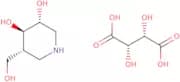

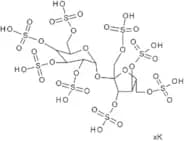

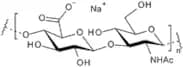

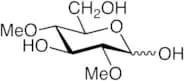
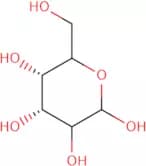


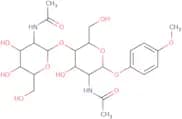

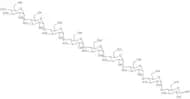
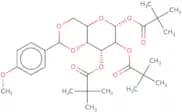
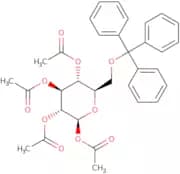
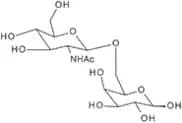


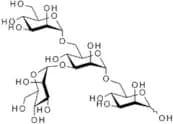

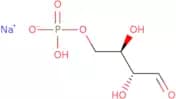
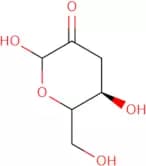
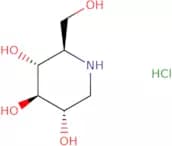

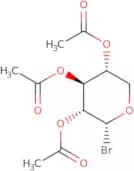
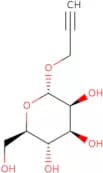


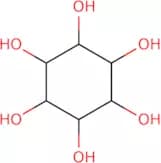

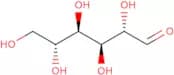
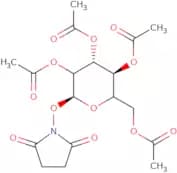

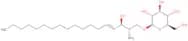

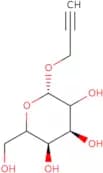
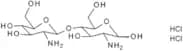

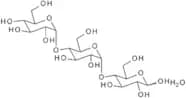


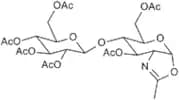
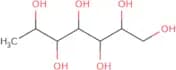
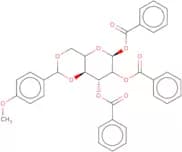
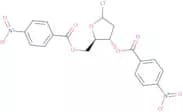
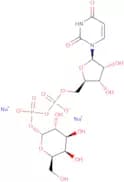
![4-Methoxyphenyl 4-O-{4-O-[[3-O-(2,4-di-O-[3,4,6-tri-O-Ac-2-PhthN-β-D-Glc)-3,6-di-O-Bn-α-D-Man]-4,6…](/_next/image/?url=https%3A%2Fstatic.cymitquimica.com%2Fproducts%2F3D%2Fthumb-webp%2FOM11013.webp&w=3840&q=75)
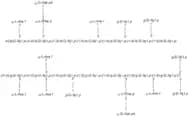
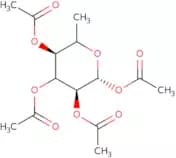
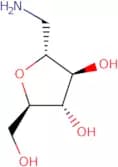
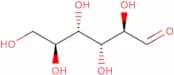
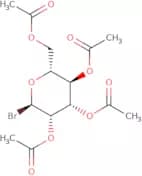
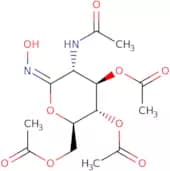
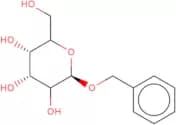
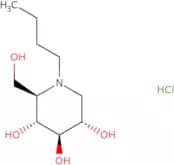
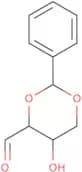
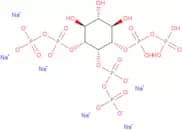
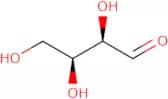

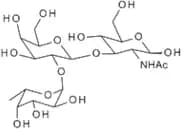

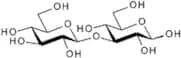

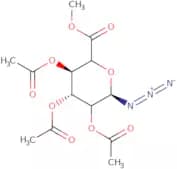
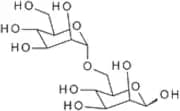

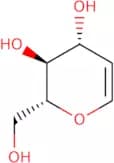

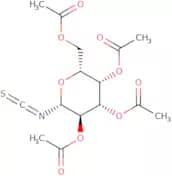
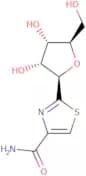
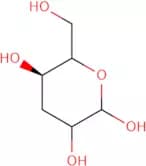


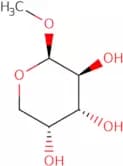
![(1S) -1- [(2S, 3R,4R) -4-Hydroxymethyl-3- hydroxy- 1- azetidinyl] -1, 2- ethanediol](/_next/image/?url=https%3A%2Fstatic.cymitquimica.com%2Fproducts%2F3D%2Fthumb-webp%2FMH163401.webp&w=3840&q=75)
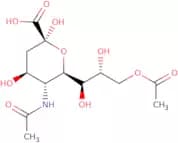
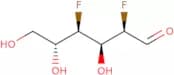
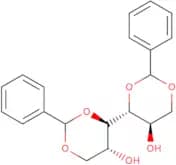
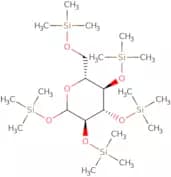
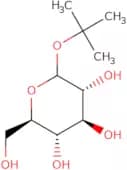

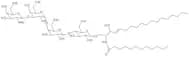
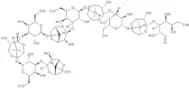
![2,4,7,8,9-Pentaacetyl-N- [(2- propyn- 1- yloxy) carbonyl] - b- neuraminic acid methyl ester](/_next/image/?url=https%3A%2Fstatic.cymitquimica.com%2Fproducts%2F3D%2Fthumb-webp%2FMP168633.webp&w=3840&q=75)
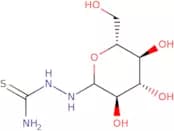
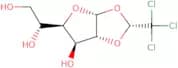
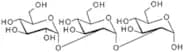

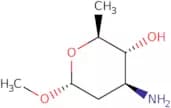

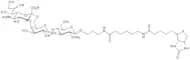
![N- [(3R, 4R, 5R) - 4- (Acetyloxy) - 5- [(acetyloxy) methyl] - 1- benzyl- 3- pyrrolidinyl] -acetami…](/_next/image/?url=https%3A%2Fstatic.cymitquimica.com%2Fproducts%2F3D%2Fthumb-webp%2FMA170395.webp&w=3840&q=75)
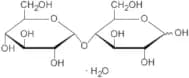

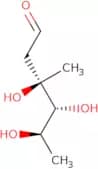
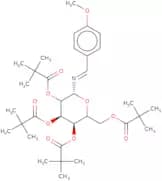

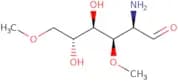


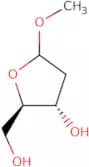
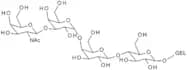
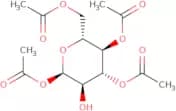
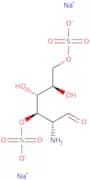
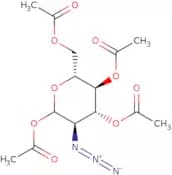
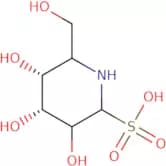


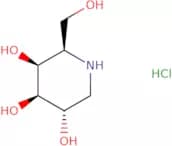
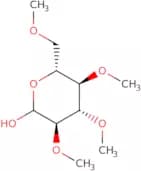

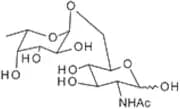
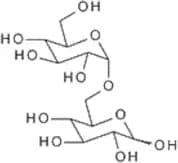

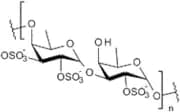
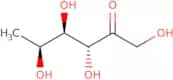
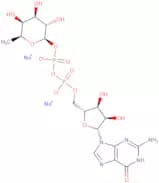
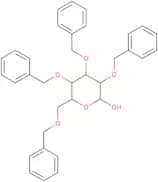
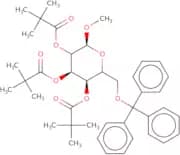
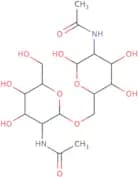
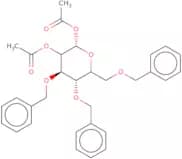
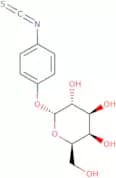
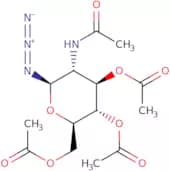
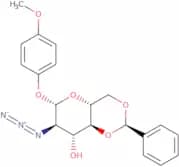
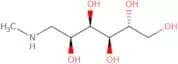
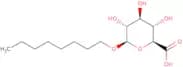


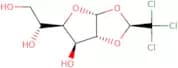
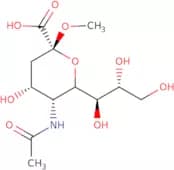
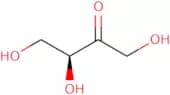
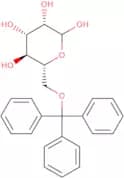

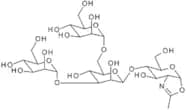
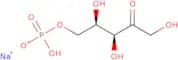
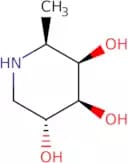
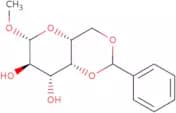
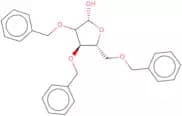


![Neu5GcAc[1Me,4789Ac]a(2-6)Gal[24Bz,3Bn]-b-MP](/_next/image/?url=https%3A%2Fstatic.cymitquimica.com%2Fproducts%2F3D%2Fthumb-webp%2FON60601.webp&w=3840&q=75)
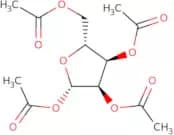

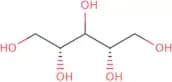
![3'-(D-[UL-13C6]Galactosyl)lactose](/_next/image/?url=https%3A%2Fstatic.cymitquimica.com%2Fproducts%2F3D%2Fthumb-webp%2FOG15068.webp&w=3840&q=75)