


Azúcares
Los azúcares son moléculas fundamentales para el almacenamiento de energía y para roles estructurales en los organismos vivos. Se utilizan en una amplia variedad de campos de investigación, como bioquímica, biología celular y nutrición. En CymitQuimica, ofrecemos una colección completa de azúcares para satisfacer las necesidades de los investigadores que trabajan en estudios relacionados con los carbohidratos.
Se han encontrado 173 productos de "Azúcares"
Ordenar por
Pureza (%)
0
100
|
0
|
50
|
90
|
95
|
100
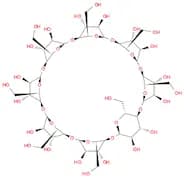
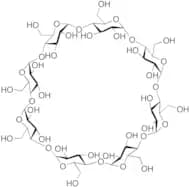
β-Cyclodextrin, methyl ethers
CAS:Fórmula:C10H21O5Pureza:99%Forma y color:SolidPeso molecular:221.2707Ethyl 3,4,6-tri-o-acetyl-2-deoxy-2-phthalimido-β-d-thioglucopyranoside
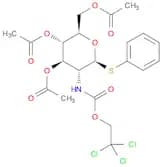
CAS:Fórmula:C22H25NO9SPureza:98%Forma y color:SolidPeso molecular:479.5002Phenyl 3,4,6-tri-O-acetyl-2-deoxy-1-thio-2-(2,2,2-trichloroethoxyformamido)-β-D-glucopyranoside
CAS:Fórmula:C21H24Cl3NO9SPureza:95%Forma y color:SolidPeso molecular:572.8406Ref: IN-DA00ICO9
1kg61,00€25g22,00€50g24,00€5kg153,00€100g26,00€10kgA consultar20kgA consultar250g34,00€25kg258,00€500g46,00€50kg680,00€100kgA consultarD-Galactose, 2-(acetylamino)-2-deoxy-
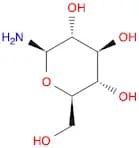
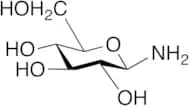
CAS:Fórmula:C8H15NO6Pureza:80%Forma y color:SolidPeso molecular:221.20781-Amino-1-deoxy-β-D-glucopyranose
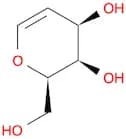
CAS:Fórmula:C6H13NO5Pureza:98%Forma y color:SolidPeso molecular:179.1711arabino-Hex-5-enitol, 2,6-anhydro-5-deoxy-
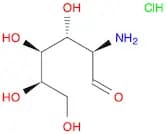
CAS:Fórmula:C6H10O4Pureza:95%Forma y color:SolidPeso molecular:146.1412D-Glucosamine hydrochloride
CAS:Fórmula:C6H14ClNO5Pureza:95%Forma y color:SolidPeso molecular:215.63212-Butanone, 4-[4-(b-D-glucopyranosyloxy)phenyl]-
CAS:Fórmula:C16H22O7Pureza:98%Forma y color:SolidPeso molecular:326.3417Methyl (phenyl 2,3,4-tri-o-acetyl-1-thio-β-d-glucopyranosid)uronate
CAS:Fórmula:C19H22O9SPureza:98%Forma y color:SolidPeso molecular:426.4376Ref: IN-DA0034OI
5g22,00€10g20,00€25g20,00€50g28,00€5kg357,00€100g28,00€250g57,00€25kgA consultar500g67,00€2-ACETAMIDO-2-DEOXY-3,4,6-TRI-O-ACETYL-α-D-GALACTOPYRANOSYL CHLORIDE
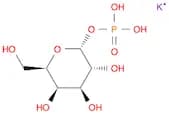
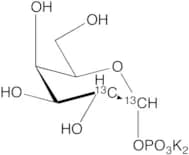
CAS:Fórmula:C14H20ClNO8Pureza:98%Forma y color:SolidPeso molecular:365.7635α-D-Galactopyranose, 1-(dihydrogen phosphate), potassium salt (1:2)
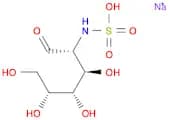
CAS:Fórmula:C6H11K2O9PPureza:98%Forma y color:SolidPeso molecular:336.3165D-Glucose, 2-deoxy-2-(sulfoamino)-, sodium salt (1:1)
CAS:Fórmula:C6H13NNaO8SPureza:95%Forma y color:SolidPeso molecular:282.2241Ref: IN-DA003AAV
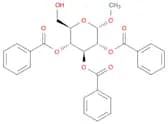
5g25,00€10g28,00€25g36,00€50g53,00€5kgA consultar100g61,00€10kgA consultar250g111,00€25kgA consultar500g163,00€Methyl 2,3,4-tri-o-benzoyl-α-d-glucopyranoside
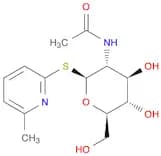
CAS:Fórmula:C28H26O9Pureza:98%Forma y color:SolidPeso molecular:506.50066-Methyl-2-pyridinyl 2-(acetylamino)-2-deoxy-1-thio-β-d-glucopyranoside
CAS:Fórmula:C14H20N2O5SPureza:95%Peso molecular:328.3840Ref: IN-DA0039F8
100gA consultar500g20,00€1000g26,00€250kgA consultar5000g61,00€10000g113,00€25000g158,00€Ref: IN-DA0036X6
1g60,00€5g160,00€25g538,00€50gA consultar250gA consultar500gA consultar100mg30,00€250mg31,00€Methyl β-d-glucopyranoside hemihydrate
CAS:Fórmula:C14H30O13Pureza:98%Forma y color:SolidPeso molecular:406.3802(+)-Arabinogalactan from Larch Wood,
CAS:Fórmula:C20H36O14Pureza:95%Forma y color:SolidPeso molecular:500.4914N-azidoacetylglucosamine-tetraacylated (Ac4GlcNAz)
CAS:Fórmula:C16H22N4O10Pureza:98%Forma y color:SolidPeso molecular:430.36671-Azido-1-deoxy-β-D-glucopyranoside tetraacetate
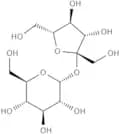
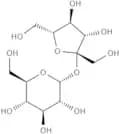
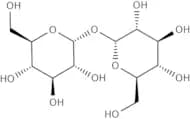
CAS:Fórmula:C14H19N3O9Pureza:98%Forma y color:SolidPeso molecular:373.3154Sucrose, BP, EP, USP grade
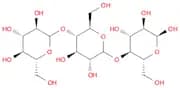
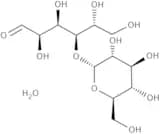
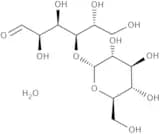
CAS:Fórmula:C12H22O11Pureza:≥ 99.8% (sucrose, as is)Forma y color:White crystalline powder or colourless crystalsPeso molecular:342.30D(+)-Lactose monohydrate, 99.5%, Ph. Eur. grade
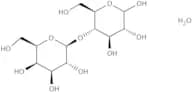
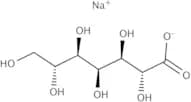
CAS:Fórmula:C12H22O11·H2OPureza:≥ 99.5% (anhydrous basis)Forma y color:White or almost white crystalline powderPeso molecular:360.32Sodium glucoheptonate dihydrate, pure
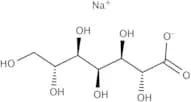
CAS:Fórmula:C7H13NaO8·2H2OPureza:99.0 - 101.0 % (C7H13NaO8 · 2H2O)Forma y color:White crystalline powderPeso molecular:248.16 (anhydrous)Sodium lactobionate
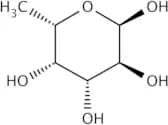
CAS:Fórmula:C12H21NaO12Pureza:(Titration) 98.0 - 102.0 %Forma y color:White to pale yellow crystalline powderPeso molecular:380.28L-Rhamnose monohydrate
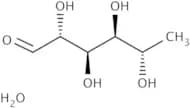
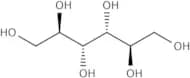
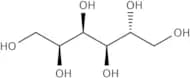
CAS:Fórmula:C6H12O5·H2OPureza:(HPLC) ≥ 98.0%Forma y color:White to off-white crystalline powderPeso molecular:182.19D-Mannitol
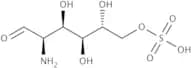
CAS:Fórmula:C6H14O6Pureza:98.0 - 102.0 % (dried basis)Forma y color:White powderPeso molecular:182.17D-Glucosamine 6-sulfate
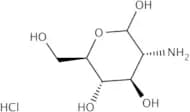
CAS:Fórmula:C6H13NO8SPureza:≥ 95%Forma y color:White to off-white powderPeso molecular:259.23D-Glucosamine hydrochloride
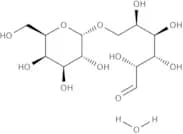
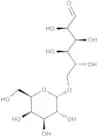
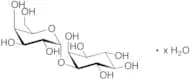
CAS:Fórmula:C6H13NO5·HClPureza:≥ 98.0%Forma y color:White powderPeso molecular:215.64D-(+)-Melibiose monohydrate
CAS:Fórmula:C12H22O11·xH2OPureza:≥ 98.0%Forma y color:White powderPeso molecular:342.30 (anhydrous)L-α-Phosphatidyl inositol
CAS:Forma y color:Off-white or tan granular powder or solidsPeso molecular:-L-(+)-Ribose
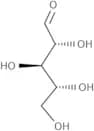
CAS:Fórmula:C5H10O5Pureza:≥ 98.0%Forma y color:White or almost white crystalline powderPeso molecular:150.13D-Ribose
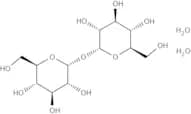
CAS:Fórmula:C5H10O5Pureza:≥ 98.0%Forma y color:White or almost white crystalline powderPeso molecular:150.13D-(+)-Trehalose dihydrate, Ph. Eur. grade
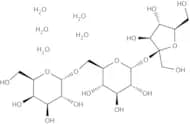
CAS:Fórmula:C12H22O11·2H2OPureza:≤ 0.2%Forma y color:White crystalline powderPeso molecular:378.33D-Raffinose pentahydrate
CAS:Fórmula:C18H32O16·5H2OPureza:≥ 98.0%Forma y color:White or almost white crystalline powderPeso molecular:594.52D-(+)-Glucose, anhydrous, Ph. Eur., USP grade
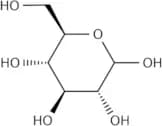
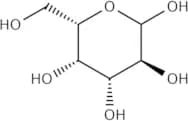
CAS:Fórmula:C6H12O6Pureza:97.5 - 102.0 % (as C6H12O6)Forma y color:White crystalline powderPeso molecular:180.16D-(+)-Mannose
CAS:Fórmula:C6H12O6Pureza:≥ 99.0% (dried basis)Forma y color:White crystalline powderPeso molecular:180.16Sucrose
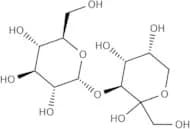
CAS:Fórmula:C12H22O11Pureza:≥ 99.5%Forma y color:Colourless to white crystalline powderPeso molecular:342.30D-(+)-Maltose monohydrate, 95%
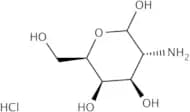
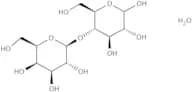
CAS:Fórmula:C12H22O11·H2OPureza:≥ 95.0%Forma y color:White powderPeso molecular:360.32D-(+)-Galactosamine hydrochloride
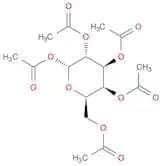
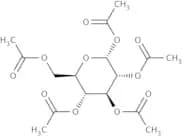
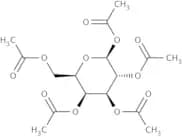
CAS:Fórmula:C6H13NO5·HClPureza:≥ 98.0%Forma y color:White to off-white powderPeso molecular:215.64α-D-Glucose Pentaacetate
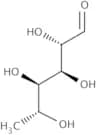
CAS:Fórmula:C16H22O11Pureza:≥ 98.0% (dried basis)Forma y color:White or almost white powderPeso molecular:390.34L-(-)-Fucose
CAS:Fórmula:C6H12O5Pureza:≥ 98.0%Forma y color:White to almost white crystalline powderPeso molecular:164.161,2,3,4,6-Penta-O-acetyl-b-D-glucopyranose
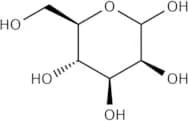
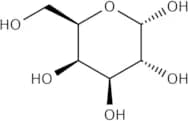
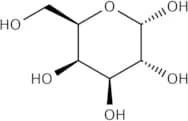
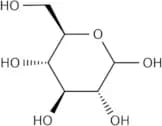
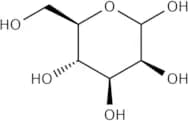
CAS:Fórmula:C16H22O11Pureza:≥ 98.0%Forma y color:White to off-white powderPeso molecular:390.34D-(+)-Galactose, 98%
CAS:Fórmula:C6H12O6Pureza:≥ 98.0%Forma y color:White crystalline powderPeso molecular:180.16D-Mannitol, EP, USP grade
CAS:Fórmula:C6H14O6Pureza:98.0 - 102.0 % (anhydrous substance)Forma y color:White or almost white crystals or powderPeso molecular:182.17D-(+)-Galactose, non-animal origin
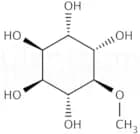
CAS:Fórmula:C6H12O6Pureza:≥ 98.0%Forma y color:White to almost white crystalline powderPeso molecular:180.16D-Pinitol
CAS:Fórmula:C7H14O6Pureza:≥ 98.0%Forma y color:White to light yellow powderPeso molecular:194.18D-(+)-Galactose
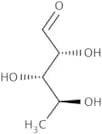
CAS:Fórmula:C6H12O6Pureza:≥ 99.0%Forma y color:White to off-white crystalline powderPeso molecular:180.165-Deoxy-L-arabinose
CAS:Fórmula:C5H10O4Pureza:≥ 91.0%Forma y color:Light yellow viscous liquidPeso molecular:134.13D-(+)-Glucose, anhydrous
CAS:Fórmula:C6H12O6Pureza:≥ 99.5% (dried basis)Forma y color:White powderPeso molecular:180.16Sodium glucoheptonate
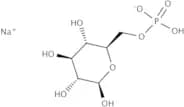
CAS:Fórmula:C7H13NaO8·2H2OPureza:≥ 99.0% (anhydrous)Forma y color:White to off-white crystalline powderPeso molecular:248.16 (anhydrous)D-Glucose-6-phosphate monosodium salt
CAS:Fórmula:C6H12NaO9PPureza:(Titration) ≥ 97%Forma y color:White to off-white crystalline powderPeso molecular:282.12L-(-)-Mannose
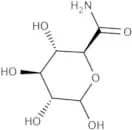
CAS:Fórmula:C6H12O6Pureza:(HPLC) ≥ 98.0%Forma y color:White to off-white powderPeso molecular:180.16D-Glucuronamide
CAS:Fórmula:C6H11NO6Pureza:≥ 98.0%Forma y color:White to off-white crystalline powderPeso molecular:193.16L-Glucose
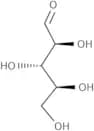
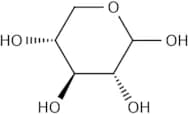
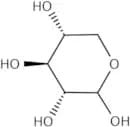
CAS:Fórmula:C6H12O6Pureza:≥ 99.0%Forma y color:White to almost white crystalline powderPeso molecular:180.16D-(+)-Xylose
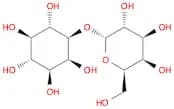
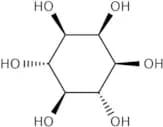
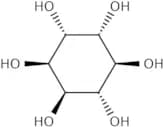
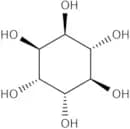
CAS:Fórmula:C5H10O5Pureza:≥ 98.5%Forma y color:White to colourless crystalline powderPeso molecular:150.13myo-Inositol
CAS:Fórmula:C6H12O6Pureza:≥ 97.0%Forma y color:White crystalline powderPeso molecular:180.16D-(+)-Melibiose, anhydrous
CAS:Fórmula:C12H22O11Forma y color:Off-white to light-yellow or yellow crystalline powderPeso molecular:342.30D-Rhamnose
CAS:Fórmula:C6H12O5Pureza:(HPLC) ≥ 97.0%Forma y color:White to off-white crystalline powderPeso molecular:164.16D(+)-Lactose monohydrate
CAS:Fórmula:C12H22O11·H2OPureza:≥ 99.0% (C12H22O11 · H2O)Forma y color:White to almost white powderPeso molecular:360.32Sucrose, GlenBiol™, suitable for molecular biology
CAS:Fórmula:C12H22O11Pureza:≥ 99.5%Forma y color:White crystalline powder or colourless crystalsPeso molecular:342.30L-Sorbose
CAS:Fórmula:C6H12O6Pureza:≥ 98.0% (anhydrous basis)Forma y color:White to crystalline powderPeso molecular:180.16myo-Inositol, USP-NF grade
CAS:Fórmula:C6H12O6Pureza:97.0 - 102.0 % (anhydrous basis)Forma y color:White to off-white crystalline powderPeso molecular:180.16D-Sorbitol, Ph. Eur., USP/NF grade
CAS:Fórmula:C6H14O6Pureza:≤ 2.0%Forma y color:White to almost white crystalline powderPeso molecular:182.17Lactulose, Ph. Eur. grade
CAS:Fórmula:C12H22O11Pureza:≤ 0.5%Forma y color:White to almost white crystalline powderPeso molecular:342.30L-Fructose
CAS:Fórmula:C6H12O6Pureza:≥ 96.0%Forma y color:White to almost white crystalline powderPeso molecular:180.16D-Sorbitol
CAS:Fórmula:C6H14O6Pureza:≥ 97.0%Forma y color:White crystalline powderPeso molecular:182.17D-(+)-Trehalose, anhydrous
CAS:Fórmula:C12H22O11Pureza:≥ 98.0%Forma y color:White or almost white crystalline powderPeso molecular:342.30D-(+)-Maltose monohydrate, USP/NF grade
CAS:Fórmula:C12H22O11·H2OPureza:(HPLC) ≥ 92.0% (anhydrous basis)Forma y color:White powderPeso molecular:360.321,2,3,4,6-Penta-O-acetyl-b-D-galactopyranose
CAS:Fórmula:C16H22O11Pureza:≥ 98.0%Forma y color:White to almost white powderPeso molecular:390.34D-(-)-Tagatose
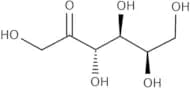
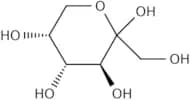
CAS:Fórmula:C6H12O6Pureza:≥ 99.0%Forma y color:White to off-white crystalline powderPeso molecular:180.16D-(-)-Fructose
CAS:Fórmula:C6H12O6Pureza:92.0 - 102.0 % (dried basis)Forma y color:White, hygroscopic, crystalline powderPeso molecular:180.161D-chiro-Inositol
CAS:Fórmula:C6H12O6Pureza:≥ 98.0%Forma y color:White or almost white powderPeso molecular:180.16DL-Xylose
CAS:Fórmula:C5H10O5Pureza:≥ 98.0%Forma y color:White or almost white crystalline powderPeso molecular:150.13D-(+)-Turanose
CAS:Fórmula:C12H22O11Pureza:≥ 98.0%Forma y color:White crystalline powderPeso molecular:342.30L-(-)-Galactose
CAS:Fórmula:C6H12O6Pureza:≥ 98.0%Forma y color:White to almost white crystalline powderPeso molecular:180.16D-(+)-Trehalose dihydrate
CAS:Fórmula:C12H22O11·2H2OPureza:≥ 98.0% (Trehalose, dry basis)Forma y color:White to almost white crystalline powderPeso molecular:378.33D-(+)-Xylose, USP grade
CAS:Fórmula:C5H10O5Pureza:To pass testForma y color:White crystalline powderPeso molecular:150.13Lactulose, 98%
CAS:Fórmula:C12H22O11Pureza:(HPLC) ≥ 98.0%Forma y color:White crystalline powder or colourless crystalsPeso molecular:342.30L-Xylose
CAS:Fórmula:C5H10O5Pureza:≥ 98.0%Forma y color:White or almost white crystalline powderPeso molecular:150.13D-Glucosamine hydrochloride, USP grade
CAS:Fórmula:C6H13NO5·HClPureza:98.0 - 102.0 % (dried basis)Forma y color:White crystalline powderPeso molecular:215.64D-(+)-Mannose, 99%, from wood
CAS:Fórmula:C6H12O6Pureza:≥ 99.0%Forma y color:White or almost white crystalline powderPeso molecular:180.161L-chiro-Inositol
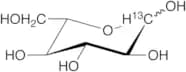
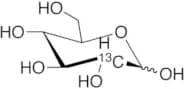
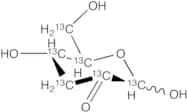
CAS:Fórmula:C6H12O6Pureza:≥ 98.0%Forma y color:White to off-white powderPeso molecular:180.16L-Glucose-1-13C
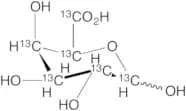
CAS:Producto controlado<p>Applications Labelled L-Glucose is the enantiomer of D-Glucose (G595000), a naturally occurring carbohydrate used in an abundance of cellular processes. L-Glucose is a synthetic sugar used in the formation of L-Glucose Pentaacetate (G596510), a potential therapeutic agent regarding type II diabetes. In addition, L-glucose can be used as a colon cleansing agent for before a colonoscopy procedure.<br>References Malaisse, W. et al.: Int. J. Mol. Med., 2, 383 (1998); Raymer, G. et al.: Gastrointest. Endosc., 58, 30 (2003); Wang, R., et al.: J. Mol. Catal. B. Enz., 56, 131 (2009),<br></p>Fórmula:CC5H12O6Forma y color:NeatPeso molecular:181.149α-D-Galactose-1,2-13C2 1-Phosphate Dipotassium Salt
CAS:Producto controlado<p>Stability Hygroscopic<br>Applications Isotope labelled analog of α-D-Galactose 1-Phosphate, the phosphate conjugate of α-D-Galactose (G155260), a natural aldohexose which is ubiquitous in bacteria, plants, and animals, including human brains.<br>References Sang, J.L., et al.: J. Bacteriol., 190, 7932 (2008);<br></p>Fórmula:C4C2H11K2O9PForma y color:White To Off-WhitePeso molecular:338.302D-Galactose-3-sulfate potassium salt
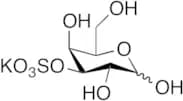
CAS:Producto controlado<p>Applications D-Galactose-3-sulfate potassium salt is a sulfated conjugate of D-Galactose (G155250), a epimer of Glucose (G595000) that is found in milk and sugar beets as well as being synthesized by the body.<br>References Turvey, J.R., et al.: J. Chem. Soc., 2242 (1963); Bowker, D.M., et al.: J. Chromatograph., 22, 486 (1966);<br></p>Fórmula:C6H11KO9SForma y color:NeatPeso molecular:298.309(+)-Arabinogalactan (Technical Grade)
CAS:Producto controlado<p>Applications (+)-Arabinogalactan is an excellent dietary fiber. Also maintains an immunomodulatory effect in humans.<br>References Shiga, T. et al.: Carb. Polym., 164, 31 (2017),<br></p>Fórmula:C11H12N2Forma y color:Neatβ-Cyclodextrin Deuterated
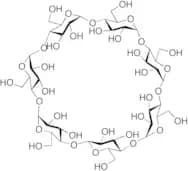
CAS:Producto controlado<p>Applications β-Cyclodextrin Deuterated is an isotope analog of β-Cyclodextrin (C987830), which is a cyclic oligosaccharide produced from starch via enzymatic conversion. β-Cyclodextrin is commonly used to produce HPLC columns allowing chiral enantiomers separation.<br>References Motoyama, A. et al.: J. Pharmac. Biomed. Anal., 28, 97 (2002); Nakamura, N. et al. Biotechnol. Bioeng., 19, 87 (1977); Riddle, L. A. et al.: J. Chrom. Sci., 45, 330 (2007);<br></p>Fórmula:C42H70O35·nC3H6OForma y color:Off-WhitePeso molecular:1134.98 for UndeuteratedGuaiacol-β-D-glucopyranoside
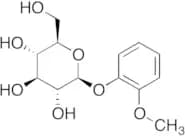
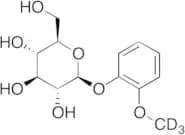
CAS:Producto controlado<p>Applications Guaiacol-beta-D-glucopyranoside, is a Guaiacol Conjugate, that has shown to present in fermentation of grapes that had been exposed to bushfire smoke and can potentially yield unpalatable, smoke-affected wine.<br>References Hayasaka, Y.m et al.: J. Arg. Food Chem., Vol. 58, Issue 4, P: 2076; 2081 (2010);<br></p>Fórmula:C13H18O7Forma y color:NeatPeso molecular:286.28D-Galactal
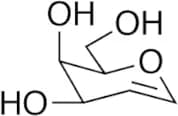
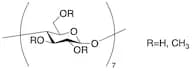
CAS:<p>Stability Hygroscopic, Moisture Sensitive<br>Applications D-Galactal is an important building block for both solution- and solid-phase synthesis of oligosaccharides.<br></p>Fórmula:C6H10O4Forma y color:NeatPeso molecular:146.14Methyl-β-cyclodextrin (Mixture of Methylated)
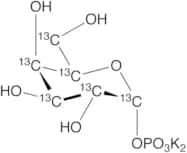
CAS:Producto controladoFórmula:C8H7FO2Forma y color:Neatα-D-Galactose-13C6 1-Phosphate Dipotassium Salt
CAS:<p>Applications Isotope labelled analog of α-D-Galactose 1-Phosphate, the phosphate conjugate of α-D-Galactose (G155260), a natural aldohexose which is ubiquitous in bacteria, plants, and animals, including human brains.<br>References Sang, J.L., et al.: J. Bacteriol., 190, 7932 (2008);<br></p>Fórmula:C6H11O9PKForma y color:NeatPeso molecular:342.272(2-Hydroxypropyl)-γ-cyclodextrin (Technical Grade)
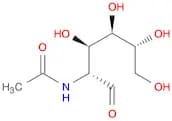
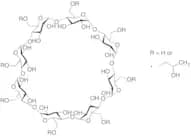
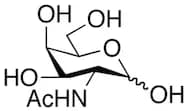
CAS:<p>Applications (2-Hydroxypropyl)-γ-cyclodextrin is used in the solubilization of macromolecules and in cell culture applications. Similar to β-Cyclodextrin (C987830), however can work with larger molecules.<br>References Motoyama, A. et al.: J. Pharmac. Biomed. Anal., 28, 97 (2002); Nakamura, N. et al. Biotechnol. Bioeng., 19, 87 (1977); Riddle, L. A. et al.: J. Chrom. Sci., 45, 330 (2007);<br></p>Fórmula:C6H8N2OForma y color:NeatN-Acetyl-D-galactosamine
CAS:Producto controlado<p>Applications N-Acetyl-D-galactosamine (cas# 1811-31-0) is a compound useful in organic synthesis.<br>References Nakajima, M., et al.: App. Microbiol. Biotechnol., 83, 109 (2009), Singh, S., et al.: Mol. Immunol., 46, 1240 (2009),<br></p>Fórmula:C8H15NO6Forma y color:NeatPeso molecular:221.2078γ-Cyclodextrin
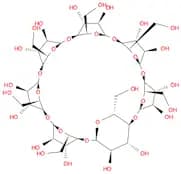
CAS:<p>Stability Hygroscopic<br>Applications γ-Cyclodextrin is used as nanomolecular encapsulation for drug delivery and pharmaceuticals. Used in the synthesis of unilamellar vesicles.<br>References Ikeda, A. et al.: Chem. Comm., 50, 1288 (2014); Gudmundsdottir, B. et al.: J. Ocular Pharm. Ther., 30, 35 (2014);<br></p>Fórmula:C48H80O40Forma y color:WhitePeso molecular:1297.12Methyl 2,3,4-Tri-O-isobutyryl-D-glucopyranuronate
CAS:Producto controlado<p>Stability Temperature Sensitive<br>Applications Methyl 2,3,4-Tri-O-isobutyryl-D-glucopyranuronate (cas# 1190403-86-1) is a compound useful in organic synthesis.<br></p>Fórmula:C19H30O10Forma y color:NeatPeso molecular:418.44Guaiacol-β-D-glucopyranoside-d3
CAS:Producto controlado<p>Stability Hygroscopic<br>Applications Guaiacol-beta-D-glucopyranoside-d3, is a labeled analogue of Guaiacol-beta-D-glucopyranoside (G245565), a Guaiacol Conjugate, that has shown to present in fermentation of grapes that had been exposed to bushfire smoke and can potentially yield unpalatable, smoke-affected wine.<br>References Hayasaka, Y.m et al.: J. Arg. Food Chem., Vol. 58, Issue 4, P: 2076; 2081 (2010);<br></p>Fórmula:C13H15D3O7Forma y color:NeatPeso molecular:289.3Raspberry Ketone Glucoside
CAS:Producto controlado<p>Applications Raspberry ketone glucoside (cas# 38963-94-9) is a useful research chemical.<br></p>Fórmula:C16H22O7Forma y color:White To Off-WhitePeso molecular:326.34Calcium D-gluconate monohydrate
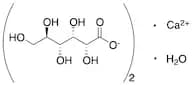
CAS:Producto controlado<p>Applications Calcium D-gluconate monohydrate (cas# 66905-23-5) is a useful research chemical.<br></p>Fórmula:C6H11O7·Ca·H2OForma y color:NeatPeso molecular:448.39Galactinol Hydrate
CAS:<p>Applications Galactinol Hydrate is an α-galactoside of Inositol (I665995), which is the structural basis for a number of signaling and secondary messenger molecules including; insulin signal transduction, cytoskeleton assembly, nerve guidance, membrane potentials, serotonin activity and the breaking down of fats and reducing cholesterol.<br>References Graca, G., et al.: J. Prot. Res., 9, 6016 (2010); Rovio, S., et al.: Food Chem., 124, 1194 (2010);<br></p>Fórmula:C12H22O11•x(H2O)Forma y color:Off-WhitePeso molecular:342.30 + x(18.02)Dextrin
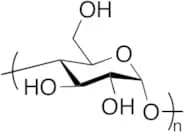
CAS:<p>Applications Dextrin (cas# 9004-53-9) is a versatile polymer used in a variety of applications such as in the preparation of probiotic beer and polymer solar cells.<br>References Senkarcinova, B.; et al.: LWT, 100, 362 (2019); Lin, P.; et al.: ACS Sustainable Chem. Eng., 6, 14621 (2018).<br></p>Fórmula:(C14H26O10)nForma y color:NeatPeso molecular:(162.14)n20-Deoxo-23-deoxy-5-O-[3,6-dideoxy-3-(dimethylamino)-β-D-glucopyranosyl]-20,23-di-1-piperidinyltylonolide
CAS:<p>20-Deoxo-23-deoxy-5-O-[3,6-dideoxy-3-(dimethylamino)-beta-D-glucopyranosyl]-20,23-di-1-piperidinyltylonolide is an antimicrobial agent that belongs to the group of chemotherapeutic agents. It is a fluorinated analog of tilmicosin. The low dose group was treated with this drug for five days, and the high dose group received 20 times the amount of drug. Fluorescence spectrometry showed that there was no significant difference in the fluorescence intensity between these two groups after 24 hours. This drug has been shown to have pharmacokinetic properties in rats and mice, but further optimization may be required to improve its process.</p>Fórmula:C41H71N3O8Pureza:Min. 95%Forma y color:Off-White PowderPeso molecular:734.02 g/molChlorhexidine digluconate - 20% aqueous solution
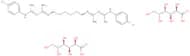
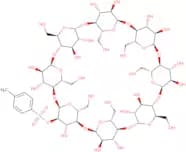
CAS:<p>Bisbiguanide antiseptic and disinfectant used in topical antibacterial products</p>Fórmula:C34H54Cl2N10O14Pureza:190 To 210 G/LForma y color:Clear LiquidPeso molecular:897.76 g/molMono-2-O-(p-toluenesulfonyl)-γ-cyclodextrin
CAS:<p>This gamma-cyclodextrin (γ-CD) derivative is a modified cyclic oligosaccharide composed of eight glucose units, featuring a larger cavity size than α- and β-cyclodextrins. This structural characteristic allows γ-CDs to form inclusion complexes with a wider range of guest molecules, making it particularly versatile in various industries. In the food sector, it is used as a carrier and stabilizer for flavors, fat-soluble vitamins, and polyunsaturated fatty acids, protecting volatile compounds from evaporation. In pharmaceuticals, it enhances the solubility and bioavailability of poorly water-soluble drugs and, thanks to its larger ring size, allows for the encapsulation of larger molecules or even entire drug molecules. γ-CDs and derivatives are also used for environmental remediation and, in analytical chemistry, for the extraction and concentration of target substances.</p>Pureza:Min. 95 Area-%Forma y color:PowderLaricitrin-3,5'-di-O-glucoside
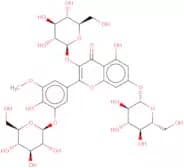
<p>Laricitrin-3,5'-di-O-glucoside is an organic compound that can be used as a research chemical. Laricitrin-3,5'-di-O-glucoside is a building block for the synthesis of other compounds and has been used in the synthesis of novel antibiotics. This compound is also a useful intermediate in the production of 3,6-dihydroxychalcone.</p>Fórmula:C28H32O18Pureza:Min. 95%Peso molecular:656.54 g/molD-glucosyl-β-1,1'-N-nervonoyl-D-erythro-sphingosine
CAS:<p>D-glucosyl-β-1,1'-N-nervonoyl-D-erythro-sphingosine is a mouse metabolite that was found to be an acyl group. This metabolite was shown to be a mouse metabolite.</p>Fórmula:C48H91NO8Pureza:Min. 98 Area-%Forma y color:PowderPeso molecular:810.24 g/molCalcium-D-galactonate hydrate
CAS:<p>Calcium-D-galactonate hydrate is a reagent that is used in organic synthesis as a complex compound. It can also be used as an intermediate for the synthesis of calcium-D-galactonate, which is a useful scaffold for the construction of bioactive molecules. Calcium-D-galactonate hydrate has been shown to have many uses in the pharmaceutical and fine chemical industries. This compound is also an important reactant in research, due to its versatility and usefulness in organic synthesis.</p>Fórmula:C12H22CaO14·5H2OPureza:Min. 98%Forma y color:White PowderPeso molecular:520.45 g/molKinetin-9-glucoside
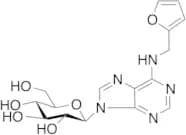
CAS:<p>Kinetin-9-glucoside is a conjugate of kinetin and glucose. It has been shown to inhibit the growth of several types of bacteria, including Pseudomonas aeruginosa, Staphylococcus aureus, and Streptococcus pyogenes. Kinetin-9-glucoside also has anti-inflammatory properties that may be due to its ability to inhibit prostaglandin synthesis. Kinetin-9-glucoside is used in tissue culture for the induction of plant regeneration from callus tissue or from excised root tissues. Kinetin-9-glucoside has been shown to stimulate the formation of apical roots in plantlets and promote cell division in neuronal cells.</p>Fórmula:C16H19N5O6Pureza:Min. 95 Area-%Forma y color:PowderPeso molecular:377.35 g/molGlucostrophanthidin
CAS:<p>Glucostrophanthidin is a cardiac glycoside, which is derived from natural plant sources, specifically from species in the Apocynaceae family. This compound exerts its effects primarily through inhibition of the sodium-potassium ATPase enzyme, leading to an increase in intracellular sodium concentration. The downstream effect of this process involves an increase in intracellular calcium via the sodium-calcium exchange mechanism, ultimately enhancing the contractility of cardiac muscle fibers.</p>Fórmula:C29H42O11Pureza:Min. 95%Peso molecular:566.64 g/molSodium stibogluconate
CAS:<p>Sodium stibogluconate is a drug that has been widely used in the treatment of leishmaniasis. It is administered as an intramuscular injection or intravenous infusion, depending on the severity of the infection. The drug targets the parasite by inhibiting its DNA topoisomerase, which disrupts DNA replication and transcription. Clinical data have shown that this drug is effective against infantum and other strains of leishmania.</p>Fórmula:C12H20O17Sb2•(Na)3•(H2O)9Pureza:Min. 95%Forma y color:PowderPeso molecular:910.9 g/molD-Gluconic acid zinc (II) salt
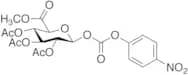
CAS:<p>D-Gluconic acid zinc salt is an inorganic compound that is used to treat deficiencies of D-gluconate. It is a salt of zinc and D-gluconic acid, which is a natural metabolite found in the human body. This compound can be used to maintain healthy levels of D-gluconate in the tissues and help control symptoms related to deficiencies. The efficiency of this method has been demonstrated by an in vitro test on human femur cells. A profile analysis showed that D-gluconic acid zinc salt was able to minimize the severity of symptoms associated with deficiencies caused by gluconate deficiency, such as tissue sensitivity and bone degradation.</p>Fórmula:C12H22O14ZnPureza:Min. 95%Forma y color:White PowderPeso molecular:455.68 g/molβ-D-Glucopyranuronic Acid Methyl Ester 2,3,4-Triacetate 1-(4-Nitrophenyl Carbonate)
CAS:Producto controlado<p>Applications Intermediate used in the addition of protected Glucopyranuronic Acid.<br></p>Fórmula:C20H21NO14Forma y color:NeatPeso molecular:499.38Propylene Glycol β-D-Glucopyranosiduronic Acid Benzyl Ester 2,3,4-Triacetate-d6
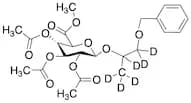
Producto controlado<p>Applications Propylene Glycol β-D-Glucopyranosiduronic Acid Benzyl Ester 2,3,4-Triacetate-d6 s an intermediate in the synthesis of Isotope labelled Propylene Glycol 2-Glucuronide which is a metabolite of propylene glycol, used in the synthesis of N-terminal kinase inhibitors with cellular activity. Acts as a solvent for various pharmaceutical compounds.<br>References Szczepankiewicz, B. et al.: J. Med. Chem., 49, 3563 (2006); Mateus, R. et al.: Int. J. Pharm., 444, 106 (2013);<br></p>Fórmula:C23H24D6O11Forma y color:NeatPeso molecular:488.51Rengasin-4'-O-glucoside
<p>Rengasin-4'-O-glucoside (RG4G) is a natural glycoside that belongs to the category of sugar derivatives. It has versatile uses and can be used as a building block for complex compounds, as well as in research chemicals, pharmaceuticals, and cosmetics. RG4G also has many applications in chemistry, including being used as a reagent or speciality chemical. RG4G is also an important intermediate in organic synthesis, which can be used to synthesize many useful compounds. The compound is often used as a scaffold for larger molecules.</p>Pureza:Min. 95%Rengasin-3'-O-glucoside
<p>Rengasin-3'-O-glucoside is a fine chemical, useful building block, and research chemical. It is a versatile building block that can be used in the synthesis of complex compounds. Rengasin-3'-O-glucoside is also a useful intermediate or scaffold for reactions. This compound has been shown to react with 1,2-ethanediol and form an ester, which can be hydrolyzed to release glycerol and the original rengasin-3'-O-glucoside.</p>Fórmula:C22H22O11Pureza:(%) Min. 75%Peso molecular:462.4 g/molFlavanone rhamnoglucoside
<p>Flavanone rhamnoglucoside is a specialized flavonoid compound, which is derived from various natural sources such as fruits, vegetables, and certain medicinal plants. It functions primarily as an antioxidant by scavenging free radicals, thereby protecting cells from oxidative stress. Additionally, it exhibits anti-inflammatory properties by modulating pathways involved in inflammation, such as NF-kB and COX-2.</p>Pureza:Min. 95%Ferrous gluconate dihydrate
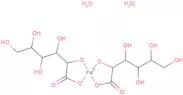
CAS:<p>Ferrous gluconate dihydrate is a fine chemical that has many applications in research and development. It is a versatile building block that can be used as a starting material for the synthesis of complex compounds, such as drugs, pesticides, and perfumes. Ferrous gluconate dihydrate can also be used as a reaction component to produce speciality chemicals, such as benzyl alcohols. In addition to its usefulness in research, ferrous gluconate dihydrate is an important reagent for the production of high-quality pharmaceuticals.</p>Fórmula:C12H22FeO14·2H2OPureza:Min. 95%Forma y color:PowderPeso molecular:482.17 g/molLaricitrin-3,7,5'-tri-O-glucoside
CAS:<p>Laricitrin-3,7,5'-tri-O-glucoside is a fine chemical that can be used as a versatile building block. It is an intermediate in the synthesis of many complex compounds and useful scaffolds. Laricitrin-3,7,5'-tri-O-glucoside has been shown to react with other chemicals in order to form new compounds. This compound also has potential applications in research as a reaction component or speciality chemical. Laricitrin-3,7,5'-tri-O-glucoside has high purity and quality and is available at a reasonable price.</p>Fórmula:C34H42O23Pureza:Min. 95%Peso molecular:818.68 g/molN-Acetyl-β-D-glucosaminyl-(1→4)-N-acetylmuramoyl-L-alanyl-D-isoglutamine
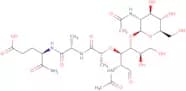
CAS:<p>Please enquire for more information about N-Acetyl-β-D-glucosaminyl-(1→4)-N-acetylmuramoyl-L-alanyl-D-isoglutamine including the price, delivery time and more detailed product information at the technical inquiry form on this page</p>Fórmula:C27H45N5O16Pureza:Min. 95%Forma y color:PowderPeso molecular:695.67 g/molNepetin-7-glucoside
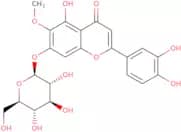
CAS:<p>Nepetin-7-glucoside is a compound found in plants that has been shown to have anti-inflammatory and antiviral properties. Nepetin-7-glucoside inhibits the activity of enzymes such as phospholipase A2, cyclooxygenase, and lipoxygenase. It also reduces the production of inflammatory mediators such as prostaglandins and leukotrienes. Nepetin-7-glucoside may be helpful in the treatment of autoimmune diseases and other inflammatory disorders. This compound also has antiviral effects by inhibiting the replication of herpes simplex virus type 1 (HSV1) in a cell culture system. Nepetin-7-glucoside also has been shown to inhibit the expression of genes related to inflammation and other inflammatory diseases, such as rheumatoid arthritis, colitis ulcerosa, psoriasis, and Crohn's disease.</p>Fórmula:C22H22O12Pureza:Min. 95%Forma y color:PowderPeso molecular:478.4 g/molβ-D-Glucopyranosylamine
CAS:Producto controlado<p>Applications beta-D-Glucopyranosylamine<br></p>Fórmula:C6H13NO5Forma y color:NeatPeso molecular:179.17O-[2-(Acetylamino)-2-deoxy-α-D-galactopyranosyl]-L-threonine
CAS:Producto controladoFórmula:C12H22N2O8Forma y color:NeatPeso molecular:322.31b-D-Glucopyranosyl Azide
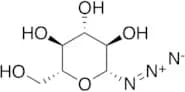
CAS:Producto controladoFórmula:C6H11N3O5Forma y color:NeatPeso molecular:205.169Ethyl 2-Deoxy-2-(1,3-dihydro-1,3-dioxo-2H-isoindol-2-yl)-3,6-bis-O-(phenylmethyl)-1-thio-β-D-glucopyranoside
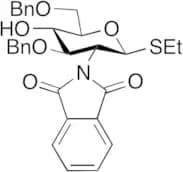
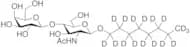
CAS:Producto controladoFórmula:C30H31NO6SForma y color:NeatPeso molecular:533.64Octyl-d17 2-(Acetylamino)-2-deoxy-4-O-β-D-galactopyranosyl-β-D-glucopyranoside
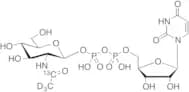
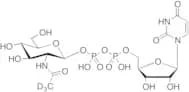
CAS:Producto controladoFórmula:C22D17H24NO11Forma y color:NeatPeso molecular:512.666Uridine 5’-Diphospho-N-acetylglucosamine-13C,d3
CAS:Producto controladoFórmula:C16CH24D3N3O17P2Forma y color:NeatPeso molecular:611.36D-Mannose-6-O-sulphate Sodium Salt
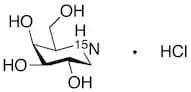
CAS:Producto controlado<p>Applications D-Mannose-6-O-sulphate Sodium Salt (cas# 204575-08-6) was a product of esterase-catalyzed regioselective deacylation and acid-catalyzed rearrangement from per-acetylated derivatives.<br>References Horrobin, T., et al.: J. Chem. Soc. Perkin 1, 1069 (1998)<br></p>Fórmula:C6H11O9SNaForma y color:NeatPeso molecular:282.2Deoxygalactonojirimycin-15N Hydrochloride
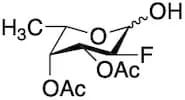
CAS:Producto controlado<p>Applications Proven to be an extremely potent and selective a-D-galactosidase inhibitor.<br>References Paulsen, H., et al.: Chem. Ber., 113, 2601 (1980),<br></p>Fórmula:C6H14Cl15NO4Forma y color:NeatPeso molecular:200.632,6-Dideoxy-2-fluoro-L-galactopyranose 3,4-Diacetate
Producto controladoFórmula:C10H15FO6Forma y color:NeatPeso molecular:250.221D-Glucose-2-13C
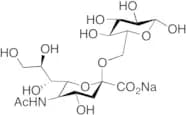
CAS:Producto controlado<p>Applications Labelled D-Glucose is a simple sugar that is present in plants. A monosaccharide that may exist in open chain or cyclic conformation if in solution. It plays a vital role in photosynthesis and fuels the energy required for cellular respiration. D-Glucose is used in various metabolic processes including enzymic synthesis of cyclohexyl-α and β-D-glucosides. Can also be used as a diagnostic tool in detection of type 2 diabetes mellitus and potentially Huntington's disease through analysis of blood-glucose in type 1 diabetes mellitus.<br>References Wang, R., et al.: J. Mol. Catal. B. Enz., 56, 131 (2009); Springhorn, C. et al.: J. Clin. Endocrinol. Metab., 97, 4640 (2012); Hashimoto, K. et al.: J. Clin. Endocrinol. Metab., 97, 3016 (2012); Avelange, M. et al.: Plant. Phys., 94, 1157 (1990); Cramer, C. et al.: J. Chem. Soc., 115, 5745 (1993);<br></p>Fórmula:C513CH12O6Forma y color:NeatPeso molecular:181.156-Sialyl-D-glucose Sodium Salt (α/β mixture)
CAS:Producto controladoFórmula:C17H28NNaO14Forma y color:NeatPeso molecular:493.392D-Glucosamine-2-N-Sulfate Sodium Salt
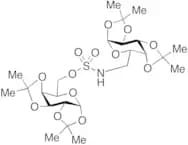
CAS:<p>Applications D-Glucosamine-2-N-sulfate sodium salt (cas# 38899-05-7) is a useful research chemical.<br></p>Fórmula:C6H13NO5·2ClNa·H2O4SForma y color:NeatPeso molecular:573.316,6'-(Iminosulfonyloxy)bis[6-deoxy-1,2:3,4-bis-O-(1-methylethylidene)-α-D-galactopyranose
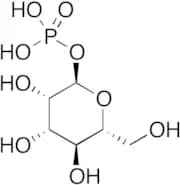
CAS:Producto controladoFórmula:C24H39NO13SForma y color:NeatPeso molecular:581.63α-D-Mannose 1-Phosphate
CAS:Producto controlado<p>Applications α-D-Mannose 1-Phosphate is used in the synthesis of non-natural mannoglucans by α-glucan phosphorylase-catalyzed enzymatic copolymerization;Also, it is derived from D-Mannose (M168000), which is a carbohydrate that is important in the glycosylation of molecules in a variety of cellular processes. It is involved in N and O glycosylation of bovine why protein products, used in infant formulas. It is also responsible for the O-glycosylation of the T helper cell-derived cytokine interlukin-17A, an important cell-signaling molecule.<br>References Baba, R., et al.: Carbohydr. Polym., 151, 1034-1039 (2016); van Leeuwen, S. et al.: J. Agri. Food Chem., 60, 12553 (2012); Geoghegan, K. et al.: Prot. Express. Purif., 87, 27 (2013);<br></p>Fórmula:C6H13O9PForma y color:NeatPeso molecular:260.1363-Deoxyglucosone-13C6
Producto controlado<p>Stability Hygroscopic, Light Sensitive, Temperature Sensitive<br>Applications 3-Deoxyglucosone-13C6, is the labeled anologue of 3-Deoxyglucosone (D239150), an intermediate in the Maillard reaction of proteins with glucose, which is metabolised to 3-Deoxyfructose. An intermediate in the formation of pyrraline, which might contribute to a pathological effect, such as carcinogenesis.<br>References Kato, H. et al.: Agric. Biol. Chem., 51, 683 (1987), Hayase, F. et al.: J. Biol. Chem., 264, 3758 (1989), Kato, H. et al.: Biochimica et Biophysica Acta, 1035, 71 (1990)<br></p>Fórmula:C6H10O5Forma y color:NeatPeso molecular:168.0962-O-β-D-Mannopyranosyl-D-mannose
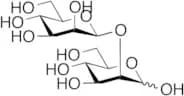
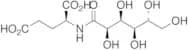
CAS:Producto controladoFórmula:C12H22O11Forma y color:NeatPeso molecular:342.296N-D-Gluconoyl-L-glutamic Acid
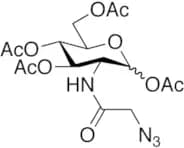
CAS:Producto controladoFórmula:C11H19NO10Forma y color:NeatPeso molecular:325.269N-Azidoacetylglucosamine, Acetylated
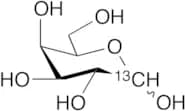
CAS:Producto controladoFórmula:C16H22N4O10Forma y color:NeatPeso molecular:430.367D-Galactose-1-13C
CAS:Producto controlado<p>Applications Isotope labelled D-galactose (G155250), A C-4 epimer of Glucose (G595000) found in milk and sugar beets as well as being synthesized by the body. Potential use in oral therapy for nephrotic syndrome in focal and segmental glomerulosclerosis.<br>References De Smet, E. et al.: Nephrol. Dial. Transplant., 24, 2938 (2009); Kivele, R. et al.: Carb. Pol., 85, 645 (2011);<br></p>Fórmula:CC5H12O6Forma y color:NeatPeso molecular:181.15D-Glucose-1,2-13C2
CAS:<p>Applications Labelled D-Glucose is a simple sugar that is present in plants. A monosaccharide that may exist in open chain or cyclic conformation if in solution. It plays a vital role in photosynthesis and fuels the energy required for cellular respiration. D-Glucose is used in various metabolic processes including enzymic synthesis of cyclohexyl-α and β-D-glucosides. Can also be used as a diagnostic tool in detection of type 2 diabetes mellitus and potentially Huntington's disease through analysis of blood-glucose in type 1 diabetes mellitus.<br>References Wang, R., et al.: J. Mol. Catal. B. Enz., 56, 131 (2009); Springhorn, C. et al.: J. Clin. Endocrinol. Metab., 97, 4640 (2012); Hashimoto, K. et al.: J. Clin. Endocrinol. Metab., 97, 3016 (2012); Avelange, M. et al.: Plant. Phys., 94, 1157 (1990); Cramer, C. et al.: J. Chem. Soc., 115, 5745 (1993);<br></p>Fórmula:C2C4H12O6Forma y color:NeatPeso molecular:182.14Uridine 5’-Diphospho-N-acetylglucosamine-d3
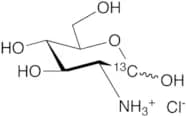
CAS:Producto controladoFórmula:C17H24D3N3O17P2Forma y color:NeatPeso molecular:422.487D-Glucosamine-13C Hydrochloride
CAS:Producto controlado<p>Applications Isotope Labelled Derivative of D-Glucosamine (G514950), an amino sugar and a prominent precursor in the biochemical synthesis of glycosylate proteins and lipids.<br>References Zupanets, I.A. et al.: Klin. Farmat., 15, 67 (2011); Vajarudal, Y., et al.: Clin. Ther., 3, 336 (1981); Setnikar, I., et al.: Arzneim.-Forsch., 36, 729 (1986);<br></p>Fórmula:CC5H13NO5·ClHForma y color:NeatPeso molecular:216.625D-Galacturonic Acid-13C6
CAS:Producto controlado<p>Applications D-Galacturonic Acid-13C6 is labelled D-Galacturonic Acid (G186500, Monohydrate) which is used in the synthesis of N-(D-galacturonoyl) amino acids and dipeptides.<br>References Klaus, U., et al.: Environ. Sci. Technol., 34, 3514 (2000),<br></p>Fórmula:C6H10O7Forma y color:NeatPeso molecular:200.095Phenyl 1-thio-β-D-glucopyranosiduronic Acid Methyl Ester 2,3,4-Triacetate
CAS:Producto controladoFórmula:C19H22O9SForma y color:NeatPeso molecular:426.438Kinetin-9-glucoside
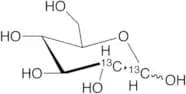
CAS:Producto controladoFórmula:C16H19N5O6Forma y color:NeatPeso molecular:377.352D-Mannose-1,2,3-13C3
CAS:Producto controlado<p>Applications D-Mannose is a carbohydrate that is important in the glycosylation of molecules in a variety of cellular processes. It is involved in N and O glycosylation of bovine why protein products, used in infant formulas. It is also responsible for the O-glycosylation of the T helper cell-derived cytokine interlukin-17A, an important cell-signaling molecule. This is the labeled analog.<br>References Van Leeuwen, S. et al.: J. Agri. Food Chem., 60, 12553 (2012); Geoghegan, K. et al.: Prot. Express. Purif., 87, 27 (2013);<br></p>Fórmula:C3C3H12O6Forma y color:NeatPeso molecular:183.13Retigabine N-β-D-Glucoside
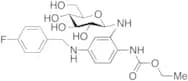
CAS:Producto controladoFórmula:C22H28FN3O7Forma y color:NeatPeso molecular:465.4726-Deoxy-3-O-[(1,1-dimethylethyl)dimethylsilyl]-1,2-O-(1-methylethylidene)-6-nitro-α-D-glucofuranose
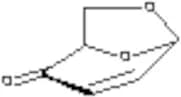
CAS:Producto controladoFórmula:C15H29NO7SiForma y color:NeatPeso molecular:363.479Isolevoglucosenone
CAS:Producto controlado<p>Applications Isolevoglucosenone (cas# 307991-08-8) is a compound useful in organic synthesis.<br></p>Fórmula:C6H6O3Forma y color:NeatPeso molecular:126.116-O-[(1,1Dimethylethyl)diphenylsilyl]-2,3,4-tris-O-D-gluconic Acid δ-lactone
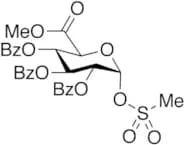
CAS:Producto controladoFórmula:C43H46O6SiForma y color:NeatPeso molecular:686.92α-D-Glucopyranuronic Acid Methyl Ester 2,3,4-Tribenzoate 1-Methanesulfonate
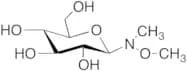
CAS:Producto controlado<p>Applications α-D-Glucopyranuronic Acid Methyl Ester 2,3,4-Tribenzoate 1-Methanesulfonate is a reactant in organic synthesis. It is used in the preparation of novel quaternary glucuronyl reagent for preparation of tertiary amines.<br>References Araya, I. & Akita, H.: Heterocycles., 75, 1213 (2008)<br></p>Fórmula:C29H26O12SForma y color:NeatPeso molecular:598.57N-Methoxy-N-methyl-β-D-glucopyranosylamine
CAS:Producto controlado<p>Applications N-Methoxy-N-methyl-β-D-glucopyranosylamine is used in the synthesis of 6-α-D-Glucopyranosyl Maltotriose (G419100), which is the sugar composition of sake.<br>References Giri, N.Y., et al.: Arch. Biochem. Biophysics, 145, 505 (1971)<br></p>Fórmula:C8H17NO6Forma y color:NeatPeso molecular:223.2244-O-β-D-Mannopyranosyl-D-mannose
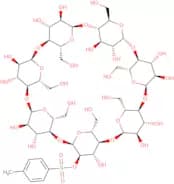
CAS:Producto controladoFórmula:C12H22O11Forma y color:NeatPeso molecular:342.296Mono-2-O-(p-toluenesulfonyl)-b-cyclodextrin hydrate
CAS:<p>This beta-cyclodextrin (β-CD) derivative is a functionalized cyclic oligosaccharide composed of seven glucose units, characterized by a hydrophilic exterior and a lipophilic cavity (bigger than α-CD and smaller than γ-CDs), which allows it to encapsulate various guest molecules. This structural feature facilitates its use in multiple applications, including pharmaceuticals, food enhancement, and cosmetics. In the pharmaceutical industry, it enhances the solubility and stability of poorly water-soluble drugs, improving their bioavailability and efficacy while also masking unpleasant tastes. The food sector utilizes it as a stabilizer for flavors, colors, and nutrients, extending shelf life by protecting sensitive ingredients from degradation. In cosmetics, it serves as a complexing agent for fragrances and active components, ensuring their stability and controlled release. Its use expands to many other fields, including nanotechnology for drug delivery systems, environmental remediation for extracting organic pollutants, textiles for slow-release fragrances, and analytical chemistry for chiral separation.</p>Fórmula:C49H76O37S•(H2O)xPureza:Min. 97 Area-%Forma y color:PowderPeso molecular:1,289.17 g/molSinapic acid acyl-β-D-glucoside
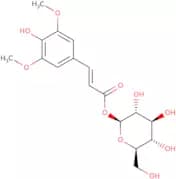
CAS:<p>a functionalised glucoside</p>Fórmula:C17H22O10Pureza:Min. 95%Peso molecular:386.35 g/molPhenethyl glucosinolate potassium salt
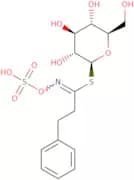
CAS:<p>Phenethyl glucosinolate potassium salt is a compound found in plants belonging to the Brassicaceae family. It has been shown to be highly toxic to larvae of the cabbage butterfly and other insects that feed on brassica plants. Phenethyl glucosinolate potassium salt has been shown to inhibit the development of these insects, probably by inhibiting protein synthesis in the insect's gut. The major sulfur-containing compound in this product is gluconasturtiin, which has been shown to inhibit growth of pekinensis at high temperatures. This compound also inhibits radiation-induced DNA damage and does not show significant effects on nonsignificant organisms such as yeast and mold.</p>Fórmula:C15H20NO9S2KPureza:Min. 95%Forma y color:PowderPeso molecular:461.55 g/molGalacto-RGD trifluoroacetate salt
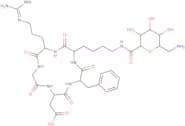
CAS:<p>Please enquire for more information about Galacto-RGD trifluoroacetate salt including the price, delivery time and more detailed product information at the technical inquiry form on this page</p>Fórmula:C34H52N10O12Pureza:Min. 95%Forma y color:PowderPeso molecular:792.84 g/mol3'-methoxy apiin;Chrysoeiol-7-(2-O-apiosylglucoside)
CAS:<p>Please enquire for more information about 3'-methoxy apiin;Chrysoeiol-7-(2-O-apiosylglucoside) including the price, delivery time and more detailed product information at the technical inquiry form on this page</p>Pureza:Min. 95%Glucose dehydrogenase
CAS:<p>Glucose Dehydrogenase is an enzyme, which is typically derived from microbial sources such as bacteria and fungi. It functions by catalyzing the oxidation of glucose to gluconolactone, concurrently reducing a cofactor such as NAD⁺ or PQQ. This biochemical reaction is critical in various analytical applications due to its specificity and efficiency in glucose detection.Glucose Dehydrogenase is widely employed in the development of biosensors and diagnostic assays. Its primary application is in blood glucose monitoring devices, where its ability to accurately quantify glucose levels is crucial for managing diabetes. Additionally, it is utilized in research and development settings for biochemical assays that require precise glucose measurements. The enzyme's rapid and specific action on glucose molecules makes it an indispensable tool in both clinical and laboratory environments, contributing to advancements in biosensing technologies and metabolic studies.</p>N,N-[Iminobis(trimethylene)]bis-D-gluconamide
CAS:Producto controlado<p>Applications N,N-[Iminobis(trimethylene)]bis-D-gluconamide (cas# 86303-20-0) is a compound useful in organic synthesis.<br></p>Fórmula:C18H37N3O12Forma y color:NeatPeso molecular:487.50



![2-Butanone, 4-[4-(b-D-glucopyranosyloxy)phenyl]-](/_next/image/?url=https%3A%2Fstatic.cymitquimica.com%2Fproducts%2FIN%2Fthumb-webp%2FDA00I7PM.webp&w=3840&q=75)


















![20-Deoxo-23-deoxy-5-O-[3,6-dideoxy-3-(dimethylamino)-β-D-glucopyranosyl]-20,23-di-1-piperidinyltyl…](/_next/image/?url=https%3A%2Fstatic.cymitquimica.com%2Fproducts%2F3D%2Fthumb-webp%2FFT137728.webp&w=3840&q=75)



![O-[2-(Acetylamino)-2-deoxy-α-D-galactopyranosyl]-L-threonine](/_next/image/?url=https%3A%2Fstatic.cymitquimica.com%2Fproducts%2FTR%2Fthumb-webp%2FA168525.webp&w=3840&q=75)



![6-Deoxy-3-O-[(1,1-dimethylethyl)dimethylsilyl]-1,2-O-(1-methylethylidene)-6-nitro-α-D-glucofuranose](/_next/image/?url=https%3A%2Fstatic.cymitquimica.com%2Fproducts%2FTR%2Fthumb-webp%2FD235240.webp&w=3840&q=75)
![6-O-[(1,1Dimethylethyl)diphenylsilyl]-2,3,4-tris-O-D-gluconic Acid δ-lactone](/_next/image/?url=https%3A%2Fstatic.cymitquimica.com%2Fproducts%2FTR%2Fthumb-webp%2FD480803.webp&w=3840&q=75)

![N,N-[Iminobis(trimethylene)]bis-D-gluconamide](/_next/image/?url=https%3A%2Fstatic.cymitquimica.com%2Fproducts%2FTR%2Fthumb-webp%2FI400500.webp&w=3840&q=75)