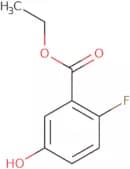
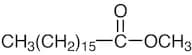
Acides gras
Les acides gras sont des acides carboxyliques avec de longues chaînes d'hydrocarbures, qui peuvent être saturées ou insaturées. Ils sont des composants essentiels des lipides, servant de building blocks clés pour les lipides complexes, les sources d'énergie et les molécules de signalisation. Les acides gras sont impliqués dans divers processus biologiques, y compris le métabolisme, la structure des membranes cellulaires et l'inflammation. Chez CymitQuimica, nous offrons une large gamme d'acides gras de haute qualité pour soutenir vos recherches en biochimie lipidique, nutrition et domaines connexes.
Sous-catégories appartenant à la catégorie "Acides gras"
- Acylglycérols/Glycérides(43 produits)
- Eicosanoïdes(6 produits)
- Esters d'acides gras(946 produits)
- Acides gras halogénés(32 produits)
2447 produits trouvés pour "Acides gras"
Trier par
Degré de pureté (%)
0
100
|
0
|
50
|
90
|
95
|
100
(E)-Oct-2-enoic acid
CAS :(E)-Oct-2-enoic acid (2-Octenoate) is a organic acid produced by hepatic microsomal oxidation of aliphatic aldehydes and is a endogenous metabolite.Formule :C8H14O2Degré de pureté :96.82% - 99.01%Couleur et forme :SolidMasse moléculaire :142.25-Methoxy-5-oxopentanoic acid
CAS :5-Methoxy-5-oxopentanoic acid (mono-Methyl glutarate) is a metabolite of dibasic esters(DBEs) by nasal respiratory and olfactory mucosae.Formule :C6H10O4Degré de pureté :97.78%Couleur et forme :LiquidMasse moléculaire :146.14Octanoic acid
CAS :<p>Octanoic acid (Caprylic acid) is found naturally in coconuts and breast milk. Caprylic acid is used in the production of esters used in perfumery.</p>Formule :C8H16O2Degré de pureté :97.43% - 99.90%Couleur et forme :Colourless Liquid OilyMasse moléculaire :144.21Undecanedioic acid
CAS :Undecanedioic acid in human aortas links to advanced atherosclerosis and elastin.Formule :C11H20O4Degré de pureté :99.97%Couleur et forme :White To Yellowish FlakeMasse moléculaire :216.27Trans-2-butene-1,4-dicarboxylic acid
CAS :Trans-2-butene-1,4-dicarboxylic acid is a human metabolite with high excretion in fatty acid metabolism disorders.Formule :C6H8O4Degré de pureté :99.58%Couleur et forme :SolidMasse moléculaire :144.13Acetyl-L-carnitine hydrochloride
CAS :Acetyl-L-carnitine HCl: A supplement with neuroprotective, cognitive, anti-depressive properties, may ease neuropathy and modulate immunity.Formule :C9H18ClNO4Degré de pureté :96.99% - 99.34%Couleur et forme :White PowderMasse moléculaire :239.73-(Methylthio)propionic acid
CAS :3-(Methylthio)propionic acid forms from D-methionine metabolism. Streptomyces lincolnensis produces it proportionally to methionine levels.Formule :C4H8O2SDegré de pureté :99.63%Couleur et forme :SolidMasse moléculaire :120.17trans-trans-Muconic acid
CAS :trans-trans-Muconic acid is a urinary metabolite of benzene.Formule :C6H6O4Degré de pureté :99.86%Couleur et forme :White Crystalline PowderMasse moléculaire :142.11N-(3-Methoxybenzyl)-(9Z,12Z,15Z)-octadecatrienamide
CAS :Macamide Impurity 14 promotes bone growth by activating Wnt/β-catenin, aiding osteoporosis study.Formule :C26H39NO2Degré de pureté :98.66% - 99.45%Couleur et forme :SolidMasse moléculaire :397.593-Methyladipic acid
CAS :3-Methyladipic acid: a final metabolite in phytanic acid degradation, excreted in urine, especially in ARD patients who lack alternate pathways.Formule :C7H12O4Degré de pureté :99.87%Couleur et forme :SolidMasse moléculaire :160.17Docosanoic acid
CAS :Docosanoic acid (Behenic Acid) is a long-chain saturated fatty acid. It has been found in peanut and M. oleifera seed oils.Formule :C22H44O2Degré de pureté :98%Couleur et forme :Waxy Solid Liquid Othersolid PelletslargecrystalsMasse moléculaire :340.58Heneicosanoic acid
CAS :HEA (C21:0), a fatty acid in human milk and red blood cells, lubricates joint cartilage.Formule :C21H42O2Degré de pureté :97.87% - 99.52%Couleur et forme :SolidMasse moléculaire :326.56Suberic acid
CAS :Suberic acid in urine indicates fatty acid oxidation issues, often linked to MCAD or carnitine deficiencies.Formule :C8H14O4Degré de pureté :99.80%Couleur et forme :White CrystalsMasse moléculaire :174.192-Deoxy-D-glucose
CAS :2-Deoxy-D-glucose (2-DG) is an analog of glucose, an inhibitor of glycolysis.Formule :C6H12O5Degré de pureté :98% - ≥98%Couleur et forme :White PowderMasse moléculaire :164.165-Bromopentanoic Acid Ethyl Ester
CAS :Produit contrôlé<p>Applications 5-Bromopentanoic Acid Ethyl Ester was used in the preparation of S(γ-Carboxypropyl)-DL-homocysteine and S(δ-Carboxybutyl)-DL-homocysteine. It was also used in the preparation of ethyl 5-azidovalerate.<br>References Awad, W.: J. Biol. Chem., 258, 12790 (1983); Li, Z., et al.: Tetrahedron Lett., 45, 3143 (2004)<br></p>Formule :C7H13BrO2Couleur et forme :NeatMasse moléculaire :209.08Palmitoyl-16,16,16-d3-L-carnitine Hydrochloride
CAS :Produit contrôlé<p>Applications Palmitoyl-16,16,16-d3-L-carnitine Hydrochloride is the isotope labelled analog of Palmitoyl-L-carnitine Hydrochloride (P155050); a long-chain fatty ester of carnitine which is accumulated and released into the circulation in fatty-acid oxidation defects.<br>References Ventura, F., et al.: Clinica Chimica Acta, 281, 1 (1999); Pourfarzam, M., et al.: Clinical Chem,, 40, 2267 (1994); Schaefer, J., et al.: Pediatric Res., 37, 354 (1995)<br></p>Formule :C23H43D3NO4•ClCouleur et forme :NeatMasse moléculaire :439.095,7-Docosadiynoic Acid
CAS :Produit contrôlé<p>Applications Amphiphilic molecule used in the synthesis of artificial cell membranes for diagnostics and therapeutics.<br>References Deckert, A.A., et al.: Langmuir, 11, 643 (1995); Charych, D., and Nagy, J.O.: Chemtech, 26(9), 24 (1996); Pan, J.J. and Charych, D.: Langmuir, 13, 1365 (1997)<br></p>Formule :C23H38O2Couleur et forme :NeatMasse moléculaire :346.552-(5Z)-5-Tetradecen-1-yl-cyclobutanone
CAS :Produit contrôléFormule :C18H32OCouleur et forme :NeatMasse moléculaire :264.45Hexadecanal
CAS :Produit contrôlé<p>Stability Air and Moisture sensitive<br>Applications It is used in the production of lipid and fatty acids.<br>References Cerniglia, C., et al.: J. Bacteriol., 118, 844 (1974), Leahy, J., et al.: Microbiolog. Rev., 54, 305 (1990),<br></p>Formule :C16H32OCouleur et forme :NeatMasse moléculaire :240.421-Hexadecanol
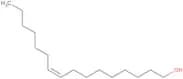
CAS :<p>Applications 1-Hexadecanol, is used in the cosmetic industry as an opacifier in shampoos, or as an emollient, emulsifier or thickening agent in the manufacture of skin creams and lotions.<br>References Smolinske S. C., et al.: Handbook Food Drug and Cosmetic Exipients, 75 (1992);<br></p>Formule :C16H34OCouleur et forme :White To Off-WhiteMasse moléculaire :242.44Propargyl Alcohol
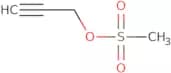
CAS :Produit contrôlé<p>Applications Propargyl Alcohol is used as a corrosion inhibitor, a metal complex solution, a solvent stabilizer and an electroplating brightener additive. It is also used as an intermediate in organic synthesis.<br> Not a dangerous good if item is equal to or less than 1g/ml and there is less than 100g/ml in the package<br>References Zhang, T., et al.: Res. Chem. Interm. (2013); Choudhary, Y., et al.: SPE Product. Operat., 28, 268 (2013); Hed, Y., et al.: J. Mater. Chem. Mater. Bio. Med., 1, 6015 (2013);<br></p>Formule :C3H4OCouleur et forme :NeatMasse moléculaire :56.06Ethyl Palmitoleate-d5
CAS :Produit contrôlé<p>Stability Light Sensitive<br>Applications Ethyl Palmitoleate-d5 is the isotope analog of Ethyl Palmitoleate. Ethyl Palmitoleate is used in biological studies for calcium relase-activated calcium channel blockade as a potential tool in antipancreatitis therapy.<br>References Gerasimenko, J.V., et al.: Proc. Natl. Acad. Sci. U.S.A., 110, 13186 (2013)<br></p>Formule :C18H29D5O2Couleur et forme :Colourless OilyMasse moléculaire :287.49(9Z)-9-Octadecen-1-ol, 85%
CAS :<p>Applications (9Z)-9-Octadecen-1-ol, is an unsaturated fatty alcohol, that can be used a nonionic surfactant, emulsifier, emollient and thickener in skin creams, lotions and many other cosmetic products.<br>References Linh D.D, et al.: Int. J. Gre. Eng., 8, 748 (2011);<br></p>Formule :C18H36ODegré de pureté :85%Couleur et forme :Colourless LiquidMasse moléculaire :268.48Hexadecanamide
CAS :Produit contrôlé<p>Applications Hexadecanamide (cas# 629-54-9) is a useful research chemical.<br></p>Formule :C16H33NOCouleur et forme :NeatMasse moléculaire :255.455a-Pregnane-3a,20a-diol
CAS :Produit contrôlé<p>Applications Progesterone metabolite.<br>References Beall, et al.: Biochem. J., 31, 35 (1937), Okuda, A., et al.: J. Biol. Chem., 259, 7519 (1984), Russell, D., et al.: Biochemistry, 31, 4737 (1992), Kondo, K., et al.: Eur. J. Biochem., 219, 357 (1994), Westerbacka, J., et al.: J. Clin. Endocrinol. Metab., 88, 4924 (2003),<br></p>Formule :C21H36O2Couleur et forme :NeatMasse moléculaire :320.51(3R)-4-Cyano-3-hydroxybutanoic Acid Ethyl Ester
CAS :Produit contrôlé<p>Applications (3R)-4-Cyano-3-hydroxybutanoic Acid Ethyl Ester is used in a biocatalytic process for the synthesis of an atorvastatin intermediate and degredation products/impurities.<br>References Ma, S. et al.: Green Chem., 12, 81 (2010); Stach, J. et al.: Coll. Czech. Chem. Comm., 73, 229 (2008);<br></p>Formule :C7H11NO3Couleur et forme :NeatMasse moléculaire :157.17Glyceryl Trihexadecanoate-d98
CAS :Produit contrôlé<p>Applications Glyceryl Trihexadecanoate-d98 (CAS# 1219803-85-6) is a useful isotopically labeled research compound.<br></p>Formule :C51D98O6Couleur et forme :NeatMasse moléculaire :905.94Perhydrofarnesyl Acetone
CAS :Produit contrôlé<p>Applications Perhydrofarnesyl Acetone is used as a flavor and fragrance agent, it is often used in jasmine compositions.<br>References Toda, H. et al.: Dev. Food Sci., 17, 181 (1988); Maggi, F. et al.: Food Chem., 113, 216 (2009); Maggi, F. et al.: Chem. Biodiv., 8, 2057 (2011);<br></p>Formule :C18H36OCouleur et forme :ColourlessMasse moléculaire :268.48Hexadecafluoroheptane
CAS :Produit contrôlé<p>Applications Hexadecafluoroheptane, 98% (cas# 335-57-9) is a useful research chemical.<br></p>Formule :C7F16Couleur et forme :ColourlessMasse moléculaire :388.059H-Hexadecafluorononanoic Acid
CAS :Produit contrôlé<p>Applications 9H-Hexadecafluorononanoic Acid (cas# 76-21-1) is a useful research chemical.<br></p>Formule :C9H2O2F16Couleur et forme :NeatMasse moléculaire :446.09rac cis-9,10-Epoxystearic Acid
CAS :Produit contrôlé<p>Applications An epoxy fatty acid found in Pneumocystis carinii lipids.<br>References Gibson, G., et al.: Xenobiotica, 19, 1123 (1989), Pellegrini, L., et al.: Plant Physiol., 103, 509 (1993), Scheller, U., et al.: J. Biol. Chem., 273, 32528 (1998), Tijet, N., et al.: Biochem. J., 332, 583 (1998),<br></p>Formule :C18H34O3Couleur et forme :NeatMasse moléculaire :298.46Cetyl Stearate
CAS :Produit contrôlé<p>Applications Cetyl Stearate is a wax ester of stearic acid. Wax esters are esters between long chained fatty alcohols and fatty acids. Wax esters have significance in pharmaceutical and cosmetics applications and occur naturally in plants and animals. Stearate esters are used most frequently in the formulation of eye makeup, skin makeup, lipstick and skin care products.<br>References Wheatley, V., et al.: Biochem. J., 58, 167 (1954); Shichijo, S., et al.: Biochem. Med., 22, 256 (1979); Robosky, L., et al.: J. Lipid Res., 49, 686 (2008);<br></p>Formule :C34H68O2Couleur et forme :NeatMasse moléculaire :508.908-Chloro-6-oxo-octanoic Acid Ethyl Ester
CAS :Produit contrôlé<p>Applications Intermediate in the synthesis of Lipoic Acid and its derivatives.<br></p>Formule :C10H17ClO3Couleur et forme :NeatMasse moléculaire :220.69Metoprolol Acid Ethyl Ester
CAS :Produit contrôlé<p>Applications Intermediate for the preparation of Metoprolol Acid.<br> Not a dangerous good if item is equal to or less than 1g/ml and there is less than 100g/ml in the package<br></p>Formule :C16H25NO4Couleur et forme :NeatMasse moléculaire :295.37Ethylene Glycol Monostearate
CAS :Produit contrôléFormule :C20H40O3Couleur et forme :Off-WhiteMasse moléculaire :328.532,4-Dimethyl-1H-pyrrole-3-carboxylic Acid Ethyl Ester
CAS :Produit contrôlé<p>Applications 2,4-Dimethyl-1H-pyrrole-3-carboxylic Acid Ethyl Ester is used in the preparation of blue pyrrole dyes. 2,4-Dimethyl-1H-pyrrole-3-carboxylic Acid Ethyl Ester is also used as an intermediate in the synthesis of receptor tyrosine kinase (RTK) inhibitors and their metabolites.<br>References Treibs, A. et al.: Lieb. Ann. Chem., 2, 289 (1978); Elsinghorst, P. et al.: J. Lab. Comp. Radiopharm., 52, 360 (2009);<br></p>Formule :C9H13NO2Couleur et forme :NeatMasse moléculaire :167.21N-tert-Butyl-1,1-dimethylpropargylamine
CAS :Produit contrôlé<p>Applications Used for cyclizations of propynyl compounds: a synthesis of 2,4-imidazolidinediones (hydantoins).<br>References Xie, J., et al.: Bioorg. Med. Chem., 15, 458 (2007),<br></p>Formule :C9H17NCouleur et forme :NeatMasse moléculaire :139.24(Z)-13-Octadecen-1-ol
CAS :Produit contrôlé<p>Applications (Z)-13-Octadecen-1-ol is a compound structurally related to sex pheromone components of clearwing moths Paranthrene tabaniformis (Lepidoptera, Sesiidae).<br>References Klun, J., et al.: J. Entomol. Sci., 25, 64 (1990); Buda, V., et al.: J. Chem. Ecol., 19, 799 (1993); El-Sayed, A., et al.: Environ. Entomol. 32, 470 (2003);<br></p>Formule :C18H36OCouleur et forme :NeatMasse moléculaire :268.48a-Cortol
CAS :Produit contrôlé<p>Stability Hygroscopic<br>Applications α-Cortol, is a derivative of Cortisone (C696500), a Glucocorticoid, and an anti-inflammatory agent.<br>References Honda, A., et al.: J. Biol. Chem., 268, 7759 (1993), Narko, K., et al.: J. Clin. Endocrinol. Metab., 86, 1765 (2001), Michael, A., et al.: Reproduction, 126, 425 (2003),<br></p>Formule :C21H36O5Couleur et forme :NeatMasse moléculaire :368.51N-Succinimidyl Palmitate
CAS :Produit contrôlé<p>Stability Moisture Sensitive; Store in Freezer, Hygroscopic<br>Applications N-hydroxysuccinimide ester of palmitic acid. Esters of N-hydroxysuccinimide have been used for the preparation of N-acylamino acids, aminoacyl-tRNA, coenzyme A, thioglycolic acid, ceramides, etc.<br>References Lapidot, Y., et al.: J. Lipid Res., 8, 142 (1967); Lapidot, Y., et al.: Biochim. Biophys. Acta, 145, 292 (1967); Al-Arif, A., et al.: J. Lipid Res., 10, 344 (1969); Ong, D.E., and Brady, R.N., J. Lipid Res., 13, 819 (1972)<br></p>Formule :C20H35NO4Couleur et forme :NeatMasse moléculaire :353.50Oxalic Acid Ethyl Ester
CAS :Produit contrôlé<p>Applications Oxalic Acid Ethyl Ester is a useful synthetic intermediate. It is used to synthesize 2-substituted 3-aryl-4(3H)-quinazolinones with anticonvulsant activities. It is also used to prepare nonbenzamidine tetrazole derivatives as factor Xa inhibitors.<br>References Wolfe, J., et al.: J. Med. Chem., 33, 161 (1009); Quan, M., et al.: bioorg. Med. Chem. Lett., 13, 369 (2003)<br></p>Formule :C4H6O4Couleur et forme :NeatMasse moléculaire :118.09Tetrahydro 11-Deoxycorticosterone
CAS :Produit contrôlé<p>Applications Tetrahydro 11-Deoxycorticosterone is a metabolite of 11-Deoxycorticosterone (DOC) (D232590).<br>References Fedele, E., et al.: J. Neurochem., 75, 782 (2000), Adkins, C., et al.: J. Biol. Chem., 276, 38934 (2001), Erceg, S., et al.: Brain Res., 1036, 115 (2005),<br></p>Formule :C21H34O3Couleur et forme :White To Off-WhiteMasse moléculaire :334.49Desacetyl Forskolin
CAS :Produit contrôlé<p>Applications Desacetyl Forskolin is an analogue of Forskolin (F701800). Desacetyl Forskolin was tested for its ability to activate rat brain adenylate cyclase, activate detergent-solubilized rat brain adenylate cyclase, increase cyclic AMP in intact S49 wild-type cells, and inhibit the binding of 3H-forskolin to rat brain membranes.<br>References Desouza, N., et al.: Med. Res. Rev., 3, 201 (1983); Seamon, K., et al.: J. Med. Chem., 26, 436 (1983); Seguin, E., et al.: Planta Medica, 54, 4 (1988);<br></p>Formule :C20H32O6Couleur et forme :NeatMasse moléculaire :368.46n-Hexadecane-d34
CAS :Produit contrôlé<p>Applications n-Hexadecane-d34 is the labeled compound of Hexadecane(H293630). Hexadecane has been used to prepare emulsions in water. It is also used as a substrate for the bacterial production of biosurfactants.<br>References Rang, M., et al.: J. Colloid Interface Sci., 209, 179 (1999); Hills, B., et al.: Magn. Reson. Imaging, 18, 319 (2000); Noordman, W., et al.: Appl. Environ. Microbiol., 68, 4502 (2002)<br></p>Formule :C162H34Couleur et forme :ColourlessMasse moléculaire :260.65Hexadecanoic-9,9,10,10,11,11,12,12,13,13,14,14,15,15,16,16,16-d17 Acid
CAS :Produit contrôlé<p>Applications Hexadecanoic-9,9,10,10,11,11,12,12,13,13,14,14,15,15,16,16,16-d17 Acid (CAS# 81462-28-4) is a useful isotopically labeled research compound.<br></p>Formule :C16H15D17O2Couleur et forme :White To Off-WhiteMasse moléculaire :273.53Isopropyl Palmitate
CAS :<p>Applications Isopropyl Palmitate has been used in the preparation of a pseudolatex-membrane for ketoprofen transdermal drug delivery systems.<br>References Suksaeree, J., et. al.: Ind. Eng. Chem. Res., 52, 15847 (2013)<br></p>Formule :C19H38O2Couleur et forme :ColourlessMasse moléculaire :298.50Methyl Palmitoleate
CAS :<p>Applications Methyl Palmitoleate is used as a component in the preparation of a biodiesel fuels.<br>References Luo, H. et al.: Biores. Tech., 140, 337 (2013); Arias-Penaranda, M. et al.: Biores. Tech., 140, 158 (2013);<br></p>Formule :C17H32O2Couleur et forme :ColourlessMasse moléculaire :268.43N-Boc-propargylamine
CAS :Produit contrôlé<p>Applications N-Boc-propargylamine is used in the preparation of triazolobenzylidene-thiazolopyrimidines which act as CDC25 phosphatase inhibitors. Also used in the synthesis of β-glucan polysaccharide analogs.<br>References Duval, R. et al.: J. Comb. Chem., 11, 947 (2009); Tanaka, H. et al.: Tetrahedron Lett., 53, 4104 (2012);<br></p>Formule :C8H13NO2Couleur et forme :NeatMasse moléculaire :155.211-Hydroxylauric Acid
CAS :<p>Applications 11-Hydroxylauric Acid is used as a substrate to determine the functional expression and characterization of cytochrome P450 52A21.<br>References Kuehnel, K., et al.: Adv. Synthesis. Cata., 349, 1451 (2007); Kim, D.H., et al.: Arch. Biochem. Biophy., 464, 213 (2007);<br></p>Formule :C12H24O3Couleur et forme :NeatMasse moléculaire :216.32cis-7,10,13,16-Docosatetraenoic Acid Ethyl Ester-d5
CAS :Produit contrôlé<p>Applications cis-7,10,13,16-Docosatetraenoic Acid Ethyl Ester-d5 is an isotopic analog of cis-7,10,13,16-Docosatetraenoic Acid Ethyl Ester. cis-7,10,13,16-Docosatetraenoic Acid Ethyl Ester is an ethyl analog of cis-7,10,13,16-Docosatetraenoic Acid (D494510). cis-7,10,13,16-Docosatetraenoic Acid has been identified as a protein kinase inhibitor, affecting serotonin levels in studies.<br>References Mirnikjoo, B. et al.: J. Biol. Chem., 276, 10888 (2001);<br></p>Formule :C24D5H35O2Couleur et forme :NeatMasse moléculaire :365.604Butyl Palmitate
CAS :Produit contrôléFormule :C20H40O2Couleur et forme :ColourlessMasse moléculaire :312.53(9Z,12Z,15Z)-Octadeca-9,12,15-trien-1-ol (>90%)
CAS :<p>Stability Light Sensitive<br>Applications (9Z,12Z,15Z)-octadeca-9,12,15-trien-1-ol is an essential oil component of Osmanthus fragrans.<br>References Hu, C., et al.: Huaxue Shiji, 32, 231 (2010); Tian, G., et al.: Anhui Nongye Kexue, 36, 7214 (2008)<br></p>Formule :C18H32ODegré de pureté :>90%Couleur et forme :ColourlessMasse moléculaire :264.45N-Hexadecanol-D31
CAS :Produit contrôlé<p>Applications N-Hexadecanol (2,2,3,3...16,16,16-D31, 98%) (cas# 203633-15-2) is a useful research chemical.<br></p>Formule :C16D31H3OCouleur et forme :NeatMasse moléculaire :273.632-Morpholinecarboxylic Acid Ethyl Ester
CAS :Produit contrôléFormule :C7H13NO3Couleur et forme :NeatMasse moléculaire :159.18Palmitoyl Chloride
CAS :Produit contrôlé<p>Stability Moisture Sensitive<br>Applications Palmitoyl Chloride was used as a polymeric carriers for plasmid DNA (pDNA) delivery to 293T cells.<br>References Remant, B.K.C., et al.: J. Biomaterials. Sci. Poly. Ed., 22, 873 (2011); Allard, E., et al.: Int. J. Pharma., 379, 217 (2009);<br></p>Formule :C16H31ClOCouleur et forme :Light YellowMasse moléculaire :274.872-(N,N-Dimethyl-N-propargylammonium)-1-bromoethane Bromide
CAS :Produit contrôlé<p>Applications 2-(N,N-Dimethyl-N-propargylammonium)-1-bromoethane Bromide (cas# 911678-16-5) is a compound useful in organic synthesis.<br></p>Formule :C7H13BrN·BrCouleur et forme :NeatMasse moléculaire :270.99Lauroylcholine Chloride
CAS :Produit contrôlé<p>Applications Lauroylcholine Chloride (cas# 25234-60-0) is a compound useful in organic synthesis.<br></p>Formule :C17H36NO2·ClCouleur et forme :NeatMasse moléculaire :321.93Hexadecanal
CAS :Hexadecanal is a chemical compound that belongs to the group of basic proteins. It is an intermediate in the synthesis of hexanol and hexadecanoic acid. Hexadecanal has been shown to have receptor activity on rat liver microsomes, as well as p450 activity. The physiological functions of this molecule are unknown, but it has been shown to have synergic effects with other bioactive phytochemicals such as sodium citrate.Formule :C16H32ODegré de pureté :Min. 95 Area-%Couleur et forme :White Off-White PowderMasse moléculaire :240.42 g/molFmoc-Cys((R)-2,3-di(palmitoyloxy)-propyl)-OH
CAS :<p>Fmoc-Cys((R)-2,3-di(palmitoyloxy)-propyl)-OH is a versatile building block that is useful for the synthesis of complex compounds. This compound has been shown to be a useful intermediate in the synthesis of pharmaceuticals, organic dyes and research chemicals. Fmoc-Cys((R)-2,3-di(palmitoyloxy)-propyl)-OH is a fine chemical that is used as a reagent in organic synthesis. It has CAS No. 139573-77-6 and can be used as a speciality chemical or reaction component.</p>Formule :C53H83NO8SDegré de pureté :Min. 95 Area-%Couleur et forme :White PowderMasse moléculaire :894.29 g/molFmoc-HomoGly(Propargyl)-OH
CAS :<p>Fmoc-HomoGly(Propargyl)-OH is a useful scaffold that can be used as a building block for the synthesis of complex compounds. It is also a useful intermediate and research chemical that can be reacted with other building blocks to create new compounds. Fmoc-HomoGly(Propargyl)-OH has been shown to be a high quality reagent for the synthesis of other chemicals.</p>Formule :C21H19NO4Degré de pureté :Min. 95%Couleur et forme :White PowderMasse moléculaire :349.38 g/molIndole-2-carboxylic acid ethyl ester
CAS :<p>Indole-2-carboxylic acid ethyl ester is a synthetic compound that binds to cancer cells. It has been shown to inhibit the growth of leukemia cells and breast cancer cells in vitro. Indole-2-carboxylic acid ethyl ester inhibits the binding of collagen to cells, which may be due to its ability to bind to β-carboline alkaloids on collagen. The binding of indole-2-carboxylic acid ethyl ester with these alkaloids prevents them from binding to collagen, thereby preventing the formation of new collagen fibers. This drug also inhibits aldehyde production, which is important for DNA synthesis in cancer cells.</p>Formule :C11H11NO2Degré de pureté :Min. 95%Couleur et forme :PowderMasse moléculaire :189.21 g/molPropargylamine
CAS :Propargylamine is an irreversible inhibitor that binds to the active site of the enzyme acetylcholinesterase (AChE) and blocks the breakdown of acetylcholine. This leads to increased levels of acetylcholine in the synaptic cleft, which enhances neurotransmission and causes increased muscle contractions. Propargylamine has been shown to be a potent chemotherapy agent against cancer cells, causing neuronal death. It also inhibits epidermal growth factor receptor (EGFR) signaling pathways, leading to decreased tumor cell proliferation. The drug may also have neurotrophic effects by stimulating nerve growth factors or preventing neuronal apoptosis.Formule :C3H5NDegré de pureté :Min. 95%Couleur et forme :Colorless Yellow Clear LiquidMasse moléculaire :55.08 g/mol4-Chloro-3-nitrobenzoic acid ethyl ester
CAS :4-Chloro-3-nitrobenzoic acid ethyl ester is a six-membered, planar, hydrogen bond that has a crystal structure with a six-membered ring. It has hydrogen bonds and five-membered ring. The molecule is coplanar and oriented.Formule :C9H8ClNO4Degré de pureté :Min. 95%Couleur et forme :PowderMasse moléculaire :229.62 g/mol3-Fluoro-4-hydroxybenzoic acid ethyl ester
CAS :<p>3-Fluoro-4-hydroxybenzoic acid ethyl ester is a versatile building block that is used as a reagent in organic synthesis. It has the CAS number 56355-21-6. This compound has been shown to be useful for the synthesis of various pharmaceuticals and other complex compounds, such as 3-fluoro-4-(2,2,2-trifluoroethoxy)benzoic acid ethyl ester.</p>Formule :C9H9FO3Degré de pureté :Min. 95%Couleur et forme :PowderMasse moléculaire :184.16 g/molcis-4,7,10,13,16,19-Docosahexaenoic acid ethyl ester - 90%
CAS :Cis-4,7,10,13,16,19-Docosahexaenoic acid ethyl ester (DHAEE) is a polyunsaturated fatty acid that belongs to the omega-3 family. It is used as an alternative feedstock for biodiesel production and has been shown to be a good candidate for hydrogenation reactions. The adsorption equilibrium of DHAEE has been studied using isotherms at different densities and pressures. At high pressures, the adsorption of DHAEE on silica gel was found to be reversible. This means that adsorbed DHAEE can be desorbed by heating the solid phase. This property could be useful in the recovery of this compound from spent catalysts or in other applications where it needs to be recovered from a solid phase.Formule :C24H36O2Degré de pureté :Min. 95%Couleur et forme :PowderMasse moléculaire :356.54 g/molPyruvic acid ethyl ester
CAS :<p>Ethyl pyruvate, also known as 2-oxo-propionic acid ethyl ester, is a colourless transparent liquid at room temperature with a fresh, sweet, floral aroma. Ethyl pyruvate is a novel anti-inflammatory agent for the treatment of critical inflammatory conditions as it has potent anti-inflammatory properties and tissue protection activity, in multiple animal models of disease including: pancreatitis, ischemia-reperfusion injury, sepsis, renal injury, and endotoxemia.</p>Formule :C5H8O3Degré de pureté :Min. 95%Couleur et forme :Colorless Clear LiquidMasse moléculaire :116.12 g/mol5-Methoxyisoxazole-4-carboxylic acid ethyl ester
CAS :<p>5-Methoxyisoxazole-4-carboxylic acid ethyl ester is a fine chemical that has been used as a reagent, speciality chemical, and complex building block. It is also useful as a versatile intermediate for the synthesis of other organic compounds. 5-Methoxyisoxazole-4-carboxylic acid ethyl ester has been shown to react with alcohols and amines to form ethers and amides respectively. The compound can be used in the synthesis of polymers and pharmaceutical intermediates. 5-Methoxyisoxazole-4-carboxylic acid ethyl ester has a molecular weight of 210.24 g/mol and CAS No. 1314983-30-6.</p>Formule :C7H9NO4Degré de pureté :Min. 95%Masse moléculaire :171.15 g/molN-Benzyl Hexadecanamide
CAS :<p>N-Benzyl Hexadecanamide is a long-chain amide that is used in analytical chemistry as a sample preparation agent and to extract fatty acids from biological samples. It has been shown to have neuroprotective properties by reducing the uptake of glutamate and preventing neuronal cell death. N-Benzyl Hexadecanamide has also been found to prevent tumor growth and induce apoptosis in human cancer cells, which may be due to its ability to inhibit creatine kinase activity. This compound has also been shown to have anti-inflammatory effects, which are mediated through the inhibition of the activation of nuclear factor kappa B (NF-κB).</p>Formule :C23H39NODegré de pureté :Min. 98 Area-%Couleur et forme :PowderMasse moléculaire :345.56 g/mol3-Cyanobenzoic acid ethyl ester
CAS :3-Cyanobenzoic acid ethyl ester is a reaction component that is used in organic synthesis. It is a versatile building block, useful intermediate, and useful building block. 3-Cyanobenzoic acid ethyl ester is a fine chemical that can be used as a reagent for the preparation of other compounds. This compound has been assigned CAS No. 2463-16-3 and has the molecular formula C7H6O2.Formule :C10H9NO2Degré de pureté :Min. 95%Couleur et forme :PowderMasse moléculaire :175.18 g/molPalmitoleic acid, 70%
CAS :<p>Palmitoleic acid is a fatty acid that has been shown to have anti-inflammatory effects. Palmitoleic acid inhibits the production of pro-inflammatory cytokines and attenuates the activation of macrophages, as well as inhibiting the expression of genes involved in cell proliferation. Palmitoleic acid has also been shown to be effective against bowel disease, such as Crohn's disease. In a low-dose group, palmitoleic acid inhibited the production of matrix metalloproteinases in 3T3-L1 preadipocytes and hl-60 cells. It also decreased the release of basic proteins from these cells and increased their energy metabolism.</p>Formule :C16H30O2Degré de pureté :Min. 70%Couleur et forme :Clear LiquidMasse moléculaire :254.41 g/mol4-Cyanobenzoic acid ethyl ester
CAS :4-Cyanobenzoic acid ethyl ester is a hydrogen-bonding acceptor that is also able to form exciplexes with styrene. It has a conformation that is similar to that of aminobenzoate, which is a hydrogen-bonding donor. 4-Cyanobenzoic acid ethyl ester reacts with solvents such as benzene and chloroform, undergoing hydration reactions to form the corresponding 4-cyanophenol derivatives. It undergoes cyclization when heated in the presence of ruthenium(II) chloride to produce 1,4-dihydropyridine derivatives. The reaction mechanism for this reaction consists of two steps: an intramolecular nucleophilic attack followed by an intramolecular electrophilic substitution. The deionized water used in this synthetic process eliminates the need for drying agents and stabilizers, making it easier to carry out the synthesis.Formule :C10H9NO2Degré de pureté :Min. 95%Couleur et forme :PowderMasse moléculaire :175.18 g/molPaliperidone palmitate
CAS :Produit contrôlé<p>Paliperidone palmitate is a drug that is used in the treatment of schizophrenia. It is the most potent and selective atypical antipsychotic agent available. Paliperidone palmitate has shown long-term efficacy and low risk of extrapyramidal symptoms, which are associated with some other antipsychotic agents. The drug has been shown to have minimal effects on prolactin levels, although it can cause an increase in serum prolactin levels when administered with risperidone. Paliperidone palmitate is a prodrug that is metabolized by esterases to its active form, paliperidone. Paliperidone does not bind to plasma proteins and therefore may be more suitable for patients with hepatic impairment.</p>Formule :C39H57FN4O4Degré de pureté :Min. 95%Couleur et forme :PowderMasse moléculaire :664.89 g/molDL-α-Hydroxypalmitic acid
CAS :Palmitic acid is a fatty acid that is found in animal and vegetable fats. It is also an important component of the cell membrane. Palmitic acid has been shown to inhibit the growth of bacteria by interfering with the synthesis of cell membranes, which are largely composed of lipids. Palmitic acid has been shown to be active against Gram-positive bacteria, including Bacillus subtilis and Staphylococcus epidermidis, as well as Gram-negative bacteria such as Salmonella enterica Serovar Typhi and Escherichia coli O157:H7. Palmitic acid can be used to produce monolayers for use in magnetic resonance spectroscopy. These monolayers have been shown to have an effect on the rate at which glucose is transported across the surface of the membrane. Palmitic acid also inhibits glucosylceramide production in ganoderma lucidum, a type of fungus that causes plant diseases, by blockingFormule :C16H32O3Degré de pureté :Min. 98 Area-%Couleur et forme :PowderMasse moléculaire :272.42 g/mol3-Bromo-4-methoxyphenylacetic acid ethyl ester
CAS :3-Bromo-4-methoxyphenylacetic acid ethyl ester is a versatile building block that can be used to synthesize a variety of compounds. It is also a useful intermediate for research chemicals and pharmaceuticals. 3-Bromo-4-methoxyphenylacetic acid ethyl ester is a fine chemical with high quality and can be used as a reagent or speciality chemical. As a reaction component, this product makes an excellent scaffold for complex compounds.Formule :C11H13BrO3Degré de pureté :Min. 95%Couleur et forme :Clear LiquidMasse moléculaire :273.12 g/mol3-Fluoro-2-nitrobenzoic acid ethyl ester
CAS :3-Fluoro-2-nitrobenzoic acid ethyl ester is a fine chemical that is useful as a versatile building block in the synthesis of complex compounds. It can be used as an intermediate in the preparation of research chemicals and has been shown to react with amines to form nitrosoamines, which are useful reaction components. 3-Fluoro-2-nitrobenzoic acid ethyl ester has CAS number 163077-89-2 and is available at high quality.Formule :C9H8FNO4Degré de pureté :Min. 95%Couleur et forme :PowderMasse moléculaire :213.16 g/molL-Propargylglycine
CAS :L-Propargylglycine is a novel, synthetic compound that has been shown to inhibit bacterial growth. It is a strong inhibitor of the polymerase chain reaction (PCR) and nuclear DNA replication. L-Propargylglycine has also been shown to inhibit mitochondrial membrane potential and human serum which may lead to its anti-inflammatory properties. L-Propargylglycine has antioxidative properties, antimicrobial peptide activity, and ATP channel inhibition. This drug also has a number of other pharmacological effects including modulation of intestinal inflammation in models of inflammatory bowel disease and improvement of atherosclerotic lesions in animal models.Formule :C5H7NO2Degré de pureté :(%) Min. 98%Couleur et forme :PowderMasse moléculaire :113.11 g/mol2-Bromo-6-fluorobenzoic acid ethyl ester
CAS :2-Bromo-6-fluorobenzoic acid ethyl ester is a chemical that reacts with other chemicals to form new substances. It is a useful scaffold for complex compounds and can be used as a building block for fine chemicals, pharmaceuticals, agrochemicals, and other organic compounds. 2-Bromo-6-fluorobenzoic acid ethyl ester is also a versatile building block or intermediate in the synthesis of many different substances.Formule :C9H8BrFO2Degré de pureté :Min. 90%Couleur et forme :PowderMasse moléculaire :247.06 g/mol3-Fluoro-6-nitrobenzoic acid ethyl ester
CAS :<p>3-Fluoro-6-nitrobenzoic acid ethyl ester is a high quality chemical that is used as an intermediate in the synthesis of complex compounds. It is also a useful scaffold for the synthesis of other compounds and can be used as a building block in the production of speciality chemicals. 3-Fluoro-6-nitrobenzoic acid ethyl ester has many reactions that it participates in, such as being a reaction component for the synthesis of pharmaceuticals and agrochemicals. This compound is versatile enough to be used in research or for commercial purposes.</p>Formule :C9H8FNO4Degré de pureté :Min. 95%Couleur et forme :PowderMasse moléculaire :213.16 g/mol3-Aminocinnamic acid ethyl ester
CAS :3-Aminocinnamic acid ethyl ester is a synthetic compound that is derived from pyridine and has a liriodenine ring. The synthesis of this compound starts with an olefinic coupling reaction, which yields an imine intermediate. The imine is hydrolyzed to yield the desired product. 3-Aminocinnamic acid ethyl ester can be found in plants such as liriodenine and liriodendronine, as well as in animal tissues. It also acts as a neurotransmitter and activates the nitrate receptor on nerves, which leads to increased blood pressure or heart rate. 3-Aminocinnamic acid ethyl ester also binds to the cation channel of benzoquinoline drugs and mediates their effects on the central nervous system.Formule :C11H13NO2Degré de pureté :Min. 95%Couleur et forme :PowderMasse moléculaire :191.23 g/mol2-Chloro-5-hydroxybenzoic acid ethyl ester
CAS :2-Chloro-5-hydroxybenzoic acid ethyl ester is synthesized by the substitution of anthranilic acid with an aryl ring. The substituents on the aryl ring are chloro and hydroxy, which are attached to carbon atoms. 2-Chloro-5-hydroxybenzoic acid ethyl ester can be metabolized into a number of different metabolites. For example, it can be converted into acid metabolites that have substituents on the benzene ring such as nitro or nitroso groups. These metabolites are then excreted in urine or bile.Formule :C9H9ClO3Degré de pureté :Min. 95%Couleur et forme :Off-White To Yellow To Brown SolidMasse moléculaire :200.62 g/mol4,6-Dichloro-1H-indole-2-carboxylic acid ethyl ester
CAS :4,6-Dichloro-1H-indole-2-carboxylic acid ethyl ester is a synthetic compound that functions as an agonist of the indole 2 receptor. It has been shown to have affinity for cortical and brain membranes, with a greater affinity for acidic regions of the membrane. 4,6-Dichloro-1H-indole-2-carboxylic acid ethyl ester is also capable of binding to the indole 2 receptor and activating it. The carboxyl group in this compound is substituted with benzene rings, which are connected by a moiety containing two carboxylic groups. 4,6-Dichloro-1H-indole-2-carboxylic acid ethyl ester was synthesised from 1H -indole acetic acid and chloroethane in four steps.Formule :C11H9Cl2NO2Degré de pureté :Min. 95%Couleur et forme :SolidMasse moléculaire :258.1 g/mol3-Amino-4-methoxybenzoic acid ethyl ester
CAS :<p>3-Amino-4-methoxybenzoic acid ethyl ester is a chemical building block that can be used in the synthesis of various organic compounds. It is an important reaction component, and can also be used as a reagent or useful scaffold. 3-Amino-4-methoxybenzoic acid ethyl ester is soluble in organic solvents and has a high quality. This chemical has been shown to be useful for research purposes.</p>Formule :C10H13NO3Degré de pureté :Min. 95%Couleur et forme :PowderMasse moléculaire :195.22 g/mol1,2-Dipalmitoyl-sn-glycero-3-phosphatidic acid sodium
CAS :1,2-Dipalmitoyl-sn-glycero-3-phosphatidic acid sodium (DPPA) is a drug substance that has been used in primary culture to study the cell membrane of hepatocytes. This compound is a phospholipid with a cavity at one end and contains two hydroxy groups that can be conjugated to other molecules. It has been shown to be effective against Hepatitis B virus and mesenchymal stromal cells. DPPA has also been used as an adjuvant for gadolinium contrast agents for magnetic resonance imaging. Gadolinium may bind to the hydroxy groups on DPPA, which increases its birefringence and brightness on MRI scans.Formule :C35H69Na2O8PDegré de pureté :Min. 98 Area-%Couleur et forme :White PowderMasse moléculaire :694.87 g/molGlycerol tripalmitate
CAS :<p>Glycerol tripalmitate is a triglyceride that is composed of three molecules of glycerol and one molecule of palmitic acid. It is used in the manufacture of sephadex g-100, a chromatographic material that separates proteins based on their size. Glycerol tripalmitate has been shown to have high chemical stability, which is important for its use as a pharmaceutical excipient. This substance also has a physiological function in the human body, including the production of lipids, such as fatty acids and triglycerides. Glycerol tripalmitate can be used to study phase transition temperature by using surface methodology. Carbonyl oxygens are present on the surface of this substance, which may have neurotrophic effects.</p>Formule :C51H98O6Degré de pureté :Min. 85 Area-%Couleur et forme :PowderMasse moléculaire :807.32 g/molPalmitoyl pentapeptide trifluoroacetic acid
CAS :Palmitoyl pentapeptide trifluoroacetic acid is a synthetic molecule that has been shown to have antimicrobial and anti-inflammatory properties. It has been shown to reduce the activity of gsh-px, which is an enzyme involved in the metabolism of glutathione. This compound also inhibits the production of ATP in cells, which may be responsible for its cancer-inhibiting effects. Palmitoyl pentapeptide trifluoroacetic acid has been shown to inhibit skin cancer cell growth by interfering with fatty acid synthesis and increasing epidermal growth factor levels.Formule :C41H76N7O12Degré de pureté :Min. 95%Couleur et forme :PowderMasse moléculaire :802.05 g/molEicosapentaenoic acid ethyl ester
CAS :Eicosapentaenoic acid ethyl ester (EPA-E) is a natural compound that belongs to the group of polyunsaturated fatty acids. EPA-E has been shown to be an antioxidant, which prevents oxidative damage and reduces inflammation. It has been found to lower LDL cholesterol and triglycerides in clinical trials. EPA-E also decreases body mass index, hepatic steatosis, and symptoms of metabolic syndrome. The mechanism of action for these effects is not fully understood but may be due to increased activity of the enzyme spal2. EPA-E has been shown to have favorable biochemical properties in animal models of atherosclerosis.Formule :C22H34O2Degré de pureté :Min. 96 Area-%Couleur et forme :Clear LiquidMasse moléculaire :330.5 g/mol4-(1-Hydroxy-1-methylethyl)-2-propyl-1H-imidazole-5-carboxylic acid ethyl ester
CAS :4-(1-Hydroxy-1-methylethyl)-2-propyl-1H-imidazole-5-carboxylic acid ethyl ester is a synthetic drug with pharmacological properties that are similar to those of the natural product medoxomil. It has been shown to be a potent blocker of the GABA receptor and is used for the treatment of epilepsy. 4-(1-Hydroxy-1-methylethyl)-2-propyl-1H-imidazole-5-carboxylic acid ethyl ester has been shown to be an inhibitor of rat liver microsomes and also has a high affinity for the enzyme cilexetil, which is responsible for the conversion of cilexetil into its active form.Formule :C12H20N2O3Degré de pureté :Min. 95%Couleur et forme :PowderMasse moléculaire :240.3 g/mol4-Fluoro-2-nitrobenzoic acid ethyl ester
CAS :4-Fluoro-2-nitrobenzoic acid ethyl ester is a fine chemical that can be used as a reagent, intermediate compound, building block, scaffold and building block for speciality chemicals. It has been shown to be an effective chemical in the synthesis of 4-fluoro-2-nitrobenzoic acid, which is a versatile building block with many potential applications. 4-Fluoro-2-nitrobenzoic acid ethyl ester is also useful in reactions involving amines and alcohols as well as metal catalyzed reactions. This product has CAS No. 1072207-10-3.Formule :C9H8FNO4Degré de pureté :(%) Min. 85%Couleur et forme :Clear LiquidMasse moléculaire :213.16 g/mol2-Amino-3-hydroxybenzoic acid ethyl ester
CAS :<p>2-Amino-3-hydroxybenzoic acid ethyl ester is soluble in organic solvents and is a catalyst for the hydrolysis of phenoxazinones. It has been shown to be the most active among the amino acid esters at pH 7. The optimum temperature for this enzyme is 37 degrees Celsius. The substrate specificity of this enzyme, which was purified by fractionation, is 3-hydroxyanthranilic acid and 3-hydroxyanthranilic acid with metals such as copper or zinc ions. This enzyme also catalyses the hydrolysis of proteins and peptides containing hydrophobic amino acids.</p>Formule :C9H11NO3Degré de pureté :Min. 95%Couleur et forme :PowderMasse moléculaire :181.19 g/mol2-Fluoro-4-methylbenzoic acid ethyl ester
CAS :<p>2-Fluoro-4-methylbenzoic acid ethyl ester is a versatile building block that is used in the synthesis of complex compounds with a wide variety of biological and chemical properties. This compound has been used as a reagent for research, as well as in the production of pharmaceuticals and other speciality chemicals. It has also been found to be useful in the synthesis of compounds with high quality. 2-Fluoro-4-methylbenzoic acid ethyl ester can be used as an intermediate in reactions, or as a scaffold for further synthesis. The CAS number for this compound is 500579-61-3.</p>Formule :C10H11FO2Degré de pureté :Min. 95%Couleur et forme :Colourless LiquidMasse moléculaire :182.19 g/mol2-Fluoro-3-nitrobenzoic acid ethyl ester
CAS :<p>2-Fluoro-3-nitrobenzoic acid ethyl ester is a versatile, high quality building block with a number of uses in research and industry. It is an intermediate in the synthesis of a range of compounds, including pharmaceuticals and other fine chemicals. 2-Fluoro-3-nitrobenzoic acid ethyl ester is also used as a reagent for the synthesis of complex compounds, such as pharmaceuticals. This compound can be synthesized from readily available starting materials and has been shown to be useful for the preparation of scaffolds for organic synthesis. 2-Fluoro-3-nitrobenzoic acid ethyl ester is not listed on the Chemical Abstract Service (CAS) registry, but it does have an IUPAC name (2-(2,6-difluorophenyl)-5-(1,1,2,2 tetrafluoropropoxy)-3H-[1]py</p>Formule :C9H8FNO4Degré de pureté :Min. 95%Couleur et forme :Off-White PowderMasse moléculaire :213.16 g/molPalmitoyldocosahexaenoyl phosphatidylcholine
CAS :Palmitoyldocosahexaenoyl phosphatidylcholine (PC-S) is a fatty acid with six double bonds. It has been shown to induce osteogenic genes in human macrophages and can be used as a potential therapeutic agent for the treatment of bone diseases. PC-S also has anti-inflammatory properties, which is due to its ability to inhibit secretory phospholipase A2 (sPLA2). PC-S is structurally similar to the polyunsaturated fatty acid linoleic acid and has been found to have reactive properties. PC-S may be used as an adjuvant therapy for cancer and other diseases, such as Alzheimer's disease. Clinical studies are currently being conducted.Formule :C46H80NO8PDegré de pureté :Min. 95%Couleur et forme :PowderMasse moléculaire :806.1 g/mol2-Acetyl-3-oxo-butyric acid ethyl ester - 90%
CAS :2-Acetyl-3-oxo-butyric acid ethyl ester (2ABEE) is a chemokine receptor antagonist that binds to the CCR5 receptor. It is a small molecule drug candidate with potential therapeutic value for HIV and other diseases. 2ABEE has been shown to be active against human immunodeficiency virus type 1 (HIV-1) in cell culture and animal models, as well as against influenza virus in mice. This compound also inhibits the production of chemokines, which are inflammatory proteins that recruit immune cells from the blood stream to the site of infection. In addition, 2ABEE is not toxic to healthy human cells, indicating that it may have fewer side effects than other anti-HIV drugs.Formule :C8H12O4Degré de pureté :Min. 95%Couleur et forme :Clear LiquidMasse moléculaire :172.18 g/mol2-Amino-5-iodobenzoic acid ethyl ester
CAS :<p>2-Amino-5-iodobenzoic acid ethyl ester is a chemical reagent that is used to prepare 2-chloro-5-iodobenzoic acid. It can be prepared by the hydrolysis of 2,4,6-trinitrobenzene with an aqueous solution of sodium hydroxide. The iodination reaction proceeds in two steps: (1) chlorination of methyl anthranilate with chlorine and (2) addition of the resultant product to 2,4,6-trinitrobenzene. In the first step, methyl anthranilate reacts with chlorine to form 2-chloro-5-iodobenzoic acid ethyl ester and hydrogen chloride gas. In the second step, this product reacts with 2,4,6-trinitrobenzene to form 2-amino 5 -iodobenzoic acid ethyl ester and nitrogen gas</p>Formule :C9H10INO2Degré de pureté :Min. 95%Couleur et forme :PowderMasse moléculaire :291.09 g/mol1-Palmitoyl-2-ω-(2-Diazo-3,3,3-Trifluoropropionyloxy)Lauroyl-Sn-Glycero-3-Phosphocholine
CAS :1-Palmitoyl-2-omega-(2-Diazo-3,3,3-Trifluoropropionyloxy)Lauroyl-Sn-Glycero-3-Phosphocholine is a potential therapy for pulmonary fibrosis. It is an admixture of two phospholipids containing the fatty acid palmitic acid and omega-(2,3,3,3,-trifluoroethoxy)acetyl lauroylglycerophosphocholine. The molecule is activated by carbon monoxide (CO), which converts it to a form that can be taken up by cells. CO has been shown to inhibit the growth of cells in culture and in animal models of pulmonary fibrosis. Treatment with the molecule also inhibits production of galacturonic acid and oligosaccharides from lysophosphatidylethanolamine and its derivatives.Formule :C39H71F3N3O10PDegré de pureté :Min. 95%Masse moléculaire :829.96 g/mol4-Hydroxymandelic acid ethyl ester
CAS :<p>Mandelic acid is a natural product that can be found in the leaves and rhizomes of plants from the genus Mandelia. It has been analysed for its natural product profile and was found to contain alcohols, fatty acids, and volatile compounds. 4-Hydroxymandelic acid ethyl ester is a synthetic compound that has been shown to have age-related benefits and functional properties. The compound has been shown to increase fatty acid synthesis, decrease oxidation of fatty acids, and inhibit signalling pathways associated with inflammation.</p>Formule :C10H12O4Degré de pureté :Min. 95%Couleur et forme :PowderMasse moléculaire :196.2 g/molEtomidate
CAS :Produit contrôléEtomidate is a potent, non-competitive, centrally acting α-adrenergic receptor agonist that has been used as a diagnostic agent and anesthetic. It is also used in the treatment of diabetic neuropathy. Etomidate binds to the α-adrenergic receptors on the presynaptic membrane and blocks the release of norepinephrine. This prevents nerve impulses from being transmitted to the muscle cells, leading to relaxation of muscles. Etomidate also inhibits locomotor activity by inhibiting postsynaptic neurons in the spinal cord that are responsive to acetylcholine. Etomidate is not active against polymorphonuclear leucocytes or water vapor. The risk group for etomidate includes patients who have had intubations, those with systolic pressures greater than 120 mmHg, and those with heart rates greater than 100 beats per minute. The mechanism of action for etomidate is thought to be through formation of stable complexes with nitrogen atoms.Formule :C14H16N2O2Degré de pureté :Min. 95%Couleur et forme :PowderMasse moléculaire :244.29 g/mol(R)-(-)-3-Hydroxybutyric acid ethyl ester
CAS :<p>(R)-(-)-3-Hydroxybutyric acid ethyl ester is an enantiomer of 3-hydroxybutyric acid. It is synthesized from diethyl succinate in a one-pot, stereoselective, high-yield process by using asymmetric synthesis and hydrogenation. The reaction vessel used for this synthesis is a reaction solution that has been optimized to be resistant to high pressure and temperature. This product can be used as a renewable feedstock in the production of polyesters and other polymers.</p>Formule :C6H12O3Degré de pureté :Min. 95%Couleur et forme :Colorless Clear LiquidMasse moléculaire :132.16 g/mol3-Amino-4-fluorobenzoic acid ethyl ester
CAS :<p>3-Amino-4-fluorobenzoic acid ethyl ester is a linker that is used to attach a drug molecule to the tautomycin, an analgesic. It has been shown to have nontoxic properties in animals and does not react with intestinal contents. The 3-Amino-4-fluorobenzoic acid ethyl ester also reacts with azide, phosphatase, and hydrocarbons. It is stable in the presence of aromatic hydrocarbons and can be used as a photolabeling agent for introducing a fluorescent group into a molecule.</p>Formule :C9H10FNO2Degré de pureté :Min. 95%Couleur et forme :PowderMasse moléculaire :183.18 g/mol3,5-Dimethylbenzoic acid ethyl ester
CAS :<p>3,5-Dimethylbenzoic acid ethyl ester is a quinoline derivative that can be synthesised from the reaction of isobutyraldehyde with benzoic acid. This compound yields terminal alkynes and polynuclear compounds in reactions with metals. It can also be prepared by cross-coupling reactions of substituted benzoates with aminobenzoates as ligands. 3,5-Dimethylbenzoic acid ethyl ester is used in preparative chemistry to synthesise other organic compounds.</p>Formule :C11H14O2Degré de pureté :Min. 95%Couleur et forme :Clear LiquidMasse moléculaire :178.23 g/mol1-Palmitoyl-rac-glycerol
CAS :<p>1-Palmitoyl-rac-glycerol is a fatty acid that contains nitrogen atoms. It has hypoglycemic effects and is used to treat metabolic disorders. 1-Palmitoyl-rac-glycerol has been shown to have a protective effect on the liver by decreasing the levels of triglycerides in the blood and preventing lipid peroxidation. It also improves glucose metabolism and insulin sensitivity. 1-Palmitoyl-rac-glycerol is an important component of biological membranes, where it forms a hydrophobic region that helps maintain membrane structure. This compound also has hemolytic activity, which may be due to its ability to bind with phospholipids or cell membranes, leading to changes in their permeability or stability. The stability of 1-palmitoyl-rac glycerol can be tested by adding reagents such as sodium nitrite or potassium permanganate, which will cause a color change from yellow to brown if it reacts</p>Formule :C19H38O4Degré de pureté :Min. 95%Couleur et forme :PowderMasse moléculaire :330.5 g/mol3-Bromocinnamic acid ethyl ester
CAS :3-Bromocinnamic acid ethyl ester is a chemical that is useful as a building block for the synthesis of more complex compounds. It is an intermediate in the synthesis of organic compounds and can be used as a reaction component. 3-Bromocinnamic acid ethyl ester has CAS No. 24398-80-9 and is a reagent that can be used to synthesize other chemicals. 3-Bromocinnamic acid ethyl ester is also useful as a scaffold in the development of new drugs, because it has an amide bond, which may lead to new types of drug molecules with different properties.Formule :C11H11BrO2Degré de pureté :Min. 95%Masse moléculaire :255.11 g/mol1-Palmitoyl-2-oleoyl-rac-glycerol
CAS :<p>1-Palmitoyl-2-oleoyl-rac-glycerol is a fatty acid that is made in the mitochondria and is an intermediate in the production of diacylglycerol. It has been shown to have a linear response with cellular protein levels, and it has been shown to be involved in the genetic mechanisms of cells. 1-Palmitoyl-2-oleoyl-rac-glycerol has been found to have a number of protein targets, including phosphatidylinositide 3 kinase, PKC, and Akt. This molecule also has been used as an analytical method for measuring fatty acids in tissue samples and has been shown to alter enzyme levels, such as those found in prostaglandin synthase 2. 1-Palmitoyl-2-oleoyl-rac-glycerol can be synthesized by laser ablation or chromatographic science methods.</p>Formule :C37H70O5Degré de pureté :Min. 95%Couleur et forme :Solidified MassMasse moléculaire :594.95 g/mol7-Ethylindole-3-glyoxylic acid ethyl ester
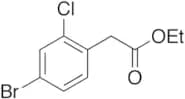
CAS :7-Ethylindole-3-glyoxylic acid ethyl ester is a versatile building block that can be used in the synthesis of complex compounds. It is a useful intermediate in the synthesis of pharmaceuticals, which can also be used as a reagent and speciality chemical. The compound has been shown to have high quality and is a useful scaffold for the synthesis of new compounds.Formule :C14H15NO3Degré de pureté :Min. 95%Masse moléculaire :245.27 g/mol4-Bromophenylacetic acid ethyl ester
CAS :4-Bromophenylacetic acid ethyl ester is a synthetic compound that binds to the cytochrome P450 enzyme and inhibits its activity. This inhibition prevents the production of estrogen, which may be useful in the treatment of breast cancer. 4-Bromophenylacetic acid ethyl ester has also been shown to inhibit aromatase, an enzyme that catalyzes the conversion of androgens into estrogens. Inhibition of this enzyme by 4-bromophenylacetic acid ethyl ester may be useful in the treatment of prostate cancer. The chemical has also been shown to inhibit glycoprotein synthesis in herpes simplex virus and human plasma proteins involved in drug metabolism. This inhibition may be useful for treating patients with HIV.Formule :C10H11BrO2Degré de pureté :Min. 95%Couleur et forme :PowderMasse moléculaire :243.1 g/mol1,1,3,3,4,4,4a,5,5,6,6,7,7,8,8,8a-Hexadecafluoro-2-(trifluoromethyl)decahydroisoquinoline
CAS :Produit contrôlé1,1,3,3,4,4,4a,5,5,6,6,7,7,8,8,8a-Hexadecafluoro-2-(trifluoromethyl)decahydroisoquinoline is an organic solvent that has a very low boiling point and high volatility. It can be used in dry powder inhalers or as a component of hydrogel compositions for oxygen delivery to the lungs. The uptake of 1HF-2TFI into human colon carcinoma cells was found to be significantly higher than uptake by mammary carcinomas. This may be due to the difference in cell types and/or the phosphate group on the molecule. The binding constants of this molecule are also higher than those of other organic solvents such as acetone and ethanol. The results from a questionnaire study also indicated that 1HF-2TFI can be used for perfusion with oxygenated gas mixtures forFormule :C10F19NDegré de pureté :Min. 95%Masse moléculaire :495.08 g/mol3,5-Dimethoxy-4-hydroxycinnamic acid ethyl ester
CAS :3,5-Dimethoxy-4-hydroxycinnamic acid ethyl ester is a redox potential with an acidic character. It can be synthesized from p-hydroxybenzoic acid and acetate extract of the plant Carthamus tinctorius. The synthesis starts with an asymmetric synthesis of protocatechuic acid and its derivatives. This compound is also found in the surface methodology of fatty acids and radiation that has been studied by nmr spectroscopic data. 3,5-Dimethoxy-4-hydroxycinnamic acid ethyl ester has bioactive phenolic properties and can be used for the treatment of various diseases such as cancer or diabetes.Formule :C13H16O5Degré de pureté :Min. 95%Couleur et forme :PowderMasse moléculaire :252.26 g/molPropargyl chloride
CAS :<p>Propargyl chloride is a chemical that is used as an inhibitor in organic synthesis. It can be used to synthesize compounds with reactive groups such as alkenes, ketones, and amines. Propargyl chloride reacts with the hydroxyl group of an alcohol to form a propargyl alcohol. The reaction mechanism involves intramolecular hydrogen bonding between the hydroxyl group of the propargyl chloride and the carbon atom adjacent to it. Kinetic energy is required for this reaction to occur. The product of this reaction can then react with other molecules in order to form new compounds. Propargyl chloride has been shown to have therapeutic effects on chronic coughs due its ability to reduce the amount of kinetic energy needed for respiratory tract cells, which may have reduced coughing frequency.<br>END>></p>Formule :C3H3ClDegré de pureté :Min. 95%Couleur et forme :Colorless Yellow Clear LiquidMasse moléculaire :74.51 g/mol2-Chloro-3-nitrobenzoic acid ethyl ester
CAS :2-Chloro-3-nitrobenzoic acid ethyl ester is a reactive chemical intermediate that can be used as a building block in organic synthesis. It is a versatile reagent that can be used in many reactions, such as condensation, cyclization, amination, and oxidation. The compound has been shown to be useful in the synthesis of polymers, pharmaceuticals, and natural products. 2-Chloro-3-nitrobenzoic acid ethyl ester is an environmentally friendly compound with a low toxicity profile. It has been classified as a high quality fine chemical with CAS number 3979-45-1.Formule :C9H8ClNO4Degré de pureté :Min. 95%Couleur et forme :PowderMasse moléculaire :229.62 g/molFmoc-L-propargylglycine
CAS :<p>Fmoc-L-propargylglycine is a cyclic peptide that is synthesized by chemical ligation. It has antiviral, anti-tumor, and anti-inflammatory activities. Fmoc-L-propargylglycine inhibits the growth of cancer cells in vitro. The mechanism of action is not fully understood, but it may involve the inhibition of cellular proliferation and the induction of apoptosis. This compound also inhibits epidermal growth factor (EGF) induced cell proliferation in caco-2 cells.</p>Formule :C20H17NO4Degré de pureté :Min. 98 Area-%Couleur et forme :White PowderMasse moléculaire :335.35 g/molIndole-5-carboxylic acid ethyl ester
CAS :Indole-5-carboxylic acid ethyl ester is a formamide activated analog of piperidine. It is an effective antibacterial agent against Staphylococcus aureus. Indole-5-carboxylic acid ethyl ester inhibits the growth of bacteria by binding to the extracellular surface and interfering with cell membrane permeability. The compound also has anti-cancer properties, and may be used in pharmaceuticals as a pyrazole derivative.Formule :C11H11NO2Degré de pureté :Min. 95%Couleur et forme :PowderMasse moléculaire :189.21 g/molPropargyl benzenesulfonate
CAS :Propargyl benzenesulfonate is a chemical compound that has been shown to inhibit protease activity, an enzyme that breaks down proteins. It is also used in the synthesis of aminoindane and cyclic peptides. The chemical stability of propargyl benzenesulfonate has been demonstrated by its ability to withstand trifluoroacetic acid and hydrochloric acid, as well as malonic acid and immobilized conditions. Propargyl benzenesulfonate binds to integrin receptors on cells and inhibits depression-like behavior in animal models. It also has the ability to form hydrogen bonds with amines. The structural formula for propargyl benzenesulfonate is shown below:Formule :C9H8O3SDegré de pureté :Min. 98%Couleur et forme :Clear LiquidMasse moléculaire :196.22 g/molPalmitoyl-glycine
CAS :Palmitoyl-glycine is a fatty acid amide. It is an analog of the naturally occurring amino acid glycine that has been modified by adding a palmitoyl group to the side chain. Palmitoyl-glycine is enzymatically inactivated by bacterial enzymes and cationic surfactants and can be used as a skin cell model system for basic structure and physiological effects. Palmitoyl-glycine has been shown to have skin cell protective effects against oxidative stress, which may be due to its ability to form hydrogen bonds with the acyl chains of lipids.Formule :C18H35NO3Degré de pureté :Min. 95%Couleur et forme :White PowderMasse moléculaire :313.48 g/mol2-Bromo-3-hydroxybenzoic acid ethyl ester
CAS :2-Bromo-3-hydroxybenzoic acid ethyl ester is a versatile building block that can be used in the synthesis of complex compounds. It is a fine chemical and research chemical with CAS No. 1260889-94-8. This compound has high quality and is used as a reagent, scaffold, or intermediate in organic syntheses. 2-Bromo-3-hydroxybenzoic acid ethyl ester is also useful for the preparation of speciality chemicals and reaction components.Formule :C9H9BrO3Degré de pureté :Min. 95%Couleur et forme :Yellow PowderMasse moléculaire :245.07 g/mol1,3-Dipalmitoyl-glycero-2-phosphoethanolamine
CAS :<p>Please enquire for more information about 1,3-Dipalmitoyl-glycero-2-phosphoethanolamine including the price, delivery time and more detailed product information at the technical inquiry form on this page</p>Formule :C37H74NO8PDegré de pureté :ReportedCouleur et forme :White/Off-White SolidMasse moléculaire :691.96 g/mol2-Palmitoylglycerol
CAS :<p>2-Palmitoylglycerol is a monoacylglycerol that is synthesized from the breakdown of dietary fats. It is also synthesized in tissues through the action of phospholipase A2 and diacylglycerol acyltransferase. 2-Palmitoylglycerol has been shown to bind to the cannabinoid receptor type 1 (CB1), which leads to activation of peroxisome proliferator-activated receptor α (PPARα). This activation induces gene expression changes that lead to increased fatty acid oxidation and decreased triglyceride synthesis in liver cells. 2-Palmitoylglycerol has been shown to reduce body weight gain and increase insulin sensitivity in mice models on high fat diets.<br>2-Palmitoylglycerol has also been shown to increase butyrate, a short chain fatty acid, levels in rats with metabolic disorders.</p>Formule :C19H38O4Degré de pureté :Min. 95%Couleur et forme :PowderMasse moléculaire :330.5 g/mol4-Acetylbenzoic acid ethyl ester
CAS :4-Acetylbenzoic acid ethyl ester is a receptor binding agent that inhibits the activity of phosphatidylinositol 3-kinase (PI3K), which is a protein involved in cell growth, differentiation and survival. It has been shown to inhibit tumor growth and induce apoptosis in cancer cells. 4-Acetylbenzoic acid ethyl ester also induces cell death in inflammatory diseases by inhibiting the activation of protein kinase C γ (PKC γ) by retinoic acid. This agent has been shown to be active against recombinant human Pparγ and can be used as an additive for cell-based assays.Formule :C11H12O3Degré de pureté :Min. 95%Couleur et forme :PowderMasse moléculaire :192.21 g/mol1,3-Dipalmitoylglycerol
CAS :1,3-Dipalmitoylglycerol is a diacylglycerol, which is a type of fatty acid that is also known as a 1,2-diacylglycerol. It has been shown to exhibit hemolytic activity in the presence of hydroxyl groups. The optimum pH for 1,3-dipalmitoylglycerol is at around 7.5 and it can be used as a biocompatible polymer to form controlled-release preparations with neutral pH that are tumoricidal.Formule :C35H68O5Degré de pureté :Min. 95%Couleur et forme :PowderMasse moléculaire :568.91 g/mol1,1',1''-Tris(1H-1,2,3-triazol-4-yl-1-acetic acid ethyl ester) trimethylamine
CAS :1,1',1''-Tris(1H-1,2,3-triazol-4-yl-1-acetic acid ethyl ester) trimethylamine is an organic solvent that has been used in the synthesis of azide–alkyne cycloaddition products. The solvent has shown to be soluble in water and is stable at high temperatures. It can also be used as a reagent or ligand for cycloaddition reactions with alkynes.Formule :C21H30N10O6Degré de pureté :Min. 95%Couleur et forme :White PowderMasse moléculaire :518.53 g/molAzidopalmitic acid
CAS :<p>Azidopalmitic acid is a synthetic fatty acid that is used in the detection of cellular DNA. It can be detected using methods such as tritiated, expressed, or myristic azide. Azidopalmitic acid has also been shown to be compatible with polymerase chain reaction (PCR) and immobilized metal ion affinity chromatography (IMAC). This molecule is useful for conjugates that are radiolabeled with [3H]azidoacetyl palmitate and [14C]azidoacetyl palmitate. Azidopalmitic acid has been synthetically produced by reacting malonic acid with sodium azide. This compound is also reusable, which makes it an ideal way to label nucleotides during PCR reactions.</p>Formule :C16H31N3O2Degré de pureté :Min. 95%Couleur et forme :White PowderMasse moléculaire :297.44 g/mol(all-Z)-6,9,12,15,18-Heneicosapentaenoic acid ethyl ester 98%, 10mg/ml ethanol solution
CAS :(all-Z)-6,9,12,15,18-Heneicosapentaenoic acid ethyl ester 98% is a quaternary ammonium salt that is useful as a reaction component or reagent. It has been shown to be a useful scaffold for the synthesis of complex compounds with high quality. This chemical can also be used as a building block for the synthesis of speciality chemicals and versatile building blocks. This compound is highly reactive and can be used in reactions with other chemicals to form more complex compounds. (all-Z)-6,9,12,15,18-Heneicosapentaenoic acid ethyl ester 98% has CAS No. 131775-86-5 and is soluble in ethanol solution at 10mg/ml.Formule :C23H36O2Degré de pureté :Min. 98 Area-%Couleur et forme :Clear LiquidMasse moléculaire :344.53 g/molβ-Naphthoic acid ethyl ester
CAS :β-Naphthoic acid ethyl ester (BNAE) is a synthetic compound that has been used as an intermediate in the synthesis of organic compounds. It is also used to prepare hydroxamic acids, which are active methylene compounds. BNAE reacts with nucleophiles and is susceptible to nucleophilic attack. The reaction mechanism for this type of compound involves a cavity with a constant volume, which increases the reactivity of the molecule. This type of reaction can be explained using the functional theory and the use of organic solvents. BNAE is stable when exposed to carbon tetrachloride and hydroxamic acids, but not when exposed to diethyl succinate or chemical agents such as sodium nitrite.Formule :C13H12O2Degré de pureté :Min. 95%Couleur et forme :PowderMasse moléculaire :200.23 g/mol3,7-Dimethyl-1-propargylxanthine
CAS :Produit contrôlé3,7-Dimethyl-1-propargylxanthine is a cyclase inhibitor that has been shown to have pharmacological effects. It has been shown to be effective in vivo models of Parkinson's disease and has reduced locomotor activity. This drug also inhibits the production of adenosine and dopamine, leading to neuronal death. The 3,7-dimethyl-1-propargylxanthine shows high selectivity for adenosine A3 receptors and is an antagonist at these receptors. It prevents mitochondrial membrane potential from decreasing, which may be due to inhibition of the production of reactive oxygen species by mitochondria. 3,7-Dimethyl-1-propargylxanthine also inhibits platelet aggregation by blocking the activation of phospholipase C and enhances platelet aggregation by inhibiting phosphodiesterase activity.Formule :C10H10N4O2Degré de pureté :Min. 95%Couleur et forme :PowderMasse moléculaire :218.21 g/mol(2S,3R)-3-((4R)-2,2-Dimethyldioxolan-4-yl)-2-methyl-2,3-dihydroxypropanoic acid ethyl ester
CAS :(2S,3R)-3-((4R)-2,2-Dimethyldioxolan-4-yl)-2-methyl-2,3-dihydroxypropanoic acid ethyl ester is a high quality reagent that is used as an intermediate for the synthesis of complex compounds. It is also a useful building block for the synthesis of speciality chemicals and research chemicals. The versatility of this compound makes it a useful scaffold and building block for reaction components.Formule :C11H20O6Degré de pureté :Min. 95%Couleur et forme :PowderMasse moléculaire :248.27 g/mol(2-Iodocyclohexyl)carbamic acid ethyl ester
CAS :(2-Iodocyclohexyl)carbamic acid ethyl ester is a fine chemical that can be used as a building block, reagent, or speciality chemical in research. It is soluble in organic solvents and can be used as a reaction component, useful intermediate, or useful scaffold. This compound has been shown to react with various groups including amines, alcohols, phenols and thiols.Formule :C9H16INO2Degré de pureté :Min. 95%Couleur et forme :PowderMasse moléculaire :297.13 g/mol3,5-Dihydroxybenzoic acid ethyl ester
CAS :<p>3,5-Dihydroxybenzoic acid ethyl ester (3,5-DHBA) is a compound that inhibits the growth of cancer cells by binding to the active site of serine protease. It has been shown to inhibit the activity of two enzymes that are involved in phosphatase and hydroxylation reactions. 3,5-DHBA is also a photophysical reagent for palladium complexes which have been used for the treatment of cancers. This compound also binds to oxadiazole, a substance found in plants that may have anticancer properties. The synthesis of 3,5-DHBA has been studied extensively and it has been shown to be synthesized from hydroxybenzoic acid and carbinols.</p>Formule :C9H10O4Degré de pureté :90%Couleur et forme :PowderMasse moléculaire :182.17 g/mol2,4-Difluorobenzoic acid ethyl ester
CAS :C9H8F2O2 2,4-Difluorobenzoic acid ethyl ester is a drug that inhibits the growth of protozoan parasites in the intestine. It has been shown to be effective against coccidiosis and grignard reagent, an antifungal drug. C9H8F2O2 2,4-Difluorobenzoic acid ethyl ester is a fungicide that inhibits the synthesis of RNA by binding to the cgmp-dependent protein (cyclic guanosine monophosphate) in protozoa, preventing protein synthesis and causing cell death. Magnesium chloride and chloride ions are required for this reaction to take place.Formule :C9H8F2O2Degré de pureté :Min. 95%Couleur et forme :Clear LiquidMasse moléculaire :186.16 g/molN-(Phenylsulfonyl)palmitamide
<p>N-(Phenylsulfonyl)palmitamide is a versatile building block that can be used to create complex compounds for research. CAS No. is 527-87-2 and it is a reagent and speciality chemical with high quality. It is also useful as a reaction component in the synthesis of other compounds, or as a scaffold for the synthesis of new derivatives.</p>Formule :C22H37NO3SMasse moléculaire :395.61 g/molThiazole-2-carboxylic acid ethyl ester
CAS :<p>Thiazole-2-carboxylic acid ethyl ester is a synthetic compound that is used as a model for peroxides and as a substrate in the study of carbonyl chemistry. It has been shown to react with benzene, yielding an alpha-hydroxybenzylidene ketone. The heterocycle can be converted to the corresponding carboxylic acid by dehydrogenation with hydrogen peroxide or sodium perborate. The yields of this reaction are dependent on the substituent effects of the heterocycle. Thiazole-2-carboxylic acid ethyl ester reacts with serine protease and amide in an enzyme assay. Kinetic data for this reaction are available in the literature.</p>Formule :C6H7NO2SDegré de pureté :Min. 95%Couleur et forme :PowderMasse moléculaire :157.19 g/mol2-Cyano-5-fluorobenzoic acid ethyl ester
CAS :2-Cyano-5-fluorobenzoic acid ethyl ester is a chemical compound with the formula C6H4(COOCH2)2FO. The compound is an intermediate in the synthesis of other chemicals, such as pharmaceuticals. It is also used as a building block in other syntheses. 2-Cyano-5-fluorobenzoic acid ethyl ester has been assigned CAS No. 1260751-65-2 and is useful in organic synthesis because it is a versatile building block, complex compound, and fine chemical.Formule :C10H8FNO2Degré de pureté :Min. 95%Masse moléculaire :193.17 g/mol2,6-Dimethylbenzoic acid ethyl ester
CAS :<p>2,6-Dimethylbenzoic acid ethyl ester (DBE) is an organic compound that is used as a starting material for the synthesis of other chemicals. It is produced by reacting chlorobenzene with magnesium in the presence of a suitable catalyst such as copper(II) chloride. The reaction can be carried out in bulk or in liquid phase, and yields are optimized by using activated carbon as a support. DBE is one of the most commonly used dialkyl benzoates for chemical syntheses due to its high reactivity. DBE has a particle size of about 10 micrometres and a bulk density close to 1 g/cm3.</p>Formule :C11H14O2Degré de pureté :Min. 95%Couleur et forme :PowderMasse moléculaire :178.23 g/molPyridoxine dipalmitate
CAS :<p>Pyridoxine dipalmitate is a polycarboxylic acid that is used as an antioxidant. It can be found in fruit extracts and has been shown to have antimicrobial properties. Pyridoxine dipalmitate also possesses antioxidant properties, which may be due to its ability to react with reactive oxygen species (ROS) and other free radicals. The compound has been shown to improve skin conditions and prevent damage caused by ROS. Pyridoxine dipalmitate is also used in the treatment of metabolic disorders, such as damaged cell membranes and fatty acid metabolism disorders. This compound may act as a cationic surfactant or phosphorus pentachloride.</p>Formule :C40H71NO5Degré de pureté :Min. 95%Couleur et forme :PowderMasse moléculaire :646 g/mol8-Chloro-6-oxo-octanoic acid ethyl ester
CAS :<p>8-Chloro-6-oxo-octanoic acid ethyl ester is a chiral, thermostable and oxidizing agent that is used as an intermediate in organic synthesis. It is used to produce 8-chloro-6-oxo-octanoic acid ethyl ester, a reactive carbonyl reagent that can be used in the synthesis of amines and amides. This compound has been shown to be effective against wild type strains of E. coli as well as recombinant strains of E. coli. It also has been found to have fungicidal activity against Candida parapsilosis and Paracoccidioides brasiliensis at concentrations of 0.1 mg/mL or less.</p>Formule :C10H17ClO3Degré de pureté :Min. 95%Couleur et forme :PowderMasse moléculaire :220.69 g/mol3-Chloro-4-methoxybenzoic acid ethyl ester
CAS :<p>3-Chloro-4-methoxybenzoic acid ethyl ester is a chemical compound that is used as a reactant in organic synthesis. It has shown high quality and can be used for research. 3-Chloro-4-methoxybenzoic acid ethyl ester can be used as a scaffold to make fine chemicals, pharmaceuticals, and other products. It has been shown to be useful in the synthesis of many complex compounds and as an intermediate or building block for chemical reactions.</p>Formule :C10H11ClO3Degré de pureté :Min. 95%Couleur et forme :PowderMasse moléculaire :214.65 g/molPipotiazine palmitate
CAS :Produit contrôléPipotiazine palmitate is a long-acting antipsychotic drug that belongs to the class of phenothiazine derivatives. It is used for the treatment of schizophrenia and other psychotic disorders. Pipotiazine palmitate has been shown to be effective in treating chronic schizophrenia with minimal side effects. This drug binds to dopamine D2 receptors, which leads to a decrease in dopaminergic activity in the brain and improves symptoms of psychosis. Pipotiazine palmitate is administered orally in two doses per day. A major limitation of this medication is its low bioavailability due to its high lipophilicity, which may be due to its undecylenate ester form.Formule :C40H63N3O4S2Degré de pureté :Min. 95 Area-%Couleur et forme :PowderMasse moléculaire :714.08 g/mol4-Benzyloxyindole-2-carboxylic acid ethyl ester
CAS :4-Benzyloxyindole-2-carboxylic acid ethyl ester is a cyclic compound that has been synthesized through an intramolecular carboxylate cyclization. This class of compounds are known for their ability to form propargylic analogues, which have the potential to be used as anticancer drugs. The compound was first reported in 1969 by Schardt and co-workers and was found to have activity against leukemia cells. It has been shown to undergo a series of cyclizations, which are triggered by the presence of oxygen or other electron acceptors.Formule :C18H17NO3Degré de pureté :Min. 95%Masse moléculaire :295.33 g/molFmoc-Cys((S)-2,3-di(palmitoyloxy)-propyl)-OH
CAS :Fmoc-Cys((S)-2,3-di(palmitoyloxy)-propyl)-OH is a reagent used in the synthesis of complex compounds. It is also a useful scaffold for the synthesis of speciality chemicals and versatile building blocks. This compound is an intermediate that can be used in the preparation of fine chemicals and pharmaceuticals. Fmoc-Cys((S)-2,3-di(palmitoyloxy)-propyl)-OH has a CAS number of 139573-78-7 and can be purchased as a high quality chemical.Formule :C53H83NO8SDegré de pureté :Min. 95 Area-%Couleur et forme :Slightly Yellow PowderMasse moléculaire :894.29 g/mol4-Bromo-2,6-pyridinedicarboxylic acid ethyl ester
CAS :<p>4-Bromo-2,6-pyridinedicarboxylic acid ethyl ester is a luminescent compound that emits light in the visible region of the spectrum. It can be used as a ligand for polymerized monolayers or as a bifunctional covalent coupling agent. The carboxylate group on 4-Bromo-2,6-pyridinedicarboxylic acid ethyl ester interacts with lanthanide metal ions to produce luminescence. This chemical also has low frequency emission and can be used for supramolecular interactions.</p>Formule :C11H12BrNO4Degré de pureté :Min. 95%Masse moléculaire :302.12 g/mol1,2-Dipalmitoyl-sn-glycero-3-phosphoethanolamine
CAS :1,2-Dipalmitoyl-sn-glycero-3-phosphoethanolamine is a phospholipid that plays an important role in many cellular processes. It is a major component of the lipid bilayer that surrounds cells and provides stability to the membrane. 1,2-Dipalmitoyl-sn-glycero-3-phosphoethanolamine can form hydrogen bonding interactions with other molecules in the cytoplasm. The redox potential of this compound is also high enough to allow it to participate in oxidation reactions. This phospholipid also has a phase transition temperature at which it changes from a liquid state to a solid state at room temperature. 1,2-Dipalmitoyl-sn-glycero-3-phosphoethanolamine can be used as a reaction mechanism for synthesizing glycosylated proteins or lipids. In vitro assays have been performed using this compound asFormule :C37H74NO8PMasse moléculaire :691.96 g/mol2-Bromo-3-fluorobenzoic acid ethyl ester
CAS :2-Bromo-3-fluorobenzoic acid ethyl ester is a versatile building block that can be used in the preparation of many different chemical compounds. It is a high quality chemical with a CAS number 1131040-49-7. 2-Bromo-3-fluorobenzoic acid ethyl ester is useful in the synthesis of complex compounds, and has been shown to be an effective reagent. This chemical has also been used as a reaction component and scaffold in research chemicals.Formule :C9H8BrFO2Degré de pureté :Min. 95%Couleur et forme :PowderMasse moléculaire :247.06 g/mol2,3-Dihydroxy-4-methoxycinnamic acid ethyl ester
<p>Please enquire for more information about 2,3-Dihydroxy-4-methoxycinnamic acid ethyl ester including the price, delivery time and more detailed product information at the technical inquiry form on this page</p>Degré de pureté :Min. 95%1-palmitoyl-2-(10-(4-((trifluoromethyl)diazirinyl)phenyl)-8-oxadecanoyl)-sn-glycero-3-phosphocholine
CAS :1-palmitoyl-2-(10-(4-((trifluoromethyl)diazirinyl)phenyl)-8-oxadecanoyl)-sn-glycero-3-phosphocholine (PPC) is a liposome that induces necrotic cell death. It binds to the mitochondria and inhibits adenine nucleotide translocation, leading to the loss of mitochondrial membrane potential and the release of cytosolic calcium. This leads to activation of proapoptotic proteins, such as Bax and Bak, which initiates caspase-independent apoptosis. PPC also induces light emission from phospholipid hydroperoxide decomposition, which can be used as a biomarker for cellular physiology.Formule :C41H68TF3N3O9PDegré de pureté :Min. 95%Masse moléculaire :837.98 g/mol2'-Hydroxy-5'-nitrohexadecanamide
CAS :<p>2'-Hydroxy-5'-nitrohexadecanamide is a synthetic fatty acid derivative that inhibits lysosomal hydrolase, which is an enzyme that breaks down cellular lipids. This compound can be used as a diagnostic agent for the detection of certain types of cancer. 2'-Hydroxy-5'-nitrohexadecanamide reacts with the magnesium ion in the lysosome to form an insoluble precipitate, which then settles to the bottom of the test tube, allowing for easy detection of cells with high levels of lysosomal hydrolase.</p>Formule :C22H36N2O4Degré de pureté :Min. 95%Couleur et forme :PowderMasse moléculaire :392.53 g/mol4-Phenyl-2-pyrrolidone-3-carboxylic acid ethyl ester
CAS :<p>4-Phenyl-2-pyrrolidone-3-carboxylic acid ethyl ester is an organic compound. It is an intermediate in the synthesis of 2,4,6-trichloroisonicotinic acid and 2,4,6-trichloropyrimidine. The compound has a variety of uses as a reagent and building block for organic synthesis. 4-Phenyl-2-pyrrolidone-3-carboxylic acid ethyl ester is soluble in many solvents such as acetone, ethers and chloroform. It has a CAS number of 5245032. This chemical can be used as a speciality chemical or fine chemical to produce drugs.</p>Formule :C13H15NO3Degré de pureté :Min. 95%Couleur et forme :PowderMasse moléculaire :233.26 g/molAscorbyl palmitate
CAS :<p>Ascorbyl palmitate is an ester of ascorbic acid and palmitic acid. It is a water-soluble antioxidant that has been shown to be safe for oral ingestion at doses of up to 3 grams per day. Ascorbyl palmitate is used in topical formulations to provide protection against sun damage, and also has been shown to have anti-inflammatory properties, which may be due to its inhibitory effect on the mcl-1 protein. Ascorbyl palmitate has a phase transition temperature at about 41°C. This compound can be used in pharmaceuticals for the treatment of infectious diseases caused by bacteria such as tuberculosis or herpes simplex virus type 1 (HSV-1). This chemical also has been shown to have physiological effects on bowel disease and toxicity studies show that it does not cause any adverse reactions in rats or rabbits when given orally.</p>Formule :C22H38O7Degré de pureté :Min 98%Couleur et forme :White PowderMasse moléculaire :414.53 g/mol4-Bromo-2-methylbenzoic acid ethyl ester
CAS :4-Bromo-2-methylbenzoic acid ethyl ester is a high quality and versatile building block. It is a useful intermediate in the synthesis of organic compounds, and can be used as a reaction component in the synthesis of complex compounds. 4-Bromo-2-methylbenzoic acid ethyl ester is also a useful scaffold for the construction of new chemical entities. It has been shown to react with potassium tert-butoxide to produce 4-(2,6-dimethylphenyl)piperidine (CAS No. 220389-34-4).Formule :C10H11BrO2Degré de pureté :Min. 95%Couleur et forme :Clear LiquidMasse moléculaire :243.1 g/mol4-Hydroxy-3-methoxybenzoic acid ethyl ester
CAS :<p>4-Hydroxy-3-methoxybenzoic acid ethyl ester is a synthetic compound that is converted to protocatechuic acid, an antioxidant found in wine. It has been shown to have antioxidative properties in inflammatory bowel disease by inhibiting the formation of reactive oxygen species. Protocatechuic acid also inhibits the growth of bacterial strains such as Listeria monocytogenes and Bacillus cereus, which are often resistant to antibiotics. The mechanism of action is not well understood, but it may be due to its ability to inhibit the production of p-hydroxybenzoic acid, a precursor for bacterial cell wall synthesis. Protocatechuic acid also has anti-inflammatory properties and can be used as a bioactive phenolic in topical preparations such as creams or ointments.</p>Formule :C10H12O4Degré de pureté :Min. 95%Couleur et forme :PowderMasse moléculaire :196.2 g/mol7-[4-(4-Fluorophenyl)-6-(1-methylethyl)-2-(N-methyl-N-methylsulfonyl-amino)-pyrimidin-5-yl]-3,5-dihydroxy-hept-6-enoic acid ethyl es ter
CAS :Rosuvastatin is a statin drug that inhibits cholesterol synthesis by inhibiting the enzyme HMG-CoA reductase. Rosuvastatin has been shown to reduce high-sensitivity C-reactive protein (hsCRP) and low-density lipoprotein cholesterol (LDL-C), which are risk factors for cardiovascular disease, in patients with hypercholesterolemia. Rosuvastatin also has a high degree of potency and specificity for the HMG-CoA reductase enzyme and shows no significant cross-reactivity with other HMG-CoA reductase inhibitors. Rosuvastatin is metabolized by CYP3A4 and CYP2C9. Drugs that inhibit these enzymes may increase the plasma levels of rosuvastatin, while drugs that induce these enzymes may decrease the plasma levels of rosuvastatin.Formule :C24H32FN3O6SDegré de pureté :Min. 95%Couleur et forme :PowderMasse moléculaire :509.59 g/mol1-Hexadecanethiol
CAS :1-Hexadecanethiol (1-HDT) is a chemical substance that is used in the synthesis of polymers and as a reagent for surface modification. It has been shown to be an effective cationic surfactant with antimicrobial properties. 1-HDT has also been used to pattern surfaces and is found in water vapor, where it can react with oxygen to form 3-mercaptopropionic acid. 1-HDT reacts with thiols, alcohols, amines, and amino acids to form sulfides. In vitro assays have shown that 1-HDT can inhibit the growth of carboxy terminal protein polymer films. Chemical stability is dependent on the chemical species, which can be predicted by examining chemical structure and reactivity.Formule :C16H34SDegré de pureté :Min. 95%Couleur et forme :PowderMasse moléculaire :258.5 g/mol4-Amino-2-methylbenzoic acid ethyl ester
CAS :4-Amino-2-methylbenzoic acid ethyl ester is a versatile building block that can be used in the synthesis of complex compounds. It has been shown to have a number of useful applications, such as in the synthesis of pharmaceuticals, research chemicals, and speciality chemicals. 4-Amino-2-methylbenzoic acid ethyl ester is also an important reagent for the production of high quality pharmaceuticals and intermediates. This chemical is also a useful scaffold for organic reactions.Formule :C10H13NO2Degré de pureté :Min. 95%Masse moléculaire :179.22 g/mol4-Hydroxy-3-nitrobenzoic acid ethyl ester
CAS :4-Hydroxy-3-nitrobenzoic acid ethyl ester is a small molecule that binds to DNA and RNA. It is cytotoxic, inhibiting cell growth in the presence of amides, nucleosides, or nucleotides. 4-Hydroxy-3-nitrobenzoic acid ethyl ester also inhibits the proliferation of cancer cells in culture. This drug has been shown to be effective against pancreatic cancer, ovarian cancer, and glioblastoma cells. The structure of this compound was elucidated by spectral analysis of its NMR and mass spectra data. It has yielded a 2780% increase in glioblastoma cell line growth rates when compared to control cells.Formule :C9H9NO5Degré de pureté :Min. 95%Couleur et forme :PowderMasse moléculaire :211.17 g/mol5-Amino-2-bromobenzoic acid ethyl ester
CAS :5-Amino-2-bromobenzoic acid ethyl ester is a chemical compound that can be used for the production of pharmaceuticals and research chemicals. It is a versatile building block that can be used in the synthesis of complex compounds with valuable applications. 5-Amino-2-bromobenzoic acid ethyl ester is a reagent, speciality chemical, and useful building block that can be used in the synthesis of high quality compounds. This compound has been identified as an intermediate in organic reactions and as a reaction component. CAS No. 208176-32-3Formule :C9H10BrNO2Degré de pureté :Min. 95%Couleur et forme :PowderMasse moléculaire :244.09 g/molHexadecanamide
CAS :Hexadecanamide is a reactive amide that has an optimum concentration of 1.5-2.0 M in water and a pH range of 3.0-8.0. Hexadecanamide is oxidized by an oxidation catalyst to form hexadecane, which can be analyzed by gas chromatography or high performance liquid chromatography. The oxidation reaction can be monitored under constant pressure conditions using electrochemical impedance spectroscopy. Hexadecanamide reacts with hydroxyl groups and fatty acids to form hexadecanoic acid, which can be analyzed using gas chromatography or high performance liquid chromatography. Hexadecanamide also reacts with viral life to form hexadecanoic acid, which can be analyzed using gas chromatography or high performance liquid chromatography. Hexadecanamide has been shown to have anti-inflammatory properties, which may be due to its ability to inhibit the production of pro-inflammatory cytokines such as histamine and leukotrienesFormule :C16H33NODegré de pureté :Min. 95%Couleur et forme :PowderMasse moléculaire :255.44 g/molFmoc-S-[2,3-bis(palmitoyloxy)propyl]-L-cysteine
CAS :<p>Fmoc-S-[2,3-bis(palmitoyloxy)propyl]-L-cysteine is a fine chemical that is used as a building block in the synthesis of complex natural products and pharmaceuticals. It has versatile applications in both research and industry. Fmoc-S-[2,3-bis(palmitoyloxy)propyl]-L-cysteine is an intermediate or scaffold for the synthesis of many types of compounds, including antibiotics, anti-cancer agents, hormones, and anti-inflammatory drugs. This compound is soluble in organic solvents such as DMSO and DMF.</p>Formule :C53H83NO8SDegré de pureté :Min. 95 Area-%Couleur et forme :White Off-White PowderMasse moléculaire :894.29 g/mol2,3,4,5-Tetrafluorobenzoic acid ethyl ester
CAS :<p>2,3,4,5-Tetrafluorobenzoic acid ethyl ester is a fine chemical that is useful in the synthesis of complex compounds. It is a versatile building block with many potential applications in research and as a reagent. 2,3,4,5-Tetrafluorobenzoic acid ethyl ester has been shown to have high purity and quality. This compound can be used as a reaction component for other chemical reactions and as an intermediate for the production of pharmaceuticals. CAS No. 122894-73-9</p>Formule :C9H6F4O2Degré de pureté :Min. 95%Masse moléculaire :222.14 g/mol(-)-(2S,3S)-Viridifloric Acid Ethyl Ester-d7
CAS :Produit contrôlé<p>Applications (-)-(2S,3S)-Viridifloric Acid Ethyl Ester is an intermediate in the synthesis of (+)-amabiline, an unsaturated pyrrolizidine alkaloid from Cynoglossum amabile.<br>References Senter, T. J., et al.: Org. Lett., 14, 1869 (2012);<br></p>Formule :C9D7H11O4Couleur et forme :NeatMasse moléculaire :197.28(1S,3R,4R)-3-[(tert-Butoxycarbonyl)amino]-4-[(methylsulfonyl)oxy]cyclohexanecarboxylic Acid Ethyl Ester
CAS :Produit contrôlé<p>Applications (1S,3R,4R)-3-[(tert-Butoxycarbonyl)amino]-4-[(methylsulfonyl)oxy]cyclohexanecarboxylic Acid Ethyl Ester is a starting material and useful building block of various pharmaceuticals.<br></p>Formule :C15H27NO7SCouleur et forme :NeatMasse moléculaire :365.449-Anthracenepropanoic Acid Ethyl Ester
CAS :Produit contrôlé<p>Applications A 9-substituted derivative of the polycyclic aromatic hydrocarbon (PAH) Anthracene (A678400).<br></p>Formule :C24H20OCouleur et forme :NeatMasse moléculaire :324.415Phenoxy-d5-acetic Acid Ethyl Ester
CAS :Produit contrôlé<p>Applications Phenoxy-d5-acetic Acid Ethyl Ester (cas# 1189442-18-9) is a compound useful in organic synthesis.<br></p>Formule :C10H7D5O3Couleur et forme :NeatMasse moléculaire :185.235-Hydroxy-2-oxo-2,3-dihydro-1H-[1]benzazephe-4-carboxylic Acid Ethyl Ester
CAS :Produit contrôlé<p>Applications 5-Hydroxy-2-oxo-2,3-dihydro-1H-[1]benzazephe-4-carboxylic Acid Ethyl Ester (cas# 108993-98-2) is a compound useful in organic synthesis.<br> Not a dangerous good if item is equal to or less than 1g/ml and there is less than 100g/ml in the package<br></p>Formule :C13H13NO4Couleur et forme :NeatMasse moléculaire :247.253-(Acetylethylamino)-β-oxo-benzenepropanoic Acid Ethyl Ester
CAS :Produit contrôlé<p>Applications 3-(Acetylethylamino)-β-oxo-benzenepropanoic Acid Ethyl Ester is an intermediate used in the preparation of 5-Oxo-Zaleplon (O870470).<br></p>Formule :C15H19NO4Couleur et forme :NeatMasse moléculaire :277.316β-Cyano-β-methyl-hydrocinnamic Acid Ethyl Ester
CAS :Produit contrôlé<p>Applications Can be used in the preparation of CCR5 antagonists, for treatment of HIV-1.<br>References Tallant, M. et al., Bioorg. Med. Chem. 21, 1394 (2011)<br></p>Formule :C13H15NO2Couleur et forme :NeatMasse moléculaire :217.262-Amino-2-oxo-acetic Acid Ethyl Ester
CAS :Produit contrôlé<p>Applications 2-Amino-2-oxo-acetic Acid Ethyl Ester is a reagent used to prepare methanotetrahydroisoquinolinecarboxylic acid. It can also be used in preparation of 1,2,4-Thiadiazole, a Cathepsin B inhibitor.<br>References Czombos, J., et al.: J. Org. Chem., 65, 5469 (2000); Leung-Toung, R., et al.: Bioorgan. Med. Chem., 11, 5529 (2003)<br></p>Formule :C4H7NO3Couleur et forme :NeatMasse moléculaire :117.1(E)-2,2,3,5-Tetramethylhex-3-enoic Acid Ethyl Ester
CAS :Produit contrôlé<p>Applications (E)-2,2,3,5-Tetramethylhex-3-enoic Acid Ethyl Ester is an intermediate in the synthesis of 2,2,3,5-Tetramethylhexanoic Acid (T302890), a compound used in analytical studies as a method to quantitatively determine the total organic acid content in aqueous coolant.<br></p>Formule :C12H22O2Couleur et forme :NeatMasse moléculaire :198.3rac 1-Oleoyl-2-linoleoylglycerol
CAS :<p>Stability Light Sensitive, Temperature Sensitive<br>Applications rac 1-Oleoyl-2-linoleoylglycerol is a diacylglycerol from palm oil.<br>References Narvaez-Rivas, M., et al.: J. Agric. Food Chem., 55, 10953 (2007),<br></p>Formule :C39H70O5Couleur et forme :NeatMasse moléculaire :618.971-[(1E)-2-Nitroethenyl]-2-naphthalenol
CAS :Produit contrôlé<p>Applications 1-[(1E)-2-Nitroethenyl]-2-naphthalenol is an intermediate in the synthesis of 1-(2-Nitroethyl)-2-naphthol (N495895), an aromatic alcohol that is used in photoacid for extremely long lived and reversible pH jumps.<br>References Hu, K.L., et al.: Tetrahedron., 70, 181 (2014);<br></p>Formule :C12H9NO3Couleur et forme :NeatMasse moléculaire :215.2(1E,5E)-1-Iodopentadeca-1,5-diene
Produit contrôlé<p>Applications (1E,5E)-1-Iodopentadeca-1,5-diene is an intermediate in the synthesis of (4E, 8E)-Sphingadienine-C18-1-phosphate (S680680), which is an analogue of (4E, 14Z)-Sphingadienine-C18 (S680630), a sphingoid base of sea cucumber cerebroside that may have cytotoxicity activity against human colon cancer cells.<br>References Sugawara, T., et. al.: Biosci. Biotech. Bioch., 70, 2906 (2006)<br></p>Formule :C27H38O18Couleur et forme :NeatMasse moléculaire :650.58Methyl 3-Oxodecanoate
CAS :Produit contrôléFormule :C11H20O3Couleur et forme :NeatMasse moléculaire :200.274-(2,2-Dicarboethoxy-propyl)phenylacetic Acid Ethyl Ester
CAS :Produit contrôlé<p>Stability 0-50C<br>Applications 4-(2,2-Dicarboethoxy-propyl)phenylacetic Acid Ethyl Ester (cas# 223123-63-5) is a compound useful in organic synthesis.<br></p>Formule :C19H26O6Couleur et forme :NeatMasse moléculaire :350.412-Acetylbutanoic-d5 Acid Ethyl Ester
CAS :Produit contrôlé<p>Applications 2-Acetylbutanoic-d5 Acid Ethyl Ester (cas# 141327-44-8) is a compound useful in organic synthesis.<br></p>Formule :C82H5H9O3Couleur et forme :NeatMasse moléculaire :163.235-(2,2,2-Trifluoroacetyl)-2-thiophenecarboxylic Acid Ethyl Ester
CAS :Produit contrôlé<p>Applications 5-(2,2,2-Trifluoroacetyl)-2-thiophenecarboxylic Acid Ethyl Ester is an intermediate in the synthesis of reagents for fluoroacetylthiophene oxadiazoles a class II human histone deacetylase inhibitors.<br>References Ontoria, J. M., et al.: J. Med. Chem., 52, 6782 (2009);<br></p>Formule :C9H7F3O3SCouleur et forme :NeatMasse moléculaire :252.217-Bromo-1-ethyl-1,4-dihydro-4-oxo-3-quinolinecarboxylic Acid Ethyl Ester
CAS :Produit contrôlé<p>Applications 7-Bromo-1-ethyl-1,4-dihydro-4-oxo-3-quinolinecarboxylic Acid Ethyl Ester is an intermediate in the synthesis of Rosoxacin (R693580), an antibacterial agent used against Escherichia coli, Klebsiella pneumoniae, Pseudomonas aeruginosa, Staphylococcus aureus and Streptococcus pneumoniae.<br>References Koba, M., et. al.: J. Mol. Modeling, 16, 327 (2010)<br></p>Formule :C14H14BrNO3Couleur et forme :NeatMasse moléculaire :324.177-Bromo-1,4-dihydro-4-oxo-3-quinolinecarboxylic Acid Ethyl Ester
CAS :Produit contrôlé<p>Applications 7-Bromo-1,4-dihydro-4-oxo-3-quinolinecarboxylic Acid Ethyl Ester is an intermediate in the synthesis of Rosoxacin (R693580), an antibacterial agent used against Escherichia coli, Klebsiella pneumoniae, Pseudomonas aeruginosa, Staphylococcus aureus and Streptococcus pneumoniae.<br>References Koba, M., et. al.: J. Mol. Modeling, 16, 327 (2010)<br></p>Formule :C14H24N2OSiCouleur et forme :NeatMasse moléculaire :264.439(2E)-2-Hexadecenoic Acid Ethyl Ester
CAS :Produit contrôlé<p>Applications (2E)-2-Hexadecenoic Acid Ethyl Ester (cas# 135251-95-5) is a compound useful in organic synthesis.<br></p>Formule :C18H34O2Couleur et forme :NeatMasse moléculaire :282.462-(Formylamino)-3-hydroxy-2-propenoic-13C2 Acid Ethyl Ester
CAS :Produit contrôlé<p>Applications 2-(Formylamino)-3-hydroxy-2-propenoic-13C2 Acid Ethyl Ester (cas# 1391062-48-8) is a compound useful in organic synthesis.<br></p>Formule :C413C2H9NO4Couleur et forme :NeatMasse moléculaire :161.134-Phthalimidoacetoacetic Acid Ethyl Ester
CAS :Produit contrôlé<p>Applications 4-Phthalimidoacetoacetic Acid Ethyl Ester is an intermediate in the synthesis of 5-Aminolevulinic Acid-3-13C Hydrochloride which is a naturally occurring amino acid; precursor of tetrapyrroles in the biosynthesis of chlorophyll and heme. Antineoplastic (photosensitizer).<br>References Sisler, E.C., et al.: Physiol. Plant., 16, 315 (1963), Herdeis, C., et al.: Arch. Pharm., 317, 304 (1984), Peng, Q., et al.: Cancer, 79, 2282(1997),<br></p>Formule :C14H13NO5Couleur et forme :NeatMasse moléculaire :275.264-Bromo-2-chlorobenzeneacetic Acid Ethyl Ester
CAS :Produit contrôlé<p>Applications 4-Bromo-2-chlorobenzeneacetic Acid Ethyl Ester (cas# 1261606-45-4) is a compound useful in organic synthesis.<br></p>Formule :C10H10BrClO2Couleur et forme :NeatMasse moléculaire :277.54(4Z,6E)-4,6-Octadienoic Acid Ethyl Ester
CAS :Produit contrôlé<p>Applications (4Z,6E)-4,6-Octadienoic Acid Ethyl Ester is an intermediate in the synthesis of Spilanthol (S681850), a fatty acid amide isolated from Acmella oleracea.<br>References Khadir, H., et al.: Pestic. Sci., 25, 329 (1989); Cech, N., et al.: Planta Med., 72, 1372 (2006); Saritha, K., et al.: Biol. Plant, 52, 334 (2008),<br></p>Formule :C10H16O2Couleur et forme :NeatMasse moléculaire :168.232-Bromo-2-propylpentanoic Acid Ethyl Ester
CAS :Produit contrôlé<p>Applications 2-Bromo-2-propylpentanoic Acid Ethyl Ester (cas# 99174-91-1) is a compound useful in organic synthesis.<br></p>Formule :C10H19BrO2Couleur et forme :NeatMasse moléculaire :251.166,7-Dichloro-1,4-dihydro-4-oxo-3-quinolinecarboxylic Acid Ethyl Ester
CAS :Produit contrôlé<p>Applications 6,7-Dichloro-1,4-dihydro-4-oxo-3-quinolinecarboxylic Acid Ethyl Ester is an intermediate in synthesizing 6-Chloro-6-defluoro Ciprofloxacin (C368035). It is an impurity of Ciprofloxacin (C482500), which is a fluorinated quinolone antibacterial.<br>References Hoffken, G., et al.: Antimicrob. Ag. Chemother., 27, 375 (1985), Scully, B.E., et al.: Lancet, 1, 819 (1986)<br></p>Formule :C12H9Cl2NO3Couleur et forme :NeatMasse moléculaire :286.11rac 1,2-Dioleoyl-3-chloropropanediol-13C36
CAS :Produit contrôlé<p>Applications New lipids in food protein hydrolyzates. Fatty acid esters of chloropropanediol isolated from fresh goat milk.<br>References Velisek, J., et al.: J. Agric. Food Chem., 28, 1142 (1980), Myher, J.J., et al.: Lipids, 21, 309 (1986),<br></p>Formule :C36C3H71ClO4Couleur et forme :NeatMasse moléculaire :675.167Propargyl Benzyl Ether
CAS :Produit contrôlé<p>Applications A propargyl derivative used in the synthesis of substituted carbocyclic aromatic compounds and pharmaceutical compounds.<br>References Takahashi, H. et al.: J. Org. Chem., 74, 3632 (2009); Ding, F. & Jennings, M.: J. Org. Chem., 73, 5965 (2008)<br></p>Formule :C10H10OCouleur et forme :NeatMasse moléculaire :146.193-Hydroxy-2-propyl-4-pentenoic Acid Ethyl Ester(Mixture of diastereomers)
CAS :Produit contrôlé<p>Applications Intermediate in the preparation of Valproic acid metabolites<br>References Lee, R., et al.: J. Pharm. Sci., 78, 667 (1989),<br></p>Formule :C10H18O3Couleur et forme :NeatMasse moléculaire :186.25Fumaryl Chloride
CAS :Formule :C4H2Cl2O2Degré de pureté :>95.0%(GC)(T)Couleur et forme :Colorless to Light orange to Yellow clear liquidMasse moléculaire :152.96DL-Propargylglycine
CAS :<p>DL-Propargylglycine is a molecule that has been used as a model system for studying the interaction of neurokinin-1 receptor with response elements. It has also been shown to have inhibitory properties on polymerase chain, which is important in the process of energy metabolism. This compound has been shown to increase cytosolic Ca2+ and inhibit nuclear DNA synthesis in certain cells. DL-Propargylglycine can be used to study the effects of growth factor-β1 on myocardial infarcts and bowel disease.</p>Formule :C5H7NO2Degré de pureté :Min. 95%Couleur et forme :White Off-White PowderMasse moléculaire :113.11 g/molFmoc-D-propargylglycine
CAS :D-propargylglycine is a chemical compound that belongs to the group of valency modifiers. It is a modulator that can be used in cancer research and as an anti-inflammatory agent. It has been shown to have protein–protein interaction by binding to casein kinase, which may lead to its use in cancer therapy. D-propargylglycine can also interact with other proteins and inflammatory agents, leading to potential applications in the treatment of inflammatory conditions such as arthritis.Formule :C20H17NO4Degré de pureté :Min. 95%Couleur et forme :PowderMasse moléculaire :335.35 g/mol3-Oxodecanoic acid ethyl ester
CAS :<p>3-Oxodecanoic acid ethyl ester is a selenium compound that can be catalytic. It has been shown to produce lactones by the cyclization of an anthranilic acid. Selenium compounds are often used as research catalysts in organic synthesis, specifically for the elimination and cyclization reactions. 3-Oxodecanoic acid ethyl ester is also a natural product that can be found in various plants and animals. It has been found to have an active role in many natural products, such as benzyne and heterocycles.</p>Formule :C12H22O3Degré de pureté :Min. 95%Couleur et forme :PowderMasse moléculaire :214.3 g/molBimatoprost
CAS :Formule :C25H37NO4Degré de pureté :>98.0%(HPLC)Couleur et forme :White to Almost white powder to crystalMasse moléculaire :415.57Cholest-5-en-3b-yl hexadecanoate
CAS :Produit contrôléCholest-5-en-3b-yl hexadecanoate is a fatty acid that is used to synthesize dextran sulfate. It is a subcutaneous tumor model and has been shown to be effective against human body mass index (BMI) with human serum in vitro. Cholest-5-en-3b-yl hexadecanoate has also been found to inhibit atherosclerotic lesions in vivo and can be used as a fluorescence probe for cholesteryl. This fatty acid also inhibits the growth of infectious diseases, such as Staphylococcus aureus, which infects humans. The melting point of this compound is around 100°C and it becomes liquid at room temperature.Formule :C43H76O2Degré de pureté :Min. 95%Couleur et forme :PowderMasse moléculaire :625.06 g/molSodium Decanoate
CAS :Formule :C10H19NaO2Degré de pureté :>99.0%(T)Couleur et forme :White to Light yellow powder to crystalMasse moléculaire :194.25Isoamyl n-Octanoate (contains 2-Methylbutyl n-Octanoate)
CAS :Formule :C13H26O2Degré de pureté :min. 97.0 %(total of isomer)(GC)Couleur et forme :Colorless to Light yellow clear liquidMasse moléculaire :214.351,16-Hexadecanediol
CAS :<p>1,16-Hexadecanediol is a plant hormone that is structurally related to abscisic acid and gibberellins. It is found in the tissues of plants. 1,16-Hexadecanediol has been shown to have the ability to regulate plant growth and development. The diffusional properties of this molecule suggest that it may be a model system for studying other molecules with similar properties. The conformational properties of this molecule are also important because they allow for hydrogen bonding, which stabilizes the molecule and prevents it from decomposing. This property also makes 1,16-hexadecanediol an excellent candidate as a low-energy sweetener. The molecule can be seen in nmr spectra as having two peaks at different chemical shifts because it contains intramolecular hydrogen bonds. The formula weight of 1,16-hexadecanediol is 270.27 g/mol.</p>Formule :C16H34O2Degré de pureté :Min. 95%Couleur et forme :White/Off-White SolidMasse moléculaire :258.44 g/molChrysanthemum monocarboxylic acid ethyl ester
CAS :<p>Chrysanthemum monocarboxylic acid ethyl ester is a chemical compound that belongs to the group of chrysanthemic acid derivatives. It is synthesized by reacting the carboxylic acid with an alcohol in the presence of hydrochloric acid and sodium ethoxide. Chrysanthemum monocarboxylic acid ethyl ester has been shown to have genotoxic effects, as well as fatty acids that can induce lysine residues. This drug also has a pharmaceutical use for tissue culture, which may be due to its ability to inhibit l-tartaric acid, an alkanoic acid.</p>Formule :C12H20O2Degré de pureté :Min. 95%Masse moléculaire :196.29 g/molPropargyl methanesulfonate ester
CAS :<p>Propargyl methanesulfonate ester is an organic compound that is used as a cross-coupling reagent in the synthesis of chiral mesylates. It is prepared by treatment of propargyl alcohol with methanesulfonyl chloride and sodium hydroxide in an organic solvent. The product is purified by removal of the solvent, followed by crystallization or distillation. The mesylate group reacts with an amine to give a secondary amine, which can be converted to a carbamate or mediated reaction product. This process can also generate genotoxic impurities, such as dioxane and 1,4-dioxane, which are removed by transfer to an inert solvent.</p>Formule :C4H6O3SDegré de pureté :Min. 95%Couleur et forme :Clear LiquidMasse moléculaire :134.15 g/molLubiprostone
CAS :Formule :C20H32F2O5Degré de pureté :>97.0%(HPLC)Couleur et forme :White to Light yellow powder to crystalMasse moléculaire :390.471-Methyl-5-amino-1H-benzimidazole-2-butanoic acid ethyl ester
CAS :1-Methyl-5-amino-1H-benzimidazole-2-butanoic acid ethyl ester is a fine chemical that can be used to make a variety of other compounds. It is also used as a reagent in the synthesis of complex compounds, research chemicals, and speciality chemicals. The CAS number for this compound is 3543-73-5. This product has a high quality and is useful as an intermediate or reaction component in the synthesis of useful scaffolds.Formule :C14H19N3O2Degré de pureté :Min. 95%Couleur et forme :Orange To Brown SolidMasse moléculaire :261.32 g/molPalmitoleyl alcohol
CAS :<p>Palmitoleyl alcohol is a natural compound that is found in the human body and in palm oil. Palmitoleyl alcohol has been shown to have anti-inflammatory properties and may be useful for the treatment of cancer, inflammation, and other diseases. It is a cationic surfactant that is used in detergent compositions and pharmaceutical preparations. Palmitoleyl alcohol also has a reactive group that can be detected with chemical ionization. This reactive group can undergo biodegradation in the body due to its biocompatibility and hydrophilicity.</p>Formule :C16H32ODegré de pureté :Min. 95%Couleur et forme :Colorless PowderMasse moléculaire :240.42 g/molSodium Palmitate
CAS :Sodium palmitate is a saturated fatty acid that has been shown to induce phase transition temperature in the range of 37-40°C. The Toll-like receptor 4 (TLR4) is a pattern recognition receptor that has been found to be important in the pathogenesis of infectious diseases. Sodium palmitate enhances TLR4-mediated responses, and as such can be used for the treatment of infectious diseases. Sodium palmitate also has significant cytotoxicity and potent inducers of polymer compositions. It is also an effective agonist for toll-like receptor 4, which may be due to its ability to stimulate RhoA activity, leading to increased production of reactive oxygen species.Formule :C16H31NaO2Degré de pureté :Min. 95%Couleur et forme :White PowderMasse moléculaire :278.41 g/mol2-Fluoro-5-hydroxybenzoic acid ethyl ester
CAS :<p>2-Fluoro-5-hydroxybenzoic acid ethyl ester is a fine chemical that is used as a versatile building block, complex compound, and reagent. It has been used in the synthesis of novel drugs, such as oseltamivir. 2-Fluoro-5-hydroxybenzoic acid ethyl ester has been shown to have useful properties in research, such as being an intermediate for the synthesis of other compounds. This chemical can also be used as a scaffold for the synthesis of other compounds.</p>Formule :C9H9FO3Degré de pureté :Min. 95%Masse moléculaire :184.16 g/molMethyl Heptadecanoate
CAS :Formule :C18H36O2Degré de pureté :>98.0%(GC)Couleur et forme :White or Colorless to Light yellow powder to lump to clear liquidMasse moléculaire :284.48
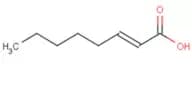

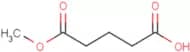
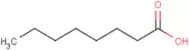

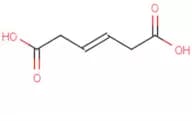
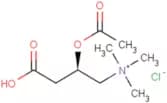
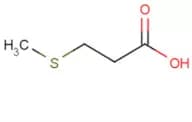
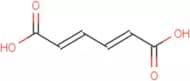
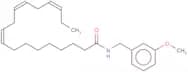
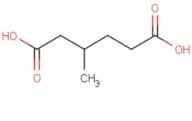
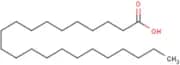
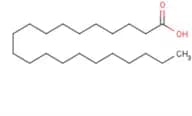
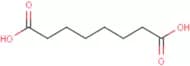
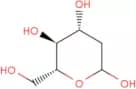
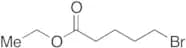






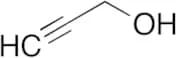



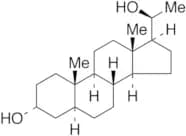
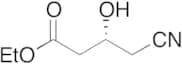



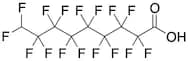


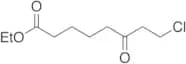
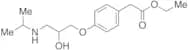

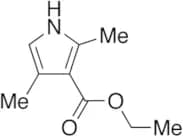
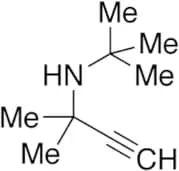



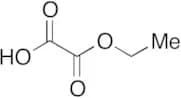

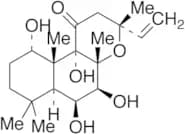
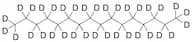
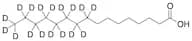
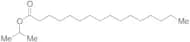

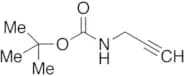



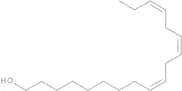



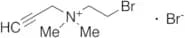
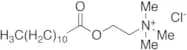


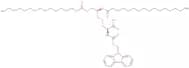
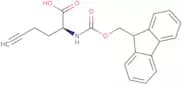
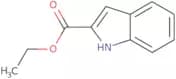
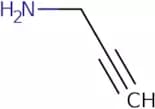
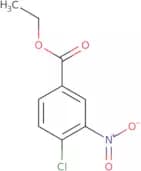
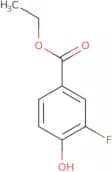
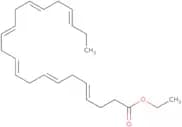
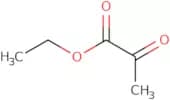
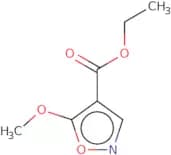

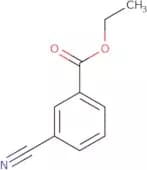
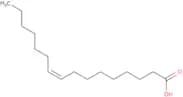

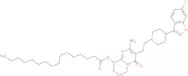
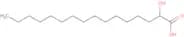

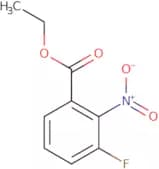

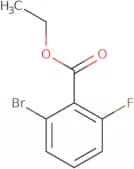
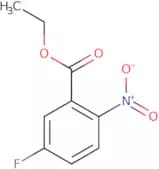
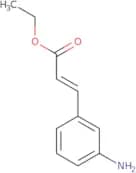

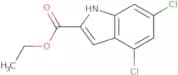
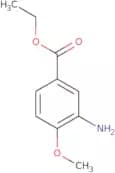

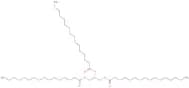
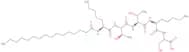
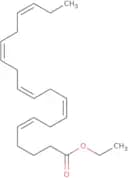
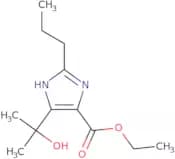
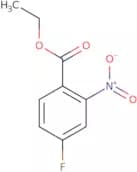
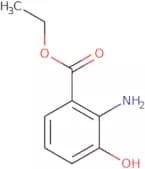
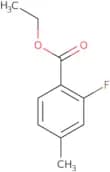
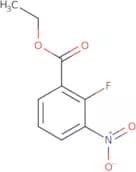
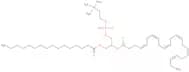
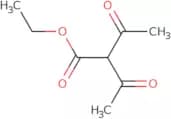

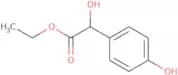
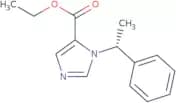
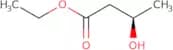
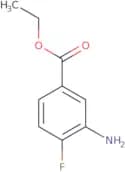
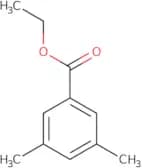

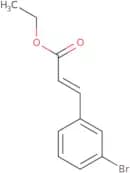

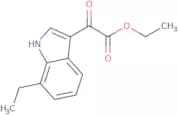
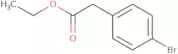

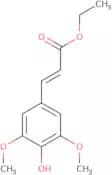
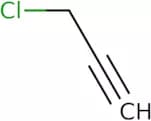
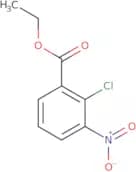
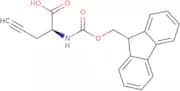
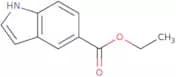
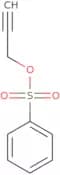

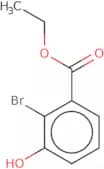


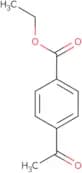

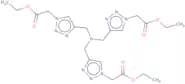

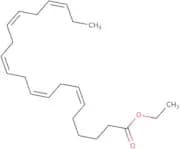
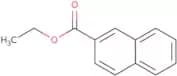
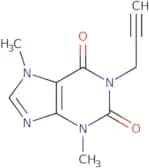
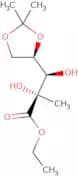
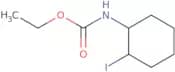
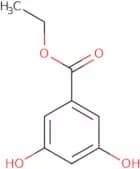
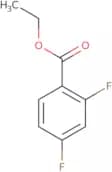

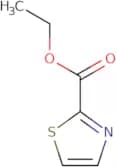
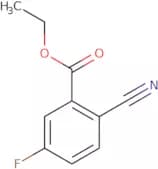
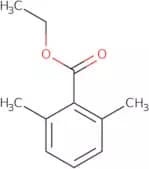

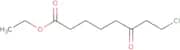
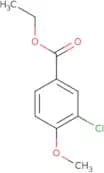
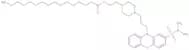
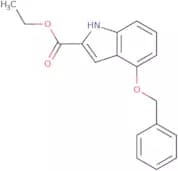
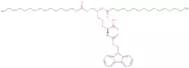
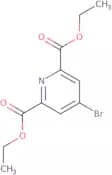

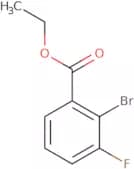

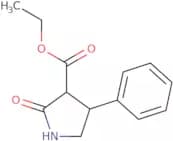
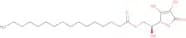
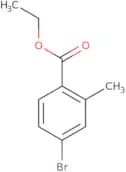

![7-[4-(4-Fluorophenyl)-6-(1-methylethyl)-2-(N-methyl-N-methylsulfonyl-amino)-pyrimidin-5-yl]-3,5-di…](/_next/image/?url=https%3A%2Fstatic.cymitquimica.com%2Fproducts%2F3D%2Fthumb-webp%2FFF35383.webp&w=3840&q=75)

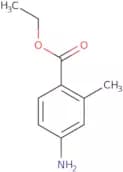

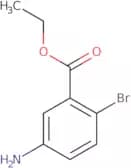

![Fmoc-S-[2,3-bis(palmitoyloxy)propyl]-L-cysteine](/_next/image/?url=https%3A%2Fstatic.cymitquimica.com%2Fproducts%2F3D%2Fthumb-webp%2FFF47755.webp&w=3840&q=75)
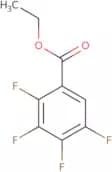
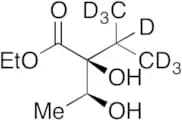
![(1S,3R,4R)-3-[(tert-Butoxycarbonyl)amino]-4-[(methylsulfonyl)oxy]cyclohexanecarboxylic Acid Ethyl …](/_next/image/?url=https%3A%2Fstatic.cymitquimica.com%2Fproducts%2FTR%2Fthumb-webp%2FB750055.webp&w=3840&q=75)
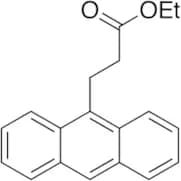
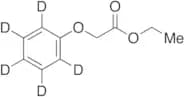
![5-Hydroxy-2-oxo-2,3-dihydro-1H-[1]benzazephe-4-carboxylic Acid Ethyl Ester](/_next/image/?url=https%3A%2Fstatic.cymitquimica.com%2Fproducts%2FTR%2Fthumb-webp%2FH950810.webp&w=3840&q=75)
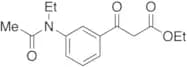

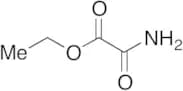
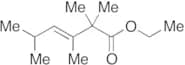
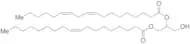
![1-[(1E)-2-Nitroethenyl]-2-naphthalenol](/_next/image/?url=https%3A%2Fstatic.cymitquimica.com%2Fproducts%2FTR%2Fthumb-webp%2FN495905.webp&w=3840&q=75)