Terpénoïdes
Les terpénoïdes, également connus sous le nom d'isoprénoïdes, sont la plus grande classe de composés organiques naturels, dérivés d'unités d'isoprène à cinq carbones. Ils se trouvent dans diverses plantes et sont connus pour leurs propriétés aromatiques, ainsi que pour leur rôle dans la défense des plantes et la signalisation. Les terpénoïdes ont été largement étudiés pour leurs effets thérapeutiques, y compris des propriétés anti-inflammatoires, antimicrobiennes et anticancéreuses. Ils sont utilisés dans les industries pharmaceutiques, cosmétiques et alimentaires pour leurs bienfaits sur la santé et leurs qualités aromatiques. Chez CymitQuimica, vous trouverez une large sélection de terpénoïdes, essentiels pour la recherche en biologie végétale, pharmacologie et synthèse de produits naturels.
Sous-catégories appartenant à la catégorie "Terpénoïdes"
- Diterpènes (C₂₀)(671 produits)
- Hémiterpènes (C₅)(21 produits)
- Monoterpènes (C₁₀)(708 produits)
- Sesquiterpènes (C₂₅)(448 produits)
- Tétraterpènes (C₄₀)(63 produits)
- Triterpènes (C₃₀)(1.130 produits)
1423 produits trouvés pour "Terpénoïdes"
Trier par
Degré de pureté (%)
0
100
|
0
|
50
|
90
|
95
|
100
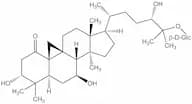
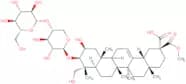
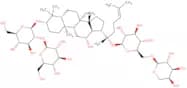
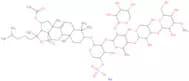
Mogroside iv
CAS :Natural glycosideFormule :C54H92O24Degré de pureté :≥ 95.0 % (HPLC)Couleur et forme :PowderMasse moléculaire :1125.31Oridonin
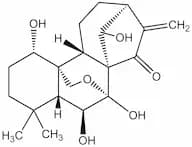
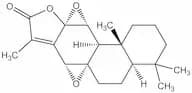
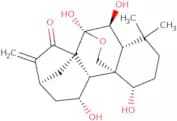
CAS :Oxygen-heterocyclic compoundFormule :C20H28O6Degré de pureté :≥ 98.0 % (HPLC)Couleur et forme :PowderMasse moléculaire :364.44Isoforskolin
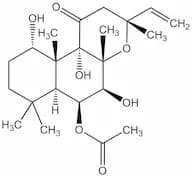
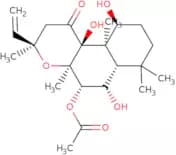
CAS :Oxygen-heterocyclic compoundFormule :C22H34O7Degré de pureté :≥ 90.0 % (HPLC)Couleur et forme :PowderMasse moléculaire :410.51Crocin e
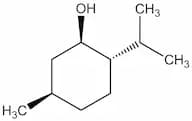
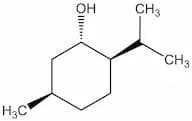
CAS :Natural glycosideFormule :C26H34O9Degré de pureté :≥ 90.0 % (HPLC)Couleur et forme :PowderMasse moléculaire :490.54(-)-menthol
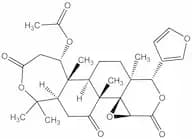
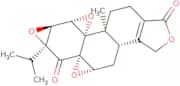
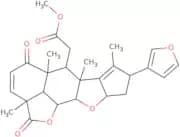
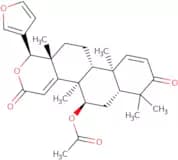
CAS :MentholFormule :C10H20ODegré de pureté :≥ 95.0 % (GC)Couleur et forme :CrystalsMasse moléculaire :156.27Nimbolide
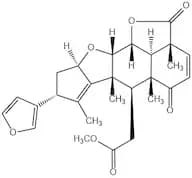
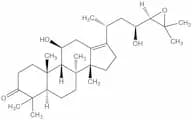
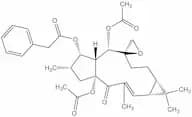
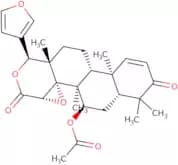
CAS :Oxygen-heterocyclic compoundFormule :C27H30O7Degré de pureté :≥ 90.0 % (HPLC)Masse moléculaire :466.52Alisol b
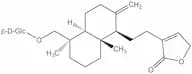
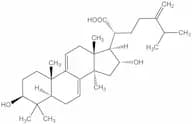
CAS :Ketone alcoholFormule :C30H48O4Degré de pureté :≥ 90.0 % (HPLC)Masse moléculaire :472.7Neoandrographolide
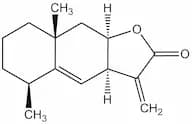
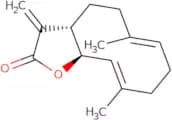
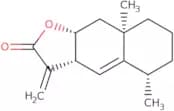
CAS :Natural glycosideFormule :C26H40O8Degré de pureté :≥ 95.0 % (HPLC)Couleur et forme :PowderMasse moléculaire :480.6Alantolactone
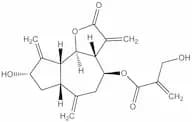
CAS :LactoneFormule :C15H20O2Degré de pureté :≥ 90.0 % (GC)Couleur et forme :Powder/needlesMasse moléculaire :232.32Cynaropicrin
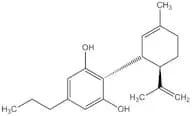
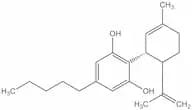
CAS :LactoneFormule :C19H22O6Degré de pureté :≥ 90.0 % (HPLC)Couleur et forme :PowderMasse moléculaire :346.38Cannabidivarin
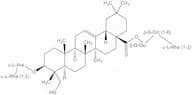
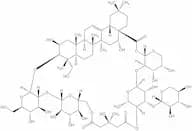
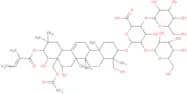
CAS :PolyphenolFormule :C19H26O2Degré de pureté :≥ 90.0 % (HPLC)Couleur et forme :PowderMasse moléculaire :286.41Hederacoside c
CAS :Natural glycosideFormule :C59H96O26Degré de pureté :≥ 98.0 % (HPLC)Couleur et forme :PowderMasse moléculaire :1221.4Crocin 3
CAS :Natural glycosideFormule :C32H44O14Degré de pureté :≥ 90.0 % (HPLC)Couleur et forme :PowderMasse moléculaire :652.68Nomilin
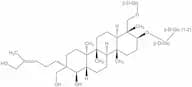
CAS :LactoneFormule :C28H34O9Degré de pureté :≥ 95.0 % (HPLC)Couleur et forme :PowderMasse moléculaire :514.57Hosenkoside c
CAS :Natural glycosideFormule :C48H82O20Degré de pureté :≥ 90.0 % (HPLC)Masse moléculaire :979.15Madecassoside
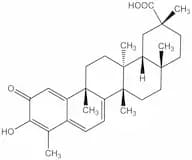
CAS :Natural glycosideFormule :C48H78O20Degré de pureté :≥ 90.0 % (HPLC)Couleur et forme :PowderMasse moléculaire :975.14Pristimerin
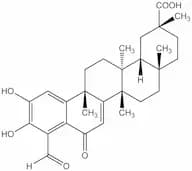
CAS :Carboxylic acid with additional oxygen functionsFormule :C30H40O4Degré de pureté :≥ 98.0 % (HPLC)Couleur et forme :PowderMasse moléculaire :464.6418β-glycyrrhetinic acid
CAS :Carboxylic acid with additional oxygen functionsFormule :C30H46O4Degré de pureté :≥ 95.0 % (HPLC)Couleur et forme :PowderMasse moléculaire :470.7Rotundic acid
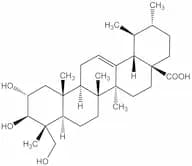
CAS :Carboxylic acid with alcohol functionFormule :C30H48O5Degré de pureté :≥ 95.0 % (HPLC)Masse moléculaire :488.7Glycyrrhizin ammonium salt
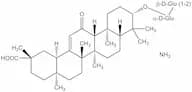
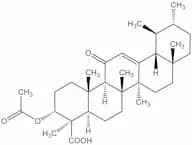
CAS :GlycyrrhizinateFormule :C42H62O16NH3Degré de pureté :≥ 80.0 % (HPLC)Couleur et forme :PowderMasse moléculaire :839.983-o-acetyl 9,11-dehydro β-boswellic acid
CAS :Carboxylic acid with alcohol functionFormule :C32H48O4Degré de pureté :≥ 98.0 % (HPLC)Couleur et forme :PowderMasse moléculaire :496.73Saikosaponin d
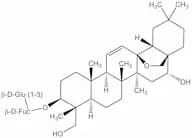
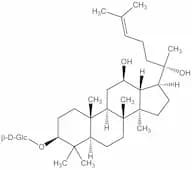
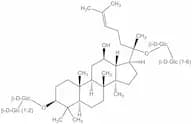
CAS :Natural glycosideFormule :C42H68O13Degré de pureté :≥ 90.0 % (HPLC)Couleur et forme :PowderMasse moléculaire :781Ginsenoside rh2
CAS :Natural glycosideFormule :C36H62O8Degré de pureté :≥ 90.0 % (HPLC)Couleur et forme :PowderMasse moléculaire :622.89Sutherlandioside b
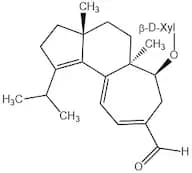
CAS :Natural glycosideFormule :C36H60O10Degré de pureté :≥ 98.0 % (HPLC)Couleur et forme :PowderMasse moléculaire :652.87Pterosin b
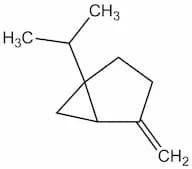
CAS :Ketone alcoholFormule :C14H18O2Degré de pureté :≥ 98.0 % (HPLC)Couleur et forme :PowderMasse moléculaire :218.3Sabinene
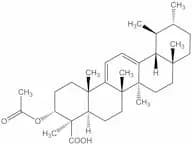
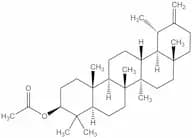
CAS :Alicyclic hydrocarbonFormule :C10H16Degré de pureté :≥ 95.0 % (GC)Couleur et forme :LiquidMasse moléculaire :136.24Taraxasterol acetate
CAS :Acetic acid esterFormule :C32H52O2Degré de pureté :≥ 90.0 % (GC)Couleur et forme :PowderMasse moléculaire :468.77Ballonigrine
CAS :LactoneFormule :C20H24O4Degré de pureté :≥ 90.0 % (HPLC)Couleur et forme :PowderMasse moléculaire :328.4Cannabidiol
CAS :PolyphenolFormule :C21H30O2Degré de pureté :≥ 95.0 % (HPLC)Couleur et forme :PowderMasse moléculaire :314.46Dehydrotumulosic acid
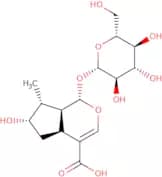
CAS :Carboxylic acid with alcohol functionFormule :C31H48O4Degré de pureté :≥ 90.0 % (HPLC)Masse moléculaire :484.71Swertiamarine
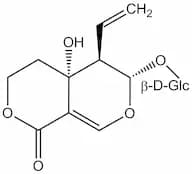
CAS :Natural glycosideFormule :C16H22O10Degré de pureté :≥ 95.0 % (HPLC)Couleur et forme :PowderMasse moléculaire :374.35Crocin
CAS :Natural glycosideFormule :C44H64O24Degré de pureté :≥ 95.0 % (HPLC)Couleur et forme :PowderMasse moléculaire :976.98(-)-bilobalide
CAS :LactoneFormule :C15H18O8Degré de pureté :≥ 95.0 % (HPLC)Couleur et forme :PowderMasse moléculaire :326.3Asiatic acid
CAS :Carboxylic acid with alcohol functionFormule :C30H48O5Degré de pureté :≥ 90.0 % (HPLC)Couleur et forme :PowderMasse moléculaire :488.71Crocetin
CAS :Acyclic polybasic carboxylic acidFormule :C20H24O4Degré de pureté :≥ 90.0 % (HPLC)Couleur et forme :PowderMasse moléculaire :328.4Hosenkoside b
CAS :Natural glycosideFormule :C48H82O20Degré de pureté :≥ 90.0 % (HPLC)Masse moléculaire :979.15Deacylgymnemic acid
CAS :Natural glycosideFormule :C36H58O12Degré de pureté :≥ 90.0 % (HPLC)Couleur et forme :PowderMasse moléculaire :682.85Asperosaponin vi
CAS :Natural glycosideFormule :C47H76O18Degré de pureté :≥ 95.0 % (HPLC)Couleur et forme :PowderMasse moléculaire :929.11Bacoside a
CAS :Natural glycosideDegré de pureté :≥ 90.0 % (HPLC)Couleur et forme :PowderMasse moléculaire :-Soyasaponin aa
CAS :Natural glycosideFormule :C64H100O31Degré de pureté :≥ 90.0 % (HPLC)Masse moléculaire :1365.4614-deoxyandrographolide
CAS :LactoneFormule :C20H30O4Degré de pureté :≥ 90.0 % (HPLC)Couleur et forme :PowderMasse moléculaire :334.45Euphorbiasteroid
CAS :Aromatic monobasic carboxylic acidFormule :C32H40O8Degré de pureté :≥ 95.0 % (HPLC)Couleur et forme :PowderMasse moléculaire :552.67Arjunetin
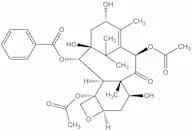
CAS :Natural glycosideFormule :C36H58O10Degré de pureté :≥ 90.0 % (HPLC)Couleur et forme :PowderMasse moléculaire :650.85Baccatin iii
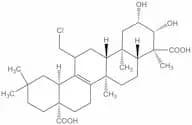
CAS :Oxygen-heterocyclic compoundFormule :C31H38O11Degré de pureté :≥ 95.0 % (HPLC)Couleur et forme :PowderMasse moléculaire :586.64Senegenin
CAS :Carboxylic acid with additional oxygen functionsFormule :C30H45O6ClDegré de pureté :≥ 95.0 % (HPLC)Couleur et forme :PowderMasse moléculaire :537.14Demethylzeylasteral
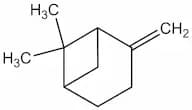
CAS :Carboxylic acid with additional oxygen functionsFormule :C29H36O6Degré de pureté :≥ 90.0 % (HPLC)Couleur et forme :PowderMasse moléculaire :480.6Β-pinene
CAS :Alicyclic hydrocarbonFormule :C10H16Degré de pureté :≥ 95.0 % (GC)Couleur et forme :LiquidMasse moléculaire :136.24Crocetin dimethyl ester
CAS :Acyclic polybasic carboxylic acidFormule :C22H28O4Degré de pureté :≥ 85.0 % (HPLC)Couleur et forme :PowderMasse moléculaire :356.46Valtrate
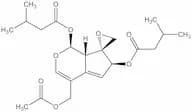
CAS :Oxygen-heterocyclic compoundFormule :C22H30O8Degré de pureté :≥ 95.0 % (HPLC)Couleur et forme :Viscous liquidMasse moléculaire :422.47Actein
CAS :Natural glycosideFormule :C37H56O11Degré de pureté :≥ 98.0 % (HPLC)Couleur et forme :PowderMasse moléculaire :676.85Tubeimoside iii
CAS :Natural glycosideFormule :C64H100O31Degré de pureté :≥ 90.0 % (HPLC)Masse moléculaire :1365.46Pedunculoside
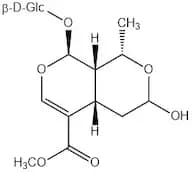
CAS :Natural glycosideFormule :C36H58O10Degré de pureté :≥ 95.0 % (HPLC)Couleur et forme :PowderMasse moléculaire :650.847α,β-morroniside
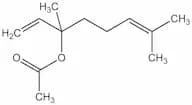
CAS :Natural glycosideFormule :C17H26O11Degré de pureté :≥ 90.0 % (HPLC)Couleur et forme :PowderMasse moléculaire :406.39Linalyl acetate
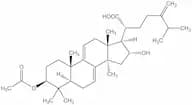
CAS :Acetic acid esterFormule :C12H20O2Degré de pureté :≥ 90.0 % (GC)Couleur et forme :LiquidMasse moléculaire :196.299-dehydropachymic acid
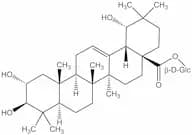
CAS :Carboxylic acid with additional oxygen functionsFormule :C33H50O5Degré de pureté :≥ 90.0 % (HPLC)Masse moléculaire :526.75Ilexsaponin a
CAS :Natural glycosideFormule :C36H56O11Degré de pureté :≥ 95.0 % (HPLC)Masse moléculaire :664.82(+)-isomenthol
CAS :Cyclic alcoholFormule :C10H20ODegré de pureté :≥ 95.0 % (GC)Couleur et forme :CrystalsMasse moléculaire :156.27Ziyuglycoside i
CAS :Natural glycosideFormule :C41H66O13Degré de pureté :≥ 95.0 % (HPLC)Masse moléculaire :766.95Bacopaside x
CAS :Natural glycosideFormule :C46H74O17Degré de pureté :≥ 90.0 % (HPLC)Couleur et forme :PowderMasse moléculaire :899.09Darutoside
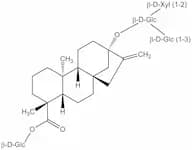
CAS :Natural glycosideFormule :C26H44O8Degré de pureté :≥ 90.0 % (HPLC)Masse moléculaire :484.62Ginsenoside ro
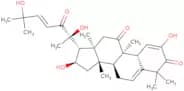
CAS :Natural glycosideFormule :C48H76O19Degré de pureté :≥ 90.0 % (HPLC)Couleur et forme :PowderMasse moléculaire :957.12Cucurbitacin d
CAS :Ketone alcoholFormule :C30H44O7Degré de pureté :≥ 98.0 % (HPLC)Couleur et forme :PowderMasse moléculaire :516.67Atractylenolide iii
CAS :LactoneFormule :C15H20O3Degré de pureté :≥ 98.0 % (HPLC)Couleur et forme :PowderMasse moléculaire :248.32Mogroside iii-e
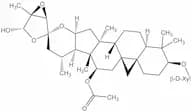
CAS :Natural glycosideFormule :C48H82O19Degré de pureté :≥ 90.0 % (HPLC)Masse moléculaire :963.15Macranthoidin a
CAS :Natural glycosideFormule :C59H96O27Degré de pureté :≥ 95.0 % (HPLC)Masse moléculaire :1237.38Secoxyloganin
CAS :Natural glycosideFormule :C17H24O11Degré de pureté :≥ 95.0 % (HPLC)Couleur et forme :CrystalsMasse moléculaire :404.37(+)-erinacin a
CAS :Natural glycosideFormule :C25H36O6Degré de pureté :≥ 90.0 % (HPLC)Couleur et forme :PowderMasse moléculaire :432.55Eurycomanone
CAS :Oxygen-heterocyclic compoundFormule :C20H24O9Degré de pureté :≥ 90.0 % (HPLC)Couleur et forme :PowderMasse moléculaire :408.4Amarogentin
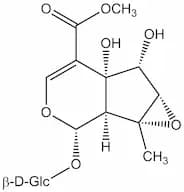
CAS :Natural glycosideFormule :C29H30O13Degré de pureté :≥ 90.0 % (HPLC)Couleur et forme :PowderMasse moléculaire :586.55Sesamoside
CAS :Natural glycosideFormule :C17H24O12Degré de pureté :≥ 95.0 % (HPLC)Couleur et forme :PowderMasse moléculaire :420.373-o-acetyl 11-keto-β-boswellic acid
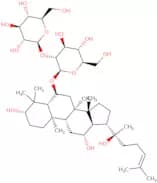
CAS :Carboxylic acid with additional oxygen functionsFormule :C32H48O5Degré de pureté :≥ 98.0 % (HPLC)Couleur et forme :PowderMasse moléculaire :512.73Ginsenoside rb1
CAS :Natural glycosideFormule :C54H92O23Degré de pureté :≥ 90.0 % (HPLC)Couleur et forme :PowderMasse moléculaire :1109.31Celastrol
CAS :Carboxylic acid with additional oxygen functionsFormule :C29H38O4Degré de pureté :≥ 95.0 % (HPLC)Couleur et forme :CrystallineMasse moléculaire :450.62Pseudolaric acid b
CAS :LactoneFormule :C23H28O8Degré de pureté :≥ 98.0 % (HPLC)Couleur et forme :PowderMasse moléculaire :432.47Rebaudioside f
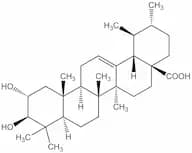
CAS :Natural glycosideFormule :C43H68O22Degré de pureté :≥ 90.0 % (HPLC)Couleur et forme :PowderMasse moléculaire :936.99Corosolic acid
CAS :Carboxylic acid with alcohol functionFormule :C30H48O4Degré de pureté :≥ 90.0 % (HPLC)Couleur et forme :PowderMasse moléculaire :472.71Α-santonin
CAS :LactoneFormule :C15H18O3Degré de pureté :≥ 95.0 % (HPLC)Couleur et forme :CrystallineMasse moléculaire :246.31Β-elemonic acid
CAS :Carboxylic acid with ketone functionFormule :C30H46O3Degré de pureté :≥ 90.0 % (HPLC)Couleur et forme :PowderMasse moléculaire :454.7Rebaudioside a
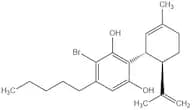
CAS :Natural glycosideFormule :C44H70O23Degré de pureté :≥ 95.0 % (HPLC)Couleur et forme :PowderMasse moléculaire :967.034-monobromocannabidiol
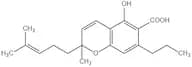
CAS :Halogen derivative of polyphenolFormule :C21H29BrO2Degré de pureté :≥ 90.0 % (HPLC)Couleur et forme :Viscous liquidMasse moléculaire :393.36Cannabichromevarinic acid
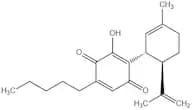
CAS :Carboxylic acid with phenol functionFormule :C20H26O4Degré de pureté :≥ 98.0 % (HPLC)Couleur et forme :PowderMasse moléculaire :330.42Cannabidiol hydroxyquinone
CAS :QuinoneFormule :C21H28O3Degré de pureté :≥ 90.0 % (HPLC)Couleur et forme :PowderMasse moléculaire :328.45Lycopene
CAS :Acyclic unsaturated hydrocarbonFormule :C40H56Degré de pureté :>=90.0% (HPLC)Masse moléculaire :536.87Zeaxanthin
CAS :Cyclic alcoholFormule :C40H56O2Degré de pureté :≥ 85.0 % (HPLC)Masse moléculaire :568.87(R)-(-)-Carvone
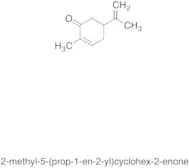
CAS :<p>Applications (R)-(-)-Carvone, is an antinociceptive monoterpene found as the main active constituent of essential oils obtained from plants of the genus Mentha. It is a novel agonist of TRPV1 channels. It can also be used as a chiral starting material.<br>References Goncalves, J.C., et al.: Cytometry part A., 83(2), 212 (2013); Liebigs ann., Chem., 403 (1993);<br></p>Formule :C10H14OCouleur et forme :ColourlessMasse moléculaire :150.22Carvone
CAS :Produit contrôlé<p>Stability Light Sensitive<br>Applications Carvone is useful for the treatment of various metabolic disorders and GI related disorders.<br>References Shabi, M. M., et al.: Res. J. Pharm. Biol. Chem. Sci., 8, 328 (2017)<br></p>Formule :C10H14OCouleur et forme :Light Yellow To Light BrownMasse moléculaire :150.22D-(+)-Carvone
CAS :<p>Applications D-(+)-Carvone, is used for the synthesis of (-)-terpestacin, a fungal metabolite with anticancer activity.It is also found in the essential oils of the in vitro M. longifolia plantlets and callus, that can be used as a potential source of a safe flavouring agent.<br>References Jin , Y., et al.: Org. Biomol. Chem., 10(28), 5452 (12012); Morcia, C., et al.: Acta. Biochimica. Polonica., 58(4), 581 (2011);<br></p>Formule :C10H14OCouleur et forme :NeatMasse moléculaire :150.22Limetol
CAS :Produit contrôlé<p>Applications Limetol, is the cyclized derivative of linalool (L465950), melanol, and other unsaturated alcohols, that was shown to give a product mixture that can be used in fragrance and perfumery industry.<br>References Klimánková, E., et al.: Food Chem., 107, 464 (2008); Nakamura, A., et al.: J. Agric. Food Chem., 57, 5480 (2009); Soni, A. et al.: Synth. Comm., 40, 74 (2010);<br></p>Formule :C10H18OCouleur et forme :NeatMasse moléculaire :154.25Levopimaric Acid
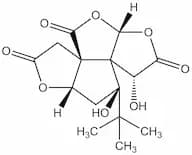
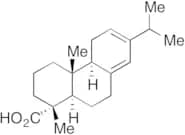
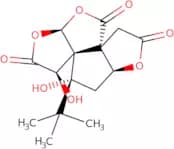
CAS :Produit contrôlé<p>Stability Air Sensitive<br>Applications Levopimaric Acid is a major component of pine oleoresin. It is an abietane-type of diterpene resin acid and has antibacterial, cardiovascular, and antioxidant properties.<br>References Kersten, P. J., et al.: J. Chem. Ecol., 32(12), 2679-85 (2006)<br></p>Formule :C20H30O2Couleur et forme :White To Off-WhiteMasse moléculaire :302.45Ginkgolide B
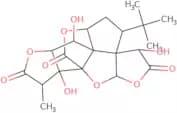
CAS :<p>Ginkgolide B is a diterpenoid lactone, which is a secondary metabolite isolated from the leaves of the Ginkgo biloba tree. This compound is primarily sourced from the extract of Ginkgo biloba, a plant that has been utilized for centuries in traditional medicine systems.</p>Formule :C20H24O10Degré de pureté :Min. 90 Area-%Couleur et forme :White PowderMasse moléculaire :424.4 g/molAjugarin II
CAS :<p>Ajugarin II is a naturally occurring iridoid glycoside found in plants belonging to the genus Ajuga, which is a member of the Lamiaceae family. These plants have been traditionally used in herbal medicine and are known for their various pharmacological properties. The source of Ajugarin II is primarily the leaf and stem tissues, where it is biosynthesized as part of the plant's secondary metabolites.</p>Formule :C22H32O6Degré de pureté :Min. 95%Masse moléculaire :392.49 g/molSoyasaponin Bb
CAS :<p>Soyasaponin Bb is a naturally occurring saponin, which is a type of glycoside, derived from soybeans (Glycine max). It is primarily sourced from the seeds and roots of the soybean plant. The mode of action of soyasaponin Bb involves its ability to interact with lipid membranes, affecting cellular pathways and exerting antioxidant and anti-inflammatory effects. Additionally, it has been shown to modulate cholesterol metabolism and exhibit potential anticancer activities through apoptosis induction and inhibition of tumor cell proliferation.</p>Formule :C48H78O18Degré de pureté :Min. 94.0 Area-%Masse moléculaire :943.12 g/molRef: 3D-Q-100575
1gÀ demander50mgÀ demander100mgÀ demander250mgÀ demander500mgÀ demander-Unit-mgmgÀ demanderα-Amyrin
CAS :Produit contrôlé<p>α-Amyrin is a pentacyclic triterpene, which is commonly found in the resins and latex of various plant species. It is primarily sourced from the lipophilic extracts of angiosperms, where it is often present in both the free form and as esters. Its mode of action involves modulation of key signaling pathways involved in inflammation and cellular oxidative stress, particularly through the inhibition of pro-inflammatory enzymes such as cyclooxygenase. α-Amyrin also induces apoptosis via mitochondrial pathways in certain cell types, adding to its therapeutic potential.</p>Formule :C30H50ODegré de pureté :Min. 95%Couleur et forme :PowderMasse moléculaire :426.72 g/molCynaropicrin - Cynara cardunculus (artichoke)
CAS :<p>Cynaropicrin is a sesquiterpene lactone, which is a bioactive compound derived from Cynara cardunculus, commonly known as the artichoke. The source of this compound is primarily the leaves and flowering parts of the plant, which have been traditionally used in herbal medicine. Cynaropicrin exhibits its biological activity through the inhibition of various inflammatory pathways, particularly by modulating the NF-κB signaling pathway, which is crucial in the regulation of immune response and inflammation.</p>Formule :C19H22O6Degré de pureté :Min. 95%Couleur et forme :PowderMasse moléculaire :346.37 g/molGinsenoside Re
CAS :<p>Ginsenoside Re is a naturally occurring saponin, which is a bioactive compound sourced primarily from the root of Panax ginseng. It operates through multiple biochemical pathways, including the modulation of immune responses, anti-inflammatory effects, and protective antioxidant activities. Ginsenoside Re exerts its actions by interacting with cellular receptors, influencing signaling pathways such as the PI3K/Akt and MAPK pathways, ultimately impacting gene expression and cellular responses.</p>Formule :C48H82O18Degré de pureté :Min. 98 Area-%Couleur et forme :White PowderMasse moléculaire :947.18 g/molPonicidin
CAS :<p>Ponicidin is a natural product, which is a diterpenoid compound derived from the plant *Isodon rubescens*. It exhibits a mode of action characterized by its ability to interfere with cellular processes through apoptosis induction and inhibition of cell proliferation. This occurs via the modulation of specific signaling pathways, including the suppression of NF-κB activity and the promotion of caspase activation.</p>Formule :C20H26O6Degré de pureté :Min. 95%Couleur et forme :PowderMasse moléculaire :362.43 g/molNigranoic acid
CAS :<p>Nigranoic acid is a triterpenoid compound, which is derived from the seeds of Schisandra species, a type of plant known for its medicinal properties. It is particularly abundant in Schisandra chinensis, commonly used in traditional medicine systems. The mode of action of nigranoic acid involves modulation of inflammatory pathways and oxidative stress. It has shown the ability to inhibit the production of pro-inflammatory cytokines and reactive oxygen species, mediating its potential therapeutic effects.</p>Formule :C30H46O4Degré de pureté :Min. 95%Couleur et forme :PowderMasse moléculaire :470.68 g/molBrusatol
CAS :<p>Inhibitor of protein synthesis and Nrf2-mediated chemoresistance</p>Formule :C26H32O11Degré de pureté :Min. 97 Area-%Couleur et forme :White PowderMasse moléculaire :520.53 g/molLasiokaurin
CAS :<p>Lasiokaurin is a sesquiterpene lactone, which is a type of terpenoid compound primarily found in certain plant species. It is derived from the plants of the Asteraceae family, where it is biosynthesized as part of the plant's secondary metabolites. This compound is characterized by its complex structure, which includes a lactone ring, contributing to its biological activity.</p>Formule :C22H30O7Degré de pureté :Min. 95%Couleur et forme :Yellow PowderMasse moléculaire :406.47 g/molOridonin
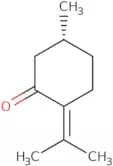
CAS :<p>A diterpenoid from Chinese medicinal plant Rabdosia rubescens with anti-inflammatory activity. It is a potent inhibitor of NF-κB and MAPK activation and suppresses the release of proinflammatory cytokines. It is also a covalent inhibitor of NLRP3, a sensor component of NLRP3 inflammasome. In a rodent model for cerebral amyloidosis, oridonin effectively prevented neuroinflammation and Alzheimer’s disease-associated neuropathological changes. It reduced numbers of amyloid-β plaques in mice brain and reversed behaviour and social impairment.</p>Formule :C20H28O6Degré de pureté :Min. 98 Area-%Couleur et forme :White PowderMasse moléculaire :364.44 g/mol(R)-Pulegone - 95%
CAS :<p>(R)-Pulegone - 95% is a monoterpene ketone, which is a type of organic compound commonly found in essential oils of mint plants, particularly in Mentha species. This compound is naturally derived from the aromatic leaves of these plants and is a major component contributing to their characteristic scent.</p>Formule :C10H16ODegré de pureté :Min. 95%Couleur et forme :Colourless To Yellow LiquidMasse moléculaire :152.23 g/molGnidimacrin
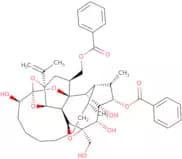
CAS :<p>Gnidimacrin is a natural diterpenoid ester, which is derived from the plant genus *Gnidia*. It is known for its intricate molecular structure and potent biological activities. As a plant-derived compound, it is sourced primarily from the shrubs native to Africa and Asia, belonging to the Thymelaeaceae family.</p>Formule :C44H54O12Degré de pureté :Min. 95%Masse moléculaire :774.89 g/molHispidol
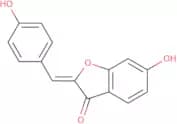
CAS :<p>Hispidol is a naturally occurring flavonoid compound, which is extracted from the Leguminosae family of plants. This class of compounds is characterized by its polyphenolic structure, contributing to its role within plant defense mechanisms. With an origin primarily in legumes, hispidol’s bioactive properties stem from its ability to interact with various enzymatic and receptor pathways.</p>Formule :C15H10O4Degré de pureté :Min. 95%Couleur et forme :Slightly Brown PowderMasse moléculaire :254.24 g/molGinkgolide A
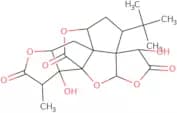
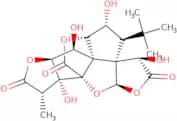
CAS :<p>Ginkgolide A is a terpenoid lactone, which is a diterpene known for its presence in the leaves of the Ginkgo biloba tree. As a bioactive compound, it is naturally sourced from this ancient plant, which has been utilized in traditional medicine for centuries. Ginkgolide A acts primarily as an antagonist of platelet-activating factor (PAF), thereby influencing a range of physiological processes. Its modulatory effects on neurotransmission and vascular function arise from its ability to inhibit PAF binding to its receptor, reducing platelet aggregation and improving microcirculatory flow.</p>Formule :C20H24O9Degré de pureté :Min. 95%Couleur et forme :White PowderMasse moléculaire :408.4 g/molEsculentoside A
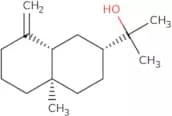
CAS :<p>Esculentoside A is a naturally occurring saponin, which is extracted from the roots of the plant *Phytolacca esculenta*. It is known for its significant anti-inflammatory and immune-modulatory effects. The mode of action of Esculentoside A involves the suppression of pro-inflammatory cytokine production and the inhibition of nuclear factor kappa B (NF-κB) signaling pathways. This contributes to its ability to attenuate inflammatory responses and modulate immune functions.</p>Formule :C42H66O16Degré de pureté :Min. 95%Couleur et forme :SolidMasse moléculaire :826.96 g/molβ-Eudesmol
CAS :<p>Beta-Eudesmol is a sesquiterpenoid alcohol, which is a naturally occurring compound found in several essential oils extracted from plants, particularly those belonging to the genus Zingiberaceae. It is a major component in some aromatic species, manifesting as a colorless or pale yellow viscous liquid at room temperature.</p>Formule :C15H26ODegré de pureté :Min. 95%Couleur et forme :White PowderMasse moléculaire :222.37 g/molGinsenoside Rb1 - 98%
CAS :<p>Ginsenoside Rb1 - 98% is a purified chemical compound, specifically a saponin, derived from the roots of Panax ginseng, a perennial plant native to East Asia. The compound belongs to the ginsenoside family, which constitutes the primary active components of ginseng.</p>Formule :C54H92O23Degré de pureté :Min. 98 Area-%Couleur et forme :White Off-White PowderMasse moléculaire :1,109.32 g/molTriptonide
CAS :<p>Inhibits canonical Wnt/β-catenin signaling; antineoplastic</p>Formule :C20H22O6Degré de pureté :Min. 95%Couleur et forme :PowderMasse moléculaire :358.39 g/molDihydroartemisinin
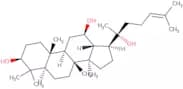
CAS :<p>Dihydroartemisinin is an antimalarial agent, which is a semi-synthetic derivative of artemisinin. Artemisinin is a naturally occurring sesquiterpene lactone derived from the sweet wormwood plant, Artemisia annua. The mode of action of dihydroartemisinin involves the generation of free radicals within the parasite's cells. This process occurs when the endoperoxide bridge in its chemical structure reacts with iron, leading to oxidative damage and subsequent parasite death.</p>Formule :C15H24O5Degré de pureté :Min. 95%Couleur et forme :White PowderMasse moléculaire :284.35 g/mol20(R)-Protopanaxadiol
CAS :Produit contrôlé<p>20(R)-Protopanaxadiol is a bioactive compound, which is a triterpenoid saponin metabolite, derived from the processing of ginsenosides found in ginseng species. This compound is primarily sourced from the hydrolysis of specific ginsenosides, marking it as a significant component in the study of traditional medicinal plants. Its mode of action involves modulating various cellular pathways, including those related to apoptosis, antioxidant activity, and anti-inflammatory responses.</p>Formule :C30H52O3Degré de pureté :Min. 95%Couleur et forme :PowderMasse moléculaire :460.73 g/molSantalol, α and β isomers
CAS :<p>Santalol, alpha and beta isomers are terpenes that belong to the class of natural compounds. They are found in the essential oils of sandalwood tree (Santalum album) and have been shown to have various biological activities, including anti-skin cancer activity in vivo models. Santalol has been shown to inhibit the production of epidermal growth factor by human prostate cancer cells. This compound also has an effect on oral pathogens, such as Streptococcus mutans and Lactobacillus acidophilus, which may be due to its ability to bind with bacterial receptors.</p>Formule :C15H24ODegré de pureté :(%) Min. 70%Couleur et forme :Colorless Clear LiquidMasse moléculaire :220.35 g/molLanatoside C
CAS :<p>Lanatoside C is a cardiac glycoside, which is a bioactive compound derived from the leaves of the plant Digitalis lanata. This compound exerts its effects primarily through inhibition of the Na⁺/K⁺-ATPase enzyme in cardiac muscle cells. By inhibiting this enzyme, Lanatoside C increases intracellular sodium levels, which indirectly leads to an increase in intracellular calcium via the sodium-calcium exchange mechanism. The elevated calcium concentrations enhance cardiac muscle contraction, thereby improving cardiac output and efficiency.</p>Formule :C49H76O20Degré de pureté :Min. 95%Couleur et forme :White PowderMasse moléculaire :985.12 g/molEburicoic acid
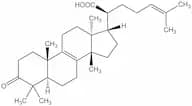
CAS :Produit contrôlé<p>Eburicoic acid is a lanostane-type triterpenoid, which is a secondary metabolite primarily obtained from fungi, notably those in the Polyporaceae family. This compound features a complex molecular structure characteristic of triterpenoids, which are known for diverse biological activities. The source of eburicoic acid is crucial in understanding its biosynthesis and ecological roles within its native fungal hosts.</p>Formule :C31H50O3Degré de pureté :Min. 95%Couleur et forme :PowderMasse moléculaire :470.73 g/molMethyl lucidenate P
CAS :<p>Methyl lucidenate P is a natural triterpenoid compound, which is derived from various species of the Ganoderma fungus, particularly Ganoderma lucidum, known commonly as reishi or lingzhi. This compound is structurally characterized by the presence of a methyl ester group, contributing to its unique biochemical properties. Methyl lucidenate P acts by interfering with several cellular pathways, including apoptosis induction and angiogenesis inhibition, which are crucial for its potential anticancer activities. It disrupts cell proliferation and promotes programmed cell death in various cancer cell lines.</p>Formule :C30H44O8Degré de pureté :Min. 95%Masse moléculaire :532.67 g/molGinsenoside Rb2
CAS :<p>Ginsenoside Rb2 is a bioactive compound, which is a type of ginsenoside found predominantly in Panax ginseng. It is sourced from the root of the ginseng plant, where it functions as one of the major active constituents contributing to the plant's medicinal properties. The mode of action of Ginsenoside Rb2 involves modulation of multiple signaling pathways, including antioxidant, anti-inflammatory, and anti-cancer pathways. It influences cellular metabolism, apoptosis, and immune responses, thereby playing a critical role in the therapeutic effects of ginseng.</p>Formule :C53H90O22Degré de pureté :Min. 98 Area-%Couleur et forme :PowderMasse moléculaire :1,079.3 g/molBetulin diacetate
CAS :<p>Betulin diacetate is a synthesized compound derived from betulin, a naturally occurring triterpenoid. Betulin is primarily sourced from the bark of birch trees, specifically Betula species. The compound undergoes acetylation to form betulin diacetate, which enhances its solubility and bioavailability compared to its precursor.</p>Formule :C34H54O4Degré de pureté :Min. 95%Couleur et forme :White Off-White PowderMasse moléculaire :526.79 g/molEpibetulinic acid
CAS :<p>Epibetulinic acid is a naturally occurring triterpenoid acid, which is a derivative of betulinic acid. This compound is primarily sourced from the bark of birch trees, specifically from the Betula genus. It is a pentacyclic compound characterized by its typical lupane skeleton. Epibetulinic acid is noted for its diverse biological activities, underscoring its potent mode of action as a modulator of various cellular pathways.</p>Formule :C30H48O3Degré de pureté :Min. 98 Area-%Couleur et forme :White PowderMasse moléculaire :456.7 g/molNimbolide
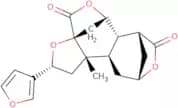
CAS :<p>A triterpenoid with anti-cancer properties</p>Formule :C27H30O7Degré de pureté :Min. 96 Area-%Couleur et forme :Yellow PowderMasse moléculaire :466.52 g/molDiosbulbin B
CAS :<p>Diosbulbin B is a naturally occurring sesquiterpene lactone, which is derived primarily from the plant Dioscorea bulbifera, commonly known as "air potato" or "bitter yam." As a bioactive compound, Diosbulbin B demonstrates a mode of action that involves the induction of cytotoxicity in malignant cells, primarily through the disruption of microtubule dynamics, leading to cell cycle arrest and apoptosis.</p>Formule :C19H20O6Degré de pureté :Min. 98 Area-%Couleur et forme :PowderMasse moléculaire :344.36 g/molGibberellic acid A4
CAS :<p>Gibberellic acid A4 is a phytohormone and plant growth regulator, which is a diterpene acid derived from the fungal genus *Gibberella*. This compound functions by stimulating the production of enzymes that degrade cell wall components, allowing for cell elongation and division. Additionally, it influences the expression of genes related to growth and development processes.</p>Formule :C19H24O5Degré de pureté :Min. 90 Area-%Couleur et forme :White PowderMasse moléculaire :332.39 g/molEupatolide
CAS :<p>Eupatolide is a sesquiterpene lactone, which is a class of naturally occurring organic compounds. It is primarily derived from certain plants in the Asteraceae family, such as Eupatorium species. Eupatolide exhibits its biological effects through the modulation of various signaling pathways, including the inhibition of the nuclear factor kappa B (NF-κB) pathway, which plays a critical role in the regulation of immune and inflammatory responses.</p>Formule :C15H20O3Degré de pureté :Min. 98 Area-%Couleur et forme :PowderMasse moléculaire :248.32 g/molMedicagenic acid 3-O-glucoside
CAS :<p>Medicagenic acid 3-O-glucoside is a bioactive phytochemical compound, which is a type of saponin glucoside. It is derived from the genus Medicago, particularly from species such as alfalfa, known for their medicinal and nutritional properties. The mode of action of Medicagenic acid 3-O-glucoside involves interactions with cellular membranes, where it can influence permeability and modulate immune responses. These interactions are attributed to its surfactant properties that enable the saponin to disrupt lipid bilayers and influence signal transduction pathways that mediate inflammatory and immune processes.</p>Formule :C36H56O11Degré de pureté :Min. 95%Couleur et forme :PowderMasse moléculaire :664.82 g/molSpathulenol
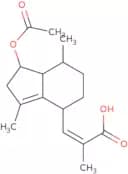
CAS :<p>Herbal tasting plant metabolite from tarragon; anaesthetic and vasodilator</p>Formule :C15H24ODegré de pureté :Min. 90 Area-%Couleur et forme :Clear LiquidMasse moléculaire :220.35 g/molAcetoxyvalerenic acid, valeriana officinalis (common valerian)
CAS :<p>**Acetoxyvalerenic acid** is a bioactive compound, which is a sesquiterpenic constituent derived from the roots of *Valeriana officinalis*, commonly known as valerian. This perennial flowering plant is indigenous to Europe and parts of Asia and has been historically utilized for its sedative and calming effects. Recent phytochemical studies have isolated acetoxyvalerenic acid as one of the active sesquiterpenoids contributing to these effects.</p>Formule :C17H24O4Degré de pureté :Min. 90 Area-%Couleur et forme :Colorless Clear LiquidMasse moléculaire :292.37 g/mol(20S)-Ginsenoside Rg3
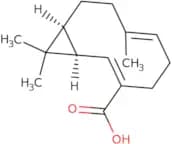
CAS :<p>(20S)-Ginsenoside Rg3 is a bioactive saponin compound derived from the root of Panax ginseng. It is a naturally occurring component in ginseng, a traditional medicinal plant extensively studied for its diverse health benefits. The mode of action of (20S)-Ginsenoside Rg3 primarily involves the modulation of cellular pathways, such as the inhibition of tumor growth through apoptosis induction and anti-angiogenic effects. Additionally, it interacts with various signaling molecules, leading to its anti-inflammatory, antioxidant, and neuroprotective activities.</p>Formule :C42H72O13Degré de pureté :Min. 98 Area-%Couleur et forme :White PowderMasse moléculaire :785.01 g/molVolvalerenic acid
CAS :<p>Volvalerenic acid is a sesquiterpene compound, which is a naturally occurring organic constituent found in the roots of Valeriana species, particularly Valeriana officinalis. This compound is primarily obtained through the extraction of these roots utilizing organic solvents and further chromatographic purification methods.</p>Formule :C15H22O2Degré de pureté :Min. 95%Masse moléculaire :234.33 g/molCurcumol
CAS :<p>Curcumol is a bioactive compound, which is a sesquiterpenoid alcohol primarily extracted from the rhizome of the plant Curcuma wenyujin, a member of the Zingiberaceae family. The source plant is native to parts of Asia and has been traditionally used in herbal medicine. The mode of action of Curcumol involves modulation of multiple biochemical pathways, including anti-inflammatory and antioxidant pathways. It has been observed to influence cellular signaling cascades that regulate apoptosis, cell proliferation, and angiogenesis, making it a compound of interest in oncology research.</p>Formule :C15H24O2Degré de pureté :Min. 95%Couleur et forme :PowderMasse moléculaire :236.35 g/molDihydroartemisinic acid
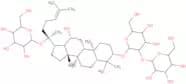
CAS :<p>Artemisinin precursor</p>Formule :C15H24O2Degré de pureté :Min. 95%Couleur et forme :PowderMasse moléculaire :236.35 g/molGinsenoside Rd
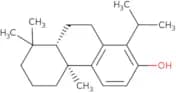
CAS :<p>Ginsenoside Rd is a bioactive compound, classified as a saponin, which is derived from the roots of Panax ginseng. This ginsenoside is a dammarane-type triterpenoid saponin and is one of the major active components found in ginseng extracts. The mode of action of Ginsenoside Rd involves multiple biochemical pathways, including anti-inflammatory, antioxidant, and neuroprotective effects. It modulates signaling pathways such as MAPK and PI3K/Akt, resulting in diverse biological activities.</p>Formule :C48H82O18Degré de pureté :Min. 95%Couleur et forme :White PowderMasse moléculaire :947.18 g/molTotarol - 98%
CAS :<p>Natural diterpene; anti-microbial</p>Formule :C20H30ODegré de pureté :Min. 98 Area-%Couleur et forme :PowderMasse moléculaire :286.45 g/molMomilactone A
CAS :Produit contrôlé<p>Secondary plant metabolite with antimicrobial properties produced in response to plant infection and exposure to UV light. This diterpenoid phytoalexin is found only in rice (Oryza sativa) and moss (Hypnum plumaeforme).</p>Formule :C20H26O3Degré de pureté :Min. 95 Area-%Masse moléculaire :314.42 g/molDeoxygedunin
CAS :<p>Deoxygedunin is a natural limonoid, which is a type of chemical compound often derived from plant sources, particularly in the Meliaceae family. This compound is primarily isolated from the seeds of the Indian neem tree (Azadirachta indica) and the African mahogany tree (Khaya senegalensis). It exhibits its biological effects through activation of the Nrf2 pathway, an essential cellular defense mechanism against oxidative stress. By promoting the expression of antioxidant proteins, deoxygedunin enhances cellular resilience to oxidative damage.</p>Formule :C28H34O6Degré de pureté :Min. 95%Masse moléculaire :466.57 g/molDubione B
CAS :<p>Please enquire for more information about Dubione B including the price, delivery time and more detailed product information at the technical inquiry form on this page</p>Degré de pureté :Min. 95%α-Terpineol
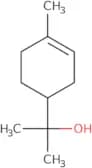
CAS :<p>Alpha-terpineol is a terpene alcohol that exhibits cytotoxic effects on cells. It has been shown to cause cell lysis in both bacteria and mammalian cells, which may be due to its reactive oxygen species (ROS) production. Alpha-terpineol is also an effective agent against infectious diseases such as HIV, tuberculosis, and malaria. This molecule has a high resistance to chemical degradation, making it a promising anticancer agent. Alpha-terpineol can inhibit the polymerase chain reaction (PCR) by binding to the enzyme DNA polymerase, thereby preventing the synthesis of DNA molecules. It can also bind to the enzyme RNA polymerase and inhibit the transcription of mRNA into protein molecules. Lastly, alpha-terpineol is known for its genotoxic effects in vivo and in vitro. The genotoxicity of alpha-terpineol has been demonstrated using several different methods including electron microscopy, chemical stability assays, surface methodology experiments on kidney bean extract,</p>Formule :C10H18ODegré de pureté :Min. 95%Masse moléculaire :154.25 g/molMonotropein
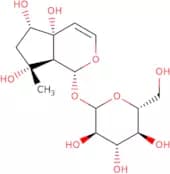
CAS :<p>Monotropein is a bioactive compound, which is an iridoid glycoside derived from natural sources such as plants in the Gentianaceae and Rubiaceae families. Its mode of action primarily involves anti-inflammatory and antioxidant pathways, exerting effects through modulation of specific molecular targets like NF-kB and various oxidative stress-related enzymes. These actions contribute to its efficacy in reducing inflammation and protecting against cellular oxidative damage.</p>Formule :C16H22O11Degré de pureté :Min. 95 Area-%Couleur et forme :PowderMasse moléculaire :390.34 g/molDehydrocostus lactone
CAS :<p>Dehydrocostus lactone is a sesquiterpene lactone, which is a natural compound extracted from plants, notably from the roots of Saussurea lappa, a plant known for its therapeutic properties. This compound exerts its mode of action primarily through the inhibition of key inflammatory pathways, including the NF-κB pathway. By interfering with these pathways, dehydrocostus lactone can modulate the expression of pro-inflammatory cytokines, thereby exhibiting anti-inflammatory effects.</p>Formule :C15H18O2Degré de pureté :Min. 95%Masse moléculaire :230.3 g/molIsosteviol
CAS :<p>Isosteviol is a diterpenoid compound, which is a metabolite derived from the enzymatic hydrolysis of stevioside, a glycoside found in the leaves of the Stevia rebaudiana plant. Its mode of action involves modulation of various biological pathways, including anti-inflammatory and antihyperglycemic effects. These actions are attributed to its ability to interact with specific cellular targets, inhibiting pro-inflammatory cytokines and improving insulin sensitivity.</p>Formule :C20H30O3Degré de pureté :Min. 95%Masse moléculaire :318.45 g/molSoyasaponin I
CAS :<p>Inhibits L-iodose and HNE reduction; aldose reductase differential inhibitor</p>Formule :C48H78O18Degré de pureté :Min. 98 Area-%Couleur et forme :PowderMasse moléculaire :943.12 g/molSaikosaponin B
CAS :<p>Saikosaponin B is a bioactive compound, classified as a triterpenoid saponin, which is derived from the roots of the Bupleurum chinense plant. It exerts its effects primarily by modulating immune responses and inhibiting inflammatory pathways, including the downregulation of pro-inflammatory cytokines and the inhibition of the NF-κB signaling pathway.</p>Degré de pureté :Min. 95%Hotrienol
CAS :<p>Hotrienol is a sesquiterpene alcohol, which is a naturally occurring organic compound. It is primarily sourced from certain essential oils, such as those derived from Cypress species and various aromatic plants. These oils are obtained through steam distillation or cold pressing methods, allowing for the extraction of volatile compounds where Hotrienol is present.</p>Formule :C10H16ODegré de pureté :Min. 95%Couleur et forme :PowderMasse moléculaire :152.23 g/molKaurenoic acid
CAS :<p>Selective antibacterial and anti-inflammtory activity; uterine relaxant</p>Formule :C20H30O2Degré de pureté :Min. 98 Area-%Couleur et forme :White PowderMasse moléculaire :302.45 g/molIriversical
CAS :<p>Iriversical is a synthetic compound, which is derived from a combination of bioactive organic molecules. It operates through intricate biochemical interactions, specifically targeting cellular pathways involved in signal transduction. These interactions are facilitated by the compound's affinity for binding sites on specific enzymes, thereby modulating their activity.</p>Formule :C31H52O3Degré de pureté :Min. 95%Masse moléculaire :472.74 g/molBetulinic acid methyl ester
CAS :<p>Betulinic acid methyl ester is a synthetic chemical compound, which is a derivative of betulinic acid, primarily sourced from the bark of birch trees. This compound retains the influential bioactive properties of its precursor, acting primarily through the induction of apoptosis in cancerous cells by modulating mitochondrial pathways. Its ability to disrupt cancer cell proliferation and promote programmed cell death makes it a subject of interest in cancer research.</p>Formule :C31H50O3Degré de pureté :Min. 95%Couleur et forme :White Off-White PowderMasse moléculaire :470.73 g/molFrondoside A hydrate
CAS :<p>Frondoside A hydrate is a bioactive compound, specifically a triterpenoid glycoside, which is derived from the sea cucumber species Cucumaria frondosa. It exhibits promising biological activities primarily due to its unique chemical structure, which includes a sugar moiety attached to a steroidal backbone.</p>Formule :C60H95O29SNa·xH2ODegré de pureté :Min. 95%Couleur et forme :White SolidCostus lactone
CAS :<p>Costus lactone is a naturally occurring sesquiterpene lactone, which is derived from the roots of the plant Saussurea lappa, commonly known as costus. This sesquiterpene is a secondary metabolite that exhibits various bioactive properties. Costus lactone achieves its effects primarily through interactions with microbial cell membranes and can inhibit growth and replication by disrupting cellular processes crucial to microbial survival.</p>Formule :C15H20O2Degré de pureté :Min. 98 Area-%Couleur et forme :PowderMasse moléculaire :232.32 g/molForskolin
CAS :<p>Forskolin is a diterpene compound from Asian medicinal plant Coleus forskohlii. It is an activator of adenylate cyclase, causing increase in cellular levels of cAMP. It has anti-neuroinflammatory activity since it reduced microglial activation and astrocyte activation in the brain of rodent models for cerebral amyloidosis. Forskolin also reduced amyloid beta plaques deposition in cortex and hippocampus.</p>Formule :C22H34O7Degré de pureté :Min. 97 Area-%Couleur et forme :White Off-White PowderMasse moléculaire :410.5 g/molEscin sodium
CAS :<p>Escin sodium is a phytopharmaceutical agent, which is a derivative of the saponin complex found in the seeds of the horse chestnut tree, Aesculus hippocastanum. Its mode of action involves anti-inflammatory and vasoactive processes, primarily exerted through reducing vascular permeability and increasing venous tone. These mechanisms facilitate the reduction of edema and improve venous return.</p>Formule :C32H34O7Degré de pureté :Min. 95%Masse moléculaire :530.61 g/molBilobalide
CAS :<p>Bilobalide is a sesquiterpene trilactone, which is a secondary metabolite isolated from the leaves of the Ginkgo biloba tree. The source of bilobalide, Ginkgo biloba, is one of the oldest tree species, extensively studied for its wide array of bioactive compounds. Bilobalide exerts its mode of action predominantly through modulation of various neurotransmitter systems and protection against neuronal injury. It has demonstrated the ability to antagonize the GABAA receptor and inhibit excitotoxicity related to excessive glutamate release, thereby providing neuroprotective effects.</p>Formule :C15H18O8Degré de pureté :Min. 95%Couleur et forme :White PowderMasse moléculaire :326.3 g/molGinkgolide C
CAS :<p>Ginkgolide C is a terpenoid lactone, which is a natural compound isolated from the leaves of the Ginkgo biloba tree. Ginkgolide C is primarily known for its activity as a specific antagonist of platelet-activating factor (PAF), a potent phospholipid activator and mediator of many leukocyte functions, including platelet aggregation. Its mode of action involves the inhibition of PAF binding to its receptor, thereby reducing PAF-related inflammatory responses and platelet aggregation.</p>Formule :C20H24O11Degré de pureté :Min. 95%Couleur et forme :PowderMasse moléculaire :440.4 g/molIsoescin IA
CAS :<p>Isoescin IA is a naturally derived product, specifically a saponin, which is extracted from the seeds of the Aesculus hippocastanum, commonly known as horse chestnut. This compound is isolated through a meticulous process involving solvent extraction and purification to maintain its integrity and efficacy.</p>Formule :C55H86O24Degré de pureté :Min. 95%Couleur et forme :PowderMasse moléculaire :1,131.26 g/molMarrubiin
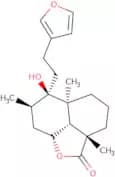
CAS :<p>Marrubiin is a plant-derived alkaloid, which is extracted from the white horehound (Marrubium vulgare) plant. This diterpenoid compound acts primarily through its ability to stimulate gastric secretion, which in turn influences the respiratory system by increasing the production of fluid mucus. This action facilitates the expectoration of phlegm, making Marrubiin useful in treating conditions that involve excessive mucus buildup in the airways, such as chronic bronchitis and asthma.</p>Formule :C20H28O4Degré de pureté :Min. 95%Couleur et forme :PowderMasse moléculaire :332.43 g/molIsocalendin
CAS :<p>Isocalendin is a natural compound derived from the calendula plant, known for its potent anti-inflammatory properties. This product is extracted through a meticulous process that maintains the bioactive compounds inherent to calendula, ensuring efficacy and purity. Isocalendin functions by modulating inflammatory pathways at the cellular level, primarily inhibiting pro-inflammatory mediators. This selective action aids in reducing inflammation and promoting tissue repair without adverse effects associated with synthetic alternatives.</p>Formule :C11H16O3Degré de pureté :Min. 95%Couleur et forme :PowderMasse moléculaire :196.24 g/molGinsenoside C-K
CAS :<p>Anti-inflammatory; anti-cancer; anti-angiogenic</p>Formule :C36H62O8Degré de pureté :Min. 98 Area-%Couleur et forme :White PowderMasse moléculaire :622.87 g/molAgnuside
CAS :<p>Agnuside is a diterpenoid compound, which is a phytoconstituent primarily sourced from the plant Vitex agnus-castus, commonly known as chaste tree. This compound is extracted from the fruit of the plant through a series of isolation and purification processes aimed at preserving its chemical integrity.</p>Formule :C22H26O11Degré de pureté :Min. 95 Area-%Couleur et forme :Brown PowderMasse moléculaire :466.44 g/molMomordicine I
CAS :Produit contrôlé<p>Momordicine I is a bioactive compound classified as a triterpenoid. It is derived from the fruit of the plant Momordica charantia, commonly known as bitter melon, which is native to tropical and subtropical regions. The action mechanism of Momordicine I involves modulation of various signaling pathways, particularly those related to metabolic and cancer-related processes. It can influence insulin signaling pathways, contributing to glucose homeostasis, and exhibits potential inhibitory effects on tumorigenesis by inducing apoptosis and inhibiting proliferation in cancer cells.</p>Formule :C30H48O4Degré de pureté :Min. 95%Couleur et forme :PowderMasse moléculaire :472.7 g/molGlycyrrhizic acid - 80%
CAS :<p>Glycyrrhizic acid is the major bioactive triterpene glycoside of licorice. In mice, glycyrrhizic acid modulates the gut microbiota counteracting a high fat diet. In rats, it has shown an anti-inflammatory activity that resulted in cardioprotective action against myocardial ischemia. In humans, it is a promising adjuvant in the treatment of depression.</p>Formule :C42H62O16Degré de pureté :Min. 95%Couleur et forme :White Off-White PowderMasse moléculaire :822.93 g/mol(-)-Vinigrol
CAS :<p>(-)-Vinigrol is a naturally occurring diterpenoid, which is originally isolated from the fungal species Virgaria nigra, known for its complex stereochemistry and unique structure. It functions as a bioactive compound with multiple mechanisms of action, including modulation of signal transduction pathways and inhibition of specific enzymes, contributing to its broad spectrum of biological activities.</p>Degré de pureté :Min. 95%Daucol
CAS :<p>Please enquire for more information about Daucol including the price, delivery time and more detailed product information at the technical inquiry form on this page</p>Formule :C15H26O2Degré de pureté :Min. 95%Couleur et forme :PowderMasse moléculaire :238.37 g/molAescin
CAS :<p>Beta-Aescin (also known as beta-escin) is a mixture of saponins produced by the horse chestnut tree, Aesculus hippocastanum, with most published reports relating to the pharmacological properties that it shows. It is reported that beta-aescin is a safe and very tolerable drug in the treatment of post thrombotic syndrome and chronic venous insufficiency. Aescin shows promise in the treatment of arthritis and appears to have potential as an anti-cancer drug. In fact, beta-aescin is active on glioblastoma-initiating cells (GIC), which have the ability to initiate glioblastoma growth. Glioblastoma multiform is the most abundant primary tumor of the human nervous system. Beta-aescin was more efficient in diminishing GIC growth compared to present clinically used drugs.</p>Formule :C55H85O24Couleur et forme :PowderMasse moléculaire :1,131.26 g/molEffusanin E
CAS :<p>Effusanin E is a specialized natural compound that falls under the category of secondary metabolites. It is derived from microorganisms, specifically isolated from bacterial sources, which include soil-dwelling bacteria known for their unique biosynthetic capabilities. This compound's mode of action primarily involves inhibiting the growth of certain pathogenic bacteria. It achieves this by disrupting vital bacterial processes, potentially targeting aspects of cell wall synthesis or protein production, although the exact mechanisms may vary and require further elucidation.</p>Formule :C20H28O6Degré de pureté :Min. 95%Masse moléculaire :364.43 g/molSaikosaponin A
CAS :<p>Saikosaponin A is a triterpene saponin, which is a bioactive compound extracted from the roots of the Bupleurum species, primarily Bupleurum falcatum. As a phytochemical, it interacts with cell membranes to exert its effects. Saikosaponin A is known to modulate inflammatory pathways by inhibiting the production of pro-inflammatory cytokines and influencing the NF-κB signaling pathway. Additionally, it can enhance immune responses by regulating T-cell proliferation and differentiation.</p>Formule :C42H68O13Degré de pureté :Min. 95%Couleur et forme :White Off-White PowderMasse moléculaire :780.98 g/mol20(R)Ginsenoside Rh2
CAS :<p>20(R)Ginsenoside Rh2 is a bioactive compound, specifically a ginsenoside, which is derived from the roots of Panax ginseng. This compound is categorized as a rare saponin, produced through the enzymatic or acidic hydrolysis of protopanaxadiol-type ginsenosides found naturally in ginseng. Its mode of action involves modulating various cellular pathways, including signaling pathways related to apoptosis, inflammation, and immune responses. It has been shown to exert anticancer effects through induction of apoptosis, inhibition of cell proliferation, and disruption of cell cycle progression in cancer cells. Additionally, it may influence the immune system by enhancing or regulating immune cell activity.</p>Formule :C36H62O8Degré de pureté :Min. 98 Area-%Couleur et forme :PowderMasse moléculaire :622.87 g/mol27-Deoxyactein
CAS :<p>27-Deoxyactein is a triterpene glycoside, which is primarily derived from the roots of the black cohosh plant, Cimicifuga racemosa. This compound is extracted through meticulous phytochemical processes aimed at isolating active constituents from the plant material. The mode of action of 27-Deoxyactein involves modulating estrogenic activity and interacting with specific cellular pathways to exert anti-inflammatory and antioxidant effects. Additionally, it has been shown to impact bone metabolism and immune function in various in vitro and in vivo studies.</p>Formule :C37H56O10Degré de pureté :Min. 95%Couleur et forme :White PowderMasse moléculaire :660.83 g/molGeniposide
CAS :<p>Geniposide is an iridoid glycoside compound, which is primarily sourced from the fruit of Gardenia jasminoides Ellis, a traditional medicinal plant. This compound is a significant component of various herbal preparations and plays a pivotal role in the plant's reputed therapeutic properties. Geniposide’s mode of action involves multiple biochemical pathways, notably including anti-inflammatory, antioxidant, and cholagogue effects. Its ability to influence these pathways allows it to modulate various physiological and pathological processes in the body.</p>Formule :C17H24O10Degré de pureté :Min. 95 Area-%Couleur et forme :White PowderMasse moléculaire :388.37 g/molβ-Caryophyllene
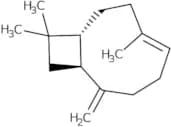
CAS :<p>Beta-Caryophyllene is a bicyclic sesquiterpene, which is a natural product found in essential oils derived from various plants, including black pepper, cloves, and cannabis. This compound is characterized by its unique ability to selectively bind to cannabinoid receptor type 2 (CB2), acting as a full agonist. Unlike typical cannabinoids, beta-Caryophyllene does not interact substantially with CB1 receptors, making it non-psychoactive.</p>Formule :C15H24Degré de pureté :Min. 80%Couleur et forme :Clear LiquidMasse moléculaire :204.35 g/molCryptotanshinone
CAS :<p>Cryptotanshinone is a naturally occurring bioactive compound, which is an abietane diterpenoid sourced from the roots of *Salvia miltiorrhiza*, commonly known as Danshen. This compound exhibits a distinct mode of action characterized by its inhibition of the STAT3 signaling pathway, which is crucial in the regulation of gene expression involved in cell growth and survival. Furthermore, Cryptotanshinone demonstrates the ability to modulate various other molecular targets, such as the androgen receptor, rendering it valuable in the pharmacological landscape.</p>Formule :C19H20O3Degré de pureté :Min. 98 Area-%Couleur et forme :PowderMasse moléculaire :296.36 g/molHarpagide
CAS :<p>Harpagide is a bioactive compound classified as an iridoid glycoside, which is extracted primarily from the roots of the plant *Harpagophytum*, commonly known as the "devil’s claw." This compound plays a significant role in the plant's secondary metabolism, contributing to its defense mechanisms.</p>Formule :C15H24O10Degré de pureté :Min. 95%Couleur et forme :PowderMasse moléculaire :364.35 g/mol2'-Hydroxylupalbigenin
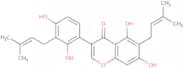
CAS :<p>2'-Hydroxylupalbigenin is a naturally occurring flavonoid, which is isolated from the plant species Lupinus. This compound is characterized by its hydroxylated structure, which contributes to its diverse bioactivities. Flavonoids, as a class of polyphenolic compounds, are well-known for their potential roles in plant defense and have significant pharmacological profiles.</p>Formule :C25H26O6Degré de pureté :Min. 95%Masse moléculaire :422.47 g/mollnuchinenolide B
CAS :<p>Lnuchinenolide B is a bioactive compound, which is a type of natural product often isolated from various plant species. This compound has garnered interest due to its origins in diverse botanical sources. Its mode of action is typically associated with its interaction at the molecular level with specific biological targets, potentially inhibiting or modulating particular enzymatic activities or receptor pathways. Such interaction underscores its capacity to influence biological processes, making it a compound of interest in pharmacological research.</p>Formule :C17H22O5Degré de pureté :Min. 95%Masse moléculaire :306.35 g/molLoganic acid
CAS :<p>Loganic acid is a natural iridoid glycoside, which is primarily derived from plants belonging to the Loganiaceae family, such as the genus Strychnos. As a bioactive compound, it plays a significant role in plant defense mechanisms and possesses potential therapeutic properties that are of great interest to the scientific community.</p>Formule :C16H24O10Degré de pureté :Min. 95%Couleur et forme :PowderMasse moléculaire :376.36 g/molCantharidin
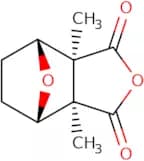
CAS :<p>Natural toxin; protein phosphatase inhibitor</p>Formule :C10H12O4Degré de pureté :Min. 98 Area-%Couleur et forme :White/Off-White SolidMasse moléculaire :196.2 g/mol(+)-Aromadendrene
CAS :<p>(+)-Aromadendrene is a sesquiterpene, which is a type of hydrocarbon compound found in the essential oils of various plants, particularly those within the Myrtaceae family. This compound is primarily sourced from the leaves and branches of Eucalyptus species, where it contributes to the plant’s aromatic profile.</p>Formule :C15H24Degré de pureté :Min. 80 Area-%Couleur et forme :Yellow Clear LiquidMasse moléculaire :204.35 g/molDigitoxose
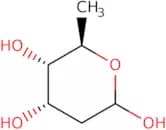
CAS :<p>Digitoxose is a deoxy sugar, which is an integral component of certain cardiac glycosides. These glycosides, such as digitoxin, are predominantly sourced from the leaves of the digitalis species, particularly Digitalis purpurea or Digitalis lanata. The sugar moiety, digitoxose, is critical for the glycoside's ability to exert its pharmacological effects through interactions with cellular components.</p>Formule :C6H12O4Degré de pureté :Min. 95%Couleur et forme :Off-White Yellow PowderMasse moléculaire :148.16 g/molDeltoidin
CAS :<p>Deltoidin is a cutting-edge biochemical compound, which is developed through intricate synthetic processes involving organic precursors. It functions by interacting at the molecular level with specific biochemical pathways, thereby modulating cellular responses precisely and effectively. This mode of action makes it highly valuable for targeted research applications where specific cellular mechanisms need to be studied or manipulated.</p>Formule :C20H22O9Degré de pureté :Min. 95%Masse moléculaire :406.38 g/molBetulinic acid
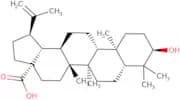
CAS :<p>Betulinic acid is a pentacyclic triterpenoid, which is derived from the bark of birch trees among other plants. This compound exerts its effects primarily through the induction of apoptosis in cancer cells, interference with viral replication, and modulation of inflammatory pathways. Its mode of action includes mitochondrial membrane potential disruption, inhibition of topoisomerase, and interaction with the NF-kB signaling pathway.</p>Formule :C30H48O3Degré de pureté :Min. 95%Couleur et forme :White PowderMasse moléculaire :456.7 g/molCitronellal
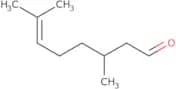
CAS :<p>Citronellal is a monoterpenoid, which is derived from natural sources such as the oils of citronella, lemongrass, and other related plants. It is chemically characterized by its role in the biosynthetic pathway of several essential oils.</p>Formule :C10H18ODegré de pureté :Min. 95%Couleur et forme :Colorless PowderMasse moléculaire :154.25 g/mol(-)-Perillyl alcohol
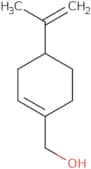
CAS :<p>(-)-Perillyl alcohol is a monoterpene alcohol, which is a naturally occurring compound primarily extracted from the essential oils of lavender, peppermint, and other plants in the Lamiaceae family. It is characterized by its ability to interfere with cellular processes, notably through its modulation of signaling pathways and induction of apoptosis, as well as inhibition of cell proliferation.</p>Formule :C10H16ODegré de pureté :Min. 90%Couleur et forme :Clear LiquidMasse moléculaire :152.23 g/molIridogermanal
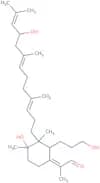
CAS :<p>Please enquire for more information about Iridogermanal including the price, delivery time and more detailed product information at the technical inquiry form on this page</p>Formule :C30H50O4Degré de pureté :Min. 95%Masse moléculaire :474.72 g/molGinsenoside Rf
CAS :<p>Ginsenoside Rf is a steroidal saponin, which is a bioactive compound found primarily in the roots of Panax ginseng, a plant widely used in traditional medicine. As a part of the ginsenoside family, this compound exerts its effects through modulation of several cellular pathways, including anti-inflammatory and antioxidant mechanisms. It is known to interact with glucocorticoid receptors and influence calcium ion channels, contributing to its potential neuroprotective and immunomodulatory effects.</p>Formule :C42H72O14Degré de pureté :Min. 95%Couleur et forme :White PowderMasse moléculaire :801.03 g/molAlantolactone
CAS :<p>Alantolactone is a bioactive sesquiterpene lactone, which is derived from the roots of Inula helenium, a plant commonly known as elecampane. This compound is characterized by its complex bicyclic structure and exhibits a range of biological activities. The mode of action of alantolactone involves multiple biochemical pathways, including the inhibition of nuclear factor kappa B (NF-κB) and the modulation of reactive oxygen species (ROS) production. These pathways contribute to its anti-inflammatory, anti-cancer, and antimicrobial properties.</p>Formule :C15H20O2Degré de pureté :Min. 95%Couleur et forme :PowderMasse moléculaire :232.32 g/molCucurbitacin I
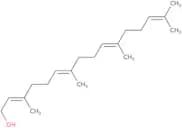
CAS :Produit contrôlé<p>Inhibitor of STAT3/JAK2 signaling; radiosensitizer</p>Formule :C30H42O7Degré de pureté :Min. 98 Area-%Couleur et forme :White PowderMasse moléculaire :514.65 g/molGeranylgeraniol
CAS :<p>Intermediate in the mevalonate pathway for biosynthesis of vitamins E and K</p>Formule :C20H34ODegré de pureté :Min. 85 Area-%Couleur et forme :Clear LiquidMasse moléculaire :290.48 g/molOryzalexin S
CAS :<p>Secondary plant metabolite with antimicrobial properties produced in response to plant infection and exposure to UV light. This diterpenoid phytoalexin is found in rice (Oryza sativa).</p>Formule :C20H32O2Degré de pureté :Min. 95%Couleur et forme :PowderMasse moléculaire :304.47 g/mol(1S)-(-)-(-)-Verbenone
CAS :<p>(1S)-(-)-(-)-Verbenone is a bicyclic monoterpene, which is a type of terpenoid compound. It is naturally sourced from various plants, predominantly from the essential oils of pines and other coniferous trees. The mode of action of Verbenone is intriguing; it acts as an anti-aggregation pheromone in certain beetle species, disrupting their communication and reducing infestation levels. This mechanism is particularly effective against bark beetles, which are known to cause significant damage to forestry ecosystems.</p>Formule :C10H14ODegré de pureté :Min. 98 Area-%Couleur et forme :Clear LiquidMasse moléculaire :150.22 g/molBrusatol - Bio-X ™
CAS :<p>Brusatol is a NRF2 inhibitor that has anti-inflammatory and immunomodulatory properties. Brusatol may have anti-cancer effects and can cause apoptosis in some cancer cells. It is a plant derived natural quassinoid.</p>Formule :C26H32O11Degré de pureté :Min. 95%Couleur et forme :PowderMasse moléculaire :520.53 g/molCucurbitacin E
CAS :Produit contrôlé<p>Cucurbitacin E is a triterpenoid compound, which is a natural product derived from plants in the Cucurbitaceae family. This bioactive compound exerts its effects primarily through the disruption of cytoskeletal integrity, inhibition of the JAK/STAT signaling pathway, and induction of apoptosis. These molecular activities make it a potent agent in research focusing on cellular proliferation and inflammation.</p>Formule :C32H44O8Degré de pureté :Min. 95%Masse moléculaire :556.69 g/molCineole
CAS :Produit contrôlé<p>Cineole, often referred to as eucalyptol, is a monoterpenoid and a cyclic ether that represents a key constituent of certain essential oils. It is primarily sourced from the leaves of Eucalyptus species, but also found in smaller quantities within other aromatic plants such as rosemary, sage, and tea tree. Cineole exerts its effects through a multifaceted mode of action, acting predominantly as an antimicrobial and anti-inflammatory agent. This is achieved by disrupting the lipid membrane of microbial pathogens, leading to their destabilization and eventual demise. Additionally, cineole modulates inflammatory pathways by inhibiting the production of pro-inflammatory cytokines, thereby ameliorating symptoms associated with inflammation.</p>Formule :C10H18ODegré de pureté :Min. 95%Couleur et forme :Colorless Clear LiquidMasse moléculaire :154.25 g/molTriptophenolide
CAS :<p>Triptophenolide is a bioactive compound, which is a diterpenoid lactone extracted from the plant Tripterygium wilfordii. This compound is characterized by its ability to modulate various molecular targets and pathways associated with inflammation and immune response. The mode of action of triptophenolide involves the inhibition of nuclear factor kappa B (NF-κB) signaling, a pivotal transcription factor that regulates genes involved in inflammation, immunity, cell proliferation, and survival. By disrupting NF-κB activity, triptophenolide effectively decreases the expression of pro-inflammatory cytokines and other mediators.</p>Formule :C20H24O3Degré de pureté :Min. 95%Masse moléculaire :312.4 g/molAsiaticoside B
CAS :<p>Asiaticoside B is a natural saponin compound, which is extracted from the plant Centella asiatica. This compound predominantly acts through modulating collagen synthesis and activating fibroblasts, which are crucial for wound healing. Additionally, Asiaticoside B exhibits anti-inflammatory properties by inhibiting pro-inflammatory cytokines, thereby reducing inflammation at the cellular level.</p>Formule :C48H78O20Degré de pureté :Min. 95%Couleur et forme :PowderMasse moléculaire :975.12 g/molGedunin
CAS :<p>Gedunin is a pentacyclic triterpenoid compound which is primarily found in the neem tree (Azadirachta indica) and other plants in the Meliaceae family.Gedunin works by inhibiting heat shock proteins (Hsp), which are involved in protein folding and stress responses in cells. It also triggers apoptosis in cancer cells and modulates inflammatory pathways to reduce inflammation.Gedunin is used for its anticancer, antimalarial, antibacterial, antifungal, anti-inflammatory, and neuroprotective properties. It has shown promise in inducing apoptosis in cancer cells, effectively combating malaria parasites, exhibiting antimicrobial properties, reducing inflammation, and potentially benefiting neurodegenerative diseases like Parkinson's.</p>Formule :C28H34O7Degré de pureté :Min. 95%Couleur et forme :PowderMasse moléculaire :482.57 g/molAsiaticoside
CAS :<p>Asiaticoside is a natural glycoside product extracted primarily from the plant Centella asiatica. It is a triterpenoid saponin derived from this medicinal herb, which is well-regarded for its therapeutic properties in traditional Ayurvedic and Chinese medicine. Asiaticoside operates primarily on a biochemical level by promoting collagen synthesis, enhancing angiogenesis, and modulating inflammatory responses. These actions are facilitated through the activation of key signaling pathways, including the TGF-β/Smad pathway, which plays a crucial role in cellular differentiation and proliferation.</p>Formule :C48H78O19Degré de pureté :Min. 95 Area-%Couleur et forme :White Off-White PowderMasse moléculaire :959.13 g/mol(+)-Nerolidol
CAS :<p>(+)-Nerolidol is a sesquiterpene alcohol, which is a type of volatile organic compound. It is derived from the essential oils of various plants, including jasmine, tea tree, and lemongrass. As a natural compound, (+)-Nerolidol is synthesized by plants as part of their aromatic profile and may serve as a defense mechanism against pathogens and herbivores.</p>Formule :C15H26ODegré de pureté :Min. 95%Couleur et forme :Colorless Clear LiquidMasse moléculaire :222.37 g/mol14-Epitriptolide
CAS :<p>14-Epitriptolide is a diterpenoid epoxide, which is derived from the natural product triptolide. It originates from the plant species *Tripterygium wilfordii*, commonly known in traditional Chinese medicine. The mode of action of 14-Epitriptolide involves the inhibition of RNA polymerase II-mediated transcription, thereby interfering with transcriptional processes essential for cancer cell survival and proliferation. Additionally, it induces oxidative stress and disrupts cellular homeostasis.</p>Formule :C20H26O7Degré de pureté :Min. 95%Couleur et forme :SolidMasse moléculaire :378.42 g/molOleanolic acid
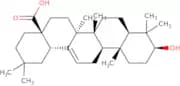
CAS :Produit contrôlé<p>Oleanolic acid is a pentacyclic triterpenoid, which is a naturally occurring compound found in various plants, including olives, apples, and medicinal herbs. It exhibits a wide range of biological activities primarily due to its interaction with cellular signaling pathways. Oleanolic acid exerts its effects by modulating oxidative stress and inflammation through the inhibition of key enzymes and the regulation of gene expression related to these pathways.</p>Formule :C30H48O3Degré de pureté :Min. 95%Couleur et forme :White PowderMasse moléculaire :456.7 g/molGinsenoside Rk1 - Ginsenoside Rk1:Ginsenoside Rz1 (5:2)
CAS :<p>Ginsenoside Rk1 - Ginsenoside Rz1 (5:2) is a complex phytochemical formulation, which is derived from Panax ginseng, a medicinal herb renowned for its bioactive compounds. Ginsenosides, the primary active components, are triterpene saponins known for their diverse pharmacological properties. In this specific formulation, Ginsenoside Rk1 and Ginsenoside Rz1 are combined in a 5:2 ratio, creating a synergistic profile that enhances their biological efficacy.</p>Formule :C42H70O12Degré de pureté :Min. 95%Couleur et forme :PowderMasse moléculaire :766.48673Cycloartenol
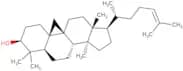
CAS :<p>Cycloartenol is a triterpenoid alcohol, which serves as a precursor in the biosynthesis of sterols. It is primarily derived from plant sources, as it plays a central role in the sterol synthesis pathway in higher plants. The mode of action of cycloartenol involves its conversion into various phytosterols through enzyme-catalyzed reactions, a process that is crucial for the formation of membrane lipids and signaling molecules in plants.</p>Formule :C30H50ODegré de pureté :Min. 90 Area-%Couleur et forme :White PowderMasse moléculaire :426.72 g/molDaucene
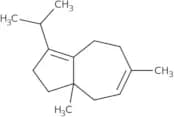
CAS :<p>Daucene is a sesquiterpene lactone, which is isolated from plant sources, particularly from certain species of the Apiaceae family. It functions through modulating cellular pathways, primarily by inhibiting the NF-κB signaling pathway and inducing apoptosis in cancerous cells. This biochemical mode of action demonstrates Daucene's potential in disrupting cancer cell proliferation and promoting cell cycle arrest.</p>Formule :C15H24Degré de pureté :Min. 95%Masse moléculaire :204.35 g/molα-Cyperone
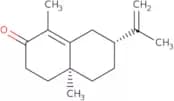
CAS :<p>Alpha-Cyperone is a sesquiterpene compound, which is a natural product isolated from essential oils of certain plants like Cyperus rotundus. It is primarily sourced from the rhizomes of these plants and is known for its diverse biological activities. The mode of action of alpha-Cyperone involves the modulation of cellular pathways, potentially affecting inflammation and oxidation processes.</p>Formule :C15H22ODegré de pureté :Min. 95%Couleur et forme :Yellow Clear LiquidMasse moléculaire :218.33 g/mol