Glicoscienza
La glicosienza è lo studio dei carboidrati e dei loro derivati, nonché delle interazioni e delle funzioni biologiche a cui partecipano. Questo campo di ricerca è cruciale per comprendere una vasta gamma di processi biologici, tra cui il riconoscimento cellulare, la segnalazione, la risposta immunitaria e lo sviluppo delle malattie. La glicosienza ha importanti applicazioni nella biotecnologia, nella medicina e nello sviluppo di nuovi farmaci e terapie. Presso CymitQuimica, offriamo un'ampia selezione di prodotti di alta qualità e purezza per la ricerca in glicosienza. Il nostro catalogo comprende monosaccaridi, oligosaccaridi, polisaccaridi, glicoconiugati e reagenti specifici, progettati per supportare i ricercatori nei loro studi sulla struttura, funzione e applicazioni dei carboidrati nei sistemi biologici. Queste risorse sono destinate a facilitare scoperte scientifiche e applicazioni pratiche in vari ambiti delle bioscienze e della medicina.
Sottocategorie di "Glicoscienza"
- Amminozucchero(108 prodotti)
- Glico-anticorpi(282 prodotti)
- Glicolipidi(46 prodotti)
- Glicosaminoglicani (GAGs)(55 prodotti)
- Glicosidi(419 prodotti)
- Monosaccaridi(6.624 prodotti)
- Oligosaccaridi(3.682 prodotti)
- Polisaccaridi(503 prodotti)
Trovati 11046 prodotti di "Glicoscienza"
Ordinare per
Purezza (%)
0
100
|
0
|
50
|
90
|
95
|
100
1,2,3,4-Tetra-O-acetyl-D-mannopyranose
CAS:<p>1,2,3,4-Tetra-O-acetyl-D-mannopyranose is a modified monosaccharide that is synthesized by the Click reaction. This compound has been shown to be useful in the synthesis of oligosaccharides and polysaccharides. It can also be used for protein modification or the fluorination of saccharides. It is also a high purity product that can be used as an intermediate for custom synthesis.</p>Formula:C14H20O10Purezza:Min. 95%Peso molecolare:348.3 g/molMethyl 2,3,4,6-tetra-O-benzyl-D-glucopyranoside
CAS:<p>Methyl 2,3,4,6-tetra-O-benzyl-D-glucopyranoside is a glucopyranoside that has been chemically modified with an allyl group and an azide group. It is also the anomeric form of methyl 2,3,4,6-tetra-O-benzyl-β-D-glucopyranoside. The modification of the sugar moiety offers a new approach to synthesize β-linked D-, L-, or D/L-(2,3,4,6)-linked glycosides. This chemical modification is unambiguously determined by nmr analysis and alkene formation.</p>Formula:C35H38O6Purezza:Min. 95%Colore e forma:Clear LiquidPeso molecolare:554.67 g/molChondroitin sulfate A sodium salt - Average MW 20,000 - 30,000
CAS:<p>The disaccharide repeating unit of chondroitin sulphate consists of N-acetyl galactosamine sulphate linked β1,4 to glucuronic acid. Each monosaccharide may be left unsulphated, sulphated once, or sulphated twice. The most common pattern is that the hydroxyl groups of the 4 and 6 positions of the N-acetyl-galactosamine are sulphated, with some chains having the position 2 of the glucuronic acid sulphated.</p>Purezza:Min. 90 Area-%Colore e forma:White Powder4-O-(b-D-Galactopyranosyl)-b-D-thioglucopyranose
4-O-(b-D-Galactopyranosyl)-b-D-thioglucopyranose is a custom synthesis carbohydrate. It is an oligosaccharide that consists of a monosaccharide with a b-D-galactopyranosyl group and a b-D-thioglucopyranose group. 4-O-(b-D-Galactopyranosyl)-b-D-thioglucopyranose is a polysaccharide and belongs to the class of carbohydrates, which are saccharides or sugars. Carbohydrates are important in cell walls and are modified by methylation, glycosylation, and click modification. Carbohydrates can be classified as simple or complex carbohydrates. Simple carbohydrates contain one molecule with one type of sugar unit bonded together, while complex carbohydrates have more than one type of sugar unit bonded together.Formula:C12H22O10SPurezza:Min. 95%Colore e forma:PowderPeso molecolare:358.36 g/mol(1S) -1- [(2R, 3S) -3- Benzyloxy-N-butyl- 1- azetidinyl] -1, 2- ethanediol
<p>(1S) -1- [(2R, 3S) -3- Benzyloxy-N-butyl- 1- azetidinyl] -1, 2- ethanediol is a synthetic compound that has been modified on the sugar moiety. It is a fluorinated oligosaccharide with an Oligosaccharide group consisting of an alpha (1→4) glycosidic linkage between two glucose molecules and a beta (1→6) glycosidic linkage between two galactose molecules. This compound can be custom synthesized to meet the needs of your project.</p>Purezza:Min. 95%Chitosan - Molecular weight 190,000-310,000
CAS:<p>Chitosan is the deacetylated form of chitin. The polysaccharide is deacetylated in order to render it soluble, which is then possible at pH values of less than 7 (normally in dilute acid). This then allows the material to be used in a number of industrial applications as a binder and film former.</p>Colore e forma:Off-White PowderHeparin derived dp18 saccharide ammonium salt
Heparin derived dp18 saccharide ammonium salt is a complex carbohydrate that has been modified with methylation, custom synthesis, click modification, and fluorination. It is used as an anticoagulant to prevent the formation of blood clots. Modification of the sugar chain on the heparin molecule can be achieved through either monosaccharide or polysaccharide substitution. The monosaccharides most commonly found in heparin are glucosamine and N-acetylglucosamine. The polysaccharides that can be found in heparin include chondroitin sulfate, dermatan sulfate, keratan sulfate, and heparan sulfate. Heparin derived dp18 saccharide ammonium salt is a high purity product that has been modified to have a higher degree of efficacy for use in clinical applications. This product is available for purchase at a cost-effective price point.Purezza:Min. 95%Colore e forma:PowderPeso molecolare:~ 5200 (average)Isoprimeverose
CAS:<p>Isoprimeverose is a covalently linked polysaccharide with a molecular weight of about 5,000. It has been shown to have an optimum pH at around 7.5 and is soluble in water. Isoprimeverose was found to be highly immunogenic in rats and mice, producing high levels of polyclonal antibodies against the protein target. The carbohydrate moiety of isoprimeverose contains galacturonic acid, which may play a role in its uptake by mammalian cells. The hydroxyl group on the sugar molecule may also play a role in this process. Isoprimeverose can be used as an artificial sweetener because it does not contain any sugars or carbohydrates that can cause tooth decay or other dental problems.</p>Formula:C11H20O10Purezza:Min. 95%Colore e forma:White PowderPeso molecolare:312.27 g/mol1,4-Anhydro-D-erythritol
CAS:<p>1,4-Anhydro-D-erythritol is a sugar alcohol that can be found in various plants and fruits. It is a reaction product of D-erythrose and glycerol, with an average formation rate of 10%. The hydroxyl group on the 1,4-anhydro-D-erythritol molecule reacts with methyl glycosides to produce an ester. Trifluoromethanesulfonic acid is used as a catalyst in this process, which activates the hydroxyl group on the molecule. The reaction mechanism for this process involves three steps: elimination of water, dehydration of the hydroxyl group, and addition of methyl glycoside. This process results in a new molecule called 1,4-anhydro-D-erythritol methyl ester (AEME). AEME has been shown to have conformational properties that are different from those of its parent compound. The conformational</p>Formula:C4H8O3Purezza:Min. 95%Colore e forma:Clear LiquidPeso molecolare:104.1 g/molLS-tetrasaccharide b
CAS:<p>Sialylated tetrasaccharide found in human milk, possible health benefits for the neonate by supporting resistance to pathogens, gut maturation, immune function, and cognitive development.</p>Formula:C37H61N2O29•NH4Purezza:Min. 95 Area-%Colore e forma:White PowderPeso molecolare:1,015.92 g/molL-Rhamnose monohydrate
CAS:<p>L-rhamnose (Rha, 6-deoxy-L-mannose) (Collins, 2006) is normally bound to other sugars as a glycoside in many plant oligosaccharides and in polysaccharides. Rhamnose is also a component of the cell wall of Mycobacterium. In plants, rhamnose is found in the polysaccharide rhamnogalacturonan I, a branched pectic polysaccharide that accounts for 7â14% of the primary wall (Oomen, 2002). Rhamnose is also found in rhamnogalacturonan II, a complex polysaccharide that accounts for âŒ4% of the wall in dicots (Vidal, 2000). Rhamnose is also found in chacotriose and solatriose, the glycan components of solamargine and solasonine, two glycoalkaloids with anticancer properties (Al Sinani, 2017). An understanding of the rhamnose-containing polysaccharides of the gram positive cell wall has identified the biosynthetic pathway as an attractive therapeutic target for antimicrobial drug development (Mistou, 2016).</p>Formula:C6H12O5•H2OPurezza:Min. 98 Area-%Colore e forma:Off-White PowderPeso molecolare:182.17 g/mol6-Phospho-D-glucono-1,5-lactone
CAS:6-Phospho-D-glucono-1,5-lactone is a metabolite of D-gluconic acid that is formed by the action of a phosphoglucoisomerase. 6PGL has been shown to inhibit the growth of colorectal adenocarcinoma cells and to be effective against infectious diseases such as malaria. It is also involved in energy metabolism and cell division in plants. 6PGL may also have anticancer effects, as it inhibits prostate cancer cells and induces apoptosis through activation of epidermal growth factor receptor (EGFR) and inhibition of EGFR tyrosine kinase activity. It has been shown to act on redox potential, enzyme activities, and oxidative injury in liver cells.Formula:C6H11O9PPurezza:Min. 95%Peso molecolare:258.12 g/mol(1S) -1- [(2S, 3R,4S) -4-(Acetoxy)methyl-3-benzyloxy- N-benzyl-1- azetidinyl] -di-O-acetyl-1, 2- ethanediol
1,2-Ethanediol is a polyhydroxy alcohol that is used in the synthesis of complex carbohydrates. It can be found as an Oligosaccharide in plants, which are composed of three or more sugar molecules. 1,2-Ethanediol is also found in the glycosylation reaction for the modification of saccharides and carbohydrates. This process adds glucose to a protein or peptide molecule through a condensation reaction with the amino acid N-acetylglucosamine. Glycosylation usually occurs in animal cells, but can also occur in plants and microorganisms. The addition of methyl groups by Methylation to 1,2-ethanediol is used to create Methylated derivatives of this compound. A click modification to this compound can be done using a Copper(I) azide complex and an alkyne reagent to add a terminal alkene group to 1,2-ethanediol. Fluorination atPurezza:Min. 95%D-[UL-13C6]Galacturonic acid potassium salt
CAS:D-[UL-13C6]Galacturonic acid potassium salt is a fatty acid that is used as a feedstock in the production of monoclonal antibodies. The 13C isotope provides information on the structure and function of proteins, such as enzyme activities and covalent linkages. D-[UL-13C6]Galacturonic acid potassium salt has been shown to inhibit the growth of bacteria and can be used for the treatment of infectious diseases. D-[UL-13C6]Galacturonic acid potassium salt binds to bacterial cell surfaces by interacting with hydroxyl groups on lipopolysaccharides, which are found on the outer membrane of Gram-negative bacteria, preventing their replication and inhibiting their ability to form biofilms. D-[UL-13C6]Galacturonic acid potassium salt has also been shown to be effective against hyperproliferative disease cells, such as prostate cancer cells.Formula:C6H9O7·KPurezza:Min. 95%Colore e forma:PowderPeso molecolare:238.19 g/mol3'-Sialyl-N-acetyllactosamine-β-ethylamine
<p>Please enquire for more information about 3'-Sialyl-N-acetyllactosamine-β-ethylamine including the price, delivery time and more detailed product information at the technical inquiry form on this page</p>Formula:C27H47N3O19Purezza:Min. 95%Peso molecolare:717.67 g/molMethyl 3,4-di-O-benzyl-2-deoxy-a-D-glucopyranoside
<p>Methyl 3,4-di-O-benzyl-2-deoxy-a-D-glucopyranoside (MBG) is a synthetic compound that is modified at the C3 position with a benzyl group. MBG is an oligosaccharide and polysaccharide that has been shown to have potential as a drug for the treatment of cancer. It has been shown to inhibit tumor growth in animals and human cells by inhibiting DNA synthesis and protein synthesis. Additionally, it can be used for the prevention of postoperative adhesions by inhibiting collagen formation.</p>Formula:C21H26O5Purezza:Min. 95%Peso molecolare:358.43 g/mol2,3,4,6-Tetra-O-benzyl-D-glucopyranose
CAS:<p>2,3,4,6-Tetra-O-benzyl-D-glucopyranose is a selectively protected intermediate, where the anomeric 1-O-hydroxyl group is free. This hemiacetal has been used successfully as an intermediate for glucosylation couplings, where it was converted into 2,3,4,6-tetra-O-benzyl-D-glucopyranose trichloroacetimidate using trichloroacetonitrile in the presence of a base such as potassium carbonate and DBU. Importantly, this imidate donor with no neighbouring participating groups is commonly used for the selective formation of α-glucosides. 2,3,4,6-tetra-O-benzyl-D-glucopyranose can also be oxidized to the lactone, or reduced to give the open chain form. Additionally, 2,3,4,6-tetra-O-benzyl-D-glucopyranose can be used for the preparation of glucono-1,5-lactone hydrazine, which was used, in-turn, to form a glucosylidene-spirocyclopropane.</p>Formula:C34H36O6Purezza:Min. 98.0 Area-%Peso molecolare:540.66 g/molRef: 3D-T-1900
1kgPrezzo su richiesta50gPrezzo su richiesta250gPrezzo su richiesta500gPrezzo su richiesta2500gPrezzo su richiesta-Unit-ggPrezzo su richiesta6-Azido-6-deoxy-D-galactose
CAS:<p>6-Azido-6-deoxy-D-galactose is a mutagenic compound that is used as a carbon source in the synthesis of other compounds. It has been shown to have mutagenicity in TA100 cells and to be active against Staudinger's naphthol. The compound is synthesised by chemoenzymatic methods, which involve the use of alcohols and an acetyl group. 6-Azido-6-deoxy-D-galactose can be used as a mutagenic agent for the production of mutants with desired properties.</p>Formula:C6H11N3O5Purezza:Min. 95%Colore e forma:White PowderPeso molecolare:205.17 g/molMaltotriose - Ultrapure
CAS:<p>linear a-(1,4) trisaccharide produced from starch by acid or enzyme hydrolysis</p>Formula:C18H32O16Purezza:Min. 95.0 Area-%Colore e forma:PowderPeso molecolare:504.44 g/molMurNAc-6-phosphate-GlcNAc
<p>MurNAc-6-phosphate-GlcNAc is a complex carbohydrate that is composed of a glycosylation, methylation, and fluorination. It is an important component in polysaccharides and oligosaccharides. This compound has been modified with Click chemistry to form a reactive site for incorporation of a variety of molecules such as fluorophores, biotin, or other small molecules. This compound can be synthesized using custom synthesis methods and has CAS number 106579-01-4. MurNAc-6-phosphate-GlcNAc is available in high purity and can be custom synthesized to specific needs.</p>Purezza:Min. 95%meso-D-glycero-D-gulo-heptitol
CAS:Meso-D-glycero-D-gulo-heptitol is an enzyme inhibitor that is used in food composition. It has a redox potential of +0.5 V and can be used to inhibit the growth of metal hydroxides through chelation. This compound was found to have skin cell protective effects, as well as an ability to inhibit protein synthesis. Meso-D-glycero-D-gulo-heptitol is also a natural compound with physiological function, such as the prevention of dmannnoheptulose from being converted into D-mannitol. The hydrochloric acid or alcohol residue on this compound does not cause any adverse effects on human cells because it does not affect their redox potentials.Formula:C7H16O7Purezza:Min. 95%Peso molecolare:212.2 g/mol4-Aminophenyl b-D-glucopyranoside
CAS:<p>4-Aminophenyl b-D-glucopyranoside is a membrane transport inhibitor that prevents the uptake of glucose by inhibiting the enzyme hexose transporter. It is used in biological treatment and has been shown to be effective against glutamicum. 4-Aminophenyl b-D-glucopyranoside can also be used in assays to identify bacteria based on their surface antigens. This compound was isolated from corynebacterium glutamicum and its metabolic pathway has been elucidated. 4-Aminophenyl b-D-glucopyranoside has also been shown to inhibit enzymatic activity, which may be due to inhibition of the enzyme dihydroorotate dehydrogenase.</p>Formula:C12H17NO6Purezza:Min. 95%Colore e forma:White PowderPeso molecolare:271.27 g/molCellobiitol
CAS:<p>Cellobiitol is produced by the borohydride reduction of cellobiose. Few publications discuss the chemistry of cellobiitol but applications in the food and pharmaceutical industries have been published.</p>Formula:C12H24O11Purezza:Min. 95%Colore e forma:PowderPeso molecolare:344.31 g/mol4-Methylphenyl 2,3,4-tri-O-benzyl-β-L-thiofucopyranoside
<p>4-Methylphenyl 2,3,4-tri-O-benzyl-b-L-thiofucopyranoside is a custom synthesis of an oligosaccharide. It is a complex carbohydrate with CAS No. that belongs to the class of saccharide and sugar. Polysaccharides are made up of several monosaccharides linked together by glycosidic bonds, which are formed by the action of enzymes called glycosyltransferases or glycosidases. Glycosylation is the process in which a sugar molecule (usually glucose) is added to another molecule by means of a glycosidic bond. Carbohydrates are one type of macromolecule and they are important sources of energy in living things. They also play important roles in cell walls and as structural components in plants and animals. The chemical modification carried out on this compound is methylation, which refers to the addition of one or more methyl</p>Formula:C34H36O4SPurezza:Min. 95%Peso molecolare:540.71 g/molGlycyl-chitobiose
<p>Glycyl-chitobiose is an oligosaccharide that can be synthesized from glycerol and chitobiose. This product is often used as a building block for the synthesis of complex carbohydrate molecules. The purity of Glycyl-chitobiose is greater than 98% and it has been modified with fluorine, methyl, and click chemistry. The CAS number for this product is 627-14-1.</p>Formula:C18H32N4O11Purezza:Min. 95%Peso molecolare:480.47 g/molD-Mannose - F (from birch)
CAS:Abundant and critical component of natural glycans and glycoproteinsFormula:C6H12O6Purezza:Min. 98 Area-%Colore e forma:White PowderPeso molecolare:180.16 g/molL-Ribose
CAS:<p>Constituent of RNA; important resource for RNA- and DNA-related syntheses</p>Formula:C5H10O5Purezza:Min. 98 Area-%Colore e forma:White PowderPeso molecolare:150.13 g/molEthyl 2,3-O-isopropylidene-a-L-thiorhamnopyranoside
CAS:Ethyl 2,3-O-isopropylidene-a-L-thiorhamnopyranoside (Ip) is a glycosylation inhibitor that inhibits the formation of an alpha-(1,2)-link between glucose and mannose in the glycosylation of the pentasaccharide. The maximum tolerated dosages of Ip have been determined in HL-60 cells. Trichloroacetimidate is used as a substitute for Ip in these experiments because it can be dissolved in water and has a high therapeutic index. Convergent synthesis of Ip was achieved by reacting pentasaccharides with trichloroacetimidate to produce pentasaccharides with substituted mannose residues at position two and three.Formula:C11H20O4SPurezza:Min. 95%Peso molecolare:248.34 g/mol1,2,4,6-Tetra-O-acetyl-3-deoxy-D-galactose
1,2,4,6-Tetra-O-acetyl-3-deoxy-D-galactose (1,2,4,6TDA) is a custom synthesis that is a complex carbohydrate. It has been modified with methylation and glycosylation. 1,2,4,6TDA is an oligosaccharide with a molecular weight of 498.06 Da and a CAS number of 90193-74-8. This product is high purity and can be fluorinated. This product can also be synthesized using the click modification reaction.Formula:C14H20O9Purezza:Min. 95%Peso molecolare:332.3 g/mol2, 3:5,6-Bis-O-(1-ethylpropylidene)-D-glycero-L-talo-heptonic acid γ-lactone
<p>2,3:5,6-Bis-O-(1-ethylpropylidene)-D-glycero-L-taloheptonic acid gamma-lactone (TAL) is a glycosylated saccharide that is synthesized by the click reaction of a terminal alkyne group with an azide group. TAL has been shown to have anti-inflammatory effects on mice. This compound also exhibits potent inhibition of bacterial growth and can be used as an alternative to penicillin.</p>Purezza:Min. 95%1,2,6-Tri-O-acetyl-3,4-di-O-benzyl-α-D-mannopyranose
CAS:<p>1,2,6-Tri-O-acetyl-3,4-di-O-benzyl-a-D-mannopyranose is a synthetic sugar that has been modified with three acetates and benzyl groups. It is used in the synthesis of glycosides and oligosaccharides. 1,2,6-Tri-O-acetyl-3,4-di-O-benzyl-a-D-mannopyranose is also an important building block for the synthesis of complex carbohydrates.</p>Formula:C26H30O9Purezza:Min. 95%Peso molecolare:486.51 g/mol6-O-(b-D-Mannopyranosyl)-D-mannose
CAS:<p>Isolated from the products of the acid reversion of D-mannose</p>Formula:C12H22O11Purezza:Min. 98 Area-%Colore e forma:PowderPeso molecolare:342.3 g/mol5-Fluoropyrimidin-2-One β-Ribofuranoside
CAS:<p>5-Fluoropyrimidin-2-One beta-Ribofuranoside is a subunit of the enzyme cytidine deaminase. It interacts with a substrate binding site, which is located at the active site of cytidine deaminase. This molecule has been shown to stabilize the enzyme and increase its rate of reaction with the substrate. 5-Fluoropyrimidin-2-One beta-Ribofuranoside can also bind with a water molecule, which may be important for enzymatic activity.<br>5-Fluoropyrimidin-2-One beta-Ribofuranoside is homologous to other molecules that are involved in DNA synthesis, such as adenosine monophosphate (AMP), ribose, and uracil.</p>Formula:C9H11FN2O5Purezza:Min. 95%Peso molecolare:246.19 g/molTopiramate
CAS:Prodotto controllato<p>An anticonvulsant drug</p>Formula:C12H21NO8SPurezza:Min. 95%Colore e forma:PowderPeso molecolare:339.37 g/mol(2R,3S,4R)-4-C-((2R,3S)-N-Benzyl-3-tert.butylsilyloxy-2-azetidinyl)-3-O-tert.butyldimethylsilyl-2,3,4-trihydroxybutanoic acid
(2R,3S,4R)-4-C-((2R,3S)-N-Benzyl-3-tert.butylsilyloxy-2-azetidinyl)-3-O-tert.butyldimethylsilyl-2,3,4-trihydroxybutanoic acid is a methylated and fluorinated oligosaccharide with a high purity. It is a complex carbohydrate that can be modified to include saccharides and monosaccharides. This product is synthesized using Click chemistry and has been shown to have antiallergic activities.Purezza:Min. 95%Ethyl 6-azido-6-deoxy-a-D-thiomannopyranoside
Ethyl 6-azido-6-deoxy-a-D-thiomannopyranoside is a custom synthesis of a complex carbohydrate that is used in the modification of saccharides and glycosylations. It can be modified with methylation, fluorination, or click chemistry to create new derivatives. The chemical name for this product is Ethyl 6-azido-6-deoxymannopyranoside. This product has CAS Number 141459-18-4 and molecular weight of 308.86 g/mol. It is available in high purity with 98% yield.Formula:C8H15N3O4SPurezza:Min. 95%Peso molecolare:249.29 g/molLewis B tetrasaccharide
CAS:<p>Lewis B tetrasaccharide (LBT) is a glycosylated oligosaccharide that is found in the outer membrane of human pathogens, such as Helicobacter pylori. LBT has been shown to inhibit the growth of cancer cells and may be used as a potential therapeutic agent for cancer treatment. It has also been shown to have structural features similar to those found in inflammatory bowel disease patients, suggesting that it may play a role in regulating bowel inflammation. LBT is recognized by monoclonal antibodies and can be used to detect H. pylori in biological samples. Lewis B tetrasaccharide binds with methyl glycosides on human erythrocytes, which inhibits the polymerase chain reaction (PCR). This inhibition leads to reduced DNA synthesis and a decrease in bacterial replication, making it an effective antimicrobial agent.</p>Formula:C26H45NO19Purezza:Min. 90%Colore e forma:White PowderPeso molecolare:675.63 g/molGalactosyl-Tn-antigen
<p>Galactosyl-Tn-antigen is an antigen that is found in the urine of patients with bladder cancer. It is a glycoprotein that has been shown to be present in the urine of patients with bladder cancer and not in the urine of healthy individuals. Galactosyl-Tn-antigen was detected using a monoclonal antibody against an epitope on the Tn antigen and can be used for diagnosis of bladder cancer. The level of galactosyl-Tn-antigen in the serum varies with age and glomerular filtration rate, suggesting that it may be involved in renal function. Galactosyl-Tn-antigen has also been shown to have a role in cell adhesion and skin reactions, as well as autoimmune diseases such as cancer.</p>Formula:C17H30N2O13Purezza:Min. 95%Colore e forma:PowderPeso molecolare:470.43 g/mol3-Aminopropyl α-D-mannopyranoside
CAS:Mannose with an aliphatic 3 carbon amine linker.Formula:C9H19NO6Purezza:Min. 95%Colore e forma:PowderPeso molecolare:237.25 g/molLactitol anhydrous
CAS:<p>Lactitol is a polyol that is used as a sweetener and has the potential to cause diarrhea. It belongs to the group of sugar alcohols, which are not completely digested by humans. Lactitol is produced from lactose, which is derived from milk. The main clinical relevance of lactitol is its high intestinal permeability, low caloric value, and ability to lower blood glucose levels in diabetics. Lactitol undergoes microbial metabolism through the action of certain bacteria in the colon and can be found in products such as probiotics and food supplements. It has been shown to have beneficial effects on chronic viral hepatitis and may be used for treatment of bacterial translocation. Lactitol also inhibits pge2 production in mice with colitis, leading to decreased inflammatory responses in their small intestines and colon. This inhibition may also lead to suppression of tumor growth or promotion of apoptosis in colorectal cancer cells by inhibiting protein synthesis and cell division.br></p>Formula:C12H24O11Purezza:Min. 95%Colore e forma:PowderPeso molecolare:344.31 g/mol3-Deoxy-1,2-O-isopropylidene-b-L-threopentofuranose
CAS:3-Deoxy-1,2-O-isopropylidene-b-L-threopentofuranose is a carbohydrate that is a synthetic sugar. It has been modified with fluorination and methylation reactions. 3DIOBTP also has glycosylation and click modifications. This product is made to order and can be custom synthesized to meet the needs of your application. The purity of this product is high, making it useful for applications such as enzyme assays or other biochemical experiments.Purezza:Min. 95%4-Methylphenyl 2,3,4-tri-O-benzyl-b-D-thioglucuronide benzyl ester
CAS:<p>4-Methylphenyl 2,3,4-tri-O-benzyl-b-D-thioglucuronide benzyl ester is a carbohydrate that is synthesized from the monosaccharide 4-methylphenol and bromoacetaldehyde. It is a custom synthesis that can be modified with fluorination or methylation. The purity of this product is high and it has been synthesized using a click modification.</p>Formula:C41H40O6SPurezza:Min. 95%Peso molecolare:660.82 g/mol(2S,3R)-3,4-Bis-benzoyloxy-4-azidomethyl-pyrrolidin-2-one
<p>(2S,3R)-3,4-Bis-benzoyloxy-4-azidomethyl-pyrrolidin-2-one is a custom synthesis product. It is a fluorinated pyrrolidinone that has been modified with an azide group. This product can be used as an intermediate in the synthesis of glycoconjugates and saccharides. It can also be used to modify other molecules such as proteins, polymers, and oligosaccharides.<br>(2S,3R)-3,4-Bis-benzoyloxy-4-azidomethyl-pyrrolidin-2-one is a white solid that is insoluble in water. This compound has a molecular weight of 216.26 g/mol and a molecular formula of C11H14N6O5. The CAS number for this compound is 538113–92–1.</p>Purezza:Min. 95%Sucrose heptasulfate potassium
CAS:Used to treat duodenal ulcers, GERD, stress ulcers; acid buffer; cytoprotectiveFormula:C12H15K7O32S7Purezza:Min 80%Colore e forma:White PowderPeso molecolare:1,169.38 g/molDiethylgalactarate
CAS:<p>Diethylgalactarate is a polymer that is solid at room temperature. It has a yield value of 10%. Diethylgalactarate is soluble in organic solvents, but insoluble in water. This polymer has been shown to have good thermal stability and microstructure when used as a monomer with other polymers. Diethylgalactarate has also been shown to have high permeability, which makes it an ideal candidate for use in drug delivery systems.</p>Formula:C10H18O8Purezza:Min. 95%Peso molecolare:266.25 g/molHyaluronic acid sodium - Average MW 1.8 - 2.5 million Da
CAS:Gycosaminoglycan in many organs; joint lubricant and shock absorberFormula:(C14H20NO11Na)nPurezza:Min. 95%Colore e forma:PowderMan-5 Glycan, 2-AB labelled
<p>Man-5 Glycan, 2-AB labelled is a synthetic oligosaccharide that contains a mannose and a galactose moiety. It has been synthesized by click chemistry with the use of 2-aminobenzaldehyde and glycosylation with methylated and fluorinated mannose. This compound is used as a standard for the detection of carbohydrate binding proteins.</p>Purezza:Min. 95%2-Amino-β-D-arabinofurano[1,2;4,5]oxazoline
CAS:<p>2-Amino-b-D-arabinofurano[1,2;4,5]oxazoline is an organic compound that can be used in the synthesis of saccharides. It is also a fluorescent probe for amino acids and sugars. 2-Amino-b-D-arabinofurano[1,2;4,5]oxazoline has been shown to be a high purity product and can be custom synthesized. This compound is often used in glycosylation reactions with sugar or saccharide donors. The synthesis of 2-amino b D arabinofurano [1,2;4,5] oxazoline is not complicated and can be achieved by modifying the methyl group on the ring at C2 position. The CAS number for this compound is 27963-98-0.</p>Formula:C6H10N2O4Purezza:Min. 95%Colore e forma:PowderPeso molecolare:174.15 g/molLactose octaacetate
CAS:<p>The acetates of lactose are useful starting points and intermediates in the synthesis of oligosaccharides based on lactose, particularly in the synthesis of the important oligosaccharides that occur in human milk.</p>Formula:C28H38O19Purezza:Min. 98 Area-%Colore e forma:White PowderPeso molecolare:678.59 g/molD-Gulonic acid-1,4-lactone
CAS:<p>D-Gulonic acid-1,4-lactone is a naturally occurring compound that is formed from L-gulonic acid and a 1,4-lactone ring. It has been shown to have inhibitory properties against the matrix metalloproteinases MMP-2 and MMP-9. It also has an effect on dehydroascorbic acid, which plays an important role in the regulation of bioavailability of vitamin C. D-Gulonic acid-1,4-lactone has been found to stimulate collagen synthesis in human skin cells, which may be due to its ability to increase the activity of enzymes such as pyruvate kinase and lactate dehydrogenase. The structural analysis of this compound reveals a pyrazole ring with two hydroxyl groups (OH).</p>Formula:C6H10O6Purezza:Min. 98 Area-%Colore e forma:White PowderPeso molecolare:178.14 g/molSSEA-4 hexaose
<p>SSEA-4 hexaose is a virulence factor that belongs to the lectin family. It has been shown to be activated by binding to lectins, which are proteins that bind carbohydrates. SSEA-4 hexaose has also been shown to have cytotoxic effects on cells and induce apoptosis in some cancer cell lines. This glycan is expressed in many tissues, including brain, heart, liver, kidney, erythrocytes, lymphocytes and monocytes. In addition, it binds specifically to clostridium perfringens and mycobacterium tuberculosis with high affinity.</p>Formula:C43H71N2O34NaPurezza:Min. 90 Area-%Colore e forma:PowderPeso molecolare:1,183.01 g/moln-Octyl-β-D-thiogalactopyranoside
CAS:<p>n-Octyl-beta-D-thiogalactopyranoside is a modification of the sugar Galactose. It is a mono saccharide that can be found in the form of an oligosaccharide or polysaccharide. The modification of the sugar is done by methylation, glycosylation and fluorination. n-Octyl-beta-D-thiogalactopyranoside has CAS No. 42891-16-7 and can be found on PubChem CID: 5135624.</p>Formula:C14H28O5SPeso molecolare:308.44 g/molRef: 3D-O-2700
5gPrezzo su richiesta10gPrezzo su richiesta25gPrezzo su richiesta50gPrezzo su richiesta100gPrezzo su richiesta-Unit-ggPrezzo su richiestaNA2 Glycan, 2-AB labelled
<p>N-Acetylneuraminic acid (NA2) is a glycan that is found in the human body, and is important for brain function. NA2 Glycan, 2-AB labelled, is a high purity custom synthesis sugar with Click modification and fluorination. The glycans are made of monosaccharides or saccharides linked together by glycosidic bonds. Carbohydrates are classified according to their number of sugar units: simple carbohydrates contain one or two sugar units; complex carbohydrates have three or more. This product is an oligosaccharide that contains nine sugar units: three monosaccharides and six saccharides. It can be used as a substrate for methylation, glycosylation, and modification reactions.</p>Formula:C69H112N6O46Purezza:Min. 95%Peso molecolare:1,761.64 g/molAdenosine-5'-b-D-glucuronic acid
<p>Adenosine-5'-b-D-glucuronic acid is a modified, complex carbohydrate that is synthesized by the reaction of adenosine and b-D-glucuronic acid. This product has a purity of >98% and is soluble in water. It can be used as an intermediate for the synthesis of polysaccharides or saccharides with different substitutions. Adenosine-5'-b-D-glucuronic acid has a CAS number of 73088-94-3 and can be found in the Monosaccharide, Methylation, Glycosylation, Polysaccharide, sugar category.</p>Purezza:Min. 95%Lactobionic acid ethyl ester
<p>Lactobionic acid ethyl ester is a custom synthesis of an oligosaccharide that is modified by fluorination, methylation, and click modification. Lactobionic acid ethyl ester is synthesized from the sugar D-glucose and the monosaccharide D-galactose. This product can be used as a substitute for sucrose in food products as it has similar taste, texture and sweetness. It also has many other applications such as being used in the manufacture of polysaccharides and complex carbohydrates.</p>Purezza:Min. 95%a-Cyclodextrin octadecaacetate
CAS:Alpha-cyclodextrin (α-CD) derivative with a hydrophilic exterior and lipophilic cavity (smaller than β-CDs and γ-CDs) to allocate certain guest molecules. This structural characteristic enables applications in molecular encapsulation, solubility enhancement, and stabilization across multiple industries. In pharmaceuticals, it serves as a drug delivery vehicle, enhancing the bioavailability and stability of active ingredients. The food industry utilizes it as a stabilizer for flavors, colors, and nutrients, as well as a functional ingredient for its effects on lipid metabolism. In cosmetics, it acts as a complex agent for fragrances and active components. Its applications extend to analytical chemistry for chiral separation and to materials science for developing smart materials and nanosystems.Formula:C72H96O48Purezza:Min. 95%Peso molecolare:1,729.5 g/mol2,3:4,5-Di-O-isopropylidene-D-talitol (altritol)
<p>2,3:4,5-Di-O-isopropylidene-D-talitol (altritol) is a complex carbohydrate that can be used as a monosaccharide. It is a glycosylation product of D-talitol and it has been shown to have Methylation, Click modification and Polysaccharide modification. 2,3:4,5-Di-O-isopropylidene-D-talitol (altritol) is fluorinated at the C2 position and is soluble in water. It has CAS number 51617-94-7 and can be synthesized with high purity.</p>Purezza:Min. 95%(1R) -1- [(2S, 3S) - 3- Hydroxy- 1- azetidinyl] -1, 2- ethanediol
<p>(1R) -1- [(2S, 3S) - 3- Hydroxy- 1- azetidinyl] -1, 2- ethanediol is a glycoside that can be used as a fluorination agent. It reacts with the hydroxyl group of carbohydrates to form a covalent bond between the oxygen atom and fluorine atom. This product is custom synthesized and has high purity. The CAS number for this product is 53872-68-9.</p>Purezza:Min. 95%D-myo-Inositol-1,3,4-triphosphate
CAS:<p>D-myo-Inositol-1,3,4-triphosphate is a custom synthesis that has been modified with a methyl group at the 1 position and fluorinated at the 3 and 4 positions. This compound is an oligosaccharide that contains three monosaccharides linked by glycosidic bonds. It is a complex carbohydrate with a molecular weight of 576.06 g/mol and CAS No. 140385-74-6. D-myo-Inositol-1,3,4-triphosphate is used in glycobiology as a substrate for glycosylation reactions. The polymerization of this compound leads to the formation of polysaccharides such as cellulose, which can be used in tissue engineering applications.</p>Formula:C6H12O15P3Purezza:Min. 95%Peso molecolare:417.07 g/molEthyl 2-amino-2-deoxy-b-D-glucopyranoside HCl
CAS:<p>Ethyl 2-amino-2-deoxy-b-D-glucopyranoside HCl is a synthetic monosaccharide that has a molecular weight of 174.14 g/mol. It is soluble in water and acidic solvents, and it can be used as a reactant for click chemistry and glycosylation reactions. Ethyl 2-amino-2-deoxy-b-D-glucopyranoside HCl is an intermediate in the synthesis of oligosaccharides, polysaccharides, and complex carbohydrates. This compound can be fluorinated with trifluoromethanesulfonic acid to produce ethyl 2-(trifluoromethanesulfonyl)amino-2-(trifluoromethanesulfonyl)deoxy-b-(trifluoromethanesulfonyl)glucopyranoside HCl. Ethyl 2 am</p>Purezza:Min. 95%1-O -Acetyl-2,5-di-O-benzoyl-3-fluoro-3-deoxy-b-D-ribofuranoside
CAS:<p>1-O -Acetyl-2,5-di-O-benzoyl-3-fluoro-3-deoxy-b-D-ribofuranoside is a synthetic sugar that belongs to the class of saccharides. It is a modification of fluorinated sugar that has been modified with acetylation and benzoylation. This compound can be used as an intermediate in the synthesis of oligosaccharides and glycosylations.</p>Purezza:Min. 95%(5R, 8R, 9S) -8- [(4R) - 2, 2- Dimethyl- 1, 3- dioxolan- 4- yl] - 9- hydroxy- 2, 2- dimethyl- 1, 3, 7- trioxaspiro[4.4] nonan- 6- on e
(5R, 8R, 9S) -8- [(4R) - 2, 2- Dimethyl- 1, 3- dioxolan- 4- yl] - 9- hydroxy- 2, 2- dimethyl- 1, 3, 7- trioxaspiro[4.4] nonan- 6- on e is a synthetic glycosylin containing a complex carbohydrate. It has been modified with methylation and Click chemistry to provide a fluorinated saccharide which can be used for the synthesis of oligosaccharides. This product is custom made and can be synthesized with high purity.Purezza:Min. 95%Lewis Y pentasaccharide-sp-biotin
<p>Lewis Y pentasaccharide-sp-biotin is a custom synthesis of an oligosaccharide with a complex carbohydrate. It can be produced by Click modification, fluorination, glycosylation, or methylation and has CAS No. 447-19-1. Lewis Y pentasaccharide-sp-biotin is a high purity product that can be used in research applications such as the study of Lewis Y antigen and its role in human immunity and cancer.</p>Formula:C55H92N8O29SPurezza:Min. 95%Colore e forma:PowderPeso molecolare:1,361.42 g/molSchizophyllan
CAS:<p>Schizophyllan is a neutral extracellular polysaccharide produced by the fungus Schyizophyllum commune. Schizophyllan is a β-1,3 beta glucan with β-1,6 branches and a molecular weight of around 450 kDa. It is reported that this polysaccharide can stimulate the immune system, chelate metals, act as an adjuvant in delivering drugs and aid in the production of nanofibres.<br>The image was kindly provided by Dr. Chris Lawson.</p>Colore e forma:White PowderGlycyl-asialo, galactosylated fucosylated biantennary
Glycyl-asialo, galactosylated fucosylated biantennary is a synthetic glycosylated oligosaccharide that is fluorinated at the 6-position. It has been shown to have high purity and good chemical stability. The carbohydrate is made from a complex of saccharides, which are linked together by glycosidic bonds. This product is available for custom synthesis with methylation and monosaccharide modifications. CAS No.: 128868-20-2Formula:C70H118N6O50Purezza:Min. 95%Peso molecolare:1,843.7 g/mol2,4-Methanoglutamic acid
CAS:<p>2,4-Methanoglutamic acid is an amino acid that has been shown to have neuroprotective effects in animal models of excitotoxicity. It has been shown to reduce neuronal death at low concentrations and inhibit the uptake of glutamate into the brain cells. 2,4-Methanoglutamic acid binds to calcium ions and prevents the release of calcium from intracellular stores, thereby protecting against neuronal death. This compound has also been shown to be toxic in mammalian cell culture, but it is not yet known if this toxicity will occur in humans.</p>Formula:C6H9NO4Purezza:Min. 95%Peso molecolare:159.14 g/molPrednisolone succinate γ-cyclodextrin conjugate
<p>The prednisolone succinate cyclodextrin gamma conjugate represents a specific class of cyclodextrin derivatives where the drug molecule (prednisolone succinate) is covalently bound to γ-cyclodextrin. The conjugate is designed to combine the beneficial properties of cyclodextrins with the therapeutic effects of prednisolone. Prednisolone succinate cyclodextrin gamma conjugate aims to improve the solubility, stability, and bioavailability of prednisolone while potentially offering controlled release properties.</p>Purezza:Min. 95%3-Epialexine
CAS:<p>3-Epialexine is a novel small molecule that inhibits sucrase, the enzyme responsible for cleaving glucose from sucrose. 3-Epialexine binds to the active site of this enzyme, preventing d-glucose from binding and being broken down. This leads to an accumulation of d-glucose in the intestinal lumen and could be used as a lead compound for the development of drugs to treat diabetes. The diversity of microorganisms can be screened for sucrase activity by using 3-epialexine as a lead compound.</p>Purezza:Min. 95%Blood Group A pentasaccharide type I
<p>A antigen pentasaccharide Type I, possible use in antiviral development</p>Formula:C34H58N2O25Purezza:Min. 85%Colore e forma:PowderPeso molecolare:894.82 g/mol6-Deoxy-6-fluoro-D-lactosylamine
<p>6-Deoxy-6-fluoro-D-lactosylamine (6DFDLA) is a Custom synthesis, Modification, Fluorination, Methylation, Monosaccharide, Synthetic, Click modification, Oligosaccharide, saccharide. It is a polysaccharide that contains a glycosyl linkage between two or more monosaccharides. The carbons of 6DFDLA are derived from glucose and galactose. 6DFDLA is a carbohydrate that can be classified as either simple or complex carbohydrates.</p>Purezza:Min. 95%2,6-di-O-n-pentyl-3-O-n-butyryl-γ-cyclodextrin
<p>This gamma-cyclodextrin (γ-CD) derivative is a modified cyclic oligosaccharide composed of eight glucose units, featuring a larger cavity size than α- and β-cyclodextrins. This structural characteristic allows γ-CDs to form inclusion complexes with a wider range of guest molecules, making it particularly versatile in various industries. In the food sector, it is used as a carrier and stabilizer for flavors, fat-soluble vitamins, and polyunsaturated fatty acids, protecting volatile compounds from evaporation. In pharmaceuticals, it enhances the solubility and bioavailability of poorly water-soluble drugs and, thanks to its larger ring size, allows for the encapsulation of larger molecules or even entire drug molecules. γ-CDs and derivatives are also used for environmental remediation and, in analytical chemistry, for the extraction and concentration of target substances.</p>Formula:C160H288O48Purezza:Min. 95%Peso molecolare:2,979.97 g/molBianntennary N-linked core pentasaccharide
<p>The bianntennary N-linked core pentasaccharide is an oligosaccharide that contains a biantennary glycan and a high purity. This product can be custom synthesized with custom modifications. The bianntennary N-linked core pentasaccharide is an excellent substrate for Click modification, fluorination, and glycosylation reactions. It has been shown to have antiviral activity against herpes simplex virus type 1 (HSV-1) in the guinea pig erythrocyte assay. This product has been methylated at the 6 position of the sugar moiety to yield a modified form.</p>Formula:C34H58N2O26Purezza:Min. 95 Area-%Colore e forma:White PowderPeso molecolare:910.82 g/molMitiglinide-acyl-b-D-glucuronide
<p>Mitiglinide-acyl-b-D-glucuronide is a custom synthesis of an oligosaccharide and polysaccharide that has been fluorinated, modified and then acylated. This reagent is available in high purity and with a modification of methylation. It is a complex carbohydrate with high purity that is obtained by modifying the sugar monomer. Mitiglinide-acyl-b-D-glucuronide is a synthetic monosaccharide that has been modified with polysaccharides and saccharides to produce a product with high purity.</p>Formula:C25H33NO9Purezza:Min. 95%Peso molecolare:491.53 g/molEthylmaltol glucoside
CAS:<p>Ethyl maltol glucoside is a methylated and fluorinated sugar that is used as an intermediate in the synthesis of oligosaccharides or polysaccharides. It has been shown to be an efficient and selective substrate for glycosyltransferases. Ethyl maltol glucoside has been modified with click chemistry, which enables it to be incorporated into complex carbohydrates. This modification also allows for the synthesis of monosaccharides, which are common building blocks of many other types of sugars. Ethyl maltol glucoside is soluble in water and can be purified by recrystallization. It is also available in high purity, with a CAS number of 1838567-35-3.</p>Formula:C13H18O8Purezza:Min. 95%Colore e forma:PowderPeso molecolare:302.28 g/molN-(2-Furyl)imino-2,3,4,6-tetra-O-pivaloyl-b-D-glucopyranoside
<p>2-Furyl imino-2,3,4,6-tetra-O-pivaloyl-b-D-glucopyranoside is a carbohydrate that belongs to the group of saccharides. It is a synthetic oligosaccharide that has a high purity and can be custom synthesized with high efficiency. The chemical name for this compound is 2-(2'-furyl)iminobis(2,3,4,6-tetraoxypentyl) pivalate. This carbohydrate has been fluorinated in our laboratory with an 18F isotope. The fluorination process was done by reacting the compound with sodium fluoride in methanol. The resulting product was purified by HPLC and its structure confirmed by mass spectrometry and nuclear magnetic resonance (NMR).</p>Formula:C31H47NO10Purezza:Min. 95%Peso molecolare:593.72 g/molMethyl 2,3-di-O-benzoyl-4,6-O-benzylidene-a-D-galactopyranoside
CAS:Methyl 2,3-di-O-benzoyl-4,6-O-benzylidene-a-D-galactopyranoside is a custom synthesis by our company. It is an oligosaccharide that is modified with methyl groups and fluorine atoms. This product has a CAS number of 6953-72-6 and can be synthesized in high purity. It is also a monosaccharide sugar that can be obtained through the modification of other carbohydrates.Formula:C28H26O8Purezza:Min. 95%Peso molecolare:490.51 g/molClopidogrel acyl glucuronide
CAS:<p>Clopidogrel is a prodrug that is metabolized to the active form, clopidogrel acyl glucuronide (CPG). The glucuronide conjugate of CPG is excreted in urine and can be used as a potential biomarker for drug interactions. Clopidogrel acyl glucuronide is an inhibitor of CYP2C19, CYP1A2, and CYP3A4 which may lead to drug-drug interactions. Clopidogrel also inhibits uptake by P-glycoprotein and efflux by MRPs. The uptake of CPG in the liver cells from the blood stream is low due to its high affinity for proteins such as albumin. This makes it difficult to measure plasma concentrations of CPG and its metabolites. However, CPG can be detected in human liver microsomes using liquid chromatography with tandem mass spectrometry (LC-MS/MS) analysis. The metabolite</p>Formula:C21H22ClNO8SPurezza:Min. 95%Peso molecolare:483.92 g/mol2-Acetamido-6-O-(a-2-N-acetylneuraminyl)-2-deoxy-a-D-galactopyranosyl threonine
<p>2-Acetamido-6-O-(a-2-N-acetylneuraminyl)-2-deoxy-a-D-galactopyranosyl threonine is a carbohydrate antigen that is expressed on the surface of cancer cells. The antigen has been shown to be an efficient target for antibody conjugates and electrochemical impedance spectroscopy. 2A6T is a synthetic derivative of the natural sugar N-acetylgalactosamine and it can be synthesized by modifying the natural pathway in order to produce more of this antigen. This compound has been shown to be an excellent candidate for targeting prostate carcinoma, which is one of the most common cancers in men.</p>Formula:C23H39N3O16Purezza:Min. 95%Peso molecolare:613.57 g/molGalacturonan oligosaccharide DP7 sodium, 40% HPAEC-PAD
<p>Please enquire for more information about Galacturonan oligosaccharide DP7 sodium, 40% HPAEC-PAD including the price, delivery time and more detailed product information at the technical inquiry form on this page</p>Formula:C42H51O43Na7Purezza:Min. 95%Peso molecolare:1,404.76 g/mol1,2,3,4,6-Penta-O-galloyl-a-D-glucopyranose
CAS:1,2,3,4,6-Penta-O-galloyl-a-D-glucopyranose is a natural compound that inhibits the Cox-2 enzyme and has anti-cancer properties. It induces cell death by increasing oxidative injury and suppressing autophagy. 1,2,3,4,6-Penta-O-galloyl-a-D-glucopyranose has been shown to reduce xenograft tumor growth in mice while causing no observable toxic effects on normal tissues. This compound also inhibits the proapoptotic protein Bax and promotes the expression of Bcl2 in 3T3L1 preadipocytes. The mechanism of action may be related to its ability to inhibit basic fibroblast proliferation and induce apoptosis in k562 cells.Formula:C41H32O26Purezza:Min. 95%Colore e forma:Off-White PowderPeso molecolare:940.68 g/mol2-O-Benzyl-2,4-di-C-methyl-3,4-O-isopropylidene-L-arabinoic acid d-lactone
2-O-Benzyl-2,4-di-C-methyl-3,4-O-isopropylidene-L-arabinoic acid dlactone is a methylated derivative of arabinose. It can be used to synthesize saccharides or oligosaccharides with different functional groups. 2-O-Benzyl-2,4-diCmethyl 3,4OisopropylideneLarabinoic acid dlactone is synthesized by the modification of an existing compound. This product is offered for custom synthesis to meet your specifications. Methyl 2,4diCmethyl 3,4OisopropylideneLaribonoic acid dlactone has been shown to have antiviral activity against herpes simplex virus type 1 (HSV1).Purezza:Min. 95%Fucoidan - Ascophyllum nodosum
CAS:<p>Please enquire for more information about Fucoidan - Ascophyllum nodosum including the price, delivery time and more detailed product information at the technical inquiry form on this page</p>Colore e forma:PowderEzetimibe hydroxy-D-glucuronide D4
Prodotto controllato<p>Ezetimibe hydroxy-D-glucuronide D4 is a synthetic glycosylation product, which belongs to the category of oligosaccharides. It is a sugar that has been modified through fluorination and methylation. This product is soluble in water and has a purity of greater than 99% (based on HPLC analysis). Ezetimibe hydroxy-D-glucuronide D4 is a white, crystalline powder with a molecular weight of 586.2 g/mol and CAS number 144479-19-5.</p>Formula:C30H25D4F2NO9Purezza:Min. 95%Peso molecolare:589.57 g/mol5,6-O-Isopropylidene-D-mannofurano-1,4-lactone
<p>5,6-O-Isopropylidene-D-mannofurano-1,4-lactone (5,6-OI) is a synthetic monosaccharide that is used in the synthesis of oligosaccharides and complex carbohydrates. This compound can be fluorinated to 5,6-OI(F) and methylated to 5,6-OMe. It also has a glycosylation site at C2. The CAS number for this compound is 218070-07-5.</p>Purezza:Min. 95%2-Azido-2-deoxy-3,5:6,7-di-O-isopropylidene-D-glycero-D-ido-heptono-1.4-lactone
2-Azido-2-deoxy-3,5:6,7-di-O-isopropylidene-D-glycero-D-idoheptono -1.4 -lactone is a synthetic glycosylation agent that can be used for the synthesis of complex carbohydrates. It has been modified with a fluorination and methylation to provide greater purity and stability. 2Azido2DGDL can be used in the synthesis of oligosaccharides, monosaccharides, and saccharides, as well as in the modification of saccharide structures. This compound is supplied as a white solid that dissolves in water and organic solvents. The CAS number is 79743-72-8.Purezza:Min. 95%Propylene glycol alginate
CAS:<p>Propylene glycol alginate is a reaction product of propylene oxide and alginic acid. At the 49th JECFA meeting (1997) it was resolved that the total dietary propylene glycol intake from all sources should be allocated an ADI of 0-25 mg/kg. Applications include as a stabiliser in beer foam due to electrostatic interaction between carboxyl groups on the glycol alginate molecules and amino groups on the peptides in the bubble wall and in ice cream by emulsifying the fat.Esterification is greater then 80%Viscosity (1% aq solution): 200-300 mpa.s</p>Purezza:Min. 95%Colore e forma:Powder6- Deoxy- 1, 2:3, 5- bis- isopropylidene-D- ido-heptitol
<p>6- Deoxy- 1, 2:3, 5- bis- isopropylidene-D- ido-heptitol is a modified oligosaccharide that is used as a reagent in the synthesis of complex carbohydrates. It has been shown to inhibit bacterial growth by binding to ribose and other sugars. 6-Deoxy-1,2:3,5-bis-isopropylidene-D-idoheptitol can be used to produce glycosides or methylated saccharides. This compound has been shown to have high purity and the CAS number for this product is 107738-94 -7.</p>Purezza:Min. 95%Dextran sulfate sodium - MW 8,000
CAS:<p>Dextran sulphate is a dextran derivative whose ulcer (colitis) -causing properties were first reported in hamsters and extrapolated a few years later to mice and rats. The exact mechanisms through which dextran sulphate induces intestinal inflammation are unclear but may be the result of direct damage of the monolayer of epithelial cells in the colon, leading to the crossing of intestinal contents (for e.g. commensal bacteria and their products) into underlying tissue and therefore induction of inflammation. The dextran sulphate sodium induced ulceration model in laboratory animals has some advantages, when compared to other animal models of colitis, due to its simplicity and similarities to human inflammatory bowel disease.</p>Colore e forma:White PowderPeso molecolare:8000.02-Chloro-2-deoxy-D-glucose
CAS:<p>2-Chloro-2-deoxy-D-glucose (2CDG) is a chemical compound that has been shown to be an effective inhibitor of hypoxic tumor growth. 2CDG inhibits the production of fatty acids, which are required for cell proliferation and survival. It also has inhibitory properties on the chromatographic system and can be used as a detector in electrochemical methods. The detection of 2CDG in blood serum is used as a diagnostic tool for cancer, with a sensitivity and specificity of up to 100%. This compound has shown promising results for the treatment of hypertension and diabetes.</p>Formula:C6H11ClO5Purezza:Min. 95%Colore e forma:White PowderPeso molecolare:198.6 g/molD-Threonic acid-1,4,-lactone
CAS:D-Threonic acid-1,4,-lactone is a methylated saccharide that is prepared by the oxidation of D-threo-aldose. It can be used as a building block in the synthesis of glycosylates, oligosaccharides, and polysaccharides. The compound has been shown to inhibit the growth of Mycobacterium tuberculosis and Mycobacterium avium complex. D-Threonic acid-1,4,-lactone can also be fluorinated for use as an imaging agent for positron emission tomography (PET).Formula:C4H6O4Purezza:Min. 95%Colore e forma:PowderPeso molecolare:118.08 g/mol7-Deoxy-1,2:3,4:5,6-tri-O-isopropylidene-D-glycero-L-ido-heptitol
<p>The 7-Deoxy-1,2:3,4:5,6-tri-O-isopropylidene-D-glycero-L-ido-heptitol is a synthetic oligosaccharide that can be custom synthesized for research purposes. It is composed of the sugar monomers 6,7-dideoxyglucose and 1,2:3,4:5,6-tetraisopropyldecaonol. The 7DG and 1,2:3,4:5,6TIDCA are linked together via an alpha(1→4) glycosidic linkage. This product has been fluorinated to increase its stability in aqueous solutions.<br>br>br><br>The 7DG and 1,2:3,4:5,6TIDCA monomers are connected by an alpha(1→4) glycosidic linkage. The structural</p>Purezza:Min. 95%Phenyl 2-azido-2-deoxy-b-D-thioglucopyranoside
<p>Phenyl 2-azido-2-deoxy-b-D-thioglucopyranoside is a sugar that has the ability to form glycosidic bonds with other sugars. This compound is a fluorinated carbohydrate and can be custom synthesized. Phenyl 2-azido-2-deoxy-b-D-thioglucopyranoside is also methylated and glycosylated, which gives it high purity. It has a CAS number and is an Oligosaccharide.</p>Purezza:Min. 95%lambda-Carrageenan
CAS:<p>Lambda-Carrageenan is a non-gelling sulphated galactan extracted from red seaweed (typically Gigartina stellata and Chondrus crispus). The structure of all carrageenans consists of a strictly alternating masked repeating unit of 1,3-linked α-D-galactose and 1,4-linked β-D-galactose. λ-Carrageenan has the α-linked unit 2-6-disulphated and the β-linked unit is 2-sulphated.<br>The image was kindly provided by Prof Mike Guiry from Cork who runs ‘The Seaweed Site’.</p>Colore e forma:PowderPeso molecolare:1140.922-Azidomethyl-2-deoxy-3,4-O-isopropylidene-4-C-methyl-L-ribono-1.5-lactone
<p>2-Azidomethyl-2-deoxy-3,4-O-isopropylidene-4-C-methyl-L-ribono-1.5-lactone is a modification of the sugar molecule ribose. It is synthesized by the methylation of 2,6 anhydroglucose with formaldehyde and sodium azide in methanol. This modification prevents the formation of cyclic hemiacetals and epimerization reactions that may occur during glycosylation or polysaccharide formation. 2A diol has been used as a model for oligosaccharides, carbohydrates, and complex carbohydrates. It is highly purified, has a CAS number, and can be used in custom synthesis projects.</p>Purezza:Min. 95%N-Acetylneuraminic acid dimer disodium salt
CAS:<p>Intermediate in synthesis of ganglioside GD2</p>Formula:C22H34N2O17·2NaPurezza:Min. 95 Area-%Colore e forma:White PowderPeso molecolare:644.49 g/molGD1a-Ganglioside sodium
CAS:<p>GD1a (shown as sodium salt) is one of the major gangliosides in neuronal and glial membranes. It has a core tetrasaccharide structure (Galβ1,3GalNAcβ1,4Galβ1,4Glc) with sialic acids linked α2,3/α2,8 to the inner galactose residue, α2,3 to the outer galactose residue and ceramide linked β to position 1 on the reducing terminal glucose residue (Ledeen, 2009). It interacts with myelin-associated glycoprotein (MAG) and is essential for long-term axon-myelin stability. It plays a role in viral infection as it is a receptor for viral glycoproteins in rotavirus and paramyxovirus 1. The hexasaccharide GD1a moiety was also found on a glycoprotein that acts as a receptor for adenovirus type 37. GD1a ganglioside also interacts with botulinum neurotoxin and is crucial for its entry into cells (Kolter, 2012).</p>Formula:C84H148N4O39·xNaPurezza:Min. 95%Colore e forma:White PowderPeso molecolare:1,838.08 g/molMaltodextrin, dextrose equivalent 10-15
CAS:<p>Ex starch-partial hydrolysis,food ingredient, moderatly sweet, easily digested</p>Colore e forma:Powder(2S, 3S, 4S) -1-Butyl-4- (hydroxymethyl) - 3- (phenylmethoxy) - 2- azetidinecarboxylic acid, methyl ester
(2S, 3S, 4S) -1-Butyl-4- (hydroxymethyl) - 3- (phenylmethoxy) - 2- azetidinecarboxylic acid, methyl ester is a product that can be custom synthesized. It can be used for the modification of complex carbohydrates, for example oligosaccharides and polysaccharides. This product has been fluorinated to improve its stability and modify saccharide linkages. The hydroxy methyl group at C2 position in this product is capable of being modified with Click chemistry.Purezza:Min. 95%D-Allono-1,4-lactone
CAS:<p>D-Allono-1,4-lactone is a biochemical compound that has been shown to have immunosuppressant properties. D-Allono-1,4-lactone is an inhibitor of maltase, an enzyme involved in the digestion of starch and glycogen. D-Allono-1,4-lactone also inhibits transglucosylase, an enzyme involved in the conversion of sucrose into glucose. It binds to sulfur transfer proteins and has been shown to be effective against mutants with altered biochemical properties.</p>Formula:C6H10O6Purezza:Min. 95%Colore e forma:PowderPeso molecolare:178.14 g/molMaltodecaose, min 98%
CAS:<p>α 1,4-glucodecasaccharide derived from starch by hydrolysis and chromatography</p>Formula:C60H102O51Purezza:Min. 98 Area-%Colore e forma:White PowderPeso molecolare:1,639.42 g/molOctyl beta-D-thioglucopyranoside
CAS:<p>Non-denaturing, non-ionic detergent for membrane protein solubilisation. Previously under code O-2710 and DO06354.</p>Formula:C14H28O5SPurezza:Min. 98 Area-%Peso molecolare:308.44 g/molL-g-Ethylidene glutanic acid
<p>L-g-Ethylidene glutamic acid is an organic compound that is used in the production of pharmaceuticals, agrochemicals, and other chemicals. It can be synthesized by the methylation of L-glutamic acid with formaldehyde and sodium cyanoborohydride. L-g-Ethylidene glutamic acid has also been modified by a click reaction to create a fluorinated derivative. This product is a white crystalline solid that has a CAS number. The product is available at high purity and can be ordered as either monosaccharide or polysaccharide.<br>L-g-Ethylidene glutamic acid is a sugar that belongs to the carbohydrate family and can be classified as complex carbohydrates because it comprises two or more sugars linked together. This product may also be referred to as an oligosaccharide or polysaccharide, depending on its molecular size.</p>Purezza:Min. 95%UDP-2-deoxy-2-fluoro-D-glucose sodium salt
CAS:UDP-2-deoxy-2-fluoro-D-glucose sodium salt (UDPFG) is a fluorinated analog of the sugar donor, UDP-glucose. It is an acceptor for the enzyme, glycosylation protein glucosyltransferase, which catalyzes the transfer of glucose to proteins. This compound has been shown to be an activating sugar donor in vitro and in vivo. In addition, it was found that UDFG can bind to the active site of glucosyltransferase in a hydrogen bond interaction that may be important for catalysis.Formula:C15H21FN2O16P2·2NaPurezza:Min. 95%Colore e forma:PowderPeso molecolare:568.29 g/mol2,3:4,5-Di-O-isopropylidene-D-xylitol
CAS:<p>2,3:4,5-Di-O-isopropylidene-D-xylitol is an acceptor for the Stannic Chloride Reaction. It is a lacto-n-biose derivative of D-xylitol that has been shown to have antibiotic activity against Streptococcus section A and B. The temporary protection of the hydroxyl group in 2,3:4,5diOisopropylidene-Dxylitol with methyl glycosides provides a convenient method for glycosylations. The chloride ion can be replaced by hexaacetate to yield 1amino1deoxyDxylitol hydrochloride, which is a benzyl derivative. This reaction allows for research into the transfer of 2,3:4,5diOisopropylideneDxylitol.</p>Formula:C11H20O5Purezza:Min. 95%Colore e forma:Solidified MassPeso molecolare:232.27 g/mol2-Azido-2,6-dideoxy-3,5-((R)-benzylidene-L-mannofuranose
2-Azido-2,6-dideoxy-3,5-((R)-benzylidene-L-mannofuranose) is a synthetic, fluorinated carbohydrate that can be used to modify saccharides, oligosaccharides, or polysaccharides with click chemistry. This product has been modified by the addition of an azido group at the 2 position and a fluoride atom at the 6 position. The CAS number for this product is 52765-69-0.Purezza:Min. 95%2-Azidoethyl 2,3,4,6-tetra-O-acetyl-b-D-galactopyranoside
CAS:<p>Epidermal growth factor is a polypeptide that regulates the proliferation and differentiation of cells. It has been shown to have anabolic effects on muscle, connective tissue and bone. Epidermal growth factor binds to the epidermal growth factor receptor (EGFR), which is found in the cell membrane. The binding of the ligand to this receptor induces a conformational change in the receptor, which activates downstream signalling pathways, leading to its biological effects. Epidermal growth factor has been shown to stimulate protein synthesis in skeletal muscle cells by increasing levels of messenger ribonucleic acid (mRNA) encoding for insulin-like growth factor I (IGF-I). This stimulation is mediated by an increase in cAMP concentrations induced by EGFR activation.br>br></p>Formula:C16H23N3O10Purezza:Min. 95%Colore e forma:White PowderPeso molecolare:417.37 g/molD-Glucose - monohydrate
CAS:D-Glucose - monohydrate is a glucose molecule that is found in the blood stream. It is the preferred source of energy for the brain and has been shown to enhance brain function. Glucose is also used to maintain the water balance of cells and tissues, as well as to prevent or treat hypoglycemia. This molecule can be found in many foods, such as honey, corn syrup, molasses, fruits and fruit juices. D-Glucose - monohydrate has antibacterial efficacy against a number of bacteria including staphylococcus aureus, Escherichia coli, Pseudomonas aeruginosa and Bacillus subtilis. It can also inhibit squamous cell carcinoma growth in vivo by preventing the proliferation of cancer cells. D-Glucose - monohydrate is structurally similar to adenosine diphosphate (ADP), which binds to dinucleotide phosphate (DP) enzymes that are involved in energy metabolismFormula:C6H12O6·H2OPurezza:(%) Min. 95%Colore e forma:White PowderPeso molecolare:198.17 g/mol6-O-(α-D-Galactopyranosyl)-D-galactopyranose
CAS:<p>Used as enzyme substrates, analytical standards and for in vitro diagnostics</p>Formula:C12H22O11Purezza:Min. 95%Colore e forma:PowderPeso molecolare:342.3 g/molTragacanth gum
CAS:Gum tragacanth is an exudate gum from species of Astragalus trees mainly grown in Iran and Turkey. Tragacanth finds applications as an effective emulsifying and thickening agent in the food and pharmaceutical industries. The gum is a slightly acidic salt consisting of two fractions namely the water soluble tragacanthin and the fraction bassorin which swells in water to form a gel. Water soluble tragacanthin is reported as a branched arabiogalactan which is soluble in 70% ethanol. The acidic bassorin has a chain of (1,4)-linked a-D-galacturonic acid units some of which are substituted at O-3 with β-D-xylopyranosyl units and some of these being terminated with galactose or fucose.Colore e forma:White Powder2-Acetamido-3,4,6-tri-O-acetyl-2-deoxy-b-D-glucopyranosyl isothiocyanate
CAS:<p>2-Acetamido-3,4,6-tri-O-acetyl-2-deoxy-b-D-glucopyranosyl isothiocyanate is a synthetic glycosylating agent that has been shown to be effective in the synthesis of complex carbohydrates. It is used for the modification of saccharides and polysaccharides with click chemistry. Click chemistry is an organic reaction that synthesizes carbon–carbon bonds by the addition of a copper catalyst at room temperature without the need for high energy input. 2AATIGI can also be used to modify oligosaccharides and glycosylates proteins. For example, this compound was found to be effective in modifying a protein with a carbohydrate moiety that was derived from 2′,3′,5′ triacetylhexaose (2T3H).</p>Formula:C15H20N2O8SPurezza:Min. 95%Colore e forma:Off-White PowderPeso molecolare:388.39 g/mol2,3,4,6-Tetra-O-acetyl-1-deoxy-D-arabino-hex-1-enopyranose
CAS:Tetra-O-acetyl-1-deoxy-D-arabinohexopyranose is a boron trifluoride etherate method for the synthesis of tetraacetylated 1-deoxyhexopyranoses. The yield of this reaction is dependent on the formamide concentration and the hydrogenation time. When formamide is used, the yields are greater than when it is not. This product can be used in a variety of reactions such as the synthesis of 2,3,4,6-tetraiodo-, 2,3,4,6-tetrahalogeno-, or 2,3,4,-trihalogeno hexoses by substitution with iodine or chlorine. Tetraacetylated 1-deoxyhexopyranoses can also be used to synthesize ethanethiols and other alcohols by elimination reactions.Formula:C14H18O9Colore e forma:White PowderPeso molecolare:330.29 g/molMethyl 2,3:4,6-di-O-isopropylidene-D-mannopyranoside
CAS:<p>Methyl 2,3:4,6-di-O-isopropylidene-D-mannopyranoside is a synthetic glycosylate sugar that has been modified with fluorination. It is a monosaccharide that is used in the synthesis of complex carbohydrates. Click modification of this molecule has been performed to yield high purity and desired modifications. CAS number 50705-56-1.</p>Formula:C13H22O6Purezza:Min. 95%Colore e forma:PowderPeso molecolare:274.31 g/mol5-Azido-6-benzylamino-N-benzyloxycarbonyl-5,6-dideoxy-1,2-O-isopropylidene-a-L-idofuranose
<p>5-Azido-6-benzylamino-N-benzyloxycarbonyl-5,6-dideoxy-1,2-O-isopropylidene-a-L-idofuranose (5ABB) is a methylated and fluorinated oligosaccharide. This compound is a synthetic monosaccharide that can be used in the modification of complex carbohydrate structures. 5ABB is an excellent choice for the synthesis of oligosaccharides because it offers high purity and quality.</p>Purezza:Min. 95%2,3,5-Tri-O-(p-toluoyl)-1-O-acetyl-4-thio-D-ribofuranose
2,3,5-Tri-O-(p-toluoyl)-1-O-acetyl-4-thio-D-ribofuranose is a custom synthesis of a complex carbohydrate. It is an Oligosaccharide with CAS No. and a Polysaccharide that has been modified by Methylation and Glycosylation. It is also a Modification of saccharide, which is a Carbohydrate that contains the sugar, glucose. The purity of 2,3,5-Tri-O-(p-toluoyl)-1-O-acetyl-4-thio--D--ribofuranose is high and it has been Fluorinated for Synthetic purposes.Purezza:Min. 95%Varenicline N-glucoside
CAS:<p>Varenicline N-glucoside is a modification of varenicline, which is an antagonist of the nicotinic acetylcholine receptor. This compound has been synthesized using custom synthesis and glycosylation to obtain high purity. It has been methylated and fluorinated in order to remove any impurities. Varenicline N-glucoside is a carbohydrate with a molecular weight of 581.5 g/mol, consisting of one monosaccharide and one disaccharide. It also contains a complex carbohydrate with an oligosaccharide chain that is composed of glycosylation and saccharide units. The CAS number for this compound is 873302-31-9.</p>Formula:C19H23N3O5Purezza:Min. 95%Colore e forma:PowderPeso molecolare:373.4 g/mol3,5-Dideoxy-N-(1-hexyl)-3,5-imino-D-xylopentitol
<p>3,5-Dideoxy-N-(1-hexyl)-3,5-imino-D-xylopentitol is a synthetic monosaccharide that is used in the production of complex carbohydrates. It can be modified with fluorination and methylation to produce 3,5-dideoxy-N-(1-hexyl)-3,5-[(2-[(2,6-difluoro phenoxy)methyl]phenyl]imino)D-xylopentitol. The compound has been shown to have antiviral properties and has been used in the synthesis of glycosaminoglycans.</p>Purezza:Min. 95%Methyl 2,3,4,6-tetra-O-benzyl-D-galactopyranoside
CAS:<p>Methyl 2,3,4,6-tetra-O-benzyl-D-galactopyranoside is a trisaccharide that binds to the fluorescent chromophore. It has been shown to have strong binding activity and can be used for the labeling of carbohydrates. Methyl 2,3,4,6-tetra-O-benzyl-D-galactopyranoside is also used in assays to detect toxins or as a fluorescent label for polymers. This compound can be synthesized by reacting methyl 4,6-dibenzyloxybenzoate with glucose in methanol.</p>Formula:C35H38O6Purezza:Min. 95%Colore e forma:PowderPeso molecolare:554.67 g/molSuccinyl-gamma-cyclodextrin
<p>This gamma-cyclodextrin (γ-CD) derivative (Suc-γ-CD) is a modified cyclic oligosaccharide composed of eight glucose units, featuring a larger cavity size than α- and β-cyclodextrins. This structural characteristic allows γ-CDs to form inclusion complexes with a wider range of guest molecules, making it particularly versatile in various industries. In the food sector, it is used as a carrier and stabilizer for flavors, fat-soluble vitamins, and polyunsaturated fatty acids, protecting volatile compounds from evaporation. In pharmaceuticals, it enhances the solubility and bioavailability of poorly water-soluble drugs and, thanks to its larger ring size, allows for the encapsulation of larger molecules or even entire drug molecules. γ-CDs and derivatives are also used for environmental remediation and, in analytical chemistry, for the extraction and concentration of target substances.</p>Formula:C48H80nO40•(C4H5O3)nPurezza:Min. 95%Colore e forma:PowderPeso molecolare:1,297.2 g/molLaminaran - from Eisenia bicyclis
CAS:<p>Laminaran is a polysaccharide that co-occurs with fucoidan and alginate in brown seaweeds such as Laminaria digitata, Laminaria cloustoni, Eisenia bicyclis and Thallus laminariae. It is a β-1,3-linked glucan which it is claimed stimulates the immune system in mammals and fish.<br>The image was kindly provided by Prof Mike Guiry from Cork who runs ‘The Seaweed Site’.</p>Colore e forma:White Off-White PowderN-Dodecyldeoxynojirimycin
CAS:<p>Dodecyldeoxynojirimycin is a polyketide natural product that has been shown to be a potent inhibitor of the synthesis of mannose-containing glycoproteins, including glucans and chitooligosaccharides. It binds to the active site of glucan synthetase and prevents the formation of glucose residues, which blocks glucan biosynthesis. Dodecyldeoxynojirimycin has also been shown to have anti-inflammatory properties.</p>Formula:C18H37NO4Purezza:Min. 95 Area-%Colore e forma:White PowderPeso molecolare:331.49 g/molPhenyl 2-O-benzoyl-3-O-benzyl-4-O-levulinoyl-b-D-thioglucuronide methyl ester
<p>Phenyl 2-O-benzoyl-3-O-benzyl-4-O-levulinoyl-b-D-thioglucuronide methyl ester is a high purity, custom synthesis, sugar that has been click modified with fluorination. It can be used in glycosylation and synthetic modification. The CAS number for this compound is 123456. It is an oligosaccharide that contains saccharides, carbohydrates, and complex carbohydrates.</p>Purezza:Min. 95%5-Deoxy-iso-DMDP HCl
<p>5-Deoxy-iso-DMDP HCl is a custom synthesis sugar that can be modified with Click chemistry. It is fluorinated, glycosylated, and methylated. The CAS number for 5-Deoxy-iso-DMDP HCl is 97790-10-2. This oligosaccharide has a molecular weight of about 607.5 Daltons and contains monosaccharides and saccharides. The carbohydrate complex has a molecular weight of about 1201 Daltons and includes complex carbohydrates such as polysaccharides, glycoproteins, glycogen, and polysaccharolytic enzymes.</p>Purezza:Min. 95%Tamarind gum
CAS:Tamarind gum comes from the seed of the tamarind tree Tamarindus indica and is used in the food industry as a stabiliser and an emulsifier. It has been suggested that the structure is a main chain of cellulose with frequent branching at the O-6 positions with short side chains of one or two D-xylopyranosyl capped with D-xylopyranosyl, D-galactopyranosyl or L-arabinofuranosyl units. In application, tamarind finds use in the sizing of jute and as a stabilizer and thickener in the food industry.Colore e forma:PowderMethyl (1,2-Di-O-benzoyl-3-O-benzyl-a-L-idopyranosyluronate)
Methyl (1,2-Di-O-benzoyl-3-O-benzyl-a-L-idopyranosyluronate) is an oligosaccharide that is synthetically made and modified with the addition of a fluorine atom. This carbohydrate has a CAS number and may have applications in the synthesis of complex carbohydrates. It is also used as a component of glycoproteins for its ability to act as a linker between the protein and sugar strands. It can be found in nature in monosaccharides, methylated saccharides, or glycosylated polysaccharides.Formula:C28H26O9Purezza:Min. 95%Peso molecolare:506.5 g/mol2,3-Diaza-1,1,4,4-tetraphenyl-trans- butadiene
<p>2,3-Diaza-1,1,4,4-tetraphenyl-trans-butadiene is a synthetic compound that can be used as a methylating agent. This compound has been shown to be an effective sugar donor for the synthesis of complex carbohydrates with high purity. 2,3-Diaza-1,1,4,4-tetraphenyl-trans-butadiene is also useful for click modification and glycosylation.</p>Purezza:Min. 95%Methyl 6-deoxy-β-D-glucopyranoside
CAS:<p>Methyl 6-deoxy-b-D-glucopyranoside is a custom synthesis that produces methylated sugars. It is a high purity, complex carbohydrate with a molecular weight of 312.06 g/mol and CAS No. 6340-52-9. Methyl 6-deoxy-b-D-glucopyranoside is produced by the click modification of glucose, which is an oligosaccharide composed of six molecules of glucose linked together. This product has been used in the synthesis of polysaccharides and saccharides.</p>Formula:C7H14O5Purezza:Min. 95%Colore e forma:PowderPeso molecolare:178.18 g/mol1,3,4,6-Tetra-O-acetyl-2-deoxy-2-iodo-β-D-galactopyranose
CAS:Synthetic carbohydrate building blockFormula:C14H19IO9Purezza:Min. 95%Peso molecolare:458.2 g/molBlood group B hexasaccharide type II
<p>Core antigen fragment in ABO blood group system</p>Formula:C38H65NO30Purezza:Min. 90%Colore e forma:PowderPeso molecolare:1,015.93 g/molUDP-3-O-(R-3-hydroxydecanoyl)-GlcNAc sodium salt
CAS:<p>Substrate for UDP-3-O-acyl-GlcNAc deacetylase</p>Formula:C27H43N3O19P2·xNaPurezza:Min. 90 Area-%Colore e forma:White Off-White Solidified MassPeso molecolare:777.6 g/molCaffeic acid 3-O-b-D-glucopyranoside
CAS:Caffeic acid 3-O-b-D-glucopyranoside is a naturally occurring phenolic compound found in plants. It is a white to off-white powder that is soluble in methanol, ethanol, and water. Caffeic acid 3-O-b-D-glucopyranoside has been shown to have antioxidant properties by increasing the mitochondrial membrane potential in erythrocytes and reducing free radicals. It also may have anticancer activity due to its ability to inhibit tumor growth in vivo studies.Formula:C15H18O9Purezza:Min. 98 Area-%Colore e forma:Off-White PowderPeso molecolare:342.3 g/molThiocellotetraose
<p>Thiocellotetraose is a glycosylation product of cellulose. It is a complex carbohydrate that is similar to other saccharides. Thiocellotetraose can be obtained by methylation, click modification, and fluorination. The monosaccharide units in thiocellotetraose are glucose and mannose. This product can be custom synthesized to meet your specific requirements for purity and CAS number.</p>Formula:C24H42O18S3Purezza:Min. 95%Peso molecolare:714.78 g/mol3,4:5,6-Di-O-Isopropylidene-2-O-tert.butyldimethylsilyl-L-idose
<p>3,4:5,6-Di-O-isopropylidene-2-O-tert.butyldimethylsilyl-L-idose is a custom synthesis that is used in the synthesis of oligosaccharides and polysaccharides. It is also used for glycosylation reactions and click chemistry modifications. 3,4:5,6-Di-O-isopropylidene-2-O-tert.butyldimethylsilyl L -idose has CAS No. 53762–04–2 and a sugar type of carbohydrate. This product is a high purity with 98% or greater purity.</p>Purezza:Min. 95%7'-Hydroxypropranolol-b-D-glucuronide
<p>7'-Hydroxypropranolol-b-D-glucuronide is a synthetic compound with a molecular formula of C21H28F3NO6. It has a melting point of 155 °C, and it is soluble in water. 7'-Hydroxypropranolol-b-D-glucuronide is an intermediate in the synthesis of other compounds, and it can be used as a building block for custom synthesis. This compound can be modified with click chemistry or saccharide linkages, providing additional opportunities for modification.</p>Formula:C22H29NO9Purezza:Min. 95%Peso molecolare:451.47 g/mol2-C-(tert.Butylmethylsilyloxy)methyl-2,3:5,6-di-O-isopropylidene-D-mannono-1.4-lactone
<p>2-C-(tert.Butylmethylsilyloxy)methyl-2,3:5,6-di-O-isopropylidene-D-mannono-1.4-lactone is a custom synthesis of a complex carbohydrate with Oligosaccharide, CAS No., Polysaccharide and Modification properties. It is a saccharide that is Methylation and Glycosylation modified. This product has Click modification and Carbohydrate properties. 2C-(tert.Butylmethylsilyloxy)methyl-2,3:5,6-di-O-isopropylidene-D-mannono 1,4 lactone is a high purity product with Fluorination and Synthetic properties.</p>Purezza:Min. 95%Methyl 4-O-(a-D-mannopyranosyl)-b-D-mannopyranoside
Methyl 4-O-(a-D-mannopyranosyl)-b-D-mannopyranoside is a synthetic glycosylated oligosaccharide, which is a polysaccharide composed of various monosaccharides. Methyl 4-O-(a-D-mannopyranosyl)-b-D-mannopyranoside is a mannosylated derivative of the sugar, methyl 4-O-(a -D-mannopyranosyl) b -D -mannopyranoside. This sugar can be used as an intermediate in the synthesis of other sugars and carbohydrates. It has also been used to synthesize glycoproteins for use in immunology research.Formula:C13H24O11Purezza:Min. 95%Peso molecolare:356.32 g/molGlycyl-Oligosaccharidesmannose 1
Glycyl-Oligosaccharidesmannose 1 is a monosaccharide that has been modified with methylation, glycosylation, and fluorination. It is a complex carbohydrate that is synthesized to produce high purity, custom synthesis, and synthetic. It is also a sugar. Glycyl-Oligosaccharidesmannose 1 has CAS No. 1022-98-8 and is found in the Monosaccharide category of Glycosylations (CAS No. 1022-98-8). It also comes under the Carbohydrate classification of Polysaccharides (CAS No. 1022-98-8).Formula:C24H42N4O16Purezza:Min. 95%Peso molecolare:642.61 g/mol2,3,4,6-Tetra-O-acetyl-α-D-mannopyranose
CAS:2,3,4,6-Tetra-O-acetyl-a-D-mannopyranose is a phosphorylated glycolipid that inhibits the activity of transferases and endoplasmic reticulum enzymes. This compound has been shown to inhibit the activity of mannosyltransferase and glycosyltransferase in the endoplasmic reticulum. This inhibition may be due to steric hindrance by the acetyl group. The diastereoselectivity of this compound is also notable. It is one of a few compounds that have shown to be chiral phosphoramidites, which are used in the synthesis of DNA.Formula:C14H20O10Purezza:Min. 95%Colore e forma:PowderPeso molecolare:348.3 g/mol2-Deoxy-D-galactose
CAS:<p>2-Deoxy-D-galactose is a metabolite of the carbohydrate galactose. It is found in the rat striatum and has been shown to inhibit glutamate dehydrogenase activity. 2-Deoxy-D-galactose also inhibits 2,3,4,5 tetrahydropyridine (MPTP) induced neurotoxicity in mice by increasing levels of uridine and nucleotides in the brain. This agent also has an effect on glomerular filtration rate and on protein synthesis. The glycoside derivatives of 2-deoxy-D-galactose are formed by joining a sugar molecule to hydroxyl group. These derivatives are then transported into cells via glucose transport proteins.</p>Formula:C6H12O5Purezza:(%) Min. 99.0%Colore e forma:White PowderPeso molecolare:164.16 g/molGlycogen - from rabbit liver
CAS:Glycogen is a highly branched polysaccharide of glucose that serves as a form of energy storage in animals and fungi. It is the main storage form of glucose in the body. In humans, glycogen is made and stored primarily in liver and muscle cells and functions as the second most important energy storage molecule to fat, which is held in adipose tissue. Glycogen is analogous to starch and has a structure similar to amylopectin, but is more extensively branched and compact than starch. It occurs as granules in the cytosol/cytoplasm in many cell types, and plays an important role in the glucose cycle.Formula:C24H42O21Purezza:Min. 85%Colore e forma:White PowderPeso molecolare:666.6 g/molTara gum
CAS:Tara gum is a galactomannan that is obtained from the seeds of the tara shrub Caesalpinia spinosa which is a native of the northern regions of Africa and South America. The gum is described as having a backbone of (1,4)-linked β-D-mannopyranosyl units one third of which possess a single unit side chain of (1,6)-linked α-D-galactopyranose. The gum forms gels with carrageenan and xanthan in a similar manner to guar and locust bean gum. Currently, only small quantities of tara gum are sold for use as food thickeners and stabilisers.Purezza:Min. 95%Colore e forma:Powder6-Epi-castanospermine
CAS:<p>6-Epi-castanospermine is a nitro compound that is synthesized by the allylic oxidation of castanospermine. It has been shown to inhibit glycosidases and glycosidase inhibitors in vitro, including those from the families of α-amylase, α-L-arabinofuranosidases, β-hexosaminidases, α-glucuronidases, and phytases. 6-Epi-castanospermine has also been used as an intermediate for the synthesis of chiral polyhydroxylated compounds. The 13C NMR spectrum of this compound was found to be diagnostic for its structural assignment.</p>Formula:C8H15NO4Purezza:Min. 95 Area-%Colore e forma:White Off-White PowderPeso molecolare:189.21 g/mol3-O-Benzyl-D-glucopyranose
CAS:3-O-Benzyl-D-glucopyranose is a molecule that has been optimized for its autodock score. It binds to the active site of peptidases, which are enzymes that break down proteins in the body. 3-O-Benzyl-D-glucopyranose is a nauclea that can be used as a pharmacokinetic (PK) or pharmacodynamic (PD) inhibitor. Nauclea have shown effectiveness against diabetes by preventing the breakdown of glucose, which is an important energy source for cells. 3-O-Benzyl-D-glucopyranose has also been found to be an effective inhibitor of DPPIV, which is an enzyme involved in breaking down insulin and other hormones in blood circulation. In vitro studies have shown that it may also have antiaging properties due to its ability to inhibit production of inflammatory cytokines such as IL1β, IL6, and TNFα.Formula:C13H18O6Purezza:Min. 95%Colore e forma:PowderPeso molecolare:270.28 g/molChitosan - Molecular weight 310,000-375,000
CAS:Chitosan is the deacetylated form of chitin. The polysaccharide is deacetylated in order to render it soluble, which is then possible at pH values of less than 7 (normally in dilute acid). This then allows the material to be used in a number of industrial applications as a binder and film former.Colore e forma:Beige Powder5-O-Benzoyl-1,2-di-O-isopropylidene-3-O-methyl-a-D-ribofuranose
CAS:<p>5-O-Benzoyl-1,2-di-O-isopropylidene-3-O-methyl-aDribofuranose is a carbohydrate that is used in the synthesis of oligosaccharides and polysaccharides. It is an important component of many natural products, including glycoproteins and glycosphingolipids. 5-O-Benzoyl-1,2-di-(O)isopropylidene-(3) O -methyla Dribofuranose is a synthetic carbohydrate that can be custom synthesized to meet your desired specifications. This product has been modified by methylation and glycosylation to increase the purity and quality of this product.</p>Purezza:Min. 95%b-D-Allopyranose
CAS:<p>b-D-Allopyranose is a monosaccharide that has been modified with fluorine. It is used as a substrate for the production of oligosaccharides and polysaccharides, which are important biomolecules in cell walls and membranes. b-D-Allopyranose can be customized to suit your needs with Click chemistry, Methylation, or other modifications. We offer high purity b-D-Allopyranose at competitive prices.</p>Formula:C6H12O6Purezza:Min. 97 Area-%Colore e forma:PowderPeso molecolare:180.16 g/molMaltodextrin - dextrose equivalent 16.5-19.5
CAS:Produced from starch by partial hydrolysis. White hygroscopic spray-dried powder, easily digestible, either moderately sweet or almost flavorless (depending on the degree of polymerisation).Colore e forma:White PowderNystose
CAS:<p>A short chain isomer of inulin</p>Formula:C24H42O21Purezza:Min. 98 Area-%Colore e forma:White Off-White PowderPeso molecolare:666.58 g/mol5-Amino-3-β-D-ribofuranosylthiazolo[4,5-d]pyrimidin-2,7(3H,6H)-dione
CAS:<p>5-Amino-3-β-D-ribofuranosylthiazolo[4,5-d]pyrimidin-2,7(3H,6H)-dione (ATZ) is a prodrug that is converted to the active drug ATZ. ATZ has been shown to be effective against hepatitis C virus in vitro assays and in vivo in animal models. It inhibits viral replication by inhibiting the protein synthesis of the virus and its ability to replicate. ATZ also has been shown to be effective against infectious diseases such as herpes simplex virus, inflammatory diseases such as rheumatoid arthritis, and cancer. The drug is an oral prodrug that must be activated by intestinal bacteria before it can be absorbed into the bloodstream. It is chemically stable and does not undergo significant metabolism after being absorbed into the body.</p>Formula:C10H12N4O6SPurezza:Min. 95%Colore e forma:PowderPeso molecolare:316.29 g/mol(3S, 4S, 5R) -Dihydro- 4, 5- bis(phenylmethoxy) -2(3H) - furanone
<p>This product is a modification of the natural compound (3S, 4S, 5R) -Dihydro-4,5-bis(phenylmethoxy)-2(3H)-furanone. It is an oligosaccharide that is composed of three monosaccharides. This product has been synthesized and modified to have high purity and no detectable contaminants. The CAS number for this product is 120548-06-1.<br>This product can be used in the synthesis of complex carbohydrates. It also can be methylated, glycosylated, or polysaccharided with other sugars such as galactose, glucose, or maltose. This product has been fluorinated to increase its solubility in organic solvents. It is a saccharide that contains one carbon atom and five hydrogen atoms per molecule.</p>Purezza:Min. 95%N-(5-Carboxypentyl)-deoxymannojirimycin hydrochloride
CAS:<p>N-(5-Carboxypentyl)-deoxymannojirimycin hydrochloride is a high purity, custom synthesis, CAS No. 104154-10-1. It is a sugar that contains the Click modification, fluorination, glycosylation, and synthetic modifications. It contains methylation, modification and oligosaccharide or monosaccharide saccharides. This compound has been modified by Carbohydrate Complex.</p>Formula:C12H23NO6·HClPurezza:Min. 95%Colore e forma:PowderPeso molecolare:313.77 g/mol2-Azido-((R)-3,5-O-benzylidene)-2,6-dideoxy- L-manno-hexitol
<p>2-Azido-((R)-3,5-O-benzylidene)-2,6-dideoxy-L-manno-hexitol is a methylated sugar that can be custom synthesized. It has CAS number of 4783-79-8. The chemical formula for this compound is C12H22N2O11 and the molecular weight is 538.3 g/mol. This product is a white to off white crystalline powder with a melting point of 200 degrees Celsius and an assay of 98%. This product is not soluble in water or alcohol. In addition, this product does not contain any heavy metals or toxic residues.</p>Purezza:Min. 95%1,2,3,4-Tetra-O-acetyl-6-S-acetyl-6-deoxy-6-thio-b-D-glucopyranose
<p>1,2,3,4-Tetra-O-acetyl-6-S-acetyl-6-deoxy-6-thio-b-D-glucopyranose is a synthetic compound that is used as a building block for the synthesis of other compounds. It is an acetylated oligosaccharide that can be modified with fluorine atoms to form 1,2,3,4-tetra-[F]fluoro-[F]deoxy-[F]thio-[F]hexose. This product has high purity and can be used in glycosylation reactions.</p>Formula:C16H22O10SPurezza:Min. 95%Peso molecolare:406.41 g/molSialyl lewis X pentaose
<p>The blood group antigen Sialyl Lewis X (SLeX) is an oligosaccharide which plays a vital role in cell-cell recognition processes. SLeX is a terminal residue on glycolipids that are present on the surface of white blood cells and plays a key role in inflamation processes (Collins, 2006). The inital adhesion of white blood cells to a site of injury is mediated by E-selectins which specifically interact with SLeX. Cell-cell recognition between leukocytes and endothelial cells in blood is believed to occur in part through interactions between lectins and oligosaccharide ligands (Munro, 1992).</p>Formula:C37H61N2O28NaPurezza:Min. 70%Colore e forma:PowderPeso molecolare:1,004.87 g/molPoly-D-galacturonic acid methyl ester
CAS:Poly-D-galacturonic acid methyl ester (PDGME) is a natural compound that has been shown to possess anti-inflammatory and anti-diabetic properties. PDGME has been shown to increase the expression of pro-apoptotic proteins in mouse macrophages, as well as inhibit the activity of toll-like receptor 4, which may be due to its ability to induce caspase-independent cell death. PDGME also inhibits the growth of Clostridium difficile and other bacteria by inhibiting their enzyme activities. PDGME is water soluble and can be used as a reagent for biochemical studies.Purezza:Min. 98 Area-%Colore e forma:White Off-White Powder5'-Hydroxypropranolol-b-D-glucuronoside
5'-Hydroxypropranolol-b-D-glucuronoside is a synthetic glycosylate of 5'-hydroxypropranolol. It can be modified with fluorine, methyl or click chemistry. The chemical name is O-(2,3,4,5-tetrafluorobenzoyl)glycine and the CAS number is 878183-10-6. This compound has a molecular weight of 471.8 g/mol and an empirical formula of C14H9F5NO5. It can be used in the synthesis of oligosaccharides and polysaccharides.Formula:C22H29NO9Purezza:Min. 95%Peso molecolare:451.47 g/mol(+)-pinoresinol-b-D-glucoside
CAS:<p>(+)-Pinoresinol-b-D-glucoside is a fluorinated, monosaccharide that is synthetically produced by glycosylation. It can also be modified using methylation and click chemistry. The chemical formula for (+)-pinoresinol-b-D-glucoside is C10H14O8. It has a molecular weight of 288.24 g/mol and an empirical formula of (C10H14O8)2. The CAS number for this compound is 69251-963. This product is in the Carbohydrate family and has a purity level of >99%.</p>Formula:C26H32O11Purezza:Min. 95%Colore e forma:PowderPeso molecolare:520.53 g/mol1,4-Anhydro-D-glucitol
CAS:<p>Intermediate in the synthesis of prostaglandins</p>Formula:C6H12O5Purezza:Min. 97 Area-%Colore e forma:White Off-White PowderPeso molecolare:164.16 g/mol3'-Sialyl Lewis X 16-sp - biotin
3'-Sialyl Lewis X 16-sp - biotin is a modified oligosaccharide that is synthesized by the addition of a sialic acid residue to the terminal position of the carbohydrate. This product has a CAS number and can be custom synthesized to meet specific customer requirements. 3'-Sialyl Lewis X 16-sp - biotin is an important glycosylation site for many proteins, including CD45 and CD47, which are present in erythrocytes and leukocytes respectively. It is also used as an important substrate for methylation reactions due to its susceptibility to S-adenosyl methionine. 3'-Sialyl Lewis X 16-sp - biotin is soluble in water and has a high purity. The structure of this oligosaccharide includes a complex carbohydrate composed of mono-, di-, tri-, tetra-, penta-, hexa-, hepta-, octa-, nona-, deca-sacFormula:C56H95N7O26SPurezza:Min. 95%Colore e forma:White PowderPeso molecolare:1,314.45 g/molNGA3 N-Glycan
CAS:<p>NGA3 N-Glycan is a high purity, custom synthesis, sugar-containing glycoprotein. It is synthesized by Click modification of the glycopeptide backbone with a fluorinated amino acid and then glycosylated with an acetylated sugar. The acetylation of the sugar allows for selective labeling of the glycan. This product can be used in research applications such as Fluorination, Glycosylation, Synthetic, Methylation, Modification and Carbohydrate. It has CAS No. 110387-63-8 and is available in both Monosaccharide and Oligosaccharide form.</p>Formula:C58H97N5O41Purezza:Min. 90 Area-%Colore e forma:PowderPeso molecolare:1,520.4 g/molN-(Succinyl)-O-b-D-lactosylhydroxylamine
<p>N-(Succinyl)-O-b-D-lactosylhydroxylamine is a methylation product of b-D-lactosylhydroxylamine. It has a CAS number and can be modified with Click chemistry, which is a method of chemical modification using copper (II) ions. N-(Succinyl)-O-b-D-lactosylhydroxylamine can also be modified with other chemicals, such as an amine or carboxylic acid, to create an oligosaccharide. This product is synthesized in high purity and has a high glycosylation yield. It is used for research purposes and can be custom synthesized for any desired sugar.</p>Purezza:Min. 95%5-Thio-D-glucose-6-phosphate diammonium salt
CAS:Glucose 6-phosphatase substrateFormula:C6H11O8PS·N2H8Purezza:Min. 95%Colore e forma:PowderPeso molecolare:310.26 g/mol6-Azido-6-deoxy-D-fructose
CAS:<p>6-Azido-6-deoxy-D-fructose is a piperidine that condenses with glyceraldehyde in the presence of aldolase and produces D-glyceraldehyde. This reaction is stereospecifically catalyzed by aldolase, which converts the product to D-glyceraldehyde 3-phosphate. 6Azido-6deoxy-D-fructose has been shown to exhibit polyhydroxylated properties.</p>Formula:C6H11N3O5Purezza:Min. 95%Colore e forma:Clear LiquidPeso molecolare:205.17 g/mol(5S, 8S, 9S) -8- [(4S) - 2, 2-Dimethyl- 1, 3- dioxolan- 4- yl] - 9- hydroxy- 2, 2- dimethyl- 1, 3, 7- trioxaspiro[4.4] nonan- 6- one
<p>(5S, 8S, 9S) -8- [(4S) - 2, 2-Dimethyl- 1, 3- dioxolan- 4- yl] - 9- hydroxy- 2, 2- dimethyl- 1, 3, 7- trioxaspiro[4.4] nonan- 6- one is a synthetic molecule that has been modified to include fluorine atoms at the C3 and C4 positions. It is a sugar that is found in many plants and animals. This sugar can be methylated or modified with other molecules to form complex carbohydrates. The ability of this sugar to form oligosaccharides and polysaccharides makes it an important part of carbohydrate metabolism.</p>Purezza:Min. 95%3-Acetamido-1-benzylazetidine-2R,4S-diyl bis(methylene) diacetate
CAS:<p>This product is a custom synthesis. The chemical formula for this product is C8H11N2O4. This product has the molecular weight of 272.24 g/mol and the molecular formula is C8H11N2O4. This product is synthesized from 3-acetamido-1-benzylazetidine-2R,4S-diyl bis(methylene) diacetate monohydrate. It can be fluorinated, glycosylated, methylated, modified and oligosaccharide or monosaccharide saccharides. This product can be used in various fields such as pharmaceuticals, agrochemicals, food additives, cosmetics and so on.</p>Formula:C18H24N2O5Purezza:Min. 95%Peso molecolare:348.39 g/molEthyl β-D-thioglucopyranoside
CAS:<p>Ethyl β-D-thioglucopyranoside is a custom synthesis that has been modified with fluorination and methylation, which has made it a monosaccharide. This product is synthetic and can be used for click modification. It is also an oligosaccharide, saccharide, and polysaccharide. Ethyl β-D-thioglucopyranoside is a sugar that belongs to the complex carbohydrate group. It is highly pure and has no impurities.</p>Formula:C8H16O5SPurezza:Min. 95%Colore e forma:White PowderPeso molecolare:224.28 g/molN-Azidoacetylgalactosamine
Click reagent for metabolic labeling of GalNAcFormula:C8H14N4O6Purezza:Min. 98 Area-%Colore e forma:White PowderPeso molecolare:262.22 g/mol[2R- (2a, 3a, 4b, 5a) ] -3,4,5-Trihydroxy-2- piperidinecarboxylic acid methyl ester
CAS:2R-(2a, 3a, 4b, 5a) -3,4,5-Trihydroxy-2-piperidinecarboxylic acid methyl ester is a custom synthesis that is available only in high purity. It has the CAS No. 116366-70-2 and can be used as an artificial sweetener. The chemical structure contains a sugar that is modified by fluorination and methylation. This product is also glycosylated and saccharide substituted with click chemistry. 2R-(2a, 3a, 4b, 5a) -3,4,5-Trihydroxy-2-piperidinecarboxylic acid methyl ester can be used as both a monosaccharide or polysaccharide in complex carbohydrates.Formula:C7H13NO5Purezza:Min. 95%Peso molecolare:191.18 g/molSimvastatin acyl-b-D-glucuronide
CAS:<p>Simvastatin acyl-b-D-glucuronide is a modification of simvastatin that has been synthesized and modified to provide high purity. It is a white, crystalline solid with a melting point of about 200°C. This compound can be used as an intermediate in the synthesis of oligosaccharides, polysaccharides, or other carbohydrate derivatives.</p>Formula:C31H48O12Purezza:Min. 97 Area-%Colore e forma:White Off-White PowderPeso molecolare:612.71 g/molHyaluronate fluorescein - MW - 800kDa
Hyaluronic acid, a polysaccharide with alternating β (1,3) glucuronide and β (1,4) glucosamine residues labelled with 5-amino-fluorescein gives a yellow fibrous product, which is soluble in both water and electrolytes. Fluorescein-labelled hyaluronic acid can be used as a probe to follow the fate of hyaluronan in vitro and greatly enhances the visualisation of the permeation of substrates through skin and other tissues. Other applications of fluorescein-labelled hyaluronic acid have been reported in cancer research.Purezza:(%) Min. 95%Colore e forma:Yellow Orange PowderMethyl-2,3,4-tri-O-benzoyl-6-bromo-6-deoxy-α-D-glucopyranoside
CAS:Methyl-2,3,4-tri-O-benzoyl-6-bromo-6-deoxy-alpha-D-glucopyranoside is a sugar that belongs to the group of monosaccharides. It is a custom synthesis product that can be synthesized and modified according to customer's requirements. Methylation, fluorination and saccharide modification are possible and highly pure methylated products can be produced with high purity.Formula:C28H25BrO8Purezza:Min. 95%Peso molecolare:569.4 g/mol3,5-((R)-Benzylidene)-6-deoxy-L-glucono-1,4-lactone
<p>3,5-((R)-Benzylidene)-6-deoxy-L-glucono-1,4-lactone is a synthesized sugar that can be modified to include fluorination, glycosylation, methylation and other modifications. It is an oligosaccharide with a saccharide backbone made up of glucose units. The monosaccharides are galactose and glucuronic acid. 3,5-(R) Benzylidene)-6-deoxy-L-glucono-1,4-lactone is used in the synthesis of complex carbohydrates for research purposes.</p>Purezza:Min. 95%2-Azido- 2- deoxy- 2- C- methyl- 3, 4- O- isopropylidene - D- ribono-1,5- lactone
2-Azido-2-deoxy-2-C-methyl-3,4-O-isopropylideneD-ribono1,5-lactone is a monosaccharide that can be used in the synthesis of oligosaccharides and polysaccharides. It is also used for modification of saccharides by fluorination, methylation, and click chemistry. 2A2DMRL has been shown to have a CAS number of 53869-09-6.Purezza:Min. 95%Glycyl-disialyllacto-N-tetraose
<p>Glycyl-disialyllacto-N-tetraose is a complex carbohydrate that contains a glycosidic bond between two monosaccharides. It has the molecular formula C9H18O4N2O8 and CAS number 327977-92-3. This compound can be modified with methylation, glycosylation, or fluorination to increase solubility and stability. Glycyl-disialyllacto-N-tetraose is also known as Oligosaccharide, CAS No., Polysaccharide, Modification, saccharide, Methylation, Glycosylation, Click modification and Carbohydrate.</p>Formula:C50H83N5O37Purezza:Min. 95%Peso molecolare:1,346.21 g/mol1-O-Acetyl-a-D-galactopyranose - min 90% α
CAS:1-O-Acetyl-a-D-galactopyranose is a carbohydrate that is synthesized from D-galactose and acetyl chloride. It's an Oligosaccharide, Polysaccharide, or Modification to saccharides that are found in nature. This product can be modified with methylation, glycosylation, or carbocationic reactions. 1-O-acetyl-a-D-galactopyranose is used for click chemistry reactions and has a CAS number of 496924551.Formula:C8H14O7Purezza:Min. 95%Peso molecolare:222.19 g/mol4-Acetamidophenyl β-D-glucuronide methyl ester
CAS:The function of 4-Acetamidophenyl b-D-glucuronide methyl ester is expressed in the interaction with recombinant human proteins. The protein interacts with cell membrane and extracellular domain. It also interacts with cancer tissue, cancer, and tumor growth. 4-Acetamidophenyl b-D-glucuronide methyl ester is a membrane protein that interacts with extracellular proteins. It is expressed in metastasis and mcf-7.Formula:C15H19NO8Purezza:Min. 95%Peso molecolare:341.31 g/molMannotetraose squarate
CAS:<p>Mannotetraose squarate is a modified oligosaccharide that is synthesized from mannose and tetraose. It has high purity, which is an advantage over natural oligosaccharides, and can be used in the synthesis of other carbohydrates. Mannotetraose squarate has a CAS number of 385842-90-0, which can be found on the ChemSpider database.</p>Formula:C35H57NO24SPurezza:Min. 95%Peso molecolare:907.89 g/mol5-Deoxy-5-fluoro-D-galactose
<p>5-Deoxy-5-fluoro-D-galactose is an oligosaccharide that can be used as a custom synthesis. It is a modification of the natural monosaccharide D-galactose. 5-Deoxy-5-fluoro-D-galactose has the following chemical structure:</p>Purezza:Min. 95%2-Formylphenyl 2,3,4,6-tetra-O-acetyl-b-D-glucopyranoside
CAS:<p>2-Formylphenyl 2,3,4,6-tetra-O-acetyl-b-D-glucopyranoside is a natural product of the gentisyl family. It is synthesized from benzyl alcohol and acetic anhydride. This compound has been shown to have anticancer properties in animal studies. The acetyl groups are thought to be responsible for the cytotoxicity of this compound. Salireposide is one such analog that has been shown to inhibit protein synthesis and induce apoptosis in cancer cells.</p>Formula:C21H24O11Purezza:Min. 95%Colore e forma:PowderPeso molecolare:452.41 g/molD-Gluconic acid copper (II) salt
CAS:<p>D-Gluconic acid copper (II) salt is a copper complex that has been shown to have an effect on iron homeostasis and fatty acid metabolism. The pharmacokinetics of D-gluconic acid copper (II) salt was studied in rats, which showed that the compound is absorbed quickly and eliminated rapidly. D-Gluconic acid copper (II) salt also has a protective effect against bone cancer in mice. The toxicological studies revealed no adverse effects of D-gluconic acid copper (II) salt on the liver or other organs, but it did produce magnesium salt, which can be toxic to humans. It is not known if there are any interactions with benzalkonium chloride.</p>Formula:C6H11O7CuColore e forma:Blue PowderPeso molecolare:226.93 g/molSucrose stearate - 25-33% monostearate
CAS:<p>The "tallowate" esters are probably the best known derivatives of sucrose and many attempts have been made to commercialise them in order to exploit their excellent surfactant functionalities. The most functional products are the mono- and diesters of the tallow acids (stearic, palmitic, oleic) with hydrophile-lipophile balance (HLB) values that lend themselves to surfactant applications in foods and cosmetics. They also have other uses, for example in coating fruits with a semipermeable membrane that acts as a preservative. Manufacturing economics have prevented these products from mass production and they remain in niche applications.</p>Formula:C30H56O12Colore e forma:White PowderPeso molecolare:608.77 g/molD-Glucamine
CAS:<p>D-Glucamine, also known as glycamine, 1-Amino-1-deoxy-D-glucitol and 1-Amino-1-deoxy-L-sorbitol, is a naturally occurring amino sugar, precursor for glycosylated proteins and lipids. It is used as an excipient in pharmaceutical formulations, where it can act as a stabilizer, pH adjuster, or osmotic agent. D-Glucamine is also used, together with iodinated organic compounds, in X-ray contrast media. In cosmetics, it is used as moisturizer and smoother.</p>Formula:C6H15NO5Purezza:Area-% Min. 95 Area-%Colore e forma:White Off-White PowderPeso molecolare:181.19 g/mol4-O-(β-D-Glucopyranosyl)-α-D-thioglucopyranose
<p>4-O-(b-D-Glucopyranosyl)-a-D-thioglucopyranose is a synthetic sugar that is used in the synthesis of glycosides and carbohydrates. This product is available as a custom synthesis, but can also be found in the form of an oligosaccharide or monosaccharide. It has a high purity and can be used to produce fluorinated sugars.</p>Formula:C12H22O10SPurezza:Min. 95%Peso molecolare:358.36 g/mol4-O-(β-D-Glucopyranosyl)-β-D-thioglucopyranose
4-O-(b-D-Glucopyranosyl)-b-D-thioglucopyranose is a methylated, saccharide. It is a polysaccharide that can be modified with Click chemistry to introduce a variety of modifications in order to make it more suitable for different applications. This compound may be glycosylated or fluorinated for use in pharmaceuticals, as well as have its carbohydrate content modified. 4-O-(b-D-Glucopyranosyl)-b-D-thioglucopyranose is used as a synthetic sugar and is CAS No. 97787-84-5.Formula:C12H22O10SPurezza:Min. 95%Peso molecolare:358.36 g/mol1,5-Anhydro-D-glucitol
CAS:<p>Short-term marker of glycemic control</p>Formula:C6H12O5Purezza:Min. 95%Colore e forma:White Off-White PowderPeso molecolare:164.16 g/mol4-Cyclohexylbutyl β-D-glucopyranoside
CAS:<p>4-Cyclohexylbutyl-b-D-glucopyranoside is a methylated glycosylated cyclic oligosaccharide. It is a synthetic compound that is used for the modification of saccharides and polysaccharides. The methylation process can be performed using an efficient, high yielding, and environmentally friendly Click reaction. 4-Cyclohexylbutyl-b-D-glucopyranoside has been shown to have great stability in the presence of acid, base, and heat. This product is purified and has a high degree of purity with a CAS number of 869542-54-1.</p>Formula:C16H30O6Purezza:Min. 95%Colore e forma:White to off-white powderPeso molecolare:318.41 g/mol1,2,3,5-Tetra-O-acetyl-D-xylofuranose
CAS:1,2,3,5-Tetra-O-acetyl-D-xylofuranose is a lectin that has been shown to have an affinity for bacterial cells. It has been shown to be effective against Gram-positive and Gram-negative bacteria, with the exception of mycobacteria. 1,2,3,5-Tetra-O-acetyl-D-xylofuranose binds to the terminal sugar of the cell wall carbohydrate chains of these cells by means of its oligosaccharide side chain. The binding causes conformational changes in the bacterial membrane and disrupts the ion gradient across it. This leads to an influx of water into the cell and subsequent death.Formula:C13H18O9Purezza:Min. 95%Colore e forma:Colorless PowderPeso molecolare:318.28 g/mol6- Deoxy- 3, 5- O- [(R) - benzylidene] - L- mannonic acid g- lactone
CAS:6-Deoxy-3,5-O-[(R)-benzylidene]-L-mannonic acid g-lactone is a complex carbohydrate that belongs to the group of polysaccharides. It can be modified by methylation and fluorination. 6-Deoxy-3,5-O-[(R)-benzylidene]-L-mannonic acid g-lactone is an active ingredient in a custom synthesis. Its purity is high and it has been synthesized with a Click modification. 6DMAgL has a CAS number of 322726-60-3 and can be manufactured in any form.Purezza:Min. 95%2, 3:6, 7- Bis- O- (1- methylethylidene) -D- glycero- L- talo- heptitol
2, 3:6, 7- Bis- O- (1- methylethylidene) -D- glycero- L- talo- heptitol is a high purity oligosaccharide. It is a complex carbohydrate that has been modified with fluorination. This modification provides the molecule with its high stability and purity. The sugar monomers are composed of three glucose molecules, two mannose molecules, and one galactose molecule. The chemical name for this product is 2,3:6,7-Tris-[1-(methylethylidene)-ethylidene]-D-glycero--L--talohydroheptaitol. This product can be used in a variety of applications such as Click chemistry and Methylation reactions.Purezza:Min. 95%Ducheside A pentaacetate
Ducheside A pentaacetate is a fluorescent sugar that can be used as a fluorescent probe to study the glycosylation of proteins. This compound has been shown to be effective in inhibiting the growth of Gram-positive bacteria such as Mycobacterium tuberculosis, Clostridium perfringens, and Streptococcus pyogenes. Ducheside A pentaacetate is synthesized from duchesidin I and an acetyl group, which is then fluorinated with N-fluorobenzenesulfonamide. The product can be modified through methylation or click chemistry reactions. Ducheside A pentaacetate is soluble in water and has a molecular weight of 585.5 g/mol. It has CAS number 314965-07-8 and purity greater than 99%.Purezza:Min. 95%Phenyl 3-O-Allyl-2,4,6-tri-O-benzyl-b-D-thiogalactopyranoside
CAS:<p>Phenyl 3-O-Allyl-2,4,6-tri-O-benzyl-b-D-thiogalactopyranoside (PTAG) is a modified glycosylated monosaccharide which has been synthesized by the Click Reaction. The synthesis of PTAG was achieved by the reaction between 2,3,4,6-tetra O-benzyl bD thiogalactopyranose and benzylic alcohol. PTAG is an oligosaccharide with a molecular weight of 1,000 Da and consists of six glucopyranose units. It can be used as a building block in the synthesis of complex carbohydrates.</p>Formula:C36H38O5SPurezza:Min. 95%Colore e forma:White Off-White PowderPeso molecolare:582.75 g/mol6-Deoxy-3,5-O-benzylidene-D-gulonolactone
6-Deoxy-3,5-O-benzylidene-D-gulonolactone is a Methylated Oligosaccharide that is custom synthesized for your needs. It has CAS No. and is available in high purity with a Click modification to the sugar as well as Fluorination. This product is also a Carbohydrate, which is a Polysaccharide and Saccharide that can be used in many applications such as medical research, food production, or industrial processes. 6-Deoxy-3,5-O-benzylidene-D-gulonolactone is made from Monosaccharides and Sugars and can be modified to meet your needs.Purezza:Min. 95%N-Hexanoyl-D-glucosamine
CAS:N-Hexanoyl-D-glucosamine is a hexose sugar that is a component of the glycosaminoglycan heparin. It is structurally related to acetylglucosamine and n-acetylglucosamine, which are also components of heparin. N-Hexanoyl-D-glucosamine can be synthesized by the injection of propionylated D-glucose into animal tissues. The biosynthesis of this compound is impaired in animals with diabetes mellitus.Formula:C12H23NO6Purezza:(%) Min. 98%Colore e forma:White PowderPeso molecolare:277.31 g/molIsorhamnetin 3-glucoside-7-rhamnoside
CAS:<p>Isorhamnetin 3-glucoside-7-rhamnoside is a type of flavonoid that is found in plants and has the chemical formula C14H12O5. It is a glycoside that is converted to its aglycone, rhamnetin, in the body. Isorhamnetin 3-glucoside-7-rhamnoside has shown potential as an antiinflammatory agent by inhibiting the ubiquitin proteasome pathway and Cox2 inhibitory activity. It also inhibits protease activity and can be used to treat inflammatory diseases such as arthritis. Isorhamnetin 3-glucoside-7-rhamnoside is synergistic with other molecules, so it can be used to prevent or treat inflammation when combined with other drugs.</p>Formula:C28H32O16Purezza:Min. 95%Colore e forma:White PowderPeso molecolare:624.54 g/molLaminaritriose hendecaacetate
Fully acetylated laminaritrioseFormula:C40H54O27Purezza:Min. 95%Peso molecolare:966.84 g/molTridecyl β-D-maltopyranoside
CAS:<p>Tridecyl beta-D-maltopyranoside is a synthetic saccharide that has been modified with fluorination and methylation. The carbohydrate can be used in the synthesis of glycosylated proteins. The product is available for custom synthesis, and it is offered in high purity form.</p>Formula:C25H48O11Purezza:Min. 97 Area-%Peso molecolare:524.64 g/molRef: 3D-W-204093
1gPrezzo su richiesta5gPrezzo su richiesta10gPrezzo su richiesta2500mgPrezzo su richiesta-Unit-ggPrezzo su richiesta2-Acetamido- 2- deoxy- 3, 6- di- O- methyl-D- glucose
CAS:2-Acetamido- 2- deoxy- 3, 6- di- O- methyl-D- glucose is a carbohydrate that has been modified with fluorine. The molecular weight of the compound is 348.14 g/mol. This product was synthesized by custom synthesis and has high purity. It can be used in glycosylation and click chemistry to modify saccharides, oligosaccharides, monosaccharides, or polysaccharides. Methylation of this product can also be done using reductive amination. Click modification is a reaction between an azide group on one molecule and an alkyne group on another molecule, which produces a 1,3,5 triazole ring containing two new chemical bonds. Polysaccharide refers to carbohydrates that are long chains of monosaccharides linked together by glycosidic bonds.Formula:C10H19NO6Purezza:Min. 95%Peso molecolare:249.26 g/molMethyl 3-O-[(6-O-b-D-galactopyranosyl)-b-D-galactopyranosyl]-b-D-galactopyranoside
<p>Methyl 3-O-[(6-O-b-D-galactopyranosyl)-b-D-galactopyranosyl]-b-D-galactopyranoside is a white crystalline powder that is soluble in water. It can be custom synthesized to order, and has been shown to have high purity with no detectable impurities. This product can be used in Click chemistry, fluorination, glycosylation, or synthesis of complex carbohydrates. The CAS number for this product is <br>56919-86-4.</p>Formula:C19H34O16Purezza:Min. 95%Peso molecolare:518.46 g/molMethyl 2,3,4-tri-O-acetyl-6-O-tert-butyldimethylsilyl-a-D-galactopyranoside
CAS:Methyl 2,3,4-tri-O-acetyl-6-O-tert-butyldimethylsilyl-a-D-galactopyranoside is a synthetic glycosylated peptide that contains a 6FAM reactive group for labeling. It is a high purity product with no impurities and can be used for the fluorination of saccharides. It has a CAS number of 594841-23-3 and can be custom synthesized to meet your needs. This product is typically used as an intermediate in the synthesis of polysaccharides and oligosaccharides.Formula:C19H34O9SiPurezza:Min. 95%Peso molecolare:434.56 g/mol1,2,3,5,6-Penta-O-acetyl-D-galactofuranose
CAS:1,2,3,5,6-Penta-O-acetyl-D-galactofuranose is a condensation product of a 4-methylumbelliferone with the anomeric form of D-galactose. It is a white crystalline solid that can be obtained in yields up to 200 g per multigram of reactants. This compound has been shown to react with chloride ion and zinc chloride at elevated temperatures to yield the corresponding chloride or zinc salt. The crystal structure of this compound has been studied by x-ray diffraction and found to have an anomeric configuration and a space group P2(1)22(1). Carbohydrates are polyhydroxyaldehydes or polyhydroxyketones containing at least one hemiacetal or hemiketal group in their structure. The general formula for carbohydrates is (Cx(H2O)y)z where x is usually 2 or 3, y isFormula:C16H22O11Purezza:Min. 95%Colore e forma:PowderPeso molecolare:390.4 g/molPullulan
CAS:<p>Pullulan is a glucan elaborated by the fungus Aureobasidium pullulans. The chemical structure is essentially repeating units of maltotriose joined by α-1,6 linkages. Pullulan dissolves readily in water to form stable, viscous solutions that do not gel. The polysaccharide can be moulded, made into fibres and forms clear soluble films. Applications are in foods as a low calorie ingredient and the polysaccharide forms water soluble films that have been used as seed coatings and to coat fruit. Pullulan can also be used in industrial applications as a binder, film former and in pharmaceutical applications. Average MW is typically 100-200kDa. Viscosity is ca 120 mm2/s.<br>The image was kindly provided by Dr. Chris Lawson.</p>Colore e forma:White Powder
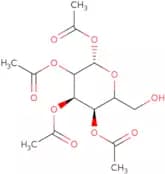


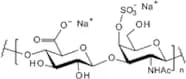
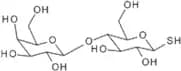
![(1S) -1- [(2R, 3S) -3- Benzyloxy-N-butyl- 1- azetidinyl] -1, 2- ethanediol](/_next/image/?url=https%3A%2Fstatic.cymitquimica.com%2Fproducts%2F3D%2Fthumb-webp%2FMB163382.webp&w=3840&q=75)

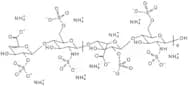

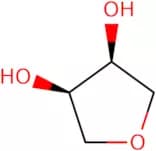
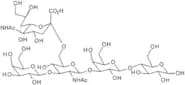

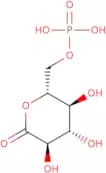
![(1S) -1- [(2S, 3R,4S) -4-(Acetoxy)methyl-3-benzyloxy- N-benzyl-1- azetidinyl] -di-O-acetyl-1, 2- e…](/_next/image/?url=https%3A%2Fstatic.cymitquimica.com%2Fproducts%2F3D%2Fthumb-webp%2FMA163358.webp&w=3840&q=75)
![D-[UL-13C6]Galacturonic acid potassium salt](/_next/image/?url=https%3A%2Fstatic.cymitquimica.com%2Fproducts%2F3D%2Fthumb-webp%2FMG106395.webp&w=3840&q=75)
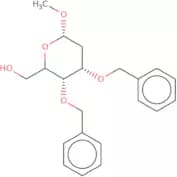

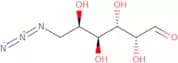
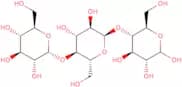
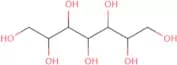
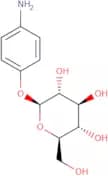
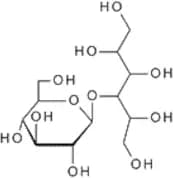

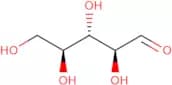



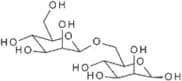
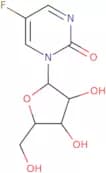
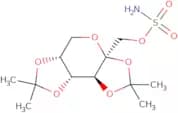
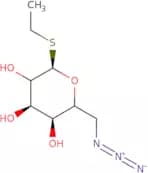
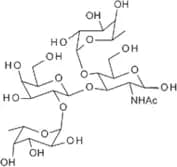

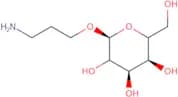
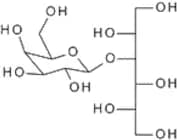
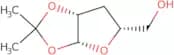
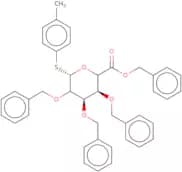
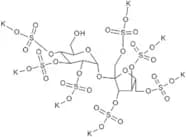
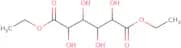

![2-Amino-β-D-arabinofurano[1,2;4,5]oxazoline](/_next/image/?url=https%3A%2Fstatic.cymitquimica.com%2Fproducts%2F3D%2Fthumb-webp%2FMA05416.webp&w=3840&q=75)
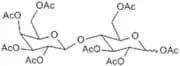
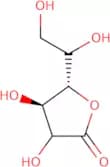
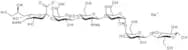

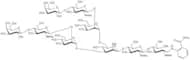

![(1R) -1- [(2S, 3S) - 3- Hydroxy- 1- azetidinyl] -1, 2- ethanediol](/_next/image/?url=https%3A%2Fstatic.cymitquimica.com%2Fproducts%2F3D%2Fthumb-webp%2FMH163405.webp&w=3840&q=75)
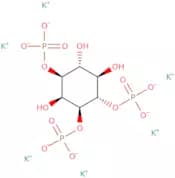
![(5R, 8R, 9S) -8- [(4R) - 2, 2- Dimethyl- 1, 3- dioxolan- 4- yl] - 9- hydroxy- 2, 2- dimethyl- 1, 3…](/_next/image/?url=https%3A%2Fstatic.cymitquimica.com%2Fproducts%2F3D%2Fthumb-webp%2FMD170668.webp&w=3840&q=75)
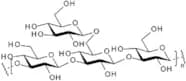
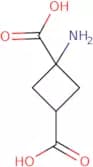

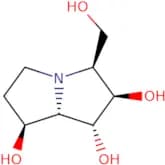
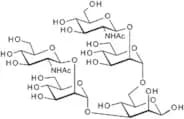
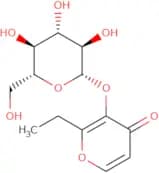
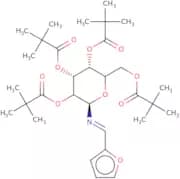


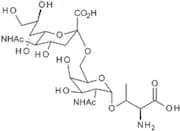


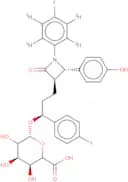

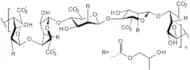
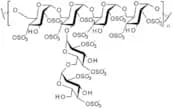
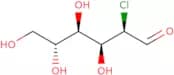
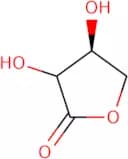

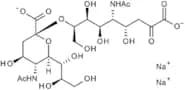
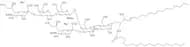
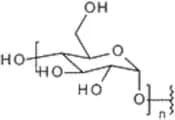
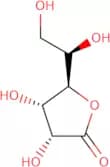
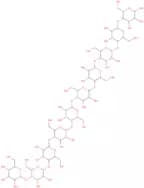
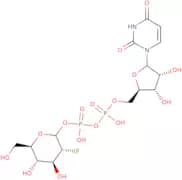
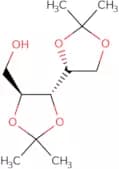

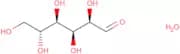
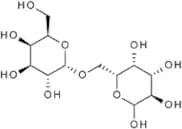

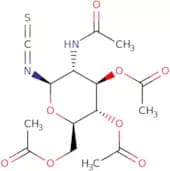
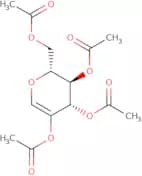
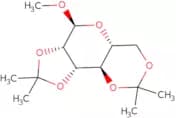

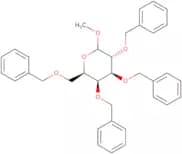
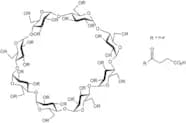
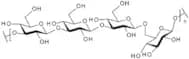
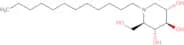


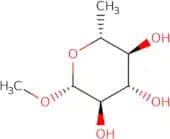
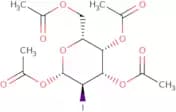

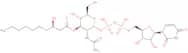
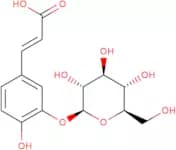

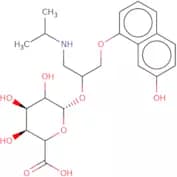
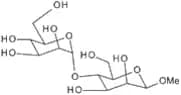
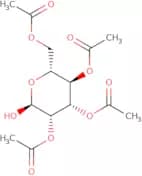
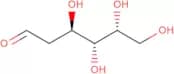
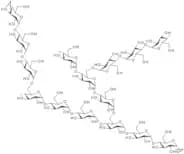
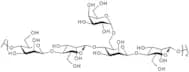
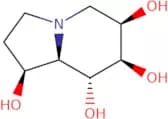
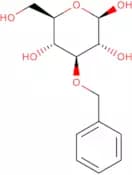

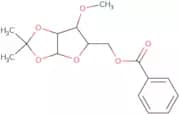
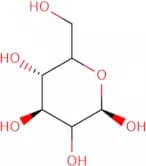
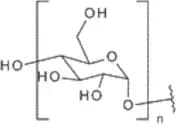
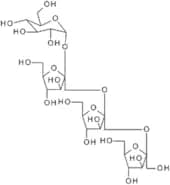
![5-Amino-3-β-D-ribofuranosylthiazolo[4,5-d]pyrimidin-2,7(3H,6H)-dione](/_next/image/?url=https%3A%2Fstatic.cymitquimica.com%2Fproducts%2F3D%2Fthumb-webp%2FXEA97040.webp&w=3840&q=75)

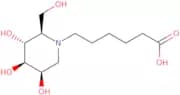
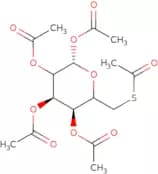
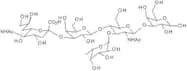
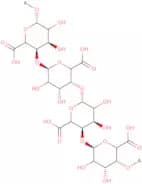
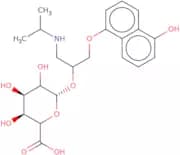
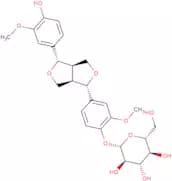


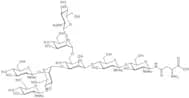
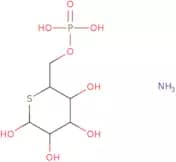
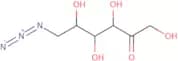
![(5S, 8S, 9S) -8- [(4S) - 2, 2-Dimethyl- 1, 3- dioxolan- 4- yl] - 9- hydroxy- 2, 2- dimethyl- 1, 3,…](/_next/image/?url=https%3A%2Fstatic.cymitquimica.com%2Fproducts%2F3D%2Fthumb-webp%2FMD170667.webp&w=3840&q=75)
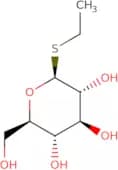
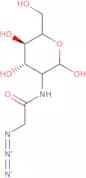
![[2R- (2a, 3a, 4b, 5a) ] -3,4,5-Trihydroxy-2- piperidinecarboxylic acid methyl ester](/_next/image/?url=https%3A%2Fstatic.cymitquimica.com%2Fproducts%2F3D%2Fthumb-webp%2FMT163497.webp&w=3840&q=75)


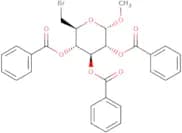


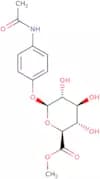
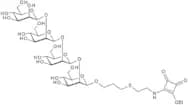
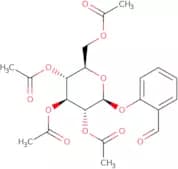



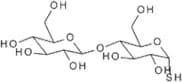
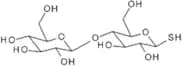
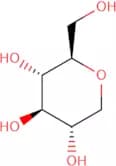

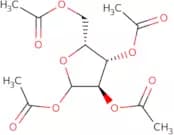
![6- Deoxy- 3, 5- O- [(R) - benzylidene] - L- mannonic acid g- lactone](/_next/image/?url=https%3A%2Fstatic.cymitquimica.com%2Fproducts%2F3D%2Fthumb-webp%2FMD163972.webp&w=3840&q=75)

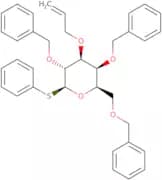

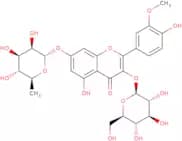


![Methyl 3-O-[(6-O-b-D-galactopyranosyl)-b-D-galactopyranosyl]-b-D-galactopyranoside](/_next/image/?url=https%3A%2Fstatic.cymitquimica.com%2Fproducts%2F3D%2Fthumb-webp%2FOM10181.webp&w=3840&q=75)