Antibióticos
Os antibióticos são compostos projetados para destruir ou inibir o crescimento de vários microrganismos, desempenhando um papel crucial no tratamento de infecções e na prevenção da disseminação de doenças. Esta categoria oferece uma ampla variedade de ingredientes ativos especificamente para pesquisa no campo bioquímico. Esses compostos são ferramentas essenciais no estudo dos mecanismos bacterianos, padrões de resistência e no desenvolvimento de novos agentes terapêuticos. Os pesquisadores podem explorar uma grande variedade de antibióticos para entender seus efeitos, otimizar seu uso e desenvolver novos tratamentos para combater ameaças microbianas emergentes. A disponibilidade de um espectro tão amplo de antibióticos apoia a pesquisa avançada e a inovação em microbiologia e ciências farmacêuticas.
Subcategorias de "Antibióticos"
- Antibióticos macrolídeos(26 produtos)
- Antibióticos Esteróides(31 produtos)
- Antibióticos de tetraciclina(20 produtos)
- Antibióticos β-Lactâmicos(11 produtos)
Foram encontrados 4082 produtos de "Antibióticos"
Ordenar por
Pureza (%)
0
100
|
0
|
50
|
90
|
95
|
100
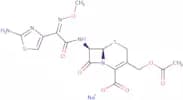
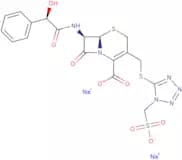
Ceftizoxime sodium
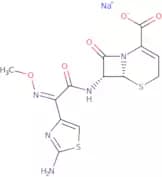
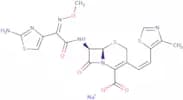
CAS:<p>Ceftizoxime sodium is a sodium salt form of ceftizoxime with similar action and applications as ceftizoxime.</p>Fórmula:C13H12N5NaO5S2Pureza:Min. 95%Cor e Forma:PowderPeso molecular:405.39 g/molD-Cycloserine
CAS:<p>D-Cycloserine is a antibiotic and NMDA receptor partial agonist with action on bacterial cell wall synthesis and modulation of NMDA receptors and is used for treating tuberculosis and studying neuropsychiatric disorders.</p>Fórmula:C3H6N2O2Pureza:Min. 98 Area-%Cor e Forma:PowderPeso molecular:102.09 g/molDesfuroyl ceftiofur sodium
CAS:<p>Desfuroyl ceftiofur sodium is a veterinary cephalosporin antibiotic, which is derived from cephalosporin C, a beta-lactam antibiotic produced by the fungus Cephalosporium acremonium. Its mode of action involves the inhibition of bacterial cell wall synthesis by binding to and inactivating penicillin-binding proteins (PBPs). This prevents the cross-linking of peptidoglycan layers, leading to cell lysis and bacterial death, particularly effective against Gram-negative and some Gram-positive bacteria.</p>Fórmula:C14H15N5O5S3•NaPureza:Min. 95%Peso molecular:452.5 g/molValidoxylamine A
CAS:<p>Validoxylamine A is an antibiotic, which is a secondary metabolite produced by certain strains of the Actinomyces species. It functions as a potent inhibitor of the enzyme glucose isomerase, which plays a crucial role in the isomerization of glucose to fructose, an important biochemical reaction in various microbial and plant systems.</p>Fórmula:C14H25NO8Pureza:Min. 95%Peso molecular:335.35 g/molOleandomycin phosphate
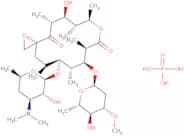
CAS:Produto Controlado<p>Oleandomycin phosphate is a macrolide antibiotic with action on bacterial protein synthesis inhibition and is used for treating respiratory tract infections and as a veterinary antibiotic.</p>Fórmula:C35H64NO16PPureza:(%) Reported (%)Cor e Forma:PowderPeso molecular:785.85 g/molMaduramicin ammonium
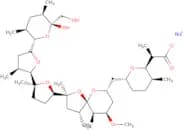
CAS:<p>Maduramicin ammonium is an anticoccidial agent with action on protozoal parasites by disrupting ion gradients and is used for preventing coccidiosis in poultry.</p>Fórmula:C47H83NO17Pureza:Min. 95%Cor e Forma:PowderPeso molecular:934.16 g/molNigericin sodium - from Streptomyces hygroscopicus
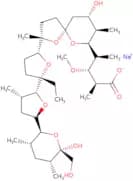
CAS:<p>Membrane pore-forming agent; H+, K+, Pb2+ ionophore; polyether antibiotic</p>Fórmula:C40H67O11NaPureza:Min. 95%Cor e Forma:White PowderPeso molecular:746.94 g/molPazufloxacin hydrochloride
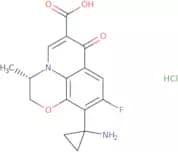
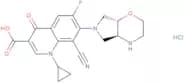
CAS:<p>Pazufloxacin hydrochloride is a synthetic antibacterial agent, which is derived from the fluoroquinolone class of antibiotics with a broad-spectrum activity against various bacterial pathogens. This compound, sourced through chemical synthesis, functions primarily by inhibiting bacterial DNA gyrase and topoisomerase IV, which are critical enzymes for DNA replication, transcription, repair, and recombination. The inhibition of these enzymes leads to the disruption of bacterial DNA processes, ultimately resulting in bacterial cell death.</p>Fórmula:C16H15FN2O4•HClPureza:Min. 95%Peso molecular:354.76 g/molHerbicidin C
CAS:<p>Herbicidin C is an antibiotic, which is derived from a microbial source, specifically from certain strains of actinobacteria. This compound functions as an inhibitor, interfering with specific metabolic pathways within target organisms. Its mode of action involves disrupting the synthesis of critical proteins, which are essential for cell survival and growth.</p>Fórmula:C17H21N5O9Pureza:Min. 95%Peso molecular:439.38 g/molCarbomycin
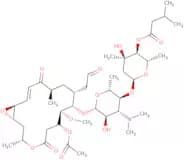
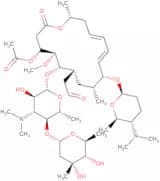
CAS:<p>Carbomycin is a macrolide antibiotic, which is derived from the bacterium Streptomyces halstedii. This antibiotic functions by binding to the 50S ribosomal subunit, thereby inhibiting bacterial protein synthesis. Through this mechanism, carbomycin effectively disrupts the growth and replication of susceptible bacterial strains, making it a potent tool in combating bacterial infections.</p>Fórmula:C42H67NO16Pureza:Min. 95%Peso molecular:841.98 g/molCefditoren acid sodium
CAS:<p>Cefditoren acid sodium is an antibacterial agent that belongs to the class of third-generation cephalosporins, which is derived from Acremonium fungus and produced through chemical synthesis. This compound acts by inhibiting bacterial cell wall synthesis, leading to cell lysis and death. It achieves this by binding to specific penicillin-binding proteins (PBPs) located inside the bacterial cell wall. The interruption of peptidoglycan synthesis in the cell wall is crucial for maintaining bacterial cell integrity, and its inhibition results in the bactericidal activity of cefditoren acid sodium. It is effective against a range of Gram-positive and Gram-negative bacteria. The key applications of this compound include the treatment of bacterial infections such as respiratory tract infections, skin infections, and other conditions caused by susceptible bacteria. Its spectrum of activity and pharmacokinetic properties make it suitable for situations where third-generation cephalosporins are indicated. Understanding the specific interaction with PBPs and the resistance mechanisms is crucial for optimizing its clinical use and managing antibiotic resistance.</p>Fórmula:C19H17N6NaO5S3Pureza:94%MinPeso molecular:528.56 g/molAmpicillin - Bio-X ™
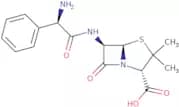
CAS:<p>Ampicillin is a β-lactam antibiotic with a broad spectrum of activity against Gram-positive and Gram-negative bacteria. It is used in the treatment of bacterial infections, including those caused by methicillin-resistant Staphylococcus aureus (MRSA), Streptococcus pneumoniae, and Listeria monocytogenes. Ampicillin binds to penicillin-binding proteins in the bacterial cell wall by competitive inhibition. It prevents the formation of an antibiotic-inhibitor complex with the enzyme cell wall synthesis that is required for cell wall biosynthesis, inhibiting protein synthesis and cell division.</p>Fórmula:C16H19N3O4SPureza:Min. 95%Cor e Forma:PowderPeso molecular:349.41 g/molCefatrizine
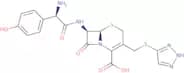
CAS:<p>Cefatrizine is a broad-spectrum antibiotic, which is a semisynthetic cephalosporin derived from cephalosporin C, a natural product originating from the fungus Acremonium chrysogenum. It exerts its mode of action through the inhibition of bacterial cell wall synthesis, a critical component for bacterial growth and replication. Specifically, cefatrizine targets and binds to penicillin-binding proteins (PBPs) located inside the bacterial cell wall, leading to the inhibition of peptidoglycan synthesis. This disruption results in cell lysis and ultimately bacterial cell death.</p>Fórmula:C18H18N6O5S2Pureza:Min. 95%Peso molecular:462.5 g/molAmphotericin B - Bio-X ™
CAS:<p>Amphotericin B is a macrocycle antibiotic with very potent antifungal effects and resistance very rarely occurs. Amphotericin B is a polyene antifungal that binds to fungal cell membrane, i.e., ergosterol disrupts the membrane permeability leading to leakage of intracellular components. It is often used as an alternative therapy for leishmaniasis and to treat severe mycoses including: systemic Candida, Cryptococcus, blastomycosis, and histoplasmosis.</p>Fórmula:C47H73NO17Pureza:Min. 75.0%Cor e Forma:PowderPeso molecular:924.08 g/molBiapenem
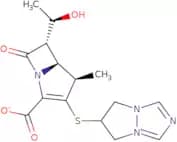
CAS:<p>Biapenem is a carbapenem antibiotic and is used for the treatment of bacterial infections. It inhibits bacterial cell wall synthesis by binding to penicillin-binding proteins.</p>Fórmula:C15H18N4O4SPureza:Min. 95%Cor e Forma:White PowderPeso molecular:350.39 g/molChloramphenicol
CAS:<p>Chloramphenicol is produced by Streptomyces venezuelae. It is a broad-spectrum antibiotic with bacteriostatic properties. It interferes with bacterial protein synthesis by reversibly binding to the 50S ribosome unit. Used as substrate in the CAT (chloramphenicol acetyl transferase) assay, where the CAT gene expression is monitored by the ability of a system to transform chloramphenicol into acetyl chloramphenicol, which can be followed by simple thin layer chromatography. It is employed in VTM to prevent bacterial growth during specimen storage and transportation.</p>Fórmula:C11H12Cl2N2O5Pureza:Min. 98 Area-%Cor e Forma:PowderPeso molecular:323.13 g/molMethacycline HCl
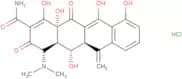
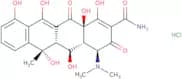
CAS:<p>Methacycline HCl is a tetracycline antibiotic with action on bacterial protein synthesis by binding to the 30S ribosomal subunit and is used for treating bacterial infections such as respiratory and urinary tract infections.</p>Fórmula:C22H22N2O8·HClPureza:Min. 95%Cor e Forma:PowderPeso molecular:478.88 g/molFostriecin
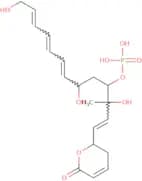
CAS:<p>Fostriecin is a potent anticancer agent, which is a natural product isolated from the bacterium Streptomyces pulveraceus. It acts primarily as an inhibitor of protein phosphatases, particularly protein phosphatase 2A (PP2A) and protein phosphatase 4 (PP4), functioning by blocking their catalytic activity. This inhibition disrupts cell cycle regulation, leading to apoptosis in cancer cells.</p>Fórmula:C19H27O9PPureza:Min. 95%Peso molecular:403.4 g/molChlortetracycline hydrochloride
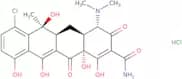
CAS:<p>Chlortetracycline hydrochloride is a broad-spectrum antibiotic, which is derived from the bacterium *Streptomyces aureofaciens*. It operates by inhibiting protein synthesis in susceptible bacteria through binding to the 30S ribosomal subunit. This mechanism effectively blocks the attachment of aminoacyl-tRNA to the mRNA-ribosome complex, thereby preventing the addition of new amino acids to the nascent peptide chain.</p>Fórmula:C22H24Cl2N2O8Pureza:Min. 89.5%Cor e Forma:Yellow PowderPeso molecular:515.34 g/molMonensin sodium
CAS:<p>Monensin sodium is a polyether antibiotic with action on ion transport across bacterial cell membranes and is used for preventing coccidiosis and improving feed efficiency in livestock.</p>Fórmula:C36H61NaO11Pureza:(%) Min. 90%Cor e Forma:White Off-White PowderPeso molecular:692.85 g/molFosfomycin calcium
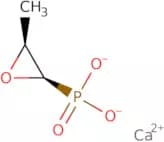
CAS:<p>Broad-spectrum antibiotic; bacterial cell wall biogenesis inhibitor</p>Fórmula:C3H7O4P•CaxPureza:Min. 95%Cor e Forma:White PowderPeso molecular:176.12 g/mol7-Deazaadenosine, Antibiotic for Culture Media Use Only
CAS:<p>7-Deazaadenosine is a chemical compound used as an antibiotic for culture media, which is a synthetic nucleoside analog derived from adenosine. Its structure is modified by replacing a nitrogen atom in the purine ring with a carbon atom, thus altering its biological interactions. The primary mode of action of 7-Deazaadenosine involves its incorporation into nucleic acids, where it acts as an inhibitor of nucleic acid-processing enzymes. This interference can effectively impede processes like DNA and RNA synthesis.</p>Fórmula:C11H14N4O4Pureza:Min. 97.0 Area-%Peso molecular:266.25 g/molCycloheximide, Antibiotic for Culture Media Use Only
CAS:<p>Cycloheximide, Antibiotic for Culture Media Use Only, is an antifungal agent derived from the Streptomyces griseus bacterium. Its primary mode of action involves the inhibition of eukaryotic protein synthesis by interfering with the translocation step on the 80S ribosome. This leads to rapid arrest of protein assembly, effectively limiting fungal and certain yeast growth in culture.</p>Fórmula:C15H23NO4Peso molecular:281.35 g/mol7-Deazaadenosine
CAS:<p>Antibiotic; RNA and DNA synthesis inhibitor; adenosine analogue</p>Fórmula:C11H14N4O4Pureza:Min. 97 Area-%Cor e Forma:Off-White To Light (Or Pale) Brown SolidPeso molecular:266.26 g/molAmikacin disulfate
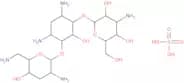
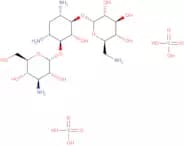
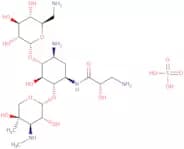
CAS:<p>Inhibitor of protein synthesis; aminoglycoside</p>Fórmula:C22H43N5O13·2H2SO4Pureza:674 To 786 Usp U/MgCor e Forma:White PowderPeso molecular:781.76 g/molNovobiocin
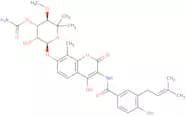
CAS:<p>Novobiocin is an aminocoumarin antibiotic with action on bacterial DNA gyrase to inhibit ATPase activity and is used for treating staphylococcal infections and research on DNA replication.</p>Fórmula:C31H36N2O11Pureza:(%) Min. 94%Cor e Forma:White PowderPeso molecular:612.62 g/molCefotetan
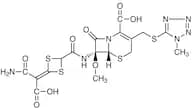
CAS:<p>Inhibitor of cell wall synthesis; cephalosporin class</p>Fórmula:C17H17N7O8S4Pureza:Min. 96 Area-%Cor e Forma:PowderPeso molecular:575.62 g/molCefoperazone free acid
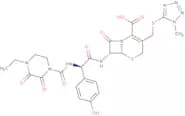
CAS:<p>Cefoperazone free acid is a third-generation cephalosporin antibiotic with action on bacterial cell wall synthesis and is used for treating respiratory, urinary, and skin infections.</p>Fórmula:C25H27N9O8S2Pureza:Min. 95%Cor e Forma:White PowderPeso molecular:645.67 g/molMeropenem sodium
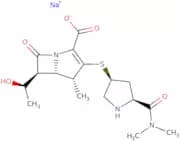
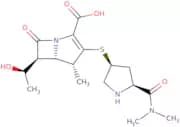
CAS:<p>Inhibitor of cell-wall synthesis; carbapenem class</p>Fórmula:C17H25N3O5S•NaPureza:Min. 95%Cor e Forma:PowderPeso molecular:406.45 g/molPenicillin G sodium
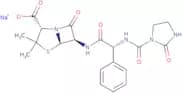
CAS:<p>Penicillin G sodium is a natural penicillin antibiotic with action on bacterial cell wall synthesis and is used for treating bacterial infections such as pneumonia, gonorrhea, and anthrax.</p>Fórmula:C16H17N2NaSO4Cor e Forma:White PowderPeso molecular:356.37 g/molAlvespimycin hydrochloride
CAS:<p>Alvespimycin hydrochloride is a chemical inhibitor that binds and inhibits the ATP-binding site of Hsp90, an enzyme involved in protein synthesis. This inhibition prevents the release of other proteins that are needed for protein synthesis, leading to cell death. Alvespimycin hydrochloride has been shown to have anti-cancer properties in vitro assays. Alvespimycin hydrochloride is a semi-synthetic derivative of the antibiotic geldanamycin</p>Fórmula:C32H48N4O8Pureza:Min. 95%Cor e Forma:PowderPeso molecular:616.75 g/molTobramycin sulfate
CAS:<p>Inhibitor of protein synthesis; aminoglycoside</p>Fórmula:C18H37N5O9H2SO4Pureza:634 To 739 Ug/MgCor e Forma:White PowderPeso molecular:506.75 g/molCycloheximide - Antibiotic for Culture Media Use Only
CAS:<p>Cycloheximide is produced by the bacteria Streptomyces griseus. In eukaryotic organisms, it acts as an inhibitor of protein biosynthesis, interfering with protein elongation by binding to the E-site of ribosomes after two elongation cycles. It has many in vitro applications, with the most popular being to determine a proteins half-life. It is used as an antifungal in VTM. It does not appear to inhibit cell culture or viral replication at a concentration of 10ug/ml.</p>Fórmula:C15H23NO4Pureza:Min. 95%Cor e Forma:PowderPeso molecular:281.35 g/molOritavancin
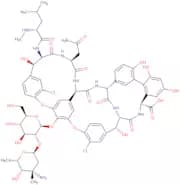
CAS:<p>Oritavancin is a semi-synthetic lipoglycopeptide antibiotic that inhibits bacterial cell wall synthesis by binding to the D-alanyl-D-alanine moiety of peptidoglycan precursors. It has been shown to be active against methicillin-resistant Staphylococcus aureus (MRSA) and Clostridium perfringens. Oritavancin also inhibits the growth of thp-1 cells in vitro and has been shown to be effective against endocarditis caused by MRSA.</p>Fórmula:C86H97Cl3N10O26Pureza:Min. 95%Cor e Forma:PowderPeso molecular:1,793.1 g/molTobramycin
CAS:<p>Tobramycin used to treat severe infections with gram-negative bacteria and it is often applied in combination with beta-lactams. It has similar antimicrobial effects to gentamicin and is effective against all Enterobacteriacae, but more effective than gentamicin against P. aeruginosa, which is why it is often used for gentamicin-resistant strains, especially in the case of cystic fibrosis.</p>Fórmula:C18H37N5O9Pureza:Min. 97 Area-%Cor e Forma:White PowderPeso molecular:467.51 g/molC-390, Antibiotic for Culture Media Use Only
CAS:<p>C-390 is an antibacterial agent. Selective isolation of Pseudomonas aeruginosa from other bacterial species when added to an agar medium.</p>Fórmula:C29H27ClN2HClPureza:Min. 98.0 Area-%Peso molecular:490.05 g/molDalbavancin HCl
CAS:<p>Second-generation lipoglycopeptide antibiotic</p>Fórmula:C88H100Cl2N10O28·HClPureza:85 To 105%Cor e Forma:White Off-White PowderPeso molecular:1,853.15 g/molN-Desmethyl clarithromycin
CAS:<p>N-Desmethyl clarithromycin is a metabolite of clarithromycin with action on bacterial protein synthesis inhibition and is used for studying clarithromycin pharmacokinetics.</p>Fórmula:C37H67NO13Pureza:Min. 95%Cor e Forma:PowderPeso molecular:733.93 g/molAmicetin
CAS:<p>Amicetin is a type of antibiotic, which is derived from bacterial sources, specifically from Streptomyces species. It functions primarily by inhibiting protein synthesis in susceptible bacteria, achieved through interfering with the aminoacyl-tRNA binding process on the ribosome. This mechanism disrupts the translation process, thereby preventing bacterial growth and replication.</p>Fórmula:C29H42N6O9Pureza:Min. 95%Peso molecular:618.68 g/molCeftaroline fosamil acetate hydrate - Bio-X ™
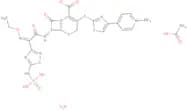
CAS:<p>Ceftaroline fosamil is an antibacterial agent used to treat various bacterial infections such as pneumonia. Ceftaroline fosamil binds to the ribosomal RNA of bacteria, preventing the formation of proteins necessary for cell division. Ceftaroline fosamil has been shown to be highly active against Mycobacterium tuberculosis, Mycobacterium avium complex, and fungi such as Candida species.</p>Fórmula:C22H22N8O8PS4·C2H3O2·H2OPureza:Min. 95%Cor e Forma:PowderPeso molecular:762.76 g/molCefdinir
CAS:<p>Cefdinir is a third-generation cephalosporin antibiotic with action on bacterial cell wall synthesis and is used for treating respiratory tract infections, skin infections, and ear infections.</p>Fórmula:C14H13N5O5S2Pureza:Min. 98 Area-%Cor e Forma:White PowderPeso molecular:395.42 g/molSparfloxacin
CAS:<p>Fluoroquinolone; inhibits bacterial DNA gyrase</p>Fórmula:C19H22F2N4O3Pureza:Min. 98 Area-%Cor e Forma:PowderPeso molecular:392.4 g/molMeropenem
CAS:<p>Inhibitor of cell-wall synthesis; carbapenem class</p>Fórmula:C17H25N3O5SPureza:Min. 98 Area-%Cor e Forma:White PowderPeso molecular:383.46 g/mol9-Erythromycin 9-oxime
CAS:<p>9-Erythromycin 9-oxime is an activty inpurity, binding to the 50S ribosomal subunit of bacteria.</p>Fórmula:C37H68N2O13Pureza:Min. 93 Area-%Cor e Forma:PowderPeso molecular:748.94 g/molNadifloxacin
CAS:<p>Nadifloxacin is a fluoroquinolone antibiotic with action on bacterial DNA gyrase to inhibit DNA synthesis and is used for treating acne vulgaris and bacterial skin infections.</p>Fórmula:C19H21FN2O4Pureza:Min. 95%Cor e Forma:White PowderPeso molecular:360.38 g/molClarithromycin
CAS:<p>A macrolide, broad-spectrum antibiotic that targets cytochrome P4503A4 (CYP3A4). Clarithromycin has been used to potentiate the pharmacological effects of some drugs that are metabolised by the cytochrome P450.</p>Fórmula:C38H69NO13Pureza:Min. 95%Cor e Forma:PowderPeso molecular:747.95 g/molCeftazidime - Bio-X ™
CAS:<p>Ceftazidime is a broad-spectrum beta-lactam antibiotic that inhibits bacterial growth by inhibiting penicillin-binding proteins (PBPs). It is used to treat many bacteria infections including pneumonia and septicaemia. It has shown to be effective against some treatment-resistant bacteria such as Pseudomonas aeruginosa.</p>Fórmula:C22H22N6O7S2Pureza:Min. 95%Cor e Forma:PowderPeso molecular:546.58 g/molOxacillin sodium monohydrate
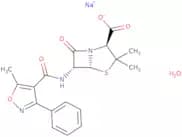
CAS:<p>Oxacillin sodium monohydrate is a hydrated form of oxacillin sodium with similar action and applications as oxacillin sodium.</p>Fórmula:C19H18N3NaO5S·H2OPureza:(%) Min. 95%Cor e Forma:White PowderPeso molecular:441.43 g/molTazobactam sodium
CAS:<p>Inhibitor of beta-lactamase; inhibitor of cell wall synthesis; beta-lactam class</p>Fórmula:C10H11NaN4O5SPureza:Min. 90%Cor e Forma:PowderPeso molecular:322.27 g/molErythromycin, Antibiotic for Culture Media Use Only
CAS:<p>Erythromycin, Antibiotic for Culture Media Use Only, is a macrolide antibiotic derived from the bacterium *Saccharopolyspora erythraea*. It functions by inhibiting protein synthesis, specifically targeting the 50S ribosomal subunit in susceptible bacteria. This action results in the prevention of peptide chain elongation, effectively halting bacterial growth and proliferation.</p>Fórmula:C37H67NO13Pureza:Min. 93.0 Area-%Peso molecular:733.93 g/molRef: 3D-E-3250
1kgA consultar100gA consultar250gA consultar500gA consultar2500gA consultar-Unit-ggA consultarSecnidazole
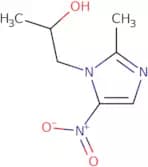
CAS:<p>Antimicrobial agent</p>Fórmula:C7H11N3O3Pureza:Min. 95%Cor e Forma:White PowderPeso molecular:185.18 g/molFinafloxacin hydrochloride
CAS:<p>Finafloxacin hydrochloride is an antibiotic, which is a synthetic compound derived from the fluoroquinolone class. Its source is a chemically engineered structure, specifically designed to combat bacterial infections effectively. The mode of action of Finafloxacin hydrochloride involves the inhibition of bacterial DNA gyrase and topoisomerase IV, essential enzymes responsible for DNA replication, transcription, and repair in bacteria. By inhibiting these enzymes, it disrupts bacterial DNA processes, ultimately leading to cell death and resolution of the infection.</p>Fórmula:C20H20ClFN4O4Pureza:Min. 95%Peso molecular:434.85 g/molAcetylspiramycin - Mixture of components
CAS:<p>Acetylspiramycin - Mixture of components is a derivative of spiramycin and is used as an antibiotic.</p>Fórmula:C45H76N2O15Cor e Forma:PowderPeso molecular:885.09 g/molseco erythromycin
CAS:<p>Seco erythromycin is a derivative of the macrolide antibiotic erythromycin, which originates from the bacterium *Saccharopolyspora erythraea*. As a semi-synthetic compound, it retains the core lactone ring structure of erythromycin, but modifications in its chemical configuration confer distinct properties. Seco erythromycin operates by binding to the 50S subunit of the bacterial ribosome, inhibiting protein synthesis. This action effectively halts bacterial growth by preventing the translocation of peptides and thus impairs protein assembly.</p>Fórmula:C37H69NO14Pureza:Min. 95%Peso molecular:751.94 g/molDaunorubicin HCl
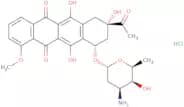
CAS:<p>Anthracycline antibiotic with potent anti-tumoral activity. The compound interferes with DNA replication and RNA transcription since it intercalates between the base pairs of nucleic acids. It also inhibits the topoisomerase II, proteasome and generates free radicals, which leads to cell death of treated cells. Moreover, daunorubicin triggers apoptosis trough the stimulation of ceramide synthesis. It has been used as chemotherapy agent for the treatment of myeloid leukaemia (AML) and acute lymphocytic leukaemia (ALL).</p>Fórmula:C27H29NO10·HClPureza:Min. 95%Cor e Forma:Red PowderPeso molecular:563.98 g/molCefotaxime sodium
CAS:<p>Cefotaxime sodium is a broad-spectrum cephalosporin antibiotic, which is a semisynthetic derivative of cephalosporin C obtained from the mold Acremonium. This compound functions by inhibiting bacterial cell wall synthesis, which it achieves through binding to and deactivating penicillin-binding proteins (PBPs) located on the inner membrane of the bacterial cell wall. This action prevents the cross-linking of peptidoglycan chains, leading to cell lysis and bacterial death, primarily affecting rapidly dividing cells.</p>Fórmula:C16H17N5O7S2·NaCor e Forma:White PowderPeso molecular:478.46 g/molVancomycin
CAS:<p>Inhibitor of cell wall biogenesis; glycopeptide antibiotic</p>Fórmula:C66H75Cl2N9O24Cor e Forma:PowderPeso molecular:1,449.25 g/molCarumonam disodium
CAS:<p>Carumonam disodium is a monobactam antibiotic, which is derived from microbial fermentation processes. Its mode of action involves binding to penicillin-binding proteins (PBPs) of susceptible Gram-negative bacteria. This binding inhibits the final transpeptidation step of peptidoglycan synthesis in the bacterial cell wall, leading to cell lysis and death.</p>Fórmula:C12H14N6Na2O10S2Pureza:Min. 95%Peso molecular:512.39 g/molDelamanid
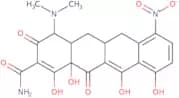
CAS:<p>Delamanid is a second-line antimicrobial agent, which is a synthetic derivative of the nitro-dihydro-imidazooxazole compound. Delamanid originates from a laboratory synthesis designed to target and inhibit specific components of bacterial cell wall synthesis. The mode of action involves the inhibition of mycolic acid synthesis, which is critical for the maintenance and construction of the cell wall in Mycobacterium tuberculosis. This inhibition disrupts bacterial cell wall integrity, ultimately exerting a bactericidal effect against actively replicating and dormant mycobacterial cells.</p>Fórmula:C25H25F3N4O6Pureza:Min. 98 Area-%Cor e Forma:PowderPeso molecular:534.48 g/molNitrocycline
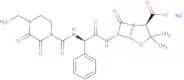
CAS:<p>Nitrocycline is a broad-spectrum antibiotic, which is a synthetic derivative of tetracycline with enhanced antibacterial properties. As a chemically synthesized compound, nitrocycline has been engineered to overcome resistance mechanisms common in bacterial pathogens. Its mode of action involves the inhibition of protein synthesis, achieved by binding to the 30S ribosomal subunit, effectively preventing the addition of new amino acids to nascent peptide chains. This binding action interrupts bacterial growth and replication, providing robust activity against both Gram-positive and Gram-negative bacteria.</p>Fórmula:C21H21N3O9Pureza:Min. 95%Peso molecular:459.4 g/molPiperacillin sodium, pharma grade
CAS:<p>Piperacillin sodium, pharma grade is a pharmaceutical-grade beta-lactam antibiotic with action on bacterial cell wall synthesis and is used for research and pharmaceutical applications.</p>Fórmula:C23H27N5O7S•NaPureza:Min. 95%Cor e Forma:PowderPeso molecular:540.55 g/molMidecamycin
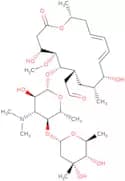
CAS:<p>Midecamycin is a macrolide antibiotic with action on bacterial protein synthesis by binding to the 50S ribosomal subunit and is used for treating respiratory tract and skin infections.</p>Fórmula:C41H67NO15Pureza:Min. 95%Cor e Forma:PowderPeso molecular:813.97 g/molEnduracidin - ca. 8%
CAS:<p>Polypeptide antibiotic used as a feed additive</p>Fórmula:C107H138Cl2N26O31Pureza:7.2 To 8.8%Cor e Forma:Beige PowderPeso molecular:2355.3Dirithromycin
CAS:<p>Dirithromycin is a macrolide glycopeptide antibiotic with action on bacterial protein synthesis inhibition and is used for treating respiratory, skin, and other bacterial infections.</p>Fórmula:C42H78N2O14Pureza:Min. 95%Peso molecular:835.07 g/molCloxacillin sodium hydrate
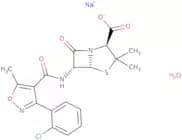
CAS:<p>β-lactam antibiotic of penicillin subclass, which inhibits bacterial cell wall synthesis by targeting the proteoglycan synthesis. Cloxacillin has a narrow spectrum of action and is effective against Gram-positive organisms. Cloxacillin is resistant to the action of β-lactamase and therefore preferentially used for treatment of Staphylococcal infections.</p>Fórmula:C19H18ClN3O5S•H2O•NaPureza:Min. 95%Cor e Forma:White PowderPeso molecular:476.89 g/molMinocycline hydrochloride
CAS:<p>Broad spectrum, long-acting and lipid soluble tetracycline antibody</p>Fórmula:C23H28ClN3O7Pureza:Min. 96 Area-%Cor e Forma:Yellow PowderPeso molecular:493.94 g/molEthambutol 2HCl
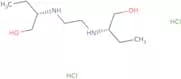
CAS:<p>Ethambutol 2HCl is a bacteriostatic antimycobacterial agent with action on arabinosyl transferases to inhibit cell wall synthesis and is used for treating tuberculosis in combination with other antibiotics.</p>Fórmula:C10H26Cl2N2O2Pureza:Min. 95%Cor e Forma:White PowderPeso molecular:277.23 g/molTrimethoprim lactate salt
CAS:<p>Antibacterial used in treatment of UTI and respiratory tract infections</p>Fórmula:C14H18N4O3·C3H6O3Pureza:Min. 95%Cor e Forma:White PowderPeso molecular:380.4 g/molFleroxacin
CAS:<p>Fleroxacin is a fluoroquinolone antibiotic with action on bacterial DNA gyrase and topoisomerase IV and is used for treating respiratory, urinary, and gastrointestinal infections.</p>Fórmula:C17H18F3N3O3Pureza:Min. 95%Cor e Forma:PowderPeso molecular:369.34 g/mollsoniazid
CAS:<p>Lysostaphin is an antimicrobial enzyme with a mode of action that cleaves the cell wall of Staphylococcus aureus. It is used for treating staphylococcal infections and in research applications.</p>Fórmula:C6H7N3OPureza:Min. 95%Cor e Forma:White PowderPeso molecular:137.14 g/molDoxorubicin Impurity B
CAS:<p>Doxorubicin Impurity B is a chemical impurity of doxorubicin with no direct therapeutic action but used in research and quality control.</p>Fórmula:C29H34BrNO11Pureza:Min. 95%Cor e Forma:Red PowderPeso molecular:652.48 g/molCarbenicillin disodium salt
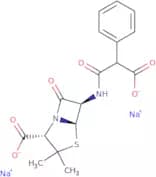
CAS:<p>Inhibitor of bacterial cell wall biogenesis; penicillin class</p>Fórmula:C17H16N2Na2O6SPureza:Min. 90 Area-%Cor e Forma:White Slightly Yellow PowderPeso molecular:422.37 g/molOligomycin C 97%
CAS:<p>Oligomycin C 97% is a macrolide antibiotic with action on mitochondrial ATP synthase inhibition and is used for research on oxidative phosphorylation and cellular metabolism.</p>Fórmula:C45H72O12Pureza:Min. 95%Cor e Forma:PowderPeso molecular:805.05 g/molNatamycin
CAS:<p>Natamycin is a polyene macrolide antifungal agent with action on fungal cell membranes by binding to sterols and is used for treating fungal infections and as a food preservative.</p>Fórmula:C33H47NO13Pureza:Min. 95 Area-%Cor e Forma:PowderPeso molecular:665.73 g/mol1,6'-Di-HABA kanamycin A
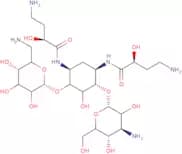
CAS:<p>1,6'-Di-HABA kanamycin A is a derivative of kanamycin A, an aminoglycoside antibiotic used to treat bacterial infections by blocking cell wall synthesis or by inhibiting protein synthesis.</p>Fórmula:C26H50N6O15Pureza:Min. 95 Area-%Cor e Forma:PowderPeso molecular:686.71 g/molTubulysin A
CAS:<p>Tubulysin A is a natural cytotoxic agent, which is derived from myxobacteria. The compound originates from strains such as Archangium gephyra and Angiococcus disciformis, known for their prolific production of secondary metabolites. Tubulysin A exerts its mode of action by disrupting microtubule dynamics, which are essential for cell division and intracellular transport. It specifically binds to the microtubules and inhibits their polymerization, leading to cell cycle arrest and apoptosis in rapidly dividing cells.</p>Fórmula:C43H65N5O10SPureza:Min. 95%Peso molecular:844.07 g/molParomomycin sulfate, Antibiotic for Culture Media Use Only
CAS:<p>Paromomycin sulfate is an antibiotic used for culture media to control bacterial contamination of mediums and other laboratory substances. Most Gram-negative bacteria strains are sensitive to paromomycin sulfate, showing a low sensitivity (â€10%) in Enterobacteriaceae, Pseudomonas aeruginosa, Escherichia coli, Proteus vulgaris, Klebsiella pneumoniae and Serratia marcescens. Paromomycin sulfate is also used in the treatment of colorectal cancer by blocking DNA synthesis through inhibition of protein synthesis in susceptible cells. This can result in reduced damage in colon tumor cells within the body, although it may have neurotoxic effects on brain tissue. Furthermore, it has anti-inflammatory properties when given orally or intravenously at therapeutic doses. Acridine orange can be used to identify sulfuric acid resistant gram.</p>Fórmula:C23H47N5O18SPureza:Min. 95.0 Area-%Peso molecular:713.71 g/molRef: 3D-Q-201537
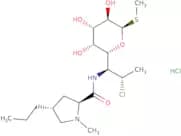
1kgA consultar100gA consultar250gA consultar500gA consultar2500gA consultar-Unit-ggA consultarLincomycin hydrochloride monohydrate
CAS:<p>Inhibitor of protein synthesis; lincosamide</p>Fórmula:C18H34N2O6S·HCl·H2OPureza:Min. 82%Cor e Forma:White Off-White PowderPeso molecular:461.01 g/molMilbemycin oxime
CAS:<p>Milbemycin oxime is a broad-spectrum antiparasitic agent with action on glutamate-gated chloride channels in parasites and is used for preventing heartworm and treating intestinal worms in animals.</p>Fórmula:C126H176N4O28Pureza:Min. 95%Cor e Forma:PowderPeso molecular:2,194.76 g/molVirginiamycin - Activity - 50%
CAS:<p>Inhibitor of protein synthesis; streptogramin</p>Fórmula:C71H84N10O17Cor e Forma:Off-White PowderPeso molecular:1,349.48 g/molMitomycin C - High Purity
CAS:<p>Mitomycin C is a cytotoxic agent that inhibits DNA synthesis. This product is tested according to USP specification. Mitomycin C has been shown to be effective against resistant mutants and carcinoma cell lines. It also has genotoxic activity and induces statistically significant chromosome aberrations in mammalian cells. Mitomycin C is toxic to the mitochondria, which may be due to its ability to induce mitochondrial membrane potential collapse, leading to apoptosis. Mitomycin C binds to the response element in the genome, causing transcriptional repression of a number of genes involved in cell proliferation, differentiation, or apoptosis. Mitomycin C inhibits squamous carcinoma cells by binding to their DNA and preventing RNA synthesis.</p>Fórmula:C15H18N4O5Pureza:Cas Rn [50-07-7] M. F. C15H18N4O5Cor e Forma:PowderPeso molecular:334.33 g/molLincomycin 2,7-dipalmitate
<p>Lincomycin 2,7-dipalmitate is an antibiotic compound that is a semi-synthetic derivative originating from the natural antibiotic lincomycin, which itself is produced by the actinobacterium Streptomyces lincolnensis. This compound functions by inhibiting bacterial protein synthesis. Specifically, it binds to the 23S rRNA component of the 50S subunit of the bacterial ribosome, thereby disrupting the process of RNA translocation and inhibiting the synthesis of essential proteins needed for bacterial growth and replication.</p>Fórmula:C51H95NO8SPureza:Min. 95%Peso molecular:882.37 g/molArbekacin hydrochloride
CAS:<p>Inhibitor of DNA replication; aminoglycoside class</p>Fórmula:C22H44N6O10·xHclPureza:Min. 95%Peso molecular:552.62 g/molMarbofloxacin - Bio-X ™
CAS:<p>Marbofloxacin is an antibiotic belonging to the class of fluoroquinolones. It is used in veterinary medicine to treat bacterial infections in animals. This drug inhibits the bacterial enzyme DNA gyrase and topoisomerase IV. As a result, this drug prevents bacterial DNA replication.</p>Fórmula:C17H19N4O4FPureza:Min. 95%Cor e Forma:PowderPeso molecular:362.36 g/molCeftriaxone disodium hemiheptahydrate
CAS:<p>Ceftriaxone disodium hemiheptahydrate is a third-generation cephalosporin antibiotic, which is a semisynthetic derivative of cephalosporin C. This compound is sourced from the fungus Acremonium, which is known for its role in deriving crucial β-lactam antibiotics. Ceftriaxone acts by inhibiting bacterial cell wall synthesis, specifically targeting the penicillin-binding proteins (PBPs). This action disrupts peptidoglycan cross-linking, leading to bacterial cell lysis and death.</p>Fórmula:(C18H18N8Na2O7S3)2•(H2O)7Pureza:Min. 94 Area-%Cor e Forma:White Yellow PowderPeso molecular:1,327.23 g/molPosizolid
CAS:<p>Posizolid is an oxazolidinone antibiotic, which is a synthetic compound derived from chemical synthesis. It acts by inhibiting bacterial protein synthesis through binding to the 50S subunit of the bacterial ribosome, thereby interfering with the translation process essential for bacterial growth and reproduction.</p>Fórmula:C21H21F2N3O7Pureza:Min. 95%Cor e Forma:SolidPeso molecular:465.4 g/molGentamicin C1a pentaacetate
CAS:<p>Gentamicin C1a pentaacetate is an aminoglycoside antibiotic derivative, which is synthesized through the acetylation of the hydroxyl groups in gentamicin C1a. This compound is derived from the fermentation products of Micromonospora species, a genus of actinobacteria. Its mode of action is similar to that of standard aminoglycosides, primarily involving the binding to bacterial 30S ribosomal subunits. This binding interferes with protein synthesis by causing misreading of mRNA, ultimately leading to the inhibition of protein production and bacterial cell death.</p>Fórmula:C29H59N5O17Pureza:Min. 95%Cor e Forma:Off-White PowderPeso molecular:749.8 g/molGentamycin sulphate
CAS:<p>Gentamycin sulphate is the salt form of the broad-spectrum antibiotic gentamycin (a.k.a. gentamicin). Gentamycin is active against clinically relevant bacteria, such as: Pseudomonas aeruginosa, Klebsiella pneumoniae, Escherichia coli, Serratia marcescens, and is used to fight infections from Staphylococcus, Citrobacter and Enterobacteriaceae species. Gentamycin is a natural mixture of four congeners, one of which is gentamicin C2a. Gentamycin has been included in biomedical implantable materials, such as, bone grafts, to reduce the risk of infection.</p>Fórmula:C21H43N5O7·H2SO4Cor e Forma:White PowderPeso molecular:575.68 g/molRosaramicin butyrate
CAS:<p>Rosaramicin butyrate is a macrolide antibiotic, which is derived from the fermentation of Streptomyces bacteria. With a mechanism of action that involves the inhibition of bacterial protein synthesis, it binds to the 50S subunit of the bacterial ribosome. This interference prevents the translocation step during protein translation, effectively halting the growth of susceptible bacterial strains.</p>Fórmula:C35H57NO10Pureza:Min. 95%Peso molecular:651.83 g/molRifaximin
CAS:<p>Rifaximin is a rifamycin antibiotic with action on bacterial RNA polymerase to inhibit transcription and is used for treating travelers' diarrhea, irritable bowel syndrome, and hepatic encephalopathy.</p>Fórmula:C43H51N3O11Pureza:Min. 98 Area-%Cor e Forma:Red PowderPeso molecular:785.88 g/molNitrofurantoin - Bio-X ™
CAS:<p>Nitrofurantoin is an antibiotic that binds to the bacterial ribosome and inhibits protein synthesis. It is used to treat a wide range of infections, including urinary tract infections and its common causes such as E. coli, Citrobacter and Enterococcus.</p>Fórmula:C8H6N4O5Pureza:Min. 95%Cor e Forma:PowderPeso molecular:238.16 g/molCefoxitin EP impurity F
<p>Cefoxitin EP Impurity F is a pharmaceutical reference impurity, which is a derivative of the cefoxitin antibiotic. This impurity arises from the degradation or synthesis processes related to cefoxitin, a semi-synthetic, beta-lactam antibiotic of the cephamycin group. The mode of action of cefoxitin involves interfering with bacterial cell wall synthesis by binding to penicillin-binding proteins, ultimately leading to cell lysis and death.</p>Fórmula:C17H19N3O8S2Pureza:Min. 95%Peso molecular:457.48 g/molGentamycin sulfate, Antibiotic for Culture Media Use Only
CAS:<p>Gentamycin sulphate is the salt form of the broad-spectrum antibiotic gentamycin (a.k.a. gentamicin). Gentamycin is active against clinically relevant bacteria, such as: Pseudomonas aeruginosa, Klebsiella pneumoniae, Escherichia coli, Serratia marcescens, and is used to fight infections from Staphylococcus, Citrobacter and Enterobacteriaceae species. Gentamycin is a natural mixture of four congeners, one of which is gentamicin C2a. Gentamycin has been included in biomedical implantable materials, such as, bone grafts, to reduce the risk of infection.</p>Fórmula:C21H45N5O11SPeso molecular:575.67 g/molRef: 3D-G-2420
1gA consultar1kgA consultar250gA consultar500gA consultar2500gA consultar-Unit-ggA consultarAnhydrooxytetracycline hydrochloride
CAS:<p>Anhydrooxytetracycline hydrochloride is a useful research chemical. Buy Anhydrooxytetracycline hydrochloride from Cymit Quimica for a variety of research applications.</p>Fórmula:C22H22N2O8HClPeso molecular:478.88 g/molChloramphenicol D5
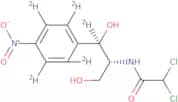
CAS:Produto Controlado<p>Labeled analogue of Chloramphenicol; interferes with protein synthesis</p>Fórmula:C11H7Cl2D5N2O5Pureza:Min. 95%Cor e Forma:White To Off-White SolidPeso molecular:328.16 g/molColistin sulfate
CAS:<p>Colistin is a narrow-spectrum antibiotic efficient mostly against gram-negative bacteria. Colistin interacts with the outer membrane of gram-negative bacteria and induces a transfer of divalent cations of calcium and magnesium from the negatively charged phosphate groups. This causes the disruption of the outer membrane and release of lipopolysaccharides. It is commonly used against Enterobacteriaceae and Aeromonas, and none-fermentative gram-negative bacteria as well as for carbapenem-resistant Acinetobacter strains.</p>Fórmula:C53H102N16O17SPureza:Min. 77 Area-%Cor e Forma:White PowderPeso molecular:1,266.73 g/molClindamycin-2-phosphate
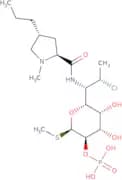
CAS:<p>Clindamycin-2-phosphate is a lincosamide antibiotic with action on bacterial protein synthesis inhibition and is used for treating serious bacterial infections like skin and respiratory infections.</p>Fórmula:C18H34ClN2O8PSPureza:Min. 95%Cor e Forma:White PowderPeso molecular:504.96 g/molTicarcillin disodium salt, Antibiotic for Culture Media Use Only
CAS:<p>Ticarcillin is a member of the beta-lactam family of antibiotics and has bactericidal activity against Gram-positive and Gram-negative bacteria such as Staphylococcus and Pseudomonas strains. Ticarcillin inhibits cell wall synthesis by binding to penicillin-binding protein (PBP) and blocking transpeptidase. It also has a C-terminal that can inhibit domain I and II beta-lactamases (namely, PEN2). The lactam ring in ticarcillin is cleaved by beta-lactamase, which makes it ineffective, thus ticarcillin is often combined with β-lactamase inhibitors such as clavulanic acid.</p>Fórmula:C15H14N2Na2O6S2Pureza:Min. 87.0 Area-%Peso molecular:428.40 g/molAmicoumacin B
CAS:<p>Amicoumacin B is a potent antibiotic, which is isolated from the bacterial species Bacillus pumilus. It acts by inhibiting protein synthesis, targeting the ribosomal 30S subunit and disrupting translational fidelity in bacterial cells. This interference in protein production leads to the effective elimination of various Gram-positive and certain Gram-negative bacteria.</p>Pureza:Min. 95%Clindamycin hydrochloride - 94%
CAS:<p>Clindamycin hydrochloride - 94% is an antibiotic that belongs to the lincosamide class of antibiotics, derived from the bacterium Streptomyces lincolnensis. This compound functions predominantly as a bacterial protein synthesis inhibitor, exerting its effects by binding to the 50S subunit of the bacterial ribosome. This binding action disrupts the process of peptide chain elongation, thereby impeding the growth and proliferation of susceptible bacteria.</p>Fórmula:C18H33ClN2O5S·HClCor e Forma:PowderPeso molecular:461.44 g/molOxytetracycline hydrochloride
CAS:<p>A broad-spectrum antibiotic of tetracycline class which inhibits protein synthesis by targeting the 30S ribosome subunit. It has been used in human medicine as well as in veterinary medicine and agriculture.</p>Fórmula:C22H24N2O9•HClPureza:Min. 95%Cor e Forma:Yellow PowderPeso molecular:496.89 g/molN-Demethyl erythromycin A
CAS:<p>N-Demethyl erythromycin A is a metabolite of erythromycin with narrow-spectrum antibiotic activity and is used for research on erythromycin derivatives.</p>Fórmula:C36H65NO13Pureza:Min. 95 Area-%Cor e Forma:White PowderPeso molecular:719.9 g/molKanamycin disulfate
CAS:<p>Binds to 70S ribosomal subunit; inhibits translocation and induces miscoding</p>Fórmula:C18H36N4O11·2H2O4SPureza:Min. 67%Cor e Forma:PowderPeso molecular:680.66 g/molMoxifloxacin HCl
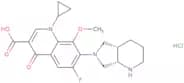
CAS:<p>Inhibitor of DNA synthesis; fluoroquinolone class</p>Fórmula:C21H25ClFN3O4Pureza:Min. 98 Area-%Cor e Forma:Yellow PowderPeso molecular:437.89 g/molThiolutin
CAS:<p>Inhibitor of RNA polymerases; inhibitor of HSP27-cytoskeleton interactions</p>Fórmula:C8H8N2O2S2Pureza:Min. 80 Area-%Cor e Forma:Yellow PowderPeso molecular:228.29 g/mol1,3-Di-HABA kanamycin A
CAS:<p>1,3-Di-HABA kanamycin A is a derivative of kanamycin A, an aminoglycoside antibiotic used to treat bacterial infections by blocking cell wall synthesis or by inhibiting protein synthesis.</p>Fórmula:C26H50N6O15Pureza:Min. 95 Area-%Cor e Forma:White PowderPeso molecular:686.71 g/molSulfasalazine
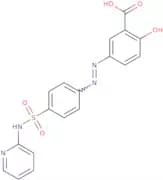
CAS:<p>Sulfasalazine is a disease-modifying anti-rheumatic drug (DMARD) with action on reducing inflammation and immune system activity and is used for treating rheumatoid arthritis and inflammatory bowel disease.</p>Fórmula:C18H14N4O5SPureza:Min. 97 Area-%Cor e Forma:PowderPeso molecular:398.39 g/molCloxacillin sodium
CAS:<p>β-lactam antibiotic of penicillin subclass, which inhibits bacterial cell wall synthesis by targeting the proteoglycan synthesis. Cloxacillin has a narrow spectrum of action and is effective against Gram-positive organisms. Cloxacillin is resistant to the action of β-lactamase and therefore preferentially used for treatment of Staphylococcal infections.</p>Fórmula:C19H17ClN3NaO5SPureza:Min. 95%Cor e Forma:PowderPeso molecular:457.86 g/molDihydrostreptomycin
CAS:<p>Dihydrostreptomycin is an aminoglycoside antibiotic with action on bacterial protein synthesis inhibition and is used for treating tuberculosis and bacterial infections in veterinary medicine.</p>Fórmula:C21H41N7O12Pureza:Min. 95%Cor e Forma:PowderPeso molecular:583.59 g/molTosufloxacin
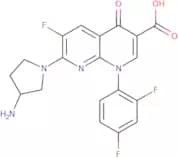
CAS:<p>Inhibitor of DNA replication; inhibitor of theophylline and caffeine metabolism</p>Fórmula:C19H15F3N4O3Pureza:Min. 95%Peso molecular:404.34 g/molMoxalactam Sodium Salt (Mixture of diastereomers)
CAS:<p>Moxalactam Sodium Salt (Mixture of diastereomers) is an oxacephem antibiotic with action on bacterial cell wall synthesis and is used for treating infections caused by gram-negative bacteria like Escherichia coli and Pseudomonas aeruginosa</p>Fórmula:C20H18N6Na2O9SPureza:Min. 95 Area-%Cor e Forma:PowderPeso molecular:564.44 g/molTiamulin fumarate
CAS:<p>Tiamulin fumarate is a pleuromutilin antibiotic with action on bacterial protein synthesis by targeting the 50S ribosomal subunit and is used for treating swine dysentery and respiratory infections in livestock.</p>Fórmula:C32H51NO8SPureza:Min. 95%Cor e Forma:White PowderPeso molecular:609.82 g/molFaropenem sodium hemipentahydrate
CAS:<p>Faropenem sodium hemipentahydrate is a penem-class beta-lactam antibiotic with action on bacterial cell wall synthesis and is used for treating respiratory, skin, and urinary tract infections.</p>Fórmula:C12H15NO5S•(H2O)2•NaPureza:Min. 95%Cor e Forma:PowderPeso molecular:353.34 g/molDibekacin sulfate
CAS:<p>Dibekacin sulfate is an aminoglycoside antibiotic with action on bacterial protein synthesis inhibition and is used for treating severe gram-negative bacterial infections.</p>Fórmula:C18H39N5O12SPureza:Min. 670 Μg/MgCor e Forma:White PowderPeso molecular:549.59 g/molRoxithromycin
CAS:<p>Roxithromycin is a macrolide antibiotic with action on bacterial protein synthesis by binding to the 50S ribosomal subunit and is used for treating respiratory, skin, and soft tissue infections.</p>Fórmula:C41H76N2O15Pureza:Min. 95%Cor e Forma:White PowderPeso molecular:837.05 g/molMitomycin A
CAS:<p>Mitomycin A is an antitumor antibiotic with action on DNA cross-linking to inhibit replication and is used for treating various cancers and in research applications.</p>Fórmula:C16H19N3O6Pureza:Min. 95%Cor e Forma:Purple PowderPeso molecular:349.34 g/molPirazinecarboxamide
CAS:<p>Pirazinecarboxamide (Pyrazinamide) is an antitubercular agent with action on Mycobacterium tuberculosis by disrupting membrane energetics and is used for treating tuberculosis in combination with other drugs.</p>Fórmula:C5H5N3OPureza:Min. 95%Cor e Forma:PowderPeso molecular:123.11 g/molMarbofloxacin
CAS:<p>Antibiotic of fluoroquinolone class; DNA replication inhibitor</p>Fórmula:C17H19N4O4FPureza:Min. 95%Cor e Forma:Yellow PowderPeso molecular:362.36 g/molCefuroxime
CAS:<p>Cefuroxime is a second-generation cephalosporin antibiotic with action on bacterial cell wall synthesis and is used for treating respiratory tract infections, urinary tract infections, and Lyme disease.</p>Fórmula:C16H16N4O8SPureza:Min. 98.0 Area-%Cor e Forma:White Orange PowderPeso molecular:424.39 g/molErythromycin thiocyanate
CAS:<p>Erythromycin thiocyanate is a macrolide antibiotic derivative with action on bacterial protein synthesis inhibition and is used for research and pharmaceutical applications.</p>Fórmula:C37H67NO13•CHNSPureza:Min. 95%Cor e Forma:PowderPeso molecular:793.02 g/molFusidic acid
CAS:<p>Inhibitor of protein synthesis; steroid antibiotic</p>Fórmula:C31H48O6Pureza:Min. 95 Area-%Cor e Forma:White Off-White PowderPeso molecular:516.71 g/molNovobiocin sodium
CAS:<p>Inhibitor of prokaryotic DNA gyrase, eukaryotic DNA topoisomerase and HSP90</p>Fórmula:C31H35N2NaO11Pureza:Min. 94%Cor e Forma:PowderPeso molecular:634.61 g/molCephradine
CAS:<p>Cephradine is a first-generation cephalosporin antibiotic with action on bacterial cell wall synthesis and is used for treating bacterial infections like urinary tract infections, respiratory infections, and skin infections.</p>Fórmula:C16H19N3O4SPureza:Min. 95%Cor e Forma:PowderPeso molecular:349.41 g/mol4-Epioxytetracycline
CAS:<p>Epioxytetracycline is a degradation product of the antibiotic oxytetracycline. It has been found in wastewater.</p>Fórmula:C22H24N2O9Pureza:Min. 95%Cor e Forma:PowderPeso molecular:460.43 g/molFosfomycin disodium
CAS:<p>Broad-spectrum antibiotic; bacterial cell wall biogenesis inhibitor</p>Fórmula:C3H5Na2O4PPureza:Min. 95%Cor e Forma:PowderPeso molecular:182.02 g/molTylosin tartrate
CAS:<p>Tylosin tartrate is a macrolide antibiotic with action on bacterial protein synthesis inhibition and is used for treating bacterial infections in livestock and poultry.</p>Fórmula:C50H83NO23Pureza:Min. 95%Cor e Forma:PowderPeso molecular:1,066.19 g/molCefacetrile
CAS:<p>Cefacetrile is a first-generation cephalosporin antibiotic with action on bacterial cell wall synthesis and is used for treating bacterial infections in humans and animals.</p>Fórmula:C13H13N3O6SPureza:Min. 95%Cor e Forma:Beige PowderPeso molecular:339.32 g/molHerbicidin K
CAS:<p>Herbicidin K is a naturally derived herbicide, known for its biological origin from microbial fermentation processes. It is primarily sourced from certain strains of Streptomyces, a genus of Gram-positive bacteria notable for their diverse secondary metabolites. The mode of action of Herbicidin K involves the inhibition of key enzymatic pathways within target plants, leading to the disruption of cellular functions and ultimately plant death. This selectivity is particularly effective against broadleaf weeds, providing a targeted approach to weed management.</p>Fórmula:C22H27N5O10Pureza:Min. 95%Peso molecular:521.48 g/molAmdinocillin
CAS:<p>Amdinocillin is a semisynthetic antibiotic with broad-spectrum activity that is part of the aminopenicillin family. It is used in the treatment of bacterial infections such as those caused by Gram-negative bacteria, and to treat methicillin-resistant Staphylococcus (MRSA). The clinical isolate Amdinocillin has an inhibitory concentration (IC) of 0.25 μg/mL against Enterobacter aerogenes and Enterobacter cloacae, and it displays a synergistic effect in combination with other antibiotics. The mechanism of action is that prevents bacterial growth and proliferation by inhibiting cell wall synthesis and causing lysis, which allows for drug therapy against specific types of bacteria.</p>Fórmula:C15H23N3O3SPureza:(%) Min. 97%Cor e Forma:White Slightly Yellow PowderPeso molecular:325.43 g/molErythromycinacistrate
CAS:<p>Erythromycinacistrate is a macrolide antibiotic, which is derived from the bacterium *Saccharopolyspora erythraea*. Its mode of action involves binding to the 50S ribosomal subunit of susceptible bacteria, thereby inhibiting protein synthesis. This action effectively halts bacterial growth and replication, making it particularly effective against a wide range of Gram-positive and some Gram-negative bacteria.</p>Fórmula:C39H69NO14·C18H36O2Pureza:Min. 95%Peso molecular:1,060.44 g/molNorfloxacin
CAS:<p>Norfloxacin is a fluoroquinolone antibiotic with action on bacterial DNA gyrase and topoisomerase IV and is used for treating urinary tract infections and gonorrhea.</p>Fórmula:C16H18FN3O3Pureza:Min. 98 Area-%Cor e Forma:White PowderPeso molecular:319.33 g/molPirarubicin
CAS:<p>Antibiotic of anthracycline class; DNA synthesis inhibitor</p>Fórmula:C32H37NO12Pureza:Min. 95%Cor e Forma:PowderPeso molecular:627.64 g/molRepromicin
CAS:<p>Repromicin is a novel antibiotic, which is derived from a unique strain of actinobacteria. This organism is known for its ability to produce a wide range of bioactive compounds. Repromicin operates by inhibiting bacterial protein synthesis, a mode of action that involves binding to the bacterial ribosome and interfering with the translation process. This leads to an effective halt in bacterial growth and proliferation.</p>Fórmula:C31H51NO8Pureza:Min. 95%Peso molecular:565.74 g/molBenethamine penicillin
CAS:Produto Controlado<p>Benethamine penicillin is a beta-lactam antibiotic, which is a semi-synthetic derivative of penicillin. It is sourced from the modification of naturally occurring penicillin compounds, typically produced through the fermentation of Penicillium mold cultures. Benethamine penicillin operates by inhibiting bacterial cell wall synthesis. It targets the penicillin-binding proteins within bacterial cell membranes, disrupting peptidoglycan cross-linking, which is essential for cell wall structural integrity. This leads to cell lysis and death in susceptible bacteria.</p>Fórmula:C16H18N2O4S·C15H17NPureza:Min. 95%Peso molecular:545.69 g/molTilmicosin - Bio-X ™
CAS:<p>Tilmicosin is a macrolide antibiotic that is used in veterinary medicine. It is used to treat bovine respiratory disease and inhibits bacterial growth by binding to the 50S ribosomal subunit of the bacteria resulting in reduced protein synthesis.</p>Fórmula:C46H80N2O13Pureza:Min. 95%Cor e Forma:PowderPeso molecular:869.13 g/molDoxycycline monohydrate
CAS:<p>Antibiotic; anti-protozoal; anti-helmintic; protein synthesis inhibitor</p>Fórmula:C22H24N2O8·H2OPureza:Min. 96.0 Area-%Cor e Forma:Yellow PowderPeso molecular:462.45 g/molTomopenem
CAS:<p>Tomopenem is a carbapenem antibiotic, which is a product of synthetic origin with broad-spectrum antibacterial properties. It acts by inhibiting the synthesis of bacterial cell walls through binding to penicillin-binding proteins, thereby disrupting the structural integrity of the cell wall and leading to bacterial cell lysis and death.</p>Fórmula:C23H35N7O6SPureza:Min. 95%Peso molecular:537.63 g/molα-Apo-oxytetracycline
CAS:<p>α-Apo-oxytetracycline is a degradation product of oxytetracycline with action on bacterial protein synthesis inhibition and is used for research on antibiotic activity and bacterial resistance.</p>Fórmula:C22H22N2O8Pureza:Min. 90 Area-%Cor e Forma:Slightly Yellow Green PowderPeso molecular:442.42 g/molErythromycin
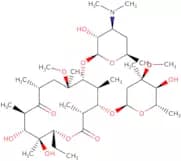
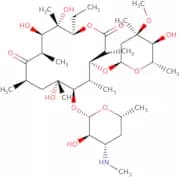
CAS:<p>A broad-spectrum antibiotic of macrolide class, which targets 50S ribosomal subunit and inhibits protein synthesis. Erythromycin is widely used in molecular biology and biotechnology as a selection marker. Erythromycin is also an agonist of the motilin receptor, and it has prokinetic activity on the gut.</p>Fórmula:C37H67NO13Pureza:Min. 95%Cor e Forma:PowderPeso molecular:733.93 g/molNeospiramycin I
CAS:<p>Neospiramycin I is a macrolide antibiotic with action on bacterial ribosomes to inhibit protein synthesis and is used for treating bacterial infections in research applications.</p>Fórmula:C36H62N2O11Pureza:Min. 95 Area-%Cor e Forma:PowderPeso molecular:698.88 g/molFlucloxacillin sodium
CAS:<p>Flucloxacillin sodium is a beta-lactam antibiotic with action on bacterial cell wall synthesis and is used for treating skin, bone, and respiratory infections.</p>Fórmula:C19H16ClFN3NaO5SPureza:Min. 95%Cor e Forma:White PowderPeso molecular:475.85 g/molDoxycycline hyclate
CAS:<p>Antibiotic; anti-protozoal; anti-helmintic; protein synthesis inhibitor</p>Fórmula:C22H24N2O8•HCl•(C2H6O)0•(H2O)0Pureza:Min. 95 Area-%Cor e Forma:Yellow PowderPeso molecular:512.94 g/molTetracycline - Bio-X ™
CAS:<p>Tetracycline is a broad-spectrum antibiotic that is effective against a variety of bacterial infections. It is a polyketide antibiotic that inhibits protein synthesis by binding to ribosomes and preventing the attachment of amino acids to tRNA molecules thus inhibiting bacterial growth.</p>Fórmula:C22H24N2O8Pureza:Min. 95%Cor e Forma:PowderPeso molecular:444.43 g/molCapastat sulfate
CAS:<p>Capastat sulfate is an antibiotic with action against Mycobacterium tuberculosis by inhibiting protein synthesis and is used for treating tuberculosis.</p>Fórmula:C24H42N14O8·H2O4SPureza:Min. 95%Cor e Forma:PowderPeso molecular:752.76 g/molDequalinium chloride
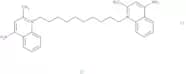
CAS:<p>Dequalinium chloride is a quaternary ammonium compound that has been discovered to be an inhibitor of the cytopathic effects of some syndrome viruses. It is able to inhibit the replication of the virus in various clinical isolates and in cell culture models. Dequalinium chloride also inhibits acetylcholine receptor-mediated endocytosis, which is one of the mechanisms by which cells resist infection. The mechanism by which dequalinium chloride inhibits acetylcholine receptor-mediated endocytosis is not yet known, but it has been suggested that it might be due to its inhibitory activity on mitochondrial uncoupler proteins. This property may make dequalinium chloride an effective treatment against bacterial infections and respiratory diseases such as cystic fibrosis and asthma.</p>Fórmula:C30H40Cl2N4Pureza:Min. 95%Cor e Forma:PowderPeso molecular:527.57 g/molAmpicillin sodium salt - Bio-X ™
CAS:<p>Ampicillin is a β-lactam antibiotic with a broad spectrum of activity against Gram-positive and Gram-negative bacteria. It is used in the treatment of bacterial infections, including those caused by methicillin-resistant Staphylococcus aureus (MRSA), Streptococcus pneumoniae, and Listeria monocytogenes. Ampicillin binds to penicillin-binding proteins in the bacterial cell wall by competitive inhibition. It prevents the formation of an antibiotic-inhibitor complex with the enzyme cell wall synthesis that is required for cell wall biosynthesis, inhibiting protein synthesis and cell division.</p>Fórmula:C16H19N3O4S·NaPureza:Min. 85 Area-%Cor e Forma:PowderPeso molecular:372.4 g/molLomefloxacin
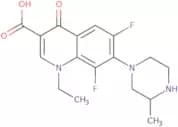
CAS:<p>Lomefloxacin is a fluoroquinolone antibiotic with a mode of action that inhibits bacterial DNA gyrase and topoisomerase IV. It is used for treating bacterial infections like bronchitis and urinary tract infections.</p>Fórmula:C17H19F2N3O3Pureza:Min. 98 Area-%Cor e Forma:PowderPeso molecular:351.35 g/molAmpicillin
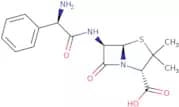
CAS:<p>Antibiotic of penicillin class; inhibits bacterial cell wall biogenesis</p>Fórmula:C16H19N3O4SPureza:Min. 98%Cor e Forma:PowderPeso molecular:349.41 g/molCinoxacin
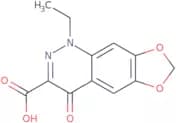
CAS:<p>Cinoxacin is a quinolone antibiotic with action on bacterial DNA synthesis inhibition and is used for treating urinary tract infections.</p>Fórmula:C12H10N2O5Pureza:Min. 98 Area-%Cor e Forma:PowderPeso molecular:262.22 g/molValrubicin
CAS:<p>Chemotherapy for bladder cancer; semi-synthetic analog of doxorubicin</p>Fórmula:C34H36F3NO13Pureza:Min. 95 Area-%Cor e Forma:PowderPeso molecular:723.64 g/molTicarcillin/Clavulanate (15/1)
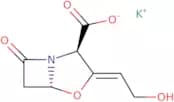
CAS:<p>Ticarcillin is a beta-lactam antibiotic that inhibits the synthesis of peptidoglycan, which is an essential component of bacterial cell walls. Ticarcillin is used for the treatment of infections caused by susceptible bacteria, such as those in the respiratory tract, urinary tract, skin and soft tissues. It can also be used to treat sepsis and meningitis. Ticarcillin has a broad spectrum of activity against Gram-positive and Gram-negative bacteria, including Enterobacteriaceae (e.g., Escherichia coli) and Pseudomonas aeruginosa. Ticarcillin is not active against methicillin-resistant Staphylococcus aureus (MRSA).</p>Fórmula:C15H14N2Na2O6S2•C8H8KNO5Pureza:(Ticarcillin Disodium) Min. 75%Cor e Forma:White PowderPeso molecular:665.64 g/molFosfomycin disodium salt, Antibiotic for Culture Media Use Only
CAS:<p>Broad-spectrum antibiotic; bacterial cell wall biogenesis inhibitor</p>Fórmula:C3H5Na2O4PPeso molecular:182.02 g/molGemifloxacin mesylate
CAS:<p>Inhibits DNA gyrase and topoisomerase IV</p>Fórmula:C19H24FN5O7SPureza:Min. 95%Cor e Forma:White Beige PowderPeso molecular:485.49 g/molClosantel sodium dihydrate
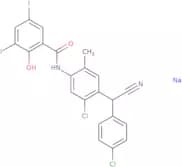
CAS:<p>Closantel sodium dihydrate is a salicylanilide antiparasitic agent with action on flukes, nematodes, and arthropods and is used for veterinary treatment of parasitic infections.</p>Fórmula:C22H14Cl2I2N2O2·Na·2H2OPureza:Min. 95%Peso molecular:722.09 g/molCerulenin
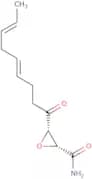
CAS:<p>Cerulenin is an antifungal antibiotic with action on fatty acid and steroid biosynthesis inhibition and is used for studying lipid metabolism and cancer research.</p>Fórmula:C12H17NO3Pureza:Min. 95%Peso molecular:223.27 g/molOritavancin diphosphate
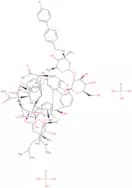
CAS:Produto Controlado<p>Oritavancin diphosphate is a lipoglycopeptide antibiotic with action on bacterial cell wall synthesis and is used for treating acute bacterial skin and skin structure infections.</p>Fórmula:C86H97Cl3N10O26·2H3O4PPureza:Min. 95%Cor e Forma:PowderPeso molecular:1,989.09 g/molSangivamycin
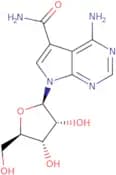
CAS:<p>Sangivamycin is a nucleoside analog with action as a protein kinase C inhibitor and is used for research on antiviral and anticancer therapies.</p>Fórmula:C12H15N5O5Pureza:Min. 97 Area-%Cor e Forma:PowderPeso molecular:309.28 g/molVirginiamycin S1
CAS:<p>Inhibitor of protein synthesis; streptogramin</p>Fórmula:C43H49N7O10Pureza:Min. 95%Cor e Forma:PowderPeso molecular:823.89 g/molCiprofloxacin
CAS:<p>A fluoroquinolone antibiotic which inhibits nucleic acid synthesis by targeting the DNA gyrase and topoisomerase IV. This second-generation fluoroquinolone has a broad spectrum of action and is more effective against Gram-negative bacteria.</p>Fórmula:C17H18FN3O3Pureza:Min. 98 Area-%Cor e Forma:White PowderPeso molecular:331.34 g/molTelithromycin - 95%
CAS:<p>Ketolide; binds bacterial ribosomes and inhibits translation</p>Fórmula:C43H65N5O10Pureza:Min. 95%Cor e Forma:PowderPeso molecular:812 g/molTetracycline
CAS:<p>Antibiotic of tetracycline class; protein synthesis inhibitor</p>Fórmula:C22H24N2O8Pureza:Min. 91 Area-%Cor e Forma:PowderPeso molecular:444.43 g/molPuromycin dihydrochloride
CAS:<p>Puromycin is active against both prokaryotic and eukaryotic cells. Puromycin resistance gene (pac) is a common choice for the selection of mammalian cells since its first application in 1988, especially for therapeutic proteins in mammalian cells where it was used to produce high levels of protein of interest. Puromycin can also be used as a selection marker for Archea.</p>Fórmula:C22H31Cl2N7O5Pureza:Min. 98 Area-%Cor e Forma:White PowderPeso molecular:544.44 g/molCefadroxil
CAS:<p>Cefadroxil is a first-generation cephalosporin antibiotic with action on bacterial cell wall synthesis and is used for treating infections like strep throat, skin infections, and urinary tract infections.</p>Fórmula:C16H17N3O5SPureza:Min. 95%Cor e Forma:PowderPeso molecular:363.39 g/molAmphotericin B, Antibiotic for Culture Media Use Only
CAS:<p>Amphotericin B is a macrocycle antibiotic first isolated from Streptomyces nodosus. Its antifungal activity is exerted by interacting with the fungal membrane, mainly ergosterol, and inducing pore formation. The increase in membrane permeability causes loss of ions and cell death. The C-2 hydroxyl residue of the mycosamine carbohydrate moiety in the structure seems to have a major role in binding to ergosterol. It is used in cell culture to prevent growth of microbial contaminants, such as yeast and fungi. It is recommended by the WHO and CDC as an antifungal component for VTM at a concentration of 250ug/ml.</p>Fórmula:C47H73NO17Pureza:Min. 80.0 Area-%Peso molecular:924.08 g/molCefonicid sodium
CAS:<p>Cephalosporin antibiotic; interferes with cell wall biosynthesis</p>Fórmula:C18H18N6Na2O8S3Pureza:Min. 95%Cor e Forma:PowderPeso molecular:588.55 g/molAmikacin hydrate
CAS:<p>Inhibitor of protein synthesis; aminoglycoside</p>Fórmula:C22H43N5O13·xH2OPureza:Min. 900 Μg/MgCor e Forma:PowderPeso molecular:585.6 g/molAlbomitomycin A
CAS:<p>Albomitomycin A is an antibiotic compound, which is derived from the fermentation of specific Streptomyces species. This compound exhibits a unique mode of action by inhibiting protein synthesis in bacterial cells, specifically targeting the 30S ribosomal subunit. This interference with ribosomal function ultimately disrupts the production of essential proteins, leading to bacterial cell death.</p>Pureza:Min. 95%Hygromycin B
CAS:<p>Hygromycin B binds near the A site of 16S rRNA and induces errors in the code by inhibition of translocation of peptydil-tRNA, however to a lesser extent compared to other aminoglycosides. Hygromycin B is efficient against bacteria, fungi and other eukaryotic cells, but more often used for the selection of eukaryotic cells including yeasts, such as, P. pastoris and S. cerevisiae, and mammalian cell lines, such as, CHO.</p>Fórmula:C20H37N3O13Pureza:Min. 95%Cor e Forma:White PowderPeso molecular:527.52 g/molPefloxacin mesylate
CAS:<p>Pefloxacin mesylate is a fluoroquinolone antibiotic with action on bacterial DNA gyrase and topoisomerase IV and is used for treating bacterial infections, including urinary and respiratory tract infections.</p>Fórmula:C17H20FN3O3•CH4O3SPureza:Min. 95%Cor e Forma:PowderPeso molecular:429.46 g/molGeldanamycin
CAS:<p>Inhibits chaperone protein HSP90; anti-proliferative; antineoplastic</p>Fórmula:C29H40N2O9Pureza:Min. 95%Cor e Forma:Yellow PowderPeso molecular:560.64 g/molDoxorubicin HCl
CAS:<p>Doxorubicin (DOX) is an antineoplastic chemotherapy drug used to treat breast, ovarian and pancreatic cancers. It is an antitumor antibiotic that inhibits DNA topoisomerase II. DOX interferes with the topoisomerase II-mediated repair of DNA causing accumulation of mutations. It also leads to the generation of reactive oxygen species (ROS), which further damage DNA as well as proteins and membranes. However, the compound presents with a risk of developing cardiomyopathy as well as drug resistance. Pegylated liposomal doxorubicin has also been developed to treat breast and ovarian cancers, myeloma, and HIV-related Kaposi’s sarcoma.</p>Fórmula:C27H29NO11·HClPureza:Min. 98 Area-%Cor e Forma:Red PowderPeso molecular:579.98 g/molTemocillin disodium
CAS:<p>Temocillin disodium is a beta-lactamase-resistant penicillin antibiotic with action on bacterial cell wall synthesis and is used for treating infections caused by multidrug-resistant gram-negative bacteria.</p>Fórmula:C16H16N2Na2O7S2Pureza:Min. 81 Area-%Cor e Forma:White PowderPeso molecular:458.42 g/molStreptomycin sulfate, Antibiotic for Culture Media Use Only
CAS:<p>Streptomycin sulfate is an antibiotic that inhibits the growth of bacteria by binding to the ribosomal subunit and interfering with protein synthesis. It is used in culture media for the production of human antibodies as well as in drug therapy for methicillin-resistant staphylococcus. Streptomycin sulfate has a high specific activity and low sensitivity, but it also has a low solubility in water. The active form of streptomycin sulfate is streptomycin A, which is produced by the addition of a phenyl ring to neomycin sulfate. In plant roots, streptomycin sulfate inhibits cyanogenic glycosides from being hydrolyzed into hydrogen cyanide (HCN) and benzaldehyde.</p>Fórmula:C42H84N14O36S3Peso molecular:1,457.40 g/molRef: 3D-S-8500
25gA consultar50gA consultar100gA consultar250gA consultar500gA consultar-Unit-kgkgA consultarCefadroxil monohydrate
CAS:<p>Cefadroxil monohydrate is a hydrated form of cefadroxil with similar action and applications as cefadroxil.</p>Fórmula:C16H17N3O5S•H2OPureza:Min. 95%Cor e Forma:PowderPeso molecular:381.41 g/molRifapentine
CAS:<p>Rifapentine is a rifamycin antibiotic with action on bacterial RNA polymerase to inhibit transcription and is used for treating active and latent tuberculosis.</p>Fórmula:C47H64N4O12Pureza:Min. 75 Area-%Cor e Forma:Orange Red PowderPeso molecular:877.03 g/molTotarol
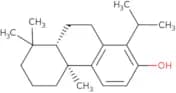
CAS:<p>Natural diterpene; anti-microbial</p>Fórmula:C20H30OPureza:Min. 60%Cor e Forma:PowderPeso molecular:286.45 g/molFluconazole-d4
CAS:<p>Fluconazole-d4 is a deuterated compound of Fluconazole. Fluconazole has a CAS number of 86386-73-4. Triazole antifungal agent that is used to treat oropharyngeal candidiasis and cryptococcal meningitis in AIDS.</p>Fórmula:C13H8D4F2N6OCor e Forma:SolidPeso molecular:310.30Desacetyl-7-ACA Lactone Hydrochloride
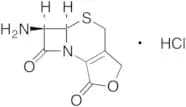
CAS:<p>Applications Desacetyl-7-ACA lactone Hydrochlorideis a lactone derivative of 7-Aminocephalosporanic acid (A603415), a fundamental building block in the synthesis of cephalosporin antibiotics.<br>References Fritz-Wolf, K., et al.: Prot. Sci., 11, 92 (2002); Parmar, A., et al.: Crit. Rev. Biotech., 18, 1 (1998)<br></p>Fórmula:C8H8N2O3S•(HCl)Cor e Forma:White SolidPeso molecular:248.69Spiramycin Embonate
CAS:Produto Controlado<p>Applications Spiramycin Embonate is an antibiotic that is used in biological studies in the role of multidrug resistance of Strenotrophomonas maltophilia.<br>References Huang, Y., et al.: J. Antimicrob. Chemother., 68, 1987 (2013); Poole, K., et al.: Mol. Microbiol., 21, 713 (1996)<br></p>Fórmula:C66H90N2O20Cor e Forma:NeatPeso molecular:1231.42AB47
CAS:<p>AB47 is a bacterial peptide deformylases inhibitor.</p>Fórmula:C10H9BrN2O2Pureza:98%Cor e Forma:SolidPeso molecular:269.09Chloroquine dihydrochloride
CAS:<p>Chloroquine: treats malaria, amebiasis, rheumatoid arthritis, lupus; works by inhibiting parasites in red blood cells.</p>Fórmula:C18H27Cl2N3Cor e Forma:SolidPeso molecular:356.33G418 Disulfate
CAS:Fórmula:C20H40N4O10·2H2SO4Pureza:>90.0%(HPLC)(N)Cor e Forma:White to Almost white powder to crystalPeso molecular:692.70Enrofloxacin
CAS:<p>Enrofloxacin is a fluoroquinolone antibiotic with action on bacterial DNA gyrase and topoisomerase IV and is used for treating bacterial infections in animals.</p>Fórmula:C19H22FN3O3Pureza:Min. 95%Cor e Forma:White PowderPeso molecular:359.39 g/molCefotetan
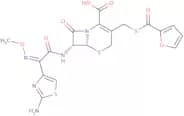
CAS:Fórmula:C17H17N7O8S4Pureza:>98.0%(HPLC)Cor e Forma:White to Light yellow powder to crystalPeso molecular:575.60Ceftiofur
CAS:<p>Ceftiofur is a third-generation cephalosporin antibiotic with action on bacterial cell wall synthesis and is used for treating bacterial infections in veterinary medicine.</p>Fórmula:C19H17N5O7S3Pureza:Min. 95%Cor e Forma:Off-White PowderPeso molecular:523.57 g/molLincomycin hydrochloride
CAS:<p>Lincomycin is active against gram-positive bacteria such as staphylococci, streptococci, pneumococci, diphtheria bacillus, and clostridia. It is used to treat severe bacterial infections including: sepsis, osteomyelitis, septic endocarditis, pneumonia, pulmonary abscess, infected wounds, purulent meningitis and severe pseudomembranous colitis. Lincomycin is an alternative antibiotic for penicillin-resistant gram-positive bacteria.</p>Fórmula:C18H35ClN2O6SPureza:Min. 95%Cor e Forma:Off-White PowderPeso molecular:443 g/molAmpicillin trihydrate
CAS:<p>Antibiotic of penicillin class; inhibits bacterial cell wall biogenesis</p>Fórmula:C16H19N3O4S·3H2OCor e Forma:White PowderPeso molecular:403.45 g/molCefsulodin Sodium Salt Hydrate
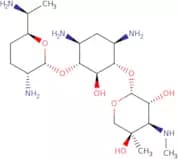
CAS:Fórmula:C22H19N4NaO8S2·xH2OPureza:>95.0%(HPLC)(N)Cor e Forma:White to Yellow powder to crystalPeso molecular:554.52 (as Anhydrous)Gentamicin C2a
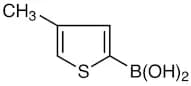
CAS:<p>Gentamicin C2a is an aminoglycoside antibiotic, which is a complex of compounds derived from the fermentation of the bacterium *Micromonospora purpurea*. Its mode of action involves binding to the bacterial 30S ribosomal subunit, thereby inhibiting protein synthesis and resulting in the bactericidal effect on susceptible strains. The disruption of protein synthesis prevents the growth and replication of bacteria, effectively killing them.</p>Pureza:Min. 95%Cor e Forma:Powder4-Methyl-2-thiopheneboronic Acid (contains varying amounts of Anhydride)
CAS:Fórmula:C5H7BO2SCor e Forma:White to Light yellow powder to crystalPeso molecular:141.98Azamulin
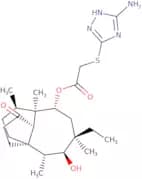
CAS:<p>Azamulin is a semi-synthetic antibiotic belonging to the class of pleuromutilins, which is derived from natural fermentation products of the basidiomycete fungi genus Clitopilus. Its mode of action involves potent selective inhibition of cytochrome P450 3A4 enzymes. This enzyme family is essential for the oxidation of organic substances, and Azamulin's role as an inhibitor makes it valuable for studying drug metabolism and interactions in vitro.</p>Fórmula:C24H38N4O4SPureza:Min. 95%Cor e Forma:SolidPeso molecular:478.65 g/molBithionol Disodium Salt
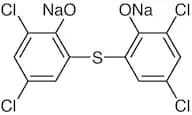
CAS:Fórmula:C12H4Cl4Na2O2SPureza:>98.0%(T)(HPLC)Cor e Forma:White to Gray to Brown powder to crystalPeso molecular:400.00Thiacetazone
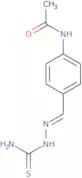
CAS:<p>Thiacetazone is an antitubercular agent with action on mycolic acid synthesis in Mycobacterium tuberculosis and is used for treating tuberculosis in combination with other drugs.</p>Fórmula:C10H12N4OSPureza:Min. 95%Cor e Forma:PowderPeso molecular:236.29 g/molDestomycin A
CAS:<p>Destomycin A is an antibiotic, which is derived from the bacterium Streptomyces species. This compound exhibits a broad-spectrum mode of action by inhibiting protein synthesis in bacterial cells, thus impeding their growth and proliferation. Destomycin A targets the ribosomal subunits within bacterial cells, leading to disruption in their ability to synthesize essential proteins, ultimately contributing to its bacteriostatic effects.</p>Fórmula:C20H37N3O13Pureza:Min. 97 Area-%Cor e Forma:White PowderPeso molecular:527.52 g/molCeftezole
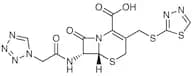
CAS:Fórmula:C13H12N8O4S3Pureza:>98.0%(T)(HPLC)Cor e Forma:White to Light yellow powder to crystalPeso molecular:440.47Azlocillin sodium salt
CAS:<p>Azlocillin sodium salt is a penicillin antibiotic and is used for the treatment of bacterial infections. It inhibits bacterial cell wall synthesis.</p>Fórmula:C20H23N5O6SNaPureza:Min. 90 Area-%Cor e Forma:White PowderPeso molecular:484.48 g/molIsepamicin sulfate - 70%
CAS:<p>Isepamicin sulfate - 70% is a semi-synthetic aminoglycoside antibiotic, which is derived from naturally occurring antibiotic compounds through chemical modifications. Its mode of action involves binding to the bacterial 30S ribosomal subunit, disrupting protein synthesis and consequently causing bacterial cell death. This mechanism of action is typical of aminoglycosides, characterized by their bactericidal properties against a broad spectrum of Gram-negative bacteria, with some efficacy against certain Gram-positive bacterial strains.</p>Fórmula:C22H45N5O16SPureza:Min. 95%Cor e Forma:White/Off-White SolidPeso molecular:667.68 g/molSulopenem
CAS:<p>Sulopenem is a thiopenem antibiotic with action on bacterial cell wall synthesis and is used for treating uncomplicated urinary tract infections.</p>Fórmula:C12H15NO5S3Pureza:Min. 95%Cor e Forma:Off-White Yellow PowderPeso molecular:349.45 g/molSulfadoxine
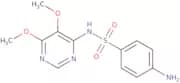
CAS:<p>Sulfadoxine is a long-acting sulfonamide antibiotic with action on bacterial folate synthesis inhibition and is used for treating malaria in combination with pyrimethamine.</p>Fórmula:C12H14N4O4SPureza:Min. 95%Cor e Forma:PowderPeso molecular:310.33 g/molKitasamycin
CAS:<p>Kitasamycin is a macrolide antibiotic with a mode of action that inhibits bacterial protein synthesis by binding to the 50S ribosomal subunit. It is used for treating bacterial infections in veterinary medicine.</p>Fórmula:C40H67NO14Pureza:Min. 95%Cor e Forma:White PowderPeso molecular:785.96 g/mol