Glicociência
Subcategorias de "Glicociência"
- Amino açúcares(108 produtos)
- Anticorpos Glico-Relacionados(283 produtos)
- Glicolípidos(46 produtos)
- Glicosaminoglicanos (GAGs)(55 produtos)
- Glicosídeos(419 produtos)
- Monossacáridos(6.617 produtos)
- Oligossacarídeos(3.715 produtos)
- Polissacáridos(505 produtos)
Foram encontrados 11023 produtos de "Glicociência"
2-Deoxy-2-fluoro-D-mannose
CAS:2-Deoxy-2-fluoro-D-mannose is known for its antiviral properties as a sugar analog and glycosylation inhibitor. It works by inhibiting the glycosylation of viral envelope proteins, which can prevent viral replication and reduce viral infectivity. Studies have shown that 2-deoxy-2-fluoro-D-mannose can inhibit the replication of various viruses, including influenza A virus, human immunodeficiency virus (HIV), and hepatitis C virus (HCV). Inhibition of viral glycosylation by 2-Deoxy-2-fluoro-D-mannose can also enhance the effectiveness of some antiviral drugs, making them more potent.Fórmula:C6H11FO5Pureza:Min. 97 Area-%Cor e Forma:PowderPeso molecular:182.15 g/molMaltoheptaose
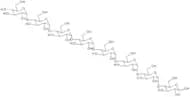
CAS:α 1,4-glucoheptasaccharide derived from starch by hydrolysis and chromatographyFórmula:C42H72O36Pureza:Min. 60%Cor e Forma:White PowderPeso molecular:1,153.02 g/mol2-Acetamido-2-deoxy-4,6-O-isopropylidene-D-glucopyranose
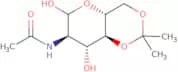
CAS:2-Acetamido-2-deoxy-4,6-O-isopropylidene-D-glucopyranose is a modification of 2,3,4,5,6 tetraacetamido 1,2,3,4,5 pentaoxo 1,2 deoxy D glucose. It is an oligosaccharide that has been synthesized for the first time in 1977. The monosaccharide can be methylated and glycosylated to form polysaccharides such as mannans and galactans. The chemical structure of this product can be modified with fluorination or saccharide substitution.Fórmula:C11H19NO6Pureza:Min. 95%Peso molecular:261.27 g/molMonosialyl, monofucosyl-(1-2)-lacto-N-hexaose
Monosialyl, monofucosyl-(1-2)-lacto-N-hexaose is a synthetic, fluorinated monosaccharide that is used to modify complex carbohydrates. It can be used for the synthesis of oligosaccharides and polysaccharides with a variety of sugar modifications. Monosialyl, monofucosyl-(1-2)-lacto-N-hexaose has the CAS Registry Number 111832-43-9.
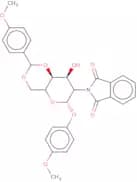
Pureza:Min. 95%4-Methoxyphenyl 2-deoxy-4,6-O-(4-methoxybenzylidene)-2-phthalimido-β-D-glucopyranoside
4-Methoxyphenyl 2-deoxy-4,6-O-(4-methoxybenzylidene)-2-phthalimido-b-D-glucopyranoside is a complex carbohydrate that has been modified with methylation and glycosylation. This product can be used for custom synthesis and is a high purity product. It is soluble in water. The CAS number for this compound is 57810-97-0. The molecular weight of this product is 576. The chemical formula for this compound is C24H28N2O8F3O7, which corresponds to an empirical formula of C24H28N2O8F3O7.Fórmula:C29H27NO9Pureza:Min. 95%Peso molecular:533.53 g/molXyloglucan nonasaccharide
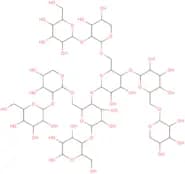
CAS:Xyloglucan is a non-cellulosic polysaccharide polymer that is important in plant cell walls. Xyloglucan nonasaccharide (XN) is a linear molecule with an average molecular weight of 10,000 Da and consists of xylose monomers. The XN molecule has a basic structure, which may be due to the presence of amino acid residues, although the exact function of these amino acids is not known. XN has been shown to inhibit colony-stimulating factor (CSF) production and induce CSF release in mouse bone marrow cells. This inhibition may be due to the binding of XN to the monoclonal antibody CD45R on the surface of mouse bone marrow cells.Fórmula:C51H86O43Pureza:Min. 95%Cor e Forma:PowderPeso molecular:1,387.2 g/mol6'-N-Glycolylneuraminyl-D-lactose sodium salt
6'-N-Glycolylneuraminyl-D-lactose sodium salt is a custom synthesis that provides high purity and custom synthesis. It is a complex carbohydrate with a CAS number of 24932-91-0 and an Oligosaccharide, Monosaccharide, saccharide Carbohydrate. This product is Fluorination, Glycosylation, Synthetic, Methylation, Modification.
Pureza:Min. 95%2-Azidoethyl 2,3,4,6-tetra-O-acetyl-b-D-glucopyranoside
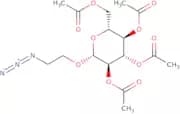
CAS:2-Azidoethyl 2,3,4,6-tetra-O-acetyl-b-D-glucopyranoside is a sugar that is custom synthesized. It is a synthetic compound that has been fluorinated and methylated. This product can be used for glycosylation or oligosaccharide synthesis. It is a high purity product with a purity of 98% and has been modified with click chemistry. The CAS number for this product is 140428-81-5.Fórmula:C16H23N3O10Cor e Forma:White PowderPeso molecular:417.37 g/molEthyl 3-O-allyl-4-O-levulinoyl-2-O-(2-naphthylmethyl)-b-D-thioglucuronide benzyl ester
Ethyl 3-O-allyl-4-O-levulinoyl-2-O-(2-naphthylmethyl)-b-D-thioglucuronide benzyl ester is a custom synthesis that has been modified with fluorination, methylation and click chemistry. It is a water soluble polysaccharide that consists of monosaccharides, oligosaccharides and saccharides. This product is a glycosylated carbohydrate that can be used as an additive in food products or as an excipient for drug delivery systems.Pureza:Min. 95%2, 4- Anhydro- N-benzyl-3,5-O-[(R)-benzylidene]- 6-deoxy-D- mannonamide
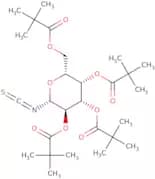
2, 4-Anhydro-N-benzyl-3,5-O-[(R)-benzylidene]-6-deoxy-D-mannonamide is a sugar. It has high purity and can be custom synthesized to suit your needs. This sugar can be modified with a click modification or fluorination. It can also be glycosylated or methylated for your desired outcome. The CAS number for this sugar is 29098-86-2. The molecular weight of this sugar is 359.8 g/mol and the chemical formula is C14H27NO4. The Oligosaccharide content for this sugar is between 1% and 10%. The Monosaccharide content for this sugar is between 100% and 90%. This product has been classified as complex carbohydrate by the IUPAC nomenclature system.Pureza:Min. 95%2,3,4,6-Tetra-O-pivaloyl-b-D-galactopyranosyl isothiocyanate
CAS:2,3,4,6-Tetra-O-pivaloyl-b-D-galactopyranosyl isothiocyanate is a custom synthesis that has complex carbohydrate as its main component. It is a modified saccharide with chemical modifications such as methylation, glycosylation, and fluorination. It also contains one or more sugars. The CAS number for this product is 147948-52-5. This product has high purity and can be synthesized according to customer specifications.Fórmula:C27H43NO9SPureza:Min. 95%Cor e Forma:White PowderPeso molecular:557.7 g/mol6-Deoxy-a-D-talose
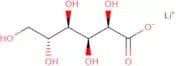
CAS:6-Deoxy-a-D-talose is a non-reducing sugar. It is used in the synthesis of glycosides and polysaccharides. 6-Deoxy-a-D-talose is hydrolyzed by esterases or glucuronidases, oxidized by cytochrome P450 enzymes, reduced by glutathione reductase, or conjugated with glucuronic acid.Fórmula:C6H12O5Pureza:Min. 95%Cor e Forma:PowderPeso molecular:164.16 g/molD-Gluconic acid lithium salt
CAS:D-Gluconic acid lithium salt is a cationic compound that has been shown to inhibit the growth of bacteria by forming a covalent linkage with the ribose in RNA. This inhibits the enzyme activity of the cell and prevents transcription and replication. The chemical formula for this compound is CH3CH2OH-CH2COOH+Li+→CH3CH2OLi+H2O, where D-gluconic acid is carboxylate anion and lithium ion is cation. Electrophoresis studies have shown that this compound binds to proteins, which may be due to its hydrophilic properties. X-ray diffraction data has revealed that it forms a crystalline structure. This compound can be used as an antimicrobial agent against Group P2 Gram-positive cocci (e.g., Enterococcus faecalis) and other infectious diseases such as Staphylococcus aureus, Streptococcus pneumoniaFórmula:C6H11O7LiPureza:Min. 95%Cor e Forma:White PowderPeso molecular:202.09 g/molGentiobiose
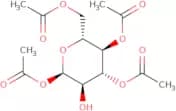
CAS:Used to differentiate microorganisms based on their metabolic properties.Fórmula:C12H22O11Pureza:Min. 98.0 Area-%Peso molecular:342.30 g/mol1,3,4,6-Tetra-O-acetyl-a-D-glucopyranose
CAS:1,3,4,6-Tetra-O-acetyl-a-D-glucopyranose is a synthon that is used as a synthetic intermediate for the synthesis of other compounds. It is also a reactive compound that can be used to synthesize carboxylic acids and hydroxy ketones by reaction with water or alcohols. 1,3,4,6-Tetra-O-acetyl-a-D-glucopyranose can also be converted into esters by reaction with alcohols.Fórmula:C14H20O10Pureza:Min. 93 Area-%Cor e Forma:White Off-White PowderPeso molecular:348.3 g/molmyo-Inositol 1,2,4,5,6-pentakisphosphate
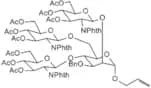
Myo-inositol 1,2,4,5,6-pentakisphosphate (IP) is a phosphate of inositol that is found in the cytosol. It is an important component of polyphosphates and can be used for oxygen transport. It has been shown to inhibit the growth of cancer cells by binding to monoclonal antibodies that are targeted against CD20 and CD22 on cancer cells. IP also inhibits the activity of kinases and phosphatases in mammalian cells. This may be due to the inhibition of cytokine release from macrophages treated with IL-1β. Inositol phosphates are involved in many cellular responses including platelet-derived growth factor activation, cell proliferation, and protein synthesis.Fórmula:C6H17O21P5Pureza:Min. 95%Peso molecular:580.06 g/molAllyl 2,4,6-tri-O-(3,4,6-tri-O-acetyl-2-deoxy-2-phthalimido-β-D-glucopyranosyl)-3-O-benzyl-α-D-mannopyranoside
Allyl 2,4,6-tri-O-(3,4,6-tri-O-acetyl-2-deoxy-2-phthalimido-b-D-glucopyranosyl)-3-O-benzyl a -D -mannopyranoside is a glycosylated oligosaccharide. It is synthesized from 3,4,6 tri O acetyl 2 deoxy 2 phthalimido b D glucopyranosyl chloride and allyl alcohol by the click reaction with sodium azide in the presence of palladium catalysis. This product has been fluorinated at the 6 position of allose. The purity of this product is high and it has been modified on the saccharide chain with methyl groups at the C1 and C2 positions of glucose. Allyl 2,4,6 tri O (3 4 6 tri O acetyl 2 deoxy 2 phthalimido b D glucFórmula:C76H79N3O33Pureza:Min. 95%Peso molecular:1,562.44 g/molTri-mannuronic acid sodium salt
CAS:Tri-mannuronic acid sodium salt (b-1,4-linked sodium mannuronotriose) is one of a number of oligosaccharides obtained from alginate which is a polysaccharide in brown seaweeds containing: blocks of repeating mannuronic acid sequences (M-M-M-M etc), repeating guluronic acid sequences (G-G-G-G etc), and alternating M-G-M-G sequences.Oligosaccharides can be released using several methods (Lua, 2015; Yanga, 2004) and claims have been published that mannuronic acid oligosaccharides for example, can be effective in the prophylaxis and treatment of Alzheimer's disease, or for the prophylaxis and treatment of diabetes (USP 8835403B2, 2014).
Fórmula:C18H23O19Na3Pureza:Min. 98 Area-%Cor e Forma:White PowderPeso molecular:612.33 g/molCerebrosides - Kerasin
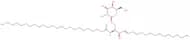
CAS:Cerebrosides are a group of complex carbohydrates that have been modified by glycosylation, methylation, and/or fluorination. These modifications can be used to produce saccharides with different properties. Cerebrosides are found in the brain, central nervous system, and spinal cord. They are also found in the connective tissue of skin and hair follicles.
The CAS number for cerebrosides is 85116-74-1.Fórmula:C48H91NO8Pureza:Min. 95%Cor e Forma:PowderPeso molecular:810.24 g/molMonosialyl, monofucosyllacto-N-neohexaose
Please enquire for more information about Monosialyl, monofucosyllacto-N-neohexaose including the price, delivery time and more detailed product information at the technical inquiry form on this pageFórmula:C57H95N3O43Pureza:Min. 95%Peso molecular:1,510.36 g/mol(1R) -1- [(2S, 3R) - 3- Hydroxy- 1- methyl - 2- azetidinyl] -1, 2- ethanediol
(1R) -1- [(2S, 3R) - 3- Hydroxy- 1- methyl - 2- azetidinyl] -1, 2- ethanediol is a fluorinated sugar that is used in the synthesis of oligosaccharides and polysaccharides. This synthetic monosaccharide can be modified by glycosylation, methylation, and click chemistry. It has an CAS number and a high purity.Pureza:Min. 95%Allyl 2,3,4-tri-O-benzyl b-D-galactopyranoside
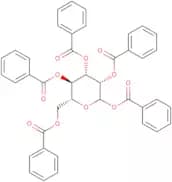
Allyl 2,3,4-tri-O-benzyl b-D-galactopyranoside is a custom synthesis of an oligosaccharide with a complex carbohydrate and a high purity. Allyl 2,3,4-tri-O-benzyl b-D-galactopyranoside can be used for a variety of applications including as an intermediate for the production of other chemicals or as a food additive. It is also used in the synthesis of other carbohydrates and saccharides. This compound has been shown to be effective in methylation reactions and glycosylation reactions.Pureza:Min. 95%1,2,3,4,6-Penta-O-benzoyl-D-glucopyranoside
CAS:Penta-O-benzoyl-D-glucopyranoside is a carbohydrate that has been prepared in a preparative scale. It is an organic compound and the structural formula is C12H22O11. The diameter of this molecule is around 1.5 nm, which makes it mesoporous. Penta-O-benzoyl-D-glucopyranoside has been analysed by high performance liquid chromatography (HPLC) and mass spectrometry (MS). The tree ring processability of this product is good and can be processed thermally.Fórmula:C41H32O11Pureza:Min. 95%Peso molecular:700.69 g/molDextran 250 - MW: 225,000 to 275,000
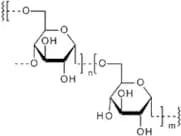
CAS:Complex glucan (a 1-6) from Leuconostoc spp.; extender in blood transfusionsCor e Forma:PowderChondroitin disaccharide di-diSD trisodium salt
CAS:Chondroitin disaccharide di-diSD trisodium salt is a synthetic, high purity chondroitin sulfate with a molecular weight of about 1 million. It is custom synthesized and modified to include a Click modification on the sugar, fluorination, glycosylation and methylation. The CAS number for this product is 149368-03-6. This product can be used as an ingredient in pharmaceuticals or in cosmetics.Fórmula:C14H18NO17S2Na3Pureza:Min. 95%Cor e Forma:PowderPeso molecular:605.39 g/mol3-C-Methyl-1-deoxy-psicose
3-C-Methyl-1-deoxy-psicose is a sugar that is used in the synthesis of complex carbohydrates. This synthetic sugar is synthesized by the click modification of 3,4-dihydroxybenzaldehyde with 1,2,3,4-tetraacetylated benzyl chloride. The compound has a molecular weight of 228.22 and an empirical formula of C6H8O6F2. It's CAS number is 52714-32-0 and it's Oligosaccharide number is 976.
Pureza:Min. 95%1,5-α-L-Arabinopentaose
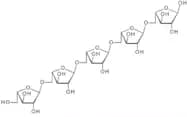
CAS:1,5-α-L-Arabinopentaose is a sugar that is found in plants. It inhibits the growth of bacteria by sequencing and binding to the enzyme L-arabinose isomerase, which converts L-arabinose to D-xylulose. 1,5-α-L-Arabinopentaose has been shown to have inhibitory effects on the metabolism of sugars in plants. This sugar binds tightly to immobilized enzymes and can be used for immobilization processes.Fórmula:C25H42O21Pureza:Min. 95%Cor e Forma:Clear LiquidPeso molecular:678.59 g/mol(2R, 4S) - 3- Fluoro- 2,4- azetidinedimethanol
(2R, 4S) - 3- Fluoro- 2,4- azetidinedimethanol is a fluorinated monosaccharide. It is a synthetic compound that has been modified by methylation and Click chemistry. The fluorination of the sugar allows for high purity and modification of the carbohydrate. This compound is used in the synthesis of oligosaccharides and polysaccharides.
Pureza:Min. 95%(1S) -1- [(2S, 3R) - 3- Hydroxy- 1- azetidinyl] -1, 2- ethanediol hydrochloride
CAS:(1S) -1- [(2S, 3R) - 3- Hydroxy- 1- azetidinyl] -1, 2- ethanediol hydrochloride is a custom synthesis that has been modified with fluorination, methylation, and monosaccharide modification. It is a synthetic compound that has been developed for use in the synthesis of oligosaccharides and saccharides. This product also has CAS No. 1338054-24-2 and is listed as Polysaccharide, Glycosylation, sugar, Carbohydrate, complex carbohydrate.Fórmula:C5H11NO3·HClPureza:Min. 95%Peso molecular:169.61 g/molGellan gum
CAS:Gellan is a microbial polysaccharide produced by Pseudomonas elodea and generates gels with similar properties to agar. Gellan gum is a linear tetrasaccharide of (1,4)-β-L-rhamnopyranosyl, (1,3)-α-D-glucopyranosyl, (1,4)-β-D-glucuronopyranosyl, (1,4)-β-D-glucopyranosyl- with O(2) L-glyceryl and O(6) acetyl substituents on the 3-linked glucose. Both substituents are located on the same glucose residue, and on average, there is one glycerate per repeat and one acetate per every two repeats. In low acyl gellan gum, the acyl groups are removed completely. The high acyl form produces soft, elastic, non-brittle gels, whereas the low acyl form produces firm, non-elastic, brittle gels.Pureza:(Carbon Dioxide) 3.3 To 6.8%Cor e Forma:White Off-White Powder2-Azido-2-deoxy-2,4-di-C-methyl-L-lyxono-1.4-lactone
2-Azido-2-deoxy-2,4-di-C-methyl-L-lyxono-1.4-lactone is a synthetic sugar that belongs to the group of carbohydrates. It is a monosaccharide that has been modified with fluorination and glycosylation. This carbohydrate has also been methylated, which makes it useful for click chemistry reactions. 2-Azido-2-deoxy-2,4-diCmethyl L -lyxono 1,4 -lactone is used in the synthesis of complex carbohydrates and oligosaccharides. !--END-->Pureza:Min. 95%Heparin disaccharide IV-A, sodium
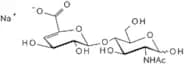
CAS:Heparin disaccharide IV-A, sodium (HDS) is a complex carbohydrate. It is an oligosaccharide that consists of a number of sugar molecules linked together to form a polysaccharide. HDS can be modified by methylation and glycosylation as well as fluorination and click modification. HDS has high purity and is synthetic.Fórmula:C14H20NO11•NaPureza:Min. 95%Cor e Forma:PowderPeso molecular:401.3 g/molN- [[(2R, 3R, 4S) - 4- [(Acetyloxy) methyl] - 3- (phenylmethoxy) - 1- (phenylmethyl) - 2- azetidinyl] methyl] -acetamide
CAS:N-[[(2R, 3R, 4S) - 4- [(Acetyloxy) methyl] - 3- (phenylmethoxy) - 1- (phenylmethyl) - 2- azetidinyl] methyl] -acetamide is a modified carbohydrate with the molecular formula C14H19NO5. This product is a white to off-white crystalline solid, which can be used in the synthesis of various carbohydrates and sugars. It has been shown that this compound has good solubility in water and DMSO. N-[[(2R, 3R, 4S) - 4- [(Acetyloxy) methyl] - 3- (phenylmethoxy) - 1- (phenylmethyl) - 2- azetidinyl] methyl] -acetamide is an acetamide derivative of N-[2-(acetoxymethyl)-1-[3-(4′′′′′′′′′′Fórmula:C23H28N2O4Pureza:Min. 95%Peso molecular:396.48 g/molHexa-mannuronic acid sodium
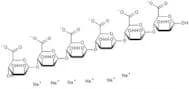
Hexa-mannuronic acid sodium salt (β-1,4-linked sodium mannuronohexaose) is one of a number of oligosaccharides obtained from alginate which is a polysaccharide in brown seaweeds containing: blocks of repeating mannuronic acid sequences (M-M-M-M etc), repeating guluronic acid sequences (G-G-G-G etc), and alternating M-G-M-G sequences.Oligosaccharides can be released using several methods (Lua, 2015; Yanga, 2004) and claims have been published that mannuronic acid oligosaccharides for example, can be effective in the prophylaxis and treatment of Alzheimer's disease, or for the prophylaxis and treatment of diabetes (USP 8835403B2, 2014).Fórmula:C36H44O37Na6Pureza:Min. 95 Area-%Cor e Forma:PowderPeso molecular:1,206.65 g/mol2-13C-a-D-Mannose-1-phosphate dipotassium salt
2-13C-a-D-Mannose-1-phosphate dipotassium salt is a custom synthesis of a complex carbohydrate. It is a monosaccharide that can be used as a substrate for glycosylation, methylation, or click modification. This product is available in high purity and good quality.
Pureza:Min. 95%2,3,2',3',4',6'-Hexa-O-acetyl-1,6-anhydro-b-D-cellobiose
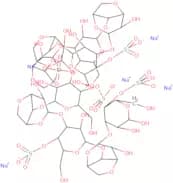
CAS:2,3,2',3',4',6'-Hexa-O-acetyl-1,6-anhydro-b-D-cellobiose is a synthetic monosaccharide. It can be modified with methylation, fluorination and click modification to produce 2,3,2',3',4',6'-hexamethylene-1,6-anhydro-b-D-cellobiose. This carbohydrate has been shown to have antiinflammatory activities in vitro and in vivo.Fórmula:C24H32O16Pureza:Min. 95%Cor e Forma:PowderPeso molecular:576.5 g/molNeocarradecaose-41,3,5,7,9-penta-O-sulfate sodium salt
CAS:Neocarradecaose-41,3,5,7,9-penta-O-sulfate sodium salt is a synthetic oligosaccharide that is used as an active ingredient in anti-tuberculosis drugs. It has been shown to have strong inhibitory activity against Mycobacterium tuberculosis. Neocarradecaose-41,3,5,7,9-penta-O-sulfate sodium salt is also a good substrate for glycosylation reactions and can be modified by methylation or click chemistry. This compound is water soluble and suitable for dissolving in organic solvents. The purity of the compound is over 98%.Fórmula:C60H87Na5O61S5Pureza:Min. 95 Area-%Cor e Forma:Yellow PowderPeso molecular:2,059.58 g/mol2-Deoxy-3,4-O-benzylidene-2-methylidene-D-ribono-1,5-lactone
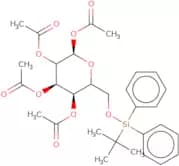
2-Deoxy-3,4-O-benzylidene-2-methylidene-D-ribono-1,5-lactone is a synthetic sugar that has been modified at the 3 and 4 positions of the sugar ring. The 2 position on the sugar ring has been fluorinated. It is monosaccharide that has been methylated at the 2 position of the sugar ring. The saccharide is a glycosylate and it has been glycosylated at the 1 and 5 positions of the sugar ring. It is a carbohydrate that belongs to a complex carbohydrate class.Pureza:Min. 95%1,2,3,4-Tetra-O-acetyl-6-O-(tert-butyldiphenylsilyl)-a-D-mannopyranose
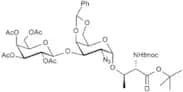
CAS:1,2,3,4-Tetra-O-acetyl-6-O-(tert-butyldiphenylsilyl)-a-D-mannopyranose is a custom synthesis that is a complex carbohydrate. It is an Oligosaccharide that is Polysaccharide and can be modified with Methylation and Glycosylation. It has a saccharide with a CAS No. 815589-29-8 and has been fluorinated. This product has high purity and can be synthesized to order.Fórmula:C30H38O10SiPureza:Min. 95%Peso molecular:586.72 g/mol3-O-(2,3,4,6-Tetra-O-acetyl-b-D-galactopyranosyl)-2-azido-4,6-O-benzylidene-2-deoxy-a-D-galactopyranosyl-Fmoc threonine tert-butyl e ster
CAS:3-O-(2,3,4,6-Tetra-O-acetyl-b-D-galactopyranosyl)-2-azido-4,6-O-benzylidene-2-deoxy-a-D--galactopyranosyl (TBS) is a synthetic carbohydrate that has been modified with fluorine and methyl groups. It is a complex carbohydrate that can be used as an intermediate in the synthesis of oligosaccharides and other saccharides. TBS is a monosaccharide that can be glycosylated or methylated to form many different products. This product can be custom synthesized to meet specific customer needs.Fórmula:C50H58N4O18Pureza:Min. 95%Peso molecular:1,003.01 g/molUDP-6-azido-6-deoxy-D-glucose x·triethylammonium salt
CAS:UDP-6-azido-6-deoxy-D-glucose is a chemical building block that is used for saccharide synthesis. The azide group can be reduced to give the amine which has been used to make a fluorescent tag for 5-(hydroxymethyl)cytosine in DNA. UDP-6-azido-6-deoxy-D-glucose has also been used to synthesise siderophore conjugates which can be used to deliver functional reagents across bacterial cell membranes.Fórmula:C15H23N5O16P2·x(C6H15N)Pureza:Min. 85 Area-%Cor e Forma:Off-White PowderPeso molecular:591.31 g/molGlycyl-Oligosaccharidesmannose 5
Glycyl-Oligosaccharidesmannose 5 is a high purity, custom synthesis sugar that is fluorinated and glycosylated. It is an oligosaccharide with a mannose backbone and a glycyl group attached to the first mannose. The methylation of the glycyl group on Glycyl-Oligosaccharidesmannose 5 can be modified to produce different derivatives. This carbohydrate has been synthesized and has CAS Number: 68149-46-1.Fórmula:C48H82N4O36Pureza:Min. 95%Peso molecular:1,291.17 g/mol2-Acetamido-4-O-{2-acetamido-4-O-[[3-O-[2,4-di-O-(2-acetamido-2-deoxy-β-D-glucopyranosyl)-α-D-mannopyranosyl]-6-O-[2,6-di-O-(2-aceta mido-2-deoxy-β-D-glucopyranosyl)-β-D-mannopyranosyl]-β-D-mannopyranosyl]]-2-deoxy-β-D-glucopyranosyl}-6-O-(α-L-fucopy
2-Acetamido-4-O-{2-acetamido-4-O-[3-O-[2,4-di-O-(2-acetamido-2,6-dideoxyb -D-glucopyranosyl)-a,D -mannopyranosyl]-6-O-[2,6 -di(2 -acetamido)-b -D -glucopyranosyl]-b D mannopyranosyl]] b D mannopyranosyl} 2,6 dideoxy b D glucopyranosyl} 6 O-(a L fucopyranosyl)}Fórmula:C72H120N6O49SPureza:Min. 95%Peso molecular:1,885.8 g/molMaltotriose - Technical
CAS:Starch breakdown productFórmula:C18H32O16Pureza:Min. 90.0 Area-%Cor e Forma:PowderPeso molecular:504.44 g/mol(Hydroxypropyl)methyl cellulose - Viscocity 40-60 cP, 2 % in H2O (20 °C)
CAS:Hydroxypropyl methylcellulose (HPMC or hypromellose) is a semisynthetic, inert and viscoelastic polymer that is used as eye drops and as semi-synthetic substitute for tear-films. When applied, a hypromellose solution acts to swell and absorb water, by increasing the thickness of the tear-film, resulting in decreased eye irritation. In addition to its use in ophthalmic liquids, hypromellose has been used as an excipient in oral tablet and capsule formulations, where, depending on the grade, it functions as controlled-release agent. It is also used as a binder and as a component of tablet coatings. Hypromellose in aqueous solution, unlike methylcellulose, exhibits thermal gelation properties. HPMC is approved as a food additive, emulsifier, thickening and suspending agent, and as an alternative to animal gelatin (Codex Alimentarius code (E number) is E464).Cor e Forma:White Off-White Powder(3S, 4S, 5R) -3, 4- Dihydroxy- 5- (hydroxymethyl) -L- proline
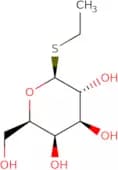
(3S, 4S, 5R) -3, 4- Dihydroxy- 5- (hydroxymethyl) -L- proline is a custom synthesis. It is a fluorinated, methylated, and modified monosaccharide with a polysaccharide sugar attached to a glycosylation site. The CAS number for this compound is not available.Pureza:Min. 95%Ethyl b-D-thiogalactopyranoside
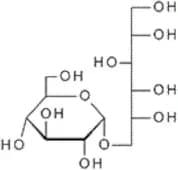
CAS:Synthetic building blockFórmula:C8H16O5SPureza:Min. 95%Cor e Forma:White PowderPeso molecular:224.28 g/molIsomaltitol
CAS:Bulk sweetener; viscosity/bodying agent; humectant; cryoprotectant
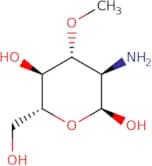
Fórmula:C12H24O11Pureza:Min. 95%Cor e Forma:White SolidPeso molecular:344.31 g/mol2-Amino- 2- deoxy- 3- O- methyl-D- glucose
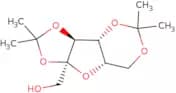
CAS:2-Amino-2-deoxy-3-O-methyl-D-glucose is a modified sugar that has been synthesized by the methylation of D-glucose. This product is often used as a building block in glycosylation, which is the process of adding sugars to proteins or polysaccharides. The modification of this carbohydrate makes it resistant to hydrolysis and oxidation reactions, making it suitable for use in pharmaceuticals and other applications. 2-Amino-2-deoxy-3-O-methyl-D-glucose can be fluorinated to produce 2-(Fluoro)amino 2 deoxy 3 O methyl D glucose, which has been shown to have antihypertensive effects in rats with high blood pressure. This product can also be modified with click chemistry to produce 2-[(Azidomethyl)amino]-2 deoxy 3 O methyl D glucose, which can be usedFórmula:C7H15NO5Pureza:Min. 95%Peso molecular:193.2 g/mol2,3:4,6-Di-O-isopropylidene-α-L-sorbofuranose
CAS:2,3:4,6-Di-O-isopropylidene-α-L-sorbofuranose is a furanose sugar that is structurally similar to sorbose. It is a five membered ring with two stereocenters. The conformation of this molecule encompasses the techniques of dialkyl and furanose synthesis. This compound can be used as a vitamin and can be degraded by ozonation in water. 2,3:4,6-Di-O-isopropylidene-α-L-sorbofuranose is biodegradable and has been shown to have antiinflammatory properties.Fórmula:C12H20O6Pureza:Min. 95%Cor e Forma:White PowderPeso molecular:260.28 g/molN,N',N''-Triacetylchitotriose
CAS:N,N',N''-Triacetylchitotriose is a chiral compound that is formed from the acetylation of chitin. It has been shown to be an antigen for monoclonal antibodies and a model system for exploring the enzymatic hydrolysis of chitin. N,N',N''-Triacetylchitotriose can be used to investigate the catalytic mechanism of chitinase enzymes, which are involved in breaking down the polysaccharide chitin. It has also been shown to have bioactive properties, such as inhibiting lectins and binding with mannose receptors.Fórmula:C24H41N3O16Pureza:Min. 95 Area-%Cor e Forma:White PowderPeso molecular:627.59 g/mol(Ribo) 3,4-O-Isopropylidene-2,4-di-C-methyl-L-ribono-1.5-lactone
(Ribo) 3,4-O-Isopropylidene-2,4-di-C-methyl-L-ribono-1.5-lactone is a custom synthesis that can be produced in various quantities and with various modifications to meet your needs. It is a high purity compound that is available for both research and industrial use. This compound has been fluorinated and modified to create a complex carbohydrate. It is an oligosaccharide of polysaccharide that can be used as a monosaccharide or sugar in the synthesis of polysaccharides or saccharides. This product is not intended for medical use.Pureza:Min. 95%2,4,7,8,9-Pentaacetyl-N- [(2- propyn- 1- yloxy) carbonyl] - b- neuraminic acid methyl ester
CAS:2,4,7,8,9-Pentaacetyl-N-[(2-propen-1-yloxy)carbonyl]-b-neuraminic acid methyl ester is a Glycosylation reagent that is used in the synthesis of oligosaccharide and polysaccharide. The product can be modified to produce Click modifications and complex carbohydrates. It has been shown to have high purity and can be custom synthesized.Fórmula:C24H31NO15Pureza:Min. 95%Peso molecular:573.5 g/mol2,4-O-Benzylidene-D-threitol
2,4-O-Benzylidene-D-threitol is a sugar that can be custom synthesized according to the specific requirements of our customers. It has been used in the synthesis of oligosaccharides and monosaccharides. 2,4-O-Benzylidene-D-threitol is also used as a building block for glycosylation and methylation reactions. This product comes with CAS No. 129330-36-2, 98% purity, and can be purchased from our company at competitive prices.Pureza:Min. 95%Maltooctaose
CAS:α 1,4-glucooctasaccharide derived from starch by hydrolysis and chromatographyFórmula:C48H82O41Pureza:Min. 80 Area-%Cor e Forma:White PowderPeso molecular:1,315.16 g/mol2-Azido-2-deoxy-3,5-O-isopropylidene-D-xylono-1.4-lactone
2-Azido-2-deoxy-3,5-O-isopropylidene-D-xylono-1.4-lactone is a glycosylation agent that can be used in the synthesis of complex carbohydrates and saccharides. This compound is fluorinated at the 3 position and then modified with a click chemistry reaction to introduce an azide group. The azide group can be used for subsequent modifications such as Polysaccharide, Fluorination, or Click modification. 2-Azido-2-deoxy-3,5-O-isopropylidene -D-xylono--1.4--lactone has CAS number 79840–01–8 and is custom synthesized to high purity for research purposes only.Pureza:Min. 95%4-Formylphenyl β-D-glucopyranoside
CAS:4-Formylphenyl β-D-glucopyranoside is a natural compound that is found in human serum and has the ability to form stable complexes with p-hydroxybenzoic acid. This drug has been shown to regulate transcription through its interaction with the nucleotide sequence of DNA, which may be due to its ability to form stable complexes with p-hydroxybenzoic acid. 4-Formylphenyl β-D-glucopyranoside has been reported as having biological properties such as gland cells, matrix effect, and locomotor activity. The surface methodology used on this drug can be used for sample preparation, which can be beneficial for the chinese herb industry. It has also been shown to have synchronous fluorescence when mixed with other compounds.Fórmula:C13H16O7Pureza:Min. 98 Area-%Cor e Forma:PowderPeso molecular:284.26 g/molL-Iduronic acid-1,6-13C2
L-Iduronic acid-1,6-13C2 is a modified oligosaccharide that can be used in the synthesis of complex carbohydrates. The carbons in this compound are 13C and 2H labeled.Fórmula:C2C4H10O7Pureza:Min. 95%Peso molecular:196.14 g/molMethyl a-D-glucopyranoside
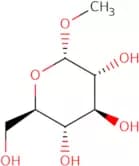
CAS:Methyl α-D- glucopyranoside is a methylated sugar used as an inhibitor of lectin-conjugate binding. Methyl α-D- glucopyranoside is commonly used in protein purification for eluting glycoproteins and other glycoconjugates from affinity chromatography columns of agarose lectin. Methyl α-D- glucopyranoside is also known as Methyl alpha-D-glucoside or alpha-Methyl-glucoside.Fórmula:C7H14O6Pureza:Min. 98 Area-%Cor e Forma:PowderPeso molecular:194.18 g/mol[2S- (2a, 3a, 4b, 5b, 6a) ]-2- (Hydroxymethyl) - 6- methyl- 3, 4, 5- piperidinetriol
The compound 2S-[2a,3a,4b,5b,6a] -2- (hydroxymethyl)-6-methyl-3,4,5-piperidinetriol is a saccharide with a piperidine ring. It is a synthetic carbohydrate that belongs to the group of oligosaccharides. The fluorine atom in this compound is substituted with methyl groups at positions 2 and 6 on the piperidine ring. This modification is used to increase the water solubility of this carbohydrate. The CAS number for this compound is 53543-33-8.Pureza:Min. 95%Delphinidin 3-glucoside chloride
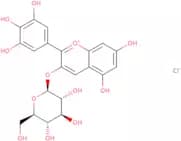
CAS:Delphinidin 3-glucoside chloride is a natural, water-soluble compound that exhibits antimicrobial activity against Staphylococcus aureus. It has been shown to inhibit the growth of this bacteria by inhibiting detoxification enzymes and intracellular cGMP production. Delphinidin 3-glucoside chloride also inhibits uptake of this bacterium by human cells, which may be due to its synergistic interaction with other compounds such as cinnamic acid derivatives. This compound has been shown to have cardiac effects in animals and is being studied for its potential use in treating heart disease.Fórmula:C21H21O12ClPureza:Min. 95%Cor e Forma:PowderPeso molecular:500.84 g/mol2,3,4,6-Tetra-O-benzyl-D-glucopyranose
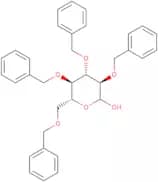
CAS:2,3,4,6-Tetra-O-benzyl-D-glucopyranose is a selectively protected intermediate, where the anomeric 1-O-hydroxyl group is free. This hemiacetal has been used successfully as an intermediate for glucosylation couplings, where it was converted into 2,3,4,6-tetra-O-benzyl-D-glucopyranose trichloroacetimidate using trichloroacetonitrile in the presence of a base such as potassium carbonate and DBU. Importantly, this imidate donor with no neighbouring participating groups is commonly used for the selective formation of α-glucosides. 2,3,4,6-tetra-O-benzyl-D-glucopyranose can also be oxidized to the lactone, or reduced to give the open chain form. Additionally, 2,3,4,6-tetra-O-benzyl-D-glucopyranose can be used for the preparation of glucono-1,5-lactone hydrazine, which was used, in-turn, to form a glucosylidene-spirocyclopropane.
Fórmula:C34H36O6Pureza:Min. 97 Area-%Cor e Forma:White PowderPeso molecular:540.65 g/mol1-Amino-2,5-anhydro-D-glucitol
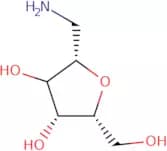
CAS:1-Amino-2,5-anhydro-D-glucitol is a synthetic monosaccharide with the chemical formula C6H12O6. It is often used in custom synthesis and click modification of polysaccharides and oligosaccharides. The fluorination of this compound can be done to obtain a fluorinated 1-amino-2,5-anhydro-D-glucitol. 1AADG can also be modified at its methyl group to produce N,N'-diacetylmethylenecyclohexane carboxamide (CAS No. 2166517-07). This product has been shown to inhibit the growth of bacteria such as Clostridium perfringens and Mycobacterium tuberculosis.Fórmula:C6H13NO4Pureza:Min. 95%Peso molecular:163.17 g/mol2-Acetamido-1,3,4,6-tetra-O-acetyl-2-deoxy-b-D-galactopyranose
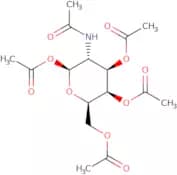
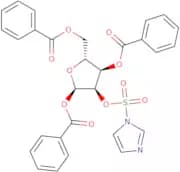
CAS:2-Acetamido-1,3,4,6-tetra-O-acetyl-2-deoxy-b-D-galactopyranose is fully acetylated D-galactosamine (C4 epimer of D-glucosamine). 2-Acetamido-1,3,4,6-tetra-O-acetyl-2-deoxy-b-D-galactopyranose is used in the synthesis of α- and β-linked acetamido pyranosides, which have anti-inflammatory properties as inhibitors of TLR4.Fórmula:C16H23NO10Pureza:Min. 95%Cor e Forma:PowderPeso molecular:389.35 g/mol1,3,5-Tri-O-benzoyl-2-O-(1H-imidazole-1-sulfonate)-a-D-ribofuranose
CAS:1,3,5-Tri-O-benzoyl-2-O-(1H-imidazole-1-sulfonate)-a-D-ribofuranose (TBIR) is a fatty acid that is synthesized by the condensation of 1,3,5-triacetylbenzene with 2,4,6,-trichlorobenzoyl chloride in the presence of triethylamine and sodium methoxide. TBIR has been shown to be suitable for fabricating polyesters and polyamides. TBIR also has the ability to modify membranes. This modification occurs when TBIR reacts with phospholipids in the membrane bilayer by inserting itself into the membrane bilayer. The mesoporous nature of TBIR allows for diffusional transport through its pores as well as an increased surface area for reactions. It also has a large diameter and branched chains that make it suitable forFórmula:C29H24N2O10SPureza:Min. 95%Cor e Forma:White PowderPeso molecular:592.57 g/mol(2S, 3S, 4R) -2- [(1S) - 1, 2- Dihydroxyethyl] - 4- (hydroxymethyl) - 3, 4- pyrrolidinediol
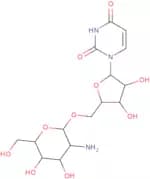
2-Keto-3-deoxy-4-O-(1,2-dihydroxyethyl)-D-glycero-D-galactonate is a synthetic intermediate for the production of (2S, 3S, 4R) -2-[(1S)-1,2-dihydroxyethyl]-4-[(hydroxymethyl)]--3,4-pyrrolidinediol. This compound is a carbohydrate with the molecular formula C8H13NO5 and a molecular weight of 201.23 g/mol. The chemical name for 2-keto-3-deoxy--4O-(1,2 dihydroxyethyl)-D glycero D galactonate is 2-[(1R)-1,2 dihydroxyethyl]-3,4 dihydroxypyrrolidine dicarboxylate; its CAS number is 73006–37–0. It has a sugarPureza:Min. 95%5'-O-(2-Amino-2-deoxy-b-D-glucopyranosyl)-uridine
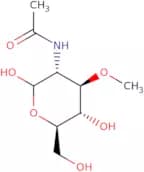
CAS:5'-O-(2-Amino-2-deoxy-b-D-glucopyranosyl)-uridine is a carbohydrate that is synthesized from uridine and 5'-amino-2,3,4,6-tetra-O-(2-deoxy-b-D-glucopyranosyl)uridine. It has a high purity and can be custom synthesized to meet your specifications. Carbohydrates are saccharides that are composed of monosaccharides linked by glycosidic bonds. They are often used as energy sources for living organisms and play an important role in the immune system. 5'-O-(2-Amino-2-deoxy-b-D - glucopyranosyl)-uridine can be methylated at the 2' position or glycosylated at either the 2' or 3' position. It is also a complex carbohydrate that can be modified with fluorFórmula:C15H23N3O10Pureza:Min. 95%Peso molecular:405.36 g/mol2-Acetamido-2-deoxy-3-O-methyl-D-glucopyranose
CAS:2-Acetamido-2-deoxy-3-O-methyl-D-glucopyranose (2A2DMG) is a nonsteroidal antiinflammatory drug that belongs to the class of drugs known as Cox inhibitors. This agent has been shown to inhibit ATP sensitive K+ channels in primary cells from rat urinary bladder, which leads to a decrease in intracellular Ca2+ levels. 2A2DMG also inhibits COX enzymes, which are responsible for the synthesis of prostaglandins and thromboxanes. This decreases inflammation and pain. 2A2DMG has antineoplastic properties and has been shown to inhibit cancer cell growth in vitro. It also prevents cell proliferation by interfering with the synthesis of collagen, the main structural protein of connective tissue.
Fórmula:C9H17NO6Pureza:Min. 95%Cor e Forma:PowderPeso molecular:235.23 g/molN-Acetyl-D-glucosamine-3-O-sulphate sodium
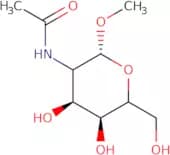
N-Acetyl-D-glucosamine-3-O-sulphate sodium (NADG) is a type of high purity, monosaccharide that is synthesized from D-glucosamine and sulphuric acid. NADG is a synthetic carbohydrate that can be used in the synthesis of complex carbohydrates. It has been modified to contain fluorine atoms at the 3rd and 4th carbon positions. This modification prevents NADG from being hydrolyzed by aminoglycosides such as kanamycin and neomycin, which are used in chemotherapy treatment.Fórmula:C8H15NO9S•NaPureza:Min. 95%Cor e Forma:PowderPeso molecular:324.25 g/molMethyl 2-acetamido-2-deoxy-b-D-glucopyranoside
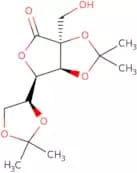
CAS:Methyl 2-acetamido-2-deoxy-b-D-glucopyranoside is a xylose sugar that is found in the leaves of Nepeta cataria. It has shown to inhibit bacterial growth by binding to DNA and RNA, as well as inhibit transcription, translation, and replication. Methyl 2-acetamido-2-deoxy-b-D-glucopyranoside also binds to cardiac channels and inhibits their activity. This compound has been shown to have anti cancer effects on prostate cancer cells in mice. Furthermore, it inhibits microbial metabolism in vitro by inhibiting the enzyme acetolactate synthase. Methyl 2-acetamido-2-deoxy-b-D -glucopyranoside has also been shown to be an effective treatment for autoimmune diseases such as multiple sclerosis and rheumatoid arthritis in mice.Fórmula:C9H17NO6Pureza:Min. 95%Cor e Forma:White Off-White PowderPeso molecular:235.24 g/mol2C-Hydroxymethyl-2,3:5,6-di-O-isopropylidene-L-gulono-1,4-lactone
CAS:2C-Hydroxymethyl-2,3:5,6-di-O-isopropylidene-L-gulono-1,4-lactone is a synthetic compound with the molecular formula C8H11O7. It is a sugar derivative that is used as an intermediate in the synthesis of saccharides and oligosaccharides. 2C-Hydroxymethyl-2,3:5,6-di-O-isopropylidene-L-gulono-1,4 -lactone has been shown to be a good candidate for Click chemistry modification.Fórmula:C13H20O7Pureza:Min. 95%Peso molecular:288.29 g/molBenzyl hepta-O-acetyl-b-D-lactoside
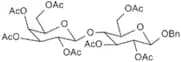
CAS:Useful starting point and intermediate in the synthesis of lacto-oligosaccharidesFórmula:C33H42O18Pureza:Min. 95%Cor e Forma:White to off-white solid.Peso molecular:726.69 g/molNeocarrabiose
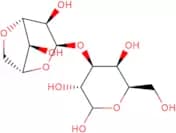
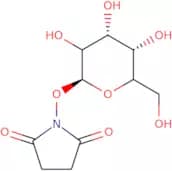
CAS:Neocarrabiose is a low-energy, hydrogen-bonded sugar that has an optimum concentration of 0.5 M. It is found in the basic structure of oligosaccharides and belongs to group p2. Structural analysis has revealed that Neocarrabiose has a denaturation temperature of 98 °C. Clinical studies have shown that Neocarrabiose may be effective in treating influenza virus, although it is not currently approved for this use. Neocarrabiose can be used as a molecule to form intramolecular hydrogen bonds in organic synthesis and magnetic resonance spectroscopy.Fórmula:C12H20O10Pureza:Min. 95%Cor e Forma:White Off-White PowderPeso molecular:324.28 g/molN-(Succinyl)-O-b-D-galactopyranosylhydroxylamine
N-(Succinyl)-O-b-D-galactopyranosylhydroxylamine is a custom synthesis of an oligosaccharide with a modified sugar. The modification includes fluorination and succinylation of the hydroxyl group at the b position on the galactose ring. This sugar is also known as a complex carbohydrate and is found in saccharides, carbohydrates, and sugars. This product is synthesized to provide high purity with a click modification for use in methylation reactions.Fórmula:C10H15NO8Pureza:Min. 95%Peso molecular:277.23 g/mol1,2,3,4,6-Penta-O-benzoyl-D-mannopyranose
CAS:1,2,3,4,6-Penta-O-benzoyl-D-mannopyranose is a high purity sugar that is custom synthesized to be used in glycosylation reactions. It has been shown to be effective for Click chemistry and can be fluorinated or methylated. 1,2,3,4,6-Penta-O-benzoyl-D-mannopyranose is a synthetic sugar that can be modified by glycosylation reactions. This sugar has the CAS No. 96996-90-6 and is known as Methyl 1-(1'-methylpropyl)-1H-[1',2',3',4',5',6']pentaoxacyclohexane.Fórmula:C41H32O11Pureza:Min. 95%Cor e Forma:White PowderPeso molecular:700.69 g/molL-Sorbose
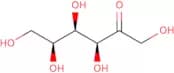
CAS:Resource for the industrial synthesis of ascorbic acid alias Vitamin C
Fórmula:C6H12O6Pureza:Min. 98 Area-%Cor e Forma:White Off-White PowderPeso molecular:180.16 g/mol5-Azido-5-deoxy-2,3-O-isopropylidene-2-C-([trifluormethanesulfonyloxy]methyl)- D-ribono-1.4-lactone
This is a custom synthesis of 5-azido-5-deoxy-2,3-O-isopropylidene-2-[(trifluoromethanesulfonyloxy)methyl]-D-ribono-1.4 -lactone (5ADL). The compound can be used as a synthetic intermediate and is a glycoside that contains an azido group. It is also known as a sugar and has the CAS number: 6374506-32-8. This compound has been shown to inhibit bacterial growth in vitro by inhibiting protein synthesis, DNA replication, and RNA transcription.Pureza:Min. 95%2,6-di-O-methyl-3-O-n-pentyl-γ-cyclodextrin
This gamma-cyclodextrin (γ-CD) derivative is a modified cyclic oligosaccharide composed of eight glucose units, featuring a larger cavity size than α- and β-cyclodextrins. This structural characteristic allows γ-CDs to form inclusion complexes with a wider range of guest molecules, making it particularly versatile in various industries. In the food sector, it is used as a carrier and stabilizer for flavors, fat-soluble vitamins, and polyunsaturated fatty acids, protecting volatile compounds from evaporation. In pharmaceuticals, it enhances the solubility and bioavailability of poorly water-soluble drugs and, thanks to its larger ring size, allows for the encapsulation of larger molecules or even entire drug molecules. γ-CDs and derivatives are also used for environmental remediation and, in analytical chemistry, for the extraction and concentration of target substances.Fórmula:C104H192O40Pureza:Min. 95%Peso molecular:2,082.61 g/mol2,3-O-Isopropylidene-L-gulonic acid-1,4-lactone
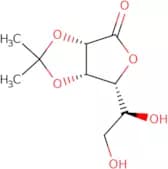
CAS:2,3-O-Isopropylidene-L-gulonic acid-1,4-lactone is a synthetic sugar that has been fluorinated. The methyl group at the C2 position of this compound can be modified by various methods to give different derivatives. 2,3-O-Isopropylidene-L-gulonic acid-1,4-lactone is an oligosaccharide that is found in natural glycosides and saccharides. It is also used for click chemistry modifications in complex carbohydrate chemistry. This compound is CAS number 94840-08-1.Fórmula:C9H14O6Pureza:Min. 95%Cor e Forma:White To Off-White SolidPeso molecular:218.21 g/mola-D-[UL-13C6]Glucose-1-phosphate dipotassium salt hydrate
CAS:a-D-[UL-13C6]Glucose-1-phosphate dipotassium salt hydrate is a kinetic and structural analysis of the glucose phosphate metabolic pathway. It has been used to study biochemical properties of the glucose phosphate metabolic pathway, and to study the control mechanisms for this process. Specifically, it has been used to determine kinetic parameters that are necessary for understanding glucose metabolism. This compound has also been used to study hydrogen bonding interactions between monoclonal antibodies and ganoderma lucidum and transfer reactions of immobilized enzymes. The pH optimum for this compound is 4.5, and it can be synthesized from solanum tuberosum.Fórmula:C6H11K2O9P·xH2OPureza:Min. 95%Cor e Forma:PowderPeso molecular:342.27 g/molD-Melezitose hydrate
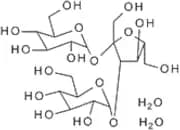
CAS:Melezitose is a non-reducing trisaccharide that is produced by many plant sap-consuming insects, such as aphids (e.g. Cinara pilicornis). Melezitose is a component of honeydew which acts as an attractant for ants and also as food for bees. Partial hydrolysis of melizitose releases glucose and turanose, an isomer of sucrose.
Fórmula:C18H32O16•(H2O)xPureza:Min. 95%Cor e Forma:White PowderPeso molecular:504.44 g/mol3-Deoxy-D-glucosone
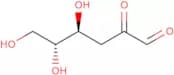
CAS:3-Deoxy-D-glucosone is a compound that belongs to the group of monosaccharides and has a basic structure. It can be found in many types of biological samples, including blood. The x-ray diffraction data for 3-deoxy-D-glucosone shows an asymmetric unit of two molecules with a coordination geometry of 2.3. This compound is known to have high protein oxidation rates, which are caused by dna binding activity. 3-Deoxyglucosone has been shown to be involved in the pathogenic mechanism of many types of cancers.Fórmula:C6H10O5Pureza:Min. 95%Cor e Forma:PowderPeso molecular:162.14 g/mol3-O-(a-D-Mannopyranosyl)-D-mannopyranose
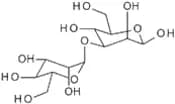
CAS:Isolated from the products of the acid reversion of D-mannoseFórmula:C12H22O11Pureza:Min. 95 Area-%Cor e Forma:White PowderPeso molecular:342.3 g/mol1,2,3-Tri-O-methyl-α-D-glucopyranose
CAS:1,2,3-Tri-O-methyl-a-D-glucopyranose is a sugar that is used in glycosylation and fluorination reactions. This product can be custom synthesized to your specifications. It is available in high purity and with a variety of modifications. 1,2,3-tri-O-methyl-a-D-glucopyranose has been modified with methyl groups at the C1 and C6 positions. These modifications are useful for studies on glycosylation and fluorination reactions.Fórmula:C9H18O6Pureza:Min. 95%Cor e Forma:PowderPeso molecular:222.24 g/molPhenyl-β-D-thioglucuronic acid
CAS:Phenyl-beta-D-thioglucuronic acid is a drug that is used to treat inflammatory diseases and autoimmune diseases. It is a basic structure that has been shown to have anti-estrogenic effects in vitro, although the mechanism of action is not well understood. Phenyl-beta-D-thioglucuronic acid can be crosslinked with proteins to form a matrix for wound healing. This drug has also been shown to be a potent inhibitor of proteases, and may inhibit other enzymes such as matrix metalloproteinases and serine proteases.
Fórmula:C12H14O6SPeso molecular:286.31 g/molRef: 3D-P-4300
1gA consultar5gA consultar10gA consultar500mgA consultar2500mgA consultar-Unit-ggA consultarN-(2,4-Dinitrophenyl-deoxynojirimycin
N-2,4-Dinitrophenyl-deoxynojirimycin (DNPDNJ) is a methylated derivative of deoxynojirimycin. It is an inhibitor of glycosylation that can be used to study the structure and function of carbohydrates. DNPDNJ is a synthetic saccharide that can be custom synthesized. Click modification and modification with Oligosaccharides are common modifications for DNPDNJ. DNPDNJ is available in high purity and has been fluorinated for use in fluorescence studies.
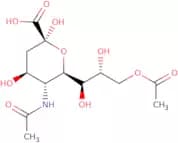
Pureza:Min. 95%9-O-Acetyl-N-acetyl-neuraminic acid
CAS:9-O-Acetyl-N-acetyl-neuraminic acid is a sialic acid produced by the human body. It can be found in human serum and has been shown to have inhibitory properties against viruses, such as hepatitis B and C viruses. 9-O-Acetyl-N-acetylneuraminic acid binds to the α1-acid glycoprotein in the blood, which can reduce its ability to bind to other molecules. This leads to a lower concentration of 9-O-acetylneuraminic acid in the blood. This molecule also has chemical biology properties that are being studied for their effects on biological processes such as histological analysis, receptor molecule binding, polymerase chain reaction (PCR), and mucin gene transcription. 9-O-Acetylneuraminic acid also has antihistamine activities that may be due to its ability to block histamine receptors or inhibit histamine release.Fórmula:C13H21NO10Pureza:Min. 75 Area-%Cor e Forma:White Off-White PowderPeso molecular:351.31 g/mol2,3:4,5-Di-O-isopropylidene-L-arabitol
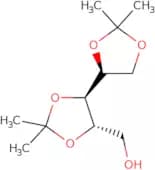
CAS:2,3:4,5-Di-O-isopropylidene-L-arabitol is a modification of an oligosaccharide in which the hydroxyl group at position 4 on the D-ribose moiety has been replaced with an isopropylidene group. The synthesis of 2,3:4,5-Di-O-isopropylidene-L-arabitol can be achieved by methylation and fluorination of L-arabinose. This compound is used in glycosylations and polysaccharide syntheses. 2,3:4,5-Di-O-isopropylidene-L--arabitol is also found as a natural constituent of many plants. 2,3:4,5--Di--O--isopropylidene--L--arabitol is chemically described as α-(1→6)-D--glucopFórmula:C11H20O5Pureza:Min. 95%Cor e Forma:PowderPeso molecular:232.27 g/mol(1S) -1- [(2S, 3R,4R) -4-Hydroxymethyl-3- hydroxy- 1- azetidinyl] -1, 2- ethanediol
(1S) -1- [(2S, 3R,4R) -4-Hydroxymethyl-3- hydroxy- 1- azetidinyl] -1, 2- ethanediol is a synthetic sugar that can be used as a glycosylation or click modification agent. It is also used in the synthesis of complex carbohydrates. This product has been shown to have high purity and is available for custom synthesis.Pureza:Min. 95%L-Lyxono-1,4-lactone
CAS:L-Lyxono-1,4-lactone is a dehydrogenase that synthesizes hydroxamic acids from aldonic acids. Hydroxamic acids are used as herbicides and insecticides. L-Lyxono-1,4-lactone has been shown to be active against ochrobactrum and branched-chain bacteria. The enzyme catalyzes the cleavage of an aldonic acid to form an alcohol and an alpha,beta unsaturated ketone. This reaction is stereoselective, with the product being the same chiral center in both cases. The enzyme also shows chemometric properties by being able to measure salinity levels in water samples.Fórmula:C5H8O5Pureza:Min. 95%Cor e Forma:PowderPeso molecular:148.11 g/molDextran sulfate sodium salt - MW 500,000
CAS:Dextran sulphate is a dextran derivative whose ulcer (colitis) -causing properties were first reported in hamsters and extrapolated a few years later to mice and rats. The exact mechanisms through which dextran sulphate induces intestinal inflammation are unclear but may be the result of direct damage of the monolayer of epithelial cells in the colon, leading to the crossing of intestinal contents (for e.g. commensal bacteria and their products) into underlying tissue and therefore induction of inflammation. The dextran sulphate sodium induced ulceration model in laboratory animals has some advantages, when compared to other animal models of colitis, due to its simplicity and similarities to human inflammatory bowel disease.Fórmula:C9H11NO2Pureza:Min. 95%Cor e Forma:White Powder(3S, 4R) -Dihydro- 3-hydroxy- 3- methyl-4-tert butyldimethylsilyloxy- 2(3H) - furanone
(3S,4R) -Dihydro-3-hydroxy-3-methyl-4-tert butyldimethylsilyloxy-2(3H) -furanone is a fluorinated glycosylated monosaccharide. This compound is used as a synthetic intermediate in the custom synthesis of saccharides and oligosaccharides.Pureza:Min. 95%2-Azido- 2- deoxy- 3, 4:5, 6- bis- O- isopropylidene-D- mannonic acid methyl ester
2-Azido-2-deoxy-3,4:5,6-bis-O-isopropylidene-D-mannonic acid methyl ester is a synthetic carbohydrate molecule that has been synthesized from 2,2'-azido-2,2'-dideoxyribose. The monosaccharide moiety of the molecule has been fluorinated to create a reactive site for modification with other molecules. This modification can be done by glycosylation or polysaccharide attachment. The azido group on the sugar can be modified with any number of different methyl groups and this is done through a process called Click chemistry. The chemical formula for 2ADDMEM is C8H12N4O8F. The CAS Number for 2ADDMEM is 103510-60-1 and it has an average purity of 99%.Pureza:Min. 95%b-D-Maltose octaacetate
CAS:Useful CO2-philic compounds with potential uses as pharmaceutical excipients, controlled release agents, and surfactants for microemulsion systems in CO2-based processes.
Fórmula:C28H38O19Pureza:Min. 98 Area-%Cor e Forma:White PowderPeso molecular:678.59 g/mol3-Deoxy-3-fluoro-D-xylopyranose
3-Deoxy-3-fluoro-D-xylopyranose is a carbohydrate, modification, saccharide and oligosaccharide. It is an Oligosaccharide sugar that has a CAS number of 104863-98-2. 3DFX can be custom synthesized in high purity with methylation and glycosylation. This product can be used for click modification with the desired molecule.Pureza:Min. 95%D-Ribose
CAS:D-ribose (Rib) is an aldopentose, a component of RNA and a constituent of numerous cofactors, and certain vitamins. (Collins, 2006). Ribose is a component of bacterial polysaccharides found in Salmonella (Lindberg, 1990). Ribosylation leads to the production of significant amounts of advanced glycation end products, both extracellularly and intracellularly, it may be involved in cell dysfunction and subsequent cognitive impairments (Wei, 2012).
Fórmula:C5H10O5Pureza:Min. 98 Area-%Cor e Forma:White Off-White PowderPeso molecular:150.13 g/molIndole-3-acetyl β-D-glucopyranose
CAS:Indole-3-acetyl b-D-glucopyranose is a synthetic substrate that is used in the enzyme catalysis of indole glucosyl transferase. This enzyme catalyzes the reaction between indole and D-glucose to form an acetylated glucose. The gene product for this enzyme has a low expression in tissues, but high expression in plants. The gene product for this enzyme has been shown to be involved in plant physiology, where it may play a role in population growth.Fórmula:C16H19NO7Pureza:Min. 95%Peso molecular:337.33 g/mol(2R, 4S) - 3- Fluoro- 1- (phenylmethyl) -2,4- azetidinedimethanol
(2R, 4S) - 3- Fluoro- 1- (phenylmethyl) -2,4- azetidinedimethanol is a high purity custom synthesis. It is synthesized by Click modification, fluorination and glycosylation. It is used in the synthesis of oligosaccharides and saccharides. The CAS number for this compound is 43425-49-8.Pureza:Min. 95%3-Deoxy-3-fluoro-D-galactose
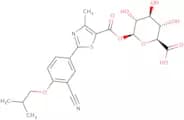
CAS:Please enquire for more information about 3-Deoxy-3-fluoro-D-galactose including the price, delivery time and more detailed product information at the technical inquiry form on this pageFórmula:C6H11FO5Pureza:Min. 95%Cor e Forma:PowderPeso molecular:182.15 g/molFebuxostat-acyl-β-D-glucuronide
CAS:Febuxostat is a drug that inhibits the enzyme xanthine oxidase, which is involved in the production of uric acid. The chronic use of this drug can lead to a decrease in serum uric acid levels, which is associated with lowering of blood pressure and prevention of kidney stones. Febuxostat has been shown to be effective in patients with polyarticular rheumatoid arthritis and allopurinol-induced gout. Side effects may include gastrointestinal discomfort, low dose-related hypertension, and cardiovascular complications. Febuxostat interacts with colchicine and other drugs that are metabolized through cytochrome P450 enzymes. This interaction may reduce the effectiveness of these drugs or increase their toxicity.Fórmula:C22H24N2O9SPureza:Min. 95%Cor e Forma:PowderPeso molecular:492.5 g/mol


![2, 4- Anhydro- N-benzyl-3,5-O-[(R)-benzylidene]- 6-deoxy-D- mannonamide](/_next/image/?url=https%3A%2Fstatic.cymitquimica.com%2Fproducts%2F3D%2Fthumb-webp%2FMA163977.webp&w=3840&q=75)



![(1R) -1- [(2S, 3R) - 3- Hydroxy- 1- methyl - 2- azetidinyl] -1, 2- ethanediol](/_next/image/?url=https%3A%2Fstatic.cymitquimica.com%2Fproducts%2F3D%2Fthumb-webp%2FMH163529.webp&w=3840&q=75)

![(1S) -1- [(2S, 3R) - 3- Hydroxy- 1- azetidinyl] -1, 2- ethanediol hydrochloride](/_next/image/?url=https%3A%2Fstatic.cymitquimica.com%2Fproducts%2F3D%2Fthumb-webp%2FMH163414.webp&w=3840&q=75)

![N- [[(2R, 3R, 4S) - 4- [(Acetyloxy) methyl] - 3- (phenylmethoxy) - 1- (phenylmethyl) - 2- azetidin…](/_next/image/?url=https%3A%2Fstatic.cymitquimica.com%2Fproducts%2F3D%2Fthumb-webp%2FMA163471.webp&w=3840&q=75)






![2,4,7,8,9-Pentaacetyl-N- [(2- propyn- 1- yloxy) carbonyl] - b- neuraminic acid methyl ester](/_next/image/?url=https%3A%2Fstatic.cymitquimica.com%2Fproducts%2F3D%2Fthumb-webp%2FMP168633.webp&w=3840&q=75)


![[2S- (2a, 3a, 4b, 5b, 6a) ]-2- (Hydroxymethyl) - 6- methyl- 3, 4, 5- piperidinetriol](/_next/image/?url=https%3A%2Fstatic.cymitquimica.com%2Fproducts%2F3D%2Fthumb-webp%2FMH163934.webp&w=3840&q=75)
![(2S, 3S, 4R) -2- [(1S) - 1, 2- Dihydroxyethyl] - 4- (hydroxymethyl) - 3, 4- pyrrolidinediol](/_next/image/?url=https%3A%2Fstatic.cymitquimica.com%2Fproducts%2F3D%2Fthumb-webp%2FMD163541.webp&w=3840&q=75)

![5-Azido-5-deoxy-2,3-O-isopropylidene-2-C-([trifluormethanesulfonyloxy]methyl)- D-ribono-1.4-lactone](/_next/image/?url=https%3A%2Fstatic.cymitquimica.com%2Fproducts%2F3D%2Fthumb-webp%2FMA163999.webp&w=3840&q=75)
![a-D-[UL-13C6]Glucose-1-phosphate dipotassium salt hydrate](/_next/image/?url=https%3A%2Fstatic.cymitquimica.com%2Fproducts%2F3D%2Fthumb-webp%2FMG64091.webp&w=3840&q=75)


![(1S) -1- [(2S, 3R,4R) -4-Hydroxymethyl-3- hydroxy- 1- azetidinyl] -1, 2- ethanediol](/_next/image/?url=https%3A%2Fstatic.cymitquimica.com%2Fproducts%2F3D%2Fthumb-webp%2FMH163401.webp&w=3840&q=75)