Oligosaccharides
Subcategories of "Oligosaccharides"
- Aminoethyl Glycosides, Aminopropyl Glycosides(14 products)
- Asn Binding Glycans(33 products)
- Biotinated Oligosaccharides(13 products)
- Blood Groups and Lewis Antigens(11 products)
- Blood Type Oligosaccharides(13 products)
- Cellooligosaccharides(1 products)
- Cyclodextrins(183 products)
- Disaccharides(190 products)
- Epitope Oligosaccharides(19 products)
- Fructooligosaccharides(2 products)
- Functional Oligosaccharides(556 products)
- Functionalised Oligosaccharides(1 products)
- Galactosamine(41 products)
- Galactose(261 products)
- Galb(1-3)GalNAc(21 products)
- Ganglio-series(11 products)
- Globo- and Isoglobo-series(17 products)
- Glucosamine(128 products)
- Glucuronic Acids(52 products)
- Glycoproteins, Glycopeptides(59 products)
- Glycosaminoglycan(26 products)
- Human Milk Oligosaccharides(22 products)
- Labeled O-Glycans(9 products)
- Labeled Oligosaccharides(36 products)
- LacNAc(53 products)
- Lacto- and Neolacto-series(14 products)
- Lacto-N-biose(10 products)
- Lactooligosaccharides(7 products)
- Linker Attached Oligosaccharides(19 products)
- Maltooligosaccharides(6 products)
- Milk Oligosaccharides(31 products)
- N-Glycans(149 products)
- Natural Glycosides(177 products)
- Natural Oligosaccharides(103 products)
- O-Glycan(18 products)
- Oligosaccharide Building Blocks(7 products)
- Oligosaccharide Replacement(2 products)
- Oligosaccharides by Component Sugar(225 products)
- Oligoses(24 products)
- Other Oligosaccharides(14 products)
- PEG Oligomers(33 products)
- Phosphated Sugars(17 products)
- Protected Sugars(526 products)
- Reagents for Oligosaccharide Synthesis(254 products)
- Ser, Thr Binding Glycans(9 products)
- Sialylated Oligosaccharides(3 products)
- Sphingoglycolipids(42 products)
- Sugar Amino Acids, Sugar Peptides(20 products)
- Sugar Antigens(31 products)
- Sugar Building Blocks by Target Oligosaccharides(225 products)
- Sugar Conjugates(100 products)
- Sulfated Sugars(16 products)
- Tetrasaccharides(34 products)
- Trisaccharides and Above(95 products)
- Xylooligosaccharides(5 products)
Found 2294 products of "Oligosaccharides"
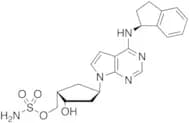
MLN 4924
CAS:Controlled ProductApplications A potent and selective inhibitor of NAE. An inhibitor of NEDD8-activating enzyme as a new approach to treat cancer. The ubiquitin-proteasome pathway mediates the destruction of unwanted proteins. Potent NAE inhibitor; NEDD8 E1 Activating Enzyme Inhibitor.
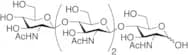
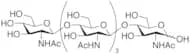
References Haas, A., et al.: J. Biol. Chem., 257, 10329 (1982), Walden, H., et al.: Nature, 422, 330 (2003), Kane, R., et al.: Clin. Cancer Res., 13, 5291 (2007), Saha, A., et al.: Mol. Cell., 32, 21 (2008),Formula:C21H25N5O4SColor and Shape:NeatMolecular weight:443.52N,N’,N’’,N’’’-Tetraacetylchitotetraose
CAS:Controlled ProductStability Store in freezer
Applications Prepared by acetolysis of chitin. Studies have shown this compound to have anti tumor effects.
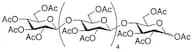
References Barker, S.A., et al.: J. Chem. Soc., 2218 (1958); Suzuki, K., et al.: Carbohydrate Research, 151, 403 (1986)Formula:C32H54N4O21Color and Shape:NeatMolecular weight:830.79D-(+)-Cellohexose Eicosaacetate
CAS:Controlled ProductStability Stable at RT
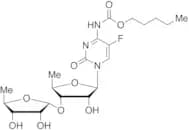
Applications D-(+)-Cellohexose Eicosaacetate (cas# 355012-91-8) is a compound useful in organic synthesis.Formula:C76H102O51Color and Shape:NeatMolecular weight:1831.593’-O-(5’-Deoxy-alpha-D-ribofuranosyl) Capecitabine
CAS:Controlled ProductApplications Capecitabine (C175650) impurity.
Formula:C20H30FN3O9Color and Shape:NeatMolecular weight:475.474-O-β-D-Mannopyranosyl-D-glucopyranoside
CAS:Controlled ProductApplications 4-O-β-D-Mannopyranosyl-D-glucopyranoside (cas# 29276-55-9) is a compound useful in organic synthesis.
Formula:C12H22O11Color and Shape:NeatMolecular weight:342.34-Aminophenyl 1-Thio-b-D-cellobioside
CAS:Controlled ProductStability Store Under Argon
Applications Shown to be a functional affinity ligand for the separation of exo-(cellobiohydrolasees) and endo-(endoglucanases) acting cellulases.
References Piyachomkwan, K., et al.: Carbohydrate Research, 303, 255 (1997)Formula:C18H27NO10SColor and Shape:NeatMolecular weight:449.47N,N',N'',N''',N''''-Pentaacetylchitopentaose
CAS:Controlled ProductStability Hygroscopic
Applications Studies have shown this compound to have anti tumor effects.
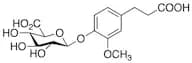
References Suzuki, K., et al.: Carbohydrate Research, 151, 403 (1986)Formula:C40H67N5O26Color and Shape:NeatMolecular weight:1034.00Dihydro Ferulic Acid 4-O-β-D-Glucuronide Dilithium Salt
CAS:Stability Very Hygroscopic
Applications A metabolite profiling of hydroxycinnamate derivative in plasma and urine after the ingestion of coffee by humans: identification of biomarkers of coffee consumption.
References Buchanan, C., et al.: J. Sci. Food Agric., 71, 459 (1996), Andreasen, M., et al.: J. Agric. Food Chem., 49, 5679 (2001), Poquet, L., et al.: Drug Metab. Dispos., 36, 190 (2008),Formula:C16H18Li2O10Color and Shape:NeatMolecular weight:384.19Alpha,Alpha-[UL-D14]Trehalose
CAS:Controlled ProductApplications D-(+)-Trehalose is a disaccharide composed of two α-glucose units. D-(+)-Trehalose is used in many processed foods as well as in biopharmaceutical monoclonal antibody formulations. D-(+)-Trehalose is also used as a protein stabilize. This is the labeled analog.
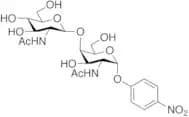
References Bosquillon, C. et al.: J. Cont. Rel., 99, 357 (2004); Arakawa, T. et al.: Adv. Drug Deliv. Rev., 46, 307 (2001); Singh, S.K. et al.: Pharmac. Res., 28, 873 (2011);Formula:C12D14H8O11Color and Shape:NeatMolecular weight:356.39p-Nitrophenyl 2-Acetamido-2-deoxy-(4-O-2-acetamido-2-deoxy-Beta-D-glucopyranosyl)-Alpha-D-galactopyranoside
Controlled ProductApplications p-Nitrophenyl 2-Acetamido-2-deoxy-(4-O-2-acetamido-2-deoxy-β-D-_x000D_glucopyranosyl)-α-D-galactopyranoside is a compound useful in organic synthesis.
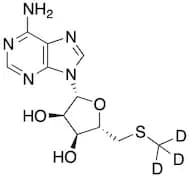
References Medina, M. et al.: Cancer Res. 59,1061-1070, (1999)Formula:C22H31N3O13Color and Shape:NeatMolecular weight:545.495'-(Methyl-d3-thio)adenosine
CAS:Controlled ProductApplications 5'-(Methyl-d3-thio)adenosine (CAS# 174838-38-1) is a useful isotopically labeled research compound, where it is used in synthesis reactions.
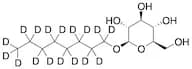
References Sugiyama, T., et.al., Nucleic Acids Symp.Ser., 34,13-14,(1995);Formula:C11H12D3N5O3SColor and Shape:NeatMolecular weight:300.351-O-n-Octyl-d17-β-D-glucopyranoside
CAS:Controlled ProductApplications 1-O-n-Octyl-d17-beta-D-glucopyranoside (CAS# 129522-81-2) is a useful isotopically labeled research compound.
Formula:C14H11D17O6Color and Shape:NeatMolecular weight:309.48Cytidine-5,6-d2
CAS:Controlled ProductApplications Cytidine-5,6-d2 (CAS# 40632-25-5) is a useful isotopically labeled research compound.
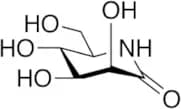
Formula:C9H11D2N3O5Color and Shape:NeatMolecular weight:245.23D-Manno-Gamma-lactam
CAS:Controlled ProductApplications A potent inhibitor of rat epididymal alpha-mannosidase and of apricot ß-glucosidase.
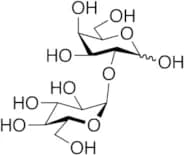
References Niwa, T., Tsuruoka, T. , et al.: J. Antibiot., 37, 1579 (1984)Formula:C6H11NO5Color and Shape:NeatMolecular weight:177.162-O-(alpha-D-Glucopyranosyl)-D-galactose
CAS:Controlled ProductApplications 2-O-(α-D-Glucopyranosyl)-D-galactose (cas# 7368-73-2) is a compound useful in organic synthesis.
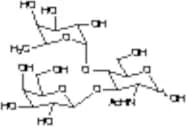
References Gent, P.A., et al.: J. Chem. Soc., 1, 1446 (1974)Formula:C12H22O11Color and Shape:NeatMolecular weight:342.3Lewis A Trisaccharide
CAS:Controlled ProductApplications Lewis A Trisaccharide is a component of multiplex glycan bead arrays which play a role in various cellular functions.
References Dabelsteen, E., et al.: Cancer Research, 48, 181 (1988), Lasky, L.A.: Science, 258, 964 (1992), Mulligan, M.S., et al.: Nature, 364, 149 (1993), Mulligan, M.S., et al.: J. Exp. Med., 178, 623 (1993), Travis, J.: Science, 260, 906 (1993); Purohit, S. et al.: Nat. Comm., 9, 1 (2018);Formula:C20H35NO15Color and Shape:NeatMolecular weight:529.49N-(β-D-Glucopyranosyl)-N’-[(2-methanethiosulfonyl)ethyl] Urea
CAS:Controlled ProductStability Moisture Sensitive
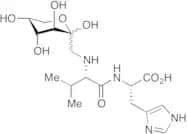
Applications US Pat. 7033765Formula:C10H20N2O8S2Color and Shape:NeatMolecular weight:360.4Fructose Val-His Sodium Salt (Mixture of Diastereomers)
CAS:Controlled ProductApplications Fructose Val-His is used as a substrate in the kinetic reaction of fructosylpeptide oxidases of Coniochaeta and Eupenicillium terrenum with glycated protein molecules.
References Hirokawa, K., et al.: Biochem. Biophys. Res. Commun., 311, 104 (2003)Formula:C17H27N4NaO8Color and Shape:NeatMolecular weight:438.411-(2’-Deoxy-3’,5’-di-O-toluoyl-β-D-ribofuranosyl)-2-oxo-4-amino-1,2-dihydro-1,3,5-triazine
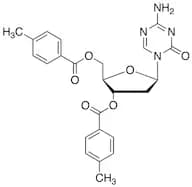
CAS:Controlled ProductApplications 1-(2’-Deoxy-3’,5’-di-O-toluoyl-β-D-ribofuranosyl)-2-oxo-4-amino-1,2-dihydro-1,3,5-triazine (cas# 10302-79-1) is a compound useful in organic synthesis.
Formula:C24H24N4O6Color and Shape:NeatMolecular weight:464.47D-Maltotriose Peracetate
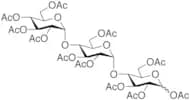
CAS:Controlled ProductApplications Protected Maltotriose.
References Brayer, G., et al.: Biochem., 39, 4778 (2000),Formula:C40H54O27Color and Shape:NeatMolecular weight:966.84Tridehydro Pirlimycin-d5
CAS:Controlled ProductFormula:C17H20D5ClN2O5SColor and Shape:NeatMolecular weight:409.94Cytarabine-5,6-d2
CAS:Controlled ProductApplications Cytarabine-5,6-d2 (CAS# 40632-26-6) is a useful isotopically labeled research compound.
Formula:C9H11D2N3O5Color and Shape:NeatMolecular weight:245.23(±)-2-Pentyl-1,1,1,3,3-d5 Alcohol
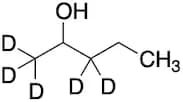
CAS:Controlled ProductApplications (±)-2-Pentyl-1,1,1,3,3-d5 Alcohol (CAS# 14629-70-0) is a useful isotopically labeled research compound.
Formula:C5H7D5OColor and Shape:NeatMolecular weight:93.18Polyhyllin VI
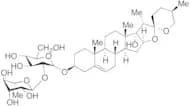
CAS:Controlled ProductApplications Polyhyllin VI is a natural saponin extracted from the plant, Rhizoma Paridis, and displays anti-proliferative activity in vivo. Used in the treatment of HepG2 cells for tumor mitigation.
References Ma, D. et al.: J. Int Med. Res., 37, 631 (2009); Yin, X. et al.: Biomed. Chrom., 27, 343 (2013); Jiang, H. et al.: Mol. Med. Rep., 9, 2265 (2014); Cheng, Z. et al.: J. Ethnopharmacol., 120, 129 (2008);Formula:C39H62O13Color and Shape:NeatMolecular weight:738.9Loganin
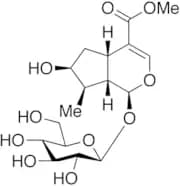
CAS:Controlled ProductApplications An iridoid glycoside that exhibits protective effects against hepatic injury and other diabetic complications associated with abnormal metabolic states and inflammation caused by oxidative stress and advanced glycation endproduct formation. A potential anti-amnesic agent.
References Yamabe, N. et al.: Eur. J. Pharmmacol., 648, 179 (2010); de Carman Recio, M. et al.: Planta Medica, 3, 232 (1994); Kwon, S. et al.: Eur. J. Pharmacol., 619, 44 (2009);Formula:C17H26O10Color and Shape:NeatMolecular weight:390.38Ethyl 2,3,6-tri-O-acetyl-4-O-(2,3,4,6-tetra-O-acetyl-b-D-galactopyranosyl)-D-thioglucopyranoside
CAS:Ethyl 2,3,6-tri-O-acetyl-4-O-(2,3,4,6-tetra-O-acetyl-b-D-galactopyranosyl)-D-thioglucopyranoside is a synthetic carbohydrate with a glycosylation and methylation modification. This compound is an oligosaccharide sugar that contains a complex carbohydrate backbone. It has CAS No. 434762 and was custom synthesized for high purity. The molecular weight of this compound is 605.14 g/mol and the purity is >99%.Formula:C28H40O17SPurity:Min. 95%Color and Shape:PowderMolecular weight:680.19862T-antigen-HSA
T-antigen-HSA is a synthetic, high-purity, custom synthesis glycoprotein with click modification. It is a complex carbohydrate that contains an oligosaccharide and a saccharide, which are attached to the protein backbone through an amide linkage. T-antigen-HSA is synthesized using recombinant DNA technology and can be modified by fluorination, methylation, or other modifications. This product has CAS No.Purity:Min. 95%Color and Shape:White PowderHexa-O-acetylmaltal
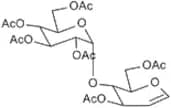
CAS:Hexa-O-acetylmaltal is a non-reducing sugar that belongs to the class of anhydrous, monohydrate configurations. It is a synthetic substrate that is used in the synthesis of pyridine analogues. Hexa-O-acetylmaltal can be crystallized in chloroform and activated with heat or acid. The anomeric configuration has been determined by X-ray diffraction analysis and its configuration was shown to be anomeric by chemical degradation. Hexa-O-acetylmaltal can also form heptaacetate, which is a disaccharide.Formula:C24H32O15Purity:Min. 95%Color and Shape:Off-White PowderMolecular weight:560.5 g/mol6,1',6'-Tri-O-tertbutyldiphenylsilyl-sucrose
CAS:6,1',6'-Tri-O-tertbutyldiphenylsilyl-sucrose is a high purity, custom synthesis chemical. It is an oligosaccharide and complex carbohydrate that is a Click modification of sucrose. This chemical has been fluorinated, glycosylated, and methylated.Purity:Min. 95%Globo-H hexasaccharide-sp-biotin
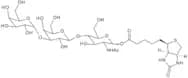
Globo-H is a high purity, custom-synthesized hexasaccharide with a spacer arm and biotin at the non-reducing end. Globo-H is synthesized by reacting glycosylation reagents with an oligosaccharide on a solid support. The reaction generates an activated glycosylant, which is then reacted with the spacer arm and biotin to form the desired product. Globo-H has been modified for use in click chemistry reactions.Formula:C61H102N8O35SPurity:Min. 90 Area-%Color and Shape:PowderMolecular weight:1,539.56 g/molBiotinylated Linear B trisaccharide
Blood group B antigen trisaccharide conjugated to BiotinFormula:C30H49N3O18SPurity:Min. 95%Molecular weight:771.79 g/molDi[3-deoxy-D-manno-octulosonyl]-lipid A sodium salt - 0.5mg/ml aqueous solution
CAS:Essential component of lipopolysaccharide in most Gram-negative bacteria and the minimal structural component to sustain bacterial viability. It serves as the active component of lipopolysaccharide to stimulate potent host immune responses through the complex of Toll-like-receptor 4 and myeloid differentiation protein 2.Formula:C110H198N2Na4O39P2Purity:Min. 95%Color and Shape:PowderMolecular weight:2,326.65 g/mola1,6-Mannobiose-BSA
a1,6-Mannobiose-BSA is a fluorinated monosaccharide that has been synthesized from mannose. It is a synthetic oligosaccharide that is used in glycosylation and polysaccharide modification. The compound has been modified with methyl groups and has undergone click chemistry to produce a reactive site on the sugar ring. This product has been synthesized using high purity reagents and has CAS No. 73978-99-2.Purity:Min. 95%Lacto-N-tetraose-BSA
Lacto-N-tetraose-BSA is a carbohydrate that contains four monosaccharides. It has been shown to be an autoantibody in patients with myasthenia gravis and can cause muscle weakness by binding to the muscle protein, actin. Lacto-N-tetraose-BSA has also been found to bind with nerve tissue and may be involved in the development of sclerosis. This carbohydrate is also negatively charged and agglutinates red blood cells. When used for immunofluorescence, it shows a strong reaction against glycoconjugates on the surface of neurons and nerve tissue. Lacto-N-tetraose-BSA binds specifically to bovine serum albumin (BSA) containing antibodies, which are produced by immune cells called B cells. The binding sites are located on the outer part of the molecule, near the sugar residues.
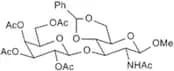
Purity:Min. 95%Color and Shape:PowderMethyl 2-acetamido-3-O-(2,3,4,6-tetra-O-acetyl-b-D-galactopyranosyl)-4,6-O-benzylidene-2-deoxy-b-D-glucopyranoside
CAS:Methyl 2-acetamido-3-O-(2,3,4,6-tetra-O-acetyl-b-D-galactopyranosyl)-4,6-O-benzylidene-2deoxyb-Dglucopyranoside is a sugar that is used in the preparation of various drugs. It has a pyranose ring and a pyranose form. The IR spectrum displays three distinct peaks at 1730 cm−1, 1590 cm−1 and 1410 cm−1. The axial orientation of the carbon atoms can be determined by looking at the absorption spectra. There are six carbons in the molecule with two axial orientations. The methyl group has an axial orientation and the acetamido group has an equatorial orientation. This compound is not soluble in water but dissolves well in methanol or ethanol. Methyl 2-acetamido 3 O
Formula:C30H39NO15Purity:Min. 95%Molecular weight:653.64 g/mol3,2'-Di-O-acetyl-3',4'-O-carbonyl-6,6'-di-O-tert-butyldiphenylsilyl lactal
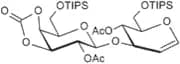
CAS:3,2'-Di-O-acetyl-3',4'-O-carbonyl-6,6'-di-O-tert-butyldiphenylsilyl lactal is a custom synthesis of a fluorinated carbohydrate. It is a modification of an oligosaccharide and can be used in the synthesis of saccharides and polysaccharides. The CAS number for this compound is 163228-35-1. This compound has been modified with click chemistry to add methyl groups to the hydroxyl group on the sugar ring. This compound has been used as a monosaccharide or as a part of complex carbohydrates.Formula:C35H62O12Si2Purity:Min. 95%Molecular weight:731.03 g/mol2,3,4,6-Tetra-O-acetyl-1-O-(2,3,4-tri-O-benzoyl-a-L-fucopyranosyl)-D-galactopyranoside
2,3,4,6-Tetra-O-acetyl-1-O-(2,3,4-tri-O-benzoyl-a-L-fucopyranosyl)-D-galactopyranoside is a glycosylated polysaccharide that has been modified by methylation and fluorination. It is synthesized from the monosaccharide D galactopyranose with a 2,3,4,6 tetra O acetyl group at the 1 position.
Formula:C41H42O17Purity:Min. 95%Molecular weight:806.76 g/molMaltosyl trehalose
CAS:Maltosyltransferase, involved in the biosynthesis of α-glucans, has been genetically validated as a potential therapeutic target against Mycobacterium tuberculosis. Trehalose derivatives are potential tools for the targeting of trehalose pathways in the cell wall of Mycobacterium tuberculosis.
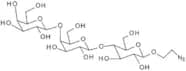
Formula:C24H42O21Purity:Min. 95%Color and Shape:PowderMolecular weight:666.58 g/molGalNAc-b-1-4-Gal-b-1-4-Glc-b-ethylazide
GalNAc-b-1-4-Gal-b-1-4-Glc-b-ethylazide is a custom synthesis, modification, and fluorination of a monosaccharide. It is a polysaccharide that has been synthesized using the click chemistry modification. The CAS number for GalNAc-b-1-4-Gal-b-1-4-Glc-b is 203359. GalNAc is an oligosaccharide that contains one or more sugars linked together by glycosyl bonds. This carbohydrate is made up of galactose and N acetylgalactosamine as its two monomers. The complex carbohydrate can be found in natural sources such as milk, egg white, and soybeans.Purity:Min. 95%Methyl 2-acetamido-3-O-(2,3,4,6-tetra-O-acetyl-b-D-galactopyranosyl)-2-deoxy-4,6-O-(4-methoxybenzylidene)-a-D-galactopyranoside
CAS:Methyl 2-acetamido-3-O-(2,3,4,6-tetra-O-acetyl-b-D-galactopyranosyl)-2-deoxy-4,6-O-(4-methoxybenzylidene)-a-D-galactopyranoside is a custom synthesis of an oligosaccharide with a polysaccharide. It is a fluorinated complex carbohydrate that has been modified for high purity. Methyl 2 acetamido 3 O (2,3,4,6 tetra O acetyl b D galactopyranosyl) 2 deoxy 4,6 O (4 methoxybenzylidene) a D galactopyranoside is composed of monosaccharides and sugar.Formula:C31H41NO16Purity:Min. 95%Molecular weight:683.65 g/molAgarononaose
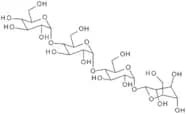
CAS:Agarose is a polysaccharide found in red algae, typically Gelidium and Gracilaria. It is a strictly alternating polysaccharide of α-1,3 linked D-galactose and β-1,4 linked L-3,6 anhydrogalactose with occasional sulfation at position 6 of the anhydrogalactose residue. Agaro-oligosaccharides result from cleavage at galactose residues and neoagaro-oligosaccharides from cleavage at 3,6-anhydro residues. A number of publications have suggested that agaroheptaose has properties that include: anti-microbial, antiviral, prebiotic, anti-tumoral, immunomodulatory, anti-inflammatory, glucosidase inhibitory, and hepatoprotective properties.Formula:C54H84O42Purity:Min. 95%Color and Shape:SolidMolecular weight:1,405.22 g/molGalα(1-3) N-Glycan
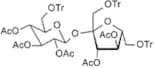
CAS:Galα(1-3) N-glycan is a glycoconjugate that is an oligosaccharide with a galactose residue at the nonreducing end of the glycan. It has been synthesized using Click chemistry to introduce fluorination and methylation. Galα(1-3) N-glycan is an important model for studying the biological function of glycosylations in humans. It has also been shown to have anti-inflammatory properties, which may be due to its ability to inhibit prostaglandin synthesis. This product is custom synthesis, high purity, and CAS No. 115973-45-0.Formula:C74H124N4O56Purity:Min. 95%Molecular weight:1,965.78 g/mol1,6,6'-Tri-O-tritylsucrose pentaacetate
CAS:1,6,6'-Tri-O-tritylsucrose pentaacetate is a sugar that is synthesized by the process of fluorination and monosaccharide. It has a molecular formula of C12H18O9F. This compound can be used as a synthetic sugar in glycosylation reactions or as an Oligosaccharide for complex carbohydrate synthesis. The 1,6,6'-Tri-O-tritylsucrose pentaacetate can also be modified with methylation or click chemistry for high purity.Formula:C79H74O16Purity:Min. 95%Molecular weight:1,279.42 g/mol1,6-Anhydro-4-O-(2,3,4,6-tetra-O-acetyl-a-D-mannopyranosyl)-b-D-mannopyranose
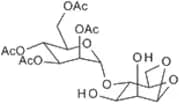
CAS:1,6-Anhydro-4-O-(2,3,4,6-tetra-O-acetyl-a-D-mannopyranosyl)-b-D-mannopyranose is a modified oligosaccharide that is a carbohydrate. This product is custom synthesized and has high purity. It is a monosaccharide with methylation and glycosylation. The CAS number for this product is 6765035505.Formula:C20H28O14Purity:Min. 95%Molecular weight:492.44 g/mol2-Acetamido-3-O-(2,3,4,6-tetra-O-acetyl-b-D-galactopyranosyl)-4,6-di-O-acetyl-2-deoxy-a-D-galactopyranosyl-Fmoc-L- serine
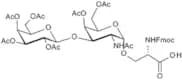
CAS:2-Acetamido-3-O-(2,3,4,6-tetra-O-acetyl-b-D-galactopyranosyl)-4,6-di-O-acetyl-2-deoxy-a-D-galactopyranosyl is an Oligosaccharide. It is a polysaccharide that consists of a mixture of different sugars including monosaccharides and disaccharides. 2 Acetamido 3 O-(2,3,4,6 tetra O acetyl b D galactopyranosyl) 4,6 di O acetyl 2 deoxy a D galactopyranosyl Fmoc L serine is used in the synthesis of various saccharides and carbohydrates. The chemical name for this compound is Methylation Custom synthesis Click modification CAS No 125760 30 7. The molecular weight for this compound is 548. TheFormula:C44H52N2O21Purity:Min. 95%Molecular weight:944.88 g/molIso-lactosamine HCl
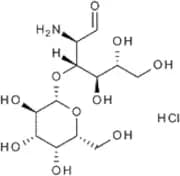
CAS:Iso-lactosamine HCl is a synthetic monosaccharide, glycosylation product of galactose and lactic acid. It is used in the production of oligosaccharides and complex carbohydrates. Iso-lactosamine HCl is a white powder that can be dissolved in water or ethanol.Formula:C12H23NO10·HClPurity:Min. 95%Molecular weight:377.77 g/molChitotetraose tetradecaacetate
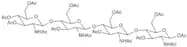
CAS:Chitotetraose tetradecaacetate is a condensation product of chitin and sephadex, which is synthesized from chitin and sodium chloride. It is an acetolysis substrate that has a sensitivity of 3.2 ug/ml in the fluorometric assay. Chitotetraose tetradecaacetate also exhibits high sensitivity to micrococcus, with a minimum inhibitory concentration (MIC) of 0.3 ug/ml.Formula:C52H74N4O31Purity:Min. 95%Molecular weight:1,251.18 g/mola-D-Glucopyranoside-b-D-fructofuranosyl octadecanoate
CAS:Quantification of a-D-glucopyranoside-b-D-fructofuranosyl octadecanoate is possible by real-time PCR. The polymerase chain reaction (PCR) technique is used to detect the presence or absence of DNA or RNA. This process starts with the enzyme DNA polymerase and deoxyribonucleotide triphosphates, which use a primer sequence to synthesize complementary strands of DNA from the template. The resulting double stranded DNA molecule is then heated to separate the two strands, and one strand is used as a template for the next cycle of synthesis. Real-time PCR is an analytical technique that permits quantification in real time because it includes an internal control; this technique can also be used to measure gene expression levels in developmental processes. Quantitative results were obtained using real time PCR analysis on conidia and mycelium of pathogenic fungi.Formula:C30H56O12Purity:Min. 95%Molecular weight:608.76 g/molGal[2346Ac]b(1-3)GalN3[46Bzd]-b-MP
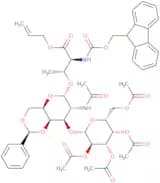
Gal[2346Ac]b(1-3)GalN3[46Bzd]-b-MP is a modified oligosaccharide with a carbohydrate backbone of 3 mannose and 1 galactose residues. The saccharide is synthesized from the monosaccharides methylated, glycosylated, and then fluorinated. Gal[2346Ac]b(1-3)GalN3[46Bzd]-b-MP has a CAS number of 71769-77-5.Formula:C34H39N3O15Purity:Min. 95%Molecular weight:729.68 g/molO-[2-Acetamido-4,6-O-benzylidene-2-deoxy-3-O-(2,3,4,6-tetra-O-acetyl-b-D-galactopyranosyl)-a-D-galactopyranosyl]-N-Fmoc-L-threonine allyl ester
CAS:O-[2-Acetamido-4,6-O-benzylidene-2-deoxy-3-O-(2,3,4,6-tetra-O-acetyl-b-D-galactopyranosyl)-a-D-galactopyranosyl]-N -Fmoc--L--threonine allyl ester is a carbohydrate that can be custom synthesized. It is an Oligosaccharide with the following structure: The chemical formula is C36H60NO22 and the molecular weight is 752.8 g/mol. It has a CAS number of 384346–85–4 and it's Chemical Abstract Service (CAS) name is O-[2-(acetamido)-4,6-[O-(2,3,4,6 tetra‑O‑acetyl‑β‑D‑galactopyranosyl)‑α‑
Formula:C51H58N2O19Purity:Min. 95%Molecular weight:1,003.01 g/molMan-1-Fuc
CAS:Man-1-Fuc is a fluorinated sugar with a mannose backbone. This compound can be custom synthesized and modified to meet your specific needs. It is used in research as an oligosaccharide, polysaccharide, saccharide, or carbohydrate. Man-1-Fuc has a high purity and is available at low cost. It can be used for complex carbohydrate synthesis or modification. The chemical name of this compound is methyl 1,6-diacetoxylidene-2,3-dihydroxypropane fucopentaose.Formula:C28H48N2O20Purity:Min. 95%Molecular weight:732.68 g/molMethyl 4-O-(a-D-galactopyranosyl)-b-D-galactopyranoside
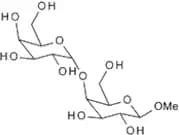
Methyl 4-O-(a-D-galactopyranosyl)-b-D-galactopyranoside is a modification of a sugar molecule. It is an oligosaccharide that is a complex carbohydrate. This product can be custom synthesized to order with high purity and CAS number. The chemical name for this product is methyl 4-O-(a-D-galactopyranosyl)-b-D-galactopyranoside, which is a monosaccharide. Methyl 4-O-(a-D-galactopyranosyl)-b-D-galactopyranoside has glycosylation and polysaccharides. This product can be fluorinated or saccharified with methylation.Formula:C13H24O11Purity:Min. 95%Molecular weight:356.32 g/molHepta-O-acetyl-b-Lactosyl-N-Fmoc-L-threonine
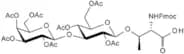
CAS:Hepta-O-acetyl-b-Lactosyl-N-Fmoc-L-threonine is a substance that can be used for the diagnosis of radiation exposure. It is a liquid that is injected into the body, where it accumulates in tissues such as bone marrow. The presence of Hepta-O-acetyl-b-Lactosyl-N-Fmoc-L-threonine in bone marrow cells can be detected using an imaging technique called balloon injury. This liquid also has synergistic effects with radiation and may be useful for the treatment of diseases such as thrombolysis.Formula:C45H53NO22Purity:Min. 95%Molecular weight:959.9 g/molBenzyl 2-acetamido-3-O-(2,3,4,6-tetra-O-acetyl-b-D-galactopyranosyl)-2-deoxy-a-D-galactopyranoside
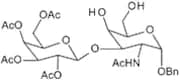
CAS:Benzyl 2-acetamido-3-O-(2,3,4,6-tetra-O-acetyl-b-D-galactopyranosyl)-2-deoxy-a-D-galactopyranoside is a modification of an oligosaccharide. This product is synthesized by custom synthesis and is available in high purity. It has CAS No. 90754-57-7 and a monosaccharide methylation pattern. This product can be used in the synthesis of complex carbohydrates, as well as glycosylation and polysaccharide synthesis. It can also be used as a sugar or fluorination reagent for saccharides.Formula:C29H39NO15Purity:Min. 95%Molecular weight:641.62 g/molChondroitin sulphate tetrasaccharide ammonium salt
Prepared by high resolution gel filtration of partial chondroitin ABC lyase digestion of mixed isomer chondroitin sulfate.Average MW ~ 992General formula:∆UA – (GalNAc,6S or 4S - GlcA)n - GalNAc,6S or 4Swhere n is number of disaccharide units n = 1 in a tetrasaccharide (dp4) Uronic acid (∆UA) at the non-reducing ends of the oligosaccharides has a C4-C5 double bond as a result of endolytic scission. The main disaccharide repeat in the original chondroitin sulphate is GlcA – GalNAc sulphated at C-6 or C-4 of the GalNAc residue; the CSD disaccharide unit (GlcA,2S – GalNAc,6S) is a minor component comprising approx. 5% of total disaccharides.Color and Shape:PowderMolecular weight:Average MW 9921-Bromo-2,4,6-tri-O-acetyl-3-O-(2,3,4,6-tetra-O-acetyl-b-D-glucopyranosyl)-a-D-glucopyranoside
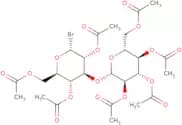
CAS:This is a Glycosylation, Oligosaccharide, sugar, Synthetic, Fluorination, Custom synthesis, Methylation, Monosaccharide, Polysaccharide, saccharide. This product is custom synthesized for your needs. It is a complex carbohydrate with high purity and modification. There are no CAS numbers on this product.Formula:C26H35BrO17Purity:Min. 95%Molecular weight:699.45 g/mol2-O-(b-D-Galactopyranosyl)-D-xylopyranose
CAS:2-O-(b-D-Galactopyranosyl)-D-xylopyranose is a synthetic monosaccharide that is the product of glycosylation, fluorination, and methylation. This compound is a custom synthesis and has been modified by click chemistry to make it more stable. This product has high purity and can be used in the synthesis of complex carbohydrates. The CAS number for this compound is 91463-78-4.
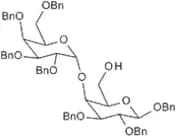
Formula:C11H20O10Purity:Min. 95%Molecular weight:312.27 g/molBenzyl 4-O-(2,3,4,6-tetra-O-benzyl-a-D-galactopyranosyl)-2,3-di-O-benzyl-b-D-galactopyranoside
Benzyl 4-O-(2,3,4,6-tetra-O-benzyl-a-D-galactopyranosyl)-2,3-di-O-benzylb -D-galactopyranoside is a Fluorination and Glycosylation product. It is a Custom Synthesis of Monosaccharide and Oligosaccharide. The CAS number for this product is 106835-99-8.Formula:C61H64O11Purity:Min. 95%Molecular weight:973.15 g/molMonofucosyl, monosialyllacto-N-neohexaose-APD-HSA
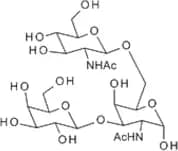
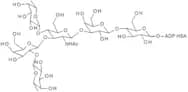
Monofucosyl, monosialyllacto-N-neohexaose-APD-HSA is a complex carbohydrate that is synthesized through the enzymatic polymerization of glucose. This synthetic oligosaccharide is composed of a single monosaccharide, fucose, and two sialic acid residues. Monofucosyl, monosialyllacto-N-neohexaose-APD-HSA can be used in the synthesis of various glycoconjugates such as glycoproteins, glycolipids, or proteoglycans. The chemical modification of this sugar molecule can also be performed to produce a variety of products with different properties.Purity:Min. 95%2-Acetamido-6-O-(2-acetamido-2-deoxy-b-D-glucopyranosyl)-3-O-(b-D-galactopyranosyl)-2-deoxy-a-D-galactopyranose
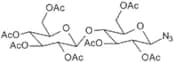
CAS:2-Acetamido-6-O-(2-acetamido-2-deoxy-β-D-glucopyranosyl)-3-O-(β-D-galactopyranosyl)-2,6-dideoxy--a,D--galactopyranose is a trisaccharide that is anomeric with n acetylglucosamine and a residue.Formula:C22H38N2O16Purity:Min. 95%Molecular weight:586.54 g/mol2,3,6,2',3',4',6'-Hepta-O-acetyl-b-D-cellobiosyl azide
CAS:2,3,6,2',3',4',6'-Hepta-O-acetyl-b-D-cellobiosyl azide is a sugar that belongs to the group of carbohydrates. It is modified with fluorination and glycosylation. The CAS number for this compound is 33012-50-9. 2,3,6,2',3',4',6'-Hepta-O-acetyl-b-D-cellobiosyl azide has been synthesized and its chemical modification has been studied. This compound has an average degree of polymerization (DP) of 10. The molecular weight of 2,3,6,2',3',4',6'-Hepta-O-acetyl-b -D -cellobiosyl azide is 569.27 g/mol.Formula:C26H35N3O17Purity:Min. 95 Area-%Color and Shape:PowderMolecular weight:661.6 g/mol2-Acetamido-6-O-(a-2-N-acetylneuraminyl)-2-deoxy-a-D-galactopyranosyl serine-biotin
2-Acetamido-6-O-(a-2-N-acetylneuraminyl)-2-deoxy-a-D-galactopyranosyl serine (GalNAc) is a synthetic carbohydrate that contains a biotin moiety. It is synthesized by the glycosylation of 2,3,4,6 tetraacetamido sugar with 2,3,4,6 tetraacetamido sugar and 1,2,3 octaacetamido sugar. The product can be modified with methyl or fluorine groups to make it more reactive in click chemistry. This product has been shown to have high purity and can be used in custom synthesis projects.Purity:Min. 95%Hyaluronate decasaccharide
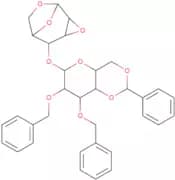
CAS:Hyaluronate decasaccharide is a molecule that belongs to the group of glycosaminoglycans. It is a polysaccharide consisting of 10 disaccharides, which are linked by alternating β-1,4 and β-1,3 glycosidic bonds. The molecular weight of this molecule is about 20 kDa, and it has an average degree of polymerization of about 4. Hyaluronate decasaccharide has been found to be present in the extracellular matrix and plays an important role in cell proliferation and differentiation. This molecule is also involved in the regulation of inflammatory responses and tissue repair processes.Formula:C70H107N5O56Purity:Min. 95%Molecular weight:1,914.6 g/mol1,6:2,3-Dianhydro-4-O-(2,3-di-O-benzyl-4,6-O-benzylidene-b-D-glucopyranosyl)-b-D-mannopyranose
CAS:1,6:2,3-Dianhydro-4-O-(2,3-di-O-benzyl-4,6-O-benzylidene-b-D-glucopyranosyl)-b-D-mannopyranose is a complex carbohydrate that is synthesized from 1,6:2,3 dianhydro 4 O-(2,3 di O benzyl 4 6 O benzylidene b D glucopyranosyl) b D mannopyranose and has a molecular weight of 576. It contains two monosaccharides that are bound together by a glycosidic linkage. The monosaccharides are ribose and mannose. The structure of this compound includes modifications such as methylation, click modification, fluorination and sulfonation. This compound can be used in the synthesis of oligosaccharides and polysaccharides. ThisFormula:C33H34O9Purity:Min. 95%Molecular weight:574.62 g/molBlood Group B type II linear trisaccharide-HSA
Blood group antigen conjugated to human serum albuminPurity:Min. 95%Color and Shape:White PowderChondroitin disaccharide di-diSE trisodium
CAS:Chondroitin is a complex carbohydrate that consists of repeating disaccharides of glucuronic acid and N-acetylgalactosamine. Chondroitin di-diSE trisodium salt is a synthetic chondroitin with the same chemical structure as natural chondroitin, but it has been modified to increase its solubility in water. This product is available as a white powder in bulk or as a custom synthesis, which is available in any desired quantity. It has high purity, methylation, glycosylation, and click modification.Formula:C14H21NO17S2•Na3Purity:Min. 95%Color and Shape:White PowderMolecular weight:608.42 g/mol3'-Sulfated Lewis X methyl glycoside
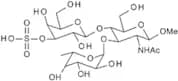
CAS:3'-Sulfated Lewis X methyl glycoside is a synthetic, fluorinated oligosaccharide that can be used as a sugar or as an intermediate in the synthesis of complex carbohydrates. It is available for custom synthesis and modification to meet your specific needs. 3'-Sulfated Lewis X methyl glycoside is a monosaccharide that has been modified with a click reaction to attach sulfate groups. This modification allows for easier saccharide recognition and binding in the body. The CAS number for 3'-sulfated Lewis X methyl glycoside is 386264-50-2.
Formula:C21H37NO18SPurity:Min. 95%Molecular weight:623.58 g/molNGA2 Glycan, 2-AB labelled
NGA2 Glycan, 2-AB labelled is a complex carbohydrate that is custom synthesized for research purposes. It is a high purity, high quality product that has been fluorinated and glycosylated. NGA2 Glycan, 2-AB labelled is used in the synthesis of oligosaccharides and polysaccharides. This product can be used for glycosylation, methylation and click modification.
Purity:Min. 95%2,3,6,2',3',4',6'-Hepta-O-acetyl-b-D-lactosyl isothiocyanate
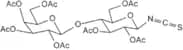
CAS:2,3,6,2',3',4',6'-Hepta-O-acetyl-b-D-lactosyl isothiocyanate is a fluorinated oligosaccharide that has been custom synthesized with a click modification. This compound is a high purity product and can be used in the synthesis of complex carbohydrates.Formula:C27H35NO17SPurity:Min. 95%Molecular weight:677.64 g/molA3 N-Glycan
CAS:A3 N-Glycan is a glycosylation profile marker that is specific for the cancer cells. It discriminates between healthy and cancerous cells, which has been shown by analyzing the A3 N-glycan profiles in human plasma samples. The A3 N-glycan marker is detected using high performance liquid chromatography (HPL) analysis. This assay can be used to diagnose cancer and monitor its progression.Formula:C109H178N8O80Purity:Min. 95%Color and Shape:PowderMolecular weight:2,880.59 g/molLacto-N-difucohexaose I-APD-HSA
Lacto-N-difucohexaose I-APD-HSA is a custom synthesis of an oligosaccharide with a molecular weight of 5,000 Da. It is modified with fluorine and methyl groups at the C6 and C1 positions. Lacto-N-difucohexaose I-APD-HSA is synthesized by click chemistry and has been shown to be effective in inhibiting the growth of cancer cells. This sugar can be modified by glycosylation or carbohydrate modification.Purity:Min. 95%Difucosyl-para-lacto-N-hexaose I
Difucosyl-para-lacto-N-hexaose I is a synthetic oligosaccharide that is used as a model for the longum subsp. of human milk oligosaccharides. The Difucosyl-para-lacto-N-hexaose I oligosaccharide was synthesized from sucrose and alpha-(1,2)-fucopyranosyl chloride, which were then reacted with para-nitrophenyl bromide (PNP). This product has been shown to inhibit the growth of respiratory pathogens in vitro by binding to c-reactive protein. It also binds to the Fc region of immunoglobulins and can act as an adjuvant for vaccines.
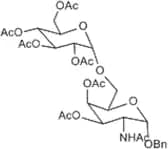
Formula:C53H91N2O38Purity:Min. 95%Molecular weight:1,364.28 g/molBenzyl 2-acetamido-3,4-di-O-acetyl-6-O-(2,3,4,6-tetra-O-acetyl-a-D-glucopyranosyl)-2-deoxy-a-D-galactopyranoside
Benzyl 2-acetamido-3,4-di-O-acetyl-6-O-(2,3,4,6-tetra-O-acetyl-aDglucopyranosyl)-2deoxy-. D.galactopyranoside (BzAGDP) is a complex carbohydrate that belongs to the group of oligosaccharides. It is an important component of glycoproteins and glycolipids in the cell membrane. BzAGDP has been synthesized by custom synthesis and has high purity with a CAS number of 80612-95-5. The chemical name for BzAGDP is benzyl 2 acetamido 3,4 di O acetyl 6 O (2,3 4 6 tetra O acetyl a D glucopyranosyl) 2 deoxy-. D galactopyranoside. The molecular formula is C21H32O7 and the molecular weightFormula:C33H43NO17Purity:Min. 95%Molecular weight:725.69 g/mol2-Acetamido-3,4-di-O-acetyl-6-O-[a-2-(4,7,8,9-tetra-O-acetyl-N-acetyl-D-neuraminic acid methyl ester)]-2-deoxy-a-D-galactopyranosyl Fmocthreonine
This is a custom synthesis for a polysaccharide. The CAS number is not available. It is a complex carbohydrate that contains an oligosaccharide. This polysaccharide has been modified with methylation and glycosylation, as well as click modification. It can be fluorinated to increase the purity. It is a sugar with high purity.Formula:C51H63N3O24Purity:Min. 95%Molecular weight:1,102.05 g/molGalacto-N-biose-PAA-biotin
Galacto-N-biose-PAA-biotin is a carbohydrate that is synthesized by the addition of PAA (polyallylamine) to galactose. This compound can be used in fluorescence labeling and detection of carbohydrates, glycosylation, and polysaccharide synthesis. Galacto-N-biose-PAA-biotin has a CAS number (CAS: 146988-01-4).Purity:Min. 95%Color and Shape:White/Off-White SolidBlood group A trisaccharide-GEL
ABO trisaccharide immobilised on Fractogel with glycosylamine formation
Purity:Min. 95%1,2,3,6-Tetra-O-acetyl-4-O-(2,3,4,6-tetra-O-acetyl-b-D-galactopyranosyl)-D-mannopyranose
CAS:1,2,3,6-Tetra-O-acetyl-4-O-(2,3,4,6-tetra-O-acetyl-b-D-galactopyranosyl)-D-mannopyranose is a high purity sugar that is custom synthesized. It is fluorinated and then glycosylated with acetate to create 1,2,3,6-Tetra O acetyl 4 O-(2,3,4,6 tetra O acetyl b D galactopyranosyl) D mannopyranose. This sugar can be used for Click modification and has many applications in the field of glycobiology.Formula:C28H38O19Purity:Min. 95%Molecular weight:678.59 g/molHyaluronate biotin - Molecular Weight - 50kDa
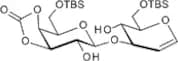
Hyaluronate biotin is a complex carbohydrate that contains both a saccharide and a polysaccharide. The saccharide is usually linked to the backbone of the polysaccharide via glycosylation.Purity:Min. 95%3',4'-O-Carbonyl-6,6'-di-O-tert-butyldimethylsilyl lactal
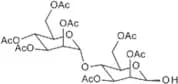
CAS:3',4'-O-Carbonyl-6,6'-di-O-tert-butyldimethylsilyl lactal is a fluorinated carbohydrate that can be used as a building block for the synthesis of oligosaccharides. It is an important sugar in glycosylation, click chemistry and methylations. This compound has been shown to have high purity and is available for custom synthesis.Formula:C25H46O10Si2Purity:Min. 95%Molecular weight:562.8 g/mol2,3,6-Tri-O-acetyl-4-O-(2,3,4,6-tetra-O-acetyl-a-D-mannopyranosyl)-D-mannopyranose
CAS:This product is a fatty acid that binds to the carbohydrate binding sites in the cell membrane of Caco-2 cells. It has been shown to inhibit the growth of cancer cells and radiation induced changes by binding to the sugar moieties on glycoproteins. This product also inhibits the production of glycoconjugates, which are important for cell-cell interactions and biological function. The disaccharide form has been found to be a diagnostic agent for cancer cells, with a structural formula that can be seen in the figure below.
Formula:C26H36O18Purity:Min. 95%Molecular weight:636.55 g/molSulpho Lewisa Na
Sulpho Lewisa Na is a complex carbohydrate that has been modified with fluorination and methylation. This product is custom synthesized, high purity, and has a CAS number. It is available for synthesis in various lengths of saccharides with a variety of modifications. Sulpho Lewisa Na can be used in the following applications: glycosylations, click modification, and methylation.
Formula:C20H34NNaO18SPurity:Min. 95%Molecular weight:631.54 g/molDifucosyl-para-lacto-N-hexaose-APD-HSA
Difucosyl-para-lacto-N-hexaose-APD-HSA is a complex carbohydrate that is a custom synthesis. It has been modified by the addition of difucosyl groups to the para position of lactose and by the attachment of an APD moiety to the N-acetyl group of hexitol. The molecular weight is approximately 1,000 Da. This product is used in glycosylation reactions, such as polysaccharide synthesis, and in fluorination reactions. Difucosyl-para-lacto-N-hexaose-APD-HSA can be found under CAS No. 366511-00-7 and is soluble in water and DMSO.Color and Shape:Powder2'-Fucosyllactose-APD-BSA
2'-Fucosyllactose-APD-BSA is a high purity, custom synthesis, glycosylation, polysaccharide that is Click modified and methylated. 2'-Fucosyllactose-APD-BSA is a complex carbohydrate with a CAS number of 6440-85-3. This product is synthesized from the monosaccharide 2'-fucosyllactose and the oligosaccharide, APD. It has been shown to inhibit bacterial growth and supports the immune system by promoting antibody production after antigen stimulation. The fucose sugars on this product are linked to the phosphate backbone through an amide bond. This product can be used in glycoprotein research, molecular biology work, or as an adjuvant for vaccine formulation.Purity:Min. 95%Color and Shape:White PowderMonofucosyl-para-lacto-N-hexaose II
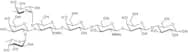
CAS:Monofucosyl-para-lacto-N-hexaose II is a carbohydrate that belongs to the group of modified carbohydrates. This molecule is a monosaccharide with a chemical modification that has not been reported before. The modification is methylation of the hydroxyl group at position C1 and glycosylation of the hydroxyl groups at positions C2 and C3. Monofucosyl-para-lacto-N-hexaose II has shown high purity and can be custom synthesized to meet your needs. It can also be used for click chemistry, which allows for chemists to create new molecules by adding different functional groups to existing molecules.Formula:C46H78N2O35Purity:Min. 95%Molecular weight:1,219.1 g/molHyaluronate rhodamine - Molecular Weight - 1500kDa
Hyaluronate rhodamine is a synthetic, high-purity, fluorinated, hydrophilic oligosaccharide. It is a complex carbohydrate with a molecular weight of 1500kDa and a very low viscosity. Hyaluronate rhodamine has been modified to include Click chemistry that provides the potential for site-specific modification on the sugar backbone. The fluorination process can be customized to produce the desired degree of substitution (DS) and functionalization for specific applications. This product has been glycosylated and polysaccharide modified to create an oligosaccharide that is suitable for use in therapeutic and diagnostic applications.Purity:Min. 95%2, 3, 6, 2', 3', 4', 6'-Hepta- O- acetyl- D- maltose
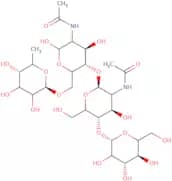
CAS:2, 3, 6, 2', 3', 4', 6'-Hepta-O-acetyl-D-maltose is a fluorinated monosaccharide that is used in the synthesis of glycosides. It has a CAS number of 56285-96-2 and can be custom synthesized. This product is an oligosaccharide that can be modified by glycosylation, methylation, or click modification. It is a complex carbohydrate with a high purity and can be used in the modification of sugars.Formula:C26H36O18Purity:Min. 95%Color and Shape:White to off-white solid.Molecular weight:636.55 g/mol4-O-[3-O-(2-Acetamido-2-deoxy-a-D-galactopyranosyl)-b-D-galactopyranosyl]-D-glucose
CAS:4-O-[3-O-(2-Acetamido-2-deoxy-a-D-galactopyranosyl)-b-D-galactopyranosyl]-D-glucose is a saccharide that is modified with a methyl group at the C4 position. It can be used for the synthesis of other saccharides, oligosaccharides and polysaccharides. The molecular weight of this compound is 564.47 g/mol and its chemical formula is C44H62O30Glu. This product has CAS No. 96623-71-1 and can be purchased from custom synthesis companies with high purity and good quality.Formula:C20H35NO16Purity:Min. 95%Color and Shape:PowderMolecular weight:545.5 g/molHeparin derived dp24 saccharide ammonium salt
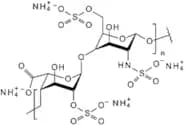
Heparin derived dp24 saccharide ammonium salt is a complex carbohydrate and a saccharide. It is used for the modification of polysaccharides and oligosaccharides. The compound has been shown to reduce blood coagulation by preventing the binding of calcium ions to thrombin, which then blocks the conversion of fibrinogen to fibrin. Heparin derived dp24 saccharide ammonium salt has high purity and can be custom synthesized with high quality. The compound is also methylated, glycosylated, or click-modified.Purity:Min. 95%Color and Shape:White to yellow solid.Molecular weight:Average 6850GM3-Ganglioside labelled by NBD ammonium
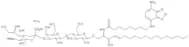
GM3-ganglioside NBD (ammonium salt) has a core disaccharide structure (Galβ1,4Glc) with sialic acid linked α2,3 to the galactose residue with nitrobenzoxadiazole (NBD) linked β to position 1 on the reducing terminal glucose residue, in place of the ceramide fatty acid (Ledeen, 2009). Ganglioside GM3 is strongly associated with human tumors, such as, lung, brain, and melanomas, where it is frequently found to be overexpressed. GM3 ganglioside is seen as a possible tumor-associated carbohydrate antigen for cancer immunotherapy (Changping, 2019). GM3 ganglioside is implicated in various other diseases involving chronic inflammation, such as: insulin resistance, leptin resistance, T-cell function, and immune disorders (e.g. allergic asthma). It has also been shown to play an essential role in murine and human auditory systems, and is a common pathological feature of GM3S deficiency is deafness (Inokuchi, 2018).
Formula:C55H90N6O24·H3NPurity:Min. 95%Color and Shape:PowderMolecular weight:1,236.36 g/molGala1-3Gal-HSA
Gala1-3Gal-HSA is a modified glycan with three terminal alpha-galactoside units. It is synthesized by the modification of Gala1-3Gal (saccharide) with HSA. This product is also fluorinated, methylated and click-modified. The chemical name for this product is 3-[(2S,3S)-2,3-bis[(carboxymethyl)amino]propyl]-alpha-D-galactopyranosyl-(1→4)-O-[(carboxymethyl)(hydroxyethyl)]-.
Purity:Min. 95%Color and Shape:PowderMonofucosyl-para-lacto-N-neohexaose IV
CAS:Monofucosyl-para-lacto-N-neohexaose IV is a monofucosylated glycan consisting of a single pyranose ring. It is a synthetic oligosaccharide that has been modified with Click chemistry to introduce an alkyne group at the reducing end. The alkyne group can be further modified by nucleophilic substitution reactions, such as fluorination, or glycosylation. Monofucosyl-para-lacto-N-neohexaose IV is used in the synthesis of complex carbohydrates.Formula:C46H78N2O35Purity:Min. 95%Molecular weight:1,219.1 g/mol4-Methoxyphenyl 4-O-(2,4,6-tri-O-benzyl-b-D-galactopyranosyl)-2,3,6-tri-O-benzyl-b-D-glucopyranoside
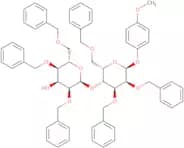
CAS:4-Methoxyphenyl 4-O-(2,4,6-tri-O-benzyl-b-D-galactopyranosyl)-2,3,6-tri-O-benzyl-b-D-glucopyranoside is a suppressor of genes that has been shown to be active in the treatment of leukemia. It suppresses transcription by inhibiting histone H3 acetylation and DNA replication by binding to the dna replication complex at sites of replication. The suppression of genes may be due to its ability to inhibit translation by blocking signal sequences and hybridization with complementary mRNA.Formula:C61H64O12Purity:Min. 95%Molecular weight:989.15 g/molMethyl 2-acetamido-2-deoxy-6-O-(b-D-galactopyranosyl)-b-D-glucopyranoside
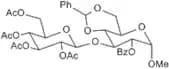
Methyl 2-acetamido-2-deoxy-6-O-(b-D-galactopyranosyl)-b-D-glucopyranoside is a carbohydrate that is modified by the addition of a methyl group to the C3 position. The glycosylation of this carbohydrate can be achieved by using a variety of methods, including Click chemistry and Methylation. This product has been custom synthesized for high purity and can be used in various applications, such as Glycosylation and Polysaccharide synthesis.Formula:C15H27NO11Purity:Min. 95%Molecular weight:397.38 g/molMethyl 3-O-(2,3,4,6-tetra-O-acetyl-b-D-glucopyranosyl)-4,6-O-benzylidene-2-O-benzoyl-a-D-glucopyranoside
CAS:Methyl 3-O-(2,3,4,6-tetra-O-acetyl-b-D-glucopyranosyl)-4,6-O-benzylidene-2-O-benzoyl-a-D-glucopyranoside is a custom synthesis that has been fluorinated and methylated. This product is a monosaccharide with a CAS No. 7123893 2. It is an oligosaccharide that can be used in the synthesis of saccharides and polysaccharides. Methyl 3 O (2 3 4 6 tetra O acetyl b D glucopyranosyl) 4 6 O benzylidene 2 O benzoyl a D glucopyranoside has been synthesized by glycosylation of sugar. This product can also be used to modify and functionalize complex carbohydrates.Formula:C35H40O16Purity:Min. 95%Molecular weight:716.68 g/mol1,6-Anhydro-2,3-O-isopropylidene-4-O-(2,3,4,6-tetra-O-acetyl-a-D-mannopyranosyl)-b-D-mannopyranose
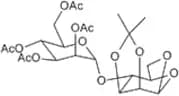
CAS:1,6-Anhydro-2,3-O-isopropylidene-4-O-(2,3,4,6-tetra-O-acetyl-a-D-mannopyranosyl)-b-D-mannopyranose is a methylated saccharide that has been modified with a click reaction. This product is available for custom synthesis and modification. It is an oligosaccharide with high purity and can be synthesized or modified to be glycosylated or fluorinated. The CAS number for this product is 67591 05 3.Formula:C23H32O14Purity:Min. 95%Molecular weight:532.5 g/molNA2F N-Glycan
CAS:NA2F N-Glycan is a custom synthesized, high purity and monosaccharide glycoprotein. NA2F N-Glycan has been fluorinated and methylated to produce NA2F N-Glycan. The product is a complex carbohydrate that is comprised of an oligosaccharide and polysaccharide. NA2F N-Glycan is synthesized from the sugar saccharide, which is a hexose made up of six carbon atoms that are bonded to each other in a ring.Formula:C68H114N4O50Purity:Min. 85 Area-%Color and Shape:PowderMolecular weight:1,787.63 g/molBenzyl 4- O- b- D- glucosaminyl-b- D- xylopyranoside
Benzyl 4- O- b- D- glucosaminyl-b- D- xylopyranoside is an oligosaccharide that is synthesized by the glycosylation of benzyl 4-O- b -D-glucosaminyl b -D -xylopyranoside with a monosaccharide. The synthesis of this compound is achieved through the modification of the parent compound with a fluorination, methylation, or glycosylation. Benzyl 4- O- b -D- glucosaminyl b -D -xylopyranoside can be found in complex carbohydrates, such as cellulose and starch.Purity:Min. 95%Sialylglycan
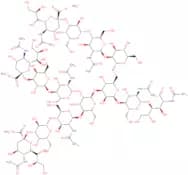
Sialylglycan is a glycan that is found on the surface of cells and is important in cell-cell interactions. It is involved in the binding of influenza virus to its receptor, and sialylglycan has been shown to be bifunctional, meaning it can act as both an antigen and an antibody. Sialylglycan oligosaccharides are found in muscle tissue, which is where influenza viruses are most likely to attach. The molecule's fluorimetric properties have also been used to study outbreaks of avian influenza. Sialylglycan has been used for gene analysis by attaching fluorescent tags to the molecule that can be detected using fluorescence microscopy techniques. In vivo assays have also been performed with sialylglycan as a model antigen.Formula:C76H125N5O57Purity:Min. 95%Color and Shape:PowderMolecular weight:2,020.81 g/mol3-Cyclohexylpropyl-4-O-(a-D-glucopyranosyl)-b-D-glucopyranoside
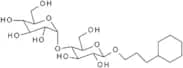
CAS:3-Cyclohexylpropyl-4-O-(a-D-glucopyranosyl)-b-D-glucopyranoside is a solubilized form of epidermal growth factor (EGF) that binds to the epidermal growth factor receptor. It has been shown to stimulate epidermal growth and increase the rate of cellular proliferation in human epidermis. 3-Cyclohexylpropyl-4-O-(a-D-glucopyranosyl)-b-D-glucopyranoside may also have structural roles in mitochondrial matrix, ligand binding, and energy metabolism. Further study is needed to determine the role of this drug in these processes.Formula:C21H38O11Purity:Min. 95%Molecular weight:466.52 g/molHyaluronate rhodamine - Molecular Weight - 1000kDa
Hyaluronate Rhodamine (HR) is a high purity, custom synthesis sugar that has been modified with Click chemistry. HR is a complex carbohydrate that consists of saccharides and oligosaccharides. HR has been synthesized using glycosylation and methylation reactions. Hyaluronate Rhodamine's CAS number is 1059-14-5.Purity:Min. 95%



![Alpha,Alpha-[UL-D14]Trehalose](/_next/image/?url=https%3A%2Fstatic.cymitquimica.com%2Fproducts%2FTR%2Fthumb-webp%2FT718707.webp&w=3840&q=75)

![N-(β-D-Glucopyranosyl)-N’-[(2-methanethiosulfonyl)ethyl] Urea](/_next/image/?url=https%3A%2Fstatic.cymitquimica.com%2Fproducts%2FTR%2Fthumb-webp%2FG441000.webp&w=3840&q=75)



![Di[3-deoxy-D-manno-octulosonyl]-lipid A sodium salt - 0.5mg/ml aqueous solution](/_next/image/?url=https%3A%2Fstatic.cymitquimica.com%2Fproducts%2F3D%2Fthumb-webp%2FOD29173.webp&w=3840&q=75)





![Gal[2346Ac]b(1-3)GalN3[46Bzd]-b-MP](/_next/image/?url=https%3A%2Fstatic.cymitquimica.com%2Fproducts%2F3D%2Fthumb-webp%2FOG60597.webp&w=3840&q=75)




![4-O-[3-O-(2-Acetamido-2-deoxy-a-D-galactopyranosyl)-b-D-galactopyranosyl]-D-glucose](/_next/image/?url=https%3A%2Fstatic.cymitquimica.com%2Fproducts%2F3D%2Fthumb-webp%2FOA10409.webp&w=3840&q=75)