Dyes, Stains and Tinctures
Subcategories of "Dyes, Stains and Tinctures"
- Acid Dyes(49 products)
- Azobenzenes(270 products)
- Azoic Dyes(7 products)
- Basic Dyes(27 products)
- Coumarin Dyes(72 products)
- Cyanine Dyes, Squarylium Dyes(53 products)
- DCM Dyes(4 products)
- Diarylethenes(12 products)
- Dipyrromethene Dyes(26 products)
- Direct Dyes(17 products)
- Disperse Dyes(2 products)
- Dye Sensitizers(12 products)
- Dyes(418 products)
- Dyes & Stains(911 products)
- Generating Insoluble Dyes(14 products)
- Generating Soluble Dyes(11 products)
- Hexaarylbiimidazole(4 products)
- Indicators(575 products)
- Mordant Dyes(10 products)
- Near-Infrared (NIR) Dyes(28 products)
- Oil Dyes(15 products)
- Other Stains and Dyes(2 products)
- Perylene Dyes(17 products)
- Photochromic Dyes(40 products)
- Phthalocyanine Dyes, Porphyrin Dyes(101 products)
- Quinacridone Dyes(8 products)
- Spiropyrans(16 products)
- Stains and Dyes(243 products)
- Stains and Dyes for Microscopy(5 products)
- Vat Dyes(5 products)
- Xanthene Dyes(67 products)
Found 758 products of "Dyes, Stains and Tinctures"
6β-Hydroxy prednisolone
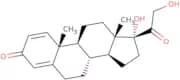
Controlled Product6b-Hydroxy prednisolone is a metabolite of prednisolone. The metabolism of prednisolone to 6b-hydroxy prednisolone is catalyzed by the enzyme CYP3A4, which results in the formation of 6β-hydroxyprednisolone and a hydrogen peroxide that reacts with catalase to form water and oxygen. The conversion is dependent on the concentration of galactose, as it provides substrate for CYP3A4. If cyclosporine or other drugs are taken concurrently, they may inhibit the metabolism of 6b-hydroxy prednisolone. The kinetics of 6β-hydroxyprednisolone have been investigated in tissues and plasma samples, and it has been shown that this metabolite has a short half-life in both tissues and plasma samples. This drug can be analysed using chromatography, but endogenous substances such as cortisol can interfere with the process.Formula:C21H28O6Purity:Min. 95%Color and Shape:Light (Or Pale) Yellow SolidMolecular weight:376.44 g/molAcridine orange hydrochloride hydrate
CAS:Acridine orange hydrochloride hydrate is a fine chemical that can be used as a reagent or building block in research and other chemical reactions. It is used as a speciality chemical with CAS number 1704465-79-1. Acridine orange hydrochloride hydrate has versatile applications and is used as a reaction component or intermediate. Acridine orange hydrochloride hydrate is also useful as a scaffold to make complex compounds.Formula:C17H19N3·HCl·xH2OPurity:Min. 98 Area-%Color and Shape:Orange PowderMolecular weight:301.81C.I.Acid green 41
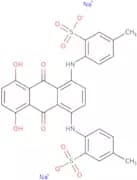
CAS:C.I. Acid Green 41 is a deodorizing agent that contains a hydroxyl group and a functional group. It is used as an anti-viral agent in medical and dental applications, as well as for flow assay control agents in the laboratory. The color of this substance has been shown to be yellowish green by spectroscopic analysis. C.I. Acid Green 41 is activated with radiation, which causes it to form a coordination complex with metal ions such as copper and silver ions. This complex gives the substance its green coloration and also increases its stability against oxidation by air or water. The solubility of this product can be increased by adding deionized water to it.END>
Formula:C28H20N2Na2O10S2Purity:Min. 95%Molecular weight:654.58 g/mol16a-Methyl prednisolone 21-acetate
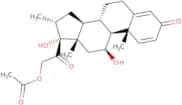
CAS:Controlled ProductPlease enquire for more information about 16a-Methyl prednisolone 21-acetate including the price, delivery time and more detailed product information at the technical inquiry form on this pageFormula:C24H32O6Purity:Min. 95%Molecular weight:416.51 g/molBasic violet 3
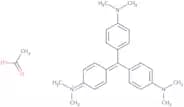
CAS:Basic violet 3 is a light-sensitive dye that can be used for the detection of metals. It is a basic dye with a high resistance to water vapor and other solvents. Basic violet 3 has been shown to be carcinogenic in animal studies, but has not been shown to have any adverse effects on humans. The dye reacts with metal hydroxides such as aluminum hydroxide, iron(III) oxide, and calcium hydroxide by absorbing UV radiation. This reaction produces an increased amount of light that can be detected using a spectrophotometer. Basic violet 3 is used in surface methodology because it is able to react with particles and then bind to them through van der Waals forces. Basic violet 3 is also used for kinetic experiments because it provides data about the rate of chemical reactions or chemical processes. Kinetic data from these experiments can be used to determine the mechanism of the reaction or process being studied.Formula:C25H30N3·C2H3O2Color and Shape:PowderMolecular weight:431.57 g/molBrilliant cresyl blue
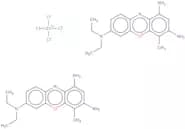
CAS:Brilliant cresyl blue is a reactive dye that is used as a model system for mitochondrial membrane potential. It is injected into the oocyte and polymerase chain reaction (PCR) is performed to detect mitochondrial functions. The dye can be detected with optical sensors, which are sensitive to UV light. When the dye migrates from the mitochondria to the cytoplasm, it can be detected by UV-sensitive sensors. This process can help scientists determine if there are any defects in mitochondrial membrane potential.
Formula:(C17H21N4O)2•ZnCl4Color and Shape:Green PowderMolecular weight:400.97 g/molBenzo[k]fluoranthene
CAS:Controlled ProductBenzo[k]fluoranthene is a polycyclic aromatic hydrocarbon that is used as an optical sensor for transcriptional regulation. It has been shown to activate the transcription factor NF-κB, which induces expression of inflammatory genes in cells. Benzo[k]fluoranthene can be used to measure changes in gene expression and protein levels. The antibody response to benzo[k]fluoranthene was studied using a kinetic data analysis method. Benzo[k]fluoranthene has also been shown to induce genotoxic effects in liver cells and human hepatoma cell line HepG2. This compound also causes light emission when it is excited with light, which can be measured with synchronous fluorescence.Formula:C20H12Purity:Min. 95%Color and Shape:SolidMolecular weight:252.31 g/molMartius Yellow
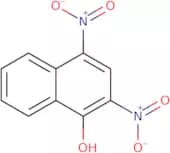
CAS:Martius Yellow is a yellow pigment that is soluble in organic solvents and water. It is a member of the hydroxyl group and has an intramolecular hydrogen. Martius Yellow can polymerize with other molecules to form polymers, which are insoluble in water. This dye is used as a food colouring agent and has been shown to have anti-inflammatory properties when injected into the cell cytoplasm. Martius Yellow has also been shown to protect against ischemia reperfusion injury in cells by preventing the release of nitric oxide. Martius Yellow can be synthesized from nitrobenzene and phenol using the analytical method called Tollens' reagent, which consists of mixing the two compounds together followed by adding concentrated sulfuric acid and then heating the solution until it turns yellow.Formula:C10H6N2O5Purity:(%) Min. 85%Color and Shape:Yellow PowderMolecular weight:234.17 g/molIodophenol blue
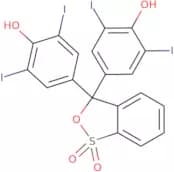
CAS:Iodophenol blue is a dye that has been used in biological research. It is used to stain DNA samples, as it binds to phosphoenolpyruvate (PEP) and sodium carbonate. Iodophenol blue can be used to differentiate tumor cells from the surrounding tissue in biopsy samples. The dye also interacts with amines, resulting in the release of bromophenols and cleavage products. Iodophenol blue can be used as a visual indicator for chemical reactions.Formula:C19H10I4O5SPurity:Min. 80 Area-%Color and Shape:PowderMolecular weight:857.96 g/molDisperse red 1 methacrylate
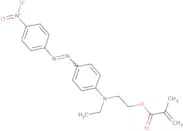
CAS:Disperse Red 1 methacrylate is a gel permeation chromatography agent that has been shown to be useful in regenerative medicine. This compound can be used as a fluorescent label for optical sensors that are designed to detect angiogenic processes. Disperse Red 1 methacrylate can also be used for confocal microscopy imaging and coverslips. It has a vibrational frequency of about 2800 cm-1 and an absorption spectrum with a maximum at 594 nm, which is red in colour. Disperse Red 1 methacrylate has been shown to have anti-cancer properties, which may be due to its ability to interfere with the cellular microenvironment by binding to proteins, affecting their conformation and function.
Formula:C20H22N4O4Purity:Min. 95%Color and Shape:Red PowderMolecular weight:382.41 g/molReactive Yellow 3 - Technical
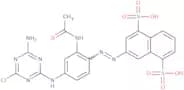
CAS:Reactive Yellow 3 is a synthetic dye that exhibits properties of a reactive dye. It is used in the surface methodology for the detection and quantification of biological activity. Reactive Yellow 3 is activated by hydroxyl groups on surfaces, which can be found in wastewater treatment plants. Reactive Yellow 3 reacts with enzyme activities, such as cyclic nucleotide phosphodiesterase, to form a product with increased fluorescence. This product can be detected using kinetic or structural analysis methods.Formula:C21H17ClN8O7S2Purity:Min. 95%Molecular weight:592.99 g/molPigment Yellow 111
CAS:Pigment Yellow 111 is a hydrophobic, micrometer-sized pigment with a bathochromic color. It has functional groups and additives that impart metal ion tolerance and pH stability. Pigment Yellow 111 also has an acidic surface and is soluble in fatty acids, chlorine, and silicon. Pigment Yellow 111 can be used as a coating or as an additive to produce electrostatic toner in electrophotographic applications.
Formula:C18H17CIN4O6Purity:Min. 95%Molecular weight:524.27 g/molDisperse yellow 49, technical grade dye content
CAS:Disperse yellow 49 is a synthetic dye that is used in the diagnosis of skin cancer. It binds to DNA-binding proteins and is used as a counterstain for H&E staining. Disperse yellow 49 has been shown to inhibit sucrase activity and inhibit kinase signaling pathways, which are involved in cell function, dna replication, and myosin phosphatase regulation. The dye has also been shown to bind to tropomyosin and homologues of the virus SV40. Disperse yellow 49 is not active against viruses or cells without myosin phosphatase activity.Formula:C21H22N4O2Purity:Min. 95 Area-%Color and Shape:Yellow PowderMolecular weight:362.43 g/molBrooker's merocyanine dye
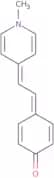
CAS:Brooker's merocyanine dye is a fluorescent dye that has been used in analytical chemistry and fluorescence spectrometry. It is an organic compound that is soluble in water, alcohol, and ether. The complexation of Brooker's merocyanine dye with other molecules or solutes can be determined using fluorescence spectroscopy. This dye binds to the cavity of the molecule and stabilizes the dipole moment, which leads to significant interactions between Brooker's merocyanine dye and molecules or solutes.Formula:C14H13NOPurity:Min. 95%Molecular weight:211.26 g/mol11-Deoxy prednisolone
CAS:Controlled Product11-Deoxy prednisolone is a synthetic steroid that is used in the treatment of inflammatory conditions. It is the active form of prednisolone, which is converted to 11-deoxy prednisolone by deuteration. 11-Deoxy prednisolone has been shown to be effective in a clinical setting as a result of its ability to suppress the immune system. The deuterium isotope can be used to calibrate instruments with mass spectrometry and provide more accurate measurements. The use of 11-deoxy prednisolone in pediatric patients has been shown to have fewer side effects than other steroids, such as dexamethasone and methylprednisolone. The use of stable isotopes can be used for biochemical investigations, diagnostic profiles, and monitoring of therapeutic responses.Formula:C21H28O4Purity:Min. 94 Area-%Color and Shape:PowderMolecular weight:344.44 g/molFast green FCF
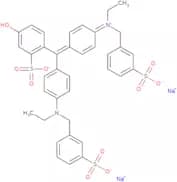
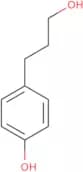
CAS:Fast green FCF is a light green dye that is soluble in water and ethanol. It has been used as an analytical reagent, a dye, and a pigment. Fast green FCF exhibits its fluorescence in the presence of ultraviolet light. The mechanism of this reaction is not well understood but it may be due to the hydroxyl group on the molecule. Fast green FCF has been shown to activate toll-like receptor 2 and 4, which are proteins found on leukocytes that are involved in innate immunity. This compound also possesses anti-inflammatory effects in Chinese medicine.Formula:C37H34N2Na2O10S3Purity:Min. 95%Color and Shape:PowderMolecular weight:808.85 g/mol3-(4-Hydroxyphenyl)-1-propanol
CAS:Produces a fluorogenic signal in the presence of peroxidase
Formula:C9H12O2Purity:Min. 95%Molecular weight:152.19 g/molPigment Red 169
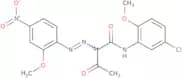
CAS:Controlled ProductPigment Red 169 is a red dye that is soluble in both water and organic solvents. It has a particle size of 10-40 nm and a molecular weight of approximately 600 g/mol. Pigment Red 169 absorbs light at the maximum wavelength of 659 nm, with an optimum concentration of 0.5%, and can be used as a thermal expansion agent or as a solid catalyst. Pigment Red 169 is polymerized by thermal decomposition, which produces polymers with low molecular weights. The pigment is also used in the production of microspheres for use in industrial applications such as aliphatic hydrocarbons or fatty acids.Formula:C66H70CuFeN10O6Purity:Min. 95%Molecular weight:1,218.72 g/molFast blue RR salt
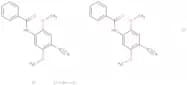
CAS:Fast blue RR salt is a phosphatase inhibitor that belongs to the group of diazonium salts. It is used as an indicator for damaged cells, and it can be used in cell culture. Fast blue RR salt can also be used in biological samples for radiation detection. Fast blue RR salt has been shown to inhibit p-nitrophenyl phosphate (PNPP) phosphatase activity in erythrocytes and lymphocytes from healthy humans. The inhibition is due to the binding of the molecule to the enzyme's active site, which prevents the binding of phosphate ions. This results in a decrease in PNPP hydrolysis, leading to a build-up of PNPP and a decrease in ATP levels. Fast blue RR salt has been shown to have low energy radiation properties, making it more suitable for use with biological samples than other diazonium salts such as Fast red TR salt or Fast green BB salt.Formula:C15H14CIN3O3•(ZnCl2)0Color and Shape:PowderMolecular weight:491.35 g/mol


![Benzo[k]fluoranthene](/_next/image/?url=https%3A%2Fstatic.cymitquimica.com%2Fproducts%2F3D%2Fthumb-webp%2FFB157375.webp&w=3840&q=75)