CymitQuimica logo
Polycyclic Compounds

Polycyclic Compounds

Polycyclic compounds are organic molecules that contain multiple interconnected rings. These compounds include polycyclic aromatic hydrocarbons and other complex ring systems. They are significant in materials science, pharmaceuticals, and organic electronics. At CymitQuimica, we provide high-quality polycyclic compounds to support your research and industrial applications, ensuring reliable and effective results in your projects.

Subcategories of "Polycyclic Compounds"

Show 32 more subcategories

Found 4574 products of "Polycyclic Compounds"

Sort by

Purity (%)
0
100
|
0
|
50
|
90
|
95
|
100
products per page.
  • Quinolin-5-yl-methylamine

    CAS:
    <p>Quinolin-5-yl-methylamine is a fine chemical that is used as a research chemical. It can be used as a reagent and as a speciality chemical. This compound has a high quality and is versatile in its use. Quinolin-5-yl-methylamine can be used in the synthesis of complex compounds, such as pharmaceuticals, agrochemicals, and polymers. It is also an intermediate that can be used to create other useful compounds, such as building blocks or scaffolds. The CAS number for this compound is 58123-57-2.</p>
    Formula:C10H10N2
    Purity:Min. 95%
    Color and Shape:Solid
    Molecular weight:158.2 g/mol

    Ref: 3D-FQ51100

    1g
    725.00€
    2g
    1,088.00€
    100mg
    203.00€
    250mg
    383.00€
    500mg
    508.00€
  • 1-Cyclopropyl-6,7-difluoro-1,4-dihydro-8-methoxy-4-oxo-3-quinolinecarboxylic acid

    CAS:
    <p>Moxifloxacin is an analog of the antibiotic quinolone. It is a prodrug that is hydrolyzed in vivo to its active form, moxifloxacin. Moxifloxacin has been shown to be effective against a variety of bacteria, including methicillin-resistant Staphylococcus aureus (MRSA), Mycobacterium tuberculosis and Mycobacterium avium complex. The reaction yield for the synthesis of moxifloxacin is very high, with an industrial production capacity in excess of 500 tons per year. Impurities are not usually found in the final product due to the use of methyl alcohol as a solvent during the reaction process. The drug has discoloring properties and deuterium atoms are often substituted for hydrogen atoms on the molecule to make it more stable. Deuterium atoms can be easily identified by mass spectrometry analysis. Moxifloxac</p>
    Formula:C14H11F2NO4
    Purity:Min. 95%
    Color and Shape:Powder
    Molecular weight:295.24 g/mol

    Ref: 3D-FC16234

    25g
    135.00€
    50g
    183.00€
    100g
    298.00€
    250g
    467.00€
    500g
    598.00€
  • 1-Methyl-1H-indazole-5-carbaldehyde

    CAS:
    <p>1-Methyl-1H-indazole-5-carbaldehyde is a selective inhibitor of the enzyme lysine acetyltransferase (KAT). KAT inhibitors are a new class of compounds that have been shown to be effective in inhibiting the growth of acute myeloid leukaemia cells, with little effect on other cells. 1-Methyl-1H-indazole-5-carbaldehyde has potent inhibitory activity against human myeloid leukemia cells and does not affect the viability of normal human erythrocytes or peripheral blood mononuclear cells. This compound is reversible, meaning it can be turned off when it is no longer needed. 1-Methyl-1H-indazole-5-carbaldehyde has also been shown to inhibit maoA and thymidine phosphorylase in vitro.</p>
    Formula:C9H8N2O
    Purity:Min. 95%
    Color and Shape:Powder
    Molecular weight:160.17 g/mol

    Ref: 3D-FM53515

    1g
    772.00€
    50mg
    154.00€
    100mg
    203.00€
    250mg
    382.00€
    500mg
    509.00€
  • 6'-Dehydromarmin

    CAS:
    <p>6'-Dehydromarmin is a natural product, classified as a coumarin derivative, which is primarily sourced from certain plant species, notably within the Rutaceae family. This compound arises through the biochemical transformation of secondary metabolites in plants, typically involving oxidation processes that occur under specific enzymatic conditions.</p>
    Formula:C19H22O5
    Purity:Min. 95%
    Molecular weight:330.37 g/mol

    Ref: 3D-FD69739

    ne
    To inquire
  • 2-Methyl-5-nitroimidazole-1-propanol

    CAS:
    <p>2-Methyl-5-nitroimidazole-1-propanol (2MI) is a matrix effect correction reagent that can be used to reconstitute the original concentrations of drugs in plasma and urine samples. It is also used for sample preparation, validation and quality control. 2MI has been shown to bind with cervical cancer cells, which may be due to its ability to bind with drug receptors on the surface of these cells. A liquid chromatography-mass spectrometry (LC-MS/MS) method was developed to measure 2MI in plasma and urine samples. The method was validated using test samples and showed good agreement with the target concentration.</p>
    Formula:C7H11N3O3
    Purity:Min. 95%
    Color and Shape:Powder
    Molecular weight:185.18 g/mol

    Ref: 3D-FM76444

    1g
    466.00€
    2g
    741.00€
    5g
    1,280.00€
    10g
    2,182.00€
    500mg
    343.00€
  • 5-(1,3-Benzodioxol-5-yl)-4,5-dihydro-1,3-diphenylpyrazole

    CAS:
    <p>5-(1,3-Benzodioxol-5-yl)-4,5-dihydro-1,3-diphenylpyrazole is a chemical compound with the molecular formula C12H10O4. It is an aromatic compound that is used as a reagent and research chemical. This chemical is soluble in ethanol and ether, but insoluble in water. 5-(1,3-Benzodioxol-5-yl)-4,5-dihydro-1,3-diphenylpyrazole has been used as a building block for other organic compounds. It can be synthesized from benzaldehyde and phenylhydrazine by the method of condensation reaction.</p>
    Formula:C17H14N2O2
    Purity:Min. 95%
    Color and Shape:White to pale yellow solid.
    Molecular weight:278.31 g/mol

    Ref: 3D-FB66293

    1g
    300.00€
    2g
    457.00€
    250mg
    134.00€
    500mg
    179.00€
  • 1-Phenyl-3-oxabicyclo[3.1.0]hexan-2-one

    CAS:
    <p>1-Phenyl-3-oxabicyclo[3.1.0]hexan-2-one (1POX) is a monomer that belongs to the class of cyclopropane compounds and can be used in the synthesis of polymers. It has been shown to react with benzene, irradiation, monoxide, oxiranyl, acetonitrile and trimeric dyes to form reactive intermediates such as ketones and carboxylic acids. These intermediates can undergo photolysis to produce products such as ketones and carboxylic acids. The wavelength of the light used for photolysis can influence the product formation. 1POX is also a substrate for cyclopropane ring formation reactions, which are known for their high reactivity due to the stability of this ring system. The carbonyl group on 1POX is electron withdrawing and stabilizes the planar geometry of 1POX.</p>
    Formula:C11H10O2
    Purity:Min. 95%
    Color and Shape:Powder
    Molecular weight:174.2 g/mol

    Ref: 3D-FP16068

    1kg
    1,067.00€
    2kg
    1,515.00€
    5kg
    2,598.00€
    250g
    304.00€
    500g
    430.00€
  • 6-Bromo-7-azaindole

    CAS:
    <p>6-Bromo-7-azaindole is a homologous molecule. It is an electron deficient compound with a piperidine moiety at the 6 position and a nitrogen atom at the 7 position. The nitrogen atom substitutes for an oxygen atom, making this molecule reactive. The electron deficient nature of this molecule makes it suitable for use in transistors and other physicochemical devices. 6-Bromo-7-azaindole has been shown to be effective against carcinoma cells in vitro, as well as to inhibit tumor growth in vivo. This drug also causes homologous recombination by interacting with DNA in mammalian cells. 6-Bromo-7-azaindole binds to DNA, forming a covalent bond with the guanine base of DNA through the nitrogen atom, which is electron deficient.</p>
    Formula:C7H5BrN2
    Purity:Min. 95%
    Color and Shape:Off-White To Beige To Yellow Solid
    Molecular weight:197.03 g/mol

    Ref: 3D-FB11991

    2g
    233.00€
    5g
    478.00€
  • 6-(4,4,5,5-Tetramethyl-[1,3,2]dioxaborolan-2-yl)-isoquinoline

    CAS:
    <p>6-(4,4,5,5-Tetramethyl-[1,3,2]dioxaborolan-2-yl)-isoquinoline is a versatile building block for the synthesis of complex compounds. This product is a reagent that can be used in organic synthesis as a reaction component or as a reagent to form new compounds. 6-(4,4,5,5-Tetramethyl-[1,3,2]dioxaborolan-2-yl)-isoquinoline has shown high quality in research and is useful for the synthesis of fine chemicals and speciality chemicals.</p>
    Formula:C15H18BNO2
    Purity:Min. 95%
    Color and Shape:White To Beige Solid
    Molecular weight:255.12 g/mol

    Ref: 3D-FT76191

    1g
    717.00€
    50mg
    136.00€
    100mg
    186.00€
    250mg
    340.00€
    500mg
    497.00€
  • 2,2':6',2'-Terpyridine-4,4',4''-tricarboxylic acid

    CAS:
    <p>2,2':6',2'-Terpyridine-4,4',4''-tricarboxylic acid is a model system that has been studied for its photochemical properties. In this molecule, there are two carboxyl groups and three pyridine rings. The molecule can be protonated easily by electron transfer to form a positively charged anion. This allows the molecule to undergo electron transfer reactions with other molecules in the presence of radiation or visible light. 2,2':6',2'-Terpyridine-4,4',4''-tricarboxylic acid absorbs photons easily and then transfers its energy to a nearby electron. The electron then passes on the energy to another molecule, which can produce a photocurrent.</p>
    Formula:C18H11N3O6
    Purity:Min. 95%
    Color and Shape:Brown Solid
    Molecular weight:365.3 g/mol

    Ref: 3D-FT29044

    1g
    320.00€
    2g
    775.00€
    5g
    1,125.00€
    250mg
    147.00€
    500mg
    198.00€
  • 6-Bromoisatin

    CAS:
    <p>6-Bromoisatin is an antimicrobial agent that belongs to the group of ethylene diamines. It has been shown to be a potent inhibitor of cancer cell viability in vivo and can be used as a potential chemotherapy agent. 6-Bromoisatin is active against human pathogens, such as Staphylococcus aureus and Streptococcus pyogenes. This compound has also been shown to inhibit the growth of LPS-stimulated RAW264.7 macrophages, which are used in vitro for studying innate immunity. The mechanism of action involves inhibition of cyclic AMP production, which leads to cell death in cancer cells. 6-Bromoisatin also inhibits the proliferation and viability of granulosa cells and carcinoma cells, with IC50 values in the range of 0.5 - 2 µM.END&gt;&gt;</p>
    Formula:C8H4BrNO2
    Purity:Min. 95%
    Color and Shape:Yellow Powder
    Molecular weight:226.03 g/mol

    Ref: 3D-FB19026

    5g
    154.00€
    10g
    203.00€
    25g
    305.00€
    50g
    467.00€
    100g
    724.00€
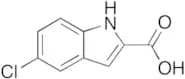
  • 5-Chloroindole-2-carboxylic acid

    CAS:
    <p>5-Chloroindole-2-carboxylic acid is a fatty acid that is synthesized from glucose. It has been shown to have inhibitory properties against the enzyme cyclooxygenase-2 (COX-2), which may be due to its ability to suppress prostaglandin synthesis. 5-Chloroindole-2-carboxylic acid also has been shown to have anticancer properties and can inhibit cancer cell growth in vitro. The drug may also play a role in the central nervous system, as it has been shown to cause neuronal death. 5-Chloroindole-2-carboxylic acid is not water soluble, so it must be dissolved in organic solvents such as cyclohexane or chloroform before being used for chemical reactions. This drug can be used with other drugs that are coxib sensitive, such as aspirin, acetaminophen, and ibuprofen.</p>
    Formula:C9H6ClNO2
    Color and Shape:Powder
    Molecular weight:195.6 g/mol

    Ref: 3D-FC30370

    1kg
    617.00€
    250g
    266.00€
    500g
    416.00€
    2500g
    1,148.00€
  • (1R,4R)-tert-Butyl 2,5-diazabicyclo[2.2.1]heptane-2-carboxylate hydrochloride

    CAS:
    <p>Tert-Butyl 2,5-diazabicyclo[2.2.1]heptane-2-carboxylate hydrochloride (TBDAHC) is a fine chemical that is an intermediate for the synthesis of other compounds. TBDAHC is a versatile building block that can be used in research chemicals, reaction components, and specialty chemicals. It is also a useful scaffold for making complex compounds and useful building blocks. The compound has high quality and can be used as a reagent in organic chemistry.</p>
    Formula:C10H18N2O2·HCl
    Purity:Min. 95%
    Color and Shape:White Powder
    Molecular weight:234.72 g/mol

    Ref: 3D-FB15223

    50mg
    170.00€
    100mg
    233.00€
    250mg
    444.00€
    500mg
    668.00€
  • Thiamine nitrate

    CAS:
    <p>Thiamine nitrate is a form of vitamin B1 that is used to treat thiamine deficiency. Thiamine nitrate is an oxidized form of thiamin, also known as vitamin B1. It can be synthesized by reacting thiamin hydrochloride with nitric acid. Thiamine nitrate has been shown to protect against neuronal death in the brain and restores cognitive function in patients with Wernicke-Korsakoff syndrome due to its ability to target enzymes involved in energy metabolism and calcium ion homeostasis. It also prevents acute alcohol intoxication and protects against neurotoxicity caused by nonsteroidal anti-inflammatory drugs.<br>Thiamine nitrate also has a fluorescence probe that can be used for detection and quantification of some proteins, such as DNA polymerase or ribonucleotide reductase, which are essential for cell growth or DNA synthesis.</p>
    Formula:C12H17N4OS·NO3
    Purity:Min. 95%
    Color and Shape:White Clear Liquid
    Molecular weight:327.36 g/mol

    Ref: 3D-FT31363

    1kg
    364.00€
    500g
    242.00€
  • 2,2'-Bipyridine-6-carboxylic acid

    CAS:
    <p>2,2'-Bipyridine-6-carboxylic acid is a reagent that is used in organic synthesis as a reaction component and building block for the synthesis of heterocyclic compounds. 2,2'-Bipyridine-6-carboxylic acid is also used as a precursor to produce other compounds. 2,2'-Bipyridine-6-carboxylic acid has been shown to be useful in the synthesis of complex compounds with diverse structures, making it a versatile building block. It can also be used as an intermediate in the synthesis of various drugs and speciality chemicals.</p>
    Formula:C11H8N2O2
    Purity:Min. 95%
    Color and Shape:Off-White Powder
    Molecular weight:200.19 g/mol

    Ref: 3D-FB138183

    25mg
    135.00€
    50mg
    166.00€
    100mg
    225.00€
    250mg
    420.00€
    500mg
    598.00€
  • 1-Methyl-N-(9-methyl-9-azabicyclo[3.3.1]non-3-yl)-indazole-3-carboxamide

    Controlled Product
    CAS:
    <p>1-Methyl-N-(9-methyl-9-azabicyclo[3.3.1]non-3-yl)-indazole-3-carboxamide is a chemical inhibitor of the 5HT2 receptor, which is responsible for regulating nausea and vomiting. It has been shown to have antiemetic properties, and can be used in chemotherapy to control nausea and vomiting. The 5HT2 receptor is coupled to Gs proteins and inhibits adenylyl cyclase activity, while 1MMAI binds to the 5HT2A receptor and blocks serotonin from binding. This prevents serotonin from activating Gq protein receptors, which are involved in the generation of intracellular calcium concentrations that lead to neurotransmitter release. 1MMAI also inhibits the activation of phospholipase C by serotonin, resulting in decreased levels of diacylglycerol (DAG) and inositol triphosphate (IP3). These changes inhibit plate</p>
    Formula:C18H24N4O
    Purity:Min. 95%
    Color and Shape:White Off-White Powder
    Molecular weight:312.41 g/mol

    Ref: 3D-FM137557

    1g
    243.00€
    2g
    430.00€
    5g
    849.00€
    250mg
    134.00€
    500mg
    167.00€
  • 2-Boc-6-hydroxy-1,2,3,4-tetrahydroisoquinoline-1-carboxylic acid

    CAS:
    <p>2-Boc-6-hydroxy-1,2,3,4-tetrahydroisoquinoline-1-carboxylic acid is a useful scaffold with a high quality. It can be used as a building block in the synthesis of complex compounds and fine chemicals. 2-Boc-6-hydroxy-1,2,3,4-tetrahydroisoquinoline-1-carboxylic acid is also a useful intermediate and reagent in organic synthesis. This compound has CAS number 362492-00-0.</p>
    Formula:C15H19NO5
    Purity:Min. 95%
    Color and Shape:Powder
    Molecular weight:293.32 g/mol

    Ref: 3D-FB56456

    1g
    483.00€
    2g
    669.00€
    100mg
    154.00€
    250mg
    204.00€
    500mg
    329.00€
  • 4,4'-Bis(methoxycarbonyl)-2,2'-bipyridine

    CAS:
    <p>4,4'-Bis(methoxycarbonyl)-2,2'-bipyridine is a ligand that can be used in cross-coupling reactions. It has been shown to bind to metal ions and form complexes with the ligands. 4,4'-Bis(methoxycarbonyl)-2,2'-bipyridine has a constant value for maximizing the yield of the reaction and is luminescent. This product also has photophysical properties that allow it to be utilized in voltammetry studies. The transfer of this product can be optimized by using chromophores or catalysis. 4,4'-Bis(methoxycarbonyl)-2,2'-bipyridine provides a means for cross-coupling reactions using electrochemical studies and dichroism.</p>
    Formula:C14H12N2O4
    Purity:Min. 95%
    Color and Shape:Powder
    Molecular weight:272.26 g/mol

    Ref: 3D-FB11721

    2g
    229.00€
    5g
    336.00€
    10g
    478.00€
    25g
    1,067.00€
    50g
    1,600.00€
  • 5-Bromo-6-chloroindolyl 1,3-diacetate

    CAS:
    <p>5-Bromo-6-chloroindolyl 1,3-diacetate is a versatile building block that can be used in the synthesis of complex compounds. It is a useful intermediate for the synthesis of speciality chemicals with high quality. 5-Bromo-6-chloroindolyl 1,3-diacetate is a reagent and reaction component for research chemicals with CAS No. 108847-96-7. It has a variety of applications in the manufacture of fine chemicals and pharmaceuticals, as well as being a useful scaffold for the production of new compounds.</p>
    Formula:C12H9BrClNO3
    Purity:Min. 95%
    Color and Shape:Off-White Powder
    Molecular weight:330.57 g/mol

    Ref: 3D-FB09201

    2g
    148.00€
    5g
    219.00€
    10g
    340.00€
    25g
    536.00€
    50g
    777.00€
  • 7-Deaza-6-hydroxypurine

    CAS:
    <p>7-Deaza-6-hydroxypurine is a skeleton of nucleosides that inhibits enzymes. It has been shown to inhibit the activity of hydrochloric acid, a tumor metastasis promoter. The constant for this drug was determined using molecular modeling and inhibition constants. 7-Deaza-6-hydroxypurine has anticancer activity and can be used for the treatment of cancer. This drug is used as a noncompetitive inhibitor in which it binds to two different sites on the enzyme. It has also been shown to bind to subunits, which are parts of a protein that make up its structure, in biological studies.br&gt;<br>7-Deaza-6-hydroxypurine is an inhibitor that binds to two different sites on an enzyme. It has been shown to have anticancer activity and can be used for the treatment of cancer. This drug is used as a noncompetitive inhibitor in which it binds to two different sites on the enzyme. It</p>
    Formula:C6H5N3O
    Purity:Min. 95%
    Color and Shape:Powder
    Molecular weight:135.12 g/mol

    Ref: 3D-FD09328

    5g
    140.00€
    10g
    186.00€
    25g
    295.00€
    50g
    441.00€
  • 2,2'-Bipyridine-6,6'-(1H,1'H)dione

    CAS:
    <p>2,2'-Bipyridine-6,6'-(1H,1'H)dione is a high-quality compound that is used as a reagent to provide a variety of useful compounds. This compound can be used as a building block for various chemical syntheses or as a component in many reactions. It is also a versatile building block and can be used in the synthesis of other compounds. 2,2'-Bipyridine-6,6'-(1H,1'H)dione has been shown to be an effective intermediate for organic synthesis.</p>
    Formula:C10H8N2O2
    Purity:Min. 95%
    Color and Shape:Off-White To Light Brown Solid
    Molecular weight:188.18 g/mol

    Ref: 3D-FB11855

    1g
    315.00€
    2g
    860.00€
    5g
    1,547.00€
    250mg
    196.00€
    500mg
    279.00€
  • 5-Fluoro-1-Methyl-1H-Indole-3-Carbaldehyde

    CAS:
    <p>5-Fluoro-1-Methyl-1H-Indole-3-Carbaldehyde is a high quality chemical that is used as a reagent, an intermediate for the synthesis of pharmaceuticals, and in the production of fine chemicals. 5FMICA is also a useful scaffold for developing valuable building blocks. This chemical has been shown to be a versatile building block for the synthesis of complex compounds. 5FMICA can be used as a reaction component for the preparation of speciality chemicals and research chemicals.</p>
    Formula:C10H8FNO
    Purity:Min. 95%
    Color and Shape:Powder
    Molecular weight:177.18 g/mol

    Ref: 3D-FF87241

    1g
    681.00€
    50mg
    135.00€
    100mg
    190.00€
    250mg
    322.00€
    500mg
    477.00€
  • 6-Fluoroindole-3-acetic acid

    CAS:
    <p>6-Fluoroindole-3-acetic acid is a molecule that has been synthesized by the reaction of 6-fluoroindole with acetic anhydride. When mixed with acetonitrile, the fluorescence of 6-fluoroindole-3-acetic acid can be seen in the solution. The fluorescence intensity is proportional to the concentration of this molecule. 6-Fluoroindole-3-acetic acid is used as a template molecule for fluorescence labeling experiments. It interacts with hormones and can be used to identify their conformations and interactions. This compound has been shown to have anticancer properties in mice, and it may also be effective against cancer cells in humans. It has also been shown to inhibit the growth of pisum sativum (pea).</p>
    Formula:C10H8FNO2
    Purity:Min. 95%
    Color and Shape:Powder
    Molecular weight:193.17 g/mol

    Ref: 3D-FF30377

    1g
    148.00€
    2g
    224.00€
    5g
    382.00€
  • Boc-L-indoline-2-carboxylic acid

    CAS:
    <p>Boc-L-indoline-2-carboxylic acid is a high quality, versatile building block that can be used as a reagent or intermediate in organic synthesis. It is used as a research chemical and has potential applications in the development of new drugs. Boc-L-indoline-2-carboxylic acid is a complex compound that reacts with nucleophiles to form valuable products. It also has the ability to bind to metal ions such as copper, zinc, and nickel. This product can be used in reactions involving amines, alcohols, amides, phenols, carboxylic acids, sulfonic acids, and other compounds.</p>
    Formula:C14H17NO4
    Purity:Min. 95%
    Color and Shape:White Powder
    Molecular weight:263.29 g/mol

    Ref: 3D-FB55968

    1g
    243.00€
    2g
    376.00€
    5g
    736.00€
    250mg
    134.00€
    500mg
    184.00€
  • 6-Bromo-2,3-dihydro-1H-indole

    CAS:
    <p>6-Bromo-2,3-dihydro-1H-indole is a natural product that has been shown to inhibit cancer cell growth in vitro. In the presence of 6-bromoindole, cells are unable to proliferate and undergo apoptosis. This compound also shows anti-cancer activity against human leukemia cells. The mechanism of action for this molecule is not yet known but may be related to its ability to activate the caspase enzyme family or its ability to bind to DNA. 6-Bromoindole has been shown to have anti-inflammatory properties through inhibition of prostaglandin synthesis in animal models.</p>
    Formula:C8H8BrN
    Purity:Min. 95%
    Color and Shape:Off-White Powder
    Molecular weight:198.06 g/mol

    Ref: 3D-FB52114

    1g
    220.00€
    2g
    354.00€
    5g
    662.00€
    250mg
    139.00€
    500mg
    189.00€
  • 5,6-Diaminobenzimidazole dihydrochloride

    CAS:
    <p>Please enquire for more information about 5,6-Diaminobenzimidazole dihydrochloride including the price, delivery time and more detailed product information at the technical inquiry form on this page</p>
    Formula:C7H10Cl2N4
    Purity:Min. 95%
    Color and Shape:Off-white to pale brown solid.
    Molecular weight:221.09 g/mol

    Ref: 3D-FD21478

    5mg
    135.00€
    10mg
    166.00€
    25mg
    203.00€
    50mg
    485.00€
    100mg
    744.00€
  • Methyl 5-methoxy-2-methylindole-3-acetate

    CAS:
    <p>Methyl 5-methoxy-2-methylindole-3-acetate is a versatile building block that can be used as a research chemical, reagent, or speciality chemical. It is also an intermediate in the synthesis of other compounds and has been shown to be useful in reactions involving nucleophilic substitution and electrophilic addition. This compound can be used as a scaffold for complex organic molecules. CAS No. 7588-36-5</p>
    Formula:C13H15NO3
    Purity:Min. 95%
    Color and Shape:Beige Solid
    Molecular weight:233.26 g/mol

    Ref: 3D-FM25452

    5mg
    143.00€
    10mg
    203.00€
  • Xanthotoxol

    CAS:
    <p>Xanthotoxol is a naturally occurring furanocoumarin, which is derived from various plant species, primarily within the Apiaceae family. This compound exhibits its biological activity through several mechanisms, including the inhibition of enzyme pathways, modulation of signaling pathways, and interaction with cellular proteins, impacting various physiological processes.</p>
    Formula:C11H6O4
    Purity:Min. 95%
    Color and Shape:Brown Powder
    Molecular weight:202.16 g/mol

    Ref: 3D-FX09864

    1g
    291.00€
    2g
    410.00€
    5g
    547.00€
    10g
    748.00€
    25g
    1,085.00€
  • 5-Amino-2-methylindole

    CAS:
    <p>5-Amino-2-methylindole is a hyaluronic acid inhibitor that has been shown to have an inhibitory effect on the growth of some bacteria. It inhibits the synthesis of bacterial enzymes and growth factors, which are required for bacterial cell division. 5-Amino-2-methylindole also inhibits the production of a number of important enzymes in bacteria, including benzofuran derivatives, as well as p. aeruginosa. This drug is used as a topical treatment in cases where there is tissue damage or inflammation. 5-Amino-2-methylindole has been shown to be effective against gram positive bacteria such as Streptococcus pyogenes and Enterococcus faecalis, but not against gram negative bacteria such as Pseudomonas aeruginosa or Escherichia coli.</p>
    Formula:C9H10N2
    Purity:Min. 95%
    Color and Shape:Yellow To Dark Brown Solid
    Molecular weight:146.19 g/mol

    Ref: 3D-FA147246

    10g
    199.00€
    25g
    320.00€
    50g
    450.00€
    100g
    716.00€
    250g
    1,104.00€
  • 3-Methyl-2-hydroxy-3H-imidazo[4,5-f]quinoline

    CAS:
    <p>3-Methyl-2-hydroxy-3H-imidazo[4,5-f]quinoline is a high quality reagent that can be used as an intermediate or building block in the synthesis of other compounds. It is a fine chemical with CAS No. 144486-08-8 and can be used as a speciality chemical in research. This compound has versatile building blocks that are useful in reactions and have been shown to be a reaction component in the synthesis of various compounds.</p>
    Formula:C11H9N3O
    Purity:Min. 95%
    Color and Shape:Yellow Powder
    Molecular weight:199.21 g/mol

    Ref: 3D-FM25639

    10mg
    140.00€
    25mg
    195.00€
    50mg
    269.00€
    100mg
    396.00€
    250mg
    710.00€
  • 4-Chloro-6-methoxyquinolin-7-ol

    CAS:
    <p>4-Chloro-6-methoxyquinolin-7-ol (CMQ) is an alkali metal that inhibits the sodium/potassium ATPase pump, which is responsible for maintaining the cell's intracellular ion balance. It was discovered in a search for compounds that inhibit this enzyme and show promise in the treatment of heart diseases. CMQ has been shown to inhibit the sodium concentration in rat hearts with no effect on potassium concentrations, which may be due to its ability to bind to sodium ions but not potassium ions. The long-term effects of CMQ on human populations are unknown, as well as its effects on genotype and parameters. CMQ also has been shown to cause drug resistance mutations in bacteria, such as methicillin resistant Staphylococcus aureus (MRSA), by increasing the mutation rate. This is due to the fact that it inhibits DNA replication and protein synthesis in bacteria cells.</p>
    Formula:C10H8ClNO2
    Purity:Min. 95%
    Color and Shape:Yellow Powder
    Molecular weight:209.63 g/mol

    Ref: 3D-FC30699

    2g
    325.00€
    5g
    506.00€
    10g
    718.00€
    25g
    1,278.00€
    50g
    2,293.00€
  • 1-Methylindole-2-Carboxylic Acid

    CAS:
    <p>1-Methylindole-2-Carboxylic Acid is a chemical that belongs to the group of phenylacetic acid compounds. It has been shown to inhibit lymphocyte activation and t-cell proliferation in vitro, which may be due to its ability to interfere with the production of interleukin. 1-Methylindole-2-Carboxylic Acid also has an antitumor effect on animals and can reduce the tumor burden by inhibiting DNA synthesis, protein synthesis, and mineralization. The molecular modeling studies have shown that 1-Methylindole-2-Carboxylic Acid binds in the active site of protein kinase C as a competitive inhibitor and prevents ATP from binding to the enzyme.</p>
    Formula:C10H9NO2
    Purity:Min. 95%
    Color and Shape:Powder
    Molecular weight:175.18 g/mol

    Ref: 3D-FM56787

    1kg
    917.00€
    100g
    200.00€
    250g
    393.00€
    500g
    586.00€
  • 2-Mercapto-1H-imidazole

    CAS:
    <p>2-Mercapto-1H-imidazole is an irreversible inhibitor of xanthine oxidase. It binds to the nitrogen atoms of the enzyme's active site and forms a strong hydrogen bond with the oxygen atom of the xanthine substrate. The steric interactions between 2-mercapto-1H-imidazole and the substrate prevent binding and catalysis. The crystal structures of 2-mercapto-1H-imidazole in complex with xanthine oxidase have been determined using X-ray crystallography. FTIR spectroscopy has shown that 2-mercapto-1H-imidazole coordinates in a geometry similar to that of the reactant, hydrochloric acid. Electrochemical impedance spectroscopy (EIS) has revealed that proton transfer takes place when 2-mercapto-1H imidazole binds to xanthine oxidase, which is consistent with reaction mechanism involving elect</p>
    Formula:C3H4N2S
    Purity:Min. 95%
    Color and Shape:Powder
    Molecular weight:100.14 g/mol

    Ref: 3D-FM35202

    1g
    143.00€
    2g
    203.00€
    5g
    372.00€
    10g
    475.00€
    25g
    804.00€
  • 7-Bromo-2,3-dioxoindoline

    CAS:
    <p>7-Bromo-2,3-dioxoindoline is a synthetic compound with a vibrational frequency of 249.2 cm−1. It is an inhibitor of the enzyme synthetase and has been shown to have an inhibitory effect on cancer cell viability in vitro. 7-Bromo-2,3-dioxoindoline inhibits the production of cancerous cells by interfering with their ability to synthesize DNA, which is necessary for cell division. This inhibition may be due to its ability to form intermolecular hydrogen bonding interactions with the amine group on the enzyme synthetase. 7-Bromo-2,3-dioxoindoline has also been shown to block the synthesis of 5-chloroisatin, one of its reaction products. The bioassay was carried out by measuring the amount of granulosa cells that were able to produce estrogen after treatment with this compound.</p>
    Formula:C8H4BrNO2
    Purity:Min. 98 Area-%
    Color and Shape:Powder
    Molecular weight:226.03 g/mol

    Ref: 3D-FB35949

    1g
    135.00€
    2g
    190.00€
    5g
    254.00€
    10g
    382.00€
    25g
    510.00€
  • 8-Azahypoxanthine

    CAS:
    <p>8-Azahypoxanthine is a hydroxyl analog of hypoxanthine. It contains a nitrogen atom in place of the oxygen atom on the 2-position. 8-Azahypoxanthine has been shown to be an effective inhibitor of purine biosynthesis in yeast cells and can be used as a replacement for xanthine during the synthesis of adenosine triphosphate (ATP) from uracil. 8-Azahypoxanthine was found to have good detection sensitivity, with an estimated detection limit of 0.2 µM. The optimum pH for this compound is 7.8, which is similar to that of wild type strain and tissue culture media. Mutants resistant to 8-azahypoxanthine were generated by exposure to high concentrations (&gt;100 mM) for long periods (&gt;2 days). Mutant strains showed no detectable enzyme activity against orotic acid or glycosidic bond formation with erythromycin</p>
    Purity:Min. 95%
    Color and Shape:Powder
    Molecular weight:137.1 g/mol

    Ref: 3D-FA03012

    25mg
    148.00€
    50mg
    204.00€
    100mg
    305.00€
    250mg
    511.00€
    500mg
    681.00€
  • 2,2,4-Trimethyl-1,2-dihydroquinolin-6-ol

    CAS:
    <p>2,2,4-Trimethyl-1,2-dihydroquinolin-6-ol (TQ) is a naturally occurring phenolic compound that has been shown to inhibit lipid peroxidation in animal and human cells. TQ is an antioxidant that protects against oxidative damage by scavenging free radicals. This compound can act as a nitroxyl radical trap and inhibits the dimerization of quinones and other reactive oxygen species. TQ also has been found to have anti-inflammatory effects, which may be due to its ability to reduce the production of inflammatory cytokines.<br>A new study shows that TQ can inhibit the production of reactive oxygen species in quantum yields up to 10%. It is thought that this effect may be due to TQ’s ability to stabilize different forms of reduced glutathione.</p>
    Formula:C12H15NO
    Purity:Min. 95%
    Color and Shape:Powder
    Molecular weight:189.25 g/mol

    Ref: 3D-FT125514

    1g
    310.00€
    2g
    454.00€
    5g
    766.00€
    250mg
    141.00€
    500mg
    194.00€
  • 3-(2-Diisopropylaminoethyl)indole hydrochloride

    Controlled Product
    CAS:
    <p>3-(2-Diisopropylaminoethyl)indole hydrochloride is an inhibitor of the enzyme monoamine oxidase (MAO). MAO is responsible for the degradation of monoamines such as serotonin, dopamine, and norepinephrine. 3-(2-Diisopropylaminoethyl)indole hydrochloride inhibits these enzymes in order to increase the levels of these neurotransmitters in the brain. These effects are observed with a sectional study on the host plant species. 3-(2-Diisopropylaminoethyl)indole hydrochloride has been shown to have low potency for inhibiting 5-HT1A and 5-HT2A receptors in rat studies, but it is not active against 5-HT2C receptors. This drug was used to measure urinary serotonin and dopamine levels in human urine samples.</p>
    Formula:C16H25ClN2
    Purity:Min. 95%
    Molecular weight:280.84 g/mol

    Ref: 3D-FD67427

    5g
    178.00€
    10g
    254.00€
    25g
    477.00€
  • 3-Aminoquinoline

    CAS:
    <p>3-Aminoquinoline is a chemical compound that inhibits the activity of the epidermal growth factor receptor (EGFR). It is a potent inhibitor of cell proliferation and has been shown to have antitumour activity. 3-Aminoquinoline has been shown to inhibit the proliferation of carcinoma cell lines. This drug binds to the EGFR receptor, preventing it from activating downstream signalling pathways that control cell growth. 3-Aminoquinoline also has biological properties, including matrix-assisted laser desorption/ionization time-of-flight mass spectrometry, analytical chemistry, sample preparation, and Suzuki coupling reaction. The molecule is structurally analyzed using chemical structures and structural analysis techniques such as thermodynamic data or proton NMR spectroscopy. 3-Aminoquinoline also interacts with sugars through hydrogen bonding and oligosaccharides. These interactions are found to be high in value in some cases.</p>
    Formula:C9H8N2
    Purity:Min. 95%
    Color and Shape:White Powder
    Molecular weight:144.17 g/mol

    Ref: 3D-FA71740

    2g
    135.00€
    5g
    202.00€
    10g
    278.00€
    25g
    463.00€
    50g
    740.00€
  • [2,3'-Bipyridin]-6'-amine

    CAS:
    <p>2,3'-Bipyridin-6'-amine is a chemical compound that is used as a building block for more complex molecules. It has high quality and can be used to make many different compounds. 2,3'-Bipyridin-6'-amine is versatile and can be used in the synthesis of a variety of compounds. It is also an intermediate in a number of reactions, including the formation of pyrimidine analogs. This chemical has been shown to be useful in the creation of new drugs for cancer treatment and other diseases.</p>
    Formula:C10H9N3
    Purity:Min. 95%
    Color and Shape:Off-White Powder
    Molecular weight:171.2 g/mol

    Ref: 3D-FB141123

    10mg
    167.00€
    25mg
    300.00€
    50mg
    454.00€
    100mg
    634.00€
    250mg
    1,219.00€
  • Isoquinoline

    CAS:
    <p>Isoquinoline is a heterocyclic organic compound that can be synthesized by the asymmetric addition of hydrochloric acid to an isoquinol. It has been shown to inhibit the enzyme DPP-IV, which is involved in the degradation of glucagon-like peptide-1 (GLP-1). Isoquinoline is also a potent antagonist of the NMDA receptor, and has been shown to have anti-inflammatory properties in HLA-60 cells. This drug is soluble in organic solvents and forms crystalline polymorphs. Isoquinoline has been used in polymerase chain reactions as a hydrogen bond donor.</p>
    Formula:C9H7N
    Purity:Min. 95%
    Color and Shape:Powder
    Molecular weight:129.16 g/mol

    Ref: 3D-FI01236

    1kg
    724.00€
    2kg
    1,273.00€
    100g
    154.00€
    250g
    274.00€
    500g
    477.00€
  • 1,6-Dimethyl-1H-indole-3-carbaldehyde

    CAS:
    <p>1,6-Dimethyl-1H-indole-3-carbaldehyde is a compound that can be used in the synthesis of many organic and pharmaceutical compounds. It is also an intermediate for the production of other chemicals. 1,6-Dimethyl-1H-indole-3-carboxylic acid has been shown to be useful as a building block in organic synthesis, due to its versatility and reactivity. The compound is also a reagent and can be used as part of research studies. This chemical has CAS number 202584-14-3.</p>
    Formula:C11H11NO
    Purity:Min. 95%
    Color and Shape:Powder
    Molecular weight:173.21 g/mol

    Ref: 3D-FD116405

    1g
    917.00€
    50mg
    170.00€
    100mg
    233.00€
    250mg
    453.00€
    500mg
    645.00€
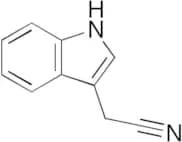
  • Indole-3-acetonitrile

    CAS:
    <p>Indole-3-acetonitrile is a natural product that belongs to the class of antimicrobial agents. It has been shown to have antiinflammatory activity in mice and to inhibit enzyme activities in the plasma of rats. This compound was also found to be an inhibitor of indole synthesis, which may provide insight into its potential use as a therapeutic agent for cancer treatment. Indole-3-acetonitrile has been shown to have antimicrobial properties against galleria mellonella, which are insect larvae that are used as model organisms for research on development and genetics. The biological properties of this compound have been studied using structural analysis and biochemical research.</p>
    Formula:C10H8N2
    Purity:Min. 95%
    Color and Shape:Yellow To Brown Solid
    Molecular weight:156.18 g/mol

    Ref: 3D-FI16427

    100g
    134.00€
    250g
    229.00€
    500g
    363.00€
  • 3-Methyl-3,8-diaza-bicyclo[3.2.1]octane dihydrochloride

    CAS:
    <p>3-Methyl-3,8-diaza-bicyclo[3.2.1]octane dihydrochloride is a high quality reagent that is useful as an intermediate in the synthesis of complex compounds and as a reagent for fine chemicals. 3-Methyl-3,8-diaza-bicyclo[3.2.1]octane dihydrochloride can be used as a versatile building block in the synthesis of speciality chemicals and research chemicals. It can also be used to synthesize a variety of reaction components, such as amines, carboxylic acids, alcohols, amides, and nitriles.</p>
    Formula:C7H16Cl2N2
    Purity:Min. 95%
    Color and Shape:Powder
    Molecular weight:199.12 g/mol

    Ref: 3D-FM140947

    1g
    885.00€
    2g
    1,364.00€
    100mg
    230.00€
    250mg
    444.00€
    500mg
    637.00€
  • 1,5-Dimethyl-1H-indole-3-carbaldehyde

    CAS:
    <p>1,5-Dimethyl-1H-indole-3-carbaldehyde is a useful building block for organic synthesis. It is an important reagent for the synthesis of complex compounds and it has been used as a versatile building block in organic chemistry. This compound can be used as a starting point for the preparation of other chemicals, such as pharmaceuticals, pesticides, and dyes. 1,5-Dimethyl-1H-indole-3-carbaldehyde is also a fine chemical that has been used for research purposes. There are no known commercial uses for this compound.</p>
    Formula:C11H11NO
    Purity:Min. 95%
    Color and Shape:Powder
    Molecular weight:173.21 g/mol

    Ref: 3D-FD116404

    1g
    490.00€
    2g
    770.00€
    100mg
    159.00€
    250mg
    243.00€
    500mg
    363.00€
  • 6-Ethylmercaptopurine

    CAS:
    <p>6-Ethylmercaptopurine is a purine analogue that inhibits the synthesis of DNA. It is used as an inhibitor of protein synthesis and in the treatment of inflammatory bowel disease. 6-Ethylmercaptopurine has been shown to inhibit the activity of ATPase, which may be responsible for its ability to suppress the proliferation of cells. This drug can also act as an analog to adenosine, which can be used to determine ATP levels in a cell or tissue sample by measuring the amount of p-nitrophenyl phosphate produced. 6-Ethylmercaptopurine has been shown to block phosphatase activity, which may lead to inflammation in some cases.<br>6-Ethylmercaptopurine has a molecular weight of 194.2 g/mol and an optimum pH of 4.5</p>
    Formula:C7H8N4S
    Purity:Min. 95%
    Color and Shape:Off-White Powder
    Molecular weight:180.23 g/mol

    Ref: 3D-FE08008

    25mg
    140.00€
    50mg
    188.00€
    100mg
    300.00€
    250mg
    489.00€
    500mg
    769.00€
  • 2-Chlorobenzimidazole

    CAS:
    <p>2-Chlorobenzimidazole is an analog of benzimidazole that has been synthesized by Langmuir adsorption isotherm. It is a white crystalline solid that can be dissolved in water and hydrochloric acid. 2-Chlorobenzimidazole inhibits the growth of herpes simplex virus by acting as a competitive inhibitor for the viral enzyme thymidine kinase, which catalyzes the conversion of thymine to thymidine. 2-Chlorobenzimidazole also binds to monoclonal antibodies, inhibiting their binding to their corresponding antigens. This activity may be due to its ability to bind covalently with amino groups on proteins and other molecules. Magnetic resonance spectroscopy has shown that 2-chlorobenzimidazole binds tightly with protonated (positively charged) phosphorous atoms within cells.</p>
    Formula:C7H5ClN2
    Purity:Min. 95%
    Color and Shape:White Powder
    Molecular weight:152.58 g/mol

    Ref: 3D-FC02849

    25g
    195.00€
    50g
    259.00€
    100g
    388.00€
    250g
    516.00€
    500g
    809.00€
  • (1,10)Phenanthrolin-5-ylamine

    CAS:
    <p>(1,10)Phenanthrolin-5-ylamine is a sample preparation reagent that has been used in the production of polymers with redox potentials below 0.2 V. This compound is also an antimicrobial agent that has shown to be effective against bacteria and fungi. The detection sensitivity of (1,10)phenanthrolin-5-ylamine is high, making it suitable for use in human serum samples. It can be protonated by a base such as sodium hydroxide or ammonia to form its cationic form, which can then react with nucleophiles such as thiols and amines to produce an alkylating agent. It has been used in the synthesis of l1210 murine leukemia cells and has been observed to have photophysical properties that are sensitive to neutral pH levels. <br>(1,10)Phenanthrolin-5-ylamine can be used for process optimization</p>
    Formula:C12H9N3
    Purity:Min. 95%
    Color and Shape:Off-White Powder
    Molecular weight:195.22 g/mol

    Ref: 3D-FP153854

    1g
    229.00€
    2g
    376.00€
    5g
    657.00€
    10g
    1,067.00€
    500mg
    150.00€
  • 5-Methoxy-3-(1,2,5,6-tetrahydro-4-pyridinyl)-1H-indole hemisuccinate

    CAS:
    <p>5-Methoxy-3-(1,2,5,6-tetrahydro-4-pyridinyl)-1H-indole hemisuccinate is a serotonin receptor agonist that has been shown to stimulate the 5HT1A receptor. It stimulates insulin secretion and glucose uptake in rats and inhibits feeding behavior in mice. It has also been shown to have antihypertensive effects on rats by blocking the 5HT2 receptors. In addition, it stimulates regeneration of injured nerve cells. This drug has potential uses as a treatment for neurological diseases such as Parkinson's disease and depression.</p>
    Formula:C14H16N2O•(C4H6O4)0
    Purity:Min. 95%
    Color and Shape:Yellow solid.
    Molecular weight:287.33 g/mol

    Ref: 3D-FM71628

    1mg
    154.00€
    2mg
    183.00€
    5mg
    356.00€
    10mg
    450.00€
    25mg
    845.00€
  • 5,7-Dimethoxyindole

    CAS:
    <p>5,7-Dimethoxyindole is a potent inhibitor of the enzyme oxidase. 5,7-Dimethoxyindole has been shown to inhibit the growth of a number of fungi, including Phytophthora infestans and Cryptococcus neoformans. The molecular modeling studies have shown that this molecule can form an H-bond with the acceptor in the active site of the enzyme and prevent access by substrate. This inhibition has been shown to be competitive with respect to ferrous ions and noncompetitive with respect to other cofactors. 5,7-Dimethoxyindole also inhibits integrase enzymes, which are involved in DNA integration during viral replication. 5,7-Dimethoxyindole was found to bind to a pharmacophore model for integrase inhibitors and formylation reactions. This compound is also magnetic due to its high electron density at the methoxy group.</p>
    Formula:C10H11NO2
    Purity:Min. 95%
    Color and Shape:Powder
    Molecular weight:177.2 g/mol

    Ref: 3D-FD65790

    50mg
    135.00€
    100mg
    170.00€
    250mg
    218.00€
  • 6-Ethoxypurine

    CAS:
    <p>6-Ethoxypurine is a nucleoside analog that inhibits the enzyme ribonucleotide reductase, which converts ribonucleotides to deoxyribonucleotides. It is used in cell culture to measure the effects of radiation and hydrochloric acid on the production of ATP. 6-Ethoxypurine has been shown to inhibit influenza virus replication with an IC50 of 10 μM. This compound has reactive hydroxyl groups that allow it to participate in hydrogen bonding, which can be beneficial for interactions with other molecules. 6-Ethoxypurine also exhibits nucleophilic properties, which allows it to react with other chemical species and can be useful for generating new chemical compounds.</p>
    Formula:C7H8N4O
    Purity:Min. 95%
    Color and Shape:Powder
    Molecular weight:164.16 g/mol

    Ref: 3D-FE08005

    1g
    836.00€
    2g
    1,516.00€
    5g
    3,469.00€
    10g
    4,428.00€
    500mg
    467.00€
  • 2-(2,6-Dioxo-piperidin-3-yl)-4-fluoroisoindoline-1,3-dione

    CAS:
    <p>2-(2,6-Dioxo-piperidin-3-yl)-4-fluoroisoindoline-1,3-dione (2,6DPI) is a synthetic chemical compound that has been shown to inhibit NF-κB activation in vitro. 2,6DPI is a competitive inhibitor of the p65 subunit of NF-κB and functions by binding to the cysteine residue on the p65 subunit. It has been shown to be effective against inflammatory diseases such as pulmonary disease and inflammation. This drug also inhibits deacetylases, which are enzymes involved in regulating gene expression. 2,6DPI may have therapeutic potential for the treatment of inflammatory diseases and cancer.</p>
    Formula:C13H9FN2O4
    Purity:Min. 95%
    Color and Shape:Violet To Grey Solid
    Molecular weight:276.22 g/mol

    Ref: 3D-FD163674

    1g
    376.00€
    2g
    526.00€
    5g
    962.00€
    250mg
    180.00€
    500mg
    286.00€
  • 1,2,3,4-Tetrahydrocyclopenta[b]indole

    CAS:
    <p>1,2,3,4-Tetrahydrocyclopenta[b]indole is a synthetic drug that has been shown to be an effective antidepressant in animal models of depression. It has also been shown to inhibit the replication of HIV and Hepatitis C virus in cell culture. It is thought that 1,2,3,4-tetrahydrocyclopenta[b]indole's anti-depressant effects are due to its ability to block the α2-adrenergic receptor and cholinergic receptors. The drug also inhibits the synthesis of amines including serotonin, dopamine and noradrenaline. This compound may be used as a treatment for depression because it does not have any significant side effects on the central nervous system or other organs.</p>
    Formula:C11H11N
    Purity:Min. 95%
    Molecular weight:157.21 g/mol

    Ref: 3D-FT119279

    5g
    211.00€
    10g
    352.00€
    25g
    588.00€
    50g
    1,044.00€
  • 3-Aminoquinuclidine dihydrochloride

    CAS:
    <p>3-Aminoquinuclidine dihydrochloride (3-AQDH) is a chiral quinuclidine derivative that is an acetylcholine receptor agonist. It has been shown to bind to the α7 nicotinic acetylcholine receptor with high affinity and selectivity. 3-AQDH has also been shown to crosslink the cholinergic receptor, which may lead to increased sensitivity of the receptor. The binding constants between 3-AQDH and the α7 nicotinic acetylcholine receptors are very high and it has been shown to be enantiopure in its synthesis. 3-AQDH also has a hydrophilic interaction chromatography profile, which separates it from other compounds. This agent may have potential use as a drug for treating Alzheimer's disease and Parkinson's disease due to its ability to inhibit acetylcholinesterase activity.</p>
    Purity:Min. 95%
    Color and Shape:Powder
    Molecular weight:199.12 g/mol

    Ref: 3D-FA03742

    2g
    140.00€
    5g
    198.00€
    10g
    302.00€
    25g
    502.00€
    50g
    729.00€
  • 6-Hydroxyquinoline-(1H)-2-one

    CAS:
    <p>6-Hydroxyquinoline-(1H)-2-one is an organic compound that has been shown to inhibit the uptake of carbostyril by bacterial cells. This inhibition causes increased uptake of xanthurenic acid and anthranilic acid, which are two compounds that are found in wastewater treatment. 6-Hydroxyquinoline-(1H)-2-one may be a potential anticancer agent, as it inhibits the growth of astroglia cells and bladder cancer cells. It also reacts with acylation reactions to form quinolinic acid, which has been shown to have anticancer effects.</p>
    Formula:C9H7NO2
    Purity:Min. 95%
    Color and Shape:White Solid
    Molecular weight:161.16 g/mol

    Ref: 3D-FH24499

    50g
    135.00€
  • 7-Chloroquinoline-3-carboxylicacid

    CAS:
    <p>7-Chloroquinoline-3-carboxylicacid (7CQCA) is a synthetic compound that has been shown to have regulatory, immunomodulatory, and anticancer properties. It is a potent inhibitor of mammalian DNA polymerase beta and it has been shown to induce apoptosis in human prostate cancer cells by inhibiting the production of cAMP. 7CQCA also inhibits the proliferation of mouse CD1 leukemia cells in vitro and induces apoptosis in these cells. The compound was found to be more effective when used with other agents such as triticum aestivum extract, which may be due to its synergistic interaction with these compounds.</p>
    Formula:C10H6ClNO2
    Purity:Min. 95%
    Color and Shape:Off-White Powder
    Molecular weight:207.61 g/mol

    Ref: 3D-FC150810

    1g
    827.00€
    2g
    1,366.00€
    100mg
    204.00€
    250mg
    347.00€
    500mg
    496.00€
  • 3-Quinuclidinone hydrochloride

    Controlled Product
    CAS:
    <p>3-Quinuclidinone hydrochloride is an organic compound that is used as a reagent in organic synthesis. It is synthesized by the acylation of 3-quinuclidinol with ethyl bromoacetate in the presence of a base. This reaction occurs in an isolated yield, and the product can be purified by rotary evaporation. 3-Quinuclidinone hydrochloride has a high affinity for GABA receptors, which are found on nerve cells in the brain and inhibitory neurons throughout the body. The binding of 3-quinuclidinone hydrochloride to these receptors leads to a decrease in neuronal excitability. This drug also has been shown to have effects on motor function, including a positive effect on motor performance when tested using a rotarod test. The rate of this reaction can be increased by adding chloride or sodium carbonate as a catalyst and by increasing the reaction time. Substrate binding plays an important</p>
    Formula:C7H12CINO
    Purity:Min. 95%
    Color and Shape:White Powder
    Molecular weight:161.63 g/mol

    Ref: 3D-FQ06033

    1kg
    1,302.00€
    100g
    341.00€
    250g
    606.00€
    500g
    747.00€
  • 2-(2-Butoxyethyl)-1H-isoindole-1,3(2H)-dione

    CAS:
    <p>2-(2-Butoxyethyl)-1H-isoindole-1,3(2H)-dione is a versatile building block and intermediate with a range of chemical properties. It is a useful scaffold for the synthesis of complex compounds with different functional groups. 2-(2-Butoxyethyl)-1H-isoindole-1,3(2H)-dione can be used as an organic solvent and reaction component in organic synthesis as well as being an effective catalyst or reagent in reactions involving other chemicals. This compound has been selected by the Chemical Abstracts Service (CAS) as one of their high quality products.</p>
    Formula:C14H17NO3
    Purity:Min. 95%
    Color and Shape:Powder
    Molecular weight:247.29 g/mol

    Ref: 3D-FB121669

    1g
    497.00€
    2g
    717.00€
    5g
    1,280.00€
    500mg
    308.00€
  • 4,4'-Bis(ethoxycarbonyl)-2,2'-bipyridine

    CAS:
    <p>4,4'-Bis(ethoxycarbonyl)-2,2'-bipyridine (BEBCP) is a dithiolate chromophore. BEBCP has a redox potential of 1.3 volts and the electronic interaction of the carbonyl groups with the electron cloud of the bipyridine nucleus is responsible for this property. The photochemical properties of BEBCP can be systematically studied by using electrochemical data such as voltammetry and cyclic voltammetry. These methods are useful in determining the nature and constant of BEBCP as well as its interaction with ligands.</p>
    Formula:C16H16N2O4
    Purity:Min. 95%
    Color and Shape:Powder
    Molecular weight:300.31 g/mol

    Ref: 3D-FB10298

    1g
    353.00€
    2g
    509.00€
    5g
    1,005.00€
    10g
    1,501.00€
    25g
    2,399.00€
  • 2-Butyl-4-chloro-1H-imidazole-5-carboxaldehyde

    CAS:
    <p>Glyoxal is a chemical compound that has shown to have bactericidal activity against human pathogens such as Mycobacterium tuberculosis, Helicobacter pylori, and Staphylococcus aureus. It is used in the synthesis of heterocyclic amines and can be found as an impurity in imidazole derivatives. Glyoxal is a broad-spectrum antimicrobial that has been shown to inhibit the growth of fungi and bacteria by reacting with functional groups on the microorganisms' cell walls. It reacts with bacterial cell walls by forming an intermediate molecule, which reacts with other molecules present in the microorganism's environment to form carbon dioxide, water, and glyoxal. The reaction time for glyoxal depends on temperature; higher temperatures will result in faster reactions. Techniques used to synthesize glyoxal include dehydration of oximes or by reaction with phosphorus oxychloride.</p>
    Formula:C8H11ClN2O
    Purity:Min. 95%
    Color and Shape:Powder
    Molecular weight:186.64 g/mol

    Ref: 3D-FB19493

    25g
    178.00€
    50g
    254.00€
    100g
    383.00€
    250g
    681.00€
    500g
    968.00€
  • 3-Quinolinecarboxylic acid

    CAS:
    <p>3-Quinolinecarboxylic acid is a water-soluble drug that is soluble in both organic solvents and water. It is reactive, which limits its therapeutic use. 3-Quinolinecarboxylic acid is used to treat inflammatory disease by inhibiting the production of prostaglandins and leukotrienes in the body. 3-Quinolinecarboxylic acid has been shown to have genotoxic effects on primary cells, as well as an antiinflammatory effect. It also has been shown to be effective for treating rheumatoid arthritis in animal models, but not humans.</p>
    Formula:C10H7NO2
    Purity:Min. 95%
    Color and Shape:Powder
    Molecular weight:173.17 g/mol

    Ref: 3D-FQ06042

    10g
    203.00€
    25g
    429.00€
    50g
    679.00€
    100g
    1,061.00€
    250g
    1,894.00€
  • 3-(3,4,5-Trimethoxybenzoylhydrazidyl)-2-oxoindoline

    CAS:
    <p>Please enquire for more information about 3-(3,4,5-Trimethoxybenzoylhydrazidyl)-2-oxoindoline including the price, delivery time and more detailed product information at the technical inquiry form on this page</p>
    Formula:C18H17N3O5
    Purity:Min. 95%
    Color and Shape:Powder
    Molecular weight:355.34 g/mol

    Ref: 3D-FT169743

    5g
    849.00€
  • 2,10-diaza-5,5,13-trimethyl-9-(4-(isopropyl)phenyl)tricyclo[9.4.0.0<3,8>]pentadeca-1(11),3(8),12,14-tetraen-7-one

    CAS:
    <p>Please enquire for more information about 2,10-diaza-5,5,13-trimethyl-9-(4-(isopropyl)phenyl)tricyclo[9.4.0.0&lt;3,8&gt;]pentadeca-1(11),3(8),12,14-tetraen-7-one including the price, delivery time and more detailed product information at the technical inquiry form on this page</p>
    Purity:Min. 95%

    Ref: 3D-FD169536

    5g
    849.00€
  • 5-methyl-3-methylthio-1,2,4-triazino[5,6-b]indole

    CAS:
    <p>Please enquire for more information about 5-methyl-3-methylthio-1,2,4-triazino[5,6-b]indole including the price, delivery time and more detailed product information at the technical inquiry form on this page</p>
    Purity:Min. 95%

    Ref: 3D-FM169855

    5g
    849.00€
  • 1-(2-Chloropropanoyl)indoline

    CAS:
    <p>Please enquire for more information about 1-(2-Chloropropanoyl)indoline including the price, delivery time and more detailed product information at the technical inquiry form on this page</p>
    Formula:C11H12ClNO
    Purity:Min. 95%
    Molecular weight:209.67 g/mol

    Ref: 3D-FC127392

    5g
    849.00€
  • 5-methyl-3-(phenylmethylthio)-1,2,4-triazino[5,6-b]indole

    CAS:
    <p>Please enquire for more information about 5-methyl-3-(phenylmethylthio)-1,2,4-triazino[5,6-b]indole including the price, delivery time and more detailed product information at the technical inquiry form on this page</p>
    Purity:Min. 95%

    Ref: 3D-FM169714

    1g
    150.00€
    2g
    229.00€
    500mg
    134.00€
  • 4-(2-(4-Bromophenyl)-6,6-dimethyl-4-oxo-5,6,7-trihydroindolyl)benzoic acid

    CAS:
    <p>Please enquire for more information about 4-(2-(4-Bromophenyl)-6,6-dimethyl-4-oxo-5,6,7-trihydroindolyl)benzoic acid including the price, delivery time and more detailed product information at the technical inquiry form on this page</p>
    Formula:C23H20BrNO3
    Purity:Min. 95%
    Color and Shape:Powder
    Molecular weight:438.3 g/mol

    Ref: 3D-FB169481

    5g
    849.00€
  • 3-((4-Methoxyphenyl)methylene)-1,4-dihydro-4-thiaquinolin-2-one

    CAS:
    <p>Please enquire for more information about 3-((4-Methoxyphenyl)methylene)-1,4-dihydro-4-thiaquinolin-2-one including the price, delivery time and more detailed product information at the technical inquiry form on this page</p>
    Formula:C16H13NO2S
    Purity:Min. 95%
    Color and Shape:Powder
    Molecular weight:283.35 g/mol

    Ref: 3D-FM169856

    5g
    849.00€
  • Ethyl 4-oxo-7-(benzyloxy)hydroquinoline-3-carboxylate

    CAS:
    <p>Please enquire for more information about Ethyl 4-oxo-7-(benzyloxy)hydroquinoline-3-carboxylate including the price, delivery time and more detailed product information at the technical inquiry form on this page</p>
    Purity:Min. 95%

    Ref: 3D-FE169514

    1g
    258.00€
    2g
    430.00€
    5g
    736.00€
    250mg
    134.00€
    500mg
    175.00€
  • 3-(2,6,6-Trimethyl-4-oxo-5,6,7-trihydroindolyl)propanoic acid

    CAS:
    <p>Please enquire for more information about 3-(2,6,6-Trimethyl-4-oxo-5,6,7-trihydroindolyl)propanoic acid including the price, delivery time and more detailed product information at the technical inquiry form on this page</p>
    Formula:C14H19NO3
    Purity:Min. 95%
    Color and Shape:Powder
    Molecular weight:249.31 g/mol

    Ref: 3D-FT168987

    10g
    863.00€
    25g
    1,266.00€
  • 3-(4-phenoxyphenyl)spiro[1,3-thiazolidine-2,3'-indoline]-4,7-dione

    CAS:
    <p>Please enquire for more information about 3-(4-phenoxyphenyl)spiro[1,3-thiazolidine-2,3'-indoline]-4,7-dione including the price, delivery time and more detailed product information at the technical inquiry form on this page</p>
    Formula:C22H16N2O3S
    Purity:Min. 95%
    Color and Shape:Powder
    Molecular weight:388.44 g/mol

    Ref: 3D-FP169783

    5g
    849.00€
  • 5-Iodoisatin

    CAS:
    <p>5-Iodoisatin is a cross-coupling agent that has an inhibitory effect on tumor tissue. It is also used for the synthesis of conjugated drugs and pharmacological research. 5-Iodoisatin, which forms a ternary complex with copper and iodide, inhibits the growth of colorectal carcinoma cells by interfering with their DNA replication and protein production. 5-Iodoisatin can be converted to its active form through the formation of a ternary complex with copper and iodide ions. This inhibition is due to its ability to interact with DNA, RNA polymerase, and other proteins involved in transcription, translation, and replication processes. 5-Iodoisatin is metabolized through conjugation with glucuronic acid or sulfate in the liver; it binds to human mitochondrial DNA and can enter cells via passive diffusion. The carbonyl group in this drug may play an important role in its interaction with cancer cells.</p>
    Formula:C8H4INO2
    Purity:Min. 95%
    Molecular weight:273.03 g/mol

    Ref: 3D-FI60764

    ne
    To inquire
  • 1-methylisatin, 3-thiosemicarbazide

    CAS:
    <p>1-Methylisatin, 3-thiosemicarbazide (MTST) is an antimicrobial agent that has been shown to be effective against a broad range of microorganisms. MTST inhibits the growth of bacteria and fungi by binding to the fatty acid moieties of membrane lipids, which disrupts the integrity of the cell membrane. This disruption can lead to bacterial death. MTST also has antiviral properties that are due to its ability to inhibit virus replication by binding with receptor binding sites on the virus surface. 1-Methylisatin, 3-thiosemicarbazide has been shown to be an effective treatment for autoimmune diseases such as multiple sclerosis and rheumatoid arthritis in animal models.</p>
    Purity:Min. 95%

    Ref: 3D-FM169139

    1g
    135.00€
  • 3-(2-(4-Bromophenyl)-6,6-dimethyl-4-oxo-5,6,7-trihydroindolyl)benzoic acid

    CAS:
    <p>Please enquire for more information about 3-(2-(4-Bromophenyl)-6,6-dimethyl-4-oxo-5,6,7-trihydroindolyl)benzoic acid including the price, delivery time and more detailed product information at the technical inquiry form on this page</p>
    Formula:C23H20BrNO3
    Purity:Min. 95%
    Color and Shape:Powder
    Molecular weight:438.31 g/mol

    Ref: 3D-FB169480

    5g
    849.00€
  • Decursidin

    CAS:
    <p>Decursidin is a chemical compound, classified as a coumarin derivative, which is a bioactive constituent derived from the roots of the Angelica gigas plant. This compound is prominent for its pharmacological activities, attributed to its distinct chemical structure.</p>
    Purity:Min. 95%

    Ref: 3D-XD163786

    1mg
    294.00€
  • 2-oxoindoline-3-hydrazone

    CAS:
    <p>2-Oxoindoline-3-hydrazone (2OIH) is a heterocyclic compound that has been reported to have anticancer activity. 2OIH is an intramolecular hydrogen bond acceptor, which may account for its anticancer activity. It has been shown to be effective against cancer cells in mammalian cell lines and in vitro studies of human carcinoma cell lines. This compound also showed anticancer activity against bacteria such as Pseudomonas aeruginosa (P. aeruginosa) and Staphylococcus aureus (S. aureus). The geometric isomers of 2OIH have been studied using nmr spectra, and the carbonyl group has been identified as the source of its anti-cancer properties. Structural analysis has revealed that the hydroxyl group on the indole moiety is important for the anti-cancer properties of this molecule.</p>
    Formula:C8H7N3O
    Purity:Min. 95%
    Color and Shape:Powder
    Molecular weight:161.16 g/mol

    Ref: 3D-FO169126

    10g
    863.00€
    25g
    1,329.00€
  • 2-[(3-Phenoxyphenyl)methylene]-2H-1,4-benzothiazin-3(4H)-one

    CAS:
    <p>Please enquire for more information about 2-[(3-Phenoxyphenyl)methylene]-2H-1,4-benzothiazin-3(4H)-one including the price, delivery time and more detailed product information at the technical inquiry form on this page</p>
    Formula:C21H15NO2S
    Purity:Min. 95%
    Color and Shape:Powder

    Ref: 3D-FP169832

    5g
    849.00€
  • 3-(4-Bromophenyl)-5-(hydroxyimino)-7,7-dimethyl-6,7,8-trihydrocinnoline

    CAS:
    <p>Please enquire for more information about 3-(4-Bromophenyl)-5-(hydroxyimino)-7,7-dimethyl-6,7,8-trihydrocinnoline including the price, delivery time and more detailed product information at the technical inquiry form on this page</p>
    Formula:C16H16BrN3O
    Purity:Min. 95%
    Color and Shape:Powder
    Molecular weight:346.22 g/mol

    Ref: 3D-FB169858

    5g
    849.00€
  • 4-(2,6,6-Trimethyl-4-oxo-5,6,7-trihydroindolyl)benzoic acid

    CAS:
    <p>Please enquire for more information about 4-(2,6,6-Trimethyl-4-oxo-5,6,7-trihydroindolyl)benzoic acid including the price, delivery time and more detailed product information at the technical inquiry form on this page</p>
    Formula:C18H19NO3
    Purity:Min. 95%
    Color and Shape:Powder
    Molecular weight:297.35 g/mol

    Ref: 3D-FT168986

    10g
    863.00€
    25g
    1,266.00€
  • 2-Deuteroindole

    Controlled Product
    CAS:
    <p>Applications 2-Deuteroindole is a useful reagent in the preparation of deuterated labeled indoles.<br>References Lautie, M. F., et al.: J. Label. Compd. Radiopharm., 16, 735 (1979); Ibaceta-Lizana, J. S. L., et al.: J. Chem. Soc. Perkin Trans 2., 9, 1221 (1987)<br></p>
    Formula:C8DH6N
    Color and Shape:Neat
    Molecular weight:118.154

    Ref: TR-D298210

    100mg
    1,530.00€
  • 2-Aminoquinoline-6-carboxylic Acid tert-Butyl ester

    Controlled Product
    CAS:
    <p>Applications 2-Aminoquinoline-6-carboxylic Acid tert-Butyl ester is a substituted quinoline used in pharmaceuticals for treatment of obesity and related conditions.<br>References Bertinato, P., et al.:PCT Int. Appl. (2005), WO 2005080373 A1 20050901<br></p>
    Formula:C14H16N2O2
    Color and Shape:Neat
    Molecular weight:244.289

    Ref: TR-A607795

    500mg
    2,087.00€
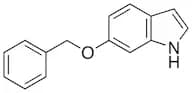
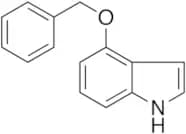
  • 6-Benzyloxyindole

    Controlled Product
    CAS:
    <p>Applications Indole derivative, as antiviral and antitumor agent.<br>References Borza, I., et al.: J. Med. Chem., 50, 901 (2007), Lefoix, M., et al.: Bioorg. Med. Chem., 16, 5303 (2008), Frost, J., et al.: J. Med. Chem., 51, 1904 (2008),<br></p>
    Formula:C15H13NO
    Color and Shape:Neat
    Molecular weight:223.27

    Ref: TR-B285945

    50mg
    89.00€
    250mg
    81.00€
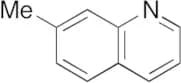
  • 6-Fluoroquinoline

    Controlled Product
    CAS:
    <p>Applications 6-Fluoroquinoline, is a versatile building block used in the synthesis of various chemical compounds.<br></p>
    Formula:C9H6FN
    Color and Shape:Neat
    Molecular weight:147.15

    Ref: TR-F596125

    1g
    98.00€
    250mg
    89.00€
    2500mg
    137.00€
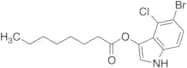
  • 4-Bromo-6-fluoroindole

    Controlled Product
    CAS:
    Formula:C8H5BrFN
    Color and Shape:Neat
    Molecular weight:214.034

    Ref: TR-B684400

    1g
    2,058.00€
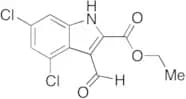
  • Ethyl 4,6-Dichloro-3-formyl-2-indolecarboxylate

    Controlled Product
    CAS:
    Formula:C12H9Cl2NO3
    Color and Shape:Neat
    Molecular weight:286.111

    Ref: TR-E915910

    2500mg
    1,530.00€
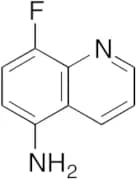
  • 5-Amino-8-fluoroquinoline

    Controlled Product
    CAS:
    <p>Applications 5-Amino-8-fluoroquinoline is an intermediate for organic synthesis. It functions as a reagent in the preparation of pyridoquinolinones and pyridoquinolinecarboxylates as bactericides.<br>References Lee, J. K., et al.: Bull. Korean Chem. Soc., 17, 90 (1996)<br></p>
    Formula:C9H7FN2
    Color and Shape:Neat
    Molecular weight:162.17

    Ref: TR-A608705

    25mg
    81.00€
    50mg
    130.00€
    250mg
    498.00€
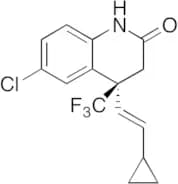
  • (S,E)-6-Chloro-4-(2-cyclopropylvinyl)-4-trifluoromethyl)-3,4-dihydroquinolin-2(1H)-one

    Controlled Product

    Formula:C15H13ClF3NO
    Color and Shape:Neat
    Molecular weight:315.718

    Ref: TR-C462750

    25mg
    14,624.00€
  • 2-amino-N-(quinolin-8-yl)acetamide

    Controlled Product
    CAS:
    <p>Applications 2-amino-N-(quinolin-8-yl)acetamide (cas# 587832-36-8) is a useful research chemical.<br></p>
    Formula:C11H11N3O
    Color and Shape:Neat
    Molecular weight:201.22

    Ref: TR-A638823

    25mg
    91.00€
    50mg
    132.00€
    250mg
    482.00€
  • 8-Aminoquinoline-2-carboxylic Acid

    Controlled Product
    CAS:
    Formula:C10H8N2O2
    Color and Shape:Neat
    Molecular weight:188.183

    Ref: TR-A638373

    750mg
    2,058.00€
  • m-Toluquinoline

    Controlled Product
    CAS:
    <p>Applications m-Toluquinoline is a reagent used in the preparation of diarylmethylpiperazines as potent opioid receptor agonists with improved side effects. Also used in the preparation of novel pyrazine compounds derived from 2-phenylquinolin-7-yl which act as potent insulin-like growth factor-I receptor inhibitors.<br>References Plobeck, N. et al.: J. Med. Chem., 43, 3878 (2000); Mulvihill, M. et al.: Bioorg Med. Chem. Lett., 16, 1359 (2008);<br></p>
    Formula:C10H9N
    Color and Shape:Off-White
    Molecular weight:143.185

    Ref: TR-T536555

    10g
    325.00€
    25g
    520.00€
    2500mg
    232.00€
  • 2,5-Dimethyl-2,3-dihydro-1H-indole

    Controlled Product
    CAS:
    <p>Applications 2,5-Dimethyl-2,3-dihydro-1H-indole (cas# 90874-56-9) is a useful research chemical.<br></p>
    Formula:C10H13N
    Color and Shape:Neat
    Molecular weight:147.22

    Ref: TR-D890810

    10mg
    91.00€
    50mg
    298.00€
    100mg
    399.00€
  • 2-Amino-6-chloro-9-(2,3,5-tri-O-acetyl-β-D-ribofuranosyl)purine

    Controlled Product
    CAS:
    <p>Applications 2-Amino-6-chloro-9-(2,3,5-tri-O-acetyl-β-D-ribofuranosyl)purine (cas# 16321-99-6) is a compound useful in organic synthesis.<br></p>
    Formula:C16H18ClN5O7
    Color and Shape:Neat
    Molecular weight:427.80

    Ref: TR-A603515

    1g
    304.00€
    5g
    762.00€
    500mg
    170.00€
  • Bicyclo[4.1.0]heptane-7-carboxylic Acid

    Controlled Product
    CAS:
    <p>Applications Bicyclo[4.1.0]Heptane-7-Carboxylic Acid (cas# 41894-76-2) is a useful reagent for the heteroatom-​directed C-​H borylation of cyclopropanes and cyclobutanes.<br>References Murakami, R., et al.: Chem. Eur. J., 20, 13127 (2014)<br></p>
    Formula:C8H12O2
    Color and Shape:Neat
    Molecular weight:140.17

    Ref: TR-C986323

    100mg
    162.00€
    250mg
    343.00€
    500mg
    582.00€
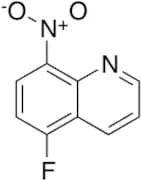
  • 5-Fluoro-8-nitroquinoline

    Controlled Product
    CAS:
    <p>Applications 5-Fluoro-8-nitroquinoline (cas# 152167-85-6) is a useful research chemical.<br></p>
    Formula:C9H5FN2O2
    Color and Shape:Neat
    Molecular weight:192.147

    Ref: TR-F622038

    500mg
    1,022.00€
  • 2,6-Dichloro-9-nitroso-9H-purine

    Controlled Product

    <p>Applications 2,6-Dichloro-9-nitroso-9H-purine is a compound useful in organic synthesis.<br></p>
    Formula:C5HCl2N5O
    Color and Shape:Neat
    Molecular weight:218.0

    Ref: TR-D487440

    100mg
    1,022.00€
  • 2,6-Dichloropurine-9-β-D-riboside

    Controlled Product
    CAS:
    <p>Applications 2,6-Dichloropurine-9-β-D-riboside (cas# 13276-52-3) is a compound useful in organic synthesis.<br></p>
    Formula:C10H10Cl2N4O4
    Color and Shape:Neat
    Molecular weight:321.12

    Ref: TR-D435785

    100mg
    98.00€
    250mg
    137.00€
    500mg
    219.00€
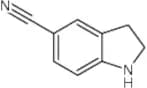
  • 5-Cyano-2,3-dihydro-1H-indole

    Controlled Product
    CAS:
    <p>Applications 5-Cyano-2,3-dihydro-1H-indole<br></p>
    Formula:C9H8N2
    Color and Shape:Neat
    Molecular weight:144.17

    Ref: TR-C955825

    50mg
    89.00€
  • 5-Aminotricyclo[3.3.1.13,7]decane-1,3-diol

    Controlled Product
    CAS:
    <p>Applications 5-Aminotricyclo[3.3.1.13,7]decane-1,3-diol is an intermediate used in the synthesis of Hydroxy Vildagliptin (V305035), which is an impurity of Vildagliptin (V305000). Vildagliptin is a DPP-​4 enzyme inhibitor, has anti-oxidant properties and used as an apoptotic agent on pancreatic cancer . Vildagliptin is used to treat type 2 diabetes mellitus (T2DM) and improve the endothelial function of patients.<br>References Amritha, C.A., et al.: J. Clin. Diagn. Res., 9, FC14 (2015); Cosenso-Martin, L.N., et al.: Diabetol. Metab. Syndr., 7, 70/1 (2015)<br></p>
    Formula:C10H17NO2
    Color and Shape:Neat
    Molecular weight:183.25

    Ref: TR-A633195

    5mg
    382.00€
    25mg
    1,505.00€
    50mg
    2,735.00€
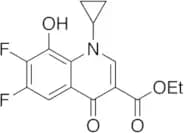
  • 1-Cyclopropyl-6,7-difluoro-1,4-dihydro-8-hydroxy-4-oxo-3-quinolinecarboxylic Acid Ethyl Ester

    Controlled Product
    CAS:
    <p>Applications 1-Cyclopropyl-6,7-difluoro-1,4-dihydro-8-hydroxy-4-oxo-3-quinolinecarboxylic Acid Ethyl Ester is used in the synthesis of antibacterials.<br>References Phillips, O. et al.: Exp. Opin. Ther. Pat., 19, 529 (2009);<br></p>
    Formula:C15H13F2NO4
    Color and Shape:Neat
    Molecular weight:309.265

    Ref: TR-C988955

    250mg
    1,530.00€
  • (1S,2S,3R,4R)-rel-3-((tert-Butoxycarbonyl)amino)bicyclo[2.2.1]heptane-2-carboxylic Acid

    Controlled Product
    CAS:
    Formula:C13H21NO4
    Color and Shape:Neat
    Molecular weight:255.31

    Ref: TR-B692730

    2500mg
    2,087.00€
  • 5-Nitroisoindoline Hydrochloride Salt

    Controlled Product
    CAS:
    <p>Applications 5-Nitroisoindoline is used as a reagent in organic synthesis of several compounds including that of biphenylcarboxamidoisoindoline derivatives, which act as apolipoprotein B secretion inhibitors, and of benzenesulfonamides which may act as antipsychotic agents.<br>References Yamada, H., et al.: Preparation of biphenylcarboxamidoisoindoline derivatives as apolipoprotein B secretion inhibitors, WO Patent 2002014277, Feb 21, 2002; Cooper, D., et al.: Preparation of benzenesulfonamides as antipsychotic agents, WO Patent 2003068732, Aug 21, 2003;<br></p>
    Formula:C8H9ClN2O2
    Color and Shape:Neat
    Molecular weight:200.622

    Ref: TR-N496370

    1g
    394.00€
    50mg
    106.00€
    250mg
    204.00€