Organometallic Ligands
Subcategories of "Organometallic Ligands"
- Buchwald Ligands(22 products)
- DPEN(4 products)
- DPHEN(4 products)
- JOSIPHOS(4 products)
- Phosphine(497 products)
- Porphirines(75 products)
Found 2889 products of "Organometallic Ligands"
Posaconazole hydrate
CAS:Posaconazole hydrate is an antifungal agent, which is a triazole derivative synthesized for the pharmaceutical industry. It functions by inhibiting the enzyme lanosterol 14α-demethylase, crucial in ergosterol biosynthesis, an essential component of fungal cell membranes. This disruption in ergosterol production leads to increased membrane permeability and ultimately the death of the fungal cells.
Formula:C37H44F2N8O5Purity:Min. 95%Molecular weight:718.8 g/molRef: 3D-YXB76938
Discontinued productDO34 analog
CAS:DO34 analog is a biochemical compound, which is synthesized from organic sources to mimic specific biochemical pathways. Its mode of action involves selective modulation or inhibition of enzyme activity, allowing researchers to study various biological processes in vitro and in vivo. The compound is often utilized in fields such as biochemistry, pharmacology, and molecular biology for its ability to influence cellular mechanisms.
Formula:C26H28F3N5O4Purity:Min. 95%Molecular weight:531.5 g/molRef: 3D-YID96971
Discontinued productCCT 241533 hydrochloride
CAS:Potent and specific inhibitor of checkpoint kinase CHK2 with IC50 of 3 nM. CCT 241533 binds to the ATP pocket of CHK2 and shows minimal cross-reactivity against related kinases. CCT 241533 blocked the activity of CHK2 and impaired DNA repair in response to DNA damage in human tumoral cell lines. The compound did not potentiate genotoxicity of several genotoxic compounds but it did potentiate the cytotoxicity of a PARP inhibitor olaparib.
Formula:C23H27FN4O4•HClPurity:Min. 95%Molecular weight:478.94 g/molRef: 3D-FC104262
Discontinued productM 1145
CAS:M 1145 is a monoclonal antibody, which is derived from a highly specific and engineered immunoglobulin source. Its mode of action involves targeting and modulating specific immune cell receptors, disrupting signaling pathways that are critical for the activation and proliferation of these cells. As a result, it can effectively modulate immune responses, making it a promising candidate for therapeutic applications in autoimmune diseases and certain types of cancers.
Formula:C128H205N37O32Purity:Min. 95%Molecular weight:2,774.2 g/molRef: 3D-XWB08900
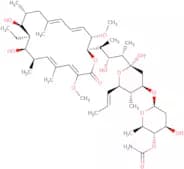
Discontinued productConcanamycin A
CAS:Inhibitor of vacuolar ATP-ases
Formula:C46H75NO14Purity:Min. 95%Color and Shape:PowderMolecular weight:866.09 g/molRef: 3D-BC162715
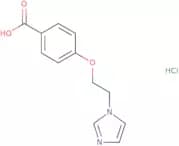
Discontinued product4-(2-(1H-Imidazol-1-yl)ethoxy)benzoic acid hydrochloride
CAS:4-(2-(1H-Imidazol-1-yl)ethoxy)benzoic acid hydrochloride is a synthetic chemical compound, which is typically sourced through organic synthesis methods. This compound is characterized by its unique structure featuring an imidazole group linked to a benzoic acid moiety via an ethoxy bridge. The mode of action of this compound predominantly involves interactions at a molecular level with various biological targets, potentially influencing biochemical pathways by mimicking or inhibiting natural biological molecules.
Formula:C12H13ClN2O3Purity:Min. 95%Molecular weight:268.69 g/molRef: 3D-ZCA22622
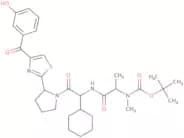
Discontinued productcIAP1 ligand 1
CAS:cIAP1 ligand 1 is a small-molecule inhibitor, which is synthesized through organic chemistry techniques with a focus on targeting protein-protein interactions. It acts by specifically binding to the cellular inhibitor of apoptosis protein 1 (cIAP1), a member of the IAP family known for its role in regulating apoptotic pathways. The ligand's mode of action involves disrupting the interaction between cIAP1 and ubiquitin ligases, leading to the autoubiquitination and subsequent degradation of cIAP1. This destabilization results in the activation of downstream apoptotic signaling cascades, primarily through the extrinsic and intrinsic pathways.
Formula:C31H42N4O6SPurity:Min. 95%Molecular weight:598.8 g/molRef: 3D-VID24442
Discontinued productY1 Receptor antagonist 1
CAS:Y1 Receptor antagonist 1 is a highly specialized pharmaceutical compound, which is derived from synthetic chemical processes, aimed at inhibiting the neuropeptide Y1 receptor. This antagonist operates by selectively blocking the binding of neuropeptide Y (NPY) to the Y1 receptor, a G-protein coupled receptor involved in various physiological processes, including appetite regulation and energy homeostasis.
Formula:C28H33N5O3Purity:Min. 95%Molecular weight:487.6 g/molRef: 3D-WIA69709
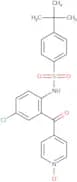
Discontinued productVercirnon
CAS:Vercirnon is a small molecule antagonist, which is derived from synthetic chemical processes with a specific mode of action targeting the CCR9 receptor. This receptor is a chemokine receptor involved in the migration of inflammatory cells to the gastrointestinal tract. By inhibiting the CCR9 receptor, Vercirnon aims to reduce the recruitment of lymphocytes to sites of inflammation, thereby dampening the inflammatory response.
Formula:C22H21ClN2O4SPurity:Min. 95%Molecular weight:444.93 g/molRef: 3D-YCB39473
Discontinued productHS56
CAS:HS56 is an advanced biopolymer, which is derived from a proprietary synthesis of renewable sources. With its unique molecular configuration, this product stands out due to its sustainable origin and innovative production method. The mode of action involves its ability to form stable complexes with diverse substrates, which can enhance material properties such as strength, flexibility, and biodegradability.
Formula:C13H8ClN5OSPurity:Min. 95%Molecular weight:317.75 g/molRef: 3D-XLB05057
Discontinued productD-Threonic acid lithium salt
CAS:D-Threonic acid lithium salt is a cell signaling molecule that belongs to the class of ligands. It has been used as a research tool in pharmacology and protein interaction studies. D-Threonic acid lithium salt can activate ion channels, which are cellular membrane proteins that allow ions to flow in or out of cells. D-Threonic acid lithium salt also interacts with receptors, which are proteins on the surface of cells that receive chemical signals from outside the cells. Receptors can be either agonists or antagonists. D-Threonic acid lithium salt is a ligand for receptor tyrosine kinase, which is involved in cell growth and differentiation.
Formula:C4H8O5·LiPurity:Min. 95%Ref: 3D-VAA24626
Discontinued productMMK 1
CAS:MMK 1 is a synthetic small molecule compound designed for use in cellular biology, specifically targeting signal transduction pathways. It is derived from innovative biotechnological synthesis, utilizing advanced techniques in organic chemistry to ensure high purity and stability. MMK 1 acts by modulating specific kinases involved in the regulation of cellular processes, affecting pathways critical for cell proliferation and differentiation.
Formula:C75H123N19O18SPurity:Min. 95%Molecular weight:1,611 g/molRef: 3D-WKA24666
Discontinued productPocapavir
CAS:Pocapavir is an investigational antiviral compound, which is a small molecule inhibitor derived from synthetic chemical processes. It operates by targeting the viral capsid of picornaviruses, specifically binding to the viral protein 1 (VP1), interfering with the virus's ability to attach and uncoat within host cells. The disruption of these crucial early steps effectively blocks the replication cycle of the virus.
Formula:C21H17Cl3O3Purity:Min. 95%Molecular weight:423.72 g/molRef: 3D-WFA94921
Discontinued productRifogal
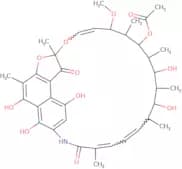
CAS:Rifogal is an antibiotic product, which is derived from a natural compound produced by the bacterium *Amycolatopsis mediterranei*. This compound functions by inhibiting bacterial RNA synthesis through binding to the beta subunit of DNA-dependent RNA polymerase, effectively halting bacterial transcription processes. The specificity of Rifogal for prokaryotic RNA polymerase, as opposed to eukaryotic RNA polymerase, underlies its efficacy as an antimicrobial agent with selective action.
Formula:C37H47NO12Purity:Min. 95%Molecular weight:697.8 g/molRef: 3D-GAA99860
Discontinued productTUG-891
CAS:TUG-891 is a selective agonist for the G-protein coupled receptor 120 (GPR120), which is derived from complex organic synthesis processes. Its mode of action involves the targeted activation of GPR120, a receptor deeply involved in the regulation of inflammation and metabolic pathways, particularly in the context of fatty acid signaling. The compound modulates downstream signaling cascades, leading to anti-inflammatory and insulin-sensitizing effects through GPR120 activation.
Formula:C23H21FO3Purity:Min. 95%Molecular weight:364.41 g/molSCH 336
CAS:SCH 336 is an antibiotic compound derived from a type of fungus. This compound is characterized by its potent ability to disrupt the synthesis of bacterial cell walls. Its mechanism of action involves the inhibition of transpeptidase enzymes, which are essential for forming cross-links in the peptidoglycan layer of bacterial cell walls. This disruption leads to cell lysis and ultimately, the death of the bacterial cell.
Formula:C23H25NO8S3Purity:Min. 95%Molecular weight:539.6 g/molRef: 3D-XSA45951
Discontinued productPiribedil
CAS:Agonist of D2 and D3 dopamine receptors; anti-parkinson drug
Formula:C16H18N4O2Purity:Min. 95%Color and Shape:PowderMolecular weight:298.34 g/molBNC105
CAS:BNC105 is an experimental vascular-disrupting agent, which is a synthetic small molecule with a focus on antitumor activity. BNC105 originates from a careful chemical synthesis process tailored to disrupt the formation of new blood vessels, known as angiogenesis, within tumors. Its primary mode of action involves targeting the tubulin within the endothelial cells that line the blood vessels, leading to rapid disassembly of microtubules. This disruption of the cytoskeleton results in the collapse of the tumor vasculature, effectively cutting off the blood supply to the tumor and thereby causing tumor hypoxia and necrosis.
Formula:C20H20O7Purity:Min. 95%Molecular weight:372.37 g/molRef: 3D-VMB77174
Discontinued productKainic Acid
CAS:Kainic Acid is a potent neuroexcitant, which is derived from certain species of red algae such as Digenea simplex. It acts as an agonist of kainate receptors, a subtype of ionotropic glutamate receptors, leading to excitotoxicity through the influx of calcium ions and the overactivation of neuronal circuits. Kainic Acid's ability to induce seizures by mimicking the neurotransmitter glutamate makes it an invaluable tool in neuroscientific research.
Formula:C10H15NO4Purity:Min. 95%Molecular weight:213.23 g/molRef: 3D-AAA48779
Discontinued productML324
CAS:ML324 is a selective small-molecule modulator, which is a synthetically derived compound with the capacity to regulate molecular pathways. Specifically, it acts as an inhibitor of autophagy, a cellular degradation process critical for maintaining homeostasis.
Formula:C21H23N3O2Purity:Min. 95%Molecular weight:349.43 g/molRef: 3D-XYB80079
Discontinued productHKI 357
CAS:Please enquire for more information about HKI 357 including the price, delivery time and more detailed product information at the technical inquiry form on this page
Formula:C31H29ClFN5O3Purity:Min. 95%Molecular weight:574.05 g/molRef: 3D-YIB13317
Discontinued productSLF
CAS:SLF-100 is an enzymatic solution, which is derived from a consortium of beneficial microorganisms. This product functions by breaking down organic matter and releasing bound nutrients within the soil, thus enhancing nutrient availability and promoting plant health. The action of SLF-100 is mediated primarily by its enzymatic components, which include cellulase, amylase, and protease, among others. These enzymes work synergistically to degrade complex organic compounds, facilitating the release of macro and micronutrients.
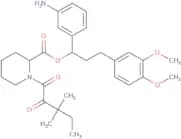
Formula:C30H40N2O6Purity:Min. 95%Molecular weight:524.6 g/molRef: 3D-VHA51396
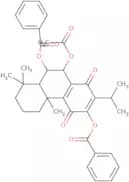
Discontinued product(4bS,8aS,9S,10S)-10-(Acetyloxy)-3,9-bis(benzoyloxy)-4b,5,6,7,8,8a,9,10-octahydro-4b,8,8-trimethyl-2-(1-methylethyl)-1,4-phenanthrene dione
CAS:(4bS,8aS,9S,10S)-10-(Acetyloxy)-3,9-bis(benzoyloxy)-4b,5,6,7,8,8a,9,10-octahydro-4b,8,8-trimethyl-2-(1-methylethyl)-1,4-phenanthrene dione is a potent chemokine molecule that is an agonist of the CXCR2 receptor. It has been shown to inhibit cancer stem cells and chemoattractant production in colon carcinoma cells. This compound selectively targets the translation of lamiaceae mRNA and induces apoptosis in colon carcinoma cells.
Formula:C36H38O8Purity:Min. 95%Molecular weight:598.7 g/molAnandamide - d4
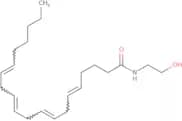
CAS:Anandamide - d4 is a stable isotope-labeled analog of anandamide, which is an endocannabinoid naturally occurring in the human body. This particular compound is synthesized, allowing for precise structural modifications while providing a stable isotopic label, deuterium. Anandamide - d4 interacts with the cannabinoid receptors, CB1 and CB2, mimicking the biological activities of endogenous anandamide but allowing for enhanced traceability in analytical studies.
Formula:C22H37NO2Purity:Min. 95%Molecular weight:347.5 g/molRef: 3D-WMB52440
Discontinued productPyr10
CAS:Pyr10 is an advanced catalytic agent, which is derived from modified zeolitic materials with high thermal stability and unique structural properties. Its mode of action involves facilitating pyrolytic reactions by providing active sites that enhance the breakdown of complex organic molecules into simpler compounds. This catalytic activity is primarily due to its porous structure and acid-base active centers, which promote efficient molecular interactions during thermal decomposition.
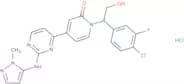
Formula:C18H13F6N3O2SPurity:Min. 95%Molecular weight:449.37 g/molRavoxertinib hydrochloride
CAS:Ravoxertinib hydrochloride is an investigational pharmaceutical compound, specifically a selective small molecule inhibitor. It is synthesized chemically, designed to target and inhibit specific protein kinases, particularly those associated with the ERK signaling pathway. The mode of action involves binding to these kinases, thus preventing their phosphorylation and subsequent activation. This interruption of the cellular signaling cascade can result in the suppression of tumor cell proliferation and survival.
Formula:C21H19Cl2FN6O2Purity:Min. 95%Molecular weight:477.3 g/molRef: 3D-VHD00958
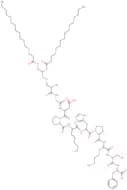
Discontinued productFSL-1
CAS:FSL-1 is an advanced antimicrobial agent, which is derived from fatty acids and modified through a synthesis process involving surface-active molecules. This compound exhibits enhanced antimicrobial efficacy through its unique mode of action that disrupts microbial cell membranes by integrating into the lipid bilayer, causing structural instability and leakage of cellular contents. Such action effectively eliminates a broad spectrum of bacteria and fungi.
Formula:C84H140N14O18SPurity:Min. 95%Molecular weight:1,666.2 g/molPKS21004
CAS:PKS21004 is a bioactive compound, specifically a secondary metabolite, which is derived from marine bacteria. This compound is produced through polyketide synthase pathways, typical of many bioactive natural products sourced from marine organisms. Its mode of action involves the inhibition of key cellular pathways critical for cancer cell proliferation and metastasis.
Formula:C32H38N4O4Purity:Min. 95%Molecular weight:542.67 g/molRef: 3D-VID52190
Discontinued productTT 232
CAS:TT 232 is an advanced semiconductor characterization instrument, which is a critical tool in the field of materials science and electrical engineering. This product is sourced from the latest innovations in semiconductor technology, designed to provide comprehensive analysis of material properties. With a sophisticated mode of action, TT 232 employs high-resolution electrical measurements to assess parameters such as carrier concentration, mobility, and defect levels within semiconductor materials.
Formula:C45H58N10O9S2Purity:Min. 95%Molecular weight:947.1 g/molRef: 3D-XFA15951
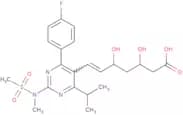
Discontinued product(3R,5R)-Rosuvastatin sodium salt
CAS:Inhibitor of HMG-CoA reductase
Formula:C22H27FN3O6S·NaPurity:Min. 95%Molecular weight:503.52 g/molRef: 3D-FR27759
Discontinued product(E)-N-[(2S)-1-[5-[2-(4-Cyanoanilino)-4-(propylamino)pyrimidin-5-yl]pent-4-ynylamino]-1-oxopropan-2-yl]-4-(dimethylamino)-N-methylbut -2-enamide
CAS:(E)-N-[(2S)-1-[5-[2-(4-Cyanoanilino)-4-(propylamino)pyrimidin-5-yl]pent-4-ynylamino]-1-oxopropan-2-yl]-4-(dimethylamino)-N-methylbut-2-enamide is a novel small molecule, which is a synthetic compound designed for research purposes. Its structure is derived from a combination of pyrimidine and aniline derivatives, engineered to enhance biological activity and specificity. This compound functions mainly as a kinase inhibitor, targeting specific signaling pathways involved in cellular proliferation and survival. By inhibiting kinase activity, it can modulate aberrant signal transduction pathways frequently observed in various pathological conditions, including cancers.
Formula:C29H38N8O2Purity:Min. 95%Molecular weight:530.7 g/molRef: 3D-XIC79769
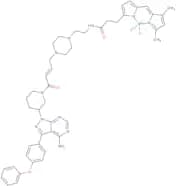
Discontinued productPCI-33380
CAS:PCI-33380 is a small molecule inhibitor, which is a synthetic compound specifically designed to target and inhibit the mammalian target of rapamycin (mTOR) pathway. This pathway plays a critical role in cell growth, proliferation, and survival by sensing and integrating various environmental cues. Inhibition of mTOR using compounds like PCI-33380 disrupts these signaling cascades, affecting tumor progression and providing a potentially effective approach for cancer therapeutics.
Formula:C46H52BF2N11O3Purity:Min. 95%Molecular weight:855.78 g/molRef: 3D-XQB89936
Discontinued productAZ82
CAS:AZ82 is a small molecule inhibitor, which is synthetically derived, specifically targeting epigenetic regulatory pathways. It functions by inhibiting the activity of a particular class of enzymes involved in chromatin modification, thereby affecting gene expression patterns. Through its ability to modulate these epigenetic marks, AZ82 is instrumental in shifting transcriptional landscapes within cells.
Formula:C28H31F3N4O3SPurity:Min. 95%Molecular weight:560.63 g/molRef: 3D-ZHC57865
Discontinued productDichlorodenafil
CAS:Dichlorodenafil is a synthetic compound, which is an analogue of sildenafil. The source of this product is a laboratory synthesis where chemical manipulation replicates the structural characteristics of known phosphodiesterase inhibitors. Its mode of action involves the inhibition of the phosphodiesterase type 5 (PDE5) enzyme, leading to the relaxation of smooth muscle tissue and increased blood flow, primarily in the corpus cavernosum. This mechanism is similar to other compounds aimed at treating erectile dysfunction.
Formula:C19H20Cl2N4O2Purity:Min. 95%Molecular weight:407.3 g/molRef: 3D-WHC08984
Discontinued productAgn 192403 hydrochloride
CAS:Agn 192403 hydrochloride is a synthetic compound designed as a selective antagonist of the calcitonin gene-related peptide (CGRP) receptor. This product is derived through chemical synthesis, specific to modulating biological pathways related to bone metabolism. Its mode of action involves inhibiting the activity of CGRP, a neuropeptide that plays a significant role in the regulation of bone resorption and vasodilation.
Formula:C10H20ClNPurity:Min. 95%Molecular weight:189.72 g/molRef: 3D-WQB86890
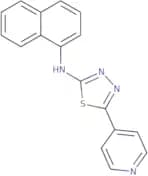
Discontinued productN-Naphthalen-1-yl-5-pyridin-4-yl-1,3,4-thiadiazol-2-amine
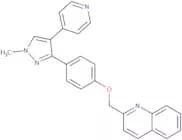
CAS:N-Naphthalen-1-yl-5-pyridin-4-yl-1,3,4-thiadiazol-2-amine is a heterocyclic compound, which is a synthetic compound commonly utilized in the field of organic chemistry and pharmaceutical research. This compound is typically derived through multi-step synthetic procedures, often involving the cyclization of appropriate precursors to form the thiadiazole ring, followed by functionalization with naphthyl and pyridyl groups.Formula:C17H12N4SPurity:Min. 95%Molecular weight:304.4 g/molRef: 3D-XGB76757
Discontinued productRimtuzalcap
CAS:Rimtuzalcap is a monoclonal antibody, which is derived from a hybridoma technology involving the fusion of specific immune cells. It operates through the highly specific binding to a targeted antigen, thereby modulating immune responses or interfering with signaling pathways. This precision in action enhances its efficacy and minimizes off-target effects compared to broader immunomodulatory agents.
Formula:C18H24F2N6OPurity:Min. 95%Molecular weight:378.42 g/molRef: 3D-BR184195
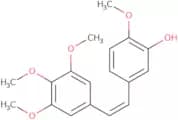
Discontinued productCombretastatin A4
CAS:Tubulin binding agent; targets tumour vasculature
Formula:C18H20O5Purity:Min. 95%Molecular weight:316.35 g/molRef: 3D-FC20545
Discontinued product(2R)-2-Amino-3-(benzenesulfonylsulfanyl)propanoic acid
CAS:Controlled Product(2R)-2-Amino-3-(benzenesulfonylsulfanyl)propanoic acid is a synthetic compound characterized as a modified amino acid derivative. This product is derived from a sulfonylation process integrating the benzenesulfonyl moiety with a thiol group, resulting in a compound that also retains the structural features of an amino acid.
Formula:C9H11NO4S2Purity:Min. 95%Molecular weight:261.3 g/molRef: 3D-XDA51283
Discontinued product[Des-Arg9]-bradykinin acetate
CAS:Controlled Product[Des-Arg9]-bradykinin acetate is a synthetic peptide, which is derived from bradykinin, a naturally occurring peptide in the body that acts as a mediator of various physiological processes. This compound is specifically modified by the removal of the C-terminal arginine residue, which alters its reactivity and affinity for certain receptors. It primarily acts on B1 receptors, which are upregulated in tissues under inflammatory conditions. By specifically targeting these receptors, [Des-Arg9]-bradykinin acetate serves as a valuable tool for exploring the roles of bradykinin in inflammation and pain pathways.
Formula:C46H65N11O12Purity:Min. 95%Molecular weight:964.07 g/molRef: 3D-YAA82791
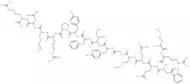
Discontinued product[Ala113]-MBP (104-118)
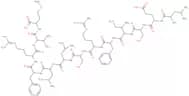
CAS:[Ala113]-MBP (104-118) is a synthetic peptide, which is derived from human myelin basic protein (MBP). It is used as a tool in neurobiological research to study demyelinating diseases such as multiple sclerosis. The peptide is synthesized by replacing the serine at position 113 with alanine in the MBP (104-118) sequence. This modification allows researchers to investigate the structural and functional roles of specific amino acids in interactions with cellular receptors or other proteins.
Formula:C67H104N20O19Purity:Min. 95%Molecular weight:1,493.7 g/molRef: 3D-ZDA02678
Discontinued productAlphos Pd G6 otf
CAS:Alphos Pd G6 otf is a fumigant formulation that releases phosphine gas, sourced from metal phosphides such as aluminum or magnesium phosphide. When exposed to moisture, the product undergoes hydrolysis, liberating phosphine, a potent gaseous phosphine (PH₃) compound. This mode of action is based on phosphine’s ability to disrupt cellular respiration in pests, leading to their effective eradication.
Formula:C60H71F10O4PPdSPurity:Min. 95%Molecular weight:1,215.65 g/molRef: 3D-XID60018
Discontinued productP73B, gst tagged human
CAS:P73B is a GST-tagged human protein, which is a recombinant fusion protein derived from an expression vector that incorporates a glutathione S-transferase (GST) tag. The GST tag originates from the parasitic helminth Schistosoma japonicum, and the fusion allows for a convenient purification process of the target protein through glutathione affinity chromatography.
Purity:Min. 95%CD 3254
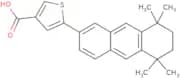
CAS:CD 3254 is a biocidal agent, which is synthesized through a proprietary chemical process involving quaternary ammonium compounds. This agent acts by disrupting the cell membranes of bacteria, leading to cell lysis and death. The mode of action involves binding to the negatively charged bacterial cell surfaces, which compromises cell integrity and ultimately results in the leakage of cytoplasmic contents.
Formula:C24H28O3Purity:Min. 95%Molecular weight:364.48 g/molRef: 3D-WHA96143
Discontinued productCimlanod
CAS:Please enquire for more information about Cimlanod including the price, delivery time and more detailed product information at the technical inquiry form on this page
Formula:C5H7NO4SPurity:Min. 95%Molecular weight:177.18 g/molRef: 3D-VPC33072
Discontinued productJasplakinolide
CAS:Jasplakinolide is a cyclodepsipeptide, which is isolated from marine sponge species, particularly of the genus Jaspis. It functions by binding to actin, a critical component of cellular cytoskeletons, where it induces polymerization and stabilization of actin filaments. This action results in the disruption of normal actin dynamics, impeding processes such as cell motility and division.
Formula:C36H45BrN4O6Purity:Min. 95%Color and Shape:PowderMolecular weight:709.67 g/molRef: 3D-CEA39624
Discontinued product(3,5-Dibromo-4-hydroxyphenyl)(2-ethyl-6-hydroxybenzofuran-3-yl)methanone
CAS:(3,5-Dibromo-4-hydroxyphenyl)(2-ethyl-6-hydroxybenzofuran-3-yl)methanone is a specialized synthetic compound, often utilized in the field of biochemical research. Originating from organic synthesis, this compound is designed to interact with specific biological targets, typically involved in enzymatic or receptor-mediated pathways. Its dual-ring structure, incorporating bromine atoms, contributes to its unique reactivity and potential selectivity in biological systems.Formula:C17H12Br2O4Purity:Min. 95%Molecular weight:440.1 g/molVER-50589
CAS:VER-50589 is a broad-spectrum antibiotic, which is synthesized via a semi-synthetic process derived from natural penicillin compounds. This antibiotic exerts its effects predominantly through inhibiting the transpeptidation enzyme essential for bacterial cell wall synthesis. By binding to specific penicillin-binding proteins (PBPs) within the bacterial cell, it disrupts the formation of peptidoglycan cross-links, compromising cell wall integrity and leading to cell lysis.
Formula:C19H17ClN2O5Purity:Min. 95%Molecular weight:388.8 g/molRef: 3D-XEB41308
Discontinued productTopfluor lyso pa
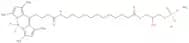
CAS:TopFluor Lyso PA is a fluorescently labeled lipid analog, derived from a lysophosphatidic acid (LPA) source, designed to facilitate the study of lipid-protein and lipid-lipid interactions. Its mode of action involves the integration of a fluorescent moiety onto the LPA backbone, enabling visualization and tracking within biological systems.
Formula:C32H54BF2N4O8PPurity:Min. 95%Molecular weight:702.57 g/molRef: 3D-WZB35562
Discontinued productAdriforant hydrochloride
CAS:Adriforant hydrochloride is a synthetic histamine H4 receptor antagonist, which is derived through chemical synthesis. This compound specifically targets the H4 receptor, a member of the histamine receptor family, playing a crucial role in the modulation of immune response and inflammatory processes. The mode of action of adriforant hydrochloride involves competitive inhibition of the H4 receptor, thereby blocking the signaling pathways that contribute to the recruitment and activation of immune cells, such as eosinophils and T cells, which are pivotal in allergic and inflammatory conditions.
Formula:C13H25Cl3N6Purity:Min. 95%Molecular weight:371.7 g/molRef: 3D-WID45590
Discontinued productJNJ 10191584
CAS:JNJ 10191584 is a chemical compound that functions as a selective adrenergic receptor antagonist, developed through synthetic organic chemistry processes. This compound primarily affects the adrenergic system by blocking specific adrenergic receptors in the central nervous system. Its mode of action involves the inhibition of receptor activity, which modulates neurotransmitter release and influences various physiological responses.
Formula:C13H15ClN4OPurity:Min. 95%Molecular weight:278.74 g/molRef: 3D-YCA90317
Discontinued productPy1
CAS:Py1 is a biopesticide, which is a product derived from natural sources with a focus on sustainable agriculture. It is designed to harness the bioactive compounds produced by certain microbial strains. This biopesticide functions through a multifaceted mode of action, primarily targeting specific physiological and biochemical pathways within pest organisms, thereby inhibiting their growth and reproduction.
Formula:C30H32BNO5Purity:Min. 95%Molecular weight:497.39 g/molRef: 3D-ZYB69672
Discontinued productMots-C
CAS:Mots-C is a mitochondrial-derived peptide, which is encoded by the small open reading frame found within the mitochondrial 12S rRNA. This peptide functions by interacting with the cellular metabolic pathways to enhance mitochondrial bioenergetics and overall cellular metabolism. Mechanistically, Mots-C modulates the folate–methionine cycle, directly impacting glucose regulation and energy utilization, and consequently facilitating cellular adaptation to metabolic stress.
Formula:C101H152N28O22S2Purity:Min. 95%Molecular weight:2,174.6 g/molTubulin, gst tagged human
CAS:Tubulin, GST tagged human, is a recombinant protein used extensively in cell biology research. It is derived from a human source, with genetic engineering employed to append a Glutathione S-transferase (GST) tag. This tagging facilitates purification and enhances solubility, crucial for downstream applications.
Purity:Min. 95%Ps-1145 dihydrochloride
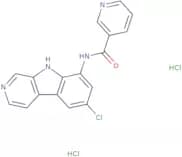
CAS:PS-1145 dihydrochloride is a synthetic chemical compound that acts as a selective inhibitor of the enzyme IκB kinase β (IKK-β). This compound is typically derived through complex chemical synthesis techniques in laboratory environments. PS-1145 targets the NF-κB signaling pathway by directly binding to IKK-β, thereby inhibiting its activity. This inhibition prevents the phosphorylation and subsequent degradation of IκB proteins, which in turn retains NF-κB in the cytoplasm and prevents its transcriptional activity in the nucleus.
Formula:C17H13Cl3N4OPurity:Min. 95%Molecular weight:395.7 g/molRef: 3D-ZRB74358
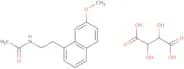
Discontinued productAgomelatine (L(+)-tartaric acid)
CAS:Controlled ProductAgomelatine (L(+)-tartaric acid) is a synthetic antidepressant, which is derived from chemical synthesis. It acts primarily by serving as an agonist at melatonin MT1 and MT2 receptors and as an antagonist at 5-HT2C serotonin receptors. This dual mechanism of action is particularly significant as it helps regulate sleep-wake cycles and mood by re-establishing normal circadian rhythms.
Formula:C19H23NO8Purity:Min. 95%Molecular weight:393.4 g/molRef: 3D-ZHB39318
Discontinued product(2S)-1-(7-Ethylfuro[2,3-G]indazol-1-yl)propan-2-amine
CAS:(2S)-1-(7-Ethylfuro[2,3-G]indazol-1-yl)propan-2-amine is a pharmacologically active compound that acts as a synthetic amine derivative. This compound is derived from the indazole class of heterocyclic aromatic organic compounds, which are renowned for their significant biological activities. The mechanism of action primarily involves its interaction with molecular targets within cancerous cells, potentially leading to the modulation of signal transduction pathways or inhibition of specific enzymes crucial for tumor growth and survival.
Formula:C14H17N3OPurity:Min. 95%Molecular weight:243.3 g/molRef: 3D-XPA16384
Discontinued productMLT-747
CAS:MLT-747 is a high-performance polymer composite, which is a synthetic material derived from advanced polymerization techniques involving specific monomers and additives. Its formulation is designed to provide exceptional mechanical properties and thermal stability through the integration of reinforcing agents and proprietary chemical modifications.
Formula:C20H21Cl2N7O3Purity:Min. 95%Molecular weight:478.3 g/molRef: 3D-XID85386
Discontinued product(D)-PPA 1
CAS:(D)-PPA, known as (D)-phenylpropanolamine, is a chiral compound frequently utilized in chemical research and synthesis. It is derived from the stereospecific synthesis of phenylpropanolamine, a known sympathomimetic compound. The mode of action of (D)-PPA involves interaction with adrenergic receptors, exhibiting a preference for specific binding characteristics associated with its stereochemistry. This interaction can influence various biochemical pathways, making it a valuable tool in the study of adrenergic functions on a molecular level.
Formula:C70H98N20O21Purity:Min. 95%Molecular weight:1,555.6 g/molRef: 3D-VPC81353
Discontinued productPRT062607 (P505-15) HCl
CAS:PRT062607 (P505-15) HCl is a small-molecule inhibitor, which is a synthetic compound with a highly specific action on the 3-phosphoinositide-dependent protein kinase-1 (PDK1). This compound is derived through rational drug design processes aimed at modulating intracellular signaling pathways. PRT062607 acts by selectively binding to the ATP-binding site of PDK1, thereby inhibiting its kinase activity. This inhibition disrupts downstream signaling mediated by the phosphoinositide 3-kinase (PI3K) pathway, which is pivotal in regulating various cellular processes, including growth, survival, and metabolism.
Formula:C19H23N9O·HClPurity:Min. 95%Molecular weight:429.91 g/molRef: 3D-VEC26197
Discontinued productNTRC 824
CAS:NTRC 824 is an innovative bioactive compound, meticulously developed from natural sources, with unique properties that facilitate its mode of action. The compound is derived through an advanced extraction and purification process ensuring its optimal efficacy and stability. NTRC 824 operates by modulating specific molecular pathways, which are central to its function in targeted applications.
Formula:C25H26F3N3O6SPurity:Min. 95%Molecular weight:553.6 g/molRef: 3D-YPC00261
Discontinued productBMS 819881
CAS:BMS 819881 is a synthetic chemical compound, classified as a pharmaceutical agent. This compound originates from synthetic processes in medicinal chemistry, developed as part of a structured drug discovery program. Its mode of action involves inhibiting specific molecular targets related to metabolic pathways, which are impactful in regulating physiological processes at the cellular level.
Formula:C24H21ClN2O4SPurity:Min. 95%Molecular weight:469 g/molNsc 162535 disodium
CAS:NSC 162535 disodium is a synthetic compound, classified as a chemical agent. It is derived from chemical synthesis processes intended for research and experimental purposes. The compound acts through biochemical interactions that affect specific cellular pathways, making it of interest for a variety of investigative biological studies.
Formula:C20H13N3Na2O8S2Purity:Min. 95%Molecular weight:533.4 g/molRef: 3D-XEA85518
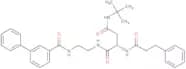
Discontinued productSB 328437
CAS:SB 328437 is a selective 5-HT6 receptor antagonist, which is a synthetic compound developed for research purposes. It originates from a series of chemical syntheses aimed at creating ligands capable of specifically targeting serotonin receptors in the brain. The mode of action involves blocking the 5-HT6 receptor, a subtype of serotonin receptors primarily expressed in the central nervous system, thereby modulating the neurotransmission associated with this receptor.
Formula:C21H18N2O5Purity:Min. 95%Molecular weight:378.38 g/molWWL113
CAS:WWL113 is a synthetic biochemical compound, which is designed to modulate enzymatic activity. It is developed through advanced organic synthesis techniques that allow for precision targeting of specific molecular pathways. The mode of action involves selective inhibition of a particular enzyme, which plays a crucial role in various biochemical processes.
Formula:C29H26N2O4Purity:Min. 95%Molecular weight:466.53 g/molRef: 3D-XMB66986
Discontinued productAZD1208 hydrochloride
CAS:AZD1208 hydrochloride is a small-molecule inhibitor, sourced from synthetic chemical production, which targets Pim kinases. Pim kinases are serine/threonine kinases implicated in the regulation of cell survival and proliferation. AZD1208 hydrochloride functions by selectively inhibiting all three Pim kinases (Pim-1, Pim-2, and Pim-3), thus disrupting pathways essential for cancer cell growth and survival, particularly in hematologic malignancies.
Formula:C21H22ClN3O2SPurity:Min. 95%Molecular weight:415.9 g/molRef: 3D-WPC86696
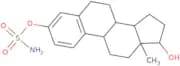
Discontinued productEstradiol 3-sulfamate
CAS:Estradiol 3-sulfamate is a synthetic estrogen analogue, which is derived from the natural estrogen hormone, estradiol. Its mode of action involves the inhibition of steroid sulfatase, an enzyme responsible for converting sulfated steroid precursors into active estrogens. This inhibition reduces estrogen levels and influences the hormonal regulation pathways within the body.
Formula:C18H25NO4SPurity:Min. 95%Molecular weight:351.5 g/molRef: 3D-XGA37752
Discontinued productPB 28 dihydrochloride
CAS:PB 28 dihydrochloride is a selective sigma-2 receptor ligand, which is a synthetic compound targeting specific receptor sites. These receptors are predominantly found in cancer cells, implicating them in cellular proliferation and apoptosis. PB 28 dihydrochloride is synthetically derived and is employed extensively in preclinical studies. Its mode of action involves high-affinity binding to the sigma-2 receptors, allowing modulation of cellular stress responses and apoptosis pathways.
Formula:C24H38N2O·2HClPurity:Min. 95%Molecular weight:443.5 g/molRef: 3D-XGA90703
Discontinued productAvex-73
CAS:Avex-73 is a chemical deterrent, which is derived from naturally occurring plant-based extracts. It operates by affecting the sensory pathways of birds, making treated areas undesirable for them through olfactory and gustatory discomfort. When applied, Avex-73 interacts with the specific chemosensory receptors present in avian species, creating an aversive, yet non-lethal reaction. This makes it an effective tool in managing bird-related challenges in various environments.
Formula:C19H23NOPurity:Min. 95%Molecular weight:281.4 g/molRef: 3D-VHA61583
Discontinued product2-Ethyl-3-[4-[(E)-3-(4-isopropylpiperazin-1-yl)propenyl]benzyl]-5,7-dimethyl-3H-imidazo[4,5-b]pyridine
CAS:2-Ethyl-3-[4-[(E)-3-(4-isopropylpiperazin-1-yl)propenyl]benzyl]-5,7-dimethyl-3H-imidazo[4,5-b]pyridine is an advanced pharmaceutical compound, which is synthesized through a multi-step organic chemistry process. This compound is designed to target specific biochemical pathways with high precision, offering potential therapeutic benefits. Its mode of action involves modulation of receptor activity, potentially influencing signal transduction pathways critical in various diseases.
Formula:C27H37N5Purity:Min. 95%Molecular weight:431.6 g/molRef: 3D-XXB87916
Discontinued productMardepodect
CAS:Mardepodect is an investigative pharmaceutical compound, which is derived synthetically through a series of complex chemical reactions involving multiple steps of organic synthesis. This compound operates primarily as a selective phosphodiesterase-9 (PDE9) inhibitor, modulating intracellular signaling pathways by preventing the degradation of cyclic guanosine monophosphate (cGMP). The resulting elevated levels of cGMP lead to various downstream biological effects that can be explored for therapeutic benefits.
Formula:C25H20N4OPurity:Min. 95%Molecular weight:392.45 g/molRef: 3D-YKB56294
Discontinued productRo 64-5229
CAS:Ro 64-5229 is a selective inverse agonist for the histamine H3 receptor, which is a synthetic small molecule. Its source is laboratory-synthesized, involving complex organic chemistry techniques tailored to specifically interact with the H3 receptor subtype. The mode of action of Ro 64-5229 involves binding to the histamine H3 receptor, which leads to a decrease in the constitutive activity of this receptor, effectively opposing its natural agonists.
Formula:C17H19Cl2N3OPurity:Min. 95%Molecular weight:352.3 g/molRef: 3D-WJA85246
Discontinued productSCH-202676
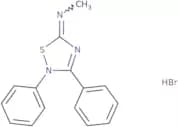
CAS:SCH-202676 is a non-peptidyl allosteric modulator, which is a synthetic compound designed to influence receptor activity. It is sourced from chemical synthesis processes that allow for the precise modulation of receptor function through non-peptidyl mechanisms. The mode of action for SCH-202676 involves binding to an allosteric site on target receptors, altering their conformation and subsequently modulating their activity without directly competing with endogenous ligands.
Formula:C15H14BrN3SPurity:Min. 95%Molecular weight:348.3 g/molRef: 3D-VCA37543
Discontinued productProtac brd9 degrader-1
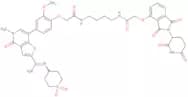
CAS:Protac BRD9 Degrader-1 is a small molecule degrader, which is a bifunctional molecule derived from proteolysis-targeting chimera (PROTAC) technology. It operates by harnessing the ubiquitin-proteasome system to selectively degrade the BRD9 protein. The molecule consists of two ligands: one binds to the target protein, BRD9, and the other recruits an E3 ubiquitin ligase. This forms a ternary complex, leading to the ubiquitination and subsequent degradation of BRD9.
Formula:C42H45N7O12S2Purity:Min. 95%Molecular weight:904 g/molRef: 3D-XID97101
Discontinued product5-Ht6 antagonist 29
CAS:5-HT6 antagonist 29 is a pharmacological compound, which is synthesized through organic chemistry techniques, typically involving multi-step reactions to yield high specificity. This compound functions as a selective antagonist for the 5-HT6 serotonin receptor, a G-protein-coupled receptor predominantly found in the central nervous system.
Formula:C7H8N6Purity:Min. 95%Molecular weight:176.18 g/molRef: 3D-XUA96370
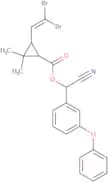
Discontinued productDeltamethrin-d5
CAS:Deltamethrin-d5 is a labeled pyrethroid isomer, which is an essential tool in analytical chemistry and environmental science. This product is synthetically derived and incorporates deuterium, a stable isotope of hydrogen, thereby serving as an internal standard in mass spectrometric analysis.
Formula:C22H19Br2NO3Purity:Min. 95%Molecular weight:510.2 g/molRef: 3D-SYB63323
Discontinued productPIM-447 dihydrochloride
CAS:PIM-447 dihydrochloride is a potent small molecule kinase inhibitor, which is synthesized as a selective inhibitor of PIM kinases. These kinases, part of the serine/threonine kinase family, are implicated in various cellular processes, including cell cycle progression and survival, making them a target of interest in oncology research. PIM-447 acts by binding to the ATP-binding pocket of PIM kinases, thereby inhibiting their activity and disrupting downstream signaling pathways that promote tumor growth and survival.
Formula:C24H25Cl2F3N4OPurity:Min. 95%Molecular weight:513.38 g/molRef: 3D-VXC56569
Discontinued productSonepiprazole hydrochloride
CAS:Controlled ProductSonepiprazole hydrochloride is an experimental pharmaceutical compound, which is derived from synthetic sources with a high degree of chemical precision. This compound acts as a selective dopamine D4 receptor antagonist, modulating neurochemical transmission by inhibiting D4 receptor activity. The specificity for the D4 receptor suggests its potential use in elucidating the pathophysiology of conditions such as schizophrenia and other neuropsychiatric disorders. Research into Sonepiprazole hydrochloride focuses on its efficacy in altering dopaminergic pathways, which may contribute to improved cognitive and behavioral functions in preclinical models. While its exact therapeutic potential remains under study, Sonepiprazole hydrochloride represents a promising avenue in the development of targeted treatments for psychiatric conditions where dopamine dysregulation is implicated.
Formula:C20H31NO6Purity:Min. 95%Molecular weight:381.5 g/molRef: 3D-VGA85736
Discontinued productLY 2922470
CAS:LY 2922470 is an investigational compound, which is a small molecule inhibitor, derived from synthetic chemical sources, with specific activity against certain kinase enzymes. The mode of action of LY 2922470 involves binding to the ATP pocket of the targeted kinases, thereby inhibiting their phosphorylation activity, which is crucial in signaling pathways that regulate cell proliferation and survival.
Formula:C28H29NO4SPurity:Min. 95%Molecular weight:475.6 g/molRef: 3D-YGC01812
Discontinued productGSK2850163
CAS:GSK2850163 is a small-molecule inhibitor, which is derived synthetically. It functions by selectively targeting bromodomains, which are protein interaction modules that recognize acetylated lysine residues. This action disrupts the interaction between bromodomains and acetylated histones, thereby influencing gene expression. Such selective targeting allows for modulation of transcriptional programs that can be aberrant in various diseases.
Formula:C24H29Cl2N3OPurity:Min. 95%Molecular weight:446.4 g/molRef: 3D-WJD98991
Discontinued productMM 11253
CAS:MM 11253 is a sophisticated biotechnological research reagent, which is derived from a combination of recombinant DNA technology and protein engineering techniques. Its mode of action involves specific binding to nucleic acid sequences, thus enabling precise manipulation and analysis of genetic material. By leveraging its specific binding properties, MM 11253 can be used to facilitate various genetic studies, including gene expression analysis, DNA sequencing, and genomic mapping.
Formula:C28H30O2S2Purity:Min. 95%Molecular weight:462.67 g/molRef: 3D-VNA95244
Discontinued productIsorauhimbin
CAS:Isorauhimbin is an indole alkaloid, which is derived from the plant family Apocynaceae. It is primarily sourced from the bark of Rauwolfia plants, where it exists as one of the stereoisomers of yohimbine. The mode of action of Isorauhimbin involves its interaction with adrenergic receptors, specifically acting as an antagonist at the alpha-2 adrenergic receptors. This interaction results in increased release of norepinephrine and enhanced sympathetic nervous system activity.
Formula:C21H26N2O3Purity:Min. 95%Molecular weight:354.4 g/molRef: 3D-AAA48309
Discontinued productSyk Inhibitor
CAS:Syk Inhibitor is a small molecule compound designed to inhibit the activity of spleen tyrosine kinase (Syk), which is derived through advanced chemical synthesis from a variety of organic substrates. With its mode of action as a kinase inhibitor, Syk Inhibitor functions by specifically binding to the ATP-binding site of the Syk enzyme. This binding effectively blocks the phosphorylation processes necessary for signal transduction pathways that are critical in immune cell activation and function.
Formula:C18H15N3O3SPurity:Min. 95%Molecular weight:353.4 g/molRef: 3D-XZA38785
Discontinued productGlyt1 inhibitor 1
CAS:Glyt1 inhibitor 1 is a chemical compound that acts as an inhibitor of the GlyT1 transporter, which is a product of synthetic chemistry. This inhibitor binds selectively to the glycine transporter-1 (GlyT1), a key protein responsible for the reuptake of glycine, an important neurotransmitter, in the central nervous system. By inhibiting GlyT1, this compound increases glycine levels in synaptic clefts, which can enhance N-methyl-D-aspartate (NMDA) receptor activity.
Formula:C22H21N5O2Purity:Min. 95%Molecular weight:387.4 g/molRef: 3D-VXC93493
Discontinued product740 Y-P
CAS:740 Y-P is a plant growth regulator, which is a synthetic derivative sourced from alkenyl succinic acid anhydrides. This product acts by modulating plant growth processes through its influence on physiological pathways essential for fruit development and maturation. The mode of action involves the regulation of gibberellin biosynthesis, a key hormone in plant growth, leading to enhanced fruit size, improved coloration, and more uniform ripening.
Formula:C141H222N43O39PS3Purity:Min. 95%Molecular weight:3,270.72 g/molPKG drug G1
CAS:PKG drug G1 is a synthetic small-molecule inhibitor, which is a laboratory-engineered compound designed to interfere with the signaling pathways involved in cell cycle regulation. It is specifically sourced through chemical synthesis, allowing for precise modifications to enhance its stability and efficacy in cellular systems. The mode of action of PKG drug G1 involves selectively targeting and inhibiting certain protein kinases that play a crucial role in the progression of the cell cycle, particularly the G1 phase. By inhibiting these kinases, the drug effectively halts cell division, making it a potential candidate for research in cancer treatment.
Formula:C13H11N3OSPurity:Min. 95%Molecular weight:257.31 g/molRef: 3D-ZPA70378
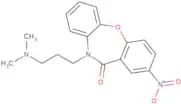
Discontinued productNitroxazepine
CAS:Nitroxazepine is a tricyclic antidepressant, which is a synthetic compound derived from chemical manipulation of dibenzazepine structures. It functions by inhibiting the reuptake of norepinephrine and, to a lesser extent, serotonin in the central nervous system. This action increases the levels of these neurotransmitters in the synaptic cleft, enhancing mood regulation and alleviating depressive symptoms.
Formula:C18H19N3O4Purity:Min. 95%Molecular weight:341.4 g/molRef: 3D-XBA43936
Discontinued productp-((4-((1-Oxotetradecyl)amino)phenyl)methyl)-phosphonic acid
CAS:P-((4-((1-Oxotetradecyl)amino)phenyl)methyl)-phosphonic acid is a synthetic compound, which is a specialized reagent used primarily in chemical research. It is derived from the modification of phosphonic acid with an aryl amide and a long-chain fatty acid substituent on the phenyl group. This structural configuration imparts the compound with unique physicochemical properties that make it suitable for various scientific studies.
Formula:C21H36NO4PPurity:Min. 95%Molecular weight:397.5 g/molRef: 3D-WTB77084
Discontinued productPerindopril L-arginine
CAS:Perindopril L-arginine is an angiotensin-converting enzyme (ACE) inhibitor, which is synthetically derived for pharmacological applications. Its mode of action involves the inhibition of the ACE, reducing the conversion of angiotensin I to angiotensin II, a potent vasoconstrictor. Consequently, this results in vasodilation, decreased blood pressure, and reduced cardiac workload. The addition of L-arginine aims to enhance endothelial function due to its role as a precursor to nitric oxide, a vasodilator that further complements the antihypertensive effects.
Formula:C25H46N6O7Purity:Min. 95%Molecular weight:542.7 g/molRef: 3D-MZA54845
Discontinued productCD 2314
CAS:CD 2314 is an innovative compound used as a neuromodulatory agent, derived from advanced synthetic pathways. This compound acts selectively on specific neural receptors through ligand-receptor interactions, making it a valuable tool for elucidating complex neurological pathways. By modulating synaptic transmission and influencing neurotransmitter release, CD 2314 offers potential insights into the synaptic mechanisms underpinning cognitive processes.
Formula:C23H24O2SPurity:Min. 95%Molecular weight:364.5 g/molRef: 3D-VGA35537
Discontinued productPolyethylene glycol 12-hydroxystearate
CAS:Polyethylene glycol 12-hydroxystearate is a non-ionic surfactant derived from the esterification of 12-hydroxystearic acid, typically sourced from castor oil, with polyethylene glycol. This compound exhibits amphiphilic properties, allowing it to reduce surface and interfacial tension between different phases. Its mode of action primarily involves facilitating the formation of stable emulsions by reducing the energy required to disperse one phase uniformly within another.
Formula:C20H40O4Purity:Min. 95%Molecular weight:344.5 g/molAT-007
CAS:AT-007 is an investigational pharmaceutical compound, which is a small molecule inhibitor derived from advanced synthetic chemistry processes. It functions through the inhibition of aldose reductase, a key enzyme involved in the polyol pathway. By impeding this enzyme, AT-007 effectively reduces the accumulation of harmful sugar alcohols in cells, which otherwise contribute to cellular damage and the pathophysiology of certain metabolic disorders.
Formula:C17H10F3N3O3S2Purity:Min. 95%Molecular weight:425.4 g/molRef: 3D-VLD72929
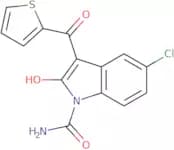
Discontinued productTenidap
CAS:Tenidap is a synthetic anti-inflammatory drug, which is derived from the chemical modification of nonsteroidal anti-inflammatory drugs (NSAIDs). It functions as both a cyclooxygenase (COX) inhibitor and a modulator of cytokine production. This dual mode of action allows Tenidap to simultaneously reduce the synthesis of prostaglandins by inhibiting COX enzymes and suppress the production of pro-inflammatory cytokines like interleukin-1 and tumor necrosis factor. This makes it unique compared to traditional NSAIDs.
Formula:C14H9ClN2O3SPurity:Min. 95%Molecular weight:320.75 g/molRef: 3D-VEA21048
Discontinued productNs-3-008 hydrochloride
CAS:Ns-3-008 hydrochloride is a synthetic research compound, which is derived from laboratory-based chemical synthesis. It acts primarily as an inhibitor of specific biological targets, potentially interfering with cellular signaling pathways. The mode of action of Ns-3-008 hydrochloride often involves binding to and inhibiting key enzymes or receptors that play critical roles in disease-related processes.
Formula:C14H24ClN3Purity:Min. 95%Molecular weight:269.81 g/molRef: 3D-XWB85454
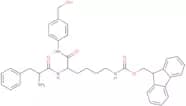
Discontinued productPhe-Lys(Fmoc)-PAB
CAS:Phe-Lys(Fmoc)-PAB is a chemical compound that belongs to the category of peptide-based prodrugs, which is derived from synthetic sources with a focus on targeted delivery. This compound consists of phenylalanine and lysine residues, where the lysine is modified with a fluorenylmethyloxycarbonyl (Fmoc) protecting group and a p-aminobenzyl (PAB) linker. The mode of action involves utilizing the stable peptide bond and the cleavable PAB linker to deliver active agents in a controlled fashion, usually by enzyme-mediated cleavage at the target site.
Formula:C37H40N4O5Purity:Min. 95%Molecular weight:620.74 g/molRef: 3D-ZKD58403
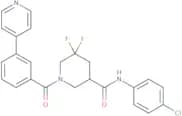
Discontinued productN-(4-Chlorophenyl)-5,5-difluoro-1-(3-(pyridin-4-yl)benzoyl)piperidine-3-carboxamide
CAS:N-(4-Chlorophenyl)-5,5-difluoro-1-(3-(pyridin-4-yl)benzoyl)piperidine-3-carboxamide is an advanced fluorinated piperidine derivative often used in biochemical research and drug development. This compound is synthesized through intricate organic chemistry techniques that typically involve multi-step processes designed to achieve precise structural functionalities. Its mode of action is based on interacting with target receptors or enzymes in biological systems, possibly altering their activity in a highly selective manner.Formula:C24H20ClF2N3O2Purity:Min. 95%Molecular weight:455.9 g/molRef: 3D-XBD09921
Discontinued productFGTI-2734
CAS:Please enquire for more information about FGTI-2734 including the price, delivery time and more detailed product information at the technical inquiry form on this page
Formula:C26H31FN6O2SPurity:Min. 95%Molecular weight:510.6 g/molRef: 3D-XZB01819
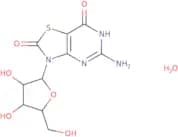
Discontinued productIsatoribine monohydrate
CAS:Isatoribine monohydrate is a synthetic nucleoside analog, which is a derivative of the naturally occurring compound prodrug. It is sourced from the chemical modification of inosine, an endogenous compound in the body involved in purine metabolism. The mode of action of Isatoribine monohydrate involves the activation of the toll-like receptor 7 (TLR7) pathway, which is integral to the innate immune response. This activation results in the production of type I interferons and other cytokines that bolster antiviral defense mechanisms.
Formula:C10H14N4O7SPurity:Min. 95%Molecular weight:334.31 g/molRef: 3D-YHA83238
Discontinued productPPDA
CAS:PPDA is a synthetic chemical compound, which is an aromatic amine derived from aniline through a series of chemical reactions involving nitration and reduction. Its mode of action involves acting as an intermediate or precursor in a variety of organic synthesis processes, playing a pivotal role in the formation of complex organic structures. PPDA's electrophilic properties make it an essential component in producing dyes, polymers, and pharmaceuticals by facilitating specific chemical transformations. Additionally, it demonstrates high reactivity in coupling reactions due to its amine group, enhancing its utility in the synthesis of polymers and advanced materials.
Formula:C21H18N2O5Purity:Min. 95%Molecular weight:378.38 g/molMA242
CAS:MA242 is a targeted therapeutic agent, which is derived from advanced biochemical research. It operates through precise interaction with specific cellular targets, altering biochemical pathways that are essential for disease progression. This mode of action distinguishes MA242 as an innovative option within its class of therapeutics, allowing for enhanced efficacy while minimizing off-target effects.
Formula:C26H21ClF3N3O5SPurity:Min. 95%Molecular weight:580 g/molRef: 3D-ZRB70418
Discontinued product










![(E)-N-[(2S)-1-[5-[2-(4-Cyanoanilino)-4-(propylamino)pyrimidin-5-yl]pent-4-ynylamino]-1-oxopropan-2…](/_next/image/?url=https%3A%2Fstatic.cymitquimica.com%2Fproducts%2F3D%2Fthumb-webp%2FXIC79769.webp&w=3840&q=75)




![[Des-Arg9]-bradykinin acetate](/_next/image/?url=https%3A%2Fstatic.cymitquimica.com%2Fproducts%2F3D%2Fthumb-webp%2FYAA82791.webp&w=3840&q=75)
![[Ala113]-MBP (104-118)](/_next/image/?url=https%3A%2Fstatic.cymitquimica.com%2Fproducts%2F3D%2Fthumb-webp%2FZDA02678.webp&w=3840&q=75)



![(2S)-1-(7-Ethylfuro[2,3-G]indazol-1-yl)propan-2-amine](/_next/image/?url=https%3A%2Fstatic.cymitquimica.com%2Fproducts%2F3D%2Fthumb-webp%2FXPA16384.webp&w=3840&q=75)






![2-Ethyl-3-[4-[(E)-3-(4-isopropylpiperazin-1-yl)propenyl]benzyl]-5,7-dimethyl-3H-imidazo[4,5-b]pyri…](/_next/image/?url=https%3A%2Fstatic.cymitquimica.com%2Fproducts%2F3D%2Fthumb-webp%2FXXB87916.webp&w=3840&q=75)