Organometallic Ligands
In this category, you will be able to find a large number of organometallic molecules used as ligands in biomolecules. These organometallic ligands can be used in organic chemistry and synthesis in the laboratory. They play a critical role in forming coordination complexes and catalyzing various chemical reactions. At CymitQuimica, we offer a diverse selection of high-quality organometallic ligands to support your research and industrial needs.
Subcategories of "Organometallic Ligands"
- Buchwald Ligands(22 products)
- DPEN(4 products)
- DPHEN(4 products)
- JOSIPHOS(4 products)
- Phosphine(497 products)
- Porphirines(75 products)
Found 2887 products of "Organometallic Ligands"
Sort by
Purity (%)
0
100
|
0
|
50
|
90
|
95
|
100
p-((4-((1-Oxotetradecyl)amino)phenyl)methyl)-phosphonic acid
CAS:<p>P-((4-((1-Oxotetradecyl)amino)phenyl)methyl)-phosphonic acid is a synthetic compound, which is a specialized reagent used primarily in chemical research. It is derived from the modification of phosphonic acid with an aryl amide and a long-chain fatty acid substituent on the phenyl group. This structural configuration imparts the compound with unique physicochemical properties that make it suitable for various scientific studies.</p>Formula:C21H36NO4PPurity:Min. 95%Molecular weight:397.5 g/molAZD1208 hydrochloride
CAS:<p>AZD1208 hydrochloride is a small-molecule inhibitor, sourced from synthetic chemical production, which targets Pim kinases. Pim kinases are serine/threonine kinases implicated in the regulation of cell survival and proliferation. AZD1208 hydrochloride functions by selectively inhibiting all three Pim kinases (Pim-1, Pim-2, and Pim-3), thus disrupting pathways essential for cancer cell growth and survival, particularly in hematologic malignancies.</p>Formula:C21H22ClN3O2SPurity:Min. 95%Molecular weight:415.9 g/molAZ82
CAS:<p>AZ82 is a small molecule inhibitor, which is synthetically derived, specifically targeting epigenetic regulatory pathways. It functions by inhibiting the activity of a particular class of enzymes involved in chromatin modification, thereby affecting gene expression patterns. Through its ability to modulate these epigenetic marks, AZ82 is instrumental in shifting transcriptional landscapes within cells.</p>Formula:C28H31F3N4O3SPurity:Min. 95%Molecular weight:560.63 g/molSTK16-IN-1
CAS:<p>STK16-IN-1 is a sophisticated multi-target antibody cocktail, which is a scientific tool meticulously designed to investigate signaling pathways. It consists of a collection of antibodies derived from hybridoma production to precisely target key proteins involved in cellular signal transduction. Through the simultaneous engagement of multiple pathways, STK16-IN-1 effectively enhances the detection and analysis of post-translational modifications and protein-protein interactions.</p>Formula:C17H12FN3OPurity:Min. 95%Molecular weight:293.3 g/molUCL 1684
CAS:<p>UCL 1684 is a potent chemical compound that functions as an antimicrobial agent. It is derived from natural sources and has been extensively studied for its inhibitory action on various microbial activities. The mode of action of UCL 1684 involves the disruption of microbial cell membranes, leading to the cessation of essential cell processes and ultimately resulting in cell death. This compound demonstrates strong efficacy against a broad spectrum of both gram-positive and gram-negative bacteria, as well as certain fungi.</p>Formula:C34H30Br2N4Purity:Min. 95%Molecular weight:654.4 g/molN-Methylquipazine dimaleate
CAS:<p>N-Methylquipazine dimaleate is a selective ligand product, which is a synthetically produced compound with a specific affinity for serotonin receptors, particularly the 5-HT3 subtype. It is derived from a well-established chemical synthesis process that ensures high purity and consistent activity.</p>Formula:C22H25N3O8Purity:Min. 95%Molecular weight:459.4 g/molp-Hydroxymesocarb
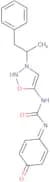
CAS:Controlled Product<p>p-Hydroxymesocarb is an organic chemical compound, categorized as a pharmacological agent, which is derived from synthetic sources through a series of chemical reactions involving carbamate derivatives. Its mode of action primarily involves interaction with central nervous system receptors, potentially influencing neurochemical pathways by modulating neurotransmitter activity. This compound may mimic or interfere with endogenous neurotransmitters, leading to altered physiological and psychological responses.</p>Formula:C18H18N4O3Purity:Min. 95%Molecular weight:338.4 g/molGSK269962A HCl
CAS:<p>GSK269962A HCl is a potent and selective inhibitor of Rho-associated coiled-coil containing protein kinase (ROCK), which is derived from synthetic chemical sources. This inhibitor functions by targeting the ATP-binding site of ROCK I and ROCK II isoforms, thereby blocking their kinase activity. The mode of action involves interfering with the phosphorylation of downstream substrates that are crucial for cytoskeletal dynamics. <br><br>GSK269962A HCl is widely used in scientific research to elucidate the roles of ROCK signaling pathways in various cellular processes, including smooth muscle contraction, cell motility, and proliferation. It is invaluable in exploring the therapeutic potential of ROCK inhibition in conditions like hypertension, cancer metastasis, and neurodegenerative diseases. By providing insights into the mechanistic pathways, this inhibitor aids in the understanding of ROCK as a therapeutic target and paves the way for the development of drugs tailored for specific pathologies associated with ROCK dysregulation. Its application in preclinical research contributes significantly to unraveling the complexities of cell signaling and disease mechanisms.</p>Formula:C29H30N8O5·HClPurity:Min. 95%Molecular weight:607.06 g/molNaphthidine
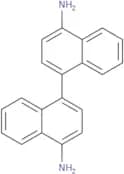
CAS:<p>Naphthidine is an organic compound, which is derived from naphthalene sources with a specific chemical synthesis process. Its mode of action involves acting as an intermediary in chemical reactions, potentially influencing biological systems through its interaction with specific molecular targets. Naphthidine has shown promise in various research domains, particularly in pharmacology, where it is investigated for its potential therapeutic properties. This compound may modulate biochemical pathways, offering insight into novel therapeutic strategies. Current research explores its efficacy and safety profiles, paving the way for future applications in medicine. Understanding Naphthidine's mechanism of action on a molecular level is crucial to exploiting its full potential in scientific and clinical research settings.</p>Formula:C20H16N2Purity:Min. 95%Molecular weight:284.4 g/molRO 28-1674
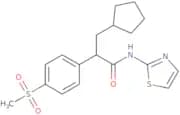
CAS:<p>RO 28-1674 is an investigational compound, classified as an ORL1 receptor agonist, derived from synthetic chemical processes. As an agonist of the opioid receptor-like 1 (ORL1), RO 28-1674 selectively targets the nociceptin/orphanin FQ peptide receptor, influencing the modulation of pain and other physiological responses. This mechanism of action involves the activation of intracellular signaling pathways that alter neuronal excitability and neurotransmitter release, impacting nociception and potentially other neurophysiological processes.</p>Formula:C18H22N2O3S2Purity:Min. 95%Molecular weight:378.5 g/molWWL113
CAS:<p>WWL113 is a synthetic biochemical compound, which is designed to modulate enzymatic activity. It is developed through advanced organic synthesis techniques that allow for precision targeting of specific molecular pathways. The mode of action involves selective inhibition of a particular enzyme, which plays a crucial role in various biochemical processes.</p>Formula:C29H26N2O4Purity:Min. 95%Molecular weight:466.53 g/molXE 991 dihydrochloride
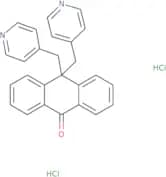
CAS:<p>XE 991 dihydrochloride is a small molecule inhibitor, which is an experimental compound used primarily in neuroscience research. It is sourced synthetically and serves as a specific and selective blocker of the K_v7/M (KCNQ) potassium channels. The mode of action of XE 991 dihydrochloride involves binding to these channels, thereby inhibiting their activity and preventing potassium ion flow across neuronal membranes. This results in changes to neuronal excitability and membrane potential.</p>Formula:C26H20N2O·2HClPurity:Min. 95%Molecular weight:449.37 g/molα-Mycolic acid (c80)
CAS:<p>α-Mycolic acid (c80) is a complex lipid product, which is derived from the cell wall of mycobacteria, particularly species like Mycobacterium tuberculosis. This lipid is characterized by its unique long-chain hydrocarbon structure, typically containing 80 carbon atoms. It plays a critical role in the integrity and pathogenicity of the mycobacterial cell wall by forming a protective barrier that contributes to the organism’s resistance to environmental stress and antibiotics.</p>Formula:C80H156O3Purity:Min. 95%Molecular weight:1,166.09 g/molγ-Globulins from human blood
CAS:<p>γ-Globulins are a class of immunoproteins, which are derived from human blood plasma with critical importance in the immune response. The mode of action of γ-Globulins involves their specific ability to recognize, bind to, and neutralize foreign antigens such as bacteria, viruses, and other pathogens. This process involves the activation of various immunological pathways that lead to the clearance of pathogenic entities from the host system. Furthermore, they can modulate immune activity and mediate effects such as opsonization, complement activation, and antibody-dependent cellular cytotoxicity. The primary applications of γ-Globulins are in treating and managing immune deficiencies, autoimmune disorders, and infectious diseases. They are employed in clinical settings to provide passive immunity and boost the immunological capacity of individuals who are unable to produce adequate antibodies due to inherent deficiencies or during acute infections. Additionally, γ-Globulins are utilized in therapeutic interventions for conditions such as Kawasaki disease, idiopathic thrombocytopenic purpura, and chronic inflammatory demyelinating polyneuropathy. Their versatility makes them invaluable in both prophylactic and therapeutic regimens.</p>Purity:Min. 95%Molecular weight:1,000 g/molCP-226269
CAS:<p>CP-226269 is a synthetic glucocorticoid, which is a type of steroid hormone. This compound is derived from chemical synthesis, originating from laboratories dedicated to the development of advanced biomolecules for research. Its mode of action involves binding to glucocorticoid receptors, which are part of the nuclear receptor superfamily. Once bound, it modulates the expression of target genes that play pivotal roles in inflammation, immune response, and metabolic processes.</p>Formula:C18H19FN4Purity:Min. 95%Molecular weight:310.37 g/molMoxonidine
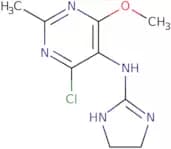
CAS:<p>α1and α2 receptor agonist; imidazoline receptor ligand; anti-hypertensive</p>Formula:C9H12ClN5OPurity:Min. 95%Molecular weight:241.68 g/molPCI-33380
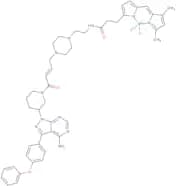
CAS:<p>PCI-33380 is a small molecule inhibitor, which is a synthetic compound specifically designed to target and inhibit the mammalian target of rapamycin (mTOR) pathway. This pathway plays a critical role in cell growth, proliferation, and survival by sensing and integrating various environmental cues. Inhibition of mTOR using compounds like PCI-33380 disrupts these signaling cascades, affecting tumor progression and providing a potentially effective approach for cancer therapeutics.</p>Formula:C46H52BF2N11O3Purity:Min. 95%Molecular weight:855.78 g/molLUF7346
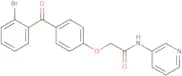
CAS:<p>LUF7346 is a selective competitive antagonist, which is a biochemical compound designed to inhibit specific receptors. Originating from targeted synthetic chemistry approaches, LUF7346 functions primarily by blocking the adenosine A2B receptors. By binding with high affinity to these receptors, it effectively prevents the natural ligand's action, thereby modulating downstream signaling pathways associated with this receptor subtype.</p>Formula:C20H15BrN2O3Purity:Min. 95%Molecular weight:411.2 g/molAZD3229 Tosylate
CAS:<p>AZD3229 Tosylate is a small molecule tyrosine kinase inhibitor, which is derived through advanced chemical synthesis methodologies. The compound acts by selectively targeting and inhibiting specific receptor tyrosine kinases, which play a crucial role in the signaling pathways that regulate cellular processes such as proliferation, differentiation, and survival.</p>Formula:C31H34FN7O6SPurity:Min. 95%Molecular weight:651.71 g/molUNC3866
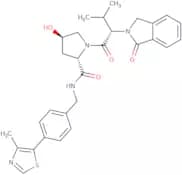
CAS:<p>UNC3866 is a small molecule inhibitor that is synthetically derived. It acts specifically on the methyl-lysine binding activity of the chromatin-associated proteins CBX7 and CBX8. This particular mode of action involves mimicking the natural binding partners of these proteins, thereby disrupting their normal interaction with chromatin. Consequently, this inhibition modulates the transcriptional regulation associated with these proteins.</p>Formula:C43H66N6O8Purity:Min. 95%Molecular weight:795.02 g/molCblc000 trifluoroacetate
CAS:<p>Cblc000 trifluoroacetate is a synthetic peptide, which is derived from chemical synthesis with trifluoroacetic acid as a counterion. It functions by selectively interacting with target proteins, thereby modulating their activity. This interaction is influenced by its specific amino acid sequence, allowing it to bind with high specificity and affinity to particular protein domains, often disrupting or enhancing their biological function.</p>Formula:C18H20N4O4Purity:Min. 95%Molecular weight:356.4 g/molORG 25935
CAS:<p>ORG 25935 is a synthetic inhibitor of the glycine transporter-1 (GlyT1), which is an integral membrane protein involved in the reuptake of glycine from synaptic clefts. Originating from extensive pharmacological research, this compound acts by selectively inhibiting GlyT1, thereby increasing glycine concentration in the synaptic cleft. Glycine is an important neurotransmitter that co-activates NMDA receptors, crucial for synaptic plasticity and cognitive function.</p>Formula:C21H26ClNO3Purity:Min. 95%Molecular weight:375.9 g/mol5-Methyl-N-(1-methyl-1H-pyrazol-3-yl)-1-[[3-(trifluoromethyl)phenyl]methyl]-1H-imidazole-4-carboxamide
CAS:<p>5-Methyl-N-(1-methyl-1H-pyrazol-3-yl)-1-[[3-(trifluoromethyl)phenyl]methyl]-1H-imidazole-4-carboxamide is a chemical compound known for its role as a potent inhibitor. This compound is synthetically derived, designed to interfere with specific molecular pathways by binding to targeted active sites, which in turn inhibits enzymatic functions. Its mechanism of action includes the disruption of particular cellular signaling processes, making it a valuable tool in biochemical research.</p>Formula:C17H16F3N5OPurity:Min. 95%Molecular weight:363.34 g/molPf-06412154 hydrochloride
CAS:<p>Pf-06412154 hydrochloride is an investigational anti-inflammatory agent, which is synthesized chemically. It functions as a selective inhibitor of Janus kinases (JAK), crucial enzymes involved in the signaling pathways of various cytokines and growth factors. By inhibiting JAK activity, Pf-06412154 disrupts the JAK-STAT pathway, which is implicated in the pathogenesis of several inflammatory and autoimmune disorders. This mode of action is intended to reduce the expression of inflammatory cytokines, offering potential therapeutic benefits.</p>Formula:C24H28ClN3O3Purity:Min. 95%Molecular weight:441.9 g/molDefactinib hydrochloride
CAS:<p>Defactinib hydrochloride is a small-molecule inhibitor, which is a synthetic compound designed for targeted therapeutic applications. It specifically inhibits focal adhesion kinase (FAK), a non-receptor tyrosine kinase involved in signaling pathways that regulate cellular processes such as adhesion, migration, and survival. This action is achieved through competitive inhibition of ATP binding to FAK, thereby preventing its activation and subsequent downstream signaling.</p>Formula:C20H22ClF3N8O3SPurity:Min. 95%Molecular weight:546.95 g/molPS210
CAS:<p>PS210 is a highly advanced chemical compound, which is a synthetic catalyst designed for precision-driven applications in chemical laboratories. It is derived from a meticulous synthesis process involving transition metals and organic ligands. The mode of action of PS210 involves facilitating specific chemical reactions by lowering the activation energy, thereby increasing reaction rates without being consumed in the process.</p>Formula:C19H15F3O5Purity:Min. 95%Molecular weight:380.3 g/molNSC 86530
CAS:<p>NSC 86530 is an alkylating agent, which is a synthetic compound with the primary function of interfering with DNA replication. This compound originates from a class of chemicals known for their ability to form covalent bonds with nucleophilic sites in DNA. Its mode of action involves the formation of cross-links between DNA strands, leading to strand breakage and disrupted DNA synthesis. This interference with the DNA replication process is crucial in halting the proliferation of rapidly dividing cancer cells.</p>Formula:C16H14O4Purity:Min. 95%Molecular weight:270.28 g/molEPZ020411 2HCl
CAS:<p>EPZ020411 2HCl is a chemical compound known as a potent selective inhibitor of the EZH2 methyltransferase, which is derived from enzymatic development processes involving high-throughput screening and medicinal chemistry optimization. With its mode of action centered on inhibiting the enzymatic activity of EZH2 (enhancer of zeste homolog 2), EPZ020411 2HCl effectively reduces the methylation of histone H3 on lysine 27 (H3K27), a critical process in gene expression regulation. This activity makes it an invaluable tool for studying epigenetic modifications and underlying oncogenic pathways.<br><br>The application of EPZ020411 2HCl is predominantly in the realm of cancer research, particularly in investigating the role of EZH2 in various malignancies, including prostate, breast, and hematopoietic cancers. By targeting and inhibiting EZH2, this compound aids in elucidating mechanisms of cancer progression, potentially leading to advancements in targeted therapeutic strategies. Additionally, it serves as a pivotal reference molecule in the structural and functional studies of histone methyltransferases, contributing to our broader understanding of epigenetic regulation.</p>Formula:C25H40Cl2N4O3Purity:Min. 95%Molecular weight:515.52 g/molUFP-101
CAS:<p>UFP-101 is a synthetic antimicrobial compound, which is engineered from advanced chemical synthesis methodologies with unique molecular modifications. The compound acts by disrupting microbial cell membranes, resulting in cell lysis and death. This mode of action is particularly effective against a broad spectrum of bacterial strains, including multi-drug-resistant varieties.</p>Formula:C82H138N32O21Purity:Min. 95%Molecular weight:1,908.2 g/molCP-471474
CAS:<p>CP-471474 is a non-steroidal anti-inflammatory drug (NSAID), which is a synthetic compound designed to selectively inhibit the cyclooxygenase-2 (COX-2) enzyme. It is derived from chemical synthesis, specifically tailored to target COX-2 while sparing COX-1, in order to reduce inflammation and pain without causing gastrointestinal side effects often associated with traditional NSAIDs.</p>Formula:C16H17FN2O5SPurity:Min. 95%Molecular weight:368.38 g/molAlmokalant
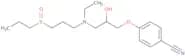
CAS:<p>Almokalant is an investigational antiarrhythmic drug, which is a synthetic pharmaceutical compound. It is derived from the class of drugs known as selective potassium channel blockers. Almokalant's mode of action involves the blockade of hERG (human Ether-à-go-go-Related Gene) potassium channels. This blockade prolongs the cardiac action potential duration, which can be beneficial in stabilizing irregular heartbeats.</p>Formula:C18H28N2O3SPurity:Min. 95%Molecular weight:352.5 g/molS186
CAS:<p>Please enquire for more information about S186 including the price, delivery time and more detailed product information at the technical inquiry form on this page</p>Formula:C5H13CaNNaO7P2Purity:Min. 95%Molecular weight:324.17 g/molCPI-455 HCl
CAS:<p>CPI-455 HCl is a potent, selective bromodomain inhibitor, which is a synthetic chemical compound designed to modulate epigenetic targets. Its source is a laboratory-synthesized small molecule developed to specifically inhibit the activity of bromodomains, which are protein domains that recognize acetylated lysine residues. The mode of action involves competitively binding to bromodomains, thereby preventing the interaction between these domains and acetylated histones. This inhibition disrupts the transcriptional activity of bromodomain-containing proteins and can alter gene expression patterns.</p>Formula:C16H15ClN4OPurity:Min. 95%Molecular weight:314.77 g/molN-Desboc docetaxel-d5
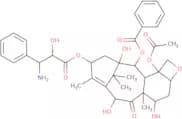
CAS:<p>N-Desboc docetaxel-d5 is a deuterated analog of the chemotherapy drug docetaxel, which is derived from the diterpenoid taxane with a substitution at isotopic positions. This compound is synthesized to enhance the stability and traceability of docetaxel in biological systems during pharmacokinetic and metabolic studies. Its mode of action involves the inhibition of microtubule depolymerization, thus disrupting cell division and leading to apoptosis in rapidly dividing cancer cells.</p>Formula:C38H45NO12Purity:Min. 95%Molecular weight:707.8 g/molAcat-in-1 cis isomer
CAS:<p>Acat-in-1 cis isomer is an enzymatic inhibitor, which is synthesized through organic chemical processes. It is particularly known for its action as an inhibitor of acyl-coenzyme A:cholesterol acyltransferase (ACAT), an enzyme crucial for the esterification of cholesterol. This inhibition occurs through the specific binding to the active site of ACAT, preventing the conversion of cholesterol to cholesteryl esters, and thereby influencing the cholesterol metabolism pathways.</p>Formula:C29H25NO2Purity:Min. 95%Molecular weight:419.5 g/molCM-272
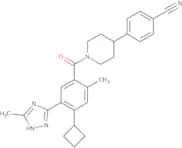
CAS:<p>CM-272 is a small-molecule inhibitor, which is synthetically derived with high specificity and selectivity. Its mode of action involves dual inhibition of G9a and DNMT (DNA methyltransferases), key enzymes responsible for histone and DNA methylation. This dual inhibition alters the epigenetic landscape, leading to changes in gene expression profiles.</p>Formula:C28H38N4O3Purity:Min. 95%Molecular weight:478.63 g/molAZD7624
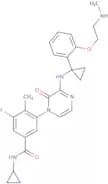
CAS:<p>AZD7624 is an inhaled anti-inflammatory compound, which is derived from AstraZeneca's research efforts. It functions as a p38 MAP kinase inhibitor, targeting specific pathways involved in inflammatory responses within the respiratory system. AZD7624 is designed for the modulation of inflammatory processes in diseases such as chronic obstructive pulmonary disease (COPD) and asthma. By inhibiting the p38 MAP kinase, AZD7624 attenuates the production of pro-inflammatory cytokines and other mediators that contribute to the pathological progression of respiratory disorders. Its use is particularly significant in patients suffering from persistent inflammation where traditional therapies may be insufficient. The development of AZD7624 highlights the ongoing efforts to manage inflammatory diseases at the molecular level with a targeted therapeutic approach, providing insights into novel intervention strategies for respiratory illnesses.</p>Formula:C27H30FN5O3Purity:Min. 95%Molecular weight:491.56 g/molOctadecanoic acid 1,1′-[(1R)-1-[[[hydroxy[2-[(7-nitro-2,1,3-benzoxadiazol-4-yl)amino]ethoxy]phosphinyl]oxy]methyl]-1,2-ethanediyl] e ster ammonium salt
CAS:<p>Octadecanoic acid 1,1′-[(1R)-1-[[[hydroxy[2-[(7-nitro-2,1,3-benzoxadiazol-4-yl)amino]ethoxy]phosphinyl]oxy]methyl]-1,2-ethanediyl] ester ammonium salt is a synthetic phospholipid analog, which is often utilized in biochemical and cellular research. This compound is derived from modifications of natural lipids and is strategically designed to include a fluorescent group, enhancing its utility in various analytical applications. Its mode of action involves integrating into lipid membranes, serving as a marker for studying membrane dynamics and interactions due to the presence of the fluorescent nitrobenzoxadiazole (NBD) moiety.</p>Formula:C47H86N5O11PPurity:Min. 95%Molecular weight:928.19 g/molPKI (5-24)
CAS:<p>PKI (5-24) is a synthetic peptide specifically designed as a protein kinase inhibitor. Derived from a segment of the endogenous PKA inhibitor protein, this peptide is utilized to inhibit the activity of cyclic AMP-dependent protein kinase (PKA). The sequence corresponds to amino acids 5-24 of the native protein, retaining its potent inhibitory activity. PKI (5-24) functions by binding to the catalytic subunit of PKA, thus preventing the phosphorylation of downstream targets.</p>Formula:C94H148N32O31Purity:Min. 95%Molecular weight:2,222.4 g/molα-Phenyllongifolol
CAS:<p>α-Phenyllongifolol is a sesquiterpenoid compound, which is derived primarily from certain plant species known for their essential oil production. This compound is biosynthesized through the mevalonate pathway, a critical metabolic route in plants responsible for terpene production. The mode of action of α-Phenyllongifolol involves disrupting microbial cell membranes, exhibiting potent antimicrobial properties. It interferes with the lipid bilayer, leading to increased permeability and, subsequently, cell death.</p>Formula:C21H30OPurity:Min. 95%Molecular weight:298.46 g/molVL285
CAS:<p>VL285 is a biochemical compound designed as a specific enzyme inhibitor, derived from advanced synthetic chemistry processes. This compound functions by binding to the active site of the target enzyme, thereby preventing substrate interaction and subsequent catalytic activity. Its action is characterized by high specificity and potency, which allows for effective modulation of enzyme function without significant off-target effects.</p>Formula:C29H32N4O4SPurity:Min. 95%Molecular weight:532.65 g/molGSK8814
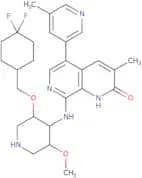
CAS:<p>GSK8814 is a pharmacological compound, specifically a selective receptor modulator, which is synthesized through advanced chemical engineering processes. This compound acts by selectively targeting specific receptors within biological systems, influencing cellular responses and signaling pathways. Its mode of action involves the modulation of receptor activity, offering precise control over physiological and biochemical processes. GSK8814 is predominantly used in both clinical research and therapeutic contexts, where it plays a crucial role in exploring the regulation of physiological responses. Its applications may include the investigation of receptor-mediated effects and the development of treatment paradigms for various disorders. By providing insights into receptor function, GSK8814 facilitates the expansion of knowledge in receptor biology and the advancement of targeted therapies.</p>Formula:C28H35F2N5O3Purity:Min. 95%Molecular weight:527.6 g/molNU6027
CAS:<p>NU6027 is a potent checkpoint kinase 1 (CHK1) inhibitor, which is synthesized as a small molecule compound designed to interfere with specific biochemical pathways in cellular biology. The source of this compound lies in synthetic organic chemistry, where it was developed to target and inhibit the activity of CHK1 kinase. This enzyme is pivotal in the cell cycle, particularly in the DNA damage response pathway. By inhibiting CHK1, NU6027 disrupts the cell's ability to manage DNA damage and repair processes, thereby promoting cell cycle arrest and apoptosis in selectively targeted cells.</p>Formula:C11H17N5O2Purity:Min. 95%Molecular weight:251.28 g/molPrifuroline
CAS:<p>Please enquire for more information about Prifuroline including the price, delivery time and more detailed product information at the technical inquiry form on this page</p>Formula:C14H16N2OPurity:Min. 95%Molecular weight:228.29 g/molValsartan-d3
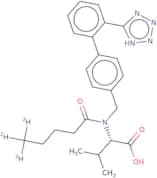
CAS:Controlled Product<p>Valsartan-d3 is a deuterated version of valsartan, which is a pharmacological compound used for research purposes. This isotopically labeled compound is derived through the strategic substitution of hydrogen atoms with deuterium in the valsartan molecule. The incorporation of deuterium, a stable isotope of hydrogen, enhances the compound's utility in various scientific applications without altering its fundamental biological activity.</p>Formula:C24H26D3N5O3Purity:Min. 95%Molecular weight:438.54 g/molFASN-IN-2
CAS:<p>FASN-IN-2 is a chemical inhibitor, specifically targeting fatty acid synthase (FASN), a key enzyme involved in lipogenesis. It is derived from synthetic chemical methods and engineered to interfere with the enzymatic function of FASN by binding to its active site, thereby preventing the conversion of acetyl-CoA and malonyl-CoA to fatty acids. This inhibition is crucial as FASN is overexpressed in various cancer cells, contributing to their rapid proliferation and survival by providing necessary lipids for membrane synthesis.</p>Formula:C27H29N5OPurity:Min. 95%Molecular weight:439.6 g/molBAY 61-3606 dihydrochloride
CAS:<p>BAY 61-3606 dihydrochloride is a potent, selective inhibitor of phosphoinositide 3-kinase (PI3K) signaling, which is a synthetic chemical compound. It primarily inhibits the PI3K isoforms, particularly PI3Kβ and PI3Kδ, contributing to its utility in probing kinase-related pathways. Its mode of action involves competitive inhibition of the ATP-binding site of these kinases, thereby disrupting downstream signaling pathways critical for cell proliferation and survival.</p>Formula:C20H20Cl2N6O3Purity:Min. 95%Molecular weight:463.32 g/molIsamoltane hemifumarate
CAS:<p>Isamoltane hemifumarate is a non-selective beta-adrenergic receptor antagonist, which is a synthetic compound. It functions by competitively inhibiting the action of catecholamines like adrenaline and noradrenaline on beta-adrenergic receptors. This antagonistic effect leads to a decrease in sympathetic nervous system activity, affecting cardiovascular and respiratory systems prominently.</p>Formula:C36H48N4O8Purity:Min. 95%Molecular weight:664.8 g/molBSJ-03-204
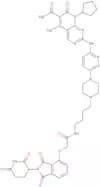
CAS:<p>Please enquire for more information about BSJ-03-204 including the price, delivery time and more detailed product information at the technical inquiry form on this page</p>Formula:C43H48N10O8Purity:Min. 95%Molecular weight:832.9 g/molQF0301B
CAS:<p>QF0301B is a synthetic antimicrobial agent derived from a series of chemotherapeutic compounds. It functions as an inhibitor targeting the pivotal processes of bacterial cell wall synthesis, thereby disrupting the growth and proliferation of susceptible strains. This mode of action involves the inhibition of specific enzymes crucial to the biosynthesis of peptidoglycan, a major structural component of bacterial cell walls. As a result, the cell wall integrity is compromised, leading to cell lysis and death.</p>Formula:C23H28N2O2Purity:Min. 95%Molecular weight:364.5 g/mol









![5-Methyl-N-(1-methyl-1H-pyrazol-3-yl)-1-[[3-(trifluoromethyl)phenyl]methyl]-1H-imidazole-4-carboxa…](/_next/image/?url=https%3A%2Fstatic.cymitquimica.com%2Fproducts%2F3D%2Fthumb-webp%2FVBC54187.webp&w=3840&q=75)








![Octadecanoic acid 1,1′-[(1R)-1-[[[hydroxy[2-[(7-nitro-2,1,3-benzoxadiazol-4-yl)amino]ethoxy]phosph…](/_next/image/?url=https%3A%2Fstatic.cymitquimica.com%2Fproducts%2F3D%2Fthumb-webp%2FWZB30301.webp&w=3840&q=75)