Organometallic Ligands
In this category, you will be able to find a large number of organometallic molecules used as ligands in biomolecules. These organometallic ligands can be used in organic chemistry and synthesis in the laboratory. They play a critical role in forming coordination complexes and catalyzing various chemical reactions. At CymitQuimica, we offer a diverse selection of high-quality organometallic ligands to support your research and industrial needs.
Subcategories of "Organometallic Ligands"
- Buchwald Ligands(22 products)
- DPEN(4 products)
- DPHEN(4 products)
- JOSIPHOS(4 products)
- Phosphine(497 products)
- Porphirines(75 products)
Found 2887 products of "Organometallic Ligands"
Sort by
Purity (%)
0
100
|
0
|
50
|
90
|
95
|
100
FTI-277 hydrochloride
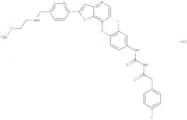
CAS:<p>FTI-277 hydrochloride is a small molecule inhibitor of farnesyltransferase, which is critical in the post-translational modification of proteins such as the Ras oncoproteins. Derived through meticulous chemical synthesis, this compound targets the enzymatic pathway responsible for the farnesylation of proteins, a key step for their localization and function within cell membranes.</p>Formula:C22H30ClN3O3S2Purity:Min. 95%Molecular weight:484.07 g/molGlesatinib hydrochloride
CAS:<p>Glesatinib hydrochloride is a small-molecule kinase inhibitor, specifically targeting the MET, RON, and AXL receptor tyrosine kinases. This compound is synthesized chemically, showcasing specificity towards pathways implicated in various malignancies. The mode of action involves competitively inhibiting ATP binding, which is critical for the phosphorylation and activation of downstream signaling pathways that promote cell proliferation, survival, and metastasis. By impeding these pathways, Glesatinib hydrochloride effectively hampers the growth and spread of cancer cells.</p>Formula:C31H28ClF2N5O3S2Purity:Min. 95%Molecular weight:656.17 g/molEpelsiban
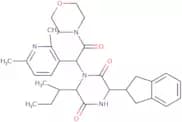
CAS:<p>Epelsiban is an oxytocin receptor antagonist, which is a chemically synthesized compound. It functions by selectively blocking the oxytocin receptor, thereby inhibiting the effects mediated by oxytocin, a naturally occurring hormone involved in uterine contractions. This mode of action is particularly significant in the context of managing preterm labor.</p>Formula:C30H38N4O4Purity:Min. 95%Molecular weight:518.6 g/mol(+)-CI 1044
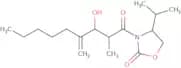
CAS:<p>(+)-CI 1044 is a potent synthetic compound that serves as a selective inhibitor of enzyme activity. It is derived through chemical synthesis, ensuring high purity and consistency. The compound exerts its effects by targeting specific enzymatic pathways, thereby altering the biochemical processes in targeted cells or tissues. This targeted inhibition is achieved through binding to the enzyme's active site, modulating its activity, and influencing downstream signaling pathways.</p>Formula:C23H19N5O2Purity:Min. 95%Molecular weight:397.4 g/molItanapraced
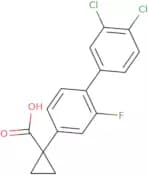
CAS:<p>Itanapraced is a pharmaceutical compound classified as a dopamine receptor modulator, primarily sourced through synthetic chemistry processes in advanced laboratory settings. It operates by selectively binding to dopamine receptors, thereby modulating their activity to either enhance or inhibit neurotransmission depending on the specific receptor subtype targeted.</p>Formula:C16H11Cl2FO2Purity:Min. 95%Molecular weight:325.16 g/molBIIB-057
CAS:<p>BIIB-057 is a monoclonal antibody, which is derived from recombinant DNA technology with a specific mode of action targeting the cytokine interferon-alpha (IFN-α) receptor. It functions by binding to and neutralizing IFN-α, thereby modulating the immune response that is often aberrant in certain autoimmune diseases. This mechanism is crucial because an overactive IFN-α signaling pathway can exacerbate autoimmune conditions.<br><br>The primary use of BIIB-057 is in the investigation of treatment for systemic lupus erythematosus (SLE), a complex autoimmune disorder characterized by widespread inflammation and tissue damage. By inhibiting the activity of IFN-α, BIIB-057 aims to reduce the pathological immune activation seen in patients with SLE, potentially ameliorating symptoms and improving quality of life. Further clinical trials are underway to evaluate the efficacy and safety profile of BIIB-057, making it a promising candidate in the landscape of novel immunomodulatory therapies.</p>Formula:C19H23N9OPurity:Min. 95%Molecular weight:393.45 g/molBis-imidazole phenol idh1 inhibitor
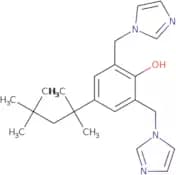
CAS:<p>Bis-imidazole phenol IDH1 inhibitor is a small-molecule therapeutic, which is a novel compound synthesized to specifically target mutant forms of isocitrate dehydrogenase 1 (IDH1). It operates by binding to the mutant IDH1 enzyme and inhibiting its aberrant function, which involves converting alpha-ketoglutarate to an oncometabolite, 2-hydroxyglutarate (2-HG). This conversion leads to epigenetic changes that drive the tumorigenesis process.</p>Formula:C22H30N4OPurity:Min. 95%Molecular weight:366.5 g/molM-Methyl atomoxetine hydrochloride
CAS:<p>M-Methyl atomoxetine hydrochloride is a chemical compound, classified as a pharmaceutical intermediate or research chemical. It is synthesized from atomoxetine, a selective norepinephrine reuptake inhibitor (NRI). The compound functions by inhibiting the transporter responsible for the reabsorption of norepinephrine, thus increasing its availability in the synaptic cleft.</p>Formula:C17H22ClNOPurity:Min. 95%Molecular weight:291.8 g/molVortioxetine-d8
CAS:Controlled Product<p>Vortioxetine-d8 is a deuterated version of the antidepressant vortioxetine, which is a synthetic analog derived from the original compound. This compound incorporates deuterium atoms, replacing specific hydrogen atoms, to provide stability and distinct characteristics useful in scientific studies. The deuterium-labeling technique is used to enhance the resolution in mass spectrometry by shifting the mass, aiding in pharmacokinetic evaluation and metabolic studies. Vortioxetine is known for its multimodal action as a serotonin reuptake inhibitor and modulator, affecting various serotonin receptors which contribute to its antidepressant effects.</p>Formula:C18H22N2SPurity:Min. 95%Molecular weight:306.5 g/molVH 032 amide-alkylC8-acid
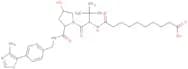
CAS:<p>VH 032 amide-alkylC8-acid is an amide-based compound, which is a synthetic chemical product derived from the modification of alkyl chains with amide groups. Its structure incorporates a C8 (octyl) chain, providing the compound with distinctive hydrophobic properties. This unique configuration enhances solubility in organic solvents and facilitates its interaction with lipid-based environments.</p>Formula:C32H46N4O6SPurity:Min. 95%Molecular weight:614.8 g/mol11-Pentafluorophenoxyundecyltriethoxysilane
CAS:<p>11-Pentafluorophenoxyundecyltriethoxysilane is an organosilane compound, which is a specialized reagent for creating functional coatings. This compound is synthesized from phenol derivatives through the substitution of ethoxy groups, allowing it to integrate with various surfaces. Its mode of action involves hydrolysis of the triethoxy groups to form silanols, which can then covalently bond with hydroxyl groups present on substrates such as glass, metals, and silica.</p>Formula:C23H37F5O4SiPurity:Min. 95%Molecular weight:500.6 g/molLUF7244
CAS:<p>LUF7244 is a pharmaceutical agent, which is a synthetic compound derived from rational drug design. Its primary source is laboratory synthesis utilizing advanced organic chemistry techniques. The mode of action of LUF7244 involves selective antagonism of specific receptor subtypes, allowing for precise modulation of receptor activity. This antagonistic behavior is achieved through competitive binding at the receptor site, inhibiting the natural ligand interaction and subsequent signaling pathways.</p>Formula:C16H16ClN3O2S2Purity:Min. 95%Molecular weight:381.9 g/mol(-)-Ibuprofenamide
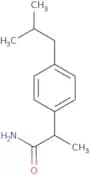
CAS:<p>(-)-Ibuprofenamide is a chiral pharmaceutical compound, derived from the widely used nonsteroidal anti-inflammatory drug (NSAID) ibuprofen. It is obtained through the amide formation from the carboxylic acid group of ibuprofen, which involves chemical synthesis methods that focus on retaining the stereochemistry of the parent molecule. The mode of action of (-)-Ibuprofenamide involves the modulation of enzyme activity within the cyclooxygenase (COX) pathways, specifically targeting COX-1 and COX-2 enzymes. By inhibiting these enzymes, (-)-Ibuprofenamide reduces the synthesis of pro-inflammatory prostaglandins, leading to potential analgesic and anti-inflammatory effects.</p>Formula:C13H19NOPurity:Min. 95%Molecular weight:205.3 g/molEptifibatide acetate
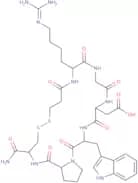
CAS:<p>Eptifibatide acetate is a synthetic cyclic heptapeptide, which is derived from a disintegrin protein found in the venom of the southeastern pygmy rattlesnake, Sistrurus miliarius barbouri. This compound functions as a potent inhibitor of platelet aggregation by competitively binding to the glycoprotein IIb/IIIa receptor on the platelet surface. This receptor plays a critical role in the final common pathway of platelet aggregation by facilitating fibrinogen cross-linking between platelets.</p>Formula:C35H49N11O9S2Purity:Min. 95%Molecular weight:832 g/molAAPK-25
CAS:<p>AAPK-25 is an advanced synthetic compound known as a potassium channel activator, which is derived from extensive pharmacological research. Its mode of action involves selective modulation of certain potassium channels, notably enhancing ion flux across cellular membranes. This modulation is pivotal in influencing electrical excitability and cellular signaling.</p>Formula:C30H35ClN4O2Purity:Min. 95%Molecular weight:519.1 g/molLMT-28
CAS:<p>LMT-28 is an antimicrobial peptide, which is derived from natural amino acid sequences with potent bactericidal effects. This peptide functions by integrating into bacterial membranes, disrupting their integrity, and ultimately leading to cell lysis. The mechanism of action involves targeting the phospholipid bilayer of pathogenic microorganisms, thereby inducing membrane permeability and causing cell death.</p>Formula:C17H29NO4Purity:Min. 95%Molecular weight:311.4 g/molEpertinib hydrochloride
CAS:<p>Epertinib hydrochloride is a potent tyrosine kinase inhibitor, which is a small molecule derived from rational drug design targeting specific enzymes involved in signal transduction pathways. This compound acts by selectively inhibiting the activity of epidermal growth factor receptor (EGFR) and human epidermal growth factor receptor 2 (HER2) tyrosine kinases, which are pivotal in the proliferation and survival of cancer cells.</p>Formula:C30H28Cl2FN5O3Purity:Min. 95%Molecular weight:596.5 g/molForetinib
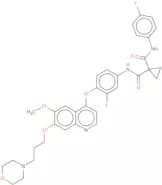
CAS:<p>Inhibits MET, VEGFR2, Ron, AXL, Tie-2, Flt-1, Flt-3 and Flt-4 tyrosine kinases</p>Formula:C34H34F2N4O6Purity:Min. 95%Color and Shape:White To Off-White SolidMolecular weight:632.24464PI 103 hydrochloride
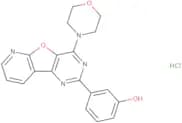
CAS:<p>PI 103 hydrochloride is a pharmacological compound, specifically a dual inhibitor, which is synthetically derived. It acts by inhibiting both the phosphoinositide 3-kinase (PI3K) and mammalian target of rapamycin (mTOR) pathways. This compound disrupts signaling pathways critical for cell growth and survival, making it a valuable tool in cancer research. By targeting these pathways, PI 103 hydrochloride is used to investigate cellular processes and mechanisms underlying tumor growth and proliferation. Researchers employ this compound to study the effects of pathway inhibition on cancer cells, potentially leading to the development of novel therapeutic strategies. This makes PI 103 hydrochloride a significant component in the exploration of targeted cancer therapies and advanced studies in cellular biology.</p>Formula:C19H16N4O3·HClPurity:Min. 95%Molecular weight:384.82 g/molHS56
CAS:<p>HS56 is an advanced biopolymer, which is derived from a proprietary synthesis of renewable sources. With its unique molecular configuration, this product stands out due to its sustainable origin and innovative production method. The mode of action involves its ability to form stable complexes with diverse substrates, which can enhance material properties such as strength, flexibility, and biodegradability.</p>Formula:C13H8ClN5OSPurity:Min. 95%Molecular weight:317.75 g/molSumanirole maleate
CAS:<p>D2 receptor agonist; for treating Parkinson's disease and restless leg syndrome</p>Formula:C11H13N3O·C4H4O4Purity:Min. 95%Color and Shape:White PowderMolecular weight:319.31 g/mol(D)-PPA 1
CAS:<p>(D)-PPA, known as (D)-phenylpropanolamine, is a chiral compound frequently utilized in chemical research and synthesis. It is derived from the stereospecific synthesis of phenylpropanolamine, a known sympathomimetic compound. The mode of action of (D)-PPA involves interaction with adrenergic receptors, exhibiting a preference for specific binding characteristics associated with its stereochemistry. This interaction can influence various biochemical pathways, making it a valuable tool in the study of adrenergic functions on a molecular level.</p>Formula:C70H98N20O21Purity:Min. 95%Molecular weight:1,555.6 g/mol(S,R,S)-AHPC-C4-NH2 hydrochloride
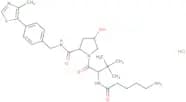
CAS:<p>(S,R,S)-AHPC-C4-NH2 hydrochloride is a chemical compound that functions as a linker in the field of targeted protein degradation. This compound is a bifunctional molecule derived from synthetic organic chemistry, notable for its ability to facilitate the recruitment of target proteins to an E3 ubiquitin ligase.</p>Formula:C27H40ClN5O4SPurity:Min. 95%Molecular weight:566.2 g/molR 112
CAS:<p>R 112 is a chlorinated fluorocarbon compound, which is an industrial chemical synthesized through halogenation processes typically involving methane or ethane derivatives. The mode of action of R 112 involves its utilization as a refrigerant, solvent, or chemical intermediate, leveraging its stability and volatility under various thermal conditions.</p>Formula:C16H13FN4O2Purity:Min. 95%Molecular weight:312.3 g/mol12-PAHSA
CAS:<p>12-PAHSA is a bioactive lipid molecule, which is a member of the family of fatty acid esters of hydroxy fatty acids. It is derived from natural sources, including various tissues in mammals, where it is synthesized endogenously. This compound functions through mechanisms involving the modulation of inflammatory pathways and metabolic processes. It is known to enhance insulin sensitivity, reduce inflammation, and improve glucose tolerance, making it relevant in the context of metabolic disorders.</p>Formula:C34H66O4Purity:Min. 95%Molecular weight:538.9 g/molCEP-28122
CAS:<p>CEP-28122 is a selective and potent small-molecule inhibitor, which is derived from chemical synthesis targeting receptor tyrosine kinases, specifically the fibroblast growth factor receptors (FGFRs). Its mode of action involves the competitive inhibition of ATP binding, thereby preventing the phosphorylation cascade necessary for signal transduction downstream of FGFRs. By inhibiting these pathways, CEP-28122 effectively impedes processes such as cell proliferation and angiogenesis, which are critical in various pathological conditions including cancer.</p>Formula:C28H35ClN6O3Purity:Min. 95%Molecular weight:539.07 g/molJZP 430
CAS:<p>JZP 430 is a pharmaceutical compound, which is synthesized in a laboratory setting with advanced techniques of medicinal chemistry. It functions as a modulator of specific neural pathways associated with sleep regulation. By targeting and interacting with specific neurotransmitter systems, JZP 430 aims to optimize the sleep-wake cycle, offering potential therapeutic benefits for sleep disorders. Its mode of action involves binding to neural receptors, enhancing sleep quality, and reducing the latency to sleep onset. The applications of JZP 430 are focused on treating conditions such as narcolepsy and idiopathic hypersomnia, where irregular sleep patterns significantly impact daily functioning. The compound is undergoing rigorous clinical evaluations to determine its efficacy and safety profile, aiming to fill the current therapeutic gaps in managing complex sleep disorders.</p>Formula:C16H26N4O3SPurity:Min. 95%Molecular weight:354.5 g/molDeshydroxyethoxy Ticagrelor
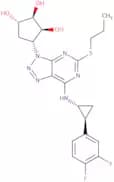
CAS:<p>Deshydroxyethoxy Ticagrelor is a metabolite that emerges as a derivative of the antiplatelet medication Ticagrelor. This compound originates from the biotransformation processes in the human body, where Ticagrelor undergoes metabolic conversion. As a metabolite, Deshydroxyethoxy Ticagrelor retains activity, contributing to the parent compound's overall therapeutic effect. The primary mode of action involves the reversible inhibition of the P2Y12 receptor on platelets, which plays a crucial role in the inhibition of platelet aggregation.<br><br>The applications of Deshydroxyethoxy Ticagrelor are primarily linked to the study of its pharmacokinetic and pharmacodynamic properties to understand better its contribution to Ticagrelor's efficacy and safety profile. Such insights can help refine dosing strategies and therapeutic regimens in clinical settings, enhancing antiplatelet therapy's precision, especially in managing acute coronary syndromes and preventing thrombotic vascular events. Understanding this metabolite is essential for developing next-generation antiplatelet agents and optimizing current treatment protocols.</p>Formula:C21H24F2N6O3SPurity:Min. 95%Color and Shape:PowderMolecular weight:478.52 g/molSKI V
CAS:<p>SKI V is a synthetic small-molecule inhibitor, which is derived from chemical synthesis, with a targeted mode of action that modulates specific signaling pathways. This compound functions by selectively inhibiting key components of the TGF-β (Transforming Growth Factor-beta) pathway, thereby affecting cellular processes such as proliferation, differentiation, and apoptosis.</p>Formula:C15H10O4Purity:Min. 95%Molecular weight:254.24 g/molLerociclib dihydrochloride
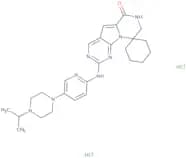
CAS:<p>Lerociclib dihydrochloride is a selective cyclin-dependent kinase 4 and 6 (CDK4/6) inhibitor, which is derived from targeted chemical synthesis. Its mode of action involves binding to CDK4/6 and inhibiting their activity, which in turn blocks the phosphorylation of the retinoblastoma (Rb) protein. This results in the prevention of cell cycle progression from the G1 to the S phase, thereby exerting antiproliferative effects on tumor cells that rely on the CDK4/6 pathway.</p>Formula:C26H36Cl2N8OPurity:Min. 95%Molecular weight:547.5 g/mol(-)-Sparteine
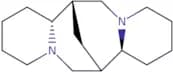
CAS:<p>Sparteine acts as an inhibitor of voltage-gated sodium channels. In organic chemisty, it is used for chiral synthesis.</p>Formula:C15H26N2Purity:Min. 95%Color and Shape:Yellow Clear LiquidMolecular weight:234.38 g/molL-745870 Hydrochloride
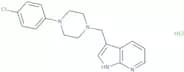
CAS:<p>L-745870 Hydrochloride is a selective dopamine D4 receptor antagonist, which is synthesized as a research compound for neuroscientific studies. This product originates from medicinal chemistry efforts aimed at understanding the role of dopamine receptors in brain function and pathology. Its mode of action involves the competitive inhibition of the dopamine D4 receptor, a subtype of the dopamine receptor family, which plays a significant role in modulating neuronal signaling pathways associated with cognition, emotion, and potential behavioral disorders.</p>Formula:C18H20Cl2N4Purity:Min. 95%Molecular weight:363.3 g/mol5-Bromo-N-[1-(3-cyclopropyl-1,2,4-oxadiazol-5-yl)cyclohexyl]-2-furamide
CAS:Controlled Product<p>5-Bromo-N-[1-(3-cyclopropyl-1,2,4-oxadiazol-5-yl)cyclohexyl]-2-furamide is a synthetic compound, which is often classified as a small molecule inhibitor or modulator, widely utilized in biochemical and pharmacological research. This compound is typically derived through a series of intricate organic synthesis processes involving selective bromination and cyclization steps that yield its unique structure, with features such as a bromine atom and a cyclopropyl group contributing to its specific biochemical properties.</p>Formula:C16H18BrN3O3Purity:Min. 95%Molecular weight:380.24 g/molT 0156 Hydrochloride
CAS:<p>T 0156 Hydrochloride is a chemical compound used primarily in neuroscience research. It is a synthetic organic molecule developed to interact with specific neuroreceptor sites. This compound is typically sourced from advanced chemical synthesis techniques in laboratory settings, ensuring high purity and stability suitable for research applications.</p>Formula:C31H30ClN5O7Purity:Min. 95%Molecular weight:620 g/molTipepidine hydrochloride
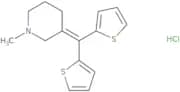
CAS:<p>Tipepidine hydrochloride is a centrally-acting antitussive agent, which is a synthetic compound designed for pharmaceutical use. This substance primarily acts on the central nervous system by modulating neurotransmitter pathways, specifically influencing the sigma-1 receptors, which are implicated in the regulation of cough reflex.</p>Formula:C15H18ClNS2Purity:Min. 95%Molecular weight:311.9 g/molGW7604
CAS:<p>GW7604 is a potent chemical inhibitor, which is developed from synthetic organic compounds with highly specific mechanisms of action. Its primary mode of action involves the inhibition of certain protein kinases that are overexpressed in particular tumor cells. Consequently, this inhibition disrupts signaling pathways that are vital for cancer cell proliferation and survival.</p>Formula:C25H22O3Purity:Min. 95%Molecular weight:370.4 g/molZD 9379
CAS:<p>ZD 9379 is a synthetic glucocorticoid compound, derived from laboratory synthesis methods that mimic natural glucocorticoid activity. This compound acts by binding to glucocorticoid receptors in cells, which then modulate the transcription of anti-inflammatory and immunosuppressive genes. The resultant effect is the reduction of inflammatory mediators and a suppression of the immune response.</p>Formula:C19H14ClN3O4Purity:Min. 95%Molecular weight:383.79 g/molFTI-277 trifluoroacetate salt
CAS:<p>FTI-277 trifluoroacetate salt is a synthetic biochemical compound, classified as a farnesyltransferase inhibitor (FTI). This compound is derived through chemical synthesis, aimed at disrupting specific molecular pathways. Its primary mode of action involves the inhibition of farnesyltransferase, an enzyme responsible for post-translational modification of certain proteins through the addition of a farnesyl group. By preventing this modification, FTI-277 impedes the proper localization and function of these proteins, which are often involved in oncogenic pathways.<br><br>The principal uses and applications of FTI-277 trifluoroacetate salt are in the realm of cancer research. It is employed to study the Ras signaling pathway, a critical driver in many forms of cancer. Researchers utilize this compound to investigate potential therapeutic interventions for Ras-driven malignancies, allowing for the elucidation of cellular mechanisms and the exploration of targeted cancer therapies. As a tool compound, FTI-277 is vital for understanding the intricate biochemical interactions that promote oncogenesis, offering insights that could lead to the development of novel anti-cancer strategies.</p>Formula:C22H29N3O3S2·xC2HF3O2Purity:Min. 95%Molecular weight:561.64 g/molSulfamethoxazole-d4
CAS:<p>Sulfamethoxazole-d4 is a deuterated analog of sulfamethoxazole, which is a synthetic antibacterial agent. It is primarily sourced from chemical synthesis processes that involve replacing hydrogen atoms with deuterium in the sulfamethoxazole molecule. This isotope labeling provides a distinctive advantage in pharmacokinetic studies, as it allows for the precise tracking and differentiation of the deuterated form from the non-labeled drug in biological systems.</p>Formula:C10H11N3O3SPurity:Min. 95%Molecular weight:257.3 g/molKU 59403
CAS:<p>KU 59403 is a potent inhibitor that functions as an anti-proliferative agent, targeting specific biochemical pathways. Developed through chemical synthesis, it primarily acts as an inhibitor of DNA-dependent protein kinase (DNA-PK). This kinase is integral to the non-homologous end joining (NHEJ) pathway, responsible for repairing double-strand breaks in DNA.</p>Formula:C29H32N4O4S2Purity:Min. 95%Molecular weight:564.72 g/molMLT-747
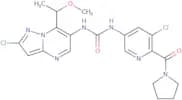
CAS:<p>MLT-747 is a high-performance polymer composite, which is a synthetic material derived from advanced polymerization techniques involving specific monomers and additives. Its formulation is designed to provide exceptional mechanical properties and thermal stability through the integration of reinforcing agents and proprietary chemical modifications.</p>Formula:C20H21Cl2N7O3Purity:Min. 95%Molecular weight:478.3 g/mol(S)-N¹-[(3-Hydroxy-2-diethylphosphonomethoxy)propyl]cytosine
CAS:<p>(S)-N¹-[(3-Hydroxy-2-diethylphosphonomethoxy)propyl]cytosine is a nucleoside analogue, which is synthesized for its antiviral properties. It derives from advancements in medicinal chemistry, targeting specific viral enzymes to disrupt viral replication. As a nucleoside analogue, its mode of action involves the inhibition of DNA polymerase, effectively halting the DNA synthesis necessary for viral proliferation.</p>Formula:C12H22N3O6PPurity:Min. 95%Molecular weight:335.29 g/mol3-Bromo-4-[4-(2-methoxyphenyl)-1-piperazinyl]-1H-pyrazolo[3,4-d]pyrimidine
CAS:<p>3-Bromo-4-[4-(2-methoxyphenyl)-1-piperazinyl]-1H-pyrazolo[3,4-d]pyrimidine is a synthetic compound, commonly classified as a pyrazolopyrimidine derivative. This type of compound is frequently studied for its potential pharmacological properties and significant role in receptor modulation. Originating from the intricate design of heterocyclic chemistry, it is synthesized through a series of complex reactions involving the fusion of different molecular structures.</p>Formula:C16H17BrN6OPurity:Min. 95%Molecular weight:389.25 g/molSGC2085 Hydrochloride
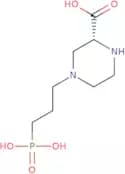
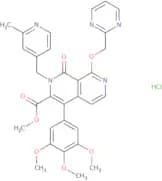
CAS:<p>SGC2085 Hydrochloride is a selective inhibitor, which is a chemically synthesized compound designed to specifically target and inhibit certain biological processes. This inhibitor is derived from small molecule chemical synthesis and acts by selectively binding to its target, thereby modulating its biological activity.</p>Formula:C19H24N2O2•HClPurity:Min. 95%Molecular weight:312.41 g/mol(R)-CPP
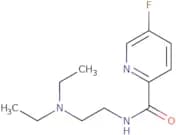
CAS:<p>NMDA receptor antagonist</p>Formula:C8H17N2O5PPurity:Min. 95%Molecular weight:252.2 g/molMelanin probe-1
CAS:<p>Melanin probe-1 is a specialized fluorescent probe, derived from chemical synthesis, designed for the selective detection and quantification of melanin. This innovative probe operates by specifically binding to melanin pigments, resulting in a measurable fluorescence signal that correlates with the concentration of melanin present. The mode of action involves the interaction of Melanin probe-1 with melanin's chemical structure, leading to its activation and subsequent emission of fluorescence, which can be detected and quantified using standard fluorescence microscopy or spectroscopy.</p>Formula:C12H18FN3OPurity:Min. 95%Molecular weight:239.29 g/molMalic enzyme inhibitor Me1
CAS:<p>Malic enzyme inhibitor Me1 is a biochemical reagent used primarily in research laboratories. It is derived synthetically, designed to specifically inhibit the activity of malic enzyme 1 (ME1), a crucial enzyme involved in the conversion of malate to pyruvate. This inhibitor works by binding to the active site of the enzyme, thereby blocking its catalytic action and subsequently affecting metabolic pathways dependent on this reaction.</p>Formula:C20H21N3O3Purity:Min. 95%Molecular weight:351.4 g/mol14-3-3 Ζ, Gst tagged human
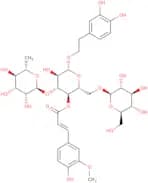
CAS:<p>14-3-3 ζ, GST tagged human, is a recombinant fusion protein that serves as a biochemical tool for research applications. This product is expressed and purified from a human source, specifically designed to investigate protein-protein interactions. The GST (glutathione S-transferase) tag facilitates easy purification and detection, making it suitable for use in affinity chromatography and other laboratory techniques.</p>Purity:Min. 95%Jionoside A1
CAS:<p>Jionoside A1 is a triterpenoid saponin, which is a naturally occurring compound principally derived from the plant species Cyclocarya paliurus. These saponins are secondary metabolites that exhibit a diverse range of biological activities. The source of Jionoside A1, Cyclocarya paliurus, is known for its medicinal properties and is traditionally used in various herbal formulations.</p>Formula:C36H48O20Purity:Min. 95%Molecular weight:800.76 g/molPlatelet-derived growth factor β−receptor fragment 742-758
CAS:<p>Platelet-derived growth factor β-receptor fragment 742-758 is a synthetic peptide, which is a derivative of the PDGF β-receptor sourced through chemical synthesis. This peptide interacts with the PDGF signaling pathway by mimicking a part of the PDGF β-receptor, which plays a critical role in cellular communication and proliferation. This fragment specifically affects the interaction of the receptor with its natural ligands, PDGF-BB, thereby inhibiting its downstream signaling cascade.</p>Formula:C84H135N19O31S3Purity:Min. 95%Molecular weight:2,003.27 g/mol















![5-Bromo-N-[1-(3-cyclopropyl-1,2,4-oxadiazol-5-yl)cyclohexyl]-2-furamide](/_next/image/?url=https%3A%2Fstatic.cymitquimica.com%2Fproducts%2F3D%2Fthumb-webp%2FWFC68099.webp&w=3840&q=75)



![(S)-N¹-[(3-Hydroxy-2-diethylphosphonomethoxy)propyl]cytosine](/_next/image/?url=https%3A%2Fstatic.cymitquimica.com%2Fproducts%2F3D%2Fthumb-webp%2FVEA36235.webp&w=3840&q=75)
![3-Bromo-4-[4-(2-methoxyphenyl)-1-piperazinyl]-1H-pyrazolo[3,4-d]pyrimidine](/_next/image/?url=https%3A%2Fstatic.cymitquimica.com%2Fproducts%2F3D%2Fthumb-webp%2FWJB34088.webp&w=3840&q=75)