Organometallic Ligands
In this category, you will be able to find a large number of organometallic molecules used as ligands in biomolecules. These organometallic ligands can be used in organic chemistry and synthesis in the laboratory. They play a critical role in forming coordination complexes and catalyzing various chemical reactions. At CymitQuimica, we offer a diverse selection of high-quality organometallic ligands to support your research and industrial needs.
Subcategories of "Organometallic Ligands"
- Buchwald Ligands(22 products)
- DPEN(4 products)
- DPHEN(4 products)
- JOSIPHOS(4 products)
- Phosphine(497 products)
- Porphirines(75 products)
Found 2887 products of "Organometallic Ligands"
Sort by
Purity (%)
0
100
|
0
|
50
|
90
|
95
|
100
Vonoprazan fumarate
CAS:<p>Vonoprazan fumarate is a pharmaceutical compound that functions as a potassium-competitive acid blocker (PCAB), which is derived from synthetic sources. It acts by selectively inhibiting the gastric hydrogen-potassium ATPase enzyme, commonly known as the proton pump, located in the stomach lining. This mode of action results in a significant reduction in gastric acid secretion, offering a therapeutic alternative to traditional proton pump inhibitors (PPIs).</p>Formula:C17H16FN3O2S•C4H4O4Purity:Min. 95%Color and Shape:PowderMolecular weight:461.46 g/molGrk2I
CAS:<p>Grk2I is a selective inhibitor, which is a synthetic compound designed to target G protein-coupled receptor kinase 2 (GRK2). This compound is developed through intricate chemical synthesis, enabling precise modulation of GRK2 activity. Its mode of action involves the competitive inhibition of GRK2, thereby preventing it from phosphorylating target receptors. This disruption of receptor phosphorylation subsequently alters downstream signaling pathways, which can be crucial in various physiological and pathological processes.</p>Formula:C153H256N50O41SPurity:Min. 95%Molecular weight:3,484 g/mol3-Fluoro-6-methyloxane-2,4,5-triol
CAS:<p>3-Fluoro-6-methyloxane-2,4,5-triol is a synthetic chemical compound belonging to the class of organofluorine molecules, which is structurally derived from naturally occurring carbohydrates. This compound is synthesized through advanced organic chemistry techniques, involving the selective fluorination of methylated sugar derivatives.</p>Formula:C6H11FO4Purity:Min. 95%Molecular weight:166.15 g/mol(2S)-1-(7-Ethylfuro[2,3-G]indazol-1-yl)propan-2-amine
CAS:<p>(2S)-1-(7-Ethylfuro[2,3-G]indazol-1-yl)propan-2-amine is a pharmacologically active compound that acts as a synthetic amine derivative. This compound is derived from the indazole class of heterocyclic aromatic organic compounds, which are renowned for their significant biological activities. The mechanism of action primarily involves its interaction with molecular targets within cancerous cells, potentially leading to the modulation of signal transduction pathways or inhibition of specific enzymes crucial for tumor growth and survival.</p>Formula:C14H17N3OPurity:Min. 95%Molecular weight:243.3 g/molVercirnon
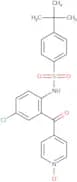
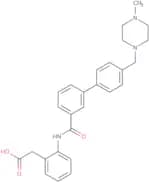
CAS:<p>Vercirnon is a small molecule antagonist, which is derived from synthetic chemical processes with a specific mode of action targeting the CCR9 receptor. This receptor is a chemokine receptor involved in the migration of inflammatory cells to the gastrointestinal tract. By inhibiting the CCR9 receptor, Vercirnon aims to reduce the recruitment of lymphocytes to sites of inflammation, thereby dampening the inflammatory response.</p>Formula:C22H21ClN2O4SPurity:Min. 95%Molecular weight:444.93 g/molCyclo(Arg-Gly-Asp-D-Phe-Val) TFA
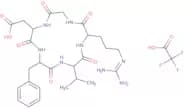
CAS:<p>Cyclo(Arg-Gly-Asp-D-Phe-Val) TFA is a cyclic peptide, which is a synthetic analog often used in biochemical research. It is derived from a sequence known to be a core recognition motif for integrins, particularly the RGD binding integrins. This synthetic peptide is synthesized using solid-phase peptide synthesis techniques, allowing precise control over its structure and stereochemistry.</p>Formula:C28H39F3N8O9Purity:Min. 95%Molecular weight:688.7 g/molDxd
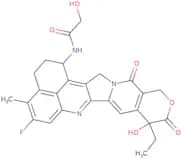
CAS:<p>Dxd is a type of Antibody-Drug Conjugate (ADC), which is a sophisticated therapeutic agent arising from bioconjugate chemistry. It incorporates a monoclonal antibody that specifically targets cancer cell antigens, linked to a cytotoxic payload designed to induce cell death. The mechanism of action involves the highly selective binding of the ADC to a cancer-specific antigen, followed by internalization, and subsequent release of the cytotoxic agent within the cell. This targeted approach allows for the preferential destruction of cancer cells while minimizing damage to healthy tissues.</p>Formula:C26H24FN3O6Purity:Min. 95%Molecular weight:493.5 g/molIHR-1
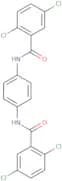
CAS:<p>IHR-1 is a peptide-based antihypertensive product, which is derived from a specific strain of yeast through fermentation processes. Its mode of action involves the inhibition of the angiotensin-converting enzyme (ACE), an important component of the renin-angiotensin system that regulates blood pressure. By inhibiting ACE, IHR-1 effectively reduces the conversion of angiotensin I to angiotensin II, thereby helping to lower blood pressure levels.</p>Formula:C20H12Cl4N2O2Purity:Min. 95%Molecular weight:454.1 g/molHomocarbonyltopsentin
CAS:<p>Homocarbonyltopsentin is a heteroaromatic alkaloid, which is isolated from marine sponges. This compound is characterized by its unique indole-imidazole structure, derived from natural products found primarily in marine ecosystems. Its mode of action involves the inhibition of specific enzymes and interference with cellular processes, such as DNA synthesis and signal transduction pathways.</p>Formula:C21H14N4O3Purity:Min. 95%Molecular weight:370.4 g/molPI3K inhibitor B591
CAS:<p>PI3K inhibitor B591 is a selective small molecule inhibitor, which is synthetically derived to target the phosphoinositide 3-kinases (PI3K) signaling pathway. This pathway is crucial in multiple cellular processes including growth, proliferation, and survival. B591 specifically inhibits the catalytic activity of the PI3K enzyme, thus impeding downstream signaling pathways such as the AKT/mTOR axis.</p>Formula:C27H29N3O3Purity:Min. 95%Molecular weight:443.5 g/molEpz011989 trifluoroacetate
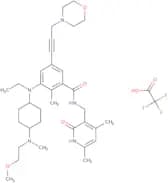
CAS:<p>EPZ011989 trifluoroacetate is a small molecule inhibitor, specifically targeting the EZH2 methyltransferase. This enzyme is a part of the Polycomb-group proteins, originating from the human chromatin-modifying system, which plays a vital role in epigenetic gene regulation. The mode of action involves the inhibition of methyltransferase activity, reducing the trimethylation of histone H3 on lysine 27 (H3K27me3), a modification linked to the repression of gene transcription.</p>Formula:C37H52F3N5O6Purity:Min. 95%Molecular weight:719.8 g/molRS 102221 hydrochloride
CAS:<p>Antagonist of 5-HT2C receptor</p>Formula:C27H31F3N4O7SPurity:Min. 95%Molecular weight:612.62 g/molAtp synthase inhibitor 1
CAS:<p>ATP Synthase Inhibitor 1 is a chemical compound used in biochemical research, which is sourced synthetically to target ATP synthase, an essential enzyme in cellular energy production. The compound functions by binding to ATP synthase, thereby disrupting its catalytic activity, and effectively halting the conversion of ADP to ATP. This inhibition acts as a powerful tool for investigating cellular metabolism, bioenergetics, and the role of ATP synthase in pathological conditions such as cancer and neurodegenerative diseases. Researchers utilize it to simulate conditions of cellular energy deprivation or to study the cellular response to impaired ATP production, providing significant insights into mitochondrial function and cellular energy dynamics.</p>Formula:C17H18ClN3O3S2Purity:Min. 95%Molecular weight:411.9 g/molγ-secretase modulator 1
CAS:<p>Gamma-secretase modulator 1 is a small-molecule therapeutic agent designed to selectively target the enzymatic activity of gamma-secretase, a protease complex involved in the processing of amyloid precursor protein (APP). This compound is chemically synthesized through rational drug design focused on modulating gamma-secretase to alter the production and aggregation of amyloid-beta peptides without affecting other substrates critical to cellular function.</p>Formula:C24H24N4OSPurity:Min. 95%Molecular weight:416.54 g/molMelanin production inhibitor A
CAS:<p>Melanin production inhibitor A is a biochemical compound designed to regulate melanogenesis, which is crucial for skin pigmentation. This inhibitor is sourced from synthetic pathways designed to intervene at key stages of melanin biosynthesis. Its mode of action involves targeting specific enzymes responsible for the conversion of tyrosine to melanin, such as tyrosinase, thereby reducing its activity and subsequent melanin production.</p>Formula:C16H17NO2Purity:Min. 95%Molecular weight:255.31 g/molIr(p-tbu-ppy)3
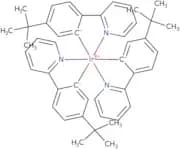
CAS:<p>Ir(p-tbu-ppy)₃ is an organometallic phosphorescent complex, which is synthesized from iridium metal coordinated with three tert-butyl phenylpyridine ligands. This type of complex is known for its unique photophysical properties, particularly its high phosphorescence efficiency facilitated by strong spin-orbit coupling inherent to iridium. The presence of the tert-butyl and phenylpyridine ligands enhances the stability and photoluminescent properties of the compound, making it ideal for use in optoelectronic devices.</p>Formula:C45H48IrN3Purity:Min. 95%Molecular weight:823.1 g/molPk7242 maleate
CAS:<p>PK7242 maleate is a synthetic biochemical compound, classified as a selective agonist, which is derived from pharmaceutical research and development processes. Its primary mode of action involves binding to specific receptor subtypes to modulate physiological pathways and signal transduction within cellular systems. This compound exerts its effects by interacting meticulously with receptor sites, allowing researchers to investigate the downstream effects of receptor activation or inhibition in various biological contexts.</p>Formula:C21H23FN4O4Purity:Min. 95%Molecular weight:414.4 g/molGSK2033
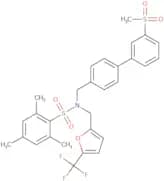
CAS:<p>GSK2033 is a chemical compound that acts as a liver X receptor (LXR) antagonist, primarily sourced from synthetic origins. It functions by binding to the LXR, which is a nuclear receptor involved in regulating the expression of genes controlling lipid metabolism and cholesterol homeostasis. By inhibiting the activation of LXR, GSK2033 decreases lipid and cholesterol synthesis pathways, thereby modulating lipid levels within cells.</p>Formula:C29H28F3NO5S2Purity:Min. 95%Molecular weight:591.66 g/mol2-Acetyl-N-(5-chloro-4-(trifluoromethyl)pyridin-2-yl)thiazole-5-carboxamide
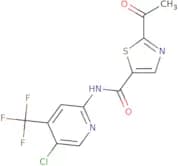
CAS:<p>2-Acetyl-N-(5-chloro-4-(trifluoromethyl)pyridin-2-yl)thiazole-5-carboxamide is a synthetic heterocyclic compound, which is primarily utilized in the realm of agrochemical research. This compound is derived from a complex synthesis involving heteroatoms and halogenated aromatic systems. Its molecular architecture features a pyridine ring substituted with chlorine and trifluoromethyl groups, enhancing its stability and bioactivity.<br><br>The mode of action of this compound involves the inhibition of key enzymatic pathways in target organisms, offering potential as a lead compound in the development of novel pesticides. Its structure allows for strong target binding, increasing its effectiveness in disrupting biological processes critical to pest survival.<br><br>In terms of applications, this compound is predominantly used in experimental settings aimed at discovering new strategies for pest control. It serves as a candidate for testing in bioassays to evaluate its efficacy and safety in diverse agricultural environments. Such studies can help in developing advanced agrochemicals, contributing to sustainable agriculture by providing more efficient and environmentally safer solutions compared to conventional pesticides.</p>Formula:C12H7ClF3N3O2SPurity:Min. 95%Molecular weight:349.72 g/molSerine hydrolase inhibitor-11
CAS:<p>Serine hydrolase inhibitor-11 is a biochemical research tool designed to target the serine hydrolase enzyme class. This compound is synthesized through advanced chemical methods, offering precise inhibitory effects on serine hydrolase enzymes. It functions by covalently binding to the active serine site within the enzyme's structure, effectively blocking its catalytic action and altering substrate metabolism.</p>Formula:C9H13N3OPurity:Min. 95%Molecular weight:179.22 g/molNSC23005 sodium
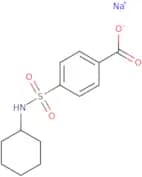
CAS:<p>NSC23005 sodium is a synthetic sodium channel inhibitor, which is designed to interfere with the function of sodium ion channels in cells. It is sourced from chemical synthesis processes that allow precise structural configuration necessary for targeting specific ion channels. The mode of action involves binding to the sodium channels, altering their conformation, and inhibiting the flow of sodium ions, which can disrupt cellular processes that depend on sodium gradients.</p>Formula:C13H16NNaO4SPurity:Min. 95%Molecular weight:305.33 g/molbal-27862
CAS:<p>BAL-27862 is an investigational small molecule, which is a synthetic derivative developed through systematic medicinal chemistry approaches. It functions primarily as an inhibitor of microtubule polymerization, exhibiting a mode of action that targets cancer cell division by disrupting the mitotic spindle apparatus. As an anti-cancer agent, BAL-27862 interferes with the cellular processes essential for tumor growth and proliferation, thus demonstrating potential efficacy against various cancer types including those resistant to standard chemotherapies.</p>Formula:C20H17N7O2Purity:Min. 95%Molecular weight:387.4 g/molSar405 R enantiomer
CAS:<p>Sar405 R enantiomer is a chiral small molecule compound, which is developed as a potent and selective inhibitor of the class III phosphatidylinositol 3-kinase (PI3K). This compound originates from synthetic chemical processes, designed to specifically target and modulate the PI3K pathway known for its critical role in autophagy, endocytosis, and various signaling processes within the cell.</p>Formula:C19H21ClF3N5O2Purity:Min. 95%Molecular weight:443.8 g/molN-[(3R,6S,9S,12R)-6-Ethyl-12-methyl-9-[3-[(N'-methylcarbamimidoyl)amino]propyl]-2,5,8,11-tetraoxo-3-phenyl-1,4,7,10-tetrazacyclotetr adec-12-yl]-2-methylpropanamide
CAS:<p>N-[(3R,6S,9S,12R)-6-Ethyl-12-methyl-9-[3-[(N'-methylcarbamimidoyl)amino]propyl]-2,5,8,11-tetraoxo-3-phenyl-1,4,7,10-tetrazacyclotetradec-12-yl]-2-methylpropanamide is a cyclic peptide compound, which is synthesized through a sequence of chemical reactions involving the assembly of amino acids into a ring structure followed by modification for increased stability and specificity. The mode of action involves the interaction with specific biological targets, predominantly through hydrogen bonding and hydrophobic interactions, altering cellular processes via inhibition or activation of enzymatic pathways. This compound finds utility in the development of therapeutic agents due to its ability to engage specific protein targets with high affinity. Its applications extend to the field of drug development, particularly in the design of inhibitors for enzymes or receptors involved in critical physiological pathways, thus serving as a valuable tool in targeting diseases at a molecular level.</p>Formula:C28H44N8O5Purity:Min. 95%Molecular weight:572.7 g/molSPK-601
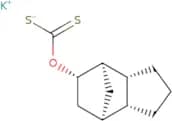
CAS:<p>SPK-601 is a novel antimicrobial peptide-based product, which is derived from engineered microbial strains with proficient peptide synthesis capabilities. This product functions by disrupting the structural integrity of microbial cell walls, leading to cell lysis and eventual death of the targeted microorganisms. Its mechanism of action involves binding to specific lipid components on the bacterial cell surface, resulting in pore formation and an imbalance in osmotic pressures across the cell membrane.</p>Formula:C11H15KOS2Purity:Min. 95%Molecular weight:266.46 g/molTT01001
CAS:<p>TT01001 is a biological control agent, which is derived from naturally occurring soil bacteria with a unique insecticidal mode of action. Specifically, it utilizes a strain that targets and disrupts the digestive systems of specific insect larvae, leading to their eventual mortality. This biocontrol mechanism involves the secretion of specific metabolites that bind to gut receptors in the pests, disrupting cellular functions and effectively neutralizing the threat to crops.</p>Formula:C15H19Cl2N3O2SPurity:Min. 95%Molecular weight:376.3 g/mol4,5-Bis(4-methoxyphenyl)-1,3-dihydroimidazol-2-one
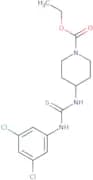
CAS:<p>4,5-Bis(4-methoxyphenyl)-1,3-dihydroimidazol-2-one is a selective estrogen receptor modulator (SERM), which is a synthetic compound designed to bind with high affinity and selectivity to estrogen receptors. Derived from chemical synthesis, it incorporates structural elements that enable specific interactions with estrogen receptor subtypes.</p>Formula:C17H16N2O3Purity:Min. 95%Molecular weight:296.32 g/molY1 Receptor antagonist 1
CAS:<p>Y1 Receptor antagonist 1 is a highly specialized pharmaceutical compound, which is derived from synthetic chemical processes, aimed at inhibiting the neuropeptide Y1 receptor. This antagonist operates by selectively blocking the binding of neuropeptide Y (NPY) to the Y1 receptor, a G-protein coupled receptor involved in various physiological processes, including appetite regulation and energy homeostasis.</p>Formula:C28H33N5O3Purity:Min. 95%Molecular weight:487.6 g/molSumanirole
CAS:<p>D2 receptor agonist; for treating Parkinson's disease and restless leg syndrome</p>Formula:C11H13N3OPurity:Min. 95%Color and Shape:SolidMolecular weight:203.24 g/molLeucettine L41
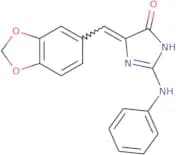
CAS:<p>Leucettine L41 is a small-molecule inhibitor, derived from marine sponge alkaloids, that targets dual-specificity tyrosine-regulated kinase-1A (DYRK1A) and related kinases. As a product originating from bioactive compounds isolated from the marine environment, its unique structure allows it to interact specifically with its target enzymes.</p>Formula:C17H13N3O3Purity:Min. 95%Molecular weight:307.3 g/mol18:1(2R-OH) ceramide
CAS:<p>18:1(2R-OH) ceramide is a sphingolipid metabolite, which is derived from natural lipid sources such as animal skin or microbial fermentation. It plays a crucial role in cellular signaling and structure. As a bioactive lipid, 18:1(2R-OH) ceramide participates in the regulation of apoptosis and cell differentiation by integrating into the cell membrane and interacting with lipid rafts. These interactions affect membrane fluidity and permeability, influencing signaling pathways within the cell.</p>Formula:C36H69NO4Purity:Min. 95%Molecular weight:579.94 g/molRegorafenib monohydrate
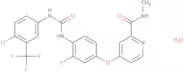
CAS:<p>Multi-kinase inhibitor; inhibits epoxide hydrolase; antineoplastic</p>Formula:C21H15ClF4N4O3•H2OPurity:Min. 95%Molecular weight:500.83 g/molPAOPA
CAS:<p>PAOPA is a tyrosinase inhibitor that has been shown to be a potent and selective competitive inhibitor of tyrosinase. It has been shown to inhibit the dopamine-induced tyrosinase activity in rat striatal membranes. PAOPA also blocks the binding of L-DOPA to its receptor, and inhibits the synthesis of melanin by inhibiting the conversion of DOPA to dopaquinone. The low bioavailability of PAOPA may be due to its poor absorption from the gastrointestinal tract and rapid metabolism in liver. PAOPA is effective when used at doses greater than 10 mg/kg body weight.</p>Formula:C11H18N4O3Purity:Min. 95%Molecular weight:254.29 g/molSAG 21k
CAS:<p>SAG 21k is a synthetic ion channel, which is a laboratory-created entity designed to mimic the functionality of natural ion channels found in biological membranes. These synthetic constructs are engineered through chemical synthesis, allowing precise control over their structural and functional properties. The mode of action of SAG 21k involves the facilitation of ion transport across lipid bilayers, thereby enabling the study of transmembrane ion flow in controlled environments.</p>Formula:C29H28ClF2N3O2SPurity:Min. 95%Molecular weight:556.1 g/molβ-Catenin/cbp-in-1
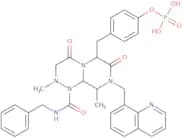
CAS:<p>β-Catenin/cbp-in-1 is a small-molecule inhibitor, which is synthetically derived, specifically designed to disrupt the interaction between β-Catenin and the coactivator CBP (CREB-binding protein) within cells. The mode of action involves selective interference with the β-Catenin/CBP signaling pathway, which is crucial for regulating gene transcription involved in cell growth and development.</p>Formula:C33H35N6O7PPurity:Min. 95%Molecular weight:658.6 g/molcIAP1 ligand 1
CAS:<p>cIAP1 ligand 1 is a small-molecule inhibitor, which is synthesized through organic chemistry techniques with a focus on targeting protein-protein interactions. It acts by specifically binding to the cellular inhibitor of apoptosis protein 1 (cIAP1), a member of the IAP family known for its role in regulating apoptotic pathways. The ligand's mode of action involves disrupting the interaction between cIAP1 and ubiquitin ligases, leading to the autoubiquitination and subsequent degradation of cIAP1. This destabilization results in the activation of downstream apoptotic signaling cascades, primarily through the extrinsic and intrinsic pathways.</p>Formula:C31H42N4O6SPurity:Min. 95%Molecular weight:598.8 g/molGLPG 1837
CAS:<p>GLPG 1837 is a small molecule potentiator, which is derived from a synthetic compound designed to target cystic fibrosis transmembrane conductance regulator (CFTR) protein variants. The source of GLPG 1837 is based on medicinal chemistry approaches focused on optimizing interactions with CFTR. The mode of action involves enhancing the channel gating of the CFTR protein, specifically addressing defects in CFTR function by increasing the probability of the channel being open and facilitating chloride ion transport across cell membranes.</p>Formula:C16H20N4O3SPurity:Min. 95%Molecular weight:348.42 g/mol(3αS)-1-(3-Aminophenyl)-3α-hydroxy-6-methyl-2,3-dihydropyrrolo[2,3-β]quinolin-4-one
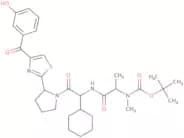
CAS:Controlled Product<p>(3αS)-1-(3-Aminophenyl)-3α-hydroxy-6-methyl-2,3-dihydropyrrolo[2,3-β]quinolin-4-one is a heterocyclic compound, which is synthesized from organic chemical sources. This bioactive molecule is characterized by its complex structure, incorporating an aminophenyl group with a fused pyrroloquinoline scaffold. The mode of action involves interaction with specific biological targets, potentially influencing enzymatic or receptor pathways, making it a candidate for biochemical research and pharmacological studies.</p>Formula:C18H17N3O2Purity:Min. 95%Molecular weight:307.3 g/molCGS 15435
CAS:<p>CGS 15435 is a synthetic compound that functions as a dopamine receptor agonist, derived from chemical synthesis processes involving targeted modifications of organic compounds. It exhibits high affinity and selectivity toward specific subtypes of dopamine receptors, which are G-protein-coupled receptors critical to neurotransmission in the central nervous system.</p>Formula:C20H21ClN2O2Purity:Min. 95%Molecular weight:356.8 g/molPHA 767491
CAS:<p>PHA 767491 is a selective cyclin-dependent kinase (CDK) inhibitor, which is a synthetic compound derived from pharmaceutical research. It functions primarily by inhibiting CDK7 and CDK9, which play a crucial role in cell cycle regulation and transcriptional control. By targeting these kinases, PHA 767491 effectively halts the proliferation of cancer cells, making it a valuable tool in cancer research.<br><br>This compound has been widely used in preclinical studies to explore the mechanisms of cell cycle arrest and apoptosis in various cancer cell lines. Additionally, its application extends to understanding transcriptional regulation in oncogenesis. The high selectivity and potency of PHA 767491 provide researchers with a precise means of dissecting CDK-mediated pathways, contributing to the development of more targeted cancer therapies.</p>Formula:C12H11N3OPurity:Min. 95%Molecular weight:213.24 g/molMBX2546
CAS:<p>MBX2546 is a synthetic biochemical compound, which is derived from advanced chemical synthesis techniques to create a stable and reactive molecular structure. Its design leverages cutting-edge methodologies in organic chemistry, allowing for precise customization at the atomic level. With a mode of action that involves binding to specific molecular targets, MBX2546 can modulate or inhibit biochemical pathways of interest, providing a powerful tool for investigators aiming to dissect complex biological processes.</p>Formula:C18H21N3O5SPurity:Min. 95%Molecular weight:391.4 g/molBW 245C
CAS:<p>BW 245C is a synthetic compound that functions as an herbicide. It is derived from chemical synthesis specifically designed to target and manage the growth of unwanted plants. The mode of action of BW 245C involves the disruption of essential physiological processes within plants, often targeting enzymatic pathways crucial for growth and photosynthesis. This disruption leads to inhibited growth or plant death, making it effective in controlling a broad spectrum of weed species.</p>Formula:C19H32N2O5Purity:Min. 95%Molecular weight:368.47 g/molMLN 0905
CAS:<p>Inhibitor of Polo-like kinase 1</p>Formula:C24H25F3N6SPurity:Min. 95%Molecular weight:486.56 g/molPT2399
CAS:<p>PT2399 is a delay line integrated circuit, which is a monolithic IC sourced from Princeton Technology Corp. It operates through analog and digital signal processing to achieve time-delay effects in audio signals. The PT2399 utilizes a digital delay line technique, converting analog input signals to digital through an integrated ADC. These digital signals are subsequently delayed and processed internally, after which they are reconverted back into analog form via a built-in DAC.</p>Formula:C17H10F5NO4SPurity:Min. 95%Molecular weight:419.3 g/molUbch5C-in-1
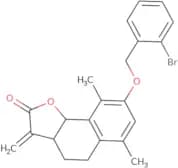
CAS:<p>Ubch5C-in-1 is a selective chemical inhibitor targeting the E2 ubiquitin-conjugating enzyme Ubch5C. The product is derived from rigorous biochemical synthesis aimed at interfering with the ubiquitination process. Ubch5C-in-1 functions by binding to the active site of the Ubch5C enzyme, thereby preventing its interaction with ubiquitin and subsequent conjugation to substrate proteins. This inhibition disrupts the ubiquitin-proteasome pathway, which is crucial for regulating protein degradation and maintaining cellular homeostasis.</p>Formula:C22H21BrO3Purity:Min. 95%Molecular weight:413.3 g/molVelnacrine
CAS:<p>Velnacrine is a reversible monoamine oxidase B (MAO-B) inhibitor, which is a synthetic compound derived from acridine. Its mode of action involves inhibiting the enzyme MAO-B, which is responsible for the breakdown of monoamines in the central nervous system. This inhibition leads to increased levels of monoamines, such as dopamine, which are crucial for cognitive and motor function.</p>Formula:C13H14N2OPurity:Min. 95%Molecular weight:214.26 g/mol06:0-06:0 NBD pa
CAS:<p>06:0-06:0 NBD PA is a fluorescent phospholipid analog, which is derived from natural phospholipid sources. It functions through the integration of an NBD (7-nitrobenz-2-oxa-1,3-diazole) fluorescent group at the phosphate head, providing a tool for the study of lipid interactions and membrane dynamics. This fluorescent probe is primarily used in biophysical research to investigate membrane structure, organization, and fluidity. Its integration into lipid membranes allows for the visualization and quantification of lipid movement and distribution using fluorescence microscopy and spectroscopy. Such capabilities are invaluable in studies of membrane fusion, lipid rafts, endocytosis, and protein-lipid interactions, helping to elucidate mechanisms at a molecular level.</p>Formula:C21H34N5O11PPurity:Min. 95%Molecular weight:563.5 g/molSetrobuvir (ana-598)
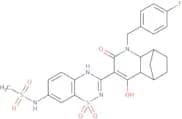
CAS:<p>Setrobuvir (ANA-598) is an investigational antiviral compound, which is a non-nucleoside inhibitor with specific activity against the Hepatitis C virus (HCV). It acts by targeting the NS5B polymerase, an enzyme essential for the replication of the viral RNA genome. By inhibiting this polymerase, Setrobuvir disrupts the viral life cycle, effectively preventing the virus from replicating within host cells.</p>Formula:C25H25FN4O6S2Purity:Min. 95%Molecular weight:560.6 g/molIlaprazole sodium
CAS:<p>Ilaprazole sodium is a proton pump inhibitor (PPI), which is derived from synthetic sources. It functions by selectively and irreversibly inhibiting the H+/K+ ATPase enzyme system found on the gastric parietal cells. This action effectively blocks the final step of acid production, leading to a significant reduction in gastric acid secretion.</p>Formula:C19H17N4NaO2SPurity:Min. 95%Molecular weight:388.42 g/molBMS 214662
CAS:<p>BMS 214662 is a farnesyltransferase inhibitor, which is a synthetic compound with specific biochemical properties. It is derived from a series of potent farnesyltransferase inhibitors developed to interfere with prenylation, a post-translational modification critical for the function of several oncogenic proteins. The primary mode of action for BMS 214662 involves the inhibition of farnesyltransferase, an enzyme responsible for the attachment of a farnesyl group to proteins, such as the Ras oncoprotein, thereby impeding their proper localization and function within the cell.</p>Formula:C25H23N5O2S2Purity:Min. 95%Molecular weight:489.61 g/mol


![(2S)-1-(7-Ethylfuro[2,3-G]indazol-1-yl)propan-2-amine](/_next/image/?url=https%3A%2Fstatic.cymitquimica.com%2Fproducts%2F3D%2Fthumb-webp%2FXPA16384.webp&w=3840&q=75)






![N-[(3R,6S,9S,12R)-6-Ethyl-12-methyl-9-[3-[(N'-methylcarbamimidoyl)amino]propyl]-2,5,8,11-tetraoxo-…](/_next/image/?url=https%3A%2Fstatic.cymitquimica.com%2Fproducts%2F3D%2Fthumb-webp%2FXID88720.webp&w=3840&q=75)






![(3αS)-1-(3-Aminophenyl)-3α-hydroxy-6-methyl-2,3-dihydropyrrolo[2,3-β]quinolin-4-one](/_next/image/?url=https%3A%2Fstatic.cymitquimica.com%2Fproducts%2F3D%2Fthumb-webp%2FXID14118.webp&w=3840&q=75)