Deuterated Compounds
Deuterated compounds are organic molecules in which one or more hydrogen atoms are replaced with deuterium, a stable isotope of hydrogen. These compounds are essential in various scientific fields, including NMR spectroscopy, mass spectrometry, and kinetic isotope studies. Deuterated compounds improve signal clarity and accuracy in analyses by reducing background noise and providing unique insights into reaction mechanisms and molecular structures. At CymitQuimica, you will find a wide range of deuterated compounds specifically designed to support your research in analytical chemistry and molecular studies.
Found 4232 products of "Deuterated Compounds"
Sort by
Purity (%)
0
100
|
0
|
50
|
90
|
95
|
100
Potassium Cyanide-13C
CAS:Controlled Product<p>Applications Labelled analogue of Potassium Cyanide, a reagent widely used in organic synthesis for the preparation of nitriles and carboxylic acids, particularly in the von Richter reaction.<br> Not a dangerous good if item is equal to or less than 1g/ml and there is less than 100g/ml in the package<br>References Kollenz, G. et al.: Org. Prep. Proc. Int., 12, 244 (1980); Subramanian, L. R.: Sci. Synth., 19, 173 (2004);<br></p>Formula:CKNColor and Shape:NeatMolecular weight:66.11δ2-Cefbuperazone-d3
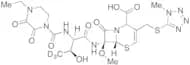
Controlled ProductFormula:C22D3H26N9O9S2Color and Shape:NeatMolecular weight:630.669Benzoyl-1'-13C Chloride
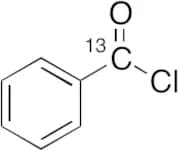
CAS:Controlled ProductFormula:C6CH5ClOColor and Shape:NeatMolecular weight:141.5611-Methoxycamptothecin-d3
CAS:Controlled ProductFormula:C21D3H15N2O5Color and Shape:NeatMolecular weight:381.397n-Butylamine-ND2 DCl
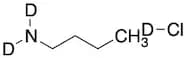
CAS:Controlled Product<p>Applications n-Butylamine-ND2 DCl (CAS# 156235-87-9) is a useful isotopically labeled research compound.<br>Chemical Name: n-Butylamine-ND2 DCl (CAS# 156235-87-9) is a useful isotopically labeled research compound.<br></p>Formula:C4H9D3ClNColor and Shape:NeatMolecular weight:112.62Bis(1-methylpentyl) Phthalate-d4
CAS:Controlled ProductFormula:C20D4H26O4Color and Shape:NeatMolecular weight:338.474Acetamide-d5
CAS:Controlled Product<p>Applications Acetamide-d5 (CAS# 33675-83-1) is a useful isotopically labeled research compound.<br></p>Formula:C2D5NOColor and Shape:NeatMolecular weight:64.1N-Methyl Lacosamide-d3
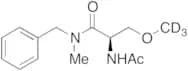
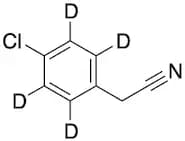
CAS:Controlled Product<p>Applications N-Methyl Lacosamide-d3 is the labeled analogue of N-Methyl Lacosamide (M315210), a methly analogue of Lacosamide (L098500), a medication used for the adjunctive treatment of partial-onset seizures and diabetic neuropathic pain. Lacosamide is a potent anticonvulsant.<br>References Lees, G., et al.: Brain Res., 612, 190 (1993), Kuo, C., et al.: Mol. Pharmacol., 51, 1077 (1997); Barton, M., et al.: Epilepsy Res., 47, 217 (2001); Beyreuther, B., et al.: Eur. J. Pharmacol., 539, 64 (2006); Beyreuther, B., et al.: CNS Drug Rev., 13, 21 (2007)<br></p>Formula:C14D3H17N2O3Color and Shape:NeatMolecular weight:267.3394-Chlorobenzyl-2,3,5,6-d4 Cyanide
CAS:Controlled Product<p>Applications 4-Chlorobenzyl-2,3,5,6-d4 Cyanide (CAS# 1219804-00-8) is a useful isotopically labeled research compound.<br></p>Formula:C8H2D4ClNColor and Shape:NeatMolecular weight:155.62Lombazole-d9
CAS:Controlled Product<p>Applications Lombazole-d9 is deuterium labelled form of Lombazole (L470205), which is imidazole based antimicrobial agent with some antifungal activity.<br>References Barug, D., De Groot, K.: Antimicrob. Agents Chemother., 28, 643 (1985); Barug, D., et al.: Antimicrob. Agents Chemother., 30, 238 (1986);<br></p>Formula:C22D9H8ClN2Color and Shape:NeatMolecular weight:353.892cis-8,11,14-Eicosatrienoic Acid Ethyl Ester-d5
CAS:Controlled Product<p>Applications cis-8,11,14-Eicosatrienoic Acid Ethyl Ester-d5 is the isotope labelled analog of cis-8,11,14-Eicosatrienoic Acid Ethyl Ester (E477920); the ethyl ester derivative of cis-8,11,14-Eicosatrienoic Acid (E477930) which is a fatty acid with selective tumoricidal activity.<br>References Das, U., et al.: Cancer Lett., 56, 235 (1991); Rudra, P., et al.: Anticancer Res., 21, 29 (2001); Menendez, J., et al.: Breast Cancer Res. Treat., 72, 203 (2002)<br></p>Formula:C22H33D5O2Color and Shape:NeatMolecular weight:339.571-Propyl-d5-amine
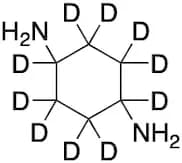
CAS:Controlled Product<p>Applications 1-Propyl-d5-amine is labelled 1-Propylamine (P833700) which is used in the synthesis of pyrimidine derivatives as novel and highly potent PDE4 inhibitors. It is also used in the preparation of fluorenone analogs with DNA topisomerase I inhibitors.<br> Not a dangerous good if item is equal to or less than 1g/ml and there is less than 100g/ml in the package<br></p>Formula:C3H4D5NColor and Shape:NeatMolecular weight:64.141,4-Cyclohexane-d10-diamine (cis/trans mixture)
CAS:Controlled Product<p>Applications 1,4-Cyclohexane-d10-diamine (cis/trans mixture) (CAS# 1219802-80-8) is a useful isotopically labeled research compound.<br></p>Formula:C6H4D10N2Color and Shape:NeatMolecular weight:124.251-{[2-(4-Chlorophenyl)-4,4-dimethylcyclohex-1-en-1-yl]methyl}piperazine-d10
CAS:Controlled ProductFormula:C19D10H17ClN2Color and Shape:NeatMolecular weight:328.946Isopentenyl Pyrophosphate-d5 Triammonium Salt
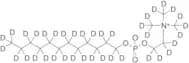
CAS:Controlled Product<p>Applications Labelled Isopentenyl Pyrophosphate. Used for the preparation of antitumor agents phosphohalohydrins.<br>References Dhe-Paganon, S., et al.: Biochem., 33, 13355 (1994), Tanaka, Y., et al.: Nature, 375 155 (1995), Wesch, D., et al.: Eur. J. Immunol., 27, 952 (1997),<br></p>Formula:C5D5H7O7P2Color and Shape:NeatMolecular weight:251.123Dodecylphosphocholine (D38, 98%)
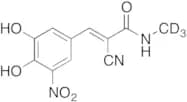
CAS:Controlled Product<p>Applications Dodecylphosphocholine (D38, 98%) (cas# 130890-78-7) is a useful research chemical.<br></p>Formula:C17H38NO4PPurity:98%Color and Shape:NeatMolecular weight:389.7N,N-Bis-desethyl, N-Methyl Entacapone-d3
CAS:Controlled Product<p>Applications N,N-Bis-desethyl, N-Methyl Entacapone-d3 is the isotope analog of N,N-Bis-desethyl, N-Methyl Entacapone which is an impurity of Entacapone (E558500). The (E)-Isomer of Entacapone which is a polymorphic form A. Peripherally acting inhibitor of catechol-O-methyl transferase (COMT), an enzyme involved in the metabolism of catecholamine neurotransmitters and related drugs. Antiparkinsonian.<br>References Karlsson, M., et al.: J. Pharm. Biomed. Anal., 10, 593 (1992), Nissinen, E., et al.: Arch. Pharmacol., 346, 262 (1992), Wikberg, T., et al.: Eur. J. Drug Metab. Pharmacokinet., 18, 359 (1993),<br></p>Formula:C11H6D3N3O5Color and Shape:NeatMolecular weight:266.232-Iodopropane-d7
CAS:Controlled Product<p>Applications 2-Iodopropane-d7 is the isotope labelled analog of 2-Iodopropane (I718795); a reagent used in the synthesis of 4'-O-alkyl-chitobiosyl-4-methylumbelliferone as human chitinase fluorogenic substrates.<br> Not a dangerous good if item is equal to or less than 1g/ml and there is less than 100g/ml in the package<br>References Duivenvoorden, B.A., et al.: Carbohyd. Res., no vol., no pp. (2014, ahead of print)<br></p>Formula:C3D7IColor and Shape:NeatMolecular weight:1772,6-Dimethylnaphthalene-d12
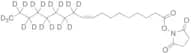
CAS:Controlled Product<p>Applications 2,6-Dimethylnaphthalene-d12 (CAS# 350820-12-1) is a useful isotopically labeled research compound.<br></p>Formula:C12D12Color and Shape:NeatMolecular weight:168.30Oleic Acid N-Hydroxysuccinimide-d17
CAS:Controlled ProductFormula:C22D17H20NO4Color and Shape:NeatMolecular weight:396.6384-Bromobenzenesulfonyl Chloride-d4
CAS:Controlled ProductFormula:C6D4BrClO2SColor and Shape:NeatMolecular weight:259.541Phosphoric Acid-D4 Trifluoroboroane Deuterium Oxide
Controlled Product<p>Applications Phosphoric Acid-D4 Trifluoroboroane Deuterium Oxide is an intermediate in the synthesis of 3-Hydroxy Benzopyrene-d11 (H829402), which is a abelled metabolite of Benzopyrene (BaP), a carcinogenic component of tobacco smoke implicated in lung cancer.<br>References DiBiasio, K., et al.: Drug Metab. Dispos.,19, 227 (1991), Beach, J., et al.: J. Anal. Toxicol., 24, 670 (2000), Borman, S., et al.: Toxicol. Appl. Pharmacol., 167, 191 (2000), Tsai-Turton, M., et al.: Biol. Reprod., 77, 442 (2007),<br></p>Formula:D3O4P•BF3•D2OColor and Shape:NeatMolecular weight:101.01 + 67.81 + 20.03RO 2433-13CD3
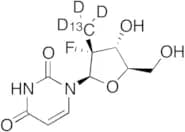
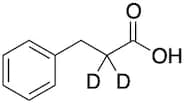
CAS:Controlled ProductFormula:C9CH10D3FN2O5Color and Shape:NeatMolecular weight:352.551Hydrocinnamic-α,α-d2 Acid
CAS:Controlled Product<p>Applications Hydrocinnamic-alpha,alpha-d2 Acid (CAS# 19136-97-1) is a useful isotopically labeled research compound.<br></p>Formula:C9H8D2O2Color and Shape:NeatMolecular weight:152.192,5-Dimethyl-2,3,4,5-tetrahydro-1H-pyrido[4,3-b]indol-1-one-d3
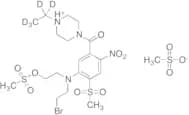
Controlled Product<p>Applications 2,5-Dimethyl-2,3,4,5-tetrahydro-1H-pyrido[4,3-b]indol-1-one-d3 is the deuterated version of 2,5-Dimethyl-2,3,4,5-tetrahydro-1H-pyrido[4,3-b]indol-1-one (D480165), which is an impurity of Alosetron (A575500) that is a serotonin 5HT3 receptor antagonist, used in treatment of irritable bowel syndrome.<br>References Camilleri, M., et al.: Lancet, 355, 1035 (2000); Nestorov, I., et al.: Drug Metab. Dispos., 30, 276 (2002); Lewis, D., et al.: Drug Metab. Rev., 35, 1 (2003); Tang, H., et al.: J. Pharm. Sci., 95, 1783 (2006); Gleeson, M., et al.: J. Med. Chem., 50, 101 (2007);<br></p>Formula:C13D3H11N2OColor and Shape:NeatMolecular weight:217.2824-(5-((2-Bromoethyl)(2-((methylsulfonyl)oxy)ethyl)amino)-4-(methylsulfonyl)-2-nitrobenzoyl)-1-ethylpiperazin-1-ium Methanesulfonate-d5
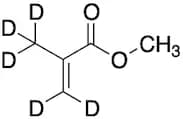
Controlled ProductFormula:C19H25D5BrN4O8S2·CH3O3SColor and Shape:NeatMolecular weight:686.61Methyl Methacrylate-d5
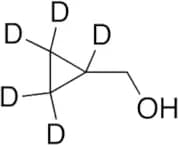
CAS:Controlled Product<p>Applications Methyl Methacrylate-d5 (CAS# 55935-46-1) is a useful isotopically labeled research compound.<br></p>Formula:C5H3D5O2Color and Shape:NeatMolecular weight:105.15Cyclopropylmethanol-d5 (Major)
CAS:Controlled Product<p>Applications Reagent used in the addition of labelled cyclopropane.<br></p>Formula:C4D5H3OColor and Shape:NeatMolecular weight:77.136Tetra-n-propyl-d28-ammonium Bromide
CAS:Controlled Product<p>Applications Tetra-n-propyl-d28-ammonium Bromide (CAS# 284474-84-6) is a useful isotopically labeled research compound.<br></p>Formula:C12D28BrNColor and Shape:NeatMolecular weight:294.44N-Acetyl-3,3’,5’-triiodo-L-thyronine-13C6
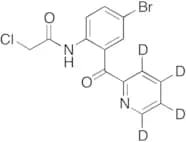
CAS:Controlled ProductFormula:C6C11H14I3NO5Color and Shape:NeatMolecular weight:698.966N-(4-Bromo-2-picolinoylphenyl)-2-chloroacetamide-d4
CAS:Controlled Product<p>Applications N-(4-Bromo-2-picolinoylphenyl)-2-chloroacetamide-d4 is the isotope labelle danalog of N-(4-Bromo-2-picolinoylphenyl)-2-chloroacetamide. N-(4-Bromo-2-picolinoylphenyl)-2-chloroacetamide is a derivative of 2-(2-Amino-5-bromobenzoyl)pyridine (A601785); an intermediate in the preparation of Bromazepam (B678500).<br>References Panderi, I., et al.: J. Pharm. Biomed. Anal., 17, 327 (1998); El-Haj, B., et al.: J. Anal. Toxicol., 25, 316 (2001); Hansen, S., et al.: J. Pharm. Biomed. Anal., 39, 322 (2005)<br></p>Formula:C14D4H6BrClN2O2Color and Shape:NeatMolecular weight:357.623Citrastadienol-d4
CAS:Controlled ProductFormula:C30D4H46OColor and Shape:NeatMolecular weight:430.7421,3-Adamantanedi[(ethyl-d2) methanesulfonate]
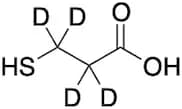
Controlled ProductFormula:C14D4H20O6S2Color and Shape:NeatMolecular weight:356.4913-Mercaptopropionic-2,2,3,3-d4 Acid
CAS:Controlled Product<p>Applications 3-Mercaptopropionic-2,2,3,3-d4 Acid (CAS# 1141488-67-6) is a useful isotopically labeled research compound. It is used for structural proteomics interactions.<br>References Petrotchenko, E., et.al., Mol. Cell Proteomics, 8,273-286,(2009);<br></p>Formula:C3H2D4O2SColor and Shape:NeatMolecular weight:110.16Adenosine-2'-¹³C
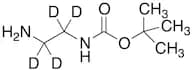
CAS:Controlled ProductFormula:CC9H13N5O4Color and Shape:NeatMolecular weight:268.234N-Boc-Ethylenediamine-D4
CAS:Controlled Product<p>Applications A is the deuterated isotope of N-Boc-Ethylenediamine (B655006). N-Boc-Ethylenediamine is used in the synthesis of Thyronamine derivatives and analogs.<br>References Anon., et al.: J. Pharmacol., 58, 53 (1936), Boissier, J., et al.: Eur. J. Pharmacol., 22, 141 (1973),<br></p>Formula:C7H12D4N2O2Color and Shape:NeatMolecular weight:164.24n-Butyl-1,1,2,2,3,3-d6 Alcohol
CAS:Controlled Product<p>Applications n-Butyl-1,1,2,2,3,3-d6 Alcohol (CAS# 1219794-84-9) is a useful isotopically labeled research compound.<br></p>Formula:C4H4D6OColor and Shape:NeatMolecular weight:80.16Flumazenil-D3
CAS:Controlled Product<p>Applications Flumazenil-D3 is an intermediate in the synthesis of Flumazenil Carboxylic Acid-D3 (F500457), which is an isotope labelled form of Flumazenil Carboxylic Acid (F500455); a derivative of Flumazenil (F500450), a benzodiazepine antagonist that can prevent or abolish (at the receptor level) the effects of a benzodiazepine.<br>References Brogden, R. & Goa, K.: Drugs, 35, 448 (1988); Klotz, U. & Kanto, J.: Clin. Pharmacokinet., 14, 1 (1988)<br></p>Formula:C15D3H11FN3O3Color and Shape:NeatMolecular weight:306.307cis-7,10,13,16-Docosatetraenoic Acid Methyl Ester-d3
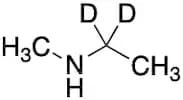
CAS:Controlled Product<p>Applications cis-7,10,13,16-Docosatetraenoic Acid Methyl Ester-d3 is a labelled analog of cis-7,10,13,16-Docosatetraenoic Acid Methyl Ester. cis-7,10,13,16-Docosatetraenoic Acid Methyl Ester is used in oregano essential oil as an inhibitor of higher fatty acid oxidation.<br>References Terenina, M.B., et al.: Appl. Biochem. Microbiol., 47, 445 (2011)<br></p>Formula:C23D3H35O2Color and Shape:NeatMolecular weight:349.565Ethyl-1,1-d2-methylamine
CAS:Controlled Product<p>Applications Ethyl-1,1-d2-methylamine (CAS# 223459-63-0) is a useful isotopically labeled research compound.<br></p>Formula:C3H7D2NColor and Shape:NeatMolecular weight:61.12(alphaS,gammaR)-γ-[[(1,1-Dimethylethoxy)carbonyl]amino]-α-methyl-[1,1'-biphenyl]-4-pentanoic Acid-d5
Controlled ProductFormula:C23D5H24NO4Color and Shape:NeatMolecular weight:388.512Tri-p-tolylamine-d21
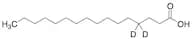
CAS:Controlled Product<p>Applications Tri-p-tolylamine-d21 (CAS# 201944-90-3) is a useful isotopically labeled research compound.<br></p>Formula:C21D21NColor and Shape:NeatMolecular weight:308.53Hexadecanoic-4,4-d2 Acid
CAS:Controlled Product<p>Applications Hexadecanoic-4,4-d2 Acid (CAS# 30719-28-9) is a useful isotopically labeled research compound.<br></p>Formula:C16H30D2O2Color and Shape:NeatMolecular weight:258.441-Pyrenol-d9 Acetate
CAS:Controlled Product<p>Applications 1-Pyrenol-d9 Acetate is a compound useful in organic synthesis.<br>References Murray, R., et al.: Carcinogen., 20, 147 (1999),<br></p>Formula:C18H3D9O2Color and Shape:NeatMolecular weight:269.34(11β,17alphalpha)-17-[(Ethoxycarbonyl)oxy]-11-hydroxy-3-oxo-androsta-1,4-diene-17-carboxylic acid-d5
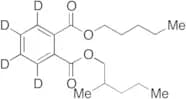
CAS:Controlled ProductFormula:C23H25D5O7Color and Shape:NeatMolecular weight:423.51n-Pentyl 2-Methylpentyl Phthalate-d4
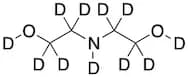
Controlled Product<p>Applications n-Pentyl 2-Methylpentyl Phthalate-d4, is the labeled analogue of n-Pentyl 2-Methylpentyl Phthalate (P283610), used as plasticizers in the manufacture of products made of polyvinyl chloride.<br>References Raether, L. O., et al.: Indust. Engineer. Chem. Produc. Res. Develop., 2, 133 (1963);<br></p>Formula:C19D4H24O4Color and Shape:NeatMolecular weight:324.448Bis(2-hydroxyethyl)amine-d11
CAS:Controlled Product<p>Applications Bis(2-hydroxyethyl)amine-d11 (CAS# 1219804-08-6) is a useful isotopically labeled research compound.<br></p>Formula:C4D11NO2Color and Shape:NeatMolecular weight:116.2Eltoprazine-d4 Hydrochloride
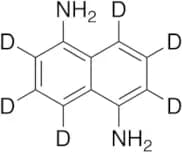
CAS:Controlled ProductFormula:C12D4H12N2O2·HClColor and Shape:NeatMolecular weight:260.7531,5-Diaminonaphthalene-d6
CAS:Controlled Product<p>Applications 1,5-Diaminonaphthalene (D416415). Aromatic amines likely to have high carcinogenic potency. QSARs of aromatic amines.<br> Not a dangerous good if item is equal to or less than 1g/ml and there is less than 100g/ml in the package<br>References Franke, R., et al.: Carcinogenesis, 22, 1561 (2001), Benigni, R., et al.: Chem. Rev., 105, 1767 (2005), Benigni, R., et al.: Environ. Mol. Mutagen., 50, 152 (2009),<br></p>Formula:C10H4D6N2Color and Shape:Beige To BrownMolecular weight:164.24Bis(3,3-dimethyl-hept-2-yl) Phthalate-d4
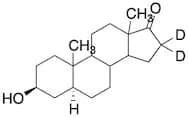
Controlled ProductFormula:C26H38D4O4Color and Shape:NeatMolecular weight:422.645α-Androstan-3β-ol-17-one-16,16-d2
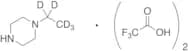
CAS:Controlled Product<p>Applications 5alpha-Androstan-3beta-ol-17-one-16,16-d2 (CAS# 79037-35-7) is a useful isotopically labeled research compound.<br></p>Formula:C19H28D2O2Color and Shape:NeatMolecular weight:292.46N-Ethylpiperazine-d5 Bis(trifluoroacetic Acid) Salt
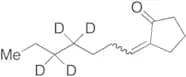
CAS:Controlled Product<p>Applications An intermediate in the production of labelled Enrofloxacin.<br>References Chao, Q., et al.: J. Med. Chem., 52, 7808 (2009), Bebbington, D., et al.: Bioorg. Med. Chem. Lett., 19, 3586 (2009),<br></p>Formula:C10H11D5F6N2O4Color and Shape:NeatMolecular weight:347.282-Heptylidenecyclopentanone-d4
CAS:Controlled ProductFormula:C12D4H16OColor and Shape:NeatMolecular weight:184.311N-(Benzoyl)piperazine-2,2,3,3,5,5,6,6-d8
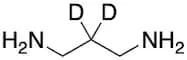
CAS:Controlled Product<p>Applications N-(Benzoyl)piperazine-2,2,3,3,5,5,6,6-d8 (CAS# 1219805-49-8) is a useful isotopically labeled research compound.<br></p>Formula:C11H6D8N2OColor and Shape:NeatMolecular weight:198.291,3-Propane-2,2-d2-diamine
CAS:Controlled Product<p>Applications 1,3-Propane-2,2-d2-diamine (CAS# 352438-78-9) is a useful isotopically labeled research compound.<br></p>Formula:C3H8D2N2Color and Shape:NeatMolecular weight:76.141,5-Dibromopentane-1,1,5,5-d4
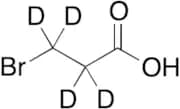
CAS:Controlled Product<p>Applications 1,5-Dibromopentane-1,1,5,5-d4 (CAS# 1219803-90-3) is a useful isotopically labeled research compound.<br></p>Formula:C5D4H6Br2Color and Shape:NeatMolecular weight:233.973-Bromopropionic-2,2,3,3-d4 Acid
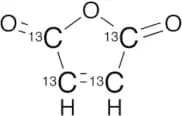
CAS:Controlled Product<p>Applications 3-Bromopropionic-2,2,3,3-d4 Acid is the labeled analog of 3-Bromopropionic acid (B687705). 3-Bromopropionic Acid is used as a reagent in the synthesis of nitrogen containing diselenides which exhibit antioxidant activity. Also used as a reagent in the synthesis of indolin-2-one-based multi-targeted receptor tyrosine kinase inhibitors as potential anticancer agents.<br>References Nascimento, V., et al.: Eur. J. Med. Chem., 87, 131 (2014); Zhang, L., et al.: Eur. J. Med. Chem., 82, 139 (2014)<br></p>Formula:C3HD4BrO2Color and Shape:NeatMolecular weight:157.0Maleic Anhydride-13C4
CAS:Controlled Product<p>Applications Labelled Maleic Anhydride. A heterocyclic compound used in the manufacture of unsaturated polyester resins. Maleic Anhydride has a wide range of other applications; it is used in synthetic tensides, insecticides, herbicides and fungicides.<br>References Hanafi, W.Z.A. et al.: Plast. Rub. Comp. Proc. Appl., 19, 175 (1993); Noma, K. et al.: Shik. Kyok., 36, 225 (1963); Augustin, M. et al.: Wissen. Zeitsch., 25, 5 (1976); Jiang, Q. et al.: Nongyao, 49, 257 (2010);<br></p>Formula:C4H2O3Color and Shape:NeatMolecular weight:102.028N-(4-Cyano-3-(trifluoromethyl)phenyl)-2-((4-fluorophenyl)sulfonyl)-3-hydroxy-2-methylpropanamide-d4
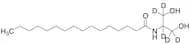
Controlled ProductFormula:C18D4H10F4N2O4SColor and Shape:NeatMolecular weight:434.398N-Hexadecanoyl-2-amino-1,3-propane-d5-diol
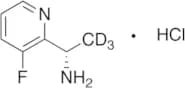
CAS:Controlled Product<p>Applications N-Hexadecanoyl-2-amino-1,3-propane-d5-diol (CAS# 949524-35-2) is a useful isotopically labeled research compound.<br></p>Formula:C19H34D5NO3Color and Shape:NeatMolecular weight:334.56(S)-1-(3-Fluororopyridin-2-yl)ethylamine-d3 Hydrochloride
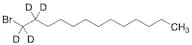
CAS:Controlled ProductFormula:C7D3H6FN2·HClColor and Shape:NeatMolecular weight:179.6381-Bromotridecane-1,1,2,2-d4
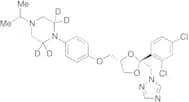
CAS:Controlled Product<p>Applications 1-Bromotridecane-1,1,2,2-d4 (CAS# 284474-45-9) is a useful isotopically labeled research compound.<br></p>Formula:C13H23D4BrColor and Shape:NeatMolecular weight:267.29Terconazole-d4
CAS:Controlled Product<p>Applications Terconazole-d4 is the isotope labelled analog of Terconazole (T110600); a compound used for topical treatment of mycotic vaginitis. Terconazole may also be used in vitro as a potent antifungal agent to prevent the morphogenetic transformation of yeast into the (pseudo-)mycelium form of Candida albicans.<br>References Cauwenbergh, G., Vanden Bossch H.: J. Reprod. Med., 34, 588 (1989); Del Palacio-Hernanz, A., et. al.: Chemioterapia, 3, 192 (1984); Van Cutsem, J., et. al.: Chemotherapy, 29, 322 (1983)<br></p>Formula:C26H27D4Cl2N5O3Color and Shape:NeatMolecular weight:536.49Methyl 4-Hydroxybicyclo[2.2.2]octane-1-carboxylate-d4
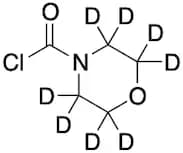
CAS:Controlled ProductFormula:C10D4H12O3Color and Shape:NeatMolecular weight:188.2574-Morpholine-d8-carbonyl Chloride
CAS:Controlled Product<p>Applications 4-Morpholine-d8-carbonyl Chloride (CAS# 1219804-24-6) is a useful isotopically labeled research compound.<br></p>Formula:C5D8ClNO2Color and Shape:NeatMolecular weight:157.62Nifedipine Monoamide-d4
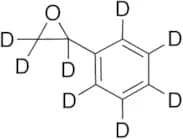
CAS:Controlled ProductFormula:C16H13D4N3O5Color and Shape:NeatMolecular weight:335.35rac Styrene-d8 Oxide
CAS:Controlled Product<p>Applications A labelled major (toxic) metabolite of Styrene (S687790), catalyzed by epoxide hydrolase.<br>References Shen, S. et al.: Drug Metab. Disp., 38, 1934 (2010); Carlson, G.P. et al.: J. Toxicol. Env. Health, 73, 1689 (2010)<br></p>Formula:C8D8OColor and Shape:Colourless To Light YellowMolecular weight:128.21,2-Dimethoxybenzene-d10
CAS:Controlled Product<p>Applications 1,2-Dimethoxybenzene-d10 (CAS# 362049-43-2) is a useful isotopically labeled research compound.<br></p>Formula:C8D10O2Color and Shape:NeatMolecular weight:148.23L-Proline-d3-N-Fmoc
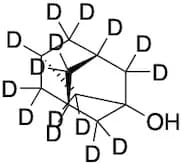
CAS:Controlled Product<p>Applications L-Proline-d3-N-Fmoc was used to prepare potent bombesin-like peptides for GRP-receptor targeting of tumors. It was also used to synthesize tetrapeptide aldehyde inhibitors of dengue virus NS3 protease.<br>References Nock, B., et al.: J. Med. Chem., 48, 100 (2005); Yin, Z., et al.: Bioorg. Med. Chem. Lett., 16, 40 (2006)<br></p>Formula:C20D3H16NO4Color and Shape:NeatMolecular weight:340.391-Hydroxyadamantane-d15
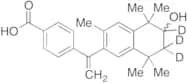
CAS:Controlled Product<p>Applications 1-Hydroxyadamantane-d15 (CAS# 33830-11-4) is a useful isotopically labeled research compound. This compound can be used to treat viral diseases.<br>References Atkinson, J., et.al., Can., 16, (1971);<br></p>Formula:C10HD15OColor and Shape:NeatMolecular weight:167.336-Hydroxy Bexarotene-d3
CAS:Controlled ProductFormula:C24D3H25O3Color and Shape:NeatMolecular weight:367.4964-(Trifluoromethoxy)phenyl Isothiocyanate-13C6
CAS:Controlled ProductFormula:C6C2H4F3NOSColor and Shape:NeatMolecular weight:225.14Butoxy-d9-acetic Acid
CAS:Controlled Product<p>Applications Butoxy-d9-acetic Acid (CAS# 669720-55-2) is a useful isotopically labeled research compound.<br></p>Formula:C6H3D9O3Color and Shape:NeatMolecular weight:141.214-Ethyl-5-fluoropyrimidine-d3
CAS:Controlled Product<p>Applications A labelled Voriconazole (V760000) impurity.<br>References Rieke, R., et al.: Science, 246, 1260 (1989), Dickinson, R., et al.: Bioorg. Med. Chem. Lett., 6, 2031 (1996),<br></p>Formula:C6D3H4FN2Color and Shape:NeatMolecular weight:129.15γ-Valerolactone-d3
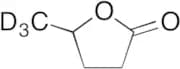
CAS:Controlled Product<p>Applications γ-Valerolactone-d3 is the isotope labelled analog of γ-Valerolactone. γ-Valerolactone is a naturally occurring chemical found in fruits and is frequently used as a food additive. It can be converted to liquid alkenes which can be used as transportation fuels.<br>References Horvath, I.T., et al.: Green Chem., 10, 238 (2008); Bond, J.Q., et al.: Science, 327, 1110 (2010)<br></p>Formula:C5D3H5O2Color and Shape:NeatMolecular weight:103.134Azilsartan Medoxomil-D5
CAS:Controlled ProductFormula:C30D5H19N4O8Color and Shape:NeatMolecular weight:573.564Tetraethylcystamine-13C8
CAS:Controlled Product<p>Applications Tetraethylcystamine-13C8 is the isotope labeled form of Tetraethylcystamine (T291435), which is a reagent used in the addition of Thiobistriethylamine.Also, it is an intermediate used in the synthesis of Tiamulin-13C4 Fumarate (T436603), which is labeled Tiamulin (T436600); a derivative of Pleuromutilin; anti-bacterial.<br>References Evers, M., et al.: Bioorg. Med. Chem. Lett., 13, 4415 (2003); Egger, H., et al.: J. Antibiot., 29, 923 (1976), Baughn, C.O., et al.: Avian Dis., 22, 620 (1978), Goodwin, R.F., et al.: Vet. Rec., 104, 194 (1979), Kitai, K., et al.: Antimicrob. Agents Chemother., 31, 1935 (1987), Aarestrup, F., et al.: Vet. Microbiol., 64, 299 (1999)<br></p>Formula:C8C4H28N2S2Color and Shape:NeatMolecular weight:272.435Flamprop-methyl-d5
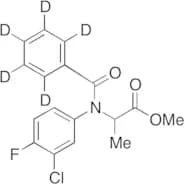
CAS:Controlled ProductFormula:C17H10D5ClFNO3Color and Shape:NeatMolecular weight:340.79ent-Ticagrelor-d7
CAS:Controlled ProductFormula:C23H21D7F2N6O4SColor and Shape:NeatMolecular weight:260.284Carbofuran-d3
CAS:Controlled Product<p>Applications Cholinesterase inhibitor. Use as systemic insecticide, acaricide, nematocide. Used in Pesticide detection.<br> Not a dangerous good if item is equal to or less than 1g/ml and there is less than 100g/ml in the package<br>References Dorough, W.H., et al.: J. Agric. Food Chem., 16, 319 (1968),<br></p>Formula:C122H3H12NO3Color and Shape:WhiteMolecular weight:224.275-Chloro 7-Deschloropiperaquine-d6
CAS:Controlled ProductFormula:C29D6H26Cl2N6Color and Shape:NeatMolecular weight:541.548N-Methyl-d3-ε-caprolactam
CAS:Controlled Product<p>Applications N-Methyl-d3-epsilon-caprolactam (CAS# 203645-60-7) is a useful isotopically labeled research compound.<br></p>Formula:C7H10D3NOColor and Shape:NeatMolecular weight:130.21Methyl trans-Cinnamate-d5 (phenyl-d5)
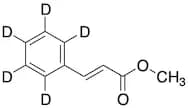
CAS:Controlled Product<p>Applications Methyl trans-Cinnamate-d5 (phenyl-d5) (CAS# 61764-82-7) is a useful isotopically labeled research compound.<br></p>Formula:C10H5D5O2Color and Shape:NeatMolecular weight:167.22Butyl Phenyl Phosphate-d9
CAS:Controlled Product<p>Applications Butyl Phenyl Phosphate-d9 is the deuterated form of Butyl Phenyl Phosphate (B809590), which is a phosphorus flame retardant additive.<br>References Sundkvist, A. M., et al.: Environ. Monit. Assess., 12, 943 (2010),<br></p>Formula:C16D9H10O4PColor and Shape:NeatMolecular weight:315.349Diethyl Chlorophosphate-d10
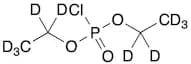
CAS:Controlled Product<p>Applications Diethyl Chlorophosphate-d10 is an intermediate in the synthesis of Chlorpyrifos Oxon-d10 (C425322), which is an isotope labeled analogue of Chlorpyrifos Oxon (C425320). a metabolite of Chlorpyrifos (C425300) in human.<br>References Atterberry, T., et al.: Toxicol. Appl. Pharmacol., 147, 411 (1997), Karanth, S., et al.: Toxicol. Sci., 58, 282 (2000), Barter, Z., et al.: Drug Metab. Dispos., 36, 2405 (2008),<br></p>Formula:C4D10ClO3PColor and Shape:NeatMolecular weight:182.61tert-Butyl-1,1,1-d3 Alcohol
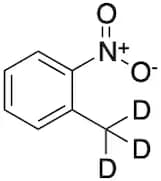
CAS:Controlled Product<p>Applications tert-Butyl-1,1,1-d3 Alcohol (CAS# 33500-15-1) is a useful isotopically labeled research compound.<br></p>Formula:C4H7D3OColor and Shape:NeatMolecular weight:77.142-Nitrotoluene-α,α,α-d3
CAS:Controlled Product<p>Applications 2-Nitrotoluene-alpha,alpha,alpha-d3 (CAS# 70786-67-3) is a useful isotopically labeled research compound.<br></p>Formula:C7H4D3NO2Color and Shape:NeatMolecular weight:140.156-Bromo-benzoic-2,3,4,5-d4 Acid
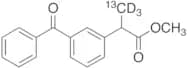
CAS:Controlled Product<p>Applications 6-Bromo-benzoic-2,3,4,5-d4 Acid is used for preparation of isotopologues of isoquinolinone and quinazolinone compounds as PI3K kinase inhibitors.<br>References Evans, C.: PCT Int. Appl. (2017), WO 2017161116 A1 20170921.<br></p>Formula:C7HD4BrO2Color and Shape:NeatMolecular weight:205.04Ketoprofen-13CD3 Methyl Ester
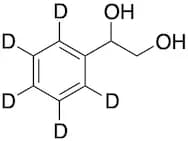
CAS:Controlled Product<p>Applications An intermediate for the synthesis of Labelled Ketoprofen.<br> Not a dangerous good if item is equal to or less than 1g/ml and there is less than 100g/ml in the package<br>References Derewenda, Z., et al.: J. Mol. Biol., 227, 818 (1992), Grochulski, P., et al.: J. Biol. Chem., 268, 12843 (1993).<br></p>Formula:C1613CH13D3O3Color and Shape:NeatMolecular weight:272.32rac Styrene Glycol-D5
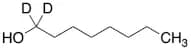
CAS:Controlled Product<p>Applications rac Styrene Glycol-D5 is an intermediate in the synthesis of rac Mirabegron-d5 (M364902), which is a potent bladder relaxant and reagent for diabetes remedy.<br></p>Formula:C8D5H5O2Color and Shape:NeatMolecular weight:143.195n-Octyl-1,1-d2 Alcohol
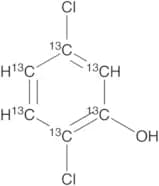
CAS:Controlled Product<p>Applications n-Octyl-1,1-d2 Alcohol (CAS# 78510-02-8) is a useful isotopically labeled research compound.<br></p>Formula:C8H16D2OColor and Shape:NeatMolecular weight:132.242,5-Dichlorophenol-13C6
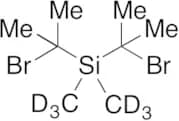
CAS:Controlled ProductFormula:C6H4Cl2OColor and Shape:NeatMolecular weight:168.96Dimethylbis(α-bromoisopropyl)silane-d6
CAS:Controlled ProductFormula:C8H12D6Br2SiColor and Shape:NeatMolecular weight:308.162-[Di(methyl-d3)amino]-1-propanol
CAS:Controlled ProductFormula:C5D6H7NOColor and Shape:NeatMolecular weight:109.2Arachidic Acid Methyl Ester-d3
CAS:Controlled ProductFormula:C21D3H39O2Color and Shape:NeatMolecular weight:329.575Trimethyloxonium-d9 Tetrafluoroborate
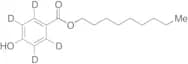
CAS:Controlled ProductFormula:C3D8O·BF3·F·DColor and Shape:NeatMolecular weight:156.963Nonyl 4-Hydroxybenzoate-d4
CAS:Controlled Product<p>Applications Nonyl 4-Hydroxybenzoate-d4 is labelled Nonyl 4-Hydroxybenzoate which was used to prepare 4-[(aminosulfonyl)oxy] benzoic acid derivatives as potent inhibitors of the enzyme estrone sulfatase (ES). It was also used to synthesize sulfonylbenzoic acid esters as potential inhibitors of oestrone sulphatase with antitumor activities.<br>References Ahmed, S., et al.: Bioorg. Med. Chem. Lett., 12, 2391 (2002); Owen, C., et al.: J. Pharm. Pharmacol., 55, 85 (2002)<br></p>Formula:C16H20D4O3Color and Shape:NeatMolecular weight:268.38rac Kynurenine-13C2,15N
CAS:Controlled Product<p>Applications A labelled tryptophan metabolite, is a precursor of kynurenic acid, which is an antagonist of N-methyl-aspartate receptor. An amino acid produced in the body from tryptophan.<br>References Swartz, K., et al.: J. Neurosci., 10, 2965 (1990), Hasegawa, H., et al.: Anal. Bioanal. Chem., 377, 886 (2003), Tsai, Y., et al.: Anal. Biochem., 319, 34 (2003), Mitsuhashi, S., et al.: Anal. Chim. Acta, 584, 315 (2007),<br></p>Formula:C2C8H1215NNO3Color and Shape:NeatMolecular weight:211.1932-MCPD-d5
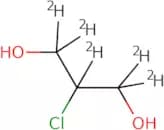
CAS:Controlled Product<p>2-MCPD-d5 is a deuterated fatty acid that can be used to calibrate gas chromatography for the determination of 2-MCPD in infant formula. The compound is processable and can be used as an internal standard. It has been validated by regression analysis and shown to have a good correlation with the sulfate solution method. 2-MCPD-d5 has been shown to produce reaction products that are similar to those produced by the methylation of 2-MCPD. This compound has also been shown to be useful as a model system for studying the formation of MCFA esters, including those containing sulfur, nitrogen, or oxygen.</p>Formula:C3H2ClD5O2Purity:Min. 95%Molecular weight:115.57 g/molBromoacetic acid-13C2
CAS:<p>Please enquire for more information about Bromoacetic acid-13C2 including the price, delivery time and more detailed product information at the technical inquiry form on this page</p>Formula:C2H3BrO2Purity:Min. 95%Color and Shape:PowderMolecular weight:140.95 g/molMidazolam-d4 maleate - 100 mg/mL in methanol
CAS:Controlled Product<p>Please enquire for more information about Midazolam-d4 maleate - 100 mg/mL in methanol including the price, delivery time and more detailed product information at the technical inquiry form on this page</p>Formula:C18D4H9ClFN3·C4H4O4Purity:Min. 95%Molecular weight:445.86 g/molCreatinine-d3
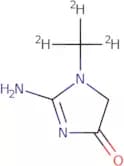
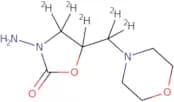
CAS:Controlled Product<p>Creatinine-d3 is a radioactive form of creatinine that can be used to measure the degree of renal function in humans. Creatinine-d3 is a metabolite of creatine, which is synthesized primarily in muscle tissue and excreted by the kidney. Creatinine-d3 uptake reflects the glomerular filtration rate (GFR) and can be used as an indicator of renal disease. The metabolism of creatinine-d3 can be monitored using chromatographic methods, such as HPLC, or mass spectrometry. Due to its low detection limit, creatinine-d3 has been used for validation studies in humans and other mammals. It has also been used for the analysis of urine samples from healthy volunteers and patients with chronic kidney disease. Creatinine-d3 is often normalized to creatinine concentration in human urine samples because it does not react with other metabolites found in urine samples. This allows for accurate measurements</p>Formula:C4H4D3N3OPurity:Min. 95%Molecular weight:116.13 g/mol3-Amino-2-oxazolidinone-d4
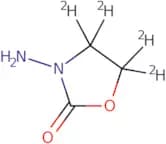
CAS:Controlled Product<p>3-Amino-2-oxazolidinone-d4 is a methanol solvent that can be used to analyze the muscle tissue. 3-Amino-2-oxazolidinone-d4 can be synthesized by reacting oxalyl chloride and 2 nitrobenzaldehyde in acetonitrile. It can also be prepared by dehydrating and analyzing the synthesis of 3 amino 2 oxazolidinones in chloroform and bromoacetic acid. 3 - Amino - 2 - oxazolidinone - d4 is deuterated, which means it has an extra neutron in its nucleus.</p>Formula:C3H2D4N2O2Purity:Min. 95%Molecular weight:106.11 g/molCholesterol-2,2,3,4,4,6-d6
CAS:Controlled Product<p>Cholesterol-2,2,3,4,4,6-d6 is a chemical compound that is used as a reference standard for cholesterol. It is typically used in the preparation of samples for analysis by nuclear magnetic resonance spectroscopy and other analytical techniques. Cholesterol-2,2,3,4,4,6-d6 has been shown to be an effective inhibitor of influenza virus replication in vitro and in vivo. It also inhibits the replication of a number of other viruses including papillomavirus and herpes simplex virus. The molecule has been shown to bind to the viral membrane system with high affinity and specificity. Cholesterol-2,2,3,4,4,6-d6 also prevents the fusion of influenza virus with host cell membranes by inhibiting the conformational changes required for this process.</p>Formula:C27D6H40OPurity:Min. 95%Molecular weight:392.69 g/mol3-MCPD-d5
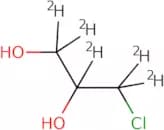
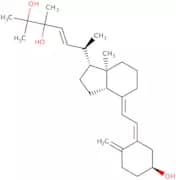
CAS:Controlled Product<p>3-MCPD-d5 is a deuterated fatty acid ester that is used to measure the level of 3-monochloropropane-1,2-diol (3-MCPD) in food products.</p>Formula:C3H2D5ClO2Purity:Min. 95%Molecular weight:115.57 g/mol24,25-Dihydroxy vitamin D2
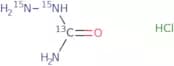
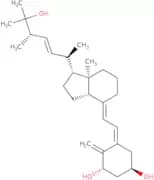
CAS:<p>24,25-Dihydroxy vitamin D2 is a form of vitamin D that has been shown to be effective in the treatment of biliary cirrhosis and neonatal cirrhosis. It is synthesized from 25-hydroxyvitamin D3 by the enzyme 24-hydroxylase. The assay sensitivity for this compound is 10 ng/mL. This form of vitamin D has been shown to have an effect on serum bilirubin levels in patients with biliary cirrhosis. 24,25-Dihydroxy vitamin D2 can also be used to treat patients with chronic renal failure who are deficient in vitamin D3. The plasma concentration of 24,25-dihydroxyvitamin D2 is lower than that of 25-hydroxyvitamin D2 and 1,25-dihydroxyvitamin D2 because it is more rapidly metabolized by the liver.</p>Formula:C28H44O3Purity:Min. 98 Area-%Color and Shape:PowderMolecular weight:428.65 g/molSemicarbazide-13C,15N2 Hydrochloride
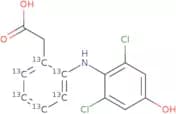
CAS:<p>Please enquire for more information about Semicarbazide-13C,15N2 Hydrochloride including the price, delivery time and more detailed product information at the technical inquiry form on this page</p>Formula:CH5NN2O·HClPurity:Min. 95%Molecular weight:114.56 g/mol4’-Hydroxy diclofenac-13C6
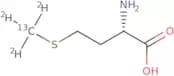
CAS:<p>Please enquire for more information about 4’-Hydroxy diclofenac-13C6 including the price, delivery time and more detailed product information at the technical inquiry form on this page</p>Formula:C6C8H11Cl2NO3Purity:Min. 95%Color and Shape:PowderMolecular weight:318.15 g/molL-Methionine-methyl-13C,methyl-D3
CAS:Controlled Product<p>Please enquire for more information about L-Methionine-methyl-13C,methyl-D3 including the price, delivery time and more detailed product information at the technical inquiry form on this page</p>Formula:C5H8D3NO2SPurity:Min. 95%Molecular weight:152.23 g/molrac 1,2-Bis-palmitoyl-3-chloropropanediol-D5
CAS:Controlled Product<p>Rac-1,2-Bis-palmitoyl-3-chloropropanediol (rac1,2BPC) is a dispersive compound that has been used in the experimental phase of extraction. It has been shown to be efficient in the quantification and screening of fatty acids. Rac1,2BPC has also been used as a spiking agent for food samples to identify contaminants. The recoveries have been validated and linearity has been demonstrated. Rac1,2BPC is an anion that can be quantified by liquid chromatography with wavelength detection at 202 nm.</p>Formula:C35H62D5ClO4Purity:Min. 95%Molecular weight:592.38 g/molBenzidine D8
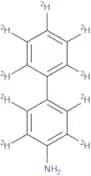
CAS:Controlled Product<p>Benzidine D8 is a benzidine compound that has been shown to be carcinogenic. It is used in the production of dyes and colorants, and it is found in wastewater from dyeing factories. Benzidine D8 has been detected in human urine, which may be due to occupational exposure. This chemical can also be found in the environment as a result of industrial discharge. The carcinogenicity of benzidine D8 is mediated by its ability to produce reactive metabolites that bind to DNA, forming adducts. These adducts inhibit DNA replication and transcription, leading to cell death through inhibition of protein synthesis. Benzidine D8 undergoes metabolism via oxidative reactions with amines or hydrolysis with hydrophilic compounds such as alcohols or phenols, which are present at high levels in the bladder tissue. The risk of bladder cancer increases when benzidine D8 binds to these amines or hydrophilic compounds, resulting in the formation of reactive metabolites that can bind to DNA</p>Formula:C12H4D8N2Purity:Min. 95%Molecular weight:192.28 g/molAMOZ-d5
CAS:Controlled Product<p>AMOZ-d5 is a new analytical method for the determination of drug metabolites in animal muscle tissue. The sample preparation process involves hydrolysis with aqueous acid and subsequent extraction into methanol. AMOZ-d5 has been validated using a range of different samples, such as drugs, food supplements, and animals. This method is an improvement over other techniques due to its speed and sensitivity.</p>Formula:C8H10D5N3O3Purity:Min. 95%Molecular weight:206.25 g/molAniline D5
CAS:Controlled Product<p>Aniline D5 is a metabolic probe used to study the activation of carcinogens. Aniline D5 inhibits the growth of cancer cells by binding to amines, which are present in epidermal growth factor and other growth factors. When an anhydrous sodium hydrogen bond forms between the amines and the aniline, it causes a frequency shift in the aromatic ring that leads to a change in its physical properties. This change can be detected using high-resolution NMR spectroscopy. The sensitivity of this technique has been improved by adding activated charcoal as a matrix effect.</p>Formula:C6H2D5NPurity:Min. 95%Molecular weight:98.15 g/molDiethylene glycol d8
CAS:Controlled Product<p>Diethylene glycol d8 is a deuterated analog of diethylene glycol. It is synthesized from ethylene oxide and diethylene glycol by substitution of one hydrogen atom with deuterium. The sequences of this molecule have been determined, yielding a traceless product that can be used as a synthetic intermediate in the production of imidazoles. Diethylene glycol d8 is also used to study anions, acidic materials, and isotopic labeling. This compound has been methylated, butylated, or solvented to form different derivatives for use in studies on other molecules.</p>Formula:C4H2D8O3Purity:Min. 97 Area-%Color and Shape:Colorless Clear LiquidMolecular weight:114.17 g/molGlycidyl oleate-d5
CAS:Controlled Product<p>Glycidyl oleate-d5 is a high-performance liquid chromatography (HPLC) stationary phase. Glycerolysis of soybean oil yields glycidyl oleate, which can be used as a stationary phase for HPLC separations. This stationary phase has been shown to be compatible with different solvents and mobile phases, including chlorinated solvents such as methylene chloride or chloroform. The temperature range in which this stationary phase is stable is between 0°C and 100°C. This stationary phase has been validated for use with the separation of glycerolipids from soybean oilseeds.</p>Formula:C21H33D5O3Purity:Min. 95%Molecular weight:343.55 g/molTrideuteriomethylbenzene
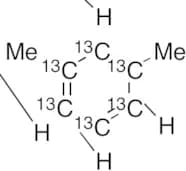
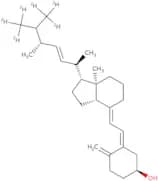
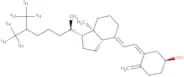
CAS:Controlled Product<p>Trideuteriomethylbenzene is a chemical compound that contains three deuterium atoms. It is a member of the class of compounds called alkyl-deuteriomethylbenzenes, which are used as proton donors in chemical reactions. It has been shown to be an effective supercritical solvent for the separation of long-chain alcohols from hydrocarbons. Trideuteriomethylbenzene may also be used as a photoelectron donor for the determination of time constants and depression constants by electron diffraction.</p>Formula:C7H5D3Purity:Min. 95%Molecular weight:95.16 g/molVitamin D2-d6
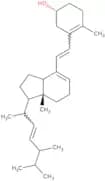
CAS:Controlled Product<p>Vitamin D2-D6 is a dietary supplement that comes in the form of an oil. It is an ionizable vitamin and is structurally similar to Vitamin D3. The most common form of this vitamin is cholecalciferol, which is found in fish oils and dairy products. Vitamin D2-D6 has been shown to be efficacious at increasing mineralization in skin cells, as well as preventing symptoms of rickets. This nutrient also assists with calcium metabolism and the absorption of dietary calcium. It can be taken by infants or adults who may have low levels of Vitamin D due to a lack of exposure to sunlight or ingestion of a poor diet.</p>Formula:C28H38D6OPurity:Min. 99 Area-%Color and Shape:PowderMolecular weight:402.68 g/molNifursol-15N2,d2
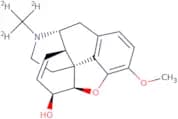
CAS:Controlled Product<p>Please enquire for more information about Nifursol-15N2,d2 including the price, delivery time and more detailed product information at the technical inquiry form on this page</p>Formula:C12H5D2N3N2O9Purity:Min. 95%Molecular weight:365.21 g/molCodeine-D3 solution
CAS:Controlled Product<p>Please enquire for more information about Codeine-D3 solution including the price, delivery time and more detailed product information at the technical inquiry form on this page</p>Purity:Min. 95%Tetrabenazine-d6
CAS:Controlled Product<p>Tetrabenazine is a drug that is used to treat Parkinson's disease. It decreases the release of dopamine, which can reduce symptoms such as tremors and rigidity. Tetrabenazine has been shown to be an effective treatment for Parkinson's disease in clinical trials with long-term efficacy. Tetrabenazine also has a number of side effects, including hypotension, hallucinations, and depression.br>Tetrabenazine can interact with other drugs or medications such as monoamine oxidase inhibitors, antidepressants, or antipsychotics. This medication should not be taken by people who have liver impairment, because it may lead to liver damage. br>Tetrabenazine is a drug that belongs to the class of pharmacological agents known as selective monoamine reuptake inhibitors (SSRIs). These agents work by blocking the reuptake of serotonin (5-HT), dopamine (DA), or norepinephrine (NE) into the pres</p>Formula:C19H21D6NO3Purity:Min. 95%Molecular weight:323.46 g/molHalobetasol propionate-d3
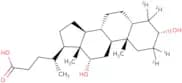
CAS:Controlled Product<p>Halobetasol propionate-d3 is a biocompatible polymer that binds to the effector proteins of the inflammatory response. It is used in the treatment of inflammatory bowel disease, psoriasis, and other skin diseases. Halobetasol propionate-d3 has been shown to be effective against plaque and cutaneous lesions in patients with psoriasis. This drug also inhibits the production of proinflammatory cytokines (IL-1β, IL-6, IL-8) and chemokines (MCP-1) by monocytes. The drug has been shown to be effective against autoimmune diseases due to its ability to inhibit TNFα production from macrophages. Halobetasol propionate-d3 is compatible with blood group A, B, and AB.</p>Formula:C25H31ClF2O5Purity:Min. 95%Molecular weight:484.96 g/molDeoxycholic acid-D4
CAS:Controlled Product<p>Deoxycholic acid-D4 is a bile acid that is produced by the liver. It has been shown to be an indicator of insulin resistance in women with breast cancer. Deoxycholic acid-D4 has also been found to have significant interactions with other drugs, such as phenytoin, carbamazepine, and penicillin. The concentration of deoxycholic acid-D4 in the serum may be reduced by taking these drugs. This drug has a detection time of 3 hours and can be detected by liquid chromatography. Deoxycholic acid-D4 is metabolized through the human metabolism pathway, which includes dietary and logistic regression models.</p>Formula:C24H36D4O4Purity:Min. 95%Molecular weight:396.6 g/molIodoethane-d5
CAS:Controlled Product<p>Iodoethane-d5 is a chromatographic reagent that is used for the determination of bond cleavage reactions. The reaction yield for bond cleavage reactions with iodoethane-d5 has been determined to be approximately 50%. Iodoethane-d5 is used in magnetic resonance spectroscopy, where it has been shown to be an effective probe for the measurement of proton and resonance mass. Iodoethane-d5 can also be used as a pharmacokinetic marker. It has been found that iodoethane-d5 is better than ethane at calculating pharmacokinetic parameters such as volume of distribution and clearance.</p>Formula:CD3CD2IPurity:Min. 95%Color and Shape:Colourless LiquidMolecular weight:160.99 g/molOxaloacetic acid-13C4
CAS:<p>A labelled form of the oxalacetic acid (FO12113).</p>Formula:C4H4O5Purity:Min. 95%Molecular weight:136.04 g/molHalobetasol Propionate-d5
CAS:Controlled Product<p>Halobetasol propionate-d5 is a steroid that is used to treat asthma. It is available as an inhalant, which is delivered directly into the lungs. When used in conjunction with another medication, such as salmeterol, it can help to reduce symptoms of asthma. Halobetasol propionate-d5 has been shown to be a potent anti-inflammatory agent that suppresses the inflammation of the airways and prevents asthma symptom. The drug does not have any negative side effects on lung function or respiratory muscles.</p>Formula:C25H26D5F3O5SPurity:Min. 95%Molecular weight:505.6 g/molAllopurinol-d2
CAS:<p>Allopurinol-d2 is an inhibitor of xanthine oxidase, which is an enzyme that catalyzes the conversion of hypoxanthine to xanthine and then to uric acid. Allopurinol-d2 is used for the treatment of gout and hyperuricemia. The compound was expressed in Escherichia coli and purified by electrospray ionization mass spectrometry. It has been shown to inhibit methyltransferase activity, thereby decreasing the production of urate. Allopurinol-d2 has also been shown to decrease disease activity in animal models of colitis and ulcerative colitis.</p>Formula:C5H2D2N4OPurity:Min. 95%Molecular weight:138.12 g/molDimethyl sulfoxide-d6
CAS:Controlled Product<p>Dimethyl sulfoxide-d6, commonly called deuterated DMSO or DMSO-d6, differs isotopically from dimethyl sulfoxide (DMSO), in that the hydrogen atoms have been substituted by deuterium isotopes (2D). Dimethylsulfoxide-d6 is extensively used as an NMR solvent, which shows a characteristic shift observed at 2.50 ppm in 1H-NMR.</p>Formula:C2D6OSPurity:95%MinMolecular weight:84.17 g/mol1-Amino-2,4-imidazolidinedione-13C3
CAS:<p>1-Amino-2,4-imidazolidinedione-13C3 is an antibiotic that belongs to the group of nitrofurans. It is used for the treatment of infections caused by bacteria that are resistant to other antibiotics. The LC-MS/MS analysis showed that 1-aminohydantoin was formed as a degradation product of chloramphenicol and that this metabolite had been detected in urine samples from patients treated with chloramphenicol. Nitrofuran is also a possible degradation product. A reaction monitoring experiment using ionization monitoring and monitoring on the precursor ion at m/z 287 confirmed the presence of 1-aminohydantoin in a sample containing both chloramphenicol and nitrofuran. Quantification was performed using calibration curves obtained from pure standards.</p>Formula:C3H5N3O2Purity:Min. 95%Molecular weight:118.12 g/molChloroacetic Acid-13C2
CAS:<p>Please enquire for more information about Chloroacetic Acid-13C2 including the price, delivery time and more detailed product information at the technical inquiry form on this page</p>Purity:Min. 95%4-Aminobiphenyl-D9
CAS:Controlled Product<p>4-Aminobiphenyl is a chemical compound that belongs to the group of aromatic amines. It is a human carcinogen and has been shown to cause cancer in animals. 4-Aminobiphenyl has been detected in the environment as an environmental pollutant and can be found in small quantities at low levels in food, air, and water. 4-Aminobiphenyl can be hydrolyzed by acid or alkaline hydrolysis to form its hydrolysate, which contains nitroarenes that are not present in the original compound. The DNA modification caused by 4-aminophenol may be due to its ability to modify DNA bases through reactive metabolites such as nitroarenes.</p>Formula:C12H2D9NPurity:Min. 95%Molecular weight:178.27 g/mol7-Hydroxy-4-cholesten-3-one-D7
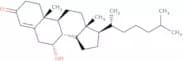
CAS:Controlled Product<p>7-Hydroxy-4-cholesten-3-one-D7 (7OHCD7) is a metabolite of the bile acid, cholic acid. It is generated by the action of cholesterol 7α hydroxylase on cholesterol in the liver. It is excreted in bile, which is then absorbed back into the body from the gut and used for energy metabolism. 7OHCD7 has been shown to be an inhibitor of histone deacetylases, which are enzymes that regulate gene transcription. This inhibition leads to increased transcriptional regulation and reduced inflammatory responses in bowel disease models. 7OHCD7 has also been shown to increase cholesterol levels and reduce inflammation in humans with metabolic syndrome.</p>Formula:C27H44O2Purity:Min. 95%Molecular weight:400.64 g/mol1,3-Distearoyl-2-chloropropanediol-d5
CAS:<p>Please enquire for more information about 1,3-Distearoyl-2-chloropropanediol-d5 including the price, delivery time and more detailed product information at the technical inquiry form on this page</p>Formula:C39H70D5CIO4Purity:Min. 95%Molecular weight:751.95 g/molProgesterone-d9
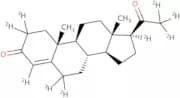
CAS:Controlled Product<p>Progesterone-d9 is a compound that is used in the diagnosis of adrenocortical carcinoma. It can be extracted from the serum of patients with this cancer using an acetate extraction technique. Progesterone-d9 has been shown to be a useful biomarker for short-term exposure to water contaminated with nomegestrol acetate, and it has also been shown to be a useful tool for wastewater treatment. The use of Progesterone-d9 as a biomarker is limited by its instability in human serum and its susceptibility to matrix effects. This compound can be analyzed by liquid chromatography mass spectrometry (LC-MS/MS) methods, which are sensitive and specific. A drawback of this analytical method is that it requires extensive sample preparation.<br>The LC-MS/MS method can also be used to measure prosteroid levels, which have been found to correlate with levels of camp in humans.</p>Formula:C21H21O2D9Purity:Min. 95%Color and Shape:Off-White To Yellow SolidMolecular weight:323.51 g/molSodium L-lactate-13C3
CAS:<p>Please enquire for more information about Sodium L-lactate-13C3 including the price, delivery time and more detailed product information at the technical inquiry form on this page</p>Formula:C3H5NaO3Purity:Min. 95%Color and Shape:PowderMolecular weight:115.04 g/mol1a,25-Dihydroxy vitamin D2
CAS:<p>1a,25-Dihydroxy vitamin D2 is a compound that exhibits various characteristics and applications. It is known for its bioavailability and water-soluble properties, making it easily absorbed by the body. This compound has been extensively studied in the field of research chemicals. One of the notable features of 1a,25-Dihydroxy vitamin D2 is its potential therapeutic effects on ganglioside GM2-related disorders. It has been shown to interact with GM2 activator proteins and fatty acids, which are involved in the metabolism of GM2 gangliosides. This interaction may have implications for the treatment of certain neurological conditions. Additionally, 1a,25-Dihydroxy vitamin D2 has been investigated for its role in modulating immune responses and inflammatory processes. Studies have suggested that this compound can inhibit the production of pro-inflammatory substances like prostaglandins, offering potential anti-inflammatory benefits. Moreover, 1a,25-Dihydroxy vitamin D</p>Formula:C28H44O3Purity:Min. 95%Color and Shape:White PowderMolecular weight:428.65 g/molVitamin D3-d6
CAS:Controlled Product<p>Vitamin D3-d6 is a vitamin that has ionizable properties. It is available in the form of an oil and can be used as a dietary supplement for infants, as well as adults. Vitamin D3-d6 has been validated by various assays, including those based on chemical ionization, high-performance liquid chromatography, and gas chromatography. Sample preparation procedures include saponification and extraction with isooctane. The analytical method involves detection by UV light at 254 nm or fluorescence at 365 nm. The efficiency of this vitamin is low because it easily degrades when exposed to light or air.</p>Formula:C27H38D6OPurity:Min. 95%Color and Shape:PowderMolecular weight:390.67 g/molAlprazolam-D5 solution (100 ug/ml in methanol)
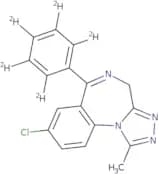
CAS:Controlled Product<p>Alprazolam is a benzodiazepine drug used as an anxiolytic, anticonvulsant, and sedative. It is one of the most commonly prescribed drugs in the United States. Alprazolam-d5 solution is a solution that contains alprazolam labeled with D5. It can be used for wastewater treatment to identify the presence of trifluoroacetic acid (TFA) in wastewater samples. The dispersive solid-phase extraction method was validated for use with this labeled compound by detecting alprazolam-d5 at concentrations of 0.0025 µg/mL or less in urine samples within 10 minutes. Alprazolam-d5 solution has been shown to be stable in acidic pH environments and can be used for detection times up to 2 hours.</p>Formula:C17H8ClD5N4Purity:Min. 95%Color and Shape:Clear LiquidMolecular weight:313.8 g/molFormaldehyde-d2 solution, 20 wt. % in D2O
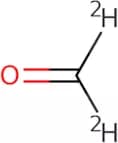
CAS:Controlled Product<p>Formaldehyde-d2 solution is a formaldehyde solution that contains deuterium, which has the same chemical properties as hydrogen but has an additional neutron in its nucleus. Formaldehyde-d2 solution is used to prepare samples for NMR and ESI-MS experiments. The reaction mechanism of formaldehyde is believed to be an acid-catalyzed hydrolysis of the hydrogen bond between formaldehyde and methanol. Deuterium isotopes are generally considered to be non-radioactive and have little or no effect on biological systems. Formaldehyde-d2 solution can inhibit fatty acids from binding to the surface of potatoes, which may make it useful in treating autoimmune diseases.</p>Formula:CD2OPurity:Min. 95%Color and Shape:Clear LiquidMolecular weight:32.04 g/molH-[15N]Tyr-OH
CAS:<p>H-[15N]Tyr-OH is a metabolite of tyrosine. It is the conjugate acid of propionic acid, and the conjugate base of 4-hydroxybenzyl. H-[15N]Tyr-OH is a phenylalanine and aromatic amino acid that has an aromatic ring with a phenyl substituent. This metabolite is hydroxy, which means it has one hydroxyl group on the phenyl ring. H-[15N]Tyr-OH binds to daphnia in vivo, causing death. The cause for this may be due to its ability to react with oxygen, forming reactive oxygen species (ROS).</p>Purity:Min. 95%([ring-D5]Phe6)-Somatostatin-14
<p>Please enquire for more information about ([ring-D5]Phe6)-Somatostatin-14 including the price, delivery time and more detailed product information at the technical inquiry form on this page</p>Formula:C76H99D5N18O19S2Purity:Min. 95%Molecular weight:1,642.91 g/mol([13C6]Leu6)-Endothelin-1 (human, bovine, dog, mouse, porcine, rat) acetate salt
<p>Please enquire for more information about ([13C6]Leu6)-Endothelin-1 (human, bovine, dog, mouse, porcine, rat) acetate salt including the price, delivery time and more detailed product information at the technical inquiry form on this page</p>Purity:Min. 95%Fmoc-[15N]Leu-OH
CAS:<p>Fmoc-[15N]Leu-OH is a research chemical that has various applications in the field of biosynthesis and antibody production. It is commonly used in peptide synthesis and as a building block for the preparation of peptides and proteins. Fmoc-[15N]Leu-OH is known for its high purity and quality, making it an ideal choice for researchers and scientists working in the field of molecular biology. This compound can be easily dissolved in ethanol or other organic solvents, allowing for convenient use in laboratory experiments. With its unique characteristics and wide range of applications, Fmoc-[15N]Leu-OH is a valuable tool for those involved in biochemical research.</p>Formula:C21H23NO4Purity:Min. 95%Molecular weight:354.41 g/mol([ring-D5]Phe3)-Octreotide acetate salt
CAS:Controlled Product<p>Please enquire for more information about ([ring-D5]Phe3)-Octreotide acetate salt including the price, delivery time and more detailed product information at the technical inquiry form on this page</p>Formula:C49H61D5N10O10S2Purity:Min. 95%Molecular weight:1,024.27 g/mol([13C6]Leu15)-pTH (1-34) (human) trifluoroacetate salt
<p>Please enquire for more information about ([13C6]Leu15)-pTH (1-34) (human) trifluoroacetate salt including the price, delivery time and more detailed product information at the technical inquiry form on this page</p>Purity:Min. 95%Benzoic- d5- acid
CAS:Controlled Product<p>Benzoic acid is a carboxylic acid that is found naturally in many plants, fruits and vegetables. It has been shown to be an effective inhibitor of bacterial growth by binding to the glycan moiety of peptidoglycans. Benzoic acid can be used as a calibrant for mass spectrometry. The molecular weight of benzoic acid is 100.06 g/mol and its melting point is 152 °C (309 °F). Benzoic acid has two structural isomers: ortho-benzoic acid and meta-benzoic acid. Ortho-benzoic acid has a molecular weight of 102.09 g/mol and a melting point of 145 °C (293 °F). Meta-benzoic acid has a molecular weight of 104.10 g/mol and a melting point of 155 °C (311 °F). Benzoate may also be produced from the reaction between benzoyl chloride with sodium benzo</p>Formula:C7HD5O2Purity:Min. 95%Molecular weight:127.15 g/mol4-Aminobutyric-2,2,3,3,4,4-D6
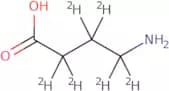
CAS:Controlled Product<p>4-Aminobutyric-2,2,3,3,4,4-D6 is a metabolic precursor to glutamate that can be used as a marker for neuronal activity. It has been found that 4-aminobutyric acid is present in the cerebrospinal fluid of mice and humans. 4-Aminobutyric acid is synthesized from l-glutamic acid by the enzyme glutamic acid decarboxylase and can be used as an indicator of neurotransmitter activity. The measurement of 4-aminobutyric acid levels can be used for biochemical studies on tissues or cells and also for the diagnosis of diseases related to neurotransmission such as epilepsy.</p>Formula:C4H3D6NO2Purity:Min. 95%Color and Shape:PowderMolecular weight:109.15 g/molDimethyl-d6-amine HCl
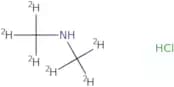
CAS:Controlled Product<p>Dimethyl-d6-amine HCl is a drug that inhibits the growth of cancer cells. It is an inhibitor of epidermal growth factor (EGF), which has been shown to be effective in the treatment of skin cancer. Dimethyl-d6-amine HCl is also effective against some strains of bacteria that are resistant to other antibiotics, such as erythromycin and tetracycline. Dimethyl-d6-amine HCl has been shown to have a suppressive effect on the production of sesquiterpene lactones by dehydrocostus lactone, which may be responsible for its anti-inflammatory properties.</p>Formula:C2H2ClD6NPurity:Min. 95%Color and Shape:White PowderMolecular weight:87.58 g/molFmoc-[D4]Ala-OH
CAS:Controlled Product<p>Please enquire for more information about Fmoc-[D4]Ala-OH including the price, delivery time and more detailed product information at the technical inquiry form on this page</p>Formula:C18H13D4NO4Purity:Min. 95%Color and Shape:PowderMolecular weight:315.35 g/molFmoc-[ring-D5]Phe-OH
CAS:Controlled Product<p>Please enquire for more information about Fmoc-[ring-D5]Phe-OH including the price, delivery time and more detailed product information at the technical inquiry form on this page</p>Formula:C24H16D5NO4Purity:Min. 95%Molecular weight:392.46 g/mol([13C6]Leu10)-CRF (human, rat) trifluoroacetate salt
<p>Please enquire for more information about ([13C6]Leu10)-CRF (human, rat) trifluoroacetate salt including the price, delivery time and more detailed product information at the technical inquiry form on this page</p>Purity:Min. 95%([13C6]Leu5)-Ghrelin (human) trifluoroacetate salt
CAS:<p>Please enquire for more information about ([13C6]Leu5)-Ghrelin (human) trifluoroacetate salt including the price, delivery time and more detailed product information at the technical inquiry form on this page</p>Purity:Min. 95%Fmoc-[15N]Val-OH
CAS:<p>Fmoc-[15N]Val-OH is an epidermal growth factor receptor (EGFR) ligand that can be used to identify phosphorylation sites on EGFR. Fmoc-[15N]Val-OH binds to the tyrosine kinase domain of the EGFR and is phosphorylated by the intracellular protein tyrosine kinases, which leads to receptor activation. This compound has been shown to have a high affinity for human epidermoid carcinoma cells and can be used in cancer research as a potent and selective ligand. Fmoc-[15N]Val-OH is also known as a growth factor and has been shown to stimulate a number of cellular responses such as cell proliferation, migration, differentiation, and adhesion.</p>Purity:Min. 95%(Des-Gly10,D-Leu6,[13C6]Leu7,Pro-NHEt 9)-LHRH trifluoroacetate salt
<p>Please enquire for more information about (Des-Gly10,D-Leu6,[13C6]Leu7,Pro-NHEt 9)-LHRH trifluoroacetate salt including the price, delivery time and more detailed product information at the technical inquiry form on this page</p>Purity:Min. 95%([ring-D5]Phe8)-Angiotensin II acetate salt
CAS:<p>Please enquire for more information about ([ring-D5]Phe8)-Angiotensin II acetate salt including the price, delivery time and more detailed product information at the technical inquiry form on this page</p>Formula:C50H66D5N13O12Purity:Min. 95%Molecular weight:1,051.21 g/mol17β-Estradiol-d2
CAS:Controlled Product<p>17-Estradiol-3,17-diol (17-E2) is the most potent estrogen found in humans. It has been shown to be able to stimulate the growth of breast cancer cells and is a known carcinogen in animals. 17-E2 is metabolized by cytochrome P450 enzymes into catechol estrogens, which are reactive and can bind to DNA. These metabolites can cause mutations that lead to cancer. Analysis of human breast tissue has revealed that 17-E2 is synthesized from estradiol by aromatase and then converted into catechol estrogens by 17β-hydroxysteroid dehydrogenase type 1. 17-E2 also binds to estrogen receptors, which may be linked with the development of certain cancers. The presence of 17-E2 in the environment has been linked with an increased risk for cancer in humans, as it can enter the body through water or food contaminated with waste products.</p>Formula:C18H22D2O2Purity:Min. 95%Color and Shape:PowderMolecular weight:274.39 g/mol([D8]Val7·10)-C-Peptide (human)
CAS:Controlled Product<p>Please enquire for more information about ([D8]Val7·10)-C-Peptide (human) including the price, delivery time and more detailed product information at the technical inquiry form on this page</p>Formula:C129H195D16N35O48Purity:Min. 95%Molecular weight:3,036.35 g/molCD36 (93-110)-Cys
CAS:<p>Please enquire for more information about CD36 (93-110)-Cys including the price, delivery time and more detailed product information at the technical inquiry form on this page</p>Formula:C96H151N29O33SPurity:Min. 95%Molecular weight:2,271.47 g/mol(Cys(Bzl)84)-CD4 (81-92)
CAS:<p>The CD4 molecule is a major component of the human immune system. It interacts with other cells, such as T-cells, and plays an important role in the immune response. The CD4 molecule is a glycoprotein that consists of two subunits, (Cys(Bzl)84)-CD4 and (81-92) H-Thr-Tyr-Ile-Cys(Bzl)-Glu-Val-Glu-Asp-Gln-Lys-Glu-. The sequence of this molecule is important for its function, as it has been shown to be essential for binding to HIV particles. This protein may also play a role in regulating the growth of T cells. It was found that the amino acid sequence of CD4 is not conserved among different species. The amino acid sequence specificity in the CD4 molecule is due to the cysteine residues. These residues are able to form disulfide bridges with other cyste</p>Formula:C69H102N14O26SPurity:Min. 95%Molecular weight:1,575.69 g/molFormaldehyde-13C solution
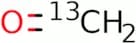
CAS:<p>20% by weight in water. 98 atom % 13C</p>Formula:H13CHOPurity:Min. 95%Molecular weight:42.12 g/mol([15N]Gly)-Glutathione (reduced)
CAS:<p>Please enquire for more information about ([15N]Gly)-Glutathione (reduced) including the price, delivery time and more detailed product information at the technical inquiry form on this page</p>Purity:Min. 95%Cys-CD36 (139-155) trifluoroacetate salt
CAS:<p>Please enquire for more information about Cys-CD36 (139-155) trifluoroacetate salt including the price, delivery time and more detailed product information at the technical inquiry form on this page</p>Formula:C87H133N25O26SPurity:Min. 95%Molecular weight:1,977.21 g/mol([D2]Gly4)-Cholecystokinin Octapeptide (sulfated) ammonium salt
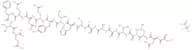
<p>Please enquire for more information about ([D2]Gly4)-Cholecystokinin Octapeptide (sulfated) ammonium salt including the price, delivery time and more detailed product information at the technical inquiry form on this page</p>Formula:C49H60D2N10O16S3Purity:Min. 95%Molecular weight:1,145.28 g/molProtein Kinase P34 (cd2) Substrate trifluoroacetate salt
CAS:<p>H-ADAQHATPPKKKRKVEDPKDF-OH peptide, which can act as a substrate of Protein Kinase P34 (cd2). The peptide is supplied as a trifluoroacetate salt.</p>Formula:C106H172N32O32Purity:Min. 95%Molecular weight:2,406.7 g/molPrevitamin D2
CAS:<p>Previtamin D2 is a chemical compound that is the natural form of vitamin D. It is found in human skin and can be converted to vitamin D3 by exposure to sunlight or artificial ultraviolet light. Previtamin D2 has been shown to have anti-cancer properties and may have potential as a dietary supplement. Previtamin D2 has been used for the treatment of dry skin, although it has not been approved for this use. The most common use of previtamin D2 is in wastewater treatment, where it is added to water as an anticancer agent. This process involves exposing the water to ultraviolet radiation and then adding previtamin D2. The previtamin D2 reacts with chlorine bleach, which releases hydrogen peroxide and creates disinfectant byproducts that are less toxic than those created by chlorine alone. Previtamin D2 can also be used in analytical chemistry as an intermediate in the production of vitamin D3 from cholesterol. It can be used as a sample preparation reagent when chromatographic science</p>Formula:C28H44OPurity:90%MinColor and Shape:White PowderMolecular weight:396.65 g/molCromoglicic acid D5
CAS:<p>Please enquire for more information about Cromoglicic acid D5 including the price, delivery time and more detailed product information at the technical inquiry form on this page</p>Formula:C6D5BrPurity:Min. 95%Color and Shape:PowderMolecular weight:473.40 g/molBenzene-1,2,3,5-d4, 4,6-di(methyl-d3)-
CAS:Formula:C8D10Purity:99%Color and Shape:LiquidMolecular weight:116.2266Ref: IN-DA008SZW
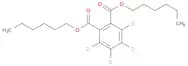
Discontinued product1,2-Benzene-3,4,5,6-d4-dicarboxylic acid, 1,2-dihexyl ester
CAS:Formula:C20H26D4O4Purity:98%Color and Shape:LiquidMolecular weight:338.4744Ref: IN-DA0004WI
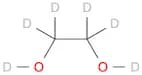
Discontinued product1,2-Ethane-1,1,2,2-d4-diol-d2 (9CI)
CAS:Formula:C2D6O2Purity:97%Color and Shape:LiquidMolecular weight:68.1048Ref: IN-DA001MPR
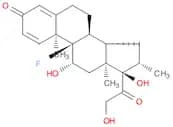
Discontinued product9a-Fluoro-11b,17a,21-trihydroxy-16b-methylpregna-1,4-diene-3,20-dione
CAS:Formula:C22H29FO5Purity:99%Color and Shape:SolidMolecular weight:392.4611O-Methyl dichlorothiophosphate
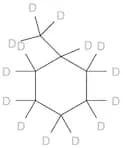
CAS:Formula:CH3Cl2OPSPurity:95%+Color and Shape:SolidMolecular weight:164.9787Cyclohexane-1,1,2,2,3,3,4,4,5,5,6-d11, 6-(methyl-d3)-
CAS:Formula:C7D14Purity:99.5%Color and Shape:LiquidMolecular weight:112.27233-Piperidinecarboxylic acid, 1-[(2R)-2-[(2-amino-2-methyl-1-oxopropyl)amino]-3-(1H-indol-3-yl)-1-oxopropyl]-3-(phenylmethyl)-, 1,2,2-trimethylhydrazide, (3R)-
CAS:Formula:C31H42N6O3Purity:98%Color and Shape:SolidMolecular weight:546.7036Ref: IN-DA01864I
Discontinued product2-(2-Aminoethylamino)ethanol-d4
CAS:Formula:C4H8D4N2OPurity:98%Color and Shape:LiquidMolecular weight:108.1755Ref: IN-DA00BEMN
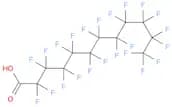
Discontinued productDodecanoic acid, 2,2,3,3,4,4,5,5,6,6,7,7,8,8,9,9,10,10,11,11,12,12,12-tricosafluoro-
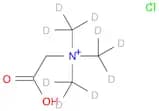
CAS:Formula:C12HF23O2Purity:95%Color and Shape:SolidMolecular weight:614.0984Methan-d3-aminium, N-(carboxymethyl)-N,N-di(methyl-d3)-, chloride (9CI)
CAS:Formula:C5H3ClD9NO2Purity:%Molecular weight:162.6627Ref: IN-DA00DEO9
Discontinued productRef: IN-DA00BEHP
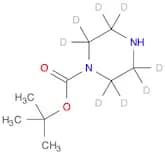
Discontinued productPIPERAZINE-D8-N-T-BOC
CAS:Formula:C9H10D8N2O2Purity:98%Color and Shape:SolidMolecular weight:194.3007Ref: IN-DA008T17
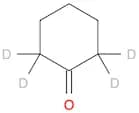
Discontinued productCYCLOHEXANONE-2,2,6,6-D4
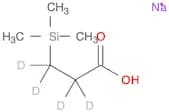
CAS:Formula:C6H6D4OPurity:98%Color and Shape:LiquidMolecular weight:102.1676Propionic-2,2,3,3-d4 acid, 3-(trimethylsilyl)-, sodium salt (1:1)
CAS:Formula:C6H9D4NaO2SiPurity:%Color and Shape:SolidMolecular weight:172.2661Ref: IN-DA002OBA
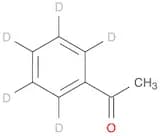
Discontinued productACETOPHENONE-2',3',4',5',6'-D5
CAS:Formula:C8H3D5OPurity:99%Color and Shape:LiquidMolecular weight:125.1793Ref: IN-DA00FBNO
Discontinued product








![1-{[2-(4-Chlorophenyl)-4,4-dimethylcyclohex-1-en-1-yl]methyl}piperazine-d10](/_next/image/?url=https%3A%2Fstatic.cymitquimica.com%2Fproducts%2FTR%2Fthumb-webp%2FC371384.webp&w=3840&q=75)





![2,5-Dimethyl-2,3,4,5-tetrahydro-1H-pyrido[4,3-b]indol-1-one-d3](/_next/image/?url=https%3A%2Fstatic.cymitquimica.com%2Fproducts%2FTR%2Fthumb-webp%2FD480167.webp&w=3840&q=75)



![1,3-Adamantanedi[(ethyl-d2) methanesulfonate]](/_next/image/?url=https%3A%2Fstatic.cymitquimica.com%2Fproducts%2FTR%2Fthumb-webp%2FA208150.webp&w=3840&q=75)




![(alphaS,gammaR)-γ-[[(1,1-Dimethylethoxy)carbonyl]amino]-α-methyl-[1,1'-biphenyl]-4-…](/_next/image/?url=https%3A%2Fstatic.cymitquimica.com%2Fproducts%2FTR%2Fthumb-webp%2FD463587.webp&w=3840&q=75)



![(11β,17alphalpha)-17-[(Ethoxycarbonyl)oxy]-11-hydroxy-3-oxo-androsta-1,4-diene-17-c…](/_next/image/?url=https%3A%2Fstatic.cymitquimica.com%2Fproducts%2FTR%2Fthumb-webp%2FE890572.webp&w=3840&q=75)





![Methyl 4-Hydroxybicyclo[2.2.2]octane-1-carboxylate-d4](/_next/image/?url=https%3A%2Fstatic.cymitquimica.com%2Fproducts%2FTR%2Fthumb-webp%2FM312562.webp&w=3840&q=75)













![2-[Di(methyl-d3)amino]-1-propanol](/_next/image/?url=https%3A%2Fstatic.cymitquimica.com%2Fproducts%2FTR%2Fthumb-webp%2FD470829.webp&w=3840&q=75)

















![H-[15N]Tyr-OH](/_next/image/?url=https%3A%2Fstatic.cymitquimica.com%2Fproducts%2F3D%2Fthumb-webp%2FFT107850.webp&w=3840&q=75)
![([ring-D5]Phe6)-Somatostatin-14](/_next/image/?url=https%3A%2Fstatic.cymitquimica.com%2Fproducts%2F3D%2Fthumb-webp%2FFR110019.webp&w=3840&q=75)
![([13C6]Leu6)-Endothelin-1 (human, bovine, dog, mouse, porcine, rat) acetate salt](/_next/image/?url=https%3A%2Fstatic.cymitquimica.com%2Fproducts%2F3D%2Fthumb-webp%2FFL110023.webp&w=3840&q=75)
![Fmoc-[15N]Leu-OH](/_next/image/?url=https%3A%2Fstatic.cymitquimica.com%2Fproducts%2F3D%2Fthumb-webp%2FFF111321.webp&w=3840&q=75)
![([ring-D5]Phe3)-Octreotide acetate salt](/_next/image/?url=https%3A%2Fstatic.cymitquimica.com%2Fproducts%2F3D%2Fthumb-webp%2FFR110015.webp&w=3840&q=75)
![([13C6]Leu15)-pTH (1-34) (human) trifluoroacetate salt](/_next/image/?url=https%3A%2Fstatic.cymitquimica.com%2Fproducts%2F3D%2Fthumb-webp%2FFL110012.webp&w=3840&q=75)

![Fmoc-[D4]Ala-OH](/_next/image/?url=https%3A%2Fstatic.cymitquimica.com%2Fproducts%2F3D%2Fthumb-webp%2FFF111394.webp&w=3840&q=75)
![Fmoc-[ring-D5]Phe-OH](/_next/image/?url=https%3A%2Fstatic.cymitquimica.com%2Fproducts%2F3D%2Fthumb-webp%2FFF111391.webp&w=3840&q=75)
![([13C6]Leu10)-CRF (human, rat) trifluoroacetate salt](/_next/image/?url=https%3A%2Fstatic.cymitquimica.com%2Fproducts%2F3D%2Fthumb-webp%2FFL110016.webp&w=3840&q=75)
![([13C6]Leu5)-Ghrelin (human) trifluoroacetate salt](/_next/image/?url=https%3A%2Fstatic.cymitquimica.com%2Fproducts%2F3D%2Fthumb-webp%2FFL110022.webp&w=3840&q=75)
![Fmoc-[15N]Val-OH](/_next/image/?url=https%3A%2Fstatic.cymitquimica.com%2Fproducts%2F3D%2Fthumb-webp%2FFF111322.webp&w=3840&q=75)
![(Des-Gly10,D-Leu6,[13C6]Leu7,Pro-NHEt 9)-LHRH trifluoroacetate salt](/_next/image/?url=https%3A%2Fstatic.cymitquimica.com%2Fproducts%2F3D%2Fthumb-webp%2FFD109775.webp&w=3840&q=75)
![([ring-D5]Phe8)-Angiotensin II acetate salt](/_next/image/?url=https%3A%2Fstatic.cymitquimica.com%2Fproducts%2F3D%2Fthumb-webp%2FFR110025.webp&w=3840&q=75)

![([D8]Val7·10)-C-Peptide (human)](/_next/image/?url=https%3A%2Fstatic.cymitquimica.com%2Fproducts%2F3D%2Fthumb-webp%2FFV109221.webp&w=3840&q=75)


![([15N]Gly)-Glutathione (reduced)](/_next/image/?url=https%3A%2Fstatic.cymitquimica.com%2Fproducts%2F3D%2Fthumb-webp%2FFG109306.webp&w=3840&q=75)
![([D2]Gly4)-Cholecystokinin Octapeptide (sulfated) ammonium salt](/_next/image/?url=https%3A%2Fstatic.cymitquimica.com%2Fproducts%2F3D%2Fthumb-webp%2FFG110020.webp&w=3840&q=75)



![3-Piperidinecarboxylic acid, 1-[(2R)-2-[(2-amino-2-methyl-1-oxopropyl)amino]-3-(1H-indol-3-yl)-1-o…](/_next/image/?url=https%3A%2Fstatic.cymitquimica.com%2Fproducts%2FIN%2Fthumb-webp%2FDA002Q4E.webp&w=3840&q=75)