


Organic Halides
In this category, you can find organic molecules containing one or more halogen atoms in their structure. These organic halides include brominated, iodinated, chlorinated, and cyclic halide compounds. Organic halides are widely used in organic synthesis, pharmaceuticals, agrochemicals, and materials science due to their reactivity and ability to undergo a variety of chemical transformations. At CymitQuimica, we offer a comprehensive selection of high-quality organic halides to support your research and industrial applications, ensuring reliable and effective performance in your synthetic and analytical projects.
Subcategories of "Organic Halides"
Found 20440 products of "Organic Halides"
Sort by
Purity (%)
0
100
|
0
|
50
|
90
|
95
|
100
6-Trifluoromethylindole
CAS:<p>6-Trifluoromethylindole is a carbamic acid that can be synthesized with the help of a sulfoxides. Carbamic acid reacts with an aryl halide to form an unsymmetrical biaryl. 6-Trifluoromethylindole has been shown to act as a modulator in Friedel-Crafts reactions, which may be used for the synthesis of heterocycles. This chemical has also been shown to react with alkyl chlorides and sulfonium salts to form carbamic acids and sulfoxides, respectively.</p>Formula:C9H6F3NPurity:Min. 95%Color and Shape:PowderMolecular weight:185.15 g/mol2,4-Dichlorophenylthiourea
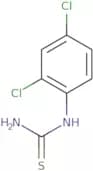
CAS:<p>2,4-Dichlorophenylthiourea is a hydrogen-bonding molecule that has dihedral angles of 109.5° and a molecular weight of 202.2 g/mol. 2,4-Dichlorophenylthiourea has been shown to form dimers with benzene and hydrogen bonds with itself and other molecules.</p>Purity:Min. 95%1,1,1-Trichloro-2-Fluoroethane
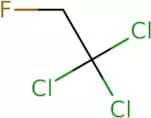
CAS:Controlled Product<p>1,1,1-Trichloro-2-Fluoroethane (TCFE) is a low volatility, colorless liquid that is used as an oxidation catalyst in the production of polymers and resins. TCFE can be used to produce hydrochloric acid and hydrogen fluoride when heated with a mixture of water and hydrochloric acid. It also has been shown to have a depressant effect on n-dimethyl formamide polymerization. The toxicity of TCFE has been studied extensively over the past two decades. This chemical has been shown to cause cancer in laboratory animals and to be toxic for humans. TCFE has also been shown to inhibit growth factor signaling pathways in cells.</p>Formula:C2H2Cl3FPurity:Min. 95%Molecular weight:151.39 g/mol1,1,3,3,4,4,4a,5,5,6,6,7,7,8,8,8a-Hexadecafluoro-2-(trifluoromethyl)decahydroisoquinoline
CAS:Controlled Product<p>1,1,3,3,4,4,4a,5,5,6,6,7,7,8,8,8a-Hexadecafluoro-2-(trifluoromethyl)decahydroisoquinoline is an organic solvent that has a very low boiling point and high volatility. It can be used in dry powder inhalers or as a component of hydrogel compositions for oxygen delivery to the lungs. The uptake of 1HF-2TFI into human colon carcinoma cells was found to be significantly higher than uptake by mammary carcinomas. This may be due to the difference in cell types and/or the phosphate group on the molecule. The binding constants of this molecule are also higher than those of other organic solvents such as acetone and ethanol. The results from a questionnaire study also indicated that 1HF-2TFI can be used for perfusion with oxygenated gas mixtures for</p>Formula:C10F19NPurity:Min. 95%Molecular weight:495.08 g/mol1-Azetidin-3-yl-1H-imidazole dihydrochloride
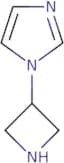
CAS:<p>1-Azetidin-3-yl-1H-imidazole dihydrochloride is a high quality, versatile building block that can be used in the synthesis of a wide range of compounds. It is used as a reagent, speciality chemical and reaction component in the synthesis of pharmaceuticals, agrochemicals and other organic compounds. 1-Azetidin-3-yl-1H-imidazole dihydrochloride is available at an affordable price with a purity level of 99%.</p>Formula:C6H9N3•(HCl)2Purity:Min. 95%Color and Shape:PowderMolecular weight:196.16 g/mol(3-(2,6-dichlorophenyl)-5-methylisoxazol-4-yl)-N-(2,5-dimethoxyphenyl)formamide
CAS:<p>Please enquire for more information about (3-(2,6-dichlorophenyl)-5-methylisoxazol-4-yl)-N-(2,5-dimethoxyphenyl)formamide including the price, delivery time and more detailed product information at the technical inquiry form on this page</p>Purity:Min. 95%Eltoprazine hydrochloride
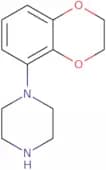
CAS:Controlled Product<p>Eltoprazine hydrochloride is a 5-HT agonist that is used to treat chronic oral, locomotor activity disorders. It stimulates the release of dopamine and inhibits the reuptake of serotonin and norepinephrine. Eltoprazine hydrochloride binds to 5-HT1A receptors at higher doses, but has little affinity for 5-HT2 receptors. The drug also binds to gamma-aminobutyric acid (GABA) receptors, which may contribute to its effects on locomotion. Eltoprazine hydrochloride also has shown an ability to bind to the 5-HT1 receptor in vitro and has been shown to inhibit locomotor activity in CD-1 mice.</p>Formula:C12H17ClN2O2Purity:Min. 95%Color and Shape:White To Yellow SolidMolecular weight:256.73 g/mol8-Chloro-3α,4-dihydro-6-(2-fluorophenyl)-1-methyl-3H-imidazo[1,5-α][1,4]benzo-diazepine
CAS:Controlled Product<p>Please enquire for more information about 8-Chloro-3α,4-dihydro-6-(2-fluorophenyl)-1-methyl-3H-imidazo[1,5-α][1,4]benzo-diazepine including the price, delivery time and more detailed product information at the technical inquiry form on this page</p>Formula:C18H15ClFN3Purity:Min. 90%Color and Shape:PowderMolecular weight:327.78 g/moltrans-1,3-Dichloropropene
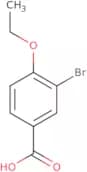
CAS:<p>Trans-1,3-Dichloropropene is an organic compound that is a chlorinated aliphatic hydrocarbon. It has a chlorine atom in the 1 position and three chlorine atoms in the 3 position. The chemical formula for trans-1,3-Dichloropropene is CCl2CH2CH2Cl. The material can be used as a fumigant, as well as an analytical method to measure kinetic data of reactions with enzymes. Trans-1,3-Dichloropropene inhibits plant growth by binding to the active site of enzymes such as malonic acid oxidase and peroxidase which are involved in plant metabolism. This chemical also induces changes in frequency when exposed to the body mass index (BMI).</p>Formula:C3H4Cl2Purity:Min. 95%Color and Shape:Clear LiquidMolecular weight:110.97 g/mol3-Bromo-4-ethoxybenzoic acid
CAS:3-Bromo-4-ethoxybenzoic acid is an organic compound that has been shown to have biological activity against pathogens. 3-Bromo-4-ethoxybenzoic acid inhibits the growth of bacteria by binding to the enzyme chloride channel and regulating its function. It also has a regulatory effect on chloride channels and can be used as a catalyst for many reactions in organic synthesis.Formula:C9H9BrO3Purity:Min. 95%Molecular weight:245.07 g/mol6-Chloro-imidazo[1,2-b]pyridazine
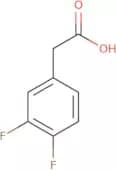
CAS:6-Chloro-imidazo[1,2-b]pyridazine (6CI) is a potent inhibitor of the VEGF pathway. It inhibits the production of TNF-α and other inflammatory mediators by targeting the tumor necrosis factor receptor type 1 (TNFR1). 6CI has been shown to inhibit factor receptor activation in vitro, suggesting that it may also have an inhibitory effect on other receptors. These results suggest that 6CI can be used to treat inflammatory diseases such as rheumatoid arthritis. 6CI has been shown to bind to various halides, which may be due to the presence of hydrogen bonds. The molecular modeling studies show that the hydrogen bond stabilizes the binding between 6CI and TNFR1 and prevents this interaction from occurring with its natural ligand, VEGF.Formula:C6H4ClN3Purity:Min. 95%Color and Shape:White to off white crystalline powderMolecular weight:153.57 g/mol3,4-Difluorophenylacetic acid
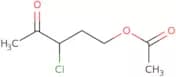
CAS:<p>3,4-Difluorophenylacetic acid is an organic compound that is a colorless liquid with a boiling point of 173°C. It is used in the synthesis of pharmaceuticals and other organic compounds. 3,4-Difluorophenylacetic acid belongs to the group of stereoisomers and has two forms, levo and dextro. The dextro form can be separated from the levo form by chromatographic techniques. This technique involves eluting the compound with a constant solvent gradient with selectivities for different chemical properties like choline uptake or high-performance liquid chromatography. 3,4-Difluorophenylacetic acid is also found in some additives such as cerebral modifiers or supercritical modifiers.</p>Formula:C8H6F2O2Purity:Min. 95%Color and Shape:PowderMolecular weight:172.13 g/mol5-Acetoxy-3-chloro-2-pentanone
CAS:<p>5-Acetoxy-3-chloro-2-pentanone is a thioformamide that is used as an intermediate in the synthesis of vitamin B1. It is also a precursor to formic acid and formaldehyde, which are used in the production of dyes and other chemical products. 5-Acetoxy-3-chloro-2-pentanone is synthesized by reacting hydroxylamine with acetyl chloride. The reaction proceeds via a nucleophilic substitution reaction. This product has a high yield and can be produced with various alkyl groups, such as 1-4C, 2C, 3C, 4C, 5C, 6C, 7C, 8C or 9C. 5-Acetoxy-3-chloro-2-pentanone can be used to produce formic acid or formaldehyde by reacting it with sodium hydroxide or potassium hydroxide respectively.</p>Formula:C7H11ClO3Purity:Min. 95%Molecular weight:178.61 g/mol5-Methoxytryptamine hydrochloride
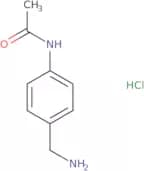
CAS:Controlled Product<p>Non-selective serotonin receptor agonist that lacks affinity for the 5-HT3 receptor.</p>Formula:C11H15ClN2OMolecular weight:226.71 g/mol4-Acetamidobenzylamine hydrochloride
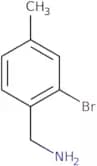
CAS:4-Acetamidobenzylamine hydrochloride is a chemical intermediate that belongs to the group of complex compounds. It is used as a reactant in the synthesis of other chemicals and can be used as a building block for the preparation of fine chemicals or research chemicals. 4-Acetamidobenzylamine hydrochloride has versatile uses due to its ability to react with many other chemical substances. This reagent also has high purity and can be used as a research tool in organic chemistry.Formula:C9H12N2O•HClPurity:Min. 95%Color and Shape:Off-White To Yellow SolidMolecular weight:200.67 g/mol2-Bromo-4-methylbenzylamine hydrochloride
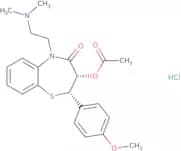
CAS:<p>2-Bromo-4-methylbenzylamine hydrochloride is a fine chemical that is used as a building block for other chemicals or as a reagent in research. It has CAS No. 1293323-97-3 and can be used in reactions where an amine is needed. This product is high quality, versatile, and useful for many different types of reactions.</p>Formula:C8H10BrN·HClPurity:Min. 95%Color and Shape:PowderMolecular weight:236.54 g/molDiltiazem hydrochloride
CAS:L-type calcium channel blockerFormula:C22H27ClN2O4SPurity:Min. 98 Area-%Color and Shape:White PowderMolecular weight:450.98 g/molCarbonyl cyanide 4-(trifluoromethoxy)phenylhydrazone
CAS:Carbonyl cyanide 4-(trifluoromethoxy)phenylhydrazone (FCCP) is a pharmacological agent that is used to study the mechanisms of neuronal death and mitochondrial dysfunction. FCCP is reactive with cellular components, such as proteins and nucleic acids. It also affects mitochondrial membrane potential, energy metabolism, and synchronous fluorescence in human cells. The reactive effects of FCCP are due to its ability to reduce intracellular dinucleotide phosphate (DNP). DNP binds to the electron transport chain, which leads to the production of reactive oxygen species that disrupt cellular physiology.Formula:C10H5F3N4OPurity:Min. 97 Area-%Color and Shape:White To Yellow To Green-Yellow SolidMolecular weight:254.17 g/mol[Bis(trifluoroacetoxy)iodo]pentafluorobenzene
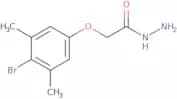
CAS:<p>Bis(trifluoroacetoxy)iodo]pentafluorobenzene is a hypervalent compound that can be used as an anticancer drug. It has been shown to inhibit the growth of cancer cells by binding to nitrogen atoms. This process leads to the formation of a spirocyclic intermediate, which then undergoes dehydrogenation and alkylation reactions. The resulting product is an oxalyl-containing molecule that inhibits the synthesis of DNA. Bis(trifluoroacetoxy)iodo]pentafluorobenzene has also been shown to have anti-cancer activity in mice with leukemia.</p>Formula:C10F11IO4Purity:Min. 95%Molecular weight:519.99 g/molN-amino-2-(4-bromo-3,5-dimethylphenoxy)ethanamide
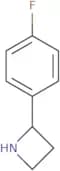
CAS:<p>Please enquire for more information about N-amino-2-(4-bromo-3,5-dimethylphenoxy)ethanamide including the price, delivery time and more detailed product information at the technical inquiry form on this page</p>Formula:C10H13BrN2O2Purity:Min. 95%Color and Shape:PowderMolecular weight:273.13 g/mol2-(4-Fluorophenyl)azetidine
CAS:<p>Please enquire for more information about 2-(4-Fluorophenyl)azetidine including the price, delivery time and more detailed product information at the technical inquiry form on this page</p>Formula:C9H10FNPurity:Min. 90%Color and Shape:Clear LiquidMolecular weight:151.18 g/mol3,5-Diiodo-4(4'-methoxyphenoxy)benzoic acid
CAS:<p>3,5-Diiodo-4-(4'-methoxyphenoxy)benzoic acid is a chemical intermediate that has been used in the synthesis of pharmaceuticals and agricultural chemicals. It is a versatile building block that can be used to produce pharmaceuticals, such as diazepam and bromazepam, and other useful compounds. 3,5-Diiodo-4-(4'-methoxyphenoxy)benzoic acid is a fine chemical with high quality and speciality chemical. It has been extensively researched for its usefulness as a reagent for organic synthesis reactions.</p>Formula:C14H10I2O4Purity:Min. 95%Color and Shape:PowderMolecular weight:496.04 g/mol3,6-Dibromothieno[3,2-b]thiophene
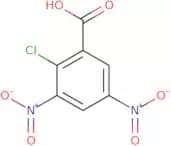
CAS:<p>3,6-Dibromothieno[3,2-b]thiophene is a semiconducting material that has been shown to have electron mobility of 1.5 cm2/Vs and an enhancement factor of ~5 in pyridine as the acceptor molecule. The compound is processed into thin films using chemical vapor deposition and shows potential for use in transistors. 3,6-Dibromothieno[3,2-b]thiophene is also a natural gas sensor that can be used to detect methane concentrations in the range of 0.1% - 10% by volume.</p>Formula:C6H2Br2S2Purity:Min. 95%Color and Shape:PowderMolecular weight:298.02 g/mol2-Chloro-3,5-dinitrobenzoic acid
CAS:2-Chloro-3,5-dinitrobenzoic acid is a chemical reagent that belongs to the group of p2-substituted benzenes. It is used in organic synthesis as a synthon for dimethylnaphthalene, which is an intermediate in the production of polyester fibers and polyurethane. The compound has been shown to induce apoptosis in prostate cancer cells. This effect may be due to its ability to react with amines and form nitrosating species, which may cause DNA damage. 2-Chloro-3,5-dinitrobenzoic acid can also react with 5-nitrosalicylic acid to form a stepwise reaction product.Formula:C7H3ClN2O6Purity:Min. 95%Color and Shape:PowderMolecular weight:246.56 g/mol5-Chlorotryptamine hydrochloride
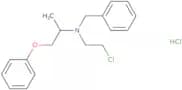
CAS:Controlled Product5-Chlorotryptamine hydrochloride is a mitotic inhibitor that binds to the spindle. It has been shown to be an anti-proliferative agent in cells, as well as having anti-mitotic properties. 5-Chlorotryptamine hydrochloride binds to the c1-4 alkyl chains of the spindle and stops it from moving. This prevents the mitosis process and inhibits cell division. 5-Chlorotryptamine hydrochloride can also be used to inhibit kinesin, which is a protein involved in movement along microtubules.Formula:C10H11ClN2·HClColor and Shape:PowderMolecular weight:231.12 g/molPhenoxybenzamine hydrochloride
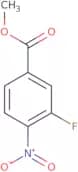
CAS:<p>Phenoxybenzamine hydrochloride is a drug with pharmacological properties, which is used in the treatment of carcinoid syndrome. It is a combination therapy group that can be used to treat patients with neurological disorders. Phenoxybenzamine inhibits the activity of the 5-HT2 receptors and has been shown to reduce neuronal death. In addition, it has been shown to increase chemiluminescence in cells infected with HIV. Phenoxybenzamine also has effects on cardiac function and can be used to treat congestive heart failure as well as high levels of natriuretic peptides in maternal blood during pregnancy. It has also been shown to be effective against infectious diseases, such as tuberculosis and malaria.</p>Formula:C18H23Cl2NOPurity:Min. 90 Area-%Color and Shape:PowderMolecular weight:340.29 g/molMethyl 3-fluoro-4-nitrobenzoate
CAS:<p>Methyl 3-fluoro-4-nitrobenzoate is a volatile, colorless liquid that belongs to the class of alcohols. Methyl 3-fluoro-4-nitrobenzoate has a phenylethyl group and an intramolecular reaction with the carbonyl group. The regioselectivity of this reaction is determined by the electron density on the oxygen atom, which is greater than on the nitrogen atom. This makes methyl 3-fluoro-4-nitrobenzoate an excellent nucleophile and allows it to react with other molecules in order to form esters. Methyl 3-fluoro-4-nitrobenzoate has been shown to be a good solvent for headspace analysis because it is volatile, but not reactive enough to interfere with organic compounds in the headspace.</p>Formula:C8H6FNO4Purity:Min. 95%Color and Shape:White PowderMolecular weight:199.14 g/molHydroxy-[4-(4-hydroxy-5-bromo-3-iodophenoxy)-3,5-diiodophenyl]acetic acid
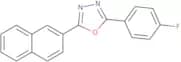
CAS:Hydroxy-[4-(4-hydroxy-5-bromo-3-iodophenoxy)-3,5-diiodophenyl]acetic acid is a fine chemical that is useful as a scaffold, versatile building block and an intermediate. Hydroxy-[4-(4-hydroxy-5-bromo-3-iodophenoxy)-3,5-diiodophenyl]acetic acid is typically used in research and development of new compounds. It has been shown to react with various compounds in different ways depending on the desired outcome. Hydroxy-[4-(4-hydroxy-5-bromo-3-iodophenoxy)-3,5-diiodophenyl]acetic acid also has CAS number 10891–02–8 and can be found in catalog numbers 3229209 and 3140016. This compound is of high quality and reagent grade.Formula:C14H8BrI3O5Purity:Min. 95%Molecular weight:716.83 g/mol2-(4-Fluorophenyl)-5-(2-naphthyl)-1,3,4-oxadiazole
CAS:<p>2-(4-Fluorophenyl)-5-(2-naphthyl)-1,3,4-oxadiazole is a clinical drug that is used to diagnose the presence of cholesterol in human serum. It reacts with cholesterol esterase to form a fluorescent product. The fluorescence intensity of this reaction product can then be measured and used to determine the concentration of cholesterol in the sample. 2-(4-Fluorophenyl)-5-(2-naphthyl)-1,3,4-oxadiazole has been shown to have a high specificity for cholesterol esterase and does not react with enzymes such as carboxylesterases and cholesteryl esterases. This compound also inhibits uptake into cells by acting on an uptake carrier protein, which prevents it from entering cells.</p>Formula:C18H11FN2OPurity:Min. 95%Molecular weight:290.3 g/molFluorexon
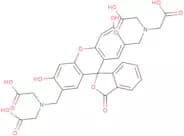
CAS:Fluorexon is a novel fluorogenic probe that can be used as an optical sensor to measure the activity of polymerase chain reactions. Fluorexon has been shown to localize in mitochondria and to induce cytotoxicity in cancer cells. The drug also induces apoptosis through mitochondrial membrane potential depolarization and oxidative injury. This compound has demonstrated acute toxicities, but it is not known if these are due to its effects on drug transporters or its ability to increase cytosolic calcium.Formula:C30H26N2O13Color and Shape:Yellow PowderMolecular weight:622.53 g/mol1-Methyl-1-propylpyrrolidinium bis(trifluoromethanesulfonyl)imide
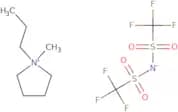
CAS:<p>1-Methyl-1-propylpyrrolidinium bis(trifluoromethanesulfonyl)imide (MPP+) is a high-affinity ligand for lithium ion batteries. It is used as a dopant in battery electrodes to improve the electrochemical performance of the electrode. MPP+ has been used extensively to study transport phenomena, transport properties, and solvation effects. The solvents that are compatible with MPP+ include anions such as ClO4-, BF4-, PF6-, SbF6-, SO3H2SO3, and CF3SO3H. MPP+ also has a very low viscosity and thermal expansion coefficient, which are desirable properties for use in lithium ion batteries. MPP+ has been shown to be stable up to 300 °C and can be used at temperatures up to 150 °C. Molecular simulation studies have shown that MPP+ is able to</p>Formula:C10H18F6N2O4S2Purity:Min. 95%Color and Shape:Clear LiquidMolecular weight:408.38 g/mol[1-(Morpholin-4-ylcarbonyl)butyl]amine hydrochloride
CAS:Controlled Product<p>Please enquire for more information about [1-(Morpholin-4-ylcarbonyl)butyl]amine hydrochloride including the price, delivery time and more detailed product information at the technical inquiry form on this page</p>Formula:C9H18N2O2Purity:Min. 95%Molecular weight:186.25 g/molDidecyl dimethyl ammonium chloride - 95%min
CAS:<p>Didecyl dimethyl ammonium chloride is a quaternary ammonium compound. It has been used in toxicity studies on animals and as an analytical reagent for the detection of ammonium and chloride ions in the presence of copper chloride. Didecyl dimethyl ammonium chloride is also used as a disinfectant, with some reports of its use to treat infectious diseases. It has been found to have some effect on diptera larvae, but has no effect on epithelial mesenchymal cells. The phase transition temperature of this product is between -10°C and +20°C. This product can be purified by preparative high-performance liquid chromatography (HPLC).</p>Formula:C22H48ClNPurity:Min. 95%Color and Shape:White To Cream To Light (Or Pale) Yellow To Yellow To Brown SolidMolecular weight:361.3475325-Fluorocholesterol
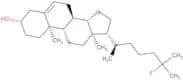
CAS:Controlled Product25-Fluorocholesterol is a hydroxylated form of cholesterol that was originally synthesized in vitro. It has been found to inhibit cholesterol synthesis and is used to study the role of cholesterol in mitochondrial function. 25-Fluorocholesterol has also been shown to possess anti-carcinogenic properties, as it inhibits adrenocortical carcinoma cells by inhibiting the production of desmosterol, which is required for their growth. This compound is also able to inhibit cho-k1 cells by side-chain cleavage. 25-Fluorocholesterol has the ability to cross cell membranes and can be detected in non-steroidal anti-inflammatory drug studies using chromatography.Formula:C27H45FOPurity:Min. 95%Molecular weight:404.64 g/mol2,6-Dimethyl-4-iodophenol
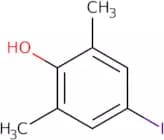
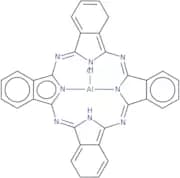
CAS:<p>2,6-Dimethyl-4-iodophenol is a small organic molecule that has been shown to be an inhibitor of the virus SARS coronavirus. 2,6-Dimethyl-4-iodophenol inhibits the virus in a specific test for inhibition activity against SARS coronavirus. The compound binds to the viral membrane and blocks a hydrogen bonding interaction with the viral envelope protein. This binding prevents the formation of an active complex with the enzyme RNA polymerase, which is required for transcription of viral RNA. 2,6-Dimethyl-4-iodophenol has also been shown to inhibit other viruses in addition to SARS coronavirus, such as influenza A virus and poliovirus.</p>Formula:C8H9IOPurity:Min. 95%Color and Shape:PowderMolecular weight:248.06 g/molAluminium phthalocyanine chloride
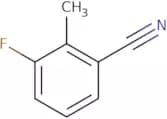
CAS:Aluminium phthalocyanine chloride (APC) is a photosensitizer that has been used in experimental squamous cell carcinoma. It has been shown to activate oxygen species, which can react with DNA and lead to the formation of reactive oxygen species. APC is cytotoxic to cells in culture and causes the inhibition of DNA synthesis. It has also been shown to be more effective at killing cervical carcinoma cells than squamous cell carcinoma cells.Formula:C32H16AlClN8Purity:Min. 95%Color and Shape:PowderMolecular weight:574.96 g/mol3-Fluoro-2-methylbenzonitrile
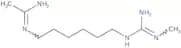
CAS:<p>3-Fluoro-2-methylbenzonitrile is a novel androgen receptor modulator that binds to the androgen receptor with high affinity and selectivity. 3-Fluoro-2-methylbenzonitrile has been shown to have agonistic activity in vivo. It has been proposed as an alternative to testosterone for the treatment of muscle wasting, osteoporosis, and other hormone deficiencies. 3-Fluoro-2-methylbenzonitrile is metabolized by CYP3A4 enzymes, which may be modified to improve its metabolic stability and thus increase its bioavailability. In addition, modifications of 3-fluoro-2-methylbenzonitrile may be made that would improve its pharmacokinetic profile (e.g., naphthalene profiles).</p>Formula:C8H6FNPurity:Min. 95%Color and Shape:PowderMolecular weight:135.14 g/molPolyhexamethylene biguanide hydrochloride - Solid
CAS:<p>Polyhexamethylene biguanide hydrochloride is an antiseptic and disinfectant that is used to prevent the growth of bacteria on surfaces.</p>Formula:(C8H17N5)n•(HCl)xPurity:(%) Min. 94%Color and Shape:White Slightly Yellow Powder2-Bromo-5-nitroaniline
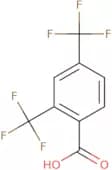
CAS:<p>2-Bromo-5-nitroaniline is an aminobenzothiazole that is synthesized in an amination reaction with acetonitrile. It is an acidic chemical and can be introduced as a pharmacokinetic probe for studying the uptake of drugs by cells. The properties of 2-bromo-5-nitroaniline have been studied in mice and rats, where it has been shown to be metabolized by nitroreductases. 2-Bromo-5-nitroaniline can also be used as a chemokine receptor antagonist, which could lead to the optimization of other chemokines.</p>Formula:C6H5BrN2O2Purity:Min. 95%Color and Shape:PowderMolecular weight:217.02 g/mol2,4-Bis(trifluoromethyl)benzoic acid
CAS:<p>2,4-Bis(trifluoromethyl)benzoic acid (2,4-BTFBA) is a styrene derivative that can be used as a matrix in the preparation of polystyrene for MALDI mass spectrometry analysis. 2,4-BTFBA is a monomer that has been shown to lead to high yields and transfer in the production of polystyrene and poly(methyl methacrylate). It has also been found to be an effective inhibitor of 2,5-dihydroxybenzoic acid (DHBA) and other DHBA derivatives. The inhibition mechanism of 2,4-BTFBA on DHBA activity is not yet clear. The nature of this compound as well as its use in matrix-assisted laser desorption/ionization are still under investigation.</p>Formula:C9H4F6O2Purity:Min. 95%Color and Shape:PowderMolecular weight:258.12 g/mol4-Fluoro-3-phenoxybenzaldehyde
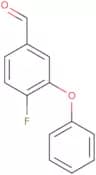
CAS:<p>4-Fluoro-3-phenoxybenzaldehyde is a chiral organic compound that has been synthesized in the laboratory. This compound has a linear response to peroxide and can be used as an environmental pollutant indicator. It is produced by the reaction of phenol with peroxide in deionized water, which is catalyzed by acid. The reaction time is dependent on the diluent used, and ultrasonic irradiation can be used to speed up the reaction. 4-Fluoro-3-phenoxybenzaldehyde's structure consists of two isomers, each containing either a fluorine atom or hydrogen atom on one of the phenyl rings. 4-Fluoro-3-phenoxybenzaldehyde can be purified using distillation or recrystallization techniques.</p>Formula:C13H9FO2Purity:Min. 95%Color and Shape:LiquidMolecular weight:216.21 g/mol4-[(7-Chloro-4-quinolinyl)amino]-1-pentanol
CAS:4-[(7-Chloro-4-quinolinyl)amino]-1-pentanol (QLT) is a drug that has been shown to be effective against both healthy volunteers and malaria patients. It is a prodrug that is metabolized by the liver into 7-chloroquinalone, which inhibits the growth of plasmodium falciparum. QLT has been shown to be safe and well tolerated in studies with healthy volunteers, and it does not appear to cause significant adverse effects. QLT also has an effect on T cells, which may be due to its ability to inhibit protein synthesis and cell division.Formula:C14H17ClN2OPurity:Min. 95%Color and Shape:Yellow SolidMolecular weight:264.75 g/molSex Pheromone Inhibitor iPD1 trifluoroacetate salt
CAS:<p>Sex pheromone inhibitor IPD1 is an antibody that inhibits the production of sex pheromones by Streptococcus faecalis. It is used to diagnose and treat allergic diseases, such as atopic dermatitis or bronchial asthma. This antibody binds to a protein called polypide, which is involved in the synthesis of sex pheromones, and inhibits its activity. It has been shown to inhibit the production of sex pheromones by Streptococcus faecalis when analyzed using an SDS-polyacrylamide gel electrophoresis method. Sex pheromone inhibitor IPD1 also binds to antibodies against streptococcus, acari, and other bacteria.</p>Formula:C39H72N8O11Purity:Min. 95%Color and Shape:PowderMolecular weight:829.04 g/molMethyl 3-iodo-4-methylbenzoate
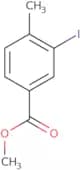
CAS:Methyl 3-Iodo-4-methylbenzoate is a radiolabeled compound that can be used in the labeling of proteins and peptides. Methyl 3-Iodo-4-methylbenzoate can be used to study postoperative pain. It has been shown to bind to cannabinoid receptors, which may provide a new method for the treatment of pain. Methyl 3-Iodo-4-methylbenzoate is also an agonist of CB2 receptors, which are mainly found in the immune system and have been shown to have antiinflammatory properties. The efficiency of methyl 3-iodo-4 methylbenzoate as a radiolabeling agent is high, with low levels of radiation exposure to the patient. This compound has been shown to produce antibodies that bind specifically with opioid receptors, making it useful for research on opioid receptor ligands.Formula:C9H9IO2Purity:Min. 95%Molecular weight:276.07 g/molStrontium chloride hexahydrate
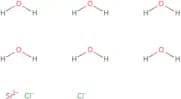
CAS:<p>Strontium chloride hexahydrate is a chemical compound that belongs to the group of strontium compounds. It is used as an injection solution and reaction solution, and has been shown to have a beneficial effect on liver lesions in mice. Strontium chloride hexahydrate can be injected intravenously or intraperitoneally to treat patients with hypercalcemia or hypophosphatemia. This drug also has a toll-like receptor (TLR) agonistic effect, which may be due to its ability to stimulate the production of proinflammatory cytokines such as IL-1β, IL-6, IL-8, and TNF-α in macrophages. The optimum concentration for this drug is 1 mmol/L. Strontium chloride hexahydrate binds to plasma proteins through ionic interactions with chloride ions. This binding makes it difficult for the drug to pass through cell membranes, which limits its effectiveness.</p>Formula:SrCl2•(H2O)6Purity:Min 99%Color and Shape:Colorless PowderMolecular weight:266.62 g/mol4-Bromo-2,6-difluorobenzyl alcohol
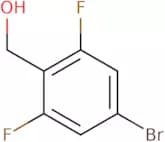
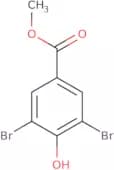
CAS:<p>4-Bromo-2,6-difluorobenzyl alcohol (4BDFA) is a molecule that has been shown to be able to produce magnetic resonance images. It can be used in tumor diagnosis as well as in the imaging of tumors. 4BDFA is synthesized by coupling 2,6-difluoroaniline with bromoacetaldehyde diethyl acetal. The syntheses are carried out under phase transfer catalysis conditions and the reaction is monitored by thin layer chromatography.<br>The synthesis of 4BDFA starts with the preparation of 2,6-difluoroaniline via a Grignard reaction between aniline and magnesium metal. The Grignard reagent is then added to bromoacetaldehyde diethyl acetal in dichloromethane followed by addition of triethylamine dropwise to maintain pH neutrality. The product is then extracted from the organic solution using ethyl ether</p>Formula:C7H5BrF2OPurity:Min. 95%Color and Shape:PowderMolecular weight:223.01 g/molMethyl 3,5-dibromo-4-hydroxybenzoate
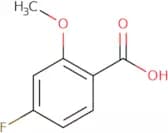
CAS:<p>Estrogens are steroid hormones that regulate a variety of physiological processes including reproduction, bone metabolism, and the development of certain cancers. Estrogens are synthesized from C-19 and C-20 steroids such as progesterone and testosterone. The conversion of these precursors to estrogens is catalyzed by the cytochrome P450 enzyme 17 beta-hydroxysteroid dehydrogenase (17βHSD). Methyl 3,5-dibromo-4-hydroxybenzoate is a selective inhibitor for 17βHSD. It binds to the active site of 17βHSD, preventing it from catalyzing the conversion of C-19 or C-20 steroids to estrogens. This inhibition has been shown to lead to an increase in circulating levels of sex hormone binding globulin (SHBG) and consequently a decrease in free estrogen levels.</p>Formula:C8H6Br2O3Purity:Min. 95%Color and Shape:PowderMolecular weight:309.94 g/mol4-Fluoro-2-methoxybenzoic acid
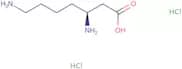
CAS:<p>4-Fluoro-2-methoxybenzoic acid is a versatile building block that is used in the synthesis of many complex compounds. It is a reagent, which means it can be used as an intermediate in the synthesis of other compounds. 4-Fluoro-2-methoxybenzoic acid is also a useful scaffold for the preparation of new chemical entities with specific pharmaceutical properties. The CAS number for this compound is 395-82-4.</p>Formula:C8H7FO3Purity:Min. 95%Color and Shape:PowderMolecular weight:170.14 g/molL-β-Homolysine dihydrochloride
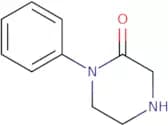
CAS:<p>Please enquire for more information about L-β-Homolysine dihydrochloride including the price, delivery time and more detailed product information at the technical inquiry form on this page</p>Formula:C7H16N2O2·2HClPurity:Min. 95%Color and Shape:PowderMolecular weight:233.14 g/mol1-Phenyl-piperazin-2-one
CAS:<p>1-Phenyl-piperazin-2-one is a versatile chemical that can be used as a building block in the synthesis of complex compounds. This compound is also used as a reagent and speciality chemical. It is an important intermediate in organic synthesis and has been used in the preparation of pharmaceuticals, pesticides, and herbicides. 1-Phenyl-piperazin-2-one can be prepared by reacting phenylacetonitrile with nitrous acid to form the nitrile followed by hydrolysis to produce the corresponding carboxylic acid.</p>Formula:C10H12N2OPurity:Min. 95%Color and Shape:PowderMolecular weight:176.22 g/mol3-(3-Fluorophenyl)-2-Methylquinazolin-4(3H)-One
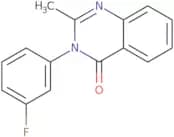
CAS:Controlled ProductQuinazolinones are a class of chemicals that inhibit the enzyme acetylcholinesterase. 3-Fluorophenyl-2-methylquinazolin-4(3H)-one (3FPMQ) is a connector molecule that has been shown to be an inhibitor of acetylcholinesterase, the enzyme responsible for the breakdown of the neurotransmitter acetylcholine. It is also an antenna molecule that can be used in ethyl esters and enzymatic assays. The high resistance of this molecule has been shown by chemical treatments and chemical analyses. Amplitudes generated by 3FPMQ have been shown to be effective at positioning it next to naphthalene, which is a ring structure with two c1-c6 alkoxy groups on either side. This molecule has also shown muscle relaxant properties.Formula:C15H11FN2OPurity:Min. 95%Molecular weight:254.26 g/molH-D-allo-Threonine methyl ester hydrochloride
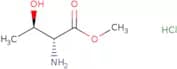
CAS:<p>H-D-allo-Threonine methyl ester hydrochloride is a speciality chemical that is used in research and development. It is an intermediate for the synthesis of other compounds, such as pharmaceuticals, pesticides, and fragrances. H-D-allo-Threonine methyl ester hydrochloride has been shown to be useful in the production of methanol and ethanol. This compound also has high quality and can be used as a reagent for other reactions.</p>Formula:C5H11NO3•HClPurity:Min. 95%Color and Shape:PowderMolecular weight:169.61 g/mol(S)-trans-2-Amino-4-(2-aminoethoxy)-3-butenoic acid hydrochloride
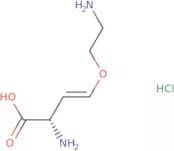
CAS:(S)-trans-2-Amino-4-(2-aminoethoxy)-3-butenoic acid hydrochloride is a chemical pesticide that inhibits the production of ethylene in plants. It is used to control growth and enhance the fruit quality of horticultural crops. It is also used as an inhibitor of serine proteases, which are enzymes that catalyze the hydrolysis of proteins. This product has been shown to act as a growth regulator by inhibiting the activity of serine proteases and blocking the biosynthesis of ethylene. (S)-trans-2-Amino-4-(2-aminoethoxy)-3-butenoic acid hydrochloride also blocks the biosynthesis of human chorionic gonadotropin, a hormone involved in reproduction and development.Formula:C6H13ClN2O3Purity:Min. 97 Area-%Color and Shape:Off-White PowderMolecular weight:196.63 g/molN-Methyl-L-isoleucine hydrochloride
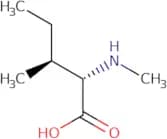
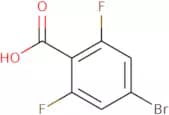
CAS:<p>N-Methyl-L-isoleucine hydrochloride is a molecule that has been found to have significant cytotoxicity against cancer cells. It has also been shown to inhibit the growth of Molt-4 and MCF-7 cells, both of which are human tumor cell lines. The molecular structure of N-Methyl-L-isoleucine hydrochloride is similar to that of L-isoleucine, but with an additional methyl group. Analysis by gas chromatography/mass spectroscopy revealed no other significant peaks in the nmr spectra. This compound may be a promising lead for developing new drugs for the treatment of cancer.</p>Formula:C7H15NO2·HClPurity:Min. 95%Color and Shape:PowderMolecular weight:181.66 g/mol4-Bromo-2,6-difluorobenzoic acid
CAS:4-Bromo-2,6-difluorobenzoic acid is a liquid crystal that belongs to the class of fluorinated benzoic acids. It is an activated liquid crystal composed of chiral molecules with substituents on the 4- and 6-positions of the aromatic ring. The compound has been shown to have excellent fluoroarene solubilizing properties in a glycol matrix and can be used as an additive to produce liquid crystals with desired properties.Formula:C7H3BrF2O2Purity:Min. 95%Color and Shape:PowderMolecular weight:237 g/molBis(2-bromoethyl) ether
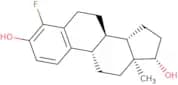
CAS:<p>Bis(2-bromoethyl) ether is a nitrogen containing chemical that has been shown to have potential for use in the treatment of malaria. It is an enantiomer and it inhibits acetylcholinesterase, which is an enzyme that breaks down acetylcholine. Bis(2-bromoethyl) ether can be used as a reactivator in deionized water. The reactivation process is based on the nucleophilic properties of bis(2-bromoethyl) ether and its ability to form hydrogen bonds with water molecules. Bis(2-bromoethyl) ether also shows kinetic stability, which means that it does not decompose under normal conditions, even at high temperatures. In addition, bis(2-bromoethyl) ether has minimal inhibitory concentration (MIC) values against bacteria and has been shown to have anti-inflammatory properties.</p>Formula:C4H8Br2OPurity:Min. 98%Color and Shape:Yellow Clear LiquidMolecular weight:231.91 g/mol4-Fluoroestradiol
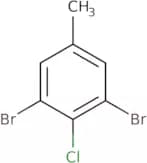
CAS:Controlled Product<p>4-Fluoroestradiol is an estrogen with a molecular weight of 270.4 g/mol that has been shown to be carcinogenic in animal models. 4-Fluoroestradiol binds to the estrogen receptor and activates the gene product, which stimulates cell growth and proliferation. This drug has been shown to induce cancer in tissues such as the liver, biliary tract, and mammary glands when administered at doses higher than 0.3 mg/kg/day. 4-Fluoroestradiol also interacts with hydrogen bonds in enzymes such as retinol dehydrogenase, all-trans-retinoic acid (ATRA), and specific agents such as retinoic acid (RA). This interaction may inhibit the catalytic rate of these enzymes or alter their substrate specificity.</p>Formula:C18H23FO2Purity:Min. 95%Color and Shape:PowderMolecular weight:290.37 g/mol4-Chloro-3,5-dibromotoluene
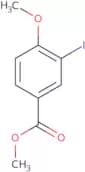
CAS:<p>4-Chloro-3,5-dibromotoluene is a versatile building block that is used in the synthesis of many compounds. It can be used as a reactant for the preparation of 4,4'-diiodotoluene, which is an important intermediate for the synthesis of polymers. This compound also has been found to be a useful reagent in organic syntheses and it has been reported to have high quality and research chemical status.</p>Formula:C7H5Br2ClPurity:Min. 95%Molecular weight:284.38 g/molMethyl 3-iodo-4-methoxybenzoate
CAS:<p>Methyl 3-iodo-4-methoxybenzoate is a radioactive compound that has been shown to have pharmacological properties. It is used in the treatment of cancer and has demonstrated cytotoxic effects on tumor cells. Methyl 3-iodo-4-methoxybenzoate binds to the cell membrane and causes changes in membrane permeability, leading to cell death. This compound also demonstrates affinity for 4-ibp, a receptor found on cancer cells.</p>Formula:C9H9IO3Purity:Min. 95%Molecular weight:292.07 g/molL-17-Hydroxylupanine perchlorate
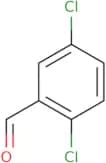
<p>L-17-Hydroxylupanine perchlorate is a chemical compound that can be used as a reaction component, reagent, or useful scaffold in organic synthesis. It is an intermediate for the production of complex compounds such as L-DOPA, which is used to treat Parkinson's disease. L-17-Hydroxylupanine perchlorate has been shown to be useful as a building block for the production of various fine chemicals including pharmaceuticals and pesticides.</p>Formula:C15H25ClN2O6Purity:Min. 95%Color and Shape:SolidMolecular weight:364.82 g/mol2,5-Dichlorobenzaldehyde
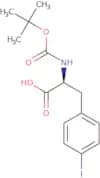
CAS:<p>2,5-Dichlorobenzaldehyde is a molecule that is used as a building block for the synthesis of etoposide. Etoposide is an anticancer drug that has been shown to be effective against many types of cancer cells. 2,5-Dichlorobenzaldehyde has been proposed as an optical probe for detecting methyltransferase activity in vivo and in vitro. It has also been shown to inhibit the proliferation of cancer cells by binding to survivin, which plays a role in regulating apoptosis. 2,5-Dichlorobenzaldehyde can be synthesized from commercially available chemicals with asymmetric synthesis methods. The molecule can also be used for functional studies on metal ions and dipole interactions.</p>Formula:C7H4Cl2OPurity:Min. 95%Molecular weight:175.01 g/molBoc-4-iodo-L-phenylalanine
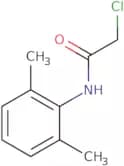
CAS:Boc-4-iodo-L-phenylalanine is a chemical compound belonging to the category of amino acid derivatives. It is widely used in research for various applications, including peptide synthesis and drug discovery. The L-phenylalanine derivative, has a Boc protecting group (tert-butoxycarbonyl) on the amino group and an iodine atom at the 4-position of the phenyl ring. The Boc group protects the amino group from unwanted reactions during peptide synthesis, while the iodine atom serves as a useful group for further modifications.Formula:C14H18IHO4Purity:Min. 95%Color and Shape:PowderMolecular weight:378.2 g/mol2-Chloro-2',6'-dimethylacetanilide
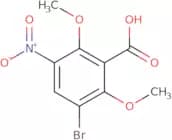
CAS:2-Chloro-2',6'-dimethylacetanilide is a synthetic drug that is used as an intermediate for the manufacture of diazepam. It has been shown to be effective in reducing the severity of symptoms and mortality rate of patients with severe influenza, also known as "pandemic flu". This compound has been shown to be effective in protecting animals from the effects of carbon monoxide poisoning. It has also been used in medicines such as covid-19, which is used for the treatment of Parkinson's disease. 2-Chloro-2',6'-dimethylacetanilide can be found in a number of other pharmaceuticals, such as antidepressants and antibiotics.Formula:C10H12ClNOPurity:Min. 95%Color and Shape:White PowderMolecular weight:197.66 g/mol3-Bromo-2,6-dimethoxy-5-nitrobenzoic acid
CAS:3-Bromo-2,6-dimethoxy-5-nitrobenzoic acid is a chemical component that can be used as a reagent or building block for the synthesis of other compounds. It is also an intermediate in the synthesis of pesticides and pharmaceuticals. 3-Bromo-2,6-dimethoxy-5-nitrobenzoic acid is a versatile compound with many applications in organic chemistry. This chemical has been shown to have high purity and can be used as a reaction component or reagent in research and development laboratories.Formula:C9H8BrNO6Purity:Min. 95%Color and Shape:PowderMolecular weight:306.07 g/molDi-(1-adamantyl)amine hydrochloride
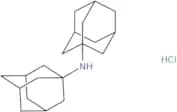
CAS:<p>Di-(1-adamantyl)amine hydrochloride is a fine chemical that is used as a building block in research. It has been shown to be an effective reagent for the preparation of polymers and as a speciality chemical. Di-(1-adamantyl)amine hydrochloride can be used as a reaction component for the synthesis of other compounds and is available in high quality. It is also versatile, being able to react with carboxylic acids, amines, alcohols, phosphorus halides, and thiols. This compound is not listed with CAS No., but it is available from many suppliers.</p>Formula:C20H32ClNPurity:Min. 95%Color and Shape:PowderMolecular weight:321.93 g/mol2-Fluoro-2-methyl-1-propanol
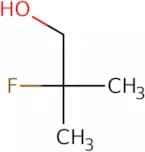
CAS:<p>Please enquire for more information about 2-Fluoro-2-methyl-1-propanol including the price, delivery time and more detailed product information at the technical inquiry form on this page</p>Formula:C4H9FOPurity:Min. 95%Color and Shape:Colorless PowderMolecular weight:92.11 g/mol3-Amino-3-(4-bromophenyl)propanoic acid
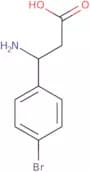
CAS:<p>3-Amino-3-(4-bromophenyl)propanoic acid is a versatile building block that is used in the synthesis of many different compounds. It is a reagent, useful as a research chemical and as a speciality chemical. 3-Amino-3-(4-bromophenyl)propanoic acid has been used in the synthesis of a number of complex compounds, including pharmaceuticals and pesticides. This compound is a good choice for use in organic synthesis because it reacts readily with an array of functional groups, such as carboxylic acids and amines.</p>Formula:C9H10BrNO2Purity:Min. 95%Color and Shape:PowderMolecular weight:244.09 g/molSodium perfluorohexanoate
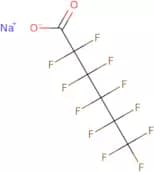
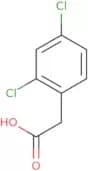
CAS:<p>Sodium perfluorohexanoate is a compound that belongs to the group of pharmacological agents. It has been shown to have low water permeability and receptor activity in vitro. The toxicity of this compound has been studied extensively in animals, and it does not have any significant effects on the liver or kidney. However, it may cause damage to the spleen, brain, and testes. Chronic oral exposure to sodium perfluorohexanoate can cause toxic effects on the liver, kidney, spleen, brain, and testes. Sodium perfluorohexanoate is also an analytical method for measuring human serum levels of dinucleotide phosphate (dNTP) and erythrocyte membrane potential (EMP).</p>Formula:C6HF11O2•NaPurity:Min. 95%Color and Shape:PowderMolecular weight:337.04 g/mol2,4-Dichlorophenylacetic acid
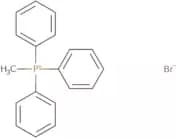
CAS:<p>2,4-Dichlorophenylacetic acid is a metabolite of 2,4-dichlorophenoxyacetic acid. It has been used as an analytical marker for the latter compound in urine samples. The metabolic rate of 2,4-DPA is related to the concentration of pyridoxine hydrochloride in plant tissue. This chemical reacts with light to form 2,4-dichlorobenzoic acid and undergoes photochemical reactions.</p>Formula:C8H6Cl2O2Purity:Min. 95%Color and Shape:PowderMolecular weight:205.04 g/molMethyltriphenylphosphine bromide
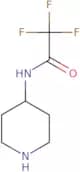
CAS:<p>Methyltriphenylphosphine bromide is a chemical inhibitor that binds to the active site of mitochondrial enzymes, disrupting their function. It has been shown to be a potent chemical inhibitor of congestive heart failure in an electrochemical impedance spectroscopy study. Methyltriphenylphosphine bromide may also inhibit the production of antimicrobial peptides by interfering with the activity of proteases and lipases. This drug could be used for the treatment of metabolic disorders such as diabetes mellitus or obesity. Methyltriphenylphosphine bromide is not effective against vancomycin-resistant Staphylococcus aureus (VRSA) or methicillin-resistant Staphylococcus aureus (MRSA).</p>Formula:C19H18P·BrPurity:Min. 95%Color and Shape:White To Off-White SolidMolecular weight:357.22 g/mol2,2,2-Trifluoro-N-(4-piperidinyl)acetamide
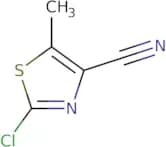
CAS:<p>2,2,2-Trifluoro-N-(4-piperidinyl)acetamide (TFAPA) is a nucleic acid analog that binds to the target nucleic acid. TFAPA is a morpholino compound with an amide linkage between the morpholine ring and the acetic acid group. TFAPA is a sequence-specific DNA analog that inhibits protein synthesis by binding to the target nucleic acid. TFAPA can also be used as a probe for the detection of abnormal sequences in RNA.</p>Formula:C7H11F3N2OPurity:Min. 95%Color and Shape:White PowderMolecular weight:196.17 g/mol2-Chloro-5-methylthiazole-4-carbonitrile
CAS:<p>Please enquire for more information about 2-Chloro-5-methylthiazole-4-carbonitrile including the price, delivery time and more detailed product information at the technical inquiry form on this page</p>Formula:C5H3ClN2SPurity:Min. 95%Molecular weight:158.61 g/molFluorescein
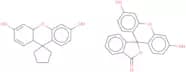
CAS:<p>Fluorescein is a fluorescent molecule often used in in vitro assays, immunohistochemistry, microscopy, and clinical analytics. Fluorescein is not a natural product and was first synthesized in 1871 by Adolf von Baeyer, a later Nobel-prize winner for his work on organic dyes. Fluorescein has an absorption maximum of 494 nm and an emission maximum of 512 nm; these values can however slightly change depending on the solution medium.<br>Fluorescein is used clinically in ophthalmology to assess the blood flow in the eye blood vessels and to detect eye injuries such as foreign bodies and possible abrasions. Interestingly, fluorescein has been found to possess peroxidase activity under certain conditions.</p>Formula:C20H12O5Color and Shape:PowderMolecular weight:332.31 g/mol6-Bromoindole-2-carboxylic acid
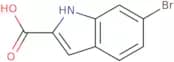
CAS:<p>6-Bromoindole-2-carboxylic acid is a useful building block that can be used in the synthesis of complex compounds. This chemical is also a versatile intermediate for research chemicals and pharmaceuticals. 6-Bromoindole-2-carboxylic acid is often used as a reaction component for organic syntheses, such as the manufacture of reagents and other specialty chemicals.</p>Formula:C9H6BrNO2Purity:Min. 95%Color and Shape:PowderMolecular weight:240.05 g/mol1-Chloro-2-(2-methoxyethoxy)ethane
CAS:<p>Please enquire for more information about 1-Chloro-2-(2-methoxyethoxy)ethane including the price, delivery time and more detailed product information at the technical inquiry form on this page</p>Formula:C5H11ClO2Purity:Min. 95%Color and Shape:Clear Colourless LiquidMolecular weight:138.59 g/mol(1R,2R,3S,5R)-Pinanediol pyrrolidine-2S-boronate hydrochloride
CAS:<p>(1R,2R,3S,5R)-Pinanediol pyrrolidine-2S-boronate hydrochloride is a reagent that can be used in the synthesis of complex compounds. It is a fine chemical with CAS No. 149716-73-4. (1R,2R,3S,5R)-Pinanediol pyrrolidine-2S-boronate hydrochloride has a number of uses including as an intermediate for the preparation of speciality chemicals and as a building block for reactions in research. This compound is also useful as a versatile building block for many reactions.</p>Formula:C14H25BClNO2Purity:Min. 95%Color and Shape:PowderMolecular weight:285.62 g/mol2,2,2-Trifluoroacetamide
CAS:<p>2,2,2-Trifluoroacetamide is a chemical compound that is stable under normal conditions and can be stored for long periods of time. The compound has been shown to react with trifluoroacetic acid and in the presence of an electrochemical probe to give a redox reaction. This reaction mechanism has been studied by using pharmacokinetic properties of 2,2,2-trifluoroacetamide and its metabolites. The compound is not active against infectious diseases but may be used as a reagent in analytical methods. 2,2,2-Trifluoroacetamide has also been investigated for its ability to bind hydrogen atoms and form intramolecular hydrogen bonds with tryptophan residues in proteins.</p>Formula:C2H2F3NOPurity:Min. 95%Color and Shape:PowderMolecular weight:113.04 g/mol(6α,17β)-6-Fluoro-17-Hydroxyandrost-4-En-3-One
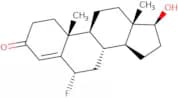
CAS:Controlled Product<p>(6alpha,17beta)-6-Fluoro-17-Hydroxyandrost-4-En-3-One is an androgen that has both agonistic and antagonistic effects on nuclear receptors. It activates the androgen receptor and is equipotent with testosterone. This drug also inhibits the estrogen receptor, but does not bind to the progesterone receptor. This synthetic agent is used for treating hypogonadism in males due to castration or aging and prostate cancer.</p>Formula:C19H27FO2Purity:Min. 95%Molecular weight:306.41 g/mol2-Amino-3-chlorobenzamide
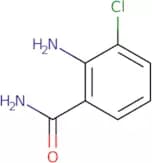
CAS:<p>This compound is a benzamide derivative that is oxidized by nature. It has been shown to undergo ring-opening in the presence of reducing agents, such as sodium borohydride, and yields 2-amino-4-chlorobenzaldehyde. This reaction system uses an efficient catalyst such as manganese dioxide to help speed up the rate of this reaction. The product of this reaction is then converted into a variety of isatins depending on the conditions used.</p>Formula:C7H7ClN2OPurity:Min. 95%Color and Shape:Off-White PowderMolecular weight:170.6 g/molDrotaverine hydrochloride
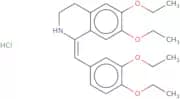
CAS:<p>Phosphodiesterase 4 inhibitor; anti-spasmodic agent</p>Formula:C24H32ClNO4Purity:Min. 95%Color and Shape:PowderMolecular weight:433.97 g/mol4-(4-Bromophenyl)-1H-1,2,3-triazole-5-carbonitrile
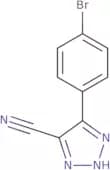
CAS:<p>4-(4-Bromophenyl)-1H-1,2,3-triazole-5-carbonitrile (1) is an organic compound with a molecular formula of C8H6BrN3 and a molar mass of 218.9 g/mol. It has been shown to be a useful scaffold for the synthesis of complex compounds with interesting biological properties, such as antibiotic activity, antiviral activity and cytotoxicity. This compound can be used as a building block in the synthesis of other chemical compounds or as an intermediate in pharmaceutical research. 1 is also used as a reagent in organic synthesis and as a reactant for the production of fine chemicals.</p>Formula:C9H5BrN4Purity:Min. 97 Area-%Color and Shape:PowderMolecular weight:249.07 g/mol4,4'-Dibromostilbene
CAS:<p>4,4'-Dibromostilbene is a phthaloyl derivative of trans-stilbene. It has optical properties that are similar to those of the parent compound. 4,4'-Dibromostilbene is an acceptor for electron transfer with a redox potential of 1.8 V and can be used as a peroxide decomposition catalyst. The compound has been shown to be resistant to chlorides, peroxides and organocatalysts at temperatures up to 200°C. In addition, 4,4'-dibromostilbene has been found to have high efficiency in light emission at room temperature with quantum yields ranging from 0.1% - 2%.</p>Formula:C14H10Br2Purity:Min. 95%Color and Shape:PowderMolecular weight:338.04 g/mol3-Bromo-5-chlorobenzyl alcohol
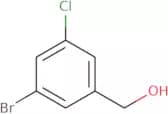
CAS:3-Bromo-5-chlorobenzyl alcohol is a useful building block for the synthesis of complex compounds. It reacts with metal chlorides to form bromochloromethane, which can be used in organic syntheses as a reaction component or reagent. 3-Bromo-5-chlorobenzyl alcohol is a versatile chemical that has been shown to have high quality and is useful in research.Formula:C7H6BrClOPurity:Min. 95%Color and Shape:PowderMolecular weight:221.48 g/mol1-Bromo-4-chloro-2-fluorobenzene
CAS:<p>1-Bromo-4-chloro-2-fluorobenzene is an antifungal agent that has been shown to be active against staphylococci, gram-negative bacteria, and fungi. The combination of 1-bromo-4-chloro-2-fluorobenzene with formaldehyde yields a synergistic effect. The inhibitory concentration for the growth of cereus and carbonation is 0.5% and 0.1%, respectively. It also shows antibacterial properties towards Gram positive bacteria, including Staphylococcus aureus and Enterococcus faecalis. 1–Bromo-4–chloro–2–fluorobenzene inhibits bacterial growth by binding to DNA gyrase, which prevents transcription and replication. The high frequency of human activity has been shown using a patch clamp technique on human erythrocytes. This active form is metabolized through a number of metabolic transformations,</p>Formula:C6H3BrClFPurity:Min. 95%Color and Shape:Clear LiquidMolecular weight:209.44 g/mol2-Iodo-5,6-dimethoxybenzoic acid
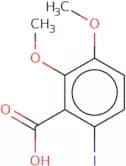
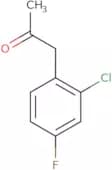
CAS:<p>2-Iodo-5,6-dimethoxybenzoic acid is a reagent that is used in the synthesis of complex compounds and fine chemicals. It has a high quality and is useful as an intermediate or building block for the synthesis of versatile compounds. This chemical can be used in research to create new compounds with special properties. 2-Iodo-5,6-dimethoxybenzoic acid can be used in various reactions to make diverse building blocks or scaffolds that are useful in organic chemistry.</p>Formula:C9H9IO4Purity:Min. 95%Molecular weight:308.07 g/mol(2-Chloro-4-fluorophenyl)acetone
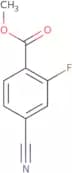
CAS:<p>2-Chloro-4-fluorophenyl)acetone (CAS No. 845781-18-2) is a fine chemical that is useful as a scaffold for the synthesis of various compounds, including pharmaceuticals, pesticides and dyes. The compound is used as an intermediate in the synthesis of other chemicals such as pharmaceuticals, research chemicals and speciality chemicals. The compound has versatile uses, making it a useful building block in organic chemistry. It can be used to make a wide range of compounds that have different properties and functions. 2-Chloro-4-fluorophenyl)acetone also has high quality and purity.</p>Formula:C9H8ClFOPurity:Min. 95%Color and Shape:PowderMolecular weight:186.61 g/mol4-Cyano-2-fluorobenzoic acid methyl ester
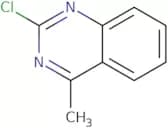
CAS:<p>4-Cyano-2-fluorobenzoic acid methyl ester is a versatile building block for complex compounds. It can be used as a reagent to synthesize other compounds and as a speciality chemical with high quality. This chemical is also an intermediate in the synthesis of other compounds, such as 4-cyano-2-fluorobenzoic acid ethyl ester, which has been shown to be useful in the synthesis of β-lactam antibiotics.</p>Formula:C9H6FNO2Purity:Min. 95%Color and Shape:PowderMolecular weight:179.15 g/mol2-Chloro-4-methylquinazoline
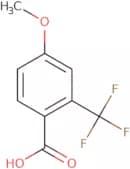
CAS:2-Chloro-4-methylquinazoline is an organic compound that is synthesized from the reaction of ethylmagnesium bromide and methylthiocyanate. This product has been shown to crystallize as a salt with the chloride ion, which is formed by the reaction of 2-chloro-4-methylquinazoline with thiosulfate. The synthesis of this product requires nucleophilic substitution reactions and yields two equivalents of methylmagnesium chloride. X-ray crystallography was used to determine the molecular structure for this compound.Formula:C9H7ClN2Purity:Min. 95%Color and Shape:Green PowderMolecular weight:178.62 g/mol4-Methoxy-2-(trifluoromethyl)benzoic acid
CAS:<p>4-Methoxy-2-(trifluoromethyl)benzoic acid is a useful building block for the synthesis of various organic compounds. It is used in the preparation of pharmaceuticals, agrochemicals, and pesticides. 4-Methoxy-2-(trifluoromethyl)benzoic acid is also a reagent for many organic reactions, such as Friedel–Crafts reactions, Grignard reactions, and alkylation reactions. It is also an intermediate for the synthesis of other compounds.</p>Formula:C9H7F3O3Purity:Min. 95%Color and Shape:PowderMolecular weight:220.15 g/mol2,4,6-Tribromo-3-cresol
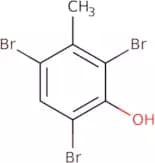
CAS:<p>2,4,6-Tribromo-3-cresol is a functional group that is used as an anti-fungal agent. This compound has been shown to be active against many fungi and bacteria, including Candida albicans and Escherichia coli. The particle size of 2,4,6-tribromo-3-cresol is 0.1 microns in diameter and it has a boiling point of 240 degrees Celsius. This product is also used in the production of sealants for dental restorations and as an additive to pharmaceuticals. 2,4,6-Tribromo-3-cresol can also be used as a delta opioid receptor agonist for the treatment of cancer or autoimmune diseases such as lupus erythematosus.</p>Formula:C7H5Br3OPurity:Min. 95%Color and Shape:PowderMolecular weight:344.83 g/mol4-Bromobenzophenone
CAS:<p>4-Bromobenzophenone is a molecule that reacts with hydrochloric acid to form 4-bromo-2-chlorophenol, which is a reaction product. The protein target of 4-bromobenzophenone is catalysed by the addition of a nucleophilic reagent. The thermal expansion of the metastable form of 4-bromobenzophenone has been measured using a kinetic technique, and this type of reaction mechanism has been confirmed using chromatographic methods. The use of phosphorus pentachloride in the synthesis of 4-bromobenzophenone was observed in urine samples.</p>Formula:C13H9BrOPurity:Min. 95%Color and Shape:PowderMolecular weight:261.11 g/mol3-(3-Piperidinopropoxy)-1-[3-(Trifluoromethyl)Phenyl]-1H-Indazole
CAS:Controlled Product3-(3-Piperidinopropoxy)-1-[3-(Trifluoromethyl)Phenyl]-1H-Indazole is a compound that functions as an actuator. It can be used to implement force, such as controlling a change in the position of a control or actuation, and it can also be used to shift control. 3-(3-Piperidinopropoxy)-1-[3-(Trifluoromethyl)Phenyl]-1H-Indazole is an actuation method that can be controlled by implementing force.Formula:C22H24F3N3OPurity:Min. 95%Molecular weight:403.44 g/molL-Methionine methyl ester hydrochloride
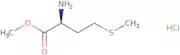
CAS:<p>L-Methionine methyl ester hydrochloride is an amide that has been used in the treatment of bowel diseases. It has been shown to have a polymerase chain reaction (PCR) diagnostic application for the detection of DNA duplexes and intramolecular hydrogen bonds. L-Methionine methyl ester hydrochloride inhibits the activity of enzymes such as protein kinase, phosphodiesterase, and proteases. L-Methionine methyl ester hydrochloride also has receptor activities and can be used as a diagnostic agent for malignant brain tumors or congestive heart failure. It is also able to block radiation and positron emission tomography (PET) scanning.</p>Formula:C6H13NO2S·HClPurity:Min. 98 Area-%Color and Shape:PowderMolecular weight:199.7 g/molGold(III) chloride trihydrate - 50% Au
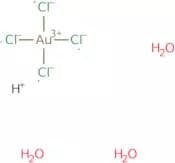
CAS:<p>Gold is a transition metal that is chemically inert and non-toxic. It can be used as a catalyst, electrode, or semiconductor in various techniques. Gold(III) chloride trihydrate has been used as a pesticide and an extractant for nitrocellulose membranes. Gold(III) chloride trihydrate has also been shown to have cancer-fighting properties and is currently being studied for its use in the treatment of prostate cancer. Gold(III) chloride trihydrate has also been used in microscopy and optical studies and has shown to have bioelectrochemical properties. The transport mechanism of gold(III) chloride trihydrate is not yet fully understood, but it may be due to the transport of charged particles on the surface of the molecule. Gold(III) chloride trihydrate has also been used for photocatalytic activity, surface-enhanced Raman spectroscopy, and transport properties with buffers.</p>Formula:HAuCl4·3H2OPurity:Min. 95%Color and Shape:Yellow To Orange SolidMolecular weight:393.83 g/mol3-Bromo-5-(trifluoromethyl)phenol
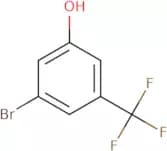
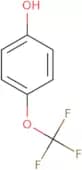
CAS:<p>3-Bromo-5-(trifluoromethyl)phenol is a versatile building block that is used as a scaffold for synthesis of complex compounds. It can be used as a reaction component in the synthesis of valuable chemical products, such as fine chemicals and research chemicals. 3-Bromo-5-(trifluoromethyl)phenol is also useful for the production of speciality chemicals. This chemical has been shown to have high quality and can be used as a reagent in organic synthesis.</p>Formula:C7H4BrF3OPurity:Min. 95%Color and Shape:Colorless Clear LiquidMolecular weight:241.01 g/mol4-(Trifluoromethoxy)phenol
CAS:<p>4-(Trifluoromethoxy)phenol is an anti-tuberculosis drug. It is a diode that has been shown to have pharmacokinetic properties in rats and mice. 4-(Trifluoromethoxy)phenol has been shown to act as a prodrug, which is activated by conversion to the active form. This active form inhibits the growth of Mycobacterium tuberculosis by binding to the 50S ribosomal subunit and preventing bacterial transcription and replication. The molecular structure of 4-(trifluoromethoxy)phenol is similar to phenoxypropanoid compounds, such as biphenyl, which may be responsible for its anti-tuberculosis effects. 4-(Trifluoromethoxy)phenol also binds DNA at specific sites with high affinity and specificity, inhibiting gene expression and RNA synthesis.</p>Formula:C7H5F3O2Purity:Min. 95%Color and Shape:Clear LiquidMolecular weight:178.11 g/mol3-Bromo-6-chloro-7-methylchromone
CAS:<p>3-Bromo-6-chloro-7-methylchromone is a fine chemical that is useful as a building block in organic synthesis. It is a versatile intermediate, and can be used as a reaction component in various chemical reactions. 3-Bromo-6-chloro-7-methylchromone has a CAS number of 263365-48-6 and is classified as a complex compound. This chemical is mainly used for the preparation of other chemicals with more desirable properties.</p>Formula:C10H6BrClO2Purity:Min. 95%Color and Shape:PowderMolecular weight:273.51 g/molN-[5-(Phenylamino)-2,4-pentadienylidene]aniline monohydrochloride
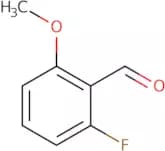
CAS:N-[5-(Phenylamino)-2,4-pentadienylidene]aniline monohydrochloride is a fluorescent probe that reacts with malonic acid. The reaction produces an emission peak at 595 nm and can be detected by fluorescence microscopy. This probe has been used in the study of hypoxia imaging, as well as for detection of reactive carbonyl groups and acetylation reactions. It can also be used to monitor treatment effects on residues from emulsions.Formula:C17H16N2·HClPurity:(Titration) Min 98%Color and Shape:Red PowderMolecular weight:284.78 g/mol2-Fluoro-6-methoxybenzaldehyde
CAS:<p>2-Fluoro-6-methoxybenzaldehyde is a quinone that is used as an intermediate in the synthesis of other organic compounds. It has been shown to be a competitive inhibitor of malonate-induced fibrillation in heart muscle and also slows the reaction time. The pharmacokinetic properties of 2-fluoro-6-methoxybenzaldehyde have been evaluated in dogs, rats, and rabbits. In all three species, 2-fluoro-6-methoxybenzaldehyde showed no significant accumulation in any tissue after intravenous injection and was rapidly excreted unchanged in urine. 2-Fluoro-6-methoxybenzaldehyde may have some potential as an antihypertensive agent due to its ability to reduce blood pressure in rabbits.</p>Formula:C8H7FO2Purity:Min. 95%Color and Shape:PowderMolecular weight:154.14 g/mol4-(2- fluorophenyl)-6,8-dihydro-1,3,8-trimethyl-Pyrazolo[3,4-e][1,4]diazepin-7(1H)-one mixt. with 2-(ethylamino)-2-(2-thienyl)cycloh exanone hydrochloride
CAS:Controlled Product<p>Telazol is an anesthetic that belongs to the class of nonbenzodiazepine drugs. It is used as a short-term sedative and analgesic in preoperative, obstetrical, and diagnostic procedures. Telazol is a prodrug that is metabolized in vivo to its active form, 4-(2-fluorophenyl)-6,8-dihydro-1,3,8-trimethyl-Pyrazolo[3,4-e][1,4]diazepin-7(1H)-one (TFD). Telazol has been shown to have low toxicity when administered at low doses (0.5 mg/kg) to rats.</p>Formula:C27H33ClFN5O2SPurity:Min. 95%Molecular weight:546.1 g/mol




![8-Chloro-3α,4-dihydro-6-(2-fluorophenyl)-1-methyl-3H-imidazo[1,5-α][1,4]benzo-diazepine](/_next/image/?url=https%3A%2Fstatic.cymitquimica.com%2Fproducts%2F3D%2Fthumb-webp%2FFC36926.webp&w=3840&q=75)

![6-Chloro-imidazo[1,2-b]pyridazine](/_next/image/?url=https%3A%2Fstatic.cymitquimica.com%2Fproducts%2F3D%2Fthumb-webp%2FFC11286.webp&w=3840&q=75)


![[Bis(trifluoroacetoxy)iodo]pentafluorobenzene](/_next/image/?url=https%3A%2Fstatic.cymitquimica.com%2Fproducts%2F3D%2Fthumb-webp%2FFB60673.webp&w=3840&q=75)

![3,6-Dibromothieno[3,2-b]thiophene](/_next/image/?url=https%3A%2Fstatic.cymitquimica.com%2Fproducts%2F3D%2Fthumb-webp%2FFD62226.webp&w=3840&q=75)

![Hydroxy-[4-(4-hydroxy-5-bromo-3-iodophenoxy)-3,5-diiodophenyl]acetic acid](/_next/image/?url=https%3A%2Fstatic.cymitquimica.com%2Fproducts%2F3D%2Fthumb-webp%2FFH66633.webp&w=3840&q=75)
![[1-(Morpholin-4-ylcarbonyl)butyl]amine hydrochloride](/_next/image/?url=https%3A%2Fstatic.cymitquimica.com%2Fproducts%2F3D%2Fthumb-webp%2FFM130676.webp&w=3840&q=75)


![4-[(7-Chloro-4-quinolinyl)amino]-1-pentanol](/_next/image/?url=https%3A%2Fstatic.cymitquimica.com%2Fproducts%2F3D%2Fthumb-webp%2FFC20107.webp&w=3840&q=75)









![3-(3-Piperidinopropoxy)-1-[3-(Trifluoromethyl)Phenyl]-1H-Indazole](/_next/image/?url=https%3A%2Fstatic.cymitquimica.com%2Fproducts%2F3D%2Fthumb-webp%2FFP97740.webp&w=3840&q=75)

![N-[5-(Phenylamino)-2,4-pentadienylidene]aniline monohydrochloride](/_next/image/?url=https%3A%2Fstatic.cymitquimica.com%2Fproducts%2F3D%2Fthumb-webp%2FFP29019.webp&w=3840&q=75)
![4-(2- fluorophenyl)-6,8-dihydro-1,3,8-trimethyl-Pyrazolo[3,4-e][1,4]diazepin-7(1H)-one mixt. with …](/_next/image/?url=https%3A%2Fstatic.cymitquimica.com%2Fproducts%2F3D%2Fthumb-webp%2FFF104101.webp&w=3840&q=75)