Organic Halides
In this category, you can find organic molecules containing one or more halogen atoms in their structure. These organic halides include brominated, iodinated, chlorinated, and cyclic halide compounds. Organic halides are widely used in organic synthesis, pharmaceuticals, agrochemicals, and materials science due to their reactivity and ability to undergo a variety of chemical transformations. At CymitQuimica, we offer a comprehensive selection of high-quality organic halides to support your research and industrial applications, ensuring reliable and effective performance in your synthetic and analytical projects.
Subcategories of "Organic Halides"
Found 20440 products of "Organic Halides"
Sort by
Purity (%)
0
100
|
0
|
50
|
90
|
95
|
100
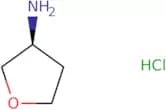
(S)-Tetrahydrofuran-3-amine hydrochloride
CAS:<p>Please enquire for more information about (S)-Tetrahydrofuran-3-amine hydrochloride including the price, delivery time and more detailed product information at the technical inquiry form on this page</p>Formula:C4H9NO•HClPurity:Min. 95%Color and Shape:SolidMolecular weight:123.58 g/mol6-Chloro-2-nitrotoluene
CAS:6-Chloro-2-nitrotoluene is a synthetic organic compound that has been identified in environmental samples as a reaction product of chlorine and organic compounds. It has been shown to induce root formation in plants, which is related to its ability to inhibit the formation of chlorinated hydrocarbons. 6-Chloro-2-nitrotoluene can be produced by reacting nitrogen atoms with zirconium at high temperatures and low pressures, requiring an activation energy of 50 kcal/mol.Formula:C7H6ClNO2Purity:Min. 95%Molecular weight:171.58 g/mol4,6-Dichloropyrimidine
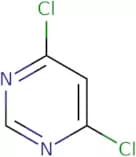
CAS:<p>4,6-Dichloropyrimidine is an intermediate in the production of malonic acid. It is also used as a process optimization agent in the synthesis of hydrochloric acid and water vapor. 4,6-Dichloropyrimidine reacts with hydrogen chloride to form a chlorinating agent that can be used for the chlorination of amines and alcohols. The reaction product is hydrochloric acid and dichloropyrimidine. This intermediate can also be used to synthesize amides through a Suzuki coupling reaction with hydroxyl groups, amines, and n-dimethyl formamide.</p>Formula:C4H2Cl2N2Purity:Min. 95%Color and Shape:White PowderMolecular weight:148.98 g/mol5-Bromo-2,4-dimethoxy-β-methylnitrostyrene
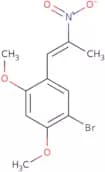
CAS:5-Bromo-2,4-dimethoxy-beta-methylnitrostyrene is a fine chemical that is an important reagent and building block. It can be used as a reaction component or intermediate for the synthesis of more complex compounds. 5-Bromo-2,4-dimethoxy-beta-methylnitrostyrene can also be used as a versatile building block to produce high quality complex compounds. The compound has been shown to have a high level of purity and is suitable for use in research or speciality chemicals.Formula:C11H12BrNO4Purity:Min. 95%Color and Shape:PowderMolecular weight:302.12 g/molPalladium chloride
CAS:Controlled ProductPalladium chloride is a palladium-containing compound that reacts with sodium-dependent glucose to produce hydrogen and palladium metal. Palladium chloride is also known as the "carbonyl" of palladium. It can be used in the laboratory as a catalyst for ethylene diamine synthesis, and has been shown to have clinical relevance in the treatment of high blood sugar levels. The reaction mechanism between palladium chloride and glucose involves a diazonium salt and hydrochloric acid, which forms ethylene diamine, chloride, and hydrogen gas. The biological studies of palladium chloride are mostly related to its ability to form hydrogen bonds with proteins. Palladium is an effective catalyst for reactions involving organic compounds called carbonyls, such as ethylene diamine. High values for this compound have been found in patients with acute pancreatitis, who also had elevated levels of potassium dichromate (a type of chromium).Formula:PdCl2Purity:Min. 95%Color and Shape:PowderMolecular weight:177.33 g/molOctylonium bromide
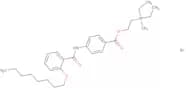
CAS:Octylonium bromide is an otilonium-based compound that has been shown to be effective in the treatment of bowel disease. Octylonium bromide inhibits inflammatory and non-inflammatory bowel disease by inhibiting the production of proinflammatory cytokines, such as tumor necrosis factor alpha (TNFα), IL-1β, IL-6, and IL-8. Octylonium bromide also controls the signal pathways involved in the release of these cytokines. Octylonium bromide has been shown to have a statistically significant effect on diabetic neuropathy and urinary incontinence. This drug is absorbed through the stomach and small intestine into the blood stream. It then enters cells where it binds to specific sites on receptors, such as the neurokinin-1 receptor (NK1R). The NK1R is found in many different tissues throughout the body, including in smooth muscle cells of the bladder wall (detrusor muscle) and sensory neurons in peripheralFormula:C29H43BrN2O4Purity:Min. 95%Color and Shape:White PowderMolecular weight:563.57 g/mol5-Fluoro-2-methoxybenzaldehyde
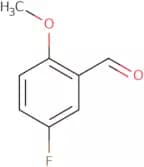
CAS:<p>5-Fluoro-2-methoxybenzaldehyde is an inhibitor that blocks the enzyme acetylcholinesterase. It has been shown to be useful in the synthesis of a variety of drugs, including anticancer agents and antibiotics. 5-Fluoro-2-methoxybenzaldehyde is used in the industrial production of acetonitrile and can also be found in small quantities as a natural component of many fruits and vegetables. It is also used as a precursor for other chemicals, such as pharmaceuticals and pesticides. The compound is generally synthesized by condensation reactions involving benzaldehyde, acetamide, and formaldehyde. This chemical has been studied in medicinal chemistry because it can inhibit bacterial growth by binding to DNA gyrase.</p>Formula:C8H7FO2Purity:Min. 95%Color and Shape:White PowderMolecular weight:154.14 g/mol1,1,1,2,3-Pentachloro-2-fluoropropane
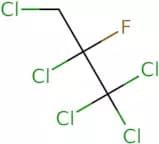
CAS:Controlled Product<p>1,1,1,2,3-Pentachloro-2-fluoropropane is a chlorofluorocarbon (CFC) that is a colorless gas with a sweet odor. It is used as an industrial solvent for degreasing metal parts and dissolves fats and oils. 1,1,1,2,3-Pentachloro-2-fluoropropane also has the ability to solubilize inorganic salts such as calcium fluoride. This chemical has been shown to be toxic to humans when inhaled or ingested. When this chemical is released into the environment it reacts with hydrogen fluoride to form products such as hydrochloric acid and hydrogen fluoride.</p>Formula:C3H2Cl5FPurity:Min. 95%Molecular weight:234.31 g/mol2-Chloro-4-fluoro-5-sulfamoylbenzoic acid
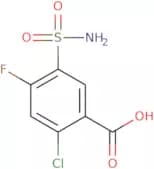
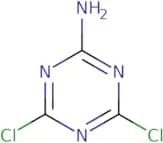
CAS:<p>2-Chloro-4-fluoro-5-sulfamoylbenzoic acid is a sulfonamide-based compound with potential antibacterial activity to inhibit folic acid synthesis, an essential process for bacterial growth and reproduction. Additionally, the presence of the sulfamoyl group may contribute to diuretic properties, making it a candidate for treating conditions like hypertension and edema. Furthermore, this compound could exhibit antidiabetic effects by inhibiting carbonic anhydrase enzymes involved in glucose metabolism and insulin secretion, although further research is necessary to validate these applications.</p>Formula:C7H5ClFNO4SPurity:Min. 95.5 Area-%Color and Shape:PowderMolecular weight:253.64 g/mol2-Amino-4,6-dichloro-s-triazine
CAS:<p>2-Amino-4,6-dichloro-s-triazine is a chemical compound that is used as an antimicrobial agent in wastewater treatment. It inhibits the growth of bacteria by binding to cell walls and disrupting the formation of crosslinks between peptidoglycan strands, thereby inhibiting the synthesis of proteins necessary for bacterial growth and reproduction. 2-Amino-4,6-dichloro-s-triazine has been shown to be effective against group p2 bacteria in cell culture experiments. This drug also displays antiinflammatory properties and has been shown to inhibit HIV infection in vitro.</p>Formula:C3H2Cl2N4Purity:Min. 95%Color and Shape:White To Light (Or Pale) Yellow SolidMolecular weight:163.965657-Chloro-2H-pyrido[3,2-B]-1,4-oxazin-3(4H)-one
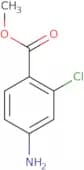
CAS:<p>7-Chloro-2H-pyrido[3,2-B]-1,4-oxazin-3(4H)-one is a chemical which is used as a reagent and building block in the synthesis of more complex compounds. It has been reported to be an intermediate for the production of pharmaceuticals and agrochemicals. The compound can also be used as an intermediate for the synthesis of other valuable chemicals such as pesticides and dyes. 7-Chloro-2H-pyrido[3,2-B]-1,4-oxazin-3(4H)-one has a CAS number of 205748-05-6.</p>Formula:C7H5ClN2O2Purity:Min. 96 Area-%Color and Shape:PowderMolecular weight:184.58 g/mol4-Amino-2-chlorobenzoic acid methyl ester
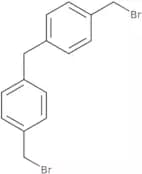
CAS:4-Amino-2-chlorobenzoic acid methyl ester (4ACBME) is a chemical compound that has been used in the treatment of autoimmune diseases. It acts as an immunoreceptor and regulatory molecule by binding to specific receptors on the surface of lymphocytes, which are cells that play a central role in the immune system. 4ACBME also inhibits the production of inflammatory molecules, such as TNF-α, IL-1β, IL-6 and IL-8. The regression of tissue inflammation was observed in animal models after 4ACBME treatment. This compound has been shown to have no genotoxic impurities in vitro studies and its molecular descriptors are consistent with those found for other immunoreceptors.Formula:C8H8ClNO2Purity:Min. 95%Color and Shape:White PowderMolecular weight:185.61 g/molBis(4-bromomethylphenyl)methane - 90%
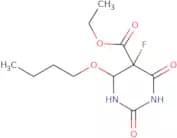
CAS:Bis(4-bromomethylphenyl)methane (BBMM) is a synthesized molecule that can be used as a substitute for uranyl in the synthesis of uranium complexes. The molecule has been synthesized by reacting 4-bromomethylphenol with methyltetrahydrofuran. BBMM is an acidic compound and has affinity for anions such as chloride, fluoride, and cyclophanes. It also exhibits constant molecular weight with a functionalised structure, which makes it suitable for use in nuclear magnetic resonance spectroscopy.Formula:C15H14Br2Purity:Min. 95%Color and Shape:PowderMolecular weight:354.08 g/molEthyl 4-butoxy-5-fluoro-2,6-dioxohexahydropyrimidine-5-carboxylate
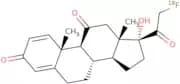
CAS:Controlled ProductEthyl 4-butoxy-5-fluoro-2,6-dioxohexahydropyrimidine-5-carboxylate is a drug that has been used in clinical studies for the treatment of primary brain tumors. It has shown clinical response rates of up to 87%, with the most favourable response observed in patients with low tumor grade and well differentiated histology. The drug is administered orally and penetrates tissues, including the central nervous system. Ethyl 4-butoxy-5-fluoro-2,6-dioxohexahydropyrimidine-5 carboxylate has been found to be toxic to ameloblasts and cancer cells in vitro. Tumor regression was observed in animals treated with ethyl 4 butoxy 5 fluoro 2 6 dioxohexahydropyrimidine 5 carboxylate, which led to decreased symptoms such as weight loss and cachexia.Formula:C11H17FN2O5Purity:Min. 95%Molecular weight:276.26 g/mol21-(Fluoro-18F)-17-Hydroxypregna-1,4-Diene-3,11,20-Trione
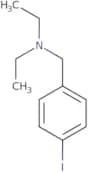
Controlled Product<p>F-18-fluorohydroxypregna-1,4-diene-3,11,20-trione (FHP) is a positron emission tomography (PET) radiopharmaceutical that binds to estrogen receptors. It is used in the diagnosis of cancer and other diseases. FHP is synthesized by reduction of its carbonyl group with sodium borohydride and then converted to the desired radiolabeled form. The synthesis of FHP can be accomplished in a variety of ways, depending on the desired radionuclide and labeling technique. One such method uses an unlabeled precursor estrone or 17β-estradiol as the starting material. This precursor undergoes enzymatic conversion by testosterone 17β hydroxylase to yield FHP.</p>Formula:C21H25FO4Purity:Min. 95%Molecular weight:360.42 g/molN,N-Diethyl-N-(4-iodobenzyl)amine
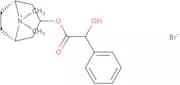
CAS:<p>N,N-Diethyl-N-(4-iodobenzyl)amine is a high quality and versatile building block that is used as a reagent, speciality chemical, or intermediate. The compound has been found to be useful in the synthesis of complex compounds. It can also be used as a reaction component for various organic synthesis reactions. N,N-Diethyl-N-(4-iodobenzyl)amine is commercially available from Sigma Aldrich with CAS No. 914636-94-5.</p>Formula:C11H16INPurity:Min. 95%Color and Shape:PowderMolecular weight:289.16 g/molHomatropine methyl bromide
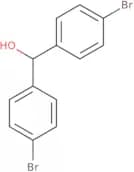
CAS:Homatropine methyl bromide is a drug that belongs to the class of anticholinergic drugs. It is used as a pharmaceutical preparation and is used in the treatment of glaucoma, diagnosis of myasthenia gravis, and as an antidote for organophosphate poisoning. Homatropine methyl bromide can be used to control diastolic pressure. This drug binds to acetylcholine receptors and increases the time needed for hydrochloric acid to break down propranolol hydrochloride. The binding constants for this drug are high, which means it has a strong affinity for acetylcholine receptors. Homatropine methyl bromide is chemically stable and does not react with fatty acids or other chemicals.Formula:C17H24NO3•BrPurity:Min. 95%Molecular weight:370.28 g/mol4,4'-Dibromobenzhydrol
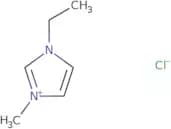
CAS:<p>4,4'-Dibromobenzhydrol (DBH) is a bidentate ligand that can be synthesised in high yields. It has been shown to bind to cancer cells with high affinity and specificity. DBH has also been used as a scaffold for the synthesis of supramolecular architectures, which have shown to be cytotoxic to cancer cells and also provide an improved understanding of the binding mechanism. This compound has been tested for toxicity in animal studies and found to have low toxicity.</p>Formula:C13H10Br2OPurity:Min. 95%Color and Shape:White PowderMolecular weight:342.03 g/mol1-Ethyl-3-methylimidazolium chloride
CAS:<p>1-Ethyl-3-methylimidazolium chloride (EMIMCl) is a coordination complex that is acidic and soluble in water. It has transport properties and chemical stability, with a low redox potential of 0.161 V. EMIMCl can be used to produce ionic liquids that are stable and dissolve many organic molecules. EMIMCl has been shown to react with glycosidic bonds in cellulose to produce ionic cellulose, which can then be dissolved in the ionic liquid. The thermal expansion of EMIMCl is about 3.2 x 10^-6/°C at 300 K, while the thermal expansion coefficient for crystalline cellulose is about 9 x 10^-6/°C at 300 K.</p>Formula:C6H11ClN2Purity:Min. 95%Color and Shape:PowderMolecular weight:146.62 g/mol2-(2-(2-Chloro-3-(2-(1,3 ,3-trimethylindolin-2-ylidene)ethylidene)cyclopent-1-enyl)vinyl)-1,3 ,3-trimethyl-3H-indolium4-methylbenzenesulfonate
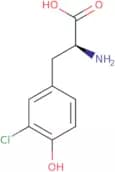
CAS:<p>2-(2-(2-Chloro-3-(2-(1,3,3-trimethylindolin-2-ylidene)ethylidene)cyclopent-1-enyl)vinyl)-1,3,3-trimethyl-3H-indolium4-methylbenzenesulfonate is a fine chemical that belongs to the class of indole derivatives. It is a versatile building block for the synthesis of various compounds. 2-(2-(2-Chloro-3-(2-(1,3,3-trimethylindolin-2-ylidene)ethylidene)cyclopent-1 -enyl)vinyl)-1,3,3 -trimethyl - 3H - indolium4 - methylbenzenesulfonate can be used in the synthesis of organic compounds and other heterocyclic compounds. This compound can also be used as a reagent or special</p>Formula:C38H41ClN2O3SPurity:Min. 98 Area-%Color and Shape:PowderMolecular weight:641.26 g/mol3-Chloro-L-tyrosine
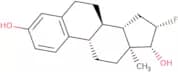
CAS:3-Chloro-L-tyrosine (3CT) is a reactive, nitrogen containing molecule that has been used as a model system to study oxidative injury in the heart. The molecule reacts with the air and oxygen in the environment, producing reactive oxygen species (ROS) that can cause oxidative injury. 3CT has been shown to inhibit ATP binding cassette transporter A1 (ABCA1), which is involved in cholesterol efflux from macrophages. 3CT also promotes the release of eosinophil peroxidase from eosinophils and induces tumor necrosis factor alpha (TNF-α). The analytical method for 3CT includes liquid chromatography-mass spectrometry/mass spectrometry (LC-MS/MS).Formula:C9H10NO3ClPurity:Min. 95%Color and Shape:PowderMolecular weight:215.63 g/mol16-Fluoroestradiol
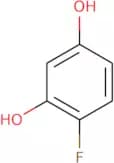
CAS:Controlled Product<p>16-Fluoroestradiol is a fluorinated form of estradiol that binds to the estrogen receptor. It has been shown to have high affinity for the receptor and is found in tissues such as breast, uterus, and vagina. 16-Fluoroestradiol has been used in cancer research to study uptake and metabolism of estrogens. The drug is metabolized by hydroxylation via cytochrome P450 enzymes and through the action of nucleophilic enzymes such as carboxylesterases. 16-Fluoroestradiol has also been shown to bind to muscle tissue, which may be due to its ability to inhibit uptake of glucose into cells.</p>Formula:C18H23FO2Purity:Min. 95%Molecular weight:290.37 g/mol4-Fluororesorcinol
CAS:<p>4-Fluororesorcinol is a sulfonation agent that is used to synthesize sulfones and sulfonamides. It has been shown to have anticancer activity in vitro, but its use in vivo has been limited by its high toxicity. 4-Fluororesorcinol has also been shown to inhibit the functional groups of tyrosinase, an enzyme that helps produce melanin. The oxidation products of 4-fluororesorcinol are less toxic and more photostable than the parent compound. This compound inhibits the production of melanin by tyrosinase, which may lead to potential skin care applications.</p>Formula:C6H5FO2Purity:(%) Min. 98%Color and Shape:White PowderMolecular weight:128.1 g/molDibenzo-11-chloro[b,f][1,4]thiazepine
CAS:<p>Dibenzo-11-chloro[b,f][1,4]thiazepine is an inorganic base that has a chemical formula of PCl. It is used as a pharmaceutical dosage form and is available in both solid and liquid forms. The compound is found in human urine and can be identified by chromatographic techniques such as reversed-phase high-performance liquid chromatography (RP-HPLC) with oxalyl or ultraviolet detection. Reaction time for the compound ranges from 5 to 10 minutes at room temperature. Dibenzo-11-chloro[b,f][1,4]thiazepine can be used for the preparation of pharmaceutical preparations such as tablets, pills, capsules, and solutions. This compound has been shown to have pharmacokinetic properties in humans with an average half life of 8 hours.</p>Formula:C13H8ClNSPurity:Min. 92%Color and Shape:White PowderMolecular weight:245.73 g/molSodium 2-[[3-(trifluoromethyl)phenyl]amino]benzoate
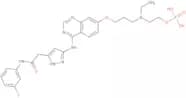
CAS:<p>Sodium 2-[[3-(trifluoromethyl)phenyl]amino]benzoate (TFPB) is a synthetic substrate that has been used in the synthesis of microcapsules. TFPB is soluble in water, which allows it to be administered orally and provides a non-toxic environment for the release of protein drugs. TFPB is also able to bind with receptors on polymorphonuclear leucocytes and can be used as an adjuvant therapy in women.</p>Formula:C14H9F3NNaO2Purity:Min. 95%Color and Shape:PowderMolecular weight:303.21 g/molAZD 1152
CAS:<p>AZD 1152 is an Aurora kinase inhibitor, which is a type of small-molecule therapeutic agent. It is derived from the pharmaceutical research conducted by AstraZeneca. Its primary mode of action involves the selective inhibition of Aurora B kinase, an enzyme crucial for the regulation of mitosis. By interfering with this enzyme, AZD 1152 disrupts the normal progression of cell division, leading to the inhibition of proliferation and induction of apoptosis in rapidly dividing cells.</p>Formula:C26H31FN7O6PPurity:Min. 97 Area-%Color and Shape:Slightly Yellow PowderMolecular weight:587.54 g/mol1,2-Dioleoyl-3-trimethylammonium-propane, chloride
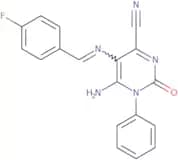
CAS:<p>1,2-Dioleoyl-3-trimethylammonium-propane, chloride (DOTAP) is a cationic lipid of the phospholipid class. DOTAP has been shown to stimulate the growth and differentiation of hematopoietic cells in vivo. DOTAP also enhances the metastatic potential of tumor cells by increasing their uptake and inhibiting apoptosis. It has been found to be active against skin cancer cells, which may be due to its ability to enhance antitumor response. DOTAP is used as a fluorescent probe for intracellular pH measurements in live cells and can be used as a carrier lipid for liposomal drug delivery systems. The major biological properties of DOTAP are its ability to form vesicles and its capacity for energy metabolism.</p>Formula:C42H80ClNO4Purity:(¹H-Nmr) Min. 95 Area-%Color and Shape:PowderMolecular weight:698.54 g/mol5-(1-Aza-2-(4-fluorophenyl)vinyl)-4-imino-2-oxo-3-phenyl-1H-1,3-diazine-6-carbonitrile
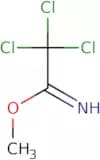
CAS:<p>Please enquire for more information about 5-(1-Aza-2-(4-fluorophenyl)vinyl)-4-imino-2-oxo-3-phenyl-1H-1,3-diazine-6-carbonitrile including the price, delivery time and more detailed product information at the technical inquiry form on this page</p>Formula:C18H12FN5OPurity:Min. 95%Color and Shape:PowderMolecular weight:333.32 g/molMethyl 2,2,2-trichloroacetimidate
CAS:Methyl 2,2,2-trichloroacetimidate is a chemical compound that belongs to the group of compounds with an asymmetric carbon atom. It is a hydroxy derivative of methyl 2,2,2-trichloroacetate and has an inhibitory effect on thermal expansion. Methyl 2,2,2-trichloroacetimidate can be synthesized using a number of routes and has been shown to have antiviral potency against herpes simplex virus type 1 (HSV-1). The compound also inhibits the production of amines in animal models and inhibits the growth of k562 cells. The compound is used as an analytical reagent in analytical chemistry.Formula:C3H4Cl3NOPurity:Min. 90 Area-%Color and Shape:Clear LiquidMolecular weight:176.43 g/molN-α-Benzoyl-L-arginine amide hydrochloride
CAS:N-alpha-Benzoyl-L-arginine amide hydrochloride (BA) is a synthetic, noncompetitive inhibitor of phosphodiesterase. It has been shown to inhibit protease activity in vitro and rhizosphere enzyme activities in vivo. BA also inhibits the formation of hippuric acid from benzoic acid, which is a reaction catalyzed by the enzyme phosphatase. The kinetics of this inhibition have been studied using a number of different substrates and enzymes. BA binds to the catalytic site on the enzyme, sterically hindering binding of the substrate and preventing hydrolysis.Formula:C13H19N5O2·HClPurity:Min. 95%Color and Shape:PowderMolecular weight:313.78 g/mol(R)-1-[3,5-Bis(trifluoromethyl)phenyl]ethan-1-ol
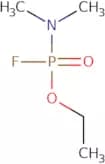
CAS:<p>(R)-1-[3,5-Bis(trifluoromethyl)phenyl]ethan-1-ol is a triazolinone that has been shown to be an efficient contactor for the removal of organic pollutants from water. It is activated by potassium t-butoxide and immobilized on silicone gels. This compound is also active against a broad range of bacteria and fungi.</p>Formula:C10H8F6OPurity:Min. 98%Color and Shape:White PowderMolecular weight:258.16 g/molN-(Ethoxy-Fluorophosphoryl)-N-Methylmethanamine
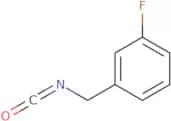
CAS:Controlled Product<p>Ethoxy-Fluorophosphoryl-N-Methylmethanamine is a chemical that belongs to the class of nerve agents. It can be used as an antidote for sarin poisoning. This compound reacts with the enzyme butyrylcholinesterase, which breaks down acetylcholine in the synapses. In this way, it blocks the transmission of nerve impulses and causes muscle paralysis. Ethoxy-Fluorophosphoryl-N-Methylmethanamine acts as an antagonist of acetylcholine receptors in both animals and humans. It also inhibits cholinesterase activity in blood pressure regulation, which leads to increased blood pressure levels. When administered at sublethal doses, this compound induces a long lasting sensitization of the central nervous system to other cholinergic drugs such as atropine or nerve gases such as sarin.</p>Formula:C4H11FNO2PPurity:Min. 95%Molecular weight:155.11 g/mol3-Fluorobenzyl isocyanate
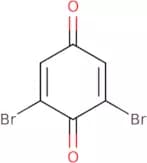
CAS:<p>3-Fluorobenzyl isocyanate is a potent inhibitor of glycogen synthase kinase-3β (GSK-3β). GSK-3β is a serine/threonine protein kinase that plays an important role in the regulation of glycogen metabolism, cell cycle progression, and apoptosis. 3-Fluorobenzyl isocyanate blocks the phosphorylation site on GSK-3β's ATP binding site and inhibits its activity. This drug also has inhibitory effects on x-ray irradiation induced hyperphosphorylation of tau protein in Alzheimer's disease patients. 3-Fluorobenzyl isocyanate has been shown to form co-crystals with oxadiazole derivatives, which may be due to their structural similarity. The co-crystal structure of 3-fluorobenzyl isocyanate and oxadiazole derivatives was determined using x-ray diff</p>Formula:C8H6FNOPurity:Min. 95%Color and Shape:PowderMolecular weight:151.14 g/mol2,6-Dibromo-1,4-benzoquinone
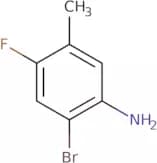
CAS:<p>2,6-Dibromo-1,4-benzoquinone is an organic compound that has been shown to be genotoxic in the bladder. It reacts with hydrochloric acid to form a dibrominated diphenyl ether, which can undergo a number of reactions. 2,6-Dibromo-1,4-benzoquinone produces reactive hydroxyl groups and chemical structures that are carcinogenic. The reaction mechanism is not well understood but it has been shown to inhibit DNA synthesis and cause cancer in laboratory animals. 2,6-Dibromo-1,4-benzoquinone also inhibits RNA synthesis and protein synthesis by forming covalent bonds with amino acids in the ribosome or by reacting with nucleotides in DNA molecules. This leads to cell death as cells are unable to synthesize proteins for growth and repair.</p>Formula:C6H2Br2O2Purity:Min. 95%Color and Shape:PowderMolecular weight:265.89 g/mol2-Bromo-4-fluoro-5-methylaniline
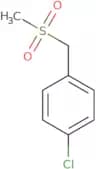
CAS:<p>2-Bromo-4-fluoro-5-methylaniline (BFM) is a reactive intermediate that is used as a building block in the synthesis of various organic compounds. It is also used in research and development for the preparation of pharmaceuticals, pesticides, herbicides, and dyes. BFM is a versatile intermediate that can be used in many different types of reactions. This chemical belongs to the group of halogenated methylanilines and has a CAS number of 1065076-39-2.</p>Formula:C7H7BrFNPurity:Min. 95%Color and Shape:PowderMolecular weight:204.04 g/mol1-Chloro-4-(methanesulfonylmethyl)benzene
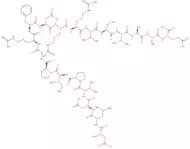
CAS:<p>1-Chloro-4-(methanesulfonylmethyl)benzene is an organic compound with a molecular formula of C6H3ClO2S and a molecular weight of 163.14 g/mol. It has an interaction enhancement with other molecules and is highly soluble in water. The nature of the substances can be physicochemical or chemical, depending on its physical state. 1-Chloro-4-(methanesulfonylmethyl)benzene has terminal residues that are phenyl ring structures and are located at opposite ends of the molecule. These residues interact with muscle tissues when ingested orally and is metabolized by methyl sulfone, benzyl, and thiocarbamate. This substance also interacts with rhizosphere bacteria when it's applied to soil as a pesticide.</p>Formula:C8H9ClO2SPurity:Min. 95%Color and Shape:White Off-White PowderMolecular weight:204.67 g/molCalcineurin Substrate trifluoroacetate salt H-Asp-Leu-Asp-Val-Pro-Ile-Pro-Gly-Arg-Phe-Asp-Arg-Arg-Val-Ser-Val-Ala-Ala-Glu-OH trifluo roacetate salt
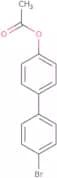
CAS:Please enquire for more information about Calcineurin Substrate trifluoroacetate salt H-Asp-Leu-Asp-Val-Pro-Ile-Pro-Gly-Arg-Phe-Asp-Arg-Arg-Val-Ser-Val-Ala-Ala-Glu-OH trifluo roacetate salt including the price, delivery time and more detailed product information at the technical inquiry form on this pageFormula:C92H150N28O29Purity:Min. 95%Molecular weight:2,112.35 g/mol4-Acetoxy-4'-bromobiphenyl
CAS:Please enquire for more information about 4-Acetoxy-4'-bromobiphenyl including the price, delivery time and more detailed product information at the technical inquiry form on this pageFormula:C14H11BrO2Purity:Min. 95%Molecular weight:291.14 g/molAmmonium trifluoroacetate
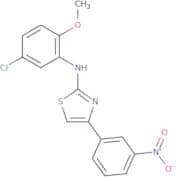
CAS:Ammonium trifluoroacetate is a chemical compound that has two hydroxyl groups. It is used for the treatment of autoimmune diseases, such as rheumatoid arthritis, and in the synthesis of nomegestrol acetate, which is an estrogenic drug. Ammonium trifluoroacetate is also used to study the biological properties of receptors and other proteins. The thermal expansion property of ammonium trifluoroacetate can be used to determine its concentration in a sample. Ammonium trifluoroacetate also has potent antagonistic effects against HIV infection and can be detected with high sensitivity. Studies have shown that ammonium trifluoroacetate is toxic to humans; however, it does not accumulate in the body.Formula:C2H4F3NO2Purity:Min. 95%Color and Shape:PowderMolecular weight:131.05 g/mol(5-Chloro-2-methoxyphenyl)(4-(3-nitrophenyl)(2,5-thiazolyl))amine
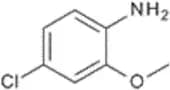
CAS:<p>Please enquire for more information about (5-Chloro-2-methoxyphenyl)(4-(3-nitrophenyl)(2,5-thiazolyl))amine including the price, delivery time and more detailed product information at the technical inquiry form on this page</p>Purity:Min. 95%4-Chloro-2-methoxyaniline
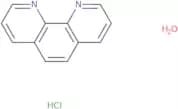
CAS:<p>4-Chloro-2-methoxyaniline is an organic compound with the chemical formula CHClNO. It is a colorless liquid that smells like benzene. 4-Chloro-2-methoxyaniline reacts with diazonium salt to produce a red-orange dye and is used to create other azo compounds. It also reacts with anionic substances and can be used in fibre production. 4-Chloro-2-methoxyaniline has been shown to have fungicidal properties, which may be due to its ability to oxidize the fungal cell membrane.</p>Formula:C7H8ClNOPurity:Min. 98 Area-%Molecular weight:157.6 g/molo-Phenanthroline monohydrochloride monohydrate
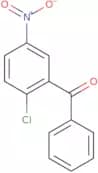
CAS:o-Phenanthroline monohydrochloride monohydrate is a ligand that is used in crystallography to study the crystal structure of metal ions. It has been shown to be an efficient catalyst for the ring-opening of chloroformates, and can also be used as an analytical reagent that is capable of detecting chlorine in organic compounds. The hydrate form of o-phenanthroline monohydrochloride has a molecular formula of C12H14ClN3O4·2H2O and a molecular weight of 392.7 g/mol.Formula:C12H8N2·HCl·H2OColor and Shape:PowderMolecular weight:234.68 g/mol2-Chloro-5-nitrobenzophenone
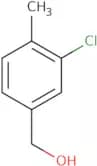
CAS:<p>2-Chloro-5-nitrobenzophenone is a reactive intermediate that belongs to the class of aryl chlorides. It has been used in organic synthesis as a monomer and homologue for the preparation of other organic compounds. 2-Chloro-5-nitrobenzophenone can be synthesized from malonic acid and an aryl chloride by treatment with sodium hydroxide or potassium carbonate in an organic solvent. This compound reacts with acetonitrile at room temperature to form chloroform, nitronium ion, and hydrogen chloride. The reaction system can also be prepared by treating 2-chloro-5-nitrobenzophenone with pyridine in acetonitrile under reflux conditions.<br>2-Chloro-5-nitrobenzophenone is used as a reagent in plant cell culture experiments where it induces DNA cleavage and inhibits protein synthesis.</p>Formula:C13H8ClNO3Purity:Min. 95%Color and Shape:PowderMolecular weight:261.66 g/mol3-Chloro-4-methylbenzyl alcohol - Technical grade
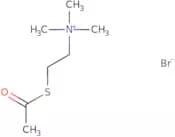
CAS:<p>3-Chloro-4-methylbenzyl alcohol is a building block chemical that is used in the synthesis of a variety of organic compounds. It is a versatile chemical that can be used as a reagent, reaction component, and intermediate. 3-Chloro-4-methylbenzyl alcohol has been found to be useful in the synthesis of complex compounds, such as 4-chloromethoxybenzoic acid and 3-(3,5-dimethoxyphenyl)acetic acid. This chemical can also be used to produce speciality chemicals, such as 3-(2-(2,4-dichlorophenoxy)ethyl)benzonitrile.</p>Formula:C8H9ClOPurity:Min. 95%Color and Shape:Colorless PowderMolecular weight:156.61 g/molAcetylthiocholine bromide
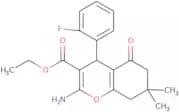
CAS:<p>Acetylthiocholine bromide is a lipase inhibitor that has been shown to be nontoxic in doses as high as 250 mg/kg. Acetylthiocholine bromide has an acetylcholinesterase-inhibiting effect, which makes it a potential drug for the treatment of Alzheimer's disease and other neurological disorders. Acetylthiocholine bromide is also used in the detection of acetylcholine in biological samples, such as serum and urine. The surface-enhanced Raman (SERS) technique is used to detect the presence of acetylthiocholine bromide. This technique uses gold nanoparticles deposited on a substrate to increase the intensity of Raman scattering from molecules adsorbed on the surface. Inhibition of acetylcholinesterase by acetylthiocholine bromide leads to increased levels of acetylcholine and prevents its breakdown by cholinesterases. This leads</p>Formula:C7H16BrNOSPurity:Min. 95%Color and Shape:White Off-White PowderMolecular weight:242.18 g/molethyl 2-amino-4-(2-fluorophenyl)-7,7-dimethyl-5-oxo-4,6,7,8-tetrahydro2H-chromene-3-carboxylate
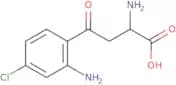
CAS:Please enquire for more information about ethyl 2-amino-4-(2-fluorophenyl)-7,7-dimethyl-5-oxo-4,6,7,8-tetrahydro2H-chromene-3-carboxylate including the price, delivery time and more detailed product information at the technical inquiry form on this pagePurity:Min. 95%4-Chloro Kynurenine
CAS:<p>4-Chloro Kynurenine is an aminotransferase activator that has been shown to produce antidepressant responses in animals. It is also a prodrug of rapamycin, which acts as an immunosuppressant and prevents the uptake of glutamate. 4-Chloro Kynurenine is used for the treatment of treatment-resistant depression. It inhibits glycogen synthase kinase-3 (GSK-3) and enhances the uptake of glutamate by organic anion transporters (OATs). This inhibition increases neurotrophic factors such as brain-derived neurotrophic factor (BDNF) and nerve growth factor (NGF). These findings suggest that 4-chloro kynurenine may be a novel drug for the treatment of depression.</p>Formula:C10H11ClN2O3Purity:Min. 95%Color and Shape:Off-White PowderMolecular weight:242.66 g/molN-Benzyl-4-phenyl pyridinium tetrafluoroborate
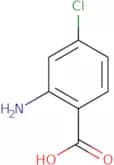
CAS:<p>N-Benzyl-4-phenyl pyridinium tetrafluoroborate is a fine chemical that can be used as a building block in the synthesis of complex compounds. It has been shown to have versatile applications in organic synthesis, such as being a useful intermediate and reaction component. N-Benzyl-4-phenyl pyridinium tetrafluoroborate is an extremely high quality reagent with few side effects and low toxicity.</p>Formula:C18H16N•BF4Purity:Min. 95%Molecular weight:333.13 g/mol4-Chloroanthranilic acid
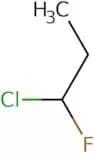
CAS:4-Chloroanthranilic acid is an inorganic acid that has antimicrobial properties. It is a bound form of anthranilic acid, which is not water soluble and can be easily absorbed by the skin. 4-Chloroanthranilic acid is used as an antibiotic in topical preparations because it has been shown to have inhibitory effects on the growth of P. aeruginosa, epidermal growth factor, and nitrogen atoms. 4-Chloroanthranilic acid also has coordination complex with copper and inhibits the growth of bacteria by inhibiting the production of bacterial cell wall synthesis enzymes.Formula:C7H6ClNO2Purity:Min. 95%Color and Shape:Off-White PowderMolecular weight:171.58 g/mol1-Chloro-1-fluoropropane
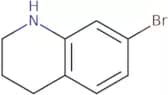
CAS:Controlled Product<p>1-Chloro-1-fluoropropane is a fluorinated hydrocarbon that can be used as a refrigerant. It has the chemical formula CHClF (Cl = chlorine, H = hydrogen). 1-Chloro-1-fluoropropane is produced by the chlorination of propylene. It can also be synthesized through the reaction of ethylene with hydrogen chloride and hydrochloric acid. This process is catalyzed by magnesium oxide. The product is then distilled to remove any water or other compounds that may have formed during synthesis. 1-Chloro-1-fluoropropane is used as an alternative to chlorofluorocarbons (CFCs) and hydrochlorofluorocarbons (HCFCs), which are ozone depleting substances. It has an evaporation energy efficiency of approximately 2,500 BTU/lb, compared to 4,000 BTU/lb for CFCs</p>Formula:C3H6ClFPurity:Min. 95%Molecular weight:96.53 g/mol7-Bromo-1,2,3,4-tetrahydroquinoline
CAS:<p>7-Bromo-1,2,3,4-tetrahydroquinoline is a high quality reagent that is an intermediate for the synthesis of heterocycles. It is useful as a building block for the synthesis of complex compounds. 7-Bromo-1,2,3,4-tetrahydroquinoline has been used as a useful scaffold in the synthesis of novel and versatile molecules with biological activity. This compound can be used as a reaction component in organic chemistry and can also be used to produce speciality chemicals and research chemicals. CAS No. 114744-51-3</p>Formula:C9H10BrNPurity:Min. 97 Area-%Color and Shape:PowderMolecular weight:212.09 g/mol4-Chloro-2-nitrobenzylamine hydrochloride
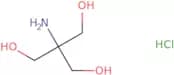
CAS:4-Chloro-2-nitrobenzylamine hydrochloride is a fine chemical that can be used as a reagent or speciality chemical. It is also a versatile building block and reaction component for the preparation of various chemical compounds. 4-Chloro-2-nitrobenzylamine hydrochloride has been used as an intermediate in the synthesis of other chemicals, such as 1,2,3,4,5,6-hexahydrobenzo[e]pyrrolo[1,2-a]pyrazine. This compound has been shown to have antibacterial activity against Escherichia coli and Pseudomonas aeruginosa.Formula:C7H7ClN2O2•HClPurity:Min. 95%Molecular weight:223.06 g/molTRIS hydrochloride
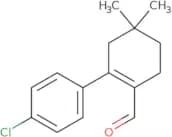
CAS:<p>Tris-HCl is the same as Tris base with the addition of HCl. It is used as a buffering agent to prepare buffer solutions.</p>Formula:C4H11NO3•HClColor and Shape:PowderMolecular weight:157.6 g/mol2-(4-Chlorophenyl)-4,4-dimethyl-1-cyclohexene-1-carboxaldehyde
CAS:2-(4-Chlorophenyl)-4,4-dimethyl-1-cyclohexene-1-carboxaldehyde is a high quality reagent that can be used as a useful intermediate in the production of complex compounds. It is also a fine chemical with CAS No. 1228837-05-5 and is useful scaffold for the production of speciality chemicals. This compound has been identified as a useful building block with versatile uses in research and development, such as reaction components in organic synthesis.Formula:C15H17ClOPurity:Min. 95%Color and Shape:Clear LiquidMolecular weight:248.75 g/mol1-Chloro-1,1,2,3,3,3-Hexafluoropropane
CAS:Controlled Product1-Chloro-1,1,2,3,3,3-Hexafluoropropane (CFC-114) is a hydrofluorocarbon that is used in refrigeration and air conditioning. It is a colorless liquid with a sweet odor. CFC-114 has been found to be environmentally friendly as it does not deplete the ozone layer and has low global warming potential. The chemical properties of CFC-114 are constant over long periods of time and at different temperatures. This property can be measured using calorimetry and thermodynamics and can be calculated by parameters such as liquid phase and efficiency.Formula:C3HClF6Purity:Min. 95%Molecular weight:186.48 g/mol4'-Chloro-2'-hydroxyacetophenone
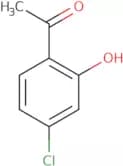
CAS:4'-Chloro-2'-hydroxyacetophenone is a hydrazone compound that has been shown to have an inhibitory effect on the growth of cancer cells. The crystal structure was determined using X-ray diffraction data and the parameters were refined using a program called WITWIG. Hydrazones are classified as orthorhombic with space group Pbcn. The compound has been shown to be magnetic and it is soluble in organic solvents. 4'-Chloro-2'-hydroxyacetophenone has a molecular weight of 206.079 g/mol, which indicates that it is an organic molecule. It also contains a hydroxyl group and two chlorine atoms, one of which is attached to the acetophenone nucleus. This molecule can coordinate with metal ions to form complexes, such as mononuclear complexes, or polynuclear complexes with more than one metal ion.Formula:C8H7ClO2Purity:Min. 95%Color and Shape:Clear LiquidMolecular weight:170.59 g/molPhosphocholine chloride sodium salt hydrate
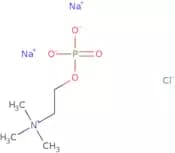
CAS:<p>Phosphocholine chloride sodium salt hydrate is an organic compound that is used as a cross-linking agent in the production of polymers. It is also used as a reactant in ring-opening reactions and as an intermediate in the synthesis of pyridinium salts. This product has been shown to be metabolized by human serum to form fatty acids, which may play a role in metabolic disorders such as obesity and diabetes. The reagent can also be used for the chromatographic determination of cholesterol and other lipids.</p>Formula:C5H13ClNNa2O4P·xH2OPurity:Min. 95%Color and Shape:White PowderMolecular weight:263.58 g/mol1,2-Bis(1,1,2,2-tetrafluoroethoxy)ethane
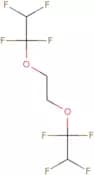
CAS:1,2-Bis(1,1,2,2-tetrafluoroethoxy)ethane is an electrolyte with a balanced composition of sulfur and fluorine. It is also a symmetric compound that can shuttle lithium ions between the two halves of the molecule. This process can be repeated many times without significant degradation. 1,2-Bis(1,1,2,2-tetrafluoroethoxy)ethane has been used as a negative electrode material in lithium ion batteries because it has high capacity and good cycling properties.Formula:C6H6F8O2Purity:Min. 99 Area-%Molecular weight:262.10 g/molPerfluoro(methyldecalin), mixture of isomers
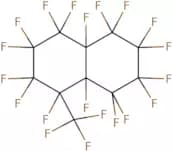
CAS:Controlled ProductPerfluoro(methyldecalin), mixture of isomers, is a perfluorinated liquid that has been used as a contrast agent in magnetic resonance imaging and computed tomography. This compound is lipophilic and is able to cross the blood-brain barrier. It can be used as a diagnostic agent for various reactions including transfer reactions, cell culture, and reaction solution. Perfluoro(methyldecalin) has a phase transition temperature at -34 °C, meaning it will become solid at this temperature. The oxygen transport properties of this molecule are polymeric matrix.Formula:C11F20Purity:Min. 79.5 Area-%Color and Shape:Clear LiquidMolecular weight:512.09 g/mol4,4'-Dichlorodiphenylacetylene
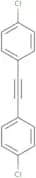
CAS:4,4'-Dichlorodiphenylacetylene is a chiral molecule that is used as an organic catalyst. It can be used to synthesize aldehydes and azides, which are important in the production of pharmaceuticals, agrochemicals, and dyestuffs. This molecule has shown to be useful for the catalytic conversion of a variety of chlorinated aromatic compounds to their corresponding chloroformates. 4,4'-Dichlorodiphenylacetylene is also good at accommodating bulky molecules by using its bifunctional nature. The mechanism of this reaction has been studied in detail and it has been found that this process takes place through a combination of thermal and mechanistic reactions with quantum theory.Formula:C14H8Cl2Purity:Min. 98 Area-%Color and Shape:PowderMolecular weight:247.12 g/mol5-Chloro-1-indanone
CAS:<p>5-Chloro-1-indanone is an organic molecule with a reactive functional group that can react with other molecules. The most common reaction is the Friedel-Crafts reaction, which is used to make alkenes from aldehydes and aluminum chloride. 5-Chloro-1-indanone is also used in the acylation reaction, which involves the transfer of an acyl group to a molecule. This process has many applications, such as synthesis of pesticides and pharmaceuticals, and can be used to produce low energy chlorine gas. Panc-1 cells are often used in anticancer research because they are sensitive to carcinogens. 5-Chloro-1-indanone was shown to inhibit cell growth in these cells by reacting with hydrogen chloride (HCl) in water to form 5-(chloromethyl)-1H indene and hydrochloric acid (HCl).</p>Formula:C9H7ClOPurity:Min. 95%Color and Shape:PowderMolecular weight:166.6 g/mol3-Chloro-9-fluorenone
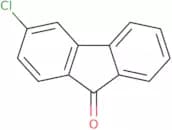
CAS:3-Chloro-9-fluorenone is a fine chemical that is useful as a scaffold, versatile building block, and useful intermediate in the synthesis of other compounds. 3-Chloro-9-fluorenone has been shown to be an excellent reagent for the conversion of nitriles into amides. It is also used as a research chemical and specialty chemical. 3-Chloro-9-fluorenone is a complex compound that contains both aromatic and heterocyclic rings. This high quality chemical has CAS No. 7254-06-0.Formula:C13H7ClOPurity:Min. 95%Molecular weight:214.65 g/mol3-Fluoro-5-nitrotoluene
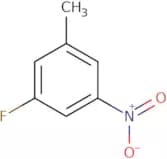
CAS:<p>3-Fluoro-5-nitrotoluene is a chemical compound that has a variety of applications as a research and development intermediate, as well as in the manufacture of pharmaceuticals, dyes, and explosives. It is commercially available in both liquid and solid form, and can be used in any number of chemical reactions to create other compounds. 3-Fluoro-5-nitrotoluene is a versatile building block that can be used to make other chemicals. It can also be used to make fine chemicals and complex compounds.</p>Formula:C7H6FNO2Purity:Min. 95%Color and Shape:PowderMolecular weight:155.13 g/molMagnesium chloride
CAS:<p>Magnesium chloride is the inorganic compound of magnesium and chlorine with a chemical formula MgCl2. It is a white, odorless solid that can be dissolved in water to make a solution. The optimum concentration for this compound is between 10 and 20%. This chemical has been used for wastewater treatment, as well as for the production of high-purity steviol glycosides. Magnesium chloride has shown to have many biological effects, including inhibition of leukemia inhibitory factor and copper chloride. It also demonstrates thermodynamic data for cardiac effects.</p>Formula:MgCl2Purity:Min. 95%Color and Shape:White PowderMolecular weight:95.21 g/mol5-(Acetylamino)-N,N'-bis(2,3-dihydroxypropyl)-2,4,6-triiodo-1,3-benzenedicarboxamide
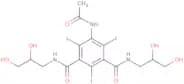
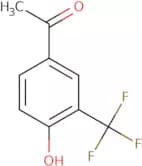
CAS:<p>5-(Acetylamino)-N,N'-bis(2,3-dihydroxypropyl)-2,4,6-triiodo-1,3-benzenedicarboxamide is a reactive iodinated contrast agent that is used in the diagnostic imaging of body cavities and blood vessels. It can be prepared by the acetylation of 5-(acetylamino)naphthalene-2,3-diol with 2,4,6-triiodobenzene dicarboxylic acid using an alkali metal as a base. The yields for this reaction are dependent on the type of solvent used. This chemical has two functional groups: an amide and an acetate group. It reacts with iohexol to form a radiocontrast product that contains both iodine and propanediol. This process is industrially carried out by mixing 5-(acetylamino)naphthalene-2,</p>Formula:C16H20I3N3O7Purity:Min. 95%Color and Shape:White PowderMolecular weight:747.06 g/mol4-Hydroxy-3-(trifluoromethyl)acetophenone
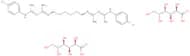
CAS:<p>4-Hydroxy-3-(trifluoromethyl)acetophenone is a chemical that has been shown to be useful in the synthesis of biologically active compounds. It is a versatile building block for organic synthesis and can be used as a research chemical, reaction component, or speciality chemical. 4-Hydroxy-3-(trifluoromethyl)acetophenone is also a high quality reagent with CAS No. 149105-11-3.</p>Formula:C9H7F3O2Purity:Min. 95%Molecular weight:204.15 g/molChlorhexidine digluconate - 20% aqueous solution
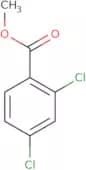
CAS:Bisbiguanide antiseptic and disinfectant used in topical antibacterial productsFormula:C34H54Cl2N10O14Purity:190 To 210 G/LColor and Shape:Clear LiquidMolecular weight:897.76 g/molMethyl 2,4-dichlorobenzoate
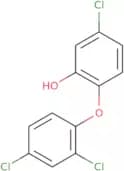
CAS:<p>Methyl 2,4-dichlorobenzoate is an organic chemical that contains chloride and a carboxylic acid group. It is used as a reagent in analytical chemistry. Methyl 2,4-dichlorobenzoate reacts with aldehydes to produce the corresponding alcohols. The reaction is catalyzed by activated charcoal. The yield of transfer reactions are high, and the products are usually high molecular weight compounds. Methyl 2,4-dichlorobenzoate reacts with fluorescence.</p>Formula:C8H6Cl2O2Purity:Min. 95%Color and Shape:Clear LiquidMolecular weight:205.04 g/molTrichlorosan
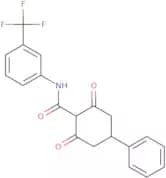
CAS:<p>Trichlorosan is a biocide that is used as a disinfectant and preservative, and has also been shown to have antibacterial properties. It is often used in industrial settings to inhibit the growth of bacteria in process water, cooling towers, and wastewater treatment systems. Trichlorosan has been shown to be genotoxic in rats at high doses. This chemical can be found in personal care products such as soaps, toothpaste, mouthwash, deodorants, or body lotion. It can also be found in some household items such as kitchenware, clothes and bedding. Triclosan is one of the active ingredients in trichlorosan that prevents bacterial growth by binding to the enzyme that catalyzes the conversion of glycerol to fatty acids and lysing cells through cell membrane disruption. The enzyme activity index for triclosan was determined by measuring the amount of time it takes for a solution containing benzalkonium chloride (B</p>Formula:C12H7Cl3O2Purity:Min. 95%Color and Shape:White PowderMolecular weight:289.54 g/mol(2,6-dioxo-4-phenylcyclohexyl)-N-(3-(trifluoromethyl)phenyl)formamide
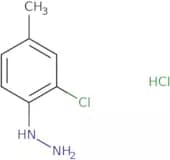
CAS:<p>Please enquire for more information about (2,6-dioxo-4-phenylcyclohexyl)-N-(3-(trifluoromethyl)phenyl)formamide including the price, delivery time and more detailed product information at the technical inquiry form on this page</p>Purity:Min. 95%(2-Chloro-4-methylphenyl)hydrazine hydrochloride
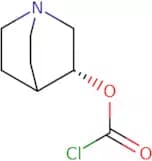
CAS:(2-Chloro-4-methylphenyl)hydrazine hydrochloride is a high quality reagent that is a useful intermediate for the synthesis of complex compounds. It has been used as a building block for the synthesis of speciality chemicals and research chemicals. This compound can be used to produce versatile building blocks and reaction components.Formula:C7H9ClN2·HClPurity:Min. 95%Color and Shape:PowderMolecular weight:193.07 g/molR-(-)-3-Quinuclidinyl chloroformate
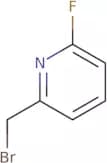
CAS:R-(-)-3-Quinuclidinyl chloroformate is a chemical intermediate that is used as a reagent in organic synthesis. It reacts with amines to form quaternary ammonium salts, which are often used as reaction components in the production of pharmaceuticals. R-(-)-3-Quinuclidinyl chloroformate has been shown to be useful for the preparation of various heterocycles. This compound has been found to have several biological activities, including the ability to inhibit protein synthesis and induce apoptosis.Formula:C8H12ClNO2Purity:Min. 95%Color and Shape:White PowderMolecular weight:189.64 g/mol2-(bromomethyl)-6-fluoropyridine
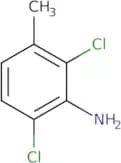
CAS:<p>2-(bromomethyl)-6-fluoropyridine is an intermediate for the synthesis of other chemical compounds. It is a fine chemical that is used as a reagent in organic synthesis and as a building block for more complex compounds. This compound can be used in pharmaceuticals, agrochemicals, and other industries that require chemicals with specific properties. 2-(bromomethyl)-6-fluoropyridine is also useful as a building block for the synthesis of novel derivatives.</p>Formula:C6H5BrFNPurity:Min. 95%Molecular weight:190.01 g/mol2,6-Dichloro-3-methylaniline
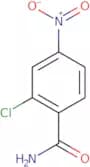
CAS:2,6-Dichloro-3-methylaniline is a wastewater treatment chemical that is used to remove ammonia from wastewater. It is an allosteric modulator that can bind to different sites on the same protein and change its function. 2,6-Dichloro-3-methylaniline has been shown to inhibit the growth of bladder cancer cells in vitro and in vivo by affecting the production of dopamine. This compound may also be effective in treating other cancers such as breast cancer and prostate cancer. 2,6-Dichloro-3-methylaniline has been shown to inhibit population growth in some bacteria by binding to DNA gyrase and topoisomerase IV enzymes.Formula:C7H7Cl2NPurity:Min. 95%Color and Shape:PowderMolecular weight:176.04 g/mol2-Chloro-4-nitro benzamide
CAS:<p>2-Chloro-4-nitrobenzamide is a drug that belongs to the sulfa drugs. It has been shown to be effective in treating autoimmune diseases, particularly bowel disease and inflammatory bowel disease. 2-Chloro-4-nitrobenzamide inhibits the synthesis of fatty acids by blocking the enzyme acetyl CoA carboxylase, which is involved in the formation of long chain fatty acids. This drug also has immunosuppressive activities, which may be due to its ability to block T cell proliferation. 2-Chloro-4-nitrobenzamide is used as a chemical intermediate for antibiotics such as maduramicin ammonium and salinomycin sodium. It is also used as a dietary supplement or pharmaceutical dosage form for cardiac glycoside drugs such as digoxin.</p>Formula:C7H5ClN2O3Purity:Min. 95%Color and Shape:PowderMolecular weight:200.58 g/mol1-{[1-(2-Chloropyridin-3-yl)-1H-pyrrol-2-yl]carbonyl}-4-(4-fluorophenyl)piperazine
CAS:Controlled ProductPlease enquire for more information about 1-{[1-(2-Chloropyridin-3-yl)-1H-pyrrol-2-yl]carbonyl}-4-(4-fluorophenyl)piperazine including the price, delivery time and more detailed product information at the technical inquiry form on this pageFormula:C20H18ClFN4OPurity:Min. 95%Molecular weight:384.83 g/mol3’-β-Azido-2’,3’-dideoxy-5-fluorouridine
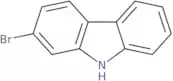
CAS:<p>Please enquire for more information about 3’-beta-Azido-2’,3’-dideoxy-5-fluorouridine including the price, delivery time and more detailed product information at the technical inquiry form on this page</p>Purity:Min. 95%2-Bromocarbazole
CAS:<p>2-Bromocarbazole is an organic compound that binds to the mineralocorticoid receptor. It has been shown to be a potent inhibitor of sodium transport in both anhydrous and hydrated conditions. 2-Bromocarbazole is also a cationic polymerization agent, which can be used in photophysical studies. This compound has been shown to have fluorescence properties, as well as receptor α binding capabilities. 2-Bromocarbazole was also able to inhibit the enzyme picolinic acid carboxylase, which catalyzes the conversion of picolinic acid into nicotinamide adenine dinucleotide phosphate (NADP) and CO2. The molecular docking analysis of 2-bromocarbazole with human recombinant MRAPα confirms this inhibition.</p>Formula:C12H8BrNPurity:Min. 98 Area-%Color and Shape:PowderMolecular weight:246.1 g/molFluorescent Brightener 263
CAS:<p>Fluorescent Brightener 263 is a disulfonate that functions as a fluorescent dye. This compound has been shown to be effective in recording high-performance liquid chromatography (HPLC) results and can be used as an ion-pairing reagent for reversed-phase high-performance liquid chromatography (RPLC). Fluorescent Brightener 263 has been optimized for use with tetrasulfonate, which provides the highest sensitivity. It is also well suited for use as a fixative and fluorescence dye in combination with other compounds.</p>Purity:Min. 95%2-Aminoethoxyamine dihydrochloride
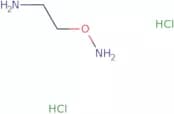
CAS:<p>2-Aminoethoxyamine dihydrochloride is a cardiotonic, which is a chemical agent that acts on the heart to increase contractility. It has been shown to be more efficient and less toxic than other cardiotonics. 2-Aminoethoxyamine dihydrochloride has been found to act as an epoxidizing agent and can be used in the synthesis of istaroxime, an inhibitor of cholesterol biosynthesis.2-Aminoethoxyamine dihydrochloride also reacts with dehydroepiandrosterone to form 2-aminoethoxyamidine hydrochloride.</p>Formula:C2H10Cl2N2OPurity:Min. 95%Color and Shape:PowderMolecular weight:149.02 g/mol5-Bromo-4,6-dimethylpyrimidin-2-amine
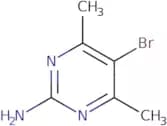
CAS:<p>Please enquire for more information about 5-Bromo-4,6-dimethylpyrimidin-2-amine including the price, delivery time and more detailed product information at the technical inquiry form on this page</p>Formula:C6H8BrN3Purity:Min. 95%Color and Shape:PowderMolecular weight:202.05 g/mol4-Bromoresorcinol
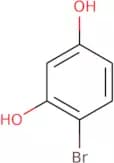
CAS:4-Bromoresorcinol is a synthetic compound that belongs to the group of sulfonamides. It is used in the production of dyes, pharmaceuticals, and agricultural chemicals. 4-Bromoresorcinol is synthesized by sulfonation with trifluoroacetic acid followed by hydrolysis with hydrochloric acid. The polymerization kinetics of this compound have been studied using azobenzene as a model substrate. The reaction products are vignafuran and an organic solvent (e.g., methanol). In addition, 4-bromoresorcinol has potent antibacterial activity against bacteria such as Staphylococcus aureus and Mycobacterium tuberculosis. This drug has minimal inhibitory concentrations (MICs) less than 0.01 ppm for most strains of bacteria tested, including those resistant to penicillin G or erythromycin. The drug also inhibits hydroxylase enzymesFormula:C6H5BrO2Purity:Min. 95%Color and Shape:White PowderMolecular weight:189.01 g/mol3-Benzylazetidine hydrochloride
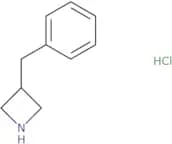
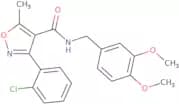
CAS:3-Benzylazetidine hydrochloride is a versatile building block with a wide range of applications. It has been used as a reagent, intermediate, and scaffold in the synthesis of complex compounds and speciality chemicals. 3-Benzylazetidine hydrochloride is also used as an experimental drug for the treatment of cancer, Parkinson's disease and Alzheimer's disease. 3-Benzylazetidine hydrochloride is soluble in water and organic solvents such as alcohols, ethers, chloroform, acetone, ethyl acetate etc., making it easy to dissolve in solution.Formula:C10H13N•HClPurity:Min. 95%Color and Shape:PowderMolecular weight:183.68 g/molN-((3,4-dimethoxyphenyl)methyl)(3-(2-chlorophenyl)-5-methylisoxazol-4-yl)formamide
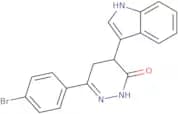
CAS:Please enquire for more information about N-((3,4-dimethoxyphenyl)methyl)(3-(2-chlorophenyl)-5-methylisoxazol-4-yl)formamide including the price, delivery time and more detailed product information at the technical inquiry form on this pagePurity:Min. 95%3-(4-bromophenyl)-5-indol-3-yl-1H,4H,5H-1,2-diazin-6-one
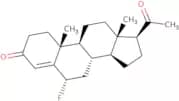
CAS:Please enquire for more information about 3-(4-bromophenyl)-5-indol-3-yl-1H,4H,5H-1,2-diazin-6-one including the price, delivery time and more detailed product information at the technical inquiry form on this pagePurity:Min. 95%6-α-Fluoro-Pregn-4-ene-3,20-dione
CAS:Controlled Product<p>6-alpha-Fluoro-Pregn-4-ene-3,20-dione is a polymer that belongs to the class of polymers. It is a three component polymer composed of vinyl acetate, vinyl chloride and ethylene. 6-alpha-Fluoro-Pregn-4-ene-3,20-dione is used as a monomer in the production of polypropylene and polyethylene. This polymer has shown to have good mechanical properties such as strength and toughness.</p>Formula:C21H29FO2Purity:Min. 95%Molecular weight:332.45 g/molN-[2-(2,3-Dimethoxyphenyl)ethyl]-2-chlorobenzamide
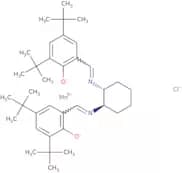
CAS:Controlled Product<p>N-[2-(2,3-Dimethoxyphenyl)ethyl]-2-chlorobenzamide is a versatile building block that can be used as a reaction component and reagent. It is an intermediate in the synthesis of pharmaceuticals and fine chemicals and has been shown to be useful in the synthesis of complex compounds. This compound reacts with nucleophiles, such as amines and alcohols, by replacing the chloride group with a variety of functional groups. The product is then hydrolyzed to release the original reactant. N-[2-(2,3-Dimethoxyphenyl)ethyl]-2-chlorobenzamide has a CAS number of 320576-19-0 and can be found at ChemDiv.com.</p>Formula:C17H18ClNO3Purity:Min. 95%Molecular weight:319.78 g/mol(R,R)-(-)N,N'-Bis(3,5-di-tert-butylsalicylidene)-1,2-cyclohexanediaminomanganese(III) chloride
CAS:(R,R)-(-)N,N'-Bis(3,5-di-tert-butylsalicylidene)-1,2-cyclohexanediaminomanganese(III) chloride is a diamine ligand that has been used for the immobilization of ethylene. The reaction proceeds via an oxidation catalyzed by a metal such as copper or manganese. The reaction products are chlorides and alcohols. The molecular modeling and x-ray crystal structures of these reactions have been studied and kinetic data have been collected. Kinetics measurements show that the reactions are fast with an activation energy of 45 kcal/mol and proceed through a hydrogen transfer mechanism.Formula:C36H52ClMnN2O2Purity:Min. 95%Color and Shape:PowderMolecular weight:635.2 g/molMethyl 3-amino-5,6-dichloro-2-pyrazine carboxylate
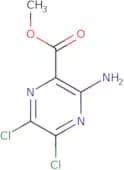
CAS:<p>Methyl 3-amino-5,6-dichloro-2-pyrazine carboxylate is a synthetic molecule that has been synthesized from dimethylamiloride. This chemical has been labeled and used for a variety of homologous and synthetic modifications. It may be used in labeling experiments to identify an unknown compound or to determine the structure of a known compound. The methyl 3-amino-5,6-dichloro-2-pyrazine carboxylate can also be used as a ligand to bind with subunits of proteins or nucleic acids. Photolabile methyl 3-amino-5,6-dichloro-2-pyrazine carboxylate can be synthesized by using light energy to cleave the ester bonds in the chemical. This chemical is useful for assays and techniques such as spectroscopy and nuclear magnetic resonance (NMR).</p>Formula:C6H5Cl2N3O2Purity:Min. 96.5 Area-%Color and Shape:PowderMolecular weight:222.03 g/mol3-Bromo-4-hydroxybenzaldehyde
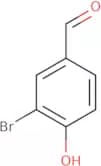
CAS:<p>3-Bromo-4-hydroxybenzaldehyde is a fluorescence probe that can be used to identify the presence of hydroxyl groups in organic solutions. It reacts with hydrochloric acid to form a green solution and a gas. 3-Bromo-4-hydroxybenzaldehyde has been used to study hydroxyl groups in human serum, plant physiology, and surfactant sodium dodecyl (SDS). This compound has shown potent inhibition against an enzyme called benzoyl peroxide reductase. 3-Bromo-4-hydroxybenzaldehyde is soluble in water, but not in ether. The molecular weight of this compound is 176.3 g/mol.</p>Formula:C7H5BrO2Purity:Min. 95%Color and Shape:PowderMolecular weight:201.02 g/mol2-Fluoro-1-naphthalenecarboxaldehyde
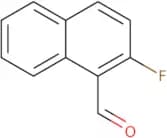
CAS:<p>2-Fluoro-1-naphthalenecarboxaldehyde is a high quality, complex compound that can be used as a versatile building block in the synthesis of many different compounds. As a reagent, it is used for the conversion of alcohols to ketones, esters to acid chlorides and amides to nitriles. It is also an intermediate in the synthesis of other chemicals such as 2-fluoronaphthalene, 2-(2-fluoroethyl)naphthalene, 1H-indole-2-carboxylic acid, and 3-(2-fluoropropyl)benzothiazole.</p>Formula:C11H7FOPurity:Min. 95%Color and Shape:PowderMolecular weight:174.17 g/mol4-[(Methylsulfonyl)methyl]piperidine hydrochloride
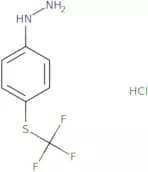
CAS:Please enquire for more information about 4-[(Methylsulfonyl)methyl]piperidine hydrochloride including the price, delivery time and more detailed product information at the technical inquiry form on this pageFormula:C7H15NO2S•HClPurity:Min. 95%Color and Shape:PowderMolecular weight:213.73 g/mol4-(Trifluoromethyl)thiophenylhydrazine hydrochloride
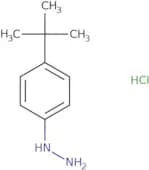
CAS:4-(Trifluoromethyl)thiophenylhydrazine hydrochloride (TFTH) is a chemical compound that belongs to the group of useful scaffolds, versatile building blocks, and reaction components. It has been used as a research chemical in the synthesis of complex compounds with high quality and is an intermediate for speciality chemicals. TFTH can be used as a reagent in organic chemistry for the preparation of amines and amino alcohols. This compound has CAS No. 162258-86-8.br>br> 4-(Trifluoromethyl)thiophenylhydrazine hydrochloride has been shown to be an excellent building block in organic synthesis because it is stable under mild conditions, reacts rapidly with nucleophiles, and is readily available from commercial sources.Formula:C7H7F3N2S·ClHPurity:Min. 95%Color and Shape:Orange PowderMolecular weight:244.67 g/mol(4-(tert-Butyl)phenyl)hydrazine hydrochloride
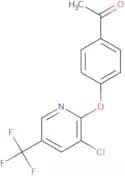
CAS:4-(tert-Butyl)phenylhydrazine hydrochloride (BPHH) is a chemical compound that has been used as a synthetic precursor to indole. It has been shown to be synthesized from cycloheptanone and sulfuric acid, with the addition of hydrazine hydrochloride and sodium acetate. BPHH can also be synthesized from 4-nitrobenzaldehyde and hydrazine sulfate, which is then reacted with ethanolamine.Formula:C10H16N2•HClPurity:Min. 95%Color and Shape:Light brown powder.Molecular weight:200.71 g/mol2-(4-Acetophenoxy)-3-chloro-5-trifluoromethyl pyridine
CAS:Please enquire for more information about 2-(4-Acetophenoxy)-3-chloro-5-trifluoromethyl pyridine including the price, delivery time and more detailed product information at the technical inquiry form on this pageFormula:C14H9ClF3NO2Purity:Min. 95%Color and Shape:PowderMolecular weight:315.67 g/mol4-Methoxy-2-(trifluoromethyl)aniline
CAS:4-Methoxy-2-(trifluoromethyl)aniline is a chemical compound that is used as a research chemical, reagent, and speciality chemical. It is a versatile building block that can be used in reactions to produce complex compounds. 4-Methoxy-2-(trifluoromethyl)aniline has been identified by the Chemical Abstracts Service (CAS) as having high quality and is useful for preparing fine chemicals. This substance also has uses in the field of medicinal chemistry and can be used as a scaffold for pharmaceutical products.Formula:C8H8F3NOPurity:Min. 95%Color and Shape:Clear LiquidMolecular weight:191.15 g/mol2-Amino-4-chlorobenzonitrile
CAS:<p>2-Amino-4-chlorobenzonitrile is a synthetic molecule that can be synthesized in a metal chelator. It has potent inhibitory activities against amines, choline, and other molecules. 2-Amino-4-chlorobenzonitrile also has fluorescence properties. The reaction mechanism of 2-Amino-4-chlorobenzonitrile is not well understood, but it is believed to inhibit the synthesis of proteins by binding to their functional groups. This chemical can also enhance the rate of reactions by removing a hydrogen ion from the reactant.</p>Formula:C7H5ClN2Purity:Min. 95%Color and Shape:PowderMolecular weight:152.58 g/mol4-Chloro-2-methylbenzyl alcohol
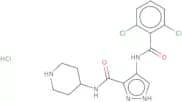
CAS:<p>4-Chloro-2-methylbenzyl alcohol is an organic compound that has a sensor and hydroxyl group. It is used in pest control as an insecticide. 4-Chloro-2-methylbenzyl alcohol has been shown to be effective against ants, cockroaches, and other insects. There are multiple instabilities of this compound, including low oxygen stability when exposed to air, which may lead to the degradation of this chemical. Impurities in 4-chloro-2-methylbenzyl alcohol may also lead to its instability as it reacts with alkali metals at high temperatures. The instability of 4-chloro-2-methylbenzyl alcohol can be reduced by storing it at low temperatures or by adding cryogenic substances such as liquid nitrogen or carbon dioxide gas.</p>Formula:C8H9ClOPurity:Min. 95%Molecular weight:156.61 g/mol4-(2,6-Dichlorobenzamido)-N-(piperidin-4-yl)-1H-pyrazole-3-carboxamide HCl
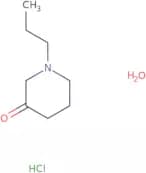
CAS:4-(2,6-Dichlorobenzamido)-N-(piperidin-4-yl)-1H-pyrazole-3-carboxamide HCl (PD1693) is a small molecule that has been shown to selectively inhibit the transcriptional coactivator HIF-1α. PD1693 inhibits the hypoxic response in tumor cells by preventing the upregulation of HIF-1α. This leads to an increase in hypoxia-inducible genes, which are involved in the regulation of cell proliferation, angiogenesis and apoptosis. PD1693 also affects the expression of genes involved in metabolism and energy production. The subpopulation algorithm was used to identify differentially expressed transcripts in glioma cells following exposure to PD1693. The data from this algorithm were validated using qRT-PCR and Western blotting on human glioma cells.Formula:C16H17Cl2N5O2·HClPurity:Min. 95%Color and Shape:PowderMolecular weight:418.7 g/mol1-Propyl-3-piperidone hydrochloride hydrate
CAS:<p>1-Propyl-3-piperidone hydrochloride hydrate is a high quality chemical that can be used as a reagent in organic synthesis. It is an intermediate for the production of pharmaceuticals, agrochemicals, and other chemicals. 1-Propyl-3-piperidone hydrochloride hydrate is also a versatile building block with many uses as a reaction component. This compound has been shown to have antiulcer properties and may also have potential as an analgesic.</p>Formula:C8H15NO·HCl·H2OPurity:Min. 95%Color and Shape:PowderMolecular weight:195.69 g/mol



![7-Chloro-2H-pyrido[3,2-B]-1,4-oxazin-3(4H)-one](/_next/image/?url=https%3A%2Fstatic.cymitquimica.com%2Fproducts%2F3D%2Fthumb-webp%2FFC66462.webp&w=3840&q=75)
![Dibenzo-11-chloro[b,f][1,4]thiazepine](/_next/image/?url=https%3A%2Fstatic.cymitquimica.com%2Fproducts%2F3D%2Fthumb-webp%2FFD147074.webp&w=3840&q=75)
![Sodium 2-[[3-(trifluoromethyl)phenyl]amino]benzoate](/_next/image/?url=https%3A%2Fstatic.cymitquimica.com%2Fproducts%2F3D%2Fthumb-webp%2FFS92420.webp&w=3840&q=75)


![(R)-1-[3,5-Bis(trifluoromethyl)phenyl]ethan-1-ol](/_next/image/?url=https%3A%2Fstatic.cymitquimica.com%2Fproducts%2F3D%2Fthumb-webp%2FFB43523.webp&w=3840&q=75)






![1-{[1-(2-Chloropyridin-3-yl)-1H-pyrrol-2-yl]carbonyl}-4-(4-fluorophenyl)piperazine](/_next/image/?url=https%3A%2Fstatic.cymitquimica.com%2Fproducts%2F3D%2Fthumb-webp%2FFC128678.webp&w=3840&q=75)

![N-[2-(2,3-Dimethoxyphenyl)ethyl]-2-chlorobenzamide](/_next/image/?url=https%3A%2Fstatic.cymitquimica.com%2Fproducts%2F3D%2Fthumb-webp%2FFD66108.webp&w=3840&q=75)
![4-[(Methylsulfonyl)methyl]piperidine hydrochloride](/_next/image/?url=https%3A%2Fstatic.cymitquimica.com%2Fproducts%2F3D%2Fthumb-webp%2FFM120031.webp&w=3840&q=75)