Organic Halides
In this category, you can find organic molecules containing one or more halogen atoms in their structure. These organic halides include brominated, iodinated, chlorinated, and cyclic halide compounds. Organic halides are widely used in organic synthesis, pharmaceuticals, agrochemicals, and materials science due to their reactivity and ability to undergo a variety of chemical transformations. At CymitQuimica, we offer a comprehensive selection of high-quality organic halides to support your research and industrial applications, ensuring reliable and effective performance in your synthetic and analytical projects.
Subcategories of "Organic Halides"
Found 20440 products of "Organic Halides"
Sort by
Purity (%)
0
100
|
0
|
50
|
90
|
95
|
100
rac-Rotigotine hydrochloride
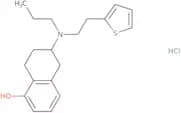
CAS:Controlled ProductRac-Rotigotine hydrochloride is a reagent, which can be used in the synthesis of complex compounds as well as useful intermediates. It is also a fine chemical that is useful to research chemists because it has versatile building block properties. Rac-Rotigotine hydrochloride can be synthesized in the laboratory or purchased from specialty chemical suppliers. It is a versatile building block that can be used in reactions with other chemicals to produce useful scaffolds and building blocks.Formula:C19H26ClNOSPurity:Min. 95%Color and Shape:Light (Or Pale) Yellow To Yellow SolidMolecular weight:351.93 g/mol3,6-Dibromopyridazine
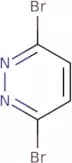
CAS:<p>3,6-Dibromopyridazine is a heterocyclic organic compound that can be used as an acceptor in electron transfer reactions. It can also be used for the synthesis of cinnolines. The uptake of 3,6-dibromopyridazine by plants has been studied using structural analysis and microscopy techniques. This molecule is also useful for kinetic studies due to its high concentration in trifluoroacetic acid. 3,6-Dibromopyridazine is a nitrogenous organic compound that contains two pyridine rings. Electron paramagnetic resonance (EPR) spectroscopy has shown that this molecule has photocatalytic activity.</p>Formula:C4H2Br2N2Purity:Min. 95%Color and Shape:White To Grey SolidMolecular weight:237.88 g/molGhrelin (human) trifluoroacetate
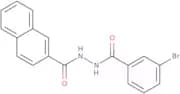
CAS:Ghrelin is a peptide hormone that is produced by cells in the stomach, but is also found in other tissues and organs. It regulates appetite and plays a role in glucose metabolism and energy homeostasis. Ghrelin is synthesized as a preprohormone with a molecular weight of 3,500 daltons. The trifluoroacetate salt has been shown to be useful as a building block for complex compounds with properties such as high purity, excellent solubility, and good stability.Formula:C149H249N47O42•C2HF3O2Purity:Min. 95%Color and Shape:White/Off-White SolidMolecular weight:3,484.89 g/mol1-(3-Bromobenzoyl)-2-(2-naphthoyl)-hydrazine
CAS:<p>1-(3-Bromobenzoyl)-2-(2-naphthoyl)-hydrazine is a building block with a high quality and versatile scaffold. It is used as a reaction component in the synthesis of complex compounds, fine chemicals and speciality chemicals. 1-(3-Bromobenzoyl)-2-(2-naphthoyl)-hydrazine has been shown to be an effective reagent for the preparation of polycyclic aromatic hydrocarbons. This chemical is also a useful intermediate in the production of pharmaceuticals, pesticides, dyes, and perfumes.</p>Formula:C18H13BrN2O2Purity:Min. 95%Color and Shape:PowderMolecular weight:369.21 g/mol5-Amino-4,6-dichloropyrimidine
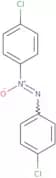
CAS:<p>5-Amino-4,6-dichloropyrimidine is a fluorescent probe that can be used in the detection of nucleophiles. It has been shown to inhibit the growth of cells infected with herpes simplex virus and hl-60 cells. This compound has also been shown to have nicotinic acetylcholine receptor activity and can be used as an analog for purines. The nitrogen atoms in this molecule are responsible for its anti-cancer properties. 5-Amino-4,6-dichloropyrimidine binds to epidermal growth factor (EGF) and blocks its binding site on the cell surface, reducing cancer cell proliferation. Benzyl groups on either end of this molecule act as a protective group against acid hydrolysis, making it stable in acidic environments such as stomach acid. This drug also contains chlorine atoms that make it easy to synthesize and purify by reacting with trifluoroacetic acid.</p>Formula:C4H3Cl2N3Purity:Min. 95%Color and Shape:PowderMolecular weight:163.99 g/mol4,4'-Dichloroazoxybenzene
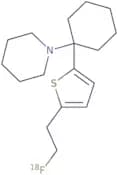
CAS:4,4'-Dichloroazoxybenzene (4,4'-DAB) is a hydroxylase inhibitor that is used in the study of plant metabolism. It is a potent inducer of enzymes and has been shown to be a potent inducer of hydroxylases in plants. 4,4'-DAB inhibits the activity of nitrosoarenes by competing for the same enzyme binding site as chloride ions. The reaction mechanism for this process is not well understood but it appears that anilines are involved. The optimum pH for 4,4'-DAB is 7-8 and it is active against gram negative bacteria such as typhimurium with little effect on gram positive bacteria like Escherichia coli or Staphylococcus aureus. This compound also has efficient methods of conjugation with functional groups or metals such as magnesium salts.Formula:C12H8Cl2N2OPurity:Min. 95%Color and Shape:PowderMolecular weight:267.11 g/mol1-(1-(5-(2'-Fluoroethyl)-2-Thienyl)-Cyclohexyl)Piperidine
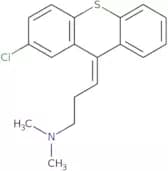
CAS:Controlled Product1-(1-(5-((2'-fluoroethyl)cyclohexyl)-piperidin-1-yl)cyclohexane-1,2,3,4-tetraol is a magnetic nanoparticle that has high specificity and can be used to detect hydroxyapatite. It is synthesized by the reaction of 2-fluoroethanol with 1,3-bis(diphenylphosphino)-propane (dppp) in the presence of potassium carbonate. The reaction solution spontaneously forms a monolayer on a surface such as ceramics or glass. This monolayer shows potential use in detecting hydroxyapatite and other calcium compounds in bone lesions, as well as for desorption and optical properties.Formula:C17H26FNSPurity:Min. 95%Molecular weight:295.46 g/molChlorprothixene
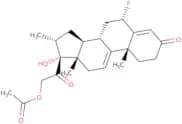
CAS:Controlled ProductChlorprothixene is a derivative of fluorescein and has been used in the treatment of bone cancer. The reaction mechanism of chlorprothixene is not well understood, but it is believed to be due to its ability to bind with 5-HT2 receptors. Chlorprothixene also has anti-inflammatory properties, which may be due to the inhibition of nitrogen atoms in immune cells. This drug has low potency and can cause drug interactions with other drugs that are metabolized by enzymes in the liver such as cytochrome P450 enzymes. It also has a trifluoroacetic acid substituent, which can cause significant pharmacokinetic changes when given intravenously.Formula:C18H18ClNSPurity:Min. 95%Color and Shape:PowderMolecular weight:315.86 g/mol6α-Fluoro-17,21-Dihydroxy-16α-Methylpregna-4,9(11)-Diene-3,20-Dione 21-Acetate
CAS:Controlled Product6alpha-Fluoro-17,21-Dihydroxy-16alpha-Methylpregna-4,9(11)-Diene-3,20-Dione 21-Acetate is a synthetic angiostatic agent that inhibits the angiogenic process by affecting the growth of new blood vessels. It has been shown to inhibit proteolytic activity and to have an inhibitory effect on tumour necrosis factor-α (TNF-α) induced activation of endothelial cells and their proliferation. 6alpha-Fluoro-17,21-Dihydroxy-16alpha-Methylpregna-4,9(11)-Diene 3,20 Dione 21 Acetate also inhibits the growth of fetal bovine aortic endothelial cells in culture. The drug was also found to significantly reduce the monolayer cell viability after uptake by endothelial cells.Formula:C24H31FO5Purity:Min. 95%Molecular weight:418.5 g/mol(4-Bromophenyl)thiourea
CAS:<p>(4-Bromophenyl)thiourea is an oxidant that has been used in the commercialization of photographic films and perovskites. It can be used as a biological stain to detect proteins, and contains both UV-A and UV-B spectra. This chemical is also able to convert ammonium nitrate into nitric acid, which has been shown to be synergistic with thiourea. (4-Bromophenyl)thiourea can exist as two isomers, cis and trans, which have different properties. The cis isomer reacts faster than the trans isomer with ammonia, but the trans form has greater solubility in water. The techniques for separating these two forms are chromatography and crystallization.</p>Formula:C7H7BrN2SPurity:Min. 95%Molecular weight:231.11 g/mol(Des-Gly10,D-Ser4,D-Trp6,Pro-NHEt 9)-LHRH trifluoroacetate salt
<p>Please enquire for more information about (Des-Gly10,D-Ser4,D-Trp6,Pro-NHEt 9)-LHRH trifluoroacetate salt including the price, delivery time and more detailed product information at the technical inquiry form on this page</p>Formula:C64H83N17O12Purity:Min. 95%Color and Shape:PowderMolecular weight:1,282.45 g/mol2-Chloro-9-cyclohexyl-N-[4-(4-morpholinyl)phenyl]-9H-purin-6-amine
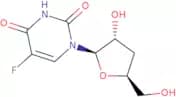
CAS:<p>2-Chloro-9-cyclohexyl-N-[4-(4-morpholinyl)phenyl]-9H-purin-6-amine is a synthetic chemical that has been used as a reaction component, reagent, and high quality research chemical. It has CAS No. 737005-53-7 and can be used as a useful scaffold for the synthesis of complex compounds. Other names for this compound are: 2C9H6N2ClN4P</p>Formula:C21H25ClN6OPurity:Min. 95%Color and Shape:Beige PowderMolecular weight:412.92 g/mol3’-Deoxy-5-fluorouridine
CAS:<p>3’-Deoxy-5-fluorouridine is a synthetic compound that is used as an anticancer drug. It has been shown to induce apoptosis in cancer cells through the modulation of polymerase, synthetase and other enzymes involved in DNA synthesis. 3’-Deoxy-5-fluorouridine also inhibits the activity of viral thymidylate synthase, which prevents the conversion of deoxyuridine triphosphate (dUTP) to thymidylate monophosphate (dTMP), preventing DNA replication and cell division. This chemical can be synthesized by reacting uracil with trifluoroacetic acid followed by saponification.</p>Purity:Min. 95%2,7-Dihydroxy-9-fluorenone
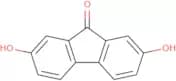
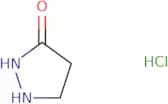
CAS:<p>2,7-Dihydroxy-9-fluorenone (2,7DF) is a quinone derivative that has been shown to exhibit immunomodulatory effects in vitro. This compound was synthesized by methylation of the hydroxy group at position 2 and esterification with 3-mercaptopropionic acid. The synthesis of 2,7DF was achieved in anhydrous conditions using potassium carbonate as a base and hydrochloric acid as a reagent. The molecule's structure has been elucidated using magnetic resonance spectroscopy. This technique showed the presence of a hydrogen bond between the hydroxyl group and the methyl esterified at position 7. This bond is also present in other molecules such as 3-mercaptopropionic acid and benzene. The synthesis of 2,7DF was also achieved through molecular modeling techniques that used quantum chemical calculations for the determination of its molecular geometry.</p>Formula:C13H8O3Purity:95%NmrColor and Shape:PowderMolecular weight:212.2 g/mol4,5-Dihydro-1H-pyrazol-3-ol hydrochloride
CAS:<p>4,5-Dihydro-1H-pyrazol-3-ol hydrochloride (DHPE) is a potent inhibitor of the uptake and transport of serotonin in the rat brain. DHPE inhibits serotonin uptake by blocking the binding of serotonin to its transporter protein and also inhibits serotonin reuptake at the synapse. It is also an inhibitor of lysine hydroxylase, which converts lysine to catecholamine neurotransmitters. This inhibition leads to decreased levels of dopamine, norepinephrine and epinephrine, which can cause depression. DHPE binds to acidic amino acids such as glycine and glutamate, potentiating their actions on postsynaptic neurons. This effect may be due to increased synaptic activity or decreased inhibitory neurotransmitter release.br><br>br><br>The environment can affect the pharmacokinetics of DHPE. DHPE has been shown to have higher concentrations in acidic environments than basic environments because it is more soluble</p>Formula:C3H6N2OPurity:Min. 95%Color and Shape:PowderMolecular weight:86.09 g/mol2-Iodomesitylene
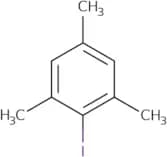
CAS:2-Iodomesitylene is a chloride that reacts with an alkyl halide to form a C-C cross-coupling reaction. It is used as a polymerization initiator in cationic polymerization reactions, which are efficient and reactive. 2-Iodomesitylene is soluble in organic solvents such as trifluoroacetic acid and is therefore suitable for the synthesis of polymers containing aromatic hydrocarbons or divalent hydrocarbons. 2-Iodomesitylene has been shown to react with nucleophiles such as nitrogen or carbon nucleophiles, forming useful products such as vinyl ethers.Formula:C9H11IPurity:Min. 95%Color and Shape:PowderMolecular weight:246.09 g/mol5-Fluoro-2-nitrobenzoic acid
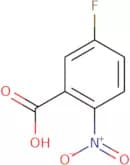
CAS:<p>5-Fluoro-2-nitrobenzoic acid is a phosphotungstic acid and an anti-inflammatory agent. It has been shown to exhibit apoptotic activity in vitro, which may be due to its ability to induce the release of cytochrome c from mitochondria. 5-Fluoro-2-nitrobenzoic acid has also been shown to inhibit the production of inflammatory cytokines such as tumor necrosis factor alpha (TNFα), interleukin 1β (IL1β) and IL6 in vitro. Its pharmacokinetic properties have been studied in rats and mice, with an oral bioavailability of 100%. The drug has also been shown to cross the blood brain barrier, with a high degree of uptake into the brain tissue.</p>Formula:C7H4FNO4Purity:Min. 95%Color and Shape:PowderMolecular weight:185.11 g/mol2-(Dimethylamino-Fluorophosphoryl)Oxy-N,N-Dimethylethanamine
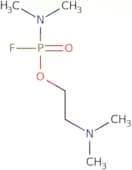
CAS:Controlled Product2-(Dimethylamino-Fluorophosphoryl)Oxy-N,N-Dimethylethanamine (DMAPED) is a histone deacetylase inhibitor that has been shown to be active against infectious diseases in women. It has been shown to reduce the expression of HDACs and increase the expression of H3 acetylation. DMAPED has also been shown to have anti-inflammatory effects on skin cells through its ability to regulate the production of growth factors, such as epidermal growth factor. This drug is an effective treatment for skin disorders caused by an overactive immune system, such as psoriasis and atopic dermatitis. DMAPED blocks transcription by inhibiting the polymerase chain reaction, which results in decreased production of inflammatory cytokines. DMAPED is also used as a model system for studying meiosis in oocytes and its physiological function during this process.Formula:C6H16FN2O2PPurity:Min. 95%Molecular weight:198.18 g/mol2-Cyano-3-fluoro-4-bromo aniline
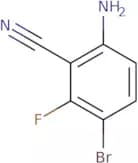
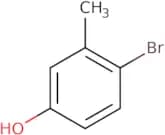
CAS:<p>2-Cyano-3-fluoro-4-bromo aniline is a plant growth regulator that can be used to prevent and control the spread of viral diseases in plants. 2-Cyano-3-fluoro-4-bromo aniline inhibits the replication of influenza virus strains by binding to the viral coat protein. It also has been shown to inhibit proteolytic enzymes when applied as a coating on particles. The main mechanism of this compound is through its ability to bind to regulatory proteins, which prevents them from binding with other regulatory proteins and activating transcription factors. The expression profile suggests that this compound may regulate the expression of genes involved in plant development, cell division, and response to stress.</p>Formula:C7H4BrFN2Purity:Min. 95%Color and Shape:PowderMolecular weight:215.02 g/mol4-Bromo-3-methylphenol
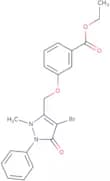
CAS:4-Bromo-3-methylphenol is a hydrochloride salt of 4-bromo-3-methylphenol that has acidic properties. It can be used as a reagent to prepare samples for phosphotungstic acid and ligand desorption techniques. It can also be used in the reduction of sulfoxides by means of hydrogen gas in an efficient method, which is suitable for on-line analysis. 4-Bromo-3-methylphenol is soluble in water and easily prepared from chlorobenzene. This compound has been extensively studied for its use in liquid phase electroosmotic techniques, which are based on the principle that the movement of ions is influenced by an electric field applied to a liquid medium.Formula:C7H7BrOPurity:Min. 95%Color and Shape:PowderMolecular weight:187.03 g/molEthyl 3-((4-bromo-2-methyl-5-oxo-1-phenyl-3-pyrazolin-3-yl)methoxy)benzoate
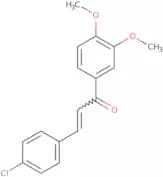
CAS:<p>Please enquire for more information about Ethyl 3-((4-bromo-2-methyl-5-oxo-1-phenyl-3-pyrazolin-3-yl)methoxy)benzoate including the price, delivery time and more detailed product information at the technical inquiry form on this page</p>Purity:Min. 95%4-Chloro-3',4'-dimethoxychalcone
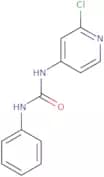
CAS:<p>Please enquire for more information about 4-Chloro-3',4'-dimethoxychalcone including the price, delivery time and more detailed product information at the technical inquiry form on this page</p>Purity:Min. 95%Forchlorfenuron
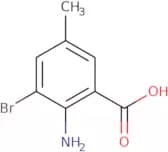
CAS:Forchlorfenuron is a chlorinated insecticide that is used for the control of insects in fruit trees. Forchlorfenuron has significant cytotoxicity and causes chromatographic analysis of physiological effects, such as enzyme activities and fruit growth. It also causes a matrix effect on mitochondrial membrane potential and inhibits energy metabolism. The analytical method to measure forchlorfenuron is by using colloidal gold, which enhances the detection sensitivity of the compound in plants. The structural analysis of forchlorfenuron was done using anhydrous sodium alkanoic acid and showed that it contains two chlorine atoms at carbons 1 and 3 on its para-benzoquinone ring system.Formula:C12H10ClN3OPurity:Min. 95%Color and Shape:White PowderMolecular weight:247.68 g/mol2-Amino-3-bromo-5-methylbenzoic acid
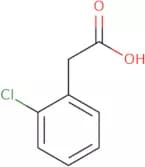
CAS:2-Amino-3-bromo-5-methylbenzoic acid is a fatty acid that belongs to the group of undescribed organic acids. It is found in soil as well as in organisms such as bacteria and fungi. The 2-Amino-3-bromo-5-methylbenzoic acid molecule has been shown to be an antibiotic, inhibiting the growth of bacterial strains belonging to the phyla Actinobacteria and Proteobacteria. It may also be present in plants, where it is channeled out through the roots. This fatty acid also has nucleobase properties, which are essential for DNA replication.br>br> span style="font-size: 12px;">2 Amino 3 bromo 5 methyl benzoic acid (2ABMB) was first isolated from soil samples collected from a site near Beijing, China. It is one of many undescribed organic acids that are foundFormula:C8H8BrNO2Purity:Min. 95%Color and Shape:PowderMolecular weight:230.06 g/mol2-Chlorophenylacetic acid
CAS:<p>2-Chlorophenylacetic acid is a chemical compound that belongs to the group of phenylacetic acids. It is an intermediate in the synthesis of benzofuranone and other organic compounds. 2-Chlorophenylacetic acid reacts with hydroxyl groups on the surface of water molecules to form 2-chlorophenol, which can be used as a wastewater treatment agent. The chloride ion also has a strong affinity for fatty acids, so it has been used as a catalyst in the production of chlorinated fatty acids. This chemical also binds to 5-HT2A receptors in human liver cells, where it increases cellular levels of cyclic AMP (cAMP) and inhibits protein kinase A activity. The binding of 2-chlorophenylacetic acid to 5-HT2A receptors leads to increased gene expression in response to serotonin stimulation, which may be due to its ability to inhibit protein kinase A.</p>Formula:C8H7ClO2Purity:Min. 95%Color and Shape:White PowderMolecular weight:170.59 g/mol4'-Hydrazino-2-stilbazole dihydrochloride
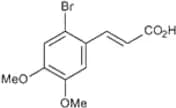
CAS:4'-Hydrazino-2-stilbazole dihydrochloride is a fine chemical that can be used as a versatile building block in the synthesis of complex compounds. It has been reported to react with sodium methoxide to produce 2,4-dinitrophenylhydrazine. This compound is a useful intermediate for the synthesis of other research chemicals and can also be used as a reaction component in speciality chemicals. The compound has been shown to have high quality and can be used as a reagent.Formula:C13H13N3·2HClPurity:Min. 95%Color and Shape:Yellow PowderMolecular weight:284.18 g/mol2-Bromo-4,5-dimethoxycinnamic acid
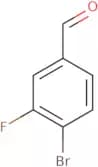
CAS:2-Bromo-4,5-dimethoxycinnamic acid is a dicarboxylic acid that belongs to the group of polysaccharides. It is a furan derivative with two methoxy groups on the cinnamic acid moiety. This compound can be found in plants and animals as well as in pyrolysis products from wood and other natural materials. 2-Bromo-4,5-dimethoxycinnamic acid has been analyzed by spectroscopy and pyrolysis to determine its chemical composition. The chemical composition was determined to contain caffeine and amines, as well as esters of fatty acids and alcohols.Formula:C11H11BrO4Purity:Min. 95%Color and Shape:PowderMolecular weight:287.11 g/mol4-Bromo-3-fluorobenzaldehyde
CAS:4-Bromo-3-fluorobenzaldehyde is a drug substance that can be used in cancer therapy. It is a cross-linking agent that can form covalent bonds with DNA and proteins, which inhibits the ability of cells to replicate. 4-Bromo-3-fluorobenzaldehyde has been shown to have cytotoxic activity against human cancer cells in culture. This compound is synthesized by an unsymmetrical nitroaldol reaction, followed by Suzuki coupling with 3-(4′-methoxyphenyl) propanone. The structural formula for this product is C9H5BrFO2.Formula:C7H4BrFOPurity:Min. 95%Molecular weight:203.01 g/mol3-Bromo-4-hydroxybenzyl alcohol
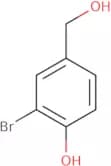
CAS:3-Bromo-4-hydroxybenzyl alcohol (3BHA) is a synthetic compound that is used as an antagonist in the treatment of platelet aggregation. It inhibits the activity of benzoxazine, an enzyme involved in the synthesis of 4-hydroxybenzoic acid. 3BHA blocks this pathway at high concentrations, inhibiting biosynthesis and leading to the accumulation of bromophenols. This inhibition may explain why aspirin has a potent inhibitory effect on platelet aggregation when combined with 3BHA.Formula:C7H7BrO2Purity:Min. 95%Color and Shape:PowderMolecular weight:203.03 g/mol6-Bromo-4-chloroquinoline
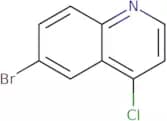
CAS:<p>6-Bromo-4-chloroquinoline is a chemical compound with the molecular formula C8H6BrClN. It belongs to the class of heterocyclic compounds and has been used in the synthesis of other compounds, such as pharmaceuticals. 6-Bromo-4-chloroquinoline has been shown to be an effective anticancer drug, with measurable levels in the blood after oral administration. This drug interacts with hydrogen bonding interactions with thp-1 cells, which are erythrocytes derived from human peripheral blood lymphocytes. 6-Bromo-4-chloroquinoline also interacts with sodium sulfide, which is found in human liver and kidney cells. The pharmacokinetic properties of 6-bromo-4-chloroquine have been studied in rats and mice.</p>Formula:C9H5BrClNPurity:Min. 95%Color and Shape:PowderMolecular weight:242.5 g/mol3,4,5-Tribromotoluene
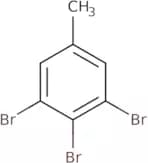
CAS:3,4,5-Tribromotoluene is a halogenated toluene with three bromine atoms. It can be used for the synthesis of indole derivatives using a variety of reactions, including intermolecular cycloaddition and trikentrins. 3,4,5-Tribromotoluene has been shown to undergo efficient and regioselective cross-coupling reactions with indoles to produce butenylindoles. These reactions are often used in the synthesis of natural products such as benzylisoquinoline alkaloids that are useful in medicine.Formula:C7H5Br3Purity:Min. 95%Color and Shape:PowderMolecular weight:328.83 g/mol(8S,9S,11R,13S,14S,17S)-11-(2-Fluoroethyl)-13-Methyl-6,7,8,9,11,12,14,15,16,17-Decahydrocyclopenta[a]Phenanthrene-3,17-Diol
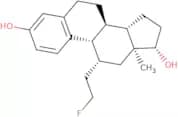
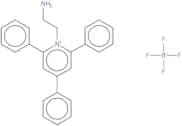
CAS:Controlled Product(8S,9S,11R,13S,14S,17S)-11-(2-Fluoroethyl)-13-Methyl-6,7,8,9,11,12,14,15,16,17-Decahydrocyclopenta[a]Phenanthrene-3,17-Diol is a light emitting diode (LED) that emits light in the near infrared spectrum. This LED is composed of a single layer of CdTe nanowires and has an emission wavelength of 760 nm. It also has a high quantum efficiency and low energy requirements for fabrication. The lifetime of this device is also long and its optical properties are stable over time. This device can be used to replace traditional incandescent bulbs or to emit light in specific wavelengths for biomedical applications.Formula:C20H27FO2Purity:Min. 95%Molecular weight:318.43 g/molN-Ethylamine-2,4,6-triphenyl pyridinium tetrafluoroborate
CAS:N-Ethylamine-2,4,6-triphenyl pyridinium tetrafluoroborate is a chemical reagent that belongs to the group of fine chemicals. It is soluble in water and ethanol, and has a melting point of around 100°C. N-Ethylamine-2,4,6-triphenyl pyridinium tetrafluoroborate is used in organic synthesis as a useful building block or as a research chemical for the production of other compounds. This compound is a versatile building block that can be used in the preparation of complex compounds such as pharmaceuticals. N-Ethylamine-2,4,6-triphenyl pyridinium tetrafluoroborate has been classified as an extremely hazardous substance by the US Department of Transportation due to its high reactivity with water.Formula:C25H23N2•BF4Purity:Min. 95%Molecular weight:438.27 g/mol2-Chloro-5-nitrobenzaldehyde
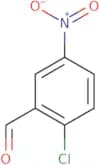
CAS:2-Chloro-5-nitrobenzaldehyde (2CNB) is an antibacterial agent that has been shown to be effective against a number of bacterial species. It is a nucleophilic compound and reacts with the sulfhydryl group in cysteine. 2CNB also reacts with the thiol group of proteins, which are involved in many cellular processes. 2CNB has industrial uses, such as for the production of cyclohexanone and cyclopentanone. The structures of 2CNB and its homologues have been studied by 13CNMR spectroscopy, which provides information about the type of bonds present in the molecule and their lengths.Formula:C7H4ClNO3Purity:Min. 95%Color and Shape:PowderMolecular weight:185.56 g/mol3,3',5-Triiodo thyropropionic acid
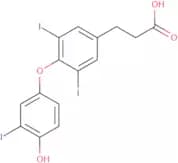
CAS:<p>Triiodothyropropionic acid is a metabolite of thyroxine, an important hormone that regulates the basal metabolic rate. It has been shown to be involved in the repair mechanism of cardiac and liver cells. Triiodothyropropionic acid is also a major metabolite of thyroxine and it is produced by the action of hydroxylases on thyroxine with water vapor as the substrate. This compound has been shown to increase cardiac function and improve heart tissue repair at physiological levels. The uptake, distribution, and excretion of triiodothyropropionic acid are similar to those for thyroxine. The metabolism of triiodothyropropionic acid occurs mainly in the liver, where it is converted into fatty acids such as 3-hydroxybutyric acid. Triiodothyropropionic acid has been shown to have effects on protein genes and rat liver microsomes.</p>Formula:C15H11I3O4Purity:Min. 95%Color and Shape:PowderMolecular weight:635.96 g/molBis(triphenylphosphine)nickel(II) dichloride
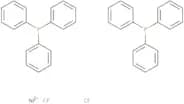
CAS:Bis(triphenylphosphine)nickel(II) dichloride is a coordination compound that belongs to the group P2. It has an octahedral geometry with two adjacent nickel atoms and two chloride ligands. The metal-metal bond length is 2.14 Å, which is shorter than the average bond length of 2.54 Å for octahedral complexes. Bis(triphenylphosphine)nickel(II) dichloride reacts with quinoline derivatives to form amines and undergoes transfer reactions with amines, chlorides, and olefins. It also undergoes irreversible oxidation when in contact with water. The compound is stereoselective for substitution by halides at the para position on the phenyl ring.Formula:C36H30Cl2NiP2Purity:Min. 95%Color and Shape:PowderMolecular weight:654.17 g/mol5-Iodosalicylamide
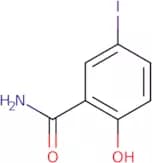
CAS:<p>5-Iodosalicylamide is a chemical building block. 5-Iodosalicylamide can be reacted with appropriately functionalised aromatic compounds to afford the corresponding anilides, which have been shown to exhibit anti-fungal and bactericidal properties.</p>Formula:C7H6INO2Purity:Min. 95%Color and Shape:PowderMolecular weight:263.03 g/molZ-Sulindac sulphide
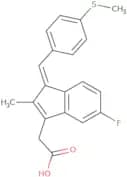
CAS:(Z)-5-Fluoro-2-methyl-1-[p-(methylthio)benzylidene]indene-3-acetic acid is a potent inhibitor of protein synthesis. It has been shown to inhibit the activity of sulindac sulfide, a cyclase inhibitor and nonsteroidal anti-inflammatory agent, in human polymorphonuclear leukocytes and cancer cells. (Z)-5-Fluoro-2-methyl-1-[p-(methylthio)benzylidene]indene-3-acetic acid also inhibits the mitochondrial membrane potential and reduces the growth of cancer cells by inhibiting proteins that are involved in cell proliferation.Formula:C20H17FO2SPurity:Min. 95%Color and Shape:PowderMolecular weight:340.41 g/mol4-Bromobenzophenone
CAS:4-Bromobenzophenone is a molecule that reacts with hydrochloric acid to form 4-bromo-2-chlorophenol, which is a reaction product. The protein target of 4-bromobenzophenone is catalysed by the addition of a nucleophilic reagent. The thermal expansion of the metastable form of 4-bromobenzophenone has been measured using a kinetic technique, and this type of reaction mechanism has been confirmed using chromatographic methods. The use of phosphorus pentachloride in the synthesis of 4-bromobenzophenone was observed in urine samples.Formula:C13H9BrOPurity:Min. 95%Color and Shape:PowderMolecular weight:261.11 g/molPyridoxal hydrochloride
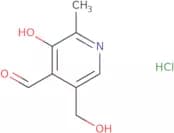
CAS:<p>Pyridoxal hydrochloride is a vitamin B6 metabolite. It is involved in many biochemical reactions, including trans-sulfuration, amino acid synthesis, and neurotransmitter synthesis. Pyridoxal hydrochloride has been shown to have antimicrobial activity against some bacteria species by inhibiting their enzyme activities. This compound also inhibits the growth of various fungi. The redox potentials of pyridoxal hydrochloride can be determined by titration calorimetry, which can be used to study its structural properties. In vitro experiments with cells have shown that pyridoxal hydrochloride may increase the efficiency of protein production when used during cell transfection. Toxicity studies have shown that pyridoxal hydrochloride is not toxic to humans at doses up to 2000 mg/kg body weight per day for up to 14 days.</p>Formula:C8H9NO3·HClPurity:Min. 98 Area-%Color and Shape:White PowderMolecular weight:203.62 g/mol(aza((2-fluorophenyl)amino)methylene)methane-1,1-dicarbonitrile
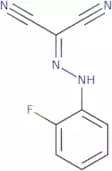
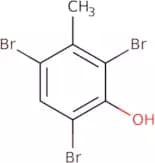
CAS:<p>Please enquire for more information about (aza((2-fluorophenyl)amino)methylene)methane-1,1-dicarbonitrile including the price, delivery time and more detailed product information at the technical inquiry form on this page</p>Formula:C9H5FN4Purity:Min. 95%Color and Shape:PowderMolecular weight:188.16 g/mol2,4,6-Tribromo-3-cresol
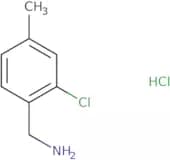
CAS:<p>2,4,6-Tribromo-3-cresol is a functional group that is used as an anti-fungal agent. This compound has been shown to be active against many fungi and bacteria, including Candida albicans and Escherichia coli. The particle size of 2,4,6-tribromo-3-cresol is 0.1 microns in diameter and it has a boiling point of 240 degrees Celsius. This product is also used in the production of sealants for dental restorations and as an additive to pharmaceuticals. 2,4,6-Tribromo-3-cresol can also be used as a delta opioid receptor agonist for the treatment of cancer or autoimmune diseases such as lupus erythematosus.</p>Formula:C7H5Br3OPurity:Min. 95%Color and Shape:PowderMolecular weight:344.83 g/mol2-Chloro-4-methylbenzylamine hydrochloride
CAS:2-Chloro-4-methylbenzylamine hydrochloride is a fine chemical that is used in the research, development and manufacturing of pharmaceuticals, agrochemicals, polymers and other organic compounds. 2-Chloro-4-methylbenzylamine hydrochloride can be used as an intermediate for the synthesis of a variety of drugs with different structures. It is also useful as a reagent in organic synthesis. The product has been classified by the EU as an SDS (Substances of Very High Concern) due to its potential for use in the production of nerve agents like sarin gas.Formula:C8H10ClN•HClPurity:Min. 95%Molecular weight:192.09 g/mol3-Chloro-2-nitrobenzaldehyde
CAS:<p>3-Chloro-2-nitrobenzaldehyde is an analog of 2-nitrobenzaldehyde. It can be synthesized by reacting a halogen with benzaldehyde, such as chlorine or bromine. 3-Chloro-2-nitrobenzaldehyde is unreactive and can be used in the production of other compounds, such as pharmaceuticals. 3-Chloro-2-nitrobenzaldehyde has been shown to react with sodium methoxide to produce a methoxide. The methoxide is then reacted with an alcohol to produce an ester.</p>Formula:C7H4ClNO3Purity:Min. 95%Molecular weight:185.56 g/molAmodiaquine
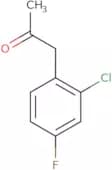
CAS:<p>Amodiaquine is a drug that belongs to the class of antimalarial agents. It is used for the treatment and prevention of malaria caused by erythrocytic forms of Plasmodium falciparum. Amodiaquine has shown synergistic effects with other drugs, such as sulfadoxine and pyrimethamine, for the treatment of malaria due to P. falciparum. The mechanism of action of amodiaquine is not well understood, but it may involve inhibition of the Toll-like receptor. Amodiaquine has been shown to inhibit polymerase chain reaction in a concentration-dependent manner and also inhibits polymorphonuclear leucocytes, which are important in innate immunity. In addition, amodiaquine is a hypoglycemic agent and can be used for the treatment of bowel disease.</p>Formula:C20H22ClN3OPurity:Min. 95%Color and Shape:Off-White PowderMolecular weight:355.86 g/mol(2-Chloro-4-fluorophenyl)acetone
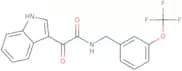
CAS:<p>2-Chloro-4-fluorophenyl)acetone (CAS No. 845781-18-2) is a fine chemical that is useful as a scaffold for the synthesis of various compounds, including pharmaceuticals, pesticides and dyes. The compound is used as an intermediate in the synthesis of other chemicals such as pharmaceuticals, research chemicals and speciality chemicals. The compound has versatile uses, making it a useful building block in organic chemistry. It can be used to make a wide range of compounds that have different properties and functions. 2-Chloro-4-fluorophenyl)acetone also has high quality and purity.</p>Formula:C9H8ClFOPurity:Min. 95%Color and Shape:PowderMolecular weight:186.61 g/mol2-Indol-3-yl-2-oxo-N-((3-(trifluoromethoxy)phenyl)methyl)ethanamide
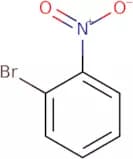
CAS:Please enquire for more information about 2-Indol-3-yl-2-oxo-N-((3-(trifluoromethoxy)phenyl)methyl)ethanamide including the price, delivery time and more detailed product information at the technical inquiry form on this pageFormula:C18H13F3N2O3Purity:Min. 95%Color and Shape:PowderMolecular weight:362.3 g/mol1-Bromo-2-nitrobenzene
CAS:1-Bromo-2-nitrobenzene is a chemical compound that can be used as a palladium catalyst for the synthesis of organic compounds. It is a group P2 ligand, which means it will bind to metals such as palladium and platinum. 1-Bromo-2-nitrobenzene undergoes nucleophilic addition reactions with diazonium salts to form the corresponding diazonium bromide. The diazonium bromide can then undergo transfer reactions with other molecules, such as alcohols and amines, to form new products. 1-Bromo-2-nitrobenzene also undergoes staudinger reduction to form a ketone or an aldehyde. This reaction requires the presence of hydrochloric acid, halides, or other electron-donating compounds in order to work properly. Chemical reactions involving 1-bromo-2-nitrobenzene may includeFormula:C6H4BrNO2Purity:Min. 95%Color and Shape:PowderMolecular weight:202.01 g/mol1-Bromo-4-chloro-2-fluorobenzene
CAS:<p>1-Bromo-4-chloro-2-fluorobenzene is an antifungal agent that has been shown to be active against staphylococci, gram-negative bacteria, and fungi. The combination of 1-bromo-4-chloro-2-fluorobenzene with formaldehyde yields a synergistic effect. The inhibitory concentration for the growth of cereus and carbonation is 0.5% and 0.1%, respectively. It also shows antibacterial properties towards Gram positive bacteria, including Staphylococcus aureus and Enterococcus faecalis. 1–Bromo-4–chloro–2–fluorobenzene inhibits bacterial growth by binding to DNA gyrase, which prevents transcription and replication. The high frequency of human activity has been shown using a patch clamp technique on human erythrocytes. This active form is metabolized through a number of metabolic transformations,</p>Formula:C6H3BrClFPurity:Min. 95%Color and Shape:Clear LiquidMolecular weight:209.44 g/mol2,2,2-Trifluoroacetamide
CAS:<p>2,2,2-Trifluoroacetamide is a chemical compound that is stable under normal conditions and can be stored for long periods of time. The compound has been shown to react with trifluoroacetic acid and in the presence of an electrochemical probe to give a redox reaction. This reaction mechanism has been studied by using pharmacokinetic properties of 2,2,2-trifluoroacetamide and its metabolites. The compound is not active against infectious diseases but may be used as a reagent in analytical methods. 2,2,2-Trifluoroacetamide has also been investigated for its ability to bind hydrogen atoms and form intramolecular hydrogen bonds with tryptophan residues in proteins.</p>Formula:C2H2F3NOPurity:Min. 95%Color and Shape:PowderMolecular weight:113.04 g/molEthyl [2-methyl-3-(chlorosulfonyl)phenoxy]acetate
CAS:Ethyl [2-methyl-3-(chlorosulfonyl)phenoxy]acetate is a fine chemical that has been used as a building block in the synthesis of other complex chemicals. It is also an intermediate for the production of pesticides and pharmaceuticals. The compound can be used to form more than one hundred different organic compounds, which makes it a versatile building block. It can be reacted with other chemicals to create new compounds, such as drugs or herbicides.Formula:C11H13ClO5SPurity:Min. 95 Area-%Color and Shape:PowderMolecular weight:292.74 g/molTetradecyl pyridinium chloride
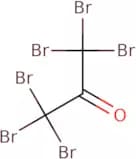
CAS:<p>Tetradecyl pyridinium chloride is a cationic surfactant that is used in toothpaste, mouthwash and other oral hygiene products. Tetradecyl pyridinium chloride is an antimicrobial agent which can be found in cosmetics, household cleaning products, and various other personal care items. It is effective against bacterial strains such as Streptococcus mutans and Staphylococcus aureus by disrupting the cell membrane. Tetradecyl pyridinium chloride has also been shown to be active against fungi such as Candida albicans, but not against viruses or parasites.</p>Formula:C19H34ClNPurity:Min. 98 Area-%Color and Shape:White PowderMolecular weight:311.93 g/mol1,1,1,3,3,3-Hexabromoacetone
CAS:<p>Hexabromoacetone is a synthetic chemical that belongs to the class of organometallics. It is an efficient method for preparing amines and primary alcohols from halogenated acetones, as well as a polymerization inhibitor. Hexabromoacetone is also used in analytical methods for detecting amines and primary alcohols. The compound has antiviral properties, with its action being primarily due to UV irradiation. This chemical can be prepared using hydrogen chloride and hydroxyl groups, or by using uv irradiation on 2-bromoethanol.</p>Formula:C3Br6OPurity:Min. 97 Area-%Color and Shape:PowderMolecular weight:531.46 g/mol1,1,2,3-Tetrachloro-1-fluoropropane
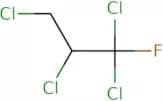
CAS:Controlled Product<p>1,1,2,3-Tetrachloro-1-fluoropropane is a solvent that can be used to solvate organic compounds. It is volatile and has a boiling point of -78°C. This compound is used in the chlorination of methane and ethane, which produces 1,1,2-trichloroethane and 1,2-dichloroethane respectively. Hydrogen fluoride is also produced as an unwanted byproduct. The chlorine produced by this process is then catalyzed to form fluorine gas. This gas can be vaporized or depletes depending on the reaction conditions and the temperature of the reactor. Fluorine gas reacts with atmospheric water vapor to produce hydrofluoric acid (HF). When HF comes into contact with moist surfaces it will corrode them and produce hydrogen ions that react with metal oxides to produce metal salts and water. The emission of HF from chlorofluorocarbons</p>Formula:C3H3Cl4FPurity:Min. 95%Molecular weight:199.87 g/mol4-Chloro-3-nitrophenylacetamide
CAS:<p>4-Chloro-3-nitrophenylacetamide is a chemical compound that can be used as a reagent, useful scaffold for research, and a high quality research chemical. CAS No. 5540-60-3, this versatile building block is useful for the synthesis of complex compounds and fine chemicals.</p>Formula:C8H7ClN2O3Purity:Min. 98 Area-%Color and Shape:PowderMolecular weight:214.61 g/molFluorescein
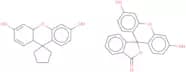
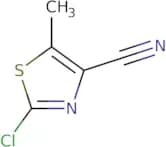
CAS:Fluorescein is a fluorescent molecule often used in in vitro assays, immunohistochemistry, microscopy, and clinical analytics. Fluorescein is not a natural product and was first synthesized in 1871 by Adolf von Baeyer, a later Nobel-prize winner for his work on organic dyes. Fluorescein has an absorption maximum of 494 nm and an emission maximum of 512 nm; these values can however slightly change depending on the solution medium. Fluorescein is used clinically in ophthalmology to assess the blood flow in the eye blood vessels and to detect eye injuries such as foreign bodies and possible abrasions. Interestingly, fluorescein has been found to possess peroxidase activity under certain conditions.Formula:C20H12O5Color and Shape:PowderMolecular weight:332.31 g/mol2-Chloro-5-methylthiazole-4-carbonitrile
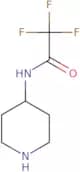
CAS:Please enquire for more information about 2-Chloro-5-methylthiazole-4-carbonitrile including the price, delivery time and more detailed product information at the technical inquiry form on this pageFormula:C5H3ClN2SPurity:Min. 95%Molecular weight:158.61 g/mol2,2,2-Trifluoro-N-(4-piperidinyl)acetamide
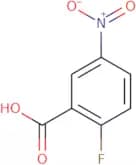
CAS:2,2,2-Trifluoro-N-(4-piperidinyl)acetamide (TFAPA) is a nucleic acid analog that binds to the target nucleic acid. TFAPA is a morpholino compound with an amide linkage between the morpholine ring and the acetic acid group. TFAPA is a sequence-specific DNA analog that inhibits protein synthesis by binding to the target nucleic acid. TFAPA can also be used as a probe for the detection of abnormal sequences in RNA.Formula:C7H11F3N2OPurity:Min. 95%Color and Shape:White PowderMolecular weight:196.17 g/mol2-Fluoro-5-nitrobenzoic acid
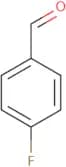
CAS:2-Fluoro-5-nitrobenzoic acid is a molecule that can be used in biological studies to measure the proton concentration of a solution. This compound has been shown to bind to caffeine and β-amino acids, which may be due to its ability to form intermolecular hydrogen bonds. 2-Fluoro-5-nitrobenzoic acid has also been shown to enhance reactive oxygen species generation by nitrobenzoic molecules, making it a potential drug for the treatment of cancer.Formula:C7H4FNO4Purity:Min. 95%Color and Shape:PowderMolecular weight:185.11 g/mol4-Fluorobenzaldehyde
CAS:<p>4-Fluorobenzaldehyde is an organic compound that is used in the synthesis of other chemicals. 4-Fluorobenzaldehyde has been shown to have hemolytic activity and to be a copper complex that reacts with hydrochloric acid. The reaction mechanism of 4-fluorobenzaldehyde with copper chloride is thought to involve the formation of a copper complex, which then undergoes nucleophilic attack by the trifluoroacetic acid, forming a positronium ion. This positronium ion then reacts with hydroxide ions from water, forming hydrogen peroxide and a pyrimidine compound.</p>Formula:C7H5FOPurity:Min. 98 Area-%Color and Shape:Colourless To Yellow LiquidMolecular weight:124.11 g/mol2-Chloro-2',6'-dimethylacetanilide
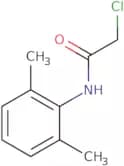
CAS:2-Chloro-2',6'-dimethylacetanilide is a synthetic drug that is used as an intermediate for the manufacture of diazepam. It has been shown to be effective in reducing the severity of symptoms and mortality rate of patients with severe influenza, also known as "pandemic flu". This compound has been shown to be effective in protecting animals from the effects of carbon monoxide poisoning. It has also been used in medicines such as covid-19, which is used for the treatment of Parkinson's disease. 2-Chloro-2',6'-dimethylacetanilide can be found in a number of other pharmaceuticals, such as antidepressants and antibiotics.Formula:C10H12ClNOPurity:Min. 95%Color and Shape:White PowderMolecular weight:197.66 g/molBoc-4-iodo-L-phenylalanine
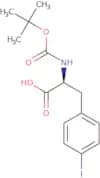
CAS:Boc-4-iodo-L-phenylalanine is a chemical compound belonging to the category of amino acid derivatives. It is widely used in research for various applications, including peptide synthesis and drug discovery. The L-phenylalanine derivative, has a Boc protecting group (tert-butoxycarbonyl) on the amino group and an iodine atom at the 4-position of the phenyl ring. The Boc group protects the amino group from unwanted reactions during peptide synthesis, while the iodine atom serves as a useful group for further modifications.Formula:C14H18IHO4Purity:Min. 95%Color and Shape:PowderMolecular weight:378.2 g/molN-[2-(1,3-Dimethylbutyl)phenyl]-5-fluoro-1,3-dimethyl-1H-pyrazole-4-carboxamide
CAS:Controlled Product<p>N-[2-(1,3-Dimethylbutyl)phenyl]-5-fluoro-1,3-dimethyl-1H-pyrazole-4-carboxamide is an herbicide that belongs to the group of fatty acid amides. It is a selective postemergence herbicide that inhibits the germination and growth of plants by inhibiting the synthesis of fatty acids. Unlike other chemical pesticides, it has no effect on animals or humans and it is not toxic to plants. The selectivity of N-[2-(1,3-Dimethylbutyl)phenyl]-5-fluoro-1,3-dimethyl-1H-pyrazole-4-carboxamide makes it a good candidate for use in combination preparations with other chemicals.</p>Purity:Min. 95%Methyl 3-iodo-4-methoxybenzoate
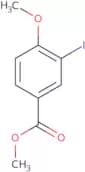
CAS:<p>Methyl 3-iodo-4-methoxybenzoate is a radioactive compound that has been shown to have pharmacological properties. It is used in the treatment of cancer and has demonstrated cytotoxic effects on tumor cells. Methyl 3-iodo-4-methoxybenzoate binds to the cell membrane and causes changes in membrane permeability, leading to cell death. This compound also demonstrates affinity for 4-ibp, a receptor found on cancer cells.</p>Formula:C9H9IO3Purity:Min. 95%Molecular weight:292.07 g/molEfavirenz
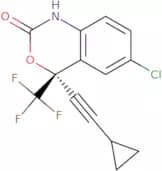
CAS:Efavirenz is a non-nucleoside-based reverse transcriptase inhibitor (NNRTI) of the reverse transcriptase of HIV-1. It inhibits the viral enzyme reverse transcriptase by binding to its active site. In certain cell culture assays, efavirenz showed great efficiency when inhibiting wild-type HIV-1 replication with values of inhibition constant Ki between 2.97 to 17.60 mM in single mutation enzymes and 26.05 to 56.50 nM in double mutation. In the treatment of HIV, efavirenz has been studied in combination with emtricitabine and tenofovir disoproxil fumarate for ease of administration in some clinical studies. Recent in vitro cell studies indicated efavirenz is a potential treatment for pancreatic, prostate and triple-negative breast cancers due to its cytotoxicity against cancer cells, with an EC50 of 31.5 μM.Formula:C14H9ClF3NO2Purity:Min. 95%Color and Shape:PowderMolecular weight:315.68 g/molBromocresol purple
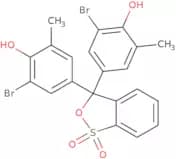
CAS:<p>Bromocresol purple is a hydrophilic dye that has applications in indicating pH and measuring serum albumin concentrations.</p>Formula:C21H16Br2O5SPurity:Min. 95%Color and Shape:PowderMolecular weight:540.22 g/mol3-Fluoro-2-methylbenzaldehyde - 80%
CAS:3-Fluoro-2-methylbenzaldehyde is a colorless liquid that has a strong odor. It is used as an intermediate in organic synthesis, especially for the production of fluorine compounds. 3-Fluoro-2-methylbenzaldehyde is also used to study the bioconversion of aldehydes and reductases in fungi. This chemical can be detected by its spectra and its ability to react with fluorine. 3-Fluoro-2-methylbenzaldehyde can also be synthesized by reacting naphthalene with anisole and hydrogen fluoride gas.Formula:C8H7FOPurity:Min. 95%Color and Shape:Clear LiquidMolecular weight:138.14 g/molL-Serine β-lactone tetrafluoroborate
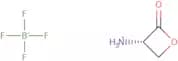
CAS:L-Serine beta-lactone tetrafluoroborate salt is a fine chemical that is used as a reagent, complex compound and building block in the synthesis of other compounds. It is also an important intermediate for the production of pharmaceuticals and agrochemicals. L-Serine beta-lactone tetrafluoroborate salt has been shown to be a versatile building block in organic synthesis. This product may react with acids to produce hydrogen fluoride gas, which can cause injury or death through inhalation or contact with skin, eyes or clothing.Formula:C3H5NO2•BF4•HPurity:Min. 95%Color and Shape:White/Off-White SolidMolecular weight:174.89 g/mol5-Chloro-2-hydroxypyridine
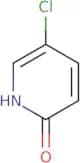
CAS:<p>5-Chloro-2-hydroxypyridine is an organic molecule that contains a water molecule. It has been shown to inhibit the enzyme diaphorase, which is involved in the production of acid in the body. 5-Chloro-2-hydroxypyridine also interacts with dipole molecules and forms a carbonyl group with them, which is a chemical bond. This compound has been shown to be effective against mouse mammary carcinoma cells, human colon carcinoma cells, and human carcinoma cells. FTIR spectroscopy has revealed that 5-chloro-2-hydroxypyridine absorbs light at around 1615 cm−1 and 1742 cm−1.</p>Formula:C5H4ClNOPurity:Min. 95%Color and Shape:PowderMolecular weight:129.55 g/mol9,10-Bis(bromomethyl)anthracene
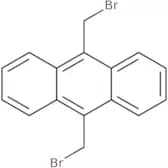
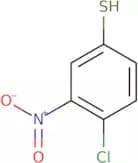
CAS:<p>9,10-Bis(bromomethyl)anthracene is a chemical compound that can be used as a chemical probe for electron spin resonance (ESR) spectroscopy. The ESR spectrum of 9,10-bis(bromomethyl)anthracene in trifluoroacetic acid shows a single peak at g = 2.0286 and the emission spectrum exhibits peaks at 612 nm and 581 nm. 9,10-Bis(bromomethyl)anthracene has been used to detect potassium ions by observing the fluorescence properties of the chromophore. This compound also has fluorine groups which make it very soluble in nonpolar solvents such as hexane or pentane. It can be synthesized with an efficient method that involves reacting an imine with dichloroacetic acid followed by reaction with bromine and potassium hydroxide in chloroform.</p>Formula:C16H12Br2Purity:Min. 95%Color and Shape:PowderMolecular weight:364.07 g/mol4-Chloro-3-nitrobenzenethiol
CAS:<p>4-Chloro-3-nitrobenzenethiol (4CNBT) is a micropet that is used as a radiotracer to measure the uptake of serotonin in the brain. This compound has been shown to bind to the serotonin transporter, which is responsible for reuptake of serotonin from the synapse. The radiolabeled 4CNBT can be used for positron emission tomography (PET) scanning and postinjection autoradiography. 4CNBT has also been used as a ligand in pharmacological studies on serotonin transporters.</p>Formula:C6H4ClNO2SPurity:Min. 95%Color and Shape:White PowderMolecular weight:189.62 g/molCycloguanil hydrochloride
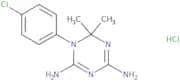
CAS:Cycloguanil hydrochloride is an anti-malarial drug that inhibits the activity of dihydrofolate reductase, which is a target enzyme for many drugs. The drug is structurally similar to proguanil, but the latter has more potent activity against the parasite and better oral bioavailability. Cycloguanil hydrochloride binds to the enzyme's active site and blocks its action, thereby inhibiting essential enzymes in the synthesis of DNA. This leads to a decrease in production of malarial parasites and inhibition of their growth. Cycloguanil hydrochloride can also be used for chemoprophylaxis in falciparum malaria when combined with other drugs such as sulfadoxine or pyrimethamine.Formula:C11H14ClN5•HClPurity:Min. 98 Area-%Color and Shape:PowderMolecular weight:288.18 g/mol4-Iodo-2-methylaniline
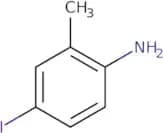
CAS:The 4-Iodo-2-methylaniline is a synthetic molecule that belongs to the group of amines. It has been shown to bind to human protein and can be used for the synthesis of boronic acids and quinoline derivatives. 4-Iodo-2-methylaniline can be synthesized by reacting hydrochloric acid with sodium periodate, followed by addition of an aryl boronic acid. The reaction time is dependent on the nature of the reactant. The pharmacophore consists of a proton and an aryl boronic acid, which is responsible for binding with human protein.Formula:C7H8INPurity:Min. 95%Color and Shape:PowderMolecular weight:233.05 g/mol[2-(4-Chlorophenoxy)ethyl]amine hydrochloride
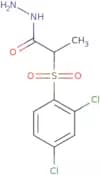
CAS:<p>2-(4-Chlorophenoxy)ethyl]amine hydrochloride is a chemical that can be used as a building block for the synthesis of pharmaceuticals. It is an intermediate in the production of fine chemicals and other reagents. 2-[2-(4-Chlorophenoxy)ethoxy]ethylamine hydrochloride has CAS number 28769-06-4 and can be used for research purposes.</p>Formula:C8H10ClNOPurity:Min. 95 Area-%Color and Shape:Clear LiquidMolecular weight:171.62 g/mol2-(2,4-Dichlorobenzenesulphonyl)propionic acid hydrazide
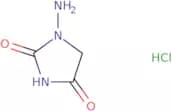
CAS:Please enquire for more information about 2-(2,4-Dichlorobenzenesulphonyl)propionic acid hydrazide including the price, delivery time and more detailed product information at the technical inquiry form on this pagePurity:Min. 95%1-Aminohydantoin hydrochloride
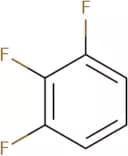
CAS:<p>1-Aminohydantoin hydrochloride is an intermediate in the synthesis of the aminohydantoins, a class of drugs used to treat epilepsy. It is also used as a reagent for preparing monoclonal antibodies. 1-Aminohydantoin hydrochloride is prepared by reacting hydrochloric acid with hydrazine and sodium citrate, followed by purification using distillation and recrystallization. 1-Aminohydantoin hydrochloride can be used to determine the presence of chloride ions in animal tissues by measuring its chemical shift on a mass spectrometer. This drug has been shown to inhibit oxidative DNA damage in rat kidneys, which may be due to its ability to suppress reactive oxygen species production.</p>Formula:C3H6ClN3O2Color and Shape:PowderMolecular weight:151.55 g/mol1,2,3-Trifluorobenzene
CAS:1,2,3-Trifluorobenzene is a chemical compound that belongs to the group of fluorine compounds. It is a colorless liquid with a boiling point of −78°C. The molecule has three carbon atoms and one fluorine atom, which are linked together by single bonds. 1,2,3-Trifluorobenzene can be used in organic synthesis reactions such as the Suzuki coupling reaction and amyloid protein aggregation. It also emits light with fluorescence properties and has been shown to be stable in the presence of hydrogen fluoride or hydrochloric acid. 1,2,3-Trifluorobenzene has low energy and is a liquid crystal material that can be found at room temperature in its crystalline state. 1,2,3-Trifluorobenzene's nmr spectra show signals at 3.5 ppm (s), 4.7 ppm (s), 5.6 ppm (sFormula:C6H3F3Purity:Min. 98 Area-%Color and Shape:Clear LiquidMolecular weight:132.08 g/mol(Asn(4-aminobutyl)1·7·23,Gln(4-aminobutyl)3·11·22)-Amyloid b-Protein (1-40) trifluoroacetate salt
Please enquire for more information about (Asn(4-aminobutyl)1·7·23,Gln(4-aminobutyl)3·11·22)-Amyloid b-Protein (1-40) trifluoroacetate salt including the price, delivery time and more detailed product information at the technical inquiry form on this pageFormula:C218H355N65O52SPurity:Min. 95%Molecular weight:4,750.62 g/molPHMB HCl - 20% aqueous solution
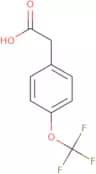
CAS:Controlled ProductPolyhexamethylene biguanidine, also known as PHMB or polyhexamide, is a highly water soluble and hydrolytically stable polymeric material. The presence of multiple hydrogen bonding and chelation sites within PHMB renders it of potential interest in the field of supramolecular chemistry. PHMB shows activity against both Gram-positive and Gram-negative bacteria and is widely used across several sectors, typically as the hydrochloride salt, in a variety of disinfectant solutions and antiseptics. PHMB is also available as a solid in neat.The polymerization degree is 12~16, and the M.W is about 3200Formula:(C8H17N5)n•(HCl)xPurity:19.0 To 21.0%Color and Shape:Colorless Clear Liquid4-(Trifluoromethoxy)phenylacetic acid
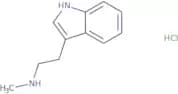
CAS:4-(Trifluoromethoxy)phenylacetic acid is a useful scaffold, versatile building block, and useful intermediate in organic synthesis. It is a speciality chemical that is used as a reaction component in the preparation of complex compounds. 4-(Trifluoromethoxy)phenylacetic acid is also a reagent for the synthesis of high-quality pharmaceuticals, such as antibiotics and antiviral agents. This compound has CAS No. 4315-07-5 and can be found at Chemicals Online.Formula:C9H7F3O3Purity:Min. 95%Color and Shape:PowderMolecular weight:220.15 g/molN-Methyltryptamine hydrochloride
CAS:Controlled ProductN-Methyltryptamine hydrochloride is a chemical that has been shown to be an antagonist of the serotonin receptor 5-HT7 in vivo. This drug is also a potent inhibitor of acetylcholinesterase, which may be due to its ability to inhibit the methylation of serotonergic receptors. It has been shown to have clinical efficacy in treating depression, although it is not currently approved by the FDA for this use. N-Methyltryptamine hydrochloride has been shown to have an antidepressant effect in wild-type mice and in mouse models of depression. It inhibits the growth of cancer cells by inducing apoptosis and inhibiting cell proliferation.Formula:C11H15ClN2Purity:Min. 95%Color and Shape:PowderMolecular weight:210.7 g/mol5-Methoxy-2-(trifluoromethyl)benzaldehyde
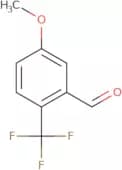
CAS:5-Methoxy-2-(trifluoromethyl)benzaldehyde (5MFBA) is a potential anticancer compound that has been shown to inhibit the growth of pancreatic cancer cells. 5MFBA is formed by the reaction of methoxybenzene and trifluoromethyl bromide in the presence of copper chloride, which acts as a dehydrogenase. This compound also has prognostic and clinicopathological implications in patients with pancreatic cancer, as well as staining properties in tissues. 5MFBA modulates biological function via reactive oxygen species (ROS) production, which induces cell apoptosis. Research on this compound has been done on cancer tissues from various organs, including breast and prostate cancers.Formula:C9H7F3O2Purity:Min. 95%Color and Shape:PowderMolecular weight:204.15 g/mol1-Adamantylacetyl chloride
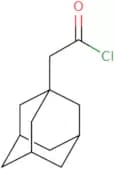
CAS:1-Adamantylacetyl chloride is a hydroxylamine that can be used in medicinal chemistry as a synthon for enamines. It is also a potential target for pharmaceutical research due to its ability to form cyclic chlorides. 1-Adamantylacetyl chloride can be synthesized from malonate and anhydrous hydrochloric acid, with the addition of an appropriate chloride such as trifluoromethyl or bromomethyl. The resulting product can be used to produce ketones by reacting with acetone or methyl ethyl ketone.Formula:C12H17ClOPurity:Min. 95%Color and Shape:PowderMolecular weight:212.72 g/molPentafluorophenyl isocyanate
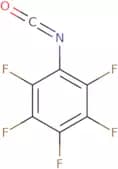
CAS:<p>Pentafluorophenyl isocyanate (PFIC) is a reactive compound that has been used as a reagent in organic synthesis. It is a low-energy molecule and can bind to functional groups, including those found in cancer cells. PFIC can be used in the Friedel-Crafts reaction with an appropriate partner. This reaction produces high values of chromatographic and polymeric films that are stable at high temperatures.</p>Formula:C7F5NOPurity:Min. 97%Color and Shape:Colorless Clear LiquidMolecular weight:209.07 g/mol4-Bromo-3,5-dinitroaniline
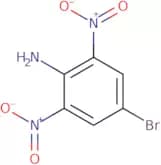
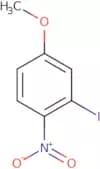
CAS:<p>4-Bromo-3,5-dinitroaniline is a versatile chemical intermediate that has been used in the synthesis of various drugs. This compound is a fine chemical that is not available at any commercial level and can be obtained from research chemicals suppliers. It has been found to be useful as a building block in the synthesis of chemicals such as pharmaceuticals and agrochemicals. The CAS number for this compound is 62554-90-9.</p>Formula:C6H4BrN3O4Purity:Min. 95%Molecular weight:262.02 g/mol4-Nitro-3-iodoanisole
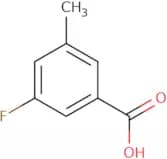
CAS:<p>4-Nitro-3-iodoanisole is a bauerine that is used as a ligand in asymmetric catalysis. It is an atropisomeric compound, meaning it can exist in two different forms. The two forms of 4-nitro-3-iodoanisole are identical except for the orientation of the axial ligands on opposite sides of the molecule. The axial ligands on one form are biphenyl and nitrous oxide, while the axial ligands on the other form are nitrous oxide and biphenyl. 4-Nitro-3-iodoanisole has been used to catalyze reactions such as alkylation and coupling reactions with a variety of substrates, including β-carbolines, phenols, and amines.</p>Formula:C7H6INO3Purity:Min. 95%Color and Shape:PowderMolecular weight:279.03 g/mol3-Fluoro-5-methylbenzoic acid
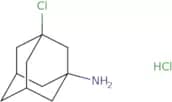
CAS:<p>3-Fluoro-5-methylbenzoic acid is a sulfilimine that has been shown to have insecticidal, functional, and biological activities. 3-Fluoro-5-methylbenzoic acid binds to the enzyme diamide reductase in insects, which prevents the production of toxic amines in insects. 3-Fluoro-5-methylbenzoic acid also inhibits the synthesis of anthranilic acid and organosulfur compounds in plants. This sulfilimine is structurally similar to other insecticides such as DDT and carbofuran. It is soluble in water but insoluble in organic solvents.</p>Formula:C8H7FO2Purity:Min. 95%Color and Shape:PowderMolecular weight:154.14 g/mol3-Chloro-1-aminoadamantane hydrochloride
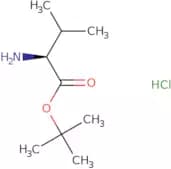
CAS:3-Chloro-1-aminoadamantane hydrochloride is a versatile building block that can be used to synthesize a variety of complex compounds. It has been shown to be an effective reagent for the synthesis of new chemical compounds and has also been used in the synthesis of pharmaceuticals, agrochemicals, and other useful organic compounds. 3-Chloro-1-aminoadamantane hydrochloride can be used as a high quality intermediate for the synthesis of other chemicals or as a reaction component for organic reactions. This compound is also an important scaffold for the construction of biologically active molecules.Formula:C10H16ClN•HClPurity:Min. 95%Color and Shape:PowderMolecular weight:222.15 g/molL-Valine tert-butyl ester hydrochloride
CAS:<p>L-Valine tert-butyl ester hydrochloride is a chiral diastereomeric, stereocontrolled acid ester. This product is a kinetically controlled reaction of L-valine and toluene that produces a racemic mixture of the cis and trans isomers in the ratio of 1:1. The cis isomer has been shown to be more effective than the trans isomer as a peptidomimetic. This product also exhibits stereogenic properties when reacted with acid anhydrides.</p>Formula:C9H19NO2·HClPurity:Min. 95%Color and Shape:PowderMolecular weight:209.71 g/molHomo fluorindine
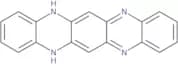
CAS:Fluorindine is a fluorophor that has been shown to modulate the interaction of biomolecules with the environment. It is synthesized by reacting potassium dichromate with 4-amino-1,6-dihydroxynaphthalene. Fluorindine has been observed to be fluorescent in the visible range, and also emits light in the ultraviolet range at wavelengths shorter than 320 nm. Fluorindine is soluble in water and acetone, but insoluble in ether or chloroform. The fluorescence quantum yield for this molecule is reported to be about 0.4%.Formula:C18H12N4Purity:Min. 95%Color and Shape:PowderMolecular weight:284.31 g/mol2-((2,4-Dichlorophenyl)amino)-1,3-thiazole-4-carboxylic acid
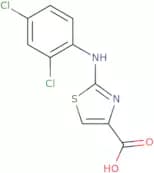
CAS:Please enquire for more information about 2-((2,4-Dichlorophenyl)amino)-1,3-thiazole-4-carboxylic acid including the price, delivery time and more detailed product information at the technical inquiry form on this pagePurity:Min. 95%Pyrene 1-sulfonyl chloride
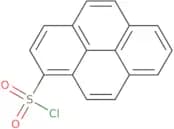
CAS:<p>Pyrene 1-sulfonyl chloride is a fluorinated derivative of pyrene. It has been used for the detection of glycopeptides in human immunoglobulin and tissue culture samples. Pyrene 1-sulfonyl chloride binds to hydroxyl groups on proteins, which results in the formation of a fluorescent molecule. The reaction mechanism is similar to that of ethylene diamine, with the exception that pyrene 1-sulfonyl chloride reacts with proteins via a glycosidic bond rather than an amide bond. The radiation sensitivity of this compound is greater than that of ethylene diamine.</p>Formula:C16H9ClO2SPurity:Min. 85 Area-%Color and Shape:PowderMolecular weight:300.76 g/molMethyl bromoacetate
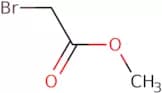
CAS:Controlled Product<p>Methyl bromoacetate is a chemical compound that is used in the acylation reaction to produce amides and esters. This chemical has been shown to be an activator of nitrogen atoms and can be used as an immunosuppressant. Methyl bromoacetate also has a number of other uses, such as the synthesis of alkanoic acids, which can then be converted into other compounds with different properties. The reaction mechanism for methyl bromoacetate is not yet known, but it may involve both asymmetric synthesis and hydroxyl group formation. Methyl bromoacetate also has a number of metabolic disorders associated with it, including myocardial infarct and hydrochloric acid-induced amine release. It also has antimicrobial resistance, making it useful for treating bacterial infections.</p>Formula:C3H5BrO2Purity:Min. 96.5 Area-%Color and Shape:Clear Colourless To Yellow LiquidMolecular weight:152.97 g/mol2-Amino-N-[2-(2-chlorobenzoyl)-4-nitrophenyl]acetamide
CAS:2-Amino-N-[2-(2-chlorobenzoyl)-4-nitrophenyl]acetamide is a fine chemical that is used as a building block in organic synthesis. It is a versatile intermediate for the synthesis of other compounds and can be used to make a variety of useful scaffolds. 2-Amino-N-[2-(2-chlorobenzoyl)-4-nitrophenyl]acetamide has been used in research and development of pharmaceuticals, agrochemicals, herbicides, and other compounds.Formula:C15H12ClN3O4Purity:Min. 95%Color and Shape:Slightly Yellow PowderMolecular weight:333.73 g/mol4-Chloro-1,3-dioxolan-2-one
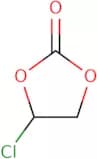
CAS:<p>4-Chloro-1,3-dioxolan-2-one is a reactive functional group that can be classified as a carbonyl compound. It has been shown to react with hydroxyl groups and methyl ethyl groups. 4-Chloro-1,3-dioxolan-2-one is also a strong nucleophile and can also be used in transfer reactions. <br>The reaction solution of 4-chloro-1,3-dioxolan 2 one contains constant pressure and electrochemical impedance spectroscopy (EIS). The carbonate anion reacts with hydrogen fluoride to release CO2 gas, which was observed by particle tracking velocimetry (PTV) and PTV analysis. The nitrogen atoms in the molecule are low energy and react with HCl at room temperature to produce NH4Cl. <br>4 Chloro 1,3 dioxolan 2 one is not soluble in water but it is soluble in hydrochloric</p>Formula:C3H3ClO3Purity:Min. 95%Color and Shape:Colorless Clear LiquidMolecular weight:122.51 g/molSex Pheromone Inhibitor iPD1 trifluoroacetate salt
CAS:<p>Sex pheromone inhibitor IPD1 is an antibody that inhibits the production of sex pheromones by Streptococcus faecalis. It is used to diagnose and treat allergic diseases, such as atopic dermatitis or bronchial asthma. This antibody binds to a protein called polypide, which is involved in the synthesis of sex pheromones, and inhibits its activity. It has been shown to inhibit the production of sex pheromones by Streptococcus faecalis when analyzed using an SDS-polyacrylamide gel electrophoresis method. Sex pheromone inhibitor IPD1 also binds to antibodies against streptococcus, acari, and other bacteria.</p>Formula:C39H72N8O11Purity:Min. 95%Color and Shape:PowderMolecular weight:829.04 g/mol4-Fluoro-3-phenoxybenzaldehyde
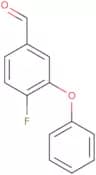
CAS:4-Fluoro-3-phenoxybenzaldehyde is a chiral organic compound that has been synthesized in the laboratory. This compound has a linear response to peroxide and can be used as an environmental pollutant indicator. It is produced by the reaction of phenol with peroxide in deionized water, which is catalyzed by acid. The reaction time is dependent on the diluent used, and ultrasonic irradiation can be used to speed up the reaction. 4-Fluoro-3-phenoxybenzaldehyde's structure consists of two isomers, each containing either a fluorine atom or hydrogen atom on one of the phenyl rings. 4-Fluoro-3-phenoxybenzaldehyde can be purified using distillation or recrystallization techniques.Formula:C13H9FO2Purity:Min. 95%Color and Shape:LiquidMolecular weight:216.21 g/molZinc difluoromethanesulfinate
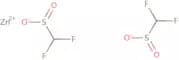
CAS:<p>Zinc difluoromethanesulfinate is used as a precursor in the production of pharmaceuticals and other organic chemicals. It is an inorganic compound that has a structural formula of Zn(CH)SOF. When heated, this compound decomposes to produce zinc oxide, SO2, and HF. The vibrational properties of zinc difluoromethanesulfinate have been measured using infrared techniques. This compound has shown biological activity in hyperproliferative diseases such as cancer and mental disorders such as psychosis and chronic kidney disease. Zinc difluoromethanesulfinate also has a number of biological effects on the cardiovascular system, including stimulating ganglia cells and inhibiting the release of potassium ions from heart muscle cells.</p>Formula:C2H2F4O4S2ZnPurity:Min. 95%Color and Shape:White PowderMolecular weight:295.54 g/mol2,4-Bis(trifluoromethyl)benzoic acid
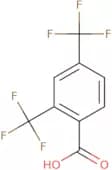
CAS:<p>2,4-Bis(trifluoromethyl)benzoic acid (2,4-BTFBA) is a styrene derivative that can be used as a matrix in the preparation of polystyrene for MALDI mass spectrometry analysis. 2,4-BTFBA is a monomer that has been shown to lead to high yields and transfer in the production of polystyrene and poly(methyl methacrylate). It has also been found to be an effective inhibitor of 2,5-dihydroxybenzoic acid (DHBA) and other DHBA derivatives. The inhibition mechanism of 2,4-BTFBA on DHBA activity is not yet clear. The nature of this compound as well as its use in matrix-assisted laser desorption/ionization are still under investigation.</p>Formula:C9H4F6O2Purity:Min. 95%Color and Shape:PowderMolecular weight:258.12 g/molTiotropium bromide
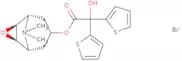
CAS:<p>Muscarinic antagonist; bronchodilator</p>Formula:C19H22BrNO4S2Purity:Min. 95%Color and Shape:PowderMolecular weight:472.42 g/mol




![2-Chloro-9-cyclohexyl-N-[4-(4-morpholinyl)phenyl]-9H-purin-6-amine](/_next/image/?url=https%3A%2Fstatic.cymitquimica.com%2Fproducts%2F3D%2Fthumb-webp%2FFC20176.webp&w=3840&q=75)






![Ethyl [2-methyl-3-(chlorosulfonyl)phenoxy]acetate](/_next/image/?url=https%3A%2Fstatic.cymitquimica.com%2Fproducts%2F3D%2Fthumb-webp%2FFE22936.webp&w=3840&q=75)


![N-[2-(1,3-Dimethylbutyl)phenyl]-5-fluoro-1,3-dimethyl-1H-pyrazole-4-carboxamide](/_next/image/?url=https%3A%2Fstatic.cymitquimica.com%2Fproducts%2F3D%2Fthumb-webp%2FFD156991.webp&w=3840&q=75)

![[2-(4-Chlorophenoxy)ethyl]amine hydrochloride](/_next/image/?url=https%3A%2Fstatic.cymitquimica.com%2Fproducts%2F3D%2Fthumb-webp%2FFC133243.webp&w=3840&q=75)


![2-Amino-N-[2-(2-chlorobenzoyl)-4-nitrophenyl]acetamide](/_next/image/?url=https%3A%2Fstatic.cymitquimica.com%2Fproducts%2F3D%2Fthumb-webp%2FFA17795.webp&w=3840&q=75)