Organic Halides
In this category, you can find organic molecules containing one or more halogen atoms in their structure. These organic halides include brominated, iodinated, chlorinated, and cyclic halide compounds. Organic halides are widely used in organic synthesis, pharmaceuticals, agrochemicals, and materials science due to their reactivity and ability to undergo a variety of chemical transformations. At CymitQuimica, we offer a comprehensive selection of high-quality organic halides to support your research and industrial applications, ensuring reliable and effective performance in your synthetic and analytical projects.
Subcategories of "Organic Halides"
Found 20440 products of "Organic Halides"
Sort by
Purity (%)
0
100
|
0
|
50
|
90
|
95
|
100
7-Phenylacetamide-3-chloromethyl-3-cephem-4-carboxylic acid diphenylmethyl ester
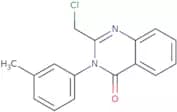
CAS:<p>7-Phenylacetamide-3-chloromethyl-3-cephem-4-carboxylic acid diphenylmethyl ester is an organic solution that is used in the detoxification of chemical substances. It has a hydroxyl group and is soluble in nonpolar solvents. 7PAMC has been shown to be effective against bone lesions caused by acylation reactions. This drug also binds to the enzyme called cytochrome P450, which is involved in the metabolism of many drugs. It also inhibits bacterial growth by binding to DNA gyrase and topoisomerase IV, enzymes that maintain bacterial DNA integrity. The particle size of this drug is small, with a diameter of less than 10 microns. 7PAMC has a viscosity of 1 cps at 25°C and a melting point of 129°C.</p>Formula:C29H25ClN2O4SPurity:Min. 95%Molecular weight:533.04 g/mol2-(Chloromethyl)-3-(3-methylphenyl)quinazolin-4(3H)-one
CAS:Controlled ProductPlease enquire for more information about 2-(Chloromethyl)-3-(3-methylphenyl)quinazolin-4(3H)-one including the price, delivery time and more detailed product information at the technical inquiry form on this pageFormula:C16H13ClN2OPurity:Min. 95%Molecular weight:284.74 g/mol4-Hydroxy-N-(2-Piperidinylmethyl)-2,5-Bis(2,2,2-Trifluoroethoxy)Benzamide
CAS:<p>Please enquire for more information about 4-Hydroxy-N-(2-Piperidinylmethyl)-2,5-Bis(2,2,2-Trifluoroethoxy)Benzamide including the price, delivery time and more detailed product information at the technical inquiry form on this page</p>Formula:C17H20F6N2O4Purity:Min. 95%Molecular weight:430.34 g/molN-EthylhydroxylamineHydrochloride
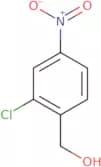
CAS:<p>N-Ethylhydroxylamine hydrochloride is a chemical compound that belongs to the group of biocides. It is used as an antimicrobial agent in medical devices, such as catheters and dialysis membranes. N-Ethylhydroxylamine hydrochloride is also used in cancer research to activate the CCR5 receptor, which is involved in HIV infection. N-Ethylhydroxylamine hydrochloride has been shown to have biological properties in humans and animals and has a high degree of chemical stability. The compound can be synthesized from sodium carbonate and ethyl alcohol. The synthesis involves the addition of ethylene oxide to ethanolamine followed by hydrogenation with a catalyst. N-Ethylhydroxylamine hydrochloride is soluble in water, methanol, and acetone. This chemical compound binds to proteins in the human body, resulting in an increase of acidity in urine samples when tested using a plate test. It also has</p>Formula:C2H8ClNOPurity:Min. 95%Molecular weight:97.54 g/mol(2-Chloro-4-nitrophenyl)methanol
CAS:<p>Please enquire for more information about (2-Chloro-4-nitrophenyl)methanol including the price, delivery time and more detailed product information at the technical inquiry form on this page</p>Formula:C7H6ClNO3Purity:Min. 95%Color and Shape:PowderMolecular weight:187.58 g/mol3-(6-Chloro-1-methyl-1H-benzimidazol-2-yl)propanoic acid
CAS:Controlled ProductPlease enquire for more information about 3-(6-Chloro-1-methyl-1H-benzimidazol-2-yl)propanoic acid including the price, delivery time and more detailed product information at the technical inquiry form on this pageFormula:C11H11ClN2O2Purity:Min. 95%Molecular weight:238.67 g/mol1-Bromoicosane
CAS:<p>1-Bromoicosane is a viscous, hydrophobic organic solvent with a high boiling point. It has been used as an additive in the production of polyurethanes and as a cross-linking agent in rubber and plastics. The viscosity of 1-bromoicosane can be increased by adding it to other solvents, such as xylene. 1-Bromoicosane is also used as an additive in paints and varnishes, where it increases the glossiness of the final product. This compound is also used to prevent corrosion on metal surfaces when mixed with zinc chloride or phosphonium salt. 1-Bromoicosane has been shown to have antioxidative activities against lipid peroxidation, hydrogen peroxide oxidation, and nitric oxide induced hemoglobin oxidation.</p>Formula:C20H41BrPurity:Min. 95%Color and Shape:White PowderMolecular weight:361.44 g/mol[1-Methyl-2-(7-methyl-1H-indol-3-yl)ethyl]amine hydrochloride
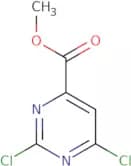
CAS:Controlled Product<p>Please enquire for more information about [1-Methyl-2-(7-methyl-1H-indol-3-yl)ethyl]amine hydrochloride including the price, delivery time and more detailed product information at the technical inquiry form on this page</p>Formula:C12H16N2Purity:Min. 95%Molecular weight:188.27 g/molMethyl 2,4-dichloropyrimidine-6-carboxylate
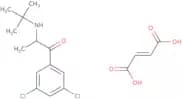
CAS:<p>Please enquire for more information about Methyl 2,4-dichloropyrimidine-6-carboxylate including the price, delivery time and more detailed product information at the technical inquiry form on this page</p>Formula:C6H4Cl2N2O2Purity:Min. 95%Color and Shape:Off-White To Yellow SolidMolecular weight:207.01 g/mol5-Chloro bupropion fumarate
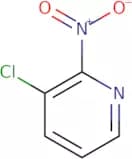
CAS:Controlled Product<p>Please enquire for more information about 5-Chloro bupropion fumarate including the price, delivery time and more detailed product information at the technical inquiry form on this page</p>Formula:C17H21Cl2NO5Purity:Min. 95%Molecular weight:390.26 g/mol3-Chloro-2-nitropyridine
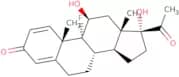
CAS:<p>3-Chloro-2-nitropyridine is a chemical compound that has been shown to have anticancer activity. It is a structural analog of the nucleophilic piperazine, which can react with hydrogen fluoride in an electrophilic substitution reaction to form 3-chloro-2-nitropyridine oxide. The anticancer activity of this compound may be due to its ability to inhibit the growth of tumor cells by binding to the d4 receptor, inhibiting the production of inflammatory cytokines and growth factors. 3-Chloro-2-nitropyridine has also been shown to have antiinflammatory activities, which may be due to its inhibition of nitric oxide synthesis and 5'-lipoxygenase.</p>Formula:C5H3N2O2ClPurity:Min. 95%Color and Shape:PowderMolecular weight:158.54 g/molDesmethyl fluorometholone
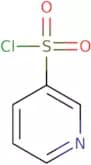
CAS:Controlled Product<p>Please enquire for more information about Desmethyl fluorometholone including the price, delivery time and more detailed product information at the technical inquiry form on this page</p>Formula:C21H27FO4Purity:Min. 95%Color and Shape:SolidMolecular weight:362.44 g/molPyridine-3-sulfonyl chloride
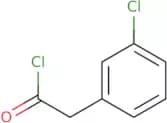
CAS:<p>Pyridine-3-sulfonyl chloride is a chemical compound that binds to the active site of cytochrome P450 enzymes. It can be used to study the effects of matrix effect on reaction solution. Pyridine-3-sulfonyl chloride has been shown to have an UV absorption spectrum with a maximum at 280 nm and a p450 activity that is proportional to the concentration of human serum. This compound has been shown to inhibit kinase domain in vitro assays, which may have clinical relevance in the treatment of obesity.</p>Formula:C5H4ClNO2SPurity:Min. 95%Color and Shape:PowderMolecular weight:177.61 g/mol(3-Chlorophenyl)acetyl chloride
CAS:<p>3-Chlorophenylacetic acid is a formamide that can be used in the synthesis of amines and phosphoinositides. It is also an intermediate in the preparation of dimethylformamide. 3-Chlorophenylacetic acid has been shown to cause cell dysfunction at high doses, but not at lower concentrations. The biological properties of this compound are similar to those of other formamidines and amines. 3-Chlorophenylacetic acid has been shown to catalyze the conversion of benzoic acid into benzoate, which is used as a preservative in foods, drugs, and cosmetics. This compound also inhibits the formation of heterocyclic amines during cooking by reacting with amino compounds, such as creatinine or ammonia.</p>Formula:C8H6Cl2OPurity:Min. 95%Color and Shape:Clear LiquidMolecular weight:189.04 g/molAcridine orange hydrochloride hydrate
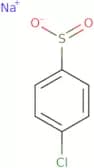
CAS:Acridine orange hydrochloride hydrate is a fine chemical that can be used as a reagent or building block in research and other chemical reactions. It is used as a speciality chemical with CAS number 1704465-79-1. Acridine orange hydrochloride hydrate has versatile applications and is used as a reaction component or intermediate. Acridine orange hydrochloride hydrate is also useful as a scaffold to make complex compounds.Formula:C17H19N3·HCl·xH2OPurity:Min. 98 Area-%Color and Shape:Orange PowderMolecular weight:301.814-Chloro-benzene-sulfinic acid sodium salt
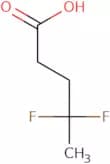
CAS:The 4-chloro-benzenesulfinic acid sodium salt is a type of sulfinic acid. It can be used to control experiments involving methides, halides, and human macrophages. Sodium salts of this compound have been shown to inhibit the growth of Candida glabrata and Galleria mellonella in vitro. The 4-chloro-benzenesulfinic acid sodium salt reacts with chloride ion to form a nucleophilic trifluoroacetate anion, which reacts with thiosulfonates to produce type strain. Trifluoroacetic acid is used as a solvent in the reaction.Formula:C6H4ClNaO2SPurity:Min. 95%Molecular weight:198.6 g/mol4,4-Difluorpentanoic acid
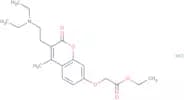
CAS:<p>4,4-Difluorpentanoic acid is an intermediate in the synthesis of amantadine hydrochloride. It is also used as a food additive to inhibit proteolytic enzymes and to produce alkyl esters. 4,4-Difluorpentanoic acid can be used as a competitive inhibitor of serine proteases and cysteine proteases. The compound binds reversibly to the active site of these enzymes and inhibits their activity by competing with the natural substrate for binding. This compound is often used in combination with other protease inhibitors such as phenylmethanesulfonyl fluoride or N-phenylmaleimide.</p>Formula:C5H8F2O2Purity:Min. 95%Molecular weight:138.11 g/molChromonar hydrochloride
CAS:<p>Chromonar hydrochloride is a non-steroidal anti-inflammatory drug that is used to treat the symptoms of bowel disease. It relieves pain and reduces inflammation by blocking the production of prostaglandins. Chromonar hydrochloride may also be used to reduce blood pressure and relieve chest pain caused by heart disease. It has been shown to have cardioprotective effects in experimental models. Chromonar hydrochloride is metabolized by cytochrome P450 enzymes, which are involved in the synthesis of proteins, as well as other enzymes that maintain the integrity of DNA and RNA molecules. Chromonar hydrochloride can also cause an allergic reaction if taken with nitrous oxide.</p>Formula:C20H28ClNO5Purity:Min. 95%Molecular weight:397.89 g/molMethyl malonyl chloride
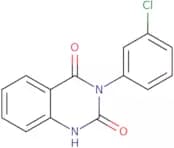
CAS:<p>Methyl malonyl chloride is an experimental solubility data that is soluble in benzene, toluene, and chloroform. It has been shown to have a receptor activity towards the glycol ester and natural compounds. This compound has also been found to inhibit cervical cancer cells. Methyl malonyl chloride is used as an antimicrobial agent in the food industry and can be used as a natural growth factor inhibitor. The methyl group of this compound reacts with malonic acid to form methylmalonic acid, which inhibits mitochondrial membrane potential in cancer cells.</p>Formula:C4H5ClO3Purity:Min. 95%Molecular weight:136.53 g/mol3-(3-Chlorophenyl)quinazoline-2,4(1H,3H)-dione
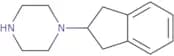
CAS:Controlled ProductPlease enquire for more information about 3-(3-Chlorophenyl)quinazoline-2,4(1H,3H)-dione including the price, delivery time and more detailed product information at the technical inquiry form on this pageFormula:C14H9ClN2O2Purity:Min. 95%Molecular weight:272.69 g/mol1-(2,3-Dihydro-1H-inden-2-yl)piperazine dihydrochloride
CAS:Controlled Product<p>Please enquire for more information about 1-(2,3-Dihydro-1H-inden-2-yl)piperazine dihydrochloride including the price, delivery time and more detailed product information at the technical inquiry form on this page</p>Formula:C13H18N2Purity:Min. 95%Molecular weight:202.3 g/molEthyl 7-aminoheptanoate hydrochloride
CAS:<p>Ethyl 7-aminoheptanoate hydrochloride is an antibiotic that belongs to the class of esters. It has been shown to inhibit the growth of bacteria in vitro, which is attributed to its ability to inhibit protein synthesis. This drug has been used as a chemical manipulator in animal experiments. Ethyl 7-aminoheptanoate hydrochloride binds to the ribosomal RNA of bacteria and prevents amino acid incorporation into proteins, which leads to cell death. The endpoint of this experiment was determined by counting the number of rotations on a rotator after treatment with ethyl 7-aminoheptanoate hydrochloride or saline solution. Treatment with ethyl 7-aminoheptanoate hydrochloride resulted in an increase in the number of rotations, which is indicative of bacterial death.</p>Formula:C9H20ClNO2Purity:Min. 95%Molecular weight:209.71 g/mol1-Acetyl-5-bromoindol-3-ol
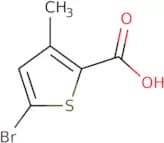
CAS:<p>Please enquire for more information about 1-Acetyl-5-bromoindol-3-ol including the price, delivery time and more detailed product information at the technical inquiry form on this page</p>Formula:C10H8BrNO2Purity:Min. 95%Color and Shape:PowderMolecular weight:254.08 g/mol5-Bromo-3-methylthiophene-2-carboxylic acid
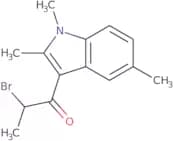
CAS:<p>5-bromo-3-methylthiophene-2-carboxylic acid (5BmtCA) is a potential therapeutic that has been shown to have the same estrogenic activity as estradiol. It may be used for the treatment of osteoporosis and other conditions associated with estrogen deficiency, including resorption and bone loss. 5BmtCA is an amide with two phenyl groups at the C3 position, which are bioisosteres of the sulfur in estradiol. The substitutions on these phenyl groups can be changed to produce analogs with different properties. For example, 5BmtCA may be substituted with a ketone group at position C3 to produce the corresponding ketone analog 5BmtCK. This compound would be expected to have reduced bone resorption activity relative to 5BmtCA.</p>Formula:C6H5BrO2SPurity:Min. 95%Color and Shape:PowderMolecular weight:221.07 g/mol2-Bromo-1-(1,2,5-trimethyl-1H-indol-3-yl)propan-1-one
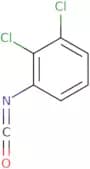
CAS:Controlled ProductPlease enquire for more information about 2-Bromo-1-(1,2,5-trimethyl-1H-indol-3-yl)propan-1-one including the price, delivery time and more detailed product information at the technical inquiry form on this pageFormula:C14H16BrNOPurity:Min. 95%Molecular weight:294.19 g/mol2,3-Dichlorophenyl isocyanate
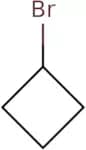
CAS:<p>2,3-Dichlorophenyl isocyanate is a diphenyl ether that has been used as an intermediate in the synthesis of other chemicals. It can be absorbed through the skin and may cause toxic effects to the gastrointestinal tract, such as ulceration, hemorrhage, and perforation. 2,3-Dichlorophenyl isocyanate is metabolized by cytochrome P450 enzymes to a reactive metabolite that causes damage to cells in the lungs. This compound also binds to chemokine receptors on inflammatory cells and blocks their ability to stimulate inflammatory reactions. This activity may be partially responsible for its antiinflammatory properties.</p>Formula:C7H3Cl2NOPurity:Min. 95%Color and Shape:Clear LiquidMolecular weight:188.01 g/molCyclobutyl bromide
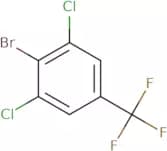
CAS:<p>Cyclobutyl bromide is a cyclopentyl compound that has an hydroxyl group. It is a potent inhibitor of the CB2 receptor, which is primarily expressed on cells of the immune system. Cyclobutyl bromide has been shown to inhibit the uptake of uv light and also has anti-inflammatory properties. Studies have confirmed that this drug inhibits the production of cytokines and chemokines in chronic bronchitis patients, as well as other inflammatory diseases such as rheumatoid arthritis.</p>Formula:C4H7BrPurity:Min. 95%Color and Shape:Clear LiquidMolecular weight:135 g/mol4-Bromo-3,5-dichlorobenzotrifluoride
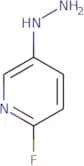
CAS:4-Bromo-3,5-dichlorobenzotrifluoride is a molecule that has been used in wastewater treatment. It is also known as BDCTF, which stands for 4-bromo-3,5-dichlorobenzotrifluoride. The molecule can be synthesized by reacting benzonitrile and an azide. BDCTF reacts with the amine group of proteins to form an amide bond, so it can be used to modify protein or peptides for various purposes. This reaction is catalyzed by a nucleophilic agent such as hydroxide ion or cyanide ion. The crystal structure of BDCTF has been determined using X-ray crystallography methods.Formula:C7H2BrCl2F3Purity:Min. 95%Molecular weight:293.9 g/mol2-Fluoro-5-hydrazinylpyridine
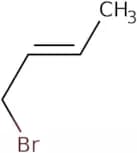
CAS:<p>Please enquire for more information about 2-Fluoro-5-hydrazinylpyridine including the price, delivery time and more detailed product information at the technical inquiry form on this page</p>Formula:C5H6FN3Purity:Min. 95%Molecular weight:127.12 g/moltrans-Crotyl bromide
CAS:<p>Trans-crotyl bromide is a pharmaceutical preparation of the hydroxyl group. It is an allylation reagent that reacts with halides to form an organic compound with a new chemical function. Trans-crotyl bromide has been shown to inhibit the activity of inflammatory enzymes, such as kinases and proteases. This inhibition may be due to the release of reactive oxygen species from the active site or by blocking access to the active site. Trans-crotyl bromide also inhibits HIV-1 infection by interfering with viral protein synthesis, which may be due to its ability to bind to polyproteins and inhibit ribosome binding.</p>Formula:C4H7BrPurity:Min. 95%Color and Shape:Colorless Clear LiquidMolecular weight:135 g/mol[(6-Chloro-1-isopropyl-1H-benzimidazol-2-yl)methyl]amine dihydrochloride
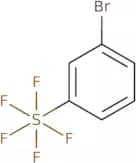
CAS:Controlled ProductPlease enquire for more information about [(6-Chloro-1-isopropyl-1H-benzimidazol-2-yl)methyl]amine dihydrochloride including the price, delivery time and more detailed product information at the technical inquiry form on this pageFormula:C11H14ClN3Purity:Min. 95%Molecular weight:223.7 g/mol1-Bromo-3-(Pentafluorosulfanyl)Benzene
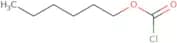
CAS:<p>1-Bromo-3-(pentafluorosulfanyl)benzene is a molecule that can be used in the synthesis of biologically active compounds. It has been shown to have anti-inflammatory properties, which may be due to its ability to modulate the activity of 5-hydroxytryptamine (5-HT). The functionalities of 1-bromo-3-(pentafluorosulfanyl)benzene include cross-coupling (i.e., chemical reactions that join two or more substances together), protonation, and ligand binding. This molecule has been synthesized from 2,4,6-trifluorobenzonitrile and bromine. The isomers for this molecule are cis and trans, with the cis isomer being more active than the trans isomer. Techniques such as molecular modeling have also been used to study 1-bromo-3-(pentafluorosulfanyl)ben</p>Formula:C6H4BrF5SPurity:Min. 95%Molecular weight:283.06 g/molHexyl carbonochloridate
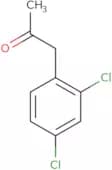
CAS:<p>Hexyl carbonochloridate is a chemical that has been used as a detergent additive. It is also an antimicrobial agent, which has been shown to inactivate enzymes in human serum. Hexyl carbonochloridate is active against hepatitis and other infectious diseases. This compound is also known to be an agonist of toll-like receptor 4 (TLR4), which is a protein that recognizes lipopolysaccharides from gram-negative bacteria. Hexyl carbonochloridate has been shown to have anti-inflammatory properties, possibly due to its hydroxyl group. The analytical method for this compound utilizes gas chromatography with flame ionization detection (GC-FID).</p>Formula:C7H13ClO2Purity:Min. 95%Molecular weight:164.63 g/mol(2,4-Dichlorophenyl)acetone
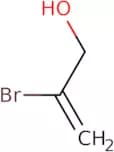
CAS:<p>(2,4-Dichlorophenyl)acetone is a substance that can be found in lichens. The natural occurrence of this substance has been shown by the use of chromatography technique on plates. (2,4-Dichlorophenyl)acetone is also used as a screening agent for lichens.</p>Formula:C9H8Cl2OPurity:Min. 95%Color and Shape:Off-White PowderMolecular weight:203.06 g/mol2-Bromoallyl alcohol
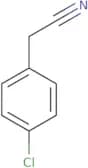
CAS:<p>2-Bromoallyl alcohol is a halogenated aromatic hydrocarbon that is an analyte in the chemical analysis of soil. It is also used as a reagent for the debromination of 2-bromopropane and as a dehalogenating agent for the removal of bromine from organic compounds. 2-Bromoallyl alcohol can be distilled at high temperatures, but it will volatilize if heated to 80°C or higher. It has been reported that 2-bromoallyl alcohol was found to be present in all replicates analyzed. The recovery of this compound ranged from 83% to 114%. 2-Bromoallyl alcohol is used as a reagent in organic synthesis, such as in palladium catalyzed couplings with boronic acids and esters. This compound may also be used to synthesize N-(2-hydroxyethyl)hydroxylamines by reacting with sodium hydroxide</p>Formula:C3H5BrOPurity:Min. 95%Molecular weight:136.98 g/mol4-Chlorobenzyl cyanide
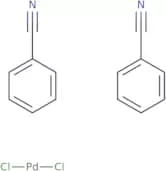
CAS:<p>4-Chlorobenzyl cyanide is a synthetic compound that has been shown to have potent antibacterial activity. This compound reacts with hydrogen chloride in the presence of isopropyl group and chloride to form 4-chlorobenzaldehyde. The reaction selectivity of this reactive chemical is due to its fluorescence properties, which can be used as a marker for detection. The introduction of hydrogen chloride into the reaction mixture produces an acidic environment, which promotes the production of chloroform. The chloroform is then removed by evaporating the water from the reaction mixture, leaving 4-chlorobenzaldehyde as a solid product.</p>Formula:C8H6ClNPurity:Min. 95%Color and Shape:Clear LiquidMolecular weight:151.59 g/molBis(Benzonitrile)palladium(II) chloride
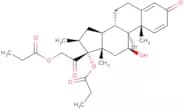
CAS:Controlled ProductBis(benzonitrile)palladium(II) chloride is a palladium complex with the coordination geometry of square-planar. It has been shown to undergo a suzuki coupling reaction when reacted with an aromatic hydrocarbon, such as benzene or toluene, in the presence of sodium carbonate and nitrogen gas. This reaction produces an intramolecular hydrogen bond between the oxygen atom of the hydroxyl group and the nitrogen atom on the chelate ligand. Bis(benzonitrile)palladium(II) chloride has also been shown to be useful for generating x-ray crystal structures of metal complexes by using ft-ir spectroscopy. The chlorine atom from bis(benzonitrile)palladium(II) chloride may react with hydrochloric acid to produce a soluble complex that can be isolated by crystallography.Formula:C14H10Cl2N2PdPurity:Min. 95%Molecular weight:383.57 g/mol9-Deschloro-9-bromo beclomethasone dipropionate
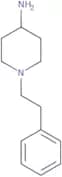
CAS:Controlled ProductPlease enquire for more information about 9-Deschloro-9-bromo beclomethasone dipropionate including the price, delivery time and more detailed product information at the technical inquiry form on this pageFormula:C28H37BrO7Purity:Min. 95%Molecular weight:565.49 g/mol1-(2-Phenylethyl)piperidin-4-amine dihydrochloride
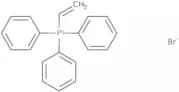
CAS:Controlled ProductPlease enquire for more information about 1-(2-Phenylethyl)piperidin-4-amine dihydrochloride including the price, delivery time and more detailed product information at the technical inquiry form on this pageFormula:C13H20N2Purity:Min. 95%Molecular weight:204.31 g/molTriphenylvinylphosphonium Bromide
CAS:<p>Triphenylvinylphosphonium bromide is a model system that is used to study the reaction mechanism of hydroxyl group and hydrogen fluoride. It can be used to synthesize heterocycles such as quinolines. Triphenylvinylphosphonium bromide is also used in the synthesis of sodium salts, which are commonly used in the laboratory. This compound has been shown to have an effect on protein synthesis and crystalline cellulose, which is a carbohydrate polymer that can be hydrolyzed by enzymes. Triphenylvinylphosphonium bromide reacts with carbonyl groups and metal hydroxides, leading to biochemical properties such as carboxy groups and dimethyl fumarate. Triphenylvinylphosphonium bromide also inhibits non-nucleoside inhibitors, specifically 2',3'-dideoxyinosine (ddI).</p>Formula:C20H18BrPPurity:Min. 95%Molecular weight:369.23 g/mol7-Bromo-1-methyl-1H-imidazo[4,5-c]pyridine
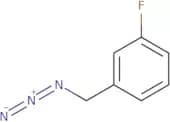
CAS:<p>Please enquire for more information about 7-Bromo-1-methyl-1H-imidazo[4,5-c]pyridine including the price, delivery time and more detailed product information at the technical inquiry form on this page</p>Formula:C7H6BrN3Purity:Min. 95%Molecular weight:212.05 g/mol1-(Azidomethyl)-3-fluorobenzene
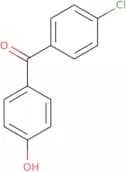
CAS:<p>1-(Azidomethyl)-3-fluorobenzene is a cycloaddition product that, when optimized, has a high efficiency for the synthesis of phosphine containing target compounds. The cycloaddition reaction is carried out in an organic solvent at room temperature with or without the addition of an external base. The reaction time can be varied from 10 minutes to 2 hours. The substituent on the azide and alkyne can be varied to produce different products. 1-(Azidomethyl)-3-fluorobenzene is catalyzed by copper(II) acetate and zinc chloride or copper(II) oxide and zinc chloride to form the desired phosphines.</p>Formula:C7H6FN3Purity:Min. 95%Molecular weight:151.14 g/mol4-Chloro-4'-hydroxybenzophenone
CAS:4-Chloro-4'-hydroxybenzophenone is a chemical intermediate that is used to produce p-hydroxybenzoic acid by acylation reaction with hydrochloric acid. The optimal reaction of 4-chloro-4'-hydroxybenzophenone with hydrochloric acid occurs at a temperature of 40 degrees Celsius and an excess of 2 equivalents of hydrochloric acid per equivalent of 4-chloro-4'-hydroxybenzophenone. This chemical intermediate has been shown to be an environmental pollutant, as it reacts in the atmosphere with ozone or other oxidizing agents to form hydrogen chloride and aluminium chloride. The transfer mechanism for this process is not yet well understood, but it may be due to demethylation followed by chlorination.Formula:C13H9ClO2Purity:Min. 95%Molecular weight:232.66 g/molS-[2-(Dimethylamino)ethyl]isothiourea Dihydrochloride
CAS:Controlled Product<p>S-[2-(Dimethylamino)ethyl]isothiourea Dihydrochloride is an inhibitor of tyrosinase, an enzyme that catalyzes the oxidation of tyrosine to dopa and dopaquinone. It binds to the active site of the enzyme and blocks its activity. S-[2-(Dimethylamino)ethyl]isothiourea Dihydrochloride has been shown to inhibit tyrosinase in animal experiments and in vitro studies, with a concentration-response curve that can be described by a Michaelis-Menten kinetic model. The inhibition of tyrosinase activity may be due to steric hindrance by the thiourea group or a covalent binding to amino acid residues on the protein surface. S-[2-(Dimethylamino)ethyl]isothiourea Dihydrochloride is also known as monomethyl auristatin E (MMAE</p>Formula:C5H13N3S·2HClPurity:Min. 95%Molecular weight:220.16 g/mol2-Chloro-3,4-dimethoxyphenethylamine HCl
CAS:Controlled Product<p>2-Chloro-3,4-dimethoxyphenethylamine is an intermediate in the synthesis of zepines. It can be synthesized by reduction of borohydride with 2-chloro-1,2,3,4-tetrahydrobenzaldehyde.</p>Purity:Min. 95%Ethyl bromoacetate
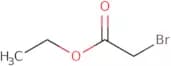
CAS:<p>Ethyl bromoacetate is an ethyl ester of bromoacetic acid. It is a precursor to a number of pharmaceuticals, including the anti-inflammatory drug bromoacetate and the radioprotective agent dibromopropane. Ethyl bromoacetate is used in analytical chemistry as a reagent for the detection and identification of coumarin derivatives, which have been detected in biological samples such as wastewater. The compound has also been shown to be effective against certain strains of bacteria and fungi that are responsible for bowel diseases. Ethyl bromoacetate can act as an antimicrobial agent by disrupting bacterial cell membranes and inhibiting their metabolic pathways.</p>Formula:C4H7BrO2Purity:Min. 95%Molecular weight:167 g/mol5-Amino-2-(trifluoromethyl)isonicotinic acid
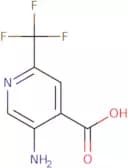
CAS:<p>Please enquire for more information about 5-Amino-2-(trifluoromethyl)isonicotinic acid including the price, delivery time and more detailed product information at the technical inquiry form on this page</p>Formula:C7H5F3N2O2Purity:Min. 95%Molecular weight:206.12 g/mol1-Amino-9-fluorenone
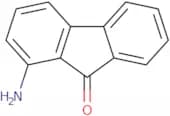
CAS:<p>1-Amino-9-fluorenone is a hydrogen bond acceptor molecule that has been shown to have anticancer activity and rate enhancement. The 1-Amino-9-fluorenone binds to the DNA of cancer cells, inhibiting cell growth and proliferation. This molecule also interacts with the cellular membrane by reversible binding, which leads to an increase in the concentration of intracellular nitric oxide (NO). This increase in NO levels inhibits the growth of cancer cells by blocking their ability to produce ATP. 1-Amino-9-fluorenone has been shown to inhibit hCT116 human colon cancer cells.</p>Formula:C13H9NOPurity:Min. 95%Molecular weight:195.22 g/mol2-Chloroethyl ethyl ether
CAS:<p>2-Chloroethyl ethyl ether is a fluorescence probe that can be used in the viscosity measurement of polymers. In lung fibroblast cells, 2-chloroethyl ethyl ether induces cationic polymerization. This reaction mechanism has been elucidated by computational methods. The functional groups are hydroxide and chloride. 2-Chloroethyl ethyl ether is a liquid at room temperature and morphology is hexagonal crystal. 2-Chloroethyl ethyl ether has been shown to form micelles in sodium hydroxide solution and hexane.</p>Formula:C4H9ClOPurity:Min. 95%Molecular weight:108.57 g/molThiambutene hydrochloride
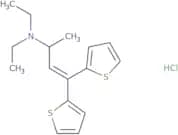
CAS:Controlled Product<p>Thiambutene is a drug that has been used in the past as an anti-anxiety medication, but is now primarily used for controlling seizures. It acts by stimulating the central nervous system and by inhibiting the release of neurotransmitters. Thiambutene also has effects on insulin sensitivity and high cholesterol. The drug is not active orally, but can be administered intravenously or intramuscularly. The onset of action is fast, with peak plasma concentrations occurring within 15 to 30 minutes after administration. Thiambutene's half-life ranges from 1 to 2 hours in humans, but it may be longer in animals.</p>Formula:C16H22ClNS2Purity:Min. 95%Molecular weight:327.94 g/mol[2-(1-Ethyl-1H-benzimidazol-2-yl)ethyl]amine dihydrochloride
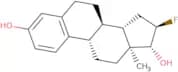
CAS:Controlled Product<p>Please enquire for more information about [2-(1-Ethyl-1H-benzimidazol-2-yl)ethyl]amine dihydrochloride including the price, delivery time and more detailed product information at the technical inquiry form on this page</p>Formula:C11H15N3Purity:Min. 95%Molecular weight:189.26 g/mol(16α,17β)-16-Fluoroestra-1,3,5(10)-triene-3,17-diol
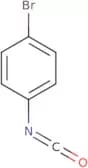
CAS:Controlled Product16alpha,17beta)-16-Fluoroestra-1,3,5(10)-triene-3,17-diol is a potent estrogen receptor modulator that has been shown to inhibit tumor growth in clinical oncology. It acts by binding to the estrogen receptor and blocking its ability to activate gene transcription. This compound can also be used as a pharmaceutical preparation in liquid chromatography. 16alpha,17beta)-16-Fluoroestra-1,3,5(10)-triene-3,17-diol is a liquid at room temperature and can be soluble in organic solvents such as chloroform or acetone. It does not react with hydrochloric acid.Formula:C18H23FO2Purity:Min. 95%Color and Shape:PowderMolecular weight:290.37 g/mol4-Bromophenyl isocyanate
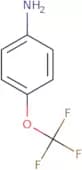
CAS:<p>4-Bromophenyl isocyanate (BPIC) is a chiral molecule that has been synthesized using an asymmetric synthesis. The chemical structure of BPIC consists of a benzene ring with a bromine atom attached to the 4th carbon on the left and two carbons attached to the right. The compound BPIC is a zwitterion, which means it has both a positive and negative charge in solution. This chemical can be used as a reagent for the Suzuki coupling reaction and reacts with nucleophiles such as ethyl diazoacetate to form an acyl halide. This reaction occurs at neutral pH, but does not occur in high salt solutions or in the presence of acyl halides. This molecule can also be used for structural analysis by nmr spectra and proton NMR spectra.</p>Formula:C7H4BrNOPurity:Min. 95%Molecular weight:198.02 g/mol4-(Trifluoromethoxy)aniline
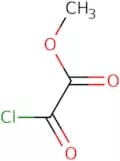
CAS:<p>4-(Trifluoromethoxy)aniline is a reactive intermediate used in the synthesis of pharmaceuticals, dyes, and pesticides. It is prepared by reacting hydrogen fluoride with aniline in the presence of an acid catalyst. 4-(Trifluoromethoxy)aniline can be used to synthesize epoxyeicosatrienoic acids, which are potent anti-inflammatory agents. 4-(Trifluoromethoxy)aniline has been shown to have a pharmacokinetic profile that is similar to those of other fluoroquinolones, but has not been studied for clinical development.</p>Formula:C7H6F3NOPurity:Min. 95%Color and Shape:Clear LiquidMolecular weight:177.12 g/molMethyl chlorooxoacetate
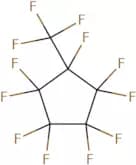
CAS:<p>Methyl chlorooxoacetate is an oxalyl ester that has been used for the synthesis of glycol esters. Methyl chlorooxoacetate has been shown to have a high solubility in water and organic solvents, which is desirable for industrial processes. This molecule also has the ability to be acylated with various organic groups and can act as a process-optimization agent in plant physiology. Methyl chlorooxoacetate binds as a receptor to growth factors and HIV infection, which leads to amide formation and carbonyl group formation.</p>Formula:C3H3ClO3Purity:Min. 95%Color and Shape:Clear LiquidMolecular weight:122.51 g/mol1,1,2,2,3,3,4,4,5-Nonafluoro-5-(Trifluoromethyl)-Cyclopentane
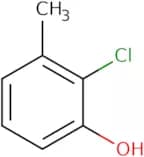
CAS:Controlled Product<p>Nonafluoro-5-(trifluoromethyl)cyclohexane is a film-forming polymer that consists of a mixture of long-chain fatty acids, malic acid and sodium citrate. It is used as an intravitreal injection to fill the eye cavity in patients with eye diseases such as macular degeneration or diabetic retinopathy. The polymer is injected into the eye to form a protective layer on the surface of the retina. The film is insoluble and provides an extended release of fatty acids, malic acid and sodium citrate that are then slowly released into the vitreous humor. This decreases inflammation, prevents the formation of new blood vessels, and reduces the risk of neovascularization. Nonafluoro-5-(trifluoromethyl)cyclohexane has been shown to be effective in reducing fat accumulation in animal models with obesity induced by high-fat diets. It also has been shown to limit weight</p>Formula:C6F12Purity:Min. 95%Molecular weight:300.05 g/mol2-Chloro-3-hydroxytoluene
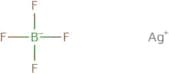
CAS:<p>2-Chloro-3-hydroxytoluene is a binder that is used in the treatment of filamentous fungi. It binds to the surface of the filamentous cell and prevents it from growing. 2-Chloro-3-hydroxytoluene has been shown to bind to muscle cells, which may be due to its acidic nature. This chemical also has a disinfectant effect on reticulum cells and muscle fibers.</p>Formula:C7H7ClOPurity:Min. 95%Molecular weight:142.58 g/molSilver tetrafluoroborate
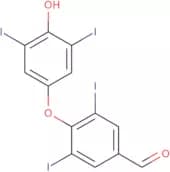
CAS:<p>Silver tetrafluoroborate (AgBF) is a chemical reagent that is used in analytical chemistry and structural analysis. It has shown to be a stable complex with organic molecules, such as fatty acids, and has been used to study the properties of these compounds. AgBF is an inorganic salt that can be synthesized by reacting silver nitrate and barium fluoride in the presence of trifluoroacetic acid. This compound has also been found to form stable complexes with organic molecules containing a hydroxyl group or nitrogen atom. The structure of AgBF has been determined through X-ray crystal structures and electron diffraction patterns. The molecule consists of two symmetric chains joined by a central disulfide bond.</p>Formula:AgBF4Purity:Min. 95%Color and Shape:PowderMolecular weight:194.67 g/mol3,5,3',5'-Tetraiodo thyroaldehyde
CAS:<p>Please enquire for more information about 3,5,3',5'-Tetraiodo thyroaldehyde including the price, delivery time and more detailed product information at the technical inquiry form on this page</p>Formula:C13H6I4O3Purity:Min. 95%Color and Shape:PowderMolecular weight:717.8 g/molBupropion hydrochloride related compound B
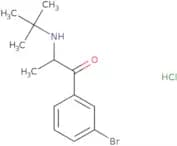
CAS:Controlled ProductPlease enquire for more information about Bupropion hydrochloride related compound B including the price, delivery time and more detailed product information at the technical inquiry form on this pageFormula:C13H18BrNOHClPurity:Min. 95%Color and Shape:White/Off-White SolidMolecular weight:320.65 g/molEthyl 5-fluoroindole-2-carboxylate
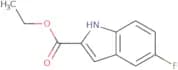
CAS:<p>Ethyl 5-fluoroindole-2-carboxylate is a cytotoxic compound that belongs to the class of organic compounds called aryl rings. It has been shown to inhibit tumor growth in vitro and in vivo through the inhibition of protein synthesis. The molecular docking studies have shown that this compound binds to the enzyme SMMC-7721 cell, which is involved in DNA transcription and replication. It also inhibits activity of other enzymes, such as kinases and phosphatases, which are involved in cellular processes such as proliferation and differentiation. Ethyl 5-fluoroindole-2-carboxylate may be used for the treatment of blood cancer or monosugar diseases, such as diabetes mellitus or hyperlipidemia.</p>Formula:C11H10FNO2Purity:Min. 95%Molecular weight:207.2 g/mol(1S,2R)-2-Aminocyclohexanol hydrochloride
CAS:<p>Please enquire for more information about (1S,2R)-2-Aminocyclohexanol hydrochloride including the price, delivery time and more detailed product information at the technical inquiry form on this page</p>Formula:C6H14ClNOPurity:Min. 95%Molecular weight:151.63 g/mol3,4-Difluorobenzyl amine
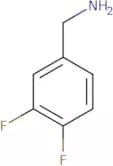
CAS:<p>3,4-Difluorobenzyl amine (3,4-DFBA) is a synthetic compound that has been shown to have anti-cancer properties. It has been used in the synthesis of perovskites as an alternative strategy for solar cell applications. 3,4-DFBA has also been used to investigate the effect of hydrophobic and deformation on the biological activity of amines. This compound inhibits aldehyde oxidase and catalase from glyoxal and hydrogen peroxide respectively, which may be due to its ability to form microcapsules with a diameter of less than 50 nm.</p>Formula:C7H7F2NPurity:Min. 95%Color and Shape:Clear LiquidMolecular weight:143.13 g/molImidazo[1,2-a]pyridin-8-ylamine dihydrochloride
CAS:<p>Imidazo[1,2-a]pyridin-8-ylamine dihydrochloride is an arylation agent that reacts with nucleophiles to form an amide linkage. Imidazo[1,2-a]pyridin-8-ylamine dihydrochloride is used in the synthesis of carboxylic acid derivatives and other biomolecules. It can be used for selective functionalization of unsymmetrical carboxylic acids.</p>Formula:C7H7N3·2HClPurity:Min. 95%Molecular weight:206.07 g/mol4-(Methylthio)benzylchloride
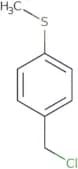
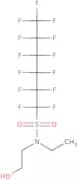
CAS:<p>4-(Methylthio)benzylchloride is a molecule that belongs to the group of dendrons. It is a synthetic molecule with an acid chloride functional group. This compound has been synthesized by decarboxylation of 4-methylthiobenzaldehyde and then chlorination of the resulting alcohol. The microextraction technique was used to extract 4-(methylthio)benzylchloride from acidic solutions. In this technique, a small amount of solvent is absorbed on a solid phase and then eluted into another solvent in a laboratory instrument called the headspace. The headspace technique is used to extract 4-(methylthio)benzylchloride from acidic solutions because it has better sensitivity and selectivity than liquid-liquid extraction. The fluorescence properties of 4-(methylthio)benzylchloride allow it to be detected using luminescence spectroscopy at wavelengths between 400 nm and 700 nm, which makes it useful as</p>Formula:C8H9ClSPurity:Min. 95%Molecular weight:172.68 g/molN-Ethyl-1,1,2,2,3,3,4,4,5,5,6,6,6-tridecafluoro-N-(2-hydroxyethyl)Hexane-1-sulfonamide
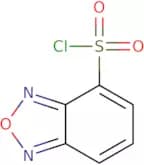
CAS:Please enquire for more information about N-Ethyl-1,1,2,2,3,3,4,4,5,5,6,6,6-tridecafluoro-N-(2-hydroxyethyl)Hexane-1-sulfonamide including the price, delivery time and more detailed product information at the technical inquiry form on this pageFormula:C10H10F13NO3SPurity:Min. 95%Color and Shape:PowderMolecular weight:471.24 g/mol2,1,3-Benzoxadiazole-4-sulphonyl chloride
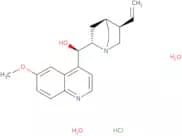
CAS:<p>2,1,3-Benzoxadiazole-4-sulphonyl chloride is a versatile building block that can be used in the synthesis of complex compounds. It is a reagent that can be used in research as well as in industrial processes. 2,1,3-Benzoxadiazole-4-sulphonyl chloride is also useful for the preparation of organic and organometallic compounds. The compound has shown high quality and purity, which makes it an excellent intermediate or reaction component. This fine chemical can be used as a scaffold to generate new and interesting molecules with different properties.</p>Formula:C6H3ClN2O3SPurity:Min. 95%Molecular weight:218.62 g/molQuinine hydrochloride dihydrate
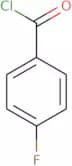
CAS:<p>Quinine hydrochloride dihydrate is a natural compound that has been used for centuries as a treatment for malaria. It is an effective anti-malarial agent and is also used to treat nocturnal leg cramps, although it has a low potency. Quinine hydrochloride dihydrate is active against the parasite Plasmodium falciparum in vitro. It binds to hemozoin, which is the pigment that the malaria parasites produce during digestion of hemoglobin from red blood cells. This binding inhibits the growth of the parasite and causes cell death by inhibiting protein synthesis. Quinine hydrochloride dihydrate has been shown to be genotoxic in vivo, but not in vitro. The genotoxic effects may be due to its ability to create reactive oxygen species (ROS) through photochemical reactions with light exposure and other chemical reactions, such as thermal expansion or matrix effects.</p>Formula:C20H24N2O2·HCl·2H2OColor and Shape:PowderMolecular weight:396.91 g/mol4-Fluorobenzoyl chloride
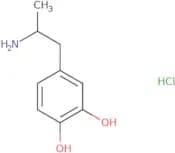
CAS:<p>4-Fluorobenzoyl chloride is a chemical compound with the molecular formula of C6H4ClF. It is a colorless, volatile liquid that is soluble in water and most organic solvents. 4-Fluorobenzoyl chloride has been shown to have antimicrobial properties against bacteria such as methicillin resistant Staphylococcus aureus (MRSA). It also has antiinflammatory properties and can be used as an analgesic. The phase transition temperature of 4-fluorobenzoyl chloride is -72 degrees Celsius. The analytical method for this compound involves gas chromatography with mass spectrometry detection (GCMS). The receptor binding affinity of 4-fluorobenzoyl chloride is not known.</p>Formula:C7H4ClFOPurity:Min. 95%Color and Shape:Clear LiquidMolecular weight:158.56 g/mol3,4-Dihydroxy amphetamine hydrochloride
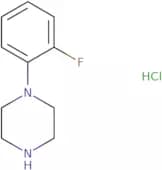
CAS:Controlled Product<p>3,4-Dihydroxy amphetamine hydrochloride is a metabolite of amphetamine. It is a chemical intermediate in the metabolism of amphetamine and therefore has similar pharmacological effects. 3,4-Dihydroxy amphetamine hydrochloride is not embryotoxic or teratogenic in rats or mice at doses as high as 2000 mg/kg. The concentration range for humans is unknown. 3,4-Dihydroxy amphetamine hydrochloride has been shown to inhibit the production of dopamine in the brain and may be associated with neurotoxicity.</p>Formula:C9H14ClNO2Purity:Min. 95%Molecular weight:203.67 g/mol1-(2-Fluorophenyl)piperazine HCl
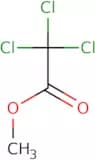
CAS:Controlled Product<p>1-(2-Fluorophenyl)piperazine HCl is a psychoactive drug that belongs to the class of piperazines. The compound has been validated for use in spectra, minimizing, and infrared spectroscopy. The compound has also been shown to be psychoactive and can be used as a screening agent for psychoactive substances. The 1-(2-fluorophenyl)piperazine molecule is approximately linear, with two amide linkages and a phenyl ring at one end. It has a calculated molecular weight of 208 g/mol and an empirical formula of C12H14FN3O.</p>Purity:Min. 95%Methyl trichloroacetate
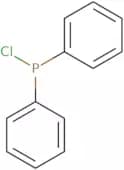
CAS:<p>Methyl trichloroacetate (MTCA) is a reactive chemical that is used as an intermediate in the synthesis of various organic compounds. It has been shown to react with nucleophiles, such as hydroxyl groups, to form a copper complex. MTCA has also been found to produce light emission when exposed to air and aryl halides. The synthesis of MTCA involves treating 1-chloro-2-propanol with hydrogen fluoride in the presence of an acid catalyst. The chemical can be detected by gas chromatography or liquid chromatography, but it is not readily available on the market.</p>Formula:C3H3Cl3O2Purity:Min. 95%Molecular weight:177.41 g/molChlorodiphenylphosphine
CAS:<p>Chlorodiphenylphosphine is an organophosphorus compound that can form stable complexes with fatty acids. It reacts with hydroxyl groups to form stable complexes, which are soluble in organic solvents and can be used as ligands for metal ions. Chlorodiphenylphosphine has been shown to react with copper chloride in aqueous solution at room temperature to form copper chlorodiphenylphosphine, which is soluble in water or ethanol. Several chelate ligands were synthesized using this method, including dimethyl fumarate and halides. The structures of these compounds were analyzed by x-ray diffraction data.</p>Formula:C12H10PClPurity:Min. 95%Color and Shape:Colorless Clear LiquidMolecular weight:220.63 g/mol2,3-Dihydro-1-(3-hydroxypropyl)-5-[(2R)-2-[[2-[2-(2,2,2-trifluoroethoxy)phenoxy]ethyl]amino]propyl]-1H-indole-7-carbonitrile
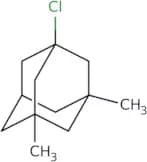
CAS:<p>Please enquire for more information about 2,3-Dihydro-1-(3-hydroxypropyl)-5-[(2R)-2-[[2-[2-(2,2,2-trifluoroethoxy)phenoxy]ethyl]amino]propyl]-1H-indole-7-carbonitrile including the price, delivery time and more detailed product information at the technical inquiry form on this page</p>Formula:C25H30F3N3O3Purity:Min. 95%Molecular weight:477.52 g/mol1-Chloro-3,5-dimethyl adamantane
CAS:<p>1-Chloro-3,5-dimethyl adamantane is a chemical compound that is used as a solvent in the synthesis of other compounds. It is created by hydrolyzing acetonitrile with hydrochloric acid and catalytic reduction with chlorine. This process can be done on an industrial scale, leading to the production of thousands of pounds per day. 1-Chloro-3,5-dimethyl adamantane itself is not toxic to humans or animals, but it has been shown to cause environmental pollution when mixed with salt during the reaction. The use of formamide as a solvent instead of acetonitrile can reduce this risk. !-- --></p>Formula:C12H19CIPurity:Min. 95%Molecular weight:302.19 g/molN-(6-Phenylhexyl)-5-chloro-1-naphthalenesulfonamide
CAS:<p>N-(6-Phenylhexyl)-5-chloro-1-naphthalenesulfonamide is a dibutyryl camp analog that has been shown to inhibit the L-type calcium channel in a dose-dependent manner. It has an effect on both spermatozoa and glioma cells, with its most significant effect being inhibition of the intracellular calcium ion. This drug inhibits the growth rate of these cells, which may be due to its ability to activate adrenergic receptors and cause increased intracellular calcium ion levels. N-(6-Phenylhexyl)-5-chloro-1-naphthalenesulfonamide also slows the cycle of the cell, which may be due to a kinetic effect.</p>Formula:C22H24ClNO2SPurity:Min. 95%Molecular weight:401.95 g/molIron bis(tetrafluoroborate) hexahydrate
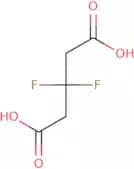
CAS:<p>Iron bis(tetrafluoroborate) hexahydrate is a ferrimagnetic, thermally stable coordination compound that has been shown to interact with bidentate ligands. Iron bis(tetrafluoroborate) hexahydrate can be used as a mononuclear section in analogy to the octahedral section of nickel bis(tetrafluoroborate) hexahydrate. The ligands are methyl groups, which are diffracted at 2θ values of 12.8° and 18.3°. The compound is stable in solvents such as dimethylsulfoxide and tetrahydrofuran. It also has chelate ligand transfer properties, which are due to the presence of two hydroxyl groups on each iron atom.</p>Formula:Fe(BF4)2•(H2O)6Purity:Min. 95%Color and Shape:SolidMolecular weight:337.55 g/mol3,3-Difluoropentanedioic Acid
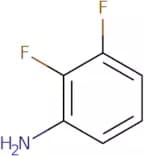
CAS:<p>3,3-Difluoropentanedioic Acid is a reagent that is used in organic chemistry. It can be hydrolyzed to give 3,3-difluoro-1,2-propanediol. This chemical reacts with dithianes to give 1,2-dithiane and quantitatively produces 3-fluoro-1,2-propanediol. It is an ester of 3,3-difluoropentanedioic acid and has been shown to have antiinflammatory properties in rats.</p>Formula:C5H6F2O4Purity:Min. 95%Molecular weight:168.1 g/mol2,3-Difluoroaniline
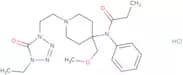
CAS:<p>2,3-Difluoroaniline is an organic chemical compound with the formula CHF2NH. It has a molecular weight of 138.24 and a melting point of -70°C. 2,3-Difluoroaniline is soluble in water, but it will react with hydrochloric acid to produce hydrogen fluoride and chloride ions. This compound is used as an optical reagent for pH measurements and ion-exchange chromatography. 2,3-Difluoroaniline has been shown to have antimicrobial activity against bacterial strains such as Escherichia coli, Enterobacter aerogenes, Pseudomonas aeruginosa, Klebsiella pneumoniae, Proteus vulgaris, Salmonella enterica serovar Typhimurium, Staphylococcus aureus (MRSA), Streptococcus pyogenes (Group A Streptococcus), and Vibrio ch</p>Formula:C6H5F2NPurity:Min. 95%Molecular weight:129.11 g/molAlfentanil hydrochloride
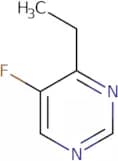
CAS:Controlled Product<p>Alfentanil is an opioid analgesic that is used for the treatment of severe or acute pain. It is a potent synthetic analog of fentanyl, which is an opioid analgesic that is used for the treatment of short-term (acute) and long-term (chronic) pain. Alfentanil has been shown to have a high affinity for α1-acid glycoprotein, which has been associated with drug interactions and blood sampling. Alfentanil also has chemical stability in experimental models and does not interact with nonsteroidal anti-inflammatory drugs. This drug may have a matrix effect on the concentration of cortisol in the blood.</p>Formula:C21H33ClN6O3Purity:Min. 95%Molecular weight:452.98 g/mol4-Ethyl-5-fluoropyrimidine
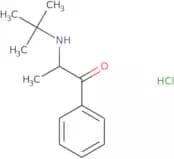
CAS:<p>4-Ethyl-5-fluoropyrimidine is a white solid with a melting point of 258°C. It is soluble in organic solvents such as acetonitrile and methanol. The compound has been shown to have reversed phase chromatographic properties and can be used as a potential impurity in the synthesis of other compounds. 4-Ethyl-5-fluoropyrimidine is not susceptible to photolytic decomposition but can be oxidized by air, which may result in the formation of impurities. 4-Ethyl-5-fluoropyrimidine can be purified using chromatography methods with high sensitivity and low detection limits. The compound has also been shown to have good chemical stability under ambient conditions, making it suitable for storage or shipping.</p>Formula:C6H7FN2Purity:Min. 95%Molecular weight:126.13 g/mol2-(tert-Butylamino)propiophenone hydrochloride
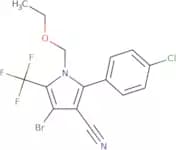
CAS:Controlled ProductPlease enquire for more information about 2-(tert-Butylamino)propiophenone hydrochloride including the price, delivery time and more detailed product information at the technical inquiry form on this pageFormula:C13H20ClNOPurity:Min. 95%Molecular weight:241.76 g/molChlorfenapyr
CAS:<p>Chlorfenapyr is a polymerase chain inhibitor that binds to the terminal residues of the protein. It is used as an insecticide, and has been shown to be effective against insects such as termites, ants, cockroaches, and fleas. Chlorfenapyr prevents synthesis of proteins by binding to the ribosomes at the site where amino acids are joined together to form a new protein. This binding prevents translation and leads to cell death. Chlorfenapyr also inhibits certain mammalian enzymes, including kidney bean trypsin inhibitor, which may be due to its ability to bind with these proteins in both bound and free forms.</p>Formula:C15H11BrClF3N2OPurity:Min. 95%Color and Shape:White PowderMolecular weight:407.61 g/molEicosafluorononane
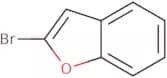
CAS:Controlled Product<p>Eicosafluorononane is a hydrogen fluoride that is used as a chemical reagent to produce dry weight in cells. It has been shown to promote growth factor-induced cell proliferation and monoclonal antibody production. Eicosafluorononane has also been used for diagnostic purposes, with the ability to react with cell culture media and form fluorescent compounds. This agent is lipophilic and can be used in humans, which makes it an ideal candidate for use in a basic fibroblast model. The reaction solution of eicosafluorononane can also be used to measure boron nitride, mainly due to its high thermal expansion coefficient and low solubility coefficient. Eicosafluorononane reacts with trifluoroacetic acid at high temperatures, forming a volatile compound that can be collected by condensation.</p>Formula:C9F20Purity:Min. 95%Molecular weight:488.06 g/mol2-Bromobenzofuran
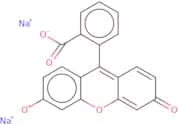
CAS:<p>2-Bromobenzofuran is a compound that has been shown to have antioxidant properties and can be used for the treatment of chronic kidney disease, hepatitis, and degenerative diseases. It has nitrogen atoms in its structure that are reactive with oxygen, which may cause the release of picolinic acid (PA), a compound that has been shown to have anti-inflammatory properties. 2-Bromobenzofuran is an alkynyl group that binds to receptors such as serotonin and dopamine. This group also has carbonyl groups, which can form adducts with amines. The piperazine ring in 2-bromobenzofuran is activated by reaction with hydroxyl groups.</p>Formula:C8H5BrOPurity:Min. 95%Molecular weight:197.03 g/molFluorescein disodium salt
CAS:<p>Fluorescein sodium is a fluorescent dye that is used in a wide variety of applications, including fluorescence angiography, histology, and immunohistochemistry. Fluorescein sodium binds to the receptor binding sites of proteins and cells, which then emit light when excited by a laser. It is also used in asthma therapy to assess lung function and for process optimization in industries where fluorescence detectors are used. This substance has been shown to be effective for the treatment of proliferative diabetic retinopathy in both diabetic patients and animals. Fluorescein sodium can cause allergic reactions and chemical reactions if it comes into contact with skin or mucous membranes.</p>Formula:C20H10O5·2NaPurity:Min. 95%Color and Shape:Red PowderMolecular weight:376.28 g/molH-Leu-2-chlorotrityl resin
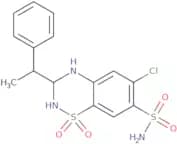
CAS:<p>Please enquire for more information about H-Leu-2-chlorotrityl resin including the price, delivery time and more detailed product information at the technical inquiry form on this page</p>Purity:Min. 95%6-Chloro-3,4-dihydro-3-(a-methylbenzyl)-2H-1,2,4-benzothiadiazine-7-sulfonamide 1,1-dioxide
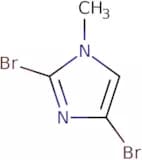
CAS:<p>6-Chloro-3,4-dihydro-3-(a-methylbenzyl)-2H-1,2,4-benzothiadiazine-7-sulfonamide 1,1-dioxide is an active metabolite of the drug benzbromarone. It is primarily administered as a diuretic to treat high blood pressure and congestive heart failure. The pharmacodynamics of this drug are related to its ability to inhibit the activity of sodium channels in vascular smooth muscle cells and thereby reduce the force of contraction and relax the vessel wall. 6CBDMTD has shown an increase in glomerular filtration rate in patients with congestive heart failure. This drug also decreases the plasma concentration of fatty acids by inhibiting the formation of lipoprotein particles. 6CBDMTD has been shown to be effective at lowering diastolic and systolic blood pressure levels in patients with hypertension.</p>Formula:C15H16ClN3O4S2Purity:Min. 95%Molecular weight:401.89 g/mol2,4-Dibromo-1-methyl-1H-imidazole
CAS:<p>Please enquire for more information about 2,4-Dibromo-1-methyl-1H-imidazole including the price, delivery time and more detailed product information at the technical inquiry form on this page</p>Formula:C4H4Br2N2Purity:Min. 95%Molecular weight:239.9 g/mol5-Iodo-2-aminoindane
CAS:Controlled Product<p>5-Iodo-2-aminoindane is a chemical pesticide that belongs to the group of diallyl trisulfide. It is used for the control of fruit pests such as Drosophila, Ceratitis capitata, and Rhagoletis pomonella. 5-Iodo-2-aminoindane has been shown to inhibit the growth of these pests through in vitro assay. The synthetic cannabinoid activity of 5-iodo-2-aminoindane may be due to its ability to inhibit fatty acid uptake by binding to the fatty acid transporter protein at the cell membrane.</p>Formula:C9H10INPurity:Min. 95%Molecular weight:259.09 g/mol[(4-Methyl-1,3-thiazol-2-yl)methyl]amine dihydrochloride
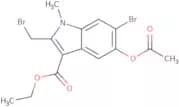
CAS:Please enquire for more information about [(4-Methyl-1,3-thiazol-2-yl)methyl]amine dihydrochloride including the price, delivery time and more detailed product information at the technical inquiry form on this pageFormula:C5H8N2SPurity:Min. 95%Molecular weight:128.2 g/molEthyl5-acetoxy-6-bromo-2-(bromomethyl)-1-methyl-1H-indole-3-carboxylate
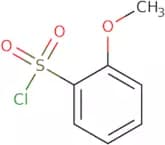
CAS:Controlled Product<p>Ethyl 5-acetoxy-6-bromo-2-(bromomethyl)-1-methyl-1H-indole-3-carboxylate is a chemical compound that has been shown to have anti viral activity in vitro. The structure of the compound suggests that it may inhibit the production of inflammatory cytokines. This drug inhibits the activity of enzymes such as hydroxylases and lipases, which are important for the inflammatory process. Ethyl 5-acetoxy-6-bromo-2-(bromomethyl)-1-methyl-1H-indole-3 carboxylate may be an effective treatment for bowel disease and other inflammatory conditions.</p>Formula:C15H15Br2NO4Purity:Min. 95%Molecular weight:433.09 g/mol2-Methoxybenzenesulphonyl chloride
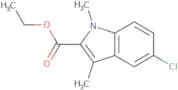
CAS:<p>2-Methoxybenzenesulphonyl chloride is an enzyme inhibitor that has been shown to have anti-cancer and anti-HIV activity. It inhibits the growth of cancer cells by interfering with protein synthesis and preventing RNA transcription. 2-Methoxybenzenesulphonyl chloride has also been shown to be effective in treating chronic hepatitis, degenerative diseases, and autoimmune diseases. This drug is metabolized through a number of metabolic transformations, including oxidation by cytochrome P450 enzymes or conjugation with glucuronic acid. The pro-apoptotic protein Bax is induced by 2-methoxybenzenesulphonyl chloride in human HL60 cells, which may be due to its ability to induce transcriptional regulation.</p>Formula:C7H7ClO3SPurity:Min. 97%Color and Shape:PowderMolecular weight:206.65 g/molEthyl 5-chloro-1,3-dimethyl-1H-indole-2-carboxylate
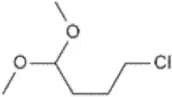
CAS:Controlled Product<p>Please enquire for more information about Ethyl 5-chloro-1,3-dimethyl-1H-indole-2-carboxylate including the price, delivery time and more detailed product information at the technical inquiry form on this page</p>Formula:C13H14ClNO2Purity:Min. 95%Molecular weight:251.71 g/mol4-Chlorobutanal dimethyl acetal
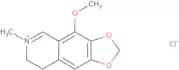
CAS:<p>4-Chlorobutanal dimethyl acetal is a compound that can be used as a reagent for the synthesis of enantiopure, functionalized pyridinium salts. The compound can be synthesized in a one-step process by the ring-opening of 4-chlorobutyraldehyde with dimethoxyethane in the presence of an acidic catalyst, such as hydrochloric acid. The reaction proceeds via an intramolecular hydrogen bond between the carbonyl group and the hydroxyl group on the ether oxygen atom. This process provides an isolated yield of 75%. The conjugates are obtained by reacting 4-chlorobutanal dimethyl acetal with different chlorides or other functional groups.</p>Formula:C6H13ClO2Purity:Min. 95%Molecular weight:152.62 g/molCotarnine chloride
CAS:<p>Cotarnine chloride is an isoquinoline alkaloid, which is a derivative of the opium alkaloid narcotine. It is synthesized through the oxidation and chlorination of narcotine extracted from opium. The mode of action of cotarnine chloride primarily involves its vasoconstrictive properties, which help in reducing blood flow by contracting smooth muscle fibers in blood vessels. This action aids in achieving hemostasis, thereby preventing or controlling hemorrhage.</p>Formula:C12H14ClNO3Purity:Min. 95%Color and Shape:Off-White To Yellow SolidMolecular weight:255.7 g/mol5-[4-(3-Chlorophenyl)piperazin-1-yl]-5-oxopentanoic acid
CAS:Controlled Product<p>Please enquire for more information about 5-[4-(3-Chlorophenyl)piperazin-1-yl]-5-oxopentanoic acid including the price, delivery time and more detailed product information at the technical inquiry form on this page</p>Formula:C15H19ClN2O3Purity:Min. 95%Molecular weight:310.78 g/molPhenylselenenyl chloride
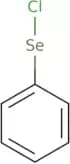
CAS:<p>Phenylselenenyl chloride is an organoselenium compound with the chemical formula CHSeCl. It has been shown to have a low redox potential, which makes it a good candidate for use in organic synthesis. Phenylselenenyl chloride is used as a catalyst in palladium-catalyzed coupling reactions and has been shown to be effective in the synthesis of epoxy hydroxy compounds. The x-ray crystal structures of phenylselenenyl chloride have been determined, revealing that the molecule contains steric interactions between the chloride and hydroxyl groups. This discovery explains why phenylselenenyl chloride is so selective for these two groups and may lead to improved synthetic methods for this molecule.</p>Formula:C6H5ClSePurity:Min. 95%Color and Shape:PowderMolecular weight:191.52 g/mol[3-(Trifluoromethyl)-4,5,6,7-tetrahydro-1H-indazol-1-yl]acetic acid
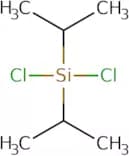
CAS:<p>Please enquire for more information about [3-(Trifluoromethyl)-4,5,6,7-tetrahydro-1H-indazol-1-yl]acetic acid including the price, delivery time and more detailed product information at the technical inquiry form on this page</p>Formula:C10H11F3N2O2Purity:Min. 95%Molecular weight:248.2 g/molDichlorodiisopropylsilane
CAS:<p>Dichlorodiisopropylsilane is a cycloaddition process, which is the addition of two molecules to create a new ring. It reacts with an unsaturated organic compound, such as an alkene or alkyne, to produce a reactive functional group. Dichlorodiisopropylsilane has been used in chemistry as a cross-linking agent for proteins and as a solid catalyst. The chemical stability of dichlorodiisopropylsilane makes it useful in the synthesis of model proteins. This compound also has low bioavailability due to its high reactivity with hydrochloric acid found in the stomach.</p>Formula:C6H14Cl2SiPurity:Min. 95%Color and Shape:Clear LiquidMolecular weight:185.17 g/mol






![[1-Methyl-2-(7-methyl-1H-indol-3-yl)ethyl]amine hydrochloride](/_next/image/?url=https%3A%2Fstatic.cymitquimica.com%2Fproducts%2F3D%2Fthumb-webp%2FFM123634.webp&w=3840&q=75)




![[(6-Chloro-1-isopropyl-1H-benzimidazol-2-yl)methyl]amine dihydrochloride](/_next/image/?url=https%3A%2Fstatic.cymitquimica.com%2Fproducts%2F3D%2Fthumb-webp%2FFC135800.webp&w=3840&q=75)
![7-Bromo-1-methyl-1H-imidazo[4,5-c]pyridine](/_next/image/?url=https%3A%2Fstatic.cymitquimica.com%2Fproducts%2F3D%2Fthumb-webp%2FFB155304.webp&w=3840&q=75)
![S-[2-(Dimethylamino)ethyl]isothiourea Dihydrochloride](/_next/image/?url=https%3A%2Fstatic.cymitquimica.com%2Fproducts%2F3D%2Fthumb-webp%2FFD61318.webp&w=3840&q=75)


![[2-(1-Ethyl-1H-benzimidazol-2-yl)ethyl]amine dihydrochloride](/_next/image/?url=https%3A%2Fstatic.cymitquimica.com%2Fproducts%2F3D%2Fthumb-webp%2FFE125216.webp&w=3840&q=75)

![Imidazo[1,2-a]pyridin-8-ylamine dihydrochloride](/_next/image/?url=https%3A%2Fstatic.cymitquimica.com%2Fproducts%2F3D%2Fthumb-webp%2FFI51744.webp&w=3840&q=75)
![2,3-Dihydro-1-(3-hydroxypropyl)-5-[(2R)-2-[[2-[2-(2,2,2-trifluoroethoxy)phenoxy]ethyl]amino]propyl…](/_next/image/?url=https%3A%2Fstatic.cymitquimica.com%2Fproducts%2F3D%2Fthumb-webp%2FFD103483.webp&w=3840&q=75)





![[(4-Methyl-1,3-thiazol-2-yl)methyl]amine dihydrochloride](/_next/image/?url=https%3A%2Fstatic.cymitquimica.com%2Fproducts%2F3D%2Fthumb-webp%2FFM124176.webp&w=3840&q=75)
![5-[4-(3-Chlorophenyl)piperazin-1-yl]-5-oxopentanoic acid](/_next/image/?url=https%3A%2Fstatic.cymitquimica.com%2Fproducts%2F3D%2Fthumb-webp%2FFC124636.webp&w=3840&q=75)
![[3-(Trifluoromethyl)-4,5,6,7-tetrahydro-1H-indazol-1-yl]acetic acid](/_next/image/?url=https%3A%2Fstatic.cymitquimica.com%2Fproducts%2F3D%2Fthumb-webp%2FFT119888.webp&w=3840&q=75)