Organic Halides
In this category, you can find organic molecules containing one or more halogen atoms in their structure. These organic halides include brominated, iodinated, chlorinated, and cyclic halide compounds. Organic halides are widely used in organic synthesis, pharmaceuticals, agrochemicals, and materials science due to their reactivity and ability to undergo a variety of chemical transformations. At CymitQuimica, we offer a comprehensive selection of high-quality organic halides to support your research and industrial applications, ensuring reliable and effective performance in your synthetic and analytical projects.
Subcategories of "Organic Halides"
Found 20437 products of "Organic Halides"
Sort by
Purity (%)
0
100
|
0
|
50
|
90
|
95
|
100
3,4-Dimethoxybenzyl chloride
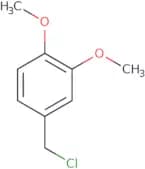
CAS:<p>3,4-Dimethoxybenzyl chloride is an acetate extract that has been shown to have anticancer properties. It is also a corrosion inhibitor with the ability to inhibit fatty acid demethylation and antimicrobial agents. It has been used in pharmaceutical preparations for treating high blood pressure, as well as in the production of eugenol, papaverine and other drugs.</p>Formula:C9H11ClO2Purity:Min. 95%Molecular weight:186.64 g/mol1H-Undecafluoropentane
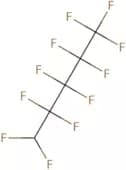
CAS:<p>1H-Undecafluoropentane is a reactive amide that selectively targets prostate cancer cells. It has been shown to have synergistic antitumor effects in combination with docetaxel. The mechanism of action for 1H-Undecafluoropentane is not yet known, but it has been speculated that it may be due to its ability to induce ferroptosis, an iron-dependent form of cell death. In addition, 1H-Undecafluoropentane has been shown to induce metabolic reprogramming in prostate cancer cells, which may lead to the production of reactive oxygen species (ROS) and subsequent cell death. 1H-Undecafluoropentane can also disrupt the microenvironment of prostate cancer cells by decreasing the pH and eliminating the presence of peroxides.</p>Formula:C5HF11Purity:Min. 95%Molecular weight:270.04 g/molCyclobutyl bromide
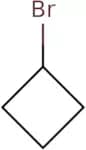
CAS:<p>Cyclobutyl bromide is a cyclopentyl compound that has an hydroxyl group. It is a potent inhibitor of the CB2 receptor, which is primarily expressed on cells of the immune system. Cyclobutyl bromide has been shown to inhibit the uptake of uv light and also has anti-inflammatory properties. Studies have confirmed that this drug inhibits the production of cytokines and chemokines in chronic bronchitis patients, as well as other inflammatory diseases such as rheumatoid arthritis.</p>Formula:C4H7BrPurity:Min. 95%Color and Shape:Clear LiquidMolecular weight:135 g/molCyclopropyl 2-fluorobenzyl ketone
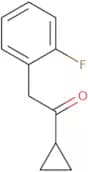
CAS:<p>Cyclopropyl 2-fluorobenzyl ketone is an inhibitor that blocks the production of cyclic nucleotides and thereby inhibits the activity of the enzyme phosphodiesterase. It has been shown to inhibit platelets and inhibit the metabolic rate in rats. The drug also has a cytotoxic effect on rat liver cells, which may be due to its ability to bind hydrogen bonds. Cyclopropyl 2-fluorobenzyl ketone has been found to have a strong inhibitory effect on ticagrelor, statins, and anti-platelet agents. This drug has also shown a potential for adverse drug interactions with other biological products such as erythropoietin, insulin, or heparin.</p>Purity:Min. 95%1-Chloro-2-(ethylthio)ethane
CAS:Controlled Product<p>1-Chloro-2-(ethylthio)ethane (1,2-ETE) is a reactive oxygen species that inhibits the electron transport chain in mitochondria. 1,2-ETE decreases the mitochondrial membrane potential and causes oxidative damage to proteins, such as recombinant cytochrome P450. 1,2-ETE has been shown to decrease photosynthetic activity by inhibiting the light reactions of photosynthesis. It also inhibits the electron transport chain in mitochondria and causes damage to cells by reacting with sulfide to form sulfhydryl compounds. The toxic effects of 1,2-ETE are due to its ability to cause injury by reacting with other molecules.</p>Formula:C4H9ClSPurity:Min. 95%Color and Shape:Clear Colourless To Pale Yellow LiquidMolecular weight:124.63 g/mol2-Chloro-7H-pyrrolo[2,3-d]pyrimidin-4-amine
CAS:<p>Please enquire for more information about 2-Chloro-7H-pyrrolo[2,3-d]pyrimidin-4-amine including the price, delivery time and more detailed product information at the technical inquiry form on this page</p>Formula:C6H5ClN4Purity:Min. 95%Molecular weight:168.58 g/molEpichlorohydrine
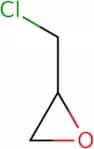
CAS:<p>Epichlorohydrine is a chemical compound that binds to calcium and sodium ions. It is used in wastewater treatment, where it reacts with fatty acids to form epoxides. Epichlorohydrine has been shown to have carcinogenic effects in animals and humans, which are due to its genotoxic properties. The carcinogenic properties of epichlorohydrine can be attributed to the formation of reactive oxygen species, such as hydroxyl radicals and hydrogen peroxide, which cause DNA damage. Epichlorohydrine also has photosynthetic activity when exposed to sunlight or ultraviolet light.</p>Formula:C3H5ClOPurity:Min. 95%Color and Shape:Clear LiquidMolecular weight:92.52 g/mol4-Methyl-1-piperazinecarbonyl chloride hydrochloride
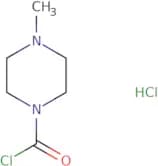
CAS:<p>4-Methyl-1-piperazinecarbonyl chloride hydrochloride is a pyridine derivative that can be used to synthesize various alkyl esters. It is also used as a reagent in organic synthesis. 4-Methyl-1-piperazinecarbonyl chloride hydrochloride is soluble in organic solvents and has a low melting point. This compound can be used for the recrystallization of dibenzoyl, which is an important parameter for this reaction. 4-Methyl-1-piperazinecarbonyl chloride hydrochloride is an anhydrous compound, so it must be stored in a dry place to prevent water from forming crystals. Nonbenzodiazepine drugs are also made with 4-methyl-1-piperazinecarbonyl chloride hydrochloride. The enantiomers (mirror images) of this molecule may have different effects on the body, and this difference can be</p>Formula:C6H11ClN2O•HClPurity:Min. 95%Color and Shape:PowderMolecular weight:199.08 g/mol2-Chloro-6-cyanopyrazine
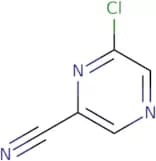
CAS:<p>2-Chloro-6-cyanopyrazine is a compound that has been shown to have antimycobacterial activity against Mycobacterium avium. It may also have tuberculostatic activity and be useful for the treatment of tuberculosis. 2-Chloro-6-cyanopyrazine inhibits bacterial growth by binding to DNA, RNA, and protein synthesis in mycobacteria. The antibacterial effect is due to its ability to inhibit amidation and alkylation reactions, as well as its nucleophilic properties. 2-Chloro-6-cyanopyrazine is an acidic compound with a pKa of 3.2, which makes it more soluble in water than hydrophobic compounds such as alkanoic acids.</p>Formula:C5H2ClN3Purity:Min. 95%Molecular weight:139.54 g/molDiethyl fluoromalonate
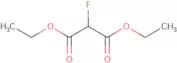
CAS:<p>Diethyl fluoromalonate is a chemical that can be used to generate fluoroacetic acid. It has been shown to be an effective inhibitor of the growth of resistant mutants in vitro with magnetic resonance spectroscopy. The mechanism of action is not known, but it may involve the formation of a carbonyl group due to elimination of hydrogen fluoride. Diethyl fluoromalonate also reacts with malonic acid to form an aryl halide, which can then react with nitrogen atoms in cells and produce reactive oxygen species. This chemical has been shown to have anti-inflammatory effects in rats.</p>Formula:C7H11FO4Purity:Min. 95%Molecular weight:178.16 g/mol6-Chloro-1-methyl-1H-indole-2-carboxylic acid
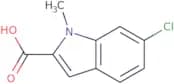
CAS:<p>Please enquire for more information about 6-Chloro-1-methyl-1H-indole-2-carboxylic acid including the price, delivery time and more detailed product information at the technical inquiry form on this page</p>Formula:C10H8ClNO2Purity:Min. 95%Molecular weight:209.63 g/mol8-Chloro-1-methyl-2,3,4,5-tetrahydro-1H-benzo[d]azepine
CAS:Controlled Product<p>8-Chloro-1-methyl-2,3,4,5-tetrahydro-1H-benzo[d]azepine is an antipsychotic drug that is a member of the class of drugs known as serotonin receptor antagonists. It is a synthetic process that has been used to produce antidepressant and antipsychotic drugs. This drug was first synthesized in 1966 by chemists at Smith Kline & French Laboratories as part of a program to develop novel antidepressants. 8-Chloro-1-methyl-2,3,4,5-tetrahydro-1H-benzo[d]azepine is one of the few antipsychotics that does not cause extrapyramidal side effects such as tardive dyskinesia. The enantiomers are active with the (S) form being more potent than the (R) form.</p>Formula:C11H14ClNPurity:Min. 95%Molecular weight:195.69 g/molBis[2-(perfluorooctyl)ethyl] phosphate
CAS:Controlled Product<p>Bis[2-(perfluorooctyl)ethyl] phosphate is a perfluorinated compound that can be used as an alternative to polyvinyl chloride in the manufacture of children's toys and other consumer products. It has been shown to have no health effects on humans, unlike other perfluorinated compounds, in a study where human serum was analyzed. Bis[2-(perfluorooctyl)ethyl] phosphate also has a high affinity for polyfluoroalkyl substances (PFASs) and can be used in analytical methods for their detection. The optimised extraction procedure is simple and rapid, using ultrasonic extraction with no need for any organic solvents. Recoveries are high (>99%) and the method does not require any volatile solvents.</p>Formula:C20H9F34O4PPurity:Min. 95%Molecular weight:990.2 g/mol3-bromo-o-xylene
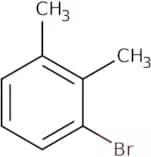
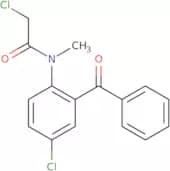
CAS:<p>3-bromo-o-xylene is a xylene that has been shown to react with nucleophiles, such as ammonia and alcohols, by way of nucleophilic substitution. It can be used as a solvent for carboxylic acid derivatives and is also used in the production of ethyl formate. The most important use of 3-bromo-o-xylene is its conversion to 3-bromopropanoic acid (3BPA). This conversion can be achieved through a reaction with an inorganic acid or an organic acid, such as sulfamic acid or trifluoroacetic acid. Another method of conversion is called Grignard reagent synthesis. This process involves the reaction of 3-bromopropene with magnesium metal and an alkyl halide, such as methyl chloride. In addition, 3BPA can be prepared by hydrolysis using hydrochloric acid or potassium phosphate in the presence of b</p>Formula:C8H9BrPurity:Min. 95%Color and Shape:Clear LiquidMolecular weight:185.06 g/molN-(2-Benzoyl-4-chlorophenyl)-2-chloro-N-methylacetamide
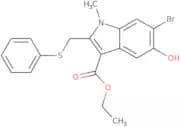
CAS:<p>Please enquire for more information about N-(2-Benzoyl-4-chlorophenyl)-2-chloro-N-methylacetamide including the price, delivery time and more detailed product information at the technical inquiry form on this page</p>Formula:C16H13Cl2NO2Purity:Min. 95%Molecular weight:322.19 g/molEthyl 6-bromo-5-hydroxy-1-methyl-2-(phenylsulfanylmethyl)indole-3-carboxylate
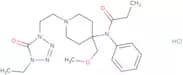
CAS:Controlled Product<p>Please enquire for more information about Ethyl 6-bromo-5-hydroxy-1-methyl-2-(phenylsulfanylmethyl)indole-3-carboxylate including the price, delivery time and more detailed product information at the technical inquiry form on this page</p>Purity:Min. 95%Alfentanil hydrochloride
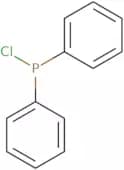
CAS:Controlled Product<p>Alfentanil is an opioid analgesic that is used for the treatment of severe or acute pain. It is a potent synthetic analog of fentanyl, which is an opioid analgesic that is used for the treatment of short-term (acute) and long-term (chronic) pain. Alfentanil has been shown to have a high affinity for α1-acid glycoprotein, which has been associated with drug interactions and blood sampling. Alfentanil also has chemical stability in experimental models and does not interact with nonsteroidal anti-inflammatory drugs. This drug may have a matrix effect on the concentration of cortisol in the blood.</p>Formula:C21H33ClN6O3Purity:Min. 95%Molecular weight:452.98 g/molChlorodiphenylphosphine
CAS:<p>Chlorodiphenylphosphine is an organophosphorus compound that can form stable complexes with fatty acids. It reacts with hydroxyl groups to form stable complexes, which are soluble in organic solvents and can be used as ligands for metal ions. Chlorodiphenylphosphine has been shown to react with copper chloride in aqueous solution at room temperature to form copper chlorodiphenylphosphine, which is soluble in water or ethanol. Several chelate ligands were synthesized using this method, including dimethyl fumarate and halides. The structures of these compounds were analyzed by x-ray diffraction data.</p>Formula:C12H10PClPurity:Min. 95%Color and Shape:Colorless Clear LiquidMolecular weight:220.63 g/mol4-Amino-3-(trifluoromethoxy)benzoic acid
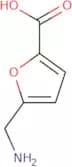
CAS:<p>Please enquire for more information about 4-Amino-3-(trifluoromethoxy)benzoic acid including the price, delivery time and more detailed product information at the technical inquiry form on this page</p>Formula:C8H6F3NO3Purity:Min. 95%Molecular weight:221.13 g/mol5-(Aminomethyl)-2-furoic acid hydrochloride
CAS:<p>5-(Aminomethyl)-2-furoic acid hydrochloride is a molecule that belongs to the group of carboxylates. It has a molecular weight of 191.2 g/mol and a chemical formula of CHNO. The structure of 5-(aminomethyl)-2-furoic acid hydrochloride is similar to that of hexamethylenetetramine, a common organic compound with the formula (CH)N(H)CH. 5-(Aminomethyl)-2-furoic acid hydrochloride can be used as an acceptor in hydrogen chloride gas generation reactions, which are used in the synthesis of some pharmaceutical drugs and other organic compounds. The molecule also has potential use in telomerase research because it is structurally similar to natural telomeres. In addition, this molecule has been shown to have anti-inflammatory properties due to its ability to inhibit prostaglandin synthesis.</p>Formula:C6H7NO3Purity:Min. 95%Molecular weight:141.12 g/molMethyl trichloroacetate
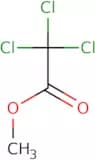
CAS:<p>Methyl trichloroacetate (MTCA) is a reactive chemical that is used as an intermediate in the synthesis of various organic compounds. It has been shown to react with nucleophiles, such as hydroxyl groups, to form a copper complex. MTCA has also been found to produce light emission when exposed to air and aryl halides. The synthesis of MTCA involves treating 1-chloro-2-propanol with hydrogen fluoride in the presence of an acid catalyst. The chemical can be detected by gas chromatography or liquid chromatography, but it is not readily available on the market.</p>Formula:C3H3Cl3O2Purity:Min. 95%Molecular weight:177.41 g/mol2-(3,5-Dichlorophenyl)Pyrrolidine
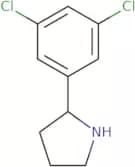
CAS:<p>Please enquire for more information about 2-(3,5-Dichlorophenyl)Pyrrolidine including the price, delivery time and more detailed product information at the technical inquiry form on this page</p>Formula:C10H11Cl2NPurity:Min. 95%Molecular weight:216.11 g/molFluorescent Brightener 251
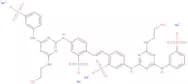
CAS:<p>Fluorescent Brightener 251 is a quaternary ammonium salt that is used as a fluorescent whitening agent. It has been shown to be safe for use with human keratin and can be identified by its ultraviolet-visible spectra. This compound is a polybasic, anionic compound that is neutralized with a diluent and then chloride. The radiation emitted by the compound triggers the emission of visible light, which is what makes it fluorescent. Fluorescent Brightener 251 emits radiation in three wavelengths: 280 nm, 350 nm, and 420 nm. The evaporation rate of this compound depends on the counterions present in the solution. Fluorescent Brightener 251 undergoes a stepwise reaction with reactive compounds.</p>Formula:C36H36N12O14S4•Na4Purity:Min. 95%Color and Shape:PowderMolecular weight:1,080.97 g/molDechloro Haloperidol
CAS:<p>Please enquire for more information about Dechloro Haloperidol including the price, delivery time and more detailed product information at the technical inquiry form on this page</p>Formula:C21H24FNO2Purity:Min. 95%Molecular weight:341.42 g/mol9-Iodo-1,2-carbarone
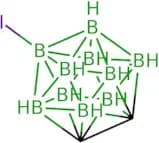
CAS:Controlled Product<p>Please enquire for more information about 9-Iodo-1,2-carbarone including the price, delivery time and more detailed product information at the technical inquiry form on this page</p>Formula:IC2B10H11Purity:Min. 95%Molecular weight:2,431.11 g/molImidazo[1,2-a]pyridin-8-ylamine dihydrochloride
CAS:<p>Imidazo[1,2-a]pyridin-8-ylamine dihydrochloride is an arylation agent that reacts with nucleophiles to form an amide linkage. Imidazo[1,2-a]pyridin-8-ylamine dihydrochloride is used in the synthesis of carboxylic acid derivatives and other biomolecules. It can be used for selective functionalization of unsymmetrical carboxylic acids.</p>Formula:C7H7N3·2HClPurity:Min. 95%Molecular weight:206.07 g/mol2-Chloro-1,3,2-dioxaphospholane-2-oxide
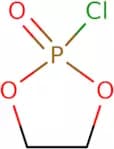
CAS:<p>2-Chloro-1,3,2-dioxaphospholane-2-oxide is a reactive compound that has inhibitory properties. It is used in the synthesis of biocompatible polymers and can be used as a phase transition temperature regulator. This molecule has been studied using FTIR spectroscopy and in vitro assays. It has also been shown to react with fatty acids to form a molecule with low energy. 2-Chloro-1,3,2-dioxaphospholane-2-oxide reacts with hydrogen chloride to form benzyl groups, which may be due to its nucleophilic attack on the chlorine atom. 2CPDO is an organic compound that is part of the molecule class known as phospholanes.</p>Formula:C2H4ClO3PPurity:Min. 95%Molecular weight:142.48 g/mol3-(4-Methyl-1H-imidazol-1-yl)-5-trifluoromethylaniline
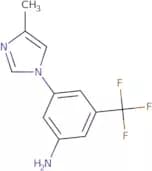
CAS:<p>3-(4-Methyl-1H-imidazol-1-yl)-5-trifluoromethylaniline (MTIA) is a diazotization agent that is used in the industrial production of nilotinib, an anti-cancer drug. MTIA reacts with ethyl acetate to form ethyl 3-(4-methyl-1H-imidazol-1-yl)-5-(trifluoromethyl)aniline, which can then be reacted with hydrochloric acid to produce MTIA hydrochloride. The MTIA hydrochloride can be dissolved in water and used as a diazotization agent. The sequence of these reactions is: 3-(4-Methyl-1H-imidazol-1-yl)-5-(trifluoromethyl)aniline + ethyl acetate → ethyl 3-(4-methyl--1H--</p>Formula:C11H10F3N3Purity:Min. 98 Area-%Color and Shape:PowderMolecular weight:241.21 g/mol(-)-Ecgonine hydrochloride
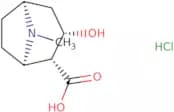
CAS:Controlled Product<p>(-)-Ecgonine hydrochloride is a benzoyl ester that is used as an analytical reagent. It is a precursor in the synthesis of cocaine and other drugs. Ecgonine hydrochloride can be extracted from plant sources, such as coca leaves or khat leaves, by acid-base extraction. It has been shown to have toxic effects on human serum and the liver, which may be due to its structural similarity to cocaine.</p>Formula:C9H16ClNO3Purity:Min. 95%Molecular weight:221.68 g/molEthyl 2-chloro-2,2-difluoroacetate
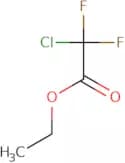
CAS:<p>Ethyl 2-chloro-2,2-difluoroacetate is an organic compound that is used in the synthesis of benzofuran derivatives. It reacts with chlorine to generate a reactive intermediate and then undergoes a nucleophilic substitution reaction to produce the desired compound. The kinetic studies of this reaction have been conducted using isolated yields of the reactants. The active methylene group can undergo a variety of reactions because it has a reactive chlorine atom attached to it. This active substance inhibits the NS5B polymerase, which is responsible for converting RNA into DNA. Ethyl 2-chloro-2,2-difluoroacetate may be used as a potential treatment for inflammatory diseases such as asthma and arthritis because it prevents acetylcholine from binding to its receptor α.</p>Formula:C4H5ClF2O2Purity:Min. 95%Color and Shape:Clear LiquidMolecular weight:158.53 g/mol2,4-Difluorobenzenethiol
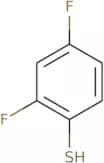
CAS:<p>2,4-Difluorobenzenethiol is a chemical with the molecular formula CHClF2SH. It has a high yield and can be used in the production of medicines and chemicals. Industrially, 2,4-difluorobenzenethiol is used as a raw material for the manufacture of dyes, perfumes and other products. The synthesis of this chemical involves treating 2-fluoroaniline with sulfuric acid. This process produces 2,4-difluorobenzenethiol as a byproduct.</p>Formula:C6H4F2SPurity:Min. 95%Molecular weight:146.16 g/molPyridine-3-sulfonyl chloride
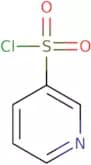
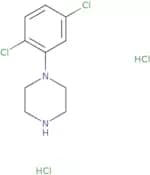
CAS:<p>Pyridine-3-sulfonyl chloride is a chemical compound that binds to the active site of cytochrome P450 enzymes. It can be used to study the effects of matrix effect on reaction solution. Pyridine-3-sulfonyl chloride has been shown to have an UV absorption spectrum with a maximum at 280 nm and a p450 activity that is proportional to the concentration of human serum. This compound has been shown to inhibit kinase domain in vitro assays, which may have clinical relevance in the treatment of obesity.</p>Formula:C5H4ClNO2SPurity:Min. 95%Color and Shape:PowderMolecular weight:177.61 g/mol1-(2,5-Dichlorophenyl)piperazinedihydrochloride
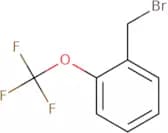
CAS:Controlled Product<p>Please enquire for more information about 1-(2,5-Dichlorophenyl)piperazinedihydrochloride including the price, delivery time and more detailed product information at the technical inquiry form on this page</p>Formula:C10H14Cl4N2Purity:Min. 95%Molecular weight:304.04 g/mol2-(Trifluoromethoxy)benzyl bromide
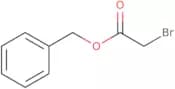
CAS:<p>2-(Trifluoromethoxy)benzyl bromide is a computational study of ionic liquids with substitutions. The viscosity of the liquid was found to be dependent on the size of the substituent and the number of substitutions. The compound was found to be selective for one isomer over another due to its different structural features. Experimental studies have shown that 2-(trifluoromethoxy)benzyl bromide has high permeability in ionic liquids, which is a desired property in ionic liquids. Advances in this field have led to new compounds and more knowledge about the properties of ionic liquids.</p>Purity:Min. 95%Benzyl bromoacetate
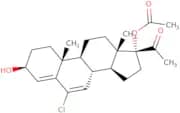
CAS:<p>Benzyl bromoacetate is a bicyclic heterocycle that is metabolized by the enzyme benzyl alcohol dehydrogenase. The resulting metabolites are then converted to methyl benzoate and benzyl alcohol. It has been shown to inhibit prostate cancer cells and basic fibroblasts, which may be due to its ability to inhibit enzymes involved in fatty acid synthesis. Benzyl bromoacetate also has therapeutic effects on autoimmune diseases such as bowel disease, which may be due to its ability to reduce inflammation and suppress the immune system.</p>Formula:C9H9BrO2Purity:Min. 95%Color and Shape:Clear Colourless To Light (Or Pale) Yellow LiquidMolecular weight:229.07 g/molChlormadinol acetate
CAS:Controlled Product<p>Chlormadinol acetate is a stable complex of a fatty acid and an antibiotic that is used to treat infections caused by bacteria. It has been shown to have high resistance to antimicrobial agents, including amoxicillin-clavulanic acid, tetracycline, and multidrug efflux pumps. Chlormadinol acetate has also been shown to inhibit the growth of certain cancer cells in vitro and in vivo using gene therapy. This drug also inhibits bacterial protein synthesis by binding to the 30S ribosomal subunit and preventing the formation of a functional 70S ribosome. Chlormadinol acetate has been shown to be clinically relevant in mice when used with amoxicillin-clavulanic acid or tetracycline.</p>Formula:C23H31ClO4Purity:Min. 95%Molecular weight:406.94 g/molN,N'-Dimethylhydrazine dihydrochloride
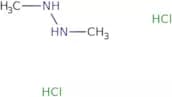
CAS:Controlled Product<p>N,N'-Dimethylhydrazine dihydrochloride (DMHD) is a nonsteroidal anti-inflammatory drug that inhibits the production of prostaglandins by blocking cyclooxygenase-2 (COX-2). It works by inhibiting tumor growth and inducing apoptosis. DMHD has been shown to inhibit angiogenesis and induce apoptosis in liver cells. DMHD also inhibits the mitochondrial membrane potential, which is important for regulating cell function. The molecular docking analysis has shown that DMHD binds to COX-2 protein with high affinity and specificity. DMHD also inhibits fatty acid synthesis, which may be due to its inhibition of mitochondrial beta-oxidation enzymes. DMHD has been shown to have toxic effects on colon cells in rats. This agent can cause damage to the colon lining through a number of mechanisms, including causing DNA damage and increasing oxidative stress.</p>Formula:C2H8N2Purity:Min. 95%Molecular weight:60.1 g/mol2-Cyclopentyl-4-chlorophenol
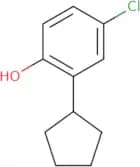
CAS:<p>2-Cyclopentyl-4-chlorophenol is a synthetic fatty acid that is used as an antiviral agent. It inhibits the synthesis of fatty acids by inhibiting the conversion of 2,4-dienoyl CoA to 3-hydroxyacyl CoA. 2-Cyclopentyl-4-chlorophenol has been shown to be effective against a number of test organisms, including bacteria such as staphylococcus and virus such as herpes simplex virus. 2-Cyclopentyl-4-chlorophenol inhibits viral protein synthesis by blocking the action of host enzymes required for this process. The target cell for this drug is the host cell infected with a virus. This drug also has antihelminthic properties and can be used to treat parasitic infections caused by schistosoma haematobium and clonorchis sinensis worms. 2CPCP's structural formula is shown below:</p>Formula:C11H13ClOPurity:Min. 95%Molecular weight:196.67 g/molFluoropentachloroethane
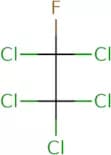
CAS:Controlled Product<p>Fluoropentachloroethane is a reactive compound that reacts with water to form hydrofluoric acid and pentachloroethane. It is used in the production of other compounds, such as solvents, refrigerants and pesticides. Fluoropentachloroethane is also used as an extracting agent in organic chemistry and has been shown to be effective at removing heavy metals from contaminated water. The chemical has a vapor pressure of 1.6 mmHg at 20 degrees Celsius and a density of 1.598 g/mL, which makes it easier to transport by land or air than heavier chemicals such as tetrachloroethylene. Fluoropentachloroethane can be evaporated using diode laser technology when the temperature is above its boiling point of 65 degrees Celsius.</p>Formula:C2Cl5FPurity:Min. 95%Color and Shape:SolidMolecular weight:220.28 g/molβ-Alaninol 2-chlorotrityl resin
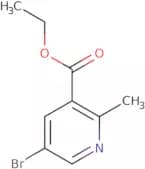
<p>Please enquire for more information about beta-Alaninol 2-chlorotrityl resin including the price, delivery time and more detailed product information at the technical inquiry form on this page</p>Purity:Min. 95%Ethyl 5-bromo-2-methylnicotinate
CAS:<p>Ethyl 5-bromo-2-methylnicotinate is a crystalline compound that is extracted from the industrial process of synthetic organic solvents. The extraction of this compound can be done using an acetylation reaction with ammonium acetate. This chemical is then recrystallized to produce a large amount of pure product. The average yield for this chemical is around 60%.</p>Purity:Min. 95%Zolazepam hydrochloride
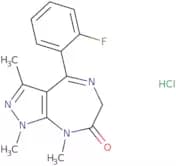
CAS:Controlled Product<p>Zolazepam is a benzodiazepine that has antinociceptive properties and is used as an anesthetic. The effective dose of zolazepam in humans is 5-10 mg intravenously, with a maximum dose of 25 mg. Zolazepam has been found to have no effect on systolic blood pressure or heart rate, but does cause significant reduction in terminal half-life. Zolazepam's antinociceptive effects are mediated through the inhibition of calcium ion channels, which results in decreased neuronal activity in the spinal cord and brainstem. Zolazepam causes sedation and immobilization by suppressing the function of neurons that control skeletal muscles.<br>Zolazepam also has been shown to inhibit osteoclast formation, which may be beneficial for patients with metabolic bone diseases such as Paget's disease or osteoporosis.</p>Purity:Min. 95%Magnesium bromide diethyl etherate
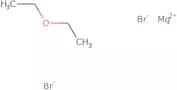
CAS:Controlled Product<p>Magnesium bromide diethyl etherate is a magnesium salt of diethyl etherate, which is used in the preparation of caproic acid. It has been shown to be an efficient method for the synthesis of acyl halides through the reaction of aromatic hydrocarbons and chloride. The product has high melting point and is a cyclohexane ring. Magnesium bromide diethyl etherate can also be used for muscle cell proliferation and acrylate encapsulation. This product's reaction products are primary alcohols, which are useful in the production of polyurethane, polyesters, and polyamides.</p>Formula:Br2Mg·C4H10OPurity:Min. 95%Molecular weight:258.23 g/molN-Methyl-5H-dibenzo[a,d]cycloheptene-5-propylamine hydrochloride
CAS:Controlled Product<p>N-Methyl-5H-dibenzo[a,d]cycloheptene-5-propylamine hydrochloride (NMBPD) is a drug with anti-inflammatory properties that belongs to the class of tricyclic antidepressants. It has been shown to have synergistic effects with synthetic matrix in vitro. This drug also has receptor activity and can be used to treat infectious diseases such as HIV and tuberculosis. NMBPD is excreted in the urine, which can lead to kidney fibrosis. The drug is metabolized by α1-acid glycoprotein, which may be related to its potential adverse effects on the liver and kidneys. The analytical method for quantification of NMBPD includes gas chromatography with mass spectrometry detection (GC/MS).</p>Formula:C19H22ClNPurity:Min. 95%Color and Shape:PowderMolecular weight:299.84 g/molN-Trifluoroacetyl (R)-amphetamine
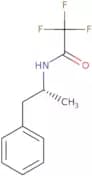
CAS:Controlled Product<p>Please enquire for more information about N-Trifluoroacetyl (R)-amphetamine including the price, delivery time and more detailed product information at the technical inquiry form on this page</p>Formula:C11H12F3NOPurity:Min. 95%Molecular weight:231.21 g/mol2,4-Dinitrobenzenesulfonyl chloride
CAS:<p>2,4-Dinitrobenzenesulfonyl chloride is a chemical reagent that is used in analytical chemistry. It reacts with pyrazole rings to form 2-aminopyridine derivatives. The reaction can be enhanced by adding metal ions such as copper(II) or zinc(II). 2,4-Dinitrobenzenesulfonyl chloride is also used in the solid-phase synthesis of heterocycles and in the synthesis of pharmaceuticals. The compound has been shown to react with human serum and form an unstable intermediate that undergoes hydrolysis to produce sulfate ion and trifluoroacetic acid. This reaction mechanism can be applied to other nucleophilic compounds such as bromide ion. 2,4-Dinitrobenzenesulfonyl chloride reacts with the amine group of proteins using the S N 1 mechanism. The resulting product is a chlorinated amino acid derivative which exhibits fluorescence properties when reacted with</p>Formula:C6H3ClN2O6SPurity:Min. 95%Molecular weight:266.62 g/molBis (1,5-Cyclooctadiene) rhodium(I)tetrafluoroborate
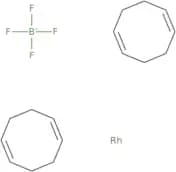
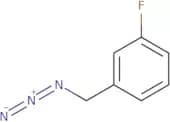
CAS:<p>Bis (1,5-Cyclooctadiene) rhodium(I)tetrafluoroborate (BODIPY) is a catalyst that enhances the rate of hydrosilylation reactions. This catalyst has been shown to be effective in the synthesis of aryl chlorides from amines and aldehydes with high enantioselectivity. BODIPY is also immobilized on silica gel to create an active catalyst for asymmetric synthesis. The immobilization process on silica gel is done by reacting BODIPY with ammonium formate and amines. The resulting catalyst can be used for the synthesis of functionalized organic compounds, such as pyrrolidines, tetrahydrofurans, and thiophenes.</p>Formula:C16H24BF4RhPurity:Min. 95%Molecular weight:406.07 g/mol1-(Azidomethyl)-3-fluorobenzene
CAS:<p>1-(Azidomethyl)-3-fluorobenzene is a cycloaddition product that, when optimized, has a high efficiency for the synthesis of phosphine containing target compounds. The cycloaddition reaction is carried out in an organic solvent at room temperature with or without the addition of an external base. The reaction time can be varied from 10 minutes to 2 hours. The substituent on the azide and alkyne can be varied to produce different products. 1-(Azidomethyl)-3-fluorobenzene is catalyzed by copper(II) acetate and zinc chloride or copper(II) oxide and zinc chloride to form the desired phosphines.</p>Formula:C7H6FN3Purity:Min. 95%Molecular weight:151.14 g/molCotarnine chloride
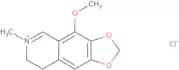
CAS:<p>Cotarnine chloride is an isoquinoline alkaloid, which is a derivative of the opium alkaloid narcotine. It is synthesized through the oxidation and chlorination of narcotine extracted from opium. The mode of action of cotarnine chloride primarily involves its vasoconstrictive properties, which help in reducing blood flow by contracting smooth muscle fibers in blood vessels. This action aids in achieving hemostasis, thereby preventing or controlling hemorrhage.</p>Formula:C12H14ClNO3Purity:Min. 95%Color and Shape:Off-White To Yellow SolidMolecular weight:255.7 g/mol1-Amino-9-fluorenone
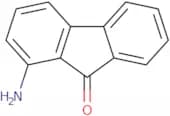
CAS:<p>1-Amino-9-fluorenone is a hydrogen bond acceptor molecule that has been shown to have anticancer activity and rate enhancement. The 1-Amino-9-fluorenone binds to the DNA of cancer cells, inhibiting cell growth and proliferation. This molecule also interacts with the cellular membrane by reversible binding, which leads to an increase in the concentration of intracellular nitric oxide (NO). This increase in NO levels inhibits the growth of cancer cells by blocking their ability to produce ATP. 1-Amino-9-fluorenone has been shown to inhibit hCT116 human colon cancer cells.</p>Formula:C13H9NOPurity:Min. 95%Molecular weight:195.22 g/mol2-Diethylaminoethyl 1-cyclohexylcyclohexane-1-carboxylate hydrochloride
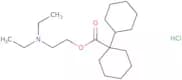
CAS:<p>2-Diethylaminoethyl 1-cyclohexylcyclohexane-1-carboxylate hydrochloride is a methyltransferase inhibitor that blocks the synthesis of monoethyl ether, which is used to synthesize dicyclomine. It has been shown to be effective in vitro against biological samples such as rat liver and blood cells. 2-Diethylaminoethyl 1-cyclohexylcyclohexane-1-carboxylate hydrochloride also has been shown to have a pharmacological effect on rats with bowel disease, congestive heart failure, and crystalline cellulose. The chemical structure of 2-Diethylaminoethyl 1-cyclohexylcyclohexane-1-carboxylate hydrochloride is similar to that of phosphorus pentoxide, which makes it difficult for this drug to cross the blood brain barrier.</p>Formula:C19H36ClNO2Purity:Min. 95%Molecular weight:345.95 g/molPipradrolHydrochloride
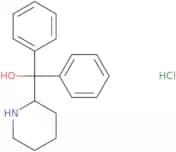
CAS:Controlled Product<p>Pipradrol Hydrochloride is a nonsteroidal anti-inflammatory drug (NSAID) that has been clinically used to treat symptoms of infectious diseases, autoimmune diseases and inflammatory diseases. It is a prodrug that is hydrolyzed to the active form, pipradrol in the body. Pipradrol Hydrochloride inhibits the cyclooxygenase enzymes COX 1 and COX 2, which are responsible for the formation of prostaglandins from arachidonic acid. Prostaglandins are involved in pain and inflammation. Pipradrol Hydrochloride has been shown to have an inhibitory effect on institutionalized geriatric patients with psychotic depression or depression.</p>Formula:C18H22ClNOPurity:Min. 95%Molecular weight:303.83 g/mol3-Chloro-1H-indole-2-carbaldehyde
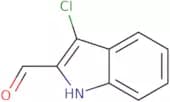
CAS:<p>3-Chloro-1H-indole-2-carbaldehyde is a bifunctional reagent that can be used to form amides. It reacts with primary and secondary amines, as well as dialkyl and methylene amines, to produce the corresponding chloro-, phenylhydrazine-, or nitrosoaminoureas. This reaction is intramolecular and yields the desired product in high yield. The reactant can also be used as a chloride source. 3-Chloro-1H-indole-2-carbaldehyde is manufactured by reacting phenylhydrazine with chloroacetic acid in an organic solvent at room temperature (25°C).</p>Formula:C9H6ClNOPurity:Min. 95%Molecular weight:179.6 g/mol4-Fluoro methamphetamine hydrochloride
CAS:Controlled Product<p>4-Fluoro methamphetamine hydrochloride is a psychoactive substance that can be detected by the use of a gas chromatograph. It is a formic acid derivative of methamphetamine, which is found in methanolic solution. The drug is used as an illicit recreational drug and can be used to treat ADHD and narcolepsy. 4-Fluoro methamphetamine hydrochloride is also used as a research chemical. The detection of this substance in urine samples can be done by the use of chromatography, with confirmation by mass spectrometry or gas chromatography-mass spectrometry.</p>Formula:C10H15ClFNPurity:Min. 95%Molecular weight:203.68 g/mol[1-(2-Chlorobenzyl)-1H-benzimidazol-2-yl]methanol
CAS:Controlled Product<p>Please enquire for more information about [1-(2-Chlorobenzyl)-1H-benzimidazol-2-yl]methanol including the price, delivery time and more detailed product information at the technical inquiry form on this page</p>Formula:C15H13ClN2OPurity:Min. 95%Molecular weight:272.73 g/mol[2-(1,2,6-Trimethyl-1H-indol-3-yl)ethyl]amine hydrochloride
CAS:Controlled Product<p>Please enquire for more information about [2-(1,2,6-Trimethyl-1H-indol-3-yl)ethyl]amine hydrochloride including the price, delivery time and more detailed product information at the technical inquiry form on this page</p>Formula:C13H18N2Purity:Min. 95%Molecular weight:202.3 g/mol4-Methoxyphenyl chloroformate
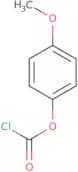
CAS:<p>4-Methoxyphenyl chloroformate is a reactive chemical that can be used to synthesize amides, esters, and anhydrides. It reacts with nucleophiles such as chloride or hydroxide to form an intermediate product. This intermediate product then reacts with the desired molecule to form the desired final product. 4-Methoxyphenyl chloroformate has shown selectivity for binding to opioid receptors, including mu and delta subtypes. This chemical may be used in the synthesis of antibiotic drugs that have similar receptor subtypes. 4-Methoxyphenyl chloroformate also has been shown to modulate G protein signaling pathways in cells, which may lead to improved pharmacokinetic properties.</p>Formula:C8H7ClO3Purity:Min. 95%Color and Shape:Clear LiquidMolecular weight:186.59 g/molMethixene hydrochloride hydrate
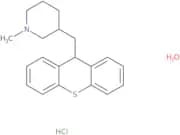
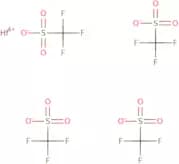
CAS:Controlled Product<p>Methixene hydrochloride hydrate is a drug that is used to treat inflammatory bowel disease. It works by inhibiting the activity of enzymes involved in the production of epidermal growth factor, which is a protein that stimulates the growth of cells in the lining of the intestine. Methixene hydrochloride hydrate may also be used for other purposes not listed here. Methixene hydrochloride hydrate can cause liver damage and bone cancer and should not be taken by people with infectious diseases or those who are pregnant. This medication has an effect on dopamine levels and may help with Parkinson's disease. Although methixene hydrochloride hydrate is used to treat many different illnesses, it cannot cure them all.</p>Formula:C20H26ClNOSPurity:Min. 95%Color and Shape:PowderMolecular weight:363.95 g/molHafnium(IV) Trifluoromethanesulfonate
CAS:Controlled Product<p>Hafnium(IV) trifluoromethanesulfonate is a compound that has been used as an inhibitor in carbohydrate chemistry. Hafnium(IV) trifluoromethanesulfonate inhibits the reaction between malonic acid and acetic anhydride in an asymmetric synthesis, which results in a mixture of diastereomers. It also suppresses apoptosis by inhibiting the activation of caspase-3, which is one of the primary pathways for apoptosis. The mechanism behind this inhibition is not entirely clear but may be due to the hydroxyl group present on the aromatic hydrocarbon or its acidic nature. Hafnium(IV) trifluoromethanesulfonate has anticancer activity and has been shown to inhibit tumor growth in vivo with low toxicity.</p>Formula:C4F12HfO12S4Purity:Min. 95%Molecular weight:774.77 g/moltert-Butyl 4-chloro-5,6-dihydropyrido[3,4-d]pyrimidine-7(8H)-carboxylate
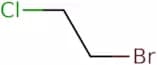
CAS:<p>Please enquire for more information about tert-Butyl 4-chloro-5,6-dihydropyrido[3,4-d]pyrimidine-7(8H)-carboxylate including the price, delivery time and more detailed product information at the technical inquiry form on this page</p>Formula:C12H16ClN3O2Purity:Min. 95%Molecular weight:269.73 g/mol1-Bromo-2-chloroethane
CAS:Controlled Product<p>1-Bromo-2-chloroethane is a chemical compound with the molecular formula CH3BrCl. It is used as a fumigant, an intermediate in organic synthesis, and a precursor to other chemicals. 1-Bromo-2-chloroethane is produced by the reaction of hydrogen chloride with ethylene and methyl ethyl ether. This chemical has been extensively studied for its conformational properties, which are dependent on the presence of a hydrogen bond. The molecule has two conformations, one in which the two bromine atoms are on opposite sides of the carbon atom and another in which they are not. 1-Bromo-2-chloroethane is also used as an intermediate in organic synthesis and can be converted to other chemicals such as chloral hydrate or ethylene diamine.</p>Purity:Min. 95%4-(4-Chlorophenoxy)butyric acid
CAS:Controlled Product<p>4-(4-Chlorophenoxy)butyric acid (4CBA) is a nitrobenzodiazepine derivative. It has been shown to bind to the benzodiazepine receptor at the same site as benzodiazepines, but with a different conformation. This drug has been shown to be an effective treatment for anxiety, but not depression. In addition, 4CBA has been shown to interact with GABA receptors and modulate their activity. It also appears that this drug may be useful in the treatment of epilepsy and other neurological disorders because it can enhance GABAergic transmission. 4CBA binds to the carboxylate site on GABA A receptors and inhibits chloride ion influx, which leads to membrane hyperpolarization. This binding also causes conformational changes in the receptor protein that have an effect on the binding of other ligands at the same site. The molecular modelling techniques used for this research showed that 4CBA binds in a similar manner as benzod</p>Formula:C10H11ClO3Purity:Min. 95%Molecular weight:214.65 g/mol1,3-Thiazol-5-ylmethylamineHydrochloride
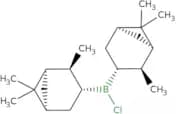
CAS:<p>Please enquire for more information about 1,3-Thiazol-5-ylmethylamineHydrochloride including the price, delivery time and more detailed product information at the technical inquiry form on this page</p>Formula:C4H7ClN2SPurity:Min. 95%Molecular weight:150.63 g/mol(-)-B-Chlorodiisopinocampheylborane, 60% in Hexane, ca. 1.7mol/L
CAS:<p>(-)-B-Chlorodiisopinocampheylborane is a carbonyl group that can be used for asymmetric synthesis. It was synthesized from the reaction of chlorodiisopinocampheylborane with butyllithium and allyl bromide, followed by aqueous workup. The enantiomers were separated through thin layer chromatography on silica gel plates with hexane as the eluent. The resolution of racemic latanoprost lactol was achieved in the same manner. (-)-B-Chlorodiisopinocampheylborane is also a diketone that can be prepared from para-chloroacetophenone and sodium hydroxide in ethanol. This diketone undergoes an intramolecular cyclization to produce noradrenaline (norepinephrine) and hydrochloric acid, which can then be converted into dioxolanes or other products.</p>Formula:C20H34BClPurity:Min. 95%Color and Shape:Clear LiquidMolecular weight:320.75 g/moltrans-Heptachlor epoxide
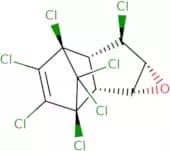
CAS:<p>trans-Heptachlor epoxide is a pesticide that is used in agriculture and industry. It can be detected by various analytical methods, including mass spectrometry. The chemical structure of trans-heptachlor epoxide has been determined by mass spectrometric analysis. This compound has been found to exist as two stereoisomers, with the cis form being more stable than the trans form at ambient conditions. Magnetic resonance spectroscopy has been used to study the rotational motion of the hydrocarbon chain. Validation of analytical methods for this compound is necessary due to its limited availability and high reactivity with other compounds in the environment.</p>Formula:C10H5Cl7OPurity:Min. 95%Molecular weight:389.32 g/molTriphenylvinylphosphonium Bromide
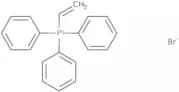
CAS:<p>Triphenylvinylphosphonium bromide is a model system that is used to study the reaction mechanism of hydroxyl group and hydrogen fluoride. It can be used to synthesize heterocycles such as quinolines. Triphenylvinylphosphonium bromide is also used in the synthesis of sodium salts, which are commonly used in the laboratory. This compound has been shown to have an effect on protein synthesis and crystalline cellulose, which is a carbohydrate polymer that can be hydrolyzed by enzymes. Triphenylvinylphosphonium bromide reacts with carbonyl groups and metal hydroxides, leading to biochemical properties such as carboxy groups and dimethyl fumarate. Triphenylvinylphosphonium bromide also inhibits non-nucleoside inhibitors, specifically 2',3'-dideoxyinosine (ddI).</p>Formula:C20H18BrPPurity:Min. 95%Molecular weight:369.23 g/molHexyl carbonochloridate
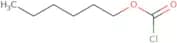
CAS:<p>Hexyl carbonochloridate is a chemical that has been used as a detergent additive. It is also an antimicrobial agent, which has been shown to inactivate enzymes in human serum. Hexyl carbonochloridate is active against hepatitis and other infectious diseases. This compound is also known to be an agonist of toll-like receptor 4 (TLR4), which is a protein that recognizes lipopolysaccharides from gram-negative bacteria. Hexyl carbonochloridate has been shown to have anti-inflammatory properties, possibly due to its hydroxyl group. The analytical method for this compound utilizes gas chromatography with flame ionization detection (GC-FID).</p>Formula:C7H13ClO2Purity:Min. 95%Molecular weight:164.63 g/mol(2S,6S)-2-Amino-2-(2-chlorophenyl)-6-hydroxycyclohexan-1-one HCl
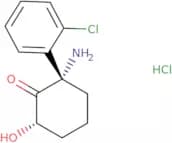
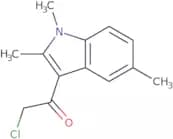
CAS:Controlled Product<p>Please enquire for more information about (2S,6S)-2-Amino-2-(2-chlorophenyl)-6-hydroxycyclohexan-1-one HCl including the price, delivery time and more detailed product information at the technical inquiry form on this page</p>Formula:C12H15CI2NO2Purity:Min. 95%Color and Shape:PowderMolecular weight:471.07 g/mol2-Chloro-1-(1,2,5-trimethyl-1H-indol-3-yl)ethanone
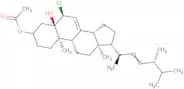
CAS:Controlled Product<p>Please enquire for more information about 2-Chloro-1-(1,2,5-trimethyl-1H-indol-3-yl)ethanone including the price, delivery time and more detailed product information at the technical inquiry form on this page</p>Formula:C13H14ClNOPurity:Min. 95%Molecular weight:235.71 g/mol3b-Acetoxy-6a-chloroergosta-7,22-dien-5a-ol
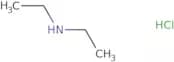
CAS:Controlled Product<p>Please enquire for more information about 3b-Acetoxy-6a-chloroergosta-7,22-dien-5a-ol including the price, delivery time and more detailed product information at the technical inquiry form on this page</p>Formula:C30H47ClO3Purity:Min. 95%Molecular weight:491.15 g/molDiethylamine hydrochloride
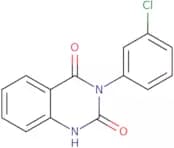
CAS:Controlled Product<p>Diethylamine hydrochloride is a chemical compound that is used as an intermediate in the manufacture of other chemicals. It can be used to treat metabolic disorders such as diabetes, hypothyroidism, and osteoporosis. Diethylamine hydrochloride has been shown to inhibit group P2 phosphodiesterases (PDEs) and prevent their degradation by the enzyme dipeptidyl peptidase-IV (DPP-IV). This inhibition leads to increased levels of cyclic AMP in cells, which contributes to its anti-inflammatory activity. The structural analysis of diethylamine hydrochloride has been performed using x-ray diffraction data and x-ray crystal structures.</p>Formula:C4H12ClNPurity:Min. 95%Molecular weight:109.6 g/mol3-(3-Chlorophenyl)quinazoline-2,4(1H,3H)-dione
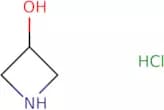
CAS:Controlled Product<p>Please enquire for more information about 3-(3-Chlorophenyl)quinazoline-2,4(1H,3H)-dione including the price, delivery time and more detailed product information at the technical inquiry form on this page</p>Formula:C14H9ClN2O2Purity:Min. 95%Molecular weight:272.69 g/mol3-Hydroxyazetidine hydrochloride
CAS:<p>3-Hydroxyazetidine hydrochloride is an amide that interacts with hydrogen bonding. It is used as a drug for the treatment of hypertension and edema, especially in patients with long-term diseases such as autoimmune diseases. 3-Hydroxyazetidine hydrochloride inhibits the production of fatty acids and chloride ions, thereby reducing the amount of sodium ions in the body. 3-Hydroxyazetidine hydrochloride has been shown to be effective in treating high blood pressure and edema by inhibiting the enzyme regulatory protein phosphatase 2A.</p>Formula:C3H7NO·HClPurity:Min. 97 Area-%Color and Shape:White Yellow PowderMolecular weight:109.55 g/molBis(perfluorohexyl)phosphinic acid sodium salt
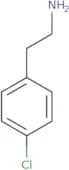
CAS:<p>Please enquire for more information about Bis(perfluorohexyl)phosphinic acid sodium salt including the price, delivery time and more detailed product information at the technical inquiry form on this page</p>Formula:C12F26NaO2PPurity:Min. 95%Molecular weight:724.05 g/mol2-(4-Chlorophenyl)ethylamine
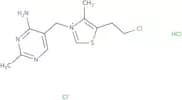
CAS:Controlled Product<p>2-(4-Chlorophenyl)ethylamine (CPA) is a synthetic serotonergic amine that has inhibitory activities. It is able to bind with the 5-HT receptor, which is also known as the serotonin receptor. CPA has been shown to be an anticancer compound and can be used in experimental solubility studies. This drug binds to brain cells, but does not affect their viability. CPA hydrolyzes in the presence of hydrochloric acid or hydrogen chloride to produce 2-(4-chlorophenyl)ethanol (CPE). The reaction of CPA with serotonin produces 4-chloroamphetamine (PCA), which is a stimulant drug.</p>Formula:C8H10ClNPurity:Min. 95%Molecular weight:155.62 g/molBeclotiamine hydrochloride
CAS:<p>Beclotiamine hydrochloride, also known as beclamethasone 17,21-dipropionate, is a synthetic corticosteroid that has anti-inflammatory and anticoccidial properties. It is not active against coccidiosis in piglets. Beclotiamine hydrochloride has been shown to have a prophylactic effect on coccidiosis in piglets by inhibiting the development of the oocysts. The mechanism of action is not fully understood but may involve inhibition of the uptake of pyrophosphate or interference with the conversion of organic phosphates to inorganic phosphate. Beclotiamine hydrochloride can be used for the treatment and prevention of coccidiosis in pigs.</p>Formula:C12H17Cl3N4SPurity:Min. 95%Color and Shape:PowderMolecular weight:355.71 g/molBromopentafluorobenzene
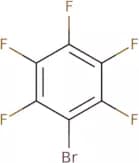
CAS:Bromopentafluorobenzene (BPF) is a small-molecule drug that belongs to the discovery group of cyclic peptides. It is structurally similar to natural products and has been shown to be an inhibitor of a transcriptional regulator in a model system. The compound BPF has been shown to act as a competitive inhibitor of the enzyme acetylcholinesterase, which is involved in the degradation of acetylcholine and thereby leads to increased levels of this neurotransmitter in the brain. Chemical biology studies have shown that BPF binds to the active site of protein target, suppressing its activity by competitive inhibition.Formula:C6BrF5Purity:Min. 95%Molecular weight:246.96 g/mol2-Chloro-N-(3-cyano-4,5-dimethylthien-2-yl)acetamide
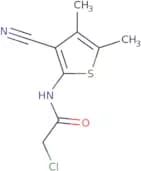
CAS:<p>Please enquire for more information about 2-Chloro-N-(3-cyano-4,5-dimethylthien-2-yl)acetamide including the price, delivery time and more detailed product information at the technical inquiry form on this page</p>Formula:C9H9ClN2OSPurity:Min. 95%Molecular weight:228.7 g/molAdiphenine hydrochloride
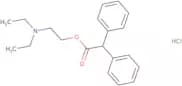
CAS:Controlled Product<p>Adiphenine hydrochloride is a hydrogen-bonded molecule that is soluble in water. This drug has been used as an occlusive agent in the management of cervical cancer and synchronous fluorescence diagnosis. Adiphenine hydrochloride exhibits thermodynamic data that can be used to calculate its solubility, vapor pressure, and log octanol-water partition coefficient (log Kow). It can also be used as a fluorescent probe for diagnosing cancer by measuring the fluorescence resonance of adiponitrile.</p>Purity:Min. 95%(D-His1)-Exenatide trifluoroacetate salt
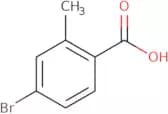
CAS:<p>Please enquire for more information about (D-His1)-Exenatide trifluoroacetate salt including the price, delivery time and more detailed product information at the technical inquiry form on this page</p>Formula:C184H282N50O60SPurity:Min. 95%Molecular weight:4,186.57 g/mol4-Bromo-2-methylbenzoic acid
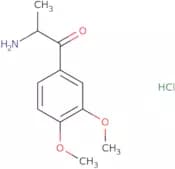
CAS:<p>4-Bromo-2-methylbenzoic acid is a nucleophilic compound that can be used for the synthesis of esters, amides and peptides. It is also an intermediate in the synthesis of 4-bromo-2-methylbenzoic acid methyl ester, which can be used as a cardiac marker. The hydroxylamine group on this molecule reacts with electrophiles such as benzoate to form bromoacetic acid derivatives. This reaction is catalyzed by palladium and other metals. The multidimensional nature of this reaction means it can be used for cross-coupling reactions.</p>Formula:C8H7BrO2Purity:Min. 95%Molecular weight:215.04 g/mol2-Amino-3',4'-dimethoxypropiophenone hydrochloride
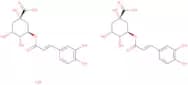
CAS:Controlled Product<p>Please enquire for more information about 2-Amino-3',4'-dimethoxypropiophenone hydrochloride including the price, delivery time and more detailed product information at the technical inquiry form on this page</p>Formula:C11H16ClNO3Purity:Min. 95%Molecular weight:245.7 g/molChlorogenic acid hemihydrate
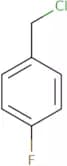
CAS:<p>Chlorogenic acid hemihydrate is a natural phenolic compound that belongs to the family of flavonol glycosides. The molecule has two caffeoylquinic acids and one chlorogenic acid functional groups, which are responsible for its antioxidant properties. Chlorogenic acid hemihydrate is soluble in water and can be used as a solid dispersion. This compound has been shown to have significant interactions with other drugs, including polymeric matrix, protocatechuic acid, and α-amyrin acetate. It also has been shown to have cell culture and in vivo model evidence of efficacy against cancer cells.</p>Purity:Min. 95%4-Fluorobenzyl chloride
CAS:<p>4-Fluorobenzyl chloride (4FBCl) is a fluorinated benzyl chloride that is used as an intermediate in the synthesis of pharmaceuticals and agrochemicals. 4FBCl inhibits the growth of bacteria by reacting with sodium carbonate to form a molecule with chlorine atoms. 4FBCl has been shown to have cancer-fighting properties and is used as a treatment for malignant tumors. It also has anti-inflammatory properties, which are due to its ability to inhibit the production of growth factors. 4FBCl also has fluorescence properties and can be used as a fluorescent probe in certain reactions involving malonic acid or Friedel-Crafts reactions.</p>Formula:C7H6ClFPurity:Min. 95%Molecular weight:144.57 g/molDimethylammonium dichlorotri(mu-chloro)bis[(R)-(+)-5,5'-bis(diphenylphosphino)-4,4'-bi-1,3-benzodioxole]diruthenate(II)
CAS:Controlled Product<p>Please enquire for more information about Dimethylammonium dichlorotri(mu-chloro)bis[(R)-(+)-5,5'-bis(diphenylphosphino)-4,4'-bi-1,3-benzodioxole]diruthenate(II) including the price, delivery time and more detailed product information at the technical inquiry form on this page</p>Formula:C78H64Cl5O8P4Ru2NPurity:Min. 95%Molecular weight:1,646.64 g/mol2-Chloro-1-(5-methoxy-1,2-dimethyl-1H-indol-3-yl)ethanone
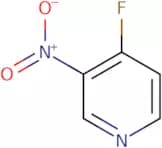
CAS:Controlled Product<p>Please enquire for more information about 2-Chloro-1-(5-methoxy-1,2-dimethyl-1H-indol-3-yl)ethanone including the price, delivery time and more detailed product information at the technical inquiry form on this page</p>Formula:C13H14ClNO2Purity:Min. 95%Molecular weight:251.71 g/mol4-Fluoro-3-nitropyridine
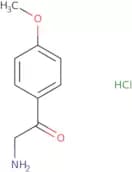
CAS:<p>4-Fluoro-3-nitropyridine is a reactive chemical that can react with alcohols, amines, and amino acids. It has been shown to have absorption spectra in the ultraviolet region of the light spectrum. 4-Fluoro-3-nitropyridine is also a pyridine derivative.</p>Formula:C5H3FN2O2Purity:Min. 95%Color and Shape:Off-White PowderMolecular weight:142.09 g/mol2-Amino-4'-methoxyacetophenone hydrochloride
CAS:Controlled Product<p>Please enquire for more information about 2-Amino-4'-methoxyacetophenone hydrochloride including the price, delivery time and more detailed product information at the technical inquiry form on this page</p>Formula:C9H11NO2·HClPurity:Min. 95%Color and Shape:PowderMolecular weight:201.65 g/mol6-Chloro-1,3-dimethyl-1H-pyrazolo[3,4-b]pyridine-5-carboxaldehyde
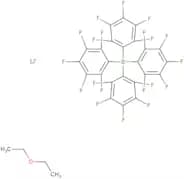
CAS:<p>Please enquire for more information about 6-Chloro-1,3-dimethyl-1H-pyrazolo[3,4-b]pyridine-5-carboxaldehyde including the price, delivery time and more detailed product information at the technical inquiry form on this page</p>Formula:C9H8ClN3OPurity:Min. 95%Molecular weight:209.63 g/molLithium Tetrakis(pentafluorophenyl)borate - Ethyl Ether Complex
CAS:Controlled Product<p>Lithium tetrakis(pentafluorophenyl)borate - ethyl ether complex is a ligand that has the ability to bind to magnesium. The complex is highly soluble in organic solvents such as ethylene and ether, but not in water. It can be used to produce high yields of ethylene with magnesium as a co-catalyst. The complex binds to magnesium by forming a six-membered ring with the borate group and two oxygen atoms from the ether molecule. The crystal structure of this complex was determined using x-ray crystallography. This complex has been found naturally in plants such as spinach and beets, although it is not yet known what role it plays in these plants.</p>Purity:70%Nmr5-Bromo-2-furaldehyde
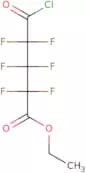
CAS:<p>5-Bromo-2-furaldehyde is a chemical compound that belongs to the class of heterocycles. It is used in industry as a precursor for the synthesis of other organic compounds. 5-Bromo-2-furaldehyde has been shown to have anti-inflammatory properties, which may be due to its ability to inhibit prostaglandin synthesis. The use of this chemical has been linked with autoimmune diseases and cancer development in animal models. 5-Bromo-2-furaldehyde is an environmental pollutant that can enter the body by ingestion or inhalation, and it can cause irritation of the skin, eyes, nose, throat, and lungs. This chemical is also known as amide or suzuki coupling reaction (SCR).</p>Formula:C5H3BrO2Purity:Min. 98%Color and Shape:Off-White To Yellow To Light Brown SolidMolecular weight:174.98 g/molEthyl hexafluoroglutaryl chloride
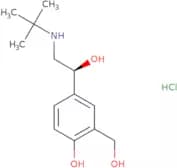
CAS:<p>Ethyl hexafluOrOglutaryl chlOride is a tricyclic antidepressant drug that belongs to the class of drugs known as monoamine oxidase inhibitors. It can be used to treat depression and other mood disorders. Ethyl hexafluOrOglutaryl chlOride inhibits the enzyme monoamine oxidase, which is responsible for breaking down amines such as serotonin and norepinephrine in the brain. This leads to an increase in the levels of these neurotransmitters, which are important for mood regulation. The presence of this drug in urine samples can be detected using a spectrometric analytical method. It can also be detected in blood samples by chemical ionization with gas chromatography-mass spectrometry (GC-MS).</p>Formula:C7H5ClF6O3Purity:95%NmrMolecular weight:286.55 g/mol(S)-Albuterol hydrochloride
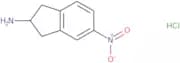
CAS:Controlled Product<p>Please enquire for more information about (S)-Albuterol hydrochloride including the price, delivery time and more detailed product information at the technical inquiry form on this page</p>Formula:C13H22ClNO3Purity:Min. 95%Color and Shape:White PowderMolecular weight:275.77 g/mol2-Amino-5-nitroindan hydrochloride
CAS:Controlled Product<p>Please enquire for more information about 2-Amino-5-nitroindan hydrochloride including the price, delivery time and more detailed product information at the technical inquiry form on this page</p>Formula:C9H10N2O2·HClPurity:Min. 95%Molecular weight:214.65 g/molMART-1 (26-35) (human) trifluoroacetate salt
CAS:<p>Native Melan-A (26-35) decapeptide derives from the melanocyte lineage-specific protein Melan-A/MART-1, which is expressed in almost 75-100% of primary and metastatic melanomas.<br>The region 26-35 of Melan-A protein acts as an antigenic peptide that is recognized by CD8+ tumor-reactive cytolytic T lymphocytes (CTLs) for designing antigen-specific cancer vaccines1. It has been shown that CD8+ Melan-A-specific CTLs isolated from melanoma patients efficiently lyse the Melan-A-expressing HLA-A*0201+ melanoma cell line. However, CTLs preferentially recognize the Melan-A (26-35) peptide as compared with the Melan-A (27-35) peptide. Moreover, the Melan-A (26-35) A27L analog (ELAGIGILTV) has a higher binding affinity to HLA-A*0201 than the native Melan-A (26-35) peptide (EAAGIGILTV), and consequently displays more potent antigenicity and immunogenicity.<br>It has been reported that the concentration of Melan-A (26-35) A27L analog required to obtain 50% of maximal antigenic activity (EC50) is 0.01nM, whereas that of the native Melan-A (26-35) peptide is 0.25nM1. Therefore, the relative activity of Melan-A (26-35) A27L analog is 25 fold higher than that of the native Melan-A (26-35) peptide.<br>Furthermore, functional competition assay has shown that the concentration of Melan-A (26-35) A27L analog required to achieve 50% inhibition (IC50) of tumor lysis is 2nM, which is 10 fold lower than that of the native Melan-A (26-35) peptide. Regarding peptide stability in human serum, the half-lifes (t1/2) of the native Melan-A (26-35) peptide and the A27L analog are quite similar (45 and 40min, respectively) as measured by HPLC-ESI-MS, but much higher than that of the Melan-A (27-35) nonapeptide (5min).</p>Formula:C42H74N10O14Purity:Min. 95%Molecular weight:943.1 g/molN-Allyl-1-phenylcyclohexanamine hydrochloride
CAS:Controlled Product<p>Please enquire for more information about N-Allyl-1-phenylcyclohexanamine hydrochloride including the price, delivery time and more detailed product information at the technical inquiry form on this page</p>Formula:C15H21NPurity:Min. 95%Molecular weight:215.33 g/molMethyl 5-bromo-1H-pyrazole-3-carboxylate
CAS:<p>Please enquire for more information about Methyl 5-bromo-1H-pyrazole-3-carboxylate including the price, delivery time and more detailed product information at the technical inquiry form on this page</p>Formula:C5H5BrN2O2Purity:Min. 95%Molecular weight:205.01 g/mol1-(4-Fluorophenyl)-5-methyl-1H-pyrazole-4-carboxylic acid
CAS:<p>Please enquire for more information about 1-(4-Fluorophenyl)-5-methyl-1H-pyrazole-4-carboxylic acid including the price, delivery time and more detailed product information at the technical inquiry form on this page</p>Formula:C11H9FN2O2Purity:Min. 95%Molecular weight:220.2 g/mol(R)-(+)-(2,2-Bis(Diphenylphosphino)-1,1-binaphthyl)palladium(II)chloride
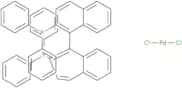
CAS:Controlled Product<p>(R)-(+)-(2,2-Bis(Diphenylphosphino)-1,1-binaphthyl)palladium(II)chloride is a colorless solid that can be made into a crystalline form. It has a molecular weight of 518.8 g/mol and the chemical formula C12H14P4Cl2. The compound has four asymmetric carbon atoms and two stereocenters in the molecule. This compound is used as a catalyst for organic reactions and in the synthesis of other compounds. (R)-(+)-(2,2-Bis(Diphenylphosphino)-1,1-binaphthyl)palladium(II)chloride is soluble in ethanol and ether but insoluble in water. It reacts with oxygen to produce phosphorous acid and hydrogen chloride gas. This compound has been shown to have nuclear magnetic resonance spectra at room temperature with chemical shifts (</p>Formula:C44H33Cl2P2PdPurity:Min. 95%Molecular weight:801.01 g/mol4-Chloro-1h-pyrazol-3-amine
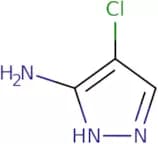
CAS:<p>Please enquire for more information about 4-Chloro-1h-pyrazol-3-amine including the price, delivery time and more detailed product information at the technical inquiry form on this page</p>Formula:C3H4ClN3Purity:Min. 95%Molecular weight:117.54 g/mol


![2-Chloro-7H-pyrrolo[2,3-d]pyrimidin-4-amine](/_next/image/?url=https%3A%2Fstatic.cymitquimica.com%2Fproducts%2F3D%2Fthumb-webp%2FFC63357.webp&w=3840&q=75)
![8-Chloro-1-methyl-2,3,4,5-tetrahydro-1H-benzo[d]azepine](/_next/image/?url=https%3A%2Fstatic.cymitquimica.com%2Fproducts%2F3D%2Fthumb-webp%2FFC148171.webp&w=3840&q=75)
![Bis[2-(perfluorooctyl)ethyl] phosphate](/_next/image/?url=https%3A%2Fstatic.cymitquimica.com%2Fproducts%2F3D%2Fthumb-webp%2FFB18790.webp&w=3840&q=75)

![Imidazo[1,2-a]pyridin-8-ylamine dihydrochloride](/_next/image/?url=https%3A%2Fstatic.cymitquimica.com%2Fproducts%2F3D%2Fthumb-webp%2FFI51744.webp&w=3840&q=75)

![N-Methyl-5H-dibenzo[a,d]cycloheptene-5-propylamine hydrochloride](/_next/image/?url=https%3A%2Fstatic.cymitquimica.com%2Fproducts%2F3D%2Fthumb-webp%2FFN76683.webp&w=3840&q=75)


![[1-(2-Chlorobenzyl)-1H-benzimidazol-2-yl]methanol](/_next/image/?url=https%3A%2Fstatic.cymitquimica.com%2Fproducts%2F3D%2Fthumb-webp%2FFC135810.webp&w=3840&q=75)
![[2-(1,2,6-Trimethyl-1H-indol-3-yl)ethyl]amine hydrochloride](/_next/image/?url=https%3A%2Fstatic.cymitquimica.com%2Fproducts%2F3D%2Fthumb-webp%2FFT118335.webp&w=3840&q=75)
![tert-Butyl 4-chloro-5,6-dihydropyrido[3,4-d]pyrimidine-7(8H)-carboxylate](/_next/image/?url=https%3A%2Fstatic.cymitquimica.com%2Fproducts%2F3D%2Fthumb-webp%2FFB144255.webp&w=3840&q=75)



![6-Chloro-1,3-dimethyl-1H-pyrazolo[3,4-b]pyridine-5-carboxaldehyde](/_next/image/?url=https%3A%2Fstatic.cymitquimica.com%2Fproducts%2F3D%2Fthumb-webp%2FFC30642.webp&w=3840&q=75)