Organic Halides
In this category, you can find organic molecules containing one or more halogen atoms in their structure. These organic halides include brominated, iodinated, chlorinated, and cyclic halide compounds. Organic halides are widely used in organic synthesis, pharmaceuticals, agrochemicals, and materials science due to their reactivity and ability to undergo a variety of chemical transformations. At CymitQuimica, we offer a comprehensive selection of high-quality organic halides to support your research and industrial applications, ensuring reliable and effective performance in your synthetic and analytical projects.
Subcategories of "Organic Halides"
Found 20437 products of "Organic Halides"
Sort by
Purity (%)
0
100
|
0
|
50
|
90
|
95
|
100
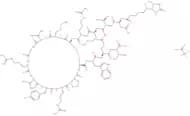
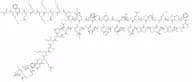
Biotinyl-BNP-32 (human) trifluoroacetate salt
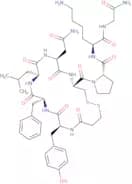
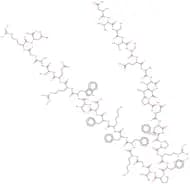
CAS:<p>Please enquire for more information about Biotinyl-BNP-32 (human) trifluoroacetate salt including the price, delivery time and more detailed product information at the technical inquiry form on this page</p>Formula:C153H258N52O44S5Purity:Min. 95%Molecular weight:3,690.34 g/mol3-Amino-5-chloropyrazine-2-carbonitrile
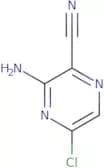
CAS:<p>Please enquire for more information about 3-Amino-5-chloropyrazine-2-carbonitrile including the price, delivery time and more detailed product information at the technical inquiry form on this page</p>Formula:C5H3ClN4Purity:Min. 95%Molecular weight:154.56 g/molBiotinyl-Obestatin (rat) trifluoroacetate salt
CAS:<p>Please enquire for more information about Biotinyl-Obestatin (rat) trifluoroacetate salt including the price, delivery time and more detailed product information at the technical inquiry form on this page</p>Formula:C124H188N36O33SPurity:Min. 95%Molecular weight:2,743.11 g/mol4-(Bromomethyl)phenylacetic acid
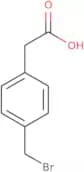
CAS:<p>4-(Bromomethyl)phenylacetic acid is a potent cancer drug that blocks the activity of hydrogen-bonding interactions. It inhibits the growth of prostate cancer cells, DU145 cells, and other cell lines. The drug has been shown to inhibit the activation of toll-like receptor 4 (TLR4) in primary blood cells from healthy donors. TLR4 is a protein found on the surface of immune cells that senses molecules from bacteria, fungi, parasites, and viruses. This protein plays an important role in triggering anti-inflammatory and pro-inflammatory responses to infection. The drug also inhibits platelet aggregation and lipoprotein lipase activity in vitro.</p>Formula:C9H9BrO2Purity:Min. 95%Color and Shape:SolidMolecular weight:229.07 g/molBiotinyl-Amylin (mouse, rat) trifluoroacetate salt
CAS:<p>Please enquire for more information about Biotinyl-Amylin (mouse, rat) trifluoroacetate salt including the price, delivery time and more detailed product information at the technical inquiry form on this page</p>Formula:C177H286N54O55S3Purity:Min. 95%Molecular weight:4,146.69 g/molPropiverine hydrochloride
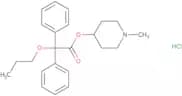
CAS:<p>Muscarinic antagonist; spasmolytic</p>Formula:C23H30ClNO3Purity:Min. 95%Color and Shape:PowderMolecular weight:403.94 g/mol(D-Lys6)-LHRH trifluoroacetate salt
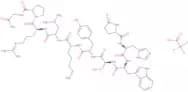
CAS:<p>Please enquire for more information about (D-Lys6)-LHRH trifluoroacetate salt including the price, delivery time and more detailed product information at the technical inquiry form on this page</p>Formula:C59H84N18O13·xC2HF3O2Purity:Min. 95%Color and Shape:White To Off-White SolidMolecular weight:1,253.41 g/mol2-Aminoindole hydrochloride
CAS:<p>2-Aminoindole hydrochloride is a heterocyclic amine that is formed by the reaction of benzene and an aminoindole. It is a difunctional compound that can react with alcohols to form amides, carbonyl groups to form ketones, or carbamate groups to form ureas. This compound has been shown to act as an activated aromatic amine that reacts with oxygen in the atmosphere to form a variety of products, including chlorinated aromatic amines. 2-Aminoindole hydrochloride has been shown to have carcinogenic effects in rats when administered orally at high doses.</p>Formula:C8H9ClN2Purity:Min. 95%Color and Shape:Slightly Yellow PowderMolecular weight:168.62 g/molBoc-Asp(OBzl)-chloromethylketone
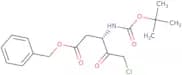
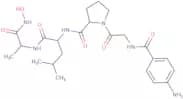
CAS:<p>Boc-Asp(OBzl)-chloromethylketone is a synthetic molecule that is immunoreactive with gp120, the virus protein. It has been shown to inhibit the proliferation of human neuroblastoma cells and induce cell death. This compound also has an effect on cytokine production in vitro. This drug is currently being studied as a potential treatment for HIV infection. Boc-Asp(OBzl)-chloromethylketone binds to the receptor type and viral type, which are essential for the virus life cycle and induces antibody production in vivo.</p>Formula:C17H22ClNO5Purity:Min. 95%Molecular weight:355.81 g/mol4-Abz-Gly-Pro-D-Leu-D-Ala-NHOH trifluoroacetate salt
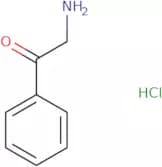
CAS:<p>4-Abz-Gly-Pro-D-Leu-D-Ala-NHOH trifluoroacetate salt is a synthetic, hydroxamic acid that inhibits the activity of collagenase, gelatinase and stromelysin. It also has inhibitory activities against metalloproteinases, such as matrix metalloproteinases and serine proteinases. 4-Abz-Gly-Pro-D-Leu-D-Ala-NHOH trifluoroacetate salt has been shown to inhibit the production of proinflammatory cytokines in human skin fibroblasts. This agent also induces the production of granulocytes in vitro.</p>Formula:C23H34N6O6Purity:Min. 95%Molecular weight:490.55 g/mol2-Aminoacetophenone hydrochloride
CAS:Controlled Product<p>2-Aminoacetophenone hydrochloride is a chemical compound that is used in analytical chemistry as a reagent for the determination of protein and amino acid concentrations. This reagent can be prepared in various forms, depending on the type of analysis being performed. 2-Aminoacetophenone hydrochloride is used to determine the concentration of free amino acids in a sample by binding to it. It can also be used for determining the concentration of bound amino acids by reacting with them with hydrochloric acid. 2-Aminoacetophenone hydrochloride is an excellent substrate for matrix effect, which may cause errors in measurement due to interference from other substances present in the sample. The use of light exposure reduces this problem by removing interfering substances from the sample.</p>Formula:C8H9NO·HClPurity:Min. 95%Color and Shape:PowderMolecular weight:171.62 g/mol1-Chlorobenzotriazole
CAS:<p>1-Chlorobenzotriazole is a nucleophilic reagent that can be used in analytical chemistry, such as the determination of propranolol hydrochloride. It reacts with phospholipid membranes by transferring a chlorine atom to the hydroxyl group on the lipid molecule. The reaction mechanism is not well understood, but it has been shown that the deuterium isotope effect is not involved in this reaction. 1-Chlorobenzotriazole is unsymmetrical and can react with both acidic and alkaline solutions. Hydrochloric acid is often used to activate this compound, which will then react with an amine group to form an iminium ion. Kinetics data for this compound show that activation energies are required for reactions involving nucleophiles, such as ketones, alcohols, or amines.</p>Formula:C6H4ClN3Purity:Min. 95%Molecular weight:153.57 g/mol(Deamino-Cys1,Leu4,Lys8)-Vasopressin trifluoroacetate salt
CAS:<p>Vasopressin is a hormone that belongs to the family of peptide hormones. Vasopressin has been shown to be localized in many tissues, including the brain, where it acts as a neurotransmitter and neuromodulator. Vasopressin is released by the paraventricular nucleus of the hypothalamus and stored in the posterior pituitary gland, from which it is released into the circulation when needed. Vasopressin binds to V1 receptors and causes an increase in cytosolic calcium levels through activation of voltage-gated calcium channels. It also stimulates cell growth and proliferation through activation of tyrosine kinase receptors on cells.</p>Formula:C47H67N11O11S2Purity:Min. 95%Molecular weight:1,026.23 g/molNociceptin trifluoroacetate salt
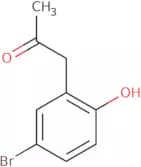
CAS:<p>Nociceptin trifluoroacetate salt is an opioid with low potency that is used in the treatment of pain. It has been shown to bind to the protein and inhibit protease, which has been proposed as a possible mechanism for its analgesic effects. Nociceptin trifluoroacetate salt may also have indirect effects on brain functions by regulating levels of nociceptin, a neuropeptide that interacts with nociceptive neurons in the brain. This drug has been shown to have nootropic effects in mice, including increased locomotor activity and improved memory retention. Nociceptin trifluoroacetate salt inhibits kappa-opioid receptors and is therefore used as a pharmacological tool for research into opioid receptor function.</p>Formula:C79H129N27O22Purity:Min. 95%Molecular weight:1,809.04 g/mol(5-Bromo-2-hydroxyphenyl)acetone
CAS:<p>5-Bromo-2-hydroxyphenyl)acetone is a chemical that is used as a building block in the synthesis of other compounds. It can be used as a reagent to produce 5-bromo-2,4-dihydroxyphenylacetic acid, which has been shown to have antiinflammatory and analgesic effects. 5-Bromo-2-hydroxyphenyl)acetone is also useful for the synthesis of polymers with applications in electronics and as an intermediate for the production of pharmaceuticals.</p>Formula:C9H9BrO2Purity:Min. 95%Color and Shape:PowderMolecular weight:229.07 g/mol(Deamino-Cys1,b-(3-pyridyl)-D-Ala2,Arg8)-Vasopressin trifluoroacetate salt
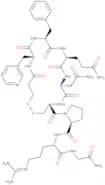
CAS:<p>DDAVP is an analogue of vasopressin, which belongs to the class of inositol phosphates. It is a potent agonist for the V1 receptor and has a higher affinity for this receptor than vasopressin. DDAVP also has antagonist properties at the V2 receptor. The biological activity of DDAVP is mediated by its ability to increase phospholipase A2 activity and cause the release of arachidonic acid from membrane phospholipids. This activation causes an increase in prostaglandin synthesis, leading to increased vascular permeability and hypotension. DDAVP may also have antidiuretic effects due to its antagonism of oxytocin receptors.</p>Formula:C45H63N15O11S2Purity:Min. 95%Molecular weight:1,054.21 g/molFibrinopeptide A (human) trifluoroacetate salt
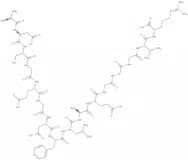
CAS:<p>Fibrinopeptide A is a peptide that is released from the fibrinolysis of fibrinogen. It can be used as a blood marker for the diagnosis of bowel disease and primary pulmonary hypertension, but not for other diseases such as infectious diseases. Fibrinopeptide A has been shown to be an effective model system for studying thrombin-mediated fibrin polymerization in vitro. This drug also can be used as a tool for investigating the disulfide bond in fibrinogen.</p>Formula:C63H97N19O26Purity:Min. 95%Molecular weight:1,536.56 g/mol2-Chloro-6-methoxypyridine
CAS:<p>2-Chloro-6-methoxypyridine (2CMP) is a potent antagonist that binds to copper chloride, inhibiting its ability to activate aryl chlorides. This chemical has been shown to have anti-angiogenic effects in human cancer cells and can be used for the treatment of cancer. 2CMP has also been shown to be effective at blocking angiogenesis in mice with breast cancer. 2CMP is synthesized through an asymmetric synthesis process, which involves the use of a dipole and molecular docking analysis.</p>Formula:C6H6ClNOPurity:Min. 95%Color and Shape:Clear LiquidMolecular weight:143.57 g/molScandium(III)chloride hexahydrate
CAS:<p>Scandium(III)chloride is an inorganic chemical that is soluble in water and has a high affinity for urine. Scandium(III)chloride is used to measure the uptake of lanthanum, inorganic metals, and organic acids in urine samples. It can also be used to measure the chloride content of urine. Scandium(III)chloride reacts with acids or alkene compounds to form an ionic compound that can be determined by spectrophotometry. The reaction rate depends on the glomerular filtration rate (GFR).</p>Formula:Cl3ScPurity:Min. 95%Molecular weight:151.31 g/molBis(cyclopentadienyl)titanium (IV) dichloride
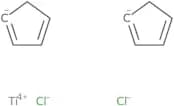
CAS:<p>Bis(cyclopentadienyl)titanium (IV) dichloride is a cationic polymerization catalyst that has been used to produce polyolefins with high molecular weights. It is also an important component of solid catalysts for the production of butadiene and styrene. Bis(cyclopentadienyl)titanium (IV) dichloride is a potent carcinogen in animals and is mutagenic in bacteria. It has been shown to cause cancer in animal models, and has been shown to be mutagenic in bacterial mutation assay tests. Bis(cyclopentadienyl)titanium (IV) dichloride reacts with dimethylformamide and aromatic hydrocarbons to produce photochemical properties that can lead to skin irritation or sensitization. This compound also has hydroxyl groups, which can react with oxidants such as chlorine gas to form chlorohydrins, which are toxic compounds that may be carcinogenic.</p>Formula:C10H10TiCl2Purity:Min. 95%Color and Shape:Red Clear LiquidMolecular weight:248.96 g/mol3-Iodo-2-methylbenzoic acid
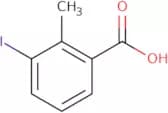
CAS:<p>3-Iodo-2-methylbenzoic acid is a reagent that is used as an intermediate in the synthesis of complex compounds and fine chemicals. 3-Iodobenzoic acid is classified as a speciality chemical, which means it can be used for research purposes only. 3-Iodo-2-methylbenzoic acid has many uses, including being a versatile building block in chemical reactions and a reaction component in the synthesis of useful scaffolds and building blocks.</p>Formula:C8H7IO2Purity:Min. 95%Color and Shape:SolidMolecular weight:262.04 g/molTyr-Lys-Gly-(Cyclo(Glu26-Lys29),Pro34)-Neuropeptide Y (25-36) trifluoroacetate salt
CAS:<p>Please enquire for more information about Tyr-Lys-Gly-(Cyclo(Glu26-Lys29),Pro34)-Neuropeptide Y (25-36) trifluoroacetate salt including the price, delivery time and more detailed product information at the technical inquiry form on this page</p>Formula:C91H145N27O20Purity:Min. 95%Molecular weight:1,937.29 g/mol(Deamino-Phe19,D-Ala24,D-Pro26-psi(CH2NH)Phe27)-GRP (19-27) (human, porcine, canine) trifluoroacetate salt
CAS:<p>Please enquire for more information about (Deamino-Phe19,D-Ala24,D-Pro26-psi(CH2NH)Phe27)-GRP (19-27) (human, porcine, canine) trifluoroacetate salt including the price, delivery time and more detailed product information at the technical inquiry form on this page</p>Formula:C57H72N14O8Purity:Min. 95%Molecular weight:1,081.27 g/mol(D-Pen 2,p-chloro-Phe4,D-Pen 5)-Enkephalin
CAS:<p>D-Pen 2,p-chloro-Phe4,D-Pen 5)-Enkephalin H-Tyr-D-Pen-Gly-p-chloro-Phe-D-Pen (Disulfide bond) is a peptide that belongs to the family of opioid drugs. It has low potency and is used in pharmacological studies as a nonselective antagonist of δ-, μ-, and κ-(kappa) receptors. This drug blocks pain by binding to the same receptor sites that are activated by endogenous opioids and has been shown to be effective against both inflammatory and neuropathic pain. DPDPE has also been shown to have a high safety profile with minimal side effects.</p>Formula:C30H38ClN5O7S2Purity:Min. 95%Molecular weight:680.24 g/molBoc-β-iodo-Ala-OMe
CAS:<p>Boc-beta-iodo-Ala-OMe is a hydrophobic reagent that can be used in peptide synthesis. It can be used in organic solvents, such as methyl ester, to synthesize homologues of amino acids and amino acid derivatives. Boc-beta-iodo-Ala-OMe is an electrophile that reacts with a nucleophile to produce the corresponding enantiomeric product. The hydrophobic nature of this reagent makes it useful for reactions involving solvents with low polarity, such as halides and alcohols.</p>Formula:C9H16INO4Purity:Min. 95%Color and Shape:White PowderMolecular weight:329.13 g/mol(D-Trp6)-LHRH (free acid) trifluoroacetate salt
CAS:<p>Please enquire for more information about (D-Trp6)-LHRH (free acid) trifluoroacetate salt including the price, delivery time and more detailed product information at the technical inquiry form on this page</p>Formula:C64H81N17O14Purity:Min. 95%Molecular weight:1,312.43 g/molSubstance P (5-11) trifluoroacetate salt
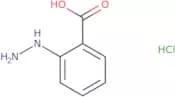
CAS:<p>Substance P is a bifunctional neuropeptide that acts as both a neurotransmitter and a neurohormone. The amino acid sequence of Substance P is H-Gln-Gln-Phe-Phe-Gly-Leu-Met-NH2. It is found in the brain and spinal cord, but also in other tissues such as the parotid gland and stomach. This peptide is released from nerve cells when they are stimulated by pain or anxiety, and it causes contraction of smooth muscles in the lungs, uterus, and gastrointestinal tract. Animal studies have shown that Substance P can be toxic to neonatal animals, leading to hypothyroidism and death. In vitro studies have shown that this peptide can induce the growth of glioma cells and tumors.</p>Formula:C41H60N10O9SPurity:Min. 95%Molecular weight:869.04 g/mol2-Hydrazinobenzoic acid hydrochloride - technical grade
CAS:<p>2-Hydrazinobenzoic acid hydrochloride is a synthetic compound that can be used as a ligand or substrate for the polymerase. It has been shown to interact with the NS5B polymerase, which is involved in viral replication and drug resistance. 2-Hydrazinobenzoic acid hydrochloride also produces reduction products and luminescence when combined with chloride. The luminescence is thought to be due to an interaction with the nucleophilic carbonyl group of 2-hydrazinobenzoic acid hydrochloride and a nucleophilic attack on the carbonyl oxygen atom by chloride ions. This reaction produces blue light at around 470 nm.</p>Formula:C7H8N2O2·xHClPurity:(%) Min. 60%Color and Shape:PowderMolecular weight:188.61 g/moltert-Butyl2-bromo-6,7-dihydrothiazolo[5,4-c]pyridine-5(4H)-carboxylate
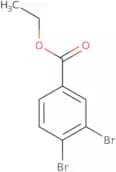
CAS:<p>Please enquire for more information about tert-Butyl2-bromo-6,7-dihydrothiazolo[5,4-c]pyridine-5(4H)-carboxylate including the price, delivery time and more detailed product information at the technical inquiry form on this page</p>Formula:C11H15BrN2O2SPurity:Min. 95%Molecular weight:319.22 g/mol3,4-Dibromobenzoic acid ethyl ester
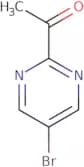
CAS:<p>3,4-Dibromobenzoic acid ethyl ester is a high quality reagent that can be used as an intermediate for the synthesis of complex compounds. It is also useful as a building block for the synthesis of speciality chemicals and research chemicals. 3,4-Dibromobenzoic acid ethyl ester can be used in reactions such as Friedel-Crafts reactions, reducing reactions, and condensations. This chemical is a versatile building block that can be used to construct organic molecules with diverse structures. 3,4-Dibromobenzoic acid ethyl ester is a fine chemical with CAS number 60469-88-7.</p>Formula:C9H8Br2O2Purity:Min. 95%Molecular weight:307.97 g/mol1-(5-Bromopyrimidin-2-yl)ethanone
CAS:<p>Please enquire for more information about 1-(5-Bromopyrimidin-2-yl)ethanone including the price, delivery time and more detailed product information at the technical inquiry form on this page</p>Formula:C6H5BrN2OPurity:Min. 95%Molecular weight:201.02 g/molAmyloid β/A4 Protein Precursor770 (394-410) trifluoroacetate salt
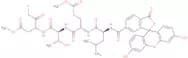
CAS:<p>Please enquire for more information about Amyloid beta/A4 Protein Precursor770 (394-410) trifluoroacetate salt including the price, delivery time and more detailed product information at the technical inquiry form on this page</p>Formula:C86H151N31O26S2Purity:Min. 95%Molecular weight:2,099.44 g/molFluorescein-6-carbonyl-Leu-Glu(OMe)-Thr-DL-Asp(OMe)-fluoromethylketone
CAS:<p>Please enquire for more information about Fluorescein-6-carbonyl-Leu-Glu(OMe)-Thr-DL-Asp(OMe)-fluoromethylketone including the price, delivery time and more detailed product information at the technical inquiry form on this page</p>Formula:C43H47FN4O15Purity:Min. 95%Molecular weight:878.85 g/molAbz-Lys-Pro-Leu-Gly-Leu-Dap (Dnp)-Ala-Arg-NH2 trifluoroacetate salt
CAS:<p>Please enquire for more information about Abz-Lys-Pro-Leu-Gly-Leu-Dap (Dnp)-Ala-Arg-NH2 trifluoroacetate salt including the price, delivery time and more detailed product information at the technical inquiry form on this page</p>Formula:C50H77N17O13Purity:Min. 95%Molecular weight:1,124.25 g/mol2-(4-Chlorobenzyl)pyridine
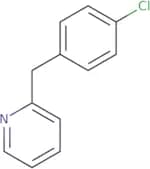
CAS:<p>2-(4-Chlorobenzyl)pyridine is a synthetic pyridine compound that has been shown to have anti-cancer properties. It is also a potent inducer of the enzyme methane monooxygenase and has been shown to interact with other compounds, such as maleates and sulfoxides, which are also used in this type of experiment. The catalytic mechanism for 2-(4-chlorobenzyl)pyridine is not yet known, but it may involve an acidic chlorine atom or a hydrochloric acid catalyst. 2-(4-Chlorobenzyl)pyridine has been found to be effective at inhibiting the growth of cancer cells in vitro without toxic effects on healthy cells. It has also been shown to inhibit the proliferation of human leukemia cells in vivo.</p>Formula:C12H10ClNPurity:Min. 95%Molecular weight:203.67 g/mol2,3-Dichloroanisole
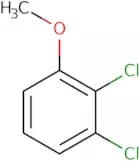
CAS:<p>2,3-Dichloroanisole is a volatile organic compound that has been shown to be an attractant for termites. It is used as a pesticide and agrochemical. 2,3-Dichloroanisole is used as an insecticide against termites and other pests in agriculture. This chemical has been shown to inhibit the sodium channel of the nerve cell membrane, which leads to paralysis of insects. The mechanism of action for this compound is not well understood but it has been suggested that it may act by blocking the reorientation of the sodium ion channels. 2,3-Dichloroanisole can also be used as a metal salt in some thermodynamic reactions.</p>Formula:C7H6Cl2OPurity:Min. 97%Color and Shape:PowderMolecular weight:177.03 g/molAlarin (rat) trifluoroacetate salt
CAS:<p>Please enquire for more information about Alarin (rat) trifluoroacetate salt including the price, delivery time and more detailed product information at the technical inquiry form on this page</p>Formula:C119H199N45O35Purity:Min. 95%Molecular weight:2,820.14 g/molDansyl-Ala-Arg-OH trifluoroacetate salt
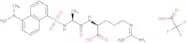
CAS:<p>Please enquire for more information about Dansyl-Ala-Arg-OH trifluoroacetate salt including the price, delivery time and more detailed product information at the technical inquiry form on this page</p>Formula:C21H30N6O5SPurity:Min. 95%Molecular weight:478.57 g/molMethoxycarbonyl-Lys(Z)-Gly-Arg-pNA hydrochloride salt
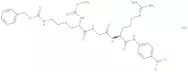
CAS:<p>Please enquire for more information about Methoxycarbonyl-Lys(Z)-Gly-Arg-pNA hydrochloride salt including the price, delivery time and more detailed product information at the technical inquiry form on this page</p>Formula:C30H41N9O9Purity:Min. 95%Molecular weight:671.7 g/mol(Lys15,Arg16,Leu27)-VIP (1-7)-GRF (8-27) trifluoroacetate salt
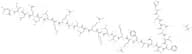
CAS:<p>Please enquire for more information about (Lys15,Arg16,Leu27)-VIP (1-7)-GRF (8-27) trifluoroacetate salt including the price, delivery time and more detailed product information at the technical inquiry form on this page</p>Formula:C142H240N44O38Purity:Min. 95%Molecular weight:3,171.7 g/mol(Gln11)-Amyloid b-Protein (1-28) trifluoroacetate salt
CAS:<p>Please enquire for more information about (Gln11)-Amyloid b-Protein (1-28) trifluoroacetate salt including the price, delivery time and more detailed product information at the technical inquiry form on this page</p>Formula:C145H210N42O45Purity:Min. 95%Molecular weight:3,261.47 g/mol2,4,6-Trifluorobenzoic acid
CAS:<p>2,4,6-Trifluorobenzoic acid is a chemical compound that is an intermediate in the synthesis of stilbazole. It is prepared by chlorinating the 2,4,6-trichlorobenzoic acid with hydrogen peroxide and hydrochloric acid. The 2,4,6-trifluorobenzoic acid is then reduced to the desired product with sodium borohydride. This chemical has been detected in nature as a racemic mixture and can be used as a precursor in analytical methods for detecting other compounds. It is also used in dechlorination reactions to remove chlorine from organic molecules. This process can be monitored using UV detectors.</p>Formula:C7H3F3O2Purity:Min. 95%Molecular weight:176.09 g/molNeuroendocrine Regulatory Peptide-1 (rat) trifluoroacetate salt
CAS:<p>Please enquire for more information about Neuroendocrine Regulatory Peptide-1 (rat) trifluoroacetate salt including the price, delivery time and more detailed product information at the technical inquiry form on this page</p>Formula:C110H180N32O38Purity:Min. 95%Molecular weight:2,558.8 g/molExtracellular Death Factor trifluoroacetate salt
CAS:<p>Extracellular Death Factor is a molecule that binds to calmodulin, which is a protein found in all animal cells. Extracellular Death Factor can be used to induce apoptotic cell death in any type of cell, including cancer cells. The molecule is composed of three amino acids: H-Asn-Asn-Trp-Asn-Asn-OH. This compound has been shown to inhibit the replication of DNA and RNA in gram negative bacteria and tuberculosis cells. It also has an effect on the structural analysis of the molecule and causes light emission when exposed to ultraviolet light.</p>Formula:C27H36N10O10Purity:Min. 95%Molecular weight:660.64 g/mol(D-Arg2, Sar 4)-Dermorphin (1-4) trifluoroacetate salt
CAS:<p>Please enquire for more information about (D-Arg2, Sar 4)-Dermorphin (1-4) trifluoroacetate salt including the price, delivery time and more detailed product information at the technical inquiry form on this page</p>Purity:Min. 95%Molecular weight:555.63Urocortin III (mouse) trifluoroacetate salt
CAS:<p>Trifluoroacetate salt</p>Formula:C186H312N52O52S2Purity:Min. 95%Molecular weight:4,172.92 g/molEuropium tris[3-(heptafluoropropylhydroxymethylene)-(+)-camphorate]
CAS:<p>Europium Tris[3-(Heptafluoropropylhydroxymethylene)-(+)-Camphorate] is a chiral compound that can be used as a catalyst for the asymmetric synthesis of spiroketals. The catalyst is immobilized on a monolayer and has been shown to work with nitrogen nucleophiles such as ammonia and amines. It also shows catalytic activity in hydrosilylation reactions, which are used in the production of polymers. Europium Tris[3-(Heptafluoropropylhydroxymethylene)-(+)-Camphorate] is soluble in organic solvents such as ethyl diazoacetate, styrene, and tetrahydrofuran.</p>Formula:C42H42EuF21O6Purity:Min. 95%Molecular weight:1,193.71 g/molOrphan GPCR SP9155 Agonist P550 (mouse) trifluoroacetate salt
CAS:<p>Please enquire for more information about Orphan GPCR SP9155 Agonist P550 (mouse) trifluoroacetate salt including the price, delivery time and more detailed product information at the technical inquiry form on this page</p>Formula:C126H195N37O37Purity:Min. 95%Molecular weight:2,820.12 g/molBis[α,α-bis(trifluoromethyl)benzenemethanolato]diphenylsulfur
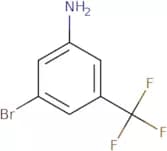
CAS:<p>A dehydration agent. Also called Martin Sulfurane Dehydrating agent</p>Formula:C30H20F12O2SPurity:Min. 95%Molecular weight:672.53 g/mol3-Bromo-5-(trifluoromethyl)aniline
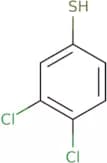
CAS:<p>3-Bromo-5-(trifluoromethyl)aniline is a synthetically useful compound that can be used for the synthesis of other organic compounds. It has been shown to react with nilotinib, an anticancer drug, to produce a reaction yield of 83%. This reaction was carried out in an impure environment and produced some impurities. The reaction was conducted using acetonitrile as the solvent and the desired product was obtained by using a high-performance liquid chromatography (HPLC) method. The resulting product was deuterated with deuterium gas. 3-Bromo-5-(trifluoromethyl)aniline is insoluble in water and soluble in organic solvents such as benzene, chloroform, dichloromethane, acetonitrile, and ether. The chemical formula for this substance is C8H4BrF3NO2.</p>Formula:C7H5BrF3NPurity:Min. 95%Molecular weight:240.02 g/mol3,4-Dichlorothiophenol
CAS:<p>3,4-Dichlorothiophenol is a chemical compound that belongs to the group of reactive compounds. It can be used as a chemical intermediate for the synthesis of other organic compounds. 3,4-Dichlorothiophenol is an inhibitor of methylating enzymes such as glyoxalase I and II and glyceraldehyde-3-phosphate dehydrogenase. This inhibition leads to the accumulation of methylglyoxal and 3-deoxyglucosone in cells, which are potent inhibitors of protein glycosylation. 3,4-Dichlorothiophenol also inhibits nucleophilic attack on DNA by epoxide hydrolases such as epoxide hydrolase 1 and 2. This inhibition results in the accumulation of reactive metabolites that are covalently adducted with DNA bases.</p>Formula:C6H4Cl2SPurity:Min. 95%Molecular weight:179.07 g/mol9,9-Bis[4-(2-acryloyloxyethyloxy)phenyl]fluorene
CAS:<p>9,9-Bis[4-(2-acryloyloxyethyloxy)phenyl]fluorene is a monofunctional, monomeric and optical initiator. It is a bifunctional molecule that can polymerize with other molecules to form polyesters. 9,9-Bis(4-acryloyloxyethyloxyphenyl)fluorene is also an element which can polymerize with other molecules to form polymers. This compound has been used in experiments for the study of optical properties such as refractive index and birefringence. The compound is liquid crystal and has been used for the study of liquid crystals as well.</p>Formula:C35H30O6Purity:Min. 90.00%Color and Shape:Clear LiquidMolecular weight:546.61 g/molpTH-Related Protein (7-34) amide (human, mouse, rat) trifluoroacetate salt
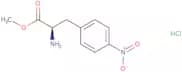
CAS:<p>Please enquire for more information about pTH-Related Protein (7-34) amide (human, mouse, rat) trifluoroacetate salt including the price, delivery time and more detailed product information at the technical inquiry form on this page</p>Formula:C153H247N49O37Purity:Min. 95%Molecular weight:3,364.91 g/mol4-Nitro-D-phenylalanine methyl ester hydrochloride
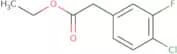
CAS:<p>Please enquire for more information about 4-Nitro-D-phenylalanine methyl ester hydrochloride including the price, delivery time and more detailed product information at the technical inquiry form on this page</p>Formula:C10H14N2O4·HClPurity:Min. 95%Molecular weight:262.69 g/mol(4-Chloro-3-fluorophenyl)acetic acid ethyl ester
CAS:<p>Please enquire for more information about (4-Chloro-3-fluorophenyl)acetic acid ethyl ester including the price, delivery time and more detailed product information at the technical inquiry form on this page</p>Formula:C10H10ClFO2Purity:Min. 95%Molecular weight:216.64 g/molLIP2 (human) trifluoroacetate salt
<p>Please enquire for more information about LIP2 (human) trifluoroacetate salt including the price, delivery time and more detailed product information at the technical inquiry form on this page</p>Formula:C184H288N58O58Purity:Min. 95%Molecular weight:4,240.61 g/mol2-Bromo-6-methylpyridin-3-ol
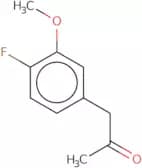
CAS:<p>2-Bromo-6-methylpyridin-3-ol is a heterocyclic organic compound. It is a pyridine ring with two methyl groups attached to the ring at positions 2 and 6. The bromine atom is at position 3. This is an important intermediate in the Suzuki coupling reaction, which uses it as a starting material for the synthesis of many other compounds. The dieckmann condensation reaction produces this compound from 2,6-dichloropyridine and other reagents. Fluorescent when exposed to UV light, this compound has been used as a probe for chloride ions in solution using mass spectroscopy. This substance also yields dieckmann condensation products with alkynes and chlorine or bromine. 2-Bromo-6-methylpyridin-3-ol can be produced by treating pyridine with methylacrylate in the presence of catalysts such as copper(II)</p>Formula:C6H6BrNOPurity:Min. 95%Molecular weight:188.02 g/mol4-Fluoro-3-methoxyphenylacetone
CAS:<p>4-Fluoro-3-methoxyphenylacetone is a high quality reagent that can be used as an intermediate in the synthesis of complex compounds. This compound is also useful for creating fine chemicals and speciality chemicals, for research purposes. 4-Fluoro-3-methoxyphenylacetone has been shown to be a versatile building block in organic synthesis, with many possible applications. It can react with other compounds to create new compounds or react with itself to form new molecules. CAS No. 320338-98-5</p>Formula:C10H11FO2Purity:Min. 95%Molecular weight:182.19 g/molAcetyl-Exenatide trifluoroacetate salt
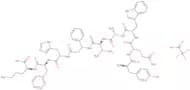
CAS:<p>Please enquire for more information about Acetyl-Exenatide trifluoroacetate salt including the price, delivery time and more detailed product information at the technical inquiry form on this page</p>Formula:C186H284N50O61SPurity:Min. 95%Molecular weight:4,228.61 g/mol(D-Tyr6,betaPhe11,Phe13, Nle 14)-Bombesin (6-14) (free acid) trifluoroacetate salt
CAS:<p>Please enquire for more information about (D-Tyr6,betaPhe11,Phe13, Nle 14)-Bombesin (6-14) (free acid) trifluoroacetate salt including the price, delivery time and more detailed product information at the technical inquiry form on this page</p>Formula:C63H79N13O12Purity:Min. 95%Molecular weight:1,210.38 g/molPACAP-38 (31-38) (human, chicken, mouse, ovine, porcine, rat) trifluoroacetate salt
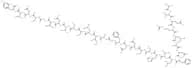
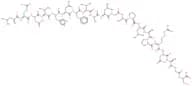
CAS:<p>Please enquire for more information about PACAP-38 (31-38) (human, chicken, mouse, ovine, porcine, rat) trifluoroacetate salt including the price, delivery time and more detailed product information at the technical inquiry form on this page</p>Formula:C47H83N17O11Purity:Min. 95%Molecular weight:1,062.27 g/molpTH (28-48) (human) trifluoroacetate salt
CAS:<p>Please enquire for more information about pTH (28-48) (human) trifluoroacetate salt including the price, delivery time and more detailed product information at the technical inquiry form on this page</p>Formula:C95H150N28O29Purity:Min. 95%Molecular weight:2,148.38 g/mol4-Bromoisoindoline hydrochloride
CAS:<p>4-Bromoisoindoline hydrochloride (BII) is a chemical compound that can be used as a building block for making other chemicals. It can also be used to make research chemicals or as a reaction component in the synthesis of other compounds. It has been shown to be an effective reagent and is useful for the production of fine chemicals with high purity.</p>Formula:C8H9BrClNPurity:Min. 95%Color and Shape:PowderMolecular weight:234.52 g/mol(3-(4-Azidophenyl)propionyl1,D-Tyr(Me)2,Arg6,Arg8,Tyr-NH29)-Vasopressin trifluoroacetate salt
CAS:<p>Please enquire for more information about (3-(4-Azidophenyl)propionyl1,D-Tyr(Me)2,Arg6,Arg8,Tyr-NH29)-Vasopressin trifluoroacetate salt including the price, delivery time and more detailed product information at the technical inquiry form on this page</p>Formula:C63H84N20O13Purity:Min. 95%Molecular weight:1,329.47 g/molPreptin (rat) trifluoroacetate salt
CAS:<p>Please enquire for more information about Preptin (rat) trifluoroacetate salt including the price, delivery time and more detailed product information at the technical inquiry form on this page</p>Formula:C181H268N48O51Purity:Min. 95%Molecular weight:3,932.36 g/mol3-(Trifluoromethyl)phenylacetic acid
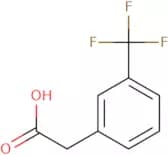
CAS:<p>3-(Trifluoromethyl)phenylacetic acid is an isoquinoline alkaloid that has been found to have anti-inflammatory properties. It was shown to inhibit TNF-α production in mice with colitis, reducing the severity of the disease. 3-(Trifluoromethyl)phenylacetic acid can be administered orally, and it is metabolized reductively by dihydroisoquinoline reductase enzymes. The drug's pharmacokinetics are not well understood, but it is thought to be a substrate for CYP3A4 and P-glycoprotein. 3-(Trifluoromethyl)phenylacetic acid has been studied as a potential antiviral agent and systemic inflammatory response inhibitor.</p>Formula:C9H7F3O2Purity:Min. 95%Molecular weight:204.15 g/mol(Asn670,Leu671)-Amyloid b/A4 Protein Precursor770 (667-676) trifluoroacetate salt
CAS:<p>Please enquire for more information about (Asn670,Leu671)-Amyloid b/A4 Protein Precursor770 (667-676) trifluoroacetate salt including the price, delivery time and more detailed product information at the technical inquiry form on this page</p>Formula:C50H78N14O19Purity:Min. 95%Molecular weight:1,179.24 g/mol5-Fluoro-2-nitroanisole
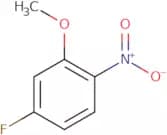
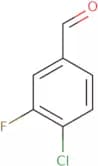
CAS:<p>5-Fluoro-2-nitroanisole is an aminophenol that has potent inhibitory activity against lung cancer cells. This agent inhibits the growth of cancer cells by methylating the epidermal growth factor receptor (EGFR) and preventing its activation. 5-Fluoro-2-nitroanisole also inhibits the production of epidermal growth factor, which is a potent mitogen for skin cells. In vitro cytotoxic activity was observed when this compound was combined with heat or ultraviolet light.</p>Formula:C7H6FNO3Purity:Min. 95%Color and Shape:Light (Or Pale) Yellow To Tan To Grey SolidMolecular weight:171.13 g/mol4-Chloro-3-fluorobenzaldehyde
CAS:<p>4-Chloro-3-fluorobenzaldehyde is an atypical molecule that has a deuterium atom. It is classified as a group p2 functional theory reuptake inhibitor, which blocks the reuptake of noradrenaline at the synapse. The vibrational and spectroscopic properties of this molecule are similar to those of other molecules in its class. 4-Chloro-3-fluorobenzaldehyde was shown to inhibit the production of noradrenaline in rat brain tissue and is used as a model for studying genetic polymorphism. Techniques such as nuclear magnetic resonance spectroscopy, infrared spectroscopy, and X-ray crystallography have been used to investigate the structure and reactivity of 4-chloro-3-fluorobenzaldehyde.</p>Formula:C7H4ClFOPurity:Min. 95%Molecular weight:158.56 g/mol(D-Tyr5,D-Trp6)-LHRH trifluoroacetate salt
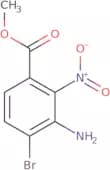
CAS:<p>Please enquire for more information about (D-Tyr5,D-Trp6)-LHRH trifluoroacetate salt including the price, delivery time and more detailed product information at the technical inquiry form on this page</p>Formula:C64H82N18O13Purity:Min. 95%Molecular weight:1,311.45 g/molMethyl 3-amino-4-bromo-2-nitrobenzoate
CAS:<p>Please enquire for more information about Methyl 3-amino-4-bromo-2-nitrobenzoate including the price, delivery time and more detailed product information at the technical inquiry form on this page</p>Formula:C8H7BrN2O4Purity:Min. 95%Molecular weight:275.06 g/mol([13C6]Leu5)-Ghrelin (human) trifluoroacetate salt
CAS:<p>Please enquire for more information about ([13C6]Leu5)-Ghrelin (human) trifluoroacetate salt including the price, delivery time and more detailed product information at the technical inquiry form on this page</p>Purity:Min. 95%(1,10-Phenanthroline)tris[4,4,4-trifluoro-1-(2-thienyl)-1,3-butanedionato]europium(III)
CAS:<p>(1,10-Phenanthroline)tris[4,4,4-trifluoro-1-(2-thienyl)-1,3-butanedionato]europium(III) is a luminescent europium complex that is used in the development of microcapsules for fluorescence microscopy. The (1,10-phenanthroline) ligand is a chelate molecule that can be exchanged with other ligands to change the optical properties of the complex. The fluorescence microscope detects the emitted light at 488 nm and 514 nm wavelengths. The luminescent europium complex emits light when it binds to an organic molecule such as vinyl alcohol or water vapor. Ternary complexes are formed between the europium ion and two different ligands. Optical properties depend on the type of ligands present in these ternary complexes. This product has been shown to have chemical structures that are similar to those</p>Purity:Min. 95%Ac-Leu-Glu-His-Asp-chloromethylketone
CAS:<p>Ac-Leu-Glu-His-Asp-chloromethylketone is a creatine kinase inhibitor that prevents the conversion of ATP to ADP. It inhibits mitochondrial pathways, leading to apoptotic and proapoptotic effects. Ac-Leu-Glu-His-Asp-chloromethylketone also has a kinetic effect on cells, where it causes necrotic cell death. This compound can cause proteolytic activity, which leads to the activation of caspase 9 and matrix metalloproteinases. Ac-Leu-Glu-His-Asp chloromethylketone has been shown to have antiinflammatory properties in cellular assays, as well as an ability to inhibit the synthesis of cellular proteins.</p>Formula:C24H35ClN6O9Purity:Min. 95%Molecular weight:587.02 g/molH-Glu-Ala-Leu-Phe-Gln-pNA trifluoroacetate salt
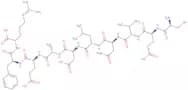
CAS:<p>Please enquire for more information about H-Glu-Ala-Leu-Phe-Gln-pNA trifluoroacetate salt including the price, delivery time and more detailed product information at the technical inquiry form on this page</p>Formula:C34H46N8O10Purity:Min. 95%Molecular weight:726.78 g/mol(p-Chloro-D-Phe6,Leu17)-VIP (human, mouse, rat) trifluoroacetate salt
CAS:<p>VIP is a potent vasoactive neuropeptide that is found in the heart, brain, and gut. It has been shown to be a potent inhibitor of guanethidine-induced contractions in the femoral vein, as well as atrial contractions. VIP also inhibits spontaneous contractions in the fundic region of the stomach and intestinal motility. VIP has been shown to inhibit vasoactive intestinal polypeptide-induced contractions in isolated rat ileum. VIP is expressed primarily in the enteric nervous system and throughout the gastrointestinal tract.</p>Formula:C148H239ClN44O42Purity:Min. 95%Molecular weight:3,342.21 g/molDesmethyl sibutramine hydrochloride salt
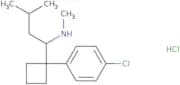
CAS:<p>Desmethyl sibutramine hydrochloride salt is a pharmaceutical preparation that has been used in the treatment of depression and chronic pain. It is a synthetic drug that increases the level of dopamine in the brain by inhibiting its reuptake. In addition, it has been shown to be effective in the treatment of hyperactivity, diabetic neuropathy, and other amines. Desmethyl sibutramine hydrochloride salt also has an antidepressant effect by decreasing serotonin reuptake.</p>Formula:C16H25Cl2NPurity:Min. 95 Area-%Color and Shape:White PowderMolecular weight:302.28 g/molBz-Phe-Val-Arg-AMC hydrochloride salt
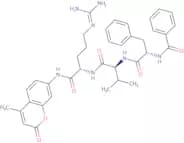
CAS:<p>Bz-Phe-Val-Arg-AMC is a synthetic substrate that is used to measure proteolytic activity. It has been shown to be hydrolyzed by serine proteases, such as trypsin and chymotrypsin, at a rate proportional to the enzyme's concentration. The rate of hydrolysis was determined using a kinetic assay in which the release of AMC from the peptide bond was measured using an ultraviolet spectrophotometer. Bz-Phe-Val-Arg-AMC has also been used to study the effects of various food additives on proteolytic activity. This test can be used as a diagnostic tool for inflammatory diseases, such as Crohn's disease and ulcerative colitis.</p>Formula:C37H43N7O6Purity:Min. 95%Molecular weight:681.78 g/molOM99-2trifluoroacetate salt
CAS:<p>Please enquire for more information about OM99-2trifluoroacetate salt including the price, delivery time and more detailed product information at the technical inquiry form on this page</p>Formula:C41H64N8O14Purity:Min. 95%Molecular weight:892.99 g/molDecanoyl-Arg-Val-Arg-Lys-chloromethylketone
CAS:<p>Decanoyl-Arg-Val-Arg-Lys-chloromethylketone is a potent activin antagonist that has been shown to inhibit follicle development in ovary cells. It also blocks the protease activity of leishmania, which is a parasite that causes cutaneous leishmaniasis. This drug binds to proteases and inhibits their activity by competing with substrates for the active site. Decanoyl-Arg-Val-Arg-Lys-chloromethylketone is not expressed in the submandibular gland or the submaxillary gland, which are salivary glands.</p>Formula:C34H66ClN11O5Purity:Min. 95%Molecular weight:744.41 g/mol3-Fluoro-2-nitrobenzaldehyde
CAS:<p>3-Fluoro-2-nitrobenzaldehyde is a pyridine derivative that has been used in the synthesis of a number of important heterocyclic compounds. This compound can be prepared by reacting 3,4-dichloroaniline with nitrous acid and then hydrolyzing the resulting 3-chloroquinoline with hydrochloric acid. The reaction yields anilines and quinolines in regiospecifically, as well as formylation, cyclisation, and condensation products. It is also capable of aromatisation reactions with benzene to produce benzofuran derivatives.</p>Formula:C7H4FNO3Purity:Min. 95%Color and Shape:Yellow PowderMolecular weight:169.11 g/molAcetyl-Heme-Binding Protein 1 (1-21) (human) trifluoroacetate salt
CAS:<p>Please enquire for more information about Acetyl-Heme-Binding Protein 1 (1-21) (human) trifluoroacetate salt including the price, delivery time and more detailed product information at the technical inquiry form on this page</p>Formula:C116H176N26O30S2Purity:Min. 95%Molecular weight:2,478.93 g/molpTH (1-84) (rat) trifluoroacetate salt
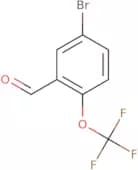
<p>Please enquire for more information about pTH (1-84) (rat) trifluoroacetate salt including the price, delivery time and more detailed product information at the technical inquiry form on this page</p>Formula:C406H670N122O126S3Purity:Min. 95%Molecular weight:9,372.61 g/mol5-Bromo-2-(trifluoromethoxy)benzaldehyde
CAS:<p>5-Bromo-2-(trifluoromethoxy)benzaldehyde is a chemical that is used as a reactant in organic chemistry. It can be used as a building block for the synthesis of complex compounds, or as an intermediate in the preparation of fine chemicals. 5-Bromo-2-(trifluoromethoxy)benzaldehyde is also useful in research and development. It has been used to synthesize pharmaceuticals, pesticides, and other organic compounds.</p>Formula:C8H4BrF3O2Purity:Min. 95%Color and Shape:PowderMolecular weight:269.02 g/molLactoferricin B (4-14) (bovine) trifluoroacetate salt
CAS:<p>Lactoferricin B (4-14) (bovine) trifluoroacetate salt is a peptide derivative, which is a fragment derived from bovine lactoferrin. It is obtained by enzymatic digestion of lactoferrin, a glycoprotein with a well-established role in the innate immune system. This specific peptide, Lactoferricin B (4-14), is known for its potent antimicrobial properties, attributed to its amphipathic structure that facilitates the disruption of microbial membranes. Additionally, it can modulate immune responses through interactions with immune cells, thereby influencing inflammatory processes.</p>Formula:C70H113N25O13SPurity:Min. 95%Molecular weight:1,544.87 g/molH-His(1-Trt)-2-chlorotrityl resin (200-400 mesh) (Low Substitution)
<p>Please enquire for more information about H-His(1-Trt)-2-chlorotrityl resin (200-400 mesh) (Low Substitution) including the price, delivery time and more detailed product information at the technical inquiry form on this page</p>Purity:Min. 95%TRAP-6 (2-6) trifluoroacetate salt
CAS:<p>TRAP-6 (2-6) is a monoclonal antibody that binds to the enzyme collagenase, which is an important factor in tumor invasion and metastasis. The antibody binds to the active site of collagenase, thereby inhibiting its activity. TRAP-6 (2-6) has been shown to reduce the growth of cancer cells by inhibiting the production of β-amino acids and zymogens, which are required for tumor cell proliferation. It also inhibits serine proteases, such as thrombin receptor, which play an important role in tumor invasion and metastasis. TRAP-6 (2-6) also has anti-inflammatory properties and can be used for the treatment of basophilic leukemia.</p>Formula:C31H51N9O7Purity:Min. 95%Molecular weight:661.79 g/mol1-Methylbiguanide hyrdochloride
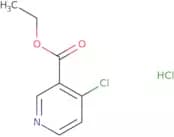
CAS:<p>1-Methylbiguanide hydrochloride is a pharmaceutical drug that has been shown to be an antidiabetic agent. It is a white crystalline powder with a melting point of about 180°C and a solubility in water of about 1 g/L. 1-Methylbiguanide hydrochloride is used for treating diabetes mellitus type 2, which is caused by insulin resistance. The drug works by stimulating the release of insulin from the pancreas and increasing the rate at which glucose enters cells. Studies have shown that 1-methylbiguanide hydrochloride has low biodegradability, but it can be removed from wastewater using an activated carbon column or hydrophilic interaction chromatography. 1-Methylbiguanide hyrdochloride has been shown to be safe for humans and may not cause side effects in people with kidney disease who take it as prescribed. This drug also does not interact with other medications, such as warfarin</p>Formula:C3H9N5·HClPurity:Min. 95%Molecular weight:151.6 g/mol4-Chloro-Nicotinic acid ethyl ester hydrochloride
CAS:<p>4-Chloro-Niacin is a lead compound for the treatment of diabetes. The drug is an agonist of the G protein coupled receptor, which is involved in glucose homeostasis and insulin secretion. 4-Chloro-Niacin has been shown to decrease blood glucose levels in diabetic rats by activating the G protein coupled receptor, thereby increasing the release of insulin from pancreatic beta cells. This compound also has an affinity for pyridine nucleotide receptors, suggesting that it may be useful for treating metabolic syndromes.</p>Formula:C8H8ClNO2·HClPurity:Min. 95%Molecular weight:222.07 g/molBiotinyl-MCH (salmon) trifluoroacetate salt
CAS:<p>Please enquire for more information about Biotinyl-MCH (salmon) trifluoroacetate salt including the price, delivery time and more detailed product information at the technical inquiry form on this page</p>Formula:C99H153N29O26S5Purity:Min. 95%Molecular weight:2,325.78 g/molMethyl 5-bromo-2-nitrobenzoate
CAS:<p>Please enquire for more information about Methyl 5-bromo-2-nitrobenzoate including the price, delivery time and more detailed product information at the technical inquiry form on this page</p>Purity:Min. 95%H-Pro-Pro-Gln-OH trifluoroacetate salt
CAS:<p>Please enquire for more information about H-Pro-Pro-Gln-OH trifluoroacetate salt including the price, delivery time and more detailed product information at the technical inquiry form on this page</p>Formula:C15H24N4O5Purity:Min. 95%Molecular weight:340.38 g/mol(Deamino-Cys11,D-2-Nal 14,Cys18)-b-MSH (11-22) amide trifluoroacetate salt
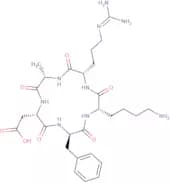
CAS:<p>Please enquire for more information about (Deamino-Cys11,D-2-Nal 14,Cys18)-b-MSH (11-22) amide trifluoroacetate salt including the price, delivery time and more detailed product information at the technical inquiry form on this page</p>Formula:C69H91N19O16S2Purity:Min. 95%Molecular weight:1,506.71 g/molCyclo(-Arg-Ala-Asp-D-Phe-Lys) trifluoroacetate salt
CAS:<p>Cyclo(-Arg-Ala-Asp-D-Phe-Lys) trifluoroacetate salt is a peptidomimetic that inhibits the growth of tumor cells by inhibiting angiogenesis, which is the formation of new blood vessels. It has been shown to effectively inhibit the proliferation of endothelial cells and decrease tumor vasculature in human ovarian carcinoma. Cyclo(-Arg-Ala-Asp-D-Phe-Lys) trifluoroacetate salt binds to cyclic peptides in the body and prevents them from being broken down by peptidases. This increases their uptake into cancer cells and inhibits angiogenesis, leading to a decrease in tumor size and number.</p>Formula:C28H43N9O7Purity:Min. 95%Molecular weight:617.7 g/molMaxadilan trifluoroacetate salt
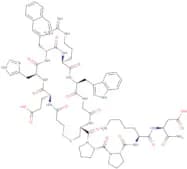
CAS:<p>Maxadilan trifluoroacetate salt is a low-potency drug that binds to the GABA receptor and affects the central nervous system. Maxadilan trifluoroacetate salt is structurally related to leishmaniasis, an infectious disease caused by protozoa of the genus Leishmania. Maxadilan trifluoroacetate salt has been shown to prevent the development of autoimmune diseases in mice, including systemic lupus erythematosus, experimental autoimmune encephalomyelitis, and collagen-induced arthritis. Maxadilan trifluoroacetate salt has also been shown to be effective against cutaneous lesions in mice infected with Leishmania major. The mechanism of action is not yet known but may be due to its ability to influence mitochondrial membrane potential or fatty acid metabolism.</p>Formula:C291H466N86O94S6Purity:Min. 95%Molecular weight:6,865.73 g/molTIP-39 trifluoroacetate salt
CAS:<p>Please enquire for more information about TIP-39 trifluoroacetate salt including the price, delivery time and more detailed product information at the technical inquiry form on this page</p>Formula:C202H325N61O54SPurity:Min. 95%Molecular weight:4,504.19 g/molAmylin (8-37) (human) trifluoroacetate salt
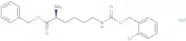
CAS:<p>Please enquire for more information about Amylin (8-37) (human) trifluoroacetate salt including the price, delivery time and more detailed product information at the technical inquiry form on this page</p>Formula:C138H216N42O45Purity:Min. 95%Molecular weight:3,183.45 g/molH-Lys(2-chloro-Z)-OBzl·HCl
CAS:<p>Please enquire for more information about H-Lys(2-chloro-Z)-OBzl·HCl including the price, delivery time and more detailed product information at the technical inquiry form on this page</p>Formula:C21H25ClN2O4·HClPurity:Min. 95%Molecular weight:441.35 g/mol...(Ala13)-Apelin-13 (human, bovine, mouse, rat) trifluoroacetate salt
CAS:<p>Apelin-13 is a peptide hormone that is involved in the regulation of cardiovascular, respiratory and gastrointestinal functions. It has been shown to stimulate receptor activity and pain sensitivity in animal models. Apelin-13 has been shown to act as an opioid receptor agonist, meaning that it binds to the opioid receptors and activates them. This activation leads to an increase in the production of growth factors and matrix metalloproteinases, which are proteins that break down collagen and other substances in the body. The increased production of these substances can lead to inflammation and tissue destruction. Apelin-13 also interacts with several other receptors including CB2 (a cannabinoid receptor), GPCR (a G protein-coupled receptor), CRHR1 (a corticotropin releasing hormone receptor 1) and Naloxone (an opioid antagonist).</p>Formula:C63H107N23O16S·xC2HF3O2Purity:Min. 95%Molecular weight:1,474.74 g/mol(Lys7)-Phalloidin trifluoroacetate
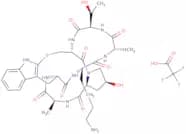
CAS:<p>Please enquire for more information about (Lys7)-Phalloidin trifluoroacetate including the price, delivery time and more detailed product information at the technical inquiry form on this page</p>Formula:C35H49N9O9S•(C2HF3O2)xPurity:Min. 95%Molecular weight:771.88 g/mol










![tert-Butyl2-bromo-6,7-dihydrothiazolo[5,4-c]pyridine-5(4H)-carboxylate](/_next/image/?url=https%3A%2Fstatic.cymitquimica.com%2Fproducts%2F3D%2Fthumb-webp%2FFB148706.webp&w=3840&q=75)




![Europium tris[3-(heptafluoropropylhydroxymethylene)-(+)-camphorate]](/_next/image/?url=https%3A%2Fstatic.cymitquimica.com%2Fproducts%2F3D%2Fthumb-webp%2FFE98265.webp&w=3840&q=75)

![Bis[α,α-bis(trifluoromethyl)benzenemethanolato]diphenylsulfur](/_next/image/?url=https%3A%2Fstatic.cymitquimica.com%2Fproducts%2F3D%2Fthumb-webp%2FFB98713.webp&w=3840&q=75)
![9,9-Bis[4-(2-acryloyloxyethyloxy)phenyl]fluorene](/_next/image/?url=https%3A%2Fstatic.cymitquimica.com%2Fproducts%2F3D%2Fthumb-webp%2FFB149723.webp&w=3840&q=75)





![([13C6]Leu5)-Ghrelin (human) trifluoroacetate salt](/_next/image/?url=https%3A%2Fstatic.cymitquimica.com%2Fproducts%2F3D%2Fthumb-webp%2FFL110022.webp&w=3840&q=75)
![(1,10-Phenanthroline)tris[4,4,4-trifluoro-1-(2-thienyl)-1,3-butanedionato]europium(III)](/_next/image/?url=https%3A%2Fstatic.cymitquimica.com%2Fproducts%2F3D%2Fthumb-webp%2FFP62129.webp&w=3840&q=75)