Organic Halides
In this category, you can find organic molecules containing one or more halogen atoms in their structure. These organic halides include brominated, iodinated, chlorinated, and cyclic halide compounds. Organic halides are widely used in organic synthesis, pharmaceuticals, agrochemicals, and materials science due to their reactivity and ability to undergo a variety of chemical transformations. At CymitQuimica, we offer a comprehensive selection of high-quality organic halides to support your research and industrial applications, ensuring reliable and effective performance in your synthetic and analytical projects.
Subcategories of "Organic Halides"
Found 20437 products of "Organic Halides"
Sort by
Purity (%)
0
100
|
0
|
50
|
90
|
95
|
100
3-fluoro-5-(trifluoromethyl)benzonitrile
CAS:<p>Please enquire for more information about 3-fluoro-5-(trifluoromethyl)benzonitrile including the price, delivery time and more detailed product information at the technical inquiry form on this page</p>Formula:C8H3F4NPurity:Min. 95%Molecular weight:189.11 g/mol5-Bromo-3-[2-(1-pyrrolidinyl)ethyl]-1H-indole
CAS:Controlled Product<p>Please enquire for more information about 5-Bromo-3-[2-(1-pyrrolidinyl)ethyl]-1H-indole including the price, delivery time and more detailed product information at the technical inquiry form on this page</p>Formula:C14H17BrN2Purity:Min. 95%Molecular weight:293.2 g/molDechlorane 603
CAS:<p>Dechlorane 603 is a polychlorinated biphenyl (PCB) that has chlorine atoms in the 2, 3, and 4 positions. It is produced as an unintentional byproduct of the production of polychlorinated biphenyls (PCBs). The analytical method for Dechlorane 603 is gel permeation chromatography. It can be found in human populations with higher levels in infants than adults. Levels have been shown to be lower in those who eat more fish or who have a high fat diet. Dechlorane 603 levels are higher in pregnant women than non-pregnant women. Animal experiments have shown that it can impair development of the brain and reproductive organs.</p>Formula:C17H8Cl12Purity:Min. 95%Color and Shape:PowderMolecular weight:637.68 g/mol3-Chloro-4-cyanophenylboronic acid
CAS:Controlled Product<p>Please enquire for more information about 3-Chloro-4-cyanophenylboronic acid including the price, delivery time and more detailed product information at the technical inquiry form on this page</p>Formula:C7H5BClNO2Purity:Min. 95%Molecular weight:181.38 g/mol3-Aminobenzotrifluoride
CAS:<p>3-Aminobenzotrifluoride is a chemical substance that can be used as an intermediate in the synthesis of pharmaceuticals. It is an aryl halide and has been shown to react with hydrogen fluoride, hydrochloric acid, nitrous acid, and trifluoroacetic acid to produce 3-aminobenzotrifluoride derivatives. This product is not readily bioavailable due to its low solubility in water and high lipophilicity. The preparation of 3-aminobenzotrifluoride requires a sample preparation step such as diazonium salt or diphenyl ether. Magnetic resonance spectroscopy has been used to identify the chemical structures of 3-aminobenzotrifluoride derivatives.</p>Formula:C7H6F3NPurity:Min. 95%Color and Shape:Colorless Clear LiquidMolecular weight:161.12 g/molN-(4-Bromonaphthalene-1-yl)-acetamide
CAS:<p>The N-(4-bromonaphthalene-1-yl)-acetamide is a high quality chemical that is used as a reaction component in the synthesis of pharmaceuticals and other speciality chemicals. It can also be used as a building block for creating more complex compounds. This compound is a versatile building block that can be used to synthesise many different types of products.</p>Formula:C12H10BrNOPurity:Min. 95%Molecular weight:264.12 g/mol(3-Chlorophenyl)acetyl chloride
CAS:<p>3-Chlorophenylacetic acid is a formamide that can be used in the synthesis of amines and phosphoinositides. It is also an intermediate in the preparation of dimethylformamide. 3-Chlorophenylacetic acid has been shown to cause cell dysfunction at high doses, but not at lower concentrations. The biological properties of this compound are similar to those of other formamidines and amines. 3-Chlorophenylacetic acid has been shown to catalyze the conversion of benzoic acid into benzoate, which is used as a preservative in foods, drugs, and cosmetics. This compound also inhibits the formation of heterocyclic amines during cooking by reacting with amino compounds, such as creatinine or ammonia.</p>Formula:C8H6Cl2OPurity:Min. 95%Color and Shape:Clear LiquidMolecular weight:189.04 g/mol1-Cyclopropyl-7-(2,8-diazabicyclo[4.3.0]non-8-yl)-6-fluoro-8-methoxy-4-oxoquinoline-3-carboxylic acid
CAS:<p>This is a broad-spectrum antibacterial agent that inhibits bacterial DNA gyrase. It is active against atypical bacterial species, such as Chlamydia and Mycoplasma, and has been shown to be effective against certain strains of the methicillin-resistant Staphylococcus aureus (MRSA) bacteria. This drug also inhibits the growth of other bacteria by binding to their DNA. The drug is used in combination with other antibiotics to treat infections caused by Clostridium difficile, Helicobacter pylori, Borrelia burgdorferi, and Salmonella enterica. However, this drug does not work against Pseudomonas aeruginosa or Enterobacteriaceae infections.</p>Formula:C21H24FN3O4Purity:Min. 95%Color and Shape:PowderMolecular weight:401.43 g/mol3,4-Methylenedioxy amphetamine hydrochloride
CAS:Controlled Product<p>3,4-Methylenedioxy amphetamine hydrochloride is an enantiomer of methylenedioxyamphetamine. It is a synthetic molecule that has been used as a drug and chemical intermediate. 3,4-MDA has not been detected in any natural products. 3,4-MDA is not soluble in water but is soluble in most organic solvents and oils. 3,4-MDA can be made into a non-polymeric form by adding acid to the molecule. The impurities are typically related to the solvent used during synthesis and include unreacted starting materials, side products from chemical reactions, and traces of other chemicals such as acetyl derivatives or polymers. 3,4-MDA can be assayed using high performance liquid chromatography (HPLC) with fluorescent detection; however, due to the impurities present in this substance it may be difficult to obtain a reliable result. There are two polymorphs for 3,4-MDA:</p>Formula:C10H14ClNO2Purity:Min. 95%Color and Shape:PowderMolecular weight:215.68 g/mol1,1,1-Trichloro-3-(1-methyl-1H-benzimidazol-2-yl)propan-2-ol
CAS:Controlled Product<p>Please enquire for more information about 1,1,1-Trichloro-3-(1-methyl-1H-benzimidazol-2-yl)propan-2-ol including the price, delivery time and more detailed product information at the technical inquiry form on this page</p>Formula:C11H11Cl3N2OPurity:Min. 95%Molecular weight:293.58 g/mol4-Bromofuran-2-carbaldehyde
CAS:<p>4-Bromofuran-2-carbaldehyde is a synthetic compound that has been shown to have antioxidant properties. It contains an electron-donating carbonyl group and an electron-withdrawing bromine atom. 4-Bromofuran-2-carbaldehyde is useful in the treatment of endophytic fungi infections, as it inhibits the synthesis of ergosterol, which is an important component of the fungal cell membrane. The molecule's conformational properties are also important for its biological activity, as they enable it to act as a chiral ligand by binding to proteins in a way that will inhibit their function. In addition, 4-bromofuran-2-carbaldehyde has been shown to be effective against cancer cells in vitro, particularly against MMCF7 cells. This may be due to its ability to bind to DNA and prevent transcription or replication of DNA strands.</p>Formula:C5H3BrO2Purity:Min. 95%Molecular weight:174.98 g/molrac-cis-2,3-dichloro sertraline hydrochloride
CAS:<p>Please enquire for more information about rac-cis-2,3-dichloro sertraline hydrochloride including the price, delivery time and more detailed product information at the technical inquiry form on this page</p>Formula:C17H18Cl3NPurity:Min. 95%Molecular weight:342.69 g/molMethyl 3-amino-5-fluoro-1-methyl-1H-indole-2-carboxylate
CAS:Controlled Product<p>Please enquire for more information about Methyl 3-amino-5-fluoro-1-methyl-1H-indole-2-carboxylate including the price, delivery time and more detailed product information at the technical inquiry form on this page</p>Formula:C11H11FN2O2Purity:Min. 95%Molecular weight:222.22 g/mol3-Nitrobenzylchloride
CAS:<p>3-Nitrobenzylchloride is a chemical compound that has an x-ray crystal structure. This molecule was synthesized by reacting 3-nitrobenzyl alcohol with thionyl chloride in the presence of sodium hydroxide and water. The reaction product was then purified by recrystallization from hexane to obtain the desired compound, which had an analytical purity of 98%. 3-Nitrobenzylchloride is a model system for studying nucleophilic attack, intramolecular hydrogen bonding, and halogen compounds. It can also be used to study radical coupling reactions of nitroalkanes, halides, and amines. 3-Nitrobenzylchloride can be used in analytical chemistry as a reagent for quality control tests on naphthalene and amines.</p>Formula:C7H6ClNO2Purity:Min. 95%Molecular weight:171.58 g/mol2-Methyl-4-(trifluoromethoxy)bromobenzene
CAS:<p>Please enquire for more information about 2-Methyl-4-(trifluoromethoxy)bromobenzene including the price, delivery time and more detailed product information at the technical inquiry form on this page</p>Formula:C8H6BrF3OPurity:Min. 95%Color and Shape:Clear LiquidMolecular weight:255.03 g/mol2-Amino-1-(2,3-dihydro-benzofuran-5-yl)-ethanolHydrochloride
CAS:Controlled Product<p>Please enquire for more information about 2-Amino-1-(2,3-dihydro-benzofuran-5-yl)-ethanolHydrochloride including the price, delivery time and more detailed product information at the technical inquiry form on this page</p>Formula:C10H14ClNO2Purity:Min. 95%Molecular weight:215.68 g/mol2,4-Dichloro-5-trifluoromethylpyrimidine
CAS:<p>2,4-Dichloro-5-trifluoromethylpyrimidine is a synthetic compound that can be used as an additive in plastics and cellulose. It is also used to produce 2,4-dichloro-5-(trifluoromethyl)pyrimidine, which has been shown to inhibit the growth of cancer cells. The methylating properties of 2,4-dichloro-5-(trifluoromethyl)pyrimidine have been shown to be useful for the production of amines. This chemical can also be used as a solvent due to its low boiling point.</p>Formula:C5HCl2F3N2Purity:Min. 95%Color and Shape:Clear Colourless To Pale Yellow To Brown LiquidMolecular weight:216.98 g/mol{[5-(Trifluoromethyl)-1,2,4-oxadiazol-3-yl]methyl}amine hydrochloride
CAS:<p>Please enquire for more information about {[5-(Trifluoromethyl)-1,2,4-oxadiazol-3-yl]methyl}amine hydrochloride including the price, delivery time and more detailed product information at the technical inquiry form on this page</p>Formula:C4H4F3N3O•HClPurity:Min. 95%Molecular weight:203.55 g/mol3-Bromoacetylpyridine, hydrobromide
CAS:<p>3-Bromoacetylpyridine, hydrobromide is a derivatizing agent that has been shown to react with nucleophiles. It can be used as an electron donor or electron acceptor in radical scavenging and other reactions. 3-Bromoacetylpyridine, hydrobromide is also a ligand for metal ions, and has been shown to bind to copper(II) ions. This product ionizes easily under electrospray ionization and reacts with thiourea to form 3-acetylpyridine.</p>Formula:C7H7Br2NOPurity:Min. 95%Molecular weight:280.94 g/molNorpseudoephedrine hydrochloride
CAS:Controlled Product<p>Norpseudoephedrine hydrochloride is a natural drug that has been used for many years as a decongestant. It is an active metabolite of ephedrine, which is found in the natural drug ephedra. Norpseudoephedrine hydrochloride is used to treat nasal and sinus congestion, but also has a number of other uses. The matrix effect of this drug has been shown with locomotor activity in mice. The enzyme activities have been shown using an analytical method on human urine samples. This drug can cause dopamine to be released into the synapse and may increase the release of other monoamine neurotransmitters such as serotonin and norepinephrine if taken in high doses. Norpseudoephedrine hydrochloride can also have negative effects on fetal development when taken by pregnant women, so should be avoided during pregnancy or breastfeeding.</p>Formula:C9H13NO•HClPurity:Min. 95%Molecular weight:187.67 g/molChlormequat chloride
CAS:<p>Chlormequat is a plant growth regulator that is used to inhibit the elongation of roots and shoots. It also inhibits the synthesis of cell wall components, causing cell death. Chlormequat has been shown to have a positive effect on plant growth by increasing water and nutrient uptake. The optimum concentration of chlormequat for plant growth varies depending on the type of plant. It can be determined by measuring the amount of phosphorus pentoxide in tissue culture samples. Chlormequat also blocks signal pathways that are activated by bacterial colony-stimulating factors, inhibiting bacterial growth. The analytical method for determining chlormequat concentrations in plants is based on histological analysis.</p>Formula:C5H13ClN•ClPurity:Min. 95%Color and Shape:PowderMolecular weight:158.07 g/molCyanuric chloride
CAS:<p>Cyanuric chloride is a water treatment agent that is used to remove chlorine from wastewater. It reacts with chlorine, forming cyanuric acid which is then removed from the water. Cyanuric chloride also has the ability to bind to human serum albumin and enzymes in biological samples. This binding inhibits their activity and makes them unavailable for use by bacteria. The antibacterial efficacy of cyanuric chloride has been shown in a study where it was found to have high resistance against many types of bacteria, such as Escherichia coli, Staphylococcus aureus, and Klebsiella pneumoniae.</p>Formula:C3Cl3N3Purity:Min. 95%Color and Shape:White/Off-White SolidMolecular weight:184.41 g/molFerric chloride hexahydrate
CAS:<p>Ferric chloride hexahydrate is a chemical compound that has the formula FeCl3·6H2O. It is composed of iron, chlorine, and water. Ferric chloride hexahydrate is used in wastewater treatment to remove organic compounds from the water. Ferric chloride hexahydrate reacts with sodium carbonate to form sodium citrate and ferrous chloride: FeCl3 + Na2CO3 → Fe(CO)2 + NaCl + 3H2O The reaction between ferric chloride hexahydrate and potassium dichromate produces the following products: FeCl3 + K2CrO4 → FeCrO4 + 2KCl In addition, ferric chloride hexahydrate can be used as an oxidizing agent in organic synthesis. The reaction mechanism for this process occurs when ferric chloride hexahydrate is mixed with a fatty acid such as octanoic acid: FeCl3 + C8H18</p>Formula:Cl3Fe·6H2OPurity:Min. 95%Color and Shape:Yellow PowderMolecular weight:270.29 g/mol2-Amino-4,6-difluorobenzoic acid
CAS:<p>Please enquire for more information about 2-Amino-4,6-difluorobenzoic acid including the price, delivery time and more detailed product information at the technical inquiry form on this page</p>Formula:C7H5F2NO2Purity:Min. 95%Molecular weight:173.12 g/molL-Prolinol 2-chlorotrityl resin
<p>Please enquire for more information about L-Prolinol 2-chlorotrityl resin including the price, delivery time and more detailed product information at the technical inquiry form on this page</p>Purity:Min. 95%Ethyl bromodifluoroacetate
CAS:<p>Ethyl bromodifluoroacetate is a chemical substance that reacts with amines in the presence of copper to form a copper complex. It is used as an intermediate in the synthesis of organic compounds, such as pharmaceuticals. Ethyl bromodifluoroacetate is also used as a catalyst for cross-coupling reactions of organic molecules. This reaction requires low energy and can be performed under mild conditions. The asymmetric synthesis of ethyl bromodifluoroacetate requires few steps and only uses inexpensive starting materials. The carbonyl group is chemically stable, making it difficult to decompose or oxidize. However, hydrogen fluoride will react with ethyl bromodifluoroacetate and cause it to decompose into its elements, fluorine and carbon dioxide gas. In addition, nucleophilic attack by halides can lead to the formation of ethyl bromodifluoroacetate from other substances. Control agents are necessary</p>Formula:C4H5BrF2O2Purity:Min. 95%Color and Shape:Colourless LiquidMolecular weight:202.98 g/mol1-Bromo-5-chloro-2-fluorobenzene
CAS:<p>1-Bromo-5-chloro-2-fluorobenzene is an antibacterial and antifungal agent that belongs to the group of halogenated brominated compounds. It has shown effective inhibitory activity against a wide range of bacteria, including Staphylococcus aureus and gram-negative bacteria. 1-Bromo-5-chloro-2-fluorobenzene has been used as a treatment for small ulcers in the mouth caused by fungi. The drug inhibits bacterial growth by interfering with the synthesis of protein, DNA, and RNA. 1-Bromo-5-chloro-2-fluorobenzene also inhibits the growth of fungi by inhibiting their production of ergosterol, which is necessary for cell membrane function.</p>Formula:C6H3BrClFPurity:Min. 95%Molecular weight:209.44 g/mol4-(4-Bromophenyl)piperazine-1-carboxylic acid tert-butyl ester
CAS:Controlled Product<p>Please enquire for more information about 4-(4-Bromophenyl)piperazine-1-carboxylic acid tert-butyl ester including the price, delivery time and more detailed product information at the technical inquiry form on this page</p>Formula:C15H21BrN2O2Purity:Min. 95%Molecular weight:341.24 g/mol1-(2-Fluorobenzyl)piperazine
CAS:Controlled Product<p>1-(2-Fluorobenzyl)piperazine (1FP) is an inhibitor of cholinesterase, which is an enzyme that breaks down the neurotransmitter acetylcholine. It binds to the active site of the enzyme and prevents it from functioning. 1FP has a high affinity for benzylpiperazine (BZP), but lower affinity for phenylpiperazine (PP). The conformational kinetic study showed that 1FP inhibits BZP more effectively than PP. This is due to the fact that 1FP has a higher dihedral angle, making it more likely to bind in the active site of BZP.</p>Purity:Min. 95%(R)-Dragonfly N-trifluoroacetamide
CAS:Controlled Product<p>Please enquire for more information about (R)-Dragonfly N-trifluoroacetamide including the price, delivery time and more detailed product information at the technical inquiry form on this page</p>Formula:C15H12F3NO3Purity:Min. 95%Molecular weight:311.26 g/mol2-Phenylpropan-1-amine hydrochloride
CAS:Controlled Product<p>Please enquire for more information about 2-Phenylpropan-1-amine hydrochloride including the price, delivery time and more detailed product information at the technical inquiry form on this page</p>Formula:C9H14ClNPurity:Min. 95%Molecular weight:171.67 g/mol6-Chloro-5-methylpyridin-2-amine
CAS:<p>6-Amino-2-chloro-3-methylpyridine is a heteroaromatic compound that belongs to the class of imidazopyridine. It is a monomer used in research, and can be transformed into the cross-coupling reaction with electron irradiation, which provides an efficient method for synthesizing other heteroaromatic compounds. 6-Amino-2-chloro-3-methylpyridine has low ionization potential and can be used as a drug discovery agent.</p>Formula:C6H7ClN2Purity:Min. 95%Molecular weight:142.59 g/mol1,2,4-Trichlorobenzene
CAS:<p>1,2,4-Trichlorobenzene is a chemical compound that has been shown to have chronic oral toxicity in rats. The results of kinetic studies using rat liver microsomes suggest that the enzyme activities of fatty acid synthase and acetyl-CoA carboxylase are inhibited by 1,2,4-trichlorobenzene. This inhibition may be due to the effects of 1,2,4-trichlorobenzene on the activity of these enzymes' cofactors such as adenosine triphosphate (ATP) and nicotinamide adenine dinucleotide phosphate (NADPH). The leaf structure of plants can be altered by 1,2,4-trichlorobenzene. Hydrochloric acid (HCl) is produced when 1,2,4-trichlorobenzene reacts with water and this HCl may result in chain reactions with other chemicals. The surface methodology used</p>Formula:C6H3Cl3Purity:Min. 95%Molecular weight:181.45 g/mol3-Chlorothiophene-2-carbonylchloride
CAS:<p>3-Chlorothiophene-2-carbonylchloride (3C2CC) is a heterobicyclic compound that is a ligand for the amine receptor. It is also used as an intermediate in the synthesis of other heterocycles. 3C2CC has been shown to interact with amines to form a nitrene, which can be detected by luminescence or x-ray diffraction techniques. 3C2CC interacts with chloride ions to form a crystal that has a different x-ray diffraction pattern from the one obtained from chloride alone. The crystal structure of this complex was determined using x-ray crystallography.</p>Formula:C5H2Cl2OSPurity:Min. 95%Color and Shape:PowderMolecular weight:181.04 g/mol2-Chlorophenyl cyclopentyl ketone
CAS:Controlled Product<p>2-Chlorophenyl cyclopentyl ketone (2CCPK) is a synthetic, green, and scalable process for the preparation of cyclopentyl compounds. It has been used in analytical and preparative HPLC methods. 2CCPK is an acidic compound that can be analyzed by HPLC techniques. Preparative HPLC is used to isolate the product from impurities. The flow rate of 2CCPK can be determined using analytical HPLC techniques.</p>Formula:C12H13ClOPurity:Min. 95%Color and Shape:Clear LiquidMolecular weight:208.68 g/molSuberoyl chloride
CAS:<p>Suberoyl chloride is a chemical compound with the molecular formula C6H6O2Cl. It is a trifluoroacetic acid ester and an acylation agent. Suberoyl chloride has been shown to be a potent inducer of autoimmunity and inflammatory responses in animal models. The biological properties of this compound are due to the presence of nitrogen atoms, which can form hydrogen bonds with water molecules, as well as its hydroxyl group and ester linkages. Suberoyl chloride also has been shown to have anti-tumor activity in vitro against k562 cells by inhibiting their growth through cell cycle arrest and induction of apoptosis.</p>Formula:C8H12Cl2O2Purity:Min. 95%Molecular weight:211.09 g/molN-(p-Hydroxyphenethyl)-N-(2-bromo-5-hydroxy-4-methoxybenzyl)formamide
CAS:Controlled Product<p>N-(p-Hydroxyphenethyl)-N-(2-bromo-5-hydroxy-4-methoxybenzyl)formamide is an anticancer drug that belongs to the class of phenethyl derivatives. It is a radiosensitizer that inhibits DNA and RNA synthesis, leading to cancer cell death. The drug has been shown to have a chiral center and two enantiomers, with the (S)-enantiomer being more active than the (R)-enantiomer. N-(p-Hydroxyphenethyl)-N-(2-bromo-5-hydroxy-4-methoxybenzyl)formamide has been shown to be effective in animal models for brain tumors and breast cancer cells. It has also been shown to be effective against leukemia cells, which are resistant to other treatments. N-(p-Hydroxyphenethyl)-N-(2-bromo-5-hydroxy-4</p>Formula:C17H18BrNO4Purity:Min. 95%Molecular weight:380.23 g/mol3,6-Dichlorobenzo[b]thiophene-2-carboxylic acid
CAS:<p>3,6-Dichlorobenzo[b]thiophene-2-carboxylic acid is an extracellular metabolite that is involved in the metabolism of muscle. It is produced as a byproduct of the reaction catalyzed by dehydrogenase, which converts 3,6-dichlorobenzo[b]thiophene to 2-carboxybenzothiophene. This compound has been shown to inhibit the enzyme histidine carboxylate synthetase, which is involved in branched-chain amino acid synthesis. The enzyme can be inhibited by either a wild type or an analog of 3,6-dichlorobenzo[b]thiophene-2-carboxylic acid.</p>Formula:C9H4Cl2O2SPurity:Min. 95%Molecular weight:247.1 g/molDichloromethylsilane
CAS:<p>Dichloromethylsilane (DCS) is a chemical compound that is used in the synthesis of silicone rubber, silicone elastomers, and silicone sealants. It can also be used as a cross-linking agent for polymers such as polyurethane, epoxy resin, and silicone. The synthesis of DCS is achieved by reacting chlorosilanes with methyl alcohol or methyl chloride in the presence of an acid catalyst. DCS exhibits high chemical stability and can be activated at room temperature. This product has been shown to be useful for fabricating medical devices that are implanted into the human body because it does not react with water or blood.</p>Formula:CH4Cl2SiPurity:Min. 95%Molecular weight:115.03 g/mol4-Chlorophenyl 2-aminobenzoate
CAS:Controlled Product<p>Please enquire for more information about 4-Chlorophenyl 2-aminobenzoate including the price, delivery time and more detailed product information at the technical inquiry form on this page</p>Formula:C13H10ClNO2Purity:Min. 95%Molecular weight:247.68 g/molBis(2,2,2-trifluoroacetato-kO)di-mercury fluorescein
CAS:Controlled Product<p>Please enquire for more information about Bis(2,2,2-trifluoroacetato-kO)di-mercury fluorescein including the price, delivery time and more detailed product information at the technical inquiry form on this page</p>Formula:C24H10F6Hg2O9Purity:Min. 95%Molecular weight:957.5 g/molCyclopropanesulfonyl chloride
CAS:<p>Cyclopropanesulfonyl chloride (CPSC) is a bicyclic heterocycle that has been shown to have potent inhibitory activity against the human pathogens hepatitis B virus, dengue virus, and influenza A virus. CPSC inhibits the NS3 protease of these viruses by forming hydrogen bonding interactions with the nucleophilic nitrogen atom of the enzyme and also by competing with a chloride ion for binding to the chlorine atom on the enzyme. It also inhibits HIV-1 infection in cell culture experiments. CPSC has been found to be effective in preventing inflammation caused by cytokines, such as interleukin-1β, tumor necrosis factor-α, and prostaglandin E2. The inhibition of inflammatory cytokines may be due to its ability to bind glucocorticoid receptors.</p>Formula:C3H5ClO2SPurity:Min. 99.0%Color and Shape:Clear LiquidMolecular weight:140.59 g/mol(4-Chloro-3-(methoxycarbonyl)phenyl)boronic acid
CAS:<p>Please enquire for more information about (4-Chloro-3-(methoxycarbonyl)phenyl)boronic acid including the price, delivery time and more detailed product information at the technical inquiry form on this page</p>Formula:C8H8BClO4Purity:Min. 95%Molecular weight:214.41 g/mol1-[(2b,3a,5a,16b,17b)-17-Acetyloxy-3-hydroxy-2-(1-piperidinyl)androstan-16-yl]-1-methylpiperidinium bromide
CAS:<p>1-[(2b,3a,5a,16b,17b)-17-Acetyloxy-3-hydroxy-2-(1-piperidinyl)androstan-16-yl]-1-methylpiperidinium bromide is a drug that has been shown to have an inhibitory effect on the neuromuscular system. It is used in clinical doses as a muscle relaxant and anesthetic. The drug binds to the acetylcholine receptor at the neuromuscular junction and blocks nerve impulses by inhibiting acetylcholine release. 1-[(2b,3a,5a,16b,17b)-17-Acetyloxy-3-hydroxy-2-(1-piperidinyl)androstan-16-yl]-1-methylpiperidinium bromide has a long half life and accumulates in the body with repeated administration. This accumulation can lead to</p>Formula:C32H55BrN2O3Purity:Min. 95%Molecular weight:595.69 g/mol1-(4-Chlorophenyl)cyclopropylamine
CAS:<p>Please enquire for more information about 1-(4-Chlorophenyl)cyclopropylamine including the price, delivery time and more detailed product information at the technical inquiry form on this page</p>Formula:C9H10ClNPurity:Min. 95%Molecular weight:167.64 g/molPotassium tetrachloroplatinate(II)
CAS:<p>Potassium tetrachloroplatinate(II) is a metal chelate of potassium and platinum. It can be used as a catalyst for organic syntheses, such as hydrogenation reactions. Potassium tetrachloroplatinate(II) has a high affinity for the amide ligands in substrates, which allows it to be used for hydrogenation reactions. The reaction mechanism of this compound has been investigated by x-ray crystal structures and in vitro experiments. The reaction mechanism primarily involves the formation of an organometallic intermediate that subsequently reacts with the substrate via an addition-elimination process. This compound also emits light when heated and produces a dark red color due to its ability to absorb visible light.</p>Formula:K2PtCl4Purity:Min. 95%Color and Shape:PowderMolecular weight:415.09 g/mol1-(4-Bromo-2,5-dimethoxybenzyl)piperazine
CAS:Controlled Product<p>Please enquire for more information about 1-(4-Bromo-2,5-dimethoxybenzyl)piperazine including the price, delivery time and more detailed product information at the technical inquiry form on this page</p>Formula:C13H19BrN2O2Purity:Min. 95%Molecular weight:315.21 g/mol4-Bromo-2-fluoro-6-(trifluoromethyl)aniline
CAS:<p>Please enquire for more information about 4-Bromo-2-fluoro-6-(trifluoromethyl)aniline including the price, delivery time and more detailed product information at the technical inquiry form on this page</p>Formula:C7H4BrF4NPurity:Min. 95%Color and Shape:Clear LiquidMolecular weight:258.01 g/mol1-(3-Bromobenzyl)piperazine
CAS:Controlled Product<p>Please enquire for more information about 1-(3-Bromobenzyl)piperazine including the price, delivery time and more detailed product information at the technical inquiry form on this page</p>Formula:C11H15BrN2Purity:Min. 95%Molecular weight:255.15 g/molN-[1-(4-Fluorophenyl)propan-2-Yl]-N-methylprop-2-Yn-1-amine
CAS:Controlled Product<p>N-[1-(4-Fluorophenyl)propan-2-Yl]-N-methylprop-2-Yn-1-amine is a synthetic molecule that has been shown to be an inhibitor of the enzyme nitroethane reductase. This drug is also capable of inhibiting the activity of other enzymes and is being investigated for its potential use in the treatment of various types of cancer. N-[1-(4-Fluorophenyl)propan-2-Yl]-N-methylprop-2-Yn-1-amine inhibits nitroethane reductase by binding reversibly to the active site and competitively inhibiting the substrate. The potency of this drug against nitroethane reductase has been shown to be increased by alkylation.br><br>The inhibition of nitroethane reductase by N-[1-(4-fluorophenyl)propan-2-Yl]-</p>Formula:C13H16FNPurity:Min. 95%Molecular weight:205.27 g/molDelta-9(11)-Fluorometholone acetate
CAS:Controlled Product<p>Please enquire for more information about Delta-9(11)-Fluorometholone acetate including the price, delivery time and more detailed product information at the technical inquiry form on this page</p>Formula:C24H30O4Purity:Min. 95%Molecular weight:382.49 g/mol1,4-Difluoro-2-(trifluoromethyl)benzene
CAS:<p>1,4-Difluoro-2-(trifluoromethyl)benzene is a synthetic compound that is used to model some aspects of the reactivity of 2-fluoro-5-nitrobenzotrifluoride. The molecule was synthesized by reacting ethylene with difluoromethyl trifluorobromide and sodium fluoride in an ethylene atmosphere. This molecule has been modelled using quantum chemical calculations to investigate its potential reactivity. It is postulated that the molecule will behave as a nucleophile, and it has been suggested that electron density may be maximised around the fluorine atom at the 1,4 position.</p>Formula:C7H3F5Purity:Min. 95%Molecular weight:182.09 g/mol(4-Fluorophenyl)acetone
CAS:Controlled Product<p>4-Fluorophenylacetone is a phenylacetic acid derivative that inhibits the 5-HT2 receptors. It has been shown to have inhibitory activities against dopamine and serotonin by acting as an agonist at the receptor. 4-Fluorophenylacetone also binds to nucleophilic sites on proteins, which may lead to inhibition of protein synthesis. This product has been used in molecular modeling studies and has been shown to be an amine with a phosphate group that can form a stable bond with other molecules. Brevibacterium sp. strain P7 was used as a model system for this study and it was found that 4-fluorophenylacetone inhibited the growth of this bacterium by binding to the enzyme RNA polymerase, preventing transcription and replication.</p>Formula:C9H9FOPurity:Min. 95%Molecular weight:152.17 g/molTribromofluoromethane - stablized with Copper
CAS:<p>The tribromofluoromethane (CF3Br) is a reactive chemical that reacts with hydrochloric acid to form hydrogen fluoride and chloride. It is used in the production of chlorofluorocarbons and other chemicals. The CF3Br can also react with copper chloride to form CF3Cl2, which has been shown to have cytostatic effects on cells.</p>Formula:CBr3FPurity:Min. 95%Color and Shape:Colourless To Dark Yellow LiquidMolecular weight:270.72 g/mol1-(3,4-Dichlorobenzyl)piperazine
CAS:Controlled Product<p>1-(3,4-Dichlorobenzyl)piperazine is an amine that is used as a reagent in organic synthesis. It is a buffered, acidic compound that emits fluorescence under UV light. It has been shown to be an electron donor and electron acceptor. 1-(3,4-Dichlorobenzyl)piperazine reacts with phenylpiperazines in the presence of acid to form a mixture of phenylpiperazines with different aliphatic chains. The reaction is characterized by emission of fluorescence that can be measured using spectroscopy techniques.</p>Formula:C11H14Cl2N2Purity:Min. 95%Molecular weight:245.15 g/mol1-(4-Chlorophenoxy)-1-(1H-imidazol-1-yl)-3,3-dimethyl-2-butanone
CAS:<p>1-(4-Chlorophenoxy)-1-(1H-imidazol-1-yl)-3,3-dimethyl-2-butanone (CID) is a hydroxylated fatty acid that is used as an antimicrobial agent. CID has been shown to be effective against Gram negative bacteria such as Escherichia coli and Pseudomonas aeruginosa, but not against Gram positive bacteria such as Staphylococcus aureus. The optimum concentration of CID for the inhibition of bacterial growth was determined by analyzing different concentrations of the compound in vitro. A model system was developed to investigate the effect of matrix components on the solubility of CID. LCMS/MS analysis was performed to measure the concentration of CID in wastewater samples. Climbazole, glycol ethers, and experimental solubility data were also collected and analyzed for this study</p>Formula:C15H17ClN2O2Purity:Min. 95%Color and Shape:PowderMolecular weight:292.76 g/mol2-Dimethylaminoisopropyl chloride hydrochloride
CAS:<p>2-Dimethylaminoisopropyl chloride hydrochloride is a fluorescent molecule that emits light at wavelengths of 370-430 nm. It has a number of uses, such as detecting the presence or absence of chloride ions in water samples, determining the composition of petroleum products, and measuring the concentration of sodium ions in electrolytes. 2-Dimethylamino-1-propanesulfonic acid chloride hydrochloride can be used to identify the transition metal (Cu) in a sample, because it absorbs light at wavelengths below 450 nm.</p>Formula:C5H12ClN·HClPurity:Min. 95%Color and Shape:White to off-white solid.Molecular weight:158.07 g/mol(5-Carboxypentyl)triphenylphosphonium bromide
CAS:<p>5-Carboxypentyl)triphenylphosphonium bromide (5CPPBr) is an activated form of the drug taxol. It is a potent anticancer agent that binds to microtubules and stabilizes them. This prevents the microtubules from dissociating, which disrupts the cell’s ability to divide. 5CPPBr also has high uptake in cells and mitochondria, which are important sites for anticancer activity. The drug has shown efficacy in humans and animals, with few side effects. 5CPPBr has been shown to inhibit tumor growth by inducing apoptosis and inhibiting angiogenesis. Further research is needed on its effect on human morphology and hyaluronic acid production.</p>Formula:C24H26BrO2PPurity:Min. 95%Molecular weight:457.34 g/molDodecyl-N,N-dimethyl-N-ethylammonium bromide
CAS:<p>Dodecyl-N,N-dimethyl-N-ethylammonium bromide is a cationic surfactant that can be used to treat microbial infections. It has been shown to be effective against influenza virus, tuberculosis, and other bacterial infections. Dodecyl-N,N-dimethyl-N-ethylammonium bromide is a reaction product of dodecanol and dimethyldodecylamine with silver ions. This surfactant has a benzyl group which provides biocompatibility. The surfactant also has a high affinity for water vapor, which means it will not react with the water in the human body. Dodecyl-N,N-dimethyl-N-ethylammonium bromide is used in titration calorimetry experiments to determine activation energies for reactions involving enzymes and catalysts.</p>Formula:C16H36NBrPurity:Min. 95%Molecular weight:322.37 g/mol4-Benzyl-piperazine-1-carbonylchloride
CAS:Controlled Product<p>Please enquire for more information about 4-Benzyl-piperazine-1-carbonylchloride including the price, delivery time and more detailed product information at the technical inquiry form on this page</p>Formula:C12H15ClN2OPurity:Min. 95%Molecular weight:238.71 g/mol3-(2-Bromoacetyl)-2H-chromen-2-one
CAS:<p>3-(2-Bromoacetyl)-2H-chromen-2-one is a compound that has been shown to inhibit the growth of human liver cancer cells and has been used in the treatment of some cancers. 3-(2-Bromoacetyl)-2H-chromen-2-one is a nucleophile, which reacts with electrophiles, such as 2Nal, to form an intermediate covalent bond. The reaction mechanism for this process involves a nucleophilic substitution reaction, where one atom (the nucleophile) attacks another atom (the electrophile) from the side opposite its electron cloud. This process results in the formation of a covalent bond between the two atoms and the release of water. 3-(2-Bromoacetyl)-2H-chromen-2one was found to be effective against Streptococcus faecalis and other bacteria after being tested in vitro with these organisms. In addition to being</p>Formula:C11H7BrO3Purity:Min. 95%Color and Shape:PowderMolecular weight:267.08 g/molMethyl3-iodothiophene-2-carboxylate
CAS:<p>Methyl3-iodothiophene-2-carboxylate is a chemical compound that is involved in the biosynthesis of eicosanoids. It can be synthesized by the cyclization of the corresponding lactam to produce an intermediate, which is then converted to methyl3-iodothiophene-2-carboxylate by hydrolysis or reduction. This compound has been shown to inhibit malaria parasites such as Plasmodium falciparum and Plasmodium vivax. Methyl3-iodothiophene-2-carboxylate also inhibits the growth of bacteria such as Staphylococcus aureus and Bacillus subtilis. The mechanism of action is believed to be due to its ability to inhibit protein synthesis by binding with ribosomes in prokaryotic cells.END></p>Formula:C6H5IO2SPurity:Min. 95%Molecular weight:268.07 g/mol2-Bromo-3-nitrobenzoic acid
CAS:<p>2-Bromo-3-nitrobenzoic acid is a reactive chemical used as an antibacterial agent. It inhibits the growth of staphylococcus by inhibiting the synthesis of DNA and protein, which are required for cell division. 2-Bromo-3-nitrobenzoic acid is also effective against mammalian cells, but not against bacteria that grow in a thionyl environment. The chemical reacts with chloride to form 2-bromo-3-chlorobenzoic acid, which can be converted to mercaptoacetic acid by means of reduction with sodium dithionite. Mercaptoacetic acid inhibits bacterial growth by blocking the synthesis of proteins necessary for cell division. 2-Bromo-3-nitrobenzoic acid is synthesized from bromine and nitric acid, while mercaptoacetic acid is synthesized from bromine and acetic anhydride.</p>Formula:C7H4BrNO4Purity:Min. 95%Color and Shape:PowderMolecular weight:246.02 g/molPyrrolidone hydrotribromide
CAS:<p>Pyrrolidone hydrotribromide is a compound that has been used as a solvent in the production of trifluoroacetic acid. It is also used to synthesize β-unsaturated ketones and methyl ketones, which are often found in perfumes. Pyrrolidone hydrotribromide has been shown to inhibit melanocortin-1 receptor (MC1R), which is involved in the development of cancer. This inhibition may be due to its ability to interact with the c1-6 alkyl group on MC1R and disrupt hydrogen bonding between this group and the benzyl group on the melanocortin molecule.</p>Formula:C12H22Br3N3O3Purity:Min. 95%Molecular weight:496.03 g/molGlycyl-H 1152 dihydrochloride
CAS:<p>Please enquire for more information about Glycyl-H 1152 dihydrochloride including the price, delivery time and more detailed product information at the technical inquiry form on this page</p>Formula:C18H24N4O3S•(HCl)2Purity:Min. 95%Color and Shape:PowderMolecular weight:449.4 g/molTrimesoyl chloride
CAS:<p>Trimesoyl chloride is a chitosan quaternary ammonium compound. It has been shown to be effective in the treatment of wastewater and for use in water purification. Trimesoyl chloride has antioxidative properties that are useful in wastewater treatment because it can break down organic compounds, such as chlorinated hydrocarbons, that are present. It also has chemical stability under high salt or acid conditions and is able to transport ionic species across membranes. Trimesoyl chloride is not soluble in water due to its amide group, but it has high water permeability. The compound is neutral at pH 7 and has constant pressure properties, which makes it suitable for use with multi-walled carbon membranes.</p>Formula:C9H3Cl3O3Purity:Min. 95%Molecular weight:265.48 g/mol2-Ethylbutyryl chloride
CAS:<p>2-Ethylbutyryl chloride is a growth regulator and plant hormone. It is a non-competitive inhibitor of the enzyme glutamate decarboxylase. 2-Ethylbutyryl chloride has been shown to be effective in treating horticultural crops, such as apples, peaches, and pears. This chemical also has pharmacokinetic properties that are unique to its structure. For example, it is eliminated by the liver and kidney quickly and completely, with a half-life of about 1 minute in mice. In addition, this chemical does not affect nitric oxide production or cause hemolysis in mouse models.</p>Formula:C6H11ClOPurity:Min. 95%Molecular weight:134.6 g/mol2-(Chloromethoxyethyl)trimethyl silane - stabilized with ca. 0.1% Diisopropylethylamine
CAS:<p>Silyl protecting group for alcohols; reagent for introducing protected C atom</p>Formula:C6H15ClOSiPurity:Min. 95%Color and Shape:Colorless Clear LiquidMolecular weight:166.72 g/molChloromethyl ethyl ether
CAS:<p>Chloromethyl ethyl ether is a trifluoroacetic acid derivative that is used as a solvent. It reacts with radiation and forms the highly reactive hydroxyl radical. Chloromethyl ethyl ether can be used to destroy brain infarction from radiation treatment, although it has no use in clinical medicine. Chloromethyl ethyl ether also has high values for transport properties and is resistant to hydrolysis by acids. This compound is synthesized by reacting chloroethanol with methyl chloroformate in the presence of hydrochloric acid. The biological properties of chloromethyl ethyl ether are not well understood; however, it has been shown to bind with receptors on cells and inhibit protein synthesis.</p>Formula:C3H7ClOPurity:Min. 95%Molecular weight:94.54 g/molOctafluoroadipoyl difluoride
CAS:<p>Octafluoroadipoyl difluoride is an aliphatic hydrocarbon that is a surfactant and can be used as a coagulant. It contains the functional groups of chloride, aromatic acid, and triazine. Octafluoroadipoyl difluoride has been shown to have coagulation properties in addition to being a fluorinated compound with semipermeable membranes.</p>Formula:C6F10O2Purity:Min. 95%Color and Shape:Clear LiquidMolecular weight:294.05 g/molTetrabutylammonium hexafluorophosphate
CAS:<p>Tetrabutylammonium hexafluorophosphate is a chemical reagent that is used in organic synthesis. It is a strong Lewis acid that reacts with substrates to form adducts. Tetrabutylammonium hexafluorophosphate reacts with trifluoroacetic acid, ethylene diamine, and hydrogen fluoride to produce the salt tetrabutylammonium hexafluorophosphate dihydrate (TBAPF). The reaction proceeds through an ionic intermediate that involves the abstraction of a proton from the substrate by the tetrabutylammonium cation followed by nucleophilic attack on the anion by water. Tetrabutylammonium hexafluorophosphate dihydrate can be formed via this mechanism as well as through a simple salt metathesis reaction between TBAPF and sodium carbonate. This reagent has been shown to form crystals of good quality for</p>Formula:C16H36F6NPPurity:Min. 98.0%Color and Shape:PowderMolecular weight:387.43 g/mol5-Chloro-2-hydroxy-2-methoxycarbonyl-1-indanone
CAS:<p>Please enquire for more information about 5-Chloro-2-hydroxy-2-methoxycarbonyl-1-indanone including the price, delivery time and more detailed product information at the technical inquiry form on this page</p>Formula:C11H9ClO4Purity:Min. 95%Molecular weight:240.64 g/molDibromoisocyanuric acid
CAS:<p>Dibromoisocyanuric Acid is an intermediate in the metabolism of fatty acids. It has been shown to inhibit fatty acid synthesis by inhibiting the transfer reactions of fatty acids from their acyl coenzyme A ester to carnitine, which is necessary for transport across the mitochondrial membrane. Dibromoisocyanuric Acid also inhibits monoclonal antibody production by monocytes and macrophages. Dibromoisocyanuric Acid may be used as a tumor suppressor in mice with tumors because it reduces gamma-aminobutyric acid levels, leading to increased locomotor activity and decreased body mass index.</p>Formula:C3HBr2N3O3Purity:Min. 95%Color and Shape:PowderMolecular weight:286.87 g/mol1-Naphthoyl chloride
CAS:<p>1-Naphthoyl chloride is a metabolite of 1-naphthol. It has been used in the synthesis of steroidal alkaloids, including the anti-inflammatory drug indomethacin and the anesthetic ketamine. 1-Naphthoyl chloride is also a precursor to synthetic cannabinoids, which are substances that have effects similar to those of cannabis but are not derived from marijuana. It binds to receptors on cells that are sensitive to cannaboids. The binding causes changes in cell function and can lead to psychological effects such as paranoia and hallucinations. The detection sensitivity of 1-naphthoyl chloride can be increased by using fluorescence detectors or gravimetric analysis.</p>Formula:C11H7ClOPurity:Min. 95%Color and Shape:Clear LiquidMolecular weight:190.63 g/mol1,2-Dichloro-2-Iodo-1,1,2-Trifluoroethane
CAS:<p>Tetrafluoroethane, also known as Freon-12, is a chlorofluorocarbon that has been identified as a potent greenhouse gas. Tetrafluoroethane is a byproduct of the industrial production of fluorochemicals, and its disposal in landfill sites has led to soil contamination. 1,2-Dichloro-2-iodo-1,1,2-trifluoroethane (CIF) is a halogenated hydrocarbon that can be synthesized from tetrafluoroethane using an electrochemical process. CIF is used as a catalyst for telomerization reactions such as the synthesis of polyethylene terephthalate (PET). The efficiency of this reaction increases with higher temperatures and lower potentials. This is due to the increased ionization energy which leads to more efficient electron transfer. The reaction mechanism for the telomerization of furan with ethylene glycol with CIF as catalyst at high</p>Formula:C2Cl2F3IPurity:Min. 95%Molecular weight:278.83 g/mol1,2,3,4-Tetrahydronaphthalen-2-amine hydrobromide
CAS:Controlled Product<p>1,2,3,4-Tetrahydronaphthalen-2-amine hydrobromide (THNA) is an amine that inhibits the enzyme tyrosine hydroxylase. This inhibition leads to a decrease in the synthesis of dopamine and norepinephrine. THNA has been shown to have inhibitory properties on locomotor activity, acid complex formation, and aminotransferases. It also exhibits receptor binding and agonist binding site activity. One study found that THNA had no effect on rat striatal tissue. The drug has been shown to be effective in metabolic disorders such as obesity.</p>Formula:C10H13NPurity:Min. 95%Molecular weight:147.22 g/mol4-(4-Chlorobenzoyl)piperidine
CAS:<p>Please enquire for more information about 4-(4-Chlorobenzoyl)piperidine including the price, delivery time and more detailed product information at the technical inquiry form on this page</p>Purity:Min. 95%1,2-Dibromo-1,1,2-trifluoroethane
CAS:Controlled Product<p>1,2-Dibromo-1,1,2-trifluoroethane (DBTF) is a catalyst that is used to transfer ethane to hydrogen fluoride. It is activated by hydrogen fluoride and reacts with ethane in the presence of a liquid phase. It can also be used for hydrogenation reactions. 1,2-Dibromo-1,1,2-trifluoroethane has been shown to be an effective catalyst for the transfer reaction between ethane and hydrogen fluoride. The rate of this reaction is dependent on the population of DBTF and the amount of n-dimethyl formamide (DMF). This catalyst does not require high energy input or zinc powder for activation.</p>Formula:C2HBr2F3Purity:Min. 95%Color and Shape:Clear LiquidMolecular weight:241.83 g/mol5-(Bromomethyl)-3-phenylisoxazole
CAS:<p>5-(Bromomethyl)-3-phenylisoxazole is a methoxy-bromo analog of fluoroquinolones. It has the same mode of action as fluoroquinolones, binding to DNA and inhibiting bacterial topoisomerases (DNA gyrase and topoisomerase IV). The affinity of 5-(Bromomethyl)-3-phenylisoxazole for these enzymes is greater than that of the parent compound, which may account for its increased potency. 5-(Bromomethyl)-3-phenylisoxazole is synthesized by reacting biphenyl with a mixture of bromoethane and methyl iodide in an organic solvent.</p>Formula:C10H8BrNOPurity:Min. 95%Molecular weight:238.08 g/molrac benzodioxole-5-butanamine hydrochloride
CAS:Controlled Product<p>Racemic benzodioxole-5-butanamine hydrochloride (RAC) is a pharmacologic agent that has been shown to bind to dopamine receptors, thereby activating them. It has been shown to be an effective treatment for depression and other mental illnesses. Racemic benzodioxole-5-butanamine hydrochloride is also used in analytical toxicology as a chromatographic standard. This compound has been synthesized using the asymmetric synthesis of primary amines. RAC is also an enantiomer and can exist in two forms: (+)-RAC and (-)-RAC, which are mirror images of each other. The (+) form of racemic benzodioxole-5-butanamine hydrochloride is the more active form, with greater binding affinity for dopamine receptors than the (-) form.</p>Formula:C11H16ClNO2Purity:Min. 95%Molecular weight:229.7 g/mol2-(2,3-Difluorophenyl)ethan-1-amine hydrochloride
CAS:Controlled Product<p>Please enquire for more information about 2-(2,3-Difluorophenyl)ethan-1-amine hydrochloride including the price, delivery time and more detailed product information at the technical inquiry form on this page</p>Formula:C8H10ClF2NPurity:Min. 95%Molecular weight:193.62 g/molLauroylcholine chloride hydrate
CAS:<p>Lauroylcholine chloride hydrate is a chemical compound that has been shown to have antimicrobial activity. It has been shown to react with exogenous acceptors such as pluronic F127, benzalkonium chloride, and inorganic acid. The reaction mechanism of Lauroylcholine chloride hydrate is not well understood, but it is thought to be due to the presence of a hydroxyl group and a carbonyl group on the molecule. Lauroylcholine chloride hydrate is a non-polymeric cationic surfactant with molecular weight similar to heparin's. This chemical compound may be used as an additive in personal care products or pharmaceuticals.</p>Formula:C17H36ClNO2Purity:Min. 95%Color and Shape:White PowderMolecular weight:321.93 g/molN-Methyl naltrexone bromide
CAS:Controlled Product<p>N-Methyl naltrexone bromide is an opioid antagonist that binds to opioid receptors, preventing the binding of other opioid agonists. It has been shown to be effective in long-term treatment of chronic pain and may be used in combination with opioids for patients with hepatic impairment. The efficacy of N-methyl naltrexone bromide in treating constipation has not been established. This drug should not be used in patients with HIV infection because it may reduce the effectiveness of antiretroviral therapy. The pharmacokinetics and safety profile of this drug have been studied extensively, which showed no serious adverse effects. Histological analysis revealed that N-methyl naltrexone bromide did not affect epithelial mesenchymal cells or the intestinal villi.</p>Formula:C21H26BrNO4Purity:Min. 95%Molecular weight:436.34 g/moltert-Butylsulfinylchloride
CAS:<p>Tert-Butylsulfinylchloride is a hydroxamic acid that has been shown to be an effective inhibitor of indole alkaloids, such as tryptamine and serotonin. This compound is enantiopure and chiral, which allows for the synthesis of a number of diastereomers. Tert-Butylsulfinylchloride can react with hydrogen peroxide to form reactive intermediates that are thought to have a mechanistic role in the inhibition of indole alkaloid biosynthesis. It also reacts with chloride under thermal conditions to produce an asymmetric synthesis. Tert-Butylsulfinylchloride can be used at temperatures up to 125 degrees Celsius without losing its anti-indole alkaloid properties, making it a good candidate for use in organic syntheses.</p>Formula:C4H9ClOSPurity:Min. 95%Color and Shape:Clear LiquidMolecular weight:140.63 g/mol2-Chloropyridine
CAS:Controlled Product<p>2-Chloropyridine is a molecule that reacts with hydrochloric acid to produce hydrogen chloride and 2-chloropyridine. The reaction mechanism involves a photoelectron and hydrogen bonding interactions. The chlorine atom in the original molecule will be replaced by a hydrogen atom, while the other chlorine atom becomes part of the product, hydrogen chloride. This reaction occurs in solution at room temperature.</p>Formula:C5H4ClNPurity:Min. 95%Color and Shape:PowderMolecular weight:113.54 g/mol3-(Bromomethyl)benzoic acid
CAS:<p>3-(Bromomethyl)benzoic acid is a quaternary ammonium salt that has been shown to be an ampk activator. It has been used in the synthesis of mesoporous materials and for the synthesis of sulfoxides, oxindoles, and carboxylic acids. 3-(Bromomethyl)benzoic acid has also been used as a calibrant for nonlinear regression analysis, due to its conformational properties.</p>Formula:C8H7BrO2Purity:Min. 95%Molecular weight:215.04 g/mol2-(Chloromethyl)-3-(4-fluorophenyl)quinazolin-4(3H)-one
CAS:Controlled Product<p>Please enquire for more information about 2-(Chloromethyl)-3-(4-fluorophenyl)quinazolin-4(3H)-one including the price, delivery time and more detailed product information at the technical inquiry form on this page</p>Formula:C15H10ClFN2OPurity:Min. 95%Molecular weight:288.7 g/mol6-Bromo-3-phenylquinazoline-2,4(1H,3H)-dione
CAS:Controlled Product<p>Please enquire for more information about 6-Bromo-3-phenylquinazoline-2,4(1H,3H)-dione including the price, delivery time and more detailed product information at the technical inquiry form on this page</p>Formula:C14H9BrN2O2Purity:Min. 95%Molecular weight:317.14 g/molQuinoline-6-sulfonyl chloride
CAS:<p>Please enquire for more information about Quinoline-6-sulfonyl chloride including the price, delivery time and more detailed product information at the technical inquiry form on this page</p>Formula:C9H6ClNO2SPurity:Min. 95%Molecular weight:227.67 g/molrac-N-ethyl-4-methyl cathinone hydrochloride
CAS:Controlled Product<p>Please enquire for more information about rac-N-ethyl-4-methyl cathinone hydrochloride including the price, delivery time and more detailed product information at the technical inquiry form on this page</p>Formula:C12H18ClNOPurity:Min. 95%Molecular weight:227.73 g/mol1,3-Bis(3,3,3-trifluoropropyl)-1,1,3,3-tetramethyldisilazane
CAS:<p>1,3-Bis(3,3,3-trifluoropropyl)-1,1,3,3-tetramethyldisilazane is a dielectric with a low dielectric constant and high hydrophobicity. It can be used as a self-assembled monolayer for reducing the contact angle on hydrophobic surfaces. 1,3-Bis(3,3,3-trifluoropropyl)-1,1,3,3-tetramethyldisilazane has been used in transistors to increase the conductivity of pentacene monolayer.</p>Formula:C10H21F6NSi2Purity:94%MinMolecular weight:325.44 g/mol4-[(2,5-Dimethyl-1H-pyrrol-1-yl)methyl]piperidine hydrochloride
CAS:Controlled Product<p>Please enquire for more information about 4-[(2,5-Dimethyl-1H-pyrrol-1-yl)methyl]piperidine hydrochloride including the price, delivery time and more detailed product information at the technical inquiry form on this page</p>Formula:C12H20N2Purity:Min. 95%Molecular weight:192.3 g/molMethyl 2-methylpropanimidic acid hydrochloride
CAS:<p>Methyl 2-methylpropanimidic acid hydrochloride is a neutralizing agent that can be used to react with water, acids, and bases. It has been shown to react with gaseous compounds at temperatures as high as 200°C. Methyl 2-methylpropanimidic acid hydrochloride is soluble in organic solvents such as alcohols, ethers, and acetone and can be used to prepare esters by reacting with the corresponding alcohol or phenol. In addition, it has been shown to interact with haloalkyl groups and oxazinones. This compound also has nod-like receptor binding properties that have been shown to play a role in mediating the transport of organic solutions into cells. A receptor protein that reacts with methyl 2-methylpropanimidic acid hydrochloride has been identified in some organisms. The stereostructure of this compound resembles that of triazines and other organometallic compounds.</p>Formula:C5H11NO·HClPurity:Min. 95%Molecular weight:137.61 g/molTrichloroacetic anhydride
CAS:<p>Trichloroacetic anhydride is a chemical compound that is used in organic synthesis. It is a strong acid that reacts with fatty acids to form trifluoroacetic acid, which can be used as an analytical method for determining the presence of amines in a sample. It also shows inhibitory properties against inflammatory bowel disease and has been shown to have anti-inflammatory activity. Trichloroacetic anhydride is not very soluble in water, but it can be dissolved in alcohols and alkalis. This compound's ability to react with hydroxyl groups makes it useful for the synthesis of esters and ethers. Trichloroacetic anhydride's ability to react with intramolecular hydrogen may lead to metabolic disorders such as diabetes mellitus.</p>Formula:C4Cl6O3Purity:Min. 95%Molecular weight:308.76 g/molNeotetrazolium Chloride
CAS:<p>Neotetrazolium chloride is a tetrazolium dye that is used to detect the presence of living cells in a sample. It has an optimum concentration of 0.2% and significant cytotoxicity at concentrations greater than 1%. Neotetrazolium chloride binds to intracellular targets such as enzymes and nucleic acids, which can be detected by biochemical methods such as polymerase chain reaction (PCR). Neotetrazolium chloride can also bind to cell nuclei, making it useful for determining the number of viable cells in a sample. The bound form of neotetrazolium chloride is soluble in water and its detection limit is 10 fg/mL.</p>Formula:C38H28N8·2ClPurity:Min. 95%Molecular weight:667.59 g/mol4-Chlorobutyric acid
CAS:<p>4-Chlorobutyric acid is a fatty acid with the chemical formula CH3ClC(O)CH2CO2H. It can be found in animal fats, vegetable oils, and butter. 4-Chlorobutyric acid has been shown to inhibit the growth of PC12 cells by hydrogen bonding to the cell membrane. This inhibition results in an increase in sodium hydroxide solution activity, which leads to increased production of gamma-aminobutyric acid. The butyrolactone that is produced inhibits nerve function and has been shown to have biological treatment potential for hydrochloric acid and cell culture models.</p>Formula:C4H7ClO2Purity:Min. 95%Color and Shape:Clear LiquidMolecular weight:122.55 g/molBis(trimethylsilyl)bromomethane
CAS:<p>Bis(trimethylsilyl)bromomethane is an alkali metal compound that is a multinuclear, crystalline solid. It has an x-ray diffraction pattern with peaks at 30, 39, and 44 degrees. The elemental analysis of the compound shows it to be composed of carbon and hydrogen. Bis(trimethylsilyl)bromomethane is a tetrahydrofuran derivative that can be alkylated or silylated with metal compounds. This compound has been shown to have coordination properties when combined with potassium. The molecular structure of bis(trimethylsilyl)bromomethane is composed of two trimethylsiloxy groups linked together by one bromine atom.</p>Formula:C7H19BrSi2Purity:Min. 95%Color and Shape:Clear LiquidMolecular weight:239.3 g/mol1-(5-Methyl-1,2,4-oxadiazol-3-yl)cyclohexanamine hydrochloride
CAS:Controlled Product<p>Please enquire for more information about 1-(5-Methyl-1,2,4-oxadiazol-3-yl)cyclohexanamine hydrochloride including the price, delivery time and more detailed product information at the technical inquiry form on this page</p>Formula:C9H16N3OClPurity:Min. 95%Molecular weight:217.7 g/molrac-8-hydroxy-2-dipropylaminotetralin hydrobromide
CAS:Controlled Product<p>Rac-8-hydroxy-2-dipropylaminotetralin hydrobromide is a potent 5-HT agonist that has been shown to inhibit the release of prolactin in the serum of rats. Rac-8-hydroxy-2-dipropylaminotetralin hydrobromide was found to be an antagonist of 5HT receptors, with a potency comparable to that of 8-OHDPAT and WAY 100635. Rac rac8-hydroxy-2-dipropylaminotetralin hydrobromide also inhibits locomotor activity induced by the 5HT1A agonist 8OHDPAT. Experiments in vivo have shown that rac rac8-hydroxy-2-dipropylaminotetralin hydrobromide binds to benzodiazepine binding sites and has a low affinity for dopamine receptors. It also blocks cholinergic transmission in the brain, which may explain its</p>Formula:C16H26BrNOPurity:Min. 95%Molecular weight:328.29 g/molN-Ethyl-N-[(heptadecafluorooctyl)sulphonyl]glycine
CAS:Controlled Product<p>N-Ethyl-N-[(Heptadecafluorooctyl)sulphonyl]glycine is a high-concentration environmental pollutant that has been detected in the environment and human blood plasma. This chemical is a member of the class of polyfluoroalkyl substances (PFASs), which are used as surfactants in many industrial processes, including the manufacture of paper, textiles, and paints. PFASs are also present in foods such as meat, butter, and eggs. N-Ethyl-N-[(Heptadecafluorooctyl)sulphonyl]glycine has been shown to have trophic effects on invertebrates and can be measured using a triple-quadrupole mass spectrometer with reaction monitoring. This chemical is not suspected to be carcinogenic or toxic to humans because it does not react with DNA or proteins. The health effects of this substance are still</p>Formula:C12H8F17NO4SPurity:Min. 95%Color and Shape:PowderMolecular weight:585.24 g/mol1-Pyrrolidinecarbonylchloride
CAS:<p>1-Pyrrolidinecarbonylchloride (1PC) is a chloride-containing compound that has been shown to be a potent inhibitor of inflammatory bowel disease (IBD). It binds to the nicotinic acetylcholine receptors and inhibits inflammatory diseases through its anti-inflammatory properties. 1PC has also been shown to inhibit cancer cell growth, as well as uv absorption in the skin. This compound is not toxic at high doses and does not have any known side effects.</p>Formula:C5H8ClNOPurity:Min. 95%Color and Shape:Clear Colourless To Yellow LiquidMolecular weight:133.58 g/mol4-(Difluoromethyl)-2-fluoropyridine
CAS:<p>Please enquire for more information about 4-(Difluoromethyl)-2-fluoropyridine including the price, delivery time and more detailed product information at the technical inquiry form on this page</p>Formula:C6H4F3NPurity:Min. 95%Molecular weight:147.1 g/mol4-Hydrazino-N-methyl benzene methanesulfonamide, hydrochloride (1:1)
CAS:<p>Please enquire for more information about 4-Hydrazino-N-methyl benzene methanesulfonamide, hydrochloride (1:1) including the price, delivery time and more detailed product information at the technical inquiry form on this page</p>Formula:C8H14ClN3O2SPurity:Min. 95%Molecular weight:251.73 g/molNonafluoro butanesulfonyl fluoride
CAS:<p>Nonafluoro butanesulfonyl fluoride is a pyrimidine compound that has been used in toxicological studies. It has been shown to be an effective inhibitor of the enzyme 5-hydroxytryptophan decarboxylase, which converts 5-hydroxytryptophan to serotonin. Nonafluoro butanesulfonyl fluoride has also been shown to inhibit the growth of methyl ketones, hydroxyl group, and hydrogen bond in a reaction solution. The chemical stability of nonafluoro butanesulfonyl fluoride is relatively high and it is resistant to hydrolysis by common reagents. This compound is not mutagenic or carcinogenic in animal studies. The LD50 values for intravenous injection in rats are reported as greater than 2000 mg/kg.</p>Formula:C4F10O2SPurity:Min. 95%Molecular weight:302.09 g/mol6-Chloro-3,4-dihydro-3-(a-methylbenzyl)-2H-1,2,4-benzothiadiazine-7-sulfonamide 1,1-dioxide
CAS:<p>6-Chloro-3,4-dihydro-3-(a-methylbenzyl)-2H-1,2,4-benzothiadiazine-7-sulfonamide 1,1-dioxide is an active metabolite of the drug benzbromarone. It is primarily administered as a diuretic to treat high blood pressure and congestive heart failure. The pharmacodynamics of this drug are related to its ability to inhibit the activity of sodium channels in vascular smooth muscle cells and thereby reduce the force of contraction and relax the vessel wall. 6CBDMTD has shown an increase in glomerular filtration rate in patients with congestive heart failure. This drug also decreases the plasma concentration of fatty acids by inhibiting the formation of lipoprotein particles. 6CBDMTD has been shown to be effective at lowering diastolic and systolic blood pressure levels in patients with hypertension.</p>Formula:C15H16ClN3O4S2Purity:Min. 95%Molecular weight:401.89 g/mol5-(2-Chlorophenyl)-2-oxo-2,3-dihydro-1H-1,4-benzodiazepine
CAS:Controlled Product<p>Phenazepam is a benzodiazepine with hypnotic and anxiolytic properties. It is used in the treatment of anxiety disorders, insomnia, and muscle spasms. Phenazepam has a higher potency than other benzodiazepines, but it has a shorter half-life and duration of action. The synthesis of phenazepam involves the reaction of 5-(2-chlorophenyl)-1,3-dihydro-2H-1,4-benzodiazepin-2-one with 4-(aminosulfonyl)piperidine. This substance is a crystalline solid that has an anxiolytic effect by increasing the activity of GABA receptors in the brain.</p>Formula:C15H11ClN2OPurity:Min. 95%Molecular weight:270.71 g/mol3-Chloro-6-isopropylpyridazine
CAS:<p>Please enquire for more information about 3-Chloro-6-isopropylpyridazine including the price, delivery time and more detailed product information at the technical inquiry form on this page</p>Formula:C7H9ClN2Purity:Min. 95%Molecular weight:156.61 g/mol4-Trifluoromethylbenzene sulfonyl chloride
CAS:<p>4-Trifluoromethylbenzene sulfonyl chloride (TFB) is a functional group that is used as a ligand in some chemical reactions. TFB has been shown to be fluorescent, and can be used as a cancer cell marker. It also inhibits the growth of cancer cells by binding to their surface and inhibiting protein synthesis. 4-Trifluoromethylbenzene sulfonyl chloride can be synthesized by reacting ethylene with salicylic acid, followed by the reaction of the resulting ester with chloroform. This process yields TFB and chloride ions, which are then neutralized with sodium hydroxide to yield TFB sulfonate salt.</p>Formula:C7H4ClF3O2SPurity:Min. 95%Color and Shape:Colourless Or White To Light (Or Pale) Yellow To Brown SolidMolecular weight:244.62 g/mol2,3,4-Trifluorophenol
CAS:<p>2,3,4-Trifluorophenol is a chemical control agent that is used as an intermediate in the synthesis of organic compounds. It reacts with hydroxyl groups to form 2,3,4-trifluoroacetophenone from a proton. The compound has low light and x-ray absorption properties and is typically used in liquid crystal compositions. Chemical ionization experiments have shown that 2,3,4-trifluorophenol binds to copper oxide and forms copper trifluoride. This compound also has been found to be conjugated with neutral ph phenols and chlorinated with chlorine atom.</p>Formula:C6H3F3OPurity:Min. 95%Color and Shape:PowderMolecular weight:148.08 g/molDesmethyl-8-bromo dragonfly hydrochloride
CAS:Controlled Product<p>Desmethyl-8-bromo dragonfly hydrochloride is a recreational drug that is a benzofuran derivative. It acts as a serotonin receptor agonist, with high potency for 5HT1A receptors and with an affinity for histamine H1 receptors. Desmethyl-8-bromo dragonfly hydrochloride has been shown to be addictive in humans, and the behavioral effects of this drug include increased motor activity and decreased anxiety.</p>Formula:C12H15BrClNO2Purity:Min. 95%Molecular weight:320.61 g/molNoscapine hydrochloride hydrate
CAS:<p>Noscapine is a drug used to treat bowel disease and as an antitussive. It is classified as a narcotic, but has no addictive properties. Noscapine inhibits the activity of nuclear dna polymerase, which prevents transcription of DNA into RNA. Its rate constant for hydrogen bonding interactions with DNA is 6 orders of magnitude slower than that of other drugs that inhibit this enzyme. Noscapine also inhibits the activity of protein kinases, which are enzymes that transfer a phosphate group from ATP to other proteins. Noscapine has been shown to bind to folate receptors on cells in culture, leading to an increase in chemiluminescence. This drug has also been shown to have anti-cancer effects on some cell lines in vitro by inhibiting the Bcl-2 protein.</p>Formula:C22H24ClNO7·xH2OPurity:Min. 98 Area-%Color and Shape:White Off-White PowderMolecular weight:449.88 g/mol2-Cyano-5-fluoropyridine
CAS:<p>2-Cyano-5-fluoropyridine is a potential antitubercular agent that has shown penetrability in the central nervous system and activity against Mycobacterium tuberculosis. It is orally active at low doses, and has been shown to be an effective inhibitor of mycobacterial growth and lipid synthesis. In addition, this compound also has antimycobacterial activity against M. avium complex and M. ulcerans, and is a potent inhibitor of β-amyloid aggregation.</p>Formula:C6H3FN2Purity:Min. 95%Molecular weight:122.1 g/mol5-Chloropyridine-2-boronicacid
CAS:<p>Please enquire for more information about 5-Chloropyridine-2-boronicacid including the price, delivery time and more detailed product information at the technical inquiry form on this page</p>Formula:C5H5BClNO2Purity:Min. 95%Molecular weight:157.36 g/mol4-Bromo-D-β-homophenylalanine hydrochloride
CAS:<p>Please enquire for more information about 4-Bromo-D-beta-homophenylalanine hydrochloride including the price, delivery time and more detailed product information at the technical inquiry form on this page</p>Formula:C10H12BrNO2·HClPurity:Min. 95%Molecular weight:294.57 g/mol1-Bromo-3-ethylbenzene
CAS:<p>1-Bromo-3-ethylbenzene (1BEB) is a trifluoroacetic acid that is used as a reagent in the analysis of urine samples. It reacts with glutathione to form a fluorescent product, which can be detected by fluorescence spectroscopy. 1BEB reacts with methyl groups in the sample to produce an intermediate compound that can be measured by liquid chromatography-mass spectrometry (LC/MS). The reaction time for this process depends on the temperature and other conditions such as pH. LC/MS has been shown to be more accurate than kinetic measurements for the determination of 1BEB concentrations in urine because it takes into account the chemical reactions that take place during the analysis. In addition, methylbenzenes are also formed during this process, which can be analysed using gas chromatography-mass spectrometry (GC/MS). GC/MS has been shown to be more accurate than LC/MS methods for evaluating</p>Formula:C8H9BrPurity:Min. 95%Molecular weight:185.06 g/molNonadecafluorodecanoic acid
CAS:<p>Nonadecafluorodecanoic acid (NDFA) is a fatty acid that has been shown to be an effective solvent for wastewater treatment. This product has been found to have a matrix effect on mouse tumor cells, as well as enzyme activities in vitro. NDFA has also been shown to have acute toxicities in mice and genotoxic activity in vitro. NDFA is not carcinogenic and does not react with DNA, but does cause mutagenic effects such as single-stranded breaks, double-stranded breaks, or cross-linkages between DNA strands. The molecular weight of NDFA is 216 g/mol and the melting point is -52°C. It can be detected by electrochemical detector at concentrations of 0.1 ppm and by optical sensor at concentrations of 1 ppm. The analytical method used for NDFA quantification is gas chromatography/mass spectrometry (GC/MS).</p>Formula:C10HF19O2Purity:Min. 95%Color and Shape:PowderMolecular weight:514.08 g/mol1-Bromo-2-chloroethane
CAS:Controlled Product<p>1-Bromo-2-chloroethane is a chemical compound with the molecular formula CH3BrCl. It is used as a fumigant, an intermediate in organic synthesis, and a precursor to other chemicals. 1-Bromo-2-chloroethane is produced by the reaction of hydrogen chloride with ethylene and methyl ethyl ether. This chemical has been extensively studied for its conformational properties, which are dependent on the presence of a hydrogen bond. The molecule has two conformations, one in which the two bromine atoms are on opposite sides of the carbon atom and another in which they are not. 1-Bromo-2-chloroethane is also used as an intermediate in organic synthesis and can be converted to other chemicals such as chloral hydrate or ethylene diamine.</p>Purity:Min. 95%4-Fluoro methamphetamine hydrochloride
CAS:Controlled Product<p>4-Fluoro methamphetamine hydrochloride is a psychoactive substance that can be detected by the use of a gas chromatograph. It is a formic acid derivative of methamphetamine, which is found in methanolic solution. The drug is used as an illicit recreational drug and can be used to treat ADHD and narcolepsy. 4-Fluoro methamphetamine hydrochloride is also used as a research chemical. The detection of this substance in urine samples can be done by the use of chromatography, with confirmation by mass spectrometry or gas chromatography-mass spectrometry.</p>Formula:C10H15ClFNPurity:Min. 95%Molecular weight:203.68 g/mol1,3-Bis(2,6-diisopropylphenyl)imidazolium chloride
CAS:<p>1,3-Bis(2,6-diisopropylphenyl)imidazolium chloride is an organic compound that is used as a solvent. It was originally synthesized by reacting triethyl orthoformate with 2,6-diisopropylaniline. This reaction formed the corresponding imidazolium salt. The synthesis of this compound was later improved by using ring-opening polymerization of glycolide and furfural. 1,3-Bis(2,6-diisopropylphenyl)imidazolium chloride is mainly used to extract estradiol from urine samples in clinical laboratories.</p>Formula:C27H37ClN2Purity:Min. 95%Color and Shape:White PowderMolecular weight:425.05 g/mol5-Chloro-2-(ethylsulfonyl)pyrimidine-4-carboxylic acid
CAS:<p>Please enquire for more information about 5-Chloro-2-(ethylsulfonyl)pyrimidine-4-carboxylic acid including the price, delivery time and more detailed product information at the technical inquiry form on this page</p>Formula:C7H7ClN2O4SPurity:Min. 95%Molecular weight:250.66 g/mol2-(tert-Butylamino)-4,6-dichloro-1,3,5-triazine
CAS:<p>Please enquire for more information about 2-(tert-Butylamino)-4,6-dichloro-1,3,5-triazine including the price, delivery time and more detailed product information at the technical inquiry form on this page</p>Formula:C7H10Cl2N4Purity:Min. 95%Molecular weight:221.09 g/molLithium 1,1,2,2,3,3-Hexafluoropropane-1,3-disulfonimide
CAS:<p>Lithium 1,1,2,2,3,3-hexafluoropropane-1,3-disulfonimide is a compound of lithium and fluorine. It is an additive that can be used in the manufacture of polymers and other materials. Lithium 1,1,2,2,3,3-hexafluoropropane-1,3-disulfonimide has been shown to act as a transition metal ion catalyst for the oxidation of fluoride to form hydrogen gas. This compound has also been shown to promote the formation of layered films made up of transition metals such as nickel oxide. Lithium 1,1,2,2,3,3-hexafluoropropane-1</p>Formula:C3F6LiNO4S2Purity:Min. 95%Molecular weight:299.1 g/mol1-Fluoro-2-iodoethane
CAS:<p>1-Fluoro-2-iodoethane is a molecule that has been observed by nuclear magnetic resonance spectroscopy. It is an enantiomer of ethane, and it can be used as a ligand for transition metals. 1-Fluoro-2-iodoethane reacts with chloride to produce 1,1'-dichloroethane, which is an agrochemical that can be used to introduce other molecules into plants. The reaction requires heat and activation; the activation process gives off vibrational energy. Thermodynamic activation occurs in the first stage of the reaction, when the reactants are mixed together. This process is irreversible and releases the activated product from its potential energy state.</p>Formula:C2H4FIPurity:Min. 95%Color and Shape:Colorless Clear LiquidMolecular weight:173.96 g/molcis-Dichloro(N,N,N',N'-tetramethylethylenediamine)palladium(II)
CAS:Controlled Product<p>Please enquire for more information about cis-Dichloro(N,N,N',N'-tetramethylethylenediamine)palladium(II) including the price, delivery time and more detailed product information at the technical inquiry form on this page</p>Formula:C6H16Cl2N2PdPurity:Min. 95%Molecular weight:293.53 g/mol4-Chloro-4'-hydroxybenzophenone
CAS:<p>4-Chloro-4'-hydroxybenzophenone is a chemical intermediate that is used to produce p-hydroxybenzoic acid by acylation reaction with hydrochloric acid. The optimal reaction of 4-chloro-4'-hydroxybenzophenone with hydrochloric acid occurs at a temperature of 40 degrees Celsius and an excess of 2 equivalents of hydrochloric acid per equivalent of 4-chloro-4'-hydroxybenzophenone. This chemical intermediate has been shown to be an environmental pollutant, as it reacts in the atmosphere with ozone or other oxidizing agents to form hydrogen chloride and aluminium chloride. The transfer mechanism for this process is not yet well understood, but it may be due to demethylation followed by chlorination.</p>Formula:C13H9ClO2Purity:Min. 95%Molecular weight:232.66 g/mol2-Chloro-N-1-naphthylacetamide
CAS:<p>2-Chloro-N-1-naphthylacetamide is a synthetic organic compound that belongs to the class of sulfur compounds. It is used in the synthesis of other compounds and has been shown to be a potent inhibitor of hydroxylapatite and sulfate hydrolysis. The reaction mechanism for this compound’s inhibition of sulfate hydrolysis is not known, but it may be due to its ability to act as an electron donor or acceptor. 2-Chloro-N-1-naphthylacetamide also has carcinogenic properties, with some studies suggesting that it can cause liver cancer in rodents.</p>Formula:C12H10ClNOPurity:Min. 95%Molecular weight:219.67 g/molBis(tricyclohexylphosphine)palladium(II) Dichloride
CAS:Controlled Product<p>Bis(tricyclohexylphosphine)palladium(II) Dichloride is a cross-coupling agent that is used for the synthesis of organic and organometallic compounds. It reacts with terminal alkynes to form a phosphine oxide, which can then be converted into an arylated product. The reaction proceeds by the formation of a palladium-carbon bond and subsequent cleavage of the carbon-palladium bond in the presence of ammonium formate. Bis(tricyclohexylphosphine)palladium(II) Dichloride is insoluble in water, but soluble in organic solvents such as dichloromethane, 1,2-dichloroethane, or chloroform. This reagent has been shown to enhance the rate of transfer reactions between monomers.</p>Formula:C36H66Cl2P2PdPurity:Min. 95%Molecular weight:738.18 g/mol2,6-Dichloro-5-nitropyrimidin-4-amine
CAS:<p>2,6-Dichloro-5-nitropyrimidin-4-amine is a chlorinating agent that reacts with aliphatic and aromatic amines to form substituted pyrimidines. The substitution pattern of the product depends on the regioselectivity of the reaction. 2,6-Dichloro-5-nitropyrimidin-4-amine is one of the few chlorinating agents that react with propylamine. Substitution at position 2 of the purine ring has been found to be more selective than substitution at position 6. The 2,6-dichloropyrimidine can also be used as a nitro group source in chemical synthesis or as an intermediate in production of other compounds.</p>Formula:C4H2Cl2N4O2Purity:Min. 95%Color and Shape:SolidMolecular weight:208.99 g/mol2-Diethylaminoethyl 1-cyclohexylcyclohexane-1-carboxylate hydrochloride
CAS:<p>2-Diethylaminoethyl 1-cyclohexylcyclohexane-1-carboxylate hydrochloride is a methyltransferase inhibitor that blocks the synthesis of monoethyl ether, which is used to synthesize dicyclomine. It has been shown to be effective in vitro against biological samples such as rat liver and blood cells. 2-Diethylaminoethyl 1-cyclohexylcyclohexane-1-carboxylate hydrochloride also has been shown to have a pharmacological effect on rats with bowel disease, congestive heart failure, and crystalline cellulose. The chemical structure of 2-Diethylaminoethyl 1-cyclohexylcyclohexane-1-carboxylate hydrochloride is similar to that of phosphorus pentoxide, which makes it difficult for this drug to cross the blood brain barrier.</p>Formula:C19H36ClNO2Purity:Min. 95%Molecular weight:345.95 g/molPhenylselenenyl chloride
CAS:<p>Phenylselenenyl chloride is an organoselenium compound with the chemical formula CHSeCl. It has been shown to have a low redox potential, which makes it a good candidate for use in organic synthesis. Phenylselenenyl chloride is used as a catalyst in palladium-catalyzed coupling reactions and has been shown to be effective in the synthesis of epoxy hydroxy compounds. The x-ray crystal structures of phenylselenenyl chloride have been determined, revealing that the molecule contains steric interactions between the chloride and hydroxyl groups. This discovery explains why phenylselenenyl chloride is so selective for these two groups and may lead to improved synthetic methods for this molecule.</p>Formula:C6H5ClSePurity:Min. 95%Color and Shape:PowderMolecular weight:191.52 g/molN-Trifluoroacetyl (R)-amphetamine
CAS:Controlled Product<p>Please enquire for more information about N-Trifluoroacetyl (R)-amphetamine including the price, delivery time and more detailed product information at the technical inquiry form on this page</p>Formula:C11H12F3NOPurity:Min. 95%Molecular weight:231.21 g/mol3,5-difluoro-4-formylbenzoic Acid
CAS:<p>3,5-Difluoro-4-formylbenzoic acid is a sulfamic acid derivative that is used as a catalyst in the synthesis of aldehydes. The catalytic activity of 3,5-difluoro-4-formylbenzoic acid is due to its ability to be oxidized by air and light to give an active form. It also has other uses in the synthesis of dihydropyrans and regioselectivity studies.</p>Formula:C8H4F2O3Purity:Min. 95%Molecular weight:186.11 g/molPalmitoyl chloride
CAS:<p>Palmitoyl chloride is a chemical compound that has the chemical formula CH3(CH2)16COCl. It is an ester of palmitic acid and chloroform. Palmitoyl chloride has a phase transition temperature of 39°C, giving it high resistance to heat. It can be used as a model system for studying the interactions between hydroxyl groups and chloride ions in water. This compound also has high water permeability and water vapor permeability, making it useful in the treatment of infectious diseases such as malaria. Palmitoyl chloride can be synthesized by reacting sodium carbonate with trifluoroacetic acid, which generates sodium trifluoroacetate. The sodium trifluoroacetate can react with 4-chlorobutyl alcohol to form 4-chlorobutylchloroformate, which reacts with palmitic acid to form palmitoyl chloride.</p>Formula:C16H31ClOPurity:Min. 95%Molecular weight:274.87 g/mol2-Amino-4-chloro-3-nitropyridine
CAS:<p>2-Amino-4-chloro-3-nitropyridine is a potent inhibitory molecule that inhibits the activity of the enzyme acetylcholinesterase. It has been used in the treatment of chronic pain, and has been shown to be effective for inhibiting malonate esters and amino acid esters. This drug is an ethyl ester that can be synthesized from chlorobenzene and malonic acid by chlorinating it with chlorine gas. 2-Amino-4-chloro-3-nitropyridine has also been shown to have a high affinity for malonic acid diethyl esters.</p>Formula:C5H4ClN3O2Purity:Min. 98 Area-%Color and Shape:PowderMolecular weight:173.56 g/molN-Bromoacetamide
CAS:<p>N-Bromoacetamide is a reactive chemical that can react with the sodium channel to produce a postulated effect. It has been shown to inhibit the kinetics of the sodium channel in whole-cell voltage clamp experiments. This inhibition is reversible and does not depend on the pH of the solution. Bromoacetamide has been shown to have an irreversible inhibition on potassium channels, which may be due to its ability to form covalent bonds with sulfhydryl groups. Bromoacetamide also inhibits voltage-gated calcium channels, but at a slower rate than it does for sodium channels. N-Bromoacetamide has been shown to be effective in pharmacological treatments for epilepsy, myasthenia gravis, and multiple sclerosis.</p>Formula:C2H4BrNOPurity:Min. 95%Color and Shape:PowderMolecular weight:137.96 g/mol2-Fluoro-4-hydroxybenzaldehyde
CAS:<p>2-Fluoro-4-hydroxybenzaldehyde is an oxidative compound that is a model compound of phenolic compounds. It can be used to synthesize 2,6-dichloroquinone and 2,5,7,8-tetrachlorodibenzo[p]fluoranthene. The metabolic pathway for this compound starts with the oxidative decarboxylation of L-tyrosine to form 4-hydroxyphenylpyruvic acid. This compound is then oxidized by cytochrome P450 enzymes to form 4-(2'-oxo)phenol. The 4-(2'-oxo)phenol can be methylated by S-adenosylmethionine in order to form 2-fluoro-4-hydroxybenzaldehyde.</p>Formula:C7H5FO2Purity:Min. 95%Molecular weight:140.11 g/molN-(4-Chloro-5-iodo-7H-pyrrolo[2,3-d]pyrimidin-2-yl)pivalamide
CAS:<p>Please enquire for more information about N-(4-Chloro-5-iodo-7H-pyrrolo[2,3-d]pyrimidin-2-yl)pivalamide including the price, delivery time and more detailed product information at the technical inquiry form on this page</p>Formula:C11H12ClIN4OPurity:Min. 95%Molecular weight:378.6 g/molMethyl 2-fluoroacetate
CAS:<p>Methyl 2-fluoroacetate is a nucleophilic drug that has been shown to cause conformational changes in the target protein. It has been shown to be water-soluble, and can be used as a probe for studying biological processes. Methyl 2-fluoroacetate has been shown to be effective against papillary muscle, and is a potential drug for treating cardiac conditions. The mechanism of action of methyl 2-fluoroacetate is not well understood, but it is thought to involve the formation of an alkoxy radical. The molecular structure of methyl 2-fluoroacetate was studied using vibrational spectroscopy and nuclear magnetic resonance (NMR) spectra. This drug was also found to inhibit the growth of tissue culture cells at low concentrations, which may indicate that it can affect cell function.</p>Formula:C3H5FO2Purity:Min. 95%Molecular weight:92.07 g/mol1-[(2-Chlorophenyl)-N-(methylimino)methyl]cyclopentanol hydrochloride
CAS:Controlled Product<p>Please enquire for more information about 1-[(2-Chlorophenyl)-N-(methylimino)methyl]cyclopentanol hydrochloride including the price, delivery time and more detailed product information at the technical inquiry form on this page</p>Formula:C13H16ClNO•HClPurity:Min. 95%Molecular weight:274.19 g/mol4-[4-(Dimethylamino)-1-(4-fluorophenyl)-1-hydroxybutyl]-3-(hydroxymethyl)benzonitrile hydrobromide
CAS:<p>4-[4-(Dimethylamino)-1-(4-fluorophenyl)-1-hydroxybutyl]-3-(hydroxymethyl)benzonitrile hydrobromide is an antagonist of the nicotinic acetylcholine receptor (nAChR) that has been shown to be prophylactic against mediated nitrogen. It was isolated from a marine sponge and shows high affinity for nAChRs, with low nanomolar binding constants. The prophylactic properties of 4-[4-(dimethylamino)-1-(4-fluorophenyl)-1-hydroxybutyl]-3-(hydroxymethyl)benzonitrile hydrobromide are mediated by its ability to antagonize the function of nAChRs and prevent the release of neurotransmitters such as acetylcholine.</p>Formula:C20H23FN2O2•HBrPurity:Min. 95%Molecular weight:423.32 g/molH-Leucinol-2-chlorotrityl resin
<p>Please enquire for more information about H-Leucinol-2-chlorotrityl resin including the price, delivery time and more detailed product information at the technical inquiry form on this page</p>Purity:Min. 95%Color and Shape:Light (Or Pale) Yellow To Brown Solid6-Bromo-1H-indazol-3-yl-amine
CAS:<p>6-Bromo-1H-indazol-3-yl-amine is an indazole derivative that has shown anti-cancer effects in vitro and in vivo. 6-Bromo-1H-indazol-3-yl-amine inhibits the proliferation of cancer cells, which may be due to its inhibition of cell cycle progression at the G2/M phase. It also inhibits the growth of tumor cells by inducing apoptosis. The drug's mechanism of action is not yet fully understood, but it has been shown to inhibit the activity of axitinib, a tyrosine kinase inhibitor. This drug has also shown anti-proliferative activities with acid catalysts and supramolecular systems. In addition, 6-bromo 1H indazol 3 yl amine contains functional groups such as nitro and pyrrole groups.</p>Formula:C7H6BrN3Purity:Min. 95%Molecular weight:212.05 g/mol3-Chloro-4-methoxyphenylboronic acid
CAS:<p>Please enquire for more information about 3-Chloro-4-methoxyphenylboronic acid including the price, delivery time and more detailed product information at the technical inquiry form on this page</p>Formula:C7H8BClO3Purity:Min. 95%Molecular weight:186.4 g/mol2-Aminomethyl-4-(4-fluorobenzyl)morpholine
CAS:<p>2-Aminomethyl-4-(4-fluorobenzyl)morpholine (2AMFM) is a prokinetic agent that has been shown to be effective as a treatment for gastrointestinal motility disorders. This drug binds to the 5HT4 receptors, which are found on the enteric nervous system and in the gut. 2AMFM has been shown to increase the frequency of contractions in rat ileum and small intestine preparations. It also increases gastric emptying time and decreases postprandial acidity in dogs. 2AMFM is an enantiomeric mixture of two chiral molecules that are mirror images of each other. The racemic mixture is synthesized by reacting 2-aminomethyl-4-(4-fluorobenzyl)morpholine with chloroacetic acid ethyl ester.</p>Formula:C12H17FN2OPurity:Min. 95%Color and Shape:Clear LiquidMolecular weight:224.27 g/molChlormadinol acetate
CAS:Controlled Product<p>Chlormadinol acetate is a stable complex of a fatty acid and an antibiotic that is used to treat infections caused by bacteria. It has been shown to have high resistance to antimicrobial agents, including amoxicillin-clavulanic acid, tetracycline, and multidrug efflux pumps. Chlormadinol acetate has also been shown to inhibit the growth of certain cancer cells in vitro and in vivo using gene therapy. This drug also inhibits bacterial protein synthesis by binding to the 30S ribosomal subunit and preventing the formation of a functional 70S ribosome. Chlormadinol acetate has been shown to be clinically relevant in mice when used with amoxicillin-clavulanic acid or tetracycline.</p>Formula:C23H31ClO4Purity:Min. 95%Molecular weight:406.94 g/molTricosafluorododecanoic Acid
CAS:<p>Tricosafluorododecanoic Acid (TCDA) is a potent cytotoxic agent that has been shown to be effective in killing cancer cells. TCDA is a strong inducer of apoptosis and necrosis, which are processes that cause the death of cells. TCDA also induces cell cycle arrest by binding to mitochondrial membranes and inhibiting the flow of ions across the membrane, leading to a loss of mitochondrial membrane potential. This leads to an accumulation of intracellular calcium and activates signal pathways that activate the cell's death program. TCDA has been shown to have significant cytotoxicity against human breast cancer cells, with little toxicity against healthy human erythrocytes. TCDA is not active against bacteria or fungi, but it is highly toxic to certain protozoans such as Plasmodium falciparum. TCDA can be used as an effective treatment for cancer in combination with radiation therapy because it enhances the therapeutic effects of radiation on tum</p>Formula:C12HF23O2Purity:Min. 95%Molecular weight:614.1 g/molMAGE-3 Antigen (271-279) (human) trifluoroacetate salt
CAS:<p>ALPHA FACTOR SIGNALING PEPTIDE</p>Formula:C53H79N13O10Purity:Min. 95%Molecular weight:1,058.28 g/molDorzolamide hydrochloride related compound A
CAS:<p>Please enquire for more information about Dorzolamide hydrochloride related compound A including the price, delivery time and more detailed product information at the technical inquiry form on this page</p>Formula:C10H16N2O4S3·HClPurity:Min. 95%Molecular weight:360.9 g/mol9-Iodo-1,2-carbarone
CAS:Controlled Product<p>Please enquire for more information about 9-Iodo-1,2-carbarone including the price, delivery time and more detailed product information at the technical inquiry form on this page</p>Formula:IC2B10H11Purity:Min. 95%Molecular weight:2,431.11 g/molDesmethyl fluorometholone
CAS:Controlled Product<p>Please enquire for more information about Desmethyl fluorometholone including the price, delivery time and more detailed product information at the technical inquiry form on this page</p>Formula:C21H27FO4Purity:Min. 95%Color and Shape:SolidMolecular weight:362.44 g/mol2-(Chloromethyl)-3-(2-methoxyphenyl)quinazolin-4(3H)-one
CAS:Controlled Product<p>Please enquire for more information about 2-(Chloromethyl)-3-(2-methoxyphenyl)quinazolin-4(3H)-one including the price, delivery time and more detailed product information at the technical inquiry form on this page</p>Formula:C16H13ClN2O2Purity:Min. 95%Molecular weight:300.74 g/mol2-Bromo-4-methoxybenzaldehyde
CAS:<p>2-Bromo-4-methoxybenzaldehyde is a cyclic, stereoselectively eliminable, acrylate that can be used in the asymmetric synthesis of sulfamidate and lactam. It can also be used to synthesize quinoline derivatives with aluminium chloride. This product has been shown to yield good yields when reacted with functional groups such as halides and nature. 2-Bromo-4-methoxybenzaldehyde is found in biomolecular reactions.</p>Formula:C8H7BrO2Color and Shape:PowderMolecular weight:215.04 g/mol2,7-Dibromo-9,9-dihexylfluorene
CAS:<p>2,7-Dibromo-9,9-dihexylfluorene is a vinyl monomer that can be used for the synthesis of polymers with light emitting properties. It has been shown to be an efficient cross-coupling agent for the synthesis of organic molecules. The monomer also emits light when excited by ultraviolet radiation.</p>Purity:Min. 95%1-Chloro-2-(ethylthio)ethane
CAS:Controlled Product<p>1-Chloro-2-(ethylthio)ethane (1,2-ETE) is a reactive oxygen species that inhibits the electron transport chain in mitochondria. 1,2-ETE decreases the mitochondrial membrane potential and causes oxidative damage to proteins, such as recombinant cytochrome P450. 1,2-ETE has been shown to decrease photosynthetic activity by inhibiting the light reactions of photosynthesis. It also inhibits the electron transport chain in mitochondria and causes damage to cells by reacting with sulfide to form sulfhydryl compounds. The toxic effects of 1,2-ETE are due to its ability to cause injury by reacting with other molecules.</p>Formula:C4H9ClSPurity:Min. 95%Color and Shape:Clear Colourless To Pale Yellow LiquidMolecular weight:124.63 g/mol1-(2-Chloropropanoyl)pyrrolidine
CAS:<p>Please enquire for more information about 1-(2-Chloropropanoyl)pyrrolidine including the price, delivery time and more detailed product information at the technical inquiry form on this page</p>Formula:C7H12ClNOPurity:Min. 95%Molecular weight:161.63 g/mol4-Chloro-2-hydroxypyridine
CAS:<p>4-Chloro-2-hydroxypyridine is a chemical substance that has been shown to inhibit the replication of viruses in cell culture. It has demonstrated antiobesity effects in animal studies, but its mechanism is not well understood. This substance may be a thioxanthone derivative, which are heterocyclic compounds containing oxygen and sulfur. 4-Chloro-2-hydroxypyridine can crosslink DNA and form adducts with deoxyribose sugars. It also has affinity for sequences containing pyridones and imidazopyridines.</p>Formula:C5H4ClNOPurity:Min. 95%Molecular weight:129.54 g/mol3-Bromo-4-oxo-piperidine-1-carboxylic acid ethyl ester
CAS:<p>3-Bromo-4-oxo-piperidine-1-carboxylic acid ethyl ester is a monoclinic crystal of the salt of 3-bromo-4-oxo-piperidine and 1,2-ethanediol. It is used as an intermediate in the synthesis of cisapride, a medication that regulates gastrointestinal motility. 3BOCEP has been shown to hydrolyze in the stomach with a rate constant of 2 x 10 M s. The bromination product is cisapride, which has been shown to regulate gastrointestinal motility by stimulating GI smooth muscle contractions.</p>Formula:C8H12BrNO3Purity:Min. 95%Molecular weight:250.09 g/mol2-Chloro-4-(tributylstannyl)pyrimidine
CAS:Controlled Product<p>2-Chloro-4-(tributylstannyl)pyrimidine is a potent inhibitor of activin, an important regulator of bone morphogenetic protein. This drug has been shown to inhibit the production of phosphatase and morphogenetic protein in mouse fibroblasts, as well as inhibiting the growth of cells from patients with fibrodysplasia. 2-Chloro-4-(tributylstannyl)pyrimidine also inhibits metabolic stability and enzyme inhibitory activities.</p>Formula:C16H29ClN2SnPurity:Min. 95%Molecular weight:403.58 g/molFluorescent Brightener 135
CAS:<p>Fluorescent Brightener 135 is a reactive dye that is used in coatings, plastics, paper, and textiles. It is often added to products in order to make them more visible under ultraviolet light. The matrix effect of the product can affect the photostability of Fluorescent Brightener 135. This dye has been shown to be reactive with drugs such as phenytoin, carbamazepine, and felbamate; however, this reactivity is not sufficient to cause a significant change in drug efficacy. Preparation of samples for analysis with Fluorescent Brightener 135 should be done by methods that are compatible with the fluorescent properties of this compound. Multiple-reaction monitoring (MRM) techniques are often used for the analysis of this compound because they offer high sensitivity and specificity. The average particle diameter of Fluorescent Brightener 135 is about 100 nm and its optical properties can be affected by the presence of fatty acids such as oleic acid.</p>Formula:C18H14N2O2Purity:Min. 95%Molecular weight:290.32 g/mol5-Chloropentanol
CAS:<p>5-Chloropentanol is a reactive compound that can be used as an epidermal growth factor. It has been shown to have potentiating effects on the production of epidermal growth factor in a biological sample. 5-Chloropentanol has also been shown to increase the rate of cell proliferation, which could be due to its ability to generate reactive chloroform in cells. It is not known whether 5-Chloropentanol has any carcinogenic properties.</p>Purity:Min. 95%N-[3-Fluoro-4-[(methylamino)carbonyl]phenyl]-2-methylalanine
CAS:<p>Please enquire for more information about N-[3-Fluoro-4-[(methylamino)carbonyl]phenyl]-2-methylalanine including the price, delivery time and more detailed product information at the technical inquiry form on this page</p>Formula:C12H15FN2O3Purity:Min. 95%Molecular weight:254.26 g/molMethyl 2,6-difluoronicotinate
CAS:<p>Methyl 2,6-difluoronicotinate is a regioselective dopamine receptor antagonist. It is a carboxylic acid that reacts with esters to form a nucleophilic anion. Methyl 2,6-difluoronicotinate has been shown to be an effective dopamine D2 receptor antagonist in rats and monkeys. This drug was also able to inhibit the binding of dopamine to the D3 receptor in rat striatal synaptosomes. The regioselectivity of this drug allows for preferential binding at the D2 receptor over other sites such as the D1 or D4 receptors.</p>Formula:C7H5F2NO2Purity:Min. 95%Molecular weight:173.12 g/mol1,3-Distearoyl-2-chloropropanediol-d5
CAS:<p>Please enquire for more information about 1,3-Distearoyl-2-chloropropanediol-d5 including the price, delivery time and more detailed product information at the technical inquiry form on this page</p>Formula:C39H70D5CIO4Purity:Min. 95%Molecular weight:751.95 g/mol2-Bromo-6-chloropyridine
CAS:<p>2-Bromo-6-chloropyridine is a synthetic, nucleophilic bidentate ligand that is used in the synthesis of vismodegib. It inhibits the growth of cancer cells by inhibiting a pathway that regulates cell division and differentiation. 2-Bromo-6-chloropyridine can be used as a cross-coupling agent for the synthesis of other chemicals. This chemical has pharmacokinetic properties and pharmacokinetic properties and can inhibit chloride channels, which may have an inhibitory effect on cancer cells. 2-Bromo-6-chloropyridine is also an effective inhibitor of nucleophilic substitutions, which are involved in many biological processes, such as DNA replication and protein synthesis.</p>Formula:C5H3BrClNPurity:Min. 95%Molecular weight:192.44 g/mol2'-Chloro-2-bromoacetophenone
CAS:<p>2'-Chloro-2-bromoacetophenone is a compound that belongs to the class of methyl ketones. It is known to have a high transfer hydrogenation activity and has been used in the synthesis of phenacyl, which is an important biomolecular. It also has a low toxicity and does not irritate skin or mucous membranes. 2'-Chloro-2-bromoacetophenone can be used as an antiarrhythmic agent for respiratory disorders. This compound can be used for formylation reactions, such as those found in microbial metabolism, due to its ability to transfer hydrogen from organic compounds.</p>Formula:C8H6BrClOPurity:Min. 95%Molecular weight:233.49 g/molL-Glutamic acid γ-tert-butyl ester α-amide hydrochloride
CAS:<p>Please enquire for more information about L-Glutamic acid gamma-tert-butyl ester alpha-amide hydrochloride including the price, delivery time and more detailed product information at the technical inquiry form on this page</p>Formula:C9H18N2O3·HClPurity:Min. 95%Molecular weight:238.71 g/molTridecafluoro-N-(2-Hydroxyethyl)-N-Methylhexanesulphonamide
CAS:<p>Please enquire for more information about Tridecafluoro-N-(2-Hydroxyethyl)-N-Methylhexanesulphonamide including the price, delivery time and more detailed product information at the technical inquiry form on this page</p>Formula:C9H8F13NO3SPurity:Min. 95%Molecular weight:457.21 g/molN-Desmethyl prochlorperazine dimaleate
CAS:<p>Please enquire for more information about N-Desmethyl prochlorperazine dimaleate including the price, delivery time and more detailed product information at the technical inquiry form on this page</p>Formula:C27H30ClN3O8SPurity:Min. 95%Molecular weight:592.06 g/mol4-Bromoisoquinoline
CAS:<p>4-Bromoisoquinoline is an aryl halide that can be used in the cross-coupling reaction with other aryl halides. It has been shown to have anticancer activity and to inhibit the growth of tumour cell lines in vitro. This compound is also efficient for inhibiting leukemia cells. 4-Bromoisoquinoline has been shown to have an inhibitory effect on cancer cells through the inhibition of DNA synthesis and RNA transcription, as well as by inducing apoptosis. The mechanism of action may be due to its ability to bind to aromatic hydrocarbons and halides, which leads to thermodynamic changes and vibrational energy transfer.</p>Formula:C9H6BrNPurity:Min. 95%Molecular weight:208.05 g/molMono[2-(perfluorooctyl)ethyl] phosphate
CAS:Controlled Product<p>Please enquire for more information about Mono[2-(perfluorooctyl)ethyl] phosphate including the price, delivery time and more detailed product information at the technical inquiry form on this page</p>Formula:C10H6F17O4PPurity:Min. 95%Color and Shape:PowderMolecular weight:544.1 g/mol1H,1H-Nonafluoropentylamine
CAS:<p>Please enquire for more information about 1H,1H-Nonafluoropentylamine including the price, delivery time and more detailed product information at the technical inquiry form on this page</p>Formula:C5H4F9NPurity:Min. 95%Color and Shape:Clear LiquidMolecular weight:249.08 g/mol(+)-(8,8-Dichlorocamphorylsulfonyl)oxaziridine
CAS:<p>Please enquire for more information about (+)-(8,8-Dichlorocamphorylsulfonyl)oxaziridine including the price, delivery time and more detailed product information at the technical inquiry form on this page</p>Formula:C10H13Cl2NO3SPurity:Min. 95%Molecular weight:298.19 g/molSodium chlorite
CAS:<p>Sodium chlorite is a disinfectant that is used to reduce the number of bacteria in the air, water, and surfaces. It is acidic and has been shown to be effective against infectious diseases such as tuberculosis, cholera, and malaria. Sodium chlorite can be produced through the oxidation of sodium chloride by chlorite ion at high temperatures. The optimum concentration for sodium chlorite is 10-15%. This agent can also be used as an analytical method for determining the presence of organic compounds that are difficult to measure by other methods. Laser ablation coupled with mass spectrometry is one example of this technique. Sodium chlorite can also be used to treat wastewater and inhibits oxidative injury in cells.</p>Formula:NaClO2Purity:Min. 95%Color and Shape:White To Yellow SolidMolecular weight:90.44 g/mol2,5-Difluoropyridine
CAS:<p>2,5-Difluoropyridine is a ligand that is used in the synthesis of pharmaceuticals and other organic compounds. 2,5-Difluoropyridine is typically activated by a metal ion (e.g., palladium) to form an organometallic complex. The orientation of substituents on the difluoropyridine ring can affect its reactivity and selectivity. For example, chlorine atoms interact with the electrophilic carbon atom in the ring and orientations with electron withdrawing groups are more reactive than those with electron donating groups. 2,5-Difluoropyridine can be used as a cross-coupling reagent for Grignard reactions and nucleophilic substitution reactions. It also has been shown to inhibit human erythrocyte pyruvate kinase activity in vitro and may be useful for the treatment of diabetic complications such as neuropathy or retinopathy.</p>Formula:C5H3F2NPurity:Min. 95%Color and Shape:Clear LiquidMolecular weight:115.08 g/molLithium tetrakis(pentafluorophenyl)borate ethyl etherate
CAS:Controlled Product<p>Lithium tetrakis(pentafluorophenyl)borate ethyl etherate is a lithium salt of the etherate ester of pentafluorophenylboronic acid (B(C6F5)3). The complex is an electron donor and ligand, which can stabilize the high-energy intermediate state in the reaction. Lithium tetrakis(pentafluorophenyl)borate ethyl etherate reacts with magnesium to form a magnesium salt and ethylene. This product can be used as a co-catalyst for coupling reactions, such as the synthesis of cyclic compounds from alkenes.</p>Formula:C24BF20·(C4H10O)2·LiPurity:Min. 95%Molecular weight:760.11 g/mol(R)-2-Chloromandelic acid
CAS:<p>(R)-2-Chloromandelic acid is an organic compound with the formula CHClCOH. It is a mandelonitrile, which is a benzene ring fused to a nitrile. It has an optimal reaction at acidic pH and in organic solvents and is enantiopure. The cell lysis of Escherichia coli can be achieved by this compound, as seen through the use of acid dehydrogenase. (R)-2-Chloromandelic acid has been shown to inhibit platelet aggregation, making it an antiplatelet agent. This product can be synthesized using methods such as the enantioselective synthesis of clopidogrel or the asymmetric synthesis of D-mandelic acid methyl ester. The isolated yield for (R)-2-Chloromandelic acid is about 45%.</p>Formula:C8H7ClO3Purity:Min. 95%Color and Shape:SolidMolecular weight:186.59 g/mol3-Maleimidopropionic acid hydrazonium trifluoroacetate
CAS:<p>Please enquire for more information about 3-Maleimidopropionic acid hydrazonium trifluoroacetate including the price, delivery time and more detailed product information at the technical inquiry form on this page</p>Formula:C7H9N3O3·CHF3CO2Purity:Min. 95%Molecular weight:297.19 g/molBenzyl N-(2-aminoethyl)carbamate hydrochloride
CAS:<p>Please enquire for more information about Benzyl N-(2-aminoethyl)carbamate hydrochloride including the price, delivery time and more detailed product information at the technical inquiry form on this page</p>Formula:C10H15ClN2O2Purity:Min. 95%Molecular weight:230.69 g/mol3-Chloro-N-methylpropan-1-amine HCl
CAS:<p>Please enquire for more information about 3-Chloro-N-methylpropan-1-amine HCl including the price, delivery time and more detailed product information at the technical inquiry form on this page</p>Formula:C4H11Cl2NPurity:Min. 95%Molecular weight:144.04 g/mol3-Chloro-4-methylaniline
CAS:<p>3-Chloro-4-methylaniline is a chemical compound with a chlorinated aromatic ring. It is a metabolite of the herbicide atrazine, which has been found to produce toxic effects in humans and animals. 3-Chloro-4-methylaniline has been shown to disrupt energy metabolism in mammalian cells through its interaction with mitochondrial respiratory chain complexes I and II. This compound has also been found to cause tubule cell death in the kidneys of rats, as well as liver lesions in mice.</p>Formula:C7H8ClNPurity:Min. 95%Molecular weight:141.60 g/mol3-Desmethylprodine hydrochloride
CAS:Controlled Product<p>Please enquire for more information about 3-Desmethylprodine hydrochloride including the price, delivery time and more detailed product information at the technical inquiry form on this page</p>Formula:C15H22ClNO2Purity:Min. 95%Molecular weight:283.79 g/molFluorescein-sp-biotin
CAS:<p>Fluorescein-sp-biotin is a biotinylated derivative of fluorescein. The conjugate is used to measure the amount of free d-biotin in samples. Fluorescein-sp-biotin binds to streptavidin, which has a high affinity for biotin, and then emits light at an excitation wavelength of 488 nm when excited with a laser. The intensity of the emitted light is proportional to the concentration of free d-biotin in the sample. The following product descriptions have been generated from this information: Rifapentine Rifapentine is an anti-tuberculosis drug that belongs to the class of rifamycins. It is the most active of the rifamycins for the treatment of tuberculosis. Rifapentine inhibits bacterial growth by binding to DNA-dependent RNA polymerase, thereby preventing transcription and replication.</p>Formula:C42H50N6O8S2Purity:Min. 95%Molecular weight:831.01 g/mol4-(Methylsulfonyl)phenylhydrazine hydrochloride
CAS:<p>4-(Methylsulfonyl)phenylhydrazine hydrochloride is a sulfone that is used as a radiopharmaceutical agent. It can be used in the diagnosis of Alzheimer's disease and other neurodegenerative diseases. 4-(Methylsulfonyl)phenylhydrazine hydrochloride binds to carbonic anhydrase I and II, which are membrane-bound enzymes that catalyze the reversible hydration of carbon dioxide. This inhibition leads to increased blood pressure and decreased production of platelets, which can lead to thrombocytopenia. The inhibitory potency of 4-(methylsulfonyl)phenylhydrazine hydrochloride on Cox-1 and Cox-2 has been shown to be similar to that of aspirin, but it is more selective for Cox-2.</p>Formula:C7H10N2O2S•HClPurity:Min. 95%Color and Shape:PowderMolecular weight:222.69 g/mol4-Bromo-4'-methylbiphenyl
CAS:<p>4-Bromo-4'-methylbiphenyl is a nematic liquid crystal that has two conformations: the extended and the collapsed. These conformations are determined by the balance between homologous and heterologous interactions. The transition temperature of 4-Bromo-4'-methylbiphenyl is affected by its alkyl chain length, which determines how many hydrogen bonds are available for cooperative ordering of the molecules. The isotropic phase has a higher transition temperature than the nematic phase.</p>Formula:C13H11BrPurity:Min. 95%Molecular weight:247.13 g/mol(17R)-4-Chloro-5-ethyl-9-fluoro-11b-hydroxy-16b-methylspiro[androsta-1,4-diene-17,2(3H)-furan]-3,3-dione
CAS:<p>Clobetasol propionate is an organic acid with a chemical structure that is stable in pharmaceutical preparations. It is used to treat inflammatory skin disorders such as psoriasis and atopic dermatitis. Clobetasol propionate is an impurity of clobetasol, which has been shown to be chemically stable in preparations. The clobetasol propionate compound has been found to be more potent than other topical corticosteroids for the treatment of plaque psoriasis and atopic dermatitis.</p>Formula:C25H30ClFO4Purity:Min. 95%Molecular weight:448.95 g/mol1-Bromo-4-nitrobenzene
CAS:<p>1-Bromo-4-nitrobenzene is a bromonitrile that is used to synthesize optical sensors. It is an intermediate in the synthesis of 1,5-dibromo-4-nitrobenzane, which was used as a model system for the reaction mechanism of coupling reactions. The coupling of 1-bromo-4-nitrobenzane with hydrochloric acid and palladium catalysts leads to the formation of a diazonium salt. This reaction can be analyzed by looking at the nitro group and the halides in the molecule. The nitro group reacts with ammonia to form an aminonitrile and water. Halides react with ammonia to form ammonium salts and hydrogen halides. Diazonium salts are then generated by adding nitrous acid (HNO2) or hydroxylamine (NHOH) to these compounds. Finally, transfer reactions are carried out by heating 1</p>Formula:C6H4BrNO2Purity:Min. 95%Molecular weight:202.01 g/mol(2S,3S)-5-[2-(Dimethylamino)ethyl]-3-hydroxy-2-(4-methoxyphenyl)-2,3-dihydro-1,5-benzothiazepin-4-one hydrochloride
CAS:<p>(2S,3S)-5-[2-(Dimethylamino)ethyl]-3-hydroxy-2-(4-methoxyphenyl)-2,3-dihydro-1,5-benzothiazepin-4-one hydrochloride is a racemic mixture of two enantiomers. It is a prodrug that is hydrolyzed to its active form, diltiazem. The drug has been shown to be effective in the treatment of hypertension and angina pectoris. (2S,3S)-5-[2-(Dimethylamino)ethyl]-3-hydroxy-2-(4-methoxyphenyl)-2,3-dihydro-1,5-benzothiazepin-4-one hydrochloride has been shown to inhibit the activity of the enzyme phosphodiesterase which breaks down cyclic AMP. This inhibition results in an increase in levels of</p>Formula:C20H24N2O3S·HClPurity:Min. 95%Molecular weight:408.94 g/mol[2-(5-Chloro-1H-indol-3-yl)-1-methylethyl]amine hydrochloride
CAS:Controlled Product<p>Please enquire for more information about [2-(5-Chloro-1H-indol-3-yl)-1-methylethyl]amine hydrochloride including the price, delivery time and more detailed product information at the technical inquiry form on this page</p>Formula:C11H13ClN2Purity:Min. 95%Molecular weight:208.69 g/molDimethylaminoacetic acid hydrazide dihydrochloride
CAS:<p>Please enquire for more information about Dimethylaminoacetic acid hydrazide dihydrochloride including the price, delivery time and more detailed product information at the technical inquiry form on this page</p>Purity:Min. 95%1,3-Difluoro-2-propanol
CAS:<p>1,3-Difluoro-2-propanol is a hydrogen bond donor. It is used as an animal repellent and insecticide. It has been shown to be effective against the larvae of mosquitoes and flies. 1,3-Difluoro-2-propanol has also been found to be effective against some fungi, although it is not active against bacteria. The octanol/water partition coefficient (log Kow) of 1,3-difluoro-2-propanol is -0.86. 1,3-Difluoro-2-propanol has been shown to inhibit biochemical reactions in animals by inhibiting ATPase and phosphate uptake in mitochondria. This inhibition leads to the accumulation of metabolites such as lactic acid and pyruvic acid which are responsible for the symptoms seen with exposure to this chemical. 1,3-Difluoro-2-propanol has also been shown</p>Formula:C3H6F2OPurity:Min. 99 Area-%Color and Shape:Colorless Clear LiquidMolecular weight:96.08 g/mol4-Iodobenzoyl chloride
CAS:<p>4-Iodobenzoyl chloride (4-IB) is a specific agent that is used as a radiopaque contrast agent for X-ray imaging. It binds to cellular chloride ion channels, which are expressed on the cell surface, and allows for the accumulation of intracellular ions. 4-IB is metabolized by the liver and excreted in the bile. This drug has shown no mutagenic or carcinogenic effects in mice. Furthermore, 4-IB has shown an ability to inhibit dopamine uptake into 5HT2A receptors in CD1 mice. Clinical studies have been performed to assess its efficacy in cancer detection with inconclusive results.</p>Formula:C7H4ClIOPurity:Min. 95%Molecular weight:266.46 g/mol2,3-Dibromopropanoic acid
CAS:<p>2,3-Dibromopropanoic acid is a carcinogenic chemical that has been shown to cause liver tumors in rats. It is a nucleophile that reacts with amide groups to form an amide bond. The analytical method for 2,3-dibromopropanoic acid is gas chromatography with flame ionization detection. Its structural formula is CHBrCHBrCOH. It has a carbonyl group and acidic properties, as well as a chloride ion present on the molecule. 2,3-Dibromopropanoic acid is an anxiolytic drug that has been shown to have health effects such as drowsiness and headache.</p>Formula:C3H4Br2O2Purity:Min. 95%Color and Shape:PowderMolecular weight:231.87 g/molPoly(2-hydroxypropyldimethylammonium chloride)
CAS:Controlled Product<p>Poly(2-Hydroxypropyl Dimethylammonium Chloride) is a polymer that has been shown to inhibit the growth of bacteria by forming stable complexes with chloride ions. Its application include water treatment.</p>Formula:(C5H12ClNO)nPurity:Min. 95%Color and Shape:Clear Liquidrac benzphetamine hydrochloride
CAS:Controlled Product<p>Rac benzphetamine hydrochloride is a repurposed drug that has been shown to have the ability to modulate the activity of various receptors, including the dopamine receptor. Rac benzphetamine hydrochloride is a layered molecule with two stereogenic centers and three chiral centers. It has been shown to have hydroxylase activity, which is catalyzed by the enzyme aryl hydrocarbon hydroxylase. Rac benzphetamine hydrochloride also has potential as an anti-inflammatory agent because it inhibits myelination in mice. Rac benzphetamine hydrochloride was found to be carcinogenic in animal studies, but not in human trials. The drug can be given intravenously or intraperitoneally, depending on the desired effect.</p>Formula:C17H22ClNPurity:Min. 95%Molecular weight:275.82 g/mol5-Fluoro-2-Indanamine
CAS:Controlled Product<p>Please enquire for more information about 5-Fluoro-2-Indanamine including the price, delivery time and more detailed product information at the technical inquiry form on this page</p>Formula:C9H10FNPurity:Min. 95%Molecular weight:151.18 g/mol[2-(4-Chlorophenyl)-1,3-thiazol-4-yl]acetic acid
CAS:<p>[2-(4-Chlorophenyl)-1,3-thiazol-4-yl]acetic acid is a potent antimicrobial agent that inhibits the growth of bacteria by binding to the 50S ribosomal subunit. It has shown antiinflammatory properties in animal models of bowel disease, skin cancer, and autoimmune diseases. This drug has also been shown to have no observable toxicity in humans at doses up to 5000 mg/day for 28 days. The drug binds to a number of enzymes including reactive oxygen species (ROS) scavengers and metabolic enzymes. There are no known drug interactions with this drug and it can be used safely with other nonsteroidal antiinflammatory drugs (NSAIDs).</p>Formula:C11H8ClNO2SPurity:Min. 95%Molecular weight:253.71 g/mol2,4-Dibromobutyryl chloride
CAS:<p>2,4-Dibromobutyryl chloride is an enantiopure compound that can be used as a chemical building block in the synthesis of many other chemical compounds. It has been shown to have butyric acid mediated effects on diabetes and the condition of the esters. 2,4-Dibromobutyryl chloride has also been shown to have stereoselective effects on glucokinase and ketones.</p>Formula:C4H5Br2ClOPurity:90%MinMolecular weight:264.34 g/mol[1,2-Bis(diphenylphosphino)ethane]nickel(II) Dichloride
CAS:<p>Bis-diphenylphosphinoethane nickel dichloride is a compound that is used for the preparation of other compounds, such as phosphine ligands. Bis-diphenylphosphinoethane nickel dichloride is a solid form of nickel chloride with two crystalline polymorphs, one with a monoclinic crystal structure and the other with a tetragonal crystal structure. In order to obtain the desired product, it must be prepared in an orientational process and synthesised at low temperatures. Bis-diphenylphosphinoethane nickel dichloride has been shown to have anti-cancer properties.br>br> Bis-diphenylphosphinoethane nickel dichloride has also been used to prepare other compounds by cross coupling reactions. This method is effective for preparing compounds that are difficult to make using conventional methods, such as organometallic complexes.br>br> Bis-d</p>Formula:C26H24Cl2NiP2Purity:Min. 95%Molecular weight:528.02 g/mol3-(6-Chloro-1-isopropyl-1H-benzimidazol-2-yl)propanoic acid
CAS:Controlled Product<p>Please enquire for more information about 3-(6-Chloro-1-isopropyl-1H-benzimidazol-2-yl)propanoic acid including the price, delivery time and more detailed product information at the technical inquiry form on this page</p>Formula:C13H15ClN2O2Purity:Min. 95%Molecular weight:266.72 g/mol5-Oxo Rosuvastatin
CAS:<p>5-Oxo Rosuvastatin is a drug product that has been synthesized from natural ingredients. It is an analytical standard for the impurity, 5-oxo-rosuvastatin, which is a potential impurity in the API, rosuvastatin. This drug product has been custom synthesized in order to provide an Impurity Standard for HPLC. This drug product is also used as a Synthetic Reference Standard for Drug Development and Research and Development.</p>Formula:C22H26FN3O6SPurity:Min. 95%Color and Shape:Off-White To Light (Or Pale) Yellow To Dark Yellow SolidMolecular weight:479.52 g/mol


![5-Bromo-3-[2-(1-pyrrolidinyl)ethyl]-1H-indole](/_next/image/?url=https%3A%2Fstatic.cymitquimica.com%2Fproducts%2F3D%2Fthumb-webp%2FFB154288.webp&w=3840&q=75)
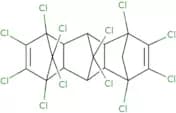
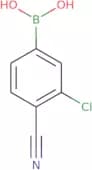
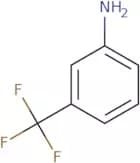
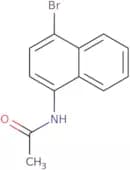
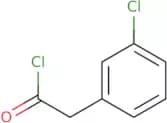
![1-Cyclopropyl-7-(2,8-diazabicyclo[4.3.0]non-8-yl)-6-fluoro-8-methoxy-4-oxoquinoline-3-carboxylic a…](/_next/image/?url=https%3A%2Fstatic.cymitquimica.com%2Fproducts%2F3D%2Fthumb-webp%2FFC102529.webp&w=3840&q=75)
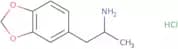
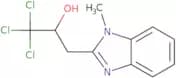
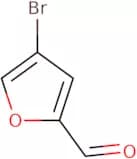
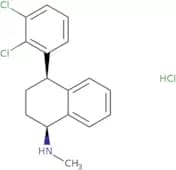
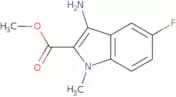

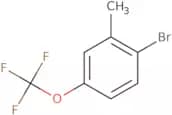
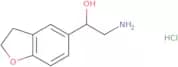
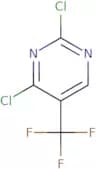
![{[5-(Trifluoromethyl)-1,2,4-oxadiazol-3-yl]methyl}amine hydrochloride](/_next/image/?url=https%3A%2Fstatic.cymitquimica.com%2Fproducts%2F3D%2Fthumb-webp%2FFT127171.webp&w=3840&q=75)

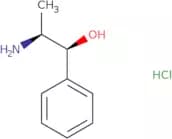

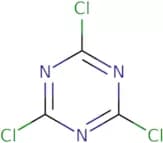
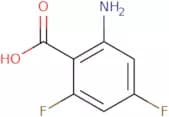

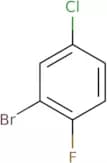
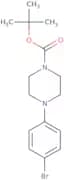

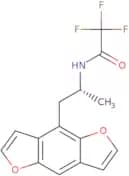
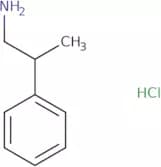
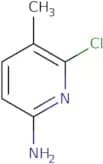
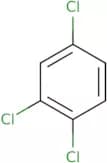

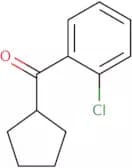
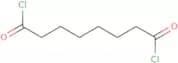
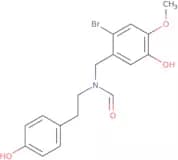
![3,6-Dichlorobenzo[b]thiophene-2-carboxylic acid](/_next/image/?url=https%3A%2Fstatic.cymitquimica.com%2Fproducts%2F3D%2Fthumb-webp%2FFD57151.webp&w=3840&q=75)
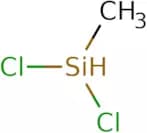
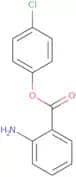
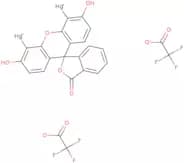
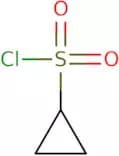
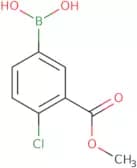
![1-[(2b,3a,5a,16b,17b)-17-Acetyloxy-3-hydroxy-2-(1-piperidinyl)androstan-16-yl]-1-methylpiperidiniu…](/_next/image/?url=https%3A%2Fstatic.cymitquimica.com%2Fproducts%2F3D%2Fthumb-webp%2FFA21131.webp&w=3840&q=75)
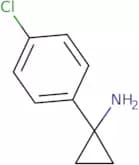


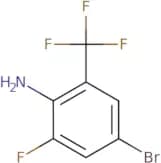

![N-[1-(4-Fluorophenyl)propan-2-Yl]-N-methylprop-2-Yn-1-amine](/_next/image/?url=https%3A%2Fstatic.cymitquimica.com%2Fproducts%2F3D%2Fthumb-webp%2FFF95966.webp&w=3840&q=75)

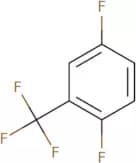

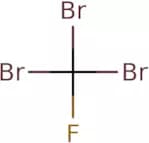
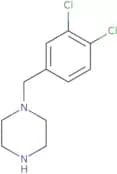
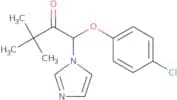

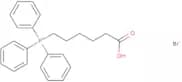

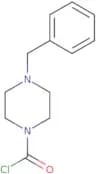
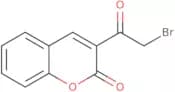

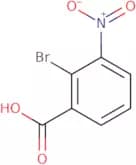
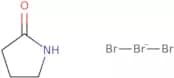
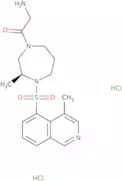
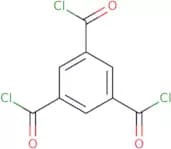
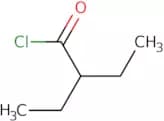
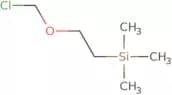
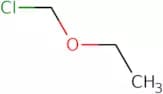
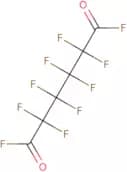
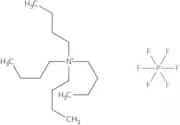
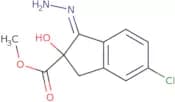
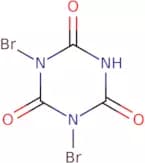
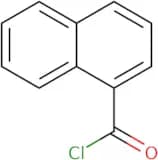
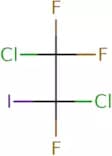
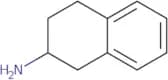
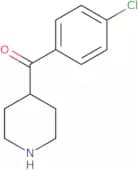
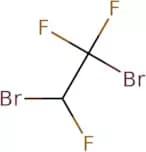
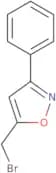
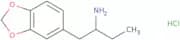
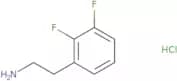

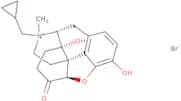
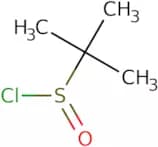
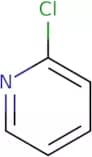
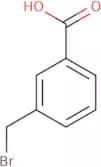
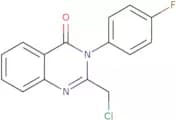
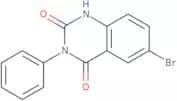

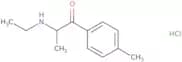
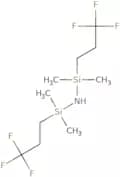
![4-[(2,5-Dimethyl-1H-pyrrol-1-yl)methyl]piperidine hydrochloride](/_next/image/?url=https%3A%2Fstatic.cymitquimica.com%2Fproducts%2F3D%2Fthumb-webp%2FFD117663.webp&w=3840&q=75)
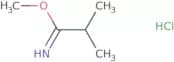
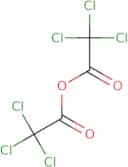
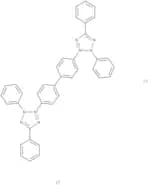
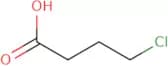
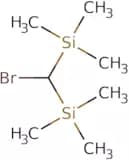

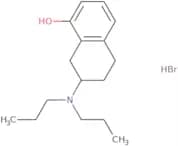
![N-Ethyl-N-[(heptadecafluorooctyl)sulphonyl]glycine](/_next/image/?url=https%3A%2Fstatic.cymitquimica.com%2Fproducts%2F3D%2Fthumb-webp%2FFE91897.webp&w=3840&q=75)
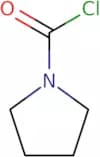
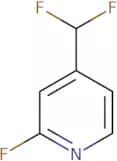
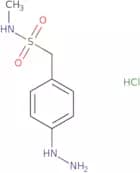
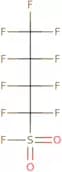
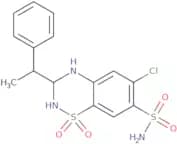
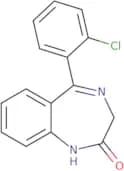
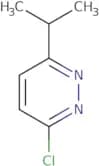
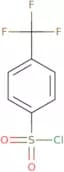
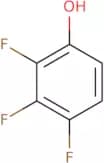
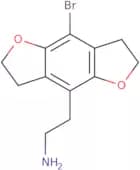
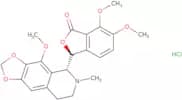
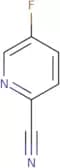
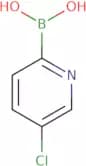
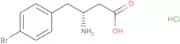
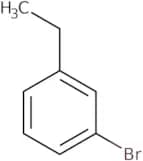
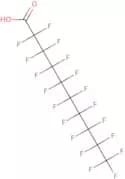
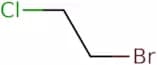

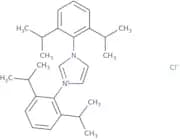

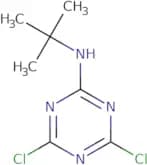
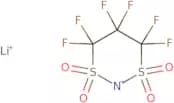
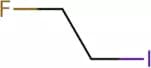
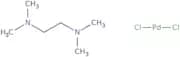
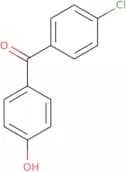
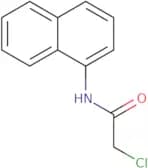
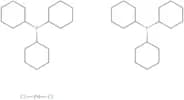
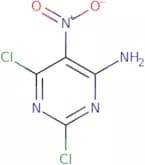
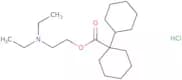
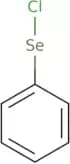
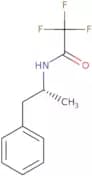
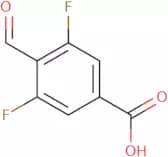

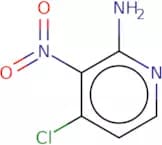
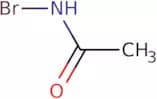
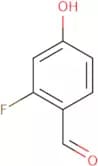
![N-(4-Chloro-5-iodo-7H-pyrrolo[2,3-d]pyrimidin-2-yl)pivalamide](/_next/image/?url=https%3A%2Fstatic.cymitquimica.com%2Fproducts%2F3D%2Fthumb-webp%2FFC138201.webp&w=3840&q=75)
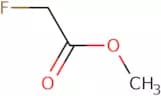
![1-[(2-Chlorophenyl)-N-(methylimino)methyl]cyclopentanol hydrochloride](/_next/image/?url=https%3A%2Fstatic.cymitquimica.com%2Fproducts%2F3D%2Fthumb-webp%2FFC146990.webp&w=3840&q=75)
![4-[4-(Dimethylamino)-1-(4-fluorophenyl)-1-hydroxybutyl]-3-(hydroxymethyl)benzonitrile hydrobromide](/_next/image/?url=https%3A%2Fstatic.cymitquimica.com%2Fproducts%2F3D%2Fthumb-webp%2FFD102304.webp&w=3840&q=75)
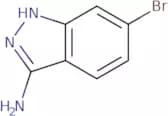
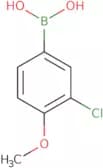

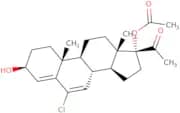
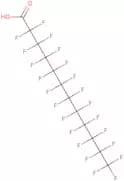
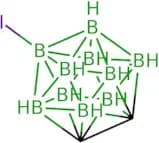
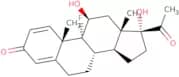
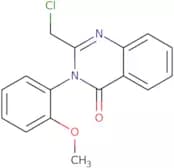
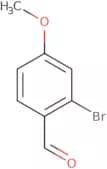


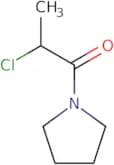
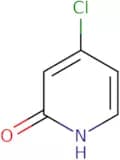
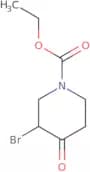
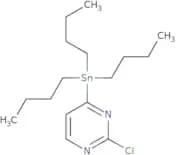
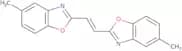

![N-[3-Fluoro-4-[(methylamino)carbonyl]phenyl]-2-methylalanine](/_next/image/?url=https%3A%2Fstatic.cymitquimica.com%2Fproducts%2F3D%2Fthumb-webp%2FFF99416.webp&w=3840&q=75)
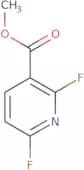

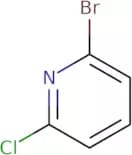


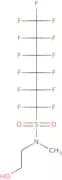


![Mono[2-(perfluorooctyl)ethyl] phosphate](/_next/image/?url=https%3A%2Fstatic.cymitquimica.com%2Fproducts%2F3D%2Fthumb-webp%2FFM26053.webp&w=3840&q=75)
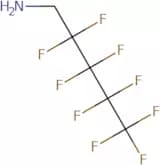
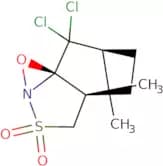


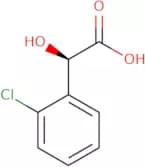
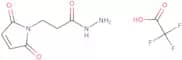

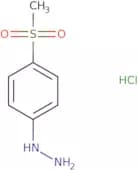
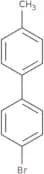
![(17R)-4-Chloro-5-ethyl-9-fluoro-11b-hydroxy-16b-methylspiro[androsta-1,4-diene-17,2(3H)-furan]-3,3…](/_next/image/?url=https%3A%2Fstatic.cymitquimica.com%2Fproducts%2F3D%2Fthumb-webp%2FFF103612.webp&w=3840&q=75)
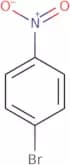
![(2S,3S)-5-[2-(Dimethylamino)ethyl]-3-hydroxy-2-(4-methoxyphenyl)-2,3-dihydro-1,5-benzothiazepin-4-…](/_next/image/?url=https%3A%2Fstatic.cymitquimica.com%2Fproducts%2F3D%2Fthumb-webp%2FFD45531.webp&w=3840&q=75)
![[2-(5-Chloro-1H-indol-3-yl)-1-methylethyl]amine hydrochloride](/_next/image/?url=https%3A%2Fstatic.cymitquimica.com%2Fproducts%2F3D%2Fthumb-webp%2FFC123633.webp&w=3840&q=75)
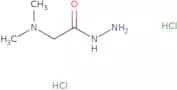
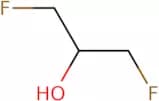
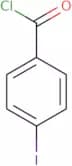
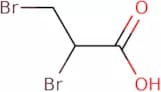
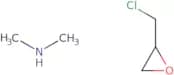
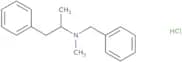
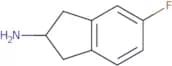
![[2-(4-Chlorophenyl)-1,3-thiazol-4-yl]acetic acid](/_next/image/?url=https%3A%2Fstatic.cymitquimica.com%2Fproducts%2F3D%2Fthumb-webp%2FFC124498.webp&w=3840&q=75)
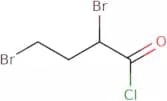
![[1,2-Bis(diphenylphosphino)ethane]nickel(II) Dichloride](/_next/image/?url=https%3A%2Fstatic.cymitquimica.com%2Fproducts%2F3D%2Fthumb-webp%2FFB60935.webp&w=3840&q=75)