Organic Halides
In this category, you can find organic molecules containing one or more halogen atoms in their structure. These organic halides include brominated, iodinated, chlorinated, and cyclic halide compounds. Organic halides are widely used in organic synthesis, pharmaceuticals, agrochemicals, and materials science due to their reactivity and ability to undergo a variety of chemical transformations. At CymitQuimica, we offer a comprehensive selection of high-quality organic halides to support your research and industrial applications, ensuring reliable and effective performance in your synthetic and analytical projects.
Subcategories of "Organic Halides"
Found 20440 products of "Organic Halides"
Sort by
Purity (%)
0
100
|
0
|
50
|
90
|
95
|
100
4-Bromo-3,5-dinitrobenzoic acid
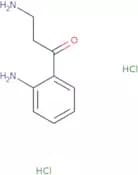
CAS:4-Bromo-3,5-dinitrobenzoic acid is a potent anticancer agent that inhibits cancer cell growth and is used to treat colon cancer, ovarian cancer, and prostate cancer. It is a prodrug that enters the cell through passive diffusion and reacts with intracellular nucleophiles to generate reactive oxygen species. This causes disruption of DNA replication and repair, leading to apoptosis. 4-Bromo-3,5-dinitrobenzoic acid has been shown to be active against a variety of human cancer cells in culture, including colorectal (colorectal adenocarcinoma), lung (lung adenocarcinoma), breast (MCF-7), and prostate (PC3) cells. The drug also has potent activity against some leukemia cells.Formula:C7H3BrN2O6Purity:90%Color and Shape:PowderMolecular weight:291.01 g/molKynuramine dihydrochloride
CAS:Kynuramine dihydrochloride is a chemical compound that is used as a reagent to produce other chemicals. It has been found to have a variety of applications, such as being used as a reaction component, a reagent for the synthesis of polymers and fine chemicals, or for use in research and development. Kynuramine dihydrochloride is also an important building block in the manufacture of pharmaceuticals and pesticides.Formula:C9H12N2O·2HClPurity:Min. 95%Color and Shape:Green PowderMolecular weight:237.13 g/molCesium chloride
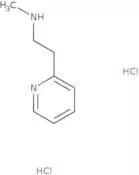
CAS:<p>Cesium chloride is a cationic salt that is used in research as a model system for nuclear DNA. It has been used to study the response element of the nitrate reductase gene and the polymerase chain reaction. Cesium chloride has been found to be an optimum concentration of 0.5mM for 3T3-L1 preadipocytes, which are cells that play a role in obesity and bowel disease. Cesium chloride also has been shown to inhibit papillary muscle contraction and whole-cell recordings from live cells. The compound may have therapeutic potential for treating heart failure by inhibiting diatomic molecule activity in the heart.</p>Formula:CsClColor and Shape:White PowderMolecular weight:168.36 g/molBetahistine dihydrochloride
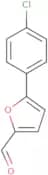
CAS:<p>Betahistine dihydrochloride is a medication used to treat Ménière's disease, vertigo, and dizziness. It is an antihistamine that acts on histamine H1 receptors in the vestibular system. Betahistine also has vasodilatory effects, which are mediated by its ability to activate the α-adrenergic receptors in the vascular endothelium. This drug is approved for use as a treatment for Ménière's disease and vertigo, but is not approved for treating dizziness. Betahistine dihydrochloride can be administered either intravascularly or orally. The drug undergoes a phase transition from liquid to solid at low temperatures, so it should be stored at room temperature in sealed ampoules and vials to prevent crystallization. Treatment trials have shown that low-dose betahistine (less than 40 mg) may be as effective as higher doses of betahistine (40-120 mg) in the</p>Formula:C8H12N2·2HClPurity:Min. 95%Color and Shape:White PowderMolecular weight:209.12 g/mol5-(4-Chlorophenyl)-2-furaldehyde
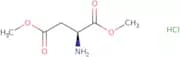
CAS:<p>5-(4-Chlorophenyl)-2-furaldehyde (5-CPFA) is an antitubercular drug that inhibits the growth of tuberculosis bacteria by disrupting the synthesis of DNA. It is a functional theory that 5-CPFA inhibits the bacterial enzyme, chalcone hydroxylase, which is involved in the conversion of chalcones to flavones. This inhibition prevents the formation of reactive oxygen species and leads to cell death. The mechanism of action for 5-CPFA has been shown to be due to its ability to form covalent bonds with metal ions such as copper, zinc, and iron. When exposed to ultraviolet radiation, this compound reacts with these metal ions and causes bond cleavage in DNA strands. The resulting damage in DNA strands leads to cell death within hours.</p>Formula:C11H7ClO2Purity:Min. 95%Color and Shape:PowderMolecular weight:206.62 g/molL-Aspartic acid dimethyl ester hydrochloride
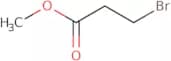
CAS:L-Aspartic acid dimethyl ester hydrochloride (DAA) is an inhibitor of serine proteases, which are enzymes that break down other proteins. DAA inhibits the activity of these enzymes by forming a covalent bond with the serine residue in the active site of the enzyme. This inhibition prevents the breakdown of proteins and leads to inflammation in target tissues. L-Aspartic acid dimethyl ester hydrochloride is used to treat inflammatory bowel disease by inhibiting cathepsin B, a protease that is associated with this condition.Formula:C6H11NO4·HClPurity:Min. 98 Area-%Color and Shape:White Off-White PowderMolecular weight:197.62 g/molMethyl 3-bromopropionate
CAS:<p>Methyl 3-bromopropionate is a short-chain halogen ester compound widely used in organometallic chemistry as a building block. Methyl 3-bromopropionate is quite useful in click chemistry for reductive cleavage and as alkylation agent.</p>Formula:C4H7BrO2Purity:Min. 98%Color and Shape:Clear LiquidMolecular weight:167 g/mol2-Bromo-5-nitrophenetole
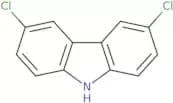
CAS:2-Bromo-5-nitrophenetole is a versatile building block that can be used as a reagent in the synthesis of complex compounds and research chemicals. It is a high quality chemical with a CAS number of 423165-33-7. 2-Bromo-5-nitrophenetole is an important intermediate for the synthesis of diverse and valuable compounds such as pharmaceuticals, agrochemicals, and dyes.Formula:C8H8BrNO3Purity:Min. 95%Color and Shape:PowderMolecular weight:246.06 g/mol3,6-Dichlorocarbazole
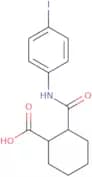
CAS:<p>3,6-Dichlorocarbazole is a potential mechanism that has been shown to be degradable in chlorine. The median concentration of 3,6-dichlorocarbazole in the dry weight of marine organisms is 0.0007% and it reacts at an average rate of 10%. 3,6-Dichlorocarbazole has been observed to have anthropogenic origins and can be found in low concentrations in the environment. There are four isomers that are produced by this reaction: 2,4-, 2,5-, 2,6-, and 3,4-dichlorocarbazole. <br>3,6-Dichlorocarbazole has been shown to cause functional changes in organisms due to its effects on gene transcription. This chemical has been shown to alter the transcriptomic profile of a number of gene families involved with cellular stress response pathways in both aquatic invertebrates and fish.</p>Formula:C12H7Cl2NPurity:Min. 96 Area-%Molecular weight:236.1 g/mol2-(N-(4-iodophenyl)carbamoyl)cyclohexanecarboxylic acid
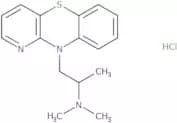
CAS:Please enquire for more information about 2-(N-(4-iodophenyl)carbamoyl)cyclohexanecarboxylic acid including the price, delivery time and more detailed product information at the technical inquiry form on this pageFormula:C14H16INO3Purity:Min. 95%Color and Shape:PowderMolecular weight:373.19 g/molIsothipendyl hydrochloride
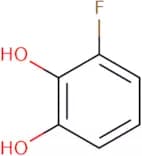
CAS:<p>Isothipendyl hydrochloride is a crystalline cellulose derivative that is used as an excipient in pharmaceutical preparations. It has been shown to inhibit the growth of animal cells and bacteria, including Gram-positive and Gram-negative bacteria, with optimum concentrations ranging from 3 to 30%. Isothipendyl hydrochloride has also been shown to have anti-inflammatory properties against inflammatory diseases, such as allergic rhinitis and asthma. Isothipendyl hydrochloride may also be used for the treatment of autoimmune diseases, such as psoriasis or rheumatoid arthritis. Isothipendyl hydrochloride has also been shown to have anti-cancer activity, inhibiting skin cancer cell growth. This may be due to its effects on receptor activity by inhibiting certain cellular functions necessary for tumor cell proliferation. Isothipendyl hydrochloride can be prepared by reacting thiourea with 2-aminoethanol followed by hydro</p>Formula:C16H20ClN3SPurity:Min. 95%Color and Shape:PowderMolecular weight:321.87 g/mol3-Fluorobenzene-1,2-diol
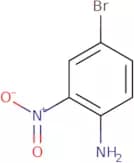
CAS:3-Fluorobenzene-1,2-diol is a chemical that belongs to the group of phenols. It has an effective dose of 0.1 mM and inhibits bacterial growth by reacting with the diphenyl ether and benzoate reaction intermediates. 3-Fluorobenzene-1,2-diol is able to inhibit the growth of Gram positive bacteria and thus can be used for the treatment of infections caused by these bacteria. 3-Fluorobenzene-1,2-diol has been shown to inhibit bacterial growth at concentrations greater than or equal to 1 mM. 3-Fluorobenzene-1,2-diol also binds to triclosan which causes a conformational change in the enzyme protein that leads to a reduction in its activity.Formula:C6H5FO2Purity:Min. 95%Color and Shape:PowderMolecular weight:128.1 g/mol4-Bromo-2-nitroaniline
CAS:<p>4-Bromo-2-nitroaniline is an inhibitor of histone deacetylase (HDAC) that has been shown to inhibit the growth of cancer cells. The apoptotic effect of 4-bromo-2-nitroaniline was found in epithelial mesenchymal transition cells, which may be due to inhibition of DNA methyltransferases and DNA replication. This compound also has a wide range of biological activities, including anti-inflammatory, antimicrobial, and antitumor properties. 4-Bromo-2-nitroaniline is a nonmetal with a nitro group and can bind to the metal surface through its nitro group. It has been used as a molecular docking ligand for zinc ions and copper ions in the past.</p>Formula:C6H5BrN2O2Purity:Min. 95%Color and Shape:White PowderMolecular weight:217.02 g/molBenzyl(4-bromophenyl)sulphide
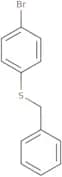
CAS:Benzyl(4-bromophenyl)sulphide is an organic compound that is a peroxide. It can be produced by the oxidation of benzyl alcohol with hydrogen peroxide in the presence of catalysts such as iron (III) chloride and manganese dioxide. The reaction yields sulfoxides, which are intermediates in the synthesis of other organic compounds. The reaction is laborious, but it can be carried out on a large scale using continuous flow chemistry and has been successfully used to synthesize chiral compounds. A number of methods have been developed for the recovery of benzyl(4-bromophenyl)sulphide from the reaction mixture, including liquid-liquid extraction and distillation.Formula:C13H11BrSPurity:Min. 95%Color and Shape:SolidMolecular weight:279.2 g/mol3,4-Dichlorobenzaldehyde oxime
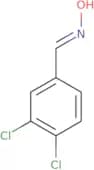
CAS:<p>3,4-Dichlorobenzaldehyde oxime is a natural carotenoid that has been shown to have antibacterial activity. 3,4-Dichlorobenzaldehyde oxime is produced by the reaction of malonate and aldehyde in an incubated system. This compound has been shown to be active against Gram-positive bacteria such as staphylococcus and aldoximes and Gram-negative bacteria such as E. coli, Salmonella typhimurium, and Shigella flexneri. 3,4-Dichlorobenzaldehyde oxime inhibits bacterial growth by binding to the 50S ribosomal subunit of the bacterial cell membrane. This binding prevents protein synthesis, leading to cell death. The biosynthesis of 3,4-dichlorobenzaldehyde oxime involves the conversion of abscisic acid (ABA) into ABA quinone through oxidation by an enzyme called ABA oxidase</p>Formula:C7H5Cl2NOPurity:Min. 95%Color and Shape:PowderMolecular weight:190.03 g/mol2-Cyano-3-fluoro-4-bromo aniline
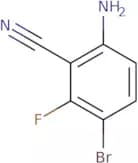
CAS:<p>2-Cyano-3-fluoro-4-bromo aniline is a plant growth regulator that can be used to prevent and control the spread of viral diseases in plants. 2-Cyano-3-fluoro-4-bromo aniline inhibits the replication of influenza virus strains by binding to the viral coat protein. It also has been shown to inhibit proteolytic enzymes when applied as a coating on particles. The main mechanism of this compound is through its ability to bind to regulatory proteins, which prevents them from binding with other regulatory proteins and activating transcription factors. The expression profile suggests that this compound may regulate the expression of genes involved in plant development, cell division, and response to stress.</p>Formula:C7H4BrFN2Purity:Min. 95%Color and Shape:PowderMolecular weight:215.02 g/mol3-Fluoro-4-iodobenzonitrile
CAS:<p>3-Fluoro-4-iodobenzonitrile is an important building block that is used in the synthesis of other compounds. It is a versatile intermediate that can be used to synthesize a wide range of compounds, including pharmaceuticals, pesticides and dyes. 3-Fluoro-4-iodobenzonitrile has been shown to react with many different types of functional groups including alcohols, amines, carboxylic acids, chlorides and sulfonyl chlorides. The compound has been shown to be stable up to 200°C.</p>Formula:C7H3FINPurity:Min. 95%Color and Shape:PowderMolecular weight:247.01 g/molEthyl 3-((4-bromo-2-methyl-5-oxo-1-phenyl-3-pyrazolin-3-yl)methoxy)benzoate
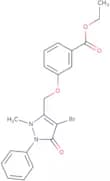
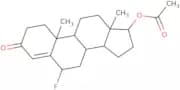
CAS:<p>Please enquire for more information about Ethyl 3-((4-bromo-2-methyl-5-oxo-1-phenyl-3-pyrazolin-3-yl)methoxy)benzoate including the price, delivery time and more detailed product information at the technical inquiry form on this page</p>Purity:Min. 95%17b-(Acetyloxy)-6a-Fluoroandrost-4-En-3-One
CAS:Controlled Product17b-(Acetyloxy)-6a-Fluoroandrost-4-En-3-One is a synthetic polymer, with a tensile strength of up to 2.5 GPa and frictional coefficient on the order of 0.2. It has been shown that this material can be used for analytical purposes as it can be easily treated with hydrochloric acid and nitric acid, without affecting its performance. The fibre produced from this polymer also shows good mechanical properties, being able to withstand axial compression at a constant load of up to 1 MPa for more than 15 minutes.Formula:C21H29FO3Purity:Min. 95%Molecular weight:348.45 g/mol2-Chlorophenylacetic acid
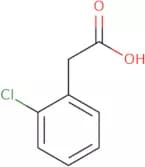
CAS:<p>2-Chlorophenylacetic acid is a chemical compound that belongs to the group of phenylacetic acids. It is an intermediate in the synthesis of benzofuranone and other organic compounds. 2-Chlorophenylacetic acid reacts with hydroxyl groups on the surface of water molecules to form 2-chlorophenol, which can be used as a wastewater treatment agent. The chloride ion also has a strong affinity for fatty acids, so it has been used as a catalyst in the production of chlorinated fatty acids. This chemical also binds to 5-HT2A receptors in human liver cells, where it increases cellular levels of cyclic AMP (cAMP) and inhibits protein kinase A activity. The binding of 2-chlorophenylacetic acid to 5-HT2A receptors leads to increased gene expression in response to serotonin stimulation, which may be due to its ability to inhibit protein kinase A.</p>Formula:C8H7ClO2Purity:Min. 95%Color and Shape:White PowderMolecular weight:170.59 g/mol3-(3-Butyn-1-yl)-3-(2-iodoethyl)-3H-diazirene
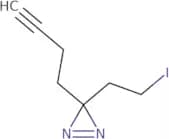
CAS:Please enquire for more information about 3-(3-Butyn-1-yl)-3-(2-iodoethyl)-3H-diazirene including the price, delivery time and more detailed product information at the technical inquiry form on this pageFormula:C7H9IN2Purity:Area-% Min. 95 Area-%Color and Shape:White Clear LiquidMolecular weight:248.06 g/molMethyl 4-bromomethylbenzoate
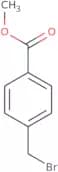
CAS:Methyl 4-bromomethylbenzoate is an aryl halide with the chemical formula CHBr. It is an orally effective and selective apoptosis pathway inhibitor that blocks the release of tumor necrosis factor-α (TNF-α) induced by lipopolysaccharides in monocytes. Methyl 4-bromomethylbenzoate has also been shown to inhibit matrix metalloproteinase activity in vitro, which may be due to its ability to block the cleavage of proteoglycan precursors. The molecular modeling studies have revealed that this agent binds to DNA through a hydrophobic pocket, which inhibits transcription and replication. Methyl 4-bromomethylbenzoate has also been shown to be active against cancer cells and induce apoptosis through caspase activation and mitochondrial dysfunction.Formula:C9H9BrO2Purity:Min. 95%Color and Shape:PowderMolecular weight:229.07 g/mol2-(4-Methyl-4H-1,2,4-triazol-3-yl)ethanamine dihydrochloride
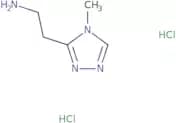
CAS:<p>2-(4-Methyl-4H-1,2,4-triazol-3-yl)ethanamine dihydrochloride is a high quality chemical used as a building block in the synthesis of complex compounds. It is an intermediate in the manufacture of research chemicals, reagents and speciality chemicals. 2-(4-Methyl-4H-1,2,4-triazol-3-yl)ethanamine dihydrochloride is also a versatile building block that can be used in reactions to produce useful scaffolds. CAS No. 1158631-54-9</p>Formula:C5H10N4·2HClPurity:Min. 95%Color and Shape:White PowderMolecular weight:199.08 g/molZ-Val-Ala-DL-Asp-fluoromethylketone
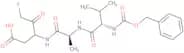
CAS:Z-Val-Ala-DL-Asp-fluoromethylketone is a drug that is used for the treatment of cancer. It can be used in combination with other chemotherapeutic drugs, such as z-vad-fmk, to induce apoptosis in cancer cells. Z-Val-Ala-DL-Asp-fluoromethylketone also inhibits autophagy and neuronal death by inhibiting caspase activation, which prevents the release of proapoptotic proteins from mitochondria into the cytosol. This drug has been shown to have antiinflammatory effects on IL2 receptor signaling pathways and inhibits the production of proinflammatory cytokines by binding to IL2.Formula:C21H28FN3O7Purity:Min. 95%Color and Shape:PowderMolecular weight:453.46 g/mol1-Fluoro-3-methoxy-2-nitrobenzene
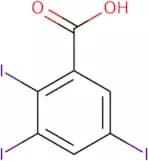
CAS:<p>1-Fluoro-3-methoxy-2-nitrobenzene is a versatile building block that can be used as a scaffold for the synthesis of complex compounds. It is also used as a reaction component in research and development, especially in the production of pharmaceuticals, pesticides and other chemicals. 1-Fluoro-3-methoxy-2-nitrobenzene has many uses in the production of high quality reagents, such as pharmaceutical intermediates, dyes, and explosives.</p>Formula:C7H6FNO3Purity:Min. 95%Molecular weight:171.13 g/mol2,3,5-Triiodobenzoic acid
CAS:Inhibitor of auxin transport in plantsFormula:C7H3I3O2Purity:Min. 98 Area-%Color and Shape:PowderMolecular weight:499.81 g/mol2,6-dichloro(3-pyridyl)4-(3-chloro-5-(trifluoromethyl)(2-pyridyl))piperazinyl ketone
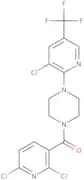
CAS:Please enquire for more information about 2,6-dichloro(3-pyridyl)4-(3-chloro-5-(trifluoromethyl)(2-pyridyl))piperazinyl ketone including the price, delivery time and more detailed product information at the technical inquiry form on this pagePurity:Min. 95%1-[2-[(2,4-Dimethylphenyl)thio]phenyl]piperazine hydrobromide
CAS:Controlled Product1-[2-[(2,4-Dimethylphenyl)thio]phenyl]piperazine hydrobromide is an atypical antidepressant that is used for the treatment of major depressive disorder. It has been shown to be effective in animal models of depression and in clinical trials with humans. 1-[2-[(2,4-Dimethylphenyl)thio]phenyl]piperazine hydrobromide blocks the serotonin 5HT1B receptor subtype, which is responsible for regulating mood and emotional response. This drug does not block the 5HT1A or 5HT2 receptors, so it does not cause some of the side effects associated with selective serotonin reuptake inhibitors (SSRIs). In addition, 1-[2-[(2,4-Dimethylphenyl)thio]phenyl]piperazine hydrobromide has a chemical stability that lasts longer than other drugs in its class.Formula:C18H22N2S·HBrPurity:Min. 98 Area-%Color and Shape:PowderMolecular weight:379.36 g/mol2,5-Diiodopyridine
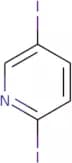
CAS:2,5-Diiodopyridine is regiospecific and has been shown to have a high affinity for the nicotinic acetylcholine receptor. It has been synthesised by cross-coupling reactions of boronic acids with halides. 2,5-Diiodopyridine can also be used as a precursor for epibatidine. Epibatidine is a drug that binds to nicotinic acetylcholine receptors and activates them, which in turn leads to activation of voltage-gated calcium channels. This process leads to an increase in the release of dopamine, serotonin and norepinephrine from neurons. The uptake of 2,5-diiodopyridine was found at the level of 0.7% after 3 hours and 1% after 12 hours in mesoporous silica nanoparticles. 2,5-Diiodopyridine can be used as a precursor for epibatidine which is a drug thatFormula:C5H3I2NPurity:Min. 95 Area-%Color and Shape:PowderMolecular weight:330.89 g/molSilver trifluoromethanesulfonate
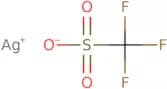
CAS:<p>Silver trifluoromethanesulfonate is a silver salt that is used in carbohydrate chemistry. It can be used for the synthesis of coumarin derivatives, which are important for the development of pharmaceuticals and other organic compounds. The reaction with acylating agents produces an acylated silver ion that reacts with amines to form a cationic polymerization. This polymerization is activated by the presence of high salt or amines, and proceeds with high efficiency. The asymmetric synthesis of carbohydrates using this method has been demonstrated using x-ray diffraction data and nmr spectroscopic data.</p>Formula:CAgF3O3SPurity:Min. 95%Color and Shape:White PowderMolecular weight:256.94 g/molBis(triphenylphosphine)nickel(II) dichloride
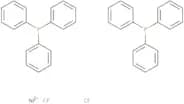
CAS:Bis(triphenylphosphine)nickel(II) dichloride is a coordination compound that belongs to the group P2. It has an octahedral geometry with two adjacent nickel atoms and two chloride ligands. The metal-metal bond length is 2.14 Å, which is shorter than the average bond length of 2.54 Å for octahedral complexes. Bis(triphenylphosphine)nickel(II) dichloride reacts with quinoline derivatives to form amines and undergoes transfer reactions with amines, chlorides, and olefins. It also undergoes irreversible oxidation when in contact with water. The compound is stereoselective for substitution by halides at the para position on the phenyl ring.Formula:C36H30Cl2NiP2Purity:Min. 95%Color and Shape:PowderMolecular weight:654.17 g/mol(3-(2,6-dichlorophenyl)-5-methylisoxazol-4-yl)-N-(4-(2-pyridylthio)phenyl)formamide
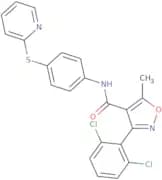
CAS:Please enquire for more information about (3-(2,6-dichlorophenyl)-5-methylisoxazol-4-yl)-N-(4-(2-pyridylthio)phenyl)formamide including the price, delivery time and more detailed product information at the technical inquiry form on this pagePurity:Min. 95%1-Chloro-3-[4-(2-methoxyethyl)phenoxy]-2-propanol
CAS:<p>1-Chloro-3-[4-(2-methoxyethyl)phenoxy]-2-propanol is a potent antihypertensive agent that is synthesized by the chemoenzymatic process. It differs from other antihypertensive drugs in that it incorporates an oxirane group, which makes it more hydrophobic than other drugs. 1-Chloro-3-[4-(2-methoxyethyl)phenoxy]-2-propanol is a crystalline solid with a melting point of 128°C and a density of 1.0 g/mL. The chemical name for this drug is 4-[(1E)-1-(chloromethoxy)propyl]phenol, which has potent antihypertensive activity and high enantioselectivity.</p>Formula:C12H17ClO3Purity:Min. 95%Molecular weight:244.71 g/mol4-Benzyloxy-2-chlorobenzyl alcohol
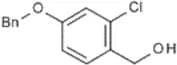
CAS:<p>4-Benzyloxy-2-chlorobenzyl alcohol is an intermediate in the synthesis of a number of complex compounds. It has been found to be useful as a reagent and as a building block in the synthesis of fine chemicals and speciality chemicals. This chemical has also been used as a reaction component in the synthesis of versatile building blocks. CAS No. 219764-60-0, this compound is often used by researchers for its versatility and ability to act as a scaffold.</p>Formula:C14H13ClO2Purity:Min. 95%Color and Shape:PowderMolecular weight:248.7 g/molL-Methionine methyl ester hydrochloride
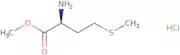
CAS:L-Methionine methyl ester hydrochloride is an amide that has been used in the treatment of bowel diseases. It has been shown to have a polymerase chain reaction (PCR) diagnostic application for the detection of DNA duplexes and intramolecular hydrogen bonds. L-Methionine methyl ester hydrochloride inhibits the activity of enzymes such as protein kinase, phosphodiesterase, and proteases. L-Methionine methyl ester hydrochloride also has receptor activities and can be used as a diagnostic agent for malignant brain tumors or congestive heart failure. It is also able to block radiation and positron emission tomography (PET) scanning.Formula:C6H13NO2S·HClPurity:Min. 98 Area-%Color and Shape:PowderMolecular weight:199.7 g/molNiclosamide ethanolamine salt
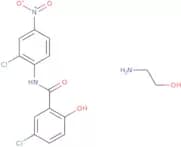
CAS:Chemically a chlorinated salicylanilide, niclosamide is clinically used as an anthelmintic agent. The action of niclosamide has been proven to proceed by inhibiting the STAT3 signaling pathway. Recently, niclosamide, has been considered as an antiproliferative agent in cancer treatment, e.g. melanoma and colorectal cancer. In 2021, niclosamide has been tested for the treatment of COVID-19 patients.Formula:C15H15Cl2N3O5Color and Shape:PowderMolecular weight:388.2 g/molAc-Arg-Gly-Lys(Ac)-AMC trifluoroacetate salt
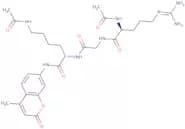
CAS:<p>Ac-Arg-Gly-Lys(Ac)-AMC is a potent apoptotic agent that induces the apoptosis of cancer cells by binding to the caspase-9, which is an enzyme that initiates the process of apoptosis. Ac-Arg-Gly-Lys(Ac)-AMC has been shown to inhibit the growth of cancer cells in cell culture and also shows potent antitumor activity against MDA-MB-231 breast cancer cells. This drug can be used as a potential therapeutic agent for cancers such as colorectal, prostate, and pancreatic cancer. Ac-Arg-Gly-Lys(Ac)-AMC is also able to induce apoptosis in human leukemia cells and may have a potential role in therapy for acute myelogenous leukemia (AML).</p>Formula:C28H40N8O7•C2HF3O2Purity:Min. 98 Area-%Color and Shape:PowderMolecular weight:714.69 g/molα-Chloro-ω-(2,2-Dichloro-1,1,2-Trifluoroethyl)-Poly(Difluoromethylene)
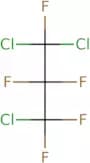
CAS:Controlled Product<p>Alpha-Chloro-Omega-(2,2-Dichloro-1,1,2-Trifluoroethyl)-Poly(Difluoromethylene) is a fluorinated polymer that has been shown to be effective in removing chlorine atoms from the atmosphere. The production of this polymer requires an irradiation process with a magnetic field. Alpha-Chloro-Omega-(2,2-Dichloro-1,1,2-Trifluoroethyl)-Poly(Difluoromethylene) is produced by the reaction of alpha chlorohydrin and trifluoroethylene. This polymer is insoluble in water and is not flammable or explosive. It can be used as a chemical precursor for other fluoropolymers or as an additive for polyurethane. Alpha Chloro Omega - ( 2 , 2 - Dichloro - 1 , 1 , 2 - Trifluoroethyl )</p>Formula:C3Cl3F5Purity:Min. 95%Molecular weight:237.38 g/mol6-Bromochromone-3-carboxylic acid
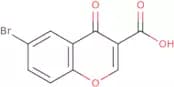
CAS:6-Bromochromone-3-carboxylic acid is a reactive building block that is used as a reagent. It is also a useful scaffold for the synthesis of complex compounds, due to its high quality and versatility. 6-Bromochromone-3-carboxylic acid can be used as a starting material for the synthesis of fine chemicals such as pharmaceuticals, pesticides, and dyes. This compound has CAS number 51085-91-7.br> 6-Bromochromone-3-carboxylic acid is an important intermediate in organic syntheses because it can be reacted with other molecules containing functional groups to produce new compounds.br> The 6-bromochromone carboxylic acid group reacts with alcohols and amines to form esters and amides respectively. The carboxylic acid group can also react with phenols to produce phenoxy acids.br> This compoundFormula:C10H5BrO4Purity:Min. 95%Color and Shape:PowderMolecular weight:269.05 g/mol2-(4-Bromophenyl)-1,3-benzoxazol-5-amine
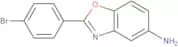
CAS:<p>2-(4-Bromophenyl)-1,3-benzoxazol-5-amine is an organic compound with a molecular formula of C14H10BrN2O and a molecular weight of 270.44 g/mol. 2-(4-Bromophenyl)-1,3-benzoxazol-5-amine is white to off white crystalline powder that is soluble in ether and ethanol but insoluble in water. It is a versatile building block for the synthesis of other fine chemicals. This compound has been used as a research chemical and as an intermediate in the synthesis of complex compounds.</p>Formula:C13H9BrN2OPurity:Min. 95%Color and Shape:PowderMolecular weight:289.13 g/mol2-Fluoro-3-iodotoluene
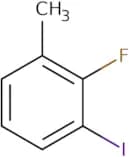
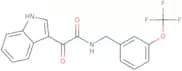
CAS:<p>2-Fluoro-3-iodotoluene is a useful building block which has found use as a versatile intermediate in organic synthesis, as a reaction component in research chemical reactions, and as a speciality chemical. It is also used as a reagent for the fluorination of alcohols. This compound can be used as an effective building block in the synthesis of high-quality complex compounds with a range of properties. 2-Fluoro-3-iodotoluene is classified as an extremely hazardous substance and should be handled with care.</p>Formula:C7H6FIPurity:Min. 95%Color and Shape:Yellow PowderMolecular weight:236.03 g/mol2-Indol-3-yl-2-oxo-N-((3-(trifluoromethoxy)phenyl)methyl)ethanamide
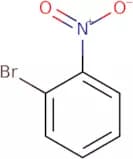
CAS:Please enquire for more information about 2-Indol-3-yl-2-oxo-N-((3-(trifluoromethoxy)phenyl)methyl)ethanamide including the price, delivery time and more detailed product information at the technical inquiry form on this pageFormula:C18H13F3N2O3Purity:Min. 95%Color and Shape:PowderMolecular weight:362.3 g/mol1-Bromo-2-nitrobenzene
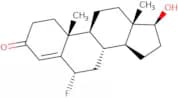
CAS:1-Bromo-2-nitrobenzene is a chemical compound that can be used as a palladium catalyst for the synthesis of organic compounds. It is a group P2 ligand, which means it will bind to metals such as palladium and platinum. 1-Bromo-2-nitrobenzene undergoes nucleophilic addition reactions with diazonium salts to form the corresponding diazonium bromide. The diazonium bromide can then undergo transfer reactions with other molecules, such as alcohols and amines, to form new products. 1-Bromo-2-nitrobenzene also undergoes staudinger reduction to form a ketone or an aldehyde. This reaction requires the presence of hydrochloric acid, halides, or other electron-donating compounds in order to work properly. Chemical reactions involving 1-bromo-2-nitrobenzene may includeFormula:C6H4BrNO2Purity:Min. 95%Color and Shape:PowderMolecular weight:202.01 g/mol(6α,17β)-6-Fluoro-17-Hydroxyandrost-4-En-3-One
CAS:Controlled Product<p>(6alpha,17beta)-6-Fluoro-17-Hydroxyandrost-4-En-3-One is an androgen that has both agonistic and antagonistic effects on nuclear receptors. It activates the androgen receptor and is equipotent with testosterone. This drug also inhibits the estrogen receptor, but does not bind to the progesterone receptor. This synthetic agent is used for treating hypogonadism in males due to castration or aging and prostate cancer.</p>Formula:C19H27FO2Purity:Min. 95%Molecular weight:306.41 g/molPerfluoroalkylsulfonyl quaternary ammonium iodide
CAS:Controlled ProductPerfluoroalkylsulfonyl quaternary ammonium iodide is a chemical substance that is used as an industrial treatment for wastewater, including industrial effluents, sludge, and waste water. It is liquid at room temperature. The reaction mechanism of perfluoroalkylsulfonyl quaternary ammonium iodide is nucleophilic attack on the electron-deficient carbon atom in the aromatic ring of the target molecule. This leads to formation of a covalent bond between the two molecules. The photoelectron microscopy technique has been used to study this reaction and has shown that it occurs in three phases: liquid phase, gas phase, and solid phase. Infrared spectrometry was also used to show that perfluoroalkylsulfonyl quaternary ammonium iodide reacts with chemical substances such as triphase.Formula:C14H16F17IN2O2SPurity:Min. 95%Color and Shape:Slightly Yellow PowderMolecular weight:726.23 g/mol1-Chloro-2-(2-methoxyethoxy)ethane
CAS:<p>Please enquire for more information about 1-Chloro-2-(2-methoxyethoxy)ethane including the price, delivery time and more detailed product information at the technical inquiry form on this page</p>Formula:C5H11ClO2Purity:Min. 95%Color and Shape:Clear Colourless LiquidMolecular weight:138.59 g/molN-[4-[[(1-Methylethyl)amino]acetyl]phenyl]-methanesulfonamide monohydrochloride
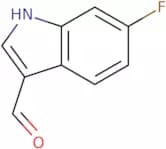
CAS:Please enquire for more information about N-[4-[[(1-Methylethyl)amino]acetyl]phenyl]-methanesulfonamide monohydrochloride including the price, delivery time and more detailed product information at the technical inquiry form on this pageFormula:C12H18N2O3S•HClPurity:Min. 95%Color and Shape:PowderMolecular weight:306.81 g/mol6-Fluoroindole-3-carboxaldehyde
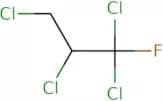
CAS:<p>6-Fluoroindole-3-carboxaldehyde (6FLA) is a synthetic compound that inhibits biosynthesis of the phytoalexins salicylic acid and lignin in plants. It also inhibits the β-glucuronidase enzyme, which hydrolyzes the glucuronide conjugates of phenolic compounds and xenobiotics. 6FLA has been shown to cause mild liver damage in rats, but its effects on humans are unknown. 6FLA may be used as a detectable substance for assays.</p>Formula:C9H6FNOPurity:Min. 95%Molecular weight:163.15 g/mol1,1,2,3-Tetrachloro-1-fluoropropane
CAS:Controlled Product<p>1,1,2,3-Tetrachloro-1-fluoropropane is a solvent that can be used to solvate organic compounds. It is volatile and has a boiling point of -78°C. This compound is used in the chlorination of methane and ethane, which produces 1,1,2-trichloroethane and 1,2-dichloroethane respectively. Hydrogen fluoride is also produced as an unwanted byproduct. The chlorine produced by this process is then catalyzed to form fluorine gas. This gas can be vaporized or depletes depending on the reaction conditions and the temperature of the reactor. Fluorine gas reacts with atmospheric water vapor to produce hydrofluoric acid (HF). When HF comes into contact with moist surfaces it will corrode them and produce hydrogen ions that react with metal oxides to produce metal salts and water. The emission of HF from chlorofluorocarbons</p>Formula:C3H3Cl4FPurity:Min. 95%Molecular weight:199.87 g/mol4-Chloro-3-nitrophenylacetamide
CAS:<p>4-Chloro-3-nitrophenylacetamide is a chemical compound that can be used as a reagent, useful scaffold for research, and a high quality research chemical. CAS No. 5540-60-3, this versatile building block is useful for the synthesis of complex compounds and fine chemicals.</p>Formula:C8H7ClN2O3Purity:Min. 98 Area-%Color and Shape:PowderMolecular weight:214.61 g/mol






![1-[2-[(2,4-Dimethylphenyl)thio]phenyl]piperazine hydrobromide](/_next/image/?url=https%3A%2Fstatic.cymitquimica.com%2Fproducts%2F3D%2Fthumb-webp%2FFD157097.webp&w=3840&q=75)
![1-Chloro-3-[4-(2-methoxyethyl)phenoxy]-2-propanol](/_next/image/?url=https%3A%2Fstatic.cymitquimica.com%2Fproducts%2F3D%2Fthumb-webp%2FFC27415.webp&w=3840&q=75)

![N-[4-[[(1-Methylethyl)amino]acetyl]phenyl]-methanesulfonamide monohydrochloride](/_next/image/?url=https%3A%2Fstatic.cymitquimica.com%2Fproducts%2F3D%2Fthumb-webp%2FFI150565.webp&w=3840&q=75)