


Organic Halides
Subcategories of "Organic Halides"
Found 20442 products of "Organic Halides"
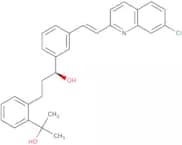
2-(2-(3(S)-(3-(2-(7-Chloro-2-quinolinyl)-ethenylphenyl)-3-hydroxypropyl)phenyl)-2-propanol
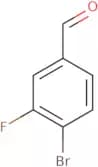
CAS:Covid-19 is a polymer that can be used as a coating for surfaces, such as plastics and metals. Covid-19 has been shown to have antibacterial properties against bacteria, including methicillin-resistant Staphylococcus aureus (MRSA) and Clostridium perfringens. Covid-19 also has functional groups that can be used in analytical methods to determine the concentration of drugs in biological samples. Covid-19 is soluble in polyvinyl alcohol and glycerol, which are both common additives in pharmaceuticals. Covid-19 has optical properties that make it suitable for use as a coating on contact lenses or other ophthalmic devices.Formula:C29H28ClNO2Purity:Min. 95%Color and Shape:PowderMolecular weight:457.99 g/mol4-Bromo-3-fluorobenzaldehyde
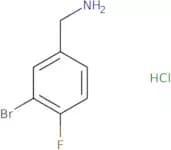
CAS:4-Bromo-3-fluorobenzaldehyde is a drug substance that can be used in cancer therapy. It is a cross-linking agent that can form covalent bonds with DNA and proteins, which inhibits the ability of cells to replicate. 4-Bromo-3-fluorobenzaldehyde has been shown to have cytotoxic activity against human cancer cells in culture. This compound is synthesized by an unsymmetrical nitroaldol reaction, followed by Suzuki coupling with 3-(4′-methoxyphenyl) propanone. The structural formula for this product is C9H5BrFO2.Formula:C7H4BrFOPurity:Min. 95%Molecular weight:203.01 g/mol3-Bromo-4-fluorobenzylamine hydrochloride
CAS:3-Bromo-4-fluorobenzylamine hydrochloride is a versatile building block that can be used in the preparation of complex compounds. It has been shown to be an effective reagent for research and as a speciality chemical. The compound is also useful as a reaction component or scaffold in the synthesis of high quality and useful intermediates.Formula:C7H8BrClFNPurity:Min. 95%Color and Shape:White PowderMolecular weight:240.5 g/molCopper(II) chloride
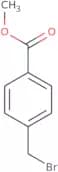
CAS:Copper chloride is a chemical compound that is formed when copper and chlorine react together. It can be used to catalyze the reaction of coumarin derivatives with water vapor, forming a solution of copper(II) chloride. This solution has a higher water permeability than copper(I) chloride, which is due to its coordination geometry. Copper chloride has been shown to have biological properties that are similar to those of copper (e.g., redox potentials). It also binds to and inhibits drug metabolism enzymes such as cytochrome P450 reductase, thereby preventing the conversion of prodrugs into active metabolites.Formula:CuCl2Purity:Min. 95%Color and Shape:PowderMolecular weight:134.45 g/molMethyl 4-bromomethylbenzoate
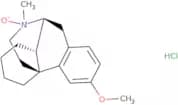
CAS:Methyl 4-bromomethylbenzoate is an aryl halide with the chemical formula CHBr. It is an orally effective and selective apoptosis pathway inhibitor that blocks the release of tumor necrosis factor-α (TNF-α) induced by lipopolysaccharides in monocytes. Methyl 4-bromomethylbenzoate has also been shown to inhibit matrix metalloproteinase activity in vitro, which may be due to its ability to block the cleavage of proteoglycan precursors. The molecular modeling studies have revealed that this agent binds to DNA through a hydrophobic pocket, which inhibits transcription and replication. Methyl 4-bromomethylbenzoate has also been shown to be active against cancer cells and induce apoptosis through caspase activation and mitochondrial dysfunction.Formula:C9H9BrO2Purity:Min. 95%Color and Shape:PowderMolecular weight:229.07 g/molDextromethorphan N-oxide hydrochloride
CAS:Controlled ProductDextromethorphan N-oxide hydrochloride is a fine chemical that can be used as a versatile building block in the synthesis of complex compounds. Dextromethorphan N-oxide hydrochloride is a useful reagent and speciality chemical that can be used as an intermediate in the synthesis of reaction components, useful scaffolds, and high quality compounds. This compound has been shown to have antibacterial properties against some bacteria.Formula:C18H26ClNO2Purity:Min. 90 Area-%Color and Shape:White PowderMolecular weight:323.86 g/molN-[(2-Fluorophenyl)methyl]-4-iodo-2,5-dimethoxybenzeneethanamine
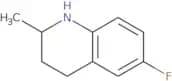
CAS:Controlled ProductN-[(2-Fluorophenyl)methyl]-4-iodo-2,5-dimethoxybenzeneethanamine (25I-NBOMe) is a synthetic drug that acts as a potent agonist of the serotonin receptor 5-HT2A. It has been used in bioassays to study the function of this receptor and has been shown to be able to inhibit human liver metabolism. 25I-NBOMe is also an analytical tool for the detection and identification of cannabinoid derivatives, which are often found in synthetic cannabinoids. This compound can be analyzed by liquid chromatography tandem mass spectrometry (LC/MS/MS) methods with modifications that allow for the detection of metabolites.Formula:C17H19FINO2Purity:Min. 95%Molecular weight:415.24 g/mol6-Fluoro-1,2,3,4-tetrahydro-2-methylquinoline
CAS:6-Fluoro-1,2,3,4-tetrahydro-2-methylquinoline is an organocatalytic fluorine compound that has been investigated as a fluoroquinolone antibiotic. It is an enantiopure compound and has been shown to be effective in the treatment of bacterial infections. 6-Fluoro-1,2,3,4-tetrahydro-2-methylquinoline inhibits bacterial growth by binding to DNA gyrase and topoisomerase IV. 6FLMQ is a chiral molecule with two possible configurations (R or S), which can be determined from x-ray crystallography. The S configuration is more potent than the R configuration. 6FLMQ also binds with chloride ions to form a cationic complex that can be used for antibacterial activity against Gram negative bacteria such as Escherichia coli and Pseudomonas aeruginosa. 6FLMQ hasFormula:C10H12FNPurity:Min. 95%Color and Shape:PowderMolecular weight:165.21 g/molTribromonitromethane
CAS:Tribromonitromethane is a fatty acid that is used in analytical chemistry as a standard for calibrating the linear range of analytical methods. It is also used in specific treatments for cancer, such as treatment of carcinomas. Tribromonitromethane has been shown to have carcinogenic potential and may be harmful to humans when ingested or inhaled. The chemical structure of tribromonitromethane consists of a series of three bromine atoms attached to one carbon atom with two hydroxyl groups at either end. This chemical can be oxidized to form tribromo nitro methane, which is more reactive than tribromonitromethane. Tribromonitromethane has no known biological function and does not occur naturally in the environment. It is also known to be potent inducers of transfer reactions, which are reactions where electrons are transferred from one molecule to another. These reactions are important for the synthesis and degradation of various molecules, including amino
Formula:CBr3NO2Purity:Min. 95%Color and Shape:Clear LiquidMolecular weight:297.73 g/molDidecyl dimethyl ammonium bromide
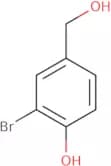
CAS:Didecyl dimethyl ammonium bromide is an antimicrobial peptide that has high resistance to antibiotic-resistant strains. It is a phosphonate compound that is used in the analytical method of titration calorimetry. The didecyl dimethyl ammonium bromide molecule can be seen as having two reactive centers, one on the phosphorus atom and one on the methyl group. These reactive centers are involved in intramolecular hydrogen transfer reactions and transfer reactions with other molecules, leading to its antimicrobial activity. Didecyl dimethyl ammonium bromide can also be used as a disinfectant or as a monoethyl ether for organic synthesis.Formula:C22H48BrNPurity:Min. 98%Color and Shape:PowderMolecular weight:406.53 g/mol3-Bromo-4-hydroxybenzyl alcohol
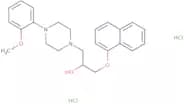
CAS:3-Bromo-4-hydroxybenzyl alcohol (3BHA) is a synthetic compound that is used as an antagonist in the treatment of platelet aggregation. It inhibits the activity of benzoxazine, an enzyme involved in the synthesis of 4-hydroxybenzoic acid. 3BHA blocks this pathway at high concentrations, inhibiting biosynthesis and leading to the accumulation of bromophenols. This inhibition may explain why aspirin has a potent inhibitory effect on platelet aggregation when combined with 3BHA.Formula:C7H7BrO2Purity:Min. 95%Color and Shape:PowderMolecular weight:203.03 g/molNaftopidil dihydrochloride
CAS:α1-adrenoceptor antagonist
Formula:C24H28N2O3•(HCl)2Purity:Min. 95%Color and Shape:Solid.Molecular weight:465.41 g/mol2-Chloro-N-(2-nitrophenyl)acetamide
CAS:2-Chloro-N-(2-nitrophenyl)acetamide is an antimicrobial agent that is a ligand for thionyl chloride. It has efficient methods of production and can be used as a bioactive molecule in the synthesis of aminosulfonyl chlorides, amide chlorides, or transfer chlorides. This compound reacts with gram-negative bacteria by hydrolyzing chloride ions to produce nitrosyl chloride and releasing hydrogen gas. The reaction time and functional groups are determined by the parameters chosen for the reaction. 2-Chloro-N-(2-nitrophenyl)acetamide has luminescence properties that can be exploited to detect the presence of chloride ions at low concentrations.Formula:C8H7ClN2O3Purity:Min. 95%Molecular weight:214.61 g/molMethyl 5-iodosalicylate
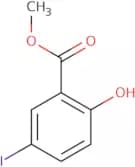
CAS:Methyl 5-iodosalicylate is an amide compound that has been found to be effective in the treatment of cancer cells. This drug is a structural analog of salicylic acid, which also exhibits anti-inflammatory, antipyretic and analgesic properties. Methyl 5-iodosalicylate is chiral and bioisosteric with salicylic acid. It has been shown to inhibit the proliferation of human colon cancer cells in vitro. The anticancer activity of methyl 5-iodosalicylate may be due to its ability to induce apoptosis in cancer cells by inhibiting DNA synthesis and RNA transcription. Methyl 5-iodosalicylate also inhibits DNA synthesis through competitive inhibition of deoxyribonucleotide triphosphates (dNTPs).Formula:C8H7IO3Purity:Min. 95%Color and Shape:PowderMolecular weight:278.04 g/molN-Chloroacetyl-L-tryptophan
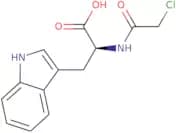
CAS:N-Chloroacetyl-L-tryptophan is a synthetic biomimetic that inhibits the chloride channel in the intestine. It has been shown to inhibit the replication of a number of viruses, including HIV and influenza virus. N-Chloroacetyl-L-tryptophan has also been shown to have an inhibitory effect on intestinal sodium taurocholate, which is involved in fatty acid metabolism. This compound is a cyclic peptide with a lactam structure that contains a trifluoromethyl group. The kinetic data for this compound was obtained by measuring the rate of hydrolysis of L-tryptophan by pepsin at pH 2.5 and 37°C.Formula:C13H12ClN2O3Purity:Min. 95%Color and Shape:PowderMolecular weight:280.7 g/mol6-Bromo-4-chloroquinoline
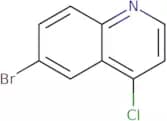
CAS:6-Bromo-4-chloroquinoline is a chemical compound with the molecular formula C8H6BrClN. It belongs to the class of heterocyclic compounds and has been used in the synthesis of other compounds, such as pharmaceuticals. 6-Bromo-4-chloroquinoline has been shown to be an effective anticancer drug, with measurable levels in the blood after oral administration. This drug interacts with hydrogen bonding interactions with thp-1 cells, which are erythrocytes derived from human peripheral blood lymphocytes. 6-Bromo-4-chloroquinoline also interacts with sodium sulfide, which is found in human liver and kidney cells. The pharmacokinetic properties of 6-bromo-4-chloroquine have been studied in rats and mice.
Formula:C9H5BrClNPurity:Min. 95%Color and Shape:PowderMolecular weight:242.5 g/mol2-Fluoro-3-nitrobenzoic acid
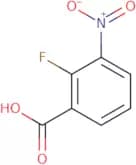
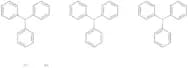
CAS:2-Fluoro-3-nitrobenzoic acid is a fine chemical that has been used as a building block for research chemicals, reagents, and speciality chemicals. It is also a versatile building block for the synthesis of complex compounds and useful scaffolds. 2-Fluoro-3-nitrobenzoic acid can be used as an intermediate in organic reactions or as a reaction component in the synthesis of pharmaceuticals. This compound has been shown to have high purity and good quality with CAS No. 317-46-4.Formula:C7H4O4NFPurity:Min. 95%Color and Shape:PowderMolecular weight:185.11 g/molTris(triphenylphosphine)rhodium(I) chloride
CAS:Homogeneous hydrogenation catalyst
Formula:C54H45ClP3RhPurity:Min. 95%Color and Shape:PowderMolecular weight:925.21 g/mol2,5-Dimethoxy-N-[(2-methoxyphenyl)methyl]-4-(trifluoromethyl)benzeneethanamine
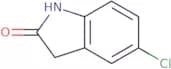
CAS:Controlled Product2,5-Dimethoxy-N-[(2-methoxyphenyl)methyl]-4-(trifluoromethyl)benzeneethanamine is a synthetic drug that belongs to the group of psychotropic drugs. It has been shown to cause death in rats, which is likely due to its ability to inhibit serotonin uptake by neurons. 2,5-Dimethoxy-N-[(2-methoxyphenyl)methyl]-4-(trifluoromethyl)benzeneethanamine also inhibits the enzyme monoamine oxidase and prevents the breakdown of monoamines such as serotonin. This drug has been shown to have both stimulant and depressant properties. 2,5-Dimethoxy-N-[(2-methoxyphenyl)methyl]-4-(trifluoromethyl)benzeneethanamine can be quantified in human blood samples using liquid chromatography with aFormula:C19H22F3NO3Purity:Min. 95%Molecular weight:369.38 g/mol5-Chlorooxindole
CAS:5-Chlorooxindole is a synthetic, chemotherapeutic drug that has been shown to have anti-tumor activity in animal models. It is an oxindole derivative with the chemical formula CHNClO. The compound is synthesized by the reaction of 3,5-dichloroaniline and indole in chloroform and purified by column chromatography. 5-Chlorooxindole has shown potential as an antitumor agent because it inhibits cancer cell growth through mechanisms such as induction of apoptosis and suppression of tumor angiogenesis.Formula:C8H6ClNOPurity:Min. 95%Molecular weight:167.59 g/mol4-n-Butylphenylhydrazine hydrochloride
CAS:4-n-Butylphenylhydrazine hydrochloride is a chromatographic reagent used in the analysis of compounds. It is a colorless crystalline solid that can be dissolved in water, ethanol, acetone, and other organic solvents. The most common use of 4-n-butylphenylhydrazine hydrochloride is for reversed-phase liquid chromatography (LC) analysis. In this application, it is typically used as an internal standard to calibrate the LC system. This compound also has applications in mass spectrometry, where it is used as an ionization reagent for electrospray and electrospray ionization (ESI) mass spectrometry. ESIMS data can be obtained by using this compound to ionize the analyte and then measure the molecular weight of the resulting ions using a mass spectrometer with an orbitrap or quadrupole detector. 4-n-ButylphenylhydFormula:C10H16N2•HClPurity:Min. 95%Color and Shape:PowderMolecular weight:200.71 g/mol3-[(4-Fluorophenyl)amino]cyclohex-2-en-1-one
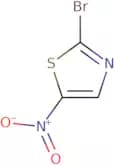
CAS:3-[(4-Fluorophenyl)amino]cyclohex-2-en-1-one is a drug that has been shown to have both inotropic and chronotropic effects on the heart. It also has a hypotensive activity, which may be due to its ability to reduce peripheral resistance by blocking alpha 1 receptors. 3-[(4-Fluorophenyl)amino]cyclohex-2-en-1-one is an anaesthetic agent with the potential for use in surgical procedures. The structural similarity of 3-[(4-Fluorophenyl)amino]cyclohex-2-en-1-one to acrylonitrile suggests that this drug may be toxic to the heart, as acrylonitrile is a known cardiotoxin.Formula:C12H12FNOPurity:Min. 95%Color and Shape:PowderMolecular weight:205.23 g/mol2-Bromo-5-nitrothiazole
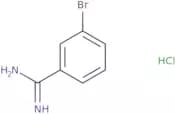
CAS:2-Bromo-5-nitro thiazole (2BNIT) is a molecule that is commonly used in pharmaceutical preparations. 2BNIT has been shown to be toxic to mammalian cells, and hydrogen chloride (HCl) is produced as a result of the reaction. The HCl acts as an oxidizing agent that can react with nitrothiazole and nitro compounds, releasing ammonia gas. 2BNIT has been shown to have potent activity against three different species of bacteria, including Trichomonas vaginalis, Salmonella typhimurium, and Micrococcus luteus. The compound also has optical properties that can be observed by vibrational spectroscopy.Formula:C3HBrN2O2SPurity:Min. 95%Color and Shape:PowderMolecular weight:209.02 g/mol3-Bromobenzamidine hydrochloride
CAS:3-Bromobenzamidine hydrochloride is a pyrimidine that has been used as a medicinal agent. It is synthesized by the dehydration of 3-bromoacetamide and coupling with 2,4-dichlorobenzoyl chloride in the presence of silver nitrate. The reaction proceeds via an enaminone intermediate. This product can be used to treat malaria, which is caused by protozoa. 3-Bromobenzamidine hydrochloride also has anti-inflammatory properties and has been shown to inhibit prostaglandin synthesis.Formula:C7H7BrN2·HClPurity:Min. 95 Area-%Color and Shape:PowderMolecular weight:235.51 g/mol1,7-Dichloroheptan-4-one
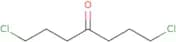
CAS:1,7-Dichloroheptan-4-one is a synthetic organic compound that has been used as a pharmaceutical intermediate. It is an H2 receptor antagonist and reactive with mammalian cells. 1,7-Dichloroheptan-4-one has been shown to inhibit the production of inflammatory mediators in the lung, which may be due to its ability to reduce chloride levels. This compound has also been shown to have antipsychotic effects in animals and is currently being studied for use in treating cardiovascular disorders such as hypertension.
Formula:C7H12Cl2OPurity:Min. 95 Area-%Molecular weight:183.07 g/mol2-Chloro-5-nitrobenzaldehyde
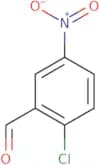
CAS:2-Chloro-5-nitrobenzaldehyde (2CNB) is an antibacterial agent that has been shown to be effective against a number of bacterial species. It is a nucleophilic compound and reacts with the sulfhydryl group in cysteine. 2CNB also reacts with the thiol group of proteins, which are involved in many cellular processes. 2CNB has industrial uses, such as for the production of cyclohexanone and cyclopentanone. The structures of 2CNB and its homologues have been studied by 13CNMR spectroscopy, which provides information about the type of bonds present in the molecule and their lengths.Formula:C7H4ClNO3Purity:Min. 95%Color and Shape:PowderMolecular weight:185.56 g/mol3'-Chloropropiophenone
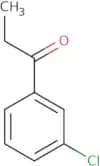
CAS:3'-Chloropropiophenone is a reagent that is used in the synthesis of maleates. It can be synthesized by reacting hydrochloric acid with 3-chloropropiophenone under conditions where the temperature is kept below 30°C, and the reaction time is limited to five hours. The functional theory behind this reaction involves thionyl chloride as an electrophile that reacts with 3-chloropropiophenone to produce a chloroformate. The chloroformate then reacts with magnesium metal to yield magnesium chloride and 3'-chloropropiophenone. This compound has been shown to have vibrational frequencies of 207, 233, and 240 cm-1. 3'-Chloropropiophenone has also been shown to react with acetonitrile or methylene chloride to form chlorides or isopropyl chloride.Formula:C9H9ClOPurity:Min. 97.5 Area-%Color and Shape:PowderMolecular weight:168.62 g/mol5-Fluoro-2-methoxyphenol
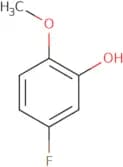
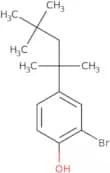
CAS:5-Fluoro-2-methoxyphenol is a heterodimeric natural product that consists of anisoles and acetanilides. It has been shown to induce liver microsomes in rats, as well as hypervalent organometallic complexes with methoxy groups. 5-Fluoro-2-methoxyphenol also exhibits vinylic shift and product synthesis abilities. This compound is useful for the synthesis of acetanilides and other compounds with a methoxy group. Reagents such as phenyllithium, butyllithium, and lithium diisopropylamide are used in this synthesis.Formula:C7H7FO2Purity:Min. 95%Color and Shape:Clear LiquidMolecular weight:142.13 g/mol2-Bromo-4-tert-octylphenol
CAS:2-Bromo-4-tert-octylphenol is a high quality chemical that can be used in research. It is an organic compound that reacts as a building block to create other complex compounds. 2-Bromo-4-tert-octylphenol is also a versatile building block, useful intermediate, and useful building block for the creation of speciality chemicals. This reagent has been shown to be effective as a reaction component in the synthesis of reagents, such as with the synthesis of 1,3-bis(2,4,6-trimethylbenzoyl)benzene.Formula:C14H21BrOPurity:Min. 95 Area-%Color and Shape:Clear LiquidMolecular weight:285.22 g/molm-Iodobenzonitrile
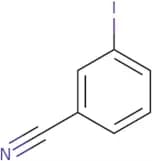
CAS:m-Iodobenzonitrile is a chemical reagent that is a hydrogen bond acceptor and donor. It has been used for the analysis of dopamine, tosylates, and carbonyl compounds. It can also be used in kinetic studies of hydrogen bonding interactions. The dipole moment of m-iodobenzonitrile is 1.779 D. The transport properties of m-iodobenzonitrile are negligible due to its low vapor pressure. Kinetic studies have shown that it reacts with hydrogen gas at room temperature to form a dipole ion pair with an estimated rate constant of 6x10 M/sec. Cross-coupling reactions with aryl halides have been observed at room temperature in the presence of copper catalyst and sodium bicarbonate buffer. Analytical chemistry has shown that m-iodobenzonitrile reacts with acidic solutions to produce hydrogen ions and carbon dioxide gas.Formula:C7H4INPurity:Min. 95%Color and Shape:PowderMolecular weight:229.02 g/mol(2-Naphthyloxy)acetyl chloride
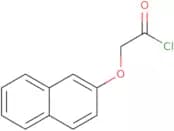
CAS:(2-Naphthyloxy)acetyl chloride is an inhibitor of alcohol dehydrogenase, which is the enzyme that catalyzes the conversion of ethanol to acetaldehyde. It has been shown to be active against grapevine, but not against the yeast Saccharomyces cerevisiae. (2-Naphthyloxy)acetyl chloride inhibits alcohol dehydrogenase with a potency comparable to hexanol and ethylene glycol. It also inhibits esterases, which may account for its inhibitory effect on vinifera l. (2-Naphthyloxy)acetyl chloride has been shown to be more selective in inhibiting both alcohol and aldehyde dehydrogenases than hexanol or ethylene glycol.
Formula:C12H9ClO2Purity:Min. 95%Color and Shape:Off-White PowderMolecular weight:220.65 g/mol5-Bromoindole-2-carboxylic acid
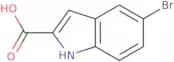
CAS:5-Bromoindole-2-carboxylic acid is an indole derivative that has been shown to inhibit the expression of MMP-13, a matrix metalloproteinase that is involved in tumor invasion and metastasis. This compound also inhibits the transcriptional activity of RNA polymerases I and II, which is important for preventing cancer cell proliferation. 5-Bromoindole-2-carboxylic acid may be used as a treatment for cancer by inhibiting collagen synthesis. This would reduce the size of a tumor by preventing it from expanding in size.
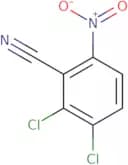
Formula:C9H6BrNO2Purity:Min. 95%Color and Shape:PowderMolecular weight:240.05 g/mol2,3-Dichloro-6-nitrobenzonitrile
CAS:2,3-Dichloro-6-nitrobenzonitrile is an organic chemical compound that has a nitrile group and a nitro group. It can be synthesized by the cycloalkylation of ethyl bromoacetate with hydroxylamine. The resulting 2,3-dichloro-6-nitrobenzonitrile is extracted from the reaction mixture with water, acidified with dilute hydrochloric acid, and then precipitated as its ethyl ester salt. The 3D structure of this chemical was determined by X-ray crystallography.
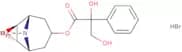
Formula:C7H2Cl2N2O2Purity:Min. 95%Color and Shape:Yellow SolidMolecular weight:217.01 g/molAnisodine hydrobromide
CAS:Anisodine hydrobromide is a compound that modulates transcriptional regulation. It has been shown to inhibit the proliferation of cultured human renal proximal cells and to reduce the development of kidney fibrosis in rats. Anisodine also inhibits locomotor activity and improves sample preparation in a statistically significant way. Anisodine hydrobromide has not been found to be toxic at doses up to 2000 mg/kg, which is its highest dose studied so far. The study used an experimental model of neurotrophic factors, soybean extract and fluorescein angiography with LC-MS/MS method as the analytical technique.
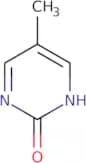
Formula:C17H22BrNO5Purity:Min. 98%Color and Shape:PowderMolecular weight:400.26 g/mol5-Methylpyrimidin-2-ol
CAS:5-Methylpyrimidin-2-ol is a photophysical, hydroxy group, and hydroxyl group. It has been shown to have an inhibitory effect on DNA methylation by glycosidic bond with the sugar moiety of the nucleotide. 5-Methylpyrimidin-2-ol reacts with the base moiety of the nucleotide to form an analog that inhibits RNA synthesis and is competitive against pyrimidine nucleosides. 5-Methylpyrimidin-2-ol also has a hydrogen bonding property that can react with other molecules such as proteins or sugars to form hydrogen bonds. This reaction rate is increased by fluorescence resonance energy transfer (FRET).
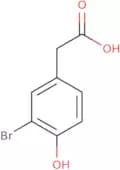
Formula:C5H6N2OPurity:Min. 95%Color and Shape:PowderMolecular weight:110.11 g/mol3-Bromo-4-hydroxyphenylacetic acid
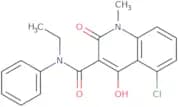
CAS:3-Bromo-4-hydroxyphenylacetic acid is an organic compound that belongs to the class of bromophenols. It can be found in urine samples, and is used as a biomarker for the evaluation of eosinophil peroxidase activity. 3-Bromo-4-hydroxyphenylacetic acid is metabolized through a number of metabolic pathways, including oxidation by hypobromous acid or catalysis by dehalogenase enzymes. This metabolite may also be involved in the pathogenesis of allergic reactions.Formula:C8H7BrO3Purity:Min. 95%Molecular weight:231.04 g/mol5-Chloro-4-hydroxy-1-methyl-2-oxo-1,2-dihydro-quinoline-3-carboxylic acid ethyl-phenyl-amide
CAS:Laquinimod is an immunomodulator drug that inhibits the activity of the immune system. It binds to toll-like receptor 7, which is a protein on the surface of certain cells that responds to infection and inflammation. Laquinimod has been shown to inhibit neurodegeneration in vitro, which may be due to its ability to bind with neuronal death receptors and block the inflammatory response. Laquinimod also inhibits bowel disease by reducing inflammation and controlling immunity in the intestinal tract. Laquinimod has been shown to have long-term efficacy when administered at physiological levels. This drug is chemically stable, even after exposure to light.Formula:C19H17ClN2O3Purity:Min. 95%Color and Shape:White PowderMolecular weight:356.8 g/molMethyl azetidine-3-carboxylate hydrochloride
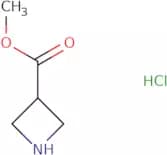
CAS:Methyl azetidine-3-carboxylate hydrochloride is a potent suppressant of the immune system. It has been shown to be effective at reducing the incidence of experimental autoimmune encephalomyelitis in monkeys, and also shows promise as a therapeutic agent for human immunodeficiency virus (HIV) infection. Methyl azetidine-3-carboxylate hydrochloride is orally active and can be administered in doses that are not toxic to the host. There have been no reports of adverse effects from administration of this drug, with the exception of nausea and vomiting, which were reported at doses greater than 30 mg/kg. Pharmacokinetic studies indicate that methyl azetidine-3-carboxylate hydrochloride does not accumulate in lymphocytes or other tissues following repeated oral doses, but instead is excreted rapidly via urine. The pharmacological activity of this compound appears to be due to its ability to inhibit protein synthesis by binding to ribFormula:C5H10ClNO2Purity:Min. 95%Color and Shape:PowderMolecular weight:151.59 g/mol4-Hydroxybenzenesulfonyl chloride
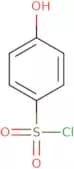
CAS:4-Hydroxybenzenesulfonyl chloride is a thionyl chloride derivative that reacts with pyridine in the presence of an dehydrating agent to form a polyurethane. The dehydration of 4-hydroxybenzenesulfonyl chloride is conducted by reacting it with magnesium and carboxylate in xylene, with subsequent reaction with chlorine to produce thiomorpholine. Thiomorpholine can be further reacted with thionyl chloride to produce sulfate. This compound has been shown to induce TNF-α production in mouse macrophages, which may be due to its ability to inhibit protein synthesis and induce apoptosis. 4-Hydroxybenzenesulfonyl chloride also has high yield for the synthesis of polyurethane, making it a popular choice for use in industrial applications.Formula:C6H5ClO3SPurity:Min. 85 Area-%Color and Shape:PowderMolecular weight:192.62 g/mol4-(2- fluorophenyl)-6,8-dihydro-1,3,8-trimethyl-Pyrazolo[3,4-e][1,4]diazepin-7(1H)-one mixt. with 2-(ethylamino)-2-(2-thienyl)cycloh exanone hydrochloride
CAS:Controlled ProductTelazol is an anesthetic that belongs to the class of nonbenzodiazepine drugs. It is used as a short-term sedative and analgesic in preoperative, obstetrical, and diagnostic procedures. Telazol is a prodrug that is metabolized in vivo to its active form, 4-(2-fluorophenyl)-6,8-dihydro-1,3,8-trimethyl-Pyrazolo[3,4-e][1,4]diazepin-7(1H)-one (TFD). Telazol has been shown to have low toxicity when administered at low doses (0.5 mg/kg) to rats.Formula:C27H33ClFN5O2SPurity:Min. 95%Molecular weight:546.1 g/molN-[5-(Phenylamino)-2,4-pentadienylidene]aniline monohydrochloride
CAS:N-[5-(Phenylamino)-2,4-pentadienylidene]aniline monohydrochloride is a fluorescent probe that reacts with malonic acid. The reaction produces an emission peak at 595 nm and can be detected by fluorescence microscopy. This probe has been used in the study of hypoxia imaging, as well as for detection of reactive carbonyl groups and acetylation reactions. It can also be used to monitor treatment effects on residues from emulsions.Formula:C17H16N2·HClPurity:(Titration) Min 98%Color and Shape:Red PowderMolecular weight:284.78 g/mol3-Bromo-6-chloro-7-methylchromone
CAS:3-Bromo-6-chloro-7-methylchromone is a fine chemical that is useful as a building block in organic synthesis. It is a versatile intermediate, and can be used as a reaction component in various chemical reactions. 3-Bromo-6-chloro-7-methylchromone has a CAS number of 263365-48-6 and is classified as a complex compound. This chemical is mainly used for the preparation of other chemicals with more desirable properties.
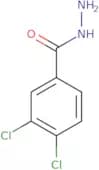
Formula:C10H6BrClO2Purity:Min. 95%Color and Shape:PowderMolecular weight:273.51 g/mol3,4-Dichlorobenzhydrazide
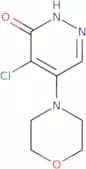
CAS:3,4-Dichlorobenzhydrazide is a chemical compound that is used in research as a reaction component or reagent. It is a versatile building block and useful intermediate in organic synthesis. It can be used to synthesize complex compounds with diverse functional groups. 3,4-Dichlorobenzhydrazide has been used as a reactant for the production of fine chemicals, such as pesticides and pharmaceuticals.Formula:C7H6Cl2N2OPurity:Min. 95%Color and Shape:PowderMolecular weight:205.04 g/mol4-Chloro-5-morpholin-4-ylpyridazin-3(2H)-one
CAS:Please enquire for more information about 4-Chloro-5-morpholin-4-ylpyridazin-3(2H)-one including the price, delivery time and more detailed product information at the technical inquiry form on this pageFormula:C8H10ClN3O2Purity:90%MinColor and Shape:PowderMolecular weight:215.64 g/mol5-Fluoro-N,N-Dimethyl-1H-Indole-3-Ethanamine
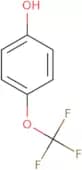
CAS:Controlled Product5-Fluoro-N,N-Dimethyl-1H-Indole-3-Ethanamine is a psychedelic drug with affinity for the serotonin 5HT2A receptor. It has been shown to interact with a diversity of ion channels and transporters. The affinity of 5FEDME for the 5HT2C receptor may also be normalizing. This drug has been shown to be an agonist at the 5HT2A receptor, which may contribute to its psychedelic effects.Formula:C12H15FN2Purity:Min. 95%Molecular weight:206.26 g/mol4-(Trifluoromethoxy)phenol
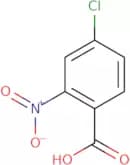
CAS:4-(Trifluoromethoxy)phenol is an anti-tuberculosis drug. It is a diode that has been shown to have pharmacokinetic properties in rats and mice. 4-(Trifluoromethoxy)phenol has been shown to act as a prodrug, which is activated by conversion to the active form. This active form inhibits the growth of Mycobacterium tuberculosis by binding to the 50S ribosomal subunit and preventing bacterial transcription and replication. The molecular structure of 4-(trifluoromethoxy)phenol is similar to phenoxypropanoid compounds, such as biphenyl, which may be responsible for its anti-tuberculosis effects. 4-(Trifluoromethoxy)phenol also binds DNA at specific sites with high affinity and specificity, inhibiting gene expression and RNA synthesis.Formula:C7H5F3O2Purity:Min. 95%Color and Shape:Clear LiquidMolecular weight:178.11 g/mol4-Chloro-2-nitrobenzoic acid
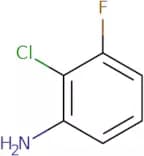
CAS:4-Chloro-2-nitrobenzoic acid is a hydrogen bond donor with a coordination geometry of tetrahedral. It has two functional groups: an organic acid and a nitro group. This compound has been used in molecular modeling to study telomeric interactions. 4-Chloro-2-nitrobenzoic acid is also found in biological systems such as the enzyme chloramphenicol acetyltransferase and the antibiotic chloramphenicol. 4-Chloro-2-nitrobenzoic acid can be synthesized from phosphorus pentachloride and amine, which are both commercially available.Formula:C7H4CINO4Purity:Min. 95%Color and Shape:PowderMolecular weight:305.03 g/mol2-Chloro-3-fluoroaniline
CAS:2-Chloro-3-fluoroaniline is a chemical compound that is used as a reagent, solvent, and building block in the synthesis of many other compounds. 2-Chloro-3-fluoroaniline can be used in the chemical industry to produce high quality research chemicals. This compound is also useful as an intermediate for the synthesis of pharmaceuticals and pesticides. The CAS number for this compound is 21397-08-0.Formula:C6H5ClFNPurity:Min. 95%Color and Shape:Clear LiquidMolecular weight:145.56 g/molN-(3,5-Dichloro-4-Pyridinyl)-2-[1-(4-Fluorobenzyl)-5-Hydroxy-1H-Indol-3-Yl]-2-Oxoacetamide
CAS:Controlled ProductN-(3,5-Dichloro-4-Pyridinyl)-2-[1-(4-Fluorobenzyl)-5-Hydroxy-1H-Indol-3-Yl]-2-Oxoacetamide is a prodrug that is metabolized to the active form in vivo. It inhibits the activity of cyclic nucleotide phosphodiesterase (PDE), an enzyme that catalyzes the conversion of cAMP to AMP and PDE, which catalyzes the conversion of cGMP to GMP. This drug has been shown to have a potent inhibitory effect on inflammatory cytokines such as IL-6 and TNFα. N-(3,5-Dichloro-4-pyridinyl)-2-[1-(4 fluorobenzyl)-5 hydroxy 1H indol 3 yl]-2 oxoacetamide has been shown to be effective for treatment of inflammatory diseases such as bronchFormula:C22H14Cl2FN3O3Purity:Min. 95%Molecular weight:458.27 g/molN-[3,5-Bis(trifluoroMethyl)phenyl]-N'-[(9R)-6'-Methoxy-9-cinchonanyl]thiourea
CAS:Please enquire for more information about N-[3,5-Bis(trifluoroMethyl)phenyl]-N'-[(9R)-6'-Methoxy-9-cinchonanyl]thiourea including the price, delivery time and more detailed product information at the technical inquiry form on this pageFormula:C29H28F6N4OSPurity:Min. 95%Color and Shape:PowderMolecular weight:594.62 g/mol


![N-[(2-Fluorophenyl)methyl]-4-iodo-2,5-dimethoxybenzeneethanamine](/_next/image/?url=https%3A%2Fstatic.cymitquimica.com%2Fproducts%2F3D%2Fthumb-webp%2FFF97685.webp&w=3840&q=75)



![2,5-Dimethoxy-N-[(2-methoxyphenyl)methyl]-4-(trifluoromethyl)benzeneethanamine](/_next/image/?url=https%3A%2Fstatic.cymitquimica.com%2Fproducts%2F3D%2Fthumb-webp%2FFD100429.webp&w=3840&q=75)

![3-[(4-Fluorophenyl)amino]cyclohex-2-en-1-one](/_next/image/?url=https%3A%2Fstatic.cymitquimica.com%2Fproducts%2F3D%2Fthumb-webp%2FFF123027.webp&w=3840&q=75)
![4-(2- fluorophenyl)-6,8-dihydro-1,3,8-trimethyl-Pyrazolo[3,4-e][1,4]diazepin-7(1H)-one mixt. with …](/_next/image/?url=https%3A%2Fstatic.cymitquimica.com%2Fproducts%2F3D%2Fthumb-webp%2FFF104101.webp&w=3840&q=75)
![N-[5-(Phenylamino)-2,4-pentadienylidene]aniline monohydrochloride](/_next/image/?url=https%3A%2Fstatic.cymitquimica.com%2Fproducts%2F3D%2Fthumb-webp%2FFP29019.webp&w=3840&q=75)


![N-(3,5-Dichloro-4-Pyridinyl)-2-[1-(4-Fluorobenzyl)-5-Hydroxy-1H-Indol-3-Yl]-2-Oxoacetamide](/_next/image/?url=https%3A%2Fstatic.cymitquimica.com%2Fproducts%2F3D%2Fthumb-webp%2FFD101748.webp&w=3840&q=75)
![N-[3,5-Bis(trifluoroMethyl)phenyl]-N'-[(9R)-6'-Methoxy-9-cinchonanyl]thiourea](/_next/image/?url=https%3A%2Fstatic.cymitquimica.com%2Fproducts%2F3D%2Fthumb-webp%2FFB100790.webp&w=3840&q=75)