Organic Halides
Subcategories of "Organic Halides"
Found 20442 products of "Organic Halides"
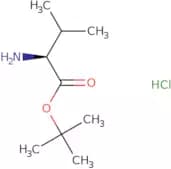
L-Valine tert-butyl ester hydrochloride
CAS:L-Valine tert-butyl ester hydrochloride is a chiral diastereomeric, stereocontrolled acid ester. This product is a kinetically controlled reaction of L-valine and toluene that produces a racemic mixture of the cis and trans isomers in the ratio of 1:1. The cis isomer has been shown to be more effective than the trans isomer as a peptidomimetic. This product also exhibits stereogenic properties when reacted with acid anhydrides.Formula:C9H19NO2·HClPurity:Min. 95%Color and Shape:PowderMolecular weight:209.71 g/mol5,6-Dibromovanillin
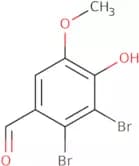
CAS:5,6-Dibromovanillin is a chemical compound that has been shown to have both anti-cancer and anti-inflammatory properties. This drug is metabolized via cytochrome P450 enzymes into 5,6-dibromovanillyl alcohol and 5,6-dibromovanillin acid. The metabolic pathways for this compound are similar to those of estradiol and other estrogens. The effects of 5,6-dibromovanillin on cancer cells are highly dependent on the expression levels of cytochrome P450 enzymes. This drug may be used as a treatment for breast cancer or prostate cancer.Formula:C8H6Br2O3Color and Shape:PowderMolecular weight:309.94 g/mol1-[2-[(2,4-Dimethylphenyl)thio]phenyl]piperazine hydrobromide
CAS:Controlled Product1-[2-[(2,4-Dimethylphenyl)thio]phenyl]piperazine hydrobromide is an atypical antidepressant that is used for the treatment of major depressive disorder. It has been shown to be effective in animal models of depression and in clinical trials with humans. 1-[2-[(2,4-Dimethylphenyl)thio]phenyl]piperazine hydrobromide blocks the serotonin 5HT1B receptor subtype, which is responsible for regulating mood and emotional response. This drug does not block the 5HT1A or 5HT2 receptors, so it does not cause some of the side effects associated with selective serotonin reuptake inhibitors (SSRIs). In addition, 1-[2-[(2,4-Dimethylphenyl)thio]phenyl]piperazine hydrobromide has a chemical stability that lasts longer than other drugs in its class.Formula:C18H22N2S·HBrPurity:Min. 98 Area-%Color and Shape:PowderMolecular weight:379.36 g/molTetrabutylammonium fluoride - 1.0M in THF
CAS:Tetrabutylammonium fluoride-1.0M in THF is a solution of tetrabutylammonium fluoride in tetrahydrofuran. The compound is soluble in water and THF with solubility increasing with temperature. Tetrabutylammonium fluoride has been shown to be an effective inhibitor of the enzyme 4-hydroxycinnamic acid transaminase, which is involved in the metabolism of catecholamines. This property may be due to the ability of tetrabutylammonium fluoride to bind to the active site metal ion, copper, that participates in this reaction. Tetrabutylammonium fluoride can also inhibit other enzymes by binding to metal ions at their active sites, such as pyridoxal phosphate and hydroxyl groups.
Formula:C16H36FNPurity:Min. 95%Color and Shape:Clear LiquidMolecular weight:261.46 g/mol4-Bromomethyl-2(1H)-quinolinone
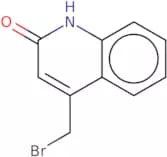
CAS:4-Bromomethyl-2(1H)-Quinolinone is a chemical compound that is used in the calibration of an HPLC system. It has been shown to be linear over a wide range of concentrations. The detection wavelength is at 230 nm, and the flow rate is 1 mL/min. The average response for 4-bromomethyl-2(1H)-quinolinone was found to be approximately 0.7 AUFS with a standard deviation of 0.3 AUFS.Formula:C10H8BrNOPurity:Min. 95%Molecular weight:238.08 g/mol2,4-Dichloro-5-hydroxyacetanilide
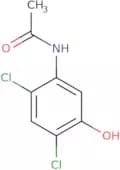
CAS:2,4-Dichloro-5-hydroxyacetanilide is a gaseous compound that has a carboxylic acid and carboxylic functional group. It is produced by the reaction of chlorosulfonyl chloride with an aromatic carboxylic acid in the presence of carbon atoms. 2,4-Dichloro-5-hydroxyacetanilide has been used in the synthesis of sulfonamides, which are organic compounds that contain a sulfonyl group. The chemical has also been used to make herbicides such as atrazine and simazine.
Formula:C8H7Cl2NO2Purity:Min. 95%Color and Shape:PowderMolecular weight:220.05 g/molH-D-Ala-Leu-Lys-AMC hydrochloride salt
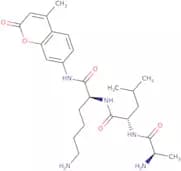
CAS:H-D-Ala-Leu-Lys-AMC hydrochloride salt is a zymogen that is the substrate for tissue plasminogen activator (tPA). It has been shown to inhibit the activity of fibrinogen and thrombin, two proteins involved in coagulation. H-D-Ala-Leu-Lys-AMC hydrochloride salt also inhibits the hydrolysis of fibrin clots by serine proteases and prevents the formation of new clots by inhibiting the activation of annexin. This drug has been shown to be effective in animal models with established atherosclerosis.Formula:C25H37N5O5•HClPurity:Min. 95%Color and Shape:PowderMolecular weight:524.05 g/mol4-Hydroxybenzenesulfonyl chloride
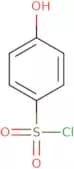
CAS:4-Hydroxybenzenesulfonyl chloride is a thionyl chloride derivative that reacts with pyridine in the presence of an dehydrating agent to form a polyurethane. The dehydration of 4-hydroxybenzenesulfonyl chloride is conducted by reacting it with magnesium and carboxylate in xylene, with subsequent reaction with chlorine to produce thiomorpholine. Thiomorpholine can be further reacted with thionyl chloride to produce sulfate. This compound has been shown to induce TNF-α production in mouse macrophages, which may be due to its ability to inhibit protein synthesis and induce apoptosis. 4-Hydroxybenzenesulfonyl chloride also has high yield for the synthesis of polyurethane, making it a popular choice for use in industrial applications.Formula:C6H5ClO3SPurity:Min. 85 Area-%Color and Shape:PowderMolecular weight:192.62 g/mol1,1'-Dioctadecyl-3,3,3',3'-tetramethylindodicarbocyanine perchlorate
CAS:1,1'-Dioctadecyl-3,3,3',3'-tetramethylindodicarbocyanine perchlorate (DiI) is a useful scaffold for the synthesis of complex compounds. It is a high-quality research chemical that is used in the synthesis of speciality chemicals and fine chemicals. DiI reacts with diazonium salts to produce blue or red fluorescent compounds. This compound can be used as a reagent for the production of amino acids or amines. It also reacts with other organic compounds to form complexes. The CAS number for DiI is 127274-91-3.Formula:C61H99N2•ClO4Purity:Min. 95%Color and Shape:Red To Brown SolidMolecular weight:959.9 g/mol3-Aminophthalic acid hydrochloride
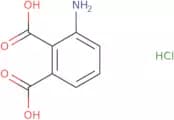
CAS:3-Aminophthalic acid hydrochloride is a diazonium salt that emits light when it reacts with chloride. This compound has been shown to be photophysically active in the presence of human serum, tumor tissue, and micelles. 3-Aminophthalic acid hydrochloride has also been found to be cytotoxic in a number of cancer models. It may also cause death by chemiexcitation of tissues. Furthermore, 3-aminophthalate and acetyl derivatives have shown anticancer activity.
Formula:C8H7NO4HClPurity:80%Color and Shape:PowderMolecular weight:217.61 g/mol4-(2- fluorophenyl)-6,8-dihydro-1,3,8-trimethyl-Pyrazolo[3,4-e][1,4]diazepin-7(1H)-one mixt. with 2-(ethylamino)-2-(2-thienyl)cycloh exanone hydrochloride
CAS:Controlled ProductTelazol is an anesthetic that belongs to the class of nonbenzodiazepine drugs. It is used as a short-term sedative and analgesic in preoperative, obstetrical, and diagnostic procedures. Telazol is a prodrug that is metabolized in vivo to its active form, 4-(2-fluorophenyl)-6,8-dihydro-1,3,8-trimethyl-Pyrazolo[3,4-e][1,4]diazepin-7(1H)-one (TFD). Telazol has been shown to have low toxicity when administered at low doses (0.5 mg/kg) to rats.Formula:C27H33ClFN5O2SPurity:Min. 95%Molecular weight:546.1 g/molDichlorodiethylsilane
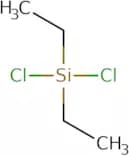
CAS:Dichlorodiethylsilane is an aromatic hydrocarbon that is a colorless liquid with a pungent odor. It has been used as a chemical intermediate and in the synthesis of dyes, pharmaceuticals, and other organic chemicals. Dichlorodiethylsilane reacts with hydrogen fluoride to form hydrogen chloride and dichloroethane. The reaction products are acidic due to the presence of hydroxyl groups, which react with water vapor to form hydrochloric acid and alcohols. Dichlorodiethylsilane reacts with nucleophiles such as chlorides or hydroxides to form ether linkages. This compound also reacts with c1-c4 haloalkyls to form chlorinated alkyl groups. Dichlorodiethylsilane is soluble in water, but not in ether or benzene. It is stable at room temperature but decomposes when heated to temperatures above 200°C (392°F).Formula:C4H10Cl2SiPurity:Min. 95%Color and Shape:PowderMolecular weight:157.11 g/molHeptadecafluoro-N,N-Bis(2-Hydroxyethyl)Octanesulphonamide
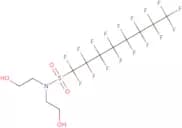
CAS:Controlled ProductHeptadecafluoro-N,N-Bis(2-Hydroxyethyl)Octanesulphonamide is a lubricant that is used in the manufacture of polyester films. It is insoluble and has excellent compressive properties. This compound is soluble in both organic solvents and water, and can be applied as a transfer agent or to obviate the need for a separate lubricant. Heptadecafluoro-N,N-Bis(2-Hydroxyethyl)Octanesulphonamide is an inorganic material that does not react with other materials. It also has good deformation resistance and low hardness. The particle size of this compound is between 5 and 10 microns.Formula:C12H10F17NO4SPurity:Min. 95%Molecular weight:587.25 g/mol5-Chloro-2-methoxybenzoic acid
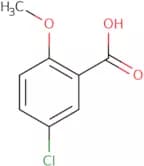
CAS:5-Chloro-2-methoxybenzoic acid is an industrial chemical that is used in the production of pharmaceuticals, plastics, and dyes. It also has hypoglycemic activity and can be used to treat type 2 diabetes. The molecular modeling study of this compound showed that it binds to the chloride ion by forming a hydrogen bond between the oxygen atom of the carboxylic acid group and the nitrogen atom of the chloride ion. This interaction leads to a lower pH value in the environment where 5-chloro-2-methoxybenzoic acid is present. This change in pH may affect other molecules such as glucose, which could lead to a decrease in blood sugar levels. Researchers have found that 5-chloro-2-methoxybenzoic acid has cancer cell growth inhibiting properties and can be used as a potential drug for colorectal adenocarcinoma treatment.Formula:C8H7ClO3Purity:Min. 95%Molecular weight:186.59 g/molN-[5-(Phenylamino)-2,4-pentadienylidene]aniline monohydrochloride
CAS:N-[5-(Phenylamino)-2,4-pentadienylidene]aniline monohydrochloride is a fluorescent probe that reacts with malonic acid. The reaction produces an emission peak at 595 nm and can be detected by fluorescence microscopy. This probe has been used in the study of hypoxia imaging, as well as for detection of reactive carbonyl groups and acetylation reactions. It can also be used to monitor treatment effects on residues from emulsions.Formula:C17H16N2·HClPurity:(Titration) Min 98%Color and Shape:Red PowderMolecular weight:284.78 g/mol1-(4-Methoxyphenyl)piperazine hydrochloride
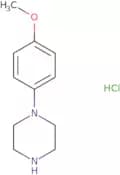
CAS:Controlled Product1-(4-Methoxyphenyl)piperazine hydrochloride is a high-potency inhibitor of the K+ channels. It has been shown to inhibit the activity of these channels in lead compound screening and optimization. The modification of potassium channels by 1-(4-Methoxyphenyl)piperazine hydrochloride has been evaluated using a patch clamp technique on rat erythrocytes. This inhibitory activity was found to be concentration dependent and voltage sensitive. 1-(4-Methoxyphenyl)piperazine hydrochloride was also shown to have pharmacological effects, such as analgesia, sedation and muscle relaxation.Formula:C11H16N2O•HClPurity:Min. 95%Molecular weight:228.72 g/molHomo fluorindine
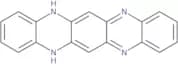
CAS:Fluorindine is a fluorophor that has been shown to modulate the interaction of biomolecules with the environment. It is synthesized by reacting potassium dichromate with 4-amino-1,6-dihydroxynaphthalene. Fluorindine has been observed to be fluorescent in the visible range, and also emits light in the ultraviolet range at wavelengths shorter than 320 nm. Fluorindine is soluble in water and acetone, but insoluble in ether or chloroform. The fluorescence quantum yield for this molecule is reported to be about 0.4%.Formula:C18H12N4Purity:Min. 95%Color and Shape:PowderMolecular weight:284.31 g/mol2-Methoxy-4-morpholinobenzenediazonium chloride zinc chloride double
CAS:2-Methoxy-4-morpholinobenzenediazonium chloride zinc chloride double (2MBZD) is a chemical compound that has been analyzed by X-ray crystallography and nuclear magnetic resonance. This molecule consists of two parts: a diazonium salt and zinc chloride. The diazonium salt is a heterocyclic nitrogen ring with two nitrogens, which are bonded to the same carbon atom. The second part of the molecule is zinc chloride, which has one chlorine atom attached to it. The zinc chloride component stabilizes the compound, while the diazonium component provides the antibacterial activity. 2MBZD has shown activity against Staphylococcus aureus and Bacillus subtilis.Formula:C11H14N3O2•(ZnCl4)0Purity:Min. 90 Area-%Color and Shape:Yellow Green PowderMolecular weight:323.85 g/mol2-Bromo-3'-methoxyacetophenone
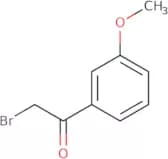
CAS:2-Bromo-3'-methoxyacetophenone is a reactive compound that has been used as an antiplatelet drug. It is a prodrug of vicagrel, which inhibits the platelet aggregation by blocking the conversion of ADP to ATP. It also has been shown to inhibit the growth of cryptococcus neoformans. This compound binds to matrix proteins and disrupts their structure, leading to a decrease in platelet adhesion. 2-Bromo-3'-methoxyacetophenone has been shown to be metabolized through a number of metabolic transformations, including hydrolysis by esterases or glucuronidases, oxidation by cytochrome P450 enzymes, reduction by glutathione reductase, or conjugation with glucuronic acid. The biological properties of this drug are complex and depend on its concentration and duration of exposure. Its effect on platelet aggregation is due to its ability to inhibit the activity of protein kinFormula:C9H9BrO2Purity:Min. 95%Molecular weight:229.07 g/molCreatinine zinc chloride
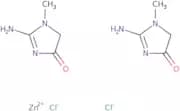
CAS:Creatinine zinc chloride is a fine chemical that is useful as a scaffold for the synthesis of complex compounds. Creatinine zinc chloride has been used as an intermediate in the synthesis of research chemicals and as a reaction component in the production of speciality chemicals. It has also been used as a building block for the synthesis of high-quality reagents.
Formula:(C4H7N3O)2•ZnCl2Purity:Min. 95%Color and Shape:PowderMolecular weight:362.52 g/molFluorexon
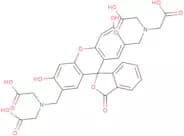
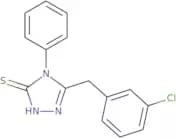
CAS:Fluorexon is a novel fluorogenic probe that can be used as an optical sensor to measure the activity of polymerase chain reactions. Fluorexon has been shown to localize in mitochondria and to induce cytotoxicity in cancer cells. The drug also induces apoptosis through mitochondrial membrane potential depolarization and oxidative injury. This compound has demonstrated acute toxicities, but it is not known if these are due to its effects on drug transporters or its ability to increase cytosolic calcium.Formula:C30H26N2O13Color and Shape:Yellow PowderMolecular weight:622.53 g/mol3-((3-chlorophenyl)methyl)-4-phenyl-1,2,4-triazoline-5-thione
CAS:Please enquire for more information about 3-((3-chlorophenyl)methyl)-4-phenyl-1,2,4-triazoline-5-thione including the price, delivery time and more detailed product information at the technical inquiry form on this pagePurity:Min. 95%1-Butyl-3-methylimidazolium bromide
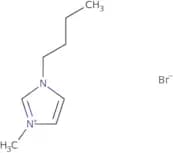
CAS:1-Butyl-3-methylimidazolium bromide is an ionic liquid that has been shown to be a good solvent for cellulose. It is also biocompatible and can be used as a polymer matrix for copper chloride. 1-Butyl-3-methylimidazolium bromide has been shown to be a good model system for studying the interaction between ions and water vapor in liquids. It has been observed that 1-butyl-3-methylimidazolium bromide undergoes hydrogen bonding interactions with water molecules, which may provide the driving force for its solvation of cellulose.Formula:C8H15BrN2Purity:(¹H-Nmr) Min. 95 Area-%Color and Shape:PowderMolecular weight:219.12 g/mol4-Bromo-3-fluorobenzyl alcohol
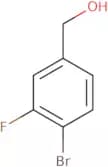
CAS:4-Bromo-3-fluorobenzyl alcohol is an analog of prenylation, a process that is essential for the synthesis of many cellular components. It inhibits farnesyltransferase, an enzyme involved in the process of prenylation. Farnesyltransferase catalyzes the conversion of the 5-carbon farnesol to the 15-carbon geranylgeraniol, which is then converted to a 20-carbon geranylgeranyl pyrophosphate. This reaction generates a molecule with two prenyl groups. The discovery of 4-bromo-3-fluorobenzyl alcohol was made possible by its potent inhibition of farnesyltransferase and it has been shown to have promising results as a potential treatment for cancer.Formula:C7H6BrFOPurity:Min. 95%Color and Shape:PowderMolecular weight:205.02 g/mol6-Chloroisatin
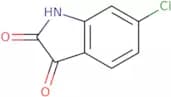
CAS:6-Chloroisatin is a potent inhibitor of bacterial growth that binds to the 50S ribosomal subunit. It has been shown to have strong inhibitory activity against tuberculosis and sulphamethoxazole-resistant strains of Mycobacterium tuberculosis. 6-Chloroisatin inhibits bacterial growth by binding to the 50S ribosomal subunit, thereby preventing protein synthesis and cell division. The electron deficient form of 6-chloroisatin reacts with the electron rich sulphamethoxazole by displacement of chloride ion from the sulphonamide ring, forming a regiospecific product that inhibits bacterial respiration. This reaction system is inhibited by activated carbon, which may be a potential therapeutic strategy for patients with drug resistant tuberculosis.
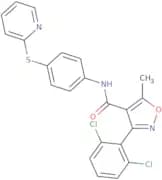
Formula:C8H4ClNO2Purity:Min. 95%Molecular weight:181.58 g/mol(3-(2,6-dichlorophenyl)-5-methylisoxazol-4-yl)-N-(4-(2-pyridylthio)phenyl)formamide
CAS:Please enquire for more information about (3-(2,6-dichlorophenyl)-5-methylisoxazol-4-yl)-N-(4-(2-pyridylthio)phenyl)formamide including the price, delivery time and more detailed product information at the technical inquiry form on this pagePurity:Min. 95%3-Chloro-4-fluorobenzoic acid
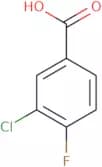
CAS:3-Chloro-4-fluorobenzoic acid is a prodrug that is converted to fluvoxamine maleate, its active form, by esterases. It is an inhibitor of the enzyme nitric oxide synthase and is used in the treatment of cancer. 3-Chloro-4-fluorobenzoic acid has been shown to inhibit cellular growth and proliferation in cancer cells. The molecular modeling study showed that 3-chloro-4-fluorobenzoic acid binds to the kinesin motor domain in a manner similar to fluvoxamine maleate but has a lower inhibitory potency than fluvoxamine maleate. Nonetheless, it was found that 3-chloro-4-fluorobenzoic acid could be used as a prodrug for fluvoxamine maleate.Formula:C7H4ClFO2Purity:Min. 95%Color and Shape:PowderMolecular weight:174.56 g/mol2-Bromo-6-fluorobenzoic acid ethyl ester
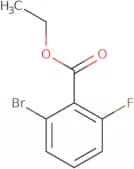
CAS:2-Bromo-6-fluorobenzoic acid ethyl ester is a chemical that reacts with other chemicals to form new substances. It is a useful scaffold for complex compounds and can be used as a building block for fine chemicals, pharmaceuticals, agrochemicals, and other organic compounds. 2-Bromo-6-fluorobenzoic acid ethyl ester is also a versatile building block or intermediate in the synthesis of many different substances.Formula:C9H8BrFO2Purity:Min. 90%Color and Shape:PowderMolecular weight:247.06 g/mol1-Chloro-3-[4-(2-methoxyethyl)phenoxy]-2-propanol
CAS:1-Chloro-3-[4-(2-methoxyethyl)phenoxy]-2-propanol is a potent antihypertensive agent that is synthesized by the chemoenzymatic process. It differs from other antihypertensive drugs in that it incorporates an oxirane group, which makes it more hydrophobic than other drugs. 1-Chloro-3-[4-(2-methoxyethyl)phenoxy]-2-propanol is a crystalline solid with a melting point of 128°C and a density of 1.0 g/mL. The chemical name for this drug is 4-[(1E)-1-(chloromethoxy)propyl]phenol, which has potent antihypertensive activity and high enantioselectivity.
Formula:C12H17ClO3Purity:Min. 95%Molecular weight:244.71 g/mol[1-(Morpholin-4-ylcarbonyl)butyl]amine hydrochloride
CAS:Controlled ProductPlease enquire for more information about [1-(Morpholin-4-ylcarbonyl)butyl]amine hydrochloride including the price, delivery time and more detailed product information at the technical inquiry form on this pageFormula:C9H18N2O2Purity:Min. 95%Molecular weight:186.25 g/mol2-bromo-5-iodoanisole
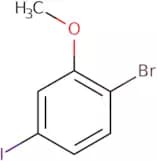
CAS:2-bromo-5-iodoanisole (BIA) is an aryl halide that undergoes electrophilic substitution reactions. It has been used as a chlorinating agent to produce monochlorobenzene, dichlorobenzene, and trichlorobenzene. 2-bromo-5-iodoanisole can also be used to synthesize butyllithiums and mesylates. These compounds are bifunctional, meaning they can act as both an electrophile and a nucleophile in substitution reactions. When 2-bromo-5-iodoanisole reacts with methoxy groups, it forms the highly reactive fluorine compound which then activates the aromatic heterocycles. 2-bromo-5-iodoanisole is labile, meaning that it easily undergoes hydrolysis or other chemical reactions. This reactivity makes 2BIA useful for organic synthesis because it canFormula:C7H6BrIOPurity:Min. 95%Color and Shape:PowderMolecular weight:312.93 g/molAbz-Gln-Val-Val-Ala-Gly-Ala-EDDnp trifluoroacetate
CAS:Please enquire for more information about Abz-Gln-Val-Val-Ala-Gly-Ala-EDDnp trifluoroacetate including the price, delivery time and more detailed product information at the technical inquiry form on this pageFormula:C38H54N12O12•C2HF3O2Purity:Min. 95%Molecular weight:870.91 g/molApelin-17 trifluoroacetate
CAS:Apelin-17 trifluoroacetate is a reaction component, reagent and useful scaffold for the synthesis of complex compounds. It is a high quality, research chemical that is used in the synthesis of fine chemicals. Apelin-17 trifluoroacetate has versatile building block and can be used as a useful intermediate or as a speciality chemical. It also has high reactivity and is soluble in organic solvents.
Formula:C96H156N34O20S•C2HF3O2Purity:Min. 95%Color and Shape:PowderMolecular weight:2,252.57 g/mol2-Chloro-6-fluoronitrobenzene
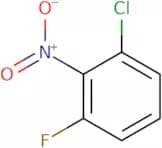
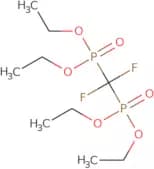
CAS:2-Chloro-6-fluoronitrobenzene is an aromatic compound that has been used as a versatile building block in the synthesis of complex compounds. It is also used as a research chemical, reaction component, and speciality chemical. This compound has been shown to be useful for the preparation of pharmaceuticals, agrochemicals, and other organic compounds. 2-Chloro-6-fluoronitrobenzene is a colorless liquid with a boiling point of 130 degrees Celsius at atmospheric pressure. It has many uses in research and industry due to its versatility and high quality.Formula:C6H3ClFNO2Purity:Min. 95%Color and Shape:PowderMolecular weight:175.54 g/molTetraethyl difluoromethylenebisphosphonate
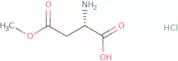
CAS:Tetraethyl difluoromethylenebisphosphonate (Tefd) reacts with nucleophiles, such as alcohols and amines, to form tetraethyl pyrophosphate (TEPP), which is a powerful phosphorylating agent. TEPP has been used for the efficient synthesis of esters and amides from alcohols and amines, respectively. Tefd is also used in the synthesis of pyrophosphates from carboxylic acids.Formula:C9H20F2O6P2Purity:Min. 95%Color and Shape:Clear colourless to yellow oil.Molecular weight:324.2 g/molL-Aspartic acid b-methyl ester hydrochloride
CAS:L-Aspartic acid b-methyl ester hydrochloride is a high quality, versatile building block that can be used as a reaction component in the synthesis of complex compounds. L-Aspartic acid b-methyl ester hydrochloride is a useful scaffold for the preparation of novel fine chemicals and research chemicals with potential uses as pharmaceuticals, pesticides, and agricultural chemicals. It can also be used as an intermediate in the preparation of some natural products or industrial chemicals. L-Aspartic acid b-methyl ester hydrochloride has a CAS number of 16856-13-6.
Formula:C5H9NO4·HClColor and Shape:White PowderMolecular weight:183.59 g/mol3-Fluoro-4-hydroxyphenylpropanenitrile
CAS:3-Fluoro-4-hydroxyphenylpropanenitrile is a reagent and building block for chemical synthesis, with potential applications in the manufacture of pharmaceuticals, agrochemicals, and fine chemicals. 3-Fluoro-4-hydroxyphenylpropanenitrile is an important intermediate or building block in organic synthesis due to its versatility and variety of reactions. In particular, it can be used as a starting material for the synthesis of new compounds or as a building block in complex syntheses. 3-Fluoro-4-hydroxyphenylpropanenitrile has been reported to be useful in the preparation of many complex molecules including fluoroquinolones, nitrile oxides, and azole antifungals.Formula:C9H8FNOPurity:Min. 95%Color and Shape:PowderMolecular weight:165.16 g/mol2,3,5,6-Tetrafluoro-4-hydrazinopyridine
CAS:2,3,5,6-Tetrafluoro-4-hydrazinopyridine is a hydroxide ion analog of pentafluoropyridine. It has been shown to undergo a coupling reaction to yield the corresponding organometallic compound with methoxide in dimethylformamide. The yields for this reaction are high and range from 76% to 98%. This technique has been shown to be applicable for the synthesis of other organometallic compounds.Formula:C5H3F4N3Purity:Min. 95%Color and Shape:PowderMolecular weight:181.09 g/mol2,3,4,5,6-Pentafluorostyrene
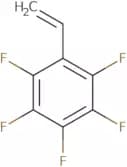
CAS:2,3,4,5,6-Pentafluorostyrene is a perfluorinated compound that has been used as a model system to study the fluorine effect on chemical stability and transport properties. The addition of fluorine to an organic molecule increases its chemical stability and makes it more difficult for other molecules to react with it. 2,3,4,5,6-Pentafluorostyrene has shown high values in terms of transport properties and can be used as a polymer in applications such as coatings and membranes. Copolymers made from this compound have also been shown to exhibit good mechanical strength and chemical stability.
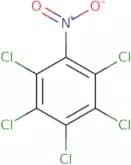
Formula:C8H3F5Purity:Min. 95%Color and Shape:Clear LiquidMolecular weight:194.1 g/molPentachloronitrobenzene
CAS:Pentachloronitrobenzene is a chemical that belongs to the group of nitrobenzenes. It is used as a biochemical reagent in enzyme assays, including methyl transferase, matrix effect, and chinese herb. Pentachloronitrobenzene can be used to detect single nucleotide polymorphisms (SNPs) in genes. The compound is also used as an analytical method for measuring acute toxicities and enzyme activities. In addition, pentachloronitrobenzene has been shown to have antibacterial properties against a wild-type strain of Escherichia coli with fluorescence probe.
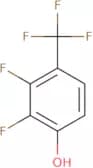
Formula:C6Cl5NO2Purity:Min. 95%Color and Shape:PowderMolecular weight:295.33 g/mol2,3-Difluoro-4-(trifluoromethyl)phenol
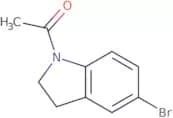
CAS:2,3-Difluoro-4-(trifluoromethyl)phenol is a useful scaffold for the synthesis of complex compounds. The compound is a useful intermediate in the synthesis of research chemicals and speciality chemicals. It is also used as a reaction component in chemical reactions to produce fine chemicals, such as pharmaceuticals.Formula:C7H3F5OPurity:Min. 95%Color and Shape:PowderMolecular weight:198.09 g/mol1-Acetyl-5-bromoindoline
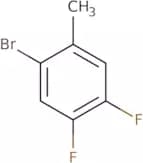
CAS:1-Acetyl-5-bromoindoline is an organic compound with the formula CH3COCH2CH(Br)CH2NH. It is a colorless solid that is soluble in organic solvents. The compound undergoes several reactions, including chloromethylation, amination, and hydrogenation. 1-Acetyl-5-bromoindoline can be used as a precursor to other compounds through catalytic hydrogenation or deprotection of alcohols. This compound has been shown to be an effective catalyst for the epimerization of lactones and β-lactams, such as penicillin G.Formula:C10H10BrNOPurity:Min. 95%Color and Shape:PowderMolecular weight:240.1 g/mol2-Bromo-4,5-difluorotoluene
CAS:2-Bromo-4,5-difluorotoluene is a versatile building block that can be used in the synthesis of complex compounds. It is also used as a reagent and speciality chemical. 2-Bromo-4,5-difluorotoluene has been shown to have high quality as a building block for research chemicals, useful scaffold for organic synthesis, and good reactivity. This compound can be used in the synthesis of various pharmaceuticals, pesticides, and polymers.
Formula:C7H5BrF2Purity:Min. 95%Molecular weight:207.02 g/mol3-Chloro-4-hydroxycinnamic acid
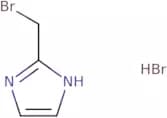
CAS:3-Chloro-4-hydroxycinnamic acid is a coelicolor biosynthetic precursor that is synthesized from 4-hydroxycinnamic acid and chlorinated. It can be used for the synthesis of aminocoumarin moieties and other prenylated molecules. 3-Chloro-4-hydroxycinnamic acid has been shown to be an effective inhibitor of streptomyces coelicolor, which is a type of bacterium that produces antibiotics. The gene responsible for the biosynthesis of 3-chloro-4-hydroxycinnamic acid has also been identified in streptomyces clorobiocin, which is another type of bacterium that produces antibiotics.Formula:C9H7ClO3Purity:Min. 95%Color and Shape:PowderMolecular weight:198.6 g/mol2-(Bromomethyl)-1h-imidazole hydrobromide
CAS:Please enquire for more information about 2-(Bromomethyl)-1h-imidazole hydrobromide including the price, delivery time and more detailed product information at the technical inquiry form on this pageFormula:C4H6Br2N2Purity:Min. 95%Color and Shape:PowderMolecular weight:241.91 g/molMethyl 3,4-dichlorobenzoate
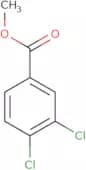
CAS:Methyl 3,4-dichlorobenzoate is a prenyl amide that is used as an organic chemical in the synthesis of other compounds. It can be prepared by reacting diethyl ether with peroxide in the presence of water. The yield of this reaction is approximately 30%. Methyl 3,4-dichlorobenzoate can also be synthesized from 3,4-dichlorobenzoic acid and methyl ester or from dichloromethane and prenyl chloride. This compound has been analysed for its electrophilicity, solvents and yields.Formula:C8H6Cl2O2Purity:Min. 95%Color and Shape:PowderMolecular weight:205.04 g/mol4-Amino-2-chlorophenol
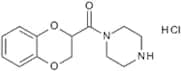
CAS:4-Amino-2-chlorophenol is an aminophenol that is used in the production of acetate, which is used in the manufacture of acetic acid. It is also used as a building block for organic synthesis. 4-Amino-2-chlorophenol reacts with acetyl chloride to form chloracetyl chloride, which can then be reacted with piperonyl butoxide to form 2-(4'-aminophenyl)-4,6-dichloropyridine. This reaction is catalyzed by hydrogen chloride and hydrogen bond formation with urea nitrogen. 4-Amino-2-chlorophenol has been shown to have long-term toxicity in animal studies and may be toxic when inhaled or ingested.Formula:C6H6ClNOPurity:Min. 95%Color and Shape:PowderMolecular weight:143.57 g/molN-(1,4-Benzodioxan-2-carbonyl)-piperazine hydrochloride
CAS:Please enquire for more information about N-(1,4-Benzodioxan-2-carbonyl)-piperazine hydrochloride including the price, delivery time and more detailed product information at the technical inquiry form on this pageFormula:C13H16N2O3•HClPurity:Min. 95%Color and Shape:PowderMolecular weight:284.74 g/mol2-Bromo-3-hydroxybenzoic acid ethyl ester
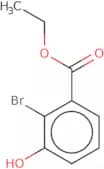
CAS:2-Bromo-3-hydroxybenzoic acid ethyl ester is a versatile building block that can be used in the synthesis of complex compounds. It is a fine chemical and research chemical with CAS No. 1260889-94-8. This compound has high quality and is used as a reagent, scaffold, or intermediate in organic syntheses. 2-Bromo-3-hydroxybenzoic acid ethyl ester is also useful for the preparation of speciality chemicals and reaction components.Formula:C9H9BrO3Purity:Min. 95%Color and Shape:Yellow PowderMolecular weight:245.07 g/molMethyl 2,6-dibromobenzoate
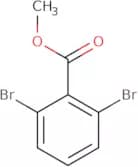
CAS:Methyl 2,6-dibromobenzoate is a versatile building block that can be used in the synthesis of many different types of compounds. It is a fine chemical with CAS number 873994-34-4. Methyl 2,6-dibromobenzoate is a useful building block for research chemicals and reagents. This compound is also an intermediate or scaffold in organic synthesis. Methyl 2,6-dibromobenzoate has been shown to react with boronic acid esters to produce boronate esters. The reaction proceeds via nucleophilic substitution and elimination reactions. In addition, methyl 2,6-dibromobenzoate reacts with potassium permanganate to produce hydrogen peroxide and manganese dioxide.Formula:C8H6Br2O2Purity:Min. 95%Color and Shape:Off-White PowderMolecular weight:293.94 g/mol

![1-[2-[(2,4-Dimethylphenyl)thio]phenyl]piperazine hydrobromide](/_next/image/?url=https%3A%2Fstatic.cymitquimica.com%2Fproducts%2F3D%2Fthumb-webp%2FFD157097.webp&w=3840&q=75)


![4-(2- fluorophenyl)-6,8-dihydro-1,3,8-trimethyl-Pyrazolo[3,4-e][1,4]diazepin-7(1H)-one mixt. with …](/_next/image/?url=https%3A%2Fstatic.cymitquimica.com%2Fproducts%2F3D%2Fthumb-webp%2FFF104101.webp&w=3840&q=75)
![N-[5-(Phenylamino)-2,4-pentadienylidene]aniline monohydrochloride](/_next/image/?url=https%3A%2Fstatic.cymitquimica.com%2Fproducts%2F3D%2Fthumb-webp%2FFP29019.webp&w=3840&q=75)

![1-Chloro-3-[4-(2-methoxyethyl)phenoxy]-2-propanol](/_next/image/?url=https%3A%2Fstatic.cymitquimica.com%2Fproducts%2F3D%2Fthumb-webp%2FFC27415.webp&w=3840&q=75)
![[1-(Morpholin-4-ylcarbonyl)butyl]amine hydrochloride](/_next/image/?url=https%3A%2Fstatic.cymitquimica.com%2Fproducts%2F3D%2Fthumb-webp%2FFM130676.webp&w=3840&q=75)