Organic Halides
Subcategories of "Organic Halides"
Found 20442 products of "Organic Halides"
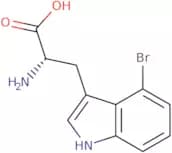
4-Bromo-L-tryptophan
CAS:4-Bromo-L-tryptophan is an amino acid that is used in the synthesis of biomimetic molecules. It is synthesized by allylation with bromine and then chromatographically purified. 4-Bromo-L-tryptophan can also be used to study the biosynthesis of tryptophan. 4-Bromo-L-tryptophan has a molecular weight of 204.2 daltons and a pKa of 5.72, which makes it acidic at physiological pH values. The compound spontaneously forms anhydride with hydroxytryptophan, which stabilizes it and prevents hydrolysis reactions. The optimum temperature for enzymatic activity is 160 degrees Celsius, and kinetic constants have been determined at this temperature as well as at 100 degrees Celsius. Catalytic asymmetric synthesis has also been accomplished using 4-bromo L tryptophan as a substrate.Formula:C11H11BrN2O2Purity:Min. 95%Color and Shape:Slightly Yellow PowderMolecular weight:283.12 g/mol3,4,5-Trichloropyridine
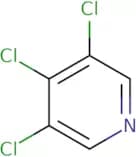
CAS:3,4,5-Trichloropyridine is a cationic polymerization initiator that is used in coatings and pharmaceuticals. 3,4,5-Trichloropyridine is a prodrug of amines that are active substances. It has been shown to be thermodynamically stable and to have analytical methods that are suitable for industrial use. 3,4,5-Trichloropyridine has been studied in the context of its mechanism of action as a PDE-5 inhibitor. The drug's effects have been compared with those of benazepril hydrochloride and carbonyl group analogues using magnetic resonance spectroscopy. Salvianolic acid A and benazepril hydrochloride inhibited the reaction product formation between 3,4,5-trichloropyridine and 2-aminophenol (2AP) by 50%.Formula:C5H2Cl3NPurity:Min. 95%Color and Shape:White PowderMolecular weight:182.43 g/mol4-Chloro-3-(trifluoromethyl)benzonitrile
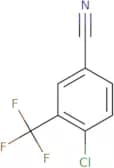
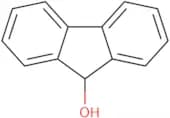
CAS:4-Chloro-3-(trifluoromethyl)benzonitrile is a polyketone that is synthesized from biphenylene and chloroform. It is an isomer of 3-chlorobenzonitrile and can be used as a monomer for the synthesis of polyketones. 4-Chloro-3-(trifluoromethyl)benzonitrile undergoes sequential acylation with acetyl chloride to form 4-chloro-3-(trifluoromethyl)phenol, which undergoes electrophilic polycondensation with ethylene glycol to form the final product. This process can be done in one step by reacting the biphenylene, chloroform, and acetyl chloride together in presence of heat.Formula:C8H3ClF3NPurity:Min. 95%Color and Shape:SolidMolecular weight:205.56 g/mol9-Hydroxyfluorene
CAS:Controlled Product9-Hydroxyfluorene is a chiral compound that exhibits antimicrobial activity. It has been shown to inhibit the growth of bacteria by interacting with bacterial DNA and preventing RNA synthesis. 9-Hydroxyfluorene binds to bacterial DNA, specifically the nitrogen atoms, which are not present in mammalian DNA. This binding causes the formation of intramolecular hydrogen bonds that inhibits bacterial DNA replication. 9-Hydroxyfluorene also interacts with cellular membranes, inhibiting protein synthesis and cell division. The antimicrobial properties of 9-hydroxyfluorene are due to its ability to bind to bacterial membranes and form hydrogen bonds at specific sites on the membrane surface. This binding alters the membrane's physical properties, leading to cell death.Formula:C13H10OPurity:Min. 95%Molecular weight:182.22 g/molChloro[1,3-bis(2,6-diisopropylphenyl)imidazol-2-ylidene]copper(I)
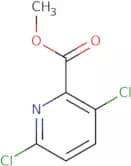
CAS:Chloro[1,3-bis(2,6-diisopropylphenyl)imidazol-2-ylidene]copper(I) is a transfer reagent that can be used in preparative organic chemistry. It reacts with alkyl halides to form 1,3-bis(2,6-diisopropylphenyl)-imidazolium chloride. This reaction can be used for the preparation of chloroalkenes by filtration and pentane extraction. In addition to its use as a transfer reagent, chloro[1,3-bis(2,6-diisopropylphenyl)imidazol-2-ylidene]copper(I) has been shown to have anti-inflammatory properties due to its ability to inhibit the transcription of proinflammatory genes.Formula:C27H36ClCuN2Purity:Min. 95%Color and Shape:White Off-White PowderMolecular weight:487.59 g/molMethyl 3,6-dichloropyridine-2-carboxylate
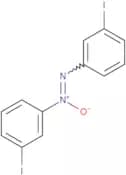
CAS:Methyl 3,6-dichloropyridine-2-carboxylate is a nitro compound that is used as a transport inhibitor. It has been shown to inhibit the transport of some organic compounds in h9c2 cells by binding to the active site of ATP synthase, which is required for energy production. Methyl 3,6-dichloropyridine-2-carboxylate has also been shown to modulate physiological effects in mice, such as modulating the activity of enzymes involved in fatty acid synthesis. This compound is synthetically derived from anthranilic acid and dichlorprop with oxadiazole as a starting material.Formula:C7H5Cl2NO2Purity:Min. 95%Color and Shape:PowderMolecular weight:206.03 g/mol3,3'-Diiodoazoxybenzene
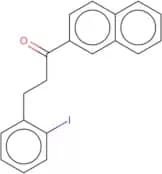
CAS:Please enquire for more information about 3,3'-Diiodoazoxybenzene including the price, delivery time and more detailed product information at the technical inquiry form on this pageFormula:C12H8I2N2OPurity:Min. 95%Molecular weight:450.01 g/mol2-Naphthyl-3-(2-iodophenyl)propanone
CAS:2-Naphthyl-3-(2-iodophenyl)propanone (IPA) is a chemical intermediate that can be used in the synthesis of pharmaceuticals, agrochemicals, and other organic chemicals. IPA is soluble in common solvents such as water, ethanol, ether, and acetone. It is also stable to air and light. IPA has been shown to react with aniline under basic conditions to form 2-naphthylacetanilide. This reaction component can be used in the synthesis of complex compounds such as carboxylic acid derivatives and amides.Formula:C19H15IOPurity:Min. 95%Molecular weight:386.23 g/mol5,7-Dichloro-1H-imidazo[4,5-b]pyridine
CAS:5,7-Dichloro-1H-imidazo[4,5-b]pyridine is a synthetic compound that has been shown to inhibit the replication of herpes simplex virus in cell culture. It is active against a broad range of viruses including HIV and influenza A. The antiviral potency of 5,7-dichloro-1H-imidazo[4,5-b]pyridine against herpes simplex virus may be due to its ability to act as an agonist on adenosine receptor subtypes such as A2aR. This drug also has immunosuppressive properties and can be used for the treatment of immunodeficiency disorders.
Formula:C6H3Cl2N3Purity:Min. 95%Color and Shape:PowderMolecular weight:188.01 g/mol3,4-Dichloronitrobenzene
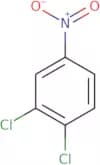
CAS:3,4-Dichloronitrobenzene (3,4-DNBP) is a chemical pesticide that inhibits the activity of glutathione s-transferase. Glutathione is an important antioxidant in the liver, which helps to remove toxic substances from the body. This pesticide also inhibits glutathione S-transferase enzyme activities and transcription polymerase chain reactions. 3,4-DNBP has high resistance to degradation by plant metabolism and has shown biological properties such as fluorescence detection and disulfide bond formation in vitro. The detoxification enzymes are not able to break down 3,4-DNBP completely because it reacts with acids to form nitrosobenzenesulfonic acid (NBS).Formula:C6H3Cl2NO2Purity:Min. 95%Color and Shape:PowderMolecular weight:192 g/molD-Glutamic acid di-tert-butyl ester hydrochloride
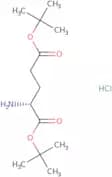
CAS:D-Glutamic acid di-tert-butyl ester hydrochloride is an organic acid that is used as a medicine. It is a covalently conjugated psychotropic drug, which means it contains two molecules of the same type. D-Glutamic acid di-tert-butyl ester hydrochloride has been shown to be effective in the treatment of depression and other mood disorders. This drug has also been shown to inhibit the reuptake of neurotransmitters such as serotonin and norepinephrine, which may account for its efficacy in treating depression. The drug was also found to be effective in the treatment of obsessive compulsive disorder (OCD) by inhibiting serotonin reuptake.Formula:C13H25NO4·HClPurity:Min. 95%Color and Shape:White PowderMolecular weight:295.8 g/mol4-Chloro-3-fluoroaniline
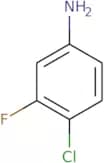
CAS:4-Chloro-3-fluoroaniline is a synthetic compound with a molecular formula of C6H4ClFNO. It is an epoxide hydrolase inhibitor and has been shown to produce a frequency shift in the infrared spectrum. This compound also has an additive reaction yield and produces hydrogen fluoride when reacted with hydrochloric acid. 4-Chloro-3-fluoroaniline has two isomers, one that is fluorescent and the other that is not. The reaction product of the two isomers can be determined by mass spectrometry analysis. The dipole moment of this compound can be detected by fluorescence spectroscopy.Formula:C6H5ClFNPurity:Min. 95%Color and Shape:PowderMolecular weight:145.56 g/mol4-Methoxy-3-(trifluoromethyl)benzaldehyde
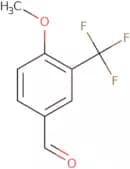
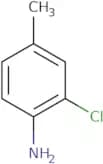
CAS:4-Methoxy-3-(trifluoromethyl)benzaldehyde is a fine chemical that can be used as a building block for pharmaceuticals and other organic compounds. It is also used in research for the synthesis of complex compounds. This chemical has been reported to be a useful intermediate or scaffold for organic syntheses. 4-Methoxy-3-(trifluoromethyl)benzaldehyde is soluble in water and ethanol, and insoluble in ether. It has a melting point of 140°C, boiling point of 249°C, density 1.096 g/cm³, and refractive index (20°C) 1.567.Formula:C9H7F3O2Purity:Min. 95%Molecular weight:204.15 g/mol2-Chloro-4-methylaniline
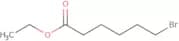
CAS:2-Chloro-4-methylaniline is a molecule that can be classified as an amine. It is a functional theory, which is a chemical ionization technique used to study the structure of molecules. 2-Chloro-4-methylaniline has been shown to have high metabolic profiles and to produce many metabolic products when it reacts with chlorine in the environment. This chemical has been studied extensively for its potential carcinogenic properties. It was found that 2-chloro-4-methylaniline causes DNA damage in human erythrocytes and induces mutations in calf thymus DNA, suggesting that this molecule may be carcinogenic. 2-Chloro-4-methylaniline also binds to hemoglobin, which may lead to the formation of methemoglobin that reduces oxygen transport in red blood cells. The matrix effect of this chemical on clinical pathology is not known.Formula:C7H8ClNPurity:Min. 95%Molecular weight:141.6 g/mol6-Bromohexanoic acid ethyl ester
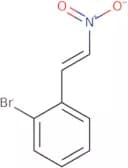
CAS:6-Bromohexanoic acid ethyl ester is a fluorescent compound that has been used to assess the presence of azobenzene in urine samples. This product is also used as a marker for capsicum annuum, which is an edible plant. 6-Bromohexanoic acid ethyl ester has been shown to be effective in the diagnosis of cancer, especially carcinoma cells. Coumarin derivatives have been found to possess fluorescence properties similar to 6-bromohexanoic acid ethyl ester and are also used as markers for cancer cells. The use of polyclonal antibodies and hydrochloric acid for this product can lead to fluorescence properties that are specific for cancer cells.Formula:C8H15BrO2Purity:Min. 95%Color and Shape:Colourless To Pale Yellow LiquidMolecular weight:223.11 g/mol1-(2-Bromophenyl)-2-nitroethene
CAS:1-(2-Bromophenyl)-2-nitroethene is a chiral, enantioselective nitroalkene that is used in the synthesis of many biologically active compounds. The compound was found to be an effective chiral ligand for asymmetric reactions involving aldehydes, indoles, and bipyridine. It has been shown to be more reactive than other bromoalkyltin reagents and can be used in a variety of reactions. 1-(2-Bromophenyl)-2-nitroethene also has conformationally rigid skeletons, which may allow for higher yields when compared with other alkylation agents.
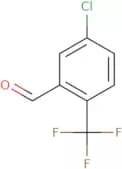
Formula:C8H6BrNO2Purity:Min. 95%Molecular weight:228.04 g/mol5-Chloro-2-(trifluoromethyl)benzaldehyde
CAS:5-Chloro-2-(trifluoromethyl)benzaldehyde is a fine chemical that can be used as a versatile building block for organic synthesis. It has CAS number 90381-07-0 and is an intermediate in the synthesis of a variety of organic compounds. 5-Chloro-2-(trifluoromethyl)benzaldehyde is also an effective reagent for the preparation of complex compounds. It is soluble in polar solvents, such as chloroform, ethanol, ether, acetone, and benzene.Formula:C8H4ClF3OPurity:Min. 95%Molecular weight:208.56 g/mol4-[(2-Chlorobenzyl)oxy]benzoic acid
CAS:4-[(2-Chlorobenzyl)oxy]benzoic acid is a chemical building block that has been used in the synthesis of organic compounds. It is an intermediate for the production of many different products, such as pharmaceuticals and pesticides. 4-[(2-Chlorobenzyl)oxy]benzoic acid is a versatile building block that can be used to synthesize a wide range of complex compounds. This compound is also useful as a reagent in research.Formula:C14H11ClO3Purity:Min. 95%Color and Shape:PowderMolecular weight:262.69 g/molAuramine O hydrochloride
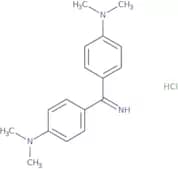
CAS:Controlled ProductAuramine O hydrochloride is a fluorescent dye that is used in the diagnosis of wastewater. Auramine O hydrochloride is a reactive dye that binds to malonic acid and forms stable complexes. It has been used as a fluorescence probe for polymerase chain reaction (PCR) detection of human serum samples, and it has been shown to be thermodynamically stable under conditions of pH 8-12, at temperatures up to 80°C, and in the presence of organic solvents. In addition, this dye can be activated with UV light or sodium hypochlorite solution. This dye also reacts with amino groups on proteins and lipids on cell membranes, which makes it useful for microscopy studies.Formula:C17H21N3•HClColor and Shape:Yellow PowderMolecular weight:303.83 g/molBoc-trans-4-fluoro-L-proline methyl ester
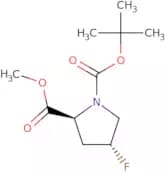
CAS:Boc-trans-4-fluoro-L-proline methyl ester is a high quality, reagent, complex compound that can be used as a useful intermediate or fine chemical. It is also a useful scaffold for the synthesis of new compounds and a versatile building block for the synthesis of various types of compounds. Boc-trans-4-fluoro-L-proline methyl ester has been used in research to study the mechanism of protein phosphorylation.Formula:C11H18FNO4Purity:Min. 95%Color and Shape:Colourless To Yellow Solid Or Liquid (May Vary)Molecular weight:247.26 g/molIndium(III) trifluoromethanesulfonate
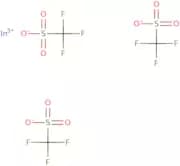
CAS:Indium trifluoromethanesulfonate is a reactive, c1-c4 haloalkyl. It has been used as a reagent for the synthesis of serine protease inhibitors. Indium trifluoromethanesulfonate reacts with unsaturated ketones to form x-ray absorption products, which can be analyzed by x-ray diffraction and x-ray fluorescence techniques. The reaction products are quinoline derivatives, which are useful in the synthesis of carbohydrates and other organic compounds. Control experiments were performed to ensure that the reactivity of indium trifluoromethanesulfonate was not due to contaminants or impurities. A more efficient method for synthesizing indium trifluoromethanesulfonate was developed in order to avoid the use of toxic solvents like diphenyl ether. This process involves amines as nucleophiles, which are activated by transfer reactions with carbon tetrFormula:C3F9InO9S3Purity:Min. 95%Color and Shape:SolidMolecular weight:562.03 g/mol2-Naphthoyl chloride
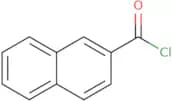
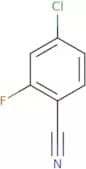
CAS:2-Naphthoyl chloride is an enantiomer of the chiral compound naphthalene. It is a redox potential and a fatty acid, which can be detected using the detection sensitivity. The 2-naphthoyl chloride has been used to determine the stereoselectivity of reactions with hydroxyl groups and carbonyl groups in organic syntheses. The hydroxide solution was added to hydrolyze the esterification product from 2-naphthoyl chloride and naphthalene to produce a mixture of products. This reactant also reacts with hydrogen peroxide in a flow system to form acetaldehyde.Formula:C11H7ClOPurity:Min. 95%Color and Shape:White/Off-White SolidMolecular weight:190.63 g/mol4-Chloro-2-fluorobenzonitrile
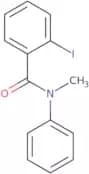
CAS:4-Chloro-2-fluorobenzonitrile is a chemical compound with the molecular formula CHClFNO. It is an organic chemical that belongs to the category of nitrogen-containing compounds. 4-Chloro-2-fluorobenzonitrile is used in the synthesis of ethyl cyanoacetate, which is a chemical intermediate for the production of pharmaceuticals and other organic compounds. This product can be combined with potassium carbonate and ethyl cyanoacetate to create a reagent that can be used as a precursor in organic synthesis.Formula:C7H3ClFNPurity:Min. 95%Color and Shape:PowderMolecular weight:155.56 g/mol2-Iodo-N-methyl-N-phenylbenzamide
CAS:2-Iodo-N-methyl-N-phenylbenzamide is a cyclised molecule that has been synthesized by intramolecular arylation and reductive cyclisation. 2-Iodo-N-methyl-N-phenylbenzamide can be used as an industrial catalyst for the production of phenols, benzaldehydes, and indoles. The catalytic activity of 2-Iodo-N-methyl-N-phenylbenzamide is high, with yields of up to 99%. This molecule is recyclable because it can be easily regenerated from the crude product. It also has high catalytic activity due to its cyclic structure.Formula:C14H12INOPurity:Min. 95%Molecular weight:337.16 g/mol3-(2-Chlorophenyl)-2-phenyl-3H-indole
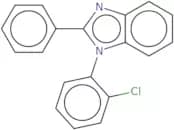
CAS:3-(2-Chlorophenyl)-2-phenyl-3H-indole is a versatile building block that can be used as a precursor in the synthesis of a wide range of complex compounds. 3-(2-Chlorophenyl)-2-phenyl-3H-indole has been shown to be an effective reagent for the synthesis of heterocycles and useful for the preparation of diverse speciality chemicals. 3-(2-Chlorophenyl)-2-phenyl-3H-indole is also an important intermediate in the synthesis of pharmaceuticals, agrochemicals, dyes, and perfumes. It is also a useful scaffold for organic chemistry reactions and can serve as a reaction component because it contains two reactive groups.Formula:C19H13ClN2Purity:Min. 95%Molecular weight:304.77 g/mol2,2'-Dichloro-1,1'-biphenyl-4,4'-diamine
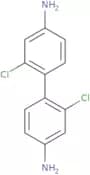
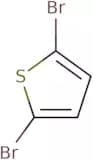
CAS:2,2'-Dichloro-1,1'-biphenyl-4,4'-diamine is a chemical that belongs to the class of organic compounds known as amines. It is insoluble in water and has a molecular weight of 190.8 g/mol. 2,2'-Dichloro-1,1'-biphenyl-4,4'-diamine has been shown to be carcinogenic in animals and can cause coagulation problems in humans. The compound also shows anti-inflammatory properties by inhibiting the production of prostaglandins.Formula:C12H10Cl2N2Purity:Min. 95%Color and Shape:White/Off-White SolidMolecular weight:253.13 g/mol2,5-Dibromothiophene
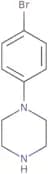
CAS:2,5-Dibromothiophene is a reactive intermediate that has been used in the synthesis of ondansetron hydrochloride. 2,5-Dibromothiophene can be prepared by the reaction of triethyl orthoformate and thiophene. The compound spontaneously undergoes bond cleavage to give the dibromo derivative followed by oxidation with aqueous hydrogen peroxide. 2,5-Dibromothiophene has been shown to have photocatalytic activity under visible light irradiation. This compound functions as a monomer in the polymerization of polythiophenes. 2,5-Dibromothiophene can also be used in palladium-catalyzed cross-coupling reactions with azasetron hydrochloride to form x-ray crystal structures and nmr spectra.Formula:C4H2Br2SPurity:Min. 95%Color and Shape:Colourless To Yellow LiquidMolecular weight:241.93 g/mol1-(4-Bromophenyl)piperazine
CAS:Controlled Product1-(4-Bromophenyl)piperazine is a chemical that is used in the synthesis of pharmaceuticals, such as antidepressants. It has been shown to inhibit monoamine neurotransmitter reuptake, including serotonin and dopamine. It also has an inhibitory effect on 5-hydroxytryptamine (5HT) release from nerve terminals and its binding to the 5HT7 receptor. 1-(4-Bromophenyl)piperazine can be used in chromatographic methods for validation of impurities, potential impurities, and other substances.
Formula:C10H13BrN2Purity:Min. 95 Area-%Color and Shape:PowderMolecular weight:241.13 g/mol4-[(4-Chlorobenzyl)oxy]benzoic acid
CAS:4-[(4-Chlorobenzyl)oxy]benzoic acid is a methyl ester of 4-chlorobenzoic acid, which is an organic compound. It is a herbicide that has been shown to be effective against weeds in rice fields. The herbicidal activity of 4-[(4-Chlorobenzyl)oxy]benzoic acid may be due to the inhibition of the plant enzyme dehydrohalogenating, which plays an important role in the synthesis of chlorophyll and other pigments. The herbicidal properties are also likely due to its ability to inhibit the enzyme carbonate, which is involved in the biosynthesis of fatty acids and sterols.
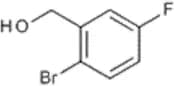
Formula:C14H11ClO3Purity:Min. 95%Color and Shape:PowderMolecular weight:262.69 g/mol2-Bromo-5-fluorobenzyl alcohol
CAS:2-Bromo-5-fluorobenzyl alcohol is a synthetic organoboron compound that can be used in the synthesis of other compounds. It has been shown to have a thermal expansion coefficient of 0.038 x 10^-6 K, which is an intermediate value for organic materials. The two polymorphic forms are monoclinic (space group P2/c) and hexagonal (P63). When 2-bromo-5-fluorobenzyl alcohol is irradiated with microwaves and magnetic fields, it undergoes anisotropic expansion, which suggests that intermolecular interactions are important in this phenomenon. This material has been shown to exhibit antifungal properties.
Formula:C7H6BrFOPurity:Min. 95%Color and Shape:PowderMolecular weight:205.02 g/mol2-Chloro-4-methyl-6-methylsulfanylpyrimidine
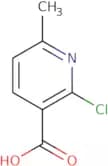
CAS:2-Chloro-4-methyl-6-methylsulfanylpyrimidine is a high quality chemical that is an intermediate for organic synthesis. It is a reagent and useful intermediate in the production of complex compounds. 2-Chloro-4-methyl-6-methylsulfanylpyrimidine has been shown to be a building block for use in synthesizing fine chemicals, pharmaceuticals, and pesticides. This compound can also be used as a reaction component for the synthesis of other chemicals, making it an important research chemical. 2-Chloro-4-methyl-6-methylsulfanylpyrimidine is soluble in water and insoluble in ethanol or ether. It has CAS No. 89466-59-1 and a molecular weight of 238.2 g/mol.br>br> 2CMSMP can be used to produce various compounds such as:Formula:C6H7ClN2SPurity:Min. 95%Color and Shape:PowderMolecular weight:174.65 g/mol2-Chloro-6-methylnicotinic acid
CAS:2-Chloro-6-methylnicotinic acid is a protonated nicotinic acid derivative with potent inhibitory activity against hepatitis C virus. It has been shown to inhibit the replication of the virus by competitive inhibition at the 2-chloro-6-methylnicotinic acid site on the viral genome. It also inhibits the synthesis of viral proteins, which are necessary for viral replication. The molecule has been shown to have an inhibitory effect on other RNA viruses such as influenza and HIV, but it is not active against DNA viruses such as herpes simplex or adenovirus. 2-Chloro-6-methylnicotinic acid is absorbed orally and its pharmacokinetic properties are well understood. This compound can be used as a probe in supramolecular chemistry to study hydrogen bonding and biomolecular interactions.Formula:C7H6ClNO2Purity:Min. 95%Color and Shape:Yellow SolidMolecular weight:171.58 g/mol3'-Fluoro-4'-hydroxyacetophenone
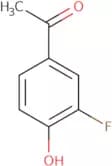
CAS:3'-Fluoro-4'-hydroxyacetophenone is a fluorinated acetophenone that is synthesized by catalytic hydrogenation of 3,4-difluoroacetophenone. This reaction produces the desired product in high yield. The product can be used in the synthesis of various pharmaceuticals, such as analgesics, antihistamines and antidiabetic agents. 3'-Fluoro-4'-hydroxyacetophenone has been shown to have higher yields and better solubility than its counterparts. It also has a high boiling point, making it suitable for industrial use.Formula:C8H7FO2Purity:Min. 95%Color and Shape:PowderMolecular weight:154.14 g/mol2,3,5,6-Tetrachloro-4-(methylsulfonyl)pyridine
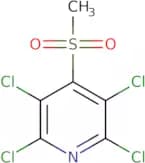
CAS:2,3,5,6-Tetrachloro-4-(methylsulfonyl)pyridine is a n-oxide with antimicrobial activity. It is used in horticultural applications for the control of microbial infection on plants. 2,3,5,6-Tetrachloro-4-(methylsulfonyl)pyridine has been shown to have high bactericidal activity against gram positive and gram negative bacteria. It has also been shown to be effective against fungi and some viruses. This compound is used as an additive in glycol ethers and gel pores. It is also used as a biocide in the form of trifluoroacetic acid or benzalkonium chloride.END>Formula:C6H3Cl4NO2SPurity:Min. 95%Color and Shape:White To Light (Or Pale) Yellow SolidMolecular weight:294.97 g/mol1,3,5-Trifluorobenzene
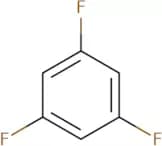
CAS:1,3,5-Trifluorobenzene is a fluorine-containing aromatic compound that has been shown to exhibit antiinflammatory activity. The drug is activated by hydrogen bonding and has been shown to have a low activation energy. It is structurally similar to 1,3-difluorobenzene, but with the addition of one fluorine atom at the 5 position. This drug has been studied using x-ray crystallography and photoelectron spectroscopy as well as computational studies in order to better understand its interaction energies and structural formula. 1,3,5-Trifluorobenzene has also been shown to inhibit the production of proinflammatory cytokines such as TNFα and IL-6 in human macrophages.Formula:C6H3F3Purity:Min. 95%Color and Shape:Clear LiquidMolecular weight:132.08 g/mol1-(Chloromethyl)-4-fluoronaphthalene
CAS:1-(Chloromethyl)-4-fluoronaphthalene is a halogenated, organic compound with two different forms, a trans and cis form. The trans form is the more stable, inactive form. The cis form is more reactive and can be converted to the trans form by heating or light. It has been studied for use in polymer synthesis and as an insecticide. 1-(Chloromethyl)-4-fluoronaphthalene has not been observed in the gas phase because it does not have any dipole moments in this state. However, it does show infrared and vibrational spectra that are explainable when it is in the gaseous phase. 1-(Chloromethyl)-4-fluoronaphthalene also emits Raman spectra when it is heated or exposed to light. These spectra help to characterize the molecule quantitatively by observing its transitions at different frequencies.Formula:C11H8ClFPurity:Min. 95%Color and Shape:White To Beige SolidMolecular weight:194.63 g/molDL-alpha-Methylhistidine dihydrochloride
CAS:DL-alpha-Methylhistidine dihydrochloride is a reagent that has been used as a complex building block. It is an intermediate in the preparation of other compounds and is also used as a speciality chemical. DL-alpha-Methylhistidine dihydrochloride can be used to synthesize a variety of useful compounds, including pharmaceuticals, agrochemicals, and research chemicals. DL-alpha-Methylhistidine dihydrochloride can also be used as a versatile building block for the synthesis of other fine chemicals.
Formula:C7H11N3O2·2HClPurity:Min. 95%Color and Shape:White PowderMolecular weight:242.1 g/molTetrabutylammonium fluoride - 75 wt. % in H2O
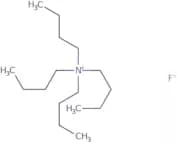
CAS:Tetrabutylammonium fluoride is a strong base which reacts with the hydroxyl group of a carboxylic acid to form a salt and hydrogen fluoride. The nucleophilic nature of tetrabutylammonium and its high polarity make it an excellent catalyst for this reaction. Tetrabutylammonium fluoride has been shown to react with sodium salts in nonpolar solvents, such as benzene or toluene, to form quinoline derivatives. It also has been used in the synthesis of x-ray crystal structures of organic molecules by reacting with carbonyl groups, such as acetaldehyde. Tetrabutylammonium fluoride can interact chemically with other compounds, such as hydrogen bond formation with amines or reactions with amides.Formula:C16H36FNPurity:Min. 95%Color and Shape:Clear LiquidMolecular weight:261.46 g/mol2,6-Dichlorobenzoic acid
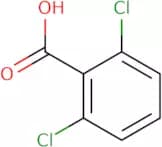
CAS:2,6-Dichlorobenzoic acid (2,6-DCBA) is a chemical substance that can be found in groundwater. 2,6-DCBA is metabolized by colon cells to produce metabolites, including 2,4-dichlorophenol and 4-chlorophenylacetic acid. The metabolic reaction products have been shown to inhibit the uptake of radioactive iodine by Caco-2 cells. 2,6-DCBA is also a monocarboxylic acid with two nitrogen atoms. It has been shown to have acute toxicities in rats and other animals. This substance can also be used as an analytical reagent for the determination of metals such as iron and copper.Formula:C7H4Cl2O2Purity:Min. 95%Color and Shape:PowderMolecular weight:191.01 g/molPotassium Trifluoromethanesulfonate
CAS:Potassium trifluoromethanesulfonate is a chemical compound that belongs to the family of organofluorine compounds. It has been shown to be an excellent hydrogen bond acceptor, which is the most important factor for its application in water vapor detection. Potassium trifluoromethanesulfonate has been used as an enhancement agent in analytical chemistry. It has also been used as a fluorescence detector and in x-ray crystal structure determination studies. The reaction mechanism of potassium trifluoromethanesulfonate is not yet known with certainty, but it is likely that the protonated amide form of potassium trifluoromethanesulfonate reacts with light emission from an organic dye, producing a fluorescent product.Formula:CF3KO3SPurity:Min. 95%Color and Shape:PowderMolecular weight:188.17 g/molNesfatin-1 (human) trifluoroacetate salt
CAS:Please enquire for more information about Nesfatin-1 (human) trifluoroacetate salt including the price, delivery time and more detailed product information at the technical inquiry form on this pageFormula:C427H691N113O134Purity:Min. 95%Molecular weight:9,551.74 g/mol2-[(4-Chlorophenyl)-2-pyridinylmethoxy]-N,N-dimethylethanamine maleate salt
CAS:Controlled Product2-[(4-Chlorophenyl)-2-pyridinylmethoxy]-N,N-dimethylethanamine maleate salt (DCLM) is a controlled-release preparation of an antihistamine that is used for the relief of allergic symptoms. It is a prodrug that is hydrolyzed to 2-[(4-chlorophenyl)-2-pyridinylmethoxy]ethanol (DCPEM) in vivo. DCLM has been shown to be effective against viruses and has been found to have receptor activity in human serum. The drug can be administered either orally or by injection. DCLM has also been shown to suppress allergic symptoms in vitro with LC-MS/MS analysis.
Formula:C20H23ClN2O5Purity:Min. 95%Color and Shape:White To Off-White SolidMolecular weight:406.86 g/mol2,3,4,6-Tetrafluoronitrobenzene
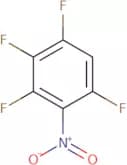
CAS:2,3,4,6-Tetrafluoronitrobenzene is a fluorinated molecule that has been shown to be an excellent substrate for the hydrolysis of acetonitrile. The reaction products are a mixture of ortho and para isomers with equal amounts of 2,3,4- and 6-fluoro derivatives. The rate of the reaction is dependent on the number of water molecules present in the system. Tetramethylguanidine (TMG) can be used as a catalyst to increase the rate of the hydrolysis reaction without changing its course. The result is an increased yield with decreased time required to complete the experiment.Formula:C6HF4NO2Purity:Min. 95%Color and Shape:Light (Or Pale) Yellow To Yellow LiquidMolecular weight:195.07 g/mol(S)-(-)-2-Chloro-3-[4(5)-imidazolyl]propionic acid
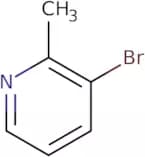
CAS:(S)-(-)-2-Chloro-3-[4(5)-imidazolyl]propionic acid is a high quality reagent that is used as an intermediate in the synthesis of complex compounds. It has been used as a building block for the synthesis of different types of compounds with speciality chemicals, such as research chemicals and reaction components. This compound is also versatile and can be used to synthesize both small and large molecules. The CAS number for this chemical is 17561-26-1.Formula:C6H7ClN2O2Purity:Min. 95%Color and Shape:White To Beige SolidMolecular weight:174.58 g/mol3-Bromo-2-methylpyridine
CAS:3-Bromo-2-methylpyridine is a synthetic compound that has been shown to be an effective inhibitor of the cannabinoid receptor. It is used as a postprocessing agent in hydrogenation reduction reactions and can be used for the synthesis of pharmaceuticals. 3-Bromo-2-methylpyridine has been shown to bind to the cannabinoid type 1 receptor with high affinity, but it has not been determined whether this binding leads to inhibition. The chemical structure of 3-bromo-2-methylpyridine is similar to that of other cannabinoid type 1 receptor antagonists, such as SR141716A and AM251.
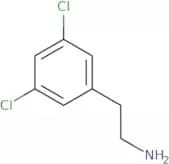
Formula:C6H6BrNPurity:Min. 96 Area-%Color and Shape:PowderMolecular weight:172.02 g/mol2-(3,5-Dichlorophenyl)ethanamine
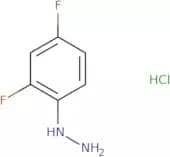
CAS:Controlled Product2-(3,5-Dichlorophenyl)ethanamine is a versatile building block that can be used in research and development of many compounds. This compound is a fine chemical that has been used as a reagent in organic synthesis. 2-(3,5-Dichlorophenyl)ethanamine is a useful intermediate and reaction component in the synthesis of other organics. It can also be used as a scaffold to synthesize more complicated molecules.Formula:C8H9Cl2NPurity:Min. 95%Color and Shape:Clear LiquidMolecular weight:190.07 g/mol2,4-Difluorophenylhydrazine hydrochloride
CAS:2,4-Difluorophenylhydrazine hydrochloride is a synthetic analgesic that is used to produce pain relief. It can be synthesized by refluxing 2,4-difluoroaniline and hydrazine in acetonitrile. The yield of the reaction depends on the catalyst used. An acid catalyst such as pyridine or benzoic acid will yield more product than a base such as potassium carbonate. The synthesis of 2,4-difluorophenylhydrazine hydrochloride can also be achieved by reacting phenylhydrazine with an alkyl halide in the presence of a base. This process yields pyrazoles, which are then converted to 2,4-difluorophenylhydrazine hydrochloride by treatment with hydrochloric acid. 2,4-Difluorophenylhydrazine hydrochloride is an antibacterial agent that hasFormula:C6H7ClF2N2Purity:Min. 95%Color and Shape:PowderMolecular weight:180.58 g/mol4-(3-Chloropropyl)morpholine
CAS:4-(3-Chloropropyl)morpholine is a hydrochloride salt of the potent inhibitor 4-(3-chloropropyl)morpholine. It has an inhibitory effect on cancer, and is used in chromatographic science to separate amines from aliphatic hydrocarbons. 4-(3-Chloropropyl)morpholine inhibits epidermal growth factor (EGF) and has been shown to have a potent inhibitory effect on EGF receptor tyrosine kinase activity. It also inhibits the proliferation of cells by inhibiting DNA synthesis. This compound causes cell death through the inhibition of protein synthesis, which may be due to its ability to inhibit nucleophilic reactions that are involved in protein synthesis. 4-(3-Chloropropyl)morpholine can also fluoresce under UV light, which makes it useful for research purposes.
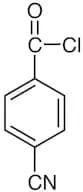
Formula:C7H14ClNOPurity:Min. 95%Color and Shape:Clear LiquidMolecular weight:163.64 g/mol4-Cyanobenzoyl Chloride
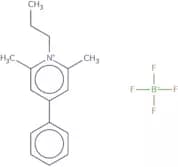
CAS:Formula:C8H4ClNOPurity:>98.0%(GC)(T)Color and Shape:White to Light yellow powder to crystalMolecular weight:165.582,6-Diethyl-4-phenyl-1-propylpyridinium tetrafluoroborate
CAS:2,6-Diethyl-4-phenyl-1-propylpyridinium tetrafluoroborate is a building block and a versatile intermediate in organic synthesis. It can be used as a reactant in the preparation of fine chemicals and pharmaceuticals. 2,6-Diethyl-4-phenyl-1-propylpyridinium tetrafluoroborate has been shown to produce high quality reaction products with good yield.Formula:C16H20N·BF4Purity:Min. 95%Molecular weight:313.14 g/mol

![Chloro[1,3-bis(2,6-diisopropylphenyl)imidazol-2-ylidene]copper(I)](/_next/image/?url=https%3A%2Fstatic.cymitquimica.com%2Fproducts%2F3D%2Fthumb-webp%2FFC60942.webp&w=3840&q=75)
![5,7-Dichloro-1H-imidazo[4,5-b]pyridine](/_next/image/?url=https%3A%2Fstatic.cymitquimica.com%2Fproducts%2F3D%2Fthumb-webp%2FFD139433.webp&w=3840&q=75)
![4-[(2-Chlorobenzyl)oxy]benzoic acid](/_next/image/?url=https%3A%2Fstatic.cymitquimica.com%2Fproducts%2F3D%2Fthumb-webp%2FFC119032.webp&w=3840&q=75)
![4-[(4-Chlorobenzyl)oxy]benzoic acid](/_next/image/?url=https%3A%2Fstatic.cymitquimica.com%2Fproducts%2F3D%2Fthumb-webp%2FFC119049.webp&w=3840&q=75)




![2-[(4-Chlorophenyl)-2-pyridinylmethoxy]-N,N-dimethylethanamine maleate salt](/_next/image/?url=https%3A%2Fstatic.cymitquimica.com%2Fproducts%2F3D%2Fthumb-webp%2FFC19699.webp&w=3840&q=75)
![(S)-(-)-2-Chloro-3-[4(5)-imidazolyl]propionic acid](/_next/image/?url=https%3A%2Fstatic.cymitquimica.com%2Fproducts%2F3D%2Fthumb-webp%2FFC20058.webp&w=3840&q=75)