Organic Halides
Subcategories of "Organic Halides"
Found 20442 products of "Organic Halides"
2,6-Dichlorobenzoic acid
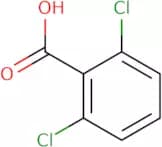
CAS:2,6-Dichlorobenzoic acid (2,6-DCBA) is a chemical substance that can be found in groundwater. 2,6-DCBA is metabolized by colon cells to produce metabolites, including 2,4-dichlorophenol and 4-chlorophenylacetic acid. The metabolic reaction products have been shown to inhibit the uptake of radioactive iodine by Caco-2 cells. 2,6-DCBA is also a monocarboxylic acid with two nitrogen atoms. It has been shown to have acute toxicities in rats and other animals. This substance can also be used as an analytical reagent for the determination of metals such as iron and copper.Formula:C7H4Cl2O2Purity:Min. 95%Color and Shape:PowderMolecular weight:191.01 g/mol5-Chloroindole-2-carboxylic acid
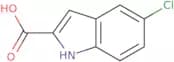
CAS:5-Chloroindole-2-carboxylic acid is a fatty acid that is synthesized from glucose. It has been shown to have inhibitory properties against the enzyme cyclooxygenase-2 (COX-2), which may be due to its ability to suppress prostaglandin synthesis. 5-Chloroindole-2-carboxylic acid also has been shown to have anticancer properties and can inhibit cancer cell growth in vitro. The drug may also play a role in the central nervous system, as it has been shown to cause neuronal death. 5-Chloroindole-2-carboxylic acid is not water soluble, so it must be dissolved in organic solvents such as cyclohexane or chloroform before being used for chemical reactions. This drug can be used with other drugs that are coxib sensitive, such as aspirin, acetaminophen, and ibuprofen.
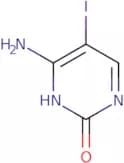
Formula:C9H6ClNO2Color and Shape:PowderMolecular weight:195.6 g/mol5-Iodocytosine
CAS:5-Iodocytosine (5-IC) is an analog of cytosine that can be used as a precursor for the synthesis of thymine. 5-IC has been shown to cross-couple with DNA, which may contribute to its antiviral potency. 5-IC is also a potent inhibitor of dna replication and herpes simplex virus. The biochemical properties of 5-IC have been extensively studied, including its ability to react with hydrochloric acid to form the corresponding tautomers. The hydrolysis rate increases at higher pH values and decreases at lower pH values. Bioconjugate chemistry has been applied to synthesize a bioconjugated prodrug of 5-IC for cancer treatment.
Formula:C4H4IN3OPurity:Min. 95%Color and Shape:PowderMolecular weight:237 g/mol2-Fluoro-3-nitrotoluene
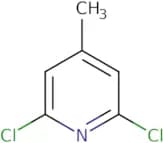
CAS:2-Fluoro-3-nitrotoluene is a synthetic compound that is used as a drug substance to produce other drugs. It has been shown to inhibit cardiac contractility and can be used in the treatment of cardiogenic shock. This drug also has a low degree of toxicity and can be administered in an outpatient setting. 2-Fluoro-3-nitrotoluene is not symmetrical, which means it has two different shapes or configurations. One of these configurations is more stable than the other one. 2-Fluoro-3-nitrotoluene has two possible isomers that are mirror images of each other, called enantiomers. These two isomers have opposite effects on cardiac contractility and the effect depends on the type of heart disease being treated.Formula:C7H6FNO2Purity:Min. 95%Color and Shape:Yellow Clear LiquidMolecular weight:155.13 g/mol2,6-Dichloro-4-methylpyridine
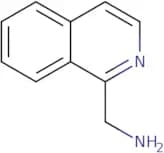
CAS:2,6-Dichloro-4-methylpyridine is a chemical compound that belongs to the class of dendrons. It is used for the functionalisation of imidazole and propiolate moieties. The derivates of 2,6-dichloro-4-methylpyridine can be made by coupling with pyrazole or dimethylacetal. This compound reacts with methylene halides in nucleophilic substitution reactions to produce methyl propiolate.Formula:C6H5Cl2NPurity:Min. 95%Color and Shape:PowderMolecular weight:162.02 g/mol1-Isoquinolin-1-ylmethanamine dihydrochloride
CAS:1-Isoquinolin-1-ylmethanamine dihydrochloride is a versatile building block that can be used for the synthesis of a wide variety of compounds. It is a reagent and speciality chemical, as well as an intermediate or reaction component in the production of pharmaceuticals, agrochemicals, plastics, dyes and other chemicals. 1-Isoquinolin-1-ylmethanamine dihydrochloride has been shown to have high purity and quality.Formula:C10H10N2·2HClPurity:Min. 95%Color and Shape:Light Blue SolidMolecular weight:231.12 g/mol5-Bromo-2-nitrophenol
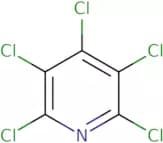
CAS:5-Bromo-2-nitrophenol is an organic compound that is used in the industrial production of drugs and dyes. It is soluble in ethanol, but insoluble in water. 5-Bromo-2-nitrophenol can be obtained by extracting it from the filtrate of a solution of potassium tert-butyl ether with aqueous ethanol. The extraction process involves adding morpholine to the solution, which is then heated and refluxed. This process yields high yields of 5-bromo-2-nitrophenol.Formula:C6H4BrNO3Purity:Min. 95%Color and Shape:Yellow solid.Molecular weight:218 g/molPentachloropyridine
CAS:Please enquire for more information about Pentachloropyridine including the price, delivery time and more detailed product information at the technical inquiry form on this pageFormula:C5Cl5NPurity:Min. 95%Color and Shape:White To Off-White SolidMolecular weight:251.32 g/molMeclofenoxate hydrochloride
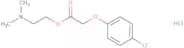
CAS:Controlled ProductMeclofenoxate hydrochloride is a cholinergic drug that has been used to treat bowel diseases. It inhibits the enzyme acetylcholinesterase, which breaks down acetylcholine in the body and thus increases the amount of acetylcholine available to stimulate muscle contractions. Meclofenoxate hydrochloride also affects the production of other enzymes, such as those involved in energy metabolism. The drug has been shown to increase water vapor loss through sweating and reduce body weight in experimental models. The drug may also have a beneficial effect on brain function by increasing oxygen consumption and blood flow to the brain. Meclofenoxate hydrochloride is not well absorbed from the gastrointestinal tract and does not cross the blood-brain barrier, so it can be administered orally or intravenously without causing side effects such as convulsions that are common with other cholinergic drugs. Meclofenoxate hydrochloride is an anhydrousFormula:C12H17Cl2NO3Purity:Min. 95%Color and Shape:White PowderMolecular weight:294.17 g/mol4-Fluorophenyl-5'-oxobutyric acid
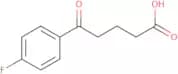
CAS:4-Fluorophenyl-5'-oxobutyric acid is an antithrombotic agent that is a member of the group of desfluoro compounds. It is produced by introducing an asymmetric fluorine atom into the molecule, which changes the chemical properties and increases the stability of this compound. 4-Fluorophenyl-5'-oxobutyric acid has been shown to have potent antiplatelet activity in rats with induced stroke and may be used as a feedstock for biofuels or pharmaceuticals. This compound has been shown to increase levels of high density lipoprotein cholesterol (HDL) and decrease levels of low density lipoprotein cholesterol (LDL). 4-Fluorophenyl-5'-oxobutyric acid has been found to inhibit the enzyme dehydrogenase, which may be responsible for its antithrombotic effects. The increased stability due to asymmetric fluorination also leads to higher kinetic constants, whichFormula:C11H11FO3Purity:Min. 95%Color and Shape:White PowderMolecular weight:210.2 g/mol(R)-(+)-1-(4-Bromophenyl)ethylamine
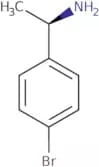
CAS:(R)-(+)-1-(4-Bromophenyl)ethylamine is a chiral anion that can be used as a ligand for supramolecular chemistry. It reacts with primary amines to form a diazenyl (an anion with two nitrogen atoms and one carbon atom). The diazenyl molecule has been shown to have chemotactic activity and to stimulate the immune system. The (R)-(+)-1-(4-bromophenyl)ethylamine is generally stable when it is in contact with water, but is unstable when heated due to decomposition by light or oxygen.
Formula:C8H10BrNPurity:Min. 95%Color and Shape:Clear LiquidMolecular weight:200.08 g/molp-Trifluoromethyl-D-phenylalanine
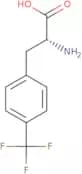
CAS:p-Trifluoromethyl-D-phenylalanine is a versatile building block that is used in the synthesis of complex compounds. It can be used as a reactive intermediate or as a scaffold for the synthesis of biologically active compounds. p-Trifluoromethyl-D-phenylalanine has been shown to be useful in research, and it is also used as a reagent in organic synthesis. This chemical has a CAS number of 114872-99-0 and is listed on the European Inventory of Existing Chemical Substances (EINECS).Formula:C10H10F3NO2Purity:Min. 95%Color and Shape:SolidMolecular weight:233.19 g/mol3,4-Difluorophenylacetonitrile
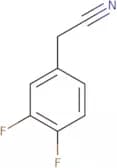
CAS:3,4-Difluorophenylacetonitrile is a fine chemical that is used as a reagent for the synthesis of complex compounds. It can be used as a useful intermediate for the production of fine chemicals and speciality chemicals. 3,4-Difluorophenylacetonitrile has been shown to be useful in the synthesis of versatile building blocks, which are reaction components that can be used in many different reactions. This compound has also been shown to be an excellent scaffold for the development of new drugs that target cancer cells.Formula:C8H5F2NPurity:Min. 95%Color and Shape:Clear LiquidMolecular weight:153.13 g/mol3-Bromothiophene-2-carbaldehyde
CAS:3-Bromothiophene-2-carbaldehyde is an organic compound that has been shown to have antibacterial activity. It can be synthesized by reacting triethyl orthoformate with methyl ketones in the presence of a photocatalyst such as titanium dioxide or zinc oxide. This reaction produces 3-bromothiophene-2-carboxylic acid which reacts with ammonia and hydrogen bromide to form 3-bromothiophene-2-carbaldehyde. 3-Bromothiophene-2-carbaldehyde has been shown to inhibit the growth of cancer cells and induce apoptosis, which may be due to its ability to inhibit angiogenesis. The anticancer properties are most likely due to its ability to bind DNA and inhibit protein synthesis, leading to cell death.
Formula:C5H3BrOSPurity:Min. 95%Color and Shape:White To Yellow To Light Brown SolidMolecular weight:191.05 g/mol2-Bromoindene
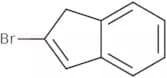
CAS:2-Bromoindene is a fluxional molecule that can adopt different conformations. 2-Bromoindene has a high fluxionality, which is the degree to which it undergoes tautomeric or structural change. This property can be attributed to the presence of functional groups such as hydroxyl and carboxyl groups on its structure. 2-Bromoindene has been shown to react with zirconium dichloride in the presence of a base such as potassium carbonate to form a cross-coupling product with ferrocene. It also reacts with stilbene derivatives in the presence of an electron acceptor such as ferric chloride, forming an aryl boronic acid. 2-Bromoindene is soluble in organic solvents, making it easy to extract for analysis by gas chromatography (GC). The compound can also be analyzed by infrared spectroscopy (IR), nuclear magnetic resonance spect
Formula:C9H7BrPurity:Min. 95%Color and Shape:PowderMolecular weight:195.06 g/mol2-Naphthyl-3-(2-iodophenyl)propanone
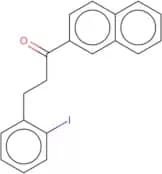
CAS:2-Naphthyl-3-(2-iodophenyl)propanone (IPA) is a chemical intermediate that can be used in the synthesis of pharmaceuticals, agrochemicals, and other organic chemicals. IPA is soluble in common solvents such as water, ethanol, ether, and acetone. It is also stable to air and light. IPA has been shown to react with aniline under basic conditions to form 2-naphthylacetanilide. This reaction component can be used in the synthesis of complex compounds such as carboxylic acid derivatives and amides.Formula:C19H15IOPurity:Min. 95%Molecular weight:386.23 g/mol4-Dimethylaminobenzylamine dihydrochloride
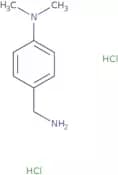
CAS:4-(Dimethylamino)benzylamine dihydrochloride (DMAA) is an inhibitor of the enzyme form of acetylcholinesterase. It has been used as a reagent in the biochemical, analytical and chromatographic detection of acetylcholine. DMAA can be used to measure acetylcholine levels in human serum, and has a kinetic time range of 0.5-2 hours. This chemical has potent inhibition against cytosolic but not plasma cholinesterase activity, which may be due to its binding to the active site of the enzyme. DMAA also inhibits lymphocytic leukemia cell growth by inducing chemiluminescence, which is a reaction that produces light from a chemical reaction in the absence of oxygen.
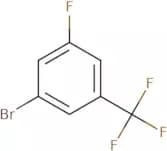
Formula:C9H14N2•(HCl)2Purity:Min. 95%Molecular weight:223.14 g/mol3-Bromo-5-fluorobenzotrifluoride
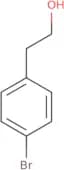
CAS:Please enquire for more information about 3-Bromo-5-fluorobenzotrifluoride including the price, delivery time and more detailed product information at the technical inquiry form on this pageFormula:C7H3BrF4Purity:Min. 95%Color and Shape:LiquidMolecular weight:243 g/mol2-(4-Bromophenyl)ethanol
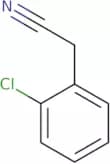
CAS:2-(4-Bromophenyl)ethanol is an analog of histone lysine and histone H3. It is a synthetic substrate for the acylation reaction on the carboxyl group of fatty acids. 2-(4-Bromophenyl)ethanol has been shown to have optical properties similar to those of natural fatty acids and has been used as a polymer film for cell line A549.Formula:C8H9BrOPurity:Min. 95%Color and Shape:Slightly Yellow Clear LiquidMolecular weight:201.06 g/mol2-Chlorobenzyl cyanide
CAS:2-Chlorobenzyl cyanide (2CBA) is a disinfectant that has been used as an alternative to chlorine. It is not only effective against bacteria, but also against fungi, viruses, and parasites. 2CBA functions by the aerobic photooxidation of cells in water or air. In addition to its antimicrobial activity, 2CBA is also toxic to human ovary cells at high concentrations.
2CBA has a number of isomers, which differ in their solubility and ph-optimum. The most common form of 2CBA is the cis form, which has a higher solubility than the trans form. The cis form can be synthesized from benzyl chloride and sodium cyanide with sulfonation as the final step in production.
2CBA has an optimum ph value of 5-6 for its disinfectant activity; however, it can be used at a concentration of 1% at pH values below 5 or above 7Formula:C8H6ClNPurity:Min. 95%Color and Shape:Colorless PowderMolecular weight:151.59 g/molPhenylthiophosphonic Dichloride
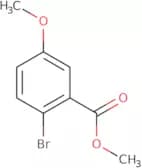
CAS:Formula:C6H5Cl2PSPurity:>98.0%(GC)(T)Color and Shape:Colorless to Light orange to Yellow clear liquidMolecular weight:211.042-Bromo-5-methoxybenzoic acid methyl ester
CAS:2-Bromo-5-methoxybenzoic acid methyl ester is an antibiotic with a broad spectrum of activity against bacteria, including Staphylococcus aureus and Pseudomonas aeruginosa. 2-Bromo-5-methoxybenzoic acid methyl ester is an inhibitor of the enzyme benzohydrazide, which is involved in the production of prostaglandins. This drug also has antioxidant activity and can inhibit the growth of Escherichia coli and Cereus. 2-Bromo-5-methoxybenzoic acid methyl ester has analgesic properties and was shown to have analgesic activities in animal tests.Formula:C9H9BrO3Purity:Min. 95%Color and Shape:Clear LiquidMolecular weight:245.07 g/mol6-Bromoquinazolin-4-amine
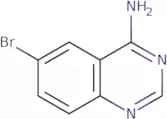
CAS:6-Bromoquinazolin-4-amine is an alkylamine that is used as a chemical intermediate. It reacts with formamide to produce formamidine, which is a result of the amination of formamide. 6-Bromoquinazolin-4-amine has been shown to react with aromatic amines to produce substituted quinazolines.Formula:C8H6BrN3Purity:Min. 95%Color and Shape:White PowderMolecular weight:224.06 g/molBiphenyl-2-sulfonyl chloride
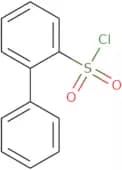
CAS:Biphenyl-2-sulfonyl chloride is a solvate that has anti-cancer properties. It inhibits the activity of histone deacetylase, which is an enzyme that controls gene expression. Biphenyl-2-sulfonyl chloride also prevents deformylation and hydroxamates, which are important in the development of neurodegenerative diseases such as Parkinson's disease and Alzheimer's disease.
Formula:C12H9ClO2SPurity:Min. 95%Color and Shape:PowderMolecular weight:252.72 g/mol(5R)-5-(Chloromethyl)-3-[3-fluoro-4-(4-morpholinyl)phenyl]-2-oxazolidinone
CAS:(5R)-5-(Chloromethyl)-3-[3-fluoro-4-(4-morpholinyl)phenyl]-2-oxazolidinone is an enantiopure compound that is used in the synthesis of pharmaceuticals. It has been shown to be a very potent antibacterial agent that can be used to prevent bacterial infections. The (5R)-isomer has been found to have a higher potency than the (5S) isomer, but both are effective. This compound has a cyclopropane ring and a five-membered ring with an oxazolidinone functional group, which makes it structurally related to linezolid and carbonylation.Formula:C14H16ClFN2O3Purity:Min. 95%Color and Shape:White Off-White PowderMolecular weight:314.74 g/mol2,4,6-Trimethylpyronium tetrafluoroborate
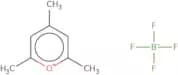
CAS:2,4,6-Trimethylpyronium tetrafluoroborate is a chemical compound that is used in pharmaceutical preparations. It is an analog of pyridinium diacetate and can be prepared by reacting 2,4,6-trimethylpyridine with hydrogen fluoride to form the corresponding pyridinium tetrafluoroborate. The chemical reactions of 2,4,6-trimethylpyridine are similar to those of other pyridines. It has been shown that 2,4,6-trimethylpyridine reacts with diazo compounds to produce a fluorescent product. This reaction can be monitored using a fluorescence assay and statistically analyzed. The plasma samples were analyzed using isotopic analysis and showed that the pyronium ion was present in human serum as well as inorganic materials such as water samples.Formula:C8H11O·BF4Purity:Min. 95%Molecular weight:209.98 g/mol1-(3-Fluoro-4-methoxyphenyl)-2-nitropropene
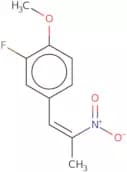
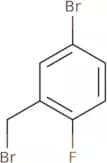
CAS:1-(3-Fluoro-4-methoxyphenyl)-2-nitropropene is a chemical compound with the molecular formula CHNO. It is a high quality reagent that is useful for preparing complex compounds, scaffolds and building blocks for use in research and development. 1-(3-Fluoro-4-methoxyphenyl)-2-nitropropene is a fine chemical that can be used as a versatile building block in reactions.Formula:C10H10FNO3Purity:Min. 95%Molecular weight:211.19 g/mol5-Bromo-2-fluorobenzyl bromide
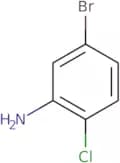
CAS:5-Bromo-2-fluorobenzyl bromide is a fine chemical that is used as an intermediate in research and development of pharmaceuticals. It can also be used as a reagent for the synthesis of pharmaceuticals, agrochemicals, and other organic compounds. 5-Bromo-2-fluorobenzyl bromide has been shown to be a versatile building block for the preparation of high quality products. CAS No. 99725-12-9Formula:C7H5Br2FPurity:Min. 95%Color and Shape:Yellow PowderMolecular weight:267.92 g/mol5-Bromo-2-chloroaniline
CAS:5-Bromo-2-chloroaniline is an industrial chemical that is used as a boronic acid reagent in organic synthesis. It can be prepared by the reaction of trimethyl borate with 2-chloroaniline. The optimal conditions for this reaction are to use a grignard reagent and borate as the starting materials, and to perform the reaction at low temperature. This product has been shown to be an efficient target product for diazotization and boronic esterification reactions. 5-Bromo-2-chloroaniline hydrolyzes readily, so it should be stored in a cool place or under nitrogen gas to prevent degradation.Formula:C6H5ClBrNPurity:Min. 95%Color and Shape:PowderMolecular weight:206.47 g/mol2-(2,4-Dichlorophenyl)-1,3-benzoxazol-5-amine
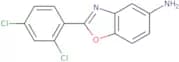
CAS:2-(2,4-Dichlorophenyl)-1,3-benzoxazol-5-amine is a versatile building block that can be used in a wide range of chemical reactions. The compound is a reagent and speciality chemical with CAS No. 293737-83-4. It is an intermediate in the synthesis of pharmaceuticals and pesticides, as well as a useful scaffold for the synthesis of other compounds. 2-(2,4-Dichlorophenyl)-1,3-benzoxazol-5-amine has been shown to have high quality and can be used as a reaction component or building block in research labs.
Formula:C13H8Cl2N2OPurity:Min. 95%Color and Shape:PowderMolecular weight:279.12 g/mol3-Fluoro-4-(4-morpholinyl) benzenamine
CAS:3-Fluoro-4-(4-morpholinyl) benzenamine is an antibiotic drug that belongs to the group of nitro compounds. It is active against bacteria and fungi, but not against viruses. It has been shown to inhibit bacterial growth by binding to the gyrase enzyme, which is essential for DNA replication. 3-Fluoro-4-(4-morpholinyl) benzenamine also inhibits protein synthesis by topoisomerase inhibition and has been shown to be effective against a wide range of bacteria including Pseudomonas aeruginosa, Escherichia coli, Enterobacter cloacae, Klebsiella pneumoniae, Proteus mirabilis, Serratia marcescens, and Staphylococcus aureus. 3-Fluoro-4-(4-morpholinyl) benzenamine has low toxicity in humans because it reacts with nitric oxide (NO), producing harmless fluoroacetate
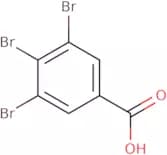
Formula:C10H13FN2OPurity:Min. 95%Color and Shape:PowderMolecular weight:196.22 g/mol3,4,5-Tribromobenzoic acid - technical grade
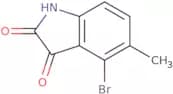
CAS:3,4,5-Tribromobenzoic acid is a benzoic acid with the molecular formula C6H3Br3O2. It is used as a plant growth regulator in agriculture and gardening. 3,4,5-Tribromobenzoic acid may be applied to the surface of plants to stimulate abscission (the natural shedding of leaves) or excision (the removal of flowers). This chemical also has been shown to inhibit physiological activity in plants by inhibiting 2,3,5-triiodobenzoic acid synthesis. This inhibition leads to a reduction in the production of substances that are involved in physiological processes such as photosynthesis and protein synthesis.Formula:C7H3Br3O2Purity:Min. 95%Molecular weight:358.81 g/mol4-Bromo-5-methyl-1H-indole-2,3-dione
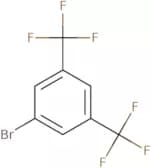
CAS:4-Bromo-5-methyl-1H-indole-2,3-dione is a synthetic molecule that has been shown to have neuroprotective effects. It inhibits the production of proinflammatory cytokines, such as tnf-α and il-6, by binding to survivin. 4Bromo-5 methyl 1Hindole 2,3 dione also binds to the viral capsid protein and blocks virus infection. This compound has been shown to inhibit viral replication in vitro as well as provide protection against alphavirus infection in mice.Formula:C9H6BrNO2Purity:Min. 95%Molecular weight:240.05 g/mol3,5-Bis(Trifluoromethyl)bromobenzene
CAS:3,5-Bis(trifluoromethyl)bromobenzene is a chemical compound that has the chemical formula of C6H2BrF3. It is a colorless liquid that is soluble in organic solvents and decomposes at high temperatures. This compound can be synthesized by reacting hydrochloric acid with trifluoromethanesulfonic acid and 3-hydroxybenzaldehyde. The synthesis method is an efficient one because it does not require the use of expensive starting materials or the use of toxic reagents. This compound can also be used as a precursor for other compounds such as biphenyl, an aromatic hydrocarbon that has many industrial uses. 3,5-Bis(trifluoromethyl)bromobenzene can also be used to synthesize halides and ethyl esters.
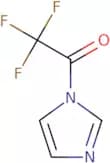
Formula:C8H3BrF6Purity:Min. 95%Color and Shape:PowderMolecular weight:293 g/mol1-(Trifluoroacetyl)imidazole
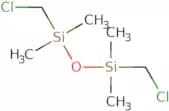
CAS:1-(Trifluoroacetyl)imidazole is a fatty acid that can be found in the chemical ionization of a sample. It is used as an analytical reagent to prepare chromatographic samples for analysis. 1-(Trifluoroacetyl)imidazole has been shown to have biological properties, such as binding to α2-adrenergic receptors and inhibiting the synthesis of retronecine. The concentration and time course of 1-(Trifluoroacetyl)imidazole in plasma and urine has been studied using an analytical method.Formula:C5H3F3N2OPurity:Min. 95%Color and Shape:PowderMolecular weight:164.09 g/mol1,3-Bis(chloromethyl)tetramethyldisiloxane
CAS:1,3-Bis(chloromethyl)tetramethyldisiloxane is a reaction component that is used for the synthesis of other chemicals. It has a molecular weight of 172.2 g/mol and a CAS No. of 2362-10-9. This chemical is useful as a scaffold for complex compounds or as an intermediate in the synthesis of speciality chemicals. It is also a versatile building block, which can be used to synthesize many different types of compounds. 1,3-Bis(chloromethyl)tetramethyldisiloxane has been shown to have high purity and quality due to its high reactivity and usefulness in the synthesis of organic compounds.Formula:C6H16Cl2OSi2Purity:Min. 95%Color and Shape:PowderMolecular weight:231.27 g/molN-(4-Fluorophenyl)Anthranilic Acid
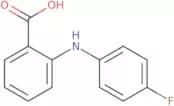
CAS:N-(4-Fluorophenyl)Anthranilic Acid is a fine chemical that is used as a scaffold for research chemicals, reaction components, and speciality chemicals. It can be used as a building block for complex compounds and useful building blocks. This compound has been shown to have high quality and can be used as an intermediate in the synthesis of other chemicals. N-(4-Fluorophenyl)Anthranilic Acid is a versatile building block that can be used in the synthesis of many different types of compounds. It also has been shown to be useful in the production of pharmaceuticals, dyes, pesticides, and herbicides.Formula:C13H10FNO2Purity:Min. 95%Color and Shape:Green PowderMolecular weight:231.22 g/molTrans-diamminedichloropalladium(II)
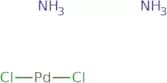
CAS:Trans-Diamminedichloropalladium is a particle with an average size of 0.5 microns. It is a metal carbonyl complex that belongs to the group of analytical methods. Trans-Diamminedichloropalladium can be used for the treatment of wastewater and oxidation catalysts. The electrochemical impedance spectroscopy (EIS) of the particles has been shown to be sensitive to changes in morphology, which may be due to the hydroxyl group on the surface or due to a change in oxidation state. Trans-Diamminedichloropalladium can also act as an oxidizing agent that converts hydrochloric acid into chlorine gas, which has been shown by solid catalyst experiments.
Formula:Pd(NH3)2Cl2Purity:Min. 95%Color and Shape:Yellow Clear LiquidMolecular weight:211.39 g/molDichloro[9,9-dimethyl-4,5-bis(diphenylphosphino)xanthene]palladium(II)
CAS:Controlled ProductDichloro[9,9-dimethyl-4,5-bis(diphenylphosphino)xanthene]palladium(II) is a fine chemical that can be used as a building block in the synthesis of compounds with diverse structures. It is a research chemical and reagent that has been found to be useful in the synthesis of complex organic compounds. This compound is also versatile enough to be used as an intermediate or scaffold in the synthesis of many different types of organic compounds.Formula:C39H32Cl2OP2PdPurity:Min. 95%Color and Shape:Yellow PowderMolecular weight:755.94 g/mol5-Chloro-2-methoxybenzylamine hydrochloride
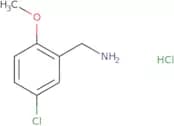
CAS:5-Chloro-2-methoxybenzylamine hydrochloride is a chemical substance that is used as an intermediate in the synthesis of pharmaceuticals and other chemicals. It can be used as a building block to create complex compounds, or it can be used in reactions to produce speciality chemicals. 5-Chloro-2-methoxybenzylamine hydrochloride is a high quality reagent that can be used as a reaction component in research and development. A fine chemical, 5-Chloro-2-methoxybenzylamine hydrochloride has many uses as a versatile building block for organic synthesis. It is also useful for generating research chemicals and complex compounds for use in medicines and other products.Formula:C8H10ClNO·(HCl)Purity:Min. 95%Color and Shape:PowderMolecular weight:208.08 g/mol2,2',7,7'-Tetrakis-(N,N-di-4-methoxyphenylamino)-9,9'-spirobifluorene - Sublimed grade
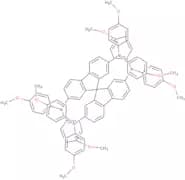
CAS:2,2',7,7'-Tetrakis-(N,N-di-4-methoxyphenylamino)-9,9'-spirobifluorene (TPB) is a model system for investigating the transport of light signal in polymers. TPB can be used as a component in solar cells to increase their efficiency and improve their resistance to heat. TPB has shown high resistance to hydrochloric acid and other aggressive chemicals. TPB has been shown to be an effective photoelectron donor with a redox potential that is close to the one of copper; this property can be used for electrochemical impedance spectroscopy.Formula:C81H68N4O8Purity:Min. 95%Color and Shape:Off-white to yellow solid.Molecular weight:1,225.43 g/mol1,1'-Di-n-octyl-4,4'-bipyridinium Dibromide
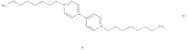
CAS:1,1'-Di-n-octyl-4,4'-bipyridinium Dibromide is a bifunctional organometallic compound. It is used as a catalyst in the reduction of nitro groups or other electron-deficient centers and in the transfer process with azides. This chemical has shown selectivity for aliphatic substrates over aromatic ones. The catalytic activity of 1,1'-Di-n-octyl-4,4'-bipyridinium Dibromide can be enhanced by replacing the hydrogen atom on the nitrogen atom with an alkene group. 1,1'-Di-n-octyl-4,4'-bipyridinium Dibromide is also a radical cation that can be reduced by electron donors to form radicals.Formula:C26H42Br2N2Purity:Min. 95%Color and Shape:Slightly Yellow PowderMolecular weight:542.43 g/molD-Glutamic acid di-tert-butyl ester hydrochloride
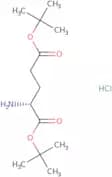
CAS:D-Glutamic acid di-tert-butyl ester hydrochloride is an organic acid that is used as a medicine. It is a covalently conjugated psychotropic drug, which means it contains two molecules of the same type. D-Glutamic acid di-tert-butyl ester hydrochloride has been shown to be effective in the treatment of depression and other mood disorders. This drug has also been shown to inhibit the reuptake of neurotransmitters such as serotonin and norepinephrine, which may account for its efficacy in treating depression. The drug was also found to be effective in the treatment of obsessive compulsive disorder (OCD) by inhibiting serotonin reuptake.Formula:C13H25NO4·HClPurity:Min. 95%Color and Shape:White PowderMolecular weight:295.8 g/mol1-(4-Bromophenyl)propan-1-one
CAS:1-(4-Bromophenyl)propan-1-one is a sulfonation product of propiophenone. It has been found to have anticancer activity in cervical cancer, and is currently being studied as a potential treatment for cancer. 1-(4-Bromophenyl)propan-1-one can be synthesized by treating propiophenone with hydrochloric acid and sodium hydroxide solution. It can also be synthesized using polyvinyl chloride as the starting material. 1-(4-Bromophenyl)propan-1-one can be isolated from the reaction mixture by adding hydrochloric acid to the reaction mixture, forming a salt that precipitates from solution. This salt is then dissolved in water and neutralized with an alkali such as sodium hydroxide or potassium carbonate, yielding 1-(4-bromophenyl)propan-1-one hydrochloride.Formula:C9H9OBrPurity:Min. 95%Color and Shape:White PowderMolecular weight:213.07 g/mol2-Chloro-4,6-diphenyl-1,3,5-triazine
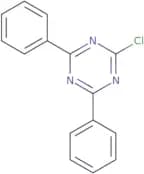
CAS:2-Chloro-4,6-diphenyl-1,3,5-triazine is a linker that can be activated to accept an electron from a donor molecule. It is often used as a transport material in organic light emitting diodes (OLEDs) and organic photovoltaics (OPVs). 2-Chloro-4,6-diphenyl-1,3,5-triazine has been shown to have high efficiencies when it is thermally activated. This compound also has high efficiency when it is activated by light with a wavelength of 400 nm. The luminescent properties of 2-Chloro-4,6-diphenyl-1,3,5 - triazine are due to its electron deficient nature and the presence of methoxy groups.
Formula:C15H10ClN3Purity:Min. 95%Color and Shape:White PowderMolecular weight:267.71 g/mol4-Cyano-3,5-difluorophenol
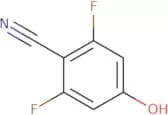
CAS:4-Cyano-3,5-difluorophenol (4CF) is a mesomorphic compound that has a number of reactions with chloride. 4CF is synthesized from 3,5-difluoroaniline and the reaction product is then heated with chlorine to produce 4CF. The optimal reaction temperature is between 100°C and 120°C. When exposed to light, 4CF will react with chloride ions in the presence of heat to form a hydrophobic chlorinated product. This product reacts with proton donors such as NaOH or KOH to produce hydrogen gas. At room temperature, 4CF can be used as a gas sensor.Formula:C7H3F2NOPurity:Min. 95 Area-%Molecular weight:155.1 g/molMethyl 4-bromopicolinate
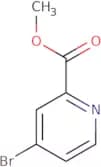
CAS:Methyl 4-bromopicolinate is a high quality, reagent and complex compound that is useful as an intermediate for the synthesis of fine chemicals. It is a useful scaffold for the synthesis of other compounds and has been used as a building block for research chemicals. Methyl 4-bromopicolinate is also versatile, being used as a reaction component in the synthesis of pharmaceuticals, agrochemicals, and other compounds.Formula:C7H6BrNO2Purity:Min. 95%Color and Shape:White PowderMolecular weight:216.03 g/molMethyl 2-[(1H-pyrrolo[2,3-b]pyridin-5-yl)oxy]-4-fluorobenzoate
CAS:Methyl 2-[(1H-pyrrolo[2,3-b]pyridin-5-yl)oxy]-4-fluorobenzoate is a versatile building block that can be used as a reagent or speciality chemical. It has been shown to be useful in the synthesis of complex compounds and research chemicals. Methyl 2-[(1H-pyrrolo[2,3-b]pyridin-5-yl)oxy]-4-fluorobenzoate is an intermediate for the synthesis of various pharmaceuticals and agrochemicals. This compound may also act as a scaffold for drug design and development.Formula:C15H11FN2O3Purity:Min. 95%Color and Shape:Off-White PowderMolecular weight:286.26 g/mol1-Acetoxyethyl 2-(2-fluoro-4-biphenylyl)propionate
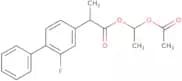
CAS:1-Acetoxyethyl 2-(2-fluoro-4-biphenylyl)propionate is a synthetic analog of flurbiprofen that has potent nonsteroidal anti-inflammatory drug activity. It binds to the same receptor as flurbiprofen, but with a higher affinity. 1-Acetoxyethyl 2-(2-fluoro-4-biphenylyl)propionate is used for the treatment of postoperative pain and inflammation following abdominal surgery. This compound is also used for the prevention of ischemic brain damage after cardiac bypass surgery or other types of vascular surgery, such as carotid endarterectomy. 1-Acetoxyethyl 2-(2-fluoro-4-biphenylyl)propionate can be synthesized by reacting bisphenol A with carbonyldiimidazole and 4-[2-(2,4 -difluorophenyl)-Formula:C19H19FO4Purity:Min. 95%Color and Shape:Orange PowderMolecular weight:330.35 g/mol2,2'-Dichloro diphenyl disulfide
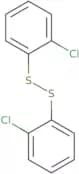
CAS:2,2'-Dichloro diphenyl disulfide is a high quality chemical that is widely used as a reagent. It belongs to the category of complex compounds and has been extensively studied as an intermediate for the synthesis of pharmaceuticals. 2,2'-Dichloro diphenyl disulfide is also useful as a building block or scaffold for the preparation of a wide range of useful chemicals. This product can be used in research laboratories and by industry as a versatile building block in organic synthesis, with applications including use as a reaction component in the production of pharmaceuticals and agrochemicals.Formula:C12H8Cl2S2Purity:Min. 95%Color and Shape:PowderMolecular weight:287.23 g/mol






![(5R)-5-(Chloromethyl)-3-[3-fluoro-4-(4-morpholinyl)phenyl]-2-oxazolidinone](/_next/image/?url=https%3A%2Fstatic.cymitquimica.com%2Fproducts%2F3D%2Fthumb-webp%2FFC57969.webp&w=3840&q=75)

![Dichloro[9,9-dimethyl-4,5-bis(diphenylphosphino)xanthene]palladium(II)](/_next/image/?url=https%3A%2Fstatic.cymitquimica.com%2Fproducts%2F3D%2Fthumb-webp%2FFD60980.webp&w=3840&q=75)

![Methyl 2-[(1H-pyrrolo[2,3-b]pyridin-5-yl)oxy]-4-fluorobenzoate](/_next/image/?url=https%3A%2Fstatic.cymitquimica.com%2Fproducts%2F3D%2Fthumb-webp%2FFM97152.webp&w=3840&q=75)