Organic Halides
Subcategories of "Organic Halides"
Found 20442 products of "Organic Halides"
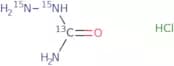
Semicarbazide-13C,15N2 Hydrochloride
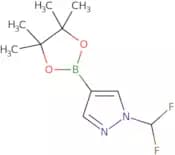
CAS:Please enquire for more information about Semicarbazide-13C,15N2 Hydrochloride including the price, delivery time and more detailed product information at the technical inquiry form on this pageFormula:CH5NN2O·HClPurity:Min. 95%Molecular weight:114.56 g/mol1-(difluoromethyl)-4-(4,4,5,5-tetramethyl-1,3,2-dioxaborolan
CAS:Please enquire for more information about 1-(difluoromethyl)-4-(4,4,5,5-tetramethyl-1,3,2-dioxaborolan including the price, delivery time and more detailed product information at the technical inquiry form on this page
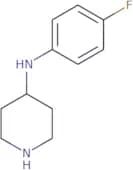
Formula:C10H15BF2N2O2Purity:Min. 95%Molecular weight:244.05 g/molN-(4-Fluorophenyl)piperidin-4-amine
CAS:Controlled ProductFentanyl is a synthetic opioid that is similar to morphine. It has been used in human studies for its analgesic effects. Fentanyl has been shown to have a high potential for abuse and can cause life-threatening respiratory depression. It can be administered orally, intravenously, or by inhalation. The drug is metabolized by the liver into several inactive metabolites. Fentanyl is an analog of the natural opioid peptide endorphin and binds to δ-opioid receptors in the central nervous system, which are involved in the regulation of pain. This drug also has antinociceptive properties at low doses and δ-opioid agonist activity at higher doses.
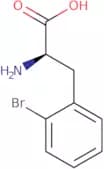
Formula:C11H15FN2Purity:Min. 95%Molecular weight:194.25 g/mol2-Bromo-D-phenylalanine
CAS:2-Bromo-D-phenylalanine is a precursor of l-DOPA, which is an amino acid that is used in the synthesis of dopamine. It is also used as a diagnostic agent for bladder cancer, where it is taken up by bladder cells and converted to radioactive 2-bromo-3′-deoxyuridine. This radioactive compound can be detected with a high performance liquid chromatography (HPLC) system. In addition, 2-Bromo-D-phenylalanine has been shown to inhibit the acid transporter in tumor cells, making it useful as an oncologic drug. 2 bromo d phenylalanine inhibits the acid transporter in tumor cells, making it useful as an oncologic drug
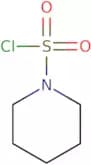
Formula:C9H10BrNO2Purity:Min. 95%Color and Shape:White To Off-White SolidMolecular weight:244.09 g/molPiperidine-1-sulfonyl chloride
CAS:Piperidine-1-sulfonyl chloride (PSC) is a compound that has been found to have neuroprotective properties. PSC inhibits the production of nitric oxide and peroxynitrite, which are reactive oxygen species (ROS) that damage cells and DNA. PSC also prevents the formation of ROS by inhibiting the activation of protein kinase C and phospholipase A2. The neuroprotective effects of PSC may be due to its ability to inhibit matrix metalloproteinases, which are enzymes that break down tissue in response to injury or disease. This drug has also been shown to have high cytotoxicity against cancer cell lines in vitro. Piperidine-1-sulfonyl chloride is a chemical compound with neuroprotective properties. It inhibits the production of nitric oxide and peroxynitrite, which are reactive oxygen species (ROS) that damage cells and DNA. PSC also prevents the formationFormula:C5H10ClNO2SPurity:Min. 95%Molecular weight:183.66 g/mol2,5-Dibromofuran
CAS:2,5-Dibromofuran is a synthetic chemical that is synthesized from acetonitrile and palladium-catalyzed cross-coupling reaction. It can be obtained by the reaction of sodium in anhydrous form with bromine and subsequent evaporation to dryness. 2,5-Dibromofuran has been shown to reversibly react with chloride at room temperature for one hour, which can be attributed to its electron withdrawing properties. The FTIR spectra of 2,5-dibromofuran show bands corresponding to carbonyl and hydroxyl groups. This chemical has been used in synthesis methods involving surfactants and anhydrous sodium chloride as well as uv irradiation.Formula:C4H2Br2OPurity:Min. 95%Molecular weight:225.87 g/mol2-Iodo-4-nitroanisole
CAS:2-Iodo-4-nitroanisole is a reagent that catalyzes the labeling of proteins with iodine. The reaction is anomalously slow in the presence of bovine serum albumin and results in an increase in the amount of labeled protein. This reagent can also be used to study the kinetics of reactions involving nitrous oxide. The rate of reaction is dependent on the concentration of hydrogen ions, which is why this reagent is often used in assays that have acidic conditions. 2-Iodo-4-nitroanisole can also be used to label lysine residues on proteins by reacting with nitrous oxide and dinitrogen tetroxide, which react at high rates when they are mixed together.Formula:C7H6INO3Purity:Min. 95%Molecular weight:279.03 g/mol4-Chloro-2-(methyl-phenyl-sulfamoyl)-benzoic acid methylester
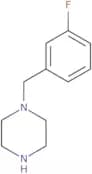
CAS:4-Chloro-2-(methyl-phenyl-sulfamoyl)-benzoic acid methylester is an industrial chemical that is used in the production of other chemicals. It can be produced by the esterification of 4-chlorophenylacetic acid with methyl phenyl sulfonyl chloride, followed by diazotization and chlorination. This chemical also has the ability to form a condensation product with hydrazine.Formula:C15H14ClNO4SPurity:Min. 95%Molecular weight:339.79 g/mol1-(3-Fluorobenzyl)piperazine
CAS:Controlled Product1-(3-Fluorobenzyl)piperazine is a potent inhibitor of annexin A1. It has been shown to inhibit the proliferation of pancreatic cancer cells and induce apoptosis in these cells by inhibiting cholinesterase activity. 1-(3-Fluorobenzyl)piperazine also inhibits tumor growth in vivo and induces apoptosis, which may be due to its ability to inhibit the mitochondrial membrane potential. The compound has also been shown to have antitumor effects in other types of cancer cells. This drug is an amine that emits acidic compounds as a result of hydrolysis.Formula:C11H15FN2Purity:Min. 95%Molecular weight:194.25 g/mol[chloro(difluoro)methyl]benzene
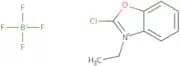
CAS:Hexamethylphosphoramide is a liquid crystal composition that can be used to produce polymerizable materials. It is a colorless, odorless and toxic liquid at room temperature. Hexamethylphosphoramide contains six nitrogen atoms, which are nucleophilic and can react with hydrogen chloride or chlorine atom in the reaction solution to form an elimination product. This process is accompanied by the release of heat and radiation. Hexamethylphosphoramide forms polymers with aluminium and hydrogen fluoride as the initiator. The elimination rate is high for this compound under radiation, which allows it to be used as a polymerization initiator. Hexamethylphosphoramide also reacts with aromatic hydrocarbons to form chloro(difluoro)methylbenzeneFormula:C7H5ClF2Purity:Min. 95%Molecular weight:162.56 g/mol2-Chloro-3-ethylbenzoxazolium tetrafluoroborate
CAS:2-Chloro-3-ethylbenzoxazolium tetrafluoroborate is a synthetic compound that inhibits the enzyme maltase. This compound is used in the treatment of diabetic patients with intestinal maltase deficiency and has been shown to be effective in clinical studies. 2-Chloro-3-ethylbenzoxazolium tetrafluoroborate has also been shown to inhibit other enzymes, such as thiocarbamate synthetase and aminooxazoline synthetase, which are involved in the biosynthesis of chlorinated pesticides and herbicides. The chloride ion is necessary for this inhibition activity. The compound can be prepared by a preparative method that involves hexaacetate and chloride ion or by using an aglycone, trehalamine, or stereospecific method.Formula:C9H9BClF4NOPurity:Min. 95%Color and Shape:PowderMolecular weight:269.43 g/mol3-Nitrobenzyl bromide
CAS:3-Nitrobenzyl bromide (3NB) is a lectin that binds to the carbohydrate moieties of glycoproteins. It has been shown to inhibit protease activity and be an inhibitor of nitro group formation by reacting with sodium carbonate. 3NB has also been used in sample preparation for monoclonal antibody production. 3-Nitrobenzyl bromide can be used as a probe for hydrogen bonds, which may be due to its ability to form an intermolecular hydrogen bond with other molecules. 3NB inhibits fatty acid synthesis and cardiac contractile function, which is likely due to its inhibitory properties on hydrogen bonding.
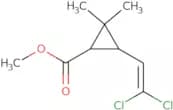
Formula:C7H6BrNO2Purity:Min. 95%Color and Shape:Off-White PowderMolecular weight:216.03 g/molMethyl 3-(2,2-dichlorovinyl)-2,2-dimethylcyclopropanecarboxylate
CAS:Methyl 3-(2,2-dichlorovinyl)-2,2-dimethylcyclopropanecarboxylate is a pyrethroid insecticide. It is formulated as an emulsifiable concentrate and applied to the soil surface or injected into the root zone of plants. This insecticide is also used in combination with other pesticides to provide broad spectrum control of insect pests. Methyl 3-(2,2-dichlorovinyl)-2,2-dimethylcyclopropanecarboxylate is chemically synthesized from 2,3-dihydro-1,3-benzodioxole and chloroacetic acid. The mechanism of action for this pesticide is not well understood but may be due to its ability to inhibit hydrolase enzymes. This product also has a low toxicity on mammals and birds that are exposed orally or through inhalation at high concentrations.
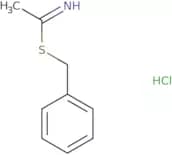
Formula:C9H12Cl2O2Purity:Min. 95%Color and Shape:LiquidMolecular weight:223.1 g/molS-Benzylthioacetimidate, hydrochloride
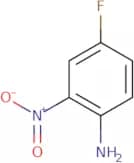
CAS:S-Benzylthioacetimidate, hydrochloride is a synthetic pyrazine compound that is used as an immunogen to produce antibodies against the influenza virus. It is also used in the synthesis of carboxy n-oxide and nitro derivatives. S-Benzylthioacetimidate, hydrochloride has been shown to have psychotropic effects in animals and humans by altering dopamine metabolism in the brain. This drug can cause psychosis, ganglia damage and may lead to Parkinson's disease.Formula:C9H11NS•HClPurity:Min. 95%Molecular weight:201.72 g/mol4-Fluoro-2-nitroaniline
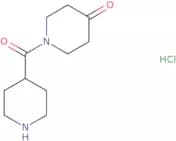
CAS:4-Fluoro-2-nitroaniline is an amide that is a l1210 murine carcinogen. It is also an analytical reagent for the detection of nitrogen atoms in amines and thione compounds. 4-Fluoro-2-nitroaniline has been shown to be effective against cervical cancer, but not cancerous cells, which may be due to its ability to inhibit fatty acid synthesis. The carbon disulphide reacts with the nitro group of 4-fluoro-2-nitroaniline, resulting in the formation of a thione compound.Formula:C6H5FN2O2Purity:Min. 95%Color and Shape:Orange PowderMolecular weight:156.11 g/mol1-(Piperidine-4-carbonyl)piperidin-4-one hydrochloride
CAS:Controlled ProductPlease enquire for more information about 1-(Piperidine-4-carbonyl)piperidin-4-one hydrochloride including the price, delivery time and more detailed product information at the technical inquiry form on this page
Formula:C11H19ClN2O2Purity:Min. 95%Molecular weight:246.73 g/mol3-Bromo-2-methylbenzoic acid methyl ester
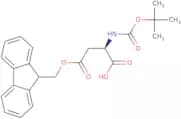
CAS:3-Bromo-2-methylbenzoic acid methyl ester is a serotonin transporter and reuptake inhibitor. It has selectivities for serotonin, dopamine and norepinephrine transporters. 3-Bromo-2-methylbenzoic acid methyl ester acts as a linker molecule in the synthesis of complex molecules like neurotransmitters. It is also a bifunctional molecule that can act as an antidepressant or anti-anxiety drug by increasing serotonin levels in the brain. 3-Bromo-2-methylbenzoic acid methyl ester’s function as a ligand is to bind to receptors on cells, which may be linked with its effects on depression and anxiety.Formula:C9H9BrO2Purity:Min. 95%Molecular weight:229.07 g/molBoc-D-aspartic acid β-9-fluorenylmethyl ester
CAS:Please enquire for more information about Boc-D-aspartic acid beta-9-fluorenylmethyl ester including the price, delivery time and more detailed product information at the technical inquiry form on this page
Formula:C23H25NO6Purity:Min. 95%Molecular weight:411.45 g/mol5-Bromo-1-Methyl-1H-indazol-3-amine
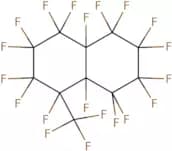
CAS:Please enquire for more information about 5-Bromo-1-Methyl-1H-indazol-3-amine including the price, delivery time and more detailed product information at the technical inquiry form on this pageFormula:C8H8BrN3Purity:Min. 95%Molecular weight:226.07 g/molPerfluoro(methyldecalin)
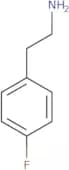
CAS:Controlled ProductPerfluoro(methyldecalin) is a perfluorinated polymeric matrix that consists of polymers with a phase transition temperature of around −108°C. It has been shown to be an effective diagnostic agent for the detection of hydroxyl ions and oxygen transport in polymer solutions. The magnetic particles can be used as a contrast agent, which allows for the visualization of the distribution and concentration of these agents in biological tissue. The lipophilic nature and fatty acid composition make it an ideal candidate for use in MRI imaging. Perfluoro(methyldecalin) is also optically active, which makes it possible to measure its concentration using spectroscopy.Formula:C11F20Purity:Min. 95%Molecular weight:512.09 g/mol4-Fluorophenethylamine
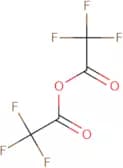
CAS:Controlled Product4-Fluorophenethylamine is a fluorinated amine with the chemical formula C8H11FO. It is a 5-HT agonist and has been shown to have affinity constants for the CB2 receptor. 4-Fluorophenethylamine has been shown to be an uptake inhibitor of amines, as well as being a hydrogen bond donor.Formula:C8H10FNPurity:Min. 95%Color and Shape:Clear LiquidMolecular weight:139.17 g/molTrifluoro acetic anhydride
CAS:Trifluoro acetic anhydride is a chemical compound that is used in the laboratory as a model system to study antimicrobial agents and the reaction mechanism of these compounds. It has been shown to have receptor activity against infectious diseases and enzyme activities against bacterial growth. Trifluoroacetic anhydride has also been shown to inhibit plasma mass spectrometry, which may be due to its ability to react with water vapor. The chemical inhibitor can be recovered and reused for other experiments.Formula:C4F6O3Purity:Min. 95%Color and Shape:Colorless Clear LiquidMolecular weight:210.03 g/mol[2-(1-Ethyl-1H-indol-3-yl)-1-methylethyl]amine hydrochloride
CAS:Controlled ProductPlease enquire for more information about [2-(1-Ethyl-1H-indol-3-yl)-1-methylethyl]amine hydrochloride including the price, delivery time and more detailed product information at the technical inquiry form on this pageFormula:C13H18N2Purity:Min. 95%Molecular weight:202.3 g/mol4-Methoxybenzyl chloride - stabilised with potassium carbonate
CAS:4-Methoxybenzyl chloride is a chemotherapeutic agent that inhibits the binding of inhibitor molecules to their target proteins. It has been shown to inhibit the binding of uridine and methanol solvent to their targets, which are enzymes in the synthesis of nucleic acids. The inhibition of these enzymes prevents DNA replication and protein synthesis, leading to cell death. 4-Methoxybenzyl chloride has been found to be effective in treating autoimmune diseases and solid tumours, as well as being an antimicrobial treatment for microbial infections. 4-Methoxybenzyl chloride is also used in chemical syntheses for its ability to undergo cationic polymerization and asymmetric synthesis.Formula:C8H9ClOPurity:Min. 95%Color and Shape:Colorless Clear LiquidMolecular weight:156.61 g/mol(-)-B-Chlorodiisopinocampheylborane, 65% heptane solution
CAS:(-)-B-Chlorodiisopinocampheylborane is a synthetic compound that belongs to the class of diketones. It has been used in asymmetric synthesis, metathesis reactions, and as a catalyst for the preparation of chiral compounds. (-)-B-Chlorodiisopinocampheylborane can be synthesized from trifluoromethylation using chlorodiphenylsilane and sodium borohydride in heptane. This agent has been shown to be effective for the production of β-unsaturated ketones by reaction with carbonyl groups. The reaction produces a racemic mixture of enantiomers, which are isomers that are not identical but have the same chemical formula and similar physical properties. (-)-B-Chlorodiisopinocampheylborane can also be used as an intermediate for the synthesis of latanoprost lactol, which is a prostaglandinFormula:C20H34BClPurity:Min. 95%Color and Shape:Clear LiquidMolecular weight:320.75 g/mol4-Hydroxy-N-(2-Piperidinylmethyl)-2,5-Bis(2,2,2-Trifluoroethoxy)Benzamide
CAS:Please enquire for more information about 4-Hydroxy-N-(2-Piperidinylmethyl)-2,5-Bis(2,2,2-Trifluoroethoxy)Benzamide including the price, delivery time and more detailed product information at the technical inquiry form on this pageFormula:C17H20F6N2O4Purity:Min. 95%Molecular weight:430.34 g/mol5-(4-Fluorophenyl)-3-isoxazolecarboxylic acid
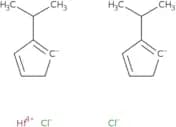
CAS:5-(4-Fluorophenyl)-3-isoxazolecarboxylic acid is a high quality reagent with CAS No. 33282-24-5. It is a complex compound that is useful as an intermediate for the synthesis of various fine chemicals. 5-(4-Fluorophenyl)-3-isoxazolecarboxylic acid also has a number of uses in the synthesis of speciality chemicals, research chemicals, and versatile building blocks for organic chemistry. As a reaction component, it can be used to synthesize compounds with different functional groups on their molecules.Formula:C10H6FNO3Purity:Min. 95%Color and Shape:White/Off-White SolidMolecular weight:207.16 g/molBis(isopropylcyclopentadienyl)hafniumdichloride
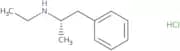
CAS:Controlled ProductPlease enquire for more information about Bis(isopropylcyclopentadienyl)hafniumdichloride including the price, delivery time and more detailed product information at the technical inquiry form on this pageFormula:C16H22Cl2HfPurity:Min. 95%Molecular weight:463.74 g/mol(S)-N-Ethyl amphetamine hydrochloride
CAS:Controlled ProductPlease enquire for more information about (S)-N-Ethyl amphetamine hydrochloride including the price, delivery time and more detailed product information at the technical inquiry form on this pageFormula:C11H18ClNPurity:Min. 95%Molecular weight:199.72 g/mol1-Chloroundecane
CAS:1-Chloroundecane is an organic compound that has been used as a disinfectant and an oxidizing agent. It can be prepared by the chlorination of undecane, or by the oxidation of 1-chloro-1,2-butadiene with sodium dichromate. 1-Chloroundecane is a white crystalline solid that melts at 8°C. The compound does not have any known medical use. It can be used for sample preparation in analytical chemistry, as well as for surface disinfection and deodorization. 1-Chloroundecane has been shown to inhibit cell growth in culture and to have antioxidant properties.Formula:C11H23ClPurity:Min. 95%Color and Shape:Clear LiquidMolecular weight:190.75 g/molN-Methyl-N-[(1-methyl-1H-benzimidazol-2-yl)methyl]amine hydrochloride
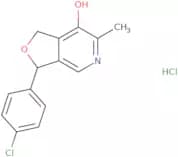
CAS:Controlled ProductPlease enquire for more information about N-Methyl-N-[(1-methyl-1H-benzimidazol-2-yl)methyl]amine hydrochloride including the price, delivery time and more detailed product information at the technical inquiry form on this pageFormula:C10H13N3Purity:Min. 95%Molecular weight:175.23 g/molCicletanine hydrochloride
CAS:Cicletanine hydrochloride is a drug that has been shown to be effective in the treatment of pulmonary hypertension. It is a prodrug that is converted to cicletanine, which inhibits the activity of the cytosolic calcium-calmodulin-dependent protein kinase II (CaM kinase II). Cicletanine hydrochloride has been shown to have cardiac effects in vivo and to reduce cardiac contractility. This compound has potential side effects such as metabolic disorders, gastrointestinal problems, and fetal toxicity.
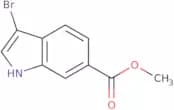
Formula:C14H13Cl2NO2Purity:Min. 95%Color and Shape:PowderMolecular weight:298.16 g/molMethyl 3-bromoindole-6-carboxylate
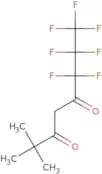
CAS:Please enquire for more information about Methyl 3-bromoindole-6-carboxylate including the price, delivery time and more detailed product information at the technical inquiry form on this pageFormula:C10H8BrNO2Purity:Min. 95%Molecular weight:254.08 g/mol2,2-Dimethyl-6,6,7,7,8,8,8-heptafluoro-3,5-octanedione
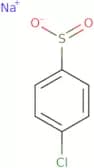
CAS:2,2-Dimethyl-6,6,7,7,8,8,8-heptafluoro-3,5-octanedione is a bidentate ligand for metal ions. It has been shown to be effective in the synthesis of nanocrystals and the activation energy for the reaction has been determined to be 70.4 kJ/mol. 2DMMHFO can be used as a precursor for the growth of silicon films by chemical vapor deposition and other techniques. The molecule has also been shown to bind with metal ions such as Cu(II) and Fe(III), which may be due to its ability to chelate these metals. 2DMMHFO has been used as an efficient catalyst in asymmetric epoxidation reactions with high enantioselectivity.Formula:C10H11F7O2Purity:Min. 95%Molecular weight:296.18 g/mol4-Chloro-benzene-sulfinic acid sodium salt
CAS:The 4-chloro-benzenesulfinic acid sodium salt is a type of sulfinic acid. It can be used to control experiments involving methides, halides, and human macrophages. Sodium salts of this compound have been shown to inhibit the growth of Candida glabrata and Galleria mellonella in vitro. The 4-chloro-benzenesulfinic acid sodium salt reacts with chloride ion to form a nucleophilic trifluoroacetate anion, which reacts with thiosulfonates to produce type strain. Trifluoroacetic acid is used as a solvent in the reaction.Formula:C6H4ClNaO2SPurity:Min. 95%Molecular weight:198.6 g/molMethyl 1-aminocyclohexanecarboxylate hydrochloride
CAS:Please enquire for more information about Methyl 1-aminocyclohexanecarboxylate hydrochloride including the price, delivery time and more detailed product information at the technical inquiry form on this pageFormula:C8H15NO2Purity:Min. 95%Molecular weight:157.21 g/molManganese dichloride
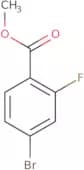
CAS:Manganese dichloride is a chemical compound that is used as an oxidation catalyst. It has been shown to have the ability to remove nitrogen from wastewater and to be used for the treatment of sodium carbonate in water. Manganese dichloride can also be used as a catalyst for the removal of volatile organic compounds from air or water. Manganese dichloride is also used in x-ray diffraction data, where it was found that this compound has a high crystallinity with α subunit and nitrogen atoms. This substance is not toxic to brain functions and does not react with water, which makes it suitable for use in wastewater treatment plants. Manganese dichloride has also been shown to have an anti-cancer effect on brain tumours and can inhibit epidermal growth factor (EGF).Formula:MnCl2Purity:Min. 95%Color and Shape:PowderMolecular weight:125.84 g/mol4-Bromo-2-fluorobenzoic acid methyl ester
CAS:4-Bromo-2-fluorobenzoic acid methyl ester is a synthetic chemical that is used as a drug substance in the synthesis of pharmaceuticals. It is also a reagent for organic synthesis, specifically cross coupling reactions. 4-Bromo-2-fluorobenzoic acid methyl ester can be used to introduce an alkyl group into a molecule, which can then be used in other synthetic reactions. This chemical has been shown to inhibit prolyl hydroxylase (PHD), which is an enzyme that catalyzes the conversion of proline to hydroxyproline. 4-Bromo-2-fluorobenzoic acid methyl ester also inhibits the Bcl-2 family proteins, including bcl2, bclxl and bax, which are known to play a role in apoptosis. 4-Bromo-2-fluorobenzoic acid methyl esterFormula:C8H6BrFO2Purity:Min. 95%Molecular weight:233.03 g/molDidecyl dimethyl ammonium chloride - 80% aqueous solution
CAS:Didecyl dimethyl ammonium chloride is a quaternary ammonium compound that has been shown to have a broad-spectrum antimicrobial activity. It has been used in disinfectants and as an active ingredient in pharmaceuticals, cosmetics, and foods. The compound is not toxic to humans or animals at concentrations up to 50%. Didecyl dimethyl ammonium chloride has been shown to be effective against infectious diseases caused by bacteria, viruses, fungi, and protozoa. This compound also has an effect on the epithelial-mesenchymal transition (EMT) process. Didecyl dimethyl ammonium chloride can be prepared by titration calorimetry or analytical method. The preparation of didecyl dimethyl ammonium chloride can be done using chloroform and benzalkonium chloride or glycol ether.
Formula:C22H48ClNColor and Shape:Clear LiquidMolecular weight:362.08 g/molEthyl 7-bromoheptanoate
CAS:Ethyl 7-bromoheptanoate is a hydroxamic acid that has potent cytotoxicity against cancer cells. This compound has been shown to inhibit the growth of cancer cells and induce apoptosis in vitro. Ethyl 7-bromoheptanoate also inhibits the production of the epidermal growth factor, which may explain its anti-cancer properties. It also has antioxidant properties due to its ability to scavenge free radicals and inhibit lipid peroxidation. The pharmacokinetic properties of this compound are unknown, but it is known to have a biphenyl moiety, which is commonly used as an inhibitor in chemical biology studies.Formula:C9H17BrO2Purity:Min. 95%Molecular weight:237.13 g/molgamma-Butyrobetaine hydrochloride
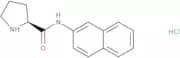
CAS:Gamma-butyrobetaine hydrochloride (GBB) is a metabolite of gamma-butyrobetaine, which is found in the human body. GBB is synthesized from lysine and methionine through an enzymatic pathway that starts with the conversion of lysine to homocysteine. GBB is then converted to gamma-butyrobetaine by methylating the hydroxyl group on its terminal carbon. GBB can be found in urine samples as well as in carnitine and fatty acid metabolism. It has been shown to have an inhibitory effect on creatine kinase and can be used to diagnose metabolic disorders such as carnitine deficiency or prognosis following a heart attack.Formula:C7H16ClNO2Purity:Min. 95%Color and Shape:PowderMolecular weight:181.66 g/molL-Proline-beta-naphthylamide hydrochloride
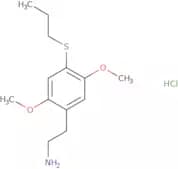
CAS:L-proline analogueFormula:C15H16N2O·HClPurity:Min. 95%Molecular weight:276.76 g/mol2,5-Dimethoxy-4-(propylsulfanyl)phenethylamine hydrochloride
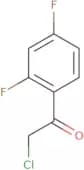
CAS:Controlled ProductPlease enquire for more information about 2,5-Dimethoxy-4-(propylsulfanyl)phenethylamine hydrochloride including the price, delivery time and more detailed product information at the technical inquiry form on this pageFormula:C13H22ClNO2SPurity:Min. 95%Molecular weight:291.84 g/mol2-Chloro-2',4'-difluoroacetophenone
CAS:2-Chloro-2',4'-difluoroacetophenone (2,4-DFAP) is an asymmetric synthesis of urea nitrogen. It has been shown to be a broad-spectrum antimicrobial, with activity against a number of fungi and bacteria. The molecular modelling of 2,4-DFAP has revealed that it has intramolecular hydrogen bonds and is a supramolecular enantiomer. Additionally, the transport properties have been studied and found to have chloride ions in the molecule. This may be responsible for its anti-fungal effects as well as its ability to inhibit the growth of cryptococcus neoformans.
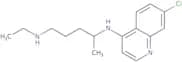
Formula:C8H5ClF2OPurity:Min. 95%Molecular weight:190.57 g/molDesethyl chloroquine
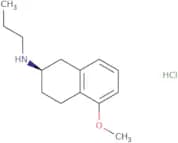
CAS:Desethyl chloroquine is a drug that is used to treat malaria and other infectious diseases. It is an antimalarial drug that has been shown to be effective in the treatment of malaria and related diseases such as toxoplasmosis, amebiasis, trypanosomiasis, and leishmaniasis. Methods for the preparation of desethyl chloroquine are described in the analytical section. To measure the concentration of desethyl chloroquine in blood, it is recommended to collect a sample of blood by venipuncture or fingerstick. The concentration-time curve in blood can be analyzed using a fluorescence detector and LC-MS/MS method. When analyzing pharmacokinetic properties, it is important to take into account the matrix effect due to human serum proteins. Desethyl chloroquine has potent inducers that affect its pharmacokinetics and metabolism, including CYP3A4 enzymes and glutathione reductase.Formula:C16H22ClN3Purity:Min. 95%Color and Shape:Slightly Yellow PowderMolecular weight:291.82 g/mol(R)-1,2,3,4-Tetrahydro-5-methoxy-N-propyl-2-naphthalenamine hydrochloride
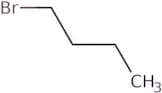
CAS:Controlled ProductPlease enquire for more information about (R)-1,2,3,4-Tetrahydro-5-methoxy-N-propyl-2-naphthalenamine hydrochloride including the price, delivery time and more detailed product information at the technical inquiry form on this pageFormula:C14H22ClNOPurity:Min. 95%Molecular weight:255.78 g/moln-Butyl bromide
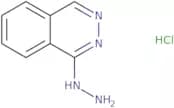
CAS:n-Butyl bromide (n-BuBr) is a chemical that has been used in the laboratory for analytical purposes. It is also used as a solvent for sodium salts, nitrogen atoms, and other chemicals. n-Butyl bromide has been shown to cause bowel disease with hyoscine, glycol ethers, and antibodies. This effect may be due to the intramolecular hydrogen transfer reaction between the carboxylic acid group of butyl bromide and carboxylate groups in proteins. The clinical relevance of this interaction is not yet known. n-Butyl bromide also has inflammatory effects on the bowel that have been seen in animal models of inflammatory bowel disease.Formula:C4H9BrPurity:Min. 95%Color and Shape:Clear Colourless To Pale Yellow LiquidMolecular weight:137.02 g/molHydralazine hydrochloride
CAS:Hydralazine hydrochloride is a drug used to treat high blood pressure. It is an inhibitor of the enzyme phosphodiesterase, which leads to increased levels of cAMP and vasodilation in the lungs. Hydralazine hydrochloride has been shown to induce renal injury, specifically by inhibiting the synthesis of prostaglandins that protect the kidneys from damage. This drug can also cause cardiac effects such as tachycardia and arrhythmias. Hydralazine hydrochloride interacts with other drugs, including Candesartan cilexetil and other drugs that inhibit phosphodiesterase, leading to an increase in blood pressure. Hydralazine hydrochloride binds to guanine nucleotide-binding proteins (G proteins) on neural cells and increases the rate constant for G protein activation.Formula:C8H9ClN4Purity:Min. 95%Color and Shape:White PowderMolecular weight:196.64 g/molBenzo[k]fluoranthene
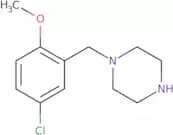
CAS:Controlled ProductBenzo[k]fluoranthene is a polycyclic aromatic hydrocarbon that is used as an optical sensor for transcriptional regulation. It has been shown to activate the transcription factor NF-κB, which induces expression of inflammatory genes in cells. Benzo[k]fluoranthene can be used to measure changes in gene expression and protein levels. The antibody response to benzo[k]fluoranthene was studied using a kinetic data analysis method. Benzo[k]fluoranthene has also been shown to induce genotoxic effects in liver cells and human hepatoma cell line HepG2. This compound also causes light emission when it is excited with light, which can be measured with synchronous fluorescence.Formula:C20H12Purity:Min. 95%Color and Shape:SolidMolecular weight:252.31 g/mol1-(5-Chloro-2-methoxybenzyl)piperazine
CAS:Controlled ProductPlease enquire for more information about 1-(5-Chloro-2-methoxybenzyl)piperazine including the price, delivery time and more detailed product information at the technical inquiry form on this page
Formula:C12H17ClN2OPurity:Min. 95%Molecular weight:240.73 g/mol




![[chloro(difluoro)methyl]benzene](/_next/image/?url=https%3A%2Fstatic.cymitquimica.com%2Fproducts%2F3D%2Fthumb-webp%2FFC104724.webp&w=3840&q=75)



![[2-(1-Ethyl-1H-indol-3-yl)-1-methylethyl]amine hydrochloride](/_next/image/?url=https%3A%2Fstatic.cymitquimica.com%2Fproducts%2F3D%2Fthumb-webp%2FFE123632.webp&w=3840&q=75)


![N-Methyl-N-[(1-methyl-1H-benzimidazol-2-yl)methyl]amine hydrochloride](/_next/image/?url=https%3A%2Fstatic.cymitquimica.com%2Fproducts%2F3D%2Fthumb-webp%2FFM117084.webp&w=3840&q=75)





![Benzo[k]fluoranthene](/_next/image/?url=https%3A%2Fstatic.cymitquimica.com%2Fproducts%2F3D%2Fthumb-webp%2FFB157375.webp&w=3840&q=75)