Organic Halides
In this category, you can find organic molecules containing one or more halogen atoms in their structure. These organic halides include brominated, iodinated, chlorinated, and cyclic halide compounds. Organic halides are widely used in organic synthesis, pharmaceuticals, agrochemicals, and materials science due to their reactivity and ability to undergo a variety of chemical transformations. At CymitQuimica, we offer a comprehensive selection of high-quality organic halides to support your research and industrial applications, ensuring reliable and effective performance in your synthetic and analytical projects.
Subcategories of "Organic Halides"
Found 20440 products of "Organic Halides"
Sort by
Purity (%)
0
100
|
0
|
50
|
90
|
95
|
100
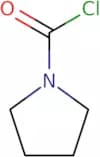
1-Pyrrolidinecarbonylchloride
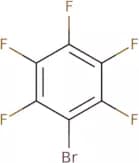
CAS:1-Pyrrolidinecarbonylchloride (1PC) is a chloride-containing compound that has been shown to be a potent inhibitor of inflammatory bowel disease (IBD). It binds to the nicotinic acetylcholine receptors and inhibits inflammatory diseases through its anti-inflammatory properties. 1PC has also been shown to inhibit cancer cell growth, as well as uv absorption in the skin. This compound is not toxic at high doses and does not have any known side effects.Formula:C5H8ClNOPurity:Min. 95%Color and Shape:Clear Colourless To Yellow LiquidMolecular weight:133.58 g/molBromopentafluorobenzene
CAS:Bromopentafluorobenzene (BPF) is a small-molecule drug that belongs to the discovery group of cyclic peptides. It is structurally similar to natural products and has been shown to be an inhibitor of a transcriptional regulator in a model system. The compound BPF has been shown to act as a competitive inhibitor of the enzyme acetylcholinesterase, which is involved in the degradation of acetylcholine and thereby leads to increased levels of this neurotransmitter in the brain. Chemical biology studies have shown that BPF binds to the active site of protein target, suppressing its activity by competitive inhibition.Formula:C6BrF5Purity:Min. 95%Molecular weight:246.96 g/mol3-Dechloro sertraline hydrochloride
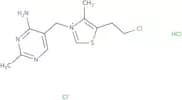
CAS:Please enquire for more information about 3-Dechloro sertraline hydrochloride including the price, delivery time and more detailed product information at the technical inquiry form on this pageFormula:C17H19Cl2NPurity:Min. 95%Molecular weight:308.24 g/molBeclotiamine hydrochloride
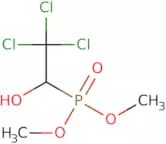
CAS:Beclotiamine hydrochloride, also known as beclamethasone 17,21-dipropionate, is a synthetic corticosteroid that has anti-inflammatory and anticoccidial properties. It is not active against coccidiosis in piglets. Beclotiamine hydrochloride has been shown to have a prophylactic effect on coccidiosis in piglets by inhibiting the development of the oocysts. The mechanism of action is not fully understood but may involve inhibition of the uptake of pyrophosphate or interference with the conversion of organic phosphates to inorganic phosphate. Beclotiamine hydrochloride can be used for the treatment and prevention of coccidiosis in pigs.Formula:C12H17Cl3N4SPurity:Min. 95%Color and Shape:PowderMolecular weight:355.71 g/molTrichlorfon
CAS:Controlled Product<p>Trichlorfon is a surfactant sodium dodecyl that is used as a pharmacological agent. It is an organophosphate insecticide that inhibits the enzyme cholinesterase and acts as an acetylcholinesterase inhibitor. Trichlorfon has also been shown to inhibit the activity of GSH-px, which is important in the metabolism of xenobiotics and oxidative stress. Trichlorfon has been used in treatment trials for infectious diseases such as malaria. The drug has been shown to have acute toxicities, such as seizures, coma, and respiratory arrest. These side effects are primarily due to its effects on central nervous system functions, including inhibition of acetylcholine receptors and muscarinic receptors, which are involved in basic physiological processes like muscle control and breathing. This drug also affects complex enzymes such as protein synthesis and DNA synthesis.</p>Formula:C4H8Cl3O4PPurity:Min. 95%Molecular weight:257.44 g/mol2-Chloro-pyrazolo[1,5-a]pyridine
CAS:Please enquire for more information about 2-Chloro-pyrazolo[1,5-a]pyridine including the price, delivery time and more detailed product information at the technical inquiry form on this pageFormula:C7H5ClN2Purity:Min. 95%Molecular weight:152.58 g/molChlorogenic acid hemihydrate
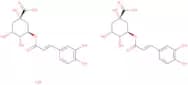
CAS:<p>Chlorogenic acid hemihydrate is a natural phenolic compound that belongs to the family of flavonol glycosides. The molecule has two caffeoylquinic acids and one chlorogenic acid functional groups, which are responsible for its antioxidant properties. Chlorogenic acid hemihydrate is soluble in water and can be used as a solid dispersion. This compound has been shown to have significant interactions with other drugs, including polymeric matrix, protocatechuic acid, and α-amyrin acetate. It also has been shown to have cell culture and in vivo model evidence of efficacy against cancer cells.</p>Purity:Min. 95%2,5-Dimethoxy-4-methylamphetamine hydrochloride
CAS:Controlled Product<p>2,5-Dimethoxy-4-methylamphetamine hydrochloride is a molecule that belongs to the class of phenethylamines. It has a serotonergic activity and can be used in the treatment of depression. This drug also affects the dopaminergic system and 5-HT2 receptors. 2,5-Dimethoxy-4-methylamphetamine hydrochloride is an agonist for 5HT1A receptors and an antagonist for 5HT2A and 5HT2C receptors. It has been shown to have a significant effect on locomotor activity in humans. The effects of this drug are dose dependent, with high doses leading to hallucinogenic effects.</p>Formula:C12H20ClNO2Purity:Min. 95%Molecular weight:245.75 g/molEthyl hexafluoroglutaryl chloride
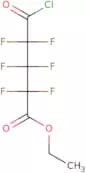
CAS:Ethyl hexafluOrOglutaryl chlOride is a tricyclic antidepressant drug that belongs to the class of drugs known as monoamine oxidase inhibitors. It can be used to treat depression and other mood disorders. Ethyl hexafluOrOglutaryl chlOride inhibits the enzyme monoamine oxidase, which is responsible for breaking down amines such as serotonin and norepinephrine in the brain. This leads to an increase in the levels of these neurotransmitters, which are important for mood regulation. The presence of this drug in urine samples can be detected using a spectrometric analytical method. It can also be detected in blood samples by chemical ionization with gas chromatography-mass spectrometry (GC-MS).Formula:C7H5ClF6O3Purity:95%NmrMolecular weight:286.55 g/mol2,3-Dichlorotoluene
CAS:<p>2,3-Dichlorotoluene is a chemical intermediate that is used in the production of dyes and pharmaceuticals. 2,3-Dichlorotoluene can be synthesized from sodium carbonate (Na2CO3) by reaction with an aryl chloride. The product is usually purified by distillation or recrystallization. The resulting product has two isomers: ortho-chlorotoluene and para-chlorotoluene. 2,3-Dichlorotoluene reacts with peroxide to form chlorine dioxide.</p>Formula:C7H6Cl2Purity:Min. 95%Color and Shape:Clear LiquidMolecular weight:161.03 g/molSalbutamon hydrochloride
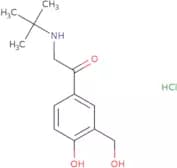
CAS:Controlled Product<p>Please enquire for more information about Salbutamon hydrochloride including the price, delivery time and more detailed product information at the technical inquiry form on this page</p>Formula:C13H20ClNO3Purity:Min. 95%Molecular weight:273.76 g/mol3-(4-Chlorophenyl)-1-phenyl-1H-pyrazole-5-carboxylic acid
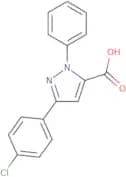
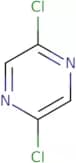
CAS:Controlled ProductPlease enquire for more information about 3-(4-Chlorophenyl)-1-phenyl-1H-pyrazole-5-carboxylic acid including the price, delivery time and more detailed product information at the technical inquiry form on this pageFormula:C16H11ClN2O2Purity:Min. 95%Molecular weight:298.72 g/mol2,5-Dichloropyrazine
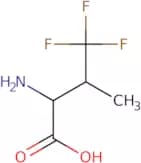
CAS:<p>2,5-Dichloropyrazine is a ligand that binds to the bromodomain of a protein and causes it to deform. The bromodomain contains a metal ion at its core and is an important component of many proteins that regulate gene expression. 2,5-Dichloropyrazine has been shown to bind to the metal ion in the bromodomain of some proteins and cause them to deform. This deformation results in changes in the shape of the protein's DNA-binding site, which can alter the way it regulates gene expression. 2,5-Dichloropyrazine also interacts with hexamethylenetetramine (HMT) to form anions and chlorinating agents. These interactions may be responsible for 2,5-dichloropyrazine's high yield.</p>Formula:C4H2Cl2N2Purity:Min. 95%Color and Shape:Clear LiquidMolecular weight:148.98 g/mol4,4,4-Trifluorovaline
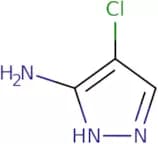
CAS:<p>4,4,4-Trifluorovaline is a chemical compound with a trifluoromethyl group that can be synthesized in an efficient method. It has been shown to have the ability to stabilize proteins and enzymes in recombinant systems. The enolate of 4,4,4-trifluorovaline reacts with amides to form allylations. The stereoselective synthesis of 4,4,4-trifluorovaline isomers produces two diastereoisomers that are separated by either chiral chromatography or crystallization. These methods allow for the introduction of 4,4,4-trifluorovaline into cellular systems without affecting the stability of the protein or enzyme.</p>Formula:C5H8F3NO2Purity:Min. 95%Molecular weight:171.12 g/mol4-Chloro-1h-pyrazol-3-amine
CAS:<p>Please enquire for more information about 4-Chloro-1h-pyrazol-3-amine including the price, delivery time and more detailed product information at the technical inquiry form on this page</p>Formula:C3H4ClN3Purity:Min. 95%Molecular weight:117.54 g/mol4-[(4-Methyl-1H-pyrazol-1-yl)methyl]piperidine dihydrochloride
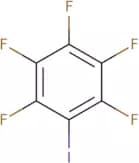
CAS:Controlled Product<p>Please enquire for more information about 4-[(4-Methyl-1H-pyrazol-1-yl)methyl]piperidine dihydrochloride including the price, delivery time and more detailed product information at the technical inquiry form on this page</p>Formula:C10H17N3Purity:Min. 95%Molecular weight:179.26 g/molPentafluoroiodobenzene, stabilized with copper
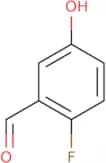
CAS:<p>Pentafluoroiodobenzene is a hydrogen fluoride (HF) derivative of the aromatic compound, benzene. It is an important industrial chemical used in the production of polymers, pharmaceuticals, and dyes. The structure of pentafluoroiodobenzene has been elucidated by X-ray crystallography and found to be a planar molecule with two fluorine atoms occupying the ortho positions and three iodine atoms occupying the para positions. Pentafluoroiodobenzene is a halogen that forms ionic bonds with metals and other halogens to form ionic compounds. Pentafluoroiodobenzene is also able to form coordination complexes with metal ions such as copper or zinc. The reaction mechanism for this process is not known at this time.</p>Formula:C6F5IPurity:Min. 95%Molecular weight:293.96 g/mol2-fluoro-5-hydroxybenzaldehyde
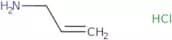
CAS:2-Fluoro-5-hydroxybenzaldehyde (2FHBA) is an olefinic compound that is synthesized from 2,5-dihydroxybenzaldehyde by reductive amination with formaldehyde. The configuration of 2FHBA is dependent on the dihedral angle between the two olefinic groups. Liquid chromatography has been used to analyze the metabolic pathway of 2FHBA in rats and humans. This study showed that tyramine and aligned are metabolites of 2FHBA in rats, while crystallized and emission are metabolites in humans. The positron emission studies also showed that 2FHBA was metabolized by erythrocytes in vitro to produce positron emission.Formula:C7H5FO2Purity:Min. 95%Molecular weight:140.11 g/molPoly(allylamine hydrochloride) - MW 15000
CAS:<p>Allylamine HCl content - max 7%</p>Formula:(C3H7N)x•(HCl)xColor and Shape:Clear LiquidN-[(1S)-1-(Aminocarbonyl)propyl]-4-chlorobutanamide
CAS:Please enquire for more information about N-[(1S)-1-(Aminocarbonyl)propyl]-4-chlorobutanamide including the price, delivery time and more detailed product information at the technical inquiry form on this pageFormula:C8H15ClN2O2Purity:Min. 95%Color and Shape:PowderMolecular weight:206.67 g/mol8-Chloro-1-methyl-6-phenyl-4H-Imidazo[1,5-a][1,4]benzodiazepine
CAS:Controlled Product<p>Please enquire for more information about 8-Chloro-1-methyl-6-phenyl-4H-Imidazo[1,5-a][1,4]benzodiazepine including the price, delivery time and more detailed product information at the technical inquiry form on this page</p>Formula:C18H14ClN3Purity:Min. 95%Molecular weight:307.78 g/mol1,3,5-Trifluorotrichlorobenzene
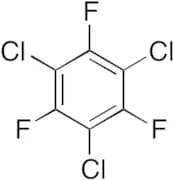
CAS:<p>Applications 1,3,5-Trifluorotrichlorobenzene is a useful reagent.<br></p>Formula:C6Cl3F3Molecular weight:235.424-Chloro-6-methyl-2-trifluoromethylpyrimidine
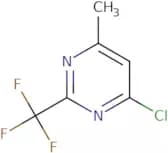
CAS:Please enquire for more information about 4-Chloro-6-methyl-2-trifluoromethylpyrimidine including the price, delivery time and more detailed product information at the technical inquiry form on this pageFormula:C6H4ClF3N2Purity:Min. 95%Molecular weight:196.56 g/molH-Glu(OtBu)-2-chlorotrityl resin (200-400 mesh) (Low Substitution)
<p>Please enquire for more information about H-Glu(OtBu)-2-chlorotrityl resin (200-400 mesh) (Low Substitution) including the price, delivery time and more detailed product information at the technical inquiry form on this page</p>Purity:Min. 95%TRAF6 Peptide trifluoroacetate salt
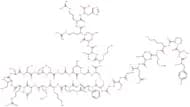
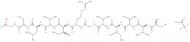
CAS:Please enquire for more information about TRAF6 Peptide trifluoroacetate salt including the price, delivery time and more detailed product information at the technical inquiry form on this pageFormula:C145H238N34O44Purity:Min. 95%Molecular weight:3,161.64 g/molBiphalin trifluoroacetate salt (
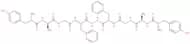
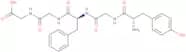
CAS:<p>Biphalin trifluoroacetate salt (H-Tyr-D-Ala-Gly-Phe-NH)2 trifluoroacetate salt is a peptide hormone. It has been shown to be an opioid that binds to the μ and δ opioid receptors and inhibits the production of inflammatory mediators. Biphalin trifluoroacetate salt (H-Tyr-D-Ala-Gly-Phe-NH)2 trifluoroacetate salt has also been shown to have neuroprotective effects. This drug has low potency and can only be used in vivo models. Biphalin trifluoroacetate salt (H-Tyr-D-Ala-Gly-Phe-NH)2 trifluoroacetate salt is not active against skin cancer cells, but does show activity against other types of cancer cells.</p>Formula:C46H56N10O10Purity:Min. 95%Molecular weight:909 g/molBiguanide hydrochloride
CAS:<p>Biguanide hydrochloride is an analytical reagent that is used for the determination of biguanide in a reaction solution. It is prepared by reacting sodium citrate with an appropriate amount of biguanide. Biguanide hydrochloride has been shown to be a disinfectant and an effective agent against infectious diseases, such as tuberculosis and leprosy. The fetal bovine serum (FBS) was found to have a physiological effect on the enzyme activity of biguanides, which can be inhibited by benzalkonium chloride.</p>Formula:C2H8ClN5Purity:Min. 95%Color and Shape:White PowderMolecular weight:137.57 g/molH-Pro-Pro-Pro-Gly-Met-Arg-Pro-Pro-OH trifluoroacetate salt
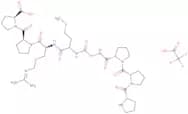
CAS:Please enquire for more information about H-Pro-Pro-Pro-Gly-Met-Arg-Pro-Pro-OH trifluoroacetate salt including the price, delivery time and more detailed product information at the technical inquiry form on this pageFormula:C38H61N11O9SPurity:Min. 95%Molecular weight:848.03 g/mol6-Bromoisoquinoline
CAS:<p>6-Bromoisoquinoline is a tetradentate ligand that can be used as a molecular model to study the binding of metal ions and organic molecules. 6-Bromoisoquinoline has been shown to bind covalently and noncovalently with phosphate groups on the surface of Caco-2 cells and to induce surface-enhanced Raman spectroscopy. This ligand has a high nucleophilicity and reacts readily with chloride, which is an acidic functional group. The reaction products are hydrochloric acid, trifluoroacetic acid, or both. 6-Bromoisoquinoline can also act as an allosteric modulator in some enzymes, such as phosphofructokinase in glycolysis.</p>Formula:C9H6BrNPurity:Min. 95%Molecular weight:208.05 g/molDansyl-Ala-Arg-OH trifluoroacetate salt
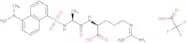
CAS:Please enquire for more information about Dansyl-Ala-Arg-OH trifluoroacetate salt including the price, delivery time and more detailed product information at the technical inquiry form on this pageFormula:C21H30N6O5SPurity:Min. 95%Molecular weight:478.57 g/molExtracellular Death Factor trifluoroacetate salt
CAS:<p>Extracellular Death Factor is a molecule that binds to calmodulin, which is a protein found in all animal cells. Extracellular Death Factor can be used to induce apoptotic cell death in any type of cell, including cancer cells. The molecule is composed of three amino acids: H-Asn-Asn-Trp-Asn-Asn-OH. This compound has been shown to inhibit the replication of DNA and RNA in gram negative bacteria and tuberculosis cells. It also has an effect on the structural analysis of the molecule and causes light emission when exposed to ultraviolet light.</p>Formula:C27H36N10O10Purity:Min. 95%Molecular weight:660.64 g/mol2,3,4-Trichloro-5-fluorobenzoic chloride
CAS:<p>2,3,4-Trichloro-5-fluorobenzoic chloride (TCFB) is a sulfuryl chloride that is used as a herbicide. TCFB is hydrolyzed by carboxylates in the soil to form formic acid and hydrochloric acid. The hydrolysis of TCFB makes it selective for the roots of plants. TCFB can also be chlorinated to regenerate the acid and then recycled. Hydrolyzing TCFB allows it to be selectively applied on plant roots without affecting any other part of the plant. The presence of chlorine in this compound allows for its use as an insecticide and fumigant.</p>Formula:C7HCl4FOPurity:Min. 95%Molecular weight:261.89 g/molUrocortin II (mouse) trifluoroacetate salt
CAS:Please enquire for more information about Urocortin II (mouse) trifluoroacetate salt including the price, delivery time and more detailed product information at the technical inquiry form on this pageFormula:C187H320N56O50Purity:Min. 95%Molecular weight:4,152.89 g/molMethyl 3-oxo-4-(2,4,5-trifluorophenyl)butanoate
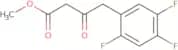
CAS:Please enquire for more information about Methyl 3-oxo-4-(2,4,5-trifluorophenyl)butanoate including the price, delivery time and more detailed product information at the technical inquiry form on this pageFormula:C11H9F3O3Purity:Min. 95%Molecular weight:246.18 g/mol(Tyr0)-BNP-32 (human) trifluoroacetate salt
CAS:Please enquire for more information about (Tyr0)-BNP-32 (human) trifluoroacetate salt including the price, delivery time and more detailed product information at the technical inquiry form on this pageFormula:C152H253N51O44S4Purity:Min. 95%Molecular weight:3,627.22 g/molHCV NS4A Protein (22-33) (FDA strain) trifluoroacetate salt
CAS:<p>Please enquire for more information about HCV NS4A Protein (22-33) (FDA strain) trifluoroacetate salt including the price, delivery time and more detailed product information at the technical inquiry form on this page</p>Formula:C54H99N15O14SPurity:Min. 95%Molecular weight:1,214.52 g/mol(Gln22)-Amyloid b-Protein (1-40) trifluoroacetate salt
CAS:Controlled Product<p>Please enquire for more information about (Gln22)-Amyloid b-Protein (1-40) trifluoroacetate salt including the price, delivery time and more detailed product information at the technical inquiry form on this page</p>Formula:C194H296N54O57SPurity:Min. 95%Molecular weight:4,328.82 g/mol2-Bromoethanesulfonic acid sodium
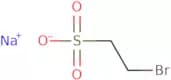
CAS:<p>2-Bromoethanesulfonic acid sodium (2BESA) is a chemical inhibitor that is used to control methanogenic activity. It has been shown to be effective in the treatment of wastewater, although it is not very soluble in water. 2BESA inhibits methanogenesis by binding to the enzyme methane monooxygenase, which blocks electron transfer from methane to oxygen. This prevents the formation of hydrogen and carbon dioxide, which are products of fermentation. 2BESA also has electrochemical properties that make it a good candidate for use as an electrode material in fuel cells. In vitro assays have demonstrated that 2BESA inhibits bacterial growth by inhibiting DNA synthesis and protein synthesis.</p>Formula:C2H4BrNaO3SPurity:Min. 95%Molecular weight:211.01 g/molNesfatin-1 (30-59) (human) trifluoroacetate salt
Please enquire for more information about Nesfatin-1 (30-59) (human) trifluoroacetate salt including the price, delivery time and more detailed product information at the technical inquiry form on this pageFormula:C167H263N41O54Purity:Min. 95%Molecular weight:3,709.12 g/molAc-Asp-Glu-Val-Asp-chloromethylketone trifluoroacetate salt
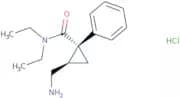
CAS:Ac-Asp-Glu-Val-Asp-chloromethylketone trifluoroacetate salt is a basic protein. It inhibits the neuronal death induced by dopamine and its derivatives, which is caused by overactivation of the mitochondrial membrane potential and release of cytochrome c from mitochondria to cytosol. This compound also inhibits the activation of toll-like receptor 4 (TLR4) and nuclear factor κB (NF-κB) signaling pathways in neuronal cells. Ac-Asp-Glu-Val-Asp-chloromethylketone trifluoroacetate salt has been shown to have antiinflammatory effects when applied topically on skin wounds. The molecule has been used as a model system for studying the molecular mechanism of epidermal growth factor (EGF) activation in hybridoma cell lines and primary cells.Formula:C21H31ClN4O11Purity:Min. 95%Molecular weight:550.94 g/mol(E)-2-(Aminomethyl)-N,N-diethyl-1-phenylcyclopropanecarboxamideHydrochloride
CAS:Controlled Product<p>Levomilnacipran is a serotonin-norepinephrine reuptake inhibitor (SNRI) that is used for the treatment of major depressive disorder and fibromyalgia. It has been shown to have antidepressant effects in patients with major depressive disorder and fibromyalgia. Levomilnacipran inhibits the reuptake of serotonin and norepinephrine by blocking the transporter proteins in these neurotransmitter pathways, increasing their availability to interact with receptors in the brain. Levomilnacipran also has been found to inhibit aminotransferase activity, which may be responsible for its hepatotoxicity.</p>Formula:C15H23ClN2OPurity:Min. 95%Molecular weight:282.81 g/mol5-Bromoisatoic anhydride
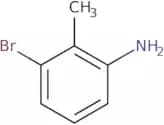
CAS:5-Bromoisatoic anhydride is an antibiotic that inhibits the enzyme ido1, which is involved in the synthesis of amines. This chemical has been shown to have inhibitory activity against cancer cells and potential antitumor properties. 5-Bromoisatoic anhydride has also been shown to have antimicrobial properties. It binds to bacterial ribosomes, inhibiting protein synthesis and leading to cell death by inhibiting the production of proteins vital for cell division. 5-Bromoisatoic anhydride has been shown to be active against staphylococcus aureus, Escherichia coli, and Pseudomonas aeruginosa isolates. The compound also shows inhibitory activities against Flavus assays and human colon carcinoma HCT116 cells.Formula:C8H4BrNO3Purity:Min. 95%Color and Shape:White PowderMolecular weight:242.03 g/mol3-Bromo-2-methylaniline
CAS:<p>3-Bromo-2-methylaniline is a six membered, planar, planar conformation with a dihedral angle of 120°. The molecule has two dimers that are connected by hydrogen bonds. It has a crystal structure that is made up of molecules arranged in a hexagonal grid. The molecule is made up of three atoms: one carbon atom, one nitrogen atom, and one bromine atom. The three atoms are arranged in the following order: bromine, carbon, nitrogen.</p>Formula:C7H8BrNPurity:Min. 95%Color and Shape:Clear Colourless To Yellow To Brown Or Red-BrownMolecular weight:186.05 g/mol(Des-Glu5)-ACTH (1-24) (human, bovine, rat) trifluoroacetate salt
CAS:<p>Please enquire for more information about (Des-Glu5)-ACTH (1-24) (human, bovine, rat) trifluoroacetate salt including the price, delivery time and more detailed product information at the technical inquiry form on this page</p>Formula:C131H203N39O28SPurity:Min. 95%Molecular weight:2,804.33 g/molpp60 c-src (521-533) (phosphorylated) trifluoroacetate salt
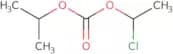
CAS:<p>Please enquire for more information about pp60 c-src (521-533) (phosphorylated) trifluoroacetate salt including the price, delivery time and more detailed product information at the technical inquiry form on this page</p>Formula:C62H95N16O28PPurity:Min. 95%Molecular weight:1,543.48 g/mol1-Chloroethyl isopropyl carbonate
CAS:<p>1-Chloroethyl isopropyl carbonate (CEPC) is a cefpodoxime proxetil metabolite that is formed from the chlorination of 1-chloroacetamide in the presence of isopropyl. CEPC has been shown to have a high yield and can be synthesized from readily available, inexpensive starting materials. It is metabolized by human liver microsomes and plasma, yielding 7-aminocephalosporanic acid, cefpodoxime, and thiourea. This compound can also be used as an intermediate for the synthesis of other compounds such as cefotaxime and thiourea.</p>Formula:C6H11ClO3Purity:Min. 95%Molecular weight:166.6 g/molOsteogenic Growth Peptide (10-14) trifluoroacetate salt
CAS:<p>Osteogenic growth peptide is a cyclic peptide that has been shown to activate the production of collagen and other proteins in fibroblasts. It has also been found to promote hematopoietic cell proliferation, as well as stimulate growth in cultured cells. Osteogenic growth peptide is an analog of TGF-β1, but it differs by having a tyrosine residue at the 10th position instead of an arginine residue. This difference in amino acid sequence alters the activity of this peptide and produces a new compound with different biological effects.</p>Formula:C24H29N5O7Purity:Min. 95%Molecular weight:499.52 g/mol1-Hydroxy-6-(Trifluoromethyl)Benzotriazole
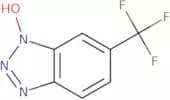
CAS:1-Hydroxy-6-(trifluoromethyl)benzotriazole is a chemical compound that is used as a reagent and an additive in organic synthesis. It has been shown to react with the 7-aminocephalosporanic acid to form a reactive molecule, which is then acylated with various amines. The reaction time can be modified by adding certain additives, such as chloride or uridine. 1-Hydroxy-6-(trifluoromethyl)benzotriazole is also a solid phase synthesis, which means it reacts with other molecules during the synthesis process to form new substances. It also has acidic properties, and can act as a nucleophile in the presence of aminocephalosporanic acid. The structural formula for this chemical is shown below:Formula:C7H4F3N3OPurity:Min. 95%Molecular weight:203.12 g/molN-2-Chloroethyl-Val-Leu-anilide
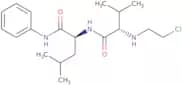
CAS:Please enquire for more information about N-2-Chloroethyl-Val-Leu-anilide including the price, delivery time and more detailed product information at the technical inquiry form on this pageFormula:C19H30ClN3O2Purity:Min. 95%Molecular weight:367.91 g/molN-(4-Bromobutyl)phthalimide
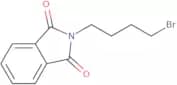
CAS:N-(4-Bromobutyl)phthalimide is a chemical compound that can be used to make dopamine D3. It is an alkylation agent and has been shown to be effective in the conjugation of albumin with monoclonal antibodies. N-(4-Bromobutyl)phthalimide is activated by carboxy, vinyl alcohol, and octamer and reacts with primary amino groups in dopamine. The dilution method is used to determine the concentration of dopamine D3 in a solution. This product can also be used as a chemical intermediate for other pharmaceuticals.Formula:C12H12BrNO2Purity:(%) Min. 95%Color and Shape:PowderMolecular weight:282.13 g/mol


![2-Chloro-pyrazolo[1,5-a]pyridine](/_next/image/?url=https%3A%2Fstatic.cymitquimica.com%2Fproducts%2F3D%2Fthumb-webp%2FFC51462.webp&w=3840&q=75)


![4-[(4-Methyl-1H-pyrazol-1-yl)methyl]piperidine dihydrochloride](/_next/image/?url=https%3A%2Fstatic.cymitquimica.com%2Fproducts%2F3D%2Fthumb-webp%2FFM122832.webp&w=3840&q=75)
![N-[(1S)-1-(Aminocarbonyl)propyl]-4-chlorobutanamide](/_next/image/?url=https%3A%2Fstatic.cymitquimica.com%2Fproducts%2F3D%2Fthumb-webp%2FFA171302.webp&w=3840&q=75)
![8-Chloro-1-methyl-6-phenyl-4H-Imidazo[1,5-a][1,4]benzodiazepine](/_next/image/?url=https%3A%2Fstatic.cymitquimica.com%2Fproducts%2F3D%2Fthumb-webp%2FFC159452.webp&w=3840&q=75)