


Biochemicals and Reagents
Subcategories of "Biochemicals and Reagents"
- Biomolecules(98,574 products)
- By Biological Target(100,726 products)
- By Pharmacological Effects(6,937 products)
- Cryopreservatives(21 products)
- Desinfectants and Related Compounds(28 products)
- Hormones(439 products)
- Plant Biology(6,907 products)
- Secondary Metabolites(14,367 products)
Found 130493 products of "Biochemicals and Reagents"
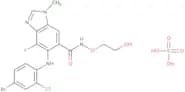
Selumetinib sulfate
CAS:Selumetinib sulfate is an anticancer drug that inhibits the activity of kinases, which are enzymes involved in cell growth and proliferation. It is a synthetic analog of indirubin, a natural compound found in Chinese herbal medicine. Selumetinib sulfate has been shown to induce apoptosis (programmed cell death) in human cancer cells by inhibiting the activity of specific kinases involved in tumor growth. This drug has been used to treat various types of cancer, including lung and thyroid cancers, with promising results. Selumetinib sulfate also shows potential as a protein kinase inhibitor for the treatment of other diseases such as neurofibromatosis type 1. The drug is excreted mainly through urine after metabolism by esterases and CYP3A4 enzymes.Formula:C17H17BrClFN4O7SPurity:Min. 95%Molecular weight:555.8 g/molOBP-801
CAS:OBP-801 is a monoclonal antibody that specifically binds to the extracellular domain of the human epidermal growth factor receptor 2 (HER2). OBP-801 is used as a research tool for studies related to cell biology, peptides, pharmacology and ion channels. It is also used to study protein interactions and receptor activation. OBP-801 has been shown to inhibit HER2 signaling in vitro and in vivo, leading to reduced tumor growth.Formula:C20H31N3O6S2Purity:Min. 95%Molecular weight:473.6 g/mol(4E)-SUN9221
CAS:(4E)-SUN9221 is a peptide that binds to the extracellular domain of the human N-methyl-D-aspartate receptor (NMDAR) and inhibits its activity. It has been shown to be a potent inhibitor of NMDARs in neuronal cells, and also inhibits the binding of glutamate to the receptor. This peptide may provide insight into understanding how NMDA receptors regulate neuronal activity and may help develop new treatments for neurodegenerative diseases such as Alzheimer's disease.
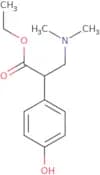
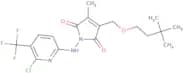
Formula:C25H31FN4O3Purity:Min. 95%Molecular weight:454.5 g/molDecyclohexanol-ethoxycarbonyl-o-desmethyl venlafaxine-d6
CAS:Please enquire for more information about Decyclohexanol-ethoxycarbonyl-o-desmethyl venlafaxine-d6 including the price, delivery time and more detailed product information at the technical inquiry form on this page
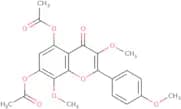
Formula:C13H19NO3Purity:Min. 95%Molecular weight:243.33 g/mol5,7-Diacetoxy-3,4',8-trimethoxyflavone
CAS:5,7-Diacetoxy-3,4',8-trimethoxyflavone is a synthetic antioxidant that belongs to the group of tetronic acids. It has been shown to have anticarcinogenic effects in mice and rats. This compound has also been shown to inhibit the growth of bacteria in cell culture. 5,7-Diacetoxy-3,4',8-trimethoxyflavone may be used as an antimicrobial agent in food products and cosmetics. This compound is also being studied for its palliative effects on colonic epithelial cells.
Formula:C22H20O9Purity:Min. 95%Molecular weight:428.4 g/molCbl-B-in-1
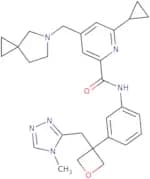
CAS:Please enquire for more information about Cbl-B-in-1 including the price, delivery time and more detailed product information at the technical inquiry form on this page
Formula:C29H34N6O2Purity:Min. 95%Molecular weight:498.6 g/molProNGF Human
ProNGF is a recombinant protein that is designed to be used as a research tool. It has been shown to activate the NGF receptor, which leads to various biological effects such as ion channel activation and cell proliferation. ProNGF can be used in antibody-based research or other high-throughput screening techniques. ProNGF is not an inhibitor of any ion channels, but it does have the capability of binding with other proteins, such as receptors and ion channels. This protein is purified from E. coli and has a purity of >98% by SDS-PAGE analysis.Purity:Min. 95%FASN antibody
The FASN antibody is a highly specialized product in the field of Life Sciences. It is used for various applications such as chromatographic and electrophoresis techniques. This polyclonal antibody specifically targets the fatty acid synthase (FASN) antigen, which plays a crucial role in lipid metabolism. By inhibiting FASN activity, this antibody can be used to study the effects of FASN inhibitors on different cell lines, including mda-mb-231 cells. Additionally, this antibody can be utilized in assays to detect FASN expression levels and investigate its involvement in various cellular processes. The FASN antibody is available both as polyclonal and monoclonal antibodies, providing flexibility for researchers in their experiments.JHU37160
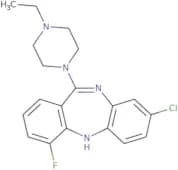
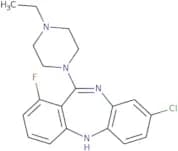
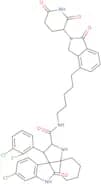
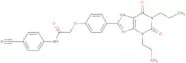
CAS:JHU37160 is an inhibitor that has been shown to induce apoptosis in cancer cells. This analog of caffeine and oxytocin has been found to inhibit the activity of a kinase that is involved in tumor growth and progression. JHU37160 has potent anticancer activity against human cancer cell lines, making it a promising candidate for cancer therapy. This inhibitor has been isolated from Chinese urine and has been extensively studied for its ability to inhibit protein activity. Its unique mechanism of action makes it a valuable tool for cancer research and drug development.Formula:C19H20ClFN4Purity:Min. 95%Molecular weight:358.8 g/molThalidomide 4'-ether-alkylc7-acid
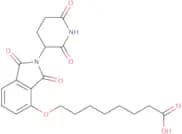
CAS:Please enquire for more information about Thalidomide 4'-ether-alkylc7-acid including the price, delivery time and more detailed product information at the technical inquiry form on this page
Formula:C21H24N2O7Purity:Min. 95%Molecular weight:416.4 g/mol(-)-Asarinin
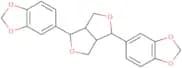
CAS:(-)-Asarinin is a natural product that has been shown to exhibit significant cytotoxicity against 3T3-L1 preadipocytes. (-)-Asarinin is a phenolic compound that is extracted from the leaves of sesame plants. It has been shown to inhibit the ATP-binding cassette transporter and chemiluminescence method, which are both response elements for inflammatory cytokines. (-)-Asarinin also inhibits toll-like receptor 4 (TLR4) expression and thereby prevents chronic cough. (-)-Asarinin is genotoxic in vitro and in vivo, but not mutagenic.Formula:C20H18O6Purity:Min. 95%Molecular weight:354.4 g/mol3-o-(5-Deoxy-beta-D-ribofuranosyl) capecitabine
CAS:3-O-(5-Deoxy-beta-D-ribofuranosyl) capecitabine is a potent inhibitor of the kinase that is involved in cancer cell growth and proliferation. It has been shown to induce apoptosis in tumor cells by inhibiting protein synthesis and blocking the cell cycle. This analog of capecitabine has been tested on various human cancer cell lines and has demonstrated significant anti-tumor activity. 3-O-(5-Deoxy-beta-D-ribofuranosyl) capecitabine inhibits the activity of kinases that are essential for cancer cell survival, making it a promising candidate for cancer treatment. Additionally, this compound has been found in urine samples from patients undergoing chemotherapy with capecitabine, suggesting that it may be a useful biomarker for monitoring treatment efficacy.Formula:C20H30FN3O9Purity:Min. 95%Molecular weight:475.5 g/molCholesterol-3-d1
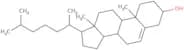
CAS:Controlled ProductPlease enquire for more information about Cholesterol-3-d1 including the price, delivery time and more detailed product information at the technical inquiry form on this pageFormula:C27H46OPurity:Min. 95%Molecular weight:387.7 g/molPomalidomide 4'-alkylc7-amine
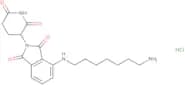
CAS:Please enquire for more information about Pomalidomide 4'-alkylc7-amine including the price, delivery time and more detailed product information at the technical inquiry form on this pageFormula:C20H27ClN4O4Purity:Min. 95%Molecular weight:422.9 g/molLapatinib ditosylate monohydrate
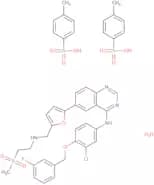
CAS:Inhibitor of EGFR (ErbB1) and HER2 (ErbB2) receptor tyrosine kinases. Used for sensitization of HER2-overexpressing cancer cells to radiation as well as chemotherapy to tamoxifen- and trastuzumab-resistant cell lines. The compound blocks signalling via Akt and mitogen-activated protein kinase (MAPK) pathways leading to reduced cell survival. In trastuzumab resistant cancer cells, it inhibits HER2 phosphorylation, prevents receptor ubiquitination and causes accumulation of inactive HER2 dimers on the cell surface.Formula:C29H26ClFN4O4S•(C7H8O3S)2•H2OPurity:Min. 95%Molecular weight:943.48 g/molFelezonexor
CAS:Felezonexor is a tyrosine kinase inhibitor that binds to the active site of the enzyme, blocking phosphorylation and inhibiting protein kinase activity. Felezonexor has been shown to inhibit phosphatases and tyrosine phosphatases in solid tumours. These enzymes are involved in cancer cell proliferation and differentiation. Phosphatases also play an important role in antiviral signalling pathways. Felezonexor has been used in treatment of HIV-1 infection and is currently being investigated for use in cancer therapy.
Formula:C18H21ClF3N3O3Purity:Min. 95%Molecular weight:419.80 g/molCenisertib
CAS:Cenisertib is a potent ATP-competitive kinase inhibitor, which is a synthetic small molecule developed for therapeutic use in oncology. Sourced from rational drug design and medicinal chemistry efforts, Cenisertib targets the aurora kinases, particularly AURORA A and B, which play critical roles in cell division and tumor progression.Formula:C24H30FN7OPurity:Min. 95%Molecular weight:451.5 g/molRubicene
CAS:Rubicene is an analog of dabigatran, a potent inhibitor of kinases that are involved in the regulation of cell growth and proliferation. It has been shown to induce apoptosis in cancer cells by inhibiting the activity of these kinases, making it a promising candidate for anticancer therapy. Rubicene has been tested on human tumor cell lines and has demonstrated potent anticancer activity. Additionally, it has been found to be effective against Chinese hamster ovary cells and can be detected in urine samples after administration. Rubicene holds great potential as a protein kinase inhibitor for cancer treatment.Formula:C26H14Purity:Min. 95%Molecular weight:326.4 g/molβ-Tocotrienol-d6
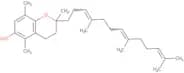
CAS:β-Tocotrienol-d6 is a glycoprotein that emits hydrogenated glycan compounds. It is derived from ginseng and has been extensively studied in the field of Life Sciences. β-Tocotrienol-d6 has shown to have cytotoxic effects on various cell lines, including those infected with tenofovir-resistant strains of HIV. This compound also exhibits lectin-like properties, binding specifically to certain carbohydrates found on the surface of cells. β-Tocotrienol-d6 can be synthesized using methanol and hydrochloric acid under industrial conditions. Its glycosylation pattern makes it a potential antiviral agent, as it interferes with viral attachment and entry into host cells.Formula:C28H42O2Purity:Min. 95%Molecular weight:416.7 g/mol1,2-Distearoyl-d70-sn-glycero-3-[phospho-L-serine] (sodium salt)
CAS:Controlled Product1,2-Distearoyl-d70-sn-glycero-3-[phospho-L-serine] (sodium salt) is an antibody that has been shown to inhibit the activity of ion channels. It is a high purity, single chain antibody fragment that can be used for research in cell biology and pharmacology. 1,2-Distearoyl-d70-sn-glycero-3-[phospho-L-serine] (sodium salt) binds to the extracellular domain of the receptor and activates it by increasing the number of ligands that bind to it. This antibody has been shown to have a high binding affinity for erythropoietin receptors.Formula:C42H11NO10PNaD70Purity:Min. 95%Molecular weight:884.49 g/mol(1R,2R)-N1,N1-Dimethyl-N2-(3-methyl-1,2,4-triazolo[3,4-a]phthalazin-6-yl)-1-phenyl-1,2-propanediamine
CAS:(1R,2R)-N1,N1-Dimethyl-N2-(3-methyl-1,2,4-triazolo[3,4-a]phthalazin-6-yl)-1-phenyl-1,2-propanediamine is a research tool with the CAS No. 2084850-77-9 and belongs to the class of peptides. It is an inhibitor of ion channels and ligand for receptors. This product is a high purity reagent suitable for use in cell biology and pharmacology research. The chemical structure of this compound has not yet been characterized.Formula:C21H24N6Purity:Min. 95%Molecular weight:360.46 g/molTriglyme-d6
CAS:Triglyme-d6 is an analog that has been shown to induce apoptosis in cancer cells. It is a potent inhibitor of several kinases, including protein kinase C and cyclin-dependent kinases, which are involved in cell division and proliferation. Triglyme-d6 has demonstrated anticancer activity against various tumor types, including breast, colon, and lung cancers. This compound is commonly used in medicinal chemistry research as a tool for studying the mechanisms of cancer cell growth and identifying potential new inhibitors for therapeutic use. Triglyme-d6 can be detected in human urine and Chinese hamster ovary cells using mass spectrometry techniques.Formula:C8H18O4Purity:Min. 95%Molecular weight:184.26 g/molClozapine-d8
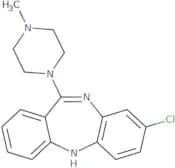
CAS:Controlled ProductClozapine-d8 is a medicinal analog that has been shown to have potent anticancer properties. This compound is a kinase inhibitor that targets proteins involved in cell growth and division, leading to apoptosis (programmed cell death) in cancer cells. Clozapine-d8 has been tested on human cancer cells and has been found to be effective against a variety of tumor types. In addition, this compound is excreted in urine, making it an attractive candidate for non-invasive diagnostic testing. The use of Clozapine-d8 as an inhibitor of kinases involved in cancer progression holds great promise for the development of novel anticancer therapies.Formula:C18H19ClN4Purity:Min. 95%Molecular weight:334.9 g/mol(-)-Mycousnine
CAS:(–)-Mycousnine is a potent anticancer agent that has shown promising results in the treatment of various types of tumors. This medicinal compound works by inhibiting kinases, which are enzymes that play a crucial role in cancer cell growth and survival. By inducing apoptosis or programmed cell death, (–)-Mycousnine effectively targets cancer cells and prevents their proliferation. In addition to its strong anticancer properties, this compound also acts as an inhibitor of kinase activity in Chinese hamster ovary cells and human urine. Its protein analogs have been found to be highly effective against various forms of cancer, making it a valuable therapeutic agent for cancer treatment.Formula:C19H20O8Purity:Min. 95%Molecular weight:376.4 g/mol2-[6-[3-[3-(Aminomethyl)phenyl]-5-methylphenoxy]-3,5-difluoropyridin-2-yl]oxybutanoic acid
CAS:2-[6-[3-(Aminomethyl)phenyl]-5-methylphenoxy]-3,5-difluoropyridin-2-yl]oxybutanoic acid is a peptide that is used as a research tool. It can be used to study protein interactions, antibody binding, and cell biology. This compound has been shown to be an inhibitor of ion channels and is a ligand for the receptor site. 2-[6-[3-(Aminomethyl)phenyl]-5-methylphenoxy]-3,5-difluoropyridin-2-yl]oxybutanoic acid has also been shown to have pharmacological activity in life science.Formula:C23H22F2N2O4Purity:Min. 95%Molecular weight:428.4 g/mol1-Palmitoyl-d9-2-hydroxy-sn-glycero-3-pc
CAS:Please enquire for more information about 1-Palmitoyl-d9-2-hydroxy-sn-glycero-3-pc including the price, delivery time and more detailed product information at the technical inquiry form on this pageFormula:C24H50NO7PPurity:Min. 95%Molecular weight:504.7 g/molAZD1390
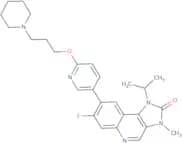
CAS:AZD1390 is a positron-emitting drug that can be used to study the molecular mechanisms of cancer. It binds to receptors on the surface of cells, activating cell signaling pathways, and is currently being studied for use in the treatment of squamous carcinoma. AZD1390 is able to penetrate solid tumours and it has been found to be effective against some types of cancer. The clinical studies showed that AZD1390 was safe and well-tolerated in patients with advanced cancers and that it had an acceptable side effect profile. This drug also has pharmacokinetic properties which make it suitable as a therapeutic agent.Formula:C27H32FN5O2Purity:Min. 95%Molecular weight:477.57 g/molZelpolib
CAS:Zelpolib is a peptide inhibitor. It is a potent and selective blocker of the human calcitonin gene-related peptide receptor (CGRP receptor). The binding site of zelpolib was mapped to a region near the extracellular end of the CGRP receptor, which overlaps with the binding site for amlexanox. This peptide has been shown to be an effective inhibitor in cell-based assays. Zelpolib is also an activator at the vasopressin V2 receptor.Formula:C22H21N3O5S2Purity:Min. 95%Molecular weight:471.6 g/molChlordene hydroxide
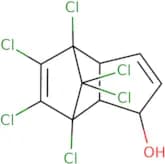
CAS:Chlordene hydroxide is an inhibitor of kinases, which are enzymes that play a key role in cell signaling and regulation. It has been shown to induce apoptosis, or programmed cell death, in human cancer cells. Chlordene hydroxide is an analog of oseltamivir, a drug used to treat influenza. It has been tested for its anticancer properties and has shown promising results in inhibiting tumor growth in Chinese hamsters. In addition, Chlordene hydroxide has been found in the urine of cancer patients undergoing treatment with kinase inhibitors, suggesting its potential as a biomarker for response to therapy. Overall, Chlordene hydroxide shows potential as a novel anticancer agent with unique mechanisms of action.
Formula:C10H6Cl6OPurity:Min. 95%Color and Shape:PowderMolecular weight:354.9 g/molAcipimox-d4
CAS:Please enquire for more information about Acipimox-d4 including the price, delivery time and more detailed product information at the technical inquiry form on this pageFormula:C6H6N2O3Purity:Min. 95%Molecular weight:158.15 g/molIpratropium iodide
CAS:Ipratropium iodide is a medication used to treat chronic obstructive pulmonary disease (COPD) and asthma. It works by blocking the action of acetylcholine, a neurotransmitter that causes constriction of the airways. Ipratropium iodide is also being studied for its potential use in cancer treatment. Preliminary research has shown that it may inhibit certain kinases involved in cancer cell growth and promote apoptosis, or programmed cell death, in cancer cells. In addition, it has been found to be an effective inhibitor of ranolazine and ranitidine, both of which are commonly used medications for various conditions. Further studies are needed to fully understand the anticancer properties of ipratropium iodide.Formula:C20H28NO2Purity:Min. 95%Molecular weight:314.4 g/mol1-(2-Piperidinylethyl)-2-[3-(3,4-dichlorophenoxy)phenyl]benzimidazole
CAS:1-(2-Piperidinylethyl)-2-[3-(3,4-dichlorophenoxy)phenyl]benzimidazole is a co-crystal inhibitor of the voltage-gated sodium channel. It blocks the sodium ion channels in the nerve cell membrane, preventing the passage of these ions and thereby inhibits the generation of an action potential.Formula:C26H25Cl2N3OPurity:Min. 95%Molecular weight:466.4 g/molN-Boc-glycine-13C
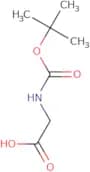
CAS:Please enquire for more information about N-Boc-glycine-13C including the price, delivery time and more detailed product information at the technical inquiry form on this pageFormula:C7H13NO4Purity:Min. 95%Molecular weight:176.18 g/mol3-Dehydroxy ezetimibe open ring impurity
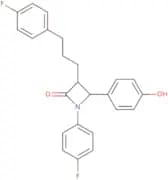
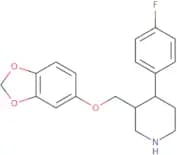
CAS:3-Dehydroxy ezetimibe open ring impurity is an analog of the cholesterol-lowering drug ezetimibe. This compound has been shown to have potent anticancer activity by inhibiting cyclin-dependent kinases (CDKs), which are enzymes that regulate cell division. It induces apoptosis in human cancer cells and has been identified as a potential tumor protein kinase inhibitor. 3-Dehydroxy ezetimibe open ring impurity also exhibits kinase inhibitory activity against Chinese hamster ovary cells, indicating its potential for use as an anticancer agent. This compound can be found in urine samples of patients taking ezetimibe and may serve as a useful biomarker for monitoring treatment efficacy.Formula:C24H21F2NO2Purity:Min. 95%Molecular weight:393.4 g/molCis-(+)-paroxetine hydrochloride
CAS:Controlled ProductPlease enquire for more information about Cis-(+)-paroxetine hydrochloride including the price, delivery time and more detailed product information at the technical inquiry form on this pageFormula:C19H20FNO3Purity:Min. 95%Molecular weight:329.4 g/molSematilide monohydrochloride monohydrate
CAS:Sematilide is a drug that is used for the treatment of bowel disease. It has been shown to have cardiac effects, such as atrial and ventricular arrhythmias, and may be useful in treating congestive heart failure. Sematilide also has anti-arrhythmic properties. The drug is classified as a low potency antiarrhythmic agent with a class III effect on the heart. Due to its low potency, sematilide does not cause any significant side effects on the heart muscle. This drug has been shown to be effective in experimental models of myocardial infarcts and can be used in combination with other drugs that are more potent than sematilide.Formula:C14H23N3O3S·HCl·H2OPurity:Min. 95%Molecular weight:367.89 g/mol1-(2-Chlorophenyl)-N-methyl-N-[(1R)-1-methylpropyl]-3-isoquinolinecarboxamide
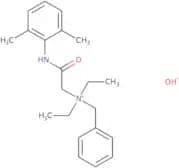
CAS:1-(2-Chlorophenyl)-N-methyl-N-[(1R)-1-methylpropyl]-3-isoquinolinecarboxamide is an inhibitor of kinases that has been shown to be effective against human cancer cells. This compound is an analog of a Chinese medicinal herb and has demonstrated potent anticancer activity in vitro and in vivo. It inhibits the activity of various kinases, including protein kinase B (Akt), which plays a key role in the regulation of cell proliferation and survival. The inhibition of Akt by this compound leads to apoptosis or programmed cell death in cancer cells. This inhibitor has been detected in urine after administration, indicating its potential for clinical use as an anticancer agent.Formula:C21H21ClN2OPurity:Min. 95%Molecular weight:352.9 g/molDenatonium hydroxide
CAS:Denatonium hydroxide is an inhibitor that belongs to the group of Chinese analog kinases. It has been shown to be effective in inhibiting the growth of human cancer cells and tumors. Denatonium hydroxide is also known for its bitter taste, which makes it a common ingredient in products such as menthol and urine treatments. This drug has been found to have anticancer properties, as it induces apoptosis, or programmed cell death, in cancer cells. Additionally, denatonium hydroxide is used as an inhibitor against tylosin kinase activity.
Formula:C21H30N2O2Purity:Min. 95%Molecular weight:342.5 g/molEthyl 2-(2-(4,5-bis(4-methoxyphenyl)thiazol-2-yl)-1H-pyrrol-1-yl)acetate
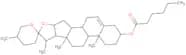
CAS:Ethyl 2-(2-(4,5-bis(4-methoxyphenyl)thiazol-2-yl)-1H-pyrrol-1-yl)acetate (ETP) is a drug that has been shown to inhibit cancer stem cells. It is an antiplatelet drug and has been shown to have the ability to repair muscle tissue by stimulating the production of fatty acids such as butyric acid. ETP also inhibits insulin resistance, which may be beneficial in treating metabolic disorders. ETP is metabolized into indirubin, which has been shown to have pharmacological effects on cancer cells.Formula:C25H24N2O4SPurity:Min. 95%Molecular weight:448.5 g/molCaprospinol
CAS:Caprospinol is a drug that has been shown to have neuroprotective effects. It is a mitochondrial matrix-targeted drug and has demonstrated efficacy in clinical trials for the treatment of mitochondrial disease. Caprospinol may be effective in improving mitochondrial function by enhancing mitochondrial biogenesis and increasing oxidative phosphorylation. Caprospinol has also been shown to have a protective effect on the mitochondria and prevents long-term toxicity, which may be due to its ability to enhance mitochondrial function. In addition, caprospinol has been found to increase the number of functional mitochondria in the brain cells of rats with experimental Parkinson's disease. Caprospinol also has an intramolecular hydrogen bond that is responsible for its structural formula and helps it bind to the mitochondria.
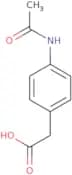
Formula:C33H52O4Purity:Min. 95%Molecular weight:512.8 g/molActarit-d4
CAS:Please enquire for more information about Actarit-d4 including the price, delivery time and more detailed product information at the technical inquiry form on this pageFormula:C10H11NO3Purity:Min. 95%Molecular weight:197.22 g/molFRETS-25Trp (1 umol) (1umol)
FRETS-25Trp is a peptide that is used as a research tool for the study of protein interactions. It is an activator of ion channels and has been shown to bind to the receptor site of protein. FRETS-25Trp has also been shown to inhibit the interaction between ligands and receptors, which may be due to its ability to mimic the natural ligand or compete with it for binding sites. FRETS-25Trp is synthesized by solid phase peptide synthesis on a resin, which provides high purity and yields of up to 1 umol per reaction. FRETS-25Trp (1 umol) (1umol) is CAS No. 120106-03-5 and Reagent No. F2204.Purity:Min. 95%TentaGel® H RAM
TentaGel H RAM is a building block for peptide synthesis and a resin for peptide synthesis. It is made of 3-hydroxypropyl methacrylate (HPM) and bis-acrylamide (BAM) in a ratio of 1:1. TentaGel H RAM is used as an alternative to polystyrene, which has been used as the base resin for peptide synthesis.Purity:Min. 95%Midkine (Human, 60-121)
Midkine belongs to the group of peptides and is found in human brain, bone marrow, and peripheral blood. It is an activator of ion channels and has a high affinity for receptors. Midkine is a ligand that binds to receptors on cells. This protein may be used as a research tool to study the function of ion channels or as an antibody in cell biology experiments.Formula:C292H483N91O87S4Purity:Min. 95%Molecular weight:6,788.8 g/molAnti Basic-FGF (1-9), human Serum
Anti Basic-FGF (1-9) is a peptide that has been shown to inhibit the growth of cancer cells in vitro. It is an activator of the receptor tyrosine kinase FGF receptor and has been used as a research tool for studying the interactions between proteins. The antibody against Anti Basic-FGF (1-9) can be used in immunohistochemistry and Western blot analysis to identify this peptide in tissue samples. This peptide is also an inhibitor of the ion channel protein, TRPM4, and has been shown to block its activity at low concentrations.Purity:Min. 95%L 161,240
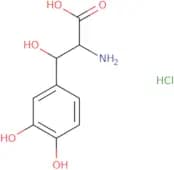
CAS:L 161,240 is a potent inhibitor of kinases, which are enzymes that play a crucial role in the regulation of cellular processes. This analog has shown to induce apoptosis in tumor cells and inhibit the growth of cancer cells. L 161,240 has been found to be effective against hyaluronan-mediated signaling pathways, which are involved in cancer progression. This compound has also been shown to inhibit the activity of certain kinases that are involved in testosterone metabolism. L 161,240 is an octreotide analog that can be used for the treatment of various types of cancers. It has been tested on both Chinese hamster ovary cells and human cancer cell lines with promising results. Additionally, this compound has been detected in urine samples and may serve as a potential biomarker for kinase inhibitor therapy.Formula:C15H20N2O5Purity:Min. 95%Molecular weight:308.33 g/molD,L-Threo-droxidopa-13C2,15N hydrochloride
CAS:Please enquire for more information about D,L-Threo-droxidopa-13C2,15N hydrochloride including the price, delivery time and more detailed product information at the technical inquiry form on this pageFormula:C9H12ClNO5Purity:Min. 95%Molecular weight:252.63 g/molEndokinin C, human
Endokinin C is a peptide that is an inhibitor of protein interactions. It has a CAS number of 52783-30-4. Endokinin C has been shown to have the ability to inhibit the activity of ion channels, such as potassium channels, sodium channels, and calcium channels. This peptide also activates ligands and receptors in the body, including epidermal growth factor receptor (EGFR), insulin-like growth factor receptor (IGF1R), and nerve growth factor receptor (NGFR). Endokinin C is purified from human urine. It has high purity with a protein content of less than 5%.Formula:C78H123N21O20Purity:Min. 95%Molecular weight:1,674.9 g/molHemopexin Heavy Tryptic Peptide Standard (4nmol)
A Hemopexin HeavyTryptic Peptide Standard for use in protein identification and quantitation applications. Hemopexin is a protein found within the plasma which has a high binding affinity for heme.Purity:Min. 95%Levofloxacin methyl ester
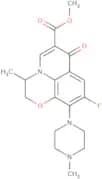
CAS:Levofloxacin methyl ester is an analog of levofloxacin, a fluoroquinolone antibiotic that targets bacterial DNA gyrase and topoisomerase IV. This compound has been found to inhibit kinases in human cancer cells, making it a potential candidate for anticancer therapy. Levofloxacin methyl ester has also been shown to increase the activity of rifampicin against Chinese hamster ovary (CHO) cells, indicating its potential as a synergistic drug combination. In addition, this compound has demonstrated apoptosis-inducing effects on tumor cells and may serve as an inhibitor of cancer cell growth. Levofloxacin methyl ester is excreted in urine and has been shown to have antioxidant properties similar to astaxanthin.Formula:C19H22FN3O4Purity:Min. 95%Molecular weight:375.4 g/molAmitifadine
CAS:Amitifadine is a small molecule that inhibits protein interactions and has been used as a research tool. It has been shown to bind to the extracellular domain of the beta-2 adrenergic receptor, which is responsible for binding with endogenous catecholamines such as epinephrine and norepinephrine. Amitifadine also binds to the alpha-1 adrenergic receptor, but not as strongly. This drug has also been shown to bind to other receptors such as the angiotensin II type 1 receptor, serotonin type 3A receptor, and histamine H1 receptor.Formula:C11H11Cl2NPurity:Min. 95%Molecular weight:228.11 g/mol4-[[3-[4-(4-Carbamimidoylbenzoyl)piperazine-1-carbonyl]-5-nitrophenyl]methyl]piperazine-1-carboximidamide
CAS:4-[[3-[4-(4-Carbamimidoylbenzoyl)piperazine-1-carbonyl]-5-nitrophenyl]methyl]piperazine-1-carboximidamide (PPCI) is a potent and selective inhibitor of the NMDAR. PPCI also inhibits the activity of voltage gated potassium channels, alpha7 nicotinic acetylcholine receptors and 5HT3 serotonin receptors. It has been reported to be a promising candidate for the treatment of Alzheimer's disease and other neurological disorders that are characterized by excitotoxicity. PPCI is an important research tool for studies on receptor interactions, ion channels, cell biology, pharmacology, and neuroscience. PPCI was first synthesized in 2006 by scientists from Merck Research Laboratories.br>br>Formula:C25H31N9O4Purity:Min. 95%Molecular weight:521.6 g/molTecarfarin sodium
CAS:Tecarfarin is a water-soluble anticoagulant. It belongs to the group of coumarin derivatives and is chemically related to warfarin. Tecarfarin sodium is a white powder that has been industrially produced by means of a wet granulation process. This product can be used as an adjuvant in pharmaceutical preparations, such as tablets and capsules, or as a pharmaceutic adjuvant in solid dispersions. Tecarfarin sodium has shown chemical stability and reproducibility, which are important for industrial production of pharmaceutical products.Formula:C21H13F6NaO5Purity:Min. 95%Molecular weight:482.3 g/molMOCAc-Asp-Glu-Val-Asp-Ala-Pro-Lys(Dnp)-NH₂
MOCAc-Asp-Glu-Val-Asp-Ala-Pro-Lys(Dnp)-NH₂ is a peptide that can be used as a research tool to study protein interactions and receptor function. MOCAc-Asp-Glu-Val-Asp-Ala-Pro-Lys(Dnp)-NH₂ inhibits the ion channels, which are involved in the transmission of nerve impulses. The peptide has been shown to bind with high affinity to the nicotinic acetylcholine receptor (nAChR) and may be used as a ligand for this receptor.Formula:C50H63N11O21Purity:Min. 95%Molecular weight:1,154.1 g/molFGF 8 Human
FGF 8 is a protein that is involved in the regulation of cell growth, differentiation and survival. It can bind to FGF receptors on cells, which triggers a signal transduction pathway. The activation of this pathway leads to the inhibition of GSK3β activity and the activation of Akt. FGF 8 also binds to FGFR4, which activates phospholipase C (PLC) and increases intracellular Ca2+. This leads to the activation of PKC and calpain, which then activate nitric oxide synthases (NOS). Activation of NOS leads to increased production of nitric oxide, which causes vasodilation.Purity:Min. 95%[Sar1,Ala8]-Angiotensin II
Sar1,Ala8]-Angiotensin II is a peptide that has been shown to bind to the angiotensin receptor and activate it. This peptide is a research tool for studying ion channels, ligand-receptor interactions, and protein interactions. The peptide can be used to study the pharmacology of the angiotensin receptor, as well as its role in cell biology and other biological processes. Sar1,Ala8]-Angiotensin II binds to the angiotensin receptor with high affinity, making it an excellent candidate for use in antibody production against this receptor.Formula:C43H67N13O10Purity:Min. 95%Molecular weight:926.07 g/molGalanin (Rat) Antiserum
Galanin is a peptide that is involved in the regulation of many physiological processes, including the regulation of food intake, water balance, and pain perception. The rat galanin antiserum reacts with both human and rat galanin. Galanin is a member of the family of G protein-coupled receptors (GPCRs).Purity:Min. 95%Propaphos
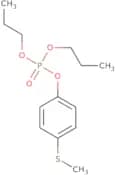
CAS:Propaphos is an anticancer drug that belongs to the class of kinase inhibitors. It has been shown to induce apoptosis in cancer cells, making it a promising candidate for cancer treatment. Propaphos is an analog of adrenomedullin, which is a hormone that regulates blood pressure and vascular tone. It has been found to inhibit the activity of several kinases, including those involved in thyroid cancer and urinary tract tumors. In Chinese hamster ovary cells, propaphos has been shown to be a potent inhibitor of tumor growth. This drug also inhibits the activity of several kinases involved in angiogenesis, making it a potential therapeutic option for patients with advanced cancers.Formula:C13H21O4PSPurity:Min. 95%Molecular weight:304.34 g/molPirimicarb-desmethyl
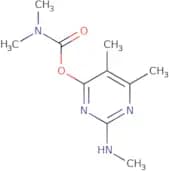
CAS:Pirimicarb-desmethyl is a medicinal compound that has been shown to have anticancer properties. It is an analog of Pirimicarb, which is used as an insecticide for agricultural purposes. Pirimicarb-desmethyl inhibits kinases and proteins involved in the cell cycle, leading to apoptosis and tumor growth inhibition. This compound has been tested on human cancer cells and has shown promising results in inhibiting their growth. Additionally, it has been found in urine samples from Chinese patients with cancer, indicating its potential as a cancer treatment. Overall, Pirimicarb-desmethyl shows great promise as a potent inhibitor of cancer cells and warrants further investigation into its therapeutic potential.Formula:C10H16N4O2Purity:Min. 95%Molecular weight:224.26 g/molMorpholine-13C4
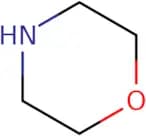
CAS:Morpholine-13C4 is a medicinal compound that has shown potential as an anticancer agent. It works by inhibiting kinases, which are enzymes that play a crucial role in the regulation of cell growth and division. By blocking these enzymes, Morpholine-13C4 can induce apoptosis, or programmed cell death, in cancer cells. This compound has been tested on human cancer cell lines and has shown promising results in slowing down tumor growth and inducing cell cycle arrest. Additionally, Morpholine-13C4 has been used as a tool for the development of kinase inhibitors and has been detected in urine samples from Chinese individuals treated with kinase inhibitors. Its unique isotopic labeling makes it an ideal candidate for studying protein phosphorylation and other cellular processes involved in cancer development.Formula:C4H9NOPurity:Min. 95%2,3-o-(1-Methoxyethylidene)-inosine
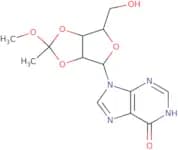
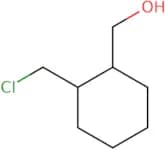
CAS:Please enquire for more information about 2,3-o-(1-Methoxyethylidene)-inosine including the price, delivery time and more detailed product information at the technical inquiry form on this pageFormula:C13H16N4O6Purity:Min. 95%Molecular weight:324.29 g/molTrans-2-(chloromethyl)cyclohexanemethanol
CAS:Please enquire for more information about Trans-2-(chloromethyl)cyclohexanemethanol including the price, delivery time and more detailed product information at the technical inquiry form on this pageFormula:C8H15ClOPurity:Min. 95%Molecular weight:162.66 g/molGlucagon-HS ELISA (Kit) (1ea)
The Glucagon-HS ELISA (Kit) is a sandwich ELISA for the quantitative measurement of human glucagon in serum. The kit contains an antibody specific to human glucagon, and a detection antibody that has been pre-coated onto the wells of the microtiter plate. Standards are provided in order to generate a standard curve. A sample is added to each well and any human glucagon present will bind to the antibody. After incubation and washing, a substrate solution is added which will react with the bound human glucagon, resulting in a color change proportional to the amount of human glucagon present in the sample. The color change is measured by absorbance at 450 nm and compared against known concentrations of human glucagon on a standard curve. br>br> The Glucagon-HS ELISA (Kit) provides an accurate means for measuring serum levels of human glucagon in clinical, research, or veterinary settings. It can be used as a diagnostic aidPurity:Min. 95%1-Deoxyfructosyl-Val-His-[D7]Leu-Thr-Pro-Glu
1-Deoxyfructosyl-Val-His-[D7]Leu-Thr-Pro-Glu is a research tool that belongs to the group of activators. It activates receptors and ion channels. This product has been shown to inhibit cell proliferation, peptide binding and protein interactions. 1-Deoxyfructosyl-Val-His-[D7]Leu-Thr-Pro-Glu is a high purity and potent inhibitor of protein interactions with pharmacological applications.
Formula:C37H53D7N8O15Purity:Min. 95%Molecular weight:863.96 g/molPropiconazole-4H-1,2,4-triazole
CAS:Please enquire for more information about Propiconazole-4H-1,2,4-triazole including the price, delivery time and more detailed product information at the technical inquiry form on this pageFormula:C15H17Cl2N3O2Purity:Min. 95%Molecular weight:342.2 g/molPhevamine A
CAS:Phevamine A is a peptide inhibitor that binds to the β2 adrenergic receptor and blocks the activation of this receptor by its ligands. Phevamine A also has an agonistic effect on G-protein coupled receptors, including the β1 adrenergic receptor. This drug is used in research as a tool to study protein interactions, activator or inhibitor of protein function, and as a high purity reagent for life science applications.
Formula:C22H39N7O2Purity:Min. 95%Molecular weight:433.6 g/mol08:0 Pi(3)P
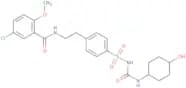
CAS:08:0 Pi(3)P is a synthetic phosphatidylinositol 3-phosphate analog, which is often utilized as a biochemical tool. This product is derived from phosphatidylinositol, a lipid naturally occurring within biological membranes, and is chemically synthesized to mimic the function of the native lipid. Its mode of action involves binding to specific phosphoinositide-binding domains within proteins, allowing researchers to study protein-lipid interactions and signaling pathways.Formula:C25H54N2O16P2Purity:Min. 95%Molecular weight:700.65 g/molrac Trans-4-hydroxy glyburide-13C,d3
CAS:Controlled ProductPlease enquire for more information about rac Trans-4-hydroxy glyburide-13C,d3 including the price, delivery time and more detailed product information at the technical inquiry form on this pageFormula:CC22H25D3ClN3O6SPurity:Min. 95%Molecular weight:514 g/molJHU37152
CAS:JHU37152 is a potent cyclin-dependent kinase (CDK) inhibitor that has shown promise in the treatment of leukemia and other types of cancer. It is an analog of a natural compound found in Chinese medicinal plants and has been shown to inhibit the growth of human cancer cells by inducing apoptosis, or programmed cell death. JHU37152 specifically targets CDKs, which are enzymes that regulate the cell cycle and are often overexpressed in tumor cells. By inhibiting CDK activity, this compound can halt the progression of cancer cells and prevent them from dividing. JHU37152 is a promising new class of anti-cancer drugs that may have significant therapeutic potential for treating a variety of cancer types.Formula:C19H20ClFN4Purity:Min. 95%Molecular weight:358.8 g/molBAL 30072
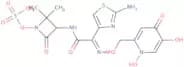
CAS:BAL 30072 is a long-chain fatty acid that is used as an antimicrobial agent. It has been shown to have a broad spectrum of activity against gram-negative bacteria, including P. aeruginosa and Stenotrophomonas maltophilia. BAL 30072 inhibits the growth of these microbes by altering the mitochondrial membrane potential and inhibiting the production of energy-generating molecules. This compound also has been shown to have clinical efficacy in treating infections caused by gram-negative bacteria, such as Pseudomonas aeruginosa and Stenotrophomonas maltophilia, in animal models.
br>br>
This product is not intended for use in humans.Formula:C16H18N6O10S2Purity:Min. 95%Molecular weight:518.5 g/molMG-277
CAS:MG-277 is an anticancer drug that acts as a kinase inhibitor. It induces apoptosis in cancer cells and has been shown to be effective against various types of tumors. MG-277 is derived from a medicinal plant and was first isolated from urine samples of Chinese patients with cancer. This drug inhibits the activity of protein kinases, which are enzymes involved in regulating cell growth and division. MG-277 is a potent inhibitor of several kinases that are overexpressed in human cancer cells, making it a promising candidate for targeted cancer therapy. Its analogs have also been studied for their potential as kinase inhibitors. Overall, MG-277 represents a promising class of drugs for the treatment of various types of cancers.
Formula:C41H42Cl2FN5O5Purity:Min. 95%Molecular weight:774.7 g/molL002
CAS:L002 is a chemical inhibitor that targets lysine acetyltransferases (KATs), which are enzymes responsible for the acetylation of lysine residues on histone and non-histone proteins. This small-molecule inhibitor is derived from a synthetic chemical source utilizing rational design principles to enhance its specificity and efficacy. The mode of action of L002 involves the competitive inhibition of the KATs catalytic activity, which leads to a reduction in protein acetylation levels. This alteration affects chromatin structure and function, thereby influencing gene expression and cellular processes such as proliferation and differentiation.Formula:C15H15NO5SPurity:Min. 95%Molecular weight:321.35 g/molPOT-4
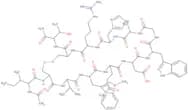
CAS:POT-4 is an anticancer drug that has been shown to inhibit the growth of tumor and cancer cells. It is a potent inhibitor of kinases, which are enzymes that play a critical role in cell signaling pathways. POT-4 is an analog of a Chinese medicinal plant compound and has been tested on human cancer cell lines. It induces apoptosis, or programmed cell death, in cancer cells by blocking the activity of specific kinases involved in promoting cell survival. POT-4 has shown promising results as a potential therapeutic agent for various types of cancer due to its ability to selectively target cancer cells while sparing normal cells. Its unique mechanism of action makes it a promising candidate for further development as an effective cancer inhibitor.Formula:C72H102N22O18S2Purity:Min. 95%Molecular weight:1,627.9 g/molLysRs-in-2
CAS:LysRs-in-2 is a protein inhibitor that is derived from ceftiofur, an antibiotic used in veterinary medicine. It has been shown to have anticancer properties by inducing apoptosis in cancer cells. LysRs-in-2 targets kinases, which are enzymes involved in cell signaling pathways that regulate cell growth and division. This analog has been tested on both Chinese hamster ovary cells and human tumor cells, demonstrating potent anticancer activity. Additionally, LysRs-in-2 has been found in urine samples of patients with cancer, suggesting its potential as a diagnostic marker for cancer detection. Further research is needed to fully understand the therapeutic potential of this promising compound.Formula:C17H16F3NO4Purity:Min. 95%Molecular weight:355.31 g/molPalmitic acid-d9
CAS:Palmitic acid-d9 is a deuterated form of palmitic acid, which is a saturated fatty acid. It is commonly used in industrial applications and research in the field of Life Sciences. Palmitic acid-d9 has various functions and properties that make it useful in different areas. It can act as a precursor for the synthesis of other compounds such as glutamate, a neurotransmitter, and p. aeruginosa, an opportunistic pathogen. Additionally, it is involved in the production of basic proteins, chemokines, cellulose, and growth factors.
Formula:C16H32O2Purity:Min. 95%Molecular weight:265.48 g/molI-BET469
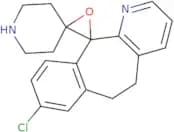
CAS:I-BET469 is a peptidomimetic that is being developed for the treatment of cancer. It was designed to bind to the bromodomain, which is an important drug target. I-BET469 has shown anticancer efficacy in preclinical studies in a range of cell lines and animal models. However, this drug also has a number of side effects, including liver toxicity and inflammation.Formula:C23H30N4O4Purity:Min. 95%Molecular weight:426.5 g/molDesloratadine epoxide
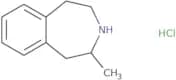
CAS:Please enquire for more information about Desloratadine epoxide including the price, delivery time and more detailed product information at the technical inquiry form on this pageFormula:C19H19ClN2OPurity:Min. 95%Molecular weight:326.8 g/mol(2S)-2-Methyl-2,3,4,5-tetrahydro-1H-3-benzazepine
CAS:Please enquire for more information about (2S)-2-Methyl-2,3,4,5-tetrahydro-1H-3-benzazepine including the price, delivery time and more detailed product information at the technical inquiry form on this pageFormula:C11H16ClNPurity:Min. 95%Molecular weight:197.7 g/molSRX246
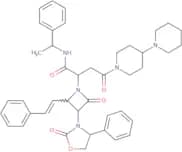
CAS:SRX246 is a novel anxiolytic drug that is a selective, high-affinity antagonist at the serotonin 5-HT2A receptor. SRX246 had no significant binding to other serotonin receptors (5-HT1A, 5-HT2C, and 5-HT7) or dopamine receptors (D1, D2, D3). SRX246 was not metabolized in humans and had a short half-life of about 2 hours. The pharmacokinetics of SRX246 were linear over the dose range tested. SRX246 has been shown to be effective in animal models for anxiety and depression. T98g cells are a human cell line that has been used as an experimental model for anxiety disorders. In these cells, SRX246 inhibited the firing of neurons induced by glutamate and inhibited receptor binding to glutamate receptors.Formula:C42H49N5O5Purity:Min. 95%Molecular weight:703.9 g/molE 7449
CAS:E 7449 is a p-glycoprotein (p-gp) substrate that inhibits the function of this transporter. It has been shown to inhibit macrophage inflammatory protein 2 in vitro, which could be due to its effects on the metabolic rate. E 7449 has also been shown to have anti-inflammatory effects in vivo and to reduce the severity of bowel disease in a rat model. This drug has also shown promising results when used as a co-therapy with platinum-based chemotherapy for solid tumours.Formula:C18H15N5OPurity:Min. 95%Molecular weight:317.34 g/molN-(1-(3,4-Dihydroxyphenyl)propan-2-yl)oleamide
CAS:N-(1-(3,4-Dihydroxyphenyl)propan-2-yl)oleamide is a medicinal compound with potential anticancer properties. It has been shown to induce apoptosis in cancer cells and inhibit tumor growth in cell lines of both Chinese hamster and human origin. This compound acts as an inhibitor of kinase activity, which is essential for cell cycle progression and proliferation. N-(1-(3,4-Dihydroxyphenyl)propan-2-yl)oleamide has also been found in urine and may have potential as a biomarker for cancer diagnosis or treatment monitoring. Its ability to target specific proteins involved in cancer development makes it a promising candidate for future cancer therapies.Formula:C27H45NO3Purity:Min. 95%Molecular weight:431.7 g/molM-Cumenyl phosphate
CAS:M-Cumenyl phosphate is an analog that has shown promising results in inducing apoptosis in cancer cells. It works by inhibiting kinases, which are enzymes responsible for the transfer of phosphate groups to other molecules. M-Cumenyl phosphate has been found in urine samples from Chinese medicinal plants and has been studied extensively for its anticancer properties. This compound has shown potent activity against various types of tumors and cancer cell lines, making it a potential candidate for future cancer treatments. M-Cumenyl phosphate functions as a kinase inhibitor, specifically targeting protein kinases involved in tumor growth and progression. Its ability to selectively inhibit these proteins makes it a promising therapeutic agent for cancer treatment.Formula:C27H33O4PPurity:Min. 95%Molecular weight:452.5 g/molMRS 1754
CAS:MRS 1754 is a drug that has been shown to have potential therapeutic value in the treatment of bowel disease. It is an antagonist of the toll-like receptor, which is a cell surface receptor that recognizes bacteria and other foreign substances and initiates an immune response. MRS 1754 has been shown to inhibit the activity of neuronal death in mammalian cells. The drug also binds to the cytosolic Ca2+ channel, which affects the function of neurotransmitter release from nerve terminals. MRS 1754 can cause drug interactions with other drugs by inhibiting their metabolism by cytochrome P450 enzymes or by competing for binding sites on plasma proteins. MRS 1754 has been shown to stimulate growth factor-β1 (GF-β1), which may be due to its ability to inhibit p2y receptors.Formula:C26H26N6O4Purity:Min. 95%Molecular weight:486.52 g/molUNC10217938A
CAS:UNC10217938A is a synthetic small molecule serving as a histone deacetylase (HDAC) inhibitor, which is designed through extensive medicinal chemistry optimization. This compound originates from research-based laboratories focused on epigenetic regulation and its implications in cellular processes. The mode of action involves selective inhibition of HDAC enzymes, leading to increased acetylation of histone proteins. This alteration in the acetylation status affects the chromatin structure, ultimately influencing gene expression.Formula:C26H28N6O2Purity:Min. 95%Molecular weight:456.5 g/molAtra-ba hybrid
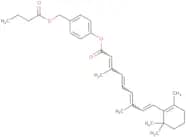
CAS:Controlled ProductPlease enquire for more information about Atra-ba hybrid including the price, delivery time and more detailed product information at the technical inquiry form on this pageFormula:C31H40O4Purity:Min. 95%Molecular weight:476.6 g/molDansyl-methylamine
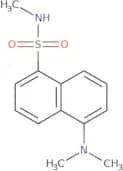
CAS:Please enquire for more information about Dansyl-methylamine including the price, delivery time and more detailed product information at the technical inquiry form on this page
Formula:C13H16N2O2SPurity:Min. 95%Molecular weight:264.35 g/molN-[4-(3-Amino-2H-pyrazolo[3,4-b]pyrazin-6-yl)phenyl]-2,3-dichlorobenzenesulfonamide
CAS:N-[4-(3-Amino-2H-pyrazolo[3,4-b]pyrazin-6-yl)phenyl]-2,3-dichlorobenzenesulfonamide (NSC 75968) is a cytosolic calcium channel blocker. It has been shown to cause significant cytotoxicity in human cancer cells and experimental models. NSC 75968 inhibits the activity of the voltage gated L type calcium channels in tumor cells, leading to a reduction in cellular energy metabolism and a decrease in ion flux through the cell membrane. This agent has also been shown to inhibit receptor activity by binding to an allosteric site on the alpha subunit of the G protein coupled receptor.Formula:C17H12Cl2N6O2SPurity:Min. 95%Molecular weight:435.3 g/molPGD-M
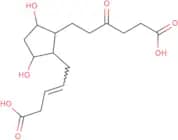
CAS:PGD-M is an analog of menthol that acts as a potent inhibitor of kinases. It has been shown to be effective in inhibiting the growth and proliferation of tumor cells, including those derived from Chinese hamster ovary cells. PGD-M targets specific kinases involved in cancer cell survival and apoptosis, making it a promising candidate for anticancer therapy. In addition, PGD-M has been shown to have a synergistic effect when combined with other kinase inhibitors such as tyrosine kinase inhibitors or tylosin. This compound has demonstrated significant anti-tumor activity in preclinical studies, making it a potential candidate for future cancer therapies.Formula:C16H24O7Purity:Min. 95%Molecular weight:328.36 g/molFlucloxacillin penilloic acid
CAS:Flucloxacillin penilloic acid is an analog of the antibiotic flucloxacillin that has been shown to have anticancer properties. It induces apoptosis in cancer cells and inhibits tumor growth in Chinese hamsters. Flucloxacillin penilloic acid acts as a protein kinase inhibitor, blocking the activity of kinases involved in cell division and proliferation. This compound also inhibits the activity of oseltamivir, an antiviral drug used to treat influenza. Flucloxacillin penilloic acid is excreted primarily in urine and has been found to be effective against a wide range of bacterial infections.Formula:C6H5N3Purity:Min. 95%Molecular weight:119.12 g/molEpipolygodial
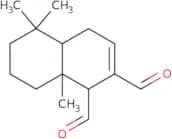
CAS:Epipolygodial is a potent anticancer agent that has been shown to induce apoptosis in cancer cells. It is a natural compound found in the urine of mammals and is structurally similar to capsaicin, the active component of chili peppers. Epipolygodial has been shown to be a potent inhibitor of protein kinases, which are enzymes that play a critical role in the development and progression of cancer. This compound has been tested against various types of tumors, including human and Chinese hamster ovary cell lines, and has demonstrated significant inhibitory effects on tumor growth. Epipolygodial is an important analog for developing new cancer therapies due to its ability to selectively target cancer cells while leaving normal cells unharmed.Formula:C15H22O2Purity:Min. 95%Molecular weight:234.33 g/mol4-Dechloro-4-hydroxy diclazuril methyl ester
CAS:Please enquire for more information about 4-Dechloro-4-hydroxy diclazuril methyl ester including the price, delivery time and more detailed product information at the technical inquiry form on this pageFormula:C18H12Cl2N4O3Purity:Min. 95%Molecular weight:403.2 g/molN1-(2-Cyanobenzyl)-3-aminopiperidine
CAS:Please enquire for more information about N1-(2-Cyanobenzyl)-3-aminopiperidine including the price, delivery time and more detailed product information at the technical inquiry form on this page
Formula:C13H17N3Purity:Min. 95%Molecular weight:215.29 g/molDBPR108
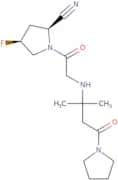
CAS:DPP-4 is an enzyme that inactivates the incretin hormone glucagon-like peptide-1 (GLP-1). DBPR108 is a small molecule inhibitor of DPP-4. DPP-4 inhibitors have been shown to be effective in clinical trials for type 2 diabetes, with improvements in glycaemic control and weight management. This drug has a long half life and is orally active, with a high level of protein binding. It is also chemically stable, even at high temperatures or pH levels, which means it can be used as an inhibitor drug in the treatment of other diseases.
Formula:C16H25FN4O2Purity:Min. 95%Molecular weight:324.39 g/molBamaquimast
CAS:Bamaquimast is a linker that binds to a magnesium ion and benzyl group. It is used as a diluent or a hydrophobic drug carrier in pharmaceutical preparations. Bamaquimast is insoluble in water and has been shown to inhibit the hmg-coa reductase enzyme, which plays an important role in lipid metabolism. This inhibition leads to the production of cholesterol and bile acid synthesis, which are vital for healthy cell function. The proton pump inhibitor bamaquimast has been shown to be effective at reducing gastric acid secretion and preventing the onset of preterm labor in pregnant women. The mechanism by which it achieves these effects is not fully understood but may be due to its ability to degranulate mast cells, thereby reducing the release of histamine and other inflammatory mediators.
Formula:C16H21N3O3Purity:Min. 95%Molecular weight:303.36 g/molDes(ethylphenyl-3-methoxy)-2-formylsarpogrelate
CAS:Please enquire for more information about Des(ethylphenyl-3-methoxy)-2-formylsarpogrelate including the price, delivery time and more detailed product information at the technical inquiry form on this pageFormula:C16H21NO6Purity:Min. 95%Molecular weight:323.34 g/molPemafibrate sodium
CAS:Pemafibrate is a peptide that acts as an activator of ion channels and receptor proteins. Pemafibrate is a potent inhibitor of the L-type calcium channel and also binds to high-affinity sites on alpha 1-adrenergic receptors. In addition, pemafibrate inhibits protein interactions by binding to receptor proteins in the cell membrane.
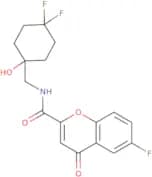
Formula:C28H29N2NaO6Purity:Min. 95%Molecular weight:512.5 g/mol3-Cyclohexyl-5-fluoro-6-methyl-7-(2-morpholin-4-ylethoxy)-4H-chromen-4-one
CAS:3-Cyclohexyl-5-fluoro-6-methyl-7-(2-morpholin-4-ylethoxy)-4H-chromen-4-one is a synthetic ligand that binds to the GABA receptor. It has been shown to inhibit the activation of ion channels, which is involved in nerve transmission and muscle contraction. 3CFLAEME has been used as a research tool for studying the pharmacology of receptors and protein interactions. It has also been used in antibody production, cell biology, and peptide synthesis.
Formula:C22H28FNO4Purity:Min. 95%Molecular weight:389.5 g/molCFTR Inhibitor IV, PPQ-102
CAS:PPQ-102 is a chloride channel blocker that inhibits the CFTR protein in the cell membrane. PPQ-102 does not bind to other proteins in the cell and is selective for CFTR. It has been shown to inhibit natural compounds, such as epidermal growth factor, from binding to CFTR. As a result, there is less cellular uptake of epidermal growth factor, which leads to lower levels of epidermal growth factor and subsequently lower rates of tumor growth. PPQ-102 also blocks the uptake of chloride ions by cells and has anti-inflammatory effects.Formula:C26H22N4O3Purity:Min. 95%Molecular weight:438.48 g/molPhe-Lys(trt)-PAB
CAS:Phe-Lys(trt)-PAB is a peptide that has been shown to activate the TRPA1 ion channel. The Phe-Lys(trt)-PAB molecule binds to the TRPA1 receptor and mimics the effect of a noxious stimulus, such as an environmental irritant or chemical toxin, by activating and opening the TRPA1 ion channel. This activation leads to an influx of calcium ions and other ions into cells, which triggers pain signals in sensory neurons. Phe-Lys(trt)-PAB also inhibits cyclic nucleotide phosphodiesterase (PDE) enzymes. TRPA1 receptors are implicated in various diseases including chronic pain, asthma and inflammatory diseases.Formula:C41H44N4O3Purity:Min. 95%Molecular weight:640.8 g/mol2-(4-Ethylsulfonylphenyl)-N-[4-[2-fluoro-4-(1,1,1,3,3,3-hexafluoro-2-hydroxypropan-2-yl)phenyl]phenyl]acetamide
CAS:Please enquire for more information about 2-(4-Ethylsulfonylphenyl)-N-[4-[2-fluoro-4-(1,1,1,3,3,3-hexafluoro-2-hydroxypropan-2-yl)phenyl]phenyl]acetamide including the price, delivery time and more detailed product information at the technical inquiry form on this pageFormula:C25H20F7NO4SPurity:Min. 95%Molecular weight:563.5 g/mol






![1,2-Distearoyl-d70-sn-glycero-3-[phospho-L-serine] (sodium salt)](/_next/image/?url=https%3A%2Fstatic.cymitquimica.com%2Fproducts%2F3D%2Fthumb-webp%2FCNA17895.webp&w=3840&q=75)
![(1R,2R)-N1,N1-Dimethyl-N2-(3-methyl-1,2,4-triazolo[3,4-a]phthalazin-6-yl)-1-phenyl-1,2-propanediam…](/_next/image/?url=https%3A%2Fstatic.cymitquimica.com%2Fproducts%2F3D%2Fthumb-webp%2FJID85077.webp&w=3840&q=75)


![2-[6-[3-[3-(Aminomethyl)phenyl]-5-methylphenoxy]-3,5-difluoropyridin-2-yl]oxybutanoic acid](/_next/image/?url=https%3A%2Fstatic.cymitquimica.com%2Fproducts%2F3D%2Fthumb-webp%2FEQD00181.webp&w=3840&q=75)



![1-(2-Piperidinylethyl)-2-[3-(3,4-dichlorophenoxy)phenyl]benzimidazole](/_next/image/?url=https%3A%2Fstatic.cymitquimica.com%2Fproducts%2F3D%2Fthumb-webp%2FDBB57360.webp&w=3840&q=75)

![1-(2-Chlorophenyl)-N-methyl-N-[(1R)-1-methylpropyl]-3-isoquinolinecarboxamide](/_next/image/?url=https%3A%2Fstatic.cymitquimica.com%2Fproducts%2F3D%2Fthumb-webp%2FFIA93446.webp&w=3840&q=75)





![4-[[3-[4-(4-Carbamimidoylbenzoyl)piperazine-1-carbonyl]-5-nitrophenyl]methyl]piperazine-1-carboxim…](/_next/image/?url=https%3A%2Fstatic.cymitquimica.com%2Fproducts%2F3D%2Fthumb-webp%2FEFC57388.webp&w=3840&q=75)


![[Sar1,Ala8]-Angiotensin II](/_next/image/?url=https%3A%2Fstatic.cymitquimica.com%2Fproducts%2F3D%2Fthumb-webp%2FPAN-4035-V.webp&w=3840&q=75)


![1-Deoxyfructosyl-Val-His-[D7]Leu-Thr-Pro-Glu](/_next/image/?url=https%3A%2Fstatic.cymitquimica.com%2Fproducts%2F3D%2Fthumb-webp%2FTSI-3415-V.webp&w=3840&q=75)







![N-[4-(3-Amino-2H-pyrazolo[3,4-b]pyrazin-6-yl)phenyl]-2,3-dichlorobenzenesulfonamide](/_next/image/?url=https%3A%2Fstatic.cymitquimica.com%2Fproducts%2F3D%2Fthumb-webp%2FBHC21451.webp&w=3840&q=75)





![2-(4-Ethylsulfonylphenyl)-N-[4-[2-fluoro-4-(1,1,1,3,3,3-hexafluoro-2-hydroxypropan-2-yl)phenyl]phe…](/_next/image/?url=https%3A%2Fstatic.cymitquimica.com%2Fproducts%2F3D%2Fthumb-webp%2FZTD36816.webp&w=3840&q=75)