Biochemicals and Reagents
Subcategories of "Biochemicals and Reagents"
- Biomolecules(98,750 products)
- By Biological Target(100,261 products)
- By Pharmacological Effects(6,826 products)
- Cryopreservatives(21 products)
- Desinfectants and Related Compounds(28 products)
- Hormones(356 products)
- Plant Biology(6,896 products)
- Secondary Metabolites(14,348 products)
Found 130132 products of "Biochemicals and Reagents"
Nap 226-90-d6
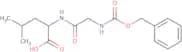
CAS:Please enquire for more information about Nap 226-90-d6 including the price, delivery time and more detailed product information at the technical inquiry form on this pageFormula:C10H15NOPurity:Min. 95%Molecular weight:171.27 g/molZ-Gly-Leu
CAS:Z-Gly-Leu is a monoclonal antibody that inhibits the enzyme protease. It binds to the active site of the enzyme and prevents it from cleaving peptides into smaller fragments. The antibody also binds to casein, a protein found in milk, and soybean trypsin inhibitor. This prevents these enzymes from degrading other proteins in the body. The antibody is reactive at phase transition temperatures and has been shown to be effective on wild-type mice.Formula:C16H22N2O5Purity:Min. 95%Molecular weight:322.36 g/mol[D-Ala2,Met5]-Enkephalinamide
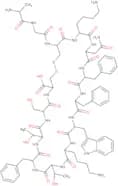
CAS:D-Ala2,Met5]-Enkephalinamide is a potent endogenous opioid peptide that binds to opioid receptors and has been shown to have both antinociceptive and depressant effects. It has been shown to be effective in a model system of pain, acting on the descending antinociceptive pathway from the rostral ventromedial medulla (RVM) to the spinal cord. D-Ala2,Met5]-Enkephalinamide has also been observed to inhibit locomotor activity in CD1 mice at sub-effective doses. D-Ala2,Met5]-Enkephalinamide has been shown to act through activation of both G protein-coupled mu opioids receptors and G protein-coupled delta opioid receptors.
Formula:C28H38N6O6S•CH3COOH•H2OPurity:Min. 95%Molecular weight:664.77 g/molHerkinorin
CAS:Herkinorin is a novel opioid analgesic that has been shown to have antinociceptive effects in the tail flick and hot plate tests. Herkinorin binds to the μ-opioid receptor with high affinity, which may be due to its similarity in structure to morphine. The binding of herkinorin to the μ-opioid receptor leads to an increase in cyclic adenosine monophosphate (cAMP) levels, which activates protein kinase A and inhibits phosphodiesterase. It has been shown that herkinorin can reverse the effects of nω-nitro-l-arginine methyl ester (L-NAME), a drug known for its negative effects on cAMP production, on rotarod performance in rats.
Formula:C28H30O8Purity:Min. 95%Molecular weight:494.5 g/molTC-I 2014
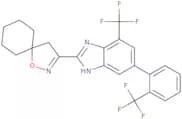
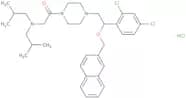
CAS:TC-I 2014 is a specific chemical compound known as a selective inhibitor, which is derived from microbial sources. It operates by selectively inhibiting a particular protein or signaling pathway, thereby modulating cellular processes. This compound is often used in biochemical and cellular biology research to dissect and understand complex signaling networks within cells. By selectively blocking certain pathways, researchers can identify and study the role of specific proteins in biological processes and disease mechanisms.
Formula:C23H19F6N3OPurity:Min. 95%Molecular weight:467.4 g/molH-YLQLVFGIEV-OH
MAGE-A2 protein: MAGE-A2 (157-166) is an epitope of Melanoma Antigen Gene A2 and is one of the most Cancer-Testis Antigens (CTA) overexpressed in tumors of different histological types, such as prostate cancer. Type of MAGE-A expressed in tumors cells varies according to the type of tumor. The expression of MAGE-A2 causes the proliferation of prostate cancer cells and decreases the chemosensitivity. Applications of MAGE-A2 (157-166): MAGE-A2 (157-166) is used to stimulate specific immune response, cytotoxic T cell response and to analyze the cytokine production in PBMCs by ELISPOT assay. In transgenic mouse, it has been demonstrated that MAGE-A2 (157-166) was capable of eliciting a CTL response presented by HLA-A*02:01 molecules. MAGE-A2 (157-166) has been reported to elicit CTL that could lyse tumor cell expressing both HLA-A*02:01 and MAGE-A2 by stimulation of peripheral blood mononuclear cells (PBMCs) with MAGE-A2 (157-166).(Z)-7-Hexadecenol
CAS:(Z)-7-Hexadecenol is an analog of a protein found in human urine that has been shown to have anticancer properties. It induces apoptosis, or programmed cell death, in cancer cells by inhibiting the activity of cyclin-dependent kinases (CDKs), which are enzymes involved in cell division. This inhibition leads to a decrease in cell proliferation and an increase in tumor cell death. (Z)-7-Hexadecenol has been studied as a potential inhibitor for various types of cancer, including breast, lung, and colon cancer. In Chinese hamster ovary cells, this compound has demonstrated potent anticancer activity by inhibiting the growth of cancer cells. The use of (Z)-7-Hexadecenol as a potential cancer treatment is still under investigation and requires further research.Formula:C16H32OPurity:Min. 95%Molecular weight:240.42 g/molAnabaseine hydrochloride
CAS:Anabaseine hydrochloride is a nicotinic acetylcholine receptor agonist, which is derived from marine worms, specifically the genus *Anabaseis*. The compound functions by binding to and activating nicotinic acetylcholine receptors (nAChRs), which are ionotropic receptors found in both the central and peripheral nervous systems. This activation results in the modulation of neurotransmitter release and can influence various neural pathways.
Formula:C10H12N2(HCl)xTyrosyl-CNP-22 (Human)
CAS:Tyrosyl-CNP-22 is a peptide that binds to the C-terminal domain of the human N-methyl-D-aspartate receptor (NMDAR) and inhibits its function. It can be used as a pharmacological tool for research. Tyrosyl-CNP-22 is also an activator of the NMDAR, which may have therapeutic applications in conditions such as epilepsy. The peptide has been shown to bind specifically to the NMDAR and inhibit the function of this receptor. This inhibition can be reversed by adding excess glutamate or glycine, which are neurotransmitters that are released from neurons during synaptic transmission. Tyrosyl-CNP-22 has been shown to activate the NMDAR and promote neuronal survival in acute brain injury models, which may have therapeutic implications for conditions such as epilepsy.Formula:C102H166N28O30S3Purity:Min. 95%Molecular weight:2,360.8 g/molBoc-Leu-Ser-Thr-Arg-AMC
CAS:Boc-Leu-Ser-Thr-Arg-AMC is a fluorescent peptide used as a research tool to study protein interactions. It can be used to activate or inhibit ion channels. Boc-Leu-Ser-Thr-Arg-AMC is a high purity, water soluble peptide that has been purified by HPLC and characterized for its purity and integrity by mass spectrometry and amino acid analysis.Formula:C34H52N8O10Purity:Min. 95%Molecular weight:732.82 g/molBMS-986242
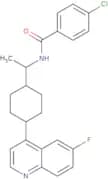
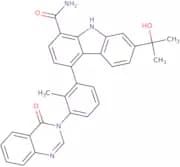
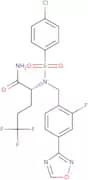
CAS:BMS-986242 is a potent inhibitor of protein kinases that have been implicated in tumor growth and progression. It has demonstrated anticancer activity by inhibiting the cyclin-dependent kinase (CDK) pathway, which is essential for cell cycle progression and survival. BMS-986242 has been shown to induce apoptosis in human cancer cells, including Chinese hamster ovary cells. This inhibitor has potential as a medicinal compound for the treatment of various types of cancer. Its specificity towards protein kinases makes it a promising candidate for targeted therapies against cancer.Formula:C24H24ClFN2OPurity:Min. 95%Molecular weight:410.9 g/molANP (Human, 1-28)
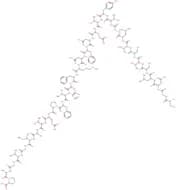
CAS:ANP (1-28) is a peptide that is secreted by the human heart and has been shown to act as an inhibitor of ion channels and receptors. ANP (1-28) binds to the receptor, which then changes its shape. The receptor then becomes more sensitive to other ligands and it can activate or inhibit cell signaling pathways. ANP (1-28) also binds to antibodies that are used in research tools for cell biology, pharmacology, and protein interactions. This peptide has a high purity level of > 95% with a CAS number of 91917-63-4.Formula:C127H203N45O39S3Purity:Min. 95%Molecular weight:3,080.4 g/molBMS 935177
CAS:Inhibitor of BTK tyrosine kinaseFormula:C31H26N4O3Purity:Min. 95%Molecular weight:502.56 g/molMethionyl-Lysyl-Bradykinin (Human, Bovine)
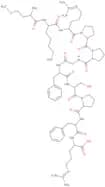
CAS:Methionyl-Lysyl-Bradykinin is a peptide inhibitor that has been shown to inhibit the activity of protein kinase C (PKC). PKC is involved in a number of cellular functions, including the regulation of ion channels and the activation of other enzymes. Methionyl-Lysyl-Bradykinin can be used as an inhibitor in research tool experiments. It can also be used as an activator or ligand in receptor binding experiments. The high purity and specificity of this product make it suitable for use as a research reagent.Formula:C61H94N18O13SPurity:Min. 95%Molecular weight:1,319.6 g/molCalcitonin (Human)
CAS:Calcitonin is a hormone produced by the C cells (also known as parafollicular cells) in the thyroid gland. Its main function is to regulate the levels of calcium and phosphate in the blood. Calcitonin works by inhibiting the activity of osteoclasts, which are cells that break down bone tissue and release calcium and phosphate into the bloodstream. This leads to a decrease in the amount of calcium and phosphate in the blood. Calcitonin is released in response to high levels of calcium in the blood, and it acts to reduce these levels by increasing the excretion of calcium by the kidneys and inhibiting the absorption of calcium by the intestines. It also promotes the storage of calcium in the bones, which helps to maintain their strength and density. Calcitonin may be used therapeutically to treat conditions such as osteoporosis and hypercalcemia (high levels of calcium in the blood) or even diagnostically as a marker for tumors in medullary thyroid cancer. This product has a disulfide bond between Cys1-Cys7 and is available as a 0.1mg vial.Formula:C151H226N40O45S3Purity:Min. 95%Molecular weight:3,417.8 g/mol[Val5]-Angiotensin I (Bovine)
CAS:[Val5]-Angiotensin I (Bovine) is a peptide that activates angiotensin receptors. It is used as a research tool in the study of ion channels and protein interactions. The antibody recognizes the C-terminal region of angiotensin I, which can be used to inhibit the activation of these receptors by preventing binding to their ligands.Formula:C61H87N17O14•CH3COOH•5H2OPurity:Min. 95%Molecular weight:1,432.53 g/molSuc-Ala-Ala-Ala-pNA
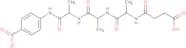
CAS:Suc-Ala-Ala-Ala-pNA is a peptide that binds to the acetylcholine receptor and activates it. This peptide has been shown to have potential as a research tool for studying the pharmacology of acetylcholine receptors in vitro. It has also been used as an inhibitor of neuronal ion channels, such as potassium channels, that are involved in the transmission of nerve impulses. Suc-Ala-Ala-Ala-pNA is not suitable for use in humans because it would be broken down by proteases before it could reach its target, but this peptide has applications in cell biology and neuroscience.Formula:C19H25N5O8Purity:Min. 95%Molecular weight:451.43 g/molAc-Asp-Glu-Val-Asp-AMC
CAS:Ac-Asp-Glu-Val-Asp-AMC is an ion channel activator. It binds to the receptor site of the ligand, which causes a conformational change in the protein that leads to the opening of the ion channel. Ac-Asp-Glu-Val-Asp-AMC is a peptide with a molecular weight of 927.6 and is soluble in water. This product has been shown to be stable under various conditions and can be used as research tool or pharmacological agent. Ac-Asp-Glu-Val-Asp-AMC is also an antibody that binds to an epitope on human CD8 protein and can be used for cell biology studies, such as activation and inhibition of these proteins.Formula:C30H37N5O13Purity:Min. 95%Molecular weight:675.64 g/molThyrotropin Releasing Hormone (TRH) (Human, Ovine, Porcine, Rat)
CAS:Thyrotropin releasing hormone (TRH) is a peptide that is produced in the hypothalamus. It has various functions, including being an activator of thyroid stimulating hormone (TSH) and releasing growth hormone from the anterior pituitary gland. TRH also has anti-inflammatory effects and is used as a research tool in cell biology. TRH binds to receptors on cells and can activate ion channels, which causes an influx of calcium ions into cells. This leads to the activation of protein kinases, which are important in cell signaling pathways. TRH also interacts with other proteins, such as receptor tyrosine kinases and G-protein coupled receptors.Formula:C16H22N6O4Purity:Min. 95%Molecular weight:362.38 g/molBoc-Gly-Arg-Arg-AMC
CAS:Boc-Gly-Arg-Arg-AMC is a research tool that has a high purity and is used in cell biology, antibody production, ion channels, and protein interactions. It is an inhibitor of ion channels, which can be used for pharmacology to study the function of ion channels. Boc-Gly-Arg-Arg-AMC has also been shown to inhibit binding between the ligand and receptor.
Formula:C29H44N10O7Purity:Min. 95%Molecular weight:644.72 g/molBombesin
CAS:Controlled ProductBombesin is a small peptide that was first isolated from the skin of a frog, Bombina bombina, with homologs later found to be present in mammalian tissues, including the brain and gastrointestinal tract. It is a member of the bombesin-like peptide family, which includes several related peptides such as gastrin-releasing peptide (GRP) and neuromedin B.
Bombesin acts as a neuromodulator and regulates various physiological functions, including gastrointestinal motility and stimulation of gastrin release from G cells. It also plays a role in the regulation of cardiovascular function and neurotransmitter release. In addition, bombesin has been shown to stimulate the growth and proliferation of certain types of cancer cells, including prostate and lung cancer cells, through its interaction with bombesin receptors. It may therefore be used as a potential biomarker for certain cancers.
This product is available as a 0.5mg vial.Formula:C71H110N24O18SPurity:Min. 95%Molecular weight:1,619.8 g/molTertiapin
CAS:Tertiapin is a synthetic bee venom peptide (Honey Bee, Apis mellifera) containing disulfide bonds between Cys3-Cys14 and Cys5-Cys18. It is an inward rectifier K+ channel blocker and also blocks the activity of calcium activated large conductance potassium channels. The pain and inflammation symptoms experienced after a bee sting is caused by this peptide eventhough bee venom also has the potential to treat pain and inflammation in conditions such as rheumatoid arthritis and multiple sclerosis. This product is available as a 0.1mg vial.Formula:C106H176N34O23S5Purity:Min. 95%Molecular weight:2,455.1 g/molSARS Spike (306-515), Sf9
SARS Coronavirus is an enveloped virus containing 3 outer structural proteins, namely the membrane (M), envelope (E), and spike (S) proteins. Spike (S)-glycoprotein of the virus interacts with a cellular receptor and mediates membrane fusion to allow viral entry into susceptible target cells. Accordingly, S-protein takes part in the virus infection cycle and is the primary target of neutralizing antibodies. SARS Spike produced in Sf9 Baculovirus cells is a single, glycosylated polypeptide chain containing 219 amino acids (306-515 aa) and having a molecular mass of 24.7kDa.SARS Spike is fused to a 6 amino acid His tag at C-terminus and purified by proprietary chromatographic techniques. The formulation of the SARS Spike (306-515) solution (0.5mg/ml) contains Phosphate-Buffered Saline (pH 7.4) and 10% Glycerol. Biological Activity: Measured by its binding ability in a functional ELISA with Human ACE-2 (CAT# enz-1159).
One-Letter Formula: ADPRVVPSGD VVRFPNITNL CPFGEVFNAT KFPSVYAWER KKISNCVADY SVLYNSTFFS TFKCYGVSAT KLNDLCFSNV YADSFVVKGD DVRQIAPGQT GVIADYNYKL PDDFMGCVLA WNTRNIDATS TGNYNYKYRY LRHGKLRPFE RDISNVPFSP DGKPCTPPAL NCYWPLNDYG FYTTTGIGYQ PYRVVVLSFE LLNAPATVCG PKLHHHHHHPurity:Min. 95%Dnp-Pro-Gln-Gly
CAS:Dnp-Pro-Gln-Gly is a synthetic peptide that can be used as an artificial substrate in protease assays. It is activated by the addition of trypsin and catalyzes hydrolysis of peptide bonds at the C-terminus of the proline residue. The chromatographic profile of Dnp-Pro-Gln-Gly on a Zorbax 300SBX column shows two peaks, with retention times of 8.2 minutes and 9.4 minutes. In tissue culture experiments, Dnp-Pro-Gln-Gly was found to enhance the activity of matrix metalloproteinases and collagenase. The optimum pH for Dnp-Pro-Gln-Gly is 5.5, which is near the pH optimum for most mammalian tissues and organs.
Formula:C18H22N6O9Purity:Min. 95%Molecular weight:466.4 g/molClathrin inhibitor 1
CAS:Clathrin inhibitor 1 is a peptide that is used as a research tool. It can activate the antibody, and act as an inhibitor of ion channels. Clathrin inhibitor 1 binds to receptors on the cell membrane, which are then activated by the ligands in the extracellular environment. This process is important for cell biology and pharmacology.Formula:C19H13N2NaO5SPurity:Min. 95%Molecular weight:404.4 g/molGly-Pro-pNA • Tos [GPNT]
CAS:Gly-Pro-pNA • Tos is a peptide that is derived from the sequence of the human beta2 adrenergic receptor. It can be used as a research tool for studying receptor-ligand interactions and for identifying ligands for other receptors. Gly-Pro-pNA • Tos may also be used as an inhibitor of ion channels.Formula:C13H16N4O4•C7H8O3SPurity:Min. 95%Molecular weight:464.49 g/molAmyloid Beta-Protein (42-1)
CAS:Amyloid Beta-Protein (42-1) is a recombinant form of the protein, amyloid beta-protein, that is relevant to Alzheimer's disease. It is used as a research tool and for pharmacological studies. Amyloid Beta-Protein (42-1) has been shown to bind to ion channels and activate them. This product can be used as an antibody or cell biology research tool.
Formula:C203H311N55O60SPurity:Min. 95%Molecular weight:4,514 g/molNPY (Human, Rat)
CAS:NPY is a potent inhibitor of the ion channel TRPM2. This protein has been shown to be involved in a variety of physiological functions, including regulation of body weight and food intake, sleep-wake cycles, and pain perception. It is also an important regulator of neuronal excitability. NPY (Human) can be used as a research tool for studying protein interactions or investigating the function of ion channels in cellular systems. NPY (Rat) can be used as an antibody for immunohistochemistry or Western blotting experiments.Formula:C189H285N55O57SPurity:Min. 95%Molecular weight:4,271.7 g/molSomatostatin
CAS:Somatostatin is a peptide hormone that is produced by the hypothalamus and inhibits the release of growth hormones, stimulates the release of insulin from the pancreas, and inhibits the release of glucagon from the pancreas. Somatostatin also has biological properties that inhibit neuronal death in combination therapy groups. It has been shown to have cell factor activity which may contribute to its antitumor activity. Somatostatin also has pro-apoptotic properties in vitro assays at physiological levels, making it an excellent target for cancer therapy.
Formula:C76H104N18O19S2Purity:Min. 95%Molecular weight:1,637.9 g/mol...Amyloid Beta-Protein (Human, 1-42)
CAS:Amino acids 1-42 of the Amyloid beta-protein (Aβ), a major plaque component in Alzheimer's Disease, a neurodegenerative disorder that affects memory and cognitive function. It is thought that these Aβ peptides can aggregate to form insoluble fibrils that are a hallmark of Alzheimer's disease and may contribute to neurodegeneration and cognitive decline.
Research is ongoing to better understand the mechanisms underlying Aβ-induced neurodegeneration and to develop therapies that target Aβ to prevent or treat Alzheimer's disease. Aβ peptides, particularly Aβ(1-42), are commonly used in research as a model for Alzheimer's disease to investigate the pathogenesis and potential therapeutic approaches.
This product is available in the trifluoroacetate salt form and as a 0.5mg vial.Formula:C203H311N55O60SPurity:Min. 95%Molecular weight:4,514 g/molPyr-Ala
CAS:Pyr-Ala is a peptide that has been shown to be effective in treating inflammatory diseases. It specifically targets the group P2 sequences of the inflammatory cytokine IL-1β. Pyr-Ala also inhibits IL-6 and TNF-α activity by binding to the amide bond of these molecules, inhibiting their catalysis and preventing their formation. Pyr-Ala has also shown efficacy in autoimmune diseases, such as rheumatoid arthritis, by inhibiting the production of proinflammatory cytokines including IL-1β and TNF-α. This drug binds to the bacterial enzyme that catalyzes the conversion of L -alanine into pyruvic acid, preventing its function and inhibiting bacterial growth.
Formula:C8H12N2O4Purity:Min. 95%Molecular weight:200.19 g/molLYN-1604 HCl
CAS:LYN-1604 HCl is a research tool for studying receptor-ligand interactions. It is a potent and selective activator of nicotinic acetylcholine receptors, as well as a novel ligand for the alpha-7 nicotinic acetylcholine receptor. LYN-1604 HCl has been shown to activate ion channels and inhibit the activity of high-voltage activated potassium channels in neuronal cells. The binding affinity of LYN-1604 HCl to alpha-7 nicotinic acetylcholine receptors was found to be similar to that of nicotine, making it a potential candidate for the treatment of conditions such as Alzheimer's disease and schizophrenia.Formula:C33H44Cl3N3O2Purity:Min. 95%Molecular weight:621.08 g/molParathyroid Hormone (Human, 39-68)
CAS:Amino acids 39-68 of the Parathyroid Hormone (PTH) which is a peptide hormone that is secreted from the parathyroid gland in the event of abnormal serum calcium levels and it ultimately regulates calcium and phosphate levels in the body. The PTH exerts its activity through binding to the G-protein coupled receptor type 1 PTH receptor, which activates adenylate cyclase or phospholipase C thus activating pathways involved in the mediation of bone resorption and bone formation. This product is suitable for life science applications and is available as a 0.5mg vial.
Formula:C139H234N46O46Purity:Min. 95%Molecular weight:3,285.6 g/mol4-Methoxyphenylazoformyl-Phe
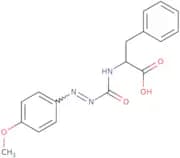
CAS:4-Methoxyphenylazoformyl-Phe is a synthetic molecule that can be used as a research tool in the study of ion channels and ligands. The receptor binding affinity of 4-methoxyphenylazoformyl-Phe is unknown, but it has been shown to activate peptides in living cells. This compound is an inhibitor of ion channels and ligand for G protein coupled receptors. It can be used as a research tool in the study of ion channels and ligands. The receptor binding affinity of 4-methoxyphenylazoformyl-Phe is unknown, but it has been shown to activate peptides in living cells. This compound is an inhibitor of ion channels and ligand for G protein coupled receptors.Formula:C17H17N3O4Purity:Min. 95%Molecular weight:327.33 g/molAdjuvant Peptide
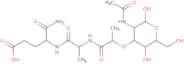
CAS:Adjuvant Peptide is a glycol ether that has been shown to have biological properties. It is used in the production of Immunoassays and other biochemicals. Adjuvant Peptide is an experimental model for immunity, as it stimulates cellular responses and alters the immune system's response to antigens. It shows potential for use in treating bowel diseases, such as ulcerative colitis, because of its ability to stimulate macrophage activity and induce cytokine production.
Formula:C19H32N4O11•2H2OPurity:Min. 95%Molecular weight:528.51 g/mol[Pmp1, Tyr(Me)2]-Arg8-Vasopressin
CAS:[Pmp1, Tyr(Me)2]-Arg8-vasopressin is a peptide that has been shown to activate the V2 receptor and inhibit vasopressin-induced water retention. It has also been shown to inhibit the binding of vasopressin to its receptor. The peptide is an excellent research tool for studying the interaction between the V2 receptor and vasopressin. The peptide is supplied at high purity in lyophilized form and can be reconstituted with water or buffer before use.Formula:C52H75N14O12S2Purity:Min. 95%Molecular weight:1,152.4 g/molBismuth subcitrate potassium
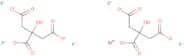
CAS:Bismuth subcitrate potassium is a viscous, biodegradable, diagnostic contrast agent that has been used in the diagnosis of gastrointestinal tract diseases. It is also used as a pump inhibitor to treat gastric ulcers and other conditions. Bismuth subcitrate potassium has been shown to have anti-cancer effects, which may be due to its ability to inhibit the growth of cancer cells by interfering with H2 receptor signaling. The drug's mechanism of action is not fully understood but it may be related to its bacterial antibiotic activity. Bismuth subcitrate potassium binds galacturonic acid in mammalian tissue and bacteria, inhibiting their growth. This drug also has some antibacterial activity against wild-type strains of Escherichia coli and Staphylococcus aureus but does not kill mutant strains that are resistant to bismuth salts or antibiotics.Formula:C12H8BiK5O14Purity:Min. 95%Molecular weight:780.66 g/molCU-CPT17e
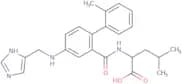
CAS:CU-CPT17e is a monoclonal antibody that binds to the C-terminal region of human cytomegalovirus (HCMV) glycoprotein B. This antibody has been shown to activate CMV-specific T cells in vitro and in vivo, leading to an increase in the production of cytokines such as IFN-γ and IL-2. CU-CPT17e also induces apoptosis in HCMV infected monocytic THP1 cells. It has been hypothesized that this activation of apoptosis is due to CU-CPT17e binding to the molecule on the cell surface that activates proinflammatory responses.Formula:C27H24N2O8Purity:Min. 95%Molecular weight:504.49 g/molKarenitecin
CAS:Karenitecin is a diagnostic agent with minimal toxicity. It is used to detect granulosa cells in human serum and is also an immunohistochemical marker for the diagnosis of gliomas. Karenitecin binds to α1-acid glycoprotein, which is found at high levels in plasma and cerebrospinal fluid, and has been shown to have potent antitumor activity. The drug can be administered intravenously or intra-arterially, with a low risk of toxicity. Karenitecin has been shown to have antineoplastic properties by inhibiting mitochondrial membrane potential, which may be due to its ability to bind to the a-ring of ATP synthase.
Formula:C25H28N2O4SiPurity:Min. 95%Molecular weight:448.6 g/molGGTI-2154
CAS:GGTI-2154 is an anticancer drug that has shown promising results in the treatment of various types of tumors. It is a potent inhibitor of geranylgeranyltransferase I (GGTase I), which is an enzyme that plays a crucial role in the signaling pathways involved in cancer cell growth and survival. GGTI-2154 has been shown to induce apoptosis (programmed cell death) in human cancer cells, leading to tumor regression. This drug is an analog of oseltamivir, a medication used to treat influenza, and it can be detected in urine samples after administration. GGTI-2154 targets specific kinases and proteins involved in cancer progression, making it a highly effective inhibitor with minimal side effects.
Formula:C24H28N4O3Purity:Min. 95%Molecular weight:420.5 g/molBMS 708163
CAS:Inhibitor of γ-secretase; Alzheimer's disease treatment
Formula:C20H17ClF4N4O4SPurity:Min. 95%Molecular weight:520.89 g/molGly-Gly
CAS:Gly-Gly is a natural compound that belongs to the group of esters. It has been shown to have an antioxidative effect in vitro and in vivo. Gly-Gly has been shown to inhibit the growth of carcinoma cells by binding with hydrogen bonding interactions, which leads to cell death. This compound also has a strong antibacterial efficacy against Gram-positive bacteria, such as methicillin-resistant Staphylococcus aureus (MRSA). In addition, gly-gly has been shown to be effective against Mycobacterium tuberculosis and Mycobacterium avium complex. This compound may be useful for treating infectious diseases caused by Gram-positive bacteria such as MRSA or methicillin resistant Staphylococcus aureus (MRSA).Formula:C4H8N2O3Purity:Min. 95%Molecular weight:132.12 g/molLomibuvir (VX-222)
CAS:Lomibuvir is a viral inhibitor that prevents the replication of viruses by binding to the protein inhibitors of viral replication. It also inhibits the ns3 protease of wild-type viruses and their ability to replicate. Lomibuvir has been shown to be effective in vitro against hepatitis A virus, hepatitis B virus, and HIV. Animal studies have shown that lomibuvir is able to inhibit the replication of human liver cells infected with the Hepatitis C virus. Lomibuvir binds to ribonucleic acid (RNA) and prevents it from being translated into proteins. !-- -->Lomibuvir has good pharmacokinetic properties and can be administered orally or intravenously.Formula:C25H35NO4SPurity:Min. 95%Molecular weight:445.61 g/molSARS Spike (14-1195)
SARS Coronavirus is an enveloped virus containing 3 outer structural proteins, namely the membrane (M), envelope (E), and spike (S) proteins. Spike (S)-glycoprotein of the virus interacts with a cellular receptor and mediates membrane fusion to allow viral entry into susceptible target cells. Accordingly, S-protein takes part in virus infection cycle and is the primary target of neutralizing antibodies. SARS Spike is produced in Sf9 Baculovirus cells and is a single, glycosylated polypeptide chain containing 1188 amino acids (14-1195 aa) and having a molecular mass of 131.9kDa.SARS Spike is fused to a 6 amino acid His tag at C-terminus and purified by proprietary chromatographic techniques. The formulation of the SARS Spike (14-1195) solution (0.25mg/ml) contains Phosphate-Buffered Saline (pH 7.4) and 10% Glycerol. Its biological activity has been measured by its binding ability in a functional ELISA with Human ACE-2. For long term storage it is recommended to add a carrier protein (0.1% HSA or BSA). One-Letter Formula: SDLDRCTTFD DVQAPNYTQH TSSMRGVYYP DEIFRSDTLY LTQDLFLPFY SNVTGFHTIN HTFGNPVIPF KDGIYFAATE KSNVVRGWVF GSTMNNKSQS VIIINNSTNV VIRACNFELC DNPFFAVSKP MGTQTHTMIF DNAFNCTFEY ISDAFSLDVS EKSGNFKHLR EFVFKNKDGF LYVYKGYQPI DVVRDLPSGF NTLKPIFKLP LGINITNFRA ILTAFSPAQD IWGTSAAAYF VGYLKPTTFM LKYDENGTIT DAVDCSQNPL AELKCSVKSF EIDKGIYQTS NFRVVPSGDV VRFPNITNLC PFGEVFNATK FPSVYAWERK KISNCVADYS VLYNSTFFST FKCYGVSATK LNDLCFSNVY ADSFVVKGDD VRQIAPGQTG VIADYNYKLP DDFMGCVLAW NTRNIDATST GNYNYKYRYL RHGKLRPFER DISNVPFSPD GKPCTPPALN CYWPLNDYGF YTTTGIGYQP YRVVVLSFEL LNAPATVCGP KLSTDLIKNQ CVNFNFNGLT GTGVLTPSSK RFQPFQQFGR DVSDFTDSVR DPKTSEILDI SPCAFGGVSV ITPGTNASSE VAVLYQDVNC TDVSTAIHAD QLTPAWRIYS TGNNVFQTQA GCLIGAEHVD TSYECDIPIG AGICASYHTV SLLRSTSQKS IVAYTMSLGA DSSIAYSNNT IAIPTNFSIS ITTEVMPVSM AKTSVDCNMY ICGDSTECAN LLLQYGSFCT QLNRALSGIA AEQDRNTREV FAQVKQMYKT PTLKYFGGFN FSQILPDPLK PTKRSFIEDL LFNKVTLADA GFMKQYGECL GDINARDLIC AQKFNGLTVL PPLLTDDMIA AYTAALVSGT ATAGWTFGAG AALQIPFAMQ MAYRFNGIGV TQNVLYENQK QIANQFNKAI SQIQESLTTT STALGKLQDV VNQNAQALNT LVKQLSSNFG AISSVLNDIL SRLDKVEAEV QIDRLITGRL QSLQTYVTQQ LIRAAEIRAS ANLAATKMSE CVLGQSKRVD FCGKGYHLMS FPQAAPHGVV FLHVTYVPSQ ERNFTTAPAI CHEGKAYFPR EGVFVFNGTS WFITQRNFFS PQIITTDNTF VSGNCDVVIG IINNTVYDPL QPELDSFKEE LDKYFKNHTS PDVDLGDISG INASVVNIQK EIDRLNEVAK NLNESLIDLQ ELGKYEQYIK WPHHHHHHPurity:Min. 95%Lys-Ala-AMC
CAS:Lys-Ala-AMC is an activator of ion channels and a ligand for receptors. It is used in research as a tool to study protein interactions, receptor pharmacology, and ion channel pharmacology. Lys-Ala-AMC binds to the α-subunit of voltage gated calcium channels and can activate these channels by increasing the rate of opening. This peptide also inhibits receptor binding by competing with the natural ligand. It has been shown to be an antagonist at the NMDA receptor and can inhibit the binding of glycine to this receptor.
Formula:C19H26N4O4Purity:Min. 95%Molecular weight:374.43 g/molBRD9539
CAS:BRD9539 is a small molecule modulator, which is a synthetic compound developed to interact with specific biological pathways. It is designed using advanced organic synthesis techniques and computational modeling, aimed at targeting specific molecular functions within cell signaling pathways. The mode of action of BRD9539 involves the inhibition of particular enzymes or protein interactions that are crucial in the regulation of cellular proliferation and survival.Formula:C24H21N3O3Purity:Min. 95%Molecular weight:399.44 g/molBH3I-1
CAS:BH3I-1 is a potent inhibitor of the Bcl-2 family of proteins that are involved in apoptosis. It has been shown to be effective against a range of tumor cell lines, including prostate cancer cells and human leukemia cells. The molecular target for BH3I-1 is the mitochondrial membrane potential, which is required for the production of ATP and maintenance of cellular homeostasis. In a panel of radiation-resistant tumor cell lines, BH3I-1 potently inhibited growth and induced morphological changes. This molecule also inhibits dimorphic fungi such as Candida glabrata, which can cause opportunistic infections in immunocompromised patients.
Formula:C15H14BrNS2O3Purity:Min. 95%Molecular weight:400.31 g/molParathyroid Hormone (Human, 1-31 Amide)
CAS:This product which is available as a 0.5mg vial is amino acids 1-31 of the 84 amino acid parathyroid hormone (PTH) and can be used as an adenylate cyclase and bone growth stimulating peptide.
PTH is a peptide hormone that is secreted from the parathyroid gland in the event of abnormal serum calcium levels and it ultimately regulates calcium and phosphate levels in the body. The PTH exerts its activity through binding to the G-protein coupled receptor type 1 PTH receptor, which activates adenylate cyclase or phospholipase C thus activating pathways involved in the mediation of bone resorption and bone formation. This product is suitable for life science applications.Formula:C162H270N50O46S2Purity:Min. 95%Molecular weight:3,718.3 g/molGRF (Human)
CAS:Growth hormone-releasing factor (GRF) or GHRH (growth hormone-releasing hormone).Binds to the growth hormone-releasing hormone receptor (GHRH-R), causing growth hormone secretion. See also GRF (1-29); sermorelin, a shorter fragment. Sequence alignments: porcine: H-YADAIFTNSYRKVLGQLSARKLLQDIMSRQQGERNQEQGARVRL-NH2bovine: H-YADAIFTNSYRKVLGQLSARKLLQDIMNRQQGERNQEQGAKVRL-NH2ovine: H-YADAIFTNSYRKILGQLSARKLLQDIMNRQQGERNQEQGAKVRL-NH2human: H-YADAIFTNSYRKVLGQLSARKLLQDIMSRQQGESNQERGARARL-NH2Formula:C215H358N72O66SPurity:Min. 95%Molecular weight:5,039.7 g/molDes-Arg9-[Leu8]-Bradykinin
CAS:Controlled ProductBradykinin is a peptide hormone that can be formed from the breakdown of kininogen. It works by binding to specific receptors found on the surface of cells and activating a G-protein coupled receptor. Bradykinin stimulates the secretion of gastric acid, increases the permeability of capillaries in the lungs, and causes contraction of smooth muscle in many organs. Bradykinin also has an important role in regulating blood pressure and heart rate. Des-Arg9-[Leu8]-Bradykinin (D-BK) is a potent inhibitor of this activity and is used as an antihypertensive agent. D-BK prevents the activation of G-proteins by binding to receptors with high affinity and specificity. When it binds to its receptor, it inhibits cyclic AMP production, which leads to decreased cell activity and vasodilation. This inhibition reduces blood pressure by reducing cardiac output and increasing systemic vascular resistance.Formula:C41H63N11O10•CH3COOH•3H2OPurity:Min. 95%Molecular weight:984.11 g/molLH-RH (Human)
CAS:Luteinizing hormone-releasing hormone (LH-RH), also known as Gonadotropin-Releasing Hormone (GnRH), stimulates the pituitary gland’s production and secretion of luteinizing hormone and follicle-stimulating hormone. LHRH is a decapeptide and is itself secreted by the hypothalamus. It is crucial for human reproduction and is heavily involved in the regulation of ovulation, sexual development and the onset of puberty. When secreted, GNRH binds to the G-protein coupled receptor, gonadotropin-releasing hormone receptor (GNRHR) located on pituitary gonadotrophic cells in the anterior pituitary. Medically, the understanding of GnRH is paramount, due to its involvement in the pathogensis of central hypogonadism. Any obstructions to its function in the reproductive system can result in the development of human pathologically conditions. It is important to note that analogs of GnRH can be used in pharmacology, in the treatment of gynaecological diseases, through blocking the secretion of estrogen secretion from the ovary. Additional GNRH analogs can be used to treat ovarian cancer, hormone-dependent cancers, endometriosis and modality in infertility. Therefore this product is a useful research tool and is available in a 0.5mg vial.Formula:C55H75N17O13•(C2H4O2)2Purity:Min. 95%Molecular weight:1,302.4 g/molE-64-c
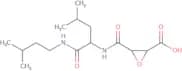
CAS:E-64-c is a research tool that is used to activate the receptor of a cell. This ligand can bind to the receptor and form a complex, which will then be able to interact with other proteins in the cell. This process can lead to changes in ion channel activity, protein synthesis, or gene expression. E-64-c has been shown to inhibit the activity of ion channels such as calcium channels and potassium channels, as well as protein synthesis. It also binds to antibodies and blocks their binding sites on cells.br>
E-64-c is a high purity ligand that can be used for studying protein interactions or pharmacological purposes. The potency of this ligand has been tested by measuring its ability to inhibit the binding of various peptides such as vasopressin and angiotensin II.Formula:C15H26N2O5Purity:Min. 95%Molecular weight:314.38 g/molSuc-[Glu9,Ala11,15]-Endothelin-1 (8-21)
CAS:Suc-[Glu9,Ala11,15]-Endothelin-1 (8-21) is a peptide that has been used as a research tool in pharmacology and protein interactions. Suc-[Glu9,Ala11,15]-Endothelin-1 (8-21) has been shown to be an agonist of the endothelin receptor. Endothelin-1 is a peptide that acts as a vasoconstrictor and plays an important role in the regulation of blood pressure.
Endothelin-1 is also an endogenous ligand for two G protein-coupled receptors, ETA and ETB. Interesting Endothelin-1 is the most abundant isoform and is expressed in endothelial cells of every blood vessel. It exerts its vasoconstrictor effects through binding to ETA receptors located on the smooth muscle.Formula:C86H117N17O27Purity:Min. 95%Molecular weight:1,820.9 g/molAc-Asp-Glu • H2O
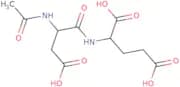
CAS:Ac-Asp-Glu • H2O is a water soluble molecule that belongs to the class of inhibitors. It has been shown to inhibit the polymerase chain reaction and is used as an analytical method for detecting DNA sequences. Ac-Asp-Glu • H2O induces neuronal death in the caudate putamen, thereby causing bowel disease, by inhibiting energy metabolism. This compound also inhibits the synthesis of proteins in the hippocampus, which leads to reduced locomotor activity and eosinophil cationic protein production. Ac-Asp-Glu • H2O is acidic and its concentration–time curve shows a bell shape. The half life of this compound is six hours.Formula:C11H16N2O8•H2OPurity:Min. 95%Molecular weight:322.28 g/molTopfluor lyso pa
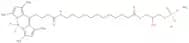
CAS:TopFluor Lyso PA is a fluorescently labeled lipid analog, derived from a lysophosphatidic acid (LPA) source, designed to facilitate the study of lipid-protein and lipid-lipid interactions. Its mode of action involves the integration of a fluorescent moiety onto the LPA backbone, enabling visualization and tracking within biological systems.
Formula:C32H54BF2N4O8PPurity:Min. 95%Molecular weight:702.57 g/molSky peptide trifluoroacetate salt
CAS:Sky peptide trifluoroacetate salt is a high purity, peptide ligand that can be used as a research tool. It is an activator of ion channels and has been shown to bind to the acetylcholine receptor. This compound may also inhibit protein interactions, such as those between antibodies and antigens. Sky peptide trifluoroacetate salt is available in CAS No. 1877294-92-2.Formula:C50H79N17O15·C2HF3O2Purity:Min. 95%Ac-Val-Glu-Ile-Asp-AMC
CAS:Ac-Val-Glu-Ile-Asp-AMC is a peptide that binds to the acetylcholine receptor, which is a protein that plays an important role in the transmission of nerve signals. Ac-Val-Glu-Ile-Asp-AMC is used as a research tool to study the binding of ligands and receptors. It can be purchased from Sigma Aldrich with purity greater than 98%.Formula:C32H43N5O11Purity:Min. 95%Molecular weight:673.71 g/mol(2S)-2-[(2S)-2-[(2S)-2-[(2S)-2-Amino-5-carbamimidamidopentanamido]-5-carbamimidamidopentanamido]-5-carbamimidamidopentanamido]-5-car bamimidamido-N-[(1S)-1-{[(1S)-1-carbamoyl-2-(1H-indol-3-yl)ethyl]carbamoyl}-2-(1H-indol-3-yl)ethyl]pentanamide
CAS:(2S)-2-[(2S)-2-[(2S)-2-[(2S)-2-Amino-5-carbamimidamidopentanamido]-5-carbamimidamidopentanamido]-5-carbamimidamidopentanamido]-5-car bamimidamido-N-[(1S)-1-{[(1S)-1-carbamoyl-2-(1H-indol-3)ethyl]carbamoyl}-2-(1Hindol)ethyl]pentanamide (TRAMPCP) is a cation channel activator that may have therapeutic potential for the treatment of bladder and ovary disorders. TRAMPCP is a potent activator of calcium release from intracellular stores and an inhibitor of voltage gated calcium channels. It has been shown to be active in tissue culture, and to causeFormula:C46H71N21O6Purity:Min. 95%Molecular weight:1,014.2 g/molGuanylin (Human)
CAS:Guanylin is a human gastrointestinal hormone which can be used to activate the transmembrane receptor Guanylate Cyclase C on the intestinal epithelial cells surface. This product contains disulfide bonds between Cys4-Cys12 and Cys7-Cys15 and is available as a 0.1mg vial.Formula:C58H87N15O21S4Purity:Min. 95%Molecular weight:1,458.7 g/molBig Endothelin-1 (Human, 1-38)
CAS:This product has disulfide bonds between Cys1-Cys15 and Cys3-Cys11 and is available as a 0.5mg vial. Big Endothelin-1 (Human, 1-38) is a peptide that is a member of the endothelin family and is part of the 39 amino acids of Big Endothelin-1 which is a precursor of Endothelin-1 (ET-1). ET-1 exhibits vasoconstrictive properties and is an activator of endothelin G-protein coupled receptors. Furthermore ET-1 is produced when inflammation, vascular stress or hypoxia occurs. In vivo Big Endothelin-1 has a greater half life compared to ET-1 and therefore makes it useful to study secretory activity in the endothelial system. Overall Big Endothelin-1 (Human, 1-38) can be used as a research tool for studying protein interactions, receptor activation and function, and ligand binding. This peptide is also used in pharmacology to study the effects of therapeutic agents on receptor activity and expression.Formula:C189H282N48O56S5Purity:Min. 95%Molecular weight:4,282.9 g/molC18:1 Lyso PAF
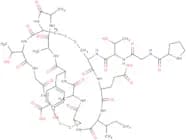
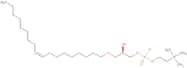
CAS:C18:1 Lyso PAF (or 1-O-(9Z)octadecenyl-2-hydroxy-sn-glycero-3-phosphocholine) is formed by the degradation of platelet-activating factor (PAF). Hydrolysis of the sn-2 position acetyl group of the glycerol backbone results in the production of both acetate and biologically inactive lyso-PAF. Conversely, PAF can be made from Lyso PAF C-18 by the remodeling pathway. Aternatively, Lyso-PAF is a substrate for a coenzyme A-independent transacylase and undergoes by selective acylation.Formula:C26H54NO6PPurity:Min. 95%Molecular weight:507.68 g/mol7α,27-Dihydroxycholesterol-d6
CAS:7α,27-Dihydroxycholesterol-d6 is a synthetic peptide that has been shown to inhibit the activity of membrane proteins. It also binds to certain receptors and activates them. 7α,27-Dihydroxycholesterol-d6 is a research tool for studying protein interactions and receptor binding. This product is made in high purity with a CAS number of 2260669-25-6.
Formula:C27H40D6O3Purity:Min. 95%Molecular weight:424.69 g/molBoc-Leu-Gly-Arg-AMC
CAS:Boc-Leu-Gly-Arg-AMC is a peptide that binds to the receptor for N-methyl-D-aspartate (NMDA) and inhibits the ion channel. It has been used as a research tool to study NMDA receptor interactions, as well as in cell biology and pharmacology. Boc-Leu-Gly-Arg-AMC is a high purity, ionic analog of glutamate that binds to the NMDA receptor without activating it, thereby inhibiting ion flow through the channel. This inhibition can be reversed by adding excess glutamate or glycine. The binding of this compound to the NMDA receptor has been shown to block activation of voltage gated calcium channels and reduce neuronal excitation, which may provide an alternative therapeutic strategy for controlling seizures or other neurological disorders.
Formula:C29H43N7O7Purity:Min. 95%Molecular weight:601.69 g/molNeuropeptide W-30 (Human)
CAS:Neuropeptide W-30 is a peptide that has been shown to activate the receptor for neuropeptide W (NPW). Neuropeptide W is a member of the tachykinin family of peptides, which are known to function as activators of G protein-coupled receptors. Neuropeptide W-30 has been shown to be a potent inhibitor of ion channels and ligand-gated ion channels, including potassium channels, calcium channels, and sodium channels. Neuropeptide W-30 also blocks the release of neurotransmitters such as acetylcholine, noradrenaline, dopamine, and serotonin in animal cells.Formula:C165H249N49O37SPurity:Min. 95%Molecular weight:3,543.1 g/molBoc-Val-Pro-Arg-AMC
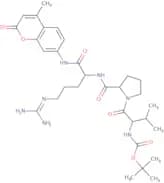
CAS:Boc-Val-Pro-Arg-AMC is a peptide that activates ion channels. It is an agonist of the nicotinic acetylcholine receptor (nAChR) and can be used in research to investigate the pharmacology of nAChRs. Boc-Val-Pro-Arg-AMC can also be used as a high purity ligand for antibody production, which has applications in cell biology and other life science research.Formula:C31H45N7O7Purity:Min. 95%Molecular weight:627.73 g/molc3 Ceramide
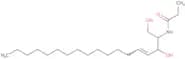
CAS:C3 Ceramide is a human-derived analog of the naturally occurring sphingolipid ceramide. It has been shown to induce apoptosis, or programmed cell death, in cancer cells through activation of kinase pathways. C3 Ceramide has been found in human urine and can be used as a potential therapeutic agent for various cancers. This polysaccharide-based inhibitor has demonstrated potent anticancer effects against tumor cells in vitro and in vivo. Additionally, C3 Ceramide has also shown promise as a protein kinase inhibitor, making it a valuable medicinal tool for cancer research and treatment. Its potential benefits are being explored by scientists worldwide, including those from China who are investigating its efficacy against different types of cancer.Formula:C21H41NO3Purity:Min. 95%Molecular weight:355.6 g/molPhe-AMC
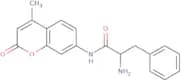
CAS:Phen-AMC is a potent inhibitor of the enzyme acetylcholinesterase (AChE), which catalyzes the breakdown of the neurotransmitter acetylcholine. Phen-AMC is used as a research tool to study protein interactions, activator, and ligand binding. This inhibitor also has been shown to activate nicotinic receptors, ion channels, and antibodies.
Formula:C19H18N2O3Purity:Min. 95%Molecular weight:322.36 g/molOxytocin (Human, Porcine, Bovine, Rat, Ovine)
CAS:Oxytocin is a peptide hormone that is produced by the hypothalamus and released by the pituitary gland. It is used to induce labor, control postpartum bleeding and stimulate milk production. Oxytocin also plays a role in sexual arousal, social recognition, and trust. It has been shown to have an inhibitory effect on many types of ion channels, including those found in the heart, central nervous system, and blood vessels. Oxytocin binds to receptors that are found throughout the body and brain. The receptor for oxytocin is known as OXT. This receptor belongs to the G-protein coupled receptor family of receptors. Oxytocin was first isolated from sheep serum in 1906 by Henry Dale and Charles Robert Harington. It was later synthesized in 1953 by Vincent du Vigneaud. This product has disulfide bonds between Cys1-Cys6.
Formula:C43H66N12O12S2Purity:Min. 95%Molecular weight:1,007.2 g/molTyrosyl-Bradykinin
CAS:Tyrosyl-Bradykinin is a peptide that is used as a research tool. It can activate an antibody or receptor and is used in the study of protein interactions. Tyrosyl-Bradykinin has been shown to be an inhibitor of ion channels and can block the activity of ligands and receptors. This peptide has also shown pharmacological properties, such as preventing platelet aggregation and inhibiting the release of histamine from mast cells.
Formula:C59H82N16O13Purity:Min. 95%Molecular weight:1,223.4 g/molForchlorofenuron
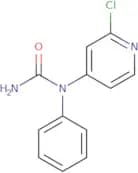
CAS:Forchlorofenuron is a potent anticancer agent that targets protein kinases in cancer cells, inducing apoptosis and inhibiting tumor growth. This analog of the natural cytokinin hormone has been shown to be effective against a variety of human cancers, including breast, lung, and colon cancer. Forchlorofenuron acts as an inhibitor of protein kinases, which are enzymes that play a key role in cell signaling pathways. By blocking these pathways, Forchlorofenuron can induce apoptosis and prevent the growth and spread of cancer cells. This medicinal compound has been used as a tumor inhibitor in Chinese medicine for many years and can be found in urine samples after administration. Its efficacy against various kinases makes it a promising candidate for future anticancer therapies.
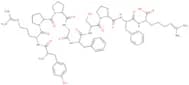
Formula:C12H10ClN3OPurity:Min. 95%Molecular weight:247.68 g/mol[D-Arg1,D-Trp7,9,Leu11]-Substance P
CAS:This product is a Substance P antagonist in the Hydrochloride salt from and as a 0.5mg vial. Substance P is a neuropeptide that acts as a neurotransmitter and neuromodulator. It is best known for its role in nociception or pain perception. Substance P is also involved in other biological processes such as the regulation of gastrointestinal motility and the inflammatory response. As a tachykinin neuropeptide, substance P acts through binding to its specific neurokinin 1 receptor (NK-1R). NK-1R is present in neurons and on glial cell types. Substance P is also involved in: increased inflammation in the lungs, gastrointestinal tract and the skin and neuroinflammation. Interestingly the levels of Substance P are raised in inflammatory bowel diseases and through its involvement in cytokine release, it contributes to asthma pathology. These diverse selection of functions makes substance P a target for therapeutic research.
Formula:C75H108N20O13Purity:Min. 95%Molecular weight:1,497.8 g/molAdenylate Kinase 4, human, recombinant
Adenylate kinase 4 (AK4) is a protein that in humans is encoded by the AK4 gene. AK4 catalyzes the conversion of adenosine triphosphate (ATP) to adenosine monophosphate (AMP). The enzyme has been shown to play an important role in the regulation of cell proliferation and survival, as well as in the regulation of ion channels, neurotransmitter release, and other biological processes. AK4 is also an activator of G-protein coupled receptors and a ligand for certain nuclear receptors. It can also function as an inhibitory receptor for certain G-protein coupled receptors.Purity:Min. 95%ANP (Rat, 3-28)
CAS:ANP (Rat, 3-28) is a peptide that is a potent inhibitor of protein interactions. This peptide binds to the ligand-binding domain of the receptor and blocks the binding of the ligand. ANP (Rat, 3-28) also has high purity and can be used as a research tool or an antibody in life science studies.
Formula:C119H189N43O36S2Purity:Min. 95%Molecular weight:2,862.2 g/molUrotensin II (Human)
CAS:A potent vasoconstrictor, available in the hydrochloride form with disulfide bonds between Cys5-Cys10 and as a 0.5mg vial. Urotensin II (UT-II) is a peptide that is found in humans and other vertebrates and is involved in biological systems such as the nervous, endocrine, cardiovascular and renal. Like that of urotensin II-related peptide, urotensin II contains the hexapeptide -CYS-TYR-LYS-TRP-PHE-CYS- known as the core and this is crucial to its biological function. Urotensin II can also increase the concentration of intercellular calcium through binding to its G protein coupled receptor: urotensin-II receptor which causes the activation of Protein kinase C followed by the activation of Phospholipase C. UT-II is widely distributed throughout the body, with highest concentrations found in the cardiovascular system, particularly in the heart and blood vessels. UT-II has been shown to have a wide range of physiological effects in humans, including vasoconstriction, modulation of blood pressure, and stimulation of the release of aldosterone and vasopressin. In addition to its physiological effects, UT-II has also been implicated in the pathogenesis of various cardiovascular and metabolic disorders, including hypertension, heart failure, and diabetes. Inhibition of UT-II signaling has been suggested as a potential therapeutic target for these conditions.Formula:C64H85N13O18S2Purity:Min. 95%Molecular weight:1,388.6 g/mol2-Deoxy-2-Phthalimido-3,4,6-Tri-O-Acetyl-α-D-Galactopyranosyl Fluoride
CAS:2-Deoxy-2-Phthalimido-3,4,6-Tri-O-Acetyl-α-D-Galactopyranosyl Fluoride is a glycosyl. It is a building block for the synthesis of peptides and other biochemicals. This compound is used in the preparation of fluorinated analogs of carbohydrates and glycosides to study their properties. 2DGTF has been shown to inhibit the activity of many enzymes, including DNA polymerase, topoisomerase II, protein kinase C, phospholipase A2, mitochondrial ATP synthase and proteases.
Formula:C20H20NO9FPurity:Min. 95%Molecular weight:437.37 g/mol7,3′,5′-Trihydroxyflavanone
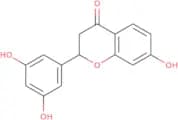
CAS:7,3′,5′-Trihydroxyflavanone is a medicinal compound that has shown potential as an anticancer agent. This analog of flavanone has been found to induce apoptosis in cancer cells by inhibiting kinases and protein synthesis. It also exhibits inhibitory activity against tumor growth and has been shown to be effective against various types of cancers. 7,3′,5′-Trihydroxyflavanone has been used in Chinese traditional medicine for its anti-inflammatory properties and may have potential as a natural remedy for cancer treatment. Its unique chemical structure makes it a promising candidate for the development of kinase inhibitors and other therapeutic agents.
Formula:C15H12O5Purity:Min. 95%Molecular weight:272.25 g/mol1-(3-Chlorophenethyl)-3-cyclopentylpyrimidine-2,4,6-(1H,3H,5H)-trione
CAS:1-(3-Chlorophenethyl)-3-cyclopentylpyrimidine-2,4,6-(1H,3H,5H)-trione is a novel ion channel activator that binds to the ligand site of the human ether-a-go-go related gene potassium channel. It has been shown to inhibit the activity of voltage gated sodium channels and calcium activated potassium channels with IC50 values in the low nanomolar range. It has also been shown to be an effective inhibitor of protein binding.
Formula:C17H19ClN2O3Purity:Min. 95%Molecular weight:334.8 g/molGIP (Human)
CAS:GIP (Gastric Inhibitory Polypeptide) is a peptide hormone that belongs to the family of incretin hormones. GIP has been shown to have an insulinotropic effect, which is mediated by its activation of glucose-dependent insulin release from pancreatic β-cells. It also has effects on lipid metabolism and plays a role in the regulation of food intake. GIP is produced by K cells in the ileum and colon and released into the bloodstream following food intake. The binding of GIP to its receptors leads to inhibition of gastric acid secretion, stimulation of gallbladder contraction, increased blood flow to the stomach, relaxation of pyloric sphincter muscles, and inhibition of gastric motility. This product is highly pure (> 98%) with no detectable endotoxin or other microbial contamination.
Formula:C226H338N60O66SPurity:Min. 95%Molecular weight:4,983.5 g/molSuc-Ala-Ala-Pro-Phe-AMC
CAS:Suc-Ala-Ala-Pro-Phe-AMC is a peptide that is an activator of the acetylcholine receptor. Suc-Ala-Ala-Pro-Phe-AMC has been shown to inhibit the binding of the ligand to the receptor and also prevent activation of ion channels. It has been used as a research tool for studying protein interactions, as well as, antibody production and cell biology. This peptide can also be used as a pharmacological agent, which may be useful in treating diseases such as Alzheimer's disease.
Formula:C34H39N5O9Purity:Min. 95%Molecular weight:661.7 g/molMastoparan
CAS:Controlled ProductA cell-penetrating peptide toxin whose sequence is derived from wasp venom and a potent activator of heterotrimeric G proteins. This product is available as a 0.5mg vial. One letter code: INLKALAALAKKIL-NH2Formula:C70H131N19O15Purity:Min. 95%Molecular weight:1,478.9 g/molH-Ala-Ala-Phe-AMC
CAS:H-Ala-Ala-Phe-AMC is a positively charged peptide that binds to the extracellular domain of the human α2δ1 calcium channel. It is a research tool for studying the interactions between ligands and receptors, as well as protein interactions. H-Ala-Ala-Phe-AMC is used to study the pharmacology of ion channels, such as their activation and inhibition by different ligands. H-Ala-Ala-Phe-AMC can be used in cell biology studies to study protein interactions and changes in protein conformation.Formula:C25H28N4O5Purity:Min. 95%Molecular weight:464.51 g/mol30 mL Manual Reaction Vessel
The manual reaction vessel is a laboratory tool for chemical reactions. It is a sealed, sterile glass vessel that can be opened and closed to allow the introduction of chemicals. The manual reaction vessel has an opening at one end for adding reagents, and a stopcock at the other end for controlling the flow of reactants. The manual reaction vessel is used in research to study protein interactions and receptor ligand interactions. It is also used in pharmacology to study drug binding and as a cell biology research tool. This product is made from high purity borosilicate glass, which ensures it will not break down due to chemical exposure or thermal shock. It has no seams or welds that could release contaminants into the environment.
Purity:Min. 95%Des-Arg9-Bradykinin
CAS:Des-Arg9-bradykinin is a peptide that is a potent activator of the B2 receptor. It is a potent inhibitor of ion channels, including Ca2+, K+ and Na+ channels. Des-Arg9-bradykinin has been used as a research tool in cell biology, particularly to investigate the role of bradykinins in signal transduction pathways. This chemical is highly purified and can be obtained from Sigma-Aldrich with CAS No. 15958-92-6.Formula:C44H61N11O10Purity:Min. 95%Molecular weight:904.02 g/molPACAP27 (Human, 1-27 Amide)
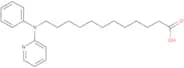
CAS:PACAP27 is a peptide that is used as a research tool. PACAP27 binds to the receptor for pituitary adenylate cyclase-activating polypeptide (PACAP). The binding of PACAP27 to the receptor leads to activation of adenylyl cyclase, which increases intracellular levels of cAMP. This increase in cAMP may lead to cellular responses such as increased ion channel activity and increased protein synthesis.Formula:C142H224N40O39SPurity:Min. 95%Molecular weight:3,147.6 g/mol12-(Phenyl(pyridin-2-yl)amino)dodecanoic acid
CAS:12-(Phenyl(pyridin-2-yl)amino)dodecanoic acid is a fatty acid that has been shown to have hypoglycemic effects in diabetic mice. It activates the insulin receptor and increases the sensitivity to insulin, which improves the function of cells in fat tissue and reduces inflammation. In addition, 12-(phenyl(pyridin-2-yl)amino)dodecanoic acid has been shown to have anti-inflammatory properties and may be effective for the treatment of metabolic disorders. This compound also has antioxidant properties and can be used as a natural pigment.Formula:C23H32N2O2Purity:Min. 95%Molecular weight:368.5 g/molTransferrin antibody
Transferrin antibody was raised in goat using Isolated by affinity chromatography using antigen coupled to agarose beads. as the immunogen.
Haptoglobin antibody
Haptoglobin antibody was raised in goat using purified human haptoglobin as the immunogen.
Human IgG (Poly-HRP) Fab'2
Mouse anti-human IgG (Poly-HRP) F(ab)2 was raised in mouse using human IgG as the immunogen.
Purity:Min. 95%Human IgM antibody (Poly-HRP)
Human IgM antibody (Poly-HRP) was raised in mouse using human IgM as the immunogen.
Purity:Min. 95%Human IgG (Poly-HRP)
Mouse anti-human IgG (Poly-HRP) was raised in mouse using human IgG as the immunogen.
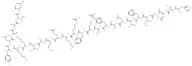
Purity:Min. 95%Des-Arg9-[Leu8]-Bradykinin
CAS:Des-Arg9-[Leu8]-bradykinin is a bradykinin receptor activator. This peptide can be used as a research tool to study the relationship between peptides and ion channels in cell biology, and to assess the effects of inhibitors on protein interactions. Des-Arg9-[Leu8]-bradykinin has shown inhibitory activity against a number of ligand binding receptors, including the beta-adrenergic receptor, angiotensin II receptor, and acetylcholine muscarinic receptor. The affinity of this peptide for different receptors is dependent on its position within the molecule.
Formula:C41H63N11O10Purity:Min. 95%Molecular weight:870.01 g/molThioflosulide
CAS:Thioflosulide is a nonsteroidal anti-inflammatory drug (NSAID) that is used to relieve the symptoms of inflammatory bowel disease. Thioflosulide binds to and inhibits the phospholipase A2 enzyme, which in turn prevents the production of prostaglandin E2. Thioflosulide has been shown to be effective in reducing ulceration and improving quality of life for patients with ulcerative colitis. It also decreases microvessel density, reduces bowel disease severity, and prevents the formation of new blood vessels in the colon. Thioflosulide is an NSAID that blocks cyclooxygenase enzymes and reduces prostaglandin synthesis. It has been shown to be effective against inflammation in animal models.
Formula:C16H13F2NO3S2Purity:Min. 95%Molecular weight:369.4 g/molPC786
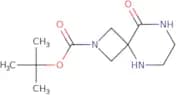
CAS:N-(2-Fluoro-6-methylphenyl)-6-(4-(5-methyl-2-(7-oxa-2-azaspiro[3.5]nonan-2-yl)nicotinamido)benzoyl)-5,6-dihydro-4H-benzo[b]thieno[2, 3-d]azepine-2-carboxamide (WO 2007/086843) is a potent and selective small molecule inhibitor of the ion channel TRPV1. The compound has been shown to antagonize capsaicin-, resiniferatoxin-, and acid stimuli in vitro and to inhibit capsaicin-, resiniferatoxin-, and acid evoked pain in vivo.Formula:C41H38FN5O4SPurity:Min. 95%Molecular weight:715.8 g/molAeol 10150
CAS:Aeol 10150 is a high-purity, research tool that is used as a ligand and an activator of the receptor. Aeol 10150 is a potent inhibitor of ion channels and has been shown to inhibit the activation of caspase-3. It also inhibits the binding of antibodies to cells, which may be due to its ability to bind to protein interactions.
Formula:C48H56Cl5MnN12Purity:Min. 95%Molecular weight:1,033.2 g/mol


![[D-Ala2,Met5]-Enkephalinamide](/_next/image/?url=https%3A%2Fstatic.cymitquimica.com%2Fproducts%2F3D%2Fthumb-webp%2FPEK-4117.webp&w=3840&q=75)




![[Val5]-Angiotensin I (Bovine)](/_next/image/?url=https%3A%2Fstatic.cymitquimica.com%2Fproducts%2F3D%2Fthumb-webp%2FPAN-4069-V.webp&w=3840&q=75)


![Gly-Pro-pNA • Tos [GPNT]](/_next/image/?url=https%3A%2Fstatic.cymitquimica.com%2Fproducts%2F3D%2Fthumb-webp%2FSGP-3074-V.webp&w=3840&q=75)




![[Pmp1, Tyr(Me)2]-Arg8-Vasopressin](/_next/image/?url=https%3A%2Fstatic.cymitquimica.com%2Fproducts%2F3D%2Fthumb-webp%2FPVP-4203-V.webp&w=3840&q=75)







![Des-Arg9-[Leu8]-Bradykinin](/_next/image/?url=https%3A%2Fstatic.cymitquimica.com%2Fproducts%2F3D%2Fthumb-webp%2FPBK-4065.webp&w=3840&q=75)
![Suc-[Glu9,Ala11,15]-Endothelin-1 (8-21)](/_next/image/?url=https%3A%2Fstatic.cymitquimica.com%2Fproducts%2F3D%2Fthumb-webp%2FPED-4285-V.webp&w=3840&q=75)

![(2S)-2-[(2S)-2-[(2S)-2-[(2S)-2-Amino-5-carbamimidamidopentanamido]-5-carbamimidamidopentanamido]-5…](/_next/image/?url=https%3A%2Fstatic.cymitquimica.com%2Fproducts%2F3D%2Fthumb-webp%2FGIA35079.webp&w=3840&q=75)




![[D-Arg1,D-Trp7,9,Leu11]-Substance P](/_next/image/?url=https%3A%2Fstatic.cymitquimica.com%2Fproducts%2F3D%2Fthumb-webp%2FPSP-4173-V.webp&w=3840&q=75)






![Des-Arg9-[Leu8]-Bradykinin](/_next/image/?url=https%3A%2Fstatic.cymitquimica.com%2Fproducts%2F3D%2Fthumb-webp%2FPBK-4065-V.webp&w=3840&q=75)