Biochemicals and Reagents
Subcategories of "Biochemicals and Reagents"
- Biomolecules(98,766 products)
- By Biological Target(100,282 products)
- By Pharmacological Effects(6,822 products)
- Cryopreservatives(21 products)
- Desinfectants and Related Compounds(28 products)
- Hormones(355 products)
- Plant Biology(6,882 products)
- Secondary Metabolites(14,351 products)
Found 130641 products of "Biochemicals and Reagents"
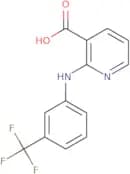
Niflumic acid-d5
CAS:Please enquire for more information about Niflumic acid-d5 including the price, delivery time and more detailed product information at the technical inquiry form on this pageFormula:C13H9F3N2O2Purity:Min. 95%Molecular weight:285.24 g/molSM1-71-R
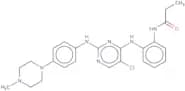
CAS:SM1-71-R is a novel small molecule with a targeted, covalent mechanism of action. It is a multitargeted kinase inhibitor that has been shown to inhibit the activity of FGFR1, FGFR2, and FGFR3, which are members of the fibroblast growth factor receptor family. SM1-71-R has been shown to have high potency in inhibiting FGFR1, FGFR2 and FGFR3 in cellular assays. It also has high selectivity for cysteine residues in kinases.Formula:C24H28ClN7OPurity:Min. 95%Molecular weight:465.98 g/molMB 07811
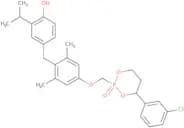
CAS:MB 07811 is a lipid-lowering drug that belongs to the group of statins. It reduces cholesterol by inhibiting an enzyme (3-hydroxy-3-methylglutaryl coenzyme A reductase) in the liver that is involved in the production of cholesterol. MB 07811 has been shown to be safe and well tolerated and has been used for the treatment of primary hypercholesterolemia, non-alcoholic fatty liver disease, and non-alcoholic fatty liver.
Formula:C28H32ClO5PPurity:Min. 95%Molecular weight:515 g/molLycobetaine
CAS:Lycobetaine is a positively charged ion channel activator and inhibitor with high purity. It has been used extensively as a research tool in pharmacology, cell biology, and biochemistry. Lycobetaine has been shown to inhibit the binding of an antibody to its receptor by competing for the receptor site on the antibody. The peptide has also been shown to activate ion channels by interacting with their binding sites on the protein surface. Lycobetaine has a molecular weight of 6071 Da and is soluble at pH 2-6.
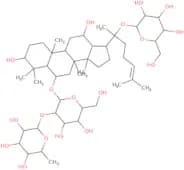
Formula:C18H15NO5Purity:Min. 95%Molecular weight:325.3 g/molGinsenoside
CAS:Ginsenoside is a natural compound found in Chinese ginseng that has been shown to have potent anticancer properties. It works by inhibiting the activity of kinases, which are enzymes that regulate cell growth and division. Ginsenoside has been shown to induce apoptosis, or programmed cell death, in cancer cells and inhibit tumor growth. It also acts as an inhibitor of glutathione S-transferase activity, which is involved in detoxification processes within cells. Ginsenoside analogs have been developed as potential inhibitors of human protein kinases involved in cancer development and progression. The use of ginsenoside as a natural alternative to traditional cancer treatments is currently being studied and shows promising results.
Formula:C48H82O18Purity:Min. 95%Molecular weight:947.2 g/molRat GIP (Total) ELISA (1ea)
Rat GIP (Total) ELISA is a sandwich enzyme-linked immunosorbent assay for the quantitative determination of rat GIP in serum. The assay utilizes monoclonal antibodies that are specific to rat GIP and an enzyme-labeled anti-rat GIP antibody. The antibody is then incubated with a sample and the amount of labeled antibody bound to the antigen is determined.Purity:Min. 95%Ferrostatin-1 diyne
CAS:Ferrostatin-1 diyne is a research tool that is used for the study of protein interactions. It is also an activator and ligand in cell biology, which has been shown to bind to receptors and ion channels. Ferrostatin-1 diyne is a high purity chemical compound with a purity of >98% by HPLC. It has been shown to inhibit the activity of ion channels, such as Shaker potassium channel, KcsA potassium channel, and voltage-gated calcium channel. Ferrostatin-1 diyne has been used in pharmacology studies for its ability to inhibit peptides from interacting with other peptides or proteins.br>br>
Formula:C18H22N2O2Purity:Min. 95%Molecular weight:298.40 g/molMK 0731
CAS:Kinesin spindle protein (KSP) inhibitor
Formula:C25H28F3N3O2Purity:Min. 98 Area-%Color and Shape:PowderMolecular weight:459.5 g/molL 368899 hydrochloride
CAS:Oxytocin antagonistFormula:C26H42N4O5S2·HClPurity:Min. 95%Molecular weight:591.23 g/molCC 0651
CAS:CC 0651 is a novel compound that inhibits the enzymes of the ubiquitin-proteasome system by binding to ubiquitin ligases. CC 0651 has been shown to inhibit the enzyme activities of ubiquitin ligases in vitro and in vivo, leading to cancer cell death. This anticancer activity may be due to its ability to inhibit the ubiquitin-proteasome system, which is required for protein degradation and DNA repair. In addition, CC 0651 is a potent inhibitor of lysine residues and is able to cross the cell membrane due to its amide group.Formula:C20H21Cl2NO6Purity:Min. 95%Molecular weight:442.29 g/molML216
CAS:ML216 is a chemotherapeutic drug that inhibits the repair mechanism of prostate cancer cells. It binds to leukocyte antigen (LFA-1) on the surface of tumor cells, and blocks the activity of suppressor genes that regulate the growth and development of these cells. ML216 has been shown to be active against prostate cancer cell lines in vitro and in vivo studies. This drug also has membrane permeability and anticancer activity.Formula:C15H9F4N5OSPurity:Min. 95%Molecular weight:383.32 g/molTriosephosphate Isomerase 1 , human, recombinant
Triosephosphate isomerase 1 (TPI1) is a cytosolic enzyme that catalyzes the conversion of dihydroxyacetone phosphate and glyceraldehyde-3-phosphate to erythrose-4-phosphate and phosphoenolpyruvate. TPI1 has been shown to be an important regulator of glycolysis and gluconeogenesis, as well as in the maintenance of cellular redox state. This protein can act as both an inhibitor and activator depending on its interaction with other proteins. TPI1 has been implicated in the development of cancer, diabetes, Alzheimer's disease, Parkinson's disease, and atherosclerosis. TPI1 is also a research tool for studies into ion channels, receptor binding, and antibodies.Purity:Min. 95%Cer1 (d18:1/26:0/18:1(d9))
CAS:Controlled ProductCer1 is a synthetic, non-natural amino acid. It is an activator of G protein coupled receptors, which are involved in the transmission of signals from outside the cell to inside the cell. Cer1 can be used as a research tool for studying receptor activation and signal transduction pathways. In addition, it has been shown that Cer1 can inhibit ion channels, ligands and antibodies.Formula:C62H110D9NO5Purity:Min. 95%Molecular weight:967.67 g/molTAK 21D
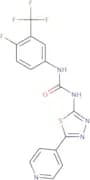
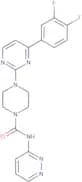
CAS:TAK 21D is a drug that may be used for the treatment of neurodegenerative disorders. It is a combination of two drugs, TAK-875 and tetrabenazine, which work in different ways to treat neurodegenerative diseases. TAK-875 is a potent inhibitor of protein synthesis and cell death, while tetrabenazine inhibits the release of dopamine from nerve cells. The combination of these two drugs was shown to have synergistic effects on neuronal cell death in vitro and in vivo. Additional studies are needed to determine whether this drug combination will be successful in treating neurodegenerative disorders.Formula:C19H17F2N7OPurity:Min. 95%Molecular weight:397.4 g/molc20:4 Anandamide (aea)
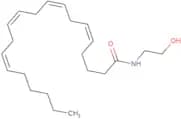
CAS:c20:4 Anandamide is a lipid molecule that is a natural activator of cannabinoid receptors. It has been shown to bind to the fatty acid amide hydrolase receptor and inhibit this enzyme, which breaks down other endocannabinoids. c20:4 Anandamide also activates peroxisome proliferator-activated receptors and binds to ion channels. This product can be used as a research tool for studying the physiology of cells and tissues.Formula:C22H37NO2Purity:Min. 95%Molecular weight:347.53 g/molValsartan-d3
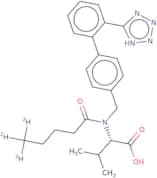
CAS:Controlled ProductValsartan-d3 is a deuterated version of valsartan, which is a pharmacological compound used for research purposes. This isotopically labeled compound is derived through the strategic substitution of hydrogen atoms with deuterium in the valsartan molecule. The incorporation of deuterium, a stable isotope of hydrogen, enhances the compound's utility in various scientific applications without altering its fundamental biological activity.Formula:C24H26D3N5O3Purity:Min. 95%Molecular weight:438.54 g/molAT-130
CAS:AT-130 is a peptide that binds to the CCR5 receptor, which is found on the surface of CD4+ T cells. This receptor is used by HIV to enter and infect CD4+ T cells. The AT-130 peptide prevents this binding and blocks infection by HIV. This compound has been shown to be safe in animal studies and can be used as an inhibitor in research or as a therapeutic antibody for treatment of AIDS.Formula:C22H22BrN3O5Purity:Min. 95%Molecular weight:488.3 g/molMK-8776 (SCH 900776)
CAS:MK-8776 is a potent inhibitor of the enzyme, protein kinase C (PKC). It was developed as an anticancer agent and has shown significant cytotoxicity against various cancer cell lines. MK-8776 can inhibit the cell factor, which is involved in checkpoint control of cell proliferation and differentiation. This drug also inhibits the ability of cancer cells to maintain their mitochondrial membrane potential, which leads to apoptosis. MK-8776 has been shown to be effective against hepatocyte-like cells and squamous carcinoma.Formula:C15H18BrN7Purity:Min. 95%Molecular weight:376.25 g/molBAY 41-8543
CAS:Bay 41-8543 is a potent and selective inhibitor of cyclic nucleotide phosphodiesterase type 5 (PDE5). It inhibits the degradation of cGMP, which leads to an increase in intracellular levels. This results in relaxation of smooth muscle cells in the corpus cavernosum, leading to increased blood flow and penile erection. Bay 41-8543 also has been shown to inhibit collagen production by suppressing growth factor-β1 (GF-β1) expression and reducing renal fibrosis. It has shown promising effects on cardiac function, with a reduction in systolic pressure and congestive heart failure. Bay 41-8543 belongs to the group of pharmacological agents that are used for treatment of cardiac disease.Formula:C21H21FN8OPurity:Min. 95%Molecular weight:420.44 g/molLevetiracetam-d6
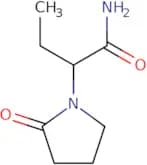
CAS:Controlled ProductLevetiracetam-d6 is a metabolite of levetiracetam, which is an antiepileptic drug. Levetiracetam-d6 is used as a marker for the determination of plasma concentrations and bioequivalence of levetiracetam. It is also used to study the pharmacokinetics of levetiracetam in healthy Chinese subjects. The plasma concentration-time profile and terminal half-life of levetiracetam and its major metabolite, levetiracetam-d6, were determined from serial blood samples taken from healthy Chinese volunteers following a single oral dose of 1000 mg (2000 mg) levetiracetam. The pharmacokinetic parameters were calculated using noncompartmental analysis with WinNonlin software (Pharsight Corporation). The mean ± SD Cmax and Tmax values for the two substances were 1220 ± 607 ng/mL and 0.5 ± 1 hour, respectively, forFormula:C8H14N2O2Purity:Min. 95%Molecular weight:176.25 g/molPerifosine
CAS:Protein kinase B/Akt and MAP kinase inhibitor; anti-proliferativeFormula:C25H52NO4PPurity:Min. 95%Molecular weight:461.66 g/molVE 821
CAS:VE 821 is a chemical inhibitor that inhibits the activity of the protein ornithine decarboxylase (ODC). This enzyme is essential for the synthesis of polyamines, which are essential for cell growth. VE 821 has been shown to be effective in inhibiting the growth of solid tumours and leukemia cells. It also inhibits the production of DNA, RNA, and proteins by cells. VE 821 has minimal toxicity to healthy cells, and has been shown to work synergistically with other pharmacological agents such as radiation therapy.
Formula:C18H16N4O3SPurity:Min. 95%Molecular weight:368.41 g/molNF279
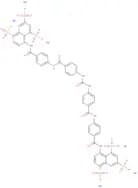
CAS:NF279 is a low-potency, orally active, small molecule that was designed to act as a potent and selective antagonist of the P2Y receptor. It binds to the p2y receptor and blocks its activity. NF279 has demonstrated efficacy against autoimmune diseases in animal models, and it is being studied as a potential treatment for HIV infection. In addition, NF279 has been shown to reduce the release of glutamate in primary cells, which may contribute to its ability to treat anxiety disorders. NF279 also blocks detrusor muscle contractions and reduces intracellular Ca2+ levels in bladder cells isolated from rats with overactive bladders.
Formula:C49H30N6O23S6·6NaPurity:Min. 95%Molecular weight:1,401.12 g/molLCL 161
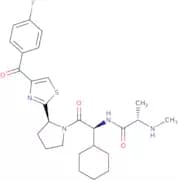
CAS:Second mitochondrial activator of caspase (SMAC) mimetic, IAP inhibitor
Formula:C26H33FN4O3SPurity:Min. 95%Molecular weight:500.63 g/molBay 59-3074
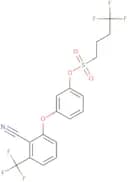
CAS:Bay 59-3074 is a cannabinoid receptor agonist that binds to the CB1 receptor. It has been shown to have activity in animal models of rheumatoid arthritis and osteoarthritis, as well as neuropathic and inflammatory pain. Bay 59-3074 also has anti-inflammatory effects, which may be due to its ability to inhibit cyclooxygenase and lipoxygenase enzymes. Bay 59-3074 has been shown to be effective against symptoms of osteoarthritis in humans at doses of 2.5mg twice daily for 10 weeks. This drug also has a profile that is distinct from other cannabinoids, such as gabapentin or carbamazepine, which are used for the treatment of neuropathic pain. This drug binds with high affinity to the G protein coupled receptor CB1 and inhibits voltage gated calcium channels (VGCC).Formula:C18H13F6NO4SPurity:Min. 95%Molecular weight:453.35 g/molZ-β-Homotrp(Boc)-OH
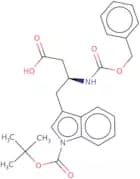
CAS:Z-β-Homotrp(Boc)-OH is an antibody fragment that binds to the extracellular domain of the human G-protein coupled receptor, FPR. It is a high purity antibody fragment with a CAS number of 957494-13-2. Z-β-Homotrp(Boc)-OH is used in cell biology, pharmacology and research tools for studying protein interactions and ion channels. The antibody has been shown to be useful in the study of peptides and ligands as well as being an activator or inhibitor of receptors.Formula:C25H28N2O6Purity:Min. 95%Molecular weight:452.5 g/molPacritinib
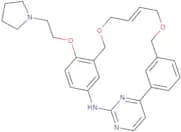
CAS:Pacritinib is a selective inhibitor of the tyrosine kinase JAK2. It has been shown to be effective against colorectal adenocarcinoma, hepatic steatosis, and minimal toxicity in preclinical trials. Pacritinib inhibits the activity of JAK2, which is an enzyme that participates in the signaling pathways of cytokines and growth factors that are involved in immune responses and cell proliferation. This drug may have potential for the treatment of infectious diseases, such as tuberculosis and leishmaniasis, as well as autoimmune diseases such as psoriasis and rheumatoid arthritis. Pacritinib is currently undergoing clinical trials for the treatment of various types of cancer, psoriasis, rheumatoid arthritis, Crohn's disease, ulcerative colitis, and other immune-mediated disorders.Formula:C28H32N4O3Purity:Min. 95%Molecular weight:472.59 g/molYM 976
CAS:YM 976 is a fatty acid that has been shown to have pharmacological effects on the bowel. YM 976 inhibits inflammatory bowel disease by binding to the fatty acid receptor, thereby inhibiting the production of proinflammatory mediators. This drug also has inhibitory effects on cyclic nucleotide phosphodiesterase and signal transduction pathways. It is also used for treating infectious diseases and autoimmune diseases because it inhibits transcription-polymerase chain reactions and inflammation. YM 976 also has hydroxyl groups that are involved in the inhibition of human macrophages, which may be related to its anti-inflammatory properties.Formula:C17H16ClN3OPurity:Min. 95%Molecular weight:313.78 g/molMps BAY 2a
CAS:Mps BAY 2a is a research tool for cell biology, pharmacology and ion channels. Mps BAY 2a is an inhibitor of ligand-gated ion channels, which are proteins that regulate the flow of ions across the plasma membrane in response to neurotransmitter binding. Mps BAY 2a has shown affinity for nicotinic acetylcholine receptors and can be used as a reagent in immunohistochemical studies.
Formula:C29H28N6OPurity:Min. 95%Molecular weight:476.6 g/molCNP-22, Human Antiserum
CNP-22 is a peptide that is an inhibitor of the protein interactions between the potassium channel Kv1.3 and its natural ligand, CNP-23, which is a member of the guanylate cyclase family of proteins. It has been shown to activate the potassium channel Kv1.2 in rat neurons, leading to increased neuronal excitability. CNP-22 has been used as a research tool for studying ion channels and receptors. The purified antibody can be used as an immunogen in preparing polyclonal or monoclonal antibodies against CNP-22.Purity:Min. 95%HJC0197
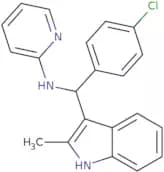
CAS:HJC0197 is a chemical compound that is an analog of the amino acid L-glutamate. It has been shown to regulate camp levels, and has shown to be effective in treating diabetic neuropathy. HJC0197 is also used as a potentiator of anticancer drugs, such as cisplatin, by binding to the cation channel and mitochondrial membrane potential. HJC0197 induces the release of vasoactive intestinal polypeptide (VIP) in hematopoietic cells which leads to increased intracellular calcium concentration. HJC0197 activates toll-like receptor 4 and 5, which are receptors found on the surface of cells that bind to endotoxins and other molecular patterns associated with bacterial infection.Formula:C19H21N3OSPurity:Min. 95%Molecular weight:339.45 g/molPF-03550096
CAS:PF-03550096 is an analgesic that inhibits the binding of ligands to CB2 receptors. It has affinity for these receptors, with a Kd of 0.4nM. PF-03550096 also has an inhibitory effect on the release of inflammatory mediators from human visceral muscle cells. PF-03550096 is being developed as a drug for the treatment of pain and inflammation, and may be used to treat hypersensitivity reactions such as asthma, allergic rhinitis, and atopic dermatitis.
Formula:C19H28N4O4Purity:Min. 95%Molecular weight:376.4 g/molInsulin II (Mouse)
Insulin II is a peptide hormone that is secreted by the pancreas in response to elevated blood glucose levels. The insulin II receptor is a G protein-coupled receptor that binds insulin II and mediates its effects. Insulin II has been shown to inhibit ion channels, such as potassium channels, and activate other proteins, such as phospholipase C. Insulin II is used as a research tool for investigating protein interactions, receptor pharmacology, and ligand binding.Purity:Min. 95%(2S)-2-[3-(2-Chlorophenoxy)-5-oxo-2H-pyrrol-1-yl]-N-[1-[(2S)-2,3-dihydroxypropyl]pyrazol-3-yl]-4-methylpentanamide
CAS:(2S)-2-[3-(2-Chlorophenoxy)-5-oxo-2H-pyrrol-1-yl]-N-[1-[(2S)-2,3-dihydroxypropyl]pyrazol-3-yl]-4-methylpentanamide is a drug that belongs to the class of drugs called dipeptidyl peptidase IV (DPPIV) inhibitors. It has been shown to reduce postprandial blood glucose levels in humans. This compound binds to glucokinase and inhibits the enzyme's activity, leading to decreased glucose production by the liver cells. The pharmacokinetic properties of this drug have not been fully investigated, but it is known that it is metabolized in the liver. In addition, this drug has not been studied for safety in patients with impaired hepatic function.Formula:C22H27ClN4O5Purity:Min. 95%Molecular weight:462.9 g/molMK-3207 Hydrochloride
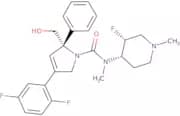
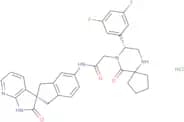
CAS:MK-3207 Hydrochloride is a potent and selective inhibitor of the voltage-gated potassium channel Kv1.3. It blocks potassium ion channels, which prevents the activation of neurons, resulting in the suppression of pain. MK-3207 Hydrochloride has been shown to be effective in preclinical studies for treating neuropathic pain, chronic pain, and cancer pain. This compound may also be used as research tool for studying protein interactions, ion channels and cell biology.br>br>Formula:C31H30ClF2N5O3Purity:Min. 95%Molecular weight:594.05 g/molBTRX-335140
CAS:BTRX-335140 is a novel compound that has been shown to modulate the opioid receptor. It is orally active and has a pharmacokinetic profile that is characterized by rapid absorption and elimination. The compound binds to the opioid receptor, modulating its activity. Electrophysiological studies have demonstrated that BTRX-335140 exhibits high affinity for the tegmental and ventral portions of the brain, but not the dorsal region. It also has been shown to act as an antagonist of dopamine receptors, which may contribute to some of its antidepressant effects.Formula:C25H32FN5O2Purity:Min. 95%Molecular weight:453.6 g/molRo2959 hydrochloride
CAS:Ro2959 hydrochloride is a research tool that can be used to activate receptors and ion channels. It binds to the ligand-binding sites of the receptor or ion channel, and may also interact with other molecules. Ro2959 hydrochloride can be used in cell biology experiments to study the interactions between proteins. This product is sold in high purity and is an inhibitor of peptides and proteins.Formula:C21H20ClF2N5OSPurity:Min. 95%Molecular weight:463.9 g/molSpectinabilin
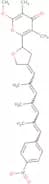
CAS:Spectinabilin is a natural product that belongs to the class of polyenes. It has been shown to have cytotoxic and anti-inflammatory properties in vitro. The biological properties of spectinabilin have been studied by using human liver cancer cell lines and colinearity with hepg2 cells, which are human hepatoma cells. Spectinabilin has also been shown to be a promising candidate for the treatment of autoimmune diseases and cancer. This compound also has asymmetric synthesis capabilities, which may lead to new drug development.Formula:C28H31NO6Purity:Min. 95%Molecular weight:477.5 g/molTenapanor hydrochloride
CAS:Inhibitor of the sodium-proton exchanger NHE3
Formula:C50H68Cl6N8O10S2Purity:Min. 98 Area-%Color and Shape:SolidMolecular weight:1,217.97 g/molBIX 02189
CAS:Inhibits protein kinases MEK5 and ERK5Formula:C27H28N4O2Purity:Min. 95%Molecular weight:440.54 g/molAnti Galanin (15-29) (Rat) Serum
Anti Galanin (15-29) (Rat) Serum is a recombinant protein that is used as a research tool and has been shown to inhibit the activity of ion channels. It has been used to study the interactions between proteins, peptides, and receptors. This product has not been evaluated by the FDA for use in humans.
Purity:Min. 95%FFN 511
CAS:FFN 511 is a fluorescent analog of the neurotransmitter norepinephrine. It is used as a fluorescent substrate for optical microscopy and to monitor the release of neurotransmitters from nerve endings in granule cells. FFN 511 has been shown to be an effective carbonyl group and piperazine that can be used to synthesize fluorescent substrates. FFN 511 has also been shown to be an excellent chromaffin cell, which are cells that store and release catecholamines, such as epinephrine and norepinephrine, into the bloodstream.Formula:C17H20N2O2Purity:Min. 95%Molecular weight:284.35 g/molL 006235
CAS:L 006235 is a lipophilic localizing agent that can be used as a marker protein. It binds to the extracellular matrix and is localized in the dermis, epidermis, and corneal stroma. L 006235 has been shown to inhibit protease activity and is effective in reducing autoimmune diseases such as rheumatoid arthritis. L 006235 also inhibits the formation of osteoclasts, which are cells that break down bone tissue. This drug has been shown to have potent antagonist effects on collagen type I receptor sites in vitro. L 006235 is used for preventing or treating inflammatory conditions such as psoriasis and psoriatic arthritis.
Formula:C24H30N6O2SPurity:Min. 95%Molecular weight:466.6 g/molPitstop2
CAS:Pitstop2 is a monoclonal antibody that binds to the epidermal growth factor receptor (EGFR) and inhibits cell proliferation. This drug has been shown to inhibit tumor growth in vitro, in vivo, and in clinical trials. Pitstop2 blocks the binding of epidermal growth factor to the EGFR, thereby preventing activation of the cells. Pitstop2 also prevents phosphorylation of the protein kinase B/Akt pathway, which is required for cellular proliferation and survival. The drug has been shown to be effective against a number of carcinoma cell lines and has been used to treat patients with advanced solid tumors.Formula:C20H13BrN2O3S2Purity:Min. 95%Molecular weight:473.4 g/molCD3 γ , human, recombinant
CD3 γ is a receptor protein that belongs to the immunoglobulin superfamily. It is involved in signal transduction and provides co-stimulation for T cells. CD3 γ is found on the surface of T cells, where it can bind to other proteins, including CD2, CD28, and members of the B7 family. The antibody against CD3 γ can be used as a research tool to study protein interactions, such as ligand-receptor binding or protein-protein interactions.Purity:Min. 95%K-604 dihydrochloride
CAS:K-604 is a research tool that is used to investigate protein interactions. It reacts with the receptor and activates it by binding to its ligand. K-604 binds to the receptor, causing a change in the ion channels inside of the cell. This changes how the cells communicate with each other, which can lead to a variety of cellular responses such as an increase or decrease in calcium levels. K-604 has been shown to be an inhibitor of potassium channels.Formula:C23H32Cl2N6OS3Purity:Min. 95%Molecular weight:575.64 g/molSB-265610
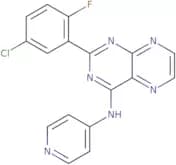
CAS:SB-265610 is a selective inhibitor of the EGF receptor, which binds to the epidermal growth factor (EGF) receptor. SB-265610 prevents the binding of EGF to its receptor, thereby inhibiting tumor cell proliferation and inducing apoptosis. SB-265610 has been shown to inhibit angiogenic factors and cause an antimicrobial effect in breast cancer cells by blocking the CXCR2 chemokine receptors. It also increases the amount of time before atherosclerotic lesions progress to heart disease or cardiac death.Formula:C14H9BrN6OPurity:Min. 95%Molecular weight:357.16 g/molBI-0252
CAS:BI-0252 is a small molecule with cellular and molecular targets that are involved in protein homeostasis. It has been shown to interact with the ubiquitin-proteasome system, a molecular machine that regulates protein turnover and degradation. BI-0252 has also been shown to inhibit the p53 protein and has potential as a therapeutic agent for cancer. BI-0252 is orally bioavailable and displays good pharmacokinetic properties in rats, which could make it an attractive candidate for further development.Formula:C31H27Cl2FN2O3Purity:Min. 95%Molecular weight:565.5 g/molTRAIL Human
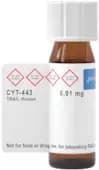
TRAIL is a peptide that belongs to the group of cytokines. It activates the receptor-mediated apoptosis pathway in cells that have been stimulated by tumor necrosis factor-α (TNF-α) and other pro-inflammatory cytokines. TRAIL has also been shown to inhibit protein interactions, such as those between the TNF receptors and their ligands or receptors, like CD4. TRAIL also binds to the Fas receptor and its ligand, FasL, which leads to activation of caspases in a similar manner as FADD binding. The recombinant human TRAIL is a research tool for studying cell biology and pharmacology.
Purity:Min. 95%Tilisolol hydrochloride
CAS:Tilisolol hydrochloride is a selective beta-1 adrenergic receptor agonist. It binds to the beta-1 receptor, which is found on the surface of cells in many tissues, and activates it. This activation can stimulate the sympathetic nervous system and certain parts of the brain, such as the heart and lungs. Tilisolol hydrochloride has been shown to inhibit ligand-gated ion channels, which are proteins that regulate the flow of ions across cell membranes. The protein also inhibits peptides from binding to receptors on cells. This protein may be used for research purposes such as for studies on cell biology or as an antibody for immunohistochemistry.
Formula:C17H25ClN2O3Purity:Min. 95%Molecular weight:340.8 g/molMLT-943
CAS:MLT-943 is a potent medicinal compound that has been shown to inhibit the growth of cancer cells. It works by inducing apoptosis, or programmed cell death, in tumor cells. MLT-943 is an analog of a protein kinase inhibitor found in Chinese medicinal plants. This compound has been shown to be effective against various types of cancer in both human and animal models. MLT-943 inhibits the activity of kinases involved in cell division, which ultimately leads to the death of cancer cells. This compound has also been shown to have anti-cancer effects when administered orally or intravenously. Additionally, MLT-943 can be detected in urine using luciferase assays, making it a promising candidate for further development as an anticancer drug.
Formula:C16H14ClF3N6O2Purity:Min. 95%Molecular weight:414.77 g/mol(+)-Nortrachelogenin
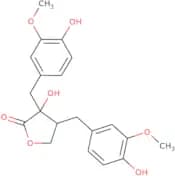
CAS:(+)-Nortrachelogenin is a human macrophage and hl-60 cell activator. It is an acetate extract from the bark of the Nortrachelogenium tree that has been shown to have strong biological properties. The compound is composed of a hydroxyl group and a fatty acid, with the former being involved in the formation of a reactive oxygen species, which may cause oxidative stress on cells. (+)-Nortrachelogenin has been shown to be cytotoxic towards cervical cancer cells, while at the same time it has anti-tumor effects against prostate cancer cells. It also inhibits antibiotic-resistant strains such as E. coli K1 and S. pneumoniae, which makes it useful in treating bladder infections and other bacterial infections in general. The synergic effect of (+)-Nortrachelogenin with antibiotics was demonstrated by its ability to reduce bacterial growth by more than 50%.
Formula:C20H22O7Purity:Min. 95%Molecular weight:374.4 g/molSod2, gst tagged human
CAS:Sod2 is a protein that belongs to the superoxide dismutase family. It is a homodimer with an approximate molecular weight of 30 kDa and has been found in a variety of cells, including brain, kidney, pancreas, prostate, and skeletal muscle. Sod2 participates in various intracellular processes such as cell signaling, apoptosis and inflammation. Sod2 is also an inhibitor of the enzyme glutathione S-transferase (GST). GST is important for detoxification reactions by binding toxins and other xenobiotics. Thus, inhibition of this enzyme can increase toxicity by these substances.
Purity:Min. 95%CP 94253 Hydrochloride
CAS:CP 94253 Hydrochloride is a selective 5-HT1B receptor agonist, which is a synthetic compound derived through chemical synthesis in laboratory settings. Its mode of action involves selectively binding to and activating the 5-HT1B serotonin receptors, which play a significant role in the modulation of neurotransmitter release in the central nervous system. This receptor interaction influences serotonin levels, impacting various neurological pathways.
Formula:C15H19N3O•HClPurity:Min. 95%Molecular weight:257.33 g/molSuccinyl phosphonate trisodium
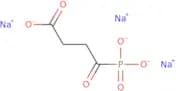
CAS:Succinyl phosphonate trisodium is a research tool that is used to study the function of ion channels. It has been shown to activate voltage-gated potassium channels and inhibit calcium-activated potassium channels. Succinyl phosphonate trisodium may also be a ligand for the nuclear receptor LXR, which regulates cholesterol metabolism. Succinyl phosphonate trisodium binds to the extracellular domain of many cell surface receptors, including those for insulin, epidermal growth factor, and fibroblast growth factor. This compound inhibits antibody production by inhibiting protein synthesis in cells.br>br>Formula:C4H4Na3O6PPurity:Min. 95%Molecular weight:248.01 g/molLuciferase inhibitor I
CAS:Luciferase inhibitor I is a compound that inhibits the activity of firefly luciferase. It is a nucleic acid analogue, which means that it can be synthesized chemically or genetically and is complementary to the sequence of one strand in DNA or RNA. Luciferase inhibitor I binds to the enzyme and prevents it from interacting with its substrate ATP, thereby preventing light production. Luciferase inhibitor I has been shown to inhibit gene expression by binding to chromosomal DNA in cells, as well as transgenic animal models. This inhibition prevents transcription of mRNA into protein and can be used for research purposes.Formula:C14H11N3O2Purity:Min. 95%Molecular weight:253.26 g/molc18 Glucosyl(β) ceramide-d5
CAS:Controlled Productc18 Glucosyl(β) ceramide-d5 is a research tool for the study of protein interactions and receptor binding. It can be used to inhibit or activate cells or ion channels. c18 Glucosyl(β) ceramide-d5 has been shown to have an affinity for proteins that are involved in the regulation of cell division, such as cyclins, CDKs, and CDK inhibitors. The peptide has also been found to bind to receptors that play a role in inflammation and pain perception. This product is available in high purity and is suitable for use in pharmacology, cell biology, and other life science research applications.Formula:C42H76D5NO8Purity:Min. 95%Molecular weight:733.13 g/molBVT 2733
CAS:BVT 2733 is a drug that has been shown to have a metabolic effect on osteogenic genes. It is an inhibitor of the enzyme fatty acid synthase and has been shown to reduce the production of pro-inflammatory cytokines in adipose tissue, which may contribute to its anti-inflammatory properties. BVT 2733 also inhibits the synthesis of chemoattractant protein and polymerase chain reaction, which are involved in inflammatory bowel disease. This drug has been tested for pharmacokinetic properties, which have been found to be increased in cardiac and skin cells. The pharmacological activity of BVT 2733 is not fully understood yet; however, it has been shown to have glucocorticoid receptor agonist activity in vitro.
Formula:C17H21ClN4O3S2Purity:Min. 95%Molecular weight:429 g/molAnsatrienin B
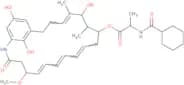
CAS:Ansatrienin B is a small molecule that binds to the endoplasmic reticulum protein tnf-α-induced, which is involved in the pathogenic mechanism of inflammatory bowel disease. It inhibits translation and protein synthesis by binding to the tnf-α molecule and blocking its interaction with its receptor. This prevents pro-inflammatory cytokines from being produced and suppresses inflammation.Formula:C36H50N2O8Purity:Min. 95%Molecular weight:638.8 g/molSabeluzole
CAS:Sabeluzole is a drug that is used to treat symptoms caused by excessive glutamate in the brain. It has been shown to be effective in the treatment of neuropathic pain and bowel disease. Sabeluzole is an analog of zolpidem, which is a sedative hypnotic drug that belongs to the class of pharmacological agents called imidazopyridines. This drug also has anti-inflammatory properties and has been found to be effective against inflammatory bowel disease, diabetic neuropathy, and fatty acid oxidation disorders.
Formula:C22H26FN3O2SPurity:Min. 95%Molecular weight:415.52 g/molBMS-986020 sodium
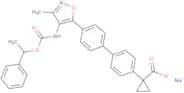
CAS:BMS-986020 is an inhibitor of the receptor tyrosine kinase, epidermal growth factor receptor (EGFR). The inhibition of EGFR has been shown to inhibit tumor cell proliferation and induce apoptosis. BMS-986020 is a high purity, water-soluble peptide that inhibits the growth of cancer cells in vitro by binding to the extracellular domain of EGFR. This drug may also be used as a research tool for studying protein interactions and antibody production.Formula:C29H25N2NaO5Purity:Min. 95%Molecular weight:504.5 g/molVUF 11207 fumarate
CAS:VUF 11207 fumarate is a small molecule that is shown to be an activator of the S1P1 receptor. It has been shown to reduce infarction size and improve tissue perfusion in mouse hearts following ischaemia-reperfusion injury. VUF 11207 fumarate is also a chemoattractant for neutrophils and monocytes, and can inhibit the production of pro-inflammatory cytokines. This drug has also been shown to have a profile of anti-inflammatory effects in tissues, including the suppression of chemokine production, cytometry, and chemoattractant activity.
Formula:C31H39FN2O8Purity:Min. 95%Molecular weight:586.6 g/molMS 023 dihydrochloride
CAS:MS 023 dihydrochloride is a peptide that is an activator of ion channels. MS 023 dihydrochloride has been shown to regulate the activity of sodium channels, calcium channels, and potassium channels. The affinity for each channel type is different and varies with the concentration of MS 023 dihydrochloride. This peptide also regulates the activation of receptors, ligands, and other proteins. MS 023 dihydrochloride has been shown to inhibit protein interactions in many cellular processes including receptor-ligand interactions. It has been shown to be a potent inhibitor of protein phosphatase 1 (PP1) in vitro. A study on PP1 inhibition showed that MS 023 dihydrochloride was able to inhibit PP1 more effectively than other inhibitors such as okadaic acid, staurosporine, or calyculin A.Formula:C17H27Cl2N3OPurity:Min. 95%Molecular weight:360.3 g/molNVP BSK 805 dihydrochloride
CAS:ATP-competitive JAK2 inhibitorFormula:C27H28F2N6O·2HClPurity:Min. 95%Molecular weight:563.47 g/molEctylurea
CAS:Controlled ProductSedative; anti-convulsantFormula:C7H12N2O2Purity:Min. 95%Molecular weight:156.18 g/molPf-04217903 phenolsulfonate
CAS:Pf-04217903 phenolsulfonate is a new chemical entity that has been shown to act as an inhibitor of the ion channels TRPC1, TRPC4, and TRPV6. It has also been shown to inhibit the binding of peptide ligands to their cognate protein receptors. Pf-04217903 phenolsulfonate is a high-purity reagent with a purity greater than 99%.
Formula:C19H16N8OPurity:Min. 95%Molecular weight:372.4 g/molKAG-308
CAS:KAG-308 is a research tool that is used as an activator or ligand for receptor binding. It has been shown to have a high affinity for the nicotinic acetylcholine receptor, which is important in the transmission of signals from the nervous system to muscles and glands. KAG-308 also interacts with ion channels and is a potential inhibitor of protein synthesis.
Formula:C24H30F2N4O3Purity:Min. 95%Molecular weight:460.5 g/mol(2R)-2-[6-(4-Chlorophenoxy)hexyl]-2-oxiranecarboxylic acid sodium
CAS:(+)-Etomoxir sodium salt hydrate is a chemical compound classified as a carnitine palmitoyltransferase 1 (CPT1) inhibitor, which is a compound derived synthetically. Its mode of action involves the inhibition of the enzyme CPT1, which is pivotal in the transport of long-chain fatty acids into the mitochondria for β-oxidation. This inhibition effectively blocks fatty acid oxidation pathways, leading to alterations in metabolic states.Etomoxir is commonly utilized in scientific research to study metabolic processes, particularly those related to energy metabolism and metabolic disorders. It serves as a valuable tool in exploring mechanisms involved in diabetes, obesity, and cardiovascular diseases by allowing researchers to scrutinize the metabolic adaptations to impaired fatty acid oxidation. Furthermore, it is used in cellular and animal models to investigate metabolic inflexibility and mitochondrial function. Its application extends to cancer research, where metabolic reprogramming is a focus, aiding in the understanding of tumor progression and potential therapeutic interventions targeting metabolic pathways.
Formula:C15H18ClNaO4Molecular weight:320.74 g/molFulvestrant S enantiomer
CAS:Controlled ProductFulvestrant S enantiomer is a peptide inhibitor that binds to the estrogen receptor alpha. It is an activator of the estrogen receptor and has been shown to be a potent ligand for the estrogen receptor. Fulvestrant S enantiomer can be used as a research tool for studying protein interactions, ligands, and receptors. This product is of high purity and is suitable for use in life science experiments involving ion channels or antibodies.Formula:C32H47F5O3SPurity:Min. 95%Molecular weight:606.8 g/molNS3763
CAS:NS3763 is a drug that has been shown to have neuroprotective effects in animal models of epilepsy and stroke. It selectively inhibits the activity of the gamma-aminobutyric acid (GABA) receptor, which is an inhibitory neurotransmitter. NS3763 has also been shown to prevent glutamate-induced neuronal death in mice. This drug also blocks the activity of cation channels that are activated by GABA, resulting in depressed excitatory effects and decreased seizure susceptibility. The mechanism of action for NS3763 is unclear, but it may function as a non-selective cation channel activator or as an excitatory effector. In addition to its neuroprotective properties, NS3763 has been shown to have anxiolytic effects in animal models and may be useful for treating nervous system diseases such as epilepsy and stroke.Formula:C22H16N2O6Purity:Min. 95%Molecular weight:404.37 g/molIN-F 7321
CAS:IN-F 7321 is a reactive chemical that is used in the synthesis of other chemicals. It reacts with molecules containing halogen atoms, such as chlorine and bromine, to form new compounds. IN-F 7321 can be used to create organic compounds from alkenes and alkynes. This reaction is catalyzed by metal ions such as copper and zinc. The reaction rate constant for this process can be determined using techniques such as modelling and kinetic studies. The mechanism of this reaction has been studied using techniques such as constant-rate measurements, functional theory, and elimination reactions. Kinetic studies have been conducted on monosubstituted alkenes and alkynes to determine the reaction rate for these species.Formula:C13H12F2OSiPurity:Min. 95%Molecular weight:250.31 g/molST 91
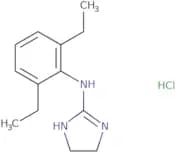
CAS:ST 91 is a 2-adrenergic receptor antagonist that has been shown to have a depressant effect on the cardiovascular system. It has been shown to be effective in the treatment of sepsis, type 2 diabetes, and hypertension. ST 91 is able to inhibit the response pathway induced by antimicrobial agents such as dexmedetomidine and clonidine. This drug also has an antinociceptive effect when used in conjunction with nonsteroidal antiinflammatory drugs (NSAIDs). ST 91 is a polymeric matrix that contains both cationic and anionic components. It binds to the cation channel, which is responsible for the passage of ions across cell membranes, thereby blocking it and leading to a decrease in blood pressure.
Formula:C13H19N3·HClPurity:Min. 95%Molecular weight:253.77 g/mol2-Amino-4-(isopropyl-d7-amino)-6-chloro-triazine
CAS:2-Amino-4-(isopropyl-d7-amino)-6-chloro-triazine is a synthetic ligand that binds to the N-methyl D-aspartate (NMDA) receptor. It is used as a research tool to study the NMDA receptor and its interactions with other proteins. 2-Amino-4-(isopropyl-d7-amino)-6-chloro-triazine binds to the glutamate site on the NMDA receptor and can be used as an activator or inhibitor of this protein. It has been shown that 2AMINO4 (CAS No. 1216649) can inhibit glutamate release in rat hippocampus slices, which may be due to its ability to block calcium channels. This agent also blocks postsynaptic currents in cultured neurons, thereby inhibiting neuronal excitation.Formula:C6H10ClN5Purity:Min. 95%Molecular weight:194.67 g/mol9-Methyl risperidone
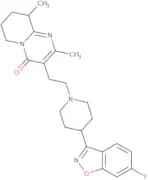
CAS:Please enquire for more information about 9-Methyl risperidone including the price, delivery time and more detailed product information at the technical inquiry form on this pageFormula:C24H29FN4O2Purity:Min. 95%Molecular weight:424.5 g/molNiraparib Tosylate
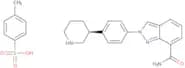
CAS:Niraparib Tosylate is a hydrogen bond inhibitor that prevents the formation of hydrogen bonds between purine bases in DNA. This agent is used to treat cancer by inhibiting tumor cell proliferation. It also inhibits cellular and sequestered sulfonic acids, which are important for the immune response. Niraparib Tosylate has shown anti-inflammatory properties by inhibiting lymphocyte activation and preventing chemotherapy-induced neutropenia. This drug also targets microenvironment factors, such as homologous recombination repair, that lead to cancer progression.Formula:C19H20N4O·C7H8O3SPurity:Min. 95%Molecular weight:320.39 g/molVI 16832
CAS:VI 16832 is a protein that interacts with the cellular target, c-Abl, which is involved in the regulation of cell proliferation and differentiation. It has been found to inhibit the activity of this protein by binding to it and blocking its ability to initiate signal transduction pathways. VI 16832 has been shown to inhibit the growth of cancer cells in vitro and in vivo models. This drug may be used for patients who have a poor prognosis or for those who are resistant to other treatments.
Formula:C22H25N5O2Purity:Min. 95%Molecular weight:391.47 g/molTR100
CAS:TR100 is a ferroelectric material. Ferroelectric materials are characterized by a spontaneous electric polarization that can be reversed by the application of an external electric field. TR100 has been shown to have excellent ferroelectric properties and an actin filament-like structure. It also has a high degree of light emission and can be analyzed using surface methodology. TR100 can be used as a cancer cell culture model, in vivo analysis, or sample preparation for transcription-polymerase chain reactions.
Formula:C26H38N4OPurity:Min. 95%Molecular weight:422.6 g/molNocistatin (human)
CAS:Nocistatin is a protein that belongs to the group of peptides. It is a ligand for nicotinic acetylcholine receptors, which are present in the central and peripheral nervous system, as well as in muscle cells. The binding of nocistatin to its receptor leads to an increase in the opening of ion channels, resulting in an influx of sodium ions into the cell and an efflux of potassium ions. This causes depolarization and increased excitability. Nocistatin has been shown to inhibit the activity of various ion channels, including voltage-gated sodium channels, calcium channels, and potassium channels.Formula:C149H238N42O53S3Purity:Min. 95%Molecular weight:3,561.9 g/molLenalidomide hydrochloride
CAS:Controlled ProductLenalidomide is a synthetic drug that binds to the surface of cells, preventing the release of lysosomal enzymes. The drug is metabolized in the liver by hydrolysis and oxidation, yielding the active form, lenalidomide-hydrochloride. It is used as an oral treatment for myelodysplastic syndrome and myeloproliferative diseases, such as chronic idiopathic thrombocytopenic purpura. Lenalidomide has been shown to have anti-inflammatory properties due to its ability to inhibit prostaglandin synthesis. It also inhibits nitric oxide production and may be effective against environmental pollution.
Formula:C13H14ClN3O3Purity:Min. 95%Molecular weight:295.72 g/molTM-25659
CAS:TM-25659 is a small molecule that inhibits the growth of cancer cells by interfering with signal pathways in the cell. TM-25659 has been shown to inhibit the localization of fetal bovine serum (FBS) in osteogenic genes, which may be due to its effect on growth factor-β1. This drug also has an inhibitory effect on the polymerase chain reaction (PCR), which is important for gene expression regulation. TM-25659 binds to monoclonal antibodies that are specific for growth factors, inactivating them and preventing their binding to receptors on the surface of cells, thus inhibiting their effects. In addition, TM-25659 has anti-inflammatory properties and can be used as a treatment for rheumatoid arthritis or other inflammatory diseases.
Formula:C30H28N8Purity:Min. 95%Molecular weight:500.6 g/molCP-724714
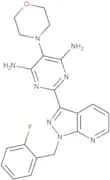
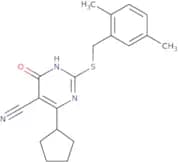
CAS:CP-724714 is a small molecule that is able to inhibit the growth of cancer cells. It has been shown to be effective against HER2+ breast cancer, colorectal carcinoma cell lines, and lung carcinoma cell lines. CP-724714 causes cell cycle arrest by inhibiting the production of proteins required for DNA replication and repair. Cell proliferation inhibition can also be achieved by blocking epidermal growth factor receptors or other growth factors such as platelet-derived growth factor (PDGF). The mechanism of action may involve interference with the activation of protein kinase B (PKB), which is involved in cell signaling pathways. CP-724714 has been studied in both cell culture and clinical studies for its biological function as a cancer therapeutic agent.Formula:C27H27N5O3Purity:Min. 95%Molecular weight:469.53 g/molMK-6892
CAS:MK-6892 is a β-lactamase inhibitor that has been shown to be effective in the treatment of skin infections. It has been shown to inhibit transduction pathways by binding to β-lactamase and preventing it from hydrolyzing β-lactams, thereby increasing the activity of β-lactams. MK-6892 also inhibits receptor activities and kinetics, making it an excellent candidate for use in diagnosis. The drug has been shown to have affinity for lipoproteins and dyslipidemia, as well as ancillary effects on body fluid composition.Formula:C19H22N4O5Purity:Min. 95%Molecular weight:386.4 g/molPNU-177864
CAS:PNU-177864 is a peptide that inhibits the activity of the Kv1.3 channel, which is an ion channel that regulates potassium ion flow across the cell membrane. This inhibition has been shown to reduce the release of neurotransmitters such as glutamate and glycine, which are thought to be involved in the development of chronic pain. PNU-177864 has also been shown to activate a number of receptors, including opioid receptors and serotonin receptors. The receptor activation leads to inhibition of protein synthesis and cellular proliferation.Formula:C18H22ClF3N2O3SPurity:Min. 95%Molecular weight:438.9 g/molBW A868C
CAS:BW A868C is a peptide that is related to the beta-amyloid peptide. It has been shown to inhibit neuronal death by blocking the Ca2+ response and also has anti-inflammatory properties. This drug has been tested in experimental models of allergic airway inflammation, but does not have any therapeutic effect in mice with established airway inflammation. BW A868C appears to be a low potency agonist for EP receptors, which may be due to its inability to cross the blood brain barrier.
Formula:C25H37N3O5Purity:Min. 95%Molecular weight:459.58 g/molRilmazafone hydrochloride
CAS:Rilmazafone hydrochloride is a potent inhibitor of the enzyme peptidyl-prolyl cis-trans isomerase A (PPIA). It binds to PPIA and prevents the formation of peptidyl-prolyl bonds in proteins. Rilmazafone hydrochloride is used as a research tool to study protein interactions, as an activator for peptides, and as a high purity reagent for life sciences. The active form of this drug binds to ligands on antibody molecules and blocks the activity of ion channels.Formula:C21H21Cl3N6O3Purity:Min. 95%Molecular weight:511.8 g/mol(αS)-α-[(Cyclopropylcarbonyl)amino]-N-[5-[[(1,1-dimethylethyl)amino]sulfonyl]-1-naphthalenyl]benzenepropanamide
CAS:Cyclopropyl-N-[[1-[(5-aminosulfonyl)naphthalen-2-yl]ethyl]amino]-α-(1,1-dimethylethyl)benzenepropanamide is a peptide that has been shown to activate the receptor for Substance P, a neuropeptide involved in pain transmission. Cyclopropyl-N-[[1-[(5-aminosulfonyl)naphthalen-2-yl]ethyl]amino]-α-(1,1-dimethylethyl)benzenepropanamide has also been shown to inhibit ligand binding to Substance P receptors with high affinity.Formula:C27H31N3O4SPurity:Min. 95%Molecular weight:493.62 g/molPolystyrene AM RAM particle size: 250 - 315 µm
Polystyrene is a resin used in peptide synthesis. Polystyrene AM is a particle size of 250-315 µm. It is a building block for the synthesis of peptides. The polystyrene polymer has a high affinity for the amino acid side chains, which makes it an excellent choice for building blocks in peptide synthesis.Purity:Min. 95%Neuromedin B (Human, Porcine, Rat)
Neuromedin B is a neuropeptide that is found in the central nervous system and peripheral tissues. It activates ligand-gated ion channels, including nicotinic acetylcholine receptors. Neuromedin B has been shown to inhibit the activity of voltage-gated potassium channels and calcium channels, which are involved in neurotransmission. It also inhibits the activation of phospholipase C, which is involved in cellular signaling pathways. This peptide can be used as a research tool for studying the pharmacology of peptides and as an antibody for immunohistochemistry studies.
Formula:C52H73N15O12S•CH3COOH•5H2OPurity:Min. 95%Molecular weight:1,282.43 g/molPhrixotoxin 3
CAS:Phrixotoxin 3 is a neurotoxin that belongs to the class of bioconjugate chemistry. It has been shown to have inhibitory effects on voltage-dependent calcium channels in ganglion cells and on voltage-gated sodium channels in rat dorsal root ganglia. Phrixotoxin 3 has also been shown to bind to bacteria, including gram-negative bacteria, and to target complementarity regions. The amino acid composition of Phrixotoxin 3 is homologous with a region of the C3 protein, which is involved in the complement system. This neurotoxin can be used as a research tool for investigating the role of voltage-gated channels in pain pathways.Formula:C176H269N51O48S6Purity:Min. 95%Molecular weight:4,060 g/molBioA-IN-13
CAS:BioA-IN-13 is a peptide that interacts with the N-terminal region of the human A1 adenosine receptor. It has been shown to have an agonist effect on this receptor, which is activated by a ligand binding to its extracellular domain. BioA-IN-13 has also been shown to be an inhibitor of ion channels, such as sodium and potassium channels. This peptide can be used as a research tool in cell biology experiments and for studying protein interactions.
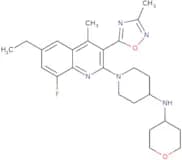
Formula:C19H16N2O4SPurity:Min. 95%Molecular weight:368.41 g/molWnt Pathway Inhibitor XI, CCT036477
CAS:CCT036477 is a novel, potent inhibitor of the Wnt signaling pathway. It has been shown to inhibit tumor cell proliferation and induce apoptosis in cancer cells. CCT036477 inhibits protein transport by binding to the surface glycoprotein and blocking the receptor activity. This drug has also been shown to be effective against chemotherapeutic treatment in animal models, such as platinum-based chemotherapy, and to reduce the size of prostate cancer cells in vitro. Clinical trials are currently underway for CCT036477 to treat skin cancer and human osteosarcoma cell.
Formula:C21H18ClN3Purity:Min. 95%Molecular weight:347.84 g/molBpo-27 racemate
CAS:Bpo-27 is a peptide that inhibits the formation of protein interactions. It is used as a research tool in cell biology, pharmacology and immunology. Bpo-27 has been shown to inhibit the activation of Ligand Receptor Interactions and to act as an Antagonist for Ion Channels. The purified form of this peptide has been shown to have a high purity, which makes it suitable for use in life science experiments such as antibody production.Formula:C26H18BrN3O6Purity:Min. 95%Molecular weight:548.3 g/molGR 103691
CAS:GR 103691 is a neuroprotective drug that modulates the activity of the dopamine receptor. It has been shown to protect tubule cells from damage when they are exposed to toxic levels of dopamine in vitro. GR 103691 also protects animals against the symptoms of Parkinson’s disease. This drug inhibits 5-HT1A receptors, which may provide its neuroprotective effect. GR 103691 has also been found to have an inhibitory effect on renal proximal cells and locomotor activity in animals with nervous system diseases, as well as cancer cell culture.Formula:C30H35N3O3Purity:Min. 95%Molecular weight:485.62 g/molMRS 1191
CAS:Adenoside A3 receptor antagonistFormula:C31H27NO4Purity:Min. 95%Molecular weight:477.55 g/molTaccalonolide B
CAS:Taccalonolide B is a bitter substance that belongs to the genus Taccalonopsis. The major cytotoxic activity of this substance has been shown in a number of cellular and animal studies, where it was found to induce apoptosis in cancer cells. Taccalonolide B also showed anticancer activity against drug-resistant cells. This substance has potential for use as a cancer therapy because it induces cell death in a variety of cancers, including lung, breast and prostate cancers. Taccalonolide B is an anticancer agent that inhibits the proliferation of cancer cells by interfering with the function of DNA topoisomerase II. It binds to DNA topoisomerase II and prevents its normal function, which may lead to cell death through inhibition of DNA replication and transcription.
Formula:C34H44O13Purity:Min. 95%Molecular weight:660.7 g/molTC-I 2000
CAS:TC-I 2000 is a potent and selective activator of ion channels. It binds to the receptor site of the ion channel and activates it, leading to an increase in permeability of ions across the membrane. TC-I 2000 has been used as a research tool to study the interactions between proteins and peptides. It has also been used as an inhibitor or antagonist for other ion channels. TC-I 2000 is available in high purity with a CAS No. 1159996-20-9.Formula:C23H18F4N2OPurity:Min. 95%Molecular weight:414.4 g/molFostamatinib disodium hexahydrate
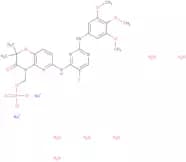
CAS:Inhibitor of spleen tyrosine kinase SYK; prodrug of R406Formula:C23H36FN6Na2O15PPurity:Min. 95%Molecular weight:732.52 g/molTH 1338
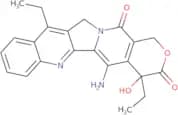
CAS:TH 1338 is an anhydride that has been synthesized as a precursor to anticancer drugs. It is a camptothecin derivative and inhibits the proliferation of cancer cells. TH 1338 was found to inhibit the proliferation of human erythrocytes in vitro and also inhibited the growth of sarcoma 180 in vivo. Hyperproliferative diseases such as leukemia, lymphoma, and carcinomas are associated with abnormal cell division. The inhibiting effects of TH 1338 on cell replication may be due to its ability to bind to DNA gyrase, topoisomerase II, or topoisomerase IV enzymes, which are required for DNA replication. This binding prevents the formation of an enzyme-substrate complex required for DNA synthesis and cell division.Formula:C22H21N3O4Purity:Min. 95%Molecular weight:391.4 g/mol










![(2S)-2-[3-(2-Chlorophenoxy)-5-oxo-2H-pyrrol-1-yl]-N-[1-[(2S)-2,3-dihydroxypropyl]pyrazol-3-yl]-4-m…](/_next/image/?url=https%3A%2Fstatic.cymitquimica.com%2Fproducts%2F3D%2Fthumb-webp%2FRXB99610.webp&w=3840&q=75)











![(2R)-2-[6-(4-Chlorophenoxy)hexyl]-2-oxiranecarboxylic acid sodium](/_next/image/?url=https%3A%2Fstatic.cymitquimica.com%2Fproducts%2F3D%2Fthumb-webp%2FBE164435.webp&w=3840&q=75)





![(αS)-α-[(Cyclopropylcarbonyl)amino]-N-[5-[[(1,1-dimethylethyl)amino]sulfonyl]-1-naphthalenyl]benze…](/_next/image/?url=https%3A%2Fstatic.cymitquimica.com%2Fproducts%2F3D%2Fthumb-webp%2FRPD02189.webp&w=3840&q=75)