Biochemicals and Reagents
Biochemicals and reagents are fundamental substances for research and development in fields such as biotechnology, molecular biology, pharmacology, and medicine. These products are essential for a variety of applications, including compound synthesis, biological sample analysis, metabolic process research, and drug production. At CymitQuimica, we offer a wide selection of high-quality, high-purity biochemicals and reagents suitable for various scientific and industrial needs. Our catalog includes enzymes, antibodies, nucleic acids, amino acids, and many other products, all designed to support researchers and professionals in their research and development projects, ensuring reliable and reproducible results.
Subcategories of "Biochemicals and Reagents"
- Biomolecules(99,104 products)
- By Biological Target(99,074 products)
- By Pharmacological Effects(6,784 products)
- Cryopreservatives(21 products)
- Desinfectants and Related Compounds(28 products)
- Hormones(346 products)
- Plant Biology(6,693 products)
- Secondary Metabolites(14,218 products)
Found 130576 products of "Biochemicals and Reagents"
Sort by
Purity (%)
0
100
|
0
|
50
|
90
|
95
|
100
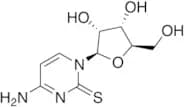
2-Thiocytidine
CAS:Controlled Product<p>Stability Hygroscopic<br>Applications 2-Thiocytidine (CAS# 13239-97-9) is a cytidine analogue. A profiled metabolite in HFD-induced obese mice after oral administration of Huangjinya green tea extract.<br>References Li, M., et al.: Food and Chemical Toxicology, 145, 111744 (2020)<br></p>Formula:C9H13N3O4SColor and Shape:Off White To Dark BrownMolecular weight:259.28Ammeline
CAS:<p>Applications Ammeline is a metabolite of Melamine (1) (M208700), which acts as a non-protein nitrogen food additive (2). Also present in pet foods as well (3).Drinking water contaminant candidate list 3 (CCL 3) compound as per United States Environmental Protection Agency (EPA). Environmental contaminants; Food contaminants.<br>References 1. Mast RW. et al.: Food Chem Toxicol. 1983 Dec;21(6):807-10.2. Ehling S. et al.: Food Addit Contam. 2007 Dec;24(12):1319-25.3. Vail T. et al.: J Anal Toxicol. 2007 Jul-Aug;31(6):304-12.<br></p>Formula:C3H5N5OColor and Shape:ColourlessMolecular weight:127.10Metoprolol Fumarate
CAS:Controlled Product<p>Applications Metoprolol Fumarate (cas# 119637-66-0) is a useful research chemical.<br></p>Formula:C15H25NO3·C4H4O4Color and Shape:NeatMolecular weight:650.801-Decanoyl-2-lauroyl-3-chloropropanediol
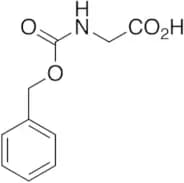
Controlled Product<p>Applications 1-Decanoyl-2–lauroyl-3-chloropropanediol belongs to a group of 3-Chloropropanediol fatty acid esters, which are contaminants found in edible oils and other food sources.<br>References Z. Zelinková, et al.: Food Addi. & Conta., 23:12, 1290-1298 (2006)<br></p>Formula:C25H47ClO4Color and Shape:NeatMolecular weight:447.09N-Carbobenzoxyglycine
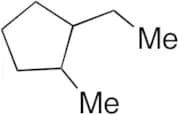
CAS:<p>Applications N-Carbobenzoxyglycine is used in the dipeptide synthesis.<br>References Hans, D., et al.: Med. Chem., 2, 627 (2006), Guzman, F., et al.: J. Biotechnol., 10, 279 (2007), Vlieghe, P., et al.: Drug Discov. Today, 15, 40 (2010),<br></p>Formula:C10H11NO4Color and Shape:NeatMolecular weight:209.21-Ethyl-1-methylcyclopentane
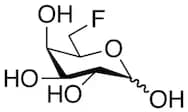
CAS:Controlled Product<p>Applications 1-Ethyl-1-methylcyclopentane, is one of the chemical components of Gas-Phase organic carbon emissions from motor vehicles. It is also a volatile component of frying oils.<br>References Gentner, D. R., et al.: Environ. Sci. Tech., 47, 11937 (2013); Prevot, A. Frying Food, 155 (1988);<br></p>Formula:C8H16Color and Shape:NeatMolecular weight:112.216-Deoxy-6-fluoro-D-galactose
CAS:Controlled Product<p>Applications 6-Deoxy-6-fluoro-D-galactose (cas# 447-25-6) is a compound useful in organic synthesis.<br></p>Formula:C6H11FO5Color and Shape:NeatMolecular weight:182.15N6-[Bis(ethylamino)methylene]-D-lysine
CAS:Controlled Product<p>Applications N6-[Bis(ethylamino)methylene]-D-lysine is an intermediate in preparation of analogs of transforming and epidermal growth factor fragment.<br>References Nestor, John J., et al.: U.S., (1987);<br></p>Formula:C11H24N4O2Color and Shape:NeatMolecular weight:244.334(-)-Maackiain
CAS:Controlled Product<p>Applications (-)-Maackiain (CAS# 2035-15-6) is a useful research chemical compound.<br></p>Formula:C16H12O5Color and Shape:White To Off-WhiteMolecular weight:284.26Nitrotetrazolium Blue Chloride (Technical Grade)
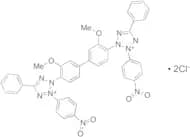
CAS:Controlled Product<p>Applications Nitrotetrazolium Blue Chloride is a Tetrazolium dye used in colorimetric assays. Dyes and metabolites.<br>References Berridge, Michael V., et al.: Biotechnol. Annu. Rev., 11, 127 (2005)<br></p>Formula:C40H30N10O6•2(Cl)Color and Shape:NeatMolecular weight:746.7323545Tartrazine
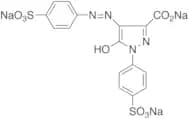
CAS:<p>Applications As a dye for wool and silks; as colorant in food, drugs, and cosmetics. In biochemistry as an adsorption-elution indicator for chloride estimations. Tartrazine (otherwise known as E number E102, C.I. 19140, or FD&C Yellow 5) is a synthetic lemon yellow azo dye used as a food coloring. Tartrazine appears to cause the most allergic and intolerance reactions of all the azo dyes, particularly among asthmatics and those with an aspirin intolerance. Dyes and metabolites, Environmental Testing.A recent report has shown that Tartrazine may be useful in 3D bio-printing of organ-like architectures.<br>References Rowe, K.S., et al.: J. Pedriatics, 125, 691 (1994), Tanaka, T., et al.: Food Chem. Toxicol., 44, 179 (2006); Chem. and Eng News Page 4 May 6, 2019<br></p>Formula:C16H9N4O9S2·3NaColor and Shape:YellowMolecular weight:534.36Oxythiamine Hydrochloride
CAS:Controlled Product<p>Stability Hygroscopic<br>Applications Oxythiamine HCl (cas# 136-16-3) is a useful research chemical.<br></p>Formula:C12H15N3O2S·HClColor and Shape:NeatMolecular weight:301.79Linoleoyl Carnitine
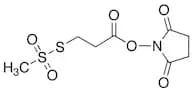
CAS:Controlled Product<p>Stability Hygroscopic, Temperature Sensitive<br>Applications A carnitine ester of unsaturated fatty acid. Used in the studies of fibroblasts in long-chain 3-hydroxyacyl-CoA dehydrogenase deficiency and fatty acid oxidation disorders.<br>References Gross R.W., et al.: J. Biol. Chem., 258, 5221 (1983),<br></p>Formula:C25H45NO4Color and Shape:NeatMolecular weight:423.63N-Succinimidyloxycarbonylethyl Methanethiosulfonate
CAS:Controlled Product<p>Stability Moisture Sensitive: Desiccate<br>Applications A heterobifunctional sulfhydryl cross-linking reagent.<br></p>Formula:C8H11NO6S2Color and Shape:NeatMolecular weight:281.31Xylan
CAS:<p>Applications Xylan is a major constituent of the secondary cell wall and plant cell-wall polysaccharides. Xylan is also used in the studies involving structural properties, foaming as a new means for food structuring in plants. Xylanases an enzymatic form of xylan is used in several biotechnological processes, primarily for biopulping and biobleaching in the paper industry and as accessory enzymes for bioethanol production.<br>References Yuan, Y., et al.: Plant and Cell Physiol., 57, 35 (2016); Kuang, B., et al.: Mol. Plant, 9, 1119 92016); Generoso, W. C., et al.: BioEnergy Res., 9, 931 (2016); Beatrice, C. A. G., et al.: Carbohydr. Polym., 173, 508 (2017)<br></p>Formula:C5H10O6Color and Shape:White To Off-WhiteMolecular weight:166.13Benzyl (5-Hydroxypentyl)carbamate
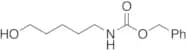
CAS:Controlled ProductFormula:C13H19NO3Color and Shape:NeatMolecular weight:237.29DL-Menthyl Stearate
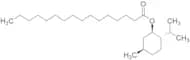
CAS:Controlled ProductFormula:C28H54O2Color and Shape:NeatMolecular weight:422.731,2-Dioleoyl-3-trimethylammonium-propane, Chloride
CAS:Controlled ProductFormula:C42H80NO4·ClColor and Shape:NeatMolecular weight:698.54Suberyl Glycine
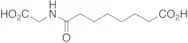
CAS:Controlled Product<p>Applications Suberylglycine is one of the acylglycines, an important class of metabolites that have been used in the diagnosis of several inborn errors of metabolism (IEM).<br>References Costa, C., et al.: J. Pharmaceut. Biomed. Anal., 21, 1215 (2000), Garcia-Villoria, J., et al.: Clin. Biochem., 42, 2 (2009), Scalbert, A., et al.: Metabolomics, 5, 435 (2009),<br></p>Formula:C10H17NO5Color and Shape:Light Yellow To BrownMolecular weight:231.25Cytidine 5'-Phosphoromorpholidate N,N'-Dicyclohexyl-4-morpholinecarboximidamide
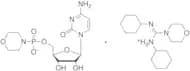
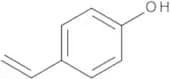
CAS:Controlled Product<p>Applications Intermediate in the preparation of Citicoline (C508050), a naturally occurring nucleotide.<br></p>Formula:C13H20N4O8P·C17H32N3OColor and Shape:NeatMolecular weight:685.754-Vinylphenol, 10 wt.% In Propylene Glycol
CAS:<p>Applications 4-Vinylphenol, 10 wt.% In propylene glycol (cas# 2628-17-3) is a useful research chemical.<br></p>Formula:C8H8OColor and Shape:Single SolutionMolecular weight:120.14Sunset Yellow FCF
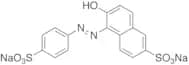
CAS:<p>Stability Light Sensitive<br>Applications Provisionally listed for use in food, drugs and cosmetics. Sunset Yellow is useful in fermented foods which must be heat treated. It may be found in orange sodas, orange jelly, marzipan, Swiss rolls, apricot jam, citrus marmalade, lemon curd, sweets, hot chocolate mix and packet soups, trifle mix, breadcrumbs, snack chips, shelf fresh noodles, cheese sauce mixes. Sunset Yellow is a sulfonated version of Sudan I, a possible carcinogen. Sunset Yellow itself may be responsible for causing an allergic reaction in people with an aspirin intolerance, resulting in various symptoms, including gastric upset, diarrhea, vomiting, nettle rash (urticaria), swelling of the skin (angioedema) and migraines. Dyes and metabolites, Environmental Testing<br>References Radomski, J.L., et al.: J. Pharmacol. Exp. Ther., 136, 259 (1962), Gaunt, I.F., et al.: Food Cosmet. Toxicol., 5, 747 (1967),<br></p>Formula:C16H10N2O7S2·2NaColor and Shape:NeatMolecular weight:452.37CA-074 Methyl Ester
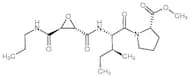
CAS:Controlled Product<p>Applications CA-074 methyl ester is a cell-permeable cathepsin B inhibitor.<br></p>Formula:C19H31N3O6Color and Shape:NeatMolecular weight:397.474-Methoxy-5-methyl-5H-1,2-oxathiole 2,2-Dioxide
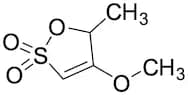
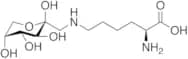
CAS:Controlled ProductFormula:C5H8O4SColor and Shape:NeatMolecular weight:164.18ε-N-Deoxyfructosyllysine Dihydrochloride
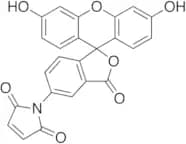
CAS:<p>Stability Hygroscopic<br>Applications ε-N-Deoxyfructosyllysine is a sugar-amino acid with potential antioxidant and anti-inflammatory properties.<br>References Kitts, D.D., et al.: J. Agri. Food. Chem., 60, 6718 (2012); Chalova, V.I., et al.: Food. Res. Intern., 45, 1044 (2012);<br></p>Formula:C12H24N2O7•2HClColor and Shape:NeatMolecular weight:308.33 + 2(36.46)Fluorescein 5-Maleimide (90%)
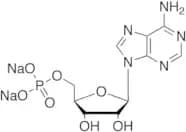
CAS:Controlled Product<p>Applications Fluorescent labeling reagent for proteins and peptides.<br>References Vives, E. and Lebleu, B. : Tetrahedron Letters, 44, 5389 (2003), Li, J., et al.: Bioorg. Med. Chem. Lett., 15, 5558 (2005), Oejmeyr, L., et al.: Biochemi., 48, 2173 (2009),<br></p>Formula:C24H13NO7Purity:90%Color and Shape:NeatMolecular weight:427.36Adenosine 5'-Monophosphate Disodium Salt
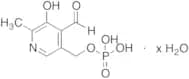
CAS:<p>Stability Hygroscopic<br>Applications Adenosine monophosphate is useful for skin rejuvenation in dermatology and aesthetic dermatology.<br>References Watanabe, M., et al.: Arch. Dermatol., 127, 1689 (1991), Engelke, M., et al.: Br. J. Dermatol., 137, 219 (1997),<br></p>Formula:C10H12N5O7P·2NaColor and Shape:NeatMolecular weight:391.18Pyridoxal 5-Phosphate Hydrate
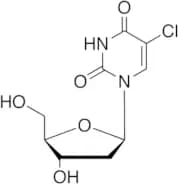
CAS:Controlled Product<p>Applications Pyridoxal 5-phosphate Hydrate (cas# 853645-22-4) is a useful research chemical.<br></p>Formula:C8H10NO6P·xH2OColor and Shape:NeatMolecular weight:247.14 + x(18.02)5-Chloro-2'-deoxyuridine
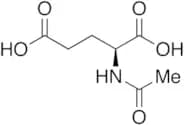
CAS:Controlled Product<p>Applications A halogenated uridine derivative used in pharmaceutical compositions.<br>References Brammer, K., et al.: Biochim. Biophys. Acta, 72, 217 (1963), Uesugi, S., et al.: Chem. Pharm. Bull., 26, 3040 (1978)<br></p>Formula:C9H11ClN2O5Color and Shape:NeatMolecular weight:262.65N-Acetyl-L-glutamic Acid
CAS:Controlled Product<p>Applications N-Acetyl-L-glutamic Acid is the N-Acetyl analogue of the non-essential amino acid, L-glutamic acid (G596960). N-Acetyl-L-glutamic Acid activates carbamoyl phosphate synthetase in the urea cycle.<br>References Saheki, T. et al.: J. Biochem., 77, 659 (1975); Rivas, J. et al.: Acta Biol. Med. Ger., 36, 1673 (1977); Zollner, H.: Biochim. Biophys. Acta, 676, 170 (1981);<br></p>Formula:C7H11NO5Color and Shape:NeatMolecular weight:189.17Triglycol
CAS:Controlled Product<p>Applications Triglycol is used in a mixture with 2-amino-2-methyl-1-propanol in a CO2 absorption-regeneration process.<br>References Zheng, C., et. al.: Ind. Eng. Chem. Res., 51, 11236 (2012)<br></p>Formula:C6H14O4Color and Shape:ColourlessMolecular weight:150.17D-Homocystine
CAS:Controlled Product<p>Applications D-Homocysteine is the stereoisomer of L-Homocystine, increased levels lead to hyperhomocysteinemia; a cardiovascular risk factor in prediction of coronary heart disease as well as being associated with congenital birth defects, pregnancy complications and cancer.<br>References Geisel, J. et al.: Clin. Chem. Lab. Med., 41, 1513 (2003); Geisel, J. et al.: Clin. Chem. Lab. Med., 41, 1513 (2003);<br></p>Formula:C8H16N2O4S2Color and Shape:WhiteMolecular weight:268.35D-Serine Methyl Ester Hydrochloride
CAS:Controlled Product<p>Applications D-Serine Methyl Ester Hydrochloride (cas# 5874-57-7) is a compound useful in organic synthesis.<br></p>Formula:C4H9NO3·ClHColor and Shape:NeatMolecular weight:155.58Palladium (II) Acetate Trimer
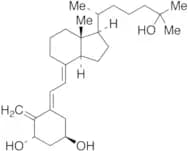
CAS:Controlled Product<p>Applications Palladium (II) Acetate Trimer is used in Suzuki-Miyaura cross-coupling reactions. It also serves to catalyze the chemoselective reduction of nitroarenes.<br>References Kumbhar, A. et al.: Tetrahedron Lett., 54, 1331 (2013); Shil, A. et al.: Tetrahedron Lett., 53, 4858 (2012);<br></p>Formula:C12H18O12Pd3Color and Shape:Brown To Dark BrownMolecular weight:673.525,6-trans-Calcitriol
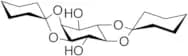
CAS:Controlled Product<p>Applications An impurity of Calcitriol (C144500). The trans isomer of Calcitriol.<br> Not a dangerous good if item is equal to or less than 1g/ml and there is less than 100g/ml in the package<br>References Myrtle, J.F., et al.: J. Biol. Chem., 245, 1190 (1970), Lawson, D.E.M., et al.: Nature, 230, 228 (1971), Norman, A.W., et al.: Science, 173, 51 (1971), Suda, T., et al.: Vitamins, 45, 175 (1972), Muindi, J.R., et al.: Clin. Pharmacol. Ther., 72, 648 (2002),<br></p>Formula:C27H44O3Color and Shape:NeatMolecular weight:416.641,2:4,5-Biscyclohexylidene DL-myo-Inositol
CAS:Controlled ProductFormula:C18H28O6Color and Shape:NeatMolecular weight:340.41N-Ethyl-N’-(3-dimethylaminopropyl)carbodimide Hydrochloride
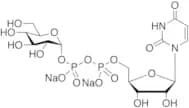
CAS:<p>Applications An enzyme inhibitor.<br></p>Formula:C8H18ClN3Color and Shape:White To Off-WhiteMolecular weight:191.70Uridine 5'-Diphosphoglucose Disodium Salt
CAS:Controlled Product<p>Stability Hygroscopic<br>Applications Disodium UDP-glucose is a phosphorylated uridine derivative used in nucleotide sugars metabolism as an activated form of glucose as a substrate for the enzyme glucosyltransferases. It is used in the treatment of chronic alcoholism. It is used in characterization of limonoid glucosyltransferase.<br>References Spaggiari, G. et al.: Clin. Terap., 51, 137 (1969); Karim, M.R. et al.: Food Chem., 76, 431 (2002); Spaggiari, G. et al.: Clin. Terap., 51, 137 (1969); Karim, M.R. et al.: Food Chem., 76, 431 (2002);<br></p>Formula:C15H22N2Na2O17P2Color and Shape:NeatMolecular weight:610.271,9-Nonanediol Diacrylate (>90%)
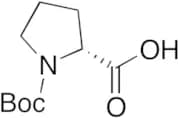
CAS:Controlled Product<p>Applications 1,9-Nonanediol diacrylate (cas# 107481-28-7) is a useful research chemical.<br></p>Formula:C15H24O4Purity:>90%Color and Shape:NeatMolecular weight:268.35tert-Butoxycarbonyl-D-proline
CAS:Controlled Product<p>Applications tert-Butoxycarbonyl-D-proline is Boc protected D-proline (P755990). It is used to prepare trichostatin A and trapoxin B analogs as histone deacetylase inhibitors. It is also used to prepare potent and selective nonpeptide inhibitors of caspases 3 and 7.<br>References Jung, M., et al.: Bioorg. Med. Chem. Lett., 7, 1655 (1997); Lee, D., et al.: J. Med. Chem,, 44, 2015 (2001)<br></p>Formula:C10H17NO4Color and Shape:NeatMolecular weight:215.25Brassicasterol
CAS:<p>Applications A phytosterol found in canola oil, rapeseed oil, marine algae and shellfish. This compound has been shown to inhibit sterol Δ24-reductase, an enzyme involved in the mammalian cholesterol biosynthesis pathway.<br>References Bishop, G.J., et al.: Plant Cell Physiol. 42, 114, (2001), Fernandez, C., et al., Biochem. J. 366, 109 (2002),<br></p>Formula:C28H46OColor and Shape:WhiteMolecular weight:398.66Aprotinin Hydrochloride
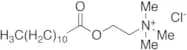
CAS:<p>Applications Aprotinin is used in cardiac surgery to minimize bleeding and reduce exposure to blood products.<br>References Mangano, D. et al.: New Eng. J. Med., 354, 353 (2006); Fergusson, D. et al.: New. Eng. J. Med., 358, 2319 (2008);<br></p>Formula:C284H432N84O79S7·x(ClH)Color and Shape:White SolidMolecular weight:6511.51(free amine)Lauroylcholine Chloride
CAS:Controlled Product<p>Applications Lauroylcholine Chloride (cas# 25234-60-0) is a compound useful in organic synthesis.<br></p>Formula:C17H36NO2·ClColor and Shape:NeatMolecular weight:321.93N-Acetyl-L-cystine
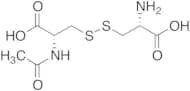
CAS:Controlled Product<p>Applications N-Acetyl-L-cystine is an antioxidant, used in the treatment of influenza A virus pandemic (1). N-Acetyl-L-cystine promotes fertilization by reducing disulfide bonds in zona pellucida of mouse (2).Releases N-Acetyl-L-cysteine, which is an antidote for paracetamol poisoning.<br>References (1) Zhang, R., et al.: (2014) Int. Immunopharmacol. 22: 1-8 (2) Takeo, T., et al.: Biol Reprod. (2015) 92: 1-7<br></p>Formula:C8H14N2O5S2Color and Shape:NeatMolecular weight:282.343-Indolyl-b-D-glucuronide Cyclohexylammonium salt
CAS:<p>M02724 - 3-Indolyl-b-D-glucuronide Cyclohexylammonium salt</p>Formula:C20H28N2O7Purity:97%Molecular weight:408.4512',6'-Dimethylcarbonylphenyl 10-Methyl-9-acridinecarboxylate 4'-NHS Ester Triflate
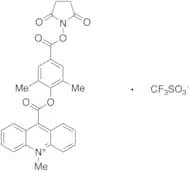
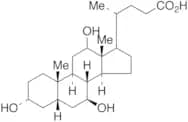
CAS:<p>Applications Novel acridinium esters are disclosed that are useful, either alone or when incorporated into liposomes, as chemiluminescent agents in binding assays.<br>References Bolt, H., et al.: Toxicol. Lett., 151, 251 (2004), Malhotra, S., et al.: Bioorg. Med. Chem. Lett., 20, 581 (2010), Natrajan, A., et al.: Anal. Biochem., 406, 204 (2010),<br></p>Formula:C28H23N2O6·CF3O3SColor and Shape:Yellow SolidMolecular weight:632.565b-Cholanic Acid-3a,6b-diol
CAS:Controlled Product<p>Applications 5β-Cholanic Acid-3α, 6β-Diol is a cholesterol derivative; Plasma lipophilic biomarkers in rats. Also, it is one of two major metabolites from the hydroxylation of hepatic lithocholic acid catalyzed by Cyp3a/Cyp3a11 enzymes in mice.<br>References Mayengbam, S., et al.: Eur. J. Nutr., 55, 1213-1223 (2016); Hrycay, E., et al.: Mol. Cell. Biochem., 389, 119-132 (2014)<br></p>Formula:C24H40O4Color and Shape:White To Off-WhiteMolecular weight:392.58Zymostenol
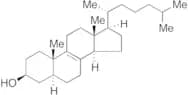
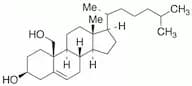
CAS:Controlled Product<p>Applications Zymostenol, is the derivative of Zymosterol (Z701520), which is an sterol intermediate in the biosynthesis of cholesterol (C432501).<br>References Roland, E.D., et al.: J. Am. Chem. Soc., 111, 278 (1989); Echevarria, F., et al.: J. Biol. Chem., 265, 8484 (1990); Baranovskii, A.V., et al.: Russian. J. Bioorg. Chem., 28, 250 (2002); Schoenheimer, et al.: J. Biol. Chem., 105, 355 (1934);<br></p>Formula:C27H46OColor and Shape:NeatMolecular weight:386.6519-Hydroxy Cholesterol
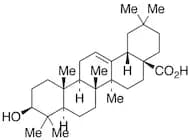
CAS:<p>Applications A metabolite of Cholesterol. Cholesterol oxidation product having cytotoxicity effects.<br>References Higley, N., et al.: Food Chem. Toxicol., 22, 983 (1984), Emanuel, H., et al.: J. Food Sci., 56, 843 (1991), Kilsdonk, E., et al.: J. Lipid Res., 36, 505 (1995), Cantwell, H., et al.: Cell Biol. Toxicol., 14, 401 (1998),<br></p>Formula:C27H46O2Color and Shape:NeatMolecular weight:402.65Oleanolic Acid
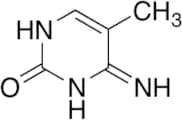
CAS:<p>Applications A triterpenoid known for its anti-inflammatory properties, is commonly present in several medicinal plants. Inhibits secretory phospholipase A2.<br>References Andrikopoulos, N., et al.: J. Med. Food, 5, 1 (2002), Lanteri, S., et al.: Food Chem., 76, 501 (2002), Rodriguez-Rodriguez, R., et al.: Br. J. Pharmacol., 155, 535 (2008), Sotiroudis, T., et al.: Eur. J. Nutr, 47, 69 (2008),<br></p>Formula:C30H48O3Color and Shape:White To Off-WhiteMolecular weight:456.705-Methylcytosine (~90%)
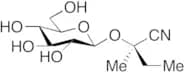
CAS:Controlled Product<p>Applications 5-Methylcytosine (cas# 554-01-8) is a useful research chemical.<br></p>Formula:C5H7N3OPurity:~90%Color and Shape:NeatMolecular weight:125.13(R)-Lotaustralin
CAS:<p>Applications A bioactive constituent of Chinese natural medicines.<br>References Masayuki, Y., et al.: Chem. Pharm. Bull., 45(9), 1498 (1997)<br></p>Formula:C11H19NO6Color and Shape:White To Light YellowMolecular weight:261.27Teneligliptin Hydrobromide (2:5)
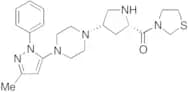
CAS:Controlled Product<p>Applications Teneligliptin Hydrobromide (2:5) is a dipeptidyl peptidase-4 (DPP-4) inhibitor that is used to treat type 2 diabetes. It is eliminated via excretion, and has a half-life of 24.2 hours in the human body.<br>References Goda, M. & Kadowaki, T.: Drugs Today, 49, 615 (2013); Kishimoto, M.: Diabetes Metab. Syndr. Obes., 6, 187 (2012)<br></p>Formula:C22H32·5Br2·5N6OSColor and Shape:NeatMolecular weight:628.86p-SCN-Bn-NOTA Trihydrochloride, Technical Grade
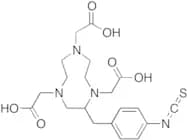
CAS:Controlled Product<p>Applications p-SCN-Bn-NOTA is a bifunctional chelating agent.<br>References Sarkar, S., et al.: J. Med. Chem., 61, 385 (2018)<br></p>Formula:C20H26N4O6S·3HClColor and Shape:Off-White To BeigeMolecular weight:450.51 + 3(36.46)DL-Cysteine
CAS:Controlled Product<p>Stability Hygroscopic<br>Applications Cysteine is a non-essential amino acid that can be synthesized by the human body under normal physiological conditions if a sufficient quantity of methionine is available. Cysteine is commonly used as a precursor in the food and pharmaceutical industries. Cysteine is used as a processing aid for baking, as an additive in cigarettes, as well as in the preparation of meat flavours.<br>References Hui, N. et al.: Meat Sci. Appl., 74 (2001); Kiviharju, K. et al.: J. Biotechnol., 117, 299 (2005); Pecivova, P. et al.: J. Sci. Food Agric., 90, 1681 (2010);<br></p>Formula:C3H7NO2SColor and Shape:NeatMolecular weight:121.16Glycerol Monoleate
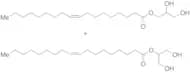
CAS:<p>Applications Glycerol Monoleate is used to synthesize water soluble drugs in need of sustained-release for drug delivery.<br>References Chang, C. et al.: Int. J. Pharm., 276, 83 (2004); Chang, C. et al.: Int. J. Pharm., 173, 51 (1998);<br></p>Formula:C21H40O4Color and Shape:NeatMolecular weight:356.54Ent-Kaurene (>90%)
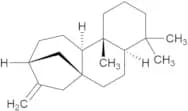
CAS:Controlled ProductFormula:C20H32Purity:>90%Color and Shape:NeatMolecular weight:272.47Menaquinone 7, Synthetic (90%)
CAS:<p>Stability Light and Temperature Sensitive<br>Applications Menaquinones are isoprenoid quinones of the naphthalene series and belongs to the K2 Vitamin homologs. Menaquinones were originally discovered as the anti-hemorrhagic factor and now encompasses a variety of physiological processes. Menaquinone 7 belongs to the class of K2-Vitamins homologs. Menaquinone 7 has been identified as the most bioactive cofactor for the carboxylation reaction of Gla-proteins such as osteocalcin and matrix-Gla protein, which plays a crucial role in building and maintaining overall bone health.<br>References Hugenholtz, P., et al.: J. Bacteriol., 180, 4765 (1998), Ginet, N., et al.: Biochemistry, 40, 1812 (2001), Cape, J., et al.: J. Biol. Chem., 280, 34654 (2005),<br></p>Formula:C46H64O2Purity:90%Color and Shape:Light YellowMolecular weight:649.00Dabsyl Chloride
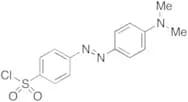
CAS:<p>Applications Dabsyl Chloride is used for HPLC amine derivatization to detect proteins and other molecules.<br> Not a dangerous good if item is equal to or less than 1g/ml and there is less than 100g/ml in the package<br>References Romero, R. et al.: Chromatograph., 51, 404 (2000); Ikeda, M. et al.: Amino Acids., 8, 401 (1995):<br></p>Formula:C14H14ClN3O2SColor and Shape:NeatMolecular weight:323.80Calcitriol-d6
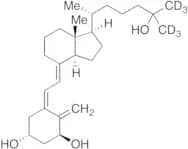
CAS:Controlled Product<p>Stability Light Sensitive, Temperature Sensitive<br>Applications The biologically active form of vitamin D3. Calcium regulator; vitamin (antirachitic); antihyperparathyroid; antineoplastic; antipsoriatic.<br> Not a dangerous good if item is equal to or less than 1g/ml and there is less than 100g/ml in the package<br>References Myrtle, J.F., et al.: J. Biol. Chem., 245, 1190 (1970), Lawson, D.E.M., et al.: Nature, 230, 228 (1971), Norman, A.W., et al.: Science, 173, 51 (1971), Suda, T., et al.: Vitamins, 45, 175 (1972), Muindi, J.R., et al.: Clin. Pharmacol. Ther., 72, 648 (2002),<br></p>Formula:C272H6H38O3Color and Shape:BeigeMolecular weight:422.67Xanthosine Dihydrate
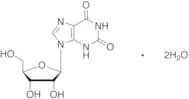
CAS:<p>Applications The deamination product of Guanosine. Potential biomarker for detecting radiation exposure. Used in the amplification of DNA isothermal strand displacement.<br>References Magasanik, B, et al.: J. Bio. Chem., 206, 83 (1954).<br></p>Formula:C10H12N4O6·2H2OColor and Shape:NeatMolecular weight:320.256L-Phenylalanine-d7
CAS:Controlled Product<p>Applications Labelled analogue of L-Phenylalanine, an essential amino acid.<br>References Hollunger, G. et al.: Acta Pharmacol. Toxicol., 34, 391 (1974); Bagchi, S.P. et al.: Biochem. Pharmacol., 26, 900 (1977);<br></p>Formula:C9H4D7NO2Color and Shape:NeatMolecular weight:172.23N-Acetyl-S-(2-carboxyethyl)-L-cysteine Bis(dicyclohexylamine) Salt
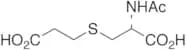
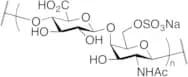
CAS:<p>Applications A metabolite of S-propylcysteine.<br>References Jones, A.R., et al.: Xenobiotica, 10, 827 (1980), 25) Ramu, K., et al.: Chem. Res. Toxicol., 8, 515 (1995), Krause, R., et al.: Drug Metab. Dispos., 25, 1013 (1997), Powley, M., et al.: Chem. Res. Toxicol., 16, 1448 (2003),<br></p>Formula:C12H23N·C8H13NO5SColor and Shape:NeatMolecular weight:597.89Chondroitin Sulfate C Sodium Salt (Technical Grade)
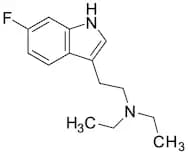
CAS:Formula:(C14H19NO14S·2Na)nColor and Shape:Off White PowderMolecular weight:n(479.39)N,N-diethyl-2-(6-fluoro-1H-indol-3-yl)ethan-1-amine
CAS:Controlled ProductFormula:C14H19FN2Color and Shape:NeatMolecular weight:234.3125Phosphorylethanolamine
CAS:Controlled Product<p>Applications Phosphorylethanolamine is used in the synthesis of Sphingomyelin, a type of sphingolipid found in animal cell membrane.<br> Not a dangerous good if item is equal to or less than 1g/ml and there is less than 100g/ml in the package<br>References Myller, A.T. et al.: Appl. Surf. Sci., 257, 1616 (2010);<br></p>Formula:C2H8NO4PColor and Shape:NeatMolecular weight:141.06Spermine
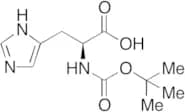
CAS:<p>Stability Hygroscopic<br>Applications Biogenic polyamine formed from spermidine and occurring in almost all tissues. Essential for both normal and neoplastic tissue growth. Involved in the modulation of calcium-dependent immune processes.<br> Not a dangerous good if item is equal to or less than 1g/ml and there is less than 100g/ml in the package<br>References Israel, et al.: J. Med. Chem., 7, 710 (1964), Janne, J., et al.: Biochim. Biophys. Acta, 473, 241 (1978). Theoharides, T.C., et al.: Life Sci., 27, 703 (1980), Horn, Y., et al.: Cancer Res., 42, 3248 (1982),<br></p>Formula:C10H26N4Color and Shape:White Solid With A Low Melting PointMolecular weight:202.34Na-Boc-L-histidine
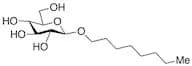
CAS:Controlled Product<p>Applications Nα-Boc-L-histidine is an N-Boc-protected form of L-Histidine (H456010). L-Histidine is an essential amino acid that plays an important role in mitochondrial glutamine transport and has potential of abolishing oxidative stress caused by brain edema.L-Histidine promotes zinc uptake in human erythrocyes and also has potential as an antioxidant therapy for acute mammary inflammation in cattle.<br>References Chaiyotwittayakun, A., et al.: J. Dairy Sci., 85, 60 (2002); Horn, N., et al.: J. Phys., 489, 73 (1995); Rama Rao, K., et al.: Am. J. Path., 176, 1400 (2010);<br></p>Formula:C11H17N3O4Color and Shape:NeatMolecular weight:255.27Octyl β-D-Glucopyranoside
CAS:Controlled Product<p>Applications A nonionic detergent for the solubilization of membrane bound protein.<br>References Lairson, L., et al.: Nat. Chem. Biol., 2, 724 (2006), Kwon, S., et al.: App. Environ. Microbiol., 73, 2251 (2007), Makowski, K., et al.: Enz. Microb. Technol., 44, 59 (2009),<br></p>Formula:C14H28O6Color and Shape:NeatMolecular weight:292.37Ursocholic Acid
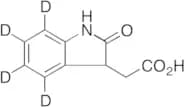
CAS:Controlled Product<p>Impurity Ursodeoxycholic Acid EP Impurity D<br>Applications Ursocholic Acid (Ursodeoxycholic Acid EP Impurity D) is an Ursodeoxycholic Acid (U850000) impurity.<br>References Ward, A., et al.: Drugs, 1984, 27, 95 (1984), Sama, C., et al.: Clin. Drug Invest., 13, 192 (1997), Nobilis, M., et al.: J. Pharm. Biomed. Anal., 24, 937 (2001),<br></p>Formula:C24H40O5Color and Shape:White To BeigeMolecular weight:408.57Oxindole-3-acetic Acid-d4
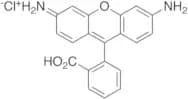
CAS:Controlled ProductFormula:C10D4H5NO3Color and Shape:NeatMolecular weight:195.208Rhodamine 110
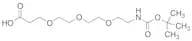
CAS:Controlled Product<p>Stability Hygroscopic, Light Sensitive<br>Applications Rhodamine 110 is a fluorescent dye used as AP- and exopeptidase substrates for flow cytometric measurements. Dyes and metabolites.<br>References Ganesh S., et al.: Cytometry, 20, 334 (1995),<br></p>Formula:C20H14N2O3·ClHColor and Shape:NeatMolecular weight:366.80t-Boc-N-amido-PEG3-acid
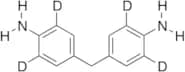
CAS:Controlled Product<p>Applications t-Boc-N-amido-PEG3-acid<br></p>Formula:C14H27NO7Color and Shape:NeatMolecular weight:321.374,4'-Methylenebis-benzen-2,6-d2-amine
CAS:Controlled Product<p>Applications 4,4'-Methylenebis-benzen-2,6-d2-amine is the labelled compound form of 4,4'-Methylenedianiline (M304180) which is used in the production of polyurethane foams and epoxy resins (1). Potential contributor in pulmonary arterial hypertension (PAH) in rats through alteration of the serotenergic transport system (2). Drinking water contaminant candidate list 3 (CCL 3) compound as per United States Environmental Protection Agency (EPA), environmental, and food contaminants. Dyes and metabolites, Environmental Testing.<br>References Hebert, V., et al.: Cardiovas. Toxicol., 11, 316-24 (2011); Carroll-Turpin, M., et al.: Toxicol. Sci., 147, 235-45 (2015)<br></p>Formula:C13D4H10N2Color and Shape:NeatMolecular weight:202.29H-Glu-Lys-Oh
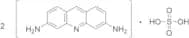
CAS:Controlled Product<p>Applications H-GLU-LYS-OH (cas# 5891-53-2) is a useful research chemical.<br></p>Formula:C11H21N3O5Color and Shape:NeatMolecular weight:275.31Proflavine Hemisulfate
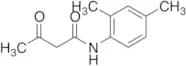
CAS:Controlled Product<p>Applications Proflavine hemisulfate (CAS# 1811-28-5) is a useful research chemical compound.<br></p>Formula:C13H11N3·5H2SO4·xH2OColor and Shape:NeatMolecular weight:2 (209.25) + 98.07N-(2,4-Dimethylphenyl)-3-oxobutanamide
CAS:<p>Applications N-(2,4-Dimethylphenyl)-3-oxobutanamide (cas# 97-36-9) is a useful research chemical.<br></p>Formula:C12H15NO2Color and Shape:NeatMolecular weight:205.25Glyceryl Monothioglycolate (Technical Grade)
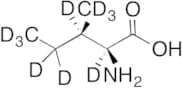
CAS:<p>Applications Glyceryl Monothioglycolate is used as an ingredient of hair permanent wave-setting or straightening agents.<br>References Kuzuhara, A.: Jpn. Kokai Tokkyo Koho (2013), JP 2013249274 A 20131212.; Savaides, A., et al.: U.S. Pat. Appl. Publ. (2014), US 20140261518 A1 20140918<br></p>Formula:MixtureVisitourWebsiteColor and Shape:NeatMolecular weight:Mixture - Visit our WebsiteL-Allo-isoleucine-d10
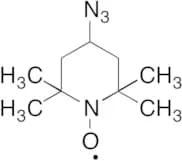
CAS:Controlled Product<p>Applications L-Allo-isoleucine-d10 is a derivative compound of L-allo-isoleucine (A548200), which has been suggested to induce epithelial β-defensin expression. In addition, L-allo-isoleucine is utilized in the biosynthesis pathway for coronamic acid.<br>References Fehlbaum, P., et al.: Proc. Natl. Acad. Sci. USA 97, 12723 (2000); Parry, R. J., et al.: J. Am. Chem. Soc. 113, 1849 (1991)<br></p>Formula:C6H3D10NO2Color and Shape:White To Off-WhiteMolecular weight:141.234-Azido-2,2,6,6-tetramethyl-1-piperidinyloxy
CAS:Controlled Product<p>Applications An intermediate in the preparation of 4-Amino-2,2,6,6-tetra-methyl Piperidine-1-oxyl.<br>References Li, W., et al.: J. Pharm. Pharmacol., 58, 941 (2006),<br></p>Formula:C9H17N4OColor and Shape:Orange SolidMolecular weight:197.26Biotinyl Tyramide
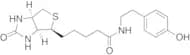
CAS:Controlled Product<p>Applications Biotinyl Tyramide is a Biotin (B389040) derivative, a growth factor present in minute amounts in every living cell. Plays an indispensable role in numerous naturally occurring carboxylation reactions. Occurs mainly bound to proteins or polypeptides. The richest sources are liver, kidney, pancreas, yeast, and milk. The biotin content of cancerous tumors is higher than that of normal tissue.<br>References Griesser, R. et al.: Biochem., 12, 1917 (1973); du Vigneaud, et al.: J. Biol. Chem., 146, 475 (1942); Traub, et al.: Nature, 178, 649 (1956); Siegel, H., et al.: Experienta, 37, 789 (1981); Vesely, D.L., Science, 216, 1329 (1982); Hugues, M., et al.: Biochemistry, 31, 12 (1992);<br></p>Formula:C18H25N3O3SColor and Shape:White To Light PinkMolecular weight:363.47Phytantriol
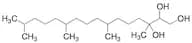
CAS:Controlled Product<p>Applications Phytantriol 74563-64-7 (cas# 74563-64-7) is a useful research chemical.<br></p>Formula:C20H42O3Color and Shape:NeatMolecular weight:330.555-Bromo-4-chloro-3-indolyl-α-D-N-acetylneuraminic Acid, Sodium Salt
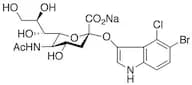
CAS:Controlled Product<p>Stability Moisture, Temperature sensitive<br>Applications Used as a substrate for the detection of sialidase-like enzyme in screening of enzymes, studying physiological activities of gangliosides, and recombinant technologies.<br>References Biorg. Med. Chem., 1, 147 (1993)<br></p>Formula:C19H21BrClN2O9·NaColor and Shape:NeatMolecular weight:559.72H-D-Ala-D-Leu-OH TFA Salt
CAS:Controlled Product<p>Applications H-D-Ala-D-Leu-OH (cas# 67392-69-2) is a useful research chemical.<br></p>Formula:C9H18N2O3·C2HF3O2Color and Shape:NeatMolecular weight:316.274Kynurenic Acid-d5
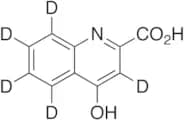
CAS:Controlled Product<p>Applications A labelled product of L-Tryptophan metabolism, possessing neruoactive activity having antiexcitotoxic and anticonvulsant properties.<br>References Wejksza, K., et al.: Pharmacol. Rep., 61, 751 (2009), Gohil, V., et al.: Nat. Biotechnol., 28, 249 (2010), Di Natale, B., et al.: Toxicol. Sci., 115, 89 (2010),<br></p>Formula:C102H5H2NO3Color and Shape:BeigeMolecular weight:194.20DAPT
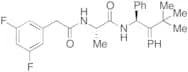
CAS:<p>Applications DAPT is a γ-secretase inhibitor which inhibits thegrowth of cancer cells and epethelial and mesenchymal transition (1,2).<br>References (1) Li, L. et al.: Oncol Lett. 7, 2160 (2014) (2) Wang, M. et al.: Int. J. Onc., 44, 1401 (2014)<br></p>Formula:C23H26F2N2O4Color and Shape:Off White SolidMolecular weight:432.461-Methyl-Inosine
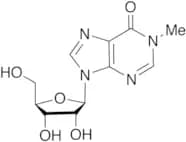
CAS:Controlled Product<p>Applications 1-Methyl-Inosine is a modified nucleoside which is present in higher concentrations in the urinary excretion of patients afflicted with breast cancer. It acts a a biomarker for diagnosis of the disease.<br>References Frickenschmidt, A. et al.: Biomark., 13, 435 (2008); Studzinska, S. et al.: J. Chrom. B. Tech. Biomed. Life Sci., 887, 93 (2012);<br></p>Formula:C11H14N4O5Color and Shape:NeatMolecular weight:282.254-Methylgallic-3-O-sulphate
CAS:Controlled Product<p>Applications Sulfatases hydrolyze sulfated metabolites to their corresponding alcohols and are present in all domains of life. These enzzymes have found major application in metabolic investigations of drugs, doping control analysis and recently in metabolomics.<br>References Correia, M., et al.: Bioorganic & Medical Chemistry, 27, 955 (2019),<br></p>Formula:C8H6Na2O8SColor and Shape:NeatMolecular weight:308.173Octyl β-D-Mannopyranoside
CAS:Controlled Product<p>Applications Octyl β-D-Mannopyranoside (cas# 140147-38-2) is a compound useful in organic synthesis.<br></p>Formula:C14H28O6Color and Shape:NeatMolecular weight:292.37Zoalene
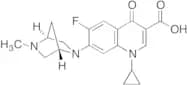
CAS:<p>Applications A fodder additive for poultry used to prevent coccidiosis infections. Antiprotozoan drug.<br>References Morrison, W.D. et al.: Poult. Sci., 46, 391 (1967); Davis, J.L. et al.: Vet. Pharmacol. Therap., 9, 1145 (2009);<br></p>Formula:C8H7N3O5Color and Shape:WhiteMolecular weight:225.16Danofloxacin
CAS:<p>Applications Danofloxacin is a broad spectrum fluoroquinolone antibacterial compound.<br>References Golet, E., et al.: Anal. Chem., 73, 3632 (2001); Golet, E., et al.: Environ. Sci. Technol., 36, 3645 (2002); Huet, A., et al.: J. Agric. Food Chem., 54, 2822 (2006);<br></p>Formula:C19H20FN3O3Color and Shape:Off-WhiteMolecular weight:357.38BQ 788
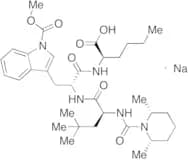
CAS:<p>Applications BQ 788 is an endothelin type B (ETB) receptor antagonist and is a potential antidote for the cardiovascular toxicity with hypotension and bradycardia.<br>References Arici, M.A.A., et. al.: Hum. Exp. Toxicol., 32, 316 (2013)<br></p>Formula:C34H50N5O7·NaColor and Shape:NeatMolecular weight:663.78Dithio-bis-maleimidoethane
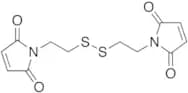
CAS:Controlled Product<p>Stability Hygroscopic<br>Applications A sulfhydryl reactive homobifunctional crosslinking reagent.Spacer Arm: 13.3 Angstroms<br>References Han, J.C., et al.: Anal. Biochem., 220, 5 (1994)<br></p>Formula:C12H12N2O4S2Color and Shape:NeatMolecular weight:312.36Olmesartan Lactone Impurity
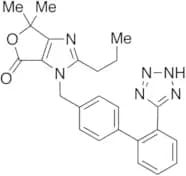
CAS:<p>Impurity Olmesartan EP Impurity B/ Olmesartan Medoximil USP Related Compound A<br>Applications Olmesartan Lactone Impurity (Olmesartan EP Impurity B) is a cyclic ester impurity of Olmesartan (O550000).<br></p>Formula:C24H24N6O2Color and Shape:WhiteMolecular weight:428.49N-Carbamoyl-2-fluoro-(β)-alanine
CAS:Controlled Product<p>Applications A metabolite of Capecitabine.<br>References Arellano, M., ET AL.: Br. J. Cancer, 77, 79 (1998), Budman, D., ET AL.: J. Clin. Oncol., 16, 1795 (1998), Khanna, R., et al.: Cancer Res., 60, 4725 (2000), Charasson, V., et al.: Drug Metab. Dispos., 30, 731 (2002),<br></p>Formula:C4H7FN2O3Color and Shape:NeatMolecular weight:150.11



![N6-[Bis(ethylamino)methylene]-D-lysine](/_next/image/?url=https%3A%2Fstatic.cymitquimica.com%2Fproducts%2FTR%2Fthumb-webp%2FB985820.webp&w=3840&q=75)





















![2-Hydroxy-6-[2-(4-hydroxyphenyl)ethenyl]-benzoic Acid-13C5](/_next/image/?url=https%3A%2Fstatic.cymitquimica.com%2Fproducts%2FTR%2Fthumb-webp%2FH121132.webp&w=3840&q=75)