Biochemicals and Reagents
Biochemicals and reagents are fundamental substances for research and development in fields such as biotechnology, molecular biology, pharmacology, and medicine. These products are essential for a variety of applications, including compound synthesis, biological sample analysis, metabolic process research, and drug production. At CymitQuimica, we offer a wide selection of high-quality, high-purity biochemicals and reagents suitable for various scientific and industrial needs. Our catalog includes enzymes, antibodies, nucleic acids, amino acids, and many other products, all designed to support researchers and professionals in their research and development projects, ensuring reliable and reproducible results.
Subcategories of "Biochemicals and Reagents"
- Biomolecules(99,117 products)
- By Biological Target(99,161 products)
- By Pharmacological Effects(6,787 products)
- Cryopreservatives(21 products)
- Desinfectants and Related Compounds(28 products)
- Hormones(346 products)
- Plant Biology(6,705 products)
- Secondary Metabolites(14,220 products)
Found 130581 products of "Biochemicals and Reagents"
Sort by
Purity (%)
0
100
|
0
|
50
|
90
|
95
|
100
Scleroglucan (Technical Grade)
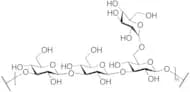
CAS:Controlled Product<p>Applications Scleroglucan is a natural polymer produced by fungi, especially those of the genus Sclerotium. Scleroglucan fluids have been used to trap and treat Cr(VI) in environmental applications.<br>References Brigand, G.: Industrial Gums (Third Edition), pp. 461 (1993); Pensini, E.; et al.: Colloids Surf., A, 559, 191 (2018);<br></p>Formula:C24H40O21Color and Shape:NeatMolecular weight:664.56N6-({[3-(Methylsulfinyl)propyl]amino}carbonothioyl)lysine (SFN-Lys)
CAS:Formula:C12H25N3O3S2Color and Shape:NeatMolecular weight:323.48(+)-Lactacystin
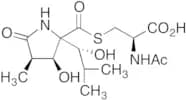
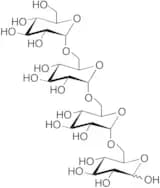
CAS:Controlled Product<p>Applications A selective and potent inhibitor of proteasome-mediated degradation of ubiquitin-tagged proteins. A Streptomyces metabolite that acts as a highly specific inhibitor of the 20S proteasome (MCP: multicatalytic proteinase complex).<br>References Fenteany, G., et al.: Science, 268, 726 (1995), Fenteany, G., et al.: Proc. Natl. Acad. Sci. USA, 91, 3358 (1994),<br></p>Formula:C15H24N2O7SColor and Shape:NeatMolecular weight:376.43Isomaltotetraose
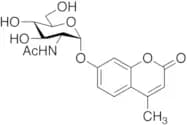
CAS:Controlled Product<p>Applications Isomaltotetraose, can be used for immunizication of hybridoma antibodies. the use of synthetic glycolipids as antigens enables one to study the gene control of antibody responses to glycolipids and to investigate the combining-site specificities of antibodies to a single antigenic determinant.<br>References Lai, E., et al.: Mol. Immunology, 22(9), 1021 (1985); Chen, H. T., et al.: Mol. Immunology, 24(4), 333 (1987);<br></p>Formula:C24H42O21Color and Shape:NeatMolecular weight:666.584-Methylumbelliferyl 2-Acetamido-2-deoxy-α-D-glucopyranoside
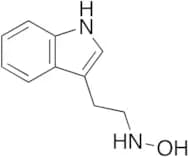
CAS:Formula:C18H21NO8Color and Shape:NeatMolecular weight:379.36N-Hydroxyl-tryptamine
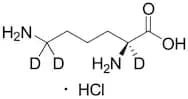
CAS:Controlled Product<p>Applications N-Hydroxyl-tryptamine is used in plant growth regulator composition for improved efficacy. It is also used in compositions for use as chemical thinning agents.<br>References Williams, R., et al.: PCT Int. Appl. 57pp. (2010); Williams, R., et al.: U.S. Pat. Appl. Publ. (2012)<br></p>Formula:C10H12N2OColor and Shape:NeatMolecular weight:176.215L-Lysine-2,6,6-d3 HCl
CAS:Controlled Product<p>Applications L-Lysine-2,6,6-d3 HCl is a useful isotopically labeled compound of L-Lysine HydrochlorideDISCONTINUED PLEASE SEE L486915 (L468923)<br></p>Formula:C6D3H11N2O2·HClColor and Shape:NeatMolecular weight:185.667Zinquin Ethyl Ester
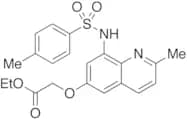
CAS:Controlled Product<p>Applications A fluorescent reagent and indicator of intracellular zinc ions. An analogue of widely used indicator, TS-Q. Zinquin ethyl ester is membrane permeable therefore useful to detect intracellular zinc ions. Zinquin ethyl ester forms a complex with a zinc ion with two nitrogen atoms in the structure. Used for studying the role of zinc in apoptosis.Fluorescence: max. Abs. l = 368nm, max. Em. l = 490nm<br>References Zalewski, P.D., et al.: Biochem.J., 296, 403 (1993), Zalewski, P.D., et al.: J. Histochem. Cytochem., 42, 877 (1994), Zalewski, P.D., et al.: Biochem.J., 303, 278 (1994), Zalewski, P.D., et al.: Chemistry & Biology, 1, 153 (1994)<br></p>Formula:C21H22N2O5SColor and Shape:NeatMolecular weight:414.473-Phenylglutaric Acid
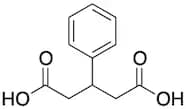
CAS:Controlled Product<p>Stability Hygroscopic<br>Applications 3-Phenylglutaric Acid is useful in the synthesis of manganese catalysts for the stereoselective synthesis of cyclealkanes.<br>References Jana, A., et al.: ACS. Cat., 10, 2615-2626 (2020)<br></p>Formula:C11H12O4Color and Shape:NeatMolecular weight:208.213-(4-Hydroxy-Phenyl)-Chroman-4,7-diol
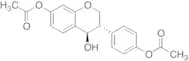
CAS:Formula:C19H18O6Color and Shape:NeatMolecular weight:342.3431,2-Dioleoyl-3-trimethylammonium-propane, Chloride
CAS:Controlled ProductFormula:C42H80NO4·ClColor and Shape:NeatMolecular weight:698.54N-Carbamyl-L-glutamic Acid
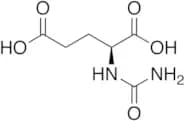
CAS:Controlled Product<p>Applications N-Carbamyl-L-glutamic Acid has been shown to have protective effects against ammonia intoxication and is used in the treatment of acute hyperammonemia.<br>References Paik, W.K. et al.: Life Sci., 15, 1189 (1974); O'Connor, J.E. et al.: Eur. J. Pediat., 148, 540 (1989); Lee, J.H. et al.: Biochem. Biophys. Res. Chem., 248, 391 (1998);<br></p>Formula:C6H10N2O5Color and Shape:NeatMolecular weight:190.15Azido-PEG3-alcohol
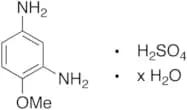
CAS:Controlled ProductFormula:C6H13N3O3Color and Shape:NeatMolecular weight:175.192,4-Diaminoanisole Sulfate Hydrate
CAS:Controlled Product<p>Applications 2,4-Diaminoanisole Sulfate is a compound that was used as a component in hair dyes. There is evidence that indicate that 2,4-Diaminoanisole Sulfate Hydrate has carcinogenic effects and is reasonably anticipated to be a human carcinogen by the NTC.<br> Not a dangerous good if item is equal to or less than 1g/ml and there is less than 100g/ml in the package<br>References Sontag, J.M. et al.: JNCI J. Nat. Cancer Inst., 66, 591 (1981); Sheu, C.-J. et al.: Mutat. Res. Gen. Toxicol. Test., 68, 85 (1979); Burnett, C. et al.: J. Toxicol. Environ. Health, 1, 1027 (1976);<br></p>Formula:C7H10N2O·H2O·H2O4SColor and Shape:NeatMolecular weight:254.26Menthyl Anthranilate
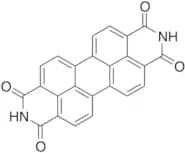
CAS:Controlled ProductFormula:C17H25NO2Color and Shape:Off-WhiteMolecular weight:275.393,4,9,10-Perylenetetracarboxylic Diimide (~85%)
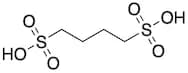
CAS:Controlled Product<p>Applications 3,4,9,10-Perylenetetracarboxylic diimide (cas# 81-33-4) is a useful research chemical.<br></p>Formula:C24H10N2O4Purity:~85%Color and Shape:NeatMolecular weight:390.351,4-Butanedisulfonic Acid (contains ~40% water)
CAS:<p>Applications 1,4-Butanedisulfonic acid - (CAS# 27665-39-0) is a useful research chemical compound.<br></p>Formula:C4H10O6S2Color and Shape:ColourlessMolecular weight:218.25Gibberellin A8
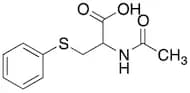
CAS:<p>Stability Temperature and Light Sensitive<br>Applications Gibberellin A8 is a derivative of Gibberellic Acid (G377450), a hormone that is found in plants which promotes the growth and elongation of cells. Gibberellic acid acts as a plant growth regulator on account of its physiological and morphological effects in extremely low concentrations.<br>References Bayle, J. et al.: Chem. Biol., 13, 99 (2006); Ihara, S. et al.: J. Cell Sci., 119, 500 (2006); Suh, B. et al.: Science, 314, 1454 (2006); Rinaudo, K. et al.: Nat. Biotechnol., 25, 795 (2007); Goto, N. et al.: Can. J. Botany., 77, 944 (1999);<br></p>Formula:C19H24O7Color and Shape:Off White SolidMolecular weight:364.392-(Acetylamino)-3-(phenylthio)propanoic Acid
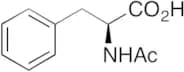
CAS:Controlled Product<p>Applications 2-(Acetylamino)-3-(phenylthio)propanoic acid is a useful chemical in research.<br></p>Formula:C11H13NO3SColor and Shape:NeatMolecular weight:239.29N-Acetyl-L-phenylalanine
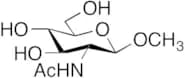
CAS:Controlled Product<p>Applications N-Acetyl-L-phenylalanine is an protected analogue of L-Phenylalanine (P319415), an essential amino acid produced for medical, feed, and nutritional applications such as in the preparation of Aspartame.<br>References Sriram, S., et al.: J. Med. Chem., 56, 2540 (2013); Parker, B.M., et al.: J. Biotech., 155, 396 (2011);<br></p>Formula:C11H13NO3Color and Shape:NeatMolecular weight:207.23Methyl 2-Acetamido-2-deoxy-β-D-glucopyranoside
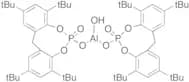
CAS:Controlled ProductFormula:C9H17NO6Color and Shape:NeatMolecular weight:235.23ADK Stab NA 21E
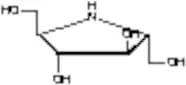
CAS:<p>Applications ADK Stab NA 21E is a nucleating reagent for polymerization.<br>References Thelakkadan, A. S., et al: Polypropylene composition comprising a nucleating composition comprising aluminosilicate and an organic nucleating agent, EP 3162844, (2017);<br></p>Formula:C58H85AlO9P2Color and Shape:NeatMolecular weight:1015.222,5-Dideoxy-2,5-imino-D-mannitol
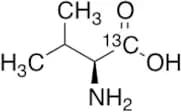
CAS:Controlled Product<p>Stability Hygroscopic<br>Applications A glucosidase inhibitor.<br>References Fellows, L.E.: Pestic. Sci., 17, 602 (1986)<br></p>Formula:C6H13NO4Color and Shape:Off White SolidMolecular weight:163.17L-Valine-13C
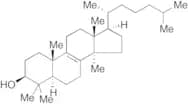
CAS:<p>Applications L-Valine (1-13c, 99%) (cas# 81201-85-6) is a useful research chemical.<br></p>Formula:C413CH11NO2Color and Shape:NeatMolecular weight:118.14Dihydrolanosterol
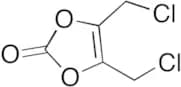
CAS:Controlled Product<p>Applications Dihydrolanosterol, is a derivative of Lanosterol (L174580). It is also one of cytochrome P 450 lanosterol 14α-demethylase (CYP51), which is shown to have an important role in regulating meiosis and reproduction.<br>References Smiljanic, K., et. al.: Lipids, 48, 1069 (2013); Ma, L., et. al.: Food Chem., 139, 503 (2013);<br></p>Formula:C30H52OColor and Shape:NeatMolecular weight:428.734,5-Bis(chloromethyl)-1,3-dioxol-2-one
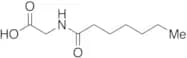
CAS:<p>Stability Moisture Sensitive<br>Applications 4,5-Bis(chloromethyl)-1,3-dioxol-2-one is an impurity of Olmesartan Medoxomil (O550000), which is an angiotensin II receptor antagonist. Used as an anti-hypertensive.<br>References Yanagisawa, H., et al.: J. Med. Chem., 39, 323 (1996), Puchler, K., et al.: J. Hypertens., 15, 1809 (1997),<br></p>Formula:C5H4Cl2O3Color and Shape:NeatMolecular weight:182.9896N-Heptanoylglycine
CAS:<p>Applications An acylglycine present in urniary excretion that can be analyzed and be used as diagnostic tool for metabolic disorders, complementary to organic acids and acylcarnitine profiles.<br>References Bonafe, L. et al.: Mol. Genetics Metab., 69, 302 (2000);<br></p>Formula:C9H17NO3Color and Shape:WhiteMolecular weight:187.24Oleuropein (>75%)
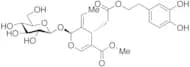
CAS:<p>Stability Hygroscopic<br>Applications Oleuropein is a tyrosol ester derivative of elenolic acid and phenolic glycoside found in olive oil. Oleuropein shows antioxidant, anti-ischemic and hypolipidemic activity. Oleuropein has also been used as an immunomodulator .<br>References Speroni, E. et al.: Phytother. Res., 12, S98 (1998); Andreadou, I. et al.: J. Nutrit., 136, 2213 (2006):;Giamarellos-Bourboulis, E.J. et al.: Shock, 26, 410 (2006);<br></p>Formula:C12H17O7Purity:>75%Color and Shape:NeatMolecular weight:540.51Pentanoic-2,2,3,3-d4 Acid
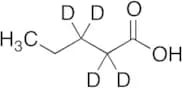
CAS:Controlled Product<p>Applications Pentanoic-2,2,3,3-d4 Acid (CAS# 1219804-71-3) is a useful isotopically labeled research compound.<br></p>Formula:C5D4H6O2Color and Shape:ColourlessMolecular weight:106.16N-Benzyloxycarbonyl L-Threonine Amide O-Methanesulfonate
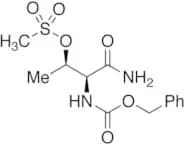
CAS:Controlled Product<p>Applications N-Benzyloxycarbonyl L-Threonine Amide O-Methanesulfonate (cas# 80082-51-5) is a compound useful in organic synthesis.<br></p>Formula:C13H18N2O6SColor and Shape:NeatMolecular weight:330.36Poly(ethylene Glycol) ~200
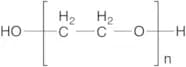
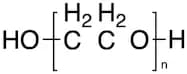
CAS:Controlled Product<p>Applications Poly(ethylene Glycol) molecules of an average molecular mass of 200. Poly(ethylene Glycol) is used in various applications from industrial chemistry to biological chemistry. Recent research has shown PEG maintains the ability to aid the spinal cord injury recovery process, helping the nerve impulse conduction process in animals. In rats, it has been shown to aid in the repair of severed sciatic axons, helping with nerve damage recovery. It is industrially produced as a lubricating substance for various surfaces to reduce friction. PEG is also used in the preparation of vesicle transport systems in with application towards diagnostic procedures or drug delivery methods.<br>References Borgens, R. et al.: J. Neurosci. Res., 66, 1179 (2001); Stavisky, R. et al.: Neurosci. Lett., 376, 98 (2005); Nalam, P. et al.: Tribiol. Lett., 37, 541 (2010); Steinmetz, N. et al.: J. Am. Chem. Soc., 131, 17093 (2009); Li, X. et al.: J. Am. Chem. Soc., 133, 11147 (2011); Li, L. et al.: Int. J. Pharm., 447, 192 (2013);<br></p>Formula:H2O(C2H4O)nColor and Shape:ColourlessMolecular weight:62.07D-erythro-Dihydro-D-sphingosine-1-phosphate
CAS:<p>Applications May be used as a negative control for C2 Ceramide.<br>References Bielawska, A., et al.: J. Biol. Chem., 268, 26226 (1993)<br></p>Formula:C18H40NO5PColor and Shape:NeatMolecular weight:381.496-Dimethylaminopurine
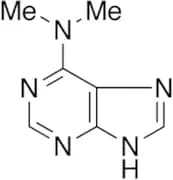
CAS:<p>Applications A purine antagonist. In the benzodiazepine receptor (BZR) binding assay, it inhibits the binding of 1.5 nM [3H]diazepam at 100uM in rat brains.<br>References Elion, G.B., et al.: JACS, 74, 411-414 (1952), Kelley, J.L., et al.: J. Med. Chem., 32, 1020-1024 (1989)<br></p>Formula:C7H9N5Color and Shape:NeatMolecular weight:163.18Disodium Bathocuproine Disulfonate (Mixture of Regioisomers)
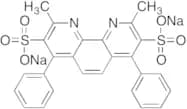
CAS:Controlled Product<p>Applications Bathocuproine Disulfonic Acid Disodium salt is a mixture of isomers suitable for determination of copper. It can also be used in analytical role and study on analytical conditions of antioxidant assays for biological samples based on reduction of copper complexes.<br>References Marques, S. S., et al.: Int J Mol Sci, 15, 11387 (2014)<br></p>Formula:C26H18N2O6S2·2NaColor and Shape:Off-White To Light BeigeMolecular weight:564.54Dideoxycytidinene
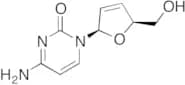
CAS:Controlled Product<p>Stability Hygroscopic<br>Applications Dideoxycytidinene, can be used for the synthesis of Zalcitabine (Z140000), which is pyrimidine nucleoside analogue with antiviral activity.<br>References van der Vliet, P.C. and Kwant, M.M.: Biochemistry, 20, 2628 (1981), Mitsuya, H., Broder, S.: Proc. Nat. Acad. Sci. USA, 83, 1911 (1986), Starnes, M.C., and Cheng, Y.: J. Biol. Chem., 262, 988 (1987),<br></p>Formula:C9H11N3O3Color and Shape:NeatMolecular weight:209.20(3a,5b,7a)-7-Hydroxy-3-(sulfooxy)-cholan-24-oic Acid Disodium Salt
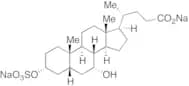
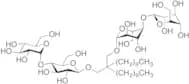
CAS:Controlled Product<p>Stability Hygroscopic<br>Applications (3α,5β,7α)-7-Hydroxy-3-(sulfooxy)-cholan-24-oic Acid is the 3-monosulfate derivative of chenodeoxycholic acid (C291900), a major bile acid in many vertebrates, occurring as the N-glycine and/or N-taurine conjugate.<br>References Haslewood, E.S., et al.: Biochem. J., 155, 401 (1976); Parmentier, G., et al.: Steroids., 30, 583 (1977);<br></p>Formula:C24H38Na2O7SColor and Shape:NeatMolecular weight:516.6Lauryl Maltose Neopentyl Glycol
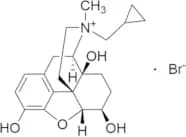
CAS:Controlled ProductFormula:C47H88O22Color and Shape:White To Off-WhiteMolecular weight:1005.19Methyl-6b-naltrexol Bromide
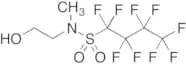
CAS:Controlled ProductFormula:C21H28NO4·BrColor and Shape:NeatMolecular weight:438.361,1,2,2,3,3,4,4,4-Nonafluoro-N-(2-hydroxyethyl)-N-methyl-1-butanesulfonamide
CAS:Formula:C7H8F9NO3SColor and Shape:NeatMolecular weight:357.19DL-Homocysteic-3,3,4,4-d4 Acid
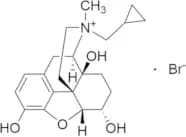
CAS:Controlled ProductFormula:C4D4H5NO5SColor and Shape:Light YellowMolecular weight:187.04525Methyl-5a-naltrexol Bromide
CAS:Controlled ProductFormula:C21H28NO4·BrColor and Shape:NeatMolecular weight:438.36[Leu5]-Enkephalin Acetate
CAS:<p>Applications [Leu5]-Enkephalin is a neurotransmitter used in molecular dynamics studies for the insertion of neurotransmitters into lipid bilayer membranes and their implication on membrane stability.<br>References Shen, C., et al.: ChemPhysChem, pages ahead of print (2017)<br></p>Formula:C28H37N5O7·x(C2H4O2)Color and Shape:NeatMolecular weight:615.67Dansyl Ethylenediamine
CAS:Controlled Product<p>Applications A fluorescent reagent.<br>References Doyle, E.L., et al.: J. Am. Chem. Soc., 125, 4593 (2003), Hwang, S., et al.: Bioorg. Med. Chem. Lett., 16, 5773 (2006),<br></p>Formula:C14H19N3O2SColor and Shape:NeatMolecular weight:293.38Poly(ethylene Glycol) ~20000
CAS:Controlled Product<p>Stability Hygroscopic<br>Applications Poly(ethylene Glycol) molecules of an average molecular mass of 20000. Poly(ethylene Glycol) is used in various applications from industrial chemistry to biological chemistry. Recent research has shown PEG maintains the ability to aid the spinal cord injury recovery process, helping the nerve impulse conduction process in animals. In rats, it has been shown to aid in the repair of severed sciatic axons, helping with nerve damage recovery. It is industrially produced as a lubricating substance for various surfaces to reduce friction. PEG is also used in the preparation of vesicle transport systems in with application towards diagnostic procedures or drug delivery methods.<br>References Borgens, R. et al.: J. Neurosci. Res., 66, 1179 (2001); Stavisky, R. et al.: Neurosci. Lett., 376, 98 (2005); Nalam, P. et al.: Tribiol. Lett., 37, 541 (2010); Steinmetz, N. et al.: J. Am. Chem. Soc., 131, 17093 (2009); Li, X. et al.: J. Am. Chem. Soc., 133, 11147 (2011); Li, L. et al.: Int. J. Pharm., 447, 192 (2013);<br></p>Formula:H2O(C2H4O)nColor and Shape:Off-WhiteMolecular weight:62.07(Z)-10-Tritriacontene
CAS:Controlled ProductFormula:C33H66Color and Shape:NeatMolecular weight:462.8774-(Methylthiol)-1-(isothiocyanato)butane
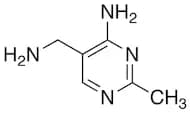
CAS:Formula:C6H11NS2Color and Shape:NeatMolecular weight:161.294-Amino-5-aminomethyl-2-methylpyrimidine
CAS:Controlled Product<p>Applications Substrate for TenA enzyme in the thiamin salvage pathway<br>References Jenkins, A., et al.: Nat. Chem. Biol., 3, 492 (2007), Jenkins, A., et al.: Bioorg. Chem., 36, 29 (2008),<br></p>Formula:C6H10N4Color and Shape:Light YellowMolecular weight:138.17N-[3’,4’-Dihydroxy-(E)-cinnamoyl]-3-hydroxy-L-tyrosine
CAS:<p>Applications It was identified in the antioxidant polyphenolic fraction of cocoa (Theobroma cacao L.). As a naturally occurring caffeoyl conjugate, Clovamide represents an interesting antiradical/antioxidant compound.<br>References Azizah, A., et al.: Food Chem., 64, 199 (1999), Mao, T., et al.: J. Med. Food, 5, 17 (2002), Park, J., et al.: J. Agric. Food Chem., 53, 8135 (2005), Zhu, Q., et al.: Clin. Develop. Immunol., 12, 27 (2005),<br></p>Formula:C18H17NO7Color and Shape:NeatMolecular weight:359.33Fluorescent Brightener 71 (~65%)
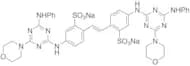
CAS:Controlled Product<p>Applications Fluorescent (optical) brighteners are known for their characteristics of protecting baculoviruses against deactivation by UV light and enhancing the activity of these agents as microbial insecticides on hosts and semipermissive hosts. Fluorescent brighteners improve the bioinsecticidal activity of Anticarsia gemmatalis nucleopolyhedrovirus.<br>References Darken, M., et al.: Science, 1962, 133, 1704 (1962); Hamm, J., et al.: J. Econ. Entomol., 85, 2149 (1992); Abot, A., et al.: Biol. Control., 7, 126 (1996);<br></p>Formula:C40H38N12O8S2·2NaPurity:~65%Color and Shape:Yellowish PowderMolecular weight:924.9149L-Glutamic Acid α-tert-Butyl Ester
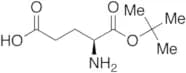
CAS:<p>Applications L-Glutamic Acid α-tert-Butyl Ester is an ester of L-Glutamic Acid used in the synthesis of enantiopure isotopomers of amino acids.<br>References Chauvel, E., et al.: J. Med. Chem., 37, 2950 (1994),<br></p>Formula:C9H17NO4Color and Shape:NeatMolecular weight:203.24Homarine
CAS:Controlled Product<p>Stability Hygroscopic<br>Applications Quaternary ammonium base occurring in tissues of marine animals.<br>References Stein, W., et al.: J. Biol. Chem., 211, 915 (1954), Bystedt, J., et al.: J. Sci. Food Agric., 10, 301 (1959),<br></p>Formula:C7H7NO2Color and Shape:NeatMolecular weight:137.1413-cis-Retinyl Acetate (85%)
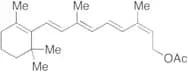
CAS:Controlled Product<p>Applications 13-cis-Retinyl Acetate is a derivative of 13-Cis-Retinol (R252110), an active metabolite of vitamin A.<br>References Shantz, E., et al.: J. Biol. Chem., 183, A61 (1950), Barua, A., et al.: Biochem. J., 164, 133 (1977), Brouwer, I., et al.: Nutr. Res. Rev., 14, 267 (2001), Grillenberger, M., et al.: Br. J. Nutr., 95, 379 (2006),<br></p>Formula:C22H32O2Purity:85%Color and Shape:NeatMolecular weight:328.49Glycolithocholic-2,2,4,4-d4 Acid
CAS:Controlled Product<p>Applications Glycolithocholic-2,2,4,4-d4 Acid (CAS# 2044276-16-4) is a useful isotopically labeled research compound.<br></p>Formula:C26D4H39NO4Color and Shape:NeatMolecular weight:437.6486Disperse Blue 106
CAS:Controlled Product<p>Applications Disperse Blue 106 is a textile dye that causes allergic contact dermatitis. It is very rarely used in textiles nowadays.<br>References Wentworth, Ashley B., et al.: Dermatitis, 23(6), 269-274 (2012); Malinauskiene, Laura., et al.: Contact Dermititis, 67(3), 141-148 (2012)<br></p>Formula:C14H17N5O3SColor and Shape:BlueMolecular weight:335.38Cholesterol 3-Acetate
CAS:Controlled Product<p>Applications Cholesterol (C432501) derivative. Cholesterol is a major component of all biological membranes; ~25% of total brain lipid is Cholesterol. Cholesterol is the principal sterol of the higher animals. Cholesterol was found in all body tissues, especial in the brain, spinal cord, and in animal fats or oils. Cholesterol is the main constituent of gallstones.<br>References Rosin, Z., et al.: Physiol. Chem., 124, 282 (1923), Schoenheimer, et al.: J. Biol. Chem., 105, 355 (1934), Gemant, et al.: Life Sci., 1, 233 (1962), Johnson, K., et al.: 4, 457 (1964),<br></p>Formula:C29H48O2Color and Shape:NeatMolecular weight:428.69D-(+)-Cellohexose
CAS:Controlled Product<p>Stability Stable at RT<br>Applications D-(+)-Cellohexose (cas# 2478-35-5) is a compound useful in organic synthesis.<br></p>Formula:C36H62O31Color and Shape:NeatMolecular weight:990.86Furfural
CAS:<p>Applications Furfural is a compound mainly found in agricultural byproducts, and is produced from the hydrolysis and dehydration of xylan contained in lignocellulose using solid acid catalysts. Furfural is also a potential platform for biofuels and inhibits fermentation in yeast.<br> Not a dangerous good if item is equal to or less than 1g/ml and there is less than 100g/ml in the package<br>References Lange, J., et al.: ChemSusChem, 5, 150 (2012); Mamman, A., et al.: Biofuels, Bioprod. Biorefin., 2, 438 (2008); Navarro, A.: Curr. Microbiol., 29, 87 (1994)<br></p>Formula:C5H4O2Color and Shape:YellowMolecular weight:96.08Saikosaponin A
CAS:Controlled Product<p>Stability Hygroscopic<br>Applications Saikosaponin A was shown to exhibit anti-inflammatory activities by suppressing activation of NF-kB signaling pathway.<br>References Wu, S.J., et al.: Am. J. Chin. Med., 38, 99 (2010); Wu. S.J., et al.: J. Med. Food., 11, 224 (2008); Yoon, S.S., et al.: Neurosci. Lett., 529, 97 (2012); Lu, C.N., et al.: Int. Immunopharmacol., 14, 121 (2012);<br></p>Formula:C42H68O13Color and Shape:NeatMolecular weight:780.98Nile Red
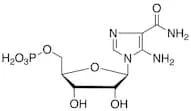
CAS:Controlled Product<p>Stability Light Sensitive<br>Applications Nile Red is a photostable, lipophilic stain with bright red fluorescence. Dyes and metabolites.<br></p>Formula:C20H18N2O2Color and Shape:NeatMolecular weight:318.375-Aminoimidazole-4-carboxamide-1-β-D-Ribofuranosyl 5’-Monophosphate
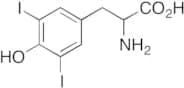
CAS:Controlled ProductFormula:C9H15N4O8PColor and Shape:NeatMolecular weight:338.213,5-Diiodo-DL-tyrosine
CAS:Controlled Product<p>Applications 3,5-Diiodo-DL-tyrosine is used for diagnosis of hypothyroidism caused by DEHAL1 gene defects.<br>References Encinas, S., et al.: Chem. Res. Toxicol., 11, 946 (1998), Daneshvar, A., et al.: Chemosphere, 80, 301 (2010), Eriksson, J., et al.: Photochem. Photobiol., 86, 528 (2010),<br></p>Formula:C9H9I2NO3Color and Shape:NeatMolecular weight:432.984-Methylumbelliferyl Oleate
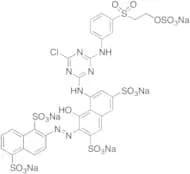
CAS:Controlled Product<p>Applications Fatty acyl esters of 4-methylumbelliferone for use as fluorogenic substrates to continuously follow the hydrolytic activity of carboxylesterases, such as acid and alkaline lipases.<br>References Jacks, T.J., et al.: Anal. Biochem., 21, 279 (1967),<br></p>Formula:C28H40O4Color and Shape:NeatMolecular weight:440.61Reactive Red 195, Technical Grade
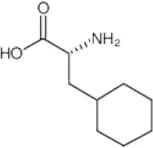
CAS:Controlled Product<p>Applications Reactive Red 195 is an azo dye used in the textile industry to enhance the colour of a variety of fabrics.<br>References Ma, W. et al.: Chinese J. Chem. Eng., 24, 175 (2016);<br></p>Formula:C31H19ClN7Na5O19S6Color and Shape:NeatMolecular weight:1136.28(R)-D-Cyclohexylalanine
CAS:Controlled ProductFormula:C9H17NO2Color and Shape:NeatMolecular weight:171.2373-Indolyl-b-D-glucuronide Cyclohexylammonium salt
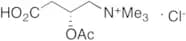
CAS:<p>M02724 - 3-Indolyl-b-D-glucuronide Cyclohexylammonium salt</p>Formula:C20H28N2O7Purity:97%Molecular weight:408.451Acetyl L-Carnitine Hydrochloride
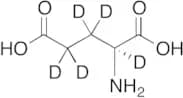
CAS:<p>Applications Acetyl-L-carnitine is a mitochondrial metabolite that helps to transport fatty acids into the mitochondria for energy (1). Acetyl-L-carnitine also upregulate metabotropic glutamate receptor 2 (mGlu2) via NF-κB p65 acetylation (2,3). It exhibits antidepressant and neuroprotective properties.<br>References (1) Stephens, F. B., et al.: J Physiol. 581, 431 (2007) (2) Wang, S. M., et al.: J Psychiatr Res. 53, 30 (2014) (3) Cuccurazzu, B., et al.: Neuropsychopharmacology 38, 2220 (2013)<br></p>Formula:C9H18NO4·ClColor and Shape:NeatMolecular weight:239.70L-Glutamic Acid-d5
CAS:Controlled Product<p>Applications L-Glutamic Acid-d5 is an non-essential amino acid. Its salt form (glutamate) is an important neurotransmitter that plays a key role in long-term potentiation and is important for learning and memory. It is also a key molecule in cellular metabolism.<br>References McEntee, W., et al.: Psychopharmacology, 111, 391 (1993), Manev, H., et al.: Mol. Pharmacol., 36, 106 (1989)<br></p>Formula:C52H5H4NO4Color and Shape:NeatMolecular weight:152.162-Chloro-1,4-phenylenediamine Sulfate
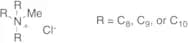
CAS:Controlled Product<p>Stability Hygroscopic<br>Applications 2-Chloro-1,4-phenylenediamine Sulfate<br></p>Formula:C6H9ClN2O4SColor and Shape:NeatMolecular weight:142.599808Aliquat 336
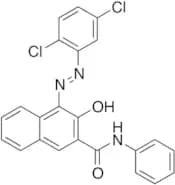
CAS:Controlled Product<p>Applications Aliquat 336 is a reagent in the synthesis of Iso Promethazine (I822500, HCl); an impurity of Promethazine (P757000, HCl) which is an antihistaminic, antiemetic, and CNS depressant.<br> Not a dangerous good if item is equal to or less than 1g/ml and there is less than 100g/ml in the package<br>References Gasco, M.R., et al.: J. Pharma. Sci., 68, 612 (1979); Edge, W., et al.: J. Pharm. Pharmacol., 5, 279 (1953); Huang, et al.: J. Pharm. Sci., 59, 772 (1970); Shearer, C.M., et al.: Anal. Profiles Drug Subs., 5, 429 (1976)<br></p>Formula:(R3NCH3)ClColor and Shape:NeatPigment Red 2 (Technical Grade)
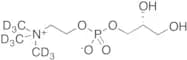
CAS:Controlled ProductFormula:C23H15Cl2N3O2Color and Shape:NeatMolecular weight:436.29sn-Glycero-3-phosphocholine-d9
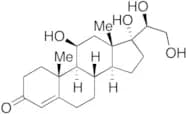
CAS:Controlled Product<p>Stability Hygroscopic<br>Applications sn-Glycero-3-phosphocholine-d9 is an isotope labelled analog of sn-Glycero-3-phosphocholine (G598700); a phospholipid and precursor in choline biosynthesis. sn-Glycero-3-phosphocholine is an intermediate in the catabolic pathway of phosphatidylcholine and is used as an nootropic.<br>References Schmidt, G., et al.: J. Biol. Chem., 161, 523 (1945); Frattola, L., et al.: Curr. Ther. Res., 49, 683 (1991); Olson, D., et al.: Science, 270, 1967 (1995)<br></p>Formula:C8H11D9NO6PColor and Shape:Colourless To Light YellowMolecular weight:266.2820α-Dihydrocortisol
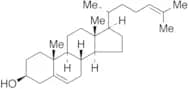
CAS:Controlled Product<p>Applications 20α-Dihydrocortisol is a metabolite of Cortisol (H714615) which is a topical corticosteroid (1), more specifically a glucocorticoid, produced by the zona fasciculata of the adrenal gland (2). Cortisol is released in response to stress and a low level of blood glucocorticoids. Its primary functions are to increase blood sugar through gluconeogenesis (3); suppress the immune system; and aid in fat, protein and carbohydrate metabolism.<br>References Clark, D. et al.: Steroids 7, 352 (2006)<br></p>Formula:C21H32O5Color and Shape:NeatMolecular weight:364.476Desmosterol
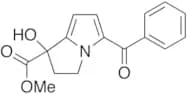
CAS:<p>Applications A metabolite of Cholesterol (C432501).<br>References Marx, J., et al.: Science, 294, 508 (2001), Plosch, T., et al.: J. Biol. Chem., 277, 33870 (2002), Lund, E., et al.: J .Biol. Chem., 278, 22980 (2003),<br></p>Formula:C27H44OColor and Shape:White To Off-WhiteMolecular weight:384.64rac 1-Hydroxy Ketorolac Methyl Ester
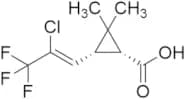
CAS:<p>Applications An impurity of Ketorolac (K235650).<br></p>Formula:C16H15NO4Color and Shape:NeatMolecular weight:285.29(±)-Cyhalothric Acid
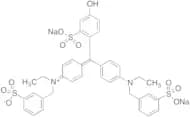
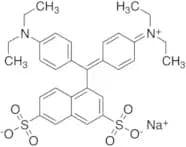
CAS:Controlled Product<p>Applications (±)-Cyhalothric acid (CAS# 68127-59-3) is a useful research chemical compound.<br></p>Formula:C9H10ClF3O2Color and Shape:NeatMolecular weight:242.6227Fast Green FCF (Technical Grade)
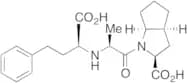
CAS:Controlled Product<p>Applications Fast Green FCF is a widely utilized tissue and protein stain used in IEF & SDS-PAGE, fluoresces near IR. Dyes and metabolites, Environmental Testing<br></p>Formula:C37H34N2O10S3·2NaColor and Shape:NeatMolecular weight:808.85Ramiprilat
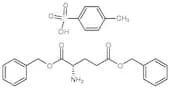
CAS:Controlled Product<p>Impurity Ramipril EP Impurity E<br>Stability Hygroscopic<br>Applications Ramiprilat (Ramipril EP Impurity E) is a metabolite of Ramipril (R111000), and acts as an ACE inhibitor (1). Reduces the need for dialysis among patients previously on angiotensin-converting-enzyme inhibitors (2). Ramipril is used in stroke prevention. (3)<br>References 1. Teetz, V. et al.: Arzneimittelforschung. 1984;34(10B):1399-401.2. Ruggenenti, P. et al.: Lancet. 1998 Oct 17;352(9136):1252-6.3. Badrinath, P. et al.; BMJ. 2002 Aug 24; 325(7361): 439.<br></p>Formula:C21H28N2O5Color and Shape:Light YellowMolecular weight:388.46L-Glutamic acid dibenzyl ester 4-toluenesulfonate
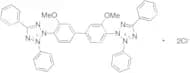
CAS:Controlled Product<p>Applications L-Glutamic acid dibenzyl ester 4-toluenesulfonate<br></p>Formula:C26H29NO7SColor and Shape:NeatMolecular weight:499.58Tetrazolium Blue Chloride (>90%)
CAS:Controlled Product<p>Stability Light Sensitive<br>Applications Tetrazolium Blue Chloride is used for its anti-plasmodium activity. Also used in the study of inhibition of diphenyltetrazolium bromide (MTT) reduction by β-amyloid peptides resulting in neurodegenerative manifestations. Dyes and metabolites.<br>References Cui, X. et al.: Bioorg, Med. Chem., 16, 1927 (2008); Shearman, M. et al.: J. Neurochem, 65, 218 (1995);<br></p>Formula:C40H32N8O2·2ClPurity:>90%Color and Shape:NeatMolecular weight:656.75 + 2(35.45)Erio Green B (Technical Grade)
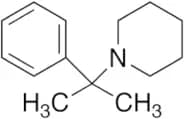
CAS:Controlled Product<p>Applications Erio Green B (CAS# 12768-78-4) is an organic dye and water-soluble pollutant used with textile fabrics. Dyes and metabolites, Environmental Testing<br>References Cochran, K. H.; et al.: Anal. Chem., 85, 831 (2013); Foguel, M. V.; Talanta, 170, 244 (2017).<br></p>Formula:C31H33N2O6S2·NaColor and Shape:Dark BlueMolecular weight:616.722-Phenyl-2-(1-piperidinyl)propane
CAS:Controlled ProductFormula:C14H21NColor and Shape:Colourless To Light YellowMolecular weight:203.32DL-Pipecolic Acid
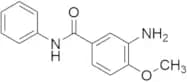
CAS:<p>Applications Pipecolic acid is involved in synaptic transmission in the central nervous system.<br>References Nomura Y., et al.: Neurochem. Res., 6, 391 (1981),<br></p>Formula:C6H11NO2Color and Shape:White To Off-WhiteMolecular weight:129.163-Amino-4-methoxybenzanilide
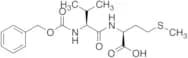
CAS:Controlled Product<p>Applications 3-Amino-4-methoxybenzanilide (CAS# 120-35-4) is a useful research chemical compound.<br></p>Formula:C14H14N2O2Color and Shape:Off WhiteMolecular weight:242.27Z-VAL-MET-OH
CAS:Controlled Product<p>Applications Z-VAL-MET-OH (cas# 108543-82-4) is a useful research chemical.<br></p>Formula:C18H26N2O5SColor and Shape:White To Off-WhiteMolecular weight:382.474(4S)-4-Hydroxy-L-isoleucine
CAS:Controlled Product<p>Applications (4S)-4-Hydroxy-L-isoleucine is 4S isomer of 4-Hydroxyisoleucine, which is used as a treatment for type II diabetes.<br>References Martinez-Force, E., et al.: Biotechnol. Tech., 5, 209 (1991); Sauvaire, Y., et al.: Diabetes, 47, 206 (1998), Narender, T., et al.: Bioorg. Med. Chem. Lett., 2006, 16, 293 (2006);<br></p>Formula:C6H13NO3Color and Shape:NeatMolecular weight:147.17Solvent Blue 104
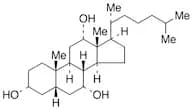
CAS:Controlled Product<p>Applications Solvent Blue 104 (cas# 116-75-6) is a useful research chemical.<br></p>Formula:C32H30N2O2Color and Shape:Dark BlueMolecular weight:474.59Trihydroxycoprostane
CAS:Controlled Product<p>Applications A sterol, similar to cholesterol and is a substrate for the sterol 27-hydroxylase enzyme in the bile salt synthetic pathway. The accumulation of this compound in urine can manifest as jaundice or, in more extreme cases, is a sign of Xanthomatosis.<br>References Honda, A., et al.: J. Biol. Chem., 276, 34579 (2001), Krasowski, M., et al.: Mol. Endocrinol., 19, 1720 (2005), Mast, N., et al.: Biochem., 45, 4396 (2006),<br></p>Formula:C27H48O3Color and Shape:NeatMolecular weight:420.674-Azido-2,3,5,6-tetrafluorobenzoic Acid(>90%)
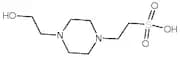
CAS:Controlled ProductFormula:C7HF4N3O2Purity:>90%Color and Shape:NeatMolecular weight:235.10Hepes
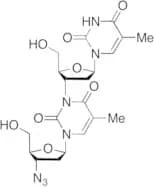
CAS:<p>Applications Hepes<br></p>Formula:C8H18N2O4SColor and Shape:White To Off-WhiteMolecular weight:238.303'-[3-(3-Azido-2,3-dideoxy-β-D-erythro-pentofuranosyl)-3,6-dihydro-5-methyl-2,6-dioxo-1(2H)-pyrimidinyl]-3'-deoxy-thymidine
CAS:Controlled Product<p>Impurity Zidovudine USP Related Compound G<br>Stability Light Sensitive<br>Applications 3'-[3-(3-Azido-2,3-dideoxy-β-D-erythro-pentofuranosyl)-3,6-dihydro-5-methyl-2,6-dioxo-1(2H)-pyrimidinyl]-3'-deoxy-thymidine (Zidovudine USP Related Compound G) is used in the biological studies and in the preparation of N-3-substituted thymidine nucleosides as virucides as it has anti-HIV activity.<br>References Adams, D.R., et al.: J. Med. Chem., 40, 1550 (1997), Mainardes, R., et al.: J. Pharm. Sci., 98, 257 (2009),<br></p>Formula:C20H25N7O8Color and Shape:NeatMolecular weight:491.45Kollisolv PEG 300
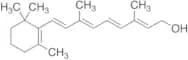
CAS:Controlled Product<p>Applications Kollisolv PEG 300 is used as a thickening agent and gel binder in the pharmaceutical industry.<br></p>Formula:H2O(C2H4O)nColor and Shape:ColourlessMolecular weight:62.07all-trans-Retinol
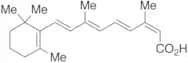
CAS:Controlled Product<p>Stability Liight Sensitive, Temperature Sensitive<br>Applications Occurs preformed only in animals; metabolized from carotenoids, such β-carotene, in the intestinal mucosa. Dietary sources include liver, milk, butter, cheese, eggs and fish liver oils or as carotenois from fruits and vegetables. Stored primarily in the liver in esterified form; transported in the blood by retinol binding protein (RBP). Nutritional factor.<br>References Davis, M., et al.: J. Biol. Chem., 15, 167 (1913), Crouch, R.K., et al.: Photochem. Photobiol., 64, 613 (1996),<br></p>Formula:C20H30OColor and Shape:Off-White To Dark YellowMolecular weight:286.4513-cis-Retinoic Acid
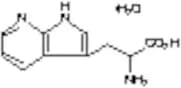
CAS:Controlled Product<p>Stability Moisture, Temperature, Light Sensitive, Store in freezer<br>Applications Used as a treatment for severe acne. Presently being studied in conjuction with the treatment of photoaged skin.<br>References Lerche, C., et al.: Exp. Dermatol., 17, 972 (2008), Sato, T., et al.: J. Med. Chem., 51, 7705 (2008), Gan, J., et al.: Chem. Res. Toxicol., 22, 690 (2009), Macejova, D., et al.: Toxicol. Lett., 184, 114 (2009), Chen, P., et al.: Toxicol. App. Pharmacol., 234, 143 (2009),<br></p>Formula:C20H28O2Color and Shape:NeatMolecular weight:300.44D,L-Azatryptophan Hydrate
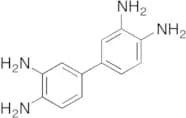
CAS:Controlled ProductFormula:C10H13N3O3Color and Shape:NeatMolecular weight:223.233,3'-Diaminobenzidine
CAS:Controlled Product<p>Applications 3,3′-Diaminobenzidine is a peroxidase substrate and a reagent for spectrophotometric determination of selenium.<br></p>Formula:C12H14N4Color and Shape:BrownMolecular weight:214.27Disperse Yellow 9 (Technical Grade)
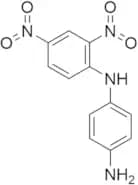
CAS:Formula:C12H10N4O4Color and Shape:Dark OrangeMolecular weight:274.23

![N6-({[3-(Methylsulfinyl)propyl]amino}carbonothioyl)lysine (SFN-Lys)](/_next/image/?url=https%3A%2Fstatic.cymitquimica.com%2Fproducts%2FTR%2Fthumb-webp%2FM332338.webp&w=3840&q=75)






![[Leu5]-Enkephalin Acetate](/_next/image/?url=https%3A%2Fstatic.cymitquimica.com%2Fproducts%2FTR%2Fthumb-webp%2FL330340.webp&w=3840&q=75)



![N-[3’,4’-Dihydroxy-(E)-cinnamoyl]-3-hydroxy-L-tyrosine](/_next/image/?url=https%3A%2Fstatic.cymitquimica.com%2Fproducts%2FTR%2Fthumb-webp%2FD452500.webp&w=3840&q=75)