Antibiotics
Subcategories of "Antibiotics"
- Macrolide Antibiotics(26 products)
- Steroidal Antibiotics(31 products)
- Tetracycline Antibiotics(20 products)
- β-Lactam Antibiotics(11 products)
Found 4473 products of "Antibiotics"
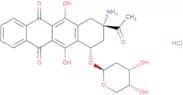
Amrubicin hydrochloride
CAS:Amrubicin hydrochloride is an anthracycline chemotherapeutic agent, which is a synthetic anthracycline derivative derived from reductive amination. It functions primarily by intercalating into DNA and inhibiting topoisomerase II, an enzyme crucial to DNA replication. This mode of action disrupts DNA synthesis, leading to apoptosis in rapidly proliferating cancer cells.
Formula:C25H25NO9•HClPurity:Min. 95%Molecular weight:519.93 g/molKanamycin C
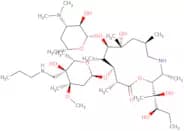
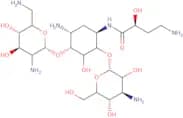
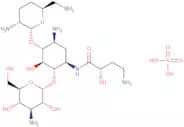
CAS:Inhibitor of protein synthesis; aminoglycosideFormula:C18H36N4O11Purity:Min. 95%Molecular weight:484.5 g/molTulathromycin B - 95%
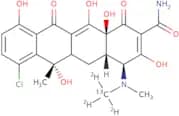
CAS:Inhibitor of protein synthesis; macrolide classFormula:C41H79N3O12Purity:Min. 95%Molecular weight:806.08 g/molChlortetracycline-13C-d3 hydrochloride
Controlled ProductChlortetracycline-13C-d3 hydrochloride is a stable isotope-labeled antibiotic with action on bacterial protein synthesis inhibition and is used for research in bacterial resistance and analytical studies.Formula:C2113CH21D3Cl2N2O8Color and Shape:PowderMolecular weight:519.35 g/molCyclosporin L
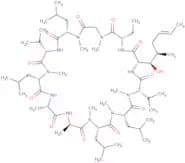
CAS:Cyclosporin L is an immunosuppressive agent, which is a cyclic polypeptide derived from the soil fungus Tolypocladium inflatum. It primarily functions by inhibiting the activity of calcineurin, a key phosphatase involved in the activation of T-cells. This inhibition prevents the transcription of interleukin-2 and other cytokines critical for T-cell proliferation.
Formula:C61H109N11O12Purity:90%MinMolecular weight:1,188.59 g/molCefacetrile sodium
CAS:Cefacetrile sodium is a broad-spectrum antibiotic belonging to the cephalosporin class. It is a semi-synthetic derivative sourced from cephalosporin C, a naturally occurring compound derived from the Acremonium fungus. Its mode of action involves the inhibition of bacterial cell wall synthesis. This occurs by binding to penicillin-binding proteins within the bacterial cell membrane, ultimately leading to cell lysis and death due to the inability to synthesize peptidoglycan, a critical component of the bacterial cell wall.Formula:C13H13N3NaO6SPurity:Min. 95%Molecular weight:362.31 g/molDeacetylanisomycin
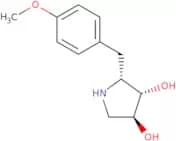
CAS:Deacetylanisomycin is a bacterial metabolite, which is derived from the soil bacterium Streptomyces griseolus. It acts as an inhibitor of protein synthesis by binding to the 60S ribosomal subunit, thus interfering with peptide bond formation during translation. This mode of action is key to its effectiveness in studying the mechanisms of protein synthesis interruption.Formula:C12H17NO3Purity:Min. 95%Color and Shape:White To Off-White SolidMolecular weight:223.27 g/molAmikacin B Sulfate
CAS:Inhibitor of protein synthesis; aminoglycosideFormula:C22H44N6O12xH2so4Purity:Min. 95%Molecular weight:584.62 g/molTigecycline hydrate
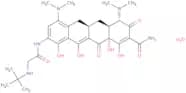
CAS:Inhibitor of protein synthesis; glycylcycline class
Formula:C29H39N5O8Purity:Min. 95%Molecular weight:585.65 g/molCeftibuten Hydrate
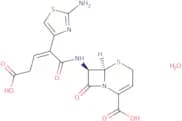
CAS:Ceftibuten Hydrate is a third-generation cephalosporin antibiotic, which is a synthetic derivative of naturally occurring cephalosporin C, derived from the fungus Acremonium. It functions by inhibiting bacterial cell wall synthesis, leading to cell lysis and death. This bactericidal action is accomplished through the binding to specific penicillin-binding proteins (PBPs) located inside the bacterial cell wall, disrupting the final transpeptidation step of peptidoglycan synthesis in bacterial cell walls.Formula:C15H14N4O6S2·xH2OPurity:Min. 95%Molecular weight:410.42 g/molStreptidine
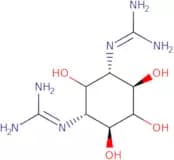
CAS:Streptidine is an amino cyclitol, which is a component of certain aminoglycoside antibiotics. This compound originates from the actinomycete *Streptomyces griseus*, a soil bacterium known for its ability to produce a variety of antibiotics. Streptidine plays a crucial role in the mechanism of aminoglycosides by contributing to the binding affinity of these antibiotics to the bacterial ribosome.Formula:C8H18N6O4Purity:Min. 95%Molecular weight:262.13895Thienamycin
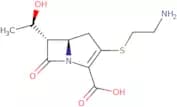
CAS:Thienamycin is a β-lactam antibiotic, which originates from the fermentation of the bacterium *Streptomyces cattleya*. Its mode of action involves inhibiting the synthesis of bacterial cell walls. Thienamycin accomplishes this by binding to penicillin-binding proteins (PBPs) critical for peptidoglycan construction, thereby disrupting cell wall integrity and leading to bacterial lysis.
Formula:C11H16N2O4SPurity:80%MinColor and Shape:PowderMolecular weight:272.32 g/molAscomycin
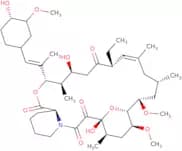
CAS:Ascomycin is an immunosuppressant macrolide lactone, which is derived from the soil bacterium *Streptomyces hygroscopicus*. It functions primarily by inhibiting the T-cell activation pathway. The mechanism involves binding to the immunophilin FKBP-12, forming a complex that inhibits the calcium-dependent phosphatase, calcineurin. This inhibition prevents the dephosphorylation and subsequent translocation of nuclear factor of activated T cells (NFAT), which is crucial for the transcription of interleukin-2 and other cytokines. Consequently, this suppresses the activation and proliferation of T-cells, which are essential components of the adaptive immune response.Formula:C43H69NO12Purity:Min. 95%Molecular weight:792.01 g/molCefazolin, Antibiotic for Culture Media Use Only
CAS:Cefazolin is a semi-synthetic, non-beta lactam antibiotic used for the treatment of a variety of bacterial infections. It inhibits cell wall synthesis by binding to one or more of penicillin-binding proteins (PBPs), which are bacterial transpeptidases that crosslink peptidoglycan strands. Cefazolin binds to PBPs present on the surface of all Gram-negative bacteria as well as many Gram-positive bacteria. It is not effective against methicillin-resistant staphylococcus and MRSA unless combined with another antibiotic such as vancomycin or flucloxacillin. A study showed that cefazolin can decrease inflammation and tumor necrosis factor-beta levels in pregnant women with systemic inflammatory disease. It has been tested in the development of an anti-inflammatory agent for use in patients with autoimmune diseases such as rheumatoid arthritis and lupus erythe.Formula:C14H14N8O4S3Molecular weight:454.51 g/molClindamycin-2,3-diphosphate
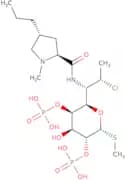
Clindamycin-2,3-diphosphate is a biochemical compound, which is derived from the antibiotic clindamycin, sourced through chemical modification to include diphosphate groups. Its mode of action involves inhibiting bacterial protein synthesis by binding to the 50S ribosomal subunit, thus interfering with peptide chain initiation and elongation. This disruption effectively halts bacterial growth, particularly in Gram-positive bacteria, and is crucial in combatting infections resistant to other antibiotics.Formula:C18H35ClN2O11P2SPurity:Min. 95%Molecular weight:584.94 g/molClindamycin-2,4-diphosphate
CAS:Clindamycin-2,4-diphosphate is a phosphorylated derivative of the antibiotic clindamycin, which is a semi-synthetic lincosamide antibiotic originally derived from Streptomyces lincolnensis. Its mode of action involves the inhibition of bacterial protein synthesis by binding to the 50S ribosomal subunit, thereby preventing peptide chain elongation during translation. This mechanism effectively disrupts protein production in susceptible bacteria, leading to their growth inhibition or death.Formula:C18H35ClN2O11P2SPurity:Min. 95%Molecular weight:584.94 g/molCeftaroline fosamil acetate
CAS:Cephalosporin antibiotic active against gram-positive bacteria including MRSAFormula:C24H25N8O10PS4Purity:Min. 98 Area-%Molecular weight:744.74 g/molFinafloxacin
CAS:Finafloxacin is a fluoroquinolone antibacterial agent, which is a synthetic compound derived from the quinolone family. It functions through the inhibition of bacterial DNA gyrase and topoisomerase IV, crucial enzymes in the replication, transcription, and repair of bacterial DNA. This mechanism leads to the prevention of bacterial cell division and ultimately results in cell death.Formula:C20H19FN4O4Purity:Min. 95%Molecular weight:398.39 g/molIonomycin
CAS:Ionomycin is an ionophore compound with a mode of action that facilitates calcium ion transport across cell membranes. It is used in research to study calcium signaling and T-cell activation.
Formula:C41H72O9Purity:Min. 98 Area-%Color and Shape:PowderMolecular weight:709.01 g/molCamptothecin
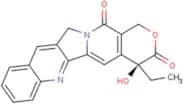
CAS:Camptothecin (CPT) belongs to the alkaloid group of natural products and is a specific DNA topoisomerase I (Topo I) inhibitor (IC50=679 nM) with specificity.Formula:C20H16N2O4Purity:99.52% - 99.88%Color and Shape:Solid PowderMolecular weight:348.35Anhydro erythromycin A
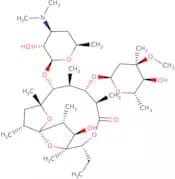
CAS:Anhydro erythromycin A is a semi-synthetic derivative of erythromycin A, which has been shown to be an effective inhibitor of bacterial growth, showing higher selectivity for this inhibition. It is a prodrug that is activated by acid catalysis and can be used as a substitute against methicillin-resistant staphylococcus. Anhydro erythromycin A was developed with the goal of increasing its stability and its potency against methicillin-resistant Staphylococcus aureus, which has been shown to be resistant to erythromycin.Formula:C37H65NO12Purity:Min. 95%Color and Shape:White PowderMolecular weight:715.91 g/molPlazomicin sulfate
CAS:An aminoglycoside antibiotic. Found applications in treatment of UTi's as it decreases the ability of bacteria to make protein.
Formula:C25H48N6O10·XH2SO4Purity:Min. 85%Color and Shape:PowderMolecular weight:592.69 g/molLincomycin 2-palmitate hydrochloride
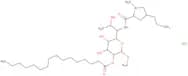
CAS:Lincomycin 2-palmitate hydrochloride is a semi-synthetic antibiotic, derived from the natural antibiotic lincomycin through chemical modification. It is sourced from fermentative processes involving the bacterium *Streptomyces lincolnensis*. The compound exerts its action by inhibiting protein synthesis in susceptible bacteria. This occurs through its binding to the 50S subunit of the bacterial ribosome, thereby hindering peptide chain elongation and ultimately arresting bacterial growth.Formula:C34H65ClN2O7SPurity:Min. 95%Molecular weight:681.41 g/mol2'-Deoxycoformycin
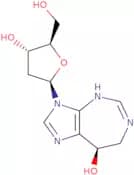
CAS:2'-Deoxycoformycin is a potent adenosine deaminase inhibitor, which is derived from the fermentation of Streptomyces antibioticus, a species of actinomycete bacteria. This compound acts by specifically inhibiting the enzyme adenosine deaminase, leading to an accumulation of toxic deoxyadenosine triphosphate in lymphocytes. This buildup hinders DNA synthesis, effectively suppressing the proliferation of lymphoid cells.Formula:C11H16N4O4Purity:Min. 95%Molecular weight:268.27 g/molSulfadiazine
CAS:Sulfadiazine is a sulfonamide antibiotic with action on bacterial folate synthesis inhibition and is used for treating toxoplasmosis and urinary tract infections.Formula:C10H10N4O2SPurity:Min. 95%Color and Shape:PowderMolecular weight:250.28 g/molErythromycin iactobionate
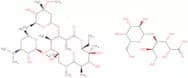
CAS:Erythromycin lactobionate is a macrolide antibiotic, which is derived from the bacterium *Saccharopolyspora erythraea*. Its mode of action involves binding to the 50S subunit of the bacterial ribosome, thereby inhibiting protein synthesis and leading to the suppression of bacterial growth. This mechanism effectively targets gram-positive bacteria and some gram-negative bacteria, making it a crucial agent in the fight against various bacterial infections.
Formula:C49H87NO24Purity:Min. 95%Color and Shape:White To Off-White SolidMolecular weight:1,074.21 g/molKanamycin A
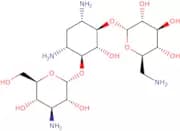
CAS:Inhibitor of protein synthesis; aminoglycoside
Formula:C18H36N4O11Purity:Min. 95%Color and Shape:White Clear LiquidMolecular weight:484.5 g/molLincomycin B hydrochloride
CAS:Inhibitor of protein synthesis; lincosamideFormula:C17H33ClN2O6SPurity:Min. 95%Molecular weight:428.97 g/molCefotiam
CAS:Cefotiam is a broad-spectrum cephalosporin antibiotic, which is a beta-lactam compound derived from the mold Acremonium. It functions by inhibiting bacterial cell wall synthesis, particularly by targeting penicillin-binding proteins, which leads to cell lysis and death in susceptible bacteria. This mechanism of action makes it effective against various Gram-positive and Gram-negative bacteria.
Formula:C18H23N9O4S3Purity:Min. 95%Color and Shape:PowderMolecular weight:525.62 g/molBorrelidin
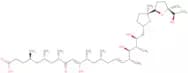
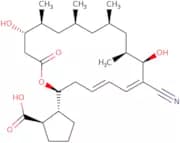
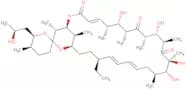
CAS:Borrelidin is a potent antibiotic of the polyketide class, which is isolated from various Streptomyces species. Its mode of action is characterized by its inhibition of threonyl-tRNA synthetase, effectively disrupting protein synthesis within bacteria. Additionally, Borrelidin is known for its unique anti-angiogenic properties, which result from the inhibition of endothelial cell proliferation, making it a compound of interest in cancer research.
Purity:Min. 95%25-Desacetyl rifapentin
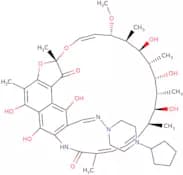
CAS:25-Desacetyl rifapentin is a derivative of rifapentin, an antibiotic belonging to the rifamycin class, sourced from the bacterial species *Amycolatopsis rifamycinica*. This compound functions by inhibiting bacterial DNA-dependent RNA polymerase, which is crucial for transcription in susceptible bacterial strains. By inhibiting this enzyme, 25-Desacetyl rifapentin effectively hampers RNA synthesis, ultimately leading to bacterial cell death.Formula:C45H62N4O11Purity:Min. 95%Color and Shape:PowderMolecular weight:834.99 g/molSitafloxacin
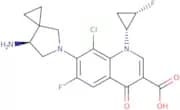
CAS:Sitafloxacin is an antibacterial agent belonging to the fluoroquinolone class of antibiotics, which is synthetically derived from chemical processes involving fluorinated quinolones. Its mode of action involves the inhibition of bacterial DNA gyrase and topoisomerase IV, enzymes crucial for bacterial DNA replication and transcription. By interfering with these enzymes, Sitafloxacin effectively hampers bacterial DNA synthesis, leading to the eventual demise of the bacterial cell.
Formula:C19H18ClF2N3O3Purity:Min. 95%Color and Shape:SolidMolecular weight:409.81 g/molLoracarbef monohydrate
CAS:Loracarbef monohydrate is a synthetic antibiotic, which is derived from carbacephem compounds with a mode of action that involves inhibiting bacterial cell wall synthesis. This is achieved by binding to penicillin-binding proteins, thereby blocking the cross-linking of peptidoglycan chains which are crucial for bacterial cell wall structural integrity.
Formula:C16H16ClN3O4·H2OPurity:Min. 95%Molecular weight:367.78 g/mol6,11-Di-O-methyl erythromycin
CAS:6,11-Di-O-methyl erythromycin is a semi-synthetic derivative of erythromycin, which is a macrolide antibiotic originally sourced from the bacterium *Saccharopolyspora erythraea*. This compound is produced through chemical modification of the natural antibiotic to improve its pharmacokinetic properties, such as stability and absorption.Formula:C39H71NO13Purity:Min. 95%Molecular weight:761.98 g/molDoxycycline hydrochloride hemiethanolate hemihydrate, Antibiotic for Culture Media Use Only
CAS:Doxycycline is an antibiotic that inhibits bacterial growth by inhibiting protein synthesis, respiratory chain, DNA gyrase, DNA topoisomerase IV. Doxycycline inhibits papaverine by blocking the expression of both cytochrome P450 and epoxide hydrolase. Doxycycline is commonly found in studies for bacterial infections, drug therapy, histopathological studies, cell culture and chemometric analysis.
Formula:C22H24N2O8·HClH2OC2H6OPurity:Min. 97.0 Area-%Molecular weight:512.90 g/molAphidicolin
CAS:Aphidicolin is a tetracyclic diterpenoid that acts as a potent inhibitor of DNA polymerase. Derived from the fungus *Cephalosporium aphidicola*, it is primarily identified for its ability to impede DNA synthesis by targeting eukaryotic DNA polymerase α. This selective inhibition disrupts replication processes, making it a crucial tool for studying cell cycle dynamics.Formula:C20H34O4Purity:Min. 95%Molecular weight:338.48 g/molVancomycin aglycon
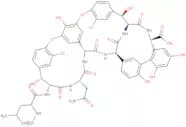
CAS:Vancomycin aglycon is a glycopeptide antibiotic, which is a derivative of vancomycin. It is sourced from the fermentation products of certain Amycolatopsis species, a genus of actinobacteria. The mode of action of vancomycin aglycon involves the inhibition of bacterial cell wall synthesis. It specifically binds to the D-Ala-D-Ala terminus of nascent peptidoglycan chains, thereby preventing the cross-linking that is crucial for maintaining cell wall integrity.
Formula:C53H52Cl2N8O17Purity:Min. 95%Molecular weight:1,143.93 g/molArbekacin sulfate
CAS:Inhibitor of DNA replication; aminoglycoside classFormula:C22H44N6O10·xH2SO4Purity:Min. 95%Color and Shape:White PowderMolecular weight:650.7 g/molHypothemycin
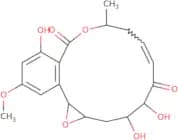
CAS:Hypothemycin is a natural product that serves as a potent inhibitor of protein kinases. It is derived from the fungus Hypomyces subiculosus and belongs to the class of resorcylic acid lactones. Its mode of action involves binding covalently to the ATP-binding site of kinases, leading to the inhibition of their activity. This covalent modification is achieved through the formation of a Michael-type addition with a reactive ene-diene functionality within its structure. By targeting these critical enzymes, hypothemycin disrupts key signaling pathways that are essential for cell growth and proliferation.Purity:Min. 95%Sulfadiazine-d4
CAS:Sulfadiazine-d4 is an isotopically labeled antibiotic, which is a derivative of sulfadiazine containing four deuterium atoms. This compound is synthesized using advanced chemical techniques to replace hydrogen atoms with deuterium in the molecular structure. The mechanism of action involves inhibition of bacterial dihydropteroate synthase, an enzyme critical in the folate synthesis pathway. By preventing the production of folic acid, sulfadiazine-d4 effectively halts bacterial growth and replication.Formula:C10H6D4N4O2SPurity:Min. 95%Molecular weight:254.3 g/molPiperacillin oxalylamide
CAS:Piperacillin oxalylamide is an investigational antibiotic, which is a synthetic derivative of the widely used β-lactam antibiotic, piperacillin. Its development is rooted in the quest to combat β-lactamase-producing resistant bacterial strains, which are a growing threat in clinical settings. It operates by inhibiting bacterial cell wall synthesis, similar to other β-lactam antibiotics, but possesses a modified structure that enhances its resistance to enzymatic degradation by β-lactamases.
Formula:C23H29N5O8SPurity:Min. 95%Molecular weight:535.57 g/molTropodithietic acid
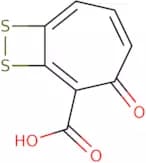
CAS:Tropodithietic acid is a bioactive compound, which is a potent antibacterial agent derived from certain marine bacteria, including the genus Phaeobacter. This antibiotic is characterized by its ability to disrupt quorum sensing, a mechanism that bacteria use for communication and coordination of group behaviors, including virulence. By interfering with this process, tropodithietic acid impedes bacterial colonization and biofilm formation, effectively inhibiting pathogenic activity.
Purity:Min. 95%Oligomycin A
CAS:Oligomycin A is a macrolide antibiotic, which is isolated from the Streptomyces species of bacteria. Its mode of action involves inhibiting ATP synthase by binding to the F_O subunit of the enzyme complex in the mitochondrial membrane. This binding effectively stops the flow of protons across the membrane, which is critical for ATP generation through oxidative phosphorylation.
Formula:C45H74O11Purity:Min. 95%Color and Shape:PowderMolecular weight:791.06 g/molRolitetracycline
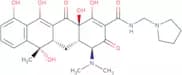
CAS:Rolitetracycline is a semi-synthetic tetracycline antibiotic, which is derived from the natural compound tetracycline. It functions primarily by inhibiting protein synthesis in susceptible bacteria. This is achieved through the binding to the 30S ribosomal subunit, effectively blocking the attachment of aminoacyl-tRNA to the mRNA-ribosome complex, thereby preventing the addition of new amino acids to the nascent peptide chain. As a result, bacterial cell growth is inhibited, leading to bacteriostatic effects.Formula:C27H33N3O8Purity:Min. 95%Color and Shape:PowderMolecular weight:527.57 g/molL-Carnitine fumarate
CAS:L-Carnitine fumarate is a compound that functions as a dietary supplement, which is synthesized by combining L-carnitine, an amino acid derivative naturally found in the body, with fumaric acid. This product is primarily sourced from fermentation or chemical synthesis processes to produce L-carnitine, which is then reacted with fumaric acid to form the fumarate salt. This combination enhances the stability and bioavailability of L-carnitine.Formula:C7H15NO3·C4H4O4Purity:Min. 95%Molecular weight:277.27 g/molTridehydro pirlimycin
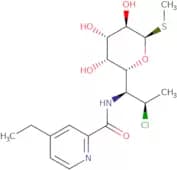
CAS:Tridehydro pirlimycin is an antibiotic compound, which is a synthetic derivative with origins in the lincosamide family. It is characterized by its ability to inhibit bacterial protein synthesis by binding to the 50S ribosomal subunit, leading to a bacteriostatic effect. The compound is primarily developed for its use in veterinary medicine, particularly in the treatment and management of bacterial infections in animals.
Formula:C17H25ClN2O5SPurity:Min. 95%Molecular weight:404.91 g/molClindamycin B hydrochloride
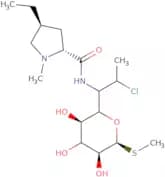
CAS:Clindamycin B hydrochloride is a semi-synthetic antibiotic, which is derived from the parent compound, lincomycin, obtained from the bacterium *Streptomyces lincolnensis*. It exerts its antibacterial effects by binding to the 50S subunit of the bacterial ribosome, inhibiting protein synthesis by preventing peptide bond formation, which is essential for bacterial growth and survival.Formula:C17H31ClN2O5S•HClPurity:Min. 95%Color and Shape:White To Off-White SolidMolecular weight:447.42 g/molLydicamycin
CAS:Lydicamycin is an antibacterial compound, which is a polyketide-derived antibiotic produced by the microorganism Streptomyces. This natural compound functions by inhibiting bacterial protein synthesis, effectively interrupting critical cellular processes within susceptible bacteria. The mode of action primarily focuses on binding to the bacterial ribosome, thereby disrupting protein production and inhibiting bacterial growth.
Formula:C47H74N4O10Purity:Min. 95%Molecular weight:855.11 g/molPC 190723
CAS:PC 190723 is a synthetic chemical compound, which is derived through targeted chemical synthesis processes involving precise organic reactions. Its mode of action involves disrupting cellular division by inhibiting specific protein functions essential for the mitotic process. This molecular interaction results in potent effects on cell division, making it a valuable tool for studying cellular mechanics and developing therapeutic strategies.
Formula:C14H8ClF2N3O2SPurity:Min. 95%Molecular weight:355.75 g/molDecoyinine
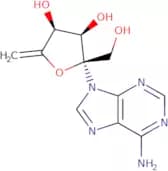
CAS:Decoyinine is an antibiotic compound, which is derived from the bacterium *Streptomyces hygroscopicus*. Its mode of action involves the inhibition of guanine nucleotide synthesis. By targeting the biosynthesis pathway of nucleotides, Decoyinine effectively impedes the growth and proliferation of bacterial cells.Formula:C11H13N5O4Purity:Min. 95%Molecular weight:279.25 g/mol