Heterocycles with Oxygen (O)
Subcategories of "Heterocycles with Oxygen (O)"
- Dioxanes(197 products)
- Dioxolane(636 products)
- Dioxoles(174 products)
- Furan(3,721 products)
- Isoxazole(1,088 products)
- Oxepanes(21 products)
- Pyrans(2,329 products)
- Trioxan(2 products)
Found 749 products of "Heterocycles with Oxygen (O)"
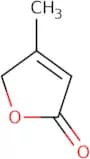
4-Methyl-2(5H)-furanone
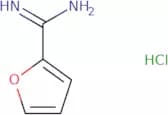
CAS:4-Methyl-2(5H)-furanone is an isomeric compound that can be isolated from various plant sources including isoprene, chalcones, and other plant extracts. It has been shown to inhibit the formation of dental plaque and the growth of oral bacteria in a functional group study. 4-Methyl-2(5H)-furanone is also known as a chalcone and has been shown to have antibacterial properties. This chemical reaction can be used as an alternative to chlorhexidine for the treatment of dental plaque.Formula:C5H6O2Purity:Min. 95%Color and Shape:Clear LiquidMolecular weight:98.1 g/molFuran-2-carboximidamide hydrochloride
CAS:Please enquire for more information about Furan-2-carboximidamide hydrochloride including the price, delivery time and more detailed product information at the technical inquiry form on this pageFormula:C5H6N2O•HClPurity:Min. 95%Molecular weight:146.57 g/mol9-[5-Deoxy-5-[[cis-3-[2-[6-(1,1-dimethylethyl)-1H-benzimidazol-2-yl]ethyl]cyclobutyl](1-methylethyl)amino]-β-D-ribofuranosyl]-9H- purin-6-amine
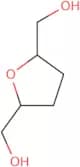
CAS:Nilotinib is a small molecule that inhibits the tyrosine kinase activity of TK1, TK2, and TK3. It binds to the ATP-binding site of these kinases and prevents the phosphorylation of the cellular substrate. Nilotinib has been shown to inhibit the proliferation of leukemia cells in vitro, as well as to have antiproliferative effects in vivo. Nilotinib can be used for the treatment of chronic myelogenous leukemia (CML) and Philadelphia chromosome-positive acute lymphoblastic leukemia (Ph+ ALL). In addition, it has been shown to have synergistic effects with other drugs such as α1-acid glycoprotein inhibitors or methyltransferase inhibitors. Nilotinib can also be used for cases of hepatic steatosis.Formula:C30H42N8O3Purity:Min. 95%Color and Shape:PowderMolecular weight:562.71 g/mol2,5-Bishydroxymethyl tetrahydrofuran
CAS:2,5-Bishydroxymethyl tetrahydrofuran is an organic compound that is synthesized from 2,5-dihydroxyacetophenone and hydrochloric acid. It has significant cytotoxicity against cells and inhibits the growth of cancer cells in culture. This compound can be used as a monoclonal antibody to help identify certain types of cells. 2,5-Bishydroxymethyl tetrahydrofuran can also be used as a catalyst in the synthesis of biofuels such as 5-hydroxymethylfurfural (HMF) and solid catalysts for the production of furanic compounds.Formula:C6H12O3Purity:Min. 95%Color and Shape:Colorless PowderMolecular weight:132.16 g/molFuranoeudesma 1,3-diene
CAS:Furanoeudesma 1,3-diene is a chemical compound that has been shown to have potent antibacterial activity against bacteria such as Escherichia coli and Staphylococcus. Furanoeudesma 1,3-diene is a stereoselective inhibitor of the Gram-negative bacterial enzyme enoyl-ACP reductase (FabI). This inhibition prevents the production of fatty acids in bacteria, leading to cell death. Furanoeudesma 1,3-diene also has an inhibitory effect on chronic bronchitis. It can be found in skin care products or as an ingredient in lettuce leaves.Formula:C15H18OPurity:Min. 95 Area-%Color and Shape:PowderMolecular weight:214.3 g/molPerfluoro(2-butyltetrahydrofuran)
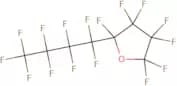
CAS:Perfluoro(2-butyltetrahydrofuran) is a fluorinated, non-polar organic solvent with a high boiling point. It can be used for thermal expansion measurements of dextran sulfate solutions and in the preparation of cell culture samples prior to histological analysis. The phase transition temperature of perfluoro(2-butyltetrahydrofuran) is 4.6°C, which means that it is liquid at room temperature and can be used as a vehicle to deliver magnetic particles to lung tissue. Perfluoro(2-butyltetrahydrofuran) also has an experimental model for studying the effects of laser ablation on lung cells.Formula:C8F16OPurity:Min. 85 Area-%Color and Shape:Colorless Clear LiquidMolecular weight:416.06 g/mol3-Chloro-4-(dichloromethyl)-5-hydroxy-2(5H)-furanone
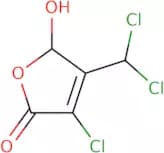
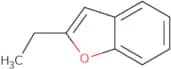
CAS:3-Chloro-4-(dichloromethyl)-5-hydroxy-2(5H)-furanone belongs to the class of polymerase chain inhibitors. It inhibits DNA synthesis by binding to the enzyme DNA polymerase and blocking the progression of DNA synthesis. 3-Chloro-4-(dichloromethyl)-5-hydroxy-2(5H)-furanone has significant cytotoxicity in mammalian cells and is genotoxic, which may be due to its mutagenicity. The mechanism of its mutagenicity is not known, but it has been shown that this compound reacts with effector proteins such as thiols and sulfhydryls. 3-Chloro-4-(dichloromethyl)-5-hydroxy-2(5H)-furanone can react with chlorine in water to form a chlorinated derivative that is more stable than the parent compound. This chemical stability has been usedFormula:C5H3Cl3O3Purity:(%) Min. 95%Color and Shape:PowderMolecular weight:217.43 g/mol2-Ethylbenzofuran
CAS:2-Ethylbenzofuran is a benzofuran derivative that has been shown to be a potent inhibitor of acid transport. It is effective in the treatment of gastric and duodenal ulcers, as well as hyperchloremic acidosis. 2-Ethylbenzofuran inhibits the action of calcium carbonate by binding to the active site on rat liver microsomes. This binding prevents the formation of an enzyme-inhibitor complex with polyvinyl chloride, which is required for dibutyl acylation reaction and acidolysis. The drug also blocks acid transporter activity, which may be due to its ability to induce demethylation and inhibit calcium carbonate from forming an enzyme-inhibitor complex with polyvinyl chloride.
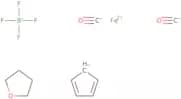
Formula:C10H10OPurity:Min. 95%Molecular weight:146.19 g/molCyclopentadienyldicarbonyl(tetrahydrofuran)iron(II) tetrafluoroborate
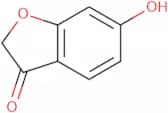
CAS:Cyclopentadienyldicarbonyl(tetrahydrofuran)iron(II) tetrafluoroborate is a chemical that is used as a building block in research and speciality chemical synthesis. The compound has been shown to be versatile, with many possible reactions, including the formation of a complex. This compound can also be used as an intermediate for another chemical or as a scaffold for other compounds. Cyclopentadienyldicarbonyl(tetrahydrofuran)iron(II) tetrafluoroborate is a high quality reagent that can be used in reaction processes with low toxicity.Formula:C11H13FeO3•BF4Purity:Min. 95%Color and Shape:SolidMolecular weight:335.87 g/mol6-Hydroxy-2H-benzofuran-3-one
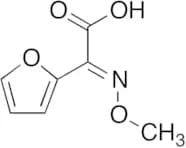
CAS:6-Hydroxy-2H-benzofuran-3-one is a potent inhibitor that blocks the formation of aurones and aldehydes, which are markers for insulin sensitivity. This compound has also been shown to inhibit dna replication in vitro by binding to the enzyme beta-diketone reductase (BDKR) and inhibiting its activity. 6-Hydroxy-2H-benzofuran-3-one is a fluorinated benzofuran derivative with an erythrocentaurin core structure. It has been shown to be effective against Gram positive bacteria, including methicillin resistant Staphylococcus aureus (MRSA). 6HBF3 also inhibits the growth of Gram negative bacteria, including Mycobacterium tuberculosis and Mycobacterium avium complex. The mechanism of action is not fully understood but may involve blocking lipid synthesis or preventing the synthesis of precursors for bacterial cell wall biosynthesis.Formula:C8H6O3Purity:Min. 95%Color and Shape:PowderMolecular weight:150.13 g/mol(E)-(2-(Furan-2-yl)-2-(methoxyimino)acetic Acid
CAS:Controlled ProductApplications 2-(Furan-2-yl)-2-(methoxyimino)acetic Acid is an intermediate in the synthesis of Cephalosporin derivatives.
References Ger. Offen. (1978), DE 2731724 A1 19780119.Formula:C15H10F3NOSColor and Shape:NeatMolecular weight:309.306Tetrahydro-2-furanmethanamine
CAS:Controlled ProductApplications Tetrahydro-2-furanmethanamine is used in the synthesis of novel topoisomerase I targeting anti-cancer agents with mild to potent cytotoxic activity. Also used in the discovery and synthesis of orally bioavailable stearoyl-CoA desaturase 1 inhibitors
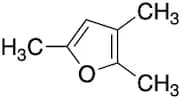
References Lopez-Rodriguez, M. et al.: 44, 4504 (2001); Liu, G. et al.: J. Med. Chem., 50, 3086 (2007);Formula:C5H11NOColor and Shape:NeatMolecular weight:101.152,3,5-Trimethylfuran
CAS:Controlled ProductApplications 2,3,5-Trimethylfuran (cas# 10504-04-8) is a useful research chemical.
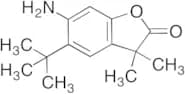
Not a dangerous good if item is equal to or less than 1g/ml and there is less than 100g/ml in the packageFormula:C7H10OColor and Shape:NeatMolecular weight:110.156-Amino-5-(1,1-dimethylethyl)-3,3-dimethyl-2(3H)-benzofuranone
CAS:Controlled ProductApplications 6-Amino-5-(1,1-dimethylethyl)-3,3-dimethyl-2(3H)-benzofuranone is an intermediate in synthesizing Ivacaftor Carboxylic Acid (I940605). It is an impurity of Ivacaftor (I940600); a drug used in the treatment of cystic fibrosis.
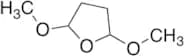
References Clancy, J. et al.: Am. J. Resp. Crit. Care. Med., 186, 593 (2012)Formula:C14H19NO2Color and Shape:NeatMolecular weight:233.312,5-Dimethoxytetrahydrofuran
CAS:Controlled ProductApplications 2,5-DIMETHOXYTETRAHYDROFURAN (cas# 696-59-3) is a useful research chemical.
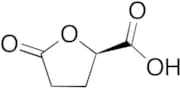
Not a dangerous good if item is equal to or less than 1g/ml and there is less than 100g/ml in the packageFormula:C6H12O3Color and Shape:NeatMolecular weight:132.16(R)-5-Oxotetrahydrofuran-2-carboxylic Acid
CAS:Controlled ProductApplications (R)-5-Oxotetrahydrofuran-2-carboxylic Acid is an intermediate used to synthesize 2',3'-dideoxy-4'-selenonucleosides as potential antiviral agents.
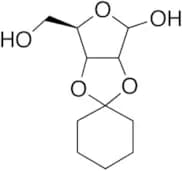
References Jeong, L., et al.: Bioorg. Med. Chem., 16, 9891 (2008)Formula:C5H6O4Color and Shape:NeatMolecular weight:130.12,3-O-Cyclohexylidene-Beta-D-ribofuranose
CAS:Controlled ProductApplications Used in the preparation of D-xylofuranose derivatives.
Formula:C11H18O5Color and Shape:NeatMolecular weight:230.26(R)-2-(Benzyloxy)-5-((5-oxotetrahydrofuran-2-yl)methyl)phenyl Neopentyl Sulfate
Controlled ProductApplications (R)-2-(Benzyloxy)-5-((5-oxotetrahydrofuran-2-yl)methyl)phenyl Neopentyl Sulfate is an intermediate in the synthesis of metabolite of (-)-Epicatechin (E582260).
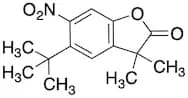
Formula:C23H28O7SColor and Shape:NeatMolecular weight:448.5295-(1,1-Dimethylethyl)-3,3-dimethyl-6-nitro-2(3H)-benzofuranone
CAS:Controlled ProductApplications 5-(1,1-Dimethylethyl)-3,3-dimethyl-6-nitro-2(3H)-benzofuranone is an intermediate in synthesizing Ivacaftor Carboxylic Acid (I940605). It is an impurity of Ivacaftor (I940600); a drug used in the treatment of cystic fibrosis.
References Clancy, J. et al.: Am. J. Resp. Crit. Care. Med., 186, 593 (2012)Formula:C14H17NO4Color and Shape:NeatMolecular weight:263.292-Cyano-N-((furan-2-ylmethyl)carbamoyl)acetamide
CAS:Controlled ProductApplications 2-Cyano-N-((furan-2-ylmethyl)carbamoyl)acetamide is an intermediate in the synthesis of novel 1- and 8-substituted-3-furfuryl xanthines as adenosine receptor antagonists.
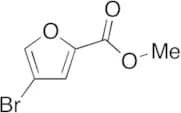
References Balo, M. C., et al.: Bioorg. Med. Chem., 17, 6755 (2009);Formula:C7H14O6·C3H8OColor and Shape:NeatMolecular weight:254.278Methyl 4-Bromofuran-2-carboxylate
CAS:Controlled ProductApplications Methyl 4-Bromofuran-2-carboxylate is used to prepare pyrimidinamines and pyridinamines as adenosine receptor modulators for treatment of CNS disorders.
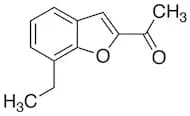
References Borroni, E., et al.; PCT Int. Appl., WO 2001062233 A2 20010830 (2001)Formula:C6H5BrO3Color and Shape:NeatMolecular weight:205.012-Acetyl-7-ethylbenzofuran
CAS:Controlled ProductApplications Intermediate in the production of Bufuralol Hydrochloride
Formula:C12H12O2Color and Shape:NeatMolecular weight:188.222,5-Bis(aminomethyl)tetrahydrofuran
CAS:2,5-Bis(aminomethyl)tetrahydrofuran is a polymerization catalyst for polyethylene terephthalate that has been shown to be effective at low temperatures. It is not active at high temperatures and is stable in acidic and neutral media. 2,5-Bis(aminomethyl)tetrahydrofuran can be used as an electrochemical catalyst for the conversion of 5-hydroxymethylfurfural (HMF) to formic acid. This reaction has been shown to have a high turnover frequency and to be sustainable because it does not require fossil fuels or heavy metals as reactants. The parameters of this reaction are still being investigated, including the effect of oxidant on the rate of catalysis.Formula:C6H14N2OPurity:Min. 95%Color and Shape:Colorless PowderMolecular weight:130.19 g/mol5-Formylfuran-2-boronic acid
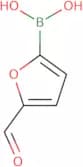
CAS:5-Formylfuran-2-boronic acid is a compound that has been shown to be used in the synthesis of Pd complexes. This compound was found to inhibit the soluble guanylate cyclase and sirtuin 2 enzyme. It also has been shown to have anti-cancer effects, as it may inhibit cancer cell proliferation. 5-Formylfuran-2-boronic acid has been shown to increase the transport properties of potassium dichromate, which may be due to its acidic nature. This red fluorescent compound is soluble in organic solvents and can be activated by light. The optimum concentration of 5-Formylfuran-2-boronic acid is 3 mM in an acidic solution at room temperature.
Formula:C5H5BO4Purity:Min. 95%Color and Shape:Yellow SolidMolecular weight:139.9 g/molEthyl 3-aminobenzofuran-2-carboxylate
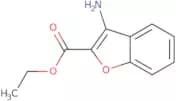
CAS:Ethyl 3-aminobenzofuran-2-carboxylate is a decarboxylated pyridine derivative that has been shown to react with an aldoxime to form an unsymmetrical aldehyde. This reaction is catalyzed by acid and alkaline hydrolysis. It is also able to form benzothiophenes and benzofurans through the same reaction. Ethyl 3-aminobenzofuran-2-carboxylate can be used in the synthesis of many other organic compounds, including phenacyl, carboxylic acids, pyridines, and aryl halides.Formula:C11H11NO3Purity:Min. 95%Molecular weight:205.21 g/molMethyl tetrahydro-2,5-dimethoxy-2-furancarboxylate
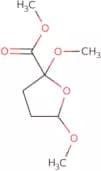
CAS:Methyl tetrahydro-2,5-dimethoxy-2-furancarboxylate is a sterically bulky molecule with a nitrogen atom in the ortho position. It has been used for the synthesis of various heterocyclic compounds. The steric bulk of methyl tetrahydro-2,5-dimethoxy-2-furancarboxylate prevents it from being substituted easily. This can be demonstrated by the refluxing of methyl tetrahydro-2,5-dimethoxy-2-furancarboxylate in benzene. The steric bulk also causes electron density to be distributed around methyl tetrahydro-2,5-dimethoxy-2-furancarboxylate, which creates a conjugated system.Formula:C8H14O5Purity:Min. 95%Color and Shape:Colourless To Pale Yellow Clear LiquidMolecular weight:190.19 g/mol2,3-Dihydrobenzo[b]furan
CAS:2,3-Dihydrobenzo[b]furan is the chemical compound with formula C6H5CH2OH. It is a colorless liquid with a camphoraceous odor. 2,3-Dihydrobenzo[b]furan reacts with an acidic solution to produce a white crystalline solid. The hydroxyl group on the benzene ring forms hydrogen bonds with the 5-hydroxytryptamine (5-HT) receptor in the brain, which leads to changes in kinetic energy and acetylcholinesterase inhibition. The asymmetric synthesis of 2,3-dihydrobenzo[b]furan has been achieved by using chiral acid catalysts. This process optimization study has shown significant cytotoxicity and receptor binding for 2,3-dihydrobenzo[b]furan at physiological concentrations. In addition, this compound has been found to have biological activities such as cell culture andFormula:C8H8OPurity:Min. 95%Color and Shape:Colorless Clear LiquidMolecular weight:120.15 g/mol1-Benzofuran-2-yl(phenyl)methanone
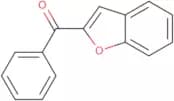
CAS:1-Benzofuran-2-yl(phenyl)methanone (1BFPM) is a benzofuran derivative. It has been shown to have significant cytotoxicity and anticancer activity, as well as radical scavenging activities. 1BFPM has been shown to inhibit glycogen synthase kinase-3, which is an enzyme that regulates the cell cycle and plays a role in tumorigenesis. This compound also inhibits the uptake of 1BFPM by cells, which may be due to its reaction with linkers in the plasma membrane or other cellular membranes.Formula:C15H10O2Purity:Min. 95%Color and Shape:PowderMolecular weight:222.24 g/mol3-[[3-[(Dimethylamino)carbonyl]-2-hydroxyphenyl]amino]-4-[[(R)-1-(4-isopropylfuran-2-yl)propyl]amino]cyclobut-3-ene-1,2-dione
CAS:Please enquire for more information about 3-[[3-[(Dimethylamino)carbonyl]-2-hydroxyphenyl]amino]-4-[[(R)-1-(4-isopropylfuran-2-yl)propyl]amino]cyclobut-3-ene-1,2-dione including the price, delivery time and more detailed product information at the technical inquiry form on this pageFormula:C23H27N3O5Purity:Min. 95%Molecular weight:425.48 g/mol5-Acetoxymethyl-2-furancarboxylic acid
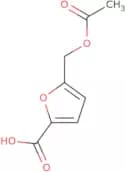
CAS:5-Acetoxymethyl-2-furancarboxylic acid is a natural product of the fungi. It has potent anti-fungal activity against a number of endophytic fungi, including those from marine sponges. 5-Acetoxymethyl-2-furancarboxylic acid has been shown to inhibit the growth of bacteria that are resistant to penicillin, ampicillin, and erythromycin. The bioactive compound also inhibits the growth of leukemia cells and is used as an anti-infective agent in the treatment of infections caused by staphylococcus. The active form binds to bacterial 16S ribosomal RNA and inhibits protein synthesis, leading to cell death by inhibiting the production of proteins vital for cell division.Formula:C8H8O5Purity:Min. 95%Color and Shape:White To Light (Or Pale) Yellow SolidMolecular weight:184.15 g/molTetrahydrofuran-2,3,4,5-tetracarboxylic acid
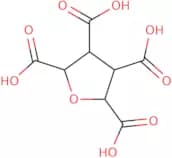
CAS:Tetrahydrofuran-2,3,4,5-tetracarboxylic acid (THF-TTCA) is a polycarboxylic acid that can be extracted from coal tar. It has a number of uses as an extractant in the production of polycarbonates and other plastics. Tetrahydrofuran-2,3,4,5-tetracarboxylic acid has been shown to crystallize from solution at high temperatures and pressures. The crystal structure of THF-TTCA consists of a ring of six carboxylate groups with three molecules of water coordinating to form hydrogen bonds. Tetrahydrofuran-2,3,4,5-tetracarboxylic acid has the structural analog of the metal ion tetraammineborane (NHBH). This compound is acidic and binds strongly to metal ions such as copper(II) or cobalt(IIIFormula:C8H8O9Purity:Min. 95%Molecular weight:248.14 g/mol5-Ethoxy-2(5H)-furanone
CAS:5-Ethoxy-2(5H)-furanone is an oxidation product of 5-ethoxy-2(5H)-furanone. It has an isomeric, stereospecific, regiospecifically, and a tautomeric relationship with furfural. 5-Ethoxy-2(5H)-furanone can be produced by the oxidation of furfural with boron trifluoride etherate in the presence of iodosobenzene. The reaction mechanism involves the addition of hydrogen peroxide to the boron trifluoride etherate to form hydroperoxydiborane. This compound then reacts with iodosobenzene to produce 5-ethoxy-2(5H)-furanone and 2,5-dihydroxybenzaldehyde. The reaction produces a mixture of diastereomers that contain different numbers of carbon atoms due to the regiospecific
Formula:C6H8O3Purity:Min. 95%Color and Shape:PowderMolecular weight:128.13 g/mol2,2-Dimethyl-5-(1-methylprop-1-enyl)tetrahydrofuran
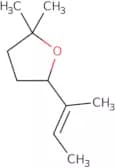
CAS:2,2-Dimethyl-5-(1-methylprop-1-enyl)tetrahydrofuran is a compound that is used in coatings and foodstuff. It has synergistic effects when combined with other compounds such as citric acid, hydrogen peroxide, or terpineol.Formula:C10H18OPurity:Min. 95%Color and Shape:Clear LiquidMolecular weight:154.25 g/mol2,5-Dihydro-2,5-dimethoxy-2-dimethoxymethylfuran
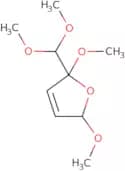
CAS:2,5-Dihydro-2,5-dimethoxy-2-dimethoxymethylfuran is a chemical compound that belongs to the group of reagents. It is used as a reaction component in organic synthesis and has been shown to be a useful scaffold for the development of new compounds. 2,5-Dihydro-2,5-dimethoxy-2-dimethoxymethylfuran is also a versatile building block for complex compounds and fine chemicals.Formula:C9H16O5Purity:Min. 95%Molecular weight:204.22 g/mol1-{{[5-(4-Nitrophenyl)-2-furanyl]methylene}amino}-2,4-imidazolidinedione
CAS:Dantrolene is an experimental model for malignant hyperthermia, a rare genetic condition that can cause muscle rigidity and death. Dantrolene has been shown to inhibit the activity of the dinucleotide phosphate (NADH) dehydrogenase enzyme in muscle cells. In addition, it inhibits calcium release from the sarcoplasmic reticulum and activates ryanodine receptors. Dantrolene also inhibits muscle contractions and prevents neuronal death by inhibiting the release of glutamate.Formula:C14H10N4O5Purity:Min. 95%Color and Shape:SolidMolecular weight:314.25 g/molParthenolide
CAS:M02322 - Parthenolide
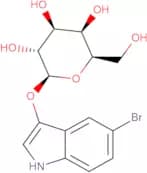
Formula:C15H20O3Purity:97%Color and Shape:SolidMolecular weight:248.3225-Bromo-3-indolyl-b-D-galactopyranoside
CAS:M02705 - 5-Bromo-3-indolyl-b-D-galactopyranoside
Formula:C14H16BrNO6Purity:98%Color and Shape:SolidMolecular weight:374.187methyl 5-(((4-chlorophenyl)sulfonyl)methyl)furan-2-carboxylate
CAS:Please enquire for more information about methyl 5-(((4-chlorophenyl)sulfonyl)methyl)furan-2-carboxylate including the price, delivery time and more detailed product information at the technical inquiry form on this page
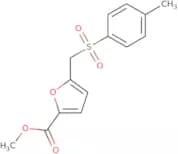
Purity:Min. 95%Methyl 5-(((4-methylphenyl)sulfonyl)methyl)furan-2-carboxylate
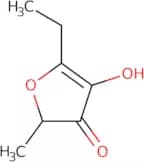
CAS:Please enquire for more information about Methyl 5-(((4-methylphenyl)sulfonyl)methyl)furan-2-carboxylate including the price, delivery time and more detailed product information at the technical inquiry form on this pagePurity:Min. 95%5-Ethyl-4-hydroxy-2-methyl-3(2H)-furanone
CAS:5-Ethyl-4-hydroxy-2-methyl-3(2H)-furanone is a colorless liquid that has a fruity, sweet odor. It is used in the manufacture of flavors and fragrances. 5-Ethyl-4-hydroxy-2-methyl-3(2H)-furanone can be obtained by the reaction of butanedione with dilute sulfuric acid, followed by treatment with an absorber containing propylene glycol and 4-ethyl-2methoxyphenol. The product is then treated with radiation energy to produce furfural, which reacts with anthranilate to form methyl anthranilate. Methyl anthranilate can be converted into phenylmethyl by reacting it with glycosidase.
Formula:C7H10O3Purity:Min. 95%Molecular weight:142.15 g/molMethyl 5-(((4-(tert-butyl)phenyl)sulfonyl)methyl)furan-2-carboxylate
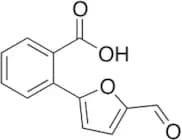
CAS:Please enquire for more information about Methyl 5-(((4-(tert-butyl)phenyl)sulfonyl)methyl)furan-2-carboxylate including the price, delivery time and more detailed product information at the technical inquiry form on this pagePurity:Min. 95%2-(5-formylfuran-2-yl)benzoic Acid
CAS:Controlled ProductApplications 2-(5-formylfuran-2-yl)benzoic Acid (cas# 88460-72-4) is a useful research chemical.
Formula:C12H8O4Color and Shape:NeatMolecular weight:216.183-Furanmethanol
CAS:Controlled ProductApplications 3-Furanmethanol (cas# 4412-91-3) is a useful research chemical.
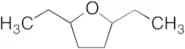
Formula:C5H6O2Color and Shape:NeatMolecular weight:98.12,5-Diethyltetrahydrofuran
CAS:Controlled ProductFormula:C8H16OColor and Shape:ColourlessMolecular weight:128.215-Nitro-1-benzofuran
CAS:Controlled ProductApplications 5-Nitro-1-benzofuran is a chemical reagent used in the synthesis of internal alkynes. Also used in the preparation of anti-oxidants quinolines.
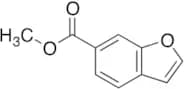
References Lu, L. et al.: Eur. J. Org. Chem., 2013, 1644 (2013); Kuzmin, V. et al.: Russ. Chem. Bull., 57, 2405 (2008);Formula:C8H5NO3Color and Shape:Light Yellow To Light BrownMolecular weight:163.13Methyl Benzofuran-6-carboxylate
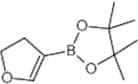
CAS:Controlled ProductFormula:C10H8O3Color and Shape:NeatMolecular weight:176.1694,5-Dihydrofuran-3-boronic Acid Pinacol Ester
CAS:Controlled ProductFormula:C10H17BO3Color and Shape:NeatMolecular weight:196.051(2S,3S,4R,5R)-2-(6-Amino-9H-purin-9-yl)-5-(((3-aminophenyl)thio)methyl)tetrahydrofuran-3,4-diol
Controlled ProductApplications (2S,3S,4R,5R)-2-(6-Amino-9H-purin-9-yl)-5-(((3-aminophenyl)thio)methyl)tetrahydrofuran-3,4-diol is an enantiomer of (2R,3R,4S,5S)-2-(6-Amino-9H-purin-9-yl)-5-(((3-aminophenyl)thio)methyl)tetrahydrofuran-3,4-diol (A577286), which an intermediate used in the synthesis of S-adenosylhomocysteine analogs with biological activities.
References Lawrence, F., et al.: Biochem. S-Adenosylmethionine Relat. Compd., Proc. Conf., 637 (1982); Shire, D., et al.: Nucleosides & Nucleotides, 2, 21 (1983)Formula:C16H18N6O3SColor and Shape:NeatMolecular weight:374.42Furan-2-boronic acid
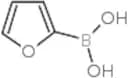
CAS:Controlled ProductApplications Furan-2-boronic acid
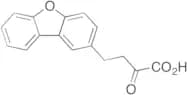
Formula:C4H5BO3Color and Shape:NeatMolecular weight:111.89(Dibenzofuran-2-yl)-2-oxobutanoic Acid
CAS:Controlled ProductFormula:C16H12O4Color and Shape:NeatMolecular weight:268.26

![9-[5-Deoxy-5-[[cis-3-[2-[6-(1,1-dimethylethyl)-1H-benzimidazol-2-yl]ethyl]cyclobutyl](1-methylethy…](/_next/image/?url=https%3A%2Fstatic.cymitquimica.com%2Fproducts%2F3D%2Fthumb-webp%2FFD146242.webp&w=3840&q=75)





![2,3-Dihydrobenzo[b]furan](/_next/image/?url=https%3A%2Fstatic.cymitquimica.com%2Fproducts%2F3D%2Fthumb-webp%2FFD11170.webp&w=3840&q=75)
![3-[[3-[(Dimethylamino)carbonyl]-2-hydroxyphenyl]amino]-4-[[(R)-1-(4-isopropylfuran-2-yl)propyl]ami…](/_next/image/?url=https%3A%2Fstatic.cymitquimica.com%2Fproducts%2F3D%2Fthumb-webp%2FFD152335.webp&w=3840&q=75)

![1-{{[5-(4-Nitrophenyl)-2-furanyl]methylene}amino}-2,4-imidazolidinedione](/_next/image/?url=https%3A%2Fstatic.cymitquimica.com%2Fproducts%2F3D%2Fthumb-webp%2FFN138588.webp&w=3840&q=75)