Heterocycles with Nitrogen (N)
In this category, you will find a wide variety of nitrogen-containing heterocycles. Heterocycles are carbon chains that form a cycle in which at least one position is occupied by a heteroatom, in this case, nitrogen. These compounds are integral in the synthesis of pharmaceuticals, agrochemicals, and dyes, offering unique reactivity and stability. At CymitQuimica, we provide a comprehensive selection of high-quality nitrogen-containing heterocycles to support your research and industrial applications
Subcategories of "Heterocycles with Nitrogen (N)"
- Azepane(434 products)
- Benzotriazoles(436 products)
- Diazepanes(331 products)
- Imidazoles(4,011 products)
- Imidazolines(385 products)
- Isoxazole(1,077 products)
- Piperazines(3,736 products)
- Piperidines(8,405 products)
- Pyrazines(1,299 products)
- Pyrazole(5,921 products)
- Pyrazolidine(21 products)
- Pyrazoline(142 products)
- Pyridazine(856 products)
- Pyridines(21,917 products)
- Pyrimidine(6,041 products)
- Pyrroles(2,443 products)
- Pyrrolidines(5,816 products)
- Pyrroline(48 products)
- Pyrrolo[1,2-b]pyridazine(10 products)
- Tetrazole(510 products)
- Triazines(462 products)
- Triazoles(1,680 products)
Show 14 more subcategories
Found 17855 products of "Heterocycles with Nitrogen (N)"
Sort by
Purity (%)
0
100
|
0
|
50
|
90
|
95
|
100
2,5-Diaminopyridine dihydrochloride
CAS:<p>2,5-Diaminopyridine dihydrochloride is a compound that belongs to the class of hydroxamic acids. It is an intermediate in the synthesis of the anti-cancer drug, hydroxyurea (hydroxylamine). 2,5-Diaminopyridine dihydrochloride can be used as a cross-coupling reagent for coupling reactions with chlorinated and tritiated organic compounds. The efficiency of this reaction is dependent on the coulombic and mutagenic properties of 2,5-diaminopyridine dihydrochloride. 2,5-Diaminopyridine dihydrochloride has been shown to cause cancer in animal studies.</p>Formula:C5H7N3•(HCl)2Purity:Min. 95%Molecular weight:182.05 g/mol2-(Tributylstannyl)pyrimidine
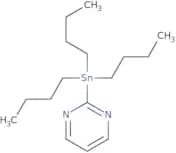
CAS:Controlled Product<p>2-(Tributylstannyl)pyrimidine is a synthetic heterocycle that has antibacterial activity. It is a guanine analog that binds to the ribonucleic acid (RNA) of bacterial cells and inhibits protein synthesis by attacking the 4-chloropyrimidine moiety of nucleoside monophosphates. 2-(Tributylstannyl) pyrimidine also has antiviral properties and acts as an inhibitor of vitamin B1, which is required for the synthesis of DNA. This drug can be used in the treatment of sulfamethoxazole-resistant infections caused by bacteria such as Streptococcus pneumoniae, Staphylococcus aureus, and Pseudomonas aeruginosa.<br>2-(Tributylstannyl)pyrimidine is effective at inhibiting the growth of bacteria due to its ability to form an ion pair with chloride ions. This property makes it highly reactive for transmetall</p>Formula:C16H30N2SnPurity:Min. 95%Color and Shape:Colourless To Yellow To Brown LiquidMolecular weight:369.13 g/mol1-[4-(4-bromophenyl)piperazin-1-yl]ethanone
CAS:Controlled Product<p>Please enquire for more information about 1-[4-(4-bromophenyl)piperazin-1-yl]ethanone including the price, delivery time and more detailed product information at the technical inquiry form on this page</p>Formula:C12H15BrN2OPurity:Min. 95%Molecular weight:283.16 g/mol5-Amino-2-chloropyridine-4-carboxylic acid
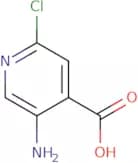
CAS:<p>5-Amino-2-chloropyridine-4-carboxylic acid is a potent tyrosine kinase inhibitor. It inhibits the activation of EGFR, which may be due to its binding to the ATP-binding pocket in EGFR. 5-Amino-2-chloropyridine-4-carboxylic acid has been shown to inhibit cancer cell growth and induce apoptosis in vitro. This drug has also been shown to have potent anticancer activity in vivo, as well as inhibitory effect on tumor growth in xenograft models of human cancer cells. In addition, it inhibits the production of formamidine acetate, a precursor for histamine synthesis. 5-Amino-2-chloropyridine-4-carboxylic acid binds to formamide and formamidine acetate with high affinity and therefore inhibits histamine synthesis.</p>Formula:C6H5ClN2O2Purity:Min. 95%Color and Shape:White PowderMolecular weight:172.57 g/mol4-(Methylnitrosoamino)-1-(3-pyridinyl)-1-butanone
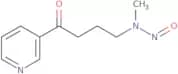
CAS:<p>4-(Methylnitrosoamino)-1-(3-pyridinyl)-1-butanone (NNK) is a carcinogenic chemical that has been identified in tobacco smoke. It induces squamous cell carcinomas in the respiratory tract of rodents and induces lung cancer in the offspring of pregnant rats exposed to NNK. This compound binds to double-stranded DNA, with high affinity for the minor groove, and inhibits DNA synthesis by binding to enzymes such as polymerase chain. In addition, it has been shown to cause transformation of epithelial cells into mesenchymal cells in vitro. 4-(Methylnitrosoamino)-1-(3-pyridinyl)-1-butanone binds to α7 nicotinic acetylcholine receptors and increases the response element activity.</p>Formula:C10H13N3O2Purity:Min. 95%Color and Shape:PowderMolecular weight:207.23 g/mol1-(3-Trifluoromethylphenyl)piperazine hydrochloride
CAS:Controlled Product<p>1-(3-Trifluoromethylphenyl)piperazine hydrochloride (TFMPP) is a derivative of the piperazine class of drugs. It is structurally similar to other drugs in this class, such as bromopropane, which acts as an agonist of the 5-HT1 receptor. TFMPP has been shown to be an agonist at 5-HT1 receptors and dopamine receptors. It has also been shown to inhibit serotonin uptake and release, and inhibits choline acetyltransferase activity in brain tissue. TFMPP is not active on the 5-HT2 receptor, but does have some affinity for the 5-HT2A receptor. TFMPP has high affinity for the serotonergic system, with selective binding to serotonin transporter proteins in vitro. TFMPP may also have some effect on cholinergic systems through its inhibition of acetylcholinesterase activity.</p>Formula:C11H14ClF3N2Purity:Min. 95%Color and Shape:White PowderMolecular weight:266.69 g/mol1-(3-Chlorophenyl)-4-(3-chloropropyl)piperazine Hydrochloride
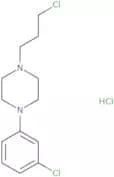
CAS:Controlled Product<p>1-(3-Chlorophenyl)-4-(3-chloropropyl)piperazine Hydrochloride is an antidepressant that belongs to the class of nefazodone. It is a prodrug, which is hydrolyzed to nefazodone in the liver. It has been shown to have a high affinity for serotonin receptors and as such may be useful for the treatment of depression. 1-(3-Chlorophenyl)-4-(3-chloropropyl)piperazine Hydrochloride also has anticonvulsant properties, which may be due to its inhibition of neuronal excitability by blocking sodium channels in the brain.</p>Formula:C13H18Cl2N2·HClPurity:Min. 95%Molecular weight:309.66 g/mol2,6-Dimercaptopurine
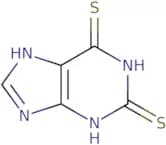
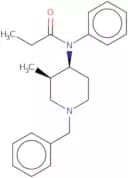
CAS:<p>2,6-Dimercaptopurine (2,6-DMP) is an immunosuppressive drug that is used to prevent organ transplants from being rejected. It blocks the synthesis of DNA and RNA in cells by inhibiting the enzyme thymidylate synthase. The reaction mechanism involves a nucleophilic attack on the phosphorus atom of 2,6-DMP by a proton from water or another nucleophile such as urea or ammonia. 2,6-DMP is metabolized through a number of tautomeric forms, which are neutral and acidic in pH. One example of this is when 2,6-DMP reacts with hydrochloric acid to form a conjugate base that can be excreted in urine.</p>Formula:C5H4N4S2Purity:Min. 95%Color and Shape:Yellow PowderMolecular weight:184.24 g/molrac-cis-1-benzyl-2-methyl-4-(N-propananilido)piperidine
CAS:Controlled Product<p>Racemic cis-1-benzyl-2-methyl-4-(N-propananilido)piperidine (SBP) is a synthetic opioid analgesic that has been shown to bind to the μ-opioid receptor. It is the racemic form of the more potent S(+)-isomer. SBP is metabolized in vivo by cytochrome P450 2C19 and cytochrome P450 3A5, and its metabolites can be detected in human liver. The metabolism of SBP also produces propanamide as an intermediate. Recreational use of SBP has been reported with adverse effects including nausea, vomiting, headache, and dizziness.</p>Formula:C22H28N2OPurity:Min. 95%Molecular weight:336.47 g/mol2,5-Difluoropyridine
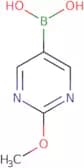
CAS:<p>2,5-Difluoropyridine is a ligand that is used in the synthesis of pharmaceuticals and other organic compounds. 2,5-Difluoropyridine is typically activated by a metal ion (e.g., palladium) to form an organometallic complex. The orientation of substituents on the difluoropyridine ring can affect its reactivity and selectivity. For example, chlorine atoms interact with the electrophilic carbon atom in the ring and orientations with electron withdrawing groups are more reactive than those with electron donating groups. 2,5-Difluoropyridine can be used as a cross-coupling reagent for Grignard reactions and nucleophilic substitution reactions. It also has been shown to inhibit human erythrocyte pyruvate kinase activity in vitro and may be useful for the treatment of diabetic complications such as neuropathy or retinopathy.</p>Formula:C5H3F2NPurity:Min. 95%Color and Shape:Clear LiquidMolecular weight:115.08 g/mol2-Methoxypyrimidine-5-boronic acid
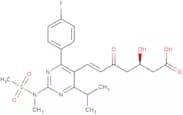
CAS:<p>Please enquire for more information about 2-Methoxypyrimidine-5-boronic acid including the price, delivery time and more detailed product information at the technical inquiry form on this page</p>Formula:C5H7BN2O3Purity:Min. 95%Molecular weight:153.93 g/mol5-Oxo Rosuvastatin
CAS:<p>5-Oxo Rosuvastatin is a drug product that has been synthesized from natural ingredients. It is an analytical standard for the impurity, 5-oxo-rosuvastatin, which is a potential impurity in the API, rosuvastatin. This drug product has been custom synthesized in order to provide an Impurity Standard for HPLC. This drug product is also used as a Synthetic Reference Standard for Drug Development and Research and Development.</p>Formula:C22H26FN3O6SPurity:Min. 95%Color and Shape:Off-White To Light (Or Pale) Yellow To Dark Yellow SolidMolecular weight:479.52 g/molImidazole
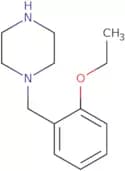
CAS:<p>Imidazole is a highly polar aromatic compound with two annular nitrogen atoms. Imidazole is widely used in the affinity purification of proteins with polyhistidine tags (His-Tag). In the protein purification process, imidazole is used for the elution of His-Tag-fused recombinant proteins from a metal-immobilised resins. In the elution buffers, imidazole is typically used in the 50 â 500 mM concentration range (Bornhorst and Falke, 2000).</p>Formula:C3H4N2Molecular weight:68.08 g/mol1-(2-Ethoxybenzyl)piperazine
CAS:Controlled Product<p>Please enquire for more information about 1-(2-Ethoxybenzyl)piperazine including the price, delivery time and more detailed product information at the technical inquiry form on this page</p>Formula:C13H20N2OPurity:Min. 95%Molecular weight:220.31 g/mol4-[(2,5-Dimethyl-1H-pyrrol-1-yl)methyl]piperidine hydrochloride
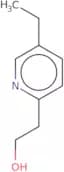
CAS:Controlled Product<p>Please enquire for more information about 4-[(2,5-Dimethyl-1H-pyrrol-1-yl)methyl]piperidine hydrochloride including the price, delivery time and more detailed product information at the technical inquiry form on this page</p>Formula:C12H20N2Purity:Min. 95%Molecular weight:192.3 g/mol5-Ethyl-2-pyridineethanol
CAS:<p>5-Ethyl-2-pyridineethanol is an anti-diabetic drug that belongs to the class of thiazolidinediones. It is the active form of pioglitazone, which has been shown to bind to peroxisome proliferator-activated receptor gamma (PPARγ). This binding results in increased expression and activity of insulin receptors on cell membranes. 5-Ethyl-2-pyridineethanol also binds to PPARγ in a similar manner as pioglitazone, and it has been shown to be an agonist for PPARγ. This compound has a number of other biological effects such as inhibition of the production of acetone by the liver, which is due to its ability to inhibit diazotization.</p>Formula:C9H13NOPurity:Min. 95%Color and Shape:White To Yellow Solid Or Liquid (May Vary)Molecular weight:151.21 g/mol2-Methyl-5-(tributylstannyl)pyridine
CAS:Controlled Product<p>Please enquire for more information about 2-Methyl-5-(tributylstannyl)pyridine including the price, delivery time and more detailed product information at the technical inquiry form on this page</p>Formula:C18H33NSnPurity:Min. 95%Molecular weight:382.17 g/molRTI-13951-33 hydrochloride
CAS:<p>Please enquire for more information about RTI-13951-33 hydrochloride including the price, delivery time and more detailed product information at the technical inquiry form on this page</p>Formula:C28H33N3O3•(HCl)2Purity:Min. 95%Molecular weight:532.5 g/mol5-Chloro-4-methylpyrimidine
CAS:<p>Please enquire for more information about 5-Chloro-4-methylpyrimidine including the price, delivery time and more detailed product information at the technical inquiry form on this page</p>Formula:C5H5ClN2Purity:Min. 95%Molecular weight:128.56 g/molPyridinoline
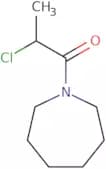
CAS:<p>Please enquire for more information about Pyridinoline including the price, delivery time and more detailed product information at the technical inquiry form on this page</p>Formula:C18H28N4O8Purity:Min. 95%Color and Shape:PowderMolecular weight:428.44 g/mol1-(2-Chloropropanoyl)azepane
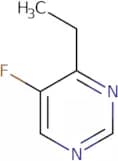
CAS:<p>Please enquire for more information about 1-(2-Chloropropanoyl)azepane including the price, delivery time and more detailed product information at the technical inquiry form on this page</p>Formula:C9H16ClNOPurity:Min. 95%Molecular weight:189.68 g/mol4-Ethyl-5-fluoropyrimidine
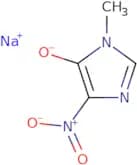
CAS:<p>4-Ethyl-5-fluoropyrimidine is a white solid with a melting point of 258°C. It is soluble in organic solvents such as acetonitrile and methanol. The compound has been shown to have reversed phase chromatographic properties and can be used as a potential impurity in the synthesis of other compounds. 4-Ethyl-5-fluoropyrimidine is not susceptible to photolytic decomposition but can be oxidized by air, which may result in the formation of impurities. 4-Ethyl-5-fluoropyrimidine can be purified using chromatography methods with high sensitivity and low detection limits. The compound has also been shown to have good chemical stability under ambient conditions, making it suitable for storage or shipping.</p>Formula:C6H7FN2Purity:Min. 95%Molecular weight:126.13 g/mol5-Hydroxy-1-methyl-4-nitroimidazole sodium salt
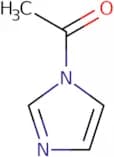
CAS:<p>Please enquire for more information about 5-Hydroxy-1-methyl-4-nitroimidazole sodium salt including the price, delivery time and more detailed product information at the technical inquiry form on this page</p>Formula:C4H4N3NaO3Purity:Min. 95%Molecular weight:165.08 g/molN-Acetylimidazole
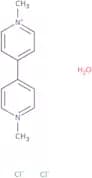
CAS:<p>N-Acetylimidazole is a drug that belongs to the class of glycol esters. It is an inhibitor of the enzyme acetylcholinesterase and has been used in the treatment of autoimmune diseases, such as myasthenia gravis. N-Acetylimidazole can inhibit the activity of other enzymes, such as p-nitrophenyl phosphate oxidase, which may be responsible for its anti-inflammatory properties. This drug has been shown to inhibit microbial growth in vitro by inhibiting the synthesis of choline and acetylcholine in the body. N-Acetylimidazole also inhibits bacterial growth by acting as a substrate molecule for bacterial enzymes that catalyze transfer reactions, including phosphotransferases and hydrolases.</p>Formula:C5H6N2OPurity:Min. 95%Color and Shape:White PowderMolecular weight:110.11 g/mol1,1'-Dimethyl-4,4'-bipyridinium dichloride hydrate
CAS:<p>1,1'-Dimethyl-4,4'-bipyridinium dichloride hydrate is a bipyridine with a divalent chloride. It has been shown to have synergic effects in the presence of dextran sulfate and paraquat. This compound has good photochemical properties, which are used for wastewater treatment and surface methodology. 1,1'-Dimethyl-4,4'-bipyridinium dichloride hydrate also has toxicological studies that show it does not cause any cellular toxicity or mitochondrial membrane potential changes. It also reduces potassium dichromate toxicity in glomerular filtration rate studies. This compound can be used as an analytical method for other bipyridines.</p>Formula:C12H14Cl2N2•(H2O)xPurity:Min. 95%Color and Shape:PowderMolecular weight:257.16 g/mol2-Chloro-4,6-dimethoxypyrimidine
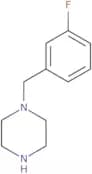
CAS:<p>2-Chloro-4,6-dimethoxypyrimidine is a synthetic compound that is a triazolopyrimidine derivative. It has been shown to have significant antifungal activity against cryptococcus neoformans in toxicity studies. 2-Chloro-4,6-dimethoxypyrimidine is an amine that can be used as a fungicide or pesticide due to its toxicity and effectiveness against fungi. 2-Chloro-4,6-dimethoxypyrimidine has a molecular weight of 196 and contains three functional groups: chlorine, hydrogen chloride, and pyridinium. This compound also has the ability to form covalent bonds with organic molecules such as chloromethyl groups on proteins.</p>Formula:C6H7ClN2O2Purity:Min. 95%Color and Shape:Off-White To Yellow SolidMolecular weight:174.58 g/mol1-(3-Fluorobenzyl)piperazine
CAS:Controlled Product<p>1-(3-Fluorobenzyl)piperazine is a potent inhibitor of annexin A1. It has been shown to inhibit the proliferation of pancreatic cancer cells and induce apoptosis in these cells by inhibiting cholinesterase activity. 1-(3-Fluorobenzyl)piperazine also inhibits tumor growth in vivo and induces apoptosis, which may be due to its ability to inhibit the mitochondrial membrane potential. The compound has also been shown to have antitumor effects in other types of cancer cells. This drug is an amine that emits acidic compounds as a result of hydrolysis.</p>Formula:C11H15FN2Purity:Min. 95%Molecular weight:194.25 g/molN-[2-(4-Benzylpiperazin-1-yl)-2-oxoethyl]-N-methylamine
CAS:Controlled Product<p>Please enquire for more information about N-[2-(4-Benzylpiperazin-1-yl)-2-oxoethyl]-N-methylamine including the price, delivery time and more detailed product information at the technical inquiry form on this page</p>Formula:C14H21N3OPurity:Min. 95%Molecular weight:247.34 g/mol3,5-Dibromopyrazin-2-amine
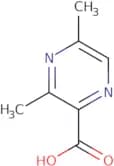
CAS:<p>3,5-Dibromopyrazin-2-amine is a triethyl orthoformate derivative that reacts with formamide to form 3,5-dibromopyrazine. The reaction time is typically less than 10 minutes and the yield is high. The product can be stored in a dry, inert atmosphere for up to 3 months without degradation. The compound has been shown to inhibit cyclic nucleotide phosphodiesterase (PDE) enzymes and cancer cells in vitro.</p>Formula:C4H3Br2N3Purity:Min. 95%Color and Shape:White To Yellow To Orange SolidMolecular weight:252.89 g/mol3,5-Dimethylpyrazine-2-carboxylic acid
CAS:<p>Please enquire for more information about 3,5-Dimethylpyrazine-2-carboxylic acid including the price, delivery time and more detailed product information at the technical inquiry form on this page</p>Purity:Min. 95%4'-Amino-2,2':6',2''-terpyridine
CAS:<p>4'-Amino-2,2':6',2''-terpyridine is a versatile chemical building block that can be used in the synthesis of complex compounds. It is a high quality reagent and useful intermediate for the production of speciality chemicals. 4'-Amino-2,2':6',2''-terpyridine can also be used as a reaction component or scaffold to produce other compounds. CAS No. 193944-66-0</p>Formula:C15H12N4Purity:Min. 97.0 Area-%Molecular weight:248.29 g/molRef: 3D-J-400550
1gTo inquire5gTo inquire10gTo inquire500mgTo inquire2500mgTo inquire-Unit-ggTo inquire2,4-Dichloro-5-trifluoromethylpyrimidine
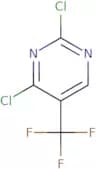
CAS:<p>2,4-Dichloro-5-trifluoromethylpyrimidine is a synthetic compound that can be used as an additive in plastics and cellulose. It is also used to produce 2,4-dichloro-5-(trifluoromethyl)pyrimidine, which has been shown to inhibit the growth of cancer cells. The methylating properties of 2,4-dichloro-5-(trifluoromethyl)pyrimidine have been shown to be useful for the production of amines. This chemical can also be used as a solvent due to its low boiling point.</p>Formula:C5HCl2F3N2Purity:Min. 95%Color and Shape:Clear Colourless To Pale Yellow To Brown LiquidMolecular weight:216.98 g/mol1-[(2-Pyridyl)methyl]piperazine
CAS:Controlled Product<p>1-[(2-Pyridyl)methyl]piperazine is a fluorescent organic solvent. It is a piperazine derivative with low detection limit, which can be used for the detection of metal ions. 1-[(2-Pyridyl)methyl]piperazine has also been shown to be a hyperpolarizing agent in organic solvents and has been used as an optical sensor for 4-chloro-7-nitrobenzofurazan, which is a compound that exhibits fluorescence properties. 1-[(2-Pyridyl)methyl]piperazine can be used as a linker in microscopy techniques to immobilize biomolecules on the surface of glass slides.</p>Formula:C10H15N3Purity:Min. 95%Molecular weight:177.25 g/mol6-Chloro-1,3-dimethyl-1H-pyrazolo[3,4-b]pyridine-5-carboxaldehyde
CAS:<p>Please enquire for more information about 6-Chloro-1,3-dimethyl-1H-pyrazolo[3,4-b]pyridine-5-carboxaldehyde including the price, delivery time and more detailed product information at the technical inquiry form on this page</p>Formula:C9H8ClN3OPurity:Min. 95%Molecular weight:209.63 g/mola-Butylpiperonyl alcohol
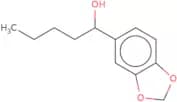
CAS:Controlled Product<p>a-Butylpiperonyl alcohol is a chiral molecule that is used in the synthesis of esters. It can be produced by microbial fermentation and low-temperature chemical reactions. This compound has been shown to inhibit the growth of Gram-positive bacteria, such as Staphylococcus aureus and Streptococcus pneumoniae. The biosynthetic pathway for a-butylpiperonyl alcohol is not yet well understood, but it has been hypothesized that this compound is synthesized from an intermediate, acetic acid. The enzyme responsible for this conversion is unknown, but it may be catalysed by an acylase or acetate kinase. A study on the genome sequence of Coelicolor revealed that this organism produces a-butylpiperonyl alcohol from the intermediate 3-hydroxypropanoic acid.</p>Formula:C12H16O3Purity:Min. 95%Molecular weight:208.25 g/molMethyl 6-chloro-2-pyridinecarboxylate
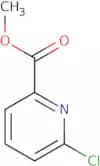
CAS:<p>Methyl 6-chloro-2-pyridinecarboxylate is a reactive, organic compound that belongs to the class of monomers. It is a white crystalline solid with a melting point of approximately 130 degrees Celsius. This chemical can be synthesized by reacting 2-chlorobenzothiazole with sodium carbonate in water at temperatures between 100 and 140 degrees Celsius. The reaction yields methyl 6-chloro-2-pyridinecarboxylate as well as chloride and picolinic acid as side products. This compound has been shown to have neurotoxic effects when administered to rats at high doses.</p>Formula:C7H6ClNO2Purity:Min. 95%Molecular weight:171.58 g/mol2-Fluoro-4-(tributylstannyl)pyridine
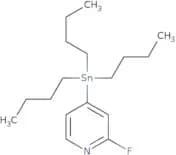
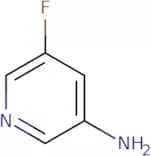
CAS:Controlled Product<p>Please enquire for more information about 2-Fluoro-4-(tributylstannyl)pyridine including the price, delivery time and more detailed product information at the technical inquiry form on this page</p>Formula:C17H30FNSnPurity:Min. 95%Molecular weight:386.14 g/mol3-Amino-5-fluoropyridine
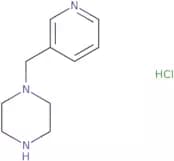
CAS:<p>3-Amino-5-fluoropyridine is a chiral amino acid that can be synthesized from butyronitrile and fluorine in the presence of an organocatalyst. The synthesis can be carried out with either a biodegradable or non-biodegradable catalyst. 3-Amino-5-fluoropyridine can be used as a precursor to prepare medicines such as fluoroquinolones, which are antibiotics that inhibit bacterial growth by binding to DNA-dependent RNA polymerase and preventing transcription and replication. Fluoroquinolones are also potent anti-inflammatory agents and have been shown to reduce inflammation in animal models of asthma, arthritis, and colitis. 3-Amino-5-fluoropyridine can be synthesized from nitro compounds with aluminium mediated reactions. Nitro compounds are toxic substances that have been used in explosives or as herbicides.</p>Formula:C5H5FN2Purity:Min. 95%Color and Shape:Off-White PowderMolecular weight:112.11 g/mol1-(Pyridin-3-ylmethyl)piperazineHydrochloride
CAS:Controlled Product<p>Please enquire for more information about 1-(Pyridin-3-ylmethyl)piperazineHydrochloride including the price, delivery time and more detailed product information at the technical inquiry form on this page</p>Formula:C10H16ClN3Purity:Min. 95%Molecular weight:213.71 g/mol4,5,6,7-Tetrahydro-5-(triphenylmethyl)thieno[3,2-c]pyridine
CAS:<p>Prasugrel is a pharmaceutical compound that belongs to the class of thienopyridines. It has been shown to inhibit platelet aggregation and is used for the prevention of blood clots in patients with coronary artery disease. Prasugrel binds to the P2Y12 receptor on the surface of platelets, which prevents ADP from binding, thereby inhibiting platelet aggregation. Prasugrel is a crystalline solid that is soluble in water.</p>Formula:C26H23NSPurity:Min. 95%Molecular weight:381.53 g/mol1H-Pyrrolo[2,3-b]pyridin-5-ylamine
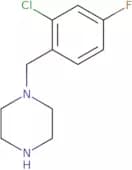
CAS:<p>1H-Pyrrolo[2,3-b]pyridin-5-ylamine is a heterocycle that can be synthesized by cyclization of pyrrole with an alkyne. The microwave irradiation of the reaction mixture leads to selective formation of 1-(2-hydroxyphenyl)pyrrolo[2,3-b]pyridine. This heterocycle can be used in the synthesis of other heterocycles and pharmaceuticals.</p>Purity:Min. 95%1-(2-Chloro-4-fluorobenzyl)piperazine
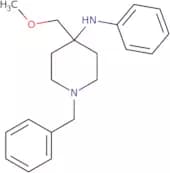
CAS:Controlled Product<p>Please enquire for more information about 1-(2-Chloro-4-fluorobenzyl)piperazine including the price, delivery time and more detailed product information at the technical inquiry form on this page</p>Formula:C11H14ClFN2Purity:Min. 95%Molecular weight:228.69 g/mol1-Benzyl-4-phenylamino-4-(methoxymethyl)piperidine
CAS:<p>Please enquire for more information about 1-Benzyl-4-phenylamino-4-(methoxymethyl)piperidine including the price, delivery time and more detailed product information at the technical inquiry form on this page</p>Formula:C20H26N2OPurity:Min. 95%Molecular weight:310.43 g/mol2-Ethyl-3(5 or 6)-dimethylpyrazine, mixture of isomers
CAS:<p>2-Ethyl-3(5 or 6)-dimethylpyrazine, mixture of isomers is a high quality chemical. It has been used as an intermediate in the synthesis of pharmaceuticals, agricultural chemicals, and other speciality chemicals. 2-Ethyl-3(5 or 6)-dimethylpyrazine, mixture of isomers is a versatile building block that can be used to synthesize complex compounds. It can also act as a reagent for the synthesis of other compounds. The CAS number for this compound is 27043-05-6.</p>Formula:C8H12N2Purity:Min. 99.0 Area-%Molecular weight:136.19 g/molRef: 3D-W-108294
1kgTo inquire100gTo inquire250gTo inquire500gTo inquire2500gTo inquire-Unit-kgkgTo inquireImidazo[1,2-a]pyridin-8-ylamine dihydrochloride
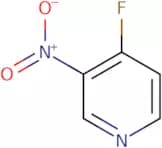
CAS:<p>Imidazo[1,2-a]pyridin-8-ylamine dihydrochloride is an arylation agent that reacts with nucleophiles to form an amide linkage. Imidazo[1,2-a]pyridin-8-ylamine dihydrochloride is used in the synthesis of carboxylic acid derivatives and other biomolecules. It can be used for selective functionalization of unsymmetrical carboxylic acids.</p>Formula:C7H7N3·2HClPurity:Min. 95%Molecular weight:206.07 g/mol4-Fluoro-3-nitropyridine
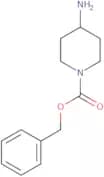
CAS:<p>4-Fluoro-3-nitropyridine is a reactive chemical that can react with alcohols, amines, and amino acids. It has been shown to have absorption spectra in the ultraviolet region of the light spectrum. 4-Fluoro-3-nitropyridine is also a pyridine derivative.</p>Formula:C5H3FN2O2Purity:Min. 95%Color and Shape:Off-White PowderMolecular weight:142.09 g/molBenzyl 4-aminopiperidine-1-carboxylate
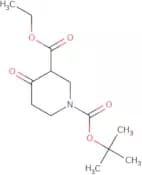
CAS:<p>Please enquire for more information about Benzyl 4-aminopiperidine-1-carboxylate including the price, delivery time and more detailed product information at the technical inquiry form on this page</p>Formula:C13H18N2O2Purity:Min. 95%Color and Shape:PowderMolecular weight:234.29 g/molN-Boc-3-carboethoxy-4-piperidone
CAS:<p>Please enquire for more information about N-Boc-3-carboethoxy-4-piperidone including the price, delivery time and more detailed product information at the technical inquiry form on this page</p>Formula:C13H21NO5Purity:Min. 95%Molecular weight:271.31 g/mol7-Bromo-[1,2,4]triazolo[1,5-a]pyridin-2-ylamine
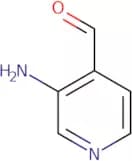
CAS:<p>Please enquire for more information about 7-Bromo-[1,2,4]triazolo[1,5-a]pyridin-2-ylamine including the price, delivery time and more detailed product information at the technical inquiry form on this page</p>Formula:C6H5BrN4Purity:Min. 95%Molecular weight:213.03 g/mol3-Aminopyridine-4-carboxaldehyde
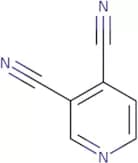
CAS:<p>3-Aminopyridine-4-carboxaldehyde (3APCA) is an acridone that is a colorless, crystalline solid. It has a molecular formula of C8H6N2O2 and a molecular weight of 174.14 g/mol. 3APCA can be synthesized by heating 2-pyridinecarboxylic acid with chloroacetyl chloride in the presence of pyridine as a solvent. The compound can be detected by nmr spectra, which are efficient methods for characterization of this chemical. The spectrum shows peaks at δ 8.22 ppm (1H), 7.61 ppm (1H), 6.99 ppm (2H), 5.87 ppm (1H), 4.06 ppm (2H). 3APCA has been shown to react with alkyl bromides to form carboxylic acids, which are shown by the peaks at δ 8.22 ppm and</p>Formula:C6H6N2OPurity:Min. 95%Molecular weight:122.12 g/molPyridine-3,4-dicarbonitrile
CAS:<p>Pyridine-3,4-dicarbonitrile (PDC) is a ligand that can be synthesized in the laboratory and is used to study the magnetic resonance spectroscopy of organic molecules. PDC binds to metal ions and forms coordination complexes. It has been shown that these complexes have synergistic effects with cancer drugs such as cisplatin and doxorubicin. This ligand also has been shown to bind to copper or iron ions and form stable coordination compounds. PDC can be used in organic solvents, which makes it an ideal candidate for use in organic synthesis.</p>Formula:C7H3N3Purity:Min. 95%Molecular weight:129.12 g/mol1-(2-Chlorobenzyl)piperazine
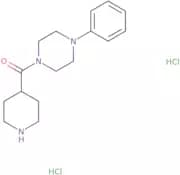
CAS:Controlled Product<p>1-(2-Chlorobenzyl)piperazine is a drug that binds to the adenosine receptor with high affinity. It has been shown to produce a bell-shaped dose-response curve, meaning that at low doses it increases the activity of adenosine receptors and at high doses it decreases the activity of these receptors. 1-(2-Chlorobenzyl)piperazine is an atypical agonist for this receptor because it does not have the typical skeleton structure of other drugs that bind to this receptor. It is also used as a research tool in assays to study the effects of drugs on adenosine receptors.</p>Formula:C11H15ClN2Purity:Min. 95%Molecular weight:210.7 g/mol(4-Phenylpiperazin-1-yl)piperidin-4-yl-methanone dihydrochloride
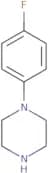
CAS:Controlled Product<p>Please enquire for more information about (4-Phenylpiperazin-1-yl)piperidin-4-yl-methanone dihydrochloride including the price, delivery time and more detailed product information at the technical inquiry form on this page</p>Formula:C16H25Cl2N3OPurity:Min. 95%Molecular weight:346.29 g/mol1-(4-Fluorophenyl)piperazine free base
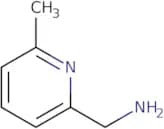
CAS:Controlled Product<p>Please enquire for more information about 1-(4-Fluorophenyl)piperazine free base including the price, delivery time and more detailed product information at the technical inquiry form on this page</p>Purity:Min. 95%6-Methyl-2-pyridinemethanamine
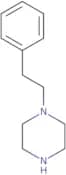
CAS:<p>6-Methyl-2-pyridinemethanamine is an imine that is used in cancer therapy. It has been shown to have antitumor activity at nanomolar concentrations, which is a very low dose. 6-Methyl-2-pyridinemethanamine is not sensitive to the body's enzymes and does not show any signs of toxicity. This drug also has a pharmacokinetic profile that enhances the uptake of other drugs and can be used for the treatment of cancers that are resistant to chemotherapy. The mechanism of action of 6-methyl-2-pyridinemethanamine is constitutive activation, which means it binds to the constitutively active site on the protein target and inhibits its function.</p>Formula:C7H10N2Purity:Min. 95%Molecular weight:122.17 g/mol1-(2-Phenylethyl)piperazine
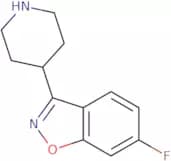
CAS:Controlled Product<p>1-(2-Phenylethyl)piperazine is a potential drug for the treatment of insulin resistance. It has been shown to increase insulin sensitivity in mice and humans, as measured by glucose uptake rates, pharmacokinetic properties, and insulin sensitivity. This compound may be used in combination with other drugs to treat cancer or skin conditions. 1-(2-Phenylethyl)piperazine has also been shown to bind to the aminophenyl receptor, which is a G protein-coupled receptor that is involved in cell proliferation and apoptosis. The aminophenyl receptor also binds to multidrugs such as HIV protease inhibitors (e.g., indinavir), which suggests that it may have antitumor effects.</p>Formula:C12H18N2Purity:Min. 95%Molecular weight:190.28 g/mol6-Fluoro-3-(4-piperidinyl)-1,2-benzisoxazole
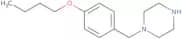
CAS:<p>6-Fluoro-3-(4-piperidinyl)-1,2-benzisoxazole is a drug candidate that belongs to a new class of atypical antipsychotics. It has been synthesized using an efficient method and was found to bind to the m1 receptor with high affinity. 6-Fluoro-3-(4-piperidinyl)-1,2-benzisoxazole has shown efficacy in vitro studies against 5HT1a receptors and in vivo studies against fibroblast cells. This drug is also effective against serotonin levels, which may be due to its ability to inhibit the reuptake of serotonin by blocking the serotonin transporter.</p>Formula:C12H13FN2OPurity:Min. 95%Color and Shape:PowderMolecular weight:220.24 g/mol1-(4-Butoxybenzyl)piperazine
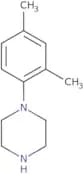
CAS:Controlled Product<p>Please enquire for more information about 1-(4-Butoxybenzyl)piperazine including the price, delivery time and more detailed product information at the technical inquiry form on this page</p>Formula:C15H24N2OPurity:Min. 95%Molecular weight:248.36 g/mol1-(2,4-Dimethylphenyl)piperazine
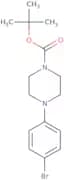
CAS:Controlled Product<p>1-(2,4-Dimethylphenyl)piperazine is an acetylcholine receptor agonist. It binds to the nicotinic acetylcholine receptor and mimics the action of acetylcholine. 1-(2,4-Dimethylphenyl)piperazine has been evaluated for optimization in order to reduce any side effects that may be caused by its binding with other receptors. The research has shown that 1-(2,4-Dimethylphenyl)piperazine is able to increase lipid transport, which may have a positive effect on conditions like glioma. This drug also inhibits the activity of acetylcholine esterase and monoamine oxidase, which are enzymes responsible for the breakdown of these neurotransmitters.</p>Purity:Min. 95%4-(4-Bromophenyl)piperazine-1-carboxylic acid tert-butyl ester
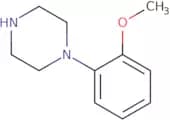
CAS:Controlled Product<p>Please enquire for more information about 4-(4-Bromophenyl)piperazine-1-carboxylic acid tert-butyl ester including the price, delivery time and more detailed product information at the technical inquiry form on this page</p>Formula:C15H21BrN2O2Purity:Min. 95%Molecular weight:341.24 g/mol1-(2-Methoxyphenyl)piperazine
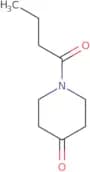
CAS:Controlled Product<p>1-(2-Methoxyphenyl)piperazine is a drug that has been shown to have locomotor activity, antihypertensive activity, and inhibitory properties. It also acts as a matrix effect and receptor activity. 1-(2-Methoxyphenyl)piperazine has been shown to have inhibitory effects on 5-ht7 receptors, which are mainly found in the brain. This drug binds to the 5-ht2 receptor, which is a type of serotonin receptor in the brain. The binding of 1-(2-methoxyphenyl)piperazine to the 5-ht2 receptor inhibits the release of dopamine from neurons and leads to necrotic cell death. This drug can also be used as an analytical tool for measuring 5-ht1a receptors, which is a type of serotonin receptor found in the brain.</p>Formula:C11H16N2OPurity:Min. 95%Molecular weight:192.26 g/mol1-Butyrylpiperidin-4-one
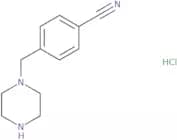
CAS:Controlled Product<p>Please enquire for more information about 1-Butyrylpiperidin-4-one including the price, delivery time and more detailed product information at the technical inquiry form on this page</p>Formula:C9H15NO2Purity:Min. 95%Molecular weight:169.22 g/mol4-(Piperazinomethyl)benzonitrile, hydrochloride
CAS:Controlled Product<p>Please enquire for more information about 4-(Piperazinomethyl)benzonitrile, hydrochloride including the price, delivery time and more detailed product information at the technical inquiry form on this page</p>Formula:C12H16ClN3Purity:Min. 95%Molecular weight:237.73 g/mol3-[4-(3,4-Dichlorophenyl)piperazin-1-yl]-3-oxopropanenitrile
CAS:Controlled Product<p>Please enquire for more information about 3-[4-(3,4-Dichlorophenyl)piperazin-1-yl]-3-oxopropanenitrile including the price, delivery time and more detailed product information at the technical inquiry form on this page</p>Formula:C13H13Cl2N3OPurity:Min. 95%Molecular weight:298.17 g/mol4-Bromo-7-methoxy-1H-pyrrolo[2,3-c]pyridine
CAS:<p>Please enquire for more information about 4-Bromo-7-methoxy-1H-pyrrolo[2,3-c]pyridine including the price, delivery time and more detailed product information at the technical inquiry form on this page</p>Purity:Min. 95%3-Bromo-5-fluoropyridine
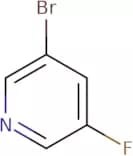
CAS:<p>3-Bromo-5-fluoropyridine is a synthetic dyestuff that is used in the production of dyes and pigments. It has an analogous structure to 3-amino-5-bromopyridine, which is used as a medicine for treating epilepsy. 3-Bromo-5-fluoropyridine reacts with acetoacetate or ethyl acetoacetate to form methylated products, such as 3-(4'-hydroxyphenyl)propionate. This compound can be synthesized by halogenation with bromine or chlorination followed by hydrolysis. The synthesis of 3-bromo-5-fluoropyridine from 3-amino-5-bromopyridine involves a series of reactions, including diazonium salt formation, followed by bromination and reduction to produce the desired product.</p>Formula:C5H3BrFNPurity:Min. 95%Color and Shape:PowderMolecular weight:175.9 g/mol6-Methoxypyridine-2-boronic acid
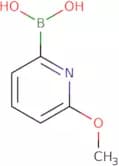
CAS:<p>6-Methoxypyridine-2-boronic acid is a boronate ligand that can be used to form coordination complexes with metals. It has been shown to interact with silver ions, which are the most effective ligands for enhancing the fluorescence of organic dyes. 6-Methoxypyridine-2-boronic acid is able to rigidify organic molecules by binding to their steric and electronic properties, making them more resistant to photodegradation. This property makes it an excellent candidate for the use in the development of fluorescent labels in analytical chemistry.</p>Formula:C6H8BNO3Purity:Min. 95%Molecular weight:152.94 g/molMethyl 1H-pyrrolo[2,3-b]pyridine-2-carboxylate
CAS:<p>Please enquire for more information about Methyl 1H-pyrrolo[2,3-b]pyridine-2-carboxylate including the price, delivery time and more detailed product information at the technical inquiry form on this page</p>Formula:C9H8N2O2Purity:Min. 95%Molecular weight:176.17 g/mol5-Chloro-2-(ethylsulfonyl)pyrimidine-4-carboxylic acid
CAS:<p>Please enquire for more information about 5-Chloro-2-(ethylsulfonyl)pyrimidine-4-carboxylic acid including the price, delivery time and more detailed product information at the technical inquiry form on this page</p>Formula:C7H7ClN2O4SPurity:Min. 95%Molecular weight:250.66 g/mol4-Dimethylaminopyridinium Bromide Perbromide
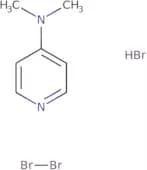
CAS:Controlled Product<p>4-Dimethylaminopyridinium Bromide Perbromide is a synthetic compound that contains a phenolic hydroxyl group. It reacts with chloride to form the perbromide salt, which is anhydrous and insoluble in water. The compound has been shown to inhibit the growth of cancer cells by interfering with DNA replication and transcription.</p>Formula:C7H11Br3N2Purity:Min. 95%Molecular weight:362.89 g/mol1'-Hydroxy bilastine
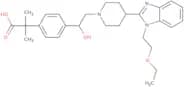
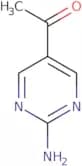
CAS:<p>Please enquire for more information about 1'-Hydroxy bilastine including the price, delivery time and more detailed product information at the technical inquiry form on this page</p>Formula:C28H37N3O4Purity:Min. 95%Molecular weight:479.61 g/mol1-(2-Aminopyrimidin-5-yl)ethanone
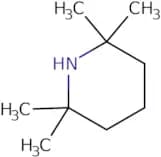
CAS:<p>Please enquire for more information about 1-(2-Aminopyrimidin-5-yl)ethanone including the price, delivery time and more detailed product information at the technical inquiry form on this page</p>Formula:C6H7N3OPurity:Min. 95%Molecular weight:137.14 g/mol2,2,6,6-Tetramethylpiperidine
CAS:<p>Hindered amine light stabilizer in polymer synthesis; TEMPO and LTMP precusor</p>Formula:C9H19NPurity:Min. 95%Color and Shape:Clear LiquidMolecular weight:141.25 g/molFmoc-4-piperidone
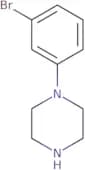
CAS:Controlled Product<p>Fmoc-4-piperidone is a chemical compound that is used in analytical chemistry. It has the properties of being non-toxic and soluble in organic solvents. Fmoc-4-piperidone can be used as a matrix for the analysis of proteins, peptides, and amino acids with mass spectrometry. The compound also has the capability to desorb and ionize compounds from surfaces using laser desorption/ionization mass spectrometry.</p>Formula:C20H19NO3Purity:Min. 95%Molecular weight:321.37 g/mol1-(3-Bromophenyl)-piperazine
CAS:Controlled Product<p>1-(3-Bromophenyl)-piperazine is a furan compound with a piperazine base. It is used as an anti-cancer drug in the treatment of cancer and impurities are removed from this compound using chromatography. This compound has been shown to be homocoupled, which means that it can be used to synthesize other compounds. 1-(3-Bromophenyl)-piperazine is approved by the FDA and European Medicines Agency for the treatment of cancer, and has been shown to have immunological properties.</p>Formula:C10H13BrNPurity:Min. 95%Molecular weight:227.12 g/mol5-[2-[4',5-Bis(Pyridin-2-ylsulfamoyl)biphenyl-2-yl]diazenyl]-2-hydroxybenzoic acid
CAS:<p>Please enquire for more information about 5-[2-[4',5-Bis(Pyridin-2-ylsulfamoyl)biphenyl-2-yl]diazenyl]-2-hydroxybenzoic acid including the price, delivery time and more detailed product information at the technical inquiry form on this page</p>Formula:C29H22N6O7S2Purity:Min. 95%Molecular weight:630.65 g/mol1-[(1-Ethyl-1H-pyrazol-4-yl)methyl]piperazine
CAS:Controlled Product<p>Please enquire for more information about 1-[(1-Ethyl-1H-pyrazol-4-yl)methyl]piperazine including the price, delivery time and more detailed product information at the technical inquiry form on this page</p>Formula:C10H18N4Purity:Min. 95%Molecular weight:194.28 g/molRopinirole methylene dimer
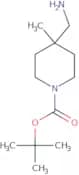
CAS:<p>Please enquire for more information about Ropinirole methylene dimer including the price, delivery time and more detailed product information at the technical inquiry form on this page</p>Formula:C33H48N4O2Purity:Min. 95%Molecular weight:532.76 g/moltert-Butyl 4-(aminomethyl)-4-methylpiperidine-1-carboxylate
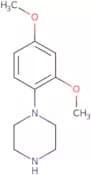
CAS:<p>Please enquire for more information about tert-Butyl 4-(aminomethyl)-4-methylpiperidine-1-carboxylate including the price, delivery time and more detailed product information at the technical inquiry form on this page</p>Formula:C12H24N2O2Purity:Min. 95%Molecular weight:228.33 g/mol1-(2,4-Dimethoxyphenyl)piperazine
CAS:Controlled Product<p>Please enquire for more information about 1-(2,4-Dimethoxyphenyl)piperazine including the price, delivery time and more detailed product information at the technical inquiry form on this page</p>Formula:C12H18N2O2Purity:Min. 95%Molecular weight:222.28 g/mol2-Chloropyridine
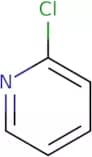
CAS:Controlled Product<p>2-Chloropyridine is a molecule that reacts with hydrochloric acid to produce hydrogen chloride and 2-chloropyridine. The reaction mechanism involves a photoelectron and hydrogen bonding interactions. The chlorine atom in the original molecule will be replaced by a hydrogen atom, while the other chlorine atom becomes part of the product, hydrogen chloride. This reaction occurs in solution at room temperature.</p>Formula:C5H4ClNPurity:Min. 95%Color and Shape:PowderMolecular weight:113.54 g/molPiperidine-2,5-dione
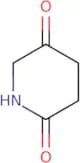
CAS:<p>Piperidine-2,5-dione is a synthetic compound that is used for the synthesis of benzyl esters, stereospecific chiral compounds, and amides. It can be used as a building block in the synthesis of natural products. Piperidine-2,5-dione has been shown to inhibit the activity of enzymes such as lactamases and amidases. The mechanism by which piperidine-2,5-dione inhibits these enzymes is not yet known. This compound also can react with potassium hydride to form radical species or alkylate boronic acids to form stereochemically pure products.</p>Formula:C5H7NO2Purity:Min. 95%Molecular weight:113.11 g/mol3-Bromo-4-pyridinecarboxylic acid
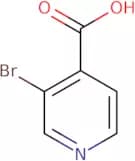
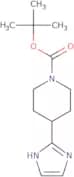
CAS:<p>3-Bromo-4-pyridinecarboxylic acid is a naphthyridine derivative that is used in drug development. It is a crystalline solid that can be dissolved in organic solvents. 3-Bromo-4-pyridinecarboxylic acid has been shown to have antiinflammatory properties and can be used as an oxidant. 3-Bromo-4-pyridinecarboxylic acid is being investigated as a receptor subtype for inflammatory diseases, and it has also been used to study the mechanism of chronic inflammatory diseases.</p>Formula:C6H4BrNO2Purity:Min. 95%Molecular weight:202.01 g/mol1-Boc-4-imidazol-2-yl-piperidine
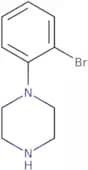
CAS:<p>Please enquire for more information about 1-Boc-4-imidazol-2-yl-piperidine including the price, delivery time and more detailed product information at the technical inquiry form on this page</p>Formula:C13H21N3O2Purity:Min. 95%Molecular weight:251.32 g/mol1-(2-Bromophenyl)piperazine
CAS:Controlled Product<p>1-(2-Bromophenyl)piperazine is a drug that inhibits the activity of dehydrogenase, an enzyme that catalyzes the oxidation of NADH to NAD. It has been shown to inhibit other enzymes as well, such as those involved in the synthesis of amino acids and nucleic acids. 1-(2-Bromophenyl)piperazine has shown potential as a therapeutic agent for Parkinson's disease. This drug is being tested in clinical trials for its efficacy in treating a variety of diseases, including metabolic and cardiovascular disorders, hepatobiliary diseases, and neurodegenerative diseases.</p>Formula:C10H13BrN2Purity:Min. 95%Molecular weight:241.13 g/molIndole
CAS:<p>Indole is a heterocyclic aromatic organic compound. It is a colorless solid that has a strong, unpleasant odor. Indole is classified as a nitrogenous base and is found in many natural products such as the amino acid tryptophan and the alkaloid caffeine. Indole can also be used as a building block for complex molecules, such as pharmaceuticals, herbicides, and pesticides. Indole is soluble in water, but insoluble in most organic solvents. It can be used to synthesize other compounds through reactions with other chemicals or by heating it with different reagents.</p>Formula:C8H7NPurity:Min. 98 Area-%Molecular weight:117.15 g/molRef: 3D-I-0800
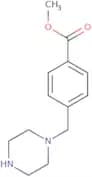
1kgTo inquire5kgTo inquire10kgTo inquire25kgTo inquire2500gTo inquire-Unit-kgkgTo inquireMethyl 4-piperazin-1-ylmethylbenzoate
CAS:Controlled Product<p>Please enquire for more information about Methyl 4-piperazin-1-ylmethylbenzoate including the price, delivery time and more detailed product information at the technical inquiry form on this page</p>Formula:C13H18N2O2Purity:Min. 95%Molecular weight:234.29 g/mol3-Fluoro-4-(tributylstannyl)pyridine
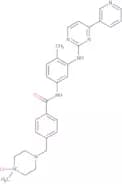
CAS:Controlled Product<p>3-Fluoro-4-(tributylstannyl)pyridine is a high affinity, selective, and membrane permeable ligand of the A2B adenosine receptor. It has been shown to be a potent antagonist of A2B receptors in vitro. This compound has also been shown to have a lower affinity for A1, A3, and A4 receptors. 3-Fluoro-4-(tributylstannyl)pyridine has been shown to have high brain uptake in vivo studies. 3-Fluoro-4-(tributylstannyl)pyridine binds to the x-ray structure of the adenosine receptor with high affinity and penetrability. The binding site is proposed to be located on the extracellular side of the receptor near the interface with the second transmembrane domain. In vivo studies have shown that 3-fluoro-4-(tributylstannyl)p</p>Formula:C17H30FNSnPurity:Min. 95%Molecular weight:386.14 g/molImatinib (piperidine)-N-oxide
CAS:<p>Imatinib (piperidine)-N-oxide is a by-product of the synthesis process for Imatinib, which is an inhibitor of tyrosine kinases. Imatinib (piperidine)-N-oxide has been shown to have antineoplastic activity in vitro and in vivo. It is structurally related to CGP 71422, a known tyrosine kinase inhibitor.</p>Formula:C29H31N7O2Purity:Min. 95%Molecular weight:509.6 g/molCinnoline
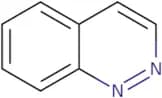
CAS:<p>Cinnoline is a chemical compound that is structurally similar to phenol, containing a hydroxyl group, two nitrogen atoms and a cyclic structure. Cinnoline has been shown to have anti-inflammatory activity in rats with adjuvant-induced arthritis. The mechanism of the anti-inflammatory effect of cinnoline is not fully understood, but it may be due to its stability and ability to bind to biological molecules or its conformational properties. Cinnoline does not react with nitric acid, making it a good candidate for use in infectious diseases such as tuberculosis. It has also been shown to be stable in human serum and has low pharmacokinetic properties. The fluorescence intensity of cinnoline was found to increase when exposed to an electrochemical potential and can be used as a probe molecule for pharmacokinetics studies.</p>Formula:C8H6N2Purity:Min. 95%Color and Shape:PowderMolecular weight:130.15 g/mol3-[(2S)-1,2,3,6-Tetrahydropyridin-2-Yl]Pyridine
CAS:<p>3-[(2S)-1,2,3,6-Tetrahydropyridin-2-Yl]Pyridine is a compound that is derived from the plant metabolism. It has been shown to have a nicotine-like effect on locomotor activity in rats. 3-[(2S)-1,2,3,6-Tetrahydropyridin-2-Yl]Pyridine has also been shown to inhibit antibody production in mice and to be effective against bowel disease. The compound has also been studied for its ability to treat metabolic disorders such as diabetes. 3-[(2S)-1,2,3,6-Tetrahydropyridin-2-Yl]Pyridine is not toxic when administered orally over a long period of time.</p>Formula:C10H12N2Purity:Min. 95%Molecular weight:160.22 g/mol2,4,5-Trichloropyrimidine
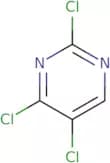
CAS:<p>2,4,5-Trichloropyrimidine is a chemical compound that has reactive properties. It can be used in the Suzuki coupling reaction to form new molecules. 2,4,5-Trichloropyrimidine can also be used as a potent inhibitor of epidermal growth factor receptors (EGFRs). It has been shown to inhibit the growth of cancer cells and other autoimmune diseases. 2,4,5-Trichloropyrimidine has shown significant inhibitory activity against kinases. It is selective for EGFRs and does not have any effect on other kinases. This suggests that it may be an effective therapeutic agent for the treatment of certain cancers and autoimmune diseases.</p>Formula:C4HCl3N2Purity:Min. 95%Molecular weight:183.42 g/molCiprofloxacin piperazinyl-N4-sulfate
CAS:<p>Ciprofloxacin is a fluoroquinolone antibiotic with potent activity against many Gram-negative and Gram-positive bacteria. It is used in the treatment of urinary tract infections, respiratory tract infections, skin and soft tissue infections, bone and joint infections, and intra-abdominal infections. Ciprofloxacin piperazinyl-N4-sulfate has the potential to interact with other drugs. It binds to human serum albumin (HSA) and may be excreted into breast milk. The drug is well absorbed orally but has poor bioavailability due to rapid metabolism by the liver. Ciprofloxacin piperazinyl-N4-sulfate has been shown to have pharmacokinetic properties that are independent of dose or duration of administration.</p>Formula:C17H18FN3O6SPurity:Min. 95%Molecular weight:411.41 g/mol2-Cyano-5-fluoropyridine
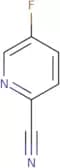
CAS:<p>2-Cyano-5-fluoropyridine is a potential antitubercular agent that has shown penetrability in the central nervous system and activity against Mycobacterium tuberculosis. It is orally active at low doses, and has been shown to be an effective inhibitor of mycobacterial growth and lipid synthesis. In addition, this compound also has antimycobacterial activity against M. avium complex and M. ulcerans, and is a potent inhibitor of β-amyloid aggregation.</p>Formula:C6H3FN2Purity:Min. 95%Molecular weight:122.1 g/mol3,3-Dimethylpiperidine
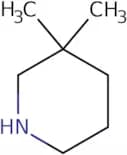
CAS:<p>3,3-dimethylpiperidine is a chemical compound that is used in wastewater treatment. It has been shown to inhibit the production of serotonin and other substances by binding to serotonin receptors. 3,3-dimethylpiperidine has been shown to be selective for the l-type of calcium channels, which are involved in blood vessel contraction and relaxation. This chemical has also been shown to increase the permeability of cell membranes, which may be due to its ability to bind with receptor sites on cell membranes. The binding of 3,3-dimethylpiperidine with these sites leads to an increase in the hydrophilicity of the membrane surface and an increase in receptor binding.</p>Formula:C7H15NPurity:Min. 95%Color and Shape:Clear LiquidMolecular weight:113.2 g/moltert-Butyl 4-{[(methylsulfonyl)oxy]methyl}piperidine-1-carboxylate
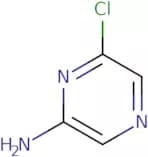
CAS:<p>Please enquire for more information about tert-Butyl 4-{[(methylsulfonyl)oxy]methyl}piperidine-1-carboxylate including the price, delivery time and more detailed product information at the technical inquiry form on this page</p>Formula:C12H23NO5SPurity:Min. 95%Molecular weight:293.38 g/mol2-Amino-6-chloropyrazine
CAS:<p>2-Amino-6-chloropyrazine (2ACP) is an inhibitor that binds to the active site on human protein kinase C (PKC). It has been shown to inhibit PKC by hydrogen bonding with the hydroxide ion, which blocks its catalytic activity. 2ACP has been studied for its potential use in treating cancer and for inhibiting amine oxidases, which are enzymes associated with inflammation and chronic obstructive pulmonary disease. The inhibition of these enzymes may help to reduce stenosis in the lungs or other organs. 2ACP also has been shown to have antimycobacterial activity against Mycobacterium tuberculosis, M. avium complex, and M. leprae by inhibiting DNA synthesis and RNA synthesis. 2ACP inhibits the kinase receptor on the cell membrane that phosphorylates a water molecule into a chlorine atom, which then reacts with hydrogen peroxide to form free radicals that can kill bacteria</p>Formula:C4H4ClN3Purity:Min. 95%Molecular weight:129.55 g/mol3-Fluoro-2-(tributylstannyl)pyridine
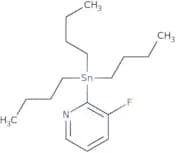
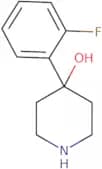
CAS:Controlled Product<p>Please enquire for more information about 3-Fluoro-2-(tributylstannyl)pyridine including the price, delivery time and more detailed product information at the technical inquiry form on this page</p>Formula:C17H30FNSnPurity:Min. 95%Molecular weight:386.14 g/mol4-(2-Fluorophenyl)-4-piperidinol
CAS:<p>Please enquire for more information about 4-(2-Fluorophenyl)-4-piperidinol including the price, delivery time and more detailed product information at the technical inquiry form on this page</p>Formula:C11H14FNOPurity:Min. 95%Molecular weight:195.23 g/mol1-Butylpyridinium Chloride
CAS:<p>1-Butylpyridinium Chloride is an ionic liquid that is a colorless, water-soluble liquid. It has been reported to have detergent compositions and can be used as a solvent or cleaning agent. 1-Butylpyridinium chloride has been shown to have strong hydrogen bonding interactions with other molecules. It also exhibits electrochemical impedance spectroscopy, ft-ir spectroscopy, and thermal expansion properties.</p>Formula:C9H14ClNPurity:Min. 95%Molecular weight:171.67 g/mol


![1-[4-(4-bromophenyl)piperazin-1-yl]ethanone](/_next/image/?url=https%3A%2Fstatic.cymitquimica.com%2Fproducts%2F3D%2Fthumb-webp%2FFB137350.webp&w=3840&q=75)



![4-[(2,5-Dimethyl-1H-pyrrol-1-yl)methyl]piperidine hydrochloride](/_next/image/?url=https%3A%2Fstatic.cymitquimica.com%2Fproducts%2F3D%2Fthumb-webp%2FFD117663.webp&w=3840&q=75)





![N-[2-(4-Benzylpiperazin-1-yl)-2-oxoethyl]-N-methylamine](/_next/image/?url=https%3A%2Fstatic.cymitquimica.com%2Fproducts%2F3D%2Fthumb-webp%2FFB117802.webp&w=3840&q=75)


![1-[(2-Pyridyl)methyl]piperazine](/_next/image/?url=https%3A%2Fstatic.cymitquimica.com%2Fproducts%2F3D%2Fthumb-webp%2FFP156984.webp&w=3840&q=75)
![6-Chloro-1,3-dimethyl-1H-pyrazolo[3,4-b]pyridine-5-carboxaldehyde](/_next/image/?url=https%3A%2Fstatic.cymitquimica.com%2Fproducts%2F3D%2Fthumb-webp%2FFC30642.webp&w=3840&q=75)
![4,5,6,7-Tetrahydro-5-(triphenylmethyl)thieno[3,2-c]pyridine](/_next/image/?url=https%3A%2Fstatic.cymitquimica.com%2Fproducts%2F3D%2Fthumb-webp%2FFT28108.webp&w=3840&q=75)
![1H-Pyrrolo[2,3-b]pyridin-5-ylamine](/_next/image/?url=https%3A%2Fstatic.cymitquimica.com%2Fproducts%2F3D%2Fthumb-webp%2FFP143125.webp&w=3840&q=75)

![Imidazo[1,2-a]pyridin-8-ylamine dihydrochloride](/_next/image/?url=https%3A%2Fstatic.cymitquimica.com%2Fproducts%2F3D%2Fthumb-webp%2FFI51744.webp&w=3840&q=75)
![7-Bromo-[1,2,4]triazolo[1,5-a]pyridin-2-ylamine](/_next/image/?url=https%3A%2Fstatic.cymitquimica.com%2Fproducts%2F3D%2Fthumb-webp%2FFB140382.webp&w=3840&q=75)

![3-[4-(3,4-Dichlorophenyl)piperazin-1-yl]-3-oxopropanenitrile](/_next/image/?url=https%3A%2Fstatic.cymitquimica.com%2Fproducts%2F3D%2Fthumb-webp%2FFD118649.webp&w=3840&q=75)
![4-Bromo-7-methoxy-1H-pyrrolo[2,3-c]pyridine](/_next/image/?url=https%3A%2Fstatic.cymitquimica.com%2Fproducts%2F3D%2Fthumb-webp%2FFB141995.webp&w=3840&q=75)
![Methyl 1H-pyrrolo[2,3-b]pyridine-2-carboxylate](/_next/image/?url=https%3A%2Fstatic.cymitquimica.com%2Fproducts%2F3D%2Fthumb-webp%2FFM142039.webp&w=3840&q=75)


![5-[2-[4',5-Bis(Pyridin-2-ylsulfamoyl)biphenyl-2-yl]diazenyl]-2-hydroxybenzoic acid](/_next/image/?url=https%3A%2Fstatic.cymitquimica.com%2Fproducts%2F3D%2Fthumb-webp%2FFB167032.webp&w=3840&q=75)
![1-[(1-Ethyl-1H-pyrazol-4-yl)methyl]piperazine](/_next/image/?url=https%3A%2Fstatic.cymitquimica.com%2Fproducts%2F3D%2Fthumb-webp%2FFE134454.webp&w=3840&q=75)



![3-[(2S)-1,2,3,6-Tetrahydropyridin-2-Yl]Pyridine](/_next/image/?url=https%3A%2Fstatic.cymitquimica.com%2Fproducts%2F3D%2Fthumb-webp%2FFT31535.webp&w=3840&q=75)

![tert-Butyl 4-{[(methylsulfonyl)oxy]methyl}piperidine-1-carboxylate](/_next/image/?url=https%3A%2Fstatic.cymitquimica.com%2Fproducts%2F3D%2Fthumb-webp%2FFB122853.webp&w=3840&q=75)