


Heterocycles with Nitrogen (N)
In this category, you will find a wide variety of nitrogen-containing heterocycles. Heterocycles are carbon chains that form a cycle in which at least one position is occupied by a heteroatom, in this case, nitrogen. These compounds are integral in the synthesis of pharmaceuticals, agrochemicals, and dyes, offering unique reactivity and stability. At CymitQuimica, we provide a comprehensive selection of high-quality nitrogen-containing heterocycles to support your research and industrial applications
Subcategories of "Heterocycles with Nitrogen (N)"
- Azepane(434 products)
- Benzotriazoles(436 products)
- Diazepanes(331 products)
- Imidazoles(4,011 products)
- Imidazolines(385 products)
- Isoxazole(1,077 products)
- Piperazines(3,736 products)
- Piperidines(8,405 products)
- Pyrazines(1,299 products)
- Pyrazole(5,921 products)
- Pyrazolidine(21 products)
- Pyrazoline(142 products)
- Pyridazine(856 products)
- Pyridines(21,917 products)
- Pyrimidine(6,041 products)
- Pyrroles(2,443 products)
- Pyrrolidines(5,816 products)
- Pyrroline(48 products)
- Pyrrolo[1,2-b]pyridazine(10 products)
- Tetrazole(510 products)
- Triazines(462 products)
- Triazoles(1,680 products)
Show 14 more subcategories
Found 17855 products of "Heterocycles with Nitrogen (N)"
Sort by
Purity (%)
0
100
|
0
|
50
|
90
|
95
|
100
tert-Butyl 4-{[(methylsulfonyl)oxy]methyl}piperidine-1-carboxylate
CAS:<p>Please enquire for more information about tert-Butyl 4-{[(methylsulfonyl)oxy]methyl}piperidine-1-carboxylate including the price, delivery time and more detailed product information at the technical inquiry form on this page</p>Formula:C12H23NO5SPurity:Min. 95%Molecular weight:293.38 g/mol2-Fluoro-5-hydrazinylpyridine
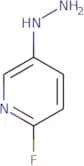
CAS:<p>Please enquire for more information about 2-Fluoro-5-hydrazinylpyridine including the price, delivery time and more detailed product information at the technical inquiry form on this page</p>Formula:C5H6FN3Purity:Min. 95%Molecular weight:127.12 g/mol4,4'-Dithio-2,2'-bipyridine
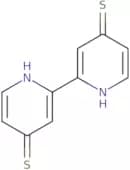
CAS:<p>Please enquire for more information about 4,4'-Dithio-2,2'-bipyridine including the price, delivery time and more detailed product information at the technical inquiry form on this page</p>Formula:C10H8N2S2Purity:Min. 95%Color and Shape:PowderMolecular weight:220.32 g/mol5-Hydroxy-1-methyl-4-nitroimidazole sodium salt
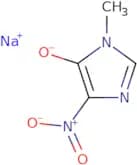
CAS:<p>Please enquire for more information about 5-Hydroxy-1-methyl-4-nitroimidazole sodium salt including the price, delivery time and more detailed product information at the technical inquiry form on this page</p>Formula:C4H4N3NaO3Purity:Min. 95%Molecular weight:165.08 g/mol4-Chloro-1H-imidazo[4,5-c]pyridine
CAS:<p>4-Chloro-1H-imidazo[4,5-c]pyridine (4CI) is a nucleoside analog that inhibits the replication of RNA and DNA. It has significant inhibitory activity against herpes simplex virus type 1 and human immunodeficiency virus type 1 (HIV-1). 4CI inhibits the synthesis of adenosine, an important component in the synthesis of RNA and DNA. This drug also has antiviral properties against influenza A and B viruses. 4CI's effect on plasma cholesterol levels is thought to be due to inhibition of 3-hydroxy-3-methylglutaryl coenzyme A reductase.</p>Formula:C6H4ClN3Purity:Min. 95%Color and Shape:Off-White SolidMolecular weight:153.57 g/mol1-Benzyl-3-piperidinol
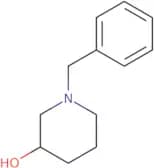
CAS:<p>1-Benzyl-3-piperidinol is a synthetic chemical that has been used as a long-acting calcium antagonist. It is synthesized by the reaction of 1,2-dibromoethane with piperidine and benzaldehyde in the presence of an acid catalyst. The reaction yield is high, and impurities are low. This drug substance is soluble in organic solvents, such as chloroform, ethyl acetate, and ether. The synthesis process uses chiral catalysts to produce the desired enantiomeric form of the drug substance. The use of immobilized catalysts improves the conversion rate, kinetic parameters, and reaction yield of this process.</p>Formula:C12H17NOPurity:Min. 95%Color and Shape:PowderMolecular weight:191.27 g/molPiperidinium acetate
CAS:Controlled Product<p>Piperidinium acetate is a photochemical agent that has been used in the photochemical oxidation of organic compounds. It is also used as a catalyst for the oxidative coupling of piperidinium salts with sodium salts to form piperidine. Piperidinium acetate can be used for the treatment of metabolic disorders, such as lactic acidosis and hyperglycemia, and autoimmune diseases such as rheumatoid arthritis and systemic lupus erythematosus. This compound is also known to cause allergic symptoms and anhydrous sodium may be generated in the process.</p>Formula:C5H11N·C2H4O2Purity:Min. 95%Color and Shape:PowderMolecular weight:145.20 g/mola-Butylpiperonyl alcohol
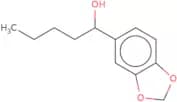
CAS:Controlled Product<p>a-Butylpiperonyl alcohol is a chiral molecule that is used in the synthesis of esters. It can be produced by microbial fermentation and low-temperature chemical reactions. This compound has been shown to inhibit the growth of Gram-positive bacteria, such as Staphylococcus aureus and Streptococcus pneumoniae. The biosynthetic pathway for a-butylpiperonyl alcohol is not yet well understood, but it has been hypothesized that this compound is synthesized from an intermediate, acetic acid. The enzyme responsible for this conversion is unknown, but it may be catalysed by an acylase or acetate kinase. A study on the genome sequence of Coelicolor revealed that this organism produces a-butylpiperonyl alcohol from the intermediate 3-hydroxypropanoic acid.</p>Formula:C12H16O3Purity:Min. 95%Molecular weight:208.25 g/mol1-(4-(Aminomethyl)phenyl)pyridin-1-ium chloride
CAS:<p>1-(4-(Aminomethyl)phenyl)pyridin-1-ium chloride is a chemical compound that belongs to the class of pyridines and has pinpoint as its molecular weight. It is an ionic liquid that can be used in analytical methods, such as liquid chromatography and ionization techniques, for the identification of unsaturated fatty acids. This compound can be analyzed by gas chromatography with either electron capture detection or chemical ionization. The GC separation column used for this analysis would have to be a phase column with an unsaturated fatty acid stationary phase. GC-EID and GC-CI are two common ionization techniques that could be used in conjunction with this analytical method. The lower limit of detection for this technique is about 0.1 ppm, which makes it a sensitive analytical tool for use in food production and quality control laboratories. The yield of 1-(4-(Aminomethyl)phenyl)pyridin-1-</p>Purity:Min. 95%2-Chloro-4,6-dimethoxypyrimidine
CAS:<p>2-Chloro-4,6-dimethoxypyrimidine is a synthetic compound that is a triazolopyrimidine derivative. It has been shown to have significant antifungal activity against cryptococcus neoformans in toxicity studies. 2-Chloro-4,6-dimethoxypyrimidine is an amine that can be used as a fungicide or pesticide due to its toxicity and effectiveness against fungi. 2-Chloro-4,6-dimethoxypyrimidine has a molecular weight of 196 and contains three functional groups: chlorine, hydrogen chloride, and pyridinium. This compound also has the ability to form covalent bonds with organic molecules such as chloromethyl groups on proteins.</p>Formula:C6H7ClN2O2Purity:Min. 95%Color and Shape:Off-White To Yellow SolidMolecular weight:174.58 g/mol2-Methylfuro[3,2-c]pyridin-4(5H)-one
CAS:<p>Please enquire for more information about 2-Methylfuro[3,2-c]pyridin-4(5H)-one including the price, delivery time and more detailed product information at the technical inquiry form on this page</p>Formula:C8H7NO2Purity:Min. 95%Molecular weight:149.15 g/mol1-(3-Fluorobenzyl)piperazine
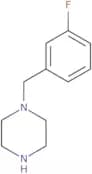
CAS:Controlled Product<p>1-(3-Fluorobenzyl)piperazine is a potent inhibitor of annexin A1. It has been shown to inhibit the proliferation of pancreatic cancer cells and induce apoptosis in these cells by inhibiting cholinesterase activity. 1-(3-Fluorobenzyl)piperazine also inhibits tumor growth in vivo and induces apoptosis, which may be due to its ability to inhibit the mitochondrial membrane potential. The compound has also been shown to have antitumor effects in other types of cancer cells. This drug is an amine that emits acidic compounds as a result of hydrolysis.</p>Formula:C11H15FN2Purity:Min. 95%Molecular weight:194.25 g/mol5-[3-Methoxy-4-(4-methoxy-benzyloxy)-benzyl]-pyrimidine-2,4-diamine
CAS:<p>5-[3-Methoxy-4-(4-methoxy-benzyloxy)-benzyl]-pyrimidine-2,4-diamine is a monoclonal antibody that blocks the signal of CTLA-4, a receptor on T cells. It has been shown to be effective in inhibiting skin cancer and primary breast cancers. This drug also has immunomodulatory effects and can be used to treat autoimmune diseases. 5-[3-Methoxy-4-(4-methoxy-benzyloxy)-benzyl]-pyrimidine-2,4-diamine binds to ctla-4 with high affinity and specificity, preventing the interaction of ctla-4 with its ligands such as CD80 (B7.1) and CD86 (B7.2). This prevents the activation of T cells by antigen presenting cells and suppresses the immune response.</p>Formula:C20H22N4O3Purity:Min. 95%Molecular weight:366.41 g/mol5-Amino-1-methyl-4-nitroimidazole
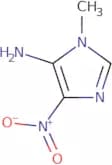
CAS:<p>5-Amino-1-methyl-4-nitroimidazole is a chemical compound that belongs to the class of azides. It has a molecular weight of 122.13 and a melting point of 187°C. 5-Amino-1-methyl-4-nitroimidazole can be synthesized by amination reaction between methyl nitrite and ammonia in the presence of anhydrous ammonia, followed by filtration. The product is obtained as white crystalline powder with a molecular formula of C3H6N3O2 and a molecular weight of 122.13 g/mol. This compound has been used as an intermediate for the synthesis of other compounds, such as 2,5-diaminohexane hydrochloride ((C6H14N2)Cl). 5-Amino-1-methyl-4-nitroimidazole is also used in xerography, photography, and semiconduct</p>Formula:C4H6N4O2Purity:Min. 95%Color and Shape:PowderMolecular weight:142.12 g/molPyridinium dichromate
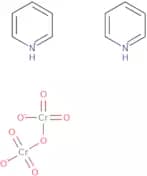
CAS:Controlled Product<p>Pyridinium dichromate is a chemical compound with the formula PdCl(NH). It is an orange-red crystalline solid that is soluble in water. Pyridinium dichromate has been used as a catalyst for organic synthesis, and it inhibits the activity of cox-2 enzyme by binding to its active site. Pyridinium dichromate also has potential applications in the treatment of autoimmune diseases such as chronic bronchitis and rheumatoid arthritis. This substance is a glycoside derivative of pyridine, which reacts with potassium dichromate to form the complex PdCl(OOCCH). The reaction mechanism involves three steps: nucleophilic attack by water on pyridine, formation of a six-membered ring (oxaphosphetane) and hydrolysis of the resulting intermediate. The physiological effects of pyridinium dichromate are not well known, but it has been shown to</p>Formula:C10H12Cr2N2O7Purity:Min. 95%Color and Shape:PowderMolecular weight:376.2 g/mol3-Tolperisone hydrochloride
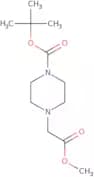
CAS:<p>Please enquire for more information about 3-Tolperisone hydrochloride including the price, delivery time and more detailed product information at the technical inquiry form on this page</p>Formula:C16H23NO•HClPurity:Min. 95%Molecular weight:281.82 g/moltert-Butyl 4-(2-methoxy-2-oxoethyl)piperazine-1-carboxylate
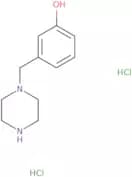
CAS:<p>Please enquire for more information about tert-Butyl 4-(2-methoxy-2-oxoethyl)piperazine-1-carboxylate including the price, delivery time and more detailed product information at the technical inquiry form on this page</p>Formula:C12H22N2O4Purity:Min. 95%Molecular weight:258.31 g/mol3-(Piperazin-1-ylmethyl)phenol dihydrochloride
CAS:Controlled Product<p>Please enquire for more information about 3-(Piperazin-1-ylmethyl)phenol dihydrochloride including the price, delivery time and more detailed product information at the technical inquiry form on this page</p>Formula:C11H16N2OPurity:Min. 95%Molecular weight:192.26 g/mol4-Amino-3-bromo-1-(tert-butyl)-1H-pyrazolo[3,4-d]pyrimidine
CAS:<p>4-Amino-3-bromo-1-(tert-butyl)-1H-pyrazolo[3,4-d]pyrimidine is a drug that inhibits the growth of tumour cells by binding to and inhibiting kinases. It has been shown to have a significant inhibitory effect on lung cancer cells and pyridazine derivatives in vitro. 4-Amino-3-bromo-1-(tert-butyl)-1H-pyrazolo[3,4-d]pyrimidine has been shown to be effective against lung cancer cells in vivo. This drug may be useful for the treatment of cancer.</p>Formula:C9H12BrN5Purity:Min. 95%Molecular weight:270.13 g/mol4-Bromomethyl-4'-methyl-2,2'-bipyridine
CAS:<p>Please enquire for more information about 4-Bromomethyl-4'-methyl-2,2'-bipyridine including the price, delivery time and more detailed product information at the technical inquiry form on this page</p>Formula:C12H11BrN2Purity:Min. 91.0 Area-%Molecular weight:263.14 g/mol1-Pyridin-3-ylmethyl-piperazine
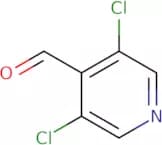
CAS:Controlled Product<p>1-Pyridin-3-ylmethyl-piperazine (1PMP) is a synthetic psychoactive substance that can be used as an antidepressant. It has been shown to increase the affinity of chloride ions for diborane, and it has also been shown to be an effective neuroprotective agent. 1PMP is a piperazine derivative, which is chemically similar to piperidine and morpholine. It can be synthesized by reacting borane with 3-chloropyridine. Further reactions with amines or alcohols yield the desired product.<br>The synthesis of 1PMP can also be achieved by reacting 3-chloropyridine with 2,2-dimethylpropanoyl chloride in the presence of triethylamine and tetrahydrofuran (THF). This reaction may occur in two different ways, yielding either the cis or trans isomers of 1PMP. The cis isomer has been found to have</p>Formula:C10H15N3Purity:Min. 95%Molecular weight:177.25 g/mol3,5-Dichloro-4-pyridinecarboxaldehyde
CAS:<p>3,5-Dichloro-4-pyridinecarboxaldehyde is a synthetic heterocycle that has been studied for its pharmacokinetic properties. The compound has the ability to bind to the active site of metalloporphyrin and inhibit the enzyme's activity. This inhibition leads to an increase in the levels of homologous aldehydes, which are oxidized by hydrogen peroxide to produce electrosprays. 3,5-Dichloro-4-pyridinecarboxaldehyde also has a number of oxidation products that have been found in experiments using purines as substrates.</p>Formula:C6H3Cl2NOPurity:Min. 95%Molecular weight:176 g/mol(5-Chloropyridin-3-yl)boronic acid
CAS:<p>Please enquire for more information about (5-Chloropyridin-3-yl)boronic acid including the price, delivery time and more detailed product information at the technical inquiry form on this page</p>Formula:C5H5BClNO2Purity:Min. 95%Molecular weight:157.36 g/mol8-Bromo-imidazo[1,2-a]pyridine
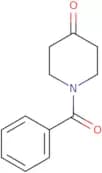
CAS:<p>8-Bromo-imidazo[1,2-a]pyridine is a neutralizing agent that can be used in the synthesis of succinimide. It reacts with chloroacetaldehyde to yield the imidate ester. This reaction is catalyzed by alkali and requires filtration to remove the bromine and any other impurities. The reaction generates heat, so it must be performed in a well-ventilated area.</p>Formula:C7H5BrN2Purity:Min. 95%Molecular weight:197.03 g/molN-Benzoylpiperidone
CAS:Controlled Product<p>N-Benzoylpiperidone is a synthetic piperidine derivative that is used in the synthesis of other organic compounds. It can be synthesized by reacting phenylacetaldehyde with chloroacetonitrile and hydroxybenzene. It can also be synthesized by reacting bromoacetonitrile with hydroxybenzene in the presence of sodium hydroxide. The compound has two stereoisomers, which are determined by the configuration at the nitrogen atom. The N-benzoyl group on one stereoisomer binds to the intramolecular hydrogen molecule, which signifies its structural analysis. These two isomers are distinguished by their hydroxy group, amide and alkylation properties. They react differently with rat liver microsomes due to different substrate concentration.</p>Formula:C12H13NO2Purity:(%) Min. 95%Color and Shape:PowderMolecular weight:203.23 g/mol1-(2-Isopropoxybenzyl)piperazine
CAS:Controlled Product<p>Please enquire for more information about 1-(2-Isopropoxybenzyl)piperazine including the price, delivery time and more detailed product information at the technical inquiry form on this page</p>Formula:C14H22N2OPurity:Min. 95%Molecular weight:234.34 g/mol2-Hydroxy-4-methylpyrimidine HCI
CAS:<p>2-Hydroxy-4-methylpyrimidine HCI is a crystalline solid that belongs to the group of organic compounds. It has a molecular formula of C5H5N3O2 and a molecular weight of 137.15 g/mol. The crystal structure is stabilized by hydrogen bonding between the hydroxyl groups on the molecules and water molecules present in the crystal lattice. Crystals are found in orthorhombic form, meaning they have three axes at right angles to each other with lengths that are not equal.</p>Formula:C5H7ClN2OPurity:Min. 95%Molecular weight:146.57 g/molN,N-Dimethyl-2-(1-(1-(pyridin-2-yl)ethyl)-1H-inden-2-yl)ethan-1-amine hydrochloride
CAS:<p>Please enquire for more information about N,N-Dimethyl-2-(1-(1-(pyridin-2-yl)ethyl)-1H-inden-2-yl)ethan-1-amine hydrochloride including the price, delivery time and more detailed product information at the technical inquiry form on this page</p>Formula:C20H24N2•(HCl)2Purity:Min. 95%Molecular weight:365.34 g/mol3-Pyridazinemethanamine
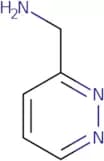
CAS:<p>3-Pyridazinemethanamine is an amide that binds to the vasopressin V2 receptor. It is a selective agonist of the vasopressin V2 receptor and has a high affinity for this receptor. 3-Pyridazinemethanamine has been shown to be a functional antagonist at the vasopressin V1A receptors, which may be due to its chemical structure. 3-Pyridazinemethanamine is not metabolized by cytochrome P450 and does not inhibit other cytochrome P450 enzymes, making it an attractive drug candidate for use in humans.</p>Formula:C5H7N3Purity:Min. 95%Molecular weight:109.13 g/mol4-Oxo-3,4-dihydro-2H-pyridine-1-carboxylic acid tert-butyl ester
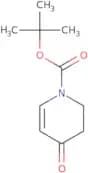
CAS:<p>4-Oxo-3,4-dihydro-2H-pyridine-1-carboxylic acid tert-butyl ester is a white solid that is soluble in organic solvents and oils. It can be used as a source of lithium carbonate in alkaline solutions. 4-Oxo-3,4-dihydro-2H-pyridine-1 -carboxylic acid tert -butyl ester is typically used in the preparation of lithium carbonate from lithium hydroxide.</p>Formula:C10H15NO3Purity:Min. 95%Color and Shape:PowderMolecular weight:197.23 g/mol1-(3,4-Dichlorobenzyl)piperazine
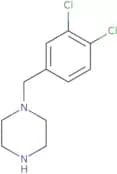
CAS:Controlled Product<p>1-(3,4-Dichlorobenzyl)piperazine is an amine that is used as a reagent in organic synthesis. It is a buffered, acidic compound that emits fluorescence under UV light. It has been shown to be an electron donor and electron acceptor. 1-(3,4-Dichlorobenzyl)piperazine reacts with phenylpiperazines in the presence of acid to form a mixture of phenylpiperazines with different aliphatic chains. The reaction is characterized by emission of fluorescence that can be measured using spectroscopy techniques.</p>Formula:C11H14Cl2N2Purity:Min. 95%Molecular weight:245.15 g/mol2-(Tributylstannyl)pyrimidine
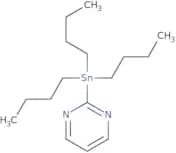
CAS:Controlled Product<p>2-(Tributylstannyl)pyrimidine is a synthetic heterocycle that has antibacterial activity. It is a guanine analog that binds to the ribonucleic acid (RNA) of bacterial cells and inhibits protein synthesis by attacking the 4-chloropyrimidine moiety of nucleoside monophosphates. 2-(Tributylstannyl) pyrimidine also has antiviral properties and acts as an inhibitor of vitamin B1, which is required for the synthesis of DNA. This drug can be used in the treatment of sulfamethoxazole-resistant infections caused by bacteria such as Streptococcus pneumoniae, Staphylococcus aureus, and Pseudomonas aeruginosa.<br>2-(Tributylstannyl)pyrimidine is effective at inhibiting the growth of bacteria due to its ability to form an ion pair with chloride ions. This property makes it highly reactive for transmetall</p>Formula:C16H30N2SnPurity:Min. 95%Color and Shape:Colourless To Yellow To Brown LiquidMolecular weight:369.13 g/mol3-Chloro-6-isopropylpyridazine
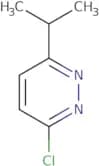
CAS:<p>Please enquire for more information about 3-Chloro-6-isopropylpyridazine including the price, delivery time and more detailed product information at the technical inquiry form on this page</p>Formula:C7H9ClN2Purity:Min. 95%Molecular weight:156.61 g/mol7-Methylindole-2-carboxylic acid
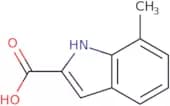
CAS:<p>7-Methylindole-2-carboxylic acid is a versatile building block that is used in the synthesis of complex compounds and research chemicals. It has been shown to be useful as a reagent, speciality chemical, and useful building block for the preparation of high quality materials with CAS No. 18474-60-7. 7-Methylindole-2-carboxylic acid is also an intermediate in the synthesis of some pharmaceuticals, such as amitriptyline (Tryptanol) and diazepam (Valium).</p>Formula:C10H9NO2Molecular weight:175.19 g/mol1-(2-Chlorophenyl)-2-(2H-tetrazol-2-yl)ethanone
CAS:<p>Please enquire for more information about 1-(2-Chlorophenyl)-2-(2H-tetrazol-2-yl)ethanone including the price, delivery time and more detailed product information at the technical inquiry form on this page</p>Formula:C9H7ClN4OPurity:Min. 95%Molecular weight:222.63 g/molFuro[3,4-b]pyrazine-5,7-dione
CAS:<p>Furo[3,4-b]pyrazine-5,7-dione is a chemical compound that belongs to the group of pyrazinoic acid derivatives. It has anti-inflammatory properties and is used as an ingredient in herbal products. Furo[3,4-b]pyrazine-5,7-dione shows a strong inhibitory effect on protease activity in vitro. This compound also inhibits tumor growth by modulating the expression of inflammatory cytokines such as IL1β, IL6, and TNFα. The molecular structure of Furo[3,4-b]pyrazine-5,7-dione can be accurately predicted using molecular modeling studies. In addition to its anti-inflammatory properties, furo[3,4-b]pyrazine-5,7-dione has been shown to be chemically stable at high temperatures and during chromatography.</p>Formula:C6H2N2O3Purity:Min. 95%Color and Shape:White PowderMolecular weight:150.09 g/mol5-Cyanopyridine-2-carboxylic acid
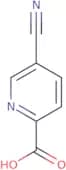
CAS:<p>5-Cyanopyridine-2-carboxylic acid is a small molecule that has been found to have significant biological activity in a number of different areas, including neurotherapeutics. It is the result of a scalable synthesis and is soluble in water. The molecule has two chiral centers and can exist as four different stereoisomers (enantiomers). In vitro studies show that 5-cyanopyridine-2-carboxylic acid inhibits fatty acid uptake by blocking the proton pump, which transports lipids into cells. This compound also binds to the cytosolic protein pyrazine 2-carboxylic acid receptor 1 (PYZR1), which may provide an explanation for its effects on fatty acid uptake.</p>Formula:C7H4N2O2Purity:Min. 95%Molecular weight:148.12 g/molPiperidin-3-one hydrochloride
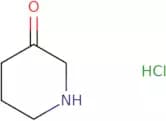
CAS:<p>Piperidin-3-one hydrochloride is an organic solvent that belongs to the group of benzyl compounds. It is a reagent for the synthesis of sulfides, which are used in the production of dyes, pharmaceuticals, and other products. Piperidin-3-one hydrochloride can be used as a constant in calculating the shift of tetrafluoroborate ions. This compound has been shown to be assembled into planar structures with six atoms per side. The resonance frequencies of this compound depend on the solvents and its aliphatic nature. Piperidin-3-one hydrochloride can be used to generate dimethyl sulfide by reacting with methanol or methyl chloride.</p>Formula:C5H10NOClPurity:Min. 95%Color and Shape:White PowderMolecular weight:135.59 g/molCiprofloxacin piperazinyl-N4-sulfate
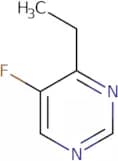
CAS:<p>Ciprofloxacin is a fluoroquinolone antibiotic with potent activity against many Gram-negative and Gram-positive bacteria. It is used in the treatment of urinary tract infections, respiratory tract infections, skin and soft tissue infections, bone and joint infections, and intra-abdominal infections. Ciprofloxacin piperazinyl-N4-sulfate has the potential to interact with other drugs. It binds to human serum albumin (HSA) and may be excreted into breast milk. The drug is well absorbed orally but has poor bioavailability due to rapid metabolism by the liver. Ciprofloxacin piperazinyl-N4-sulfate has been shown to have pharmacokinetic properties that are independent of dose or duration of administration.</p>Formula:C17H18FN3O6SPurity:Min. 95%Molecular weight:411.41 g/mol4-Ethyl-5-fluoropyrimidine
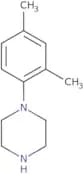
CAS:<p>4-Ethyl-5-fluoropyrimidine is a white solid with a melting point of 258°C. It is soluble in organic solvents such as acetonitrile and methanol. The compound has been shown to have reversed phase chromatographic properties and can be used as a potential impurity in the synthesis of other compounds. 4-Ethyl-5-fluoropyrimidine is not susceptible to photolytic decomposition but can be oxidized by air, which may result in the formation of impurities. 4-Ethyl-5-fluoropyrimidine can be purified using chromatography methods with high sensitivity and low detection limits. The compound has also been shown to have good chemical stability under ambient conditions, making it suitable for storage or shipping.</p>Formula:C6H7FN2Purity:Min. 95%Molecular weight:126.13 g/mol1-(2,4-Dimethylphenyl)piperazine
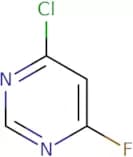
CAS:Controlled Product<p>1-(2,4-Dimethylphenyl)piperazine is an acetylcholine receptor agonist. It binds to the nicotinic acetylcholine receptor and mimics the action of acetylcholine. 1-(2,4-Dimethylphenyl)piperazine has been evaluated for optimization in order to reduce any side effects that may be caused by its binding with other receptors. The research has shown that 1-(2,4-Dimethylphenyl)piperazine is able to increase lipid transport, which may have a positive effect on conditions like glioma. This drug also inhibits the activity of acetylcholine esterase and monoamine oxidase, which are enzymes responsible for the breakdown of these neurotransmitters.</p>Purity:Min. 95%4-Chloro-6-Fluoro-Pyrimidine
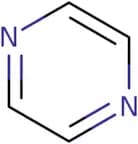
CAS:<p>Please enquire for more information about 4-Chloro-6-Fluoro-Pyrimidine including the price, delivery time and more detailed product information at the technical inquiry form on this page</p>Formula:C4H2ClFN2Purity:Min. 95%Molecular weight:132.52 g/molPyrazine
CAS:<p>Pyrazine is a model system that has been used to investigate the reaction mechanism of pyrazinoic acid, an antimicrobial agent. Pyrazine reacts with water to give pyrazinoic acid and hydrogen gas. Pyrazine is also used as an analytical method for determining the concentration of odorant binding compounds in air and as a model system to study the electrochemical properties of odorant binding. The compound is characterized by intermolecular hydrogen bonding and synchronous fluorescence. Pyrazine has been shown to have an adsorption peak at 1780 cm-1 and a Langmuir adsorption isotherm at 10-4 M.</p>Formula:C4H4N2Purity:Min. 95%Molecular weight:80.09 g/mol2-Amino-4,6-dichloropyrimidine
CAS:<p>2-Amino-4,6-dichloropyrimidine is a chemical compound that has been used as a building block in the synthesis of other compounds. It has been shown to be useful for the preparation of 2-aminopyridine derivatives, which are used as an intermediate for research chemicals and pharmaceuticals. The compound has high purity and is available in bulk quantities.</p>Formula:C4H3Cl2N3Purity:Min. 95.0 Area-%Molecular weight:164.00 g/molRef: 3D-A-5370
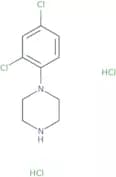
1kgTo inquire5kgTo inquire10kgTo inquire500gTo inquire2500gTo inquire-Unit-kgkgTo inquire1-(2,4-Dichlorophenyl)piperazine
CAS:Controlled Product<p>1-(2,4-Dichlorophenyl)piperazine is a reuptake inhibitor of the monoamine neurotransmitters serotonin, dopamine, and norepinephrine. It blocks the reuptake of these neurotransmitters by binding to their transporters in the presynaptic neuron. 1-(2,4-Dichlorophenyl)piperazine also has inhibitory activity against carboxamides and docking inhibitors. This drug can be used in treatment of depression and anxiety disorders.</p>Formula:C10H12Cl2N2Purity:Min. 95%Molecular weight:231.12 g/mol3-Bromo-4-pyridinecarboxylic acid
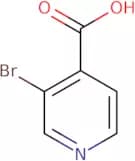
CAS:<p>3-Bromo-4-pyridinecarboxylic acid is a naphthyridine derivative that is used in drug development. It is a crystalline solid that can be dissolved in organic solvents. 3-Bromo-4-pyridinecarboxylic acid has been shown to have antiinflammatory properties and can be used as an oxidant. 3-Bromo-4-pyridinecarboxylic acid is being investigated as a receptor subtype for inflammatory diseases, and it has also been used to study the mechanism of chronic inflammatory diseases.</p>Formula:C6H4BrNO2Purity:Min. 95%Molecular weight:202.01 g/mol4-[(4-Chlorophenyl)phenylmethyl]-1-piperazineethanol dihydrochloride
CAS:<p>4-[(4-Chlorophenyl)phenylmethyl]-1-piperazineethanol dihydrochloride is a cholinergic drug that is used to treat allergic rhinitis in children and adults. It has been shown to be well tolerated in pediatric patients and geriatric patients, as well as being an innovative, labile, and biopharmaceutical compound. 4-[(4-Chlorophenyl)phenylmethyl]-1-piperazineethanol dihydrochloride is not metabolized by the liver and does not have significant side effects. It has a low potential for abuse because of its low solubility in water. It is an antihistamine that blocks the action of histamine at H1 receptors on smooth muscle cells in the nose, which helps reduce nasal congestion and sneezing.</p>Formula:C19H23ClN2O·2HClPurity:Min. 95%Molecular weight:403.77 g/mol1-(3-Chlorophenyl)piperazine dihydrochloride
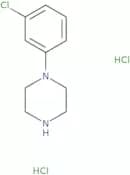
CAS:Controlled Product<p>1-(3-Chlorophenyl)piperazine dihydrochloride is a serotonin antagonist that has been shown to cause an increase in cortisol levels. It is also a serotonergic agent, which may be related to its antidepressant activity. 1-(3-Chlorophenyl)piperazine dihydrochloride has been shown to have a matrix effect on the brain and can be used as a drug for treating primary pulmonary hypertension. It can also induce behavioral changes and stimulate ovarian activity. The compound 1-(3-Chlorophenyl)piperazine dihydrochloride is an antagonist of 5-HT2C receptors, and it has no affinity for the 5-HT2A receptor.</p>Formula:C10H15Cl3N2Purity:Min. 95%Color and Shape:White To Yellow Or Beige SolidMolecular weight:269.6 g/molPiperazine - anhydrous
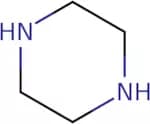
CAS:<p>Piperazine is a pharmacological agent that has been used as an antihelminthic drug and for the treatment of metabolic disorders. It is a basic heterocyclic amine, with a piperazine ring fused to an imidazole ring. Piperazine can be synthesized from benzaldehyde, nitroethane, and ammonia. The piperazine ring is the central part of the molecule and consists of two nitrogen atoms (N) connected by three carbon atoms (C). Piperazine has a hydrogen bonding interaction with metal hydroxides such as LiOH and NaOH. This compound also acts as an enzyme inhibitor by binding to receptor activity sites on enzymes and blocking their function. Piperazine forms hydrogen bonding interactions due to its structural analysis, which includes a nitrogen atom in each of the two rings that are bonded together. These nitrogen atoms form hydrogen bonds with other nitrogen atoms in other molecules such as malonic acid or other water molecules in solution.</p>Formula:C4H10N2Purity:Min. 95%Color and Shape:PowderMolecular weight:86.14 g/mol3-Fluoro-4-(tributylstannyl)pyridine
CAS:Controlled Product<p>3-Fluoro-4-(tributylstannyl)pyridine is a high affinity, selective, and membrane permeable ligand of the A2B adenosine receptor. It has been shown to be a potent antagonist of A2B receptors in vitro. This compound has also been shown to have a lower affinity for A1, A3, and A4 receptors. 3-Fluoro-4-(tributylstannyl)pyridine has been shown to have high brain uptake in vivo studies. 3-Fluoro-4-(tributylstannyl)pyridine binds to the x-ray structure of the adenosine receptor with high affinity and penetrability. The binding site is proposed to be located on the extracellular side of the receptor near the interface with the second transmembrane domain. In vivo studies have shown that 3-fluoro-4-(tributylstannyl)p</p>Formula:C17H30FNSnPurity:Min. 95%Molecular weight:386.14 g/molN-(2-Aminoethyl)piperazine
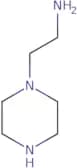
CAS:<p>N-(2-Aminoethyl)piperazine (NAPE) is a chemical compound that can be used as an environmentally friendly catalyst for the degradation of ethylene diamine and other amines. NAPE has been shown to be stable under alkaline conditions, and its fluorescence probe has been used to monitor the progress of the reaction. This compound is a coordination complex with nitrogen atoms at the corners of a square and two amines at opposite corners of the square. The amine groups are coordinated to metal ions in a geometry that is determined by the atomic number of the metal ion. Disulfide bonds form between two cysteine residues on adjacent chains. Glycol ethers can also form disulfide bonds with NAPE, forming glycol ether-NAPE complexes. Antibodies have been shown to bind to glycol ether-NAPE complexes, suggesting that these complexes may play a role in antibody response, although experimental solubility data have not yet confirmed this</p>Formula:C6H15N3Purity:Min. 95%Molecular weight:129.2 g/molp-MPPF dihydrochloride
CAS:<p>Please enquire for more information about p-MPPF dihydrochloride including the price, delivery time and more detailed product information at the technical inquiry form on this page</p>Formula:C25H27FN4O2•(HCl)2Purity:Min. 95%Molecular weight:507.43 g/molα-Hydroxymethylatropine
CAS:<p>Please enquire for more information about α-Hydroxymethylatropine including the price, delivery time and more detailed product information at the technical inquiry form on this page</p>Formula:C18H25NO4Purity:Min. 95%Molecular weight:319.4 g/mol4-(Piperidin-4-yl)benzonitrile
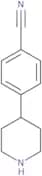
CAS:<p>Please enquire for more information about 4-(Piperidin-4-yl)benzonitrile including the price, delivery time and more detailed product information at the technical inquiry form on this page</p>Formula:C12H14N2Purity:Min. 95%Color and Shape:PowderMolecular weight:186.25 g/mol4-[Bis(4-ethoxyphenyl)methyl]piperidine
CAS:Controlled Product<p>Please enquire for more information about 4-[Bis(4-ethoxyphenyl)methyl]piperidine including the price, delivery time and more detailed product information at the technical inquiry form on this page</p>Formula:C22H29NO2Purity:Min. 95%Molecular weight:339.47 g/molN-Acetylimidazole
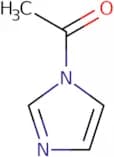
CAS:<p>N-Acetylimidazole is a drug that belongs to the class of glycol esters. It is an inhibitor of the enzyme acetylcholinesterase and has been used in the treatment of autoimmune diseases, such as myasthenia gravis. N-Acetylimidazole can inhibit the activity of other enzymes, such as p-nitrophenyl phosphate oxidase, which may be responsible for its anti-inflammatory properties. This drug has been shown to inhibit microbial growth in vitro by inhibiting the synthesis of choline and acetylcholine in the body. N-Acetylimidazole also inhibits bacterial growth by acting as a substrate molecule for bacterial enzymes that catalyze transfer reactions, including phosphotransferases and hydrolases.</p>Formula:C5H6N2OPurity:Min. 95%Color and Shape:White PowderMolecular weight:110.11 g/mol4-(4-Chlorobenzoyl)piperidine
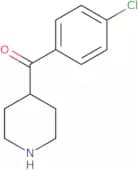
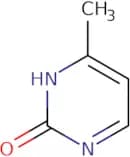
CAS:<p>Please enquire for more information about 4-(4-Chlorobenzoyl)piperidine including the price, delivery time and more detailed product information at the technical inquiry form on this page</p>Purity:Min. 95%2-Hydroxy-4-methylpyrimidine
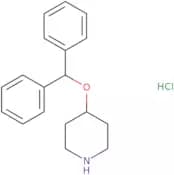
CAS:<p>2-Hydroxy-4-methylpyrimidine is a heterocyclic compound that is used in the synthesis of other heterocycles. It is prepared by the reaction of methylbenzene and nitrous acid, followed by hydrolysis to form an imine. This compound has been synthesized with various substituents at different positions on the ring and also as a series of homologues. The 2-hydroxy-4-methylpyrimidine molecule has four nitroso groups, which are substituted with methyl groups. X-ray crystallography studies have shown that the molecule can exist in two different forms: one with the methyl groups pointing "homotopically" towards each other and the other with them directed "heterotopically."</p>Formula:C5H6N2OPurity:Min. 95%Molecular weight:110.11 g/mol4-(Diphenylmethoxy)piperidinium chloride
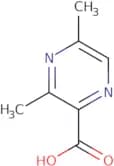
CAS:<p>Please enquire for more information about 4-(Diphenylmethoxy)piperidinium chloride including the price, delivery time and more detailed product information at the technical inquiry form on this page</p>Purity:Min. 95%3,5-Dimethylpyrazine-2-carboxylic acid
CAS:<p>Please enquire for more information about 3,5-Dimethylpyrazine-2-carboxylic acid including the price, delivery time and more detailed product information at the technical inquiry form on this page</p>Purity:Min. 95%{2-[(4-Phenylpiperazin-1-yl)carbonyl]phenyl}amine
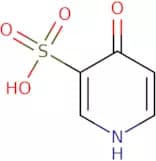
CAS:Controlled Product<p>Please enquire for more information about {2-[(4-Phenylpiperazin-1-yl)carbonyl]phenyl}amine including the price, delivery time and more detailed product information at the technical inquiry form on this page</p>Formula:C17H19N3OPurity:Min. 95%Molecular weight:281.35 g/mol4-Hydroxypyridine-3-sulfonicacid
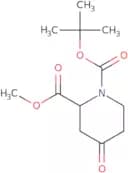
CAS:<p>4-Hydroxypyridine-3-sulfonic acid is the anion of 4-hydroxypyridine with sulfate. It has a pK a of 1.5 and is soluble in water, ethanol, and methanol. 4-Hydroxypyridine-3-sulfonic acid can be used as a crystallographic data collection reagent. The anion can act as an acceptor for radiation and can also be used to generate hydrogen sulfate. Hydrogen sulfate is generated by the reaction of sulfuric acid with potassium hydroxide or sodium hydroxide. Hydrogen sulfate reacts with elemental sulfur to produce hydrogen sulfide. This compound has been shown to have properties that make it useful in analytical chemistry, such as its ability to form hydrogen bonds and act as an anion. The structure of 4-hydroxypyridine-3-sulfonic acid is shown below: 4 H O 2 S</p>Formula:C5H5NO4SPurity:Min. 95%Molecular weight:175.16 g/mol1-tert-Butyl 2-methyl 4-oxopiperidine-1,2-dicarboxylate
CAS:<p>Please enquire for more information about 1-tert-Butyl 2-methyl 4-oxopiperidine-1,2-dicarboxylate including the price, delivery time and more detailed product information at the technical inquiry form on this page</p>Purity:Min. 95%10-[2-(1-Methyl-2-piperidinyl)ethyl]-2-(methylthio)-10H-phenothiazine hydrochloride
CAS:Controlled Product<p>The drug, 10-[2-(1-methyl-2-piperidinyl)ethyl]-2-(methylthio)-10H-phenothiazine hydrochloride (CGP 46660), is a competitive antagonist at the human histamine H3 receptor. It has been shown to bind to the histamine H3 receptor in the range of 0.001 to 1 μM and is selective for this receptor over other receptors. CGP 46660 is an optical sensor that can be used in titration calorimetry experiments to measure changes in heat production when it binds to histamine H3 receptors. The drug also has been shown to inhibit guanine nucleotide-binding protein (G protein) signaling pathways and brain functions such as memory formation, learning, and attention span. These effects were demonstrated in humans by measuring EEG activity. The optimum concentration of CGP 46660 for these effects was found to be between 0.01 and 10 μM.</p>Formula:C21H27ClN2S2Purity:Min. 95%Color and Shape:PowderMolecular weight:407.04 g/mol1-(4-Bromobenzyl)piperazine
CAS:Controlled Product<p>1-(4-Bromobenzyl)piperazine is a chemical compound that is an amine and an aromatic heterocycle. It has been shown to inhibit the growth of murine melanoma cells in culture, with a preferential effect on malignant cells. 1-(4-Bromobenzyl)piperazine binds to melanin, which may be due to its ability to cross the blood-brain barrier and accumulate in the brain. This compound also has diffraction properties and can be used as a high-energy radiation source for electron microscopy.<br>1-(4-Bromobenzyl)piperazine is used in the synthesis of benzylpiperazine, an aromatic amine that is used as a chemical intermediate in organic chemistry.</p>Formula:C11H15BrN2Purity:Min. 95%Molecular weight:255.15 g/mol1-[(1,3,5-Trimethyl-1H-pyrazol-4-yl)methyl]piperazine
CAS:Controlled Product<p>Please enquire for more information about 1-[(1,3,5-Trimethyl-1H-pyrazol-4-yl)methyl]piperazine including the price, delivery time and more detailed product information at the technical inquiry form on this page</p>Formula:C11H20N4Purity:Min. 95%Molecular weight:208.3 g/mol1-[(2b,3a,5a,16b,17b)-17-Acetyloxy-3-hydroxy-2-(1-piperidinyl)androstan-16-yl]-1-methylpiperidinium bromide
CAS:<p>1-[(2b,3a,5a,16b,17b)-17-Acetyloxy-3-hydroxy-2-(1-piperidinyl)androstan-16-yl]-1-methylpiperidinium bromide is a drug that has been shown to have an inhibitory effect on the neuromuscular system. It is used in clinical doses as a muscle relaxant and anesthetic. The drug binds to the acetylcholine receptor at the neuromuscular junction and blocks nerve impulses by inhibiting acetylcholine release. 1-[(2b,3a,5a,16b,17b)-17-Acetyloxy-3-hydroxy-2-(1-piperidinyl)androstan-16-yl]-1-methylpiperidinium bromide has a long half life and accumulates in the body with repeated administration. This accumulation can lead to</p>Formula:C32H55BrN2O3Purity:Min. 95%Molecular weight:595.69 g/mol5-Bromo-2,3-dimethoxypyrazine
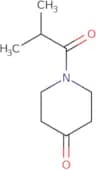
CAS:<p>Please enquire for more information about 5-Bromo-2,3-dimethoxypyrazine including the price, delivery time and more detailed product information at the technical inquiry form on this page</p>Formula:C6H7BrN2O2Purity:Min. 95%Molecular weight:219.04 g/mol1-Isobutyrylpiperidin-4-one
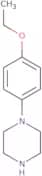
CAS:Controlled Product<p>Please enquire for more information about 1-Isobutyrylpiperidin-4-one including the price, delivery time and more detailed product information at the technical inquiry form on this page</p>Formula:C9H15NO2Purity:Min. 95%Molecular weight:169.22 g/mol1-(4-Ethoxyphenyl)piperazine
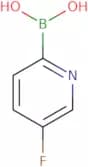
CAS:Controlled Product<p>Please enquire for more information about 1-(4-Ethoxyphenyl)piperazine including the price, delivery time and more detailed product information at the technical inquiry form on this page</p>Formula:C12H18N2OPurity:Min. 95%Molecular weight:206.28 g/mol5-Fluoropyridine-2-boronic acid
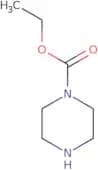
CAS:<p>Please enquire for more information about 5-Fluoropyridine-2-boronic acid including the price, delivery time and more detailed product information at the technical inquiry form on this page</p>Formula:C5H5BFNO2Purity:Min. 95%Molecular weight:140.91 g/molEthyl N-piperazinecartoxylate
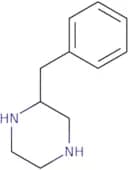
CAS:<p>Ethyl N-piperazinecartoxylate is an organic compound that has been shown to inhibit the growth of Mycobacterium tuberculosis, Mycobacterium avium complex, and other mycobacteria. It is a potent anti-tuberculosis agent with a tuberculostatic activity against M. tuberculosis inactivated by ethyl nitrite. Ethyl N-piperazinecartoxylate inhibits the synthesis of DNA, RNA, and proteins by inhibiting the bacterial enzyme RNA polymerase. The antimycobacterial activity of this drug is also due to its ability to inhibit protein synthesis at the ribosome level. This drug has been shown to have antihypertensive activity as it blocks adrenergic receptors in blood vessels and thereby reduces blood pressure.</p>Formula:C7H14N2O2Purity:Min. 95%Molecular weight:158.2 g/mol2-Benzyl-piperazine
CAS:<p>2-Benzyl-piperazine is a pharmacological agent that has been shown to have anabolic effects in animals and humans. It is a crystalline solid with a molecular weight of 248.2 g/mol. 2-Benzyl-piperazine is used in the treatment of chronic renal failure, as well as the prevention of kidney stone formation in patients with recurrent calcium oxalate stones, or those who have experienced at least one episode of calcium oxalate stone formation. 2-Piperazine inhibits the activity of an enzyme called carbonic anhydrase, which is found in many tissues and facilitates reactions that produce bicarbonate ions from carbon dioxide and water molecules. The piperazine ring also has two methyl substituents, which can be modified to create bioisosteric analogues. These modifications may alter the properties of 2-benzyl-piperazine such as its solubility or metabolic stability. 2-Benzyl-piper</p>Formula:C11H16N2Purity:Min. 95%Color and Shape:PowderMolecular weight:176.26 g/molMethyl 1H-pyrrolo[2,3-b]pyridine-2-carboxylate
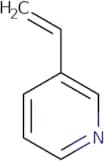
CAS:<p>Please enquire for more information about Methyl 1H-pyrrolo[2,3-b]pyridine-2-carboxylate including the price, delivery time and more detailed product information at the technical inquiry form on this page</p>Formula:C9H8N2O2Purity:Min. 95%Molecular weight:176.17 g/mol3-Vinylpyridine
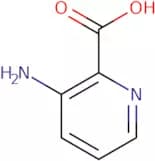
CAS:<p>3-Vinylpyridine, also known as vinylpyridine, is a colorless, crystalline solid that forms hydroxide solutions. It has been shown to have antifungal activity in the presence of fatty acids and can be used for the treatment of urinary tract infections caused by Candida albicans. The chemical ionization technique was used to analyze 3-vinylpyridine in urine samples from nonsmokers and smokers. Long-term exposure to 3-vinylpyridine may lead to surface-enhanced Raman spectroscopy signals on the surface of metal oxides due to alkoxy radical formation. The crystallization process of 3-vinylpyridine can take place at a temperature range between 135°C and 150°C with an addition of polyethylene glycol or sulfuric acid. Reaction intermediates are formed during this process which are important for the formation of 3-vinylpyridinium ions.</p>Formula:C7H7NPurity:Min. 95%Molecular weight:105.14 g/mol3-Aminopicolinic acid
CAS:<p>3-Aminopicolinic acid is a carboxylate that can be found in the cytosol, mitochondria, and nucleus of cells. It is an efficient method for the synthesis of picolinic acid from 3-aminopyridine-2-carboxylic acid. The synthesis of picolinic acid has been shown to have structural analogs to molecules involved in nucleotide metabolism such as single-stranded DNA, mitochondrial DNA, and mitochondrial RNA. 3-Aminopicolinic acid has been shown to increase renal blood flow by stabilizing complexes with chloride and phosphoenolpyruvate. This compound also enhances the renal excretion of picolinic acid. 3-Desacetylcefotaxime potassium Tilmicosin Gatifloxacin 3-Aminopicolinic acid</p>Formula:C6H6N2O2Purity:Min. 95 Area-%Color and Shape:Yellow PowderMolecular weight:138.12 g/molN-Methylpiperidinyl-2-methyl benzilate
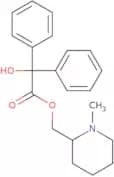
CAS:Controlled Product<p>Please enquire for more information about N-Methylpiperidinyl-2-methyl benzilate including the price, delivery time and more detailed product information at the technical inquiry form on this page</p>Formula:C21H25NO3Purity:Min. 95%Molecular weight:339.43 g/mol2,3,3-Trimethyl-4,5-benzo-3H-indole
CAS:<p>2,3,3-Trimethyl-4,5-benzo-3H-indole is a fine chemical that is used as a versatile building block for research chemicals and speciality chemicals. It can be used to synthesize drugs. 2,3,3-Trimethyl-4,5-benzo-3H-indole is also a reaction component in the synthesis of complex compounds with high quality.</p>Formula:C15H15NPurity:Min. 96 Area-%Molecular weight:209.29 g/mol5-Oxo Rosuvastatin
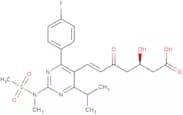
CAS:<p>5-Oxo Rosuvastatin is a drug product that has been synthesized from natural ingredients. It is an analytical standard for the impurity, 5-oxo-rosuvastatin, which is a potential impurity in the API, rosuvastatin. This drug product has been custom synthesized in order to provide an Impurity Standard for HPLC. This drug product is also used as a Synthetic Reference Standard for Drug Development and Research and Development.</p>Formula:C22H26FN3O6SPurity:Min. 95%Color and Shape:Off-White To Light (Or Pale) Yellow To Dark Yellow SolidMolecular weight:479.52 g/mol4-Piperazinylphenylboronic acid, pinacol ester
CAS:<p>Please enquire for more information about 4-Piperazinylphenylboronic acid, pinacol ester including the price, delivery time and more detailed product information at the technical inquiry form on this page</p>Formula:C16H25BN2O2Purity:Min. 95%Color and Shape:PowderMolecular weight:288.19 g/mol4-Phenyl-4-carbethoxy piperidineHCl
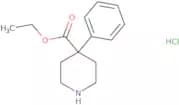
CAS:Controlled Product<p>4-Phenyl-4-carbethoxy piperidineHCl is a germanium compound that can be used as a diagnostic agent to detect the presence of magnesium in the blood. It has been shown to bind to acidic and basic sites on the brain, regulating the functions of these regions. The drug has also been shown to have analgesic properties, as it activates opioid receptors in the brain. 4-Phenyl-4-carbethoxy piperidineHCl binds with high affinity to meperidine and naloxone, which are opioid receptor agonists. It is also able to bind to pentazocine, an opioid receptor antagonist. This drug is not active against molybdenum or thebaine.</p>Formula:C14H20ClNO2Purity:Min. 95%Molecular weight:269.77 g/mol(3,5-Dimethylpyridin-2-yl)methanol
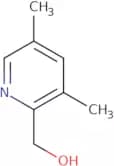
CAS:<p>3,5-Dimethylpyridin-2-yl)methanol is a compound used in the synthesis of esomeprazole. It is not considered an impurity or a target compound and does not need to be analyzed. 3,5-Dimethylpyridin-2-yl)methanol is synthesized by reacting 3,5-dimethylpyridine with methanol.</p>Formula:C8H11NOPurity:Min. 95%Molecular weight:137.18 g/mol4,5,6,7-Tetrahydro-5-(triphenylmethyl)thieno[3,2-c]pyridine
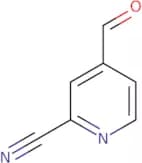
CAS:<p>Prasugrel is a pharmaceutical compound that belongs to the class of thienopyridines. It has been shown to inhibit platelet aggregation and is used for the prevention of blood clots in patients with coronary artery disease. Prasugrel binds to the P2Y12 receptor on the surface of platelets, which prevents ADP from binding, thereby inhibiting platelet aggregation. Prasugrel is a crystalline solid that is soluble in water.</p>Formula:C26H23NSPurity:Min. 95%Molecular weight:381.53 g/mol2-Cyanopyridine-4-carboxaldehyde
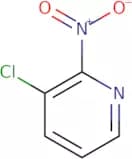
CAS:<p>Please enquire for more information about 2-Cyanopyridine-4-carboxaldehyde including the price, delivery time and more detailed product information at the technical inquiry form on this page</p>Formula:C7H4N2OPurity:Min. 95%Molecular weight:132.12 g/mol3-Chloro-2-nitropyridine
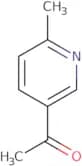
CAS:<p>3-Chloro-2-nitropyridine is a chemical compound that has been shown to have anticancer activity. It is a structural analog of the nucleophilic piperazine, which can react with hydrogen fluoride in an electrophilic substitution reaction to form 3-chloro-2-nitropyridine oxide. The anticancer activity of this compound may be due to its ability to inhibit the growth of tumor cells by binding to the d4 receptor, inhibiting the production of inflammatory cytokines and growth factors. 3-Chloro-2-nitropyridine has also been shown to have antiinflammatory activities, which may be due to its inhibition of nitric oxide synthesis and 5'-lipoxygenase.</p>Formula:C5H3N2O2ClPurity:Min. 95%Color and Shape:PowderMolecular weight:158.54 g/mol3-Acetyl-6-methylpyridine
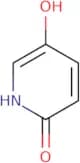
CAS:<p>3-Acetyl-6-methylpyridine is a chemical compound that has been found to have antibacterial properties. It can be used for the treatment of bacteria in wastewater and other biological treatments. 3-Acetyl-6-methylpyridine is insoluble at room temperature, but becomes soluble when heated to 100 degrees Celsius. This chemical compound has been shown to inhibit the growth of Staphylococcus aureus, Pseudomonas aeruginosa, and Escherichia coli. 3-Acetyl-6-methylpyridine also has anti-inflammatory properties and can be used in the treatment of Alzheimer's disease.</p>Formula:C8H9NOPurity:Min. 95%Molecular weight:135.17 g/molPyridine-2,5-diol
CAS:<p>Pyridine-2,5-diol is a bacterial metabolite that is the product of the enzyme pyridoxal 5'-phosphate oxidase. This enzyme has been shown to be involved in microbial metabolism and enzymatic reactions, such as the conversion of picolinic acid to pyridine-2,5-diol. Pyridine-2,5-diol has been found to be expressed in wild type strains but not in mutant strains. The gene product for this enzyme has also been identified as maleate dehydrogenase.</p>Formula:C5H5NO2Purity:Min. 95%Molecular weight:111.1 g/mol7-Bromo-1-methyl-1H-imidazo[4,5-c]pyridine
CAS:<p>Please enquire for more information about 7-Bromo-1-methyl-1H-imidazo[4,5-c]pyridine including the price, delivery time and more detailed product information at the technical inquiry form on this page</p>Formula:C7H6BrN3Purity:Min. 95%Molecular weight:212.05 g/mol6-(2-Bromoethyl)-1,3-dimethyl-1H-pyrrolo[3,4-d]pyrimidine-2,4(3H,6H)-dione
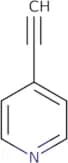
CAS:Controlled Product<p>Please enquire for more information about 6-(2-Bromoethyl)-1,3-dimethyl-1H-pyrrolo[3,4-d]pyrimidine-2,4(3H,6H)-dione including the price, delivery time and more detailed product information at the technical inquiry form on this page</p>Formula:C10H12BrN3O2Purity:Min. 95%Molecular weight:286.13 g/mol4-Ethynylpyridine
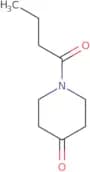
CAS:<p>4-Ethynylpyridine is a yellow solid that is soluble in most organic solvents. It has been shown to be an inhibitor of Cox-2, which is a pro-inflammatory enzyme. 4-Ethynylpyridine also inhibits the production of nitric oxide by inhibiting the enzyme inducible nitric oxide synthase (iNOS). This compound also has high cytotoxicity and can be used for photodynamic therapy. The chemical structure of 4-ethynylpyridine is composed of nitrogen atoms, carbon atoms, and hydrogen atoms. 4-Ethynylpyridine forms a complex with 2-phenylbutyric acid through electrochemical studies, which is important for its pharmacological properties.</p>Formula:C7H5NPurity:Min. 95%Color and Shape:PowderMolecular weight:103.12 g/mol1-Butyrylpiperidin-4-one
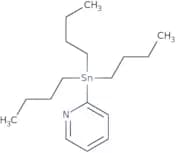
CAS:Controlled Product<p>Please enquire for more information about 1-Butyrylpiperidin-4-one including the price, delivery time and more detailed product information at the technical inquiry form on this page</p>Formula:C9H15NO2Purity:Min. 95%Molecular weight:169.22 g/mol2-(Tributylstannyl)pyridine
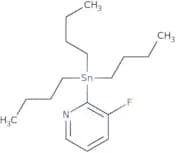
CAS:Controlled Product<p>2-(Tributylstannyl)pyridine is a protonation-sensitive, unsymmetrical trifluoroacetic acid derivative with a photophysical and skeleton that can react with halides. It has been used in the synthesis of Pd(II) complexes, which have been shown to have pharmacokinetic properties and are active against tuberculosis. 2-(Tributylstannyl)pyridine has also been shown to be effective against cancer cells, but not against healthy cells.</p>Formula:C17H31NSnPurity:Min. 95%Color and Shape:Clear LiquidMolecular weight:368.14 g/mol3-Fluoro-2-(tributylstannyl)pyridine
CAS:Controlled Product<p>Please enquire for more information about 3-Fluoro-2-(tributylstannyl)pyridine including the price, delivery time and more detailed product information at the technical inquiry form on this page</p>Formula:C17H30FNSnPurity:Min. 95%Molecular weight:386.14 g/molKinetin
CAS:<p>Kinetin is a chemical compound that is used in research as a reagent, useful scaffold, and an intermediate. It has been shown to be an effective building block for the synthesis of complex compounds. Kinetin is also a versatile building block that can be used to synthesize many different types of compounds. Kinetin has a CAS number 525-79-1 and is classified as a speciality chemical.</p>Formula:C10H9N5OMolecular weight:215.22 g/mol6-Fluoro-3-oxo-3,4-dihydro-2-pyrazinecarbonitrile
CAS:<p>Dibenzylamine is a tertiary amine with the chemical formula C6H12N2. Dibenzylamine is a colorless liquid that boils at 110°C and freezes at -50°C. It has a density of 0.859 g/mL and a refractive index of 1.539. When heated, it decomposes to form dipropylamine, dibutylamine, and dicyclohexylamine. It also reacts with nitric acid to form an explosive compound called nitrobenzene or dinitrobenzene. Dipropylamine is a colorless volatile liquid that has the chemical formula C6H12N2 and boils at 130°C. When heated, it decomposes to form dibutylamine and dicyclohexylamine. Dibutylamine is a colorless volatile liquid that has the chemical formula C6</p>Formula:C5H2FN3OPurity:Min. 95%Molecular weight:139.09 g/mol1-[3-(4-tert-Butylbenzoyl)propyl]-4-hydroxypiperidine
CAS:<p>Please enquire for more information about 1-[3-(4-tert-Butylbenzoyl)propyl]-4-hydroxypiperidine including the price, delivery time and more detailed product information at the technical inquiry form on this page</p>Formula:C19H29NO2Purity:Min. 95%Molecular weight:303.44 g/mol4-(Aminomethyl)pyridin-2-amine
CAS:<p>4-(Aminomethyl)pyridin-2-amine is a reversible inhibitor of the cytochrome P450 system, which is responsible for the metabolism of drugs. It inhibits the activity of cytochrome P450 enzymes and prevents the conversion of prodrugs to active metabolites. This drug has been shown to inhibit myocardial injury caused by ischemia-reperfusion or overload. 4-(Aminomethyl)pyridin-2-amine has also been shown to have inhibitory activities on myocardial cells in culture, as well as on cardiomyocytes in vivo. In addition, it appears that this drug may be useful for reversing cardiac hypertrophy and heart failure, which are associated with a number of diseases including hypertension and diabetes mellitus. The pharmacokinetic profile of 4-(aminomethyl)pyridin-2-amine has been studied in humans. The half-life is short (1</p>Formula:C6H9N3Purity:Min. 95%Molecular weight:123.16 g/mol2,6-Dibromo-3-nitropyridine
CAS:<p>2,6-Dibromo-3-nitropyridine is a chemical compound that has been shown to inhibit serine protease activity. The compound was shown to be an inhibitor of the enzyme trypsin, and showed some activity against a number of other proteases. 2,6-Dibromo-3-nitropyridine has also been shown to inhibit nucleophilic alkylation of DNA bases by 2,6-dichloroquinoxaline. 2,6-Dibromo-3-nitropyridine is a targeted inhibitor that binds to the active site of the enzyme and prevents the formation of an enzyme-substrate complex. This inhibition leads to a decrease in the production of proteins essential for cell division.</p>Formula:C5H2Br2N2O2Purity:Min. 95%Molecular weight:281.89 g/mol5,6-Diphenyl-1,2,4-triazine-3(2H)-thione
CAS:<p>5,6-Diphenyl-1,2,4-triazine-3(2H)-thione is a chemical compound that is used as an antiviral agent. It is structurally related to both the hydrazines and the triazines. 5,6-Diphenyl-1,2,4-triazine-3(2H)-thione has inhibitory concentrations of 2.5 mg/mL against influenza A virus and can be used in the treatment of viral infections. The structure of this compound consists of a spacer between two sulfur atoms with a disulfide bond. The 5 position is substituted with a phenyl group and the 6 position is substituted with an amine group. This compound also has nmr spectra that can be analyzed for structural information about the molecule.</p>Formula:C15H11N3SPurity:Min. 95%Molecular weight:265.33 g/mol5-Chloro-2-(ethylsulfonyl)pyrimidine-4-carboxylic acid
CAS:<p>Please enquire for more information about 5-Chloro-2-(ethylsulfonyl)pyrimidine-4-carboxylic acid including the price, delivery time and more detailed product information at the technical inquiry form on this page</p>Formula:C7H7ClN2O4SPurity:Min. 95%Molecular weight:250.66 g/mol
![tert-Butyl 4-{[(methylsulfonyl)oxy]methyl}piperidine-1-carboxylate](/_next/image/?url=https%3A%2Fstatic.cymitquimica.com%2Fproducts%2F3D%2Fthumb-webp%2FFB122853.webp&w=3840&q=75)

![4-Chloro-1H-imidazo[4,5-c]pyridine](/_next/image/?url=https%3A%2Fstatic.cymitquimica.com%2Fproducts%2F3D%2Fthumb-webp%2FFC32403.webp&w=3840&q=75)



![2-Methylfuro[3,2-c]pyridin-4(5H)-one](/_next/image/?url=https%3A%2Fstatic.cymitquimica.com%2Fproducts%2F3D%2Fthumb-webp%2FFM128133.webp&w=3840&q=75)
![5-[3-Methoxy-4-(4-methoxy-benzyloxy)-benzyl]-pyrimidine-2,4-diamine](/_next/image/?url=https%3A%2Fstatic.cymitquimica.com%2Fproducts%2F3D%2Fthumb-webp%2FFM31223.webp&w=3840&q=75)

![4-Amino-3-bromo-1-(tert-butyl)-1H-pyrazolo[3,4-d]pyrimidine](/_next/image/?url=https%3A%2Fstatic.cymitquimica.com%2Fproducts%2F3D%2Fthumb-webp%2FFA168683.webp&w=3840&q=75)



![8-Bromo-imidazo[1,2-a]pyridine](/_next/image/?url=https%3A%2Fstatic.cymitquimica.com%2Fproducts%2F3D%2Fthumb-webp%2FFB54448.webp&w=3840&q=75)




![Furo[3,4-b]pyrazine-5,7-dione](/_next/image/?url=https%3A%2Fstatic.cymitquimica.com%2Fproducts%2F3D%2Fthumb-webp%2FFF139883.webp&w=3840&q=75)


![4-[(4-Chlorophenyl)phenylmethyl]-1-piperazineethanol dihydrochloride](/_next/image/?url=https%3A%2Fstatic.cymitquimica.com%2Fproducts%2F3D%2Fthumb-webp%2FFC53582.webp&w=3840&q=75)



![4-[Bis(4-ethoxyphenyl)methyl]piperidine](/_next/image/?url=https%3A%2Fstatic.cymitquimica.com%2Fproducts%2F3D%2Fthumb-webp%2FFB116975.webp&w=3840&q=75)
![{2-[(4-Phenylpiperazin-1-yl)carbonyl]phenyl}amine](/_next/image/?url=https%3A%2Fstatic.cymitquimica.com%2Fproducts%2F3D%2Fthumb-webp%2FFP122463.webp&w=3840&q=75)
![10-[2-(1-Methyl-2-piperidinyl)ethyl]-2-(methylthio)-10H-phenothiazine hydrochloride](/_next/image/?url=https%3A%2Fstatic.cymitquimica.com%2Fproducts%2F3D%2Fthumb-webp%2FFT28238.webp&w=3840&q=75)

![1-[(1,3,5-Trimethyl-1H-pyrazol-4-yl)methyl]piperazine](/_next/image/?url=https%3A%2Fstatic.cymitquimica.com%2Fproducts%2F3D%2Fthumb-webp%2FFT113866.webp&w=3840&q=75)
![1-[(2b,3a,5a,16b,17b)-17-Acetyloxy-3-hydroxy-2-(1-piperidinyl)androstan-16-yl]-1-methylpiperidiniu…](/_next/image/?url=https%3A%2Fstatic.cymitquimica.com%2Fproducts%2F3D%2Fthumb-webp%2FFA21131.webp&w=3840&q=75)

![Methyl 1H-pyrrolo[2,3-b]pyridine-2-carboxylate](/_next/image/?url=https%3A%2Fstatic.cymitquimica.com%2Fproducts%2F3D%2Fthumb-webp%2FFM142039.webp&w=3840&q=75)


![4,5,6,7-Tetrahydro-5-(triphenylmethyl)thieno[3,2-c]pyridine](/_next/image/?url=https%3A%2Fstatic.cymitquimica.com%2Fproducts%2F3D%2Fthumb-webp%2FFT28108.webp&w=3840&q=75)
![7-Bromo-1-methyl-1H-imidazo[4,5-c]pyridine](/_next/image/?url=https%3A%2Fstatic.cymitquimica.com%2Fproducts%2F3D%2Fthumb-webp%2FFB155304.webp&w=3840&q=75)
![6-(2-Bromoethyl)-1,3-dimethyl-1H-pyrrolo[3,4-d]pyrimidine-2,4(3H,6H)-dione](/_next/image/?url=https%3A%2Fstatic.cymitquimica.com%2Fproducts%2F3D%2Fthumb-webp%2FFB117220.webp&w=3840&q=75)


![1-[3-(4-tert-Butylbenzoyl)propyl]-4-hydroxypiperidine](/_next/image/?url=https%3A%2Fstatic.cymitquimica.com%2Fproducts%2F3D%2Fthumb-webp%2FFB19515.webp&w=3840&q=75)


