Heterocycles with Nitrogen (N)
Subcategories of "Heterocycles with Nitrogen (N)"
- Azepane(436 products)
- Benzotriazoles(438 products)
- Diazepanes(335 products)
- Imidazoles(4,028 products)
- Imidazolines(385 products)
- Isoxazole(1,088 products)
- Piperazines(3,758 products)
- Piperidines(8,440 products)
- Pyrazines(1,304 products)
- Pyrazole(5,959 products)
- Pyrazolidine(21 products)
- Pyrazoline(143 products)
- Pyridazine(860 products)
- Pyridines(22,002 products)
- Pyrimidine(6,084 products)
- Pyrroles(2,448 products)
- Pyrrolidines(5,840 products)
- Pyrroline(48 products)
- Pyrrolo[1,2-b]pyridazine(10 products)
- Tetrazole(531 products)
- Triazines(465 products)
- Triazoles(1,689 products)
Found 17862 products of "Heterocycles with Nitrogen (N)"
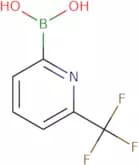
6-(Trifluoromethyl)pyridine-2-boronic acid
CAS:6-(Trifluoromethyl)pyridine-2-boronic acid is a solid chemical that is soluble in organic solvents. It is a building block for the synthesis of more complex compounds, and also serves as an intermediate in the synthesis of pharmaceuticals. 6-(Trifluoromethyl)pyridine-2-boronic acid has been shown to be useful for the preparation of fine chemicals and has been widely used as a reagent in research.
Formula:C6H5BF3NO2Purity:Min. 95%Color and Shape:PowderMolecular weight:190.92 g/molRef: 3D-FT160126
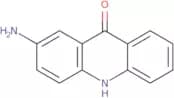
Discontinued product2-Aminoacridone
CAS:2-Aminoacridone is a fluorescent dye. The applications of 2-Aminoacridone are extensive in biochemical and analytical research. It is commonly employed in glycoprotein and glycoconjugate studies, leveraging its high sensitivity and specificity in detecting saccharide structures. Researchers utilize this dye in various assays, including high-performance liquid chromatography (HPLC) and electrophoresis, to analyze carbohydrate content and structure. Its role is critical in advancing our understanding of carbohydrate-related biological processes, such as cell signaling and disease pathogenesis, facilitating developments in both diagnostics and therapeutic strategies.
Formula:C13H10N2OPurity:Min. 95%Color and Shape:PowderMolecular weight:210.23 g/mol11-Piperazinyldibenzo[b,e][1,4]diazepine
CAS:Piperazine diazepines are a class of synthetic compounds that have been used as anticonvulsants, anxiolytics and muscle relaxants. The compound 11-piperazinyldibenzo[b,e][1,4]diazepine (PBD) belongs to this class of drugs. PBD is an analog of the amino acid phenylalanine and has been shown to be a potent acetylcholine receptor antagonist. It also has high penetrability into brain cells and can activate these cells in vivo studies.
Formula:C17H18N4Purity:Min. 95%Color and Shape:PowderMolecular weight:278.35 g/molRef: 3D-FP76915
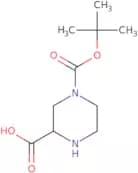
Discontinued productN-4-Boc-2-piperazine carboxylic acid
CAS:N-4-Boc-2-piperazine carboxylic acid is an organic acid that functions in the metabolism of purine and bile acids. It is also involved in the metabolic pathway of the kidney, which is important for the elimination of waste products from the body. N-4-Boc-2-piperazine carboxylic acid has been shown to be useful as a marker for distinguishing between different types of kidney disease. It is a metabolite found in urine and can be used as an analytical tool for detecting renal function. This compound has also been shown to have long term effects on bile acid metabolism.
Formula:C10H18N2O4Purity:Min. 95%Color and Shape:White PowderMolecular weight:230.26 g/molRef: 3D-FP30338
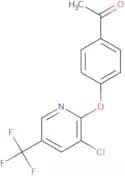
Discontinued product2-(4-Acetophenoxy)-3-chloro-5-trifluoromethyl pyridine
CAS:Please enquire for more information about 2-(4-Acetophenoxy)-3-chloro-5-trifluoromethyl pyridine including the price, delivery time and more detailed product information at the technical inquiry form on this pageFormula:C14H9ClF3NO2Purity:Min. 95%Color and Shape:PowderMolecular weight:315.67 g/molRef: 3D-FA168837
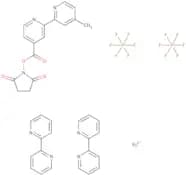
Discontinued productBis(2,2'-bipyridine)-4'-methyl-4-carboxybipyridine-ruthenium N-succinimidyl ester-bis(hexafluorophosphate)
CAS:Bis(2,2'-bipyridine)-4'-methyl-4-carboxybipyridine-ruthenium N-succinimidyl ester-bis(hexafluorophosphate) is a molecule that inhibits the activity of matrix metalloproteinases. It binds to the active site of the enzyme and blocks its activity. This drug has been shown to be effective in inhibiting the activity of MMPs in cells, but not in tissue culture because it does not cross cell membranes. Bis(2,2'-bipyridine)-4'-methyl-4-carboxybipyridine-ruthenium N-succinimidyl ester-bis(hexafluorophosphate) has also been shown to have a low detection limit and can detect low levels of matrix metalloproteinase activity in cells.
Formula:C36H29F12N7O4P2RuPurity:Min. 95%Color and Shape:PowderMolecular weight:1,014.66 g/molRef: 3D-FB29197
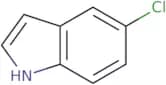
Discontinued product5-Chloroindole
CAS:5-Chloroindole is a molecule that can bind to the CB2 cannabinoid receptor. It has been shown in experiments to be an allosteric modulator of this receptor. 5-Chloroindole has been found to have an inhibitory effect on degenerative diseases, such as Huntington's disease and Alzheimer's disease, and may have therapeutic potential for these disorders. 5-Chloroindole binds to a metal surface by forming hydrogen bonds with the oxygen atom of its carboxyl group and the metal surface. The nucleophilic nature of 5-chloroindole allows it to react with chloride ions present in solution. 5-Chloroindole reacts with the carbon source in tissue culture, which leads to receptor activity and inhibition of cell proliferation.
Formula:C8H6ClNColor and Shape:White PowderMolecular weight:151.59 g/mol4-[(2,3,4Trimethoxyphenyl)methyl]piperazine-1-carbaldehyde
CAS:Please enquire for more information about 4-[(2,3,4Trimethoxyphenyl)methyl]piperazine-1-carbaldehyde including the price, delivery time and more detailed product information at the technical inquiry form on this page
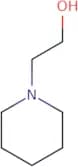
Formula:C15H22N2O4Purity:Min. 95%Color and Shape:PowderMolecular weight:294.35 g/mol1-Piperidineethanol
CAS:1-Piperidineethanol is an active analogue of 1-piperidinepropanol. It has been shown to be a 5-HT4 receptor agonist that can inhibit the enzyme matrix polymerase, which is involved in the production of brain infarctions. The reaction mechanism for 1-piperidineethanol is not well understood, but it has been shown to react with hydrogen ions and amines to form a ternary complex. This complex reacts with hydrogen bond donors such as water or alcohols to form a reaction rate. The reaction rate depends on the concentration of hydrogen ions and amines in the solution.
Formula:C7H15NOPurity:Min. 99%Color and Shape:Colorless Clear LiquidMolecular weight:129.2 g/mol6-Chloro-7-iodo-7-deazapurine
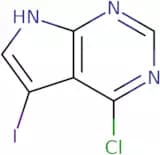
CAS:6-Chloro-7-iodo-7-deazapurine is a nucleoside analogue that is synthesized by a cross-coupling reaction between 6-chloro-2,4(1H,3H)-pyrimidinedione and 7-iodo-7-(trifluoromethyl)purine. 6CIDP has been shown to inhibit growth of epidermal cells at concentrations as low as 0.1 µM, with cytostatic effects seen at 10 µM. 6CIDP has also been shown to potently inhibit the replication of the human papilloma virus in vitro and in vivo. 6CIDP is currently being investigated for the treatment of AIDS and other viral infections. The molecular modeling studies on this compound have revealed that it may be a potent inhibitor of the epidermal growth factor receptor (EGFR).
Formula:C6H3ClIN3Purity:Min. 98 Area-%Color and Shape:White PowderMolecular weight:279.47 g/molThiamine pyrophosphate
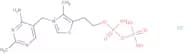
CAS:Thiamine derivative; coenzyme of transketolase
Formula:C12H19ClN4O7P2SPurity:Min. 93%Color and Shape:White PowderMolecular weight:460.77 g/mol3-Cyano-5-bromopyridine
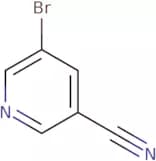
CAS:3-Cyano-5-bromopyridine is an enantiopure organic compound that belongs to the group of halides. It is a functional group that is a reagent in organic synthesis, and it can be used as a precursor to dyestuffs. 3-Cyano-5-bromopyridine has been shown to have antimicrobial activity against bacteria and fungi. It also has a metabotropic glutamate receptor subtype selective affinity, which may be due to its ability to bind with glutamate in complex molecules.
Formula:C6H3BrN2Purity:Min. 95%Color and Shape:White To Beige To Light (Or Pale) Yellow SolidMolecular weight:183.01 g/molRef: 3D-FC03449
Discontinued product4-Chloroindole
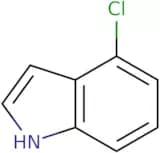
CAS:4-Chloroindole is an indole compound that is a derivative of salicylic acid. It is used in the production of ethylene and casein, as well as being a major metabolite of anthranilic acid. 4-Chloroindole is also found in environmental pollutants and has been shown to be active against plant pathogens such as Pseudomonas syringae. It has been shown to inhibit the growth of Bacillus cereus by binding to its ribosomal RNA and inhibiting protein synthesis. In addition, it inhibits the biosynthesis of methylindole, which may be due to its ability to inhibit the enzyme tryptophan synthase.
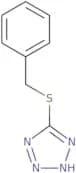
Formula:C8H6ClNPurity:Min. 98 Area-%Color and Shape:Clear LiquidMolecular weight:151.59 g/mol5-Benzylthio-1H-tetrazole
CAS:5-Benzylthio-1H-tetrazole is a tetrazole derivative that is used as a reactant in bioconjugate chemistry. This compound reacts with nucleophiles to form covalent bonds and can be immobilized on solid supports for use in stepwise synthesis of peptides or other molecules. 5-Benzylthio-1H-tetrazole also has the ability to bind to DNA and RNA, which makes it useful in the study of hydrogen bonding interactions. In addition, this molecule has been shown to enhance the sensitivity of uv absorption measurements. Other uses include the development of model systems for chemical biology and the study of cellular processes.
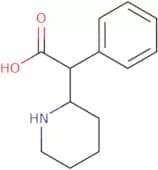
Formula:C8H8N4SPurity:Min. 98 Area-%Color and Shape:White PowderMolecular weight:192.24 g/mol2-Phenyl-2-(2-piperidy)acetic acid
CAS:Controlled ProductMethylphenidate is a psychostimulant drug used to treat attention deficit hyperactivity disorder (ADHD) and narcolepsy. It is a prodrug of the active compound, 2-phenyl-2-(2-piperidin)acetic acid (Ritalinic acid), which inhibits the reuptake of dopamine and norepinephrine into the presynaptic neuron. Methylphenidate can be detected by LC-MS/MS in wastewater, providing an analytical method for predicting the presence of this substance in wastewater treatment plants. This drug has minimal toxicity in model organisms and can be metabolized by methylation to form a glucuronide conjugate. Methylphenidate has been shown to increase locomotor activity when administered at low doses, but not at high doses. At high doses, it increases locomotor activity up to 3 hours after administration and decreases locomotor activity 1 hour after administration.
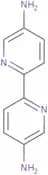
Formula:C13H17NO2Purity:Min 98%Color and Shape:White PowderMolecular weight:219.28 g/mol5,5'-Diamino-2,2'-bipyridine
CAS:5,5'-Diamino-2,2'-bipyridine is an acidic metalloporphyrin that has been shown to react with epoxides to form nucleophilic adducts. This compound can be used as a ligand for lanthanide ions and reacts with aminopyridine to form bromoethane. 5,5'-Diamino-2,2'-bipyridine has been shown to have carcinogenic properties and may induce bromoethane mutagenicity in the liver. This compound is also mutagenic when added to propylene carbonate. 5,5'-Diamino-2,2'-bipyridine is luminescent in air or water when exposed to UV light.
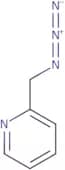
Formula:C10H10N4Purity:Min. 97 Area-%Color and Shape:PowderMolecular weight:186.21 g/mol2-(Azidomethyl)pyridine
CAS:2-(Azidomethyl)pyridine (2-AP) is an organopalladium complex with a molecular weight of 206.2 g/mol. It has been used in magnetic resonance spectroscopy and has been shown to bind to all-trans retinoic acid, which is an active metabolite of vitamin A. 2-AP has also been shown to inhibit the growth of cancer cells by binding to the glycan on cell surfaces. The copper complex has been shown to have anti-inflammatory properties and can inhibit the activity of enzymes such as cyclooxygenase and lipoxygenase, which are involved in inflammatory responses. 2-AP is a second-order rate constant for the exothermic reaction between hydrogen peroxide and azide ion, which produces nitrous oxide ((NO)) and water molecules.
Formula:C6H6N4Purity:Min. 95%Color and Shape:Brown PowderMolecular weight:134.14 g/molRef: 3D-FA121941
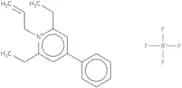
Discontinued productN-Propyl-1-ene-2,6-diethyl-4-phenylpyridinium tetrafluoroborate
CAS:N-Propyl-1-ene-2,6-diethyl-4-phenylpyridinium tetrafluoroborate (NPEEDPBF) is a fine chemical that has been used as a building block in research and industrial chemistry. The synthesis of NPEEDPBF typically involves the reaction of diethyl phenylpyridinium bromide with n propyl iodide. It can be used as a reagent for organic syntheses and as an intermediate for other compounds. NPEEDPBF is also a versatile building block for complex compounds.Formula:C18H22N•BF4Purity:Min. 95%Molecular weight:339.18 g/molRef: 3D-FP145686
Discontinued productN-[6-Chloro-5-(2-methoxyphenoxy)-(2,2-bipyrimidine)4-4-yl]-(1,1-dimethylethyl)-benzenesulfonamide
CAS:N-[6-Chloro-5-(2-methoxyphenoxy)-(2,2-bipyrimidine)4-4-yl]-(1,1-dimethylethyl)-benzenesulfonamide is a reagent that can be used as a reaction component in the synthesis of complex compounds. It has high quality and is a versatile building block for the synthesis of speciality chemicals. N-[6-Chloro-5-(2-methoxyphenoxy)-(2,2-bipyrimidine)4-4-yl]-(1,1-dimethylethyl)-benzenesulfonamide is also a useful intermediate in the synthesis of fine chemicals.
Formula:C25H24ClN5O4SPurity:Min. 95%Color and Shape:White PowderMolecular weight:526.01 g/molRef: 3D-FC20113
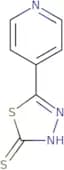
Discontinued product5-Pyridin-4-yl-1,3,4-thiadiazole-2-thiol
CAS:5-Pyridin-4-yl-1,3,4-thiadiazole-2-thiol is a molecule that is used as an immunosuppressant. It inhibits the production of cytokines and chemokines by inhibiting the activation of nuclear factor kappa B (NF-κB). This leads to less inflammation and a decrease in the ability of immune cells to proliferate. 5-Pyridin-4-yl-1,3,4-thiadiazole-2-thiol has been shown to have synergistic effects with other drugs, such as antifungal agents.
Formula:C7H5N3S2Purity:Min. 95%Color and Shape:PowderMolecular weight:195.27 g/molRef: 3D-FP123556
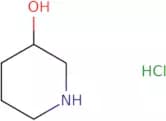
Discontinued product3-Hydroxypiperidine hydrochloride
CAS:3-Hydroxypiperidine hydrochloride is a synthetic compound that inhibits the enzyme acetylcholinesterase, which breaks down the neurotransmitter acetylcholine. The specificity of this inhibitor has been shown to be high in human urine samples. 3-Hydroxypiperidine hydrochloride can be used as a tethering agent in exploratory assays. This drug also has an effect on chemokine production and citric acid levels in the urine.
Formula:C5H11NO•HClPurity:Min. 95%Color and Shape:PowderMolecular weight:137.61 g/molRef: 3D-FH29361
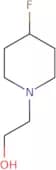
Discontinued product4-Fluoro-1-piperidineethanol
CAS:Please enquire for more information about 4-Fluoro-1-piperidineethanol including the price, delivery time and more detailed product information at the technical inquiry form on this page
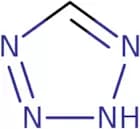
Formula:C7H14FNOPurity:Min. 95%Molecular weight:147.19 g/mol1H-Tetrazole - ~0.45M solution in acetonitrile
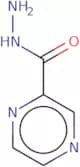
CAS:Catalyst; intermediate in organic synthesesFormula:CH2N4Purity:Min. 98.0%Color and Shape:Colorless Clear LiquidMolecular weight:70.05 g/molPyrazine-2-carbohydrazide
CAS:Pyrazine-2-carbohydrazide is a chemical compound with significant cytotoxicity. It has been used as an antimicrobial agent, but is not effective against all types of human pathogens. Pyrazine-2-carbohydrazide forms stable complexes with metal ions, such as carbon disulphide and pyrazine-2-carboxylic acid. Magnetic resonance spectroscopy has shown that the active analogs of pyrazine-2-carbohydrazide are pyrazinoic acid and other compounds containing this functional group. Pyrazinoic acid is synthesized from pyrazine-2-carboxylic acid by oxidation with hydrogen peroxide or a strong oxidizing agent. The antimicrobial resistance of bacteria to these compounds can be attributed to the hydrogen bond between the hydroxyl group of pyrazinoic acid and the amino group of bacterial peptidoglycan (a component of bacterial cell walls).
Formula:C5H6N4OPurity:Min. 95%Color and Shape:PowderMolecular weight:138.13 g/molRef: 3D-FP02880
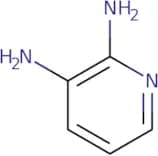
Discontinued product2,3-Diaminopyridine
CAS:2,3-Diaminopyridine is a synthetic compound that is used in the treatment of liver disease. It is an effective agent for the elimination of toxic substances from the body. 2,3-Diaminopyridine has been shown to be a potent inhibitor of oxidative stress and lipid peroxidation. This drug also shows high resistance to hydrolysis by rat liver microsomes. The pharmacokinetic properties of 2,3-diaminopyridine have been studied in rats and humans.
2,3-Diaminopyridine has been shown to be stable when complexed with human serum albumin or polyethylene glycol in solution and can be used as a reference standard for quantifying human serum albumin concentration by measuring the optical density at 280 nm.Formula:C5H7N3Purity:Min. 98 Area-%Color and Shape:PowderMolecular weight:109.13 g/molRef: 3D-FD07097
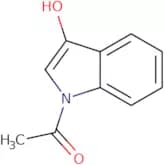
Discontinued productN-Acetyl-3-hydroxyindole
CAS:N-Acetyl-3-hydroxyindole is a colorless liquid that inhibits the activity of enzymes such as butyric acid, active methylene, and acyl halides. It is also used to inhibit the enzyme eosinophil peroxidase in clinical tests. N-Acetyl-3-hydroxyindole has been shown to be an efficient method for high-throughput analysis of enzymatic reactions. This chemical can be immobilized on porous supports and used to measure enzyme activities. N-Acetyl-3-hydroxyindole has been shown to have therapeutic effects in clinical data with a potent inhibitor of eosinophil peroxidase.
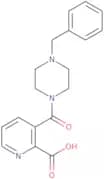
Formula:C10H9NO2Purity:Min. 95%Color and Shape:Orange PowderMolecular weight:175.18 g/mol3-((4-Benzylpiperazinyl)carbonyl)pyridine-2-carboxylic acid
CAS:Controlled ProductPlease enquire for more information about 3-((4-Benzylpiperazinyl)carbonyl)pyridine-2-carboxylic acid including the price, delivery time and more detailed product information at the technical inquiry form on this pageFormula:C18H19N3O3Purity:Min. 95%Color and Shape:PowderMolecular weight:325.36 g/molRef: 3D-FB169466
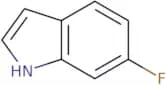
Discontinued product6-Fluoroindole
CAS:6-Fluoroindole is an aromatic organic compound that has been shown to have anti-inflammatory and antioxidant properties in vitro and in vivo. 6-Fluoroindole is a 5-methoxyindole and can be synthesized from the amino acid tryptophan, which is a precursor of serotonin. 6-Fluoroindole has also been shown to be active against plant pathogens, human protein, and human pathogens. It can produce hemolytic activity at high concentrations and its chemical stability was tested by incubating it with various acids such as hydrochloric acid or acetic acid. 6-Fluoroindole showed no reaction with either of these acids. The vibrational spectra of 6-fluoroindole was measured using dipolar coupling constants and found to have a dipole moment of 0.01 D for the molecule.
Formula:C8H6FNPurity:Min. 98 Area-%Color and Shape:White Yellow PowderMolecular weight:135.14 g/molRef: 3D-FF00132
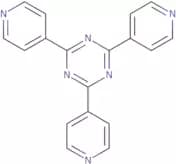
Discontinued product2,4,6-Tri(4-pyridyl)-1,3,5-triazine (purified by sublimation)
CAS:2,4,6-Tri(4-pyridyl)-1,3,5-triazine (TPTZ) is a diamagnetic molecule. It has been shown to have anticancer activity in vitro and in vivo. TPTZ is luminescent when exposed to UV light and its emission spectrum is dependent on the environment. TPTZ has been synthesized by organic solution chemistry and by transfer from inorganic materials. The organic solution synthesis involves the formation of TPTZ from an organic ligand and triazine. The transfer mechanism occurs when an azo compound reacts with an amine precursor to form an iminium salt intermediate that reacts with triazine to form TPTZ.Formula:C18H12N6Purity:Min. 95%Color and Shape:PowderMolecular weight:312.33 g/molRef: 3D-FT62863
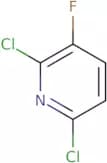
Discontinued product2,6-Dichloro-3-fluoropyridine
CAS:2,6-Dichloro-3-fluoropyridine is a synthetic organic chemical that can be used as a diazo compound in the synthesis of heterocycles. It is used in industrial applications for the production of nitrobenzene, an intermediate for the synthesis of pharmaceuticals. The reaction time and yield are high, and the selectivity is good. 2,6-Dichloro-3-fluoropyridine can be synthesized by reacting sodium nitrite with piperidine and acidifying with hydrochloric acid. This chemical is mainly used as an industrial intermediate to produce nitrobenzene.
Formula:C5H2Cl2FNPurity:(%) Min. 95%Color and Shape:PowderMolecular weight:165.98 g/molRef: 3D-FD104766
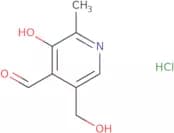
Discontinued productPyridoxal hydrochloride
CAS:Pyridoxal hydrochloride is a vitamin B6 metabolite. It is involved in many biochemical reactions, including trans-sulfuration, amino acid synthesis, and neurotransmitter synthesis. Pyridoxal hydrochloride has been shown to have antimicrobial activity against some bacteria species by inhibiting their enzyme activities. This compound also inhibits the growth of various fungi. The redox potentials of pyridoxal hydrochloride can be determined by titration calorimetry, which can be used to study its structural properties. In vitro experiments with cells have shown that pyridoxal hydrochloride may increase the efficiency of protein production when used during cell transfection. Toxicity studies have shown that pyridoxal hydrochloride is not toxic to humans at doses up to 2000 mg/kg body weight per day for up to 14 days.
Formula:C8H9NO3·HClPurity:Min. 98 Area-%Color and Shape:White PowderMolecular weight:203.62 g/mol1-Acetyl-3-indolecarboxaldehyde
CAS:1-Acetyl-3-indolecarboxaldehyde is a ligand that binds to the cannabinoid receptor 1 (CB1). It has been shown to bind to the CB1 receptor with high affinity and selectivity. In addition, it has been demonstrated to inhibit the proliferation of human breast cancer cells in vitro. The compound is used as a fluorescent probe for cb1 receptor binding. Data obtained from molecular modelling studies have suggested that the hydroxyl group might be involved in binding to the CB1 receptor. 1-Acetyl-3-indolecarboxaldehyde also binds carotenoids, which are molecules responsible for giving plants and other photosynthetic organisms their coloration. This compound can be found in many different plants, such as carrots and bananas, where it acts as an antioxidant.
Formula:C11H9NO2Purity:Min. 95%Color and Shape:PowderMolecular weight:187.19 g/molRef: 3D-FA30363
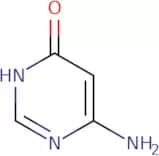
Discontinued product6-Aminopyrimidin-4-ol
CAS:6-Aminopyrimidin-4-ol is an intermediate in the synthesis of orotic acid. It is also a precursor to 6-chloropurine, which is used in the manufacture of orotic acid and 6-aminopurine. 6-Aminopyrimidin-4-ol can be prepared by benzannulation of phosphorus oxychloride with orotic acid or by hydrolysis of 6-chloropurine with thiourea. The latter method is preferred because it results in less waste.
6-Aminopyrimidin-4-ol is labile and must be stored under an inert gas at low temperature to prevent decomposition. It undergoes inactivating reactions with strong oxidizing agents, such as chlorine dioxide, peracetic acid, hydrogen peroxide, and potassium permanganate.
It also reacts with nucleophiles such as ammonia or amines to form stable tautFormula:C4H5N3OPurity:Min. 95%Color and Shape:PowderMolecular weight:111.1 g/molRef: 3D-FA11362
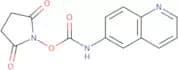
Discontinued product6-Aminoquinolyl-N-hydroxysuccinimidylcarbamate
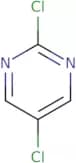
CAS:6-Aminoquinolyl-N-hydroxysuccinimidylcarbamate reacts rapidly with amino acids to form stable urea derivatives. The use of fluorescence detection techniques allows quantification of amines at pmol levels. 6-Aminoquinolyl-N-hydroxysuccinimidylcarbamate was used in a study to derivatize glycated amino acids with the purpose of developing chromatographic assays for their quantification. Glycation of proteins initially gives rise to early glycation adducts, then progresses to advanced glycation end-products, which are markers for conditions such as diabetes, cataracts, uraemia and Alzheimer's disease. We also offer the product FA172347 with a particle size < 0.25 mm.Formula:C14H11N3O4Purity:(Q-1H Nmr) Min 83%Color and Shape:PowderMolecular weight:285.25 g/mol2,5-Dichloropyrimidine
CAS:2,5-Dichloropyrimidine is a cytotoxic drug that is activated by acetonitrile to form an intermediate, which is then converted to the active form. This drug has been shown to be neuroprotective in animal models of neurodegenerative diseases. 2,5-Dichloropyrimidine also blocks the production of nitric oxide by binding to the factor receptor and prevents activation of the growth factor. The drug has been shown to inhibit the growth of cancer cells in vitro and in vivo.
Formula:C4H2Cl2N2Purity:Min. 95%Color and Shape:PowderMolecular weight:148.98 g/molRef: 3D-FD11548
Discontinued product3,4-Dimethoxy-2-hydroxymethylpyridine
CAS:Pantoprazole is a proton pump inhibitor (PPI) that blocks the production of stomach acid by inhibiting the H+/K+-ATPase enzyme in gastric parietal cells. The chemical compound 3,4-Dimethoxy-2-hydroxymethylpyridine is a sodium salt of pantoprazole. It is commercially available as the anhydrous form, which is a white crystalline powder. This chemical has been used to regulate the amount of water in industrial processes and to salify materials such as lead oxide. Pantoprazole sodium chloride can be prepared by evaporating and drying with anhydrous sodium chloride or by heating an aqueous solution of pantoprazole sulfate.
Formula:C8H11NO3Purity:Min. 95%Color and Shape:PowderMolecular weight:169.18 g/molRef: 3D-FD70794
Discontinued productN-[(4-Amino-2-methylpyrimidin-5-yl)methyl]formamide
CAS:N-[(4-Amino-2-methylpyrimidin-5-yl)methyl]formamide (NAMPT) is a triazolo compound that inhibits the ATP binding cassette transporter and blocks the uptake of uridine and pyrimidine compounds. It also inhibits inorganic pyrophosphatase, which is an enzyme that catalyzes the hydrolysis of pyrophosphate to inorganic phosphate. NAMPT has been shown to be a substrate for hypochlorous acid production in neutrophils, suggesting it may play a role in the regulation of oxidative stress. Chemical biology studies have demonstrated that NAMPT plays a physiological function as an intermediate in vitamin B1 biosynthesis.
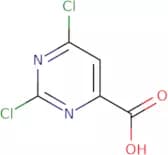
Formula:C7H10N4OPurity:Min. 95%Color and Shape:PowderMolecular weight:166.18 g/mol2,6-Dichloropyrimidine-4-carboxylic acid
CAS:2,6-Dichloropyrimidine-4-carboxylic acid is a pyrimidine that can be used as a starting material for the synthesis of other compounds. It is an intermediate in the manufacture of anilines and pyrimidines. 2,6-Dichloropyrimidine-4-carboxylic acid is also used in the production of dyes and agrochemicals.Formula:C5H2Cl2N2O2Purity:Min. 95%Color and Shape:White PowderMolecular weight:192.99 g/molRef: 3D-FD147587
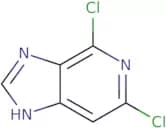
Discontinued product2,6-Dichloro-3-deazapurine
CAS:2,6-Dichloro-3-deazapurine is an isomer of the nucleoside guanosine. It has been shown to inhibit the synthesis of viruses in cell cultures and may be useful in the treatment of leukemia. The synthesis of 2,6-dichloro-3-deazapurine can be achieved through a solid-phase synthesis that uses synthons as starting materials. The molecular modelling studies have shown that this molecule has a potential to bind to adenosine receptor subtypes A2a, A2b, and A3.
Formula:C6H3Cl2N3Purity:Min. 95%Color and Shape:Off-White PowderMolecular weight:188.02 g/mol(1-Benzyl-4-piperidyl)methanol
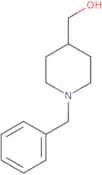
CAS:1-Benzyl-4-piperidyl)methanol is a linker molecule that can be used to connect a variety of heterocycles with the ability to modulate their biological activities. This molecule has been shown to be a potent inhibitor of 5-HT receptor activity and has been used in molecular modeling studies. 1-Benzyl-4-piperidyl)methanol also has the potential for use as an environmental pollutant, which may be due to its reactivity with naphthalene compounds. The modifications that are possible on this molecule include introducing substituents on the benzene ring or amide groups, which can provide potent inhibitory activity.
Formula:C13H19NOPurity:Min. 95 Area-%Color and Shape:Clear LiquidMolecular weight:205.3 g/molRef: 3D-FB71821
Discontinued product4-Amino-1-Boc-piperidine
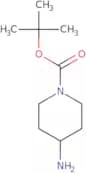
CAS:4-Amino-1-Boc-piperidine is a potent inhibitor of the CCR5 receptor. It is an x-ray crystal structure with a hydroxide solution that inhibits the growth of cancer cells. The inhibitor binding site for 4-Amino-1-Boc-piperidine was determined to be the CCR5 receptor, which is located on the surface of hematopoietic cells. The compound has been shown to inhibit human T lymphocyte proliferation in vitro and inhibit HIV replication in infected patients. 4-Amino-1-Boc-piperidine is able to inhibit the growth of cancer cells by blocking the production of cytokines, such as interleukin 2, that are needed for cell division and growth.
Formula:C10H20N2O2Purity:Min. 95%Color and Shape:PowderMolecular weight:200.28 g/molRef: 3D-FA09405
Discontinued product2-Methoxy-1-((2-(trimethylsilyl)ethoxy)methyl)-1H-imidazole-5-carbaldehyde
Please enquire for more information about 2-Methoxy-1-((2-(trimethylsilyl)ethoxy)methyl)-1H-imidazole-5-carbaldehyde including the price, delivery time and more detailed product information at the technical inquiry form on this page
Formula:C11H20N2O3SiPurity:Min. 95%Color and Shape:PowderMolecular weight:256.37 g/mol4-Amino-4H-pyrazolo[3,4-d]pyrimidine
CAS:4-Amino-4H-pyrazolo[3,4-d]pyrimidine is an organic compound that is used as a building block in the synthesis of other compounds. It is a versatile chemical with many applications in research and industry. This compound can be used as a starting material for the synthesis of various other chemicals, such as pharmaceuticals, agrochemicals, and dyes. 4-Amino-4H-pyrazolo[3,4-d]pyrimidine has been shown to inhibit protein phosphatase 1 (PP1) activity and stimulate protein kinase C (PKC) activity.
Formula:C5H5N5Purity:Min. 95%Color and Shape:PowderMolecular weight:135.13 g/molRef: 3D-FA15519
Discontinued productFmoc-D-7-Aza-Trp-OH
CAS:Please enquire for more information about Fmoc-D-7-Aza-Trp-OH including the price, delivery time and more detailed product information at the technical inquiry form on this page
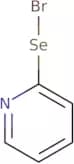
Formula:C25H21N3O4Purity:Min. 95%Molecular weight:427.45 g/mol2-Pyridine selenyl bromide
CAS:2-Pyridine selenyl bromide is a co-precursor for the synthesis of 2-selenides. It can be prepared by reacting 2-pyridinesulfonyl chloride with sodium periodate in acetonitrile. This compound can then be converted to a 2-selenide by treatment with methanol and periodic acid. The analytical and preparative methods are shown below:
Analytical: Dissolve the sample in dichloromethane, add triethylamine, and extract into diethyl ether. Add a small amount of potassium bromide to the organic layer and evaporate to dryness under vacuum. Recrystallize from acetonitrile.
Methanolysis: Dissolve the sample in methanol, add a catalytic amount of hydrochloric acid, and heat at reflux for 12 hours. Cool the solution, filter off any insoluble material, evaporate to drynessFormula:C5H4BrNSePurity:Min. 95%Molecular weight:236.96 g/molRef: 3D-FP11022
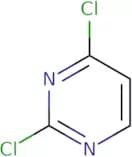
Discontinued product2,4-Dichloropyrimidine
CAS:2,4-Dichloropyrimidine is a compound with an antiproliferation activity that has been shown to inhibit replication of viruses such as HIV. It inhibits the activity of enzymes involved in the replication of viral DNA, including the enzyme human telomerase reverse transcriptase (hTERT), which is essential for viral replication. The effects of 2,4-dichloropyrimidine on wild-type HIV are not clear because it does not have a significant effect on HIV-1 strains that have acquired resistance to erythromycin and tetracycline. However, this drug may be effective against other viruses that have not yet developed resistance. 2,4-Dichloropyrimidine also has antiinflammatory properties due to its ability to inhibit the production of epidermal growth factor and nitrogenous compounds from inflammatory cells.
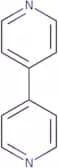
Formula:C4H2N2CI2Purity:Min. 95%Color and Shape:Off-White PowderMolecular weight:148.98 g/mol4,4'-Dipyridyl
CAS:Please enquire for more information about 4,4'-Dipyridyl including the price, delivery time and more detailed product information at the technical inquiry form on this page
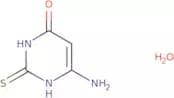
Formula:C10H8N2Molecular weight:156.19 g/mol6-Amino-4-hydroxy-2-mercaptopyrimidine monohydrate
CAS:6-Amino-4-hydroxy-2-mercaptopyrimidine monohydrate (6AP) is a chemical compound that has been shown to have potent antibacterial activity against Gram-positive bacteria. It is also effective at inhibiting the growth of S. aureus, both in vitro and in vivo. 6AP can be used as an alternative treatment for cancer, where it inhibits the growth of tumor cells by blocking ferrocene, which plays an important role in cancer cell proliferation and survival. The efficacy of 6AP against bacterial infections has been demonstrated in vitro with a variety of Gram-positive pathogens, including S. aureus, Streptococcus pneumoniae, Enterococcus faecalis, and Bacillus anthracis.Formula:C4H5N3OS•H2OPurity:Min. 95%Color and Shape:PowderMolecular weight:161.18 g/molRef: 3D-FA08191
Discontinued product6-Azaindole
CAS:6-Azaindole is a fine chemical that can be used as a reagent, building block, and intermediate. It is a versatile compound that has been shown to have high quality and complex chemistry. 6-Azaindole is an important reaction component in the synthesis of other compounds with pharmaceutical applications such as amide synthons, amino acid esters, and pharmaceutical intermediates. 6-Azaindole can also be used as a scaffold for the preparation of indoles. CAS No: 271-29-4
Formula:C7H6N2Molecular weight:118.14 g/molRef: 3D-A-9495
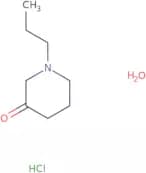
Discontinued product1-Propyl-3-piperidone hydrochloride hydrate
CAS:1-Propyl-3-piperidone hydrochloride hydrate is a high quality chemical that can be used as a reagent in organic synthesis. It is an intermediate for the production of pharmaceuticals, agrochemicals, and other chemicals. 1-Propyl-3-piperidone hydrochloride hydrate is also a versatile building block with many uses as a reaction component. This compound has been shown to have antiulcer properties and may also have potential as an analgesic.Formula:C8H15NO·HCl·H2OPurity:Min. 95%Color and Shape:PowderMolecular weight:195.69 g/molRef: 3D-FP67040
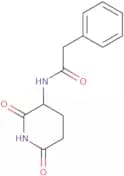
Discontinued product3-Phenylacetylamino-2,6-piperidinedione
CAS:3-Phenylacetylamino-2,6-piperidinedione is a trifluoroacetate analog of the amino acid phenylalanine. It has been shown to be effective against cancer cells. 3-Phenylacetylamino-2,6-piperidinedione inhibits protein synthesis in tumor cells and is used as an antiestrogen in clinical studies. The hydroxyl group on the 3rd carbon atom makes this compound more acidic than its parent compound, 2,6-piperidinedione. This analog also has a high affinity for cancer tissues and urine samples. Treatment with this drug inhibits the growth of carcinoma cell lines MCT7 and MCF7.
Formula:C13H14N2O3Purity:Min. 95%Color and Shape:PowderMolecular weight:246.26 g/molRef: 3D-FP148021
Discontinued product2-Chloro-6-(trichloromethyl)pyridine
CAS:2-Chloro-6-(trichloromethyl)pyridine (2CTCP) is an inorganic acid that is used as a synthetic reagent in the synthesis of pharmaceuticals, such as antihistamines, vasodilators and antipsychotics. 2CTCP inhibits the process of nitrification by competing with nitrite for the enzyme nitrate reductase. It also inhibits plant metabolism by inhibiting nitrogen fixation and hydrogen production. 2CTCP is not toxic to humans or animals under normal conditions; however, it may be hazardous if inhaled or ingested. 2CTCP can be synthesized by reacting sodium carbonate with chloroacetyl chloride followed by hydrolysis of the resulting intermediate. The analytical method for 2CTCP involves gas chromatography with electron capture detection (GC-ECD). The compound can also be analyzed using high performance liquid chromatography (HPLC).
Formula:C6H3Cl4NPurity:Min. 95%Molecular weight:230.91 g/molRef: 3D-FC55179
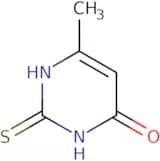
Discontinued product4-Hydroxy-2-mercapto-6-methy1-pyrimidine
CAS:4-Hydroxy-2-mercapto-6-methylpyrimidine is a structural analysis of the molecule. It is a pyrimidine compound that has been found to be effective against human bowel disease and congestive heart failure, as well as in a model system of infectious diseases. 4-Hydroxy-2-mercapto-6-methylpyrimidine inhibits the activity of cyclin D2 by binding to it and preventing its attachment to the G1/S phase checkpoint. This compound also inhibits the activity of c. glabrata polymerase chain reaction (PCR) and human leukemia cells HL60 cells. 4-Hydroxy-2-mercapto-6-methylpyrimidine is an analytical method for xray diffraction data, which has been shown to have antibacterial properties due to its ability to inhibit methylthiouracil from being converted into thyroxine in the body.Formula:C5H6N2OSPurity:Min. 95%Color and Shape:White Clear LiquidMolecular weight:142.18 g/molRef: 3D-FH34311
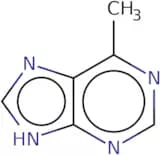
Discontinued product6-Methylpurine
CAS:6-Methylpurine is a product of the nucleotide metabolism in E. coli, which is a model organism for protein synthesis. 6-Methylpurine inhibits protein synthesis and exerts significant cytotoxicity. It has been shown to inhibit the enzyme activities of DNA polymerase alpha, DNA ligase, and RNA polymerase, as well as other enzymes involved in nitrogen metabolism. 6-Methylpurine has been shown to be an analog of adenine and has a similar reaction mechanism. The uptake of 6-methyl purine by cells is mediated by hydrogen bonds with amino acid residues on the cell membrane surface. This molecule also forms glycosidic bonds with ribose sugar groups on cellular surfaces. 6-Methylpurine plays an important role in energy metabolism through its incorporation into glucose and glycogen molecules.
Formula:C6H6N4Purity:Min. 98 Area-%Color and Shape:White PowderMolecular weight:134.14 g/molRef: 3D-FM08038
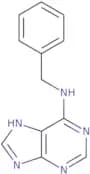
Discontinued product6-Benzyladenine
CAS:Plant growth regulator. Member of the cytokinin family. Stimulates cell division.
Formula:C12H11N5Purity:Min. 98.0 Area-%Molecular weight:225.25 g/molRef: 3D-B-1000
Discontinued product4,4'-Dipyridyl - 98%
CAS:4,4'-Dipyridyl is a cyclic peptide with a basic structure. It has been found to have inhibitory effects against the growth of bacteria in human serum and group P2. The x-ray crystal structures reveal that it has strong intermolecular hydrogen bonding interactions. Experimental solubility data and coordination models show that 4,4'-dipyridyl is soluble in anhydrous sodium. Structural analysis and kinetic energy calculations indicate that the inhibitor binding site is located on the hydroxyl groups of the backbone of the molecule. This ligand also binds to metal ions such as copper or zinc.
Formula:C10H8N2Color and Shape:Off-White PowderMolecular weight:156.19 g/mol4-Bromo-2-fluoropyridine
CAS:4-Bromo-2-fluoropyridine is a heterocyclic amine that belongs to the class of cannabinoid type. It has been shown to be stereoselective, and can be used as a sulfamidate in biomolecular studies. 4-Bromo-2-fluoropyridine is activated by chloride and nucleophilic, which are properties that make it useful for functional groups. The fluorine atom on this molecule also makes it reactive, making it possible to use the substance as an enantiopure catalyst for organic reactions.
Formula:C5H3BrFNPurity:Min. 98 Area-%Color and Shape:Colorless Clear LiquidMolecular weight:175.99 g/molRef: 3D-FB08153
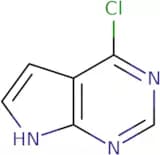
Discontinued productChloro-7-deazapurine
CAS:Intermediate in the synthesis of baricitinib
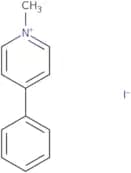
Formula:C6H4ClN3Purity:Min. 95%Color and Shape:Off-White PowderMolecular weight:153.57 g/molN-Methyl-4-phenylpyridinium iodide
CAS:N-Methyl-4-phenylpyridinium iodide is an experimental drug that has been shown to have a number of biological effects in vitro. These include the inhibition of dopamine uptake and mitochondrial membrane potential, leading to neuronal death. This drug also inhibits the uptake of gamma-aminobutyric acid (GABA) and the synthesis of tubule cells. N-Methyl-4-phenylpyridinium iodide has been shown to cause microglia cell activation by binding with the CB2 receptor on these cells. The compound also causes increased uptake of lithium ions into mitochondria, which leads to a reduction in mitochondrial membrane potential and subsequent neuronal death.
Formula:C12H12INPurity:Min. 95%Molecular weight:297.14 g/molRef: 3D-FM25717
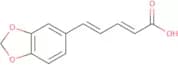
Discontinued product(E,E)-Piperic acid
CAS:Piperic acid is a metal chelate that has synergistic effects with other antimicrobial agents. It can be used to treat infectious diseases and carcinoma. Piperic acid is a natural compound found in plants, fruits, and vegetables, which has been shown to inhibit drug transporter proteins P-glycoprotein (P-gp) in the mitochondrial membrane potential. This inhibits the transport of drugs from outside the cell into the mitochondrial membrane, which also prevents the production of reactive oxygen species.
Formula:C12H10O4Purity:Min. 95%Color and Shape:Yellow To Green SolidMolecular weight:218.21 g/molRef: 3D-FP27067
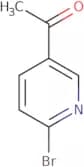
Discontinued product2-Bromo-5-acetylpyridine
CAS:2-Bromo-5-acetylpyridine is a chemical compound that belongs to the amide class. It has been shown to have an inhibitory effect on amines, which are compounds that are important in the production of urea and other substances. 2-Bromo-5-acetylpyridine can be used as an analog for imatinib, a kinase inhibitor. This compound may also be used as a chloride ion scavenger, which could be useful in the treatment of cancer. 2-Bromo-5-acetylpyridine has been shown to have anticancer activity in molecular modeling studies, but further research needs to be done to see if it is effective against cancer cells.
Formula:C7H6BrNOPurity:Min. 95%Color and Shape:PowderMolecular weight:200.03 g/molRef: 3D-FB38534
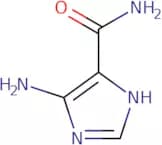
Discontinued product5-Amino-1H-imidazole-4-carboxamide
CAS:5-Amino-1H-imidazole-4-carboxamide is a potent inhibitor of inosine monophosphate dehydrogenase (IMPDH). This enzyme converts inosine 5'-monophosphate (IMP) to xanthosine 5'-monophosphate (XMP) and is essential for the synthesis of purines. By inhibiting IMPDH, 5-amino-1H-imidazole-4-carboxamide prevents the formation of XMP, which leads to the depletion of purines, thereby inhibiting DNA synthesis. In addition to its role as an anti-inflammatory agent, this drug has been shown to reduce disease activity in bowel disease patients by reducing nitrate reductase activity. The molecule has also been shown to inhibit protein kinases such as PKC and MAPK/ERK kinases.
Formula:C4H6N4OPurity:Min. 95%Color and Shape:PowderMolecular weight:126.12 g/mol1-(5-Trifluoromethyl-[1,3,4]thiadiazol-2-yl)-piperazine
CAS:1-(5-Trifluoromethyl-[1,3,4]thiadiazol-2-yl)-piperazine is a high quality and versatile building block for the synthesis of various chemical compounds. It is an intermediate for the synthesis of other organic substances and can be used in reactions involving nucleophilic substitution, elimination, or addition reactions. 1-(5-Trifluoromethyl-[1,3,4]thiadiazol-2-yl)-piperazine is a reagent that can be used as a complex compound to create fine chemicals. This compound is also useful as a reaction component in research chemicals and speciality chemicals.Formula:C7H9F3N4SPurity:(Hplc-Ms) Min. 95 Area-%Color and Shape:PowderMolecular weight:238.23 g/mol2-[N-[(3,5-Difluorophenyl)carbamoylamino]-C-methylcarbonimidoyl]pyridine-3-carboxylic acid
CAS:2-[N-[(3,5-Difluorophenyl)carbamoylamino]-C-methylcarbonimidoyl]pyridine-3-carboxylic acid (2FPC) is a potent herbicide that inhibits the fatty acid synthase enzyme and blocks cellular energy production. Fatty acid synthase is an important enzyme in the synthesis of essential fatty acids and this inhibition can lead to a number of health complications. 2FPC also inhibits epidermal growth factor receptor (EGFR) and glucocorticoid receptors, which can lead to autoimmune diseases. The compound has been shown to produce neurotoxic effects in animals and humans, including optical sensor activation and cation channel modulation. 2FPC is used as a herbicide to control weeds such as knapweed. It is also used as an anti-inflammatory agent in the treatment of rheumatoid arthritis.Formula:C15H12F2N4O3Purity:Min. 97 Area-%Color and Shape:PowderMolecular weight:334.28 g/molRef: 3D-FD101726
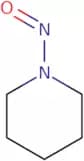
Discontinued productN-Nitrosopiperidine
CAS:N-Nitrosopiperidine is a nitrated aromatic amine that can be found in the environment. It has been shown to induce genotoxic effects and to inhibit liver microsomal enzyme activity. It is also shown to cause DNA damage in hl-60 cells and in the model system. N-Nitrosopiperidine may act by causing an increase in reactive oxygen species (ROS) production, which results in oxidative stress and cellular dysfunction. This compound has been shown to induce congestive heart failure, as well as chronic oral toxicity and maternal toxicity. N-Nitrosopiperidine has also been associated with hepatic tissues changes and fetal bovine abnormalities.
Formula:C5H10N2OPurity:Min. 95%Color and Shape:Yellow Clear LiquidMolecular weight:114.15 g/molRef: 3D-FN26386
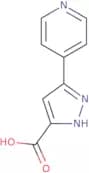
Discontinued product5-Pyridin-4-yl-1H-pyrazole-3-carboxylic acid
CAS:5-Pyridin-4-yl-1H-pyrazole-3-carboxylic acid is a white crystalline solid. It is soluble in water, methanol and ethanol. The molecular weight of 5-Pyridin-4-yl-1H-pyrazole-3 carboxylic acid is 177.17 g/mol. This compound has been found to have an elemental composition of C, H, N and O with a calculated density of 1.62 g/cm3 in the form of a single crystal x ray diffraction pattern. 5-Pyridin 4 yl 1H pyrazole 3 carboxylic acid has synergistic effects with other drugs used for chemotherapy such as cisplatin and doxorubicin against cancer cells.Formula:C9H7N3O2Purity:Min. 95%Color and Shape:PowderMolecular weight:189.17 g/molRef: 3D-FP56364
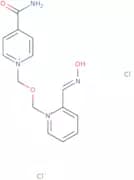
Discontinued productAsoxime chloride
CAS:A Hagedorn oxime used in the treatment of organophosphate poisoning.
Formula:C14H16Cl2N4O3Purity:Min. 95%Color and Shape:PowderMolecular weight:359.21 g/mol(2R)-1-(Phenylmethyl)-N-[3-(spiro[isobenzofuran-1(3H),4'-piperidin]-1-yl)propyl-2-pyrrolidinecarboxamide HCl
CAS:(2R)-1-(Phenylmethyl)-N-[3-(spiro[isobenzofuran-1(3H),4'-piperidin]-1-yl)propyl-2-pyrrolidinecarboxamide HCl is an endogenous opioid that has been shown to have antidepressant-like effects. It can bind to γ-aminobutyric acid (GABA) receptors, catecholamine receptors, and nociceptin receptors. This drug also has anti-cancer properties and may be used for the treatment of autoimmune diseases. The interaction of this drug with other drugs is not well understood, but it has been shown to modulate the effects of opioids and increase the aversive nature of some substances.Formula:C27H35N3O2Purity:Min. 95%Color and Shape:PowderMolecular weight:433.59 g/molRef: 3D-FP73252
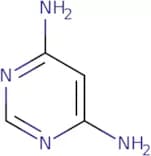
Discontinued product4,6-Diaminopyrimidine
CAS:4,6-Diaminopyrimidine is a potent inhibitor of epidermal growth factor receptor. It has been shown to inhibit the production of soluble guanylate cyclase and cGMP in vitro and in vivo. This drug has also been shown to inhibit cancer cell growth in vitro and in vivo. 4,6-Diaminopyrimidine has potential clinical relevance as an anticancer agent due to its ability to inhibit the kinases necessary for cancer proliferation. This drug also has pharmacokinetic properties that are favorable for anticancer drugs, including low plasma protein binding, high clearance rate, and short half-life. The activity of this drug was tested on hepg2 cells (human hepatoma) with an inhibitory effect on growth factor receptors such as EGFR and PDGFRs
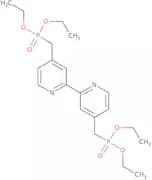
Formula:C4H6N4Purity:Min. 95%Molecular weight:110.12 g/mol4,4'-Bis(diethylmethylphosphonate)-2,2'-bipyridine
CAS:4,4'-Bis(diethylmethylphosphonate)-2,2'-bipyridine is a molecule that is covalently tethered to the copper oxide surface. The coordination of the 4,4'-bis(diethylmethylphosphonate)-2,2'-bipyridine ligand with the copper oxide surface is catalytic and bifunctional. This molecule has been shown to be able to coordinate with two different metal ions as well as act as a ligand for other metal ions. It can also be functionalized in order to create new molecules with different properties.Formula:C20H30N2O6P2Purity:Min. 96 Area-%Color and Shape:White PowderMolecular weight:456.41 g/molRef: 3D-FB10300
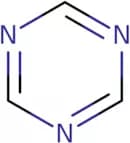
Discontinued product1,3,5-Triazine
CAS:1,3,5-Triazine is a nitrogen-containing heterocyclic compound that is used as a precursor for the synthesis of other compounds. It has been shown to inhibit the polymerase chain reaction and to bind to the enzyme DNA polymerase. This binding prevents the formation of an enzyme-substrate complex required for DNA replication. 1,3,5-Triazine also inhibits oxidative injury in experimental models and inhibits cellular physiology by decreasing the production of growth factor-β1. 1,3,5-Triazine has been shown to be a natural compound with inhibitory properties against growth factors and cell proliferation. This chemical also exhibits antioxidant effects by scavenging reactive oxygen species or inhibiting lipid peroxidation.END>
Formula:C3H3N3Purity:Min. 95%Color and Shape:White PowderMolecular weight:81.08 g/molRef: 3D-FT15903
Discontinued product4,6-Dihydroxy-1H-pyrazolo[3,4-d]pyrimidine
CAS:4,6-Dihydroxypyrazolo[3,4-d]pyrimidine is a xanthine derivative that is used as a therapeutic agent. It has inhibitory properties against xanthine oxidase and other enzymes. 4,6-Dihydroxypyrazolo[3,4-d]pyrimidine inhibits the activity of xanthine oxidase by covalent bonding to the iron atom in the enzyme's active site. This binding prevents the conversion of hypoxanthine to xanthine and subsequently prevents the conversion of xanthine to uric acid. The resulting accumulation of hypoxanthine can lead to bowel disease. 4,6-Dihydroxypyrazolo[3,4-d]pyrimidine has also been shown to be toxic when administered orally in large doses or injected intravenously in small doses because it binds to matrix proteins and causes epidermal necrosis.
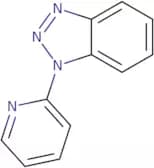
Formula:C5H4N4O2Purity:Min. 95%Color and Shape:White PowderMolecular weight:152.11 g/mol1-(2-Pyridinyl)benzotriazole
CAS:1-(2-Pyridinyl)benzotriazole is a reagent that is used as an intermediate for the preparation of complex compound. It also has other uses such as a building block and scaffold in the synthesis of fine chemicals, research chemicals, and versatile building blocks. 1-(2-Pyridinyl)benzotriazole can be used in reactions with other chemical compounds to form useful intermediates.
Formula:C11H8N4Purity:Min. 95%Color and Shape:Brown PowderMolecular weight:196.21 g/molRef: 3D-FP27312
Discontinued product6-Nitroquinoline
CAS:6-Nitroquinoline is a nucleophilic compound that reacts with nitroalkanes to form alkyl nitrites. It undergoes a bioreductive reaction, in which it is reduced to the corresponding amine by hydrogen peroxide and ammonia. 6-Nitroquinoline contains functional groups that can act as either electron donors or electron acceptors and is therefore reactive towards other compounds. The reaction mechanism involves nucleophilic attack at the carbon atom in the ring of the 6-nitroquinoline molecule, resulting in an addition product. 6-Nitroquinoline has been shown to react with fluorophores such as fluorescein, forming a fluorescent product that can be detected by spectroscopy. This chemical can also form hydrogen bonds with other molecules, which are important for its reactivity. The reaction products of this compound are nitrite and quinolines where one or more of the nitrogens have been oxidized to nitro groups.
ENDFormula:C9H6N2O2Purity:Min. 95%Color and Shape:White PowderMolecular weight:174.16 g/molRef: 3D-FN31115
Discontinued product4-Chloro-6-hydroxypyrimidine
CAS:4-Chloro-6-hydroxypyrimidine is an organic compound that is used as a precursor to other chemical compounds. It can be prepared by the reaction of ethylene with chlorine in the presence of carbon disulphide. 4-Chloro-6-hydroxypyrimidine has been shown to react with halides, amidines, and ethylene to form tritiated pyrimidines. It also reacts with disulphides, chlorinates and uracil. 4-Chloro-6-hydroxypyrimidine is reactive and can undergo desulfurization reactions with aluminium and malonate to form chloride or sulphoxide. The halides, amidines, and ethylene are all reactive substances that can react with each other or undergo other reactions to form new substances.
Formula:C4H3ClN2OPurity:Min. 95%Color and Shape:White To Light (Or Pale) Yellow SolidMolecular weight:130.53 g/molRef: 3D-FC10266
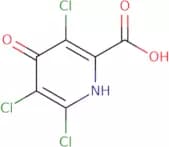
Discontinued product3,5,6-Trichloro-4-hydroxy-2-picolinic acid
CAS:3,5,6-Trichloro-4-hydroxy-2-picolinic acid is a high quality reagent that is used as a building block for the synthesis of complex compounds with potential pharmaceutical applications. It can be used as an intermediate in the production of fine chemicals and speciality chemicals. This compound is also useful for research purposes and as a versatile building block for reactions.
Formula:C6H2Cl3NO3Purity:Min. 95%Color and Shape:White to off-white solid.Molecular weight:242.44 g/mol3-Cyano-2-hydroxypyridine
CAS:3-Cyano-2-hydroxypyridine is an inhibitor of the noradrenaline transporter, which is a type of l-type calcium channel. 3-Cyano-2-hydroxypyridine has been shown to be a potent inhibitor of the noradrenaline transporter. It inhibits the binding of neurotransmitters to their receptors by blocking active methylene sites on the transporter molecule. This drug also has a cavity that can accommodate bulky inhibitor molecules, making it more difficult for these inhibitors to bind to the active site and compete with neurotransmitters for uptake. 3Cyano-2-hydroxypyridine also inhibits nitric oxide synthase, which may provide anti-tumor activity as well as inhibit tumor cell growth. The inhibitory effect of this drug is due to structural studies that have revealed hydrogen bonding interactions with the drug's nitrogen and oxygen atoms.
Formula:C6H4N2OPurity:Min. 95%Color and Shape:Yellow To Brown SolidMolecular weight:120.11 g/molRef: 3D-FC09747
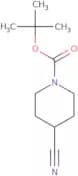
Discontinued productN-Boc-4-cyanopiperidine
CAS:N-Boc-4-cyanopiperidine is a synthetic compound that has been used as a competitive inhibitor in the study of biochemistry and neurochemistry. It has been shown to inhibit ligand binding to calcium channels, which are proteins that regulate the flow of calcium ions into cells. N-Boc-4-cyanopiperidine also inhibits the production of prostaglandins, which are chemicals that promote inflammation. This drug has been investigated for its possible use in treating neuropathic pain, since it inhibits voltage-gated sodium channels and potassium channels.
Formula:C11H18N2O2Purity:Min. 95%Color and Shape:PowderMolecular weight:210.27 g/molRef: 3D-FB05720
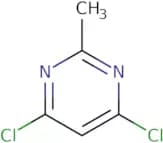
Discontinued product4,6-Dichloro-2-methylpyrimidine
CAS:2-Chloro-6-methylaniline is a synthetic compound that has been used in the synthesis of medicines, such as dasatinib. It is a nucleophile that binds to the receptor site on cells and blocks the binding of natural hormones. It is also an inhibitor of certain enzymes, including RNA polymerase and protein kinase. 2-Chloro-6-methylaniline is industrially produced by reacting sodium chloride with chlorosulfonic acid or hydrochloric acid in an autoclave at a temperature of 180 °C for three hours. The product can be purified by adding magnesium oxide and activated with hydrochloric acid to form 2-chloro-6-methylpyrimidine. The main impurities are 4,6-dichloro2 methylpyrimidine and 6,8 dichloro2 methylpyrimidine.
Formula:C5H4Cl2N2Purity:Min. 95%Color and Shape:White To Yellow SolidMolecular weight:163 g/molRef: 3D-FD11549
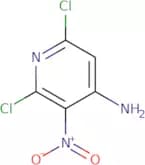
Discontinued product4-Amino-2,6-dichloro-3-nitropyridine
CAS:4-Amino-2,6-dichloro-3-nitropyridine is a synthetic compound that inhibits tyrosine kinases. It is an isomer of 2,6-Dichloropyridine and has been shown to inhibit the growth of lymphoma cells in vitro. 4-Amino-2,6-dichloro-3-nitropyridine has three substitutions on the pyridine ring as compared to 2,6-Dichloropyridine. The substitutions are thought to be responsible for the increased hydrophilic properties of this compound. This may lead to increased cellular uptake and better bioavailability.
Formula:C5H3Cl2N3O2Purity:Min. 95%Color and Shape:Slightly Yellow PowderMolecular weight:208 g/molRef: 3D-FA14524
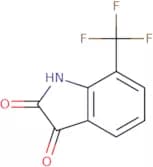
Discontinued product7-(Trifluoromethyl)1H-indole-2,3-dione
CAS:Trifluoromethyl-substituted 7-(trifluoromethyl)1H-indole-2,3-dione is a trifluoromethyl analogue of indole-2,3-dione that has been shown to have antimalarial activity. It has been shown to be active against plasmodium and cancer cells in vitro. Trifluoromethyl group can be replaced by other substituents such as methoxy, ethoxy, or nitro groups. The compound has centrosymmetric structures and an elemental composition of C8H4F3N.
Formula:C9H4F3NO2Purity:Min. 95%Color and Shape:PowderMolecular weight:215.13 g/molRef: 3D-FT28468
Discontinued product5-Methyl-2-nitropyridine
CAS:Please enquire for more information about 5-Methyl-2-nitropyridine including the price, delivery time and more detailed product information at the technical inquiry form on this page
Formula:C6H6N2O2Purity:Min. 95%Color and Shape:PowderMolecular weight:138.12 g/molRef: 3D-FM32781
Discontinued product3-Piperazin-1-yl-benzo[d]isothiazole hydrochloride
CAS:3-Piperazin-1-yl-benzo[d]isothiazole hydrochloride is an atypical antipsychotic that belongs to the group of inorganic compounds. It has been shown to have a high affinity for acidic surfaces and can be used in industrial applications such as the removal of metal ions from water by filtration. 3-Piperazin-1-yl-benzo[d]isothiazole hydrochloride is synthesized by reacting an inorganic base with a piperazine compound, followed by hydrolysis of the piperazine ring using acid. Impurities are often found during synthesis, which may contain traces of other compounds such as pyridine or methylamine.Formula:C11H13N3SPurity:Min. 95%Color and Shape:PowderMolecular weight:219.31 g/molRef: 3D-FP50755
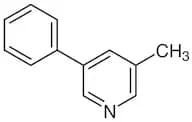
Discontinued product3-Methyl-5-phenylpyridine
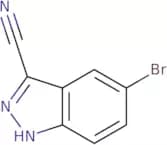
CAS:Formula:C12H11NPurity:>95.0%(GC)Color and Shape:Light yellow to Brown to Dark green clear liquidMolecular weight:169.235-Bromo-1H-indazole-3-carbonitrile
CAS:5-Bromo-1H-indazole-3-carbonitrile is a high quality, versatile building block that can be used in the synthesis of complex compounds. It has been described as a "useful intermediate" and a "useful scaffold".
Formula:C8H4BrN3Purity:Min. 95%Color and Shape:PowderMolecular weight:222.04 g/molRef: 3D-FB51079
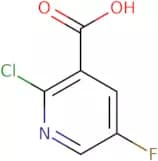
Discontinued product2-Chloro-5-fluoropyridine-3-carboxylic acid
CAS:2-Chloro-5-fluoropyridine-3-carboxylic acid is an intermediate in the synthesis of fluorine compounds used in the industrial process. It can be synthesized by chlorinating 5-fluoropyridine with chlorine gas and a catalyst such as platinum, or by hydrogenating 2-chloro-5-pyridinecarboxylic acid. This chemical is used to manufacture other chemicals such as ethylene oxide, tetrafluoroethylene, and hexafluoroethane.
Formula:C6H3ClFNO2Purity:Min. 95%Molecular weight:175.54 g/molRef: 3D-FC57301
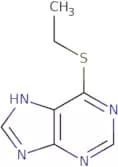
Discontinued product6-Ethylmercaptopurine
CAS:6-Ethylmercaptopurine is a purine analogue that inhibits the synthesis of DNA. It is used as an inhibitor of protein synthesis and in the treatment of inflammatory bowel disease. 6-Ethylmercaptopurine has been shown to inhibit the activity of ATPase, which may be responsible for its ability to suppress the proliferation of cells. This drug can also act as an analog to adenosine, which can be used to determine ATP levels in a cell or tissue sample by measuring the amount of p-nitrophenyl phosphate produced. 6-Ethylmercaptopurine has been shown to block phosphatase activity, which may lead to inflammation in some cases.
6-Ethylmercaptopurine has a molecular weight of 194.2 g/mol and an optimum pH of 4.5Formula:C7H8N4SPurity:Min. 95%Color and Shape:Off-White PowderMolecular weight:180.23 g/molRef: 3D-FE08008
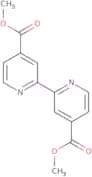
Discontinued product4,4'-Bis(methoxycarbonyl)-2,2'-bipyridine
CAS:4,4'-Bis(methoxycarbonyl)-2,2'-bipyridine is a ligand that can be used in cross-coupling reactions. It has been shown to bind to metal ions and form complexes with the ligands. 4,4'-Bis(methoxycarbonyl)-2,2'-bipyridine has a constant value for maximizing the yield of the reaction and is luminescent. This product also has photophysical properties that allow it to be utilized in voltammetry studies. The transfer of this product can be optimized by using chromophores or catalysis. 4,4'-Bis(methoxycarbonyl)-2,2'-bipyridine provides a means for cross-coupling reactions using electrochemical studies and dichroism.
Formula:C14H12N2O4Purity:Min. 95%Color and Shape:PowderMolecular weight:272.26 g/mol5-Chloro-2-phenyl-1H-imidazole-4-carboxaldehyde
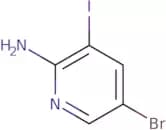
CAS:Formula:C10H7ClN2OPurity:>97.0%(HPLC)(N)Color and Shape:Orange to Amber to Dark red powder to crystalMolecular weight:206.632-Amino-5-bromo-3-iodopyridine
CAS:2-Amino-5-bromo-3-iodopyridine (2AB3IP) is a cacchi anthelmintic that is active against the trophozoites of Giardia lamblia. 2AB3IP also has antimicrobial properties, but is not active against bacteria. The high lipophilicity and pharmacokinetic properties of this drug make it a potential therapeutic candidate for the treatment of giardiasis. The mechanism of action of 2AB3IP is mediated by potassium t-butoxide, which activates the drug to form its reactive intermediate. This intermediate reacts with DNA in the parasite to form covalent adducts. This process leads to inhibition of RNA synthesis and subsequent cell death.
Formula:C5H4BrIN2Purity:Min. 95%Color and Shape:White to tan solid.Molecular weight:298.9 g/molRef: 3D-FA09641
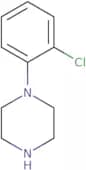
Discontinued product1-(2-Chlorophenyl)piperazine
CAS:Controlled Product1-(2-Chlorophenyl)piperazine is a chloroquine-resistant anti-malarial drug that acts by inhibiting the enzyme dihydropteroate synthase. This method is efficient, with constant values for the vibrational energy and electron affinity. It has also been shown to be effective against 5-HT2C receptors in mammalian cells in culture. The chromatographic method was used to measure the affinity of 1-(2-chlorophenyl)piperazine for binding sites on plasma membranes of oocytes injected with Xenopus laevis. Fluorescence measurements were taken to determine the binding affinity of 1-(2-chlorophenyl)piperazine to arylpiperazines, which are fluorescent analogues of piperazines. Functional theory was used as a theoretical basis for this study.
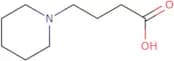
Formula:C10H13ClN2Purity:Min. 95%Color and Shape:PowderMolecular weight:196.68 g/mol4-Piperidinobutyric acid
CAS:The aim of this study is to assess the effect of 4-Piperidinobutyric acid (4-PABA) on the efficiency of rats in a dietary model. The experimental design included two treatments with different levels of 4-PABA, and a control group with no supplementation. The experiment was conducted by feeding rats a diet with low protein content (6% casein), and measuring their weight gain, feed intake, and food conversion ratio (FCR). The results indicated that 4-PABA had no statistically significant effects on weight gain or feed intake. However, FCR was significantly higher for the high 4-PABA treatment group. These findings support the hypothesis that dietary protein is an important determinant in rat energy metabolism.
Formula:C9H17NO2Purity:Min. 95%Molecular weight:171.24 g/molRef: 3D-FP57479
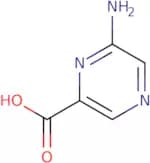
Discontinued product6-Amino-2-pyrazinecarboxylic acid
CAS:6-Amino-2-pyrazinecarboxylic acid is a high quality reagent that is used as an intermediate for the synthesis of complex compounds. It is also a useful scaffold for the production of valuable speciality chemicals. This chemical is also used as a reaction component in research and development to produce versatile building blocks. 6-Amino-2-pyrazinecarboxylic acid has been shown to be useful for producing fine chemicals and speciality chemicals, which are often used in many industries.
Formula:C5H5N3O2Purity:Min. 95%Color and Shape:Yellow To Brown SolidMolecular weight:139.11 g/molRef: 3D-FA11447
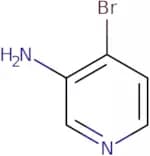
Discontinued product3-Amino-4-bromopyridine
CAS:3-Amino-4-bromopyridine is a receptor binding ligand that belongs to the group of synthetic, active natural products. It has been shown to stabilize nicotinic acetylcholine receptors and inhibit the release of acetylcholine. 3-Amino-4-bromopyridine has been shown to be a potent antagonist at nicotinic acetylcholine receptors and can be used in the treatment of disorders such as Parkinson's disease, Alzheimer's disease, and schizophrenia. 3-Amino-4-bromopyridine binds to pyridiniums in an inorganic acid environment and stabilizes them, which prevents their interaction with carbolines that are important for the modulation of neuronal activity.
Formula:C5H5BrN2Purity:Min. 95%Color and Shape:Off-White PowderMolecular weight:173.01 g/molRef: 3D-FA51548
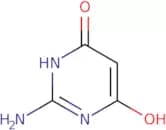
Discontinued product2-Amino-4,6-dihydroxypyrimidine
CAS:2-Amino-4,6-dihydroxypyrimidine is a chemical compound that is used in the synthesis of pemetrexed. It has been shown to inhibit the growth of cancer cells in cell culture by cross-coupling with nitrogen atoms in DNA and thereby inhibiting replication. 2-Amino-4,6-dihydroxypyrimidine also reacts with halides to form reaction intermediates that are capable of reacting with hydrogen bonds and other functional groups. This chemical compound has been shown to have radical scavenging activities in acidic environments and vibrational properties.
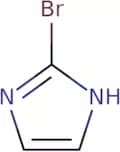
Formula:C4H5N3O2Purity:Min. 98 Area-%Color and Shape:PowderMolecular weight:127.1 g/mol2-Bromo-1H-imidazole
CAS:2-Bromo-1H-imidazole is an environmental pollutant that has been detected in the atmosphere, water, and soil. It is used as a pesticide and has been found to be an impurity in biphenyl. 2-Bromo-1H-imidazole can be used as a substrate for the Suzuki coupling reaction or as a starting material for the synthesis of imidazole derivatives. The compound spontaneously fragments under acidic conditions to form nitric acid and hydrogen bromide. 2-Bromo-1H-imidazole has been shown to inhibit hepatitis C virus (HCV) replication and induce cancer cell apoptosis in vitro.
2-Bromo-1H-imidazole is also known to cause DNA fragmentation in cells through oxidation by reactive oxygen species or through spontaneous decomposition of the molecule into acid, bromine radicals, and ammonia.Formula:C3H3BrN2Purity:Min. 95%Color and Shape:PowderMolecular weight:146.97 g/molRef: 3D-FB12791
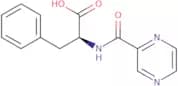
Discontinued productN-Pyrazinylcarbonyl-L-phenylalanine
CAS:N-Pyrazinylcarbonyl-L-phenylalanine is a high quality chemical that is an intermediate for the production of other compounds. It has been shown to be a useful scaffold for the synthesis of complex compounds and is also used as a building block in the synthesis of fine chemicals, research chemicals, and specialty chemicals. It can be used as a versatile building block in organic synthesis reactions. N-Pyrazinylcarbonyl-L-phenylalanine are available for purchase at www.chemistrystore.com/N-Pyrazinylcarbonyl-L-phenylalanine
Formula:C14H13N3O3Purity:Min. 95%Color and Shape:White PowderMolecular weight:271.27 g/molRef: 3D-FP27274
Discontinued product2-[2-[4-[Bis(4-fluorophenyl)methyl]piperazin-1-yl]ethoxy]acetic acid HCl
CAS:2-[2-[4-[Bis(4-fluorophenyl)methyl]piperazin-1-yl]ethoxy]acetic acid HCl (BAY-85788) is a drug which acts as a histamine receptor antagonist. It has been shown to be effective in the treatment of idiopathic urticaria. BAY-85788 has also been found to have less potential for drug interactions than other histamine receptor antagonists, and does not cause an increase in blood pressure, unlike other compounds with this activity. This compound is metabolized by cytochrome P450 enzymes and does not contain nitrogen atoms or heterocyclic rings. Experimental studies have shown that orally administered BAY-85788 is absorbed from the GI tract and eliminated unchanged in urine. Studies have also shown that BAY-85788 is active against inflammatory diseases such as atopic dermatitis, asthma, and chronic obstructive pulmonary disease (COPDFormula:C21H24F2N2O3·xHClPurity:Min. 95%Color and Shape:PowderMolecular weight:390.42 g/molRef: 3D-FB98570
Discontinued product5-Nitro-7-azaindole
CAS:5-Nitro-7-azaindole is a heterocyclic compound that is structurally related to the furoquinolines. It has been shown to act as an inhibitor of benzene and pyridine oxidases, which are enzymes that catalyze the conversion of these compounds into reactive intermediates. The reaction mechanism of 5-Nitro-7-azaindole with benzene and pyridine oxidases involves the formation of covalent bonds with reactive sulfur atoms in the enzyme active site. 5-Nitro-7-azaindole also inhibits bacterial growth by inhibiting DNA synthesis. This compound has been found to be scalable and can be produced at large scales without loss in quality. 5-Nitro-7-azaindole is not stereoselective and it is not an aromatic system, meaning that it does not have a benzene ring.
Formula:C7H5N3O2Purity:Min. 95%Color and Shape:PowderMolecular weight:163.13 g/molRef: 3D-FN15227
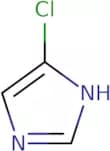
Discontinued product4-Chloro-1H-imidazole
CAS:4-Chloro-1H-imidazole is an organic chemical compound that contains a heterocyclic ring with one nitrogen and three carbons. It is classified as a weak acid. 4-Chloro-1H-imidazole can be found in hydrochloric acid, methyl ketones, and the acid conjugates of pyrazole rings. It has minimal toxicity. 4-Chloro-1H-imidazole binds to receptors in the body, which may account for its effects on blood pressure and heart rate. This drug also reacts with diazonium salts to form an intermediate that is then oxidized by chloride ions to form a reactive intermediate that can react with histidine or flavin (a type of vitamin B2) to form a fluorescent product that can be detected by light absorption or fluorescence emission spectroscopy.
Formula:C3H3ClN2Purity:Min. 95%Color and Shape:White PowderMolecular weight:102.52 g/molRef: 3D-FC19980
Discontinued product

![11-Piperazinyldibenzo[b,e][1,4]diazepine](/_next/image/?url=https%3A%2Fstatic.cymitquimica.com%2Fproducts%2F3D%2Fthumb-webp%2FFP76915.webp&w=3840&q=75)
![4-[(2,3,4Trimethoxyphenyl)methyl]piperazine-1-carbaldehyde](/_next/image/?url=https%3A%2Fstatic.cymitquimica.com%2Fproducts%2F3D%2Fthumb-webp%2FFT46258.webp&w=3840&q=75)
![N-[6-Chloro-5-(2-methoxyphenoxy)-(2,2-bipyrimidine)4-4-yl]-(1,1-dimethylethyl)-benzenesulfonamide](/_next/image/?url=https%3A%2Fstatic.cymitquimica.com%2Fproducts%2F3D%2Fthumb-webp%2FFC20113.webp&w=3840&q=75)


![N-[(4-Amino-2-methylpyrimidin-5-yl)methyl]formamide](/_next/image/?url=https%3A%2Fstatic.cymitquimica.com%2Fproducts%2F3D%2Fthumb-webp%2FFA31702.webp&w=3840&q=75)

![4-Amino-4H-pyrazolo[3,4-d]pyrimidine](/_next/image/?url=https%3A%2Fstatic.cymitquimica.com%2Fproducts%2F3D%2Fthumb-webp%2FFA15519.webp&w=3840&q=75)





![1-(5-Trifluoromethyl-[1,3,4]thiadiazol-2-yl)-piperazine](/_next/image/?url=https%3A%2Fstatic.cymitquimica.com%2Fproducts%2F3D%2Fthumb-webp%2FFT50922.webp&w=3840&q=75)
![2-[N-[(3,5-Difluorophenyl)carbamoylamino]-C-methylcarbonimidoyl]pyridine-3-carboxylic acid](/_next/image/?url=https%3A%2Fstatic.cymitquimica.com%2Fproducts%2F3D%2Fthumb-webp%2FFD101726.webp&w=3840&q=75)
![(2R)-1-(Phenylmethyl)-N-[3-(spiro[isobenzofuran-1(3H),4'-piperidin]-1-yl)propyl-2-pyrrolidinecarbo…](/_next/image/?url=https%3A%2Fstatic.cymitquimica.com%2Fproducts%2F3D%2Fthumb-webp%2FFP73252.webp&w=3840&q=75)
![4,6-Dihydroxy-1H-pyrazolo[3,4-d]pyrimidine](/_next/image/?url=https%3A%2Fstatic.cymitquimica.com%2Fproducts%2F3D%2Fthumb-webp%2FFD00465.webp&w=3840&q=75)




![3-Piperazin-1-yl-benzo[d]isothiazole hydrochloride](/_next/image/?url=https%3A%2Fstatic.cymitquimica.com%2Fproducts%2F3D%2Fthumb-webp%2FFP50755.webp&w=3840&q=75)


![2-[2-[4-[Bis(4-fluorophenyl)methyl]piperazin-1-yl]ethoxy]acetic acid HCl](/_next/image/?url=https%3A%2Fstatic.cymitquimica.com%2Fproducts%2F3D%2Fthumb-webp%2FFB98570.webp&w=3840&q=75)