Heterocycles with Nitrogen (N)
Subcategories of "Heterocycles with Nitrogen (N)"
- Azepane(436 products)
- Benzotriazoles(438 products)
- Diazepanes(335 products)
- Imidazoles(4,031 products)
- Imidazolines(385 products)
- Isoxazole(1,088 products)
- Piperazines(3,758 products)
- Piperidines(8,442 products)
- Pyrazines(1,304 products)
- Pyrazole(5,960 products)
- Pyrazolidine(21 products)
- Pyrazoline(143 products)
- Pyridazine(860 products)
- Pyridines(22,005 products)
- Pyrimidine(6,084 products)
- Pyrroles(2,449 products)
- Pyrrolidines(5,840 products)
- Pyrroline(48 products)
- Pyrrolo[1,2-b]pyridazine(10 products)
- Tetrazole(531 products)
- Triazines(466 products)
- Triazoles(1,689 products)
Found 17862 products of "Heterocycles with Nitrogen (N)"
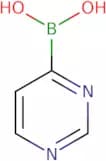
Pyrimidine-4-boronic acid
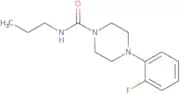
CAS:Pyrimidine-4-boronic acid is a pyrimidine derivative that is used as a building block or intermediate in organic chemistry. It has the CAS number 852362-24-4 and can be found in research chemicals and speciality chemicals. Pyrimidine-4-boronic acid is a versatile chemical with many uses, including as a reaction component or reagent. This compound has many properties that make it useful for synthesis, such as its low toxicity and high quality.Formula:C4H5BN2O2Purity:Min. 95 Area-%Color and Shape:PowderMolecular weight:123.91 g/mol(4-(2-Fluorophenyl)piperazinyl)-N-propylformamide
CAS:Controlled ProductPlease enquire for more information about (4-(2-Fluorophenyl)piperazinyl)-N-propylformamide including the price, delivery time and more detailed product information at the technical inquiry form on this page
Formula:C14H20FN3OPurity:Min. 95%Color and Shape:PowderMolecular weight:265.33 g/molN-Benzyl-2,4,6-triphenyl pyridinium tetrafluoroborate
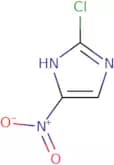
CAS:N-Benzyl-2,4,6-triphenyl pyridinium tetrafluoroborate is a molecule that regulates transcriptional activity. It can be used to isolate regulatory genes from different organisms and identify the specific genes that regulate the expression of other genes. The algorithm for this process is a stepwise, stereoselective, aerobic search. This process starts with an algorithm that identifies the best possible match between the gene sequence and the database sequences. The algorithm then transfers to another stepwise and stereoselective search of the database until it finds a match. The process ends when there are no more matches in the database or when all possible combinations have been searched. N-Benzyl-2,4,6-triphenyl pyridinium tetrafluoroborate has been shown to activate Staphylococcus aureus at very low concentrations but does not cause activation of mammalian cells at these concentrations.Formula:C30H24N•BF4Purity:Min. 95%Molecular weight:485.32 g/mol2-Chloro-4-nitroimidazole
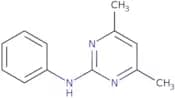
CAS:Radiosensitiser in hypoxic tumoursFormula:C3H2ClN3O2Purity:Min. 95%Color and Shape:PowderMolecular weight:147.52 g/mol4,6-Dimethyl-N-phenylpyrimidin-2-amine
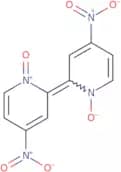
CAS:4,6-Dimethyl-N-phenylpyrimidin-2-amine is a fungicide that is effective against the production of nitrite ion in the liver. It has been shown to be a potent inhibitor of hepatic steatosis. 4,6-Dimethyl-N-phenylpyrimidin-2-amine was also shown to have an inhibitory effect on the growth of fungal strains in vitro. This compound has been demonstrated to be active against a number of plant pathogens and may be useful in postharvest applications. 4,6-Dimethyl-N-phenylpyrimidin-2-amine interacts with the hippocampus formation and may play a role in preventing neurodegenerative diseases such as Alzheimer's disease or Parkinson's disease.Formula:C12H13N3Purity:Min. 95%Color and Shape:PowderMolecular weight:199.25 g/mol4,4'-Dinitro-2,2'-bipyridine-N,N'-dioxide
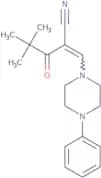
CAS:Please enquire for more information about 4,4'-Dinitro-2,2'-bipyridine-N,N'-dioxide including the price, delivery time and more detailed product information at the technical inquiry form on this pageFormula:C10H6N4O6Purity:Min. 94 Area-%Color and Shape:Yellow PowderMolecular weight:278.18 g/mol2-(2,2-dimethylpropanoyl)-3-(4-phenylpiperazinyl)prop-2-enenitrile
CAS:Please enquire for more information about 2-(2,2-dimethylpropanoyl)-3-(4-phenylpiperazinyl)prop-2-enenitrile including the price, delivery time and more detailed product information at the technical inquiry form on this pagePurity:Min. 95%1-Phenyl-piperazin-2-one
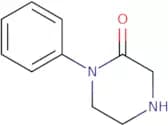
CAS:1-Phenyl-piperazin-2-one is a versatile chemical that can be used as a building block in the synthesis of complex compounds. This compound is also used as a reagent and speciality chemical. It is an important intermediate in organic synthesis and has been used in the preparation of pharmaceuticals, pesticides, and herbicides. 1-Phenyl-piperazin-2-one can be prepared by reacting phenylacetonitrile with nitrous acid to form the nitrile followed by hydrolysis to produce the corresponding carboxylic acid.Formula:C10H12N2OPurity:Min. 95%Color and Shape:PowderMolecular weight:176.22 g/mol2,4-Dimethyl-3-nitropyridine
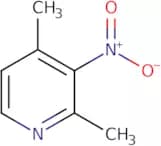
CAS:2,4-Dimethyl-3-nitropyridine is a heterocyclic organic compound. It is an important and versatile building block for the synthesis of complex compounds. 2,4-Dimethyl-3-nitropyridine can be used as a reagent in organic synthesis and other chemical reactions. In addition to its use as a reactant, this compound has been employed as a useful scaffold for the preparation of other heterocycles and fine chemicals. The CAS number for 2,4-dimethyl-3-nitropyridine is 1074-76-6.Formula:C7H8N2O2Purity:Min. 95%Color and Shape:Yellow Clear LiquidMolecular weight:152.15 g/mol2-Amino-4-hydroxy-6-chloro-s-triazine
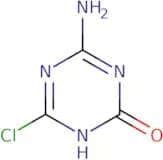
CAS:2-Amino-4-hydroxy-6-chloro-s-triazine is a type strain of a chemical compound with clinical pharmacology. It is an active substance that can be used to treat cancer. 2-Amino-4-hydroxy-6-chloro-s-triazine has been shown to inhibit the growth of prostate cancer cells and phosphatase in hematopoietic cells. This drug also inhibits kinase receptor, which leads to the inhibition of protein synthesis and cell division. The reaction mechanism for 2-amino 4 hydroxy 6 chloros triazine is nucleophilic substitution.
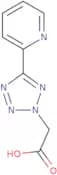
Formula:C3H3ClN4OPurity:Min. 95%Color and Shape:White PowderMolecular weight:146.53 g/mol(5-Pyridin-2-yl-2H-tetrazol-2-yl)acetic acid
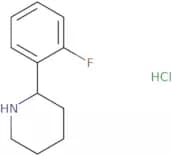
CAS:5-Pyridin-2-yl-2H-tetrazol-2-yl)acetic acid is a chemical compound that can be used as a research chemical, reagent, or speciality chemical in the synthesis of pharmaceuticals, pesticides, and other organic compounds. It is also an intermediate for the production of other compounds and has been shown to have antioxidant properties. 5-(pyridin-2-yl)-2H tetrazole is a useful building block in the synthesis of complex compounds and scaffolds.Formula:C8H7N5O2Purity:Min. 95%Color and Shape:PowderMolecular weight:205.17 g/mol2-(2-Fluorophenyl)piperidine hydrochloride
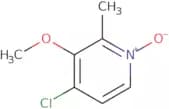
CAS:Please enquire for more information about 2-(2-Fluorophenyl)piperidine hydrochloride including the price, delivery time and more detailed product information at the technical inquiry form on this pageFormula:C11H15ClFNPurity:Min. 95%Color and Shape:PowderMolecular weight:215.69 g/mol4-Chloro-3-methoxy-2-methylpyridine N-oxide
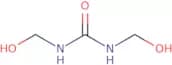
CAS:The compound 4-Chloro-3-methoxy-2-methylpyridine N-oxide is an organic compound with a neutral chemical nature. It is a byproduct of the production of methylpyridine, which is achieved through the reaction between phosphorus oxychloride and toluene. The toxicological properties of this substance are unknown.Formula:C7H8ClNO2Purity:Min. 95%Color and Shape:PowderMolecular weight:173.6 g/molDimethylolurea
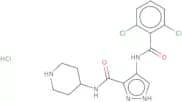
CAS:Dimethylolurea is a formaldehyde releaser that has clinical relevance as a nutrient solution. Dimethylolurea has been shown to release formaldehyde, which may be used to treat bowel diseases and inflammatory bowel disease. Dimethylolurea can also induce an immune response in the human body. This chemical is not soluble in water but it is soluble in ethanol and methanol, which are often used as solvents for this drug. The reaction mechanism of dimethylurea is unclear. It may be due to intramolecular hydrogen transfer or metal hydroxides. As with other drugs, the surface methodology of dimethylurea depends on the size of the microcapsules.Formula:C3H8N2O3Purity:Min. 95%Color and Shape:White PowderMolecular weight:120.11 g/mol4-(2,6-Dichlorobenzamido)-N-(piperidin-4-yl)-1H-pyrazole-3-carboxamide HCl
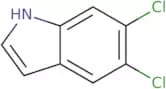
CAS:4-(2,6-Dichlorobenzamido)-N-(piperidin-4-yl)-1H-pyrazole-3-carboxamide HCl (PD1693) is a small molecule that has been shown to selectively inhibit the transcriptional coactivator HIF-1α. PD1693 inhibits the hypoxic response in tumor cells by preventing the upregulation of HIF-1α. This leads to an increase in hypoxia-inducible genes, which are involved in the regulation of cell proliferation, angiogenesis and apoptosis. PD1693 also affects the expression of genes involved in metabolism and energy production. The subpopulation algorithm was used to identify differentially expressed transcripts in glioma cells following exposure to PD1693. The data from this algorithm were validated using qRT-PCR and Western blotting on human glioma cells.Formula:C16H17Cl2N5O2·HClPurity:Min. 95%Color and Shape:PowderMolecular weight:418.7 g/mol5,6-Dichloroindole
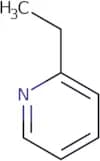
CAS:5,6-Dichloroindole is a chemical compound that contains a functional group with acidic properties. The compound has been shown to inhibit the activity of bafilomycin A1, which is an inhibitor of vacuolar ATPase. This inhibition leads to an increase in intracellular phosphate levels and an accumulation of lysosomal membrane proteins. 5,6-Dichloroindole has also been found to inhibit bone resorption in gramine-fed rats. It also has anti-inflammatory effects and inhibits the growth of zoobotryon pinnatum cells and algal cells. 5,6-Dichloroindole can be used as a molecular descriptor for predicting the presence or absence of bryozoan species in a sample.Formula:C8H5Cl2NColor and Shape:PowderMolecular weight:186.04 g/mol2-Ethylpyridine
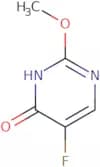
CAS:2-Ethylpyridine is a chemical compound that can be derived from sodium succinate, 2-ethylpyridine, and trifluoroacetic acid. It has been shown to have biological properties such as the inhibition of mitochondrial membrane potential, which is the driving force for ATP synthesis in mitochondria. This drug also inhibits the production of hydrogen peroxide and nitric oxide by reacting with hydrochloric acid or nitrogen atoms. 2-Ethylpyridine can be used as a solid catalyst for reactions involving hydrogen bond formation or intermolecular hydrogen bond formation. 2-Ethylpyridine reacts with protocatechuic acid to form an intramolecular hydrogen bond and a group p2 type of reaction mechanism.Formula:C7H9NPurity:Min. 95%Color and Shape:Colorless Clear LiquidMolecular weight:107.15 g/mol5-Fluoro-4-hydroxy-2-methoxypyrimidine
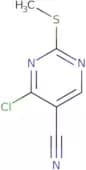
CAS:5-Fluoro-4-hydroxy-2-methoxypyrimidine (5FMMP) is a chemical intermediate that is used in the synthesis of various pharmaceuticals, including antibiotics. It can be obtained by reacting phosphorus oxychloride with activated 2-methoxybenzaldehyde. This chemical intermediate is highly reactive and has been shown to be virulent against some strains of bacteria, such as E. coli and Proteus mirabilis. 5FMMP binds to the bacterial cell wall using its primary amine group, which prevents the formation of an antibiotic-inhibitor complex with the enzyme cell wall synthesis that is required for cell wall biosynthesis, inhibiting protein synthesis and cell division. The chlorinating reaction between 5FMMP and sodium hypochlorite results in hydrochloric acid generation. This chemical intermediate can also be synthesized from recycled chemicals such as ethyl chloride or chloroform.Formula:C5H5FN2O2Purity:Min. 95%Color and Shape:PowderMolecular weight:144.1 g/mol4-Chloro-2-(methylthio)pyrimidine-5-carbonitrile
CAS:4-Chloro-2-(methylthio)pyrimidine-5-carbonitrile (MTPC) is a cardiac drug that has been shown to be effective in preventing autoimmune myocarditis and heart transplant rejection. It inhibits the activity of protein kinase, which is an enzyme involved in the development of autoimmune diseases. MTPC was found to be selective for rat heart isozymes and does not inhibit other isozymes, such as those found in brain, kidney, or liver tissues. MTPC also has high selectivity for allografts over autoantigens.
Formula:C6H4ClN3SPurity:Min. 95%Color and Shape:PowderMolecular weight:185.63 g/mol4-Chloro-7-azaindole
CAS:4-Chloro-7-azaindole (4CA) is a molecule that has been shown to have significant cytotoxicity against cancer cells in vitro. 4CA inhibits the growth of cancer cells by binding to their DNA, preventing the synthesis of new DNA strands and leading to cell death. The inhibitory effect of 4CA on cancer cells can be attributed to its ability to bind to nitrogen atoms in the molecule's skeleton. This binding prevents the formation of hydrogen bonds between the molecule and other molecules or proteins, which are necessary for the synthesis of new DNA strands. 4CA has been shown to be active against human ovarian carcinoma and carcinoma cell lines in vitro.Formula:C7H5N2ClPurity:Min. 95 Area-%Color and Shape:PowderMolecular weight:152.58 g/mol7-Azaindole
CAS:7-Azaindole is a chemical compound that can be used as a building block in organic synthesis. It can be used as a reactant in the preparation of other chemicals, such as dyes, rubber accelerators, and pharmaceuticals. 7-Azaindole is also useful as an intermediate in the production of polymers, such as polyurethanes and polyesters. This chemical is soluble in water and alcohols, but insoluble in ethers and chloroform. 7-Azaindole has been classified by the International Agency for Research on Cancer (IARC) as Group 3: Not Classifiable as to its Carcinogenicity to Humans.Formula:C7H6N2Purity:Min. 98.0 Area-%Molecular weight:118.14 g/molRef: 3D-A-9500
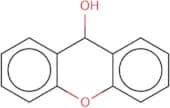
1kgTo inquire5kgTo inquire250gTo inquire500gTo inquire2500gTo inquire-Unit-kgkgTo inquire9-Hydroxyxanthene
CAS:9-Hydroxyxanthene is a natural drug that has been used in traditional Chinese medicine for treating a variety of diseases. It is extracted from Rhizoma Gastrodiae and Angelicae Dahuricae. 9-Hydroxyxanthene has shown to be effective against various metabolic disorders, including insulin resistance, hyperlipidemia, and diabetes. The mechanism of action of 9-hydroxyxanthene is not known but it is thought to be due to its ability to activate the immune system by transferring reactions and promoting the production of antibodies. 9-hydroxyxanthene also shows anti-inflammatory effects by inhibiting the production of prostaglandins and leukotrienes. 9-hydroxyxanthene can also inhibit angiotensin II, which may reduce high blood pressure and congestive heart failure.
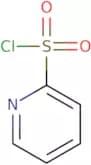
Formula:C13H10O2Purity:Min. 98 Area-%Color and Shape:White PowderMolecular weight:198.22 g/molPyridin-2-sulfonyl chloride
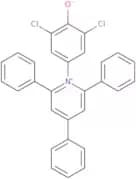
CAS:Pyridin-2-sulfonyl chloride is a kinase receptor inhibitor that binds to and inhibits the activity of certain protein kinases. It is used in the treatment of cardiovascular disorders and can be administered intravenously or orally. Pyridin-2-sulfonyl chloride has been shown to inhibit tumor necrosis factor-α (TNF-α) production in vivo, which may be due to its ability to inhibit the release of proinflammatory cytokines from macrophages. This drug also has pharmacokinetic properties that are similar to those of other sulfonamides, with an elimination half life of about 2 hours. Pyridin-2-sulfonyl chloride is not reactive with amines, which makes it a useful reagent for organic synthesis.Formula:C5H4ClNO2SPurity:Min. 95%Color and Shape:Colorless Clear LiquidMolecular weight:177.61 g/mol2,6-Dichloro-4-(2,4,6-triphenyl-1-pyridinio)phenolate
CAS:2,6-Dichloro-4-(2,4,6-triphenyl-1-pyridinio)phenolate is a protonated form of the anion of 2,6-dichloro-4-(2,4,6-triphenyl-1-pyridinio)phenolate. It has hydrophobic properties and a low solubility in water. The solution temperature is close to 0°C. It can be analyzed by regression and chloride or physicochemical methods. This compound has a polarizability that is similar to that of nitrogen atoms and hydrogen bonds with chloride ions.Formula:C29H19Cl2NOPurity:Min. 95%Color and Shape:PowderMolecular weight:468.37 g/mol7-[4-[4-(4-Fluorobenzoyl)Piperidin-1-Yl]Butyl]-1,3-Dimethylpurine-2,6-Dione
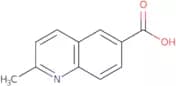
CAS:Controlled Product7-[4-[4-(4-Fluorobenzoyl)Piperidin-1-Yl]Butyl]-1,3-Dimethylpurine-2,6-Dione is a drug that belongs to the group of adenosine receptor antagonists. It has been shown to inhibit phosphodiesterase activity and is used as a pharmaceutical dosage. 7-[4-[4-(4-Fluorobenzoyl)Piperidin-1-Yl]Butyl]-1,3-Dimethylpurine-2,6-Dione has been shown to bind to the 5HT2C receptor in vitro. This drug may have therapeutic potential for obesity and type 2 diabetes mellitus treatment.Formula:C23H28FN5O3Purity:Min. 95%Molecular weight:441.5 g/mol2-Methyl-6-quinolinecarboxylic acid
CAS:2-Methyl-6-quinolinecarboxylic acid is a molecule with an affinity for aromatic rings. It has been shown through experiment that this molecule has a stable structure and can be transferred from one ring to another. 2-Methyl-6-quinolinecarboxylic acid has also been shown to have an affinity for aromatic rings in the range of 8.1 × 10 to 8.3 × 10 M−1, with an experimental affinity value of 1.2 × 10 M−1. This compound is known to interact with other molecules in a molecular docking process and can be optimized using parameters such as hydrogen bonding and van der Waals interactions.END> END>
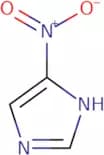
Formula:C11H9NO2Purity:Min. 95%Color and Shape:PowderMolecular weight:187.19 g/mol4-Nitroimidazole
CAS:4-Nitroimidazole has a redox potential that is well suited to the reduction of nitro groups. It is an antimicrobial agent that inhibits the growth of microorganisms by inhibiting DNA synthesis. 4-Nitroimidazole can be used for the treatment of infectious diseases such as tuberculosis, leprosy, and brucellosis. In rat liver microsomes, 4-nitroimidazole reacts with NADPH to produce a nitro group and an imidazole ring with a new configuration. The reaction mechanism is based on electron transfer from NADPH to the nitro group in 4-nitroimidazole via a series of reactions that involve cytochrome P450 enzymes. This reaction has kinetic energy and matrix effects that affect its pharmacokinetics and pharmacodynamics.
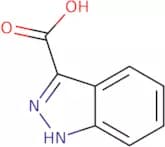
Formula:C3H3N3O2Purity:Min. 95%Color and Shape:White PowderMolecular weight:113.07 g/mol1H-Indazole-3-carboxylic acid
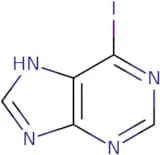
CAS:1H-Indazole-3-carboxylic acid is an organic compound with a molecular formula of C9H6N2O2. It is a colorless solid, but appears yellow in solution. This compound has been shown to inhibit protein synthesis by binding to the apical site of the ribosome, preventing the peptide bond from forming between amino acids. It also inhibits carboxylate metabolism and cellular glycolysis by inhibiting ATP production. 1H-Indazole-3-carboxylic acid has been shown to be effective against cancer cells and can be used as a potential anti-cancer drug.Formula:C8H6N2O2Purity:Min. 98 Area-%Color and Shape:PowderMolecular weight:162.15 g/mol6-Iodopurine
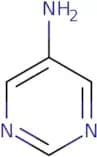
CAS:6-Iodopurine is a biologically active substance that belongs to the group of carbinols. It is biosynthesized from 6-chloropurine and an iridoid glucoside, and has been shown to have biochemical properties. 6-Iodopurine can be converted into 6-iodoindoxyl by oxidation with halogens or transfer mechanism with palladium-catalyzed cross-coupling. A high efficiency method for the synthesis of this substance has been developed using a strain of bacteria. The reaction requires an activation energy of 150 kJ/mol.br> 6-Iodopurine inhibits tumor growth by inhibiting DNA synthesis. It also possesses anti-inflammatory activity, which may be due to its inhibitory effects on prostaglandin synthesis.Formula:C5H3IN4Purity:Min. 95%Color and Shape:White PowderMolecular weight:246.01 g/mol5-Aminopyrimidine
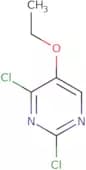
CAS:5-Aminopyrimidine is a synthetic compound that has been shown to have inhibitory effects on the nervous system. The structural formula of 5-aminopyrimidine is C6H4N3O2. It is a structural analogue of pyrimidine and can be used as an anticancer drug. 5-Aminopyrimidine can also be used in the treatment of diseases such as diabetes and Parkinson’s disease. The reaction mechanism of 5-aminopyrimidine begins with the formation of an unstable diazonium salt, which then reacts with a chloride ion to form an alloxan intermediate. This intermediate then reacts with phosphate group to form a product that is soluble in water.Formula:C4H5N3Purity:Min. 95%Color and Shape:White PowderMolecular weight:95.1 g/mol2,4-Dichloro-5-ethoxypyrimidine
CAS:2,4-Dichloro-5-ethoxypyrimidine is a chemical compound that is used as a reagent and a reaction component in organic synthesis. It is an intermediate for the production of other chemicals. The high purity of this compound makes it suitable for research purposes. It can be used as a versatile building block or as an intermediate to build complex compounds. 2,4-Dichloro-5-ethoxypyrimidine has CAS No. 280582-25-4. This chemical is also known by the name Et2N2Cl5O2P.
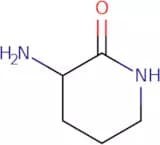
Formula:C6H6Cl2N2OPurity:Min. 95%Color and Shape:SolidMolecular weight:193.03 g/mol3-Amino-2-piperidinone
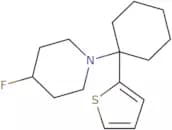
CAS:3-Amino-2-piperidinone is a metabolite of ornithine, which is a nonessential amino acid. It is produced by the metabolism of arginine and lysine, both of which are essential amino acids. 3-Amino-2-piperidinone has been found in urine samples from patients with bladder cancer and hyperornithinemia. It has also been detected in saccharomyces cerevisiae strain during energy metabolism experiments. This metabolite can be identified using chromatographic techniques such as gas chromatography and mass spectrometry. 3-Amino-2-piperidinone can be used to identify the presence of cancer or metabolic disorders such as hyperornithinemia by measuring its concentration in urine samples or reaction solutions.Formula:C5H10N2OPurity:Min. 95%Color and Shape:PowderMolecular weight:114.15 g/mol4-Fluoro-1-(1-(2-Thienyl)Cyclohexyl)Piperidine
CAS:Controlled ProductFluoxetine is a selective serotonin reuptake inhibitor that has been used clinically to treat depression. This drug inhibits the reuptake of serotonin, which leads to an increase in the concentration of serotonin in the synaptic cleft and an enhancement of serotonergic neurotransmission. Fluoxetine has been shown to be effective at treating insulin resistance and obesity in clinical studies. The linear calibration curve for fluoxetine was found using confocal microscopy and sequence analysis on human adipose tissue. Fluoxetine treatment increased insulin sensitivity and decreased food intake in rats with metabolic syndrome. Logistic regression was used to establish statistical significance between fluoxetine treatment and weight loss as well as insulin sensitivity. Fluoxetine was also found to increase the mitochondrial membrane potential through regulation of voltage-dependent anion channels, leading to antidepressant activity.
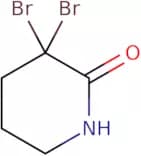
Formula:C15H22FNSPurity:Min. 95%Molecular weight:267.41 g/mol3,3-Dibromopiperidin-2-one
CAS:3,3-Dibromopiperidin-2-one is a synthetic reaction product that is used to synthesize diisobutylaluminum. This compound can be found in the sources methylester chloride, pentachloride, thionyl, phosphorus pentachloride, coniferyl alcohol and ferulic acid. It is also an alkaloid compound that has been reported as a palladium catalyst for coupling reactions. 3,3-Dibromopiperidin-2-one is used to synthesize diisobutylaluminum. This compound can be found in the sources methylester chloride, pentachloride, thionyl, phosphorus pentachloride, coniferyl alcohol and ferulic acid. It is also an alkaloid compound that has been reported as a palladium catalyst for coupling reactions.
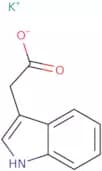
Formula:C5H7Br2NOPurity:Min. 95%Color and Shape:PowderMolecular weight:256.92 g/mol3-Indoleacetic acid potassium salt
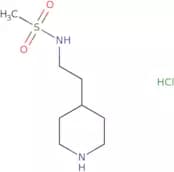
CAS:Plant hormone of the auxin class; promotes root growthFormula:C10H8NO2·KPurity:Min. 95%Color and Shape:White PowderMolecular weight:213.27 g/molN-(2-Piperidin-4-ylethyl)methanesulfonamide hydrochloride
CAS:N-(2-Piperidin-4-ylethyl)methanesulfonamide hydrochloride (MSM) is a fine chemical that belongs to the group of useful scaffolds. It is used as a versatile building block in research and can be used as a reaction component for speciality chemicals. The compound has high quality and can be used as a reagent, which is an important tool for organic synthesis.
Formula:C8H18N2O2S·HClPurity:Min. 95%Color and Shape:SolidMolecular weight:242.77 g/molN-[(2Z)-Piperazin-2-ylidene]-2,2,2-trifluoroacetohydrazide
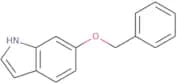
CAS:N-[(2Z)-Piperazin-2-ylidene]-2,2,2-trifluoroacetohydrazide (NPI) is a hydrazine derivative with cyclization and chlorination. It is an oxychloride of N-(2-chloroethyl)hydrazinecarbothioamide. Hydrazine derivatives are mainly used as synthetic intermediates for the production of pharmaceuticals and agrochemicals. Trifluoroacetate is a chemical compound that has been shown to be active against the growth of Mycobacterium tuberculosis and Mycobacterium avium complex. Trifluoroacetate inhibits the biosynthesis of mycolic acids, which are essential components of the cell wall in these bacteria. The mechanism of action of trifluoroacetate involves inhibition of the enzyme mycolic acid synthase through covalent modification by forming an adduct with its active site cysteine residue.Formula:C6H9F3N4OPurity:Min. 95%Color and Shape:PowderMolecular weight:210.16 g/mol6-Benzyloxyindole
CAS:6-Benzyloxyindole is a high quality chemical compound that can be used as a research chemical, speciality chemical, or versatile building block.Formula:C15H13NOPurity:Min. 98.0 Area-%Molecular weight:223.28 g/molRef: 3D-B-1640
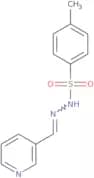
1kgTo inquire50gTo inquire100gTo inquire250gTo inquire500gTo inquire-Unit-ggTo inquireBenzenesulfonic acid, 4-methyl-2-(3-pyridinylmethylene)hydrazide
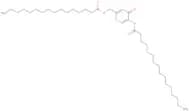
CAS:Please enquire for more information about Benzenesulfonic acid, 4-methyl-2-(3-pyridinylmethylene)hydrazide including the price, delivery time and more detailed product information at the technical inquiry form on this pagePurity:Min. 95%Kojic acid dipalmitate
CAS:Tyrosinase inhibitor; skin whitener
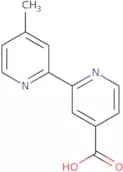
Formula:C38H66O6Purity:(Hplc) Min. 98.5%Color and Shape:White Off-White PowderMolecular weight:618.93 g/mol4-Methyl-4'-carboxy-2,2'-bipyridine
CAS:4-Methyl-4'-carboxy-2,2'-bipyridine is a fluorescent probe that can be used to detect the presence of hydrogen peroxide in cells. It has been shown to bind to mitochondria and liver cells. The binding constants are in the range of 10 M. When exposed to light, 4-methyl-4'-carboxy-2,2'-bipyridine emits an orange fluorescence. This chemical has been used as an oxidation catalyst for amides and as an enhancer for reactive species in kinetic experiments. It also has been shown to have proton uptake properties.Formula:C12H10N2O2Purity:Min. 95%Color and Shape:Off-White PowderMolecular weight:214.22 g/mol5-Nitroso-2,4,6-triaminopyrimidine
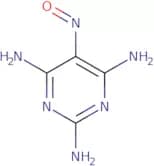
CAS:5-Nitroso-2,4,6-triaminopyrimidine is a chemical compound that has been shown to have anticancer activity. It reacts with nucleophilic compounds such as hydroxides of metals and amides to form an amide bond. 5-Nitroso-2,4,6-triaminopyrimidine inhibits the enzyme glycosylase by reacting with it in a nucleophilic attack. This reaction leads to the formation of a stable nitrosamine intermediate that can be hydrolyzed by an acid or base. The inhibitory effect of 5-Nitroso-2,4,6-triaminopyrimidine on malonic acid decarboxylase (MAD) and anthranilic acid synthase (AAS) in animals is due to its ability to react with these enzymes in a similar way as for MAD and AAS in humans. Inhibition of MAD and AAS leads to reduced levels of malonicFormula:C4H6N6OPurity:Min. 95%Color and Shape:Yellow PowderMolecular weight:154.13 g/mol2-Hydroxyisoquinoline-1,3(2H,4H)-dione
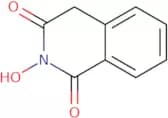
CAS:2-Hydroxyisoquinoline-1,3(2H,4H)-dione (2HIQ) is a potent anti-viral agent that has been shown to inhibit the replication of viruses in cell cultures. 2HIQ inhibits viral replication by binding to the enzyme reverse transcriptase and inhibiting its ability to synthesize DNA from RNA. This drug also has inhibitory properties against human immunodeficiency virus type 1 (HIV-1) and hepatitis C virus (HCV). 2HIQ binds to the active site of the enzyme HIV reverse transcriptase, which is a key enzyme in viral replication. It also binds to HCV NS5B polymerase, which is an essential protein in HCV replication. These interactions lead to inhibition of viral replication and thus prevention of disease progression.Formula:C9H7NO3Purity:Min. 95%Color and Shape:Off-White To Brown SolidMolecular weight:177.16 g/mol2,4-Dimethoxypyrimidine-5-boronic acid, pinacol ester
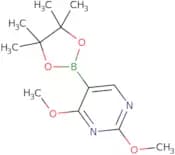
CAS:2,4-Dimethoxypyrimidine-5-boronic acid is a high quality chemical that can be used as a reagent or a complex intermediate. It is an important building block for the synthesis of many compounds and has been shown to be useful in the synthesis of 2,4-dimethoxybenzaldehyde. This compound has been used in the preparation of 2,4-dimethoxypyrimidin-5(6H)-ones and as a reaction component in organic chemistry.Formula:C12H19BN2O4Purity:Min. 97%Molecular weight:266.1 g/molHexadecyl pyridinium bromide
CAS:Cationic surfactant; antisepticFormula:C21H38BrNColor and Shape:White PowderMolecular weight:384.44 g/mol1-(2-Chloropropanoyl)-4-(2-fluorophenyl)piperazine
CAS:Controlled ProductPlease enquire for more information about 1-(2-Chloropropanoyl)-4-(2-fluorophenyl)piperazine including the price, delivery time and more detailed product information at the technical inquiry form on this pageFormula:C13H16ClFN2OPurity:Min. 95%Molecular weight:270.73 g/mol7-Methoxy-1H-indole
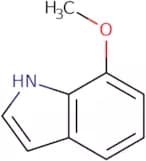
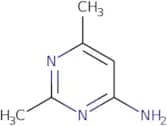
CAS:7-Methoxy-1H-indole (7MI) is a synthetic compound that exhibits anti-inflammatory activity. It is an analog of the amino acid methionine found in proteins and its synthesis involves the condensation of a chlorinated alkyl acetate with an esterified hydrazide to form the corresponding amide. 7MI has been shown to inhibit both bacterial and mammalian protein synthesis, as well as to inhibit tumor cell growth. 7MI binds reversibly to the N7 atom of the adenine base in DNA, thereby inhibiting DNA replication through inhibition of DNA polymerase.Formula:C9H9NOPurity:Min. 95%Color and Shape:Clear LiquidMolecular weight:147.17 g/mol4-Amino-2,6-dimethylpyrimidine
CAS:4-Amino-2,6-dimethylpyrimidine (4ADMP) is an organic solvent that inhibits the enzyme acetylcholinesterase. It has been shown to be a potent and selective inhibitor of human immunodeficiency virus type 1 (HIV-1) replication in vitro. 4ADMP is a prodrug that undergoes reduction to form a reactive intermediate that binds to the active site of acetylcholinesterase and inhibits its activity. The nitrogen atom in 4ADMP stabilizes the intermediate and prevents it from reacting with other proteins. This agent also has muscarinic M1 receptor agonist activity, which may be due to its ability to allosterically modulate the receptor and increase the affinity for acetylcholine.Formula:C6H9N3Purity:Min. 95%Color and Shape:PowderMolecular weight:123.16 g/mol4-(5-Methyl-1,3,4-oxadiazol-2-yl)piperidine dihydrochloride
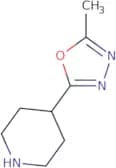
CAS:4-(5-Methyl-1,3,4-oxadiazol-2-yl)piperidine dihydrochloride is a fine chemical that is a useful building block for research chemicals and speciality chemicals. It is also a versatile intermediate for the synthesis of complex compounds with diverse structures. In addition, 4-(5-methyl-1,3,4-oxadiazol-2-yl)piperidine dihydrochloride can be used as a reagent in the synthesis of pharmaceuticals or other organic compounds. This compound has been assigned CAS No. 1993195-75-7 and its molecular formula is C9H12N2O2.Formula:C8H13N3O·2HClPurity:Min. 95 Area-%Color and Shape:PowderMolecular weight:240.13 g/mol(2,4,6-Trioxotriazine-1,3,5(2H,4H,6H)-triyl)tris(hexamethylene) isocyanate
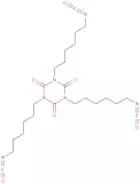
CAS:(2,4,6-Trioxotriazine-1,3,5(2H,4H,6H)-triyl)tris(hexamethylene) isocyanate (TOTI) is a chemical used in the production of polyurethane foams. TOTI is a monomer with an isocyanate group and can be polymerized to form polyurethane foams. It has been shown that TOTI is not absorbed by the skin and does not cause any allergic reactions. TOTI has been found to be chemically stable when exposed to fluorine or sodium carbonate. When extravasated from its original container, it should be handled with caution because it can cause pulmonary edema if inhaled or contact with skin occurs. The acute toxicity of TOTI has been studied in rats and mice and was determined to have low toxicity. This chemical has been shown to have a particle size of less than 10Formula:C24H36N6O6Color and Shape:Clear LiquidMolecular weight:504.58 g/mol




![7-[4-[4-(4-Fluorobenzoyl)Piperidin-1-Yl]Butyl]-1,3-Dimethylpurine-2,6-Dione](/_next/image/?url=https%3A%2Fstatic.cymitquimica.com%2Fproducts%2F3D%2Fthumb-webp%2FFF99814.webp&w=3840&q=75)
![N-[(2Z)-Piperazin-2-ylidene]-2,2,2-trifluoroacetohydrazide](/_next/image/?url=https%3A%2Fstatic.cymitquimica.com%2Fproducts%2F3D%2Fthumb-webp%2FFP95705.webp&w=3840&q=75)