Building Blocks
Subcategories of "Building Blocks"
- Boronic Acids & Boronic Acid Derivatives(5,774 products)
- Chiral Building Blocks(1,237 products)
- Hydrocarbon Building Blocks(6,098 products)
- Organic Building Blocks(60,970 products)
Found 205135 products of "Building Blocks"
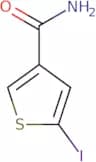
5-Iodothiophene-3-carboxamide
CAS:Versatile small molecule scaffold
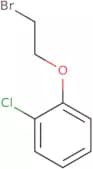
Formula:C5H4INOSPurity:Min. 95%Molecular weight:253.06 g/mol1-(2-bromoethoxy)-2-chlorobenzene
CAS:Versatile small molecule scaffold
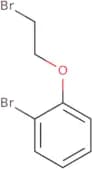
Formula:C8H8BrClOPurity:Min. 95%Molecular weight:235.51 g/mol1-Bromo-2-(2-bromoethoxy)benzene
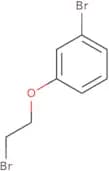
CAS:Versatile small molecule scaffoldFormula:C8H8Br2OPurity:Min. 95%Molecular weight:279.96 g/mol1-Bromo-3-(2-bromoethoxy)benzene
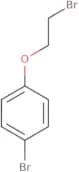
CAS:Versatile small molecule scaffoldFormula:C8H8Br2OPurity:Min. 95%Molecular weight:279.96 g/mol1-Bromo-4-(2-bromoethoxy)benzene
CAS:1-Bromo-4-(2-bromoethoxy)benzene is a benzoic acid derivative that is used as a building block for the synthesis of combinatorial libraries. It is soluble in water, alcohols and ethers, and it can be dissolved in chloroform. This compound was synthesized by the hydroxy group of an amino acid to provide a non-peptide molecule. 1-Bromo-4-(2-bromoethoxy)benzene has shown to inhibit the growth of methicillin resistant Staphylococcus aureus (MRSA), which may be due to its ability to inhibit protein synthesis.
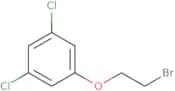
Formula:C8H8Br2OPurity:Min. 95%Molecular weight:279.96 g/mol1-(2-Bromoethoxy)-3,5-dichlorobenzene
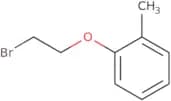
CAS:Versatile small molecule scaffoldFormula:C8H7BrCl2OPurity:Min. 95%Molecular weight:269.95 g/mol1-(2-Bromoethoxy)-2-methylbenzene
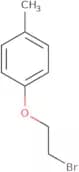
CAS:1-(2-Bromoethoxy)-2-methylbenzene is an aromatic compound with a conformation that can be described as a chair. The two bromine substituents are on the same side of the benzene ring, and the ethoxy group is attached to one of the carbons in the piperazine ring. This molecule has three dihedral angles, which could be described as 60 degrees, 120 degrees, and 180 degrees. One of these angles is formed by the bromine substituent and the ethoxy group, another by the methoxy substituent and the ethoxy group, and the third angle is formed by one carbon in the piperazine ring and one carbon in a methyl group.Formula:C9H11BrOPurity:Min. 95%Molecular weight:215.09 g/mol1-(2-Bromo-ethoxy)-4-methyl-benzene
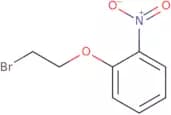
CAS:Versatile small molecule scaffoldFormula:C9H11BrOPurity:Min. 95%Molecular weight:215.1 g/mol1-(2-Bromoethoxy)-2-nitrobenzene
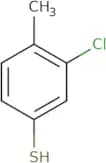
CAS:1-(2-Bromoethoxy)-2-nitrobenzene is a fluorescent ionophore that is used in the production of high-performance liquid chromatography (HPLC) columns. This chemical is synthesized by a stepwise reaction that starts with the formation of an acetonitrile adduct. The acetonitrile group is then removed and replaced with an ethoxy group to form the final product. The synthetic procedure for 1-(2-bromoethoxy)-2-nitrobenzene has been rationalized and it can be recycled using magnesium as a reducing agent. In addition, this chemical has been shown to bind to sensor proteins due to its high affinity for them.Formula:C8H8BrNO3Purity:Min. 95%Molecular weight:246.06 g/mol3-Chloro-4-methylbenzenethiol
CAS:Versatile small molecule scaffold
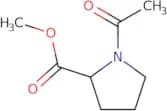
Formula:C7H7ClSPurity:Min. 95%Molecular weight:158.65 g/mol1-Acetyl-pyrrolidine-2-carboxylic acid methyl ester
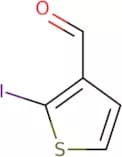
CAS:Versatile small molecule scaffoldFormula:C8H13NO3Purity:Min. 95%Molecular weight:171.19 g/mol2-Iodothiophene-3-carbaldehyde
CAS:Versatile small molecule scaffoldFormula:C5H3IOSPurity:Min. 95%Molecular weight:238.05 g/mol2-[(4-Bromophenyl)formamido]acetic acid
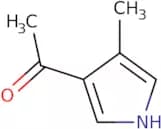
CAS:Versatile small molecule scaffoldFormula:C9H8BrNO3Purity:Min. 95%Molecular weight:258.07 g/mol1-(4-Methyl-1H-pyrrol-3-yl)ethanone
CAS:1-(4-Methyl-1H-pyrrol-3-yl)ethanone is a metabolite of eupenicillium, which is found in the bark of several species of conifer trees. This natural product has been shown to be biogenetically related to the biosynthesis of nitrogenous compounds and has been identified in various plant tissues as a secondary metabolite. 1-(4-Methyl-1H-pyrrol-3-yl)ethanone has also been shown to have antibiotic activity against gram positive bacteria such as Bacillus subtilis, Staphylococcus aureus, and Streptococcus pyogenes.
Formula:C7H9NOPurity:Min. 95%Molecular weight:123.15 g/mol3-Azatricyclo[7.3.1.0,5,13]trideca-1(12),5(13),6,8,10-pentaen-2-one
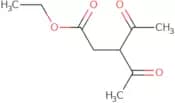
CAS:Versatile small molecule scaffoldFormula:C14H11NO2Purity:Min. 95%Molecular weight:225.24 g/molEthyl 3-acetyl-4-oxopentanoate
CAS:Ethyl 3-acetyl-4-oxopentanoate is a synthetic chemical that has been found to be an ancillary ligand for the diazepine ring. The chloride group is activated by hydrogen chloride and can form a bifunctional complex with the formyl group. This compound has been used in kinetic and structural analysis as a surrogate for the more difficult to obtain diazocompounds, which are often used in medicinal chemistry.
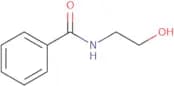
Formula:C9H14O4Purity:Min. 95%Molecular weight:186.21 g/molN-(2-hydroxyethyl)benzamide
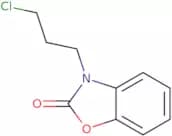
CAS:N-(2-hydroxyethyl)benzamide is an amido-containing preservative used in cosmetics and personal care products. It is a synthetic, water-soluble compound that has been shown to be effective against gram-positive bacteria such as Bacillus cereus and methicillin-resistant Staphylococcus aureus (MRSA). It also has the ability to inhibit the growth of gram-negative bacteria such as Escherichia coli and Pseudomonas aeruginosa. N-(2-hydroxyethyl)benzamide has been found to be stable at pH values from 3 to 10 and can be used in many cosmetic formulations, including sunscreen, shampoo, conditioner, hair colorant, eye shadow, mascara, lipstick, lip gloss and nail polish. This preservative should not be used in products that contain polyols or ethyl groups since it will react with these ingredients.Formula:C9H11NO2Purity:Min. 95%Molecular weight:165.19 g/mol3-(3-Chloropropyl)-2,3-dihydro-1,3-benzoxazol-2-one
CAS:Versatile small molecule scaffoldFormula:C10H10ClNO2Purity:Min. 95%Molecular weight:211.64 g/mol4-[(4-Methylphenyl)sulfanyl]butanoic acid
CAS:Versatile small molecule scaffoldFormula:C11H14O2SPurity:Min. 95%Molecular weight:210.29 g/molBenzene, 1-ethyl-4-isothiocyanato-
CAS:Benzene, 1-ethyl-4-isothiocyanato-, is a potential cancer drug that has been shown to be an active compound in inhibiting the growth of cancer cells. It is a synthetic terpene that is known to have many volatile compounds, including isothiocyanates. Benzene activates inflammatory cytokines and inhibits the production of inflammatory mediators in chronic inflammatory disease. The mechanism of action for benzene is unknown, but it may be due to its ability to signal cells through a transducer or receptor that regulates cellular proliferation and differentiation.
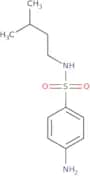
Formula:C9H9NSPurity:Min. 95%Molecular weight:163.24 g/mol4-Amino-N-(3-methylbutyl)benzene-1-sulfonamide
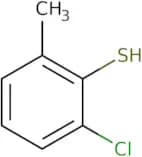
CAS:Versatile small molecule scaffoldFormula:C11H18N2O2SPurity:Min. 95%Molecular weight:242.34 g/mol2-Chloro-6-methylthiophenol
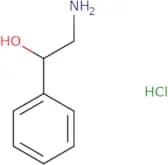
CAS:2-Chloro-6-methylthiophenol is an annulated compound that is a catalyst for hydrogenation. It can be used in the production of trifluoroacetic acid and polyphosphoric acid. 2-Chloro-6-methylthiophenol has been shown to act as a dehydrogenating agent, which is useful in the synthesis of conjugates. Catalytic hydrogenation can also be achieved with this compound in the presence of trimethylaluminium, which has been shown to be more efficient than copper.Formula:C7H7ClSPurity:Min. 95%Molecular weight:158.65 g/mol(R)-(-)-2-Amino-1-phenylethanol hydrochloride
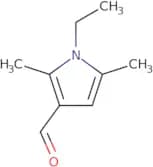
CAS:Versatile small molecule scaffoldFormula:C8H12ClNOPurity:Min. 95%Molecular weight:173.64 g/mol1-Ethyl-2,5-dimethyl-1H-pyrrole-3-carbaldehyde
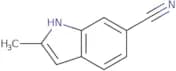
CAS:Versatile small molecule scaffoldFormula:C9H13NOPurity:Min. 95%Molecular weight:151.21 g/mol2-Methylindole-6-carbonitrile
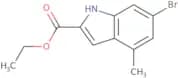
CAS:Versatile small molecule scaffoldFormula:C10H8N2Purity:Min. 95%Molecular weight:156.18 g/molEthyl 6-bromo-4-methyl-1H-indole-2-carboxylate
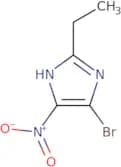
CAS:Versatile small molecule scaffoldFormula:C12H12BrNO2Purity:Min. 95%Molecular weight:282.13 g/mol4-Bromo-2-ethyl-5-nitro-1H-imidazole
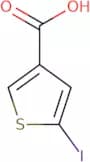
CAS:Versatile small molecule scaffoldFormula:C5H6BrN3O2Purity:Min. 95%Molecular weight:220.02 g/mol5-Iodothiophene-3-carboxylic acid
CAS:Versatile small molecule scaffold
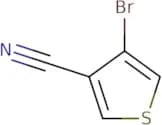
Formula:C5H3IO2SPurity:Min. 95%Molecular weight:254.05 g/mol4-Bromothiophene-3-carbonitrile
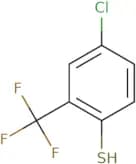
CAS:4-Bromothiophene-3-carbonitrile is a reactive, heterocyclic compound that can be prepared by reacting ethyl bromide with 3-carbonitrile in the presence of triethyl orthoformate. This compound can be used as an acceptor for electron and has an optical spectrum that contains a strong absorption at 295 nm, which corresponds to its electron affinity. The compound is also resistant to halogenation and has three functional groups. 4-Bromothiophene-3-carbonitrile can react with various types of halides or other organic compounds to form addition products.Formula:C5H2BrNSPurity:Min. 95%Molecular weight:188.05 g/mol4-Chloro-2-trifluoromethylbenzenethiol
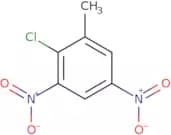
CAS:Versatile small molecule scaffoldFormula:C7H4ClF3SPurity:Min. 95%Molecular weight:212.62 g/mol2-Chloro-1-methyl-3,5-dinitrobenzene
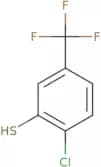
CAS:Versatile small molecule scaffoldFormula:C7H5ClN2O4Purity:Min. 95%Molecular weight:216.58 g/mol2-Chloro-5-trifluoromethylbenzenethiol
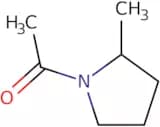
CAS:Versatile small molecule scaffoldFormula:C7H4ClF3SPurity:Min. 95%Molecular weight:212.62 g/mol1-(2-Methylpyrrolidin-1-yl)ethan-1-one
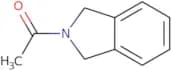
CAS:1-(2-Methylpyrrolidin-1-yl)ethan-1-one is a chiral hydrolytic enzyme that catalyzes the hydrolysis of ester bonds. It is stereoselective, with an absolute stereochemistry of S.Formula:C7H13NOPurity:Min. 95%Molecular weight:127.18 g/mol1-(2,3-Dihydro-1H-isoindol-2-yl)ethan-1-one
CAS:Versatile small molecule scaffold
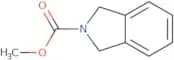
Formula:C10H11NOPurity:Min. 95%Molecular weight:161.2 g/molMethyl 2,3-dihydro-1H-isoindole-2-carboxylate
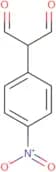
CAS:Versatile small molecule scaffoldFormula:C10H11NO2Purity:Min. 95%Molecular weight:177.2 g/mol2-(4-Nitrophenyl)malondialdehyde
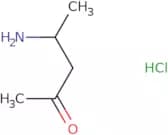
CAS:2-(4-Nitrophenyl)malondialdehyde (2-NPMA) is a neutral, water soluble dye that has an affinity for malondialdehyde. It is a cyanine dye with a basic structure and it can be used as an effective method to detect malondialdehyde in aqueous solutions. Merocyanine dyes are symmetric and unsymmetric cyanine dyes with different spectral properties. A merocyanine dye can be either basic or acidic depending on the pH of the solution. At low pH values, it will have a positive charge and at high pH values, it will have a negative charge. The merocyanine dye 2-NPMA is effective in detecting malondialdehyde because of its affinity for this chemical.Formula:C9H7NO4Purity:Min. 95%Molecular weight:193.16 g/mol4-Aminopentan-2-one hydrochloride
CAS:Versatile small molecule scaffold
Formula:C5H12ClNOPurity:Min. 95%Molecular weight:137.61 g/mol6-Iod-1-hexen
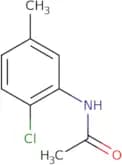
CAS:6-Iod-1-hexen is an organic compound that belongs to the class of unsymmetrical compounds. It can be prepared by a cross-coupling reaction between hexene and iodine, which involves alkyl radicals and results in a six-membered ring. This process can be catalyzed by copper or nickel. The 6-iodohexenyl radical is generated by irradiation with light, which leads to the formation of an ethylene intermediate (a five-membered ring). The ethylene intermediate undergoes a carbonylative cyclization to form the desired product. 6-Iod-1-hexen is used for the preparation of other organic compounds such as 3,4,5,6,7,8,9-octahydroanthracene.Formula:C6H11IPurity:Min. 95%Molecular weight:210.06 g/molN-(2-Chloro-5-methylphenyl)acetamide
CAS:Versatile small molecule scaffold
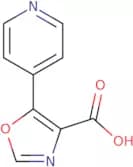
Formula:C9H10ClNOPurity:Min. 95%Molecular weight:183.63 g/mol5-Pyridin-4-yl-1,3-oxazole-4-carboxylic acid
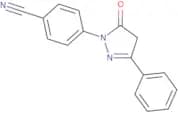
CAS:Versatile small molecule scaffoldFormula:C9H6N2O3Purity:Min. 95%Molecular weight:190.16 g/mol4-(5-Oxo-3-phenyl-4,5-dihydro-1H-pyrazol-1-yl)benzonitrile
CAS:Versatile small molecule scaffold
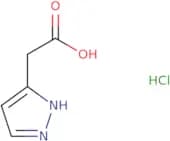
Formula:C16H11N3OPurity:Min. 95%Molecular weight:261.28 g/mol2-(1H-Pyrazol-3-yl)acetic acid hydrochloride
CAS:Versatile small molecule scaffoldFormula:C5H6N2O2·HClPurity:Min. 95%Molecular weight:162.58 g/mol2-(Pyrazolo[1,5-a]pyridin-3-yl)acetonitrile
CAS:Versatile small molecule scaffoldFormula:C9H7N3Purity:Min. 95%Molecular weight:157.17 g/mol2-{Pyrazolo[1,5-a]pyridin-3-yl}acetic acid
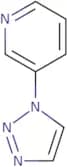
CAS:Versatile small molecule scaffoldFormula:C9H8N2O2Purity:Min. 95%Molecular weight:176.17 g/mol3-(1H-1,2,3-Triazol-1-yl)pyridine
CAS:3-(1H-1,2,3-Triazol-1-yl)pyridine is a white crystalline solid. It has a melting point of 166°C and a boiling point of 330°C. 3-(1H-1,2,3-Triazol-1-yl)pyridine has been used in powder diffraction analysis to determine the molecular structure of compounds with metallic or semi-metallic properties. The technique was used to study the photophysical properties of triazoles and protonated ligands. Structural studies have also been performed on isomeric triazole derivatives as well as functional theory for these compounds. Diffraction has also been used to identify structural isomers for chloride and other ionic compounds. Quantum theory has also been applied to these types of molecules.
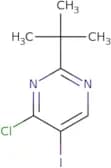
Formula:C7H6N4Purity:Min. 95%Molecular weight:146.15 g/mol2-tert-Butyl-4-chloro-5-iodopyrimidine
CAS:Versatile small molecule scaffoldFormula:C8H10ClIN2Purity:Min. 95%Molecular weight:296.53 g/mol5-Fluorobicyclo[4.2.0]octa-1(6),2,4-trien-7-one
CAS:Versatile small molecule scaffoldFormula:C8H5FOPurity:Min. 95%Molecular weight:136.12 g/mol3-Methyl-1,2,5,6,7,8-hexahydroquinoxalin-2-one
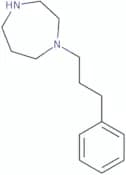
CAS:Versatile small molecule scaffoldFormula:C9H12N2OPurity:Min. 95%Molecular weight:164.2 g/mol1-(3-Phenylpropyl)-1,4-diazepane
CAS:Versatile small molecule scaffold
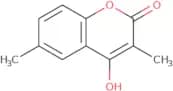
Formula:C14H22N2Purity:Min. 95%Molecular weight:218.34 g/mol4-Hydroxy-3,6-dimethyl-2H-chromen-2-one
CAS:Versatile small molecule scaffoldFormula:C11H10O3Purity:Min. 95%Molecular weight:190.19 g/moltert-Butyl N-[(2S)-4-oxobutan-2-yl]carbamate
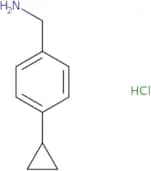
CAS:Versatile small molecule scaffoldFormula:C9H17NO3Purity:Min. 95%Molecular weight:187.24 g/mol(4-Cyclopropylphenyl)methanamine hydrochloride
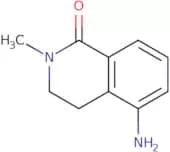
CAS:Versatile small molecule scaffoldFormula:C10H14ClNPurity:Min. 95%Molecular weight:183.68 g/mol5-Amino-2-methyl-1,2,3,4-tetrahydroisoquinolin-1-one
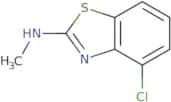
CAS:Versatile small molecule scaffoldFormula:C10H12N2OPurity:Min. 95%Molecular weight:176.21 g/mol4-Chloro-N-methyl-1,3-benzothiazol-2-amine
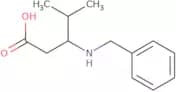
CAS:Versatile small molecule scaffoldFormula:C8H7ClN2SPurity:Min. 95%Molecular weight:198.67 g/mol3-(Benzylamino)-4-methylpentanoic acid
CAS:Versatile small molecule scaffoldFormula:C13H19NO2Purity:Min. 95%Molecular weight:221.29 g/mol2-[(5-Nitroquinolin-8-yl)oxy]acetic acid
CAS:Versatile small molecule scaffoldFormula:C11H8N2O5Purity:Min. 95%Molecular weight:248.19 g/mol3-(3-Bromophenyl)-2,2-dimethylpropanenitrile
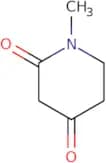
CAS:Versatile small molecule scaffoldFormula:C11H12BrNPurity:Min. 95%Molecular weight:238.12 g/mol1-Methylpiperidine-2,4-dione
CAS:1-Methylpiperidine-2,4-dione is a biologically active molecule with anti-inflammatory and analgesic properties. It is synthesized by reacting a ketone with an amine to form a 1,3-diketone. The carbonyl group of the diketone reacts with an aldehyde to form an enamine, which can be reduced to yield the desired product. This reaction can be carried out either intramolecularly or intermolecularly. Reduction reactions are used in organic chemistry as they are often easier than oxidation reactions for carbonyl compounds.
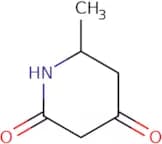
Formula:C6H9NO2Purity:Min. 95%Molecular weight:127.14 g/mol6-Methylpiperidine-2,4-dione
CAS:6-Methylpiperidine-2,4-dione is an alkaloid that has been shown to have antitumor activity. It has low toxicity and can be administered orally. 6-Methylpiperidine-2,4-dione also inhibits tumor growth and the formation of malignant tumors in mice. The mechanism of action is not known but may involve inhibition of protein synthesis or DNA replication. This drug is a remedy for malignant tumors and tumors in general.Formula:C6H9NO2Purity:Min. 95%Molecular weight:127.14 g/mol6-Phenylazaperhydroine-2,4-dione
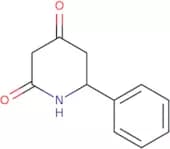
CAS:6-Phenylazaperhydroine-2,4-dione is an analog of azaperhydroine-2,4-dione that is synthesised by the addition of a phenyl group to the alpha carbon. This compound has been shown to inhibit the growth of mycobacteria in vitro and in vivo. It also shows high antimycobacterial activity against strains of Mycobacterium tuberculosis and Mycobacterium avium complex. 6-Phenylazaperhydroine-2,4-dione inhibits mycobacterial DNA gyrase and topoisomerase IV, which are enzymes that maintain the integrity of bacterial DNA. It binds to bacterial 16S ribosomal RNA and inhibits protein synthesis, leading to cell death by inhibiting the production of proteins vital for cell division. The compound is also enantiopure and optically pure, with a dieckmann geometry. 6-PhenylFormula:C11H11NO2Purity:Min. 95%Molecular weight:189.21 g/mol5-Bromo-6-ethoxy-1,3-dioxaindane
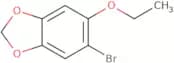
CAS:Versatile small molecule scaffoldFormula:C9H9BrO3Purity:Min. 95%Molecular weight:245.07 g/mol5-Methoxyisoquinolin-1(2H)-one
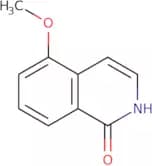
CAS:Versatile small molecule scaffoldFormula:C10H9NO2Purity:Min. 95%Molecular weight:175.19 g/mol2-Bromo-1-(3-methylbenzo[b]thiophen-2-yl)-ethan-1-one
CAS:Versatile small molecule scaffold
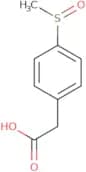
Formula:C11H9BrOSPurity:Min. 95%Molecular weight:269.2 g/mol2-(4-Methanesulfinylphenyl)acetic acid
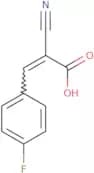
CAS:Versatile small molecule scaffoldFormula:C9H10O3SPurity:Min. 95%Molecular weight:198.24 g/molα-Cyano-4-fluorocinnamic acid
CAS:α-Cyano-4-fluorocinnamic acid is a matrix that has been used in experiments to target and visualize peptides. It selectively shows the peptide mass in analytical experiments by ionizing and then fragmenting the peptide. The resulting spectra are analyzed using mass spectrometry, which allows for fingerprinting of the peptide.Formula:C10H6FNO2Purity:Min. 95%Molecular weight:191.16 g/mol3-[(4-Fluorophenyl)carbonyl]piperidine hydrochloride
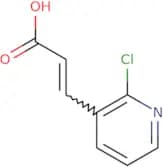
CAS:Versatile small molecule scaffoldFormula:C12H14FNO·HClPurity:Min. 95%Molecular weight:243.71 g/mol(2E)-3-(2-Chloropyridin-3-yl)prop-2-enoic acid
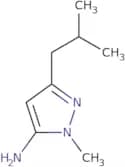
CAS:Versatile small molecule scaffoldFormula:C8H6ClNO2Purity:Min. 95%Molecular weight:183.59 g/mol1-Methyl-3-(2-methylpropyl)-1H-pyrazol-5-amine
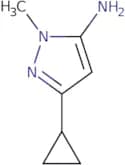
CAS:Versatile small molecule scaffoldFormula:C8H15N3Purity:Min. 95%Molecular weight:153.22 g/mol3-Cyclopropyl-1-methyl-1H-pyrazol-5-amine
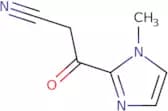
CAS:Versatile small molecule scaffoldFormula:C7H11N3Purity:Min. 95%Molecular weight:137.18 g/mol3-(1-Methyl-1H-imidazol-2-yl)-3-oxopropanenitrile
CAS:Versatile small molecule scaffoldFormula:C7H7N3OPurity:Min. 95%Molecular weight:149.15 g/molEthyl 4-amino-1-methyl-1H-pyrrole-2-carboxylate hydrochloride
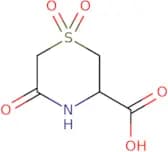
CAS:Ethyl 4-amino-1-methyl-1H-pyrrole-2-carboxylate hydrochloride is a versatile compound with various applications. It is widely used in collagen research and as a building block in the synthesis of alkaloids, fullerenes, fatty acids, and inhibitors. Additionally, it has been studied for its potential therapeutic effects in areas such as icariin, temoporfin, sanguisorba, myo-inositol, antibiotic, hyaluronic acid, and multidrug resistance. With its diverse range of applications, Ethyl 4-amino-1-methyl-1H-pyrrole-2-carboxylate hydrochloride is a valuable compound for researchers and scientists alike.Formula:C8H13ClN2O2Purity:Min. 95%Molecular weight:204.65 g/mol(R)-5-Oxo-3-thiomorpholinecarboxylic acid 1,1-dioxide
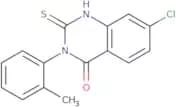
CAS:Versatile small molecule scaffoldFormula:C5H7NO5SPurity:Min. 95%Molecular weight:193.18 g/mol7-Chloro-3-(2-methylphenyl)-2-sulfanyl-3,4-dihydroquinazolin-4-one
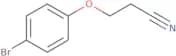
CAS:Versatile small molecule scaffoldFormula:C15H11ClN2OSPurity:Min. 95%Molecular weight:302.8 g/mol3-(4-Bromophenoxy)propanenitrile
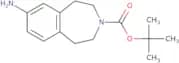
CAS:Versatile small molecule scaffoldFormula:C9H8BrNOPurity:Min. 95%Molecular weight:226.07 g/mol3-Boc-7-amino-2,3,4,5-tetrahydro-1H-3-benzazepine
CAS:Versatile small molecule scaffoldFormula:C15H22N2O2Purity:Min. 95%Molecular weight:262.35 g/molMethyl 6H-thieno[2,3-b]pyrrole-5-carboxylate
CAS:Versatile small molecule scaffoldFormula:C8H7NO2SPurity:Min. 95%Molecular weight:181.21 g/mol2-[4-(Methylsulfanyl)phenyl]ethan-1-amine
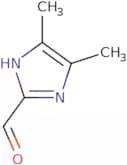
CAS:Controlled ProductVersatile small molecule scaffoldFormula:C9H13NSPurity:Min. 95%Molecular weight:167.27 g/mol4,5-Dimethyl-1H-imidazole-2-carboxaldehyde
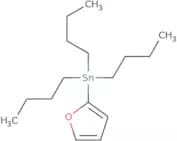
CAS:Versatile small molecule scaffoldFormula:C6H8N2OPurity:Min. 95%Molecular weight:124.14 g/mol2-(TRIBUTYLSTANNYL)FURAN
CAS:Controlled Product2-(TRIBUTYLSTANNYL)FURAN (2-TBTF) is an irreversible oxidation agent that inhibits the enzyme activity of a number of enzymes, including furyl. It is a cross-coupling agent that can be used for the synthesis of natural products and pharmaceuticals. 2-TBTF has been shown to inhibit inflammatory diseases by inhibiting the cb2 receptor. This drug also has low energy and optical properties that make it suitable for use in molecular modeling studies. 2-TBTF binds to the dna binding proteins, which may lead to its anti-inflammatory effects. It also has transport properties and can be used as an adenosine receptor antagonist, which are important for its effectiveness against autoimmune diseases.
Formula:C16H30OSnPurity:Min. 95%Molecular weight:357.12 g/mol7-Methylthieno[2,3-c]pyridin-5-ol
CAS:Versatile small molecule scaffold
Formula:C8H7NOSPurity:Min. 95%Molecular weight:165.21 g/mol4-Amino-7-methylthieno[2,3-c]pyridin-5-ol
CAS:Versatile small molecule scaffoldFormula:C8H8N2OSPurity:Min. 95%Molecular weight:180.23 g/molMethyl 2-[hydroxy(pyridin-2-yl)methyl]prop-2-enoate
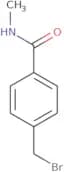
CAS:Versatile small molecule scaffoldFormula:C10H11NO3Purity:Min. 95%Molecular weight:193.2 g/mol4-(Bromomethyl)-N-methylbenzamide
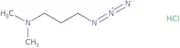
CAS:Versatile small molecule scaffoldFormula:C9H10BrNOPurity:Min. 95%Molecular weight:228.09 g/mol(3-Azidopropyl)dimethylamine hydrochloride
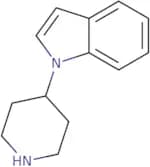
CAS:Versatile small molecule scaffoldFormula:C5H12N4•HClPurity:Min. 95%Molecular weight:164.64 g/mol1-(Piperidin-4-yl)-1H-indole
CAS:1-(Piperidin-4-yl)-1H-indole is a white to pale yellow crystalline powder that is soluble in water and oil. It has a molecular weight of 219.2 g/mol and the chemical formula C17H22N2O. The melting point of this compound is 170°C, with a boiling point of 275°F. 1-(Piperidin-4-yl)-1H-indole has been shown to be an alkoxy, hydrates, hydrogen atom, c1-c6 alkyl, c1-c6 alkoxy, c1-c6, hydrogen atoms.Formula:C13H16N2Purity:Min. 95%Molecular weight:200.28 g/mol(5-Chloro-1H-indazol-3-yl)methanamine
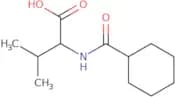
CAS:Versatile small molecule scaffoldFormula:C8H8ClN3Purity:Min. 95%Molecular weight:181.62 g/mol2-(Cyclohexylformamido)-3-methylbutanoic acid
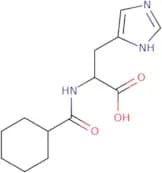
CAS:Versatile small molecule scaffoldFormula:C12H21NO3Purity:Min. 95%Molecular weight:227.3 g/mol(2S)-2-(Cyclohexylformamido)-3-(1H-imidazol-4-yl)propanoic acid
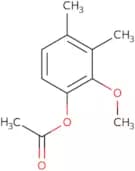
CAS:Versatile small molecule scaffoldFormula:C13H19N3O3Purity:Min. 95%Molecular weight:265.31 g/mol2-Methoxy-3,4-dimethylphenyl acetate
CAS:2-Methoxy-3,4-dimethylphenyl acetate is a natural compound found in the essential oil of the bark of Cinnamomum camphora. It has been shown to inhibit the activity of matrix metalloproteinases (MMPs), which are enzymes that degrade collagen and other proteins in the extracellular matrix. MMPs are involved in cancer metastasis and angiogenesis, as well as tissue remodeling after myocardial infarction, and 2-methoxy-3,4-dimethylphenyl acetate may be useful for preventing or treating these processes. This compound also inhibits the activation of c-Jun N-terminal kinase (JNK) and phosphorylation of mitogen activated protein kinase 1/2 (MAPK1/2), leading to reduced mitochondrial membrane potential and cardioprotection.Formula:C11H14O3Purity:Min. 95%Molecular weight:194.23 g/mol2-(4-Fluorobenzoyl)pyrazine
CAS:Versatile small molecule scaffold
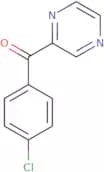
Formula:C11H7FN2OPurity:Min. 95%Molecular weight:202.18 g/mol2-(4-Chlorobenzoyl)pyrazine
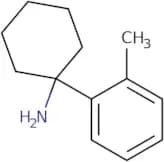
CAS:Versatile small molecule scaffoldFormula:C11H7ClN2OPurity:Min. 95%Molecular weight:218.64 g/mol1-(2-Methylphenyl)cyclohexan-1-amine
CAS:Controlled ProductVersatile small molecule scaffold
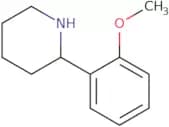
Formula:C13H19NPurity:Min. 95%Molecular weight:189.3 g/mol2-(2-Methoxyphenyl)piperidine
CAS:Versatile small molecule scaffold
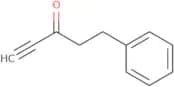
Formula:C12H17NOPurity:Min. 95%Molecular weight:191.27 g/mol5-Phenylpent-1-yn-3-one
CAS:5-Phenylpent-1-yn-3-one is a chiral, carbonyl derivative that can be used as an intermediate in organic synthesis. It has been shown to be a reagent for the synthesis of enamines and amides. The asymmetric synthesis of 5-phenylpent-1-yn-3-ones is catalyzed by copper. 5-Phenylpent-1-yn-3-one has also been used in the synthesis of surfactants and has been shown to be an efficient electrophilic addition agent. 5-Phenylpent-1y n -3 -one is not an achiral molecule because it can exist as two geometric isomers, cis and trans.Formula:C11H10OPurity:Min. 95%Molecular weight:158.2 g/mol1-(Aminomethyl)-5-methoxy-2,3-dihydro-1H-inden-1-ol
CAS:Versatile small molecule scaffoldFormula:C11H15NO2Purity:Min. 95%Molecular weight:193.2 g/molrac-(3aR,6aS)-Hexahydro-1H-cyclopenta[C]thiophen-5-one
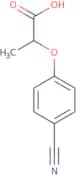
CAS:Versatile small molecule scaffoldFormula:C7H10OSPurity:Min. 95%Molecular weight:142.22 g/mol2-(4-Cyanophenoxy)propanoic acid
CAS:Versatile small molecule scaffold
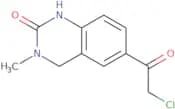
Formula:C10H9NO3Purity:Min. 95%Molecular weight:191.18 g/mol6-(2-Chloroacetyl)-3-methyl-1,2,3,4-tetrahydroquinazolin-2-one
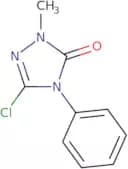
CAS:Versatile small molecule scaffoldFormula:C11H11ClN2O2Purity:Min. 95%Molecular weight:238.67 g/mol3-Chloro-1-methyl-4-phenyl-4,5-dihydro-1H-1,2,4-triazol-5-one
CAS:Versatile small molecule scaffold
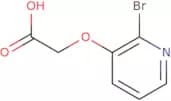
Formula:C9H8ClN3OPurity:Min. 95%Molecular weight:209.63 g/mol2-((2-Bromopyridin-3-yl)oxy)acetic acid
CAS:Versatile small molecule scaffoldFormula:C7H6BrNO3Purity:Min. 95%Molecular weight:232.03 g/mol

![2-[(4-Bromophenyl)formamido]acetic acid](/_next/image/?url=https%3A%2Fstatic.cymitquimica.com%2Fproducts%2F3D%2Fthumb-webp%2FTAA81575.webp&w=3840&q=75)
![3-Azatricyclo[7.3.1.0,5,13]trideca-1(12),5(13),6,8,10-pentaen-2-one](/_next/image/?url=https%3A%2Fstatic.cymitquimica.com%2Fproducts%2F3D%2Fthumb-webp%2FTAA83341.webp&w=3840&q=75)
![4-[(4-Methylphenyl)sulfanyl]butanoic acid](/_next/image/?url=https%3A%2Fstatic.cymitquimica.com%2Fproducts%2F3D%2Fthumb-webp%2FTAA85048.webp&w=3840&q=75)


![2-(Pyrazolo[1,5-a]pyridin-3-yl)acetonitrile](/_next/image/?url=https%3A%2Fstatic.cymitquimica.com%2Fproducts%2F3D%2Fthumb-webp%2FTEA05501.webp&w=3840&q=75)
![2-{Pyrazolo[1,5-a]pyridin-3-yl}acetic acid](/_next/image/?url=https%3A%2Fstatic.cymitquimica.com%2Fproducts%2F3D%2Fthumb-webp%2FTEA05503.webp&w=3840&q=75)
![5-Fluorobicyclo[4.2.0]octa-1(6),2,4-trien-7-one](/_next/image/?url=https%3A%2Fstatic.cymitquimica.com%2Fproducts%2F3D%2Fthumb-webp%2FTEA11220.webp&w=3840&q=75)
![tert-Butyl N-[(2S)-4-oxobutan-2-yl]carbamate](/_next/image/?url=https%3A%2Fstatic.cymitquimica.com%2Fproducts%2F3D%2Fthumb-webp%2FTEA17326.webp&w=3840&q=75)
![2-[(5-Nitroquinolin-8-yl)oxy]acetic acid](/_next/image/?url=https%3A%2Fstatic.cymitquimica.com%2Fproducts%2F3D%2Fthumb-webp%2FTEA24955.webp&w=3840&q=75)

![2-Bromo-1-(3-methylbenzo[b]thiophen-2-yl)-ethan-1-one](/_next/image/?url=https%3A%2Fstatic.cymitquimica.com%2Fproducts%2F3D%2Fthumb-webp%2FTEA33733.webp&w=3840&q=75)
![3-[(4-Fluorophenyl)carbonyl]piperidine hydrochloride](/_next/image/?url=https%3A%2Fstatic.cymitquimica.com%2Fproducts%2F3D%2Fthumb-webp%2FTEA41266.webp&w=3840&q=75)

![Methyl 6H-thieno[2,3-b]pyrrole-5-carboxylate](/_next/image/?url=https%3A%2Fstatic.cymitquimica.com%2Fproducts%2F3D%2Fthumb-webp%2FTEA46549.webp&w=3840&q=75)
![2-[4-(Methylsulfanyl)phenyl]ethan-1-amine](/_next/image/?url=https%3A%2Fstatic.cymitquimica.com%2Fproducts%2F3D%2Fthumb-webp%2FTEA46821.webp&w=3840&q=75)
![7-Methylthieno[2,3-c]pyridin-5-ol](/_next/image/?url=https%3A%2Fstatic.cymitquimica.com%2Fproducts%2F3D%2Fthumb-webp%2FTEA48765.webp&w=3840&q=75)
![4-Amino-7-methylthieno[2,3-c]pyridin-5-ol](/_next/image/?url=https%3A%2Fstatic.cymitquimica.com%2Fproducts%2F3D%2Fthumb-webp%2FTEA48771.webp&w=3840&q=75)
![Methyl 2-[hydroxy(pyridin-2-yl)methyl]prop-2-enoate](/_next/image/?url=https%3A%2Fstatic.cymitquimica.com%2Fproducts%2F3D%2Fthumb-webp%2FTEA48874.webp&w=3840&q=75)


![rac-(3aR,6aS)-Hexahydro-1H-cyclopenta[C]thiophen-5-one](/_next/image/?url=https%3A%2Fstatic.cymitquimica.com%2Fproducts%2F3D%2Fthumb-webp%2FTEA59791.webp&w=3840&q=75)