Building Blocks
This section contains fundamental products for the synthesis of organic and biological compounds. Building blocks are the essential starting materials used to construct complex molecules through various chemical reactions. They play a critical role in drug discovery, material science, and chemical research. At CymitQuimica, we offer a diverse range of high-quality building blocks to support your innovative research and industrial projects, ensuring you have the essential components for successful synthesis.
Subcategories of "Building Blocks"
- Boronic Acids & Boronic Acid Derivatives(5,756 products)
- Chiral Building Blocks(1,242 products)
- Hydrocarbon Building Blocks(6,095 products)
- Organic Building Blocks(61,038 products)
Found 196817 products of "Building Blocks"
Sort by
Purity (%)
0
100
|
0
|
50
|
90
|
95
|
100
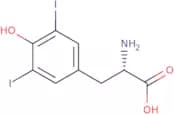
3,5-Diiodo-L-tyrosine
CAS:<p>3,5-Diiodo-L-tyrosine (3DILT) is an iodinated amino acid that can be used as a marker for human immunodeficiency virus (HIV) infection. It is synthesized by the reaction of 3,5-diiodotyrosine with L-tyrosine in the presence of a metal chelate and dinucleotide phosphate. This reaction proceeds via nucleophilic substitution on the aromatic ring with an iodide ion. The product is then purified to remove unreacted 3,5-diiodotyrosine and the metal chelate. 3DILT reacts with antibodies in a luminescence immunoassay to produce light that can be detected. The detection limit of this assay is 10 pg/mL.</p>Formula:C9H9I2NO3Purity:Min. 95%Molecular weight:432.98 g/mol1-[3-(Dimethylamino)propyl]-1-(4-fluorophenyl)-1,3-dihydro-3-oxo-5-isobenzofurancarbonitrile
CAS:<p>Please enquire for more information about 1-[3-(Dimethylamino)propyl]-1-(4-fluorophenyl)-1,3-dihydro-3-oxo-5-isobenzofurancarbonitrile including the price, delivery time and more detailed product information at the technical inquiry form on this page</p>Formula:C20H19FN2O2Purity:Min. 95%Molecular weight:338.38 g/molDepropyl rotigotine hydrochloride
CAS:<p>Please enquire for more information about Depropyl rotigotine hydrochloride including the price, delivery time and more detailed product information at the technical inquiry form on this page</p>Formula:C16H19NOS•(HCl)xPurity:Min. 95%Domperidone N-oxide
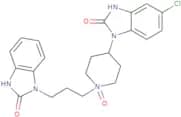
CAS:<p>Please enquire for more information about Domperidone N-oxide including the price, delivery time and more detailed product information at the technical inquiry form on this page</p>Formula:C22H24ClN5O3Purity:Min. 95%Molecular weight:441.91 g/mol4-Desmethyl-2-methyl celecoxib
CAS:<p>Please enquire for more information about 4-Desmethyl-2-methyl celecoxib including the price, delivery time and more detailed product information at the technical inquiry form on this page</p>Formula:C17H14F3N3O2SPurity:Min. 95%Molecular weight:381.4 g/mol4,5-Dihydro-1H-imidazol-2-amine hydrochloride
CAS:<p>Please enquire for more information about 4,5-Dihydro-1H-imidazol-2-amine hydrochloride including the price, delivery time and more detailed product information at the technical inquiry form on this page</p>Formula:C3H7N3•HClPurity:Min. 95%Molecular weight:121.57 g/mol6,7-Dichloro-1-cyclopropyl-1,4-dihydro-4-oxo-3-quinolinecarboxylic acid
CAS:<p>Please enquire for more information about 6,7-Dichloro-1-cyclopropyl-1,4-dihydro-4-oxo-3-quinolinecarboxylic acid including the price, delivery time and more detailed product information at the technical inquiry form on this page</p>Formula:C13H9Cl2NO3Purity:Min. 95%Molecular weight:298.12 g/mol4,5-Dihydro-2-methyl-4-thiazolecarboxylic acid trifluoroacetate
CAS:<p>Please enquire for more information about 4,5-Dihydro-2-methyl-4-thiazolecarboxylic acid trifluoroacetate including the price, delivery time and more detailed product information at the technical inquiry form on this page</p>Formula:C5H7NO2S•(C2HF3O2)xPurity:Min. 95%3-(cis-4-(2-(4-(2,3-Dichlorophenyl)piperazin-1-yl)ethyl)cyclohexyl)-1,1-dimethylurea
CAS:<p>Please enquire for more information about 3-(cis-4-(2-(4-(2,3-Dichlorophenyl)piperazin-1-yl)ethyl)cyclohexyl)-1,1-dimethylurea including the price, delivery time and more detailed product information at the technical inquiry form on this page</p>Formula:C21H32Cl2N4OPurity:Min. 95%Molecular weight:427.41 g/molDeschloro amlodipine maleate
CAS:<p>Please enquire for more information about Deschloro amlodipine maleate including the price, delivery time and more detailed product information at the technical inquiry form on this page</p>Formula:C20H26N2O5•C4H4O4Purity:Min. 95%Molecular weight:490.5 g/molrac-Demiditraz
CAS:<p>Please enquire for more information about rac-Demiditraz including the price, delivery time and more detailed product information at the technical inquiry form on this page</p>Formula:C13H16N2Purity:Min. 95%Molecular weight:200.28 g/mol2,4-Dibromothiazole
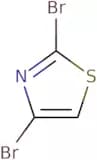
CAS:<p>2,4-Dibromothiazole is a nicotinic acetylcholine receptor (nAChR) antagonist which selectively blocks the binding of acetylcholine to nAChRs. It has been shown to be effective in treating inflammatory bowel disease by inhibiting the production of inflammatory mediators. This drug also has anti-inflammatory effects and can be used for the treatment of autoimmune diseases such as Crohn's disease. 2,4-Dibromothiazole also has low energy properties and is used in palladium complexes for cross-coupling reactions. It can also be used as a cancer chemotherapeutic agent and as a cardiac drug.</p>Formula:C3HBr2NSPurity:Min. 95%Color and Shape:White PowderMolecular weight:242.92 g/mol4,6-Dichloro-5-nitropyrimidine
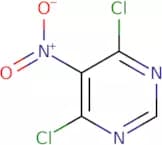
CAS:<p>4,6-Dichloro-5-nitropyrimidine is an intermediate in the synthesis of Tenofovir, a nucleophilic drug that inhibits HIV. It is produced by the reaction of chloride with amines and nitro compounds in the presence of ammonium chloride. 4,6-Dichloro-5-nitropyrimidine has been shown to have anticancer activity against human lymphocytes and other cancer cells. It can also be used for the treatment of AIDS. The biological properties of this compound are dose dependent and are dependent on the size of chlorine atoms attached to nitrogen atoms.</p>Formula:C4HCl2N3O2Purity:Min. 95%Color and Shape:Yellow PowderMolecular weight:193.98 g/mol2,4-Diamino-5-nitropyrimidine
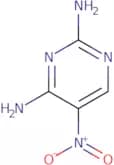
CAS:<p>2,4-Diamino-5-nitropyrimidine is a synthetic molecule that belongs to the class of heterocyclic amines. It has been shown to be a potent antiproliferative agent and has been found to inhibit hepg2 cell growth in vitro. This compound was also found to inhibit cancer cells, including mcf-7. 2,4-Diamino-5-nitropyrimidine binds nucleophilic sites on proteins and inhibits enzymes involved in DNA synthesis. The inhibition of these enzymes leads to cell death by preventing the production of new proteins needed for cell division.</p>Formula:C4H5N5O2Purity:Min. 95%Color and Shape:Off-White To Yellow SolidMolecular weight:155.12 g/mol5-Methyl-3-oxo-hexanoic acid methyl ester
CAS:<p>Versatile small molecule scaffold</p>Formula:C8H14O3Purity:Min. 95%Molecular weight:158.2 g/mol1,4-Benzenedicarboxylic acid, monoethyl ester
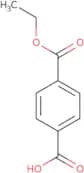
CAS:<p>1,4-Benzenedicarboxylic acid, monoethyl ester (1,4-BDE) is a monomer that is used in the manufacture of polycarbonates and other plastics. 1,4-BDE is also used as a solvent for xylene and butanol. It has been shown to be useful in the production of polyester fibers. The monomer can be synthesized by reacting ethylene with terephthalic acid or dimethyl terephthalate (DMT). This reaction produces 1,4-BDE and methanol as byproducts. The process is carried out at temperatures of 250 °C to 300 °C and under atmospheric pressure. The purified product can be isolated using distillation or extraction with organic solvents such as benzene or butanol. The reaction can be carried out in the presence of ruthenium, which acts as a catalyst.</p>Formula:C10H10O4Purity:Min. 95%Color and Shape:White PowderMolecular weight:194.18 g/mol6-Bromo-4-hydroxypyrazolo[1,5-a]pyridine-3-carbonitrile
CAS:<p>Please enquire for more information about 6-Bromo-4-hydroxypyrazolo[1,5-a]pyridine-3-carbonitrile including the price, delivery time and more detailed product information at the technical inquiry form on this page</p>Formula:C8H4BrN3OPurity:Min. 95%Molecular weight:238.04 g/molBisaboloxide A
CAS:<p>Please enquire for more information about Bisaboloxide A including the price, delivery time and more detailed product information at the technical inquiry form on this page</p>Formula:C15H26O2Purity:Min. 95%Molecular weight:238.37 g/mol2-Bromo-5-hydroxypyridine
CAS:<p>2-Bromo-5-hydroxypyridine is an aromatic compound that is used in the synthesis of a variety of pharmaceuticals and other organic compounds. It can be synthesized by the Suzuki coupling reaction from 2-bromobenzaldehyde and 5-aminopyridine. 2-Bromo-5-hydroxypyridine has been shown to be a hepatotoxin in humans, with possible carcinogenic activity. It also has cholinergic properties, as well as being able to cause fluorescence when exposed to halogens. The carbon next to the hydroxyl group is a stereocenter, so there are two different configurations for this molecule. The configuration shown above (R) is the more stable form of this molecule due to its electron withdrawing power on the neighboring oxygen atom.</p>Formula:C5H4BrNOPurity:Min. 95%Color and Shape:White PowderMolecular weight:174 g/mol1-[(tert-butoxy)carbonyl]-5,5-difluoropiperidine-3-carboxylic acid
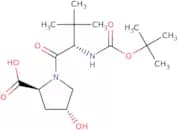
CAS:<p>Versatile small molecule scaffold</p>Formula:C11H17F2NO4Purity:Min. 95%Molecular weight:265.3 g/mol1-(Boc-L-tert-leucinyl)-(4R)-4-hydroxy-L-proline
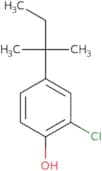
CAS:<p>Versatile small molecule scaffold</p>Formula:C16H28N2O6Purity:Min. 95%Molecular weight:344.4 g/mol2-Chloro-4-(tert-pentyl)phenol
CAS:<p>2-Chloro-4-(tert-pentyl)phenol is an aromatic compound. It has a cyclic, unsaturated alkyl group with a biphenyl and 6-membered heterocycle. This compound also has a haloalkyl group that can be substituted by nitro or benzoxazine groups. 2-Chloro-4-(tert-pentyl)phenol is used as an intermediate in the production of pharmaceuticals, dyes, and pesticides.</p>Formula:C11H15ClOPurity:Min. 95%Molecular weight:198.69 g/mol(R)-1-[3-[4-Amino-3-(4-phenoxyphenyl)-1H-pyrazolo[3,4-d]pyrimidin-1-yl]piperidin-1-yl]-3-chloropropan-1-one
CAS:<p>Please enquire for more information about (R)-1-[3-[4-Amino-3-(4-phenoxyphenyl)-1H-pyrazolo[3,4-d]pyrimidin-1-yl]piperidin-1-yl]-3-chloropropan-1-one including the price, delivery time and more detailed product information at the technical inquiry form on this page</p>Formula:C25H25ClN6O2Purity:Min. 95%Molecular weight:476.96 g/mol(2R,4R)-1-[(2S)-5-Amino-1-oxo-2-[[(1,2,3,4-tetrahydro-3-methyl-8-quinolinyl)sulfonyl]amino]pentyl]-4-methyl-2-piperidinecarboxylic a cid
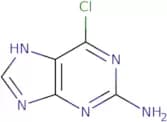
CAS:<p>Please enquire for more information about (2R,4R)-1-[(2S)-5-Amino-1-oxo-2-[[(1,2,3,4-tetrahydro-3-methyl-8-quinolinyl)sulfonyl]amino]pentyl]-4-methyl-2-piperidinecarboxylic a cid including the price, delivery time and more detailed product information at the technical inquiry form on this page</p>Formula:C22H34N4O5SPurity:Min. 95%Molecular weight:466.6 g/mol2-Amino-6-chloropurine
CAS:<p>2-Amino-6-chloropurine is a nucleophilic substituent that is used in the synthesis of 2-amino-6-chloropurine. It reacts with hydroxyl groups to form a palladium-catalyzed coupling reaction solution, which is then treated with hydrochloric acid and trifluoroacetic acid. The product is purified by crystallization and recrystallization. This compound has potent antitumor activity against carcinoma cell lines, but it has not been shown to have any effect against Mycobacterium tuberculosis.</p>Formula:C5H4ClN5Purity:Min. 95%Color and Shape:Off-White PowderMolecular weight:169.57 g/molAdamantane
CAS:<p>Adamantane is a potent antiviral drug for the treatment of influenza. It is an oxidation catalyst that also has biological properties, such as a potent antitumor activity and potent antiviral resistance. Adamantane has been used to treat many human pathogens, including viruses, fungi and bacteria. Adamantane is a skeleton-like structure with four carbons and six hydrogen atoms that can be oxidized to adamantane oxide or reduced to adamantane alcohol. The adamantane molecule binds to the viral protein at a site called the toll-like receptor. This binding prevents viral replication by inhibiting mRNA synthesis in the virus.</p>Formula:C10H16Purity:Min. 95%Color and Shape:White Off-White PowderMolecular weight:136.23 g/mol2-{[2-(2,6-Dioxopiperidin-3-yl)-1-oxo-2,3-dihydro-1H-isoindol-4-yl]oxy}acetic acid
CAS:<p>Versatile small molecule scaffold</p>Formula:C15H14N2O6Purity:Min. 95%Molecular weight:318.28 g/mol(2,2-Difluoroethyl)hydrazine hydrochloride
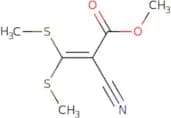
CAS:<p>Versatile small molecule scaffold</p>Formula:C2H7ClF2N2Purity:Min. 95%Molecular weight:132.54 g/molMethyl 3,3-bis(methylthio)-2-cyanoacrylate
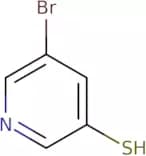
CAS:<p>Methyl 3,3-bis(methylthio)-2-cyanoacrylate is a diphenyl ether that is used as a bactericide. It has been shown to be effective against both Gram-positive and Gram-negative bacteria. Methyl 3,3-bis(methylthio)-2-cyanoacrylate is synthesized by the reaction of malonate with dimethylamine chloride in the presence of hydrochloric acid salt in order to produce chloride ions. The reaction is then heated, which causes the methyl 3,3-bis(methylthio)-2-cyanoacrylate to form. This compound is soluble in organic solvents such as formic acid and can be purified by recrystallization or by distillation.</p>Formula:C7H9NO2S2Purity:Min. 95%Molecular weight:203.28 g/mol5-Bromopyridine-3-thiol
CAS:<p>Versatile small molecule scaffold</p>Formula:C5H4BrNSPurity:Min. 95%Molecular weight:190.06 g/mol5-Bromo-2,4-dimethoxypyridine
CAS:<p>Versatile small molecule scaffold</p>Formula:C7H8BrNO2Purity:Min. 95%Molecular weight:218.05 g/mol2-Oxohexanoic acid
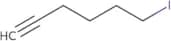
CAS:<p>2-Oxohexanoic acid (2-OHBA) is a fatty acid that is synthesized from the amino acids lysine and methionine. It is involved in mitochondrial metabolism and has been found to be necessary for spermatozoa motility. 2-OHBA has been shown to inhibit the activity of glutamate dehydrogenase, an enzyme that catalyzes the conversion of glutamate to α-ketoglutarate, which is required for energy production. This inhibition leads to a decrease in ATP levels, which may cause a variety of symptoms, including fatigue and weight loss. Furthermore, 2-OHBA inhibits protein synthesis by blocking the incorporation of amino acids into proteins. The inhibition of this process can lead to high ammonia levels in the blood and accumulation of other nitrogenous wastes in tissues such as liver or muscle tissue. Analysis of urine samples has shown that 2-OHBA is excreted unchanged in urine.</p>Formula:C6H10O3Purity:Min. 95%Molecular weight:130.14 g/mol6-Iodo-1-hexyne
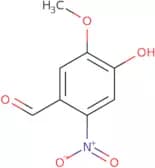
CAS:<p>Versatile small molecule scaffold</p>Formula:C6H9IPurity:Min. 95%Molecular weight:208.04 g/mol4-hydroxy-5-methoxy-2-nitrobenzaldehyde
CAS:<p>4-Hydroxy-5-methoxy-2-nitrobenzaldehyde (4HMN) is a proton donor that can be used as a crosslinking agent. It is an acidic compound that binds to the substrate, usually via hydrogen bonds. 4HMN has been shown to have good binding affinity for tumour cell lines and can be used as a crosslinking agent in bioconjugation reactions. It is also a reversible chemical reaction, which means it can be hydrolyzed under certain conditions. 4HMN has been shown to be capable of enhancing the rate of enzymatic reactions by acting as a cofactor or coenzyme, such as degradable enzymes and enzymes with low turnover rates. The kinetic process of these reactions are measured by fluorescence techniques and gel permeation chromatography.</p>Formula:C8H7NO5Purity:Min. 95%Color and Shape:PowderMolecular weight:197.1 g/mol2-Aminobenzo[D]thiazole-7-carbonitrile
CAS:<p>Versatile small molecule scaffold</p>Formula:C8H5N3SPurity:Min. 95%Molecular weight:175.21 g/moln-Butyl methanesulfonate
CAS:<p>N-butyl methanesulfonate is a genotoxic agent that inhibits the growth of bacteria by binding to the DNA. N-butyl methanesulfonate is effective against typhimurium and has shown carcinogenic effects in hamster cells. N-butyl methanesulfonate is also capable of inhibiting quinoline derivatives, which are carcinogens that are found in tobacco smoke. This chemical can be used as a natural compound for the treatment of diabetic neuropathy and cryptococcus neoformans. It may also be used as an antiviral agent for the treatment of influenza virus.</p>Formula:C5H12O3SPurity:Min. 95%Molecular weight:152.21 g/molCASIN
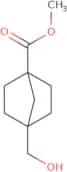
CAS:<p>CASIN is a lysine-derived antimicrobial agent that inhibits the growth of bacteria by binding to the peptide chains of collagen, which are found in skin and mucous membranes. CASIN has been shown to inhibit the growth of many bacterial species, including those that are resistant to other antibiotics. CASIN can be used for the treatment of infectious diseases caused by bacteria, such as bacterial vaginosis or chlamydia. CASIN has also been shown to reduce body mass index in animal models. The mechanism of action is not known but may involve interference with an enzyme that controls the biosynthesis of fatty acids. The use of CASIN in humans is limited due to its toxicity on human cells and potential safety concerns.</p>Formula:C20H22N2OPurity:Min. 95%Molecular weight:306.4 g/molMethyl 4-(hydroxymethyl)norbornane-1-carboxylate
CAS:<p>Versatile small molecule scaffold</p>Formula:C10H16O3Purity:Min. 95%Molecular weight:184.23 g/mol3,5-Dibromopyridin-4-ol
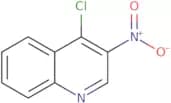
CAS:<p>Versatile small molecule scaffold</p>Formula:C5H3Br2NOPurity:Min. 95%Molecular weight:252.89 g/mol4-Chloro-3-nitroquinoline
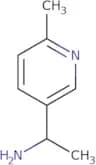
CAS:<p>4-Chloro-3-nitroquinoline is a quinoline derivative that can be synthesized by cross-coupling reaction. The amide and n-oxide functional groups are the most reactive sites. It can react with nucleophiles such as haloamines, azides, and pyridazines to form covalent bonds. 4-Chloro-3-nitroquinoline has been shown to have anti-HIV activity in vitro and in vivo in animal models. In addition, this compound has shown potential use for the treatment of leishmania.</p>Formula:C9H5ClN2O2Purity:Min. 95%Color and Shape:Slightly Yellow PowderMolecular weight:208.6 g/mol1-(6-Methylpyridin-3-yl)ethanamine
CAS:Versatile small molecule scaffoldFormula:C8H12N2Purity:Min. 95%Molecular weight:136.19 g/mol6-Chloro-2,8-dimethylimidazo[1,2-b]pyridazine
CAS:<p>Versatile small molecule scaffold</p>Formula:C8H8ClN3Purity:Min. 95%Molecular weight:181.62 g/mol5-{2-Ethoxy-5-[(4-methylpiperazin-1-yl)sulfonyl]phenyl}-1-methyl-3-(2-methylpropyl)-1H,6H,7H-pyrazolo[4,3-d]pyrimidin-7-one
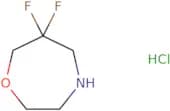
CAS:<p>Tadalafil is a synthetic drug that is used as a treatment for erectile dysfunction. It works by inhibiting the PDE5 enzyme, which is responsible for breaking down cGMP. Tadalafil has been shown to be effective in the treatment of male erectile dysfunction and pulmonary hypertension, with few side effects. This drug is taken orally, with a meal or without one, and can be administered with or without food. To improve absorption, tadalafil should be taken at least 30 minutes before sexual activity. The dosage of tadalafil ranges from 2.5 to 20 mg, and it should not exceed 40 mg per day.</p>Formula:C23H32N6O4SPurity:Min. 95%Molecular weight:488.6 g/mol6,6-difluoro-1,4-oxazepane hydrochloride
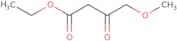
CAS:<p>Versatile small molecule scaffold</p>Formula:C5H10ClF2NOPurity:Min. 95%Molecular weight:173.6 g/molEthyl 4-methoxy-3-oxobutanoate
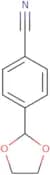
CAS:<p>Versatile small molecule scaffold</p>Formula:C7H12O4Purity:Min. 95%Molecular weight:160.17 g/mol4-(1,3-Dioxolan-2-yl)benzonitrile
CAS:<p>Versatile small molecule scaffold</p>Formula:C10H9NO2Purity:Min. 95%Molecular weight:175.18 g/molN-Carbethoxy-4-hydroxypiperidine
CAS:<p>N-Carbethoxy-4-hydroxypiperidine is a drug substance that is a h1 receptor antagonist. It is used as an antihistamine to treat the symptoms of hay fever and other allergic reactions. N-Carbethoxy-4-hydroxypiperidine is available in two enantiomers, or mirror images, which are labelled S and R. The R enantiomer is more potent than the S enantiomer for inhibiting histamine h1 receptors. This drug has been shown to inhibit the growth of tuberculosis bacteria in cell culture and animal models, but not against Mycobacterium avium complex. N-Carbethoxy-4-hydroxypiperidine has also been shown to have significant antibacterial activity against Clostridium perfringens with minimal toxicity in mice.</p>Formula:C8H15NO3Purity:Min. 95%Molecular weight:173.21 g/mol2,4-Dichloro-6-(propan-2-yl)pyrimidine
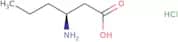
CAS:<p>Versatile small molecule scaffold</p>Formula:C7H8Cl2N2Purity:Min. 95%Molecular weight:191.05 g/mol(S)-3-Aminohexanoic acid hydrochloride ee
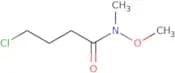
CAS:<p>Versatile small molecule scaffold</p>Formula:C6H14ClNO2Purity:Min. 95%Molecular weight:167.63 g/mol4-Chloro-N-methoxy-N-methylbutanamide
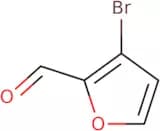
CAS:<p>Versatile small molecule scaffold</p>Formula:C6H12ClNO2Purity:Min. 95%Molecular weight:165.62 g/mol3-Bromofuran-2-carbaldehyde
CAS:<p>3-Bromofuran-2-carbaldehyde is a chemical compound that belongs to the group of carbonyl compounds. It is an acetylated form of 3-bromofuran and its molecular formula is C6H5BrO. This chemical contains a carbonyl group, which reacts with the hydroxyl group in epidermal growth factor (EGF) to produce epidermal growth. 3-Bromofuran-2-carbaldehyde has been shown to be an adrenergic receptor agonist and can be used as a structural formula blocker or hydrochloric acid. The chemical can also be synthesized in acidic conditions using methods such as fluorination, chlorination, and acetylation.</p>Formula:C5H3BrO2Purity:Min. 95%Molecular weight:174.98 g/moltert-Butyl N-(4-methylphenyl)carbamate
CAS:<p>Tert-butyl N-(4-methylphenyl)carbamate is a reusable, efficient method for the synthesis of tert-butyl carbamates from amines and carbon dioxide. This reaction is an example of a C–H bond activation that proceeds through an anion intermediate. The reaction time can be reduced by irradiation to increase the efficiency. Electrons are unpaired during this process, which is modeled with quantum mechanics software. Chloride is used as a catalyst to activate the electron and generate a reactive intermediate. Amine functionalities are added to the molecule in order to give it desired properties. The chloride group can be replaced with other anions such as bromide or iodide, which will also introduce different reactivity patterns.</p>Formula:C12H17NO2Purity:Min. 95%Molecular weight:207.27 g/mol7-Bromo-3,4-dihydro-1H-quinolin-2-one
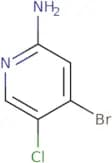
CAS:<p>Versatile small molecule scaffold</p>Formula:C9H8BrNOPurity:Min. 95%Molecular weight:226.07 g/mol4-Bromo-5-chloropyridin-2-amine
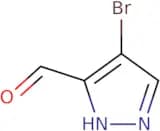
CAS:<p>Versatile small molecule scaffold</p>Formula:C5H4BrClN2Purity:Min. 95%Molecular weight:207.46 g/mol4-bromo-1H-pyrazole-5-carbaldehyde
CAS:<p>Versatile small molecule scaffold</p>Formula:C4H3BrN2OPurity:Min. 95%Molecular weight:175 g/molSpiro[3.3]heptane-2,6-dicarboxylic acid, 2,6-dimethyl ester
CAS:<p>Versatile small molecule scaffold</p>Formula:C11H16O4Purity:Min. 95%Molecular weight:212.25 g/mol2-Azaspiro[3.3]heptane-2,6-dicarboxylic acid 2-tert-butyl ester
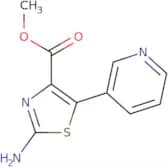
CAS:<p>Versatile small molecule scaffold</p>Formula:C12H19NO4Purity:Min. 95%Molecular weight:241.28 g/molMethyl 2-amino-5-pyridin-3-yl-1,3-thiazole-4-carboxylate
CAS:<p>Versatile small molecule scaffold</p>Formula:C10H9N3O2SPurity:Min. 95%Molecular weight:235.26 g/mol4-(Aminomethyl)pyridine-2-carbonitrile hydrochloride
CAS:<p>Versatile small molecule scaffold</p>Formula:C7H8ClN3Purity:Min. 95%Molecular weight:169.61 g/mol1-Azaspiro[3.3]heptane hydrochloride
CAS:<p>Versatile small molecule scaffold</p>Formula:C6H12ClNPurity:Min. 95%Molecular weight:133.62 g/moltert-Butyl 3-bromo-1,4,6,7-tetrahydro-5H-pyrazolo[4,3-c]pyridine-5-carboxylate
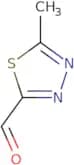
CAS:<p>Versatile small molecule scaffold</p>Formula:C11H16BrN3O2Purity:Min. 95%Molecular weight:302.17 g/mol5-Methyl-1,3,4-thiadiazole-2-carbaldehyde
CAS:<p>Versatile small molecule scaffold</p>Formula:C4H4N2OSPurity:Min. 95%Molecular weight:128.16 g/molethyl 6-benzyl-2-oxa-6-azaspiro[3.4]octane-8-carboxylate
CAS:<p>Versatile small molecule scaffold</p>Formula:C16H21NO3Purity:Min. 95%Molecular weight:275.35 g/mol2,4-Dichloroimidazo[2,1-F][1,2,4]triazine
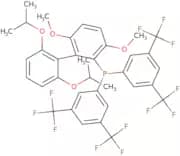
CAS:<p>Versatile small molecule scaffold</p>Formula:C5H2Cl2N4Purity:Min. 95%Molecular weight:189 g/molBis(3,5-bis(trifluoromethyl)phenyl)(2²,6²-bis(isopropoxy)-3,6-dimethoxybiphenyl-2-yl)phosphine
CAS:<p>Versatile small molecule scaffold</p>Formula:C36H31F12O4PPurity:Min. 95%Molecular weight:786.58 g/mol2-(Methoxycarbonyl)-1,3-oxazole-4-carboxylic acid
CAS:<p>Versatile small molecule scaffold</p>Formula:C6H5NO5Purity:Min. 95%Molecular weight:171.11 g/mol(3R)-3-Methylpyrrolidine hydrochloride
CAS:<p>Versatile small molecule scaffold</p>Formula:C5H11N•HClPurity:Min. 95%Molecular weight:121.5 g/mol1-Bromo-3,3-difluorocyclobutane
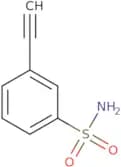
CAS:<p>Versatile small molecule scaffold</p>Formula:C4H5BrF2Purity:Min. 95%Molecular weight:170.98 g/mol3-Ethynylbenzenesulfonamide
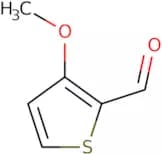
CAS:<p>3-Ethynylbenzenesulfonamide is a synthetic, hydrophobic, antimicrobial compound that disrupts the cell membrane. It has been shown to be effective against both mammalian and microbial cells. The antimicrobial use of this compound is still under study, but it may provide an alternative to the current antibiotics. 3-Ethynylbenzenesulfonamide is amphipathic in nature and has an extremely large expansion ratio. This molecule is also hydrophobic, which may help with its ability to penetrate the cell membrane. Antimicrobial compounds are designed to inhibit or kill microorganisms such as bacteria or fungi by disrupting their cellular membranes. They work by interacting with specific targets on the surface of the target organism and producing a lethal effect on its function. 3-Ethynylbenzenesulfonamide interacts with proteins found on bacterial membranes called porins, resulting in a loss of osmotic stability and then permeability through the bilayer. This leads</p>Formula:C8H7NO2SPurity:Min. 95%Molecular weight:181.21 g/mol3-Methoxythiophene-2-carbaldehyde
CAS:<p>3-Methoxythiophene-2-carbaldehyde is a ligand that has been shown to form a stable complex with potassium chloride. This compound is also reactive, and can be stabilized in the reaction vessel. In the presence of sulfate ions, 3-methoxythiophene-2-carbaldehyde will react to form a phosphotungstic acid precipitate. The dehydrated salt can be recrystallized by adding phosphotungstic acid, which stabilizes the product.</p>Formula:C6H6O2SPurity:Min. 95%Molecular weight:142.18 g/molMethyl 3-bromo-1-methyl-1H-pyrazole-5-carboxylate
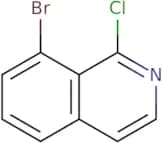
CAS:<p>Versatile small molecule scaffold</p>Formula:C6H7BrN2O2Purity:Min. 95%Molecular weight:219.04 g/mol8-Bromo-1-chloroisoquinoline
CAS:<p>Versatile small molecule scaffold</p>Formula:C9H5BrClNPurity:Min. 95%Molecular weight:242.5 g/molmethyl 4-bromo-3-formylbenzoate
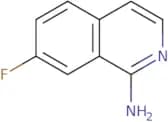
CAS:<p>Versatile small molecule scaffold</p>Formula:C9H7BrO3Purity:Min. 95%Molecular weight:243.1 g/mol7-Fluoroisoquinolin-1-amine
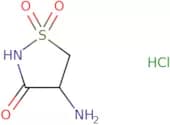
CAS:<p>Versatile small molecule scaffold</p>Formula:C9H7FN2Purity:Min. 95%Molecular weight:162.16 g/mol4-Amino-3-isothiazolidinone 1,1-dioxide hydrochloride
CAS:Versatile small molecule scaffoldFormula:C3H7ClN2O3SPurity:Min. 95%Molecular weight:186.62 g/mol(2S,3S)-2-Methylpyrrolidin-3-ol hydrochloride
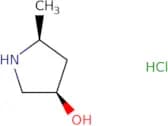
CAS:<p>Versatile small molecule scaffold</p>Formula:C5H12ClNOPurity:Min. 95%Molecular weight:137.61 g/mol(3R,5S)-5-Methylpyrrolidin-3-ol HCl
CAS:<p>Versatile small molecule scaffold</p>Formula:C5H12ClNOPurity:Min. 95%Molecular weight:137.61 g/mol1-(4-(4,4,5,5-Tetramethyl-1,3,2-dioxaborolan-2-yl)phenyl)cyclopropanecarbonitrile
CAS:<p>Versatile small molecule scaffold</p>Formula:C16H20BNO2Purity:Min. 95%Molecular weight:269.15 g/mol1-Methanesulfonyl-1H-pyrazol-4-amine
CAS:<p>Versatile small molecule scaffold</p>Formula:C4H7N3O2SPurity:Min. 95%Molecular weight:161.19 g/moltert-Butyl 4-[(piperazin-1-yl)methyl]piperidine-1-carboxylate
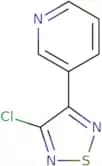
CAS:<p>Versatile small molecule scaffold</p>Formula:C15H29N3O2Purity:Min. 95%Molecular weight:283.41 g/mol3-Chloro-4-(pyridin-3-yl)-1,2,5-thiadiazole
CAS:<p>Versatile small molecule scaffold</p>Formula:C7H4ClN3SPurity:Min. 95%Molecular weight:197.64 g/mol1-(2,4-Difluoro-6-hydroxyphenyl)ethan-1-one
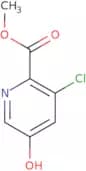
CAS:<p>Versatile small molecule scaffold</p>Formula:C8H6F2O2Purity:Min. 95%Molecular weight:172.13 g/molMethyl 3-chloro-5-hydroxypyridine-2-carboxylate
CAS:<p>Versatile small molecule scaffold</p>Formula:C7H6NO3ClPurity:Min. 95%Molecular weight:187.58 g/mol2-Ethynyl-3-methoxypyridine
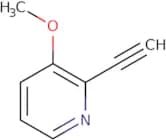
CAS:<p>2-Ethynyl-3-methoxypyridine is a chiral, alkynyl compound that can be synthesized from the reaction of acetone and ethyne. This compound is axially chiral and has two rotational isomers, which are optically active. The synthesis of this compound was first reported in 1952 by cyclizing 2-ethynylpyridine with methoxyacetophenone in the presence of acetic acid. The photochemical reactions of this compound have been studied extensively and it has shown to be a useful substrate for pyridines.</p>Formula:C8H7NOPurity:Min. 95%Molecular weight:133.14 g/molFlurbiprofen Related Compound A
CAS:<p>Flurbiprofen Related Compound A is a compound that inhibits the activity of serine proteases. It binds to the active site of the enzyme, preventing it from breaking down proteins in the body. Flurbiprofen Related Compound A binds to metal surfaces and is also used as a fluorescent probe for biological research. It has been shown to have optical properties and fluorescence properties, which are amplified by an amplifier.</p>Formula:C15H14O2Purity:Min. 95%Molecular weight:226.27 g/molSugammadex diastereomer 1 sulfoxide
CAS:<p>Please enquire for more information about Sugammadex diastereomer 1 sulfoxide including the price, delivery time and more detailed product information at the technical inquiry form on this page</p>Formula:C72H112O49S8Purity:90%Color and Shape:PowderMolecular weight:2,018.16 g/molSugammadex sulfoxide diastereomer-2
CAS:<p>Please enquire for more information about Sugammadex sulfoxide diastereomer-2 including the price, delivery time and more detailed product information at the technical inquiry form on this page</p>Formula:C72H112O49S8Purity:85%Color and Shape:PowderMolecular weight:2,018.12 g/molSHR 0302
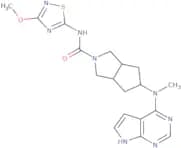
CAS:<p>Please enquire for more information about SHR 0302 including the price, delivery time and more detailed product information at the technical inquiry form on this page</p>Formula:C18H22N8O2SPurity:Min. 95%Molecular weight:414.49 g/molN-Boc-4-piperidineacetaldehyde
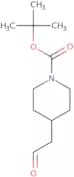
CAS:<p>N-Boc-4-piperidineacetaldehyde is a chiral, stable, and readily available aldehyde. It has been used in the synthesis of various biologically active molecules including imidazolidinones, which are important for their use as catalysts in organic chemistry. The synthesis of this molecule by the condensation of 4-piperidineacetic acid with acetaldehyde followed by reduction with sodium borohydride is an example of this type of reaction. N-Boc-4-piperidineacetaldehyde can be used to synthesize imines and linkers that are covalently bonded to the protein backbone. This molecule also has conformational stability and is not susceptible to oxidation or radiation damage.</p>Formula:C12H21NO3Purity:Min. 95%Molecular weight:227.3 g/molH-Lys(Boc)-OH
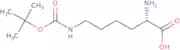
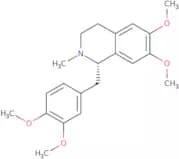
CAS:<p>H-Lys(Boc)-OH is an ε-amino-protected lysine that plays a pivotal role in solution phase peptide synthesis. Strategically protected at the ε-amino group, it allows controlled peptide assembly, and it serves as intermediate for synthesizing β-peptides. The bulky Boc (tert-butyloxycarbonyl) group shields its epsilon amine (NH2) group, acting as a protective measure to prevent unwanted side reactions.</p>Formula:C11H22N2O4Color and Shape:White PowderMolecular weight:246.3 g/mol(S)-Laudanosine
CAS:<p>Laudanosine is a gamma-aminobutyric acid (GABA) analog that is metabolized by the liver to form laudanosine. Laudanosine has been shown to be a competitive antagonist of benzodiazepine binding sites, including those of atracurium, mivacurium chloride, and diazepam. Laudanosine has also been shown to inhibit cyclic nucleotide phosphodiesterases in vitro, with clinical relevance for its use as an anti-epileptic drug.</p>Formula:C21H27NO4Purity:Min. 95%Molecular weight:357.44 g/molIsocytosine
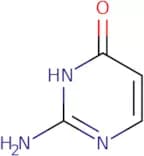
CAS:<p>Isocytosine is a prodrug that has been synthesized with the intramolecular hydrogen on the nitrogen atoms, which makes it more chemically stable. Isocytosine is a reactive molecule, and can react with tautomers to form isocytosine derivatives. Isocytosine contains three hydrogen atoms that are transferable through reactions to other molecules. The chemical stability of isocytosine allows for its use in wastewater treatment. It also has metabolic effects, such as the inhibition of colorectal adenocarcinoma and metabolic disorders. Isocytosine can be used as a model system for studying transfer reactions and reaction mechanisms.</p>Formula:C4H5N3OPurity:Min. 95%Color and Shape:PowderMolecular weight:111.1 g/mol2-Iodobenzoic acid
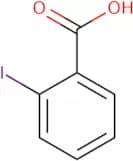
CAS:<p>2-Iodobenzoic acid is a synthetic compound that is used in the treatment of wastewater. It is produced by the reaction of benzoate and nitrite in the presence of sodium hydroxide. The intramolecular hydrogen atom transfer from the 2-iodobenzoic acid to benzoate is a reversible reaction. This process can be catalyzed by palladium, which has been shown to be effective in coupling 2-iodobenzoic acid with other compounds to produce cyclic peptides. The use of 2-iodobenzoic acid as a contraceptive has been investigated for its ability to inhibit acetylcholinesterase activity, which may lead to increased levels of acetylcholine and inhibition of muscle contractions.</p>Formula:C7H5IO2Purity:Min. 98 Area-%Color and Shape:PowderMolecular weight:248.02 g/mol2-Iodobenzoic acid methyl ester
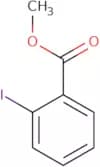
CAS:<p>2-Iodobenzoic acid methyl ester is a palladium complex that can be used as a catalyst for the hydrolysis of ketoesters, imines, and halides. The reaction mechanism involves the coordination of the metal center to the carboxylate or amine group on the substrate, followed by a nucleophilic attack at the benzoate or chloride group. The resulting product is an alkyl halide. 2-Iodobenzoic acid methyl ester has been shown to catalyze the cross-coupling of diphenyl ethers with various amines in water and in organic solvents.</p>Formula:C8H7IO2Purity:Min. 95%Color and Shape:Clear LiquidMolecular weight:262.04 g/molPotassium (1-(tert-butoxycarbonyl)piperidin-4-yl)trifluoroborate
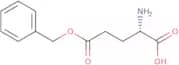
CAS:<p>Versatile small molecule scaffold</p>Formula:C10H18BF3KNO2Purity:Min. 95%Molecular weight:291.16 g/molL-Glutamic acid 5-benzyl ester
CAS:<p>L-Glutamic acid 5-benzyl ester is an amino acid that has been synthesized to have a lysine residue. It is an ester hydrochloride and has been shown to have broad-spectrum antimicrobial properties. L-glutamic acid 5-benzyl ester's antimicrobial activity is thought to be due to its chemical structure which allows it to act as an antimicrobial peptide, binding to receptors on the surface of bacterial cells and inhibiting their growth. L-glutamic acid 5-benzyl ester also inhibits osteogenic genes in cervical cancer cells, but not in normal cells.</p>Formula:C12H15NO4Purity:Min. 95%Color and Shape:White Off-White PowderMolecular weight:237.25 g/mol3-Fluorobenzyl bromide
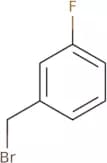
CAS:<p>3-Fluorobenzyl bromide is a fluorinated benzyl derivative that can be used as a fluorescent probe for the study of cellular uptake and metabolism. 3-Fluorobenzyl bromide has been shown to have potent inhibitory activity against the growth of cancer cells in culture. It has also been shown to reduce ischemia reperfusion injury in cardiac tissue. The pharmacokinetic properties of 3-fluorobenzyl bromide have been studied in detail, revealing a rapid uptake into cells and elimination by renal excretion. This compound also inhibits the growth of P. aeruginosa in an animal model, with no effect on other bacterial strains or mammalian cells.</p>Purity:Min. 95%N-Fluorobenzenesulfonimide
CAS:<p>N-Fluorobenzenesulfonimide is an organic compound with the molecular formula CHFNS. It is a fluorinating agent that can be used for the synthesis of organic compounds. N-Fluorobenzenesulfonimide has been shown to have anti-inflammatory properties and has shown promising results in animal studies for the treatment of hepatitis. The mechanism of action is not fully understood, but it may involve the formation of hydrogen bonds between N-fluorobenzenesulfonimide and amino acid residues in proteins, leading to inhibition of protein synthesis.</p>Formula:C12H10FNO4S2Purity:Min. 95%Color and Shape:White PowderMolecular weight:315.34 g/mol2-Furanamine hydrochloride
CAS:<p>Please enquire for more information about 2-Furanamine hydrochloride including the price, delivery time and more detailed product information at the technical inquiry form on this page</p>Formula:C4H5NO•HClPurity:Min. 95%Color and Shape:PowderMolecular weight:119.55 g/mol2-Fluoropyridine-5-carboxaldehyde
CAS:<p>2-Fluoropyridine-5-carboxaldehyde is a reactive chemical that can be used as an acceptor in organic synthesis. It has been shown to have antibacterial properties, and is also a synthon for the production of prosthetic groups. 2-Fluoropyridine-5-carboxaldehyde reacts with dopamine to form diphenyl ethers, which are used as labels for immunoassays. This chemical can be catalysed and has been shown to be resistant to catalysis. 2-Fluoropyridine-5-carboxaldehyde can also be used in the synthesis of cycloalkanes.</p>Formula:C6H4FNOPurity:Min. 95%Molecular weight:125.1 g/mol

![1-[3-(Dimethylamino)propyl]-1-(4-fluorophenyl)-1,3-dihydro-3-oxo-5-isobenzofurancarbonitrile](/_next/image/?url=https%3A%2Fstatic.cymitquimica.com%2Fproducts%2F3D%2Fthumb-webp%2FFD184085.webp&w=3840&q=75)


![6-Bromo-4-hydroxypyrazolo[1,5-a]pyridine-3-carbonitrile](/_next/image/?url=https%3A%2Fstatic.cymitquimica.com%2Fproducts%2F3D%2Fthumb-webp%2FFB182798.webp&w=3840&q=75)


![1-[(tert-butoxy)carbonyl]-5,5-difluoropiperidine-3-carboxylic acid](/_next/image/?url=https%3A%2Fstatic.cymitquimica.com%2Fproducts%2F3D%2Fthumb-webp%2FFAC66686.webp&w=3840&q=75)
![(R)-1-[3-[4-Amino-3-(4-phenoxyphenyl)-1H-pyrazolo[3,4-d]pyrimidin-1-yl]piperidin-1-yl]-3-chloropro…](/_next/image/?url=https%3A%2Fstatic.cymitquimica.com%2Fproducts%2F3D%2Fthumb-webp%2FFA183174.webp&w=3840&q=75)
![(2R,4R)-1-[(2S)-5-Amino-1-oxo-2-[[(1,2,3,4-tetrahydro-3-methyl-8-quinolinyl)sulfonyl]amino]pentyl]…](/_next/image/?url=https%3A%2Fstatic.cymitquimica.com%2Fproducts%2F3D%2Fthumb-webp%2FFA182661.webp&w=3840&q=75)

![2-{[2-(2,6-Dioxopiperidin-3-yl)-1-oxo-2,3-dihydro-1H-isoindol-4-yl]oxy}acetic acid](/_next/image/?url=https%3A%2Fstatic.cymitquimica.com%2Fproducts%2F3D%2Fthumb-webp%2FEPD97616.webp&w=3840&q=75)



![2-Aminobenzo[D]thiazole-7-carbonitrile](/_next/image/?url=https%3A%2Fstatic.cymitquimica.com%2Fproducts%2F3D%2Fthumb-webp%2FBUB55111.webp&w=3840&q=75)


![6-Chloro-2,8-dimethylimidazo[1,2-b]pyridazine](/_next/image/?url=https%3A%2Fstatic.cymitquimica.com%2Fproducts%2F3D%2Fthumb-webp%2FSAA41223.webp&w=3840&q=75)
![5-{2-Ethoxy-5-[(4-methylpiperazin-1-yl)sulfonyl]phenyl}-1-methyl-3-(2-methylpropyl)-1H,6H,7H-pyraz…](/_next/image/?url=https%3A%2Fstatic.cymitquimica.com%2Fproducts%2F3D%2Fthumb-webp%2FRFC05395.webp&w=3840&q=75)




![Spiro[3.3]heptane-2,6-dicarboxylic acid, 2,6-dimethyl ester](/_next/image/?url=https%3A%2Fstatic.cymitquimica.com%2Fproducts%2F3D%2Fthumb-webp%2FMBA94279.webp&w=3840&q=75)
![2-Azaspiro[3.3]heptane-2,6-dicarboxylic acid 2-tert-butyl ester](/_next/image/?url=https%3A%2Fstatic.cymitquimica.com%2Fproducts%2F3D%2Fthumb-webp%2FLYB52653.webp&w=3840&q=75)

![1-Azaspiro[3.3]heptane hydrochloride](/_next/image/?url=https%3A%2Fstatic.cymitquimica.com%2Fproducts%2F3D%2Fthumb-webp%2FLED33729.webp&w=3840&q=75)
![tert-Butyl 3-bromo-1,4,6,7-tetrahydro-5H-pyrazolo[4,3-c]pyridine-5-carboxylate](/_next/image/?url=https%3A%2Fstatic.cymitquimica.com%2Fproducts%2F3D%2Fthumb-webp%2FLCD42906.webp&w=3840&q=75)
![ethyl 6-benzyl-2-oxa-6-azaspiro[3.4]octane-8-carboxylate](/_next/image/?url=https%3A%2Fstatic.cymitquimica.com%2Fproducts%2F3D%2Fthumb-webp%2FLBC69289.webp&w=3840&q=75)
![2,4-Dichloroimidazo[2,1-F][1,2,4]triazine](/_next/image/?url=https%3A%2Fstatic.cymitquimica.com%2Fproducts%2F3D%2Fthumb-webp%2FKXC70089.webp&w=3840&q=75)







![tert-Butyl 4-[(piperazin-1-yl)methyl]piperidine-1-carboxylate](/_next/image/?url=https%3A%2Fstatic.cymitquimica.com%2Fproducts%2F3D%2Fthumb-webp%2FGQA72248.webp&w=3840&q=75)